
Blast at China fireworks factory kills 21: state media
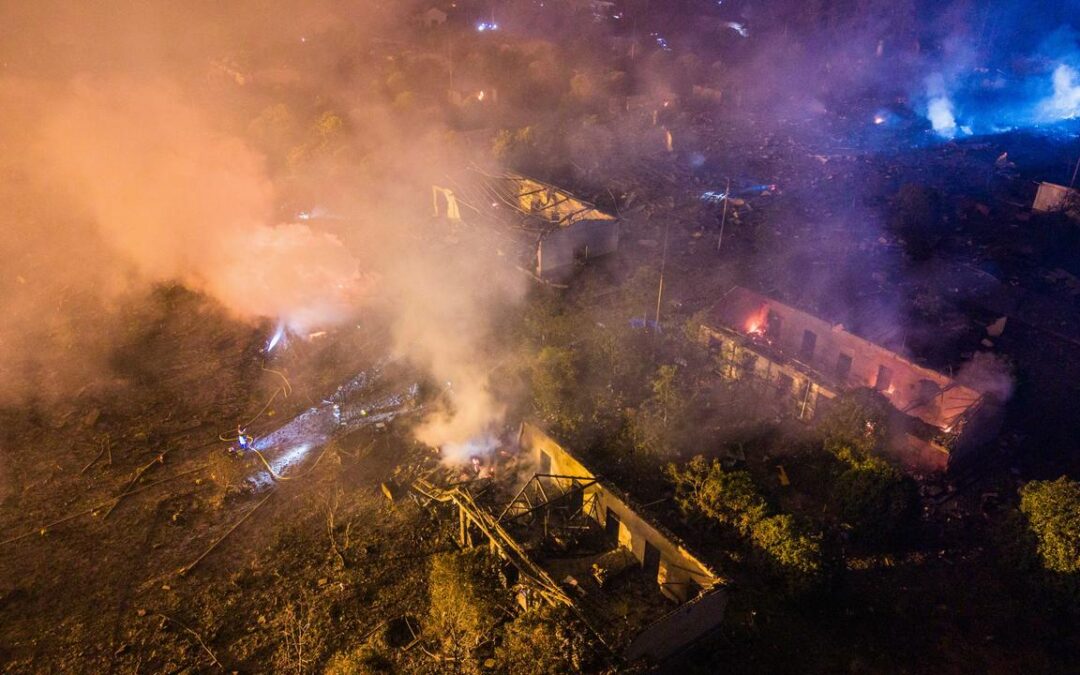
A blast at a fireworks factory in China’s Hunan province has killed 21 people and injured 61 others, prompting President Xi Jinping to call for a thorough investigation, state media reports.
The blast in Hunan’s capital city of Changsha, home to a hub for fireworks manufacturing, occurred on Monday local time, according to reports by CCTV and Xinhua.
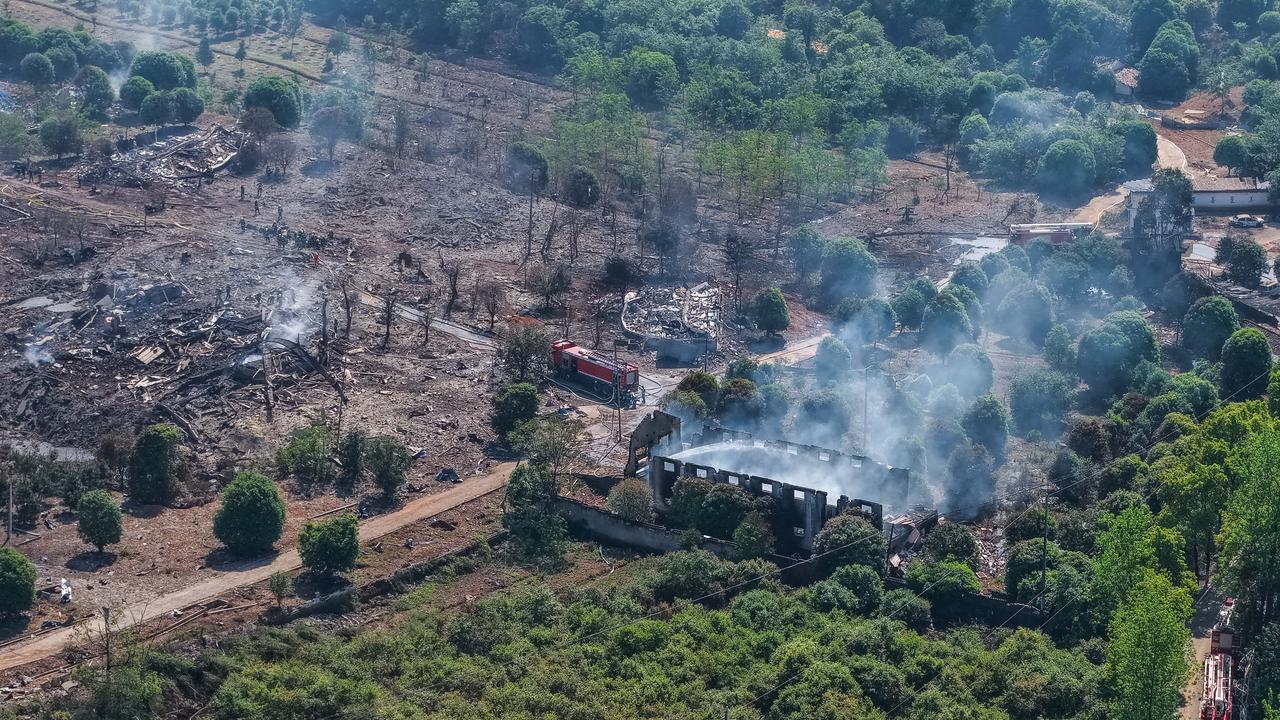
Videos on Chinese internet platforms showed thick smoke billowing from a large site with collapsed buildings and debris strewn around the area. Reuters could not verify the footage.
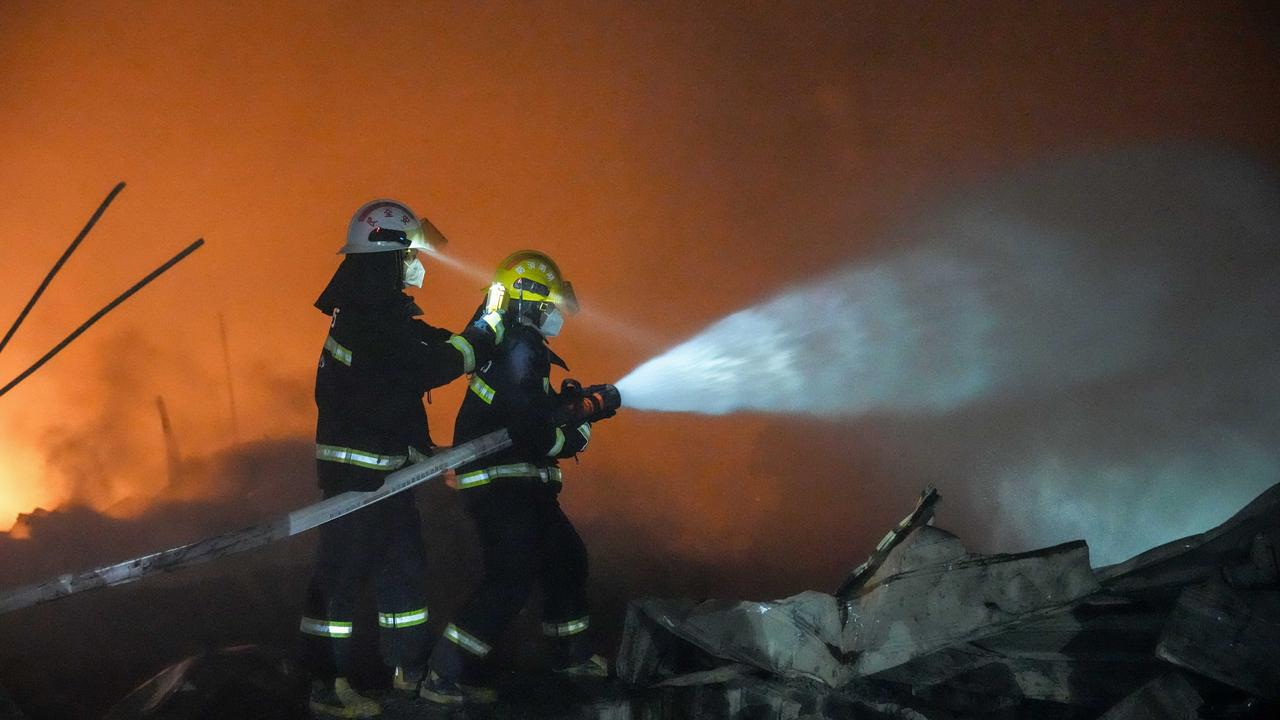
Almost 500 firefighters, rescuers and medical personnel attended the scene, according to the South China Morning Post.
The blast happened at Huasheng Fireworks Manufacturing and Display Company, media said.
Xi called for a speedy investigation to determine the cause of the blast and strict accountability for the incident, Xinhua reported.
Last year, China exported $US1.14 billion ($A1.59 billion) worth of fireworks, more than two-thirds of global sales, data from the Observatory of Economic Complexity shows.
Xi also ordered authorities to strengthen risk screening and hazard control in key industries, enhance public safety and ensure the safety of people’s lives and property.
Xi often issues “important instructions” to local officials after major accidents and disasters with fatalities.
Last week, he urged a nationwide upgrade in China’s disaster response capacity.
Xi had also issued instructions after a blaze in Hong Kong in November at the Wang Fuk Court complex that killed 168 people.
With AP
Shares drop as US and Iran strikes hit fragile truce
Oil prices have surged and Australian equities are again under pressure after a US plan to reopen the Hormuz Strait provoked a show of force from Iran, leaving a four-week ceasefire hanging in the balance.
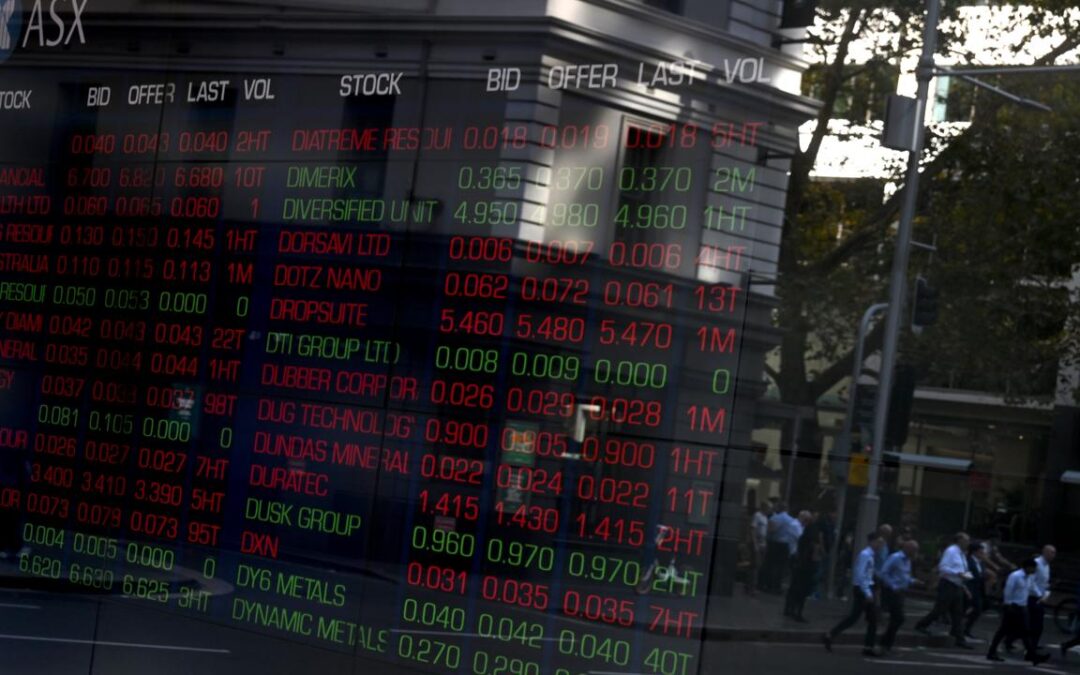
The S&P/ASX200 fell 70.1 points by midday on Tuesday, down 0.81 per cent, to 8,627, as the broader All Ordinaries dipped 67.7 points, or 0.76 per cent, to 8,856.1.
Wall Street indices retreated from all-time highs overnight, after a US pledge to support ships stuck in the Strait of Hormuz sparked an escalation of tensions.
The US said it destroyed four small Iranian military boats and facilitated the passage of two commercial vessels through the waterway, while Iran struck a United Arab Emirates oil port that hosts a US military base.

“Tensions escalated in the Strait of Hormuz overnight as the US Navy began to implement ‘Project Freedom’,” Westpac economist Ryan Wells said.
“Brent oil prices bounced back 5.5 per cent, driving a sell-off in stocks and bonds as markets were left mulling the upside risks to inflation.”
Only energy and IT stocks were trading higher by lunchtime, with the ASX-listed tech sector improving on strong performances from segment giants WiseTech and Xero.
In energy, oil and gas giant Woodside did some heavy lifting, up 1.1 per cent to $32.46 as crude prices hit six-week highs, while Santos, coal producers and uranium stocks struggled to improve.
Refinery operators Viva Energy and Ampol carved gains of one per cent and 0.3 per cent, respectively.
The heavyweight financials sector was under pressure, slipping 0.9 per cent as all big four banks sold off ahead of a widely-tipped interest rate hike by the Reserve Bank later on Tuesday.
“Inflation was already proving sticky before the escalation of conflict in the Middle East, with price pressures evident across services, housing and food,” VanEck senior portfolio manager Cameron McCormack said.
“The recent spike in oil prices adds another layer of complexity, and we are yet to see the full impact flow through to headline inflation.”
Westpac fell the hardest, down 1.3 per cent to $38.01 after its $3.5 billion first-half net profit came in just one per cent higher compared to the same six months in 2025.
ANZ, NAB and Westpac have failed to shoot the lights out with their interim results, with Commonwealth Bank to hand down its third quarter update on May 13.
Basic materials stumbled one per cent lower in a broad-based sell-off led by major miners BHP, Rio Tinto and Fortescue, as investors mulled a gloomy global growth outlook.
Gold miners also slipped as the precious metal fell to five-week lows to trade at $US4,538 ($A6,339) an ounce, dragging the ASX gold sub-sector 1.2 per cent into the red.
Elsewhere, shares in travel group Flight Centre soared three per cent after it retained its 2026 financial cash profit guidance, despite industry headwinds.
The Australian dollar was buying 71.57 US cents, dropping from 71.97 US cents on Monday at 5pm.
IMF chief warns of ‘much worse outcome’ if war drags on
The head of the International Monetary Fund warns inflation is already picking up and the global economy could face a “much worse outcome” if the war in the Middle East drags into 2027 and oil prices hit around $US125 per barrel.
IMF managing director Kristalina Georgieva said the continuation of the war meant the global lender’s “reference scenario” assuming a short-lived conflict – which forecast a minor growth slowdown to 3.1 per cent and a minor increase in prices to 4.4 per cent – was no longer possible.
“This scenario, with every day that passes, is further and further behind in the rear-view mirror,” Georgieva said.
The continuation of the war, a forecast of an oil price around or above $US100 per barrel, and rising inflationary pressures meant the IMF’s “adverse scenario” was already in effect, she said.
Long-term inflation expectations remained anchored and financial conditions were not tightening, but that could change if the war continued, she told a conference hosted by the Milken Institute on Monday.
“Now, if this continues into 2027 and we have oil prices of $US125 more or less, then we have to expect a much worse outcome,” she said.
“Then we are going to see inflation climbing up and then inevitably, inflation expectations would start de-anchoring.”

The IMF in April issued three scenarios for the global GDP growth path in 2026 and 2027 amid massive uncertainty over the war in the Middle East – the main “reference forecast”, a middle “adverse scenario” and the much worse “severe scenario”.
The adverse scenario forecast global growth slowing to 2.5 per cent in 2026 and headline inflation of 5.4 per cent. The severe scenario forecast growth of just two per cent and headline inflation of 5.8 per cent.
Chevron chairman and chief executive Mike Wirth, speaking on the same panel, said physical shortages in oil supply would begin appearing around the world because of the closure of the Strait of Hormuz, through which 20 per cent of global crude supply passed before the war.
Economies will begin shrinking, first in Asia, as demand adjusts to meet supply while the strait remains closed because of the US-Israeli war with Iran, Wirth said.
Georgieva said the IMF was carefully tracking the slow-moving impact of the conflict on supply chains, with fertiliser already 30 per cent to 40 per cent more expensive, which would drive food prices up between three and six per cent. Other industries could also be affected.
“What I want to stress is that is really serious,” she said, expressing concern that many policymakers were still acting as if the crisis would end in a couple of months and were putting in place measures to cut the impact on consumers and business, which was keeping demand for oil high.
“Don’t throw gasoline on fire,” she said. “Everybody in this room knows that if your supply shrinks, your demand has to follow.”
Customers resilient, but war still weighing: big bank
The customers of a big four bank are feeling less financial stress, but aren’t out of the woods yet, as the Middle East conflict continues.
Some will still face challenges as the economic impact of the war is felt in Australia this year, while growth slows and fuel costs remain elevated, Westpac said on Tuesday.
The nation’s second-largest bank also warned that the federal government needs to ensure Australia is better prepared for future events, including ongoing investment in a reliable, sustainable energy system.
“As a country, we must embrace the opportunity for genuine reform to ensure the nation remains competitive,” bank boss Anthony Miller said in a statement a week out from the federal budget.
“Our stability sets us apart, but only when combined with more efficient and effective regulation.
“Boosting productivity must be the country’s priority, particularly through an uplift in skills and training alongside a committed and inclusive adoption of AI and other emerging technologies.”
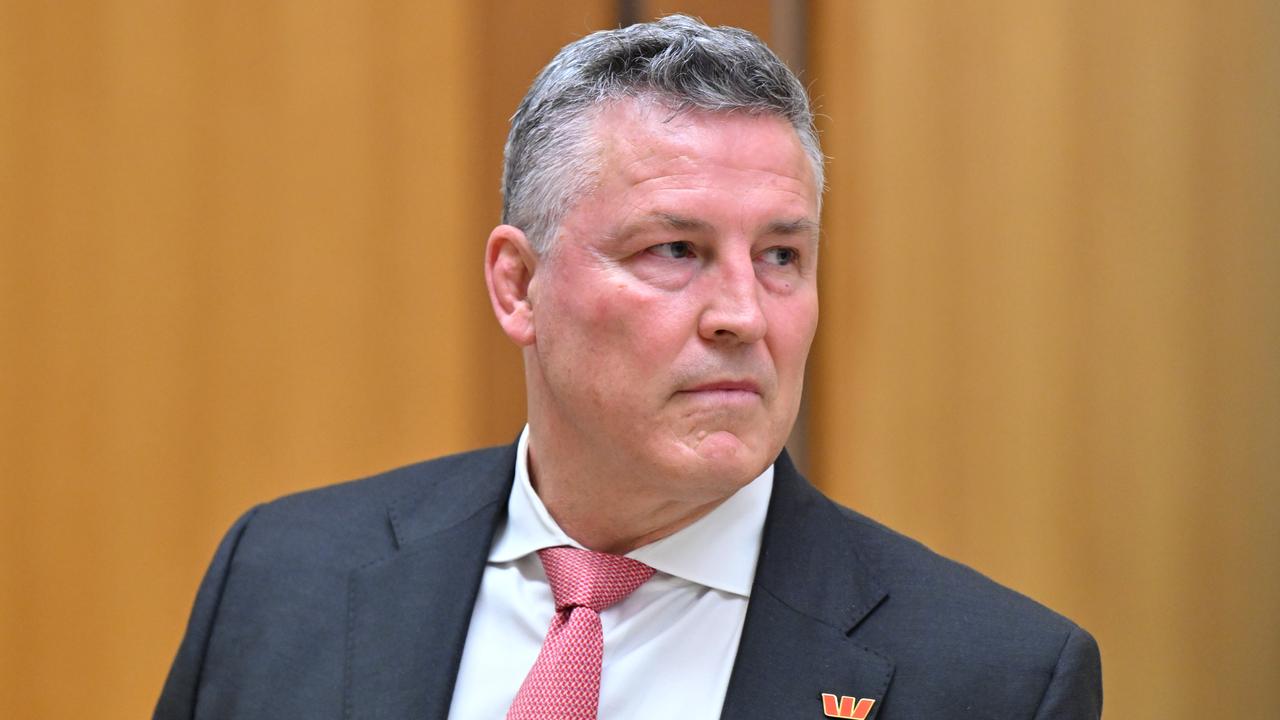
Westpac on Tuesday delivered a slight increase in interim earnings, with its headline profit rising three per cent to $3.4 billion in the six months to March 31.
Its net profit excluding big items rose one per cent to $3.5 billion on revenue of $11.3 billion.
“While our customers are resilient and stress levels have declined, we’ve taken a prudent approach and increased our provisions,” Mr Miller said.
In April, Westpac warned that the conflict, which erupted on February 28 when the US attacked Iran, had dented earnings from its treasury and markets trading division as global volatility increased.
But during the half year, more Australians turned to Westpac for their mortgage needs, with housing loans rising seven per cent year-on-year.
Business lending also increased by 16 per cent.
“Westpac is well-positioned to deal with the impacts of ongoing conflict,” Mr Miller said.
The bank’s core net interest margin, which reflects the profitability of its lending business, dipped slightly as the performance of its treasury division weighed.
Westpac will pay shareholders an interim dividend of 77 cents, up one cent from the previous corresponding half.
Greens deliver body blow to Labor in by-election race
The Greens have dealt a savage blow to Labor in a forthcoming state by-election, refusing to preference their traditional allies on how-to-vote cards, in a move that puts a once-safe seat in play.
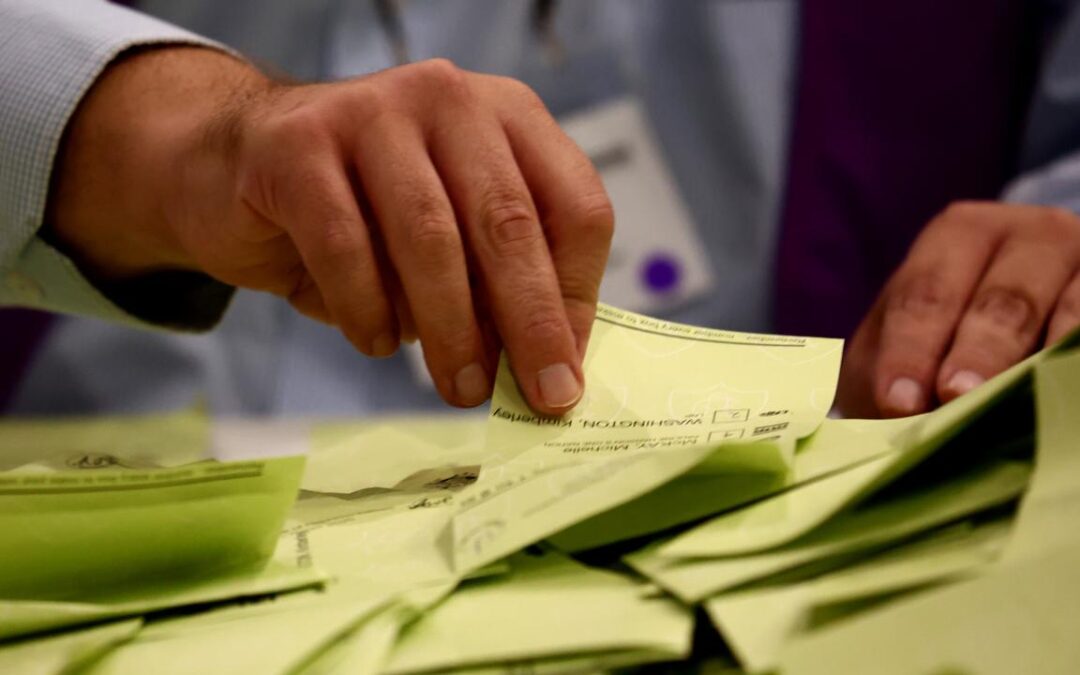
Early voting has begun for more than 41,000 voters in the May 16 by-election in the north Brisbane seat of Stafford, which was sparked by the sudden death of MP Jimmy Sullivan on April 9.
The Greens won’t be telling constituents how to direct their preferences, advising voters to put Greens candidate Jess Lane first and to number every box thereafter.
Greens MP Michael Berkman, who holds the inner-west seat of Maiwar, said Queenslanders were being left behind while accusing both major parties of being in the pocket of corporate donors.

“If people want real change in Stafford they should vote 1 Greens then number every box,” he said.
“No matter whether Stafford voters elect a Labor or an LNP politician, the cost of housing will keep going up.
“Both Labor and the LNP take the same dodgy corporate donations so it should be no surprise that under both LNP and Labor governments, Queenslanders’ lives get harder while corporate profits soar.”
Sullivan, who had held the seat since 2020, had a margin of more than five per cent, and had been sitting on the crossbench after being expelled from the Labor Party in 2025.
The seat has traditionally been safe for Labor and was held by Mr Sullivan’s father Terry from 2001 to 2006.
Opposition Leader Steven Miles was angry when he addressed reporters about the issue on Monday.
“I think Greens supporters would expect their political party to do absolutely everything they can to stop the LNP getting an additional seat,” he said.
He said an open ticket would be an effective endorsement of the LNP’s policies.
“It would be like the Greens’ political party endorsing the ban on pill testing, endorsing the ban on gender treatment for trans kids, endorsing the government’s move to criminalise homelessness,” he said.
Lifeline 13 11 14
beyondblue 1300 22 4636
Stalled methane fight risks climate, energy security
Scant progress has been recorded on global methane goals that Australia has signed up to, as the global energy agency warns inaction is leaving precious gas out of the market during a supply shock.
Capturing methane from fossil fuel projects and plugging leaks could add twice as much gas to markets than has been lost due to the effective closure of the Strait of Hormuz, the International Energy Agency said.
Large amounts of gas were going unused despite supply shocks caused by ongoing conflict in the Middle East disrupting LNG trade, the IEA said in its 2026 methane update.
“This is not only a climate issue,” IEA chief energy economist Tim Gould said.
“There are also major energy security benefits that can come from tackling methane and flaring.”
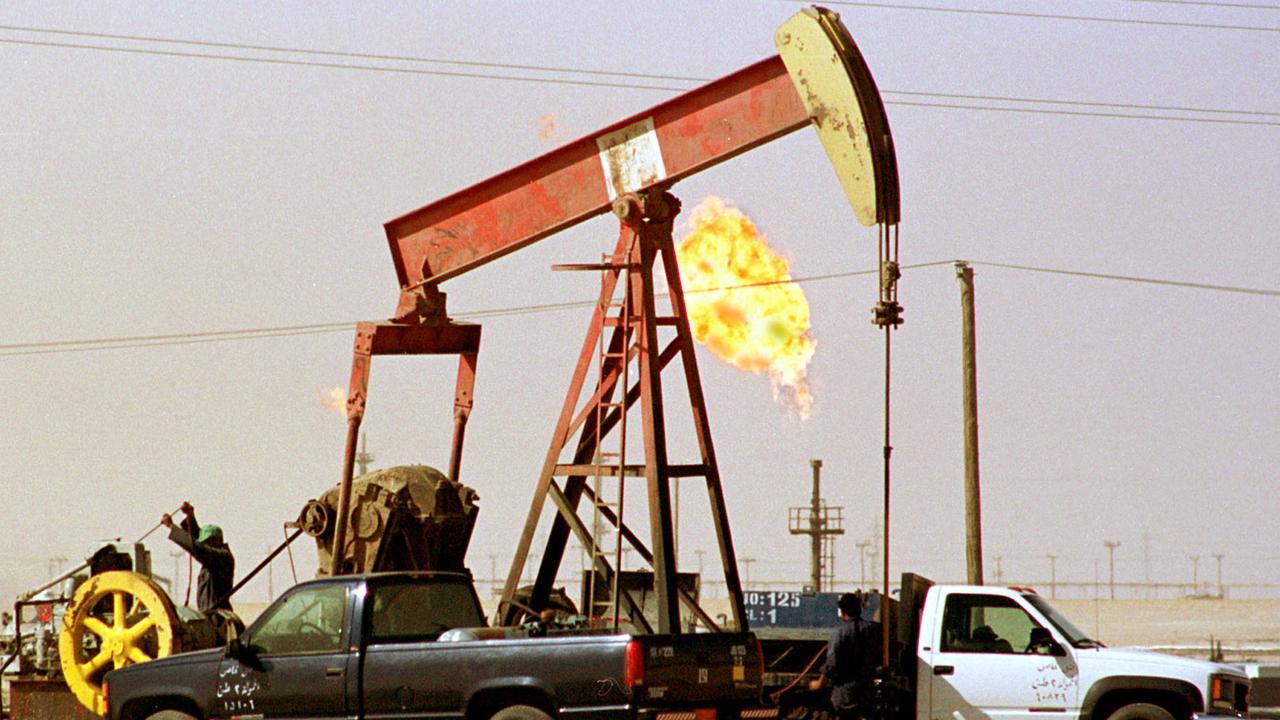
As oil and coal is extracted from the ground, surrounding methane gas can escape unintentionally or is vented or flared when companies are not set up to capture it.
As well as amounting to lost product for energy producers, escaped methane is a major climate problem, with 80 times the warming power of carbon dioxide over 20 years.
More than 150 countries, including Australia, have signed up to the Global Methane Pledge to cut the source of emissions by 30 per cent by 2030.
Yet little progress has been made towards this goal, according to the IEA, with global energy methane emissions reaching record highs in 2025.
While not all methane can be economically captured or avoided, roughly 70 per cent could be cut with existing technology.
As much as 30 per cent could be slashed at no cost as the value of the captured gas product would eclipse spending on infrastructure and equipment.
Australia is a major coal miner and although the IEA says its methane intensities rank below the global average, emissions from its projects are likely under-reported.
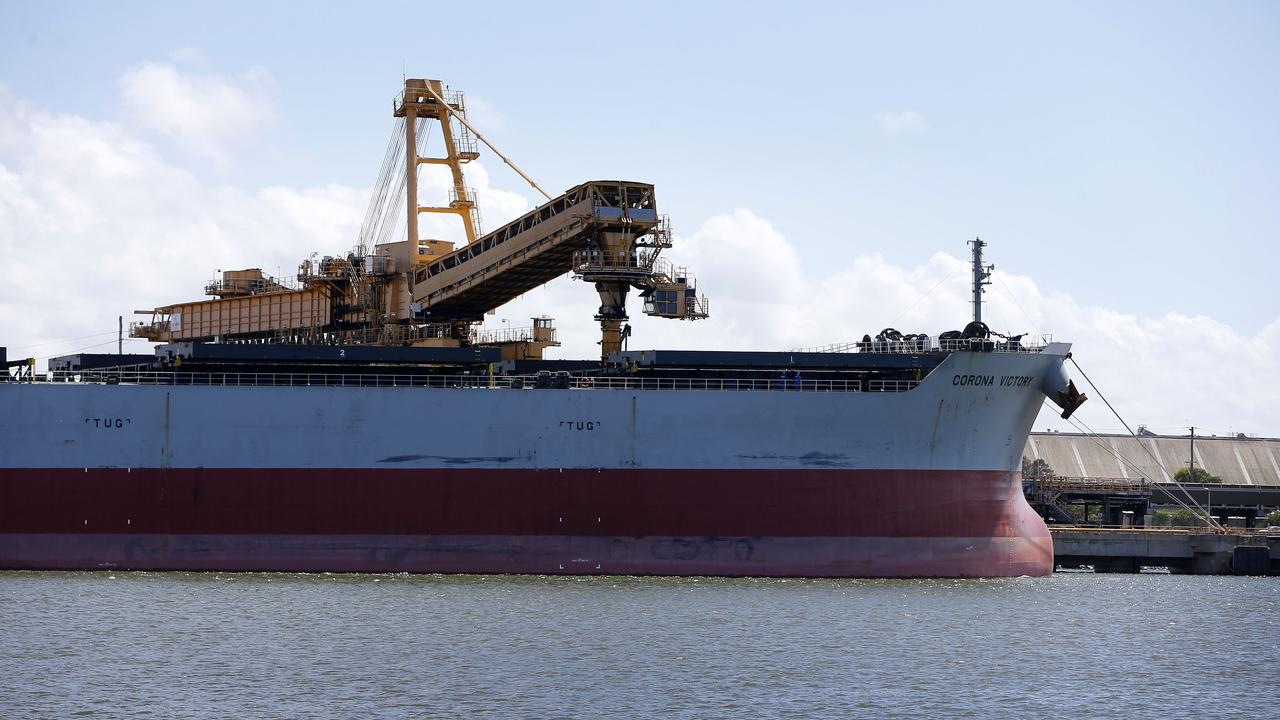
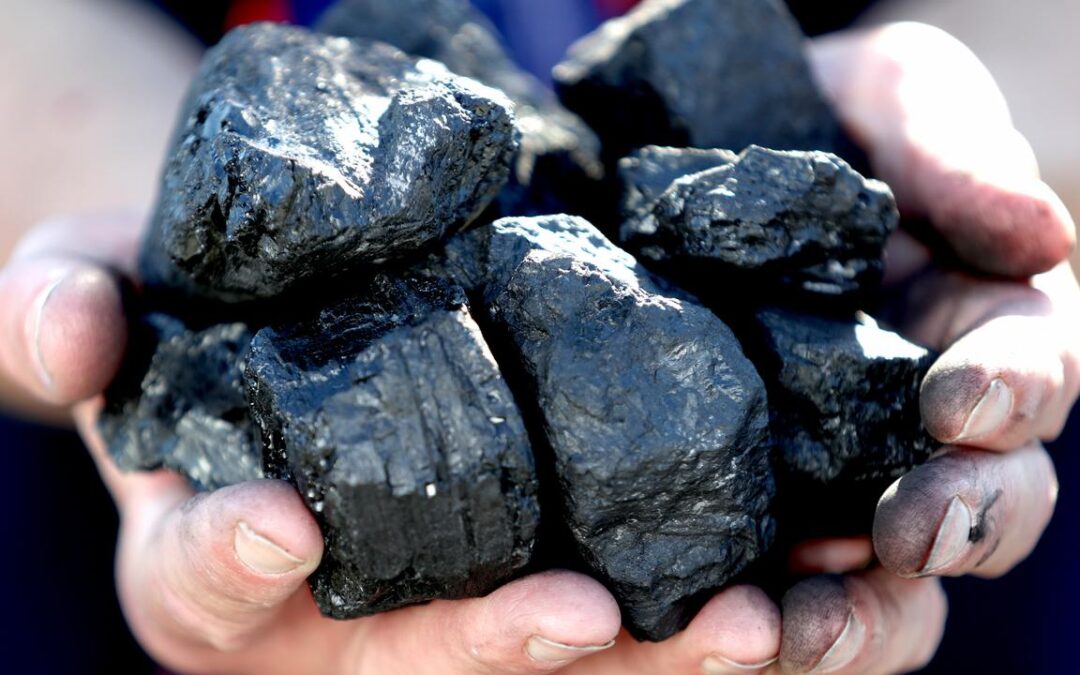
The coal sector, mostly underground and open-cut mines in Queensland and NSW, emitted 1.7 million tonnes of methane in 2025, the report said.
Ember methane analyst Sabina Assan said the analysis again confirmed methane emissions from Australia’s coal sector remain “drastically under-reported”.
“The size of potential emissions should serve as a wake-up call for Australia to align its policies with climate science and commit to rapid cuts in coal mine methane — one of the cheapest and fastest ways to reduce warming today,” she said.
Australia is presently reviewing its methods for estimating methane in open-cut mines and has committed to cutting emissions from its resources sector in an action plan released in 2025.
Follow-up talks to put ‘flesh on bone’ of Japan deals
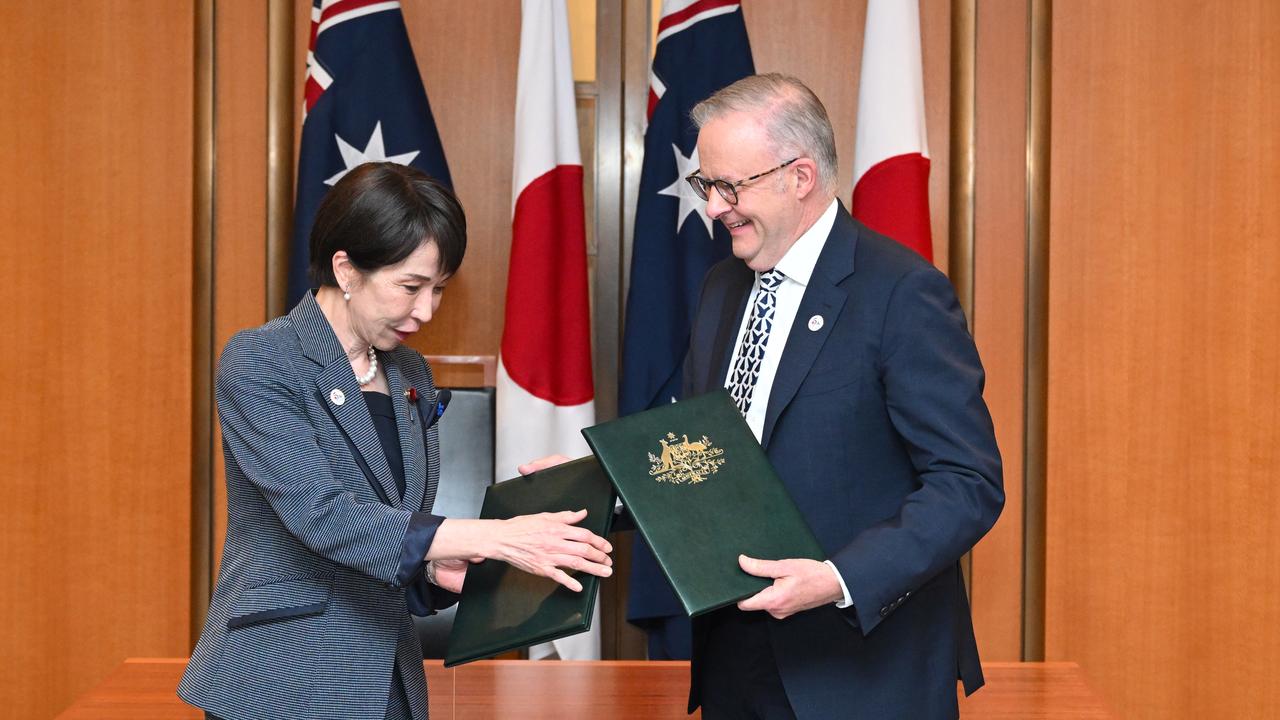
Japan’s prime minister will leave Canberra having secured new deals spanning defence, critical minerals and energy supplies during talks with her Australian counterpart.
In a meeting overshadowed by the war in the Middle East and China’s growing assertiveness in the Indo-Pacific, Sanae Takaichi and Anthony Albanese have agreed to strengthen economic and military ties between the two nations.
The pair have outlined a list of six Australian gallium, magnesium, fluorite, nickel, cobalt and other rare earths projects that Japan is keen to invest in as it seeks to diversify its metals supply chain away from China.
Trade Minister Don Farrell said he would travel to Japan in two weeks to put some “flesh on the bone” of the agreements after the leaders met in Canberra.
“Japan is a very big investor … in our critical minerals projects, and we want that to continue and, in fact, to grow,” he told Sky News on Monday.
The mining deal was incremental but showed some progress towards greater Japanese involvement in Australian projects, Australia-Japan Research Centre director Shiro Armstrong told AAP.
“It does signal some more state support towards this industry from the Japanese side,” he said.
Ms Takaichi is scheduled to leave Australia on Tuesday morning.
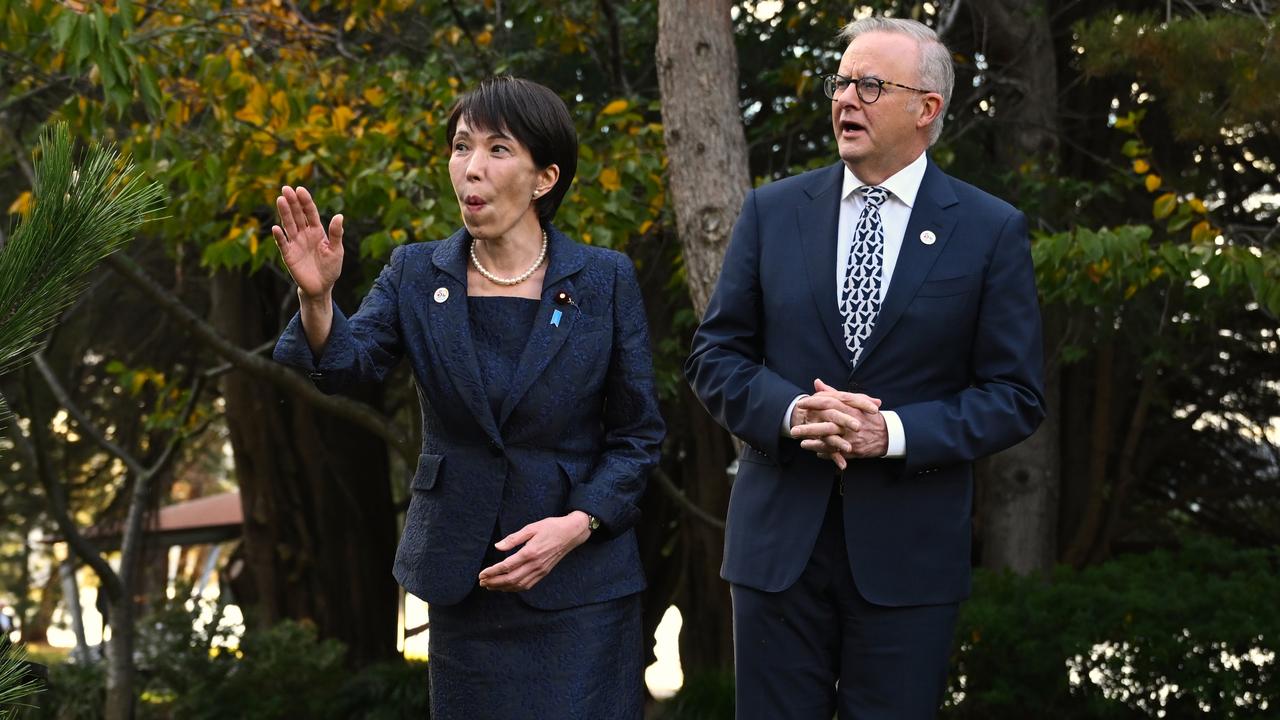
During the diplomatic talks in the nation’s capital, the leaders also agreed to consult on “economic security contingencies and consider ways to mitigate risks”.
While Ms Takaichi has become a more strident critic of China’s behaviour in the region than her predecessors, the joint statement wasn’t aimed at any one country, Professor Armstrong said.
“China is a big factor in the region, but so is the United States,” he said.
“Economic coercion is becoming increasingly a reality, and it’s not just from one country.”
Opposition industry spokesman Andrew Hastie said it was important to build ties with countries such as Japan as military tensions rose in the Indo-Pacific.
“We’re not going to criticise our government for building partnerships with important Asian nations,” he told ABC News on Monday afternoon.
“It’s really important that Australia is at the table of nations.”
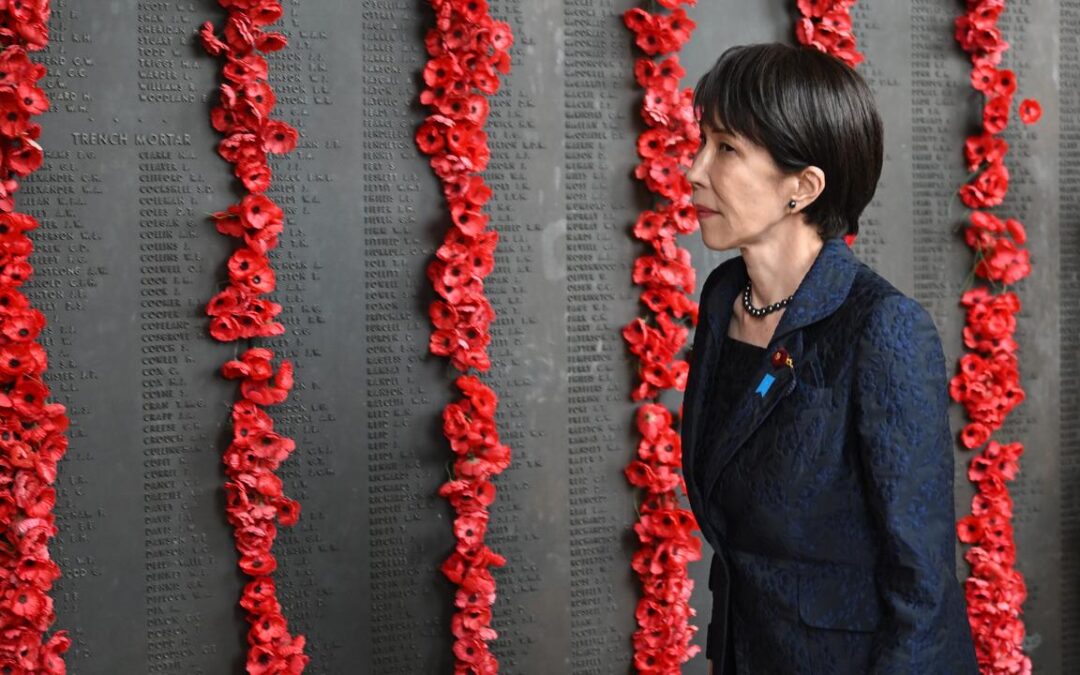
During her trip, Ms Takaichi laid a wreath at the Tomb of the Unknown Soldier at the Australian War Memorial and visited Governor-General Sam Mostyn.
Borrowers back to square one as likely rate hike looms
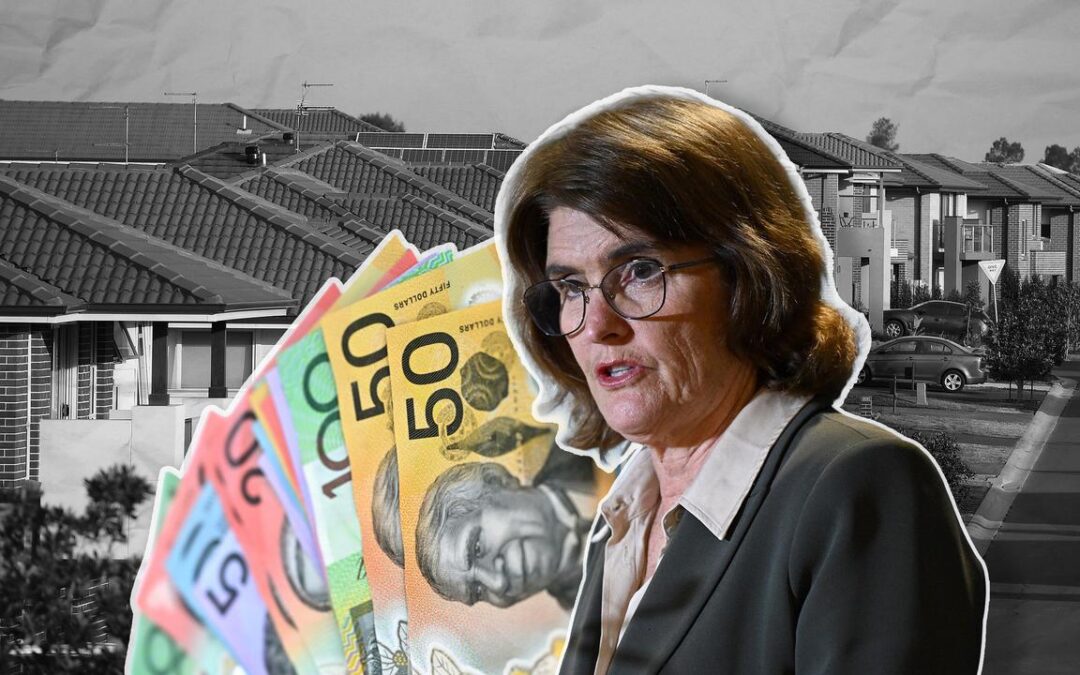
Mortgage holders are set to be hundreds of dollars worse off per month than they were at the start of the year as the Reserve Bank prepares to unload a third consecutive interest rate hike on borrowers.
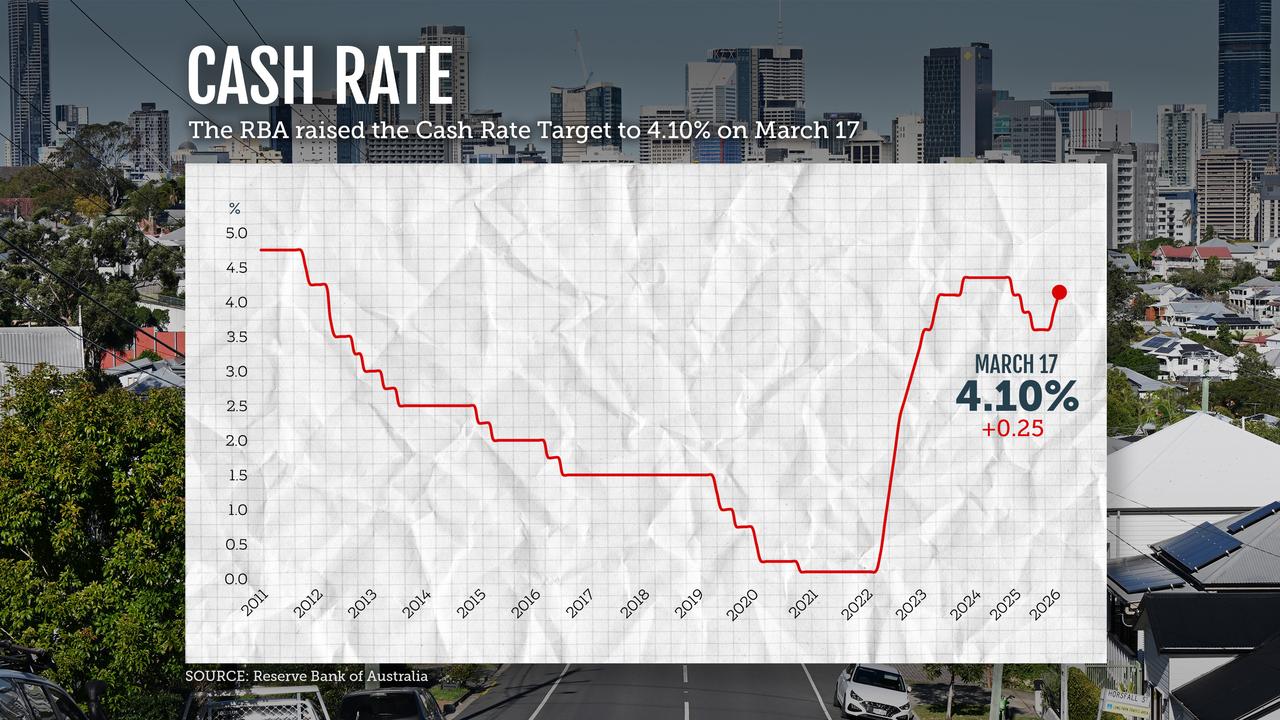
Financial markets were pricing in the chance the Reserve Bank would lift the cash rate by 25 basis points on Tuesday at more than two-thirds, after headline inflation surged to 4.6 per cent in March.
Rising fuel prices caused by the US-Israeli war with Iran have amplified the central bank’s inflation headache.
Price growth was already well above target before the conflict broke out and sent global energy markets into chaos.
Economists at the Commonwealth Bank, NAB, ANZ, Westpac, AMP, Deutsche Bank, Challenger, JP Morgan, HSBC and Citi all predict Reserve Bank governor Michele Bullock to announce a hike.
That would bring the cash rate back to the peak of 4.35 per cent before the Reserve Bank’s short-lived cutting cycle in 2025.
For an average borrower with a $600,000 mortgage, the three consecutive hikes since February will cumulatively add more than $270 a month in interest repayments.
Citi economists Faraz Syed and Josh Williamson expect the board to be less split than in the March meeting, when only five of the nine members voted in favour of a hike.
“Pass through from inflation has been stronger than expected, with construction costs, international airfare prices and food prices all expected to rise over the coming quarters, whether a Middle East peace deal is achieved tomorrow or not,” the duo wrote in a research note.
Just as closely watched will be the Reserve Bank’s Statement on Monetary Policy, which contains updated economic forecasts by bank staff and provides clues about the future path of interest rates.
IG market analyst Tony Sycamore expects inflation forecasts to be increased in the near term before being lowered further out, reflecting slower economic growth as a result of higher oil prices and interest rates.
For now, spending has remained resilient despite the oil shock, according to Commonwealth Bank payments data.
Although spending growth is expected to soften through the rest of 2026, there are no signs the recent sharp pullback in sentiment has materially changed household spending decisions, CBA economist Ashwin Clarke said.
Spending grew by 6.7 per cent in the first four weeks of April compared to the same period a year earlier, although petrol station spending was elevated, while travel, retail and eating and drinking out were softer.
Broader discretionary spending appears to have held up relatively well, according to transaction data from National Australia Bank.
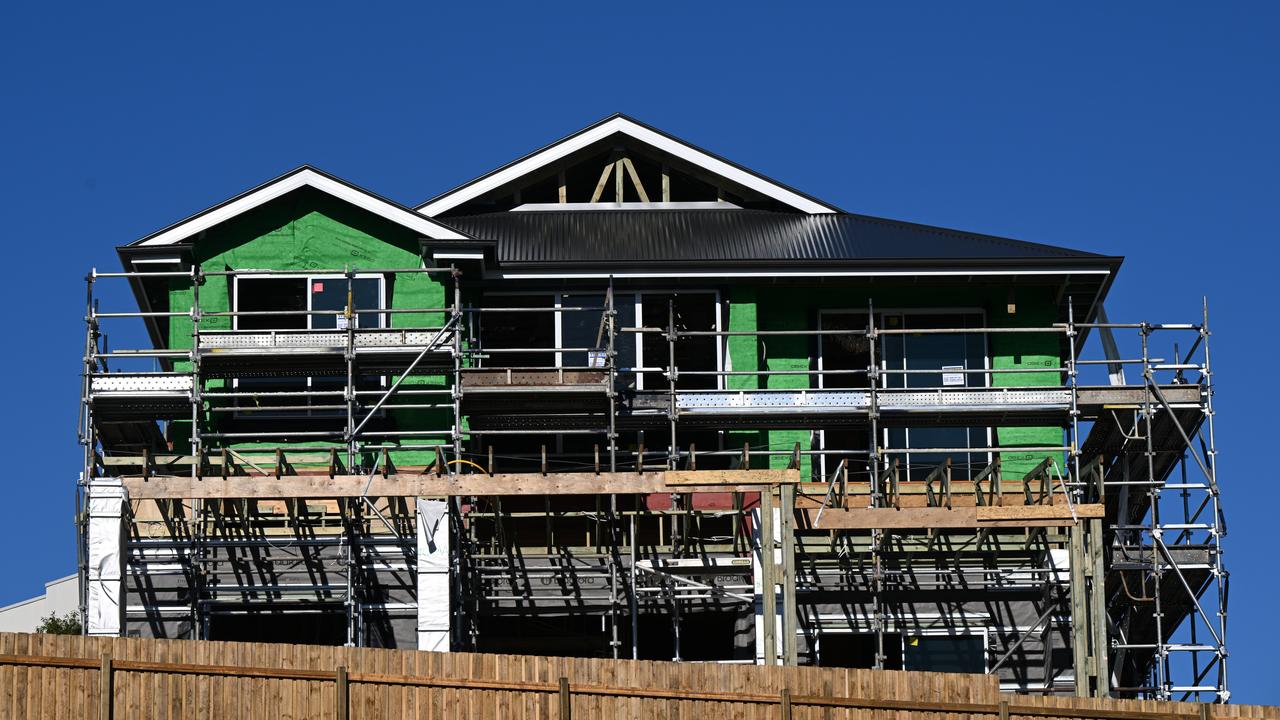
NAB economists Gareth Spence and Jessie Cameron said rising construction costs would likely contribute to a pick-up in housing inflation.
Prices for building materials were already elevated following the post-COVID-19 pandemic inflation surge, and the war in the Middle East will put further pressure on a broad range of products through higher transport, energy and input costs, especially for plastics such as PVC pipes.
Dwelling approvals had been improving before the conflict, with the trend rate rising to 17,657 in March despite the number of consents falling 10.5 per cent for the month, the Australian Bureau of Statistics reported on Monday.
“However, headwinds are building as higher interest rates and rising construction costs weigh on the sector,” CBA economist Lucinda Jerogin said.
“We expect new dwelling cost inflation to pick up in coming months alongside announced construction material cost increases.”
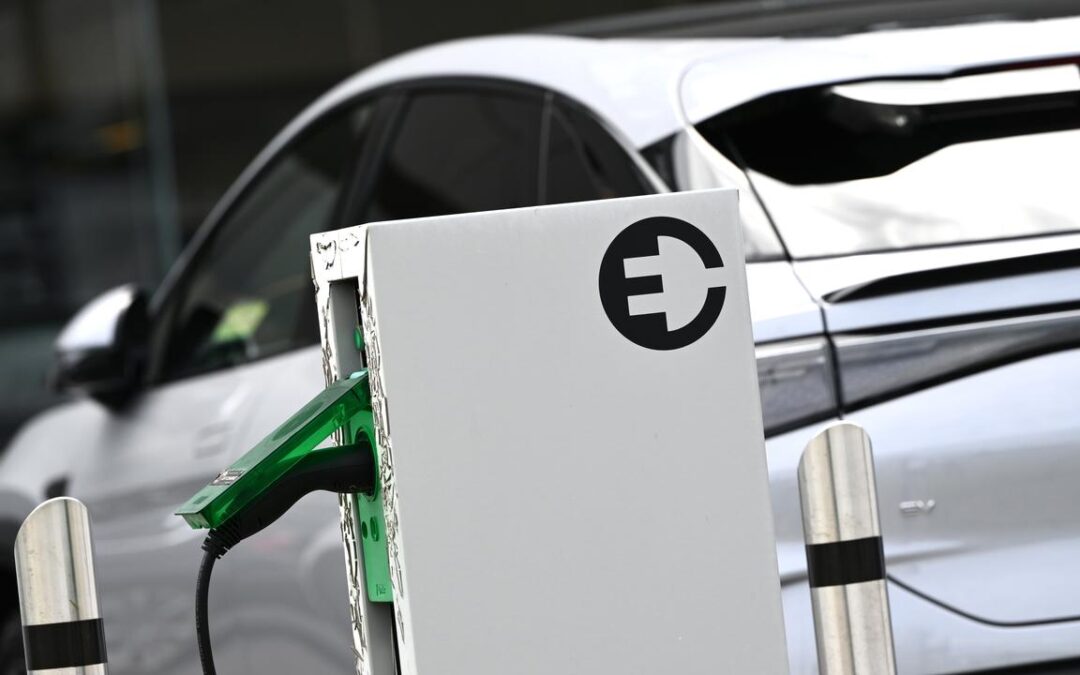
EV tax rebate loses power as costs overload scheme
A tax break for electric vehicles the government’s economic advisory body has slammed as costly and inefficient will be retained in the budget, albeit in a reduced format to rein in costs.
The incentive, which allows employers to avoid paying fringe benefits tax on EVs under $91,387 purchased through a novated lease, will be transitioned to a 25 per cent discount, Treasurer Jim Chalmers and Energy Minister Chris Bowen will announce on Tuesday.
The cost of the tax break to the federal budget has blown out in recent years from an initial $90 million to $1.35 billion in 2025/26 and had been expected to rise to $3 billion by 2028-29.
But a phased tightening of the incentive will save taxpayers $1.7 billion over four years from the 2026/27 budget.
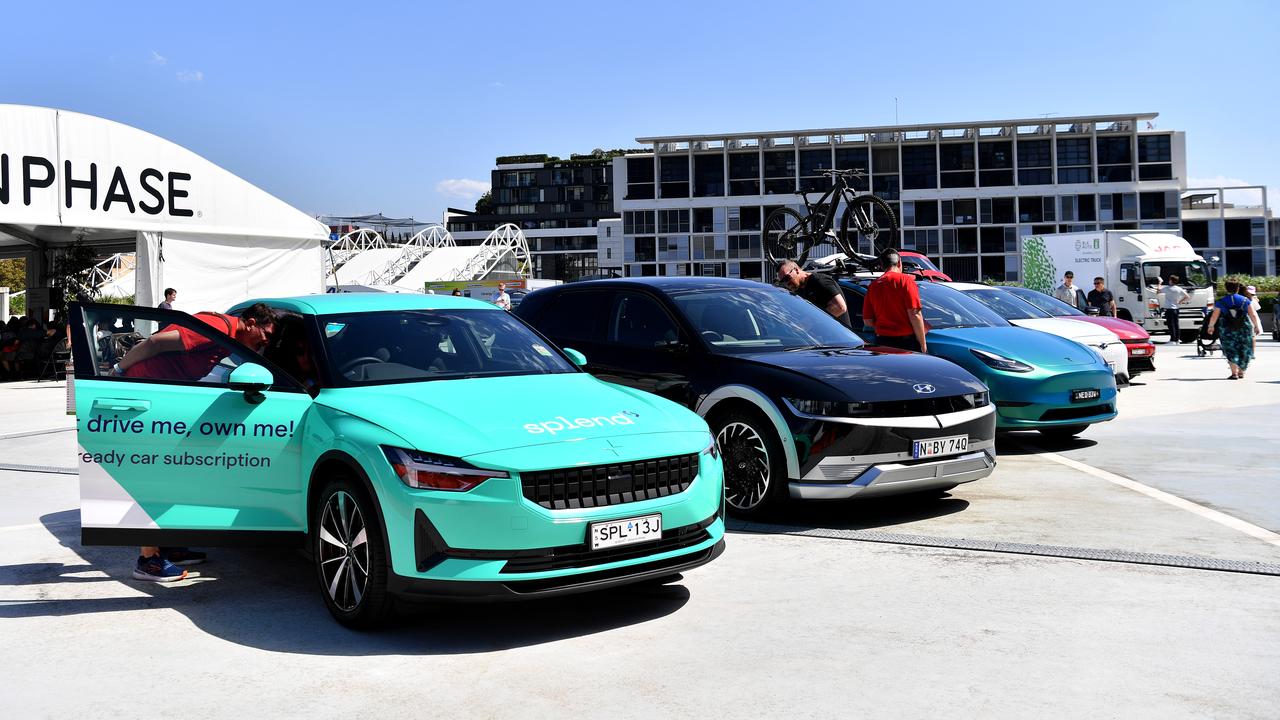
From April 2027, the full tax discount will only apply to EVs costing $75,000 or less, while vehicles above $75,000 but below the luxury tax threshold will only receive a 25 per cent discount.
From April 2027, all EVs below the luxury tax threshold will only receive the 25 per cent discount.
The luxury tax threshold is $91,387 but rises each year with inflation.
EVs eligible for the discount will continue to be exempt from import tariffs.
The changes will deliver a fairer and more financially sustainable tax treatment for EVs, Dr Chalmers and Mr Bowen said in a joint statement.
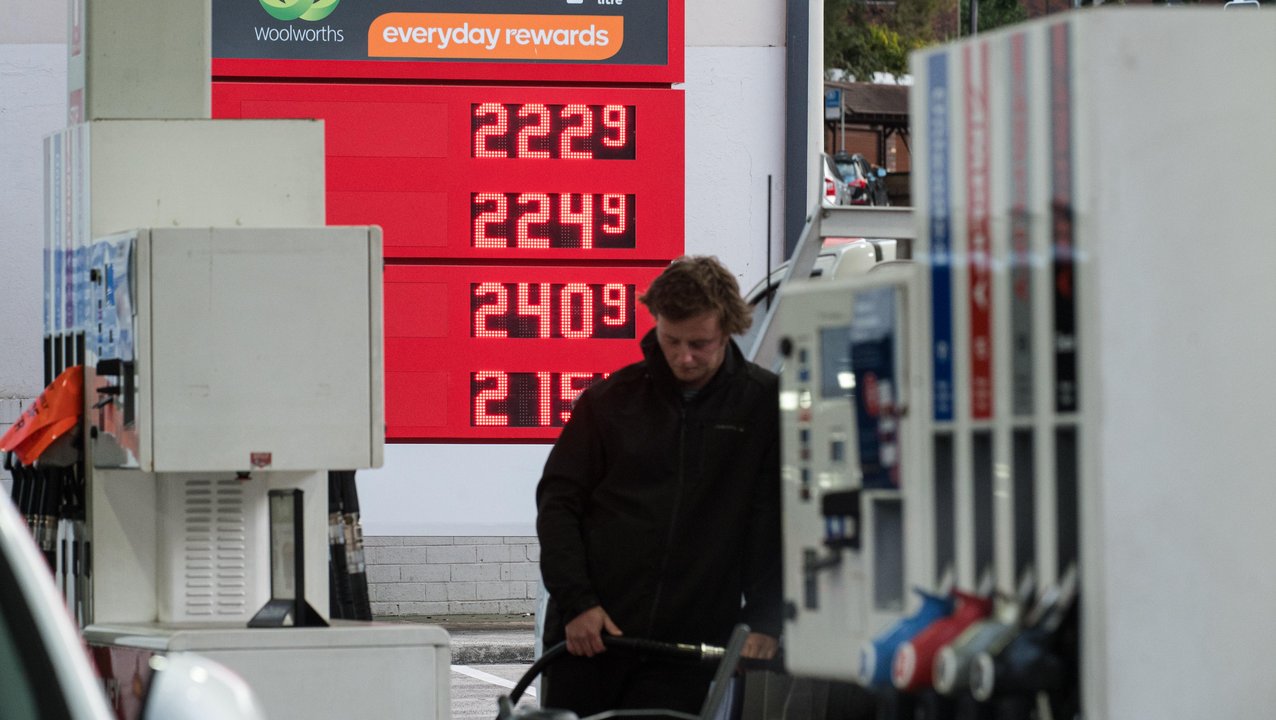
Growth in the scheme has coincided with a rapid take-up in electric vehicles, which has accelerated since the conflict in the Middle East sent oil prices soaring.
EVs made up 14.6 per cent of all new car sales during March, up from 7.5 per cent in March 2025, according to figures from the Federal Chamber of Automotive Industries.
While the scheme has helped encourage EV uptake, the Productivity Commission found the incentive was the most costly of the government’s current suite of policies to reduce carbon emissions, at $987 to $20,084 per tonne of CO2 abated.
Lachlan Vass and Amy Tramontozzi, researchers at independent think tank e61 Institute, identified two major flaws in the scheme.
The incentive increases with the cost of the vehicle, so encourages people to purchase more expensive EVs.
Secondly, the subsidy it provides increases in line with the buyer’s income, so disproportionately benefits high income earners.
Reprioritising funds from the scheme to expand EV charging infrastructure would be more effective, Mr Vass and Ms Tramontozzi argued.
The changes come as Labor attempts to rein in a forecast $36.8 billion deficit in the 2025/26 budget, which will be released on May 12.
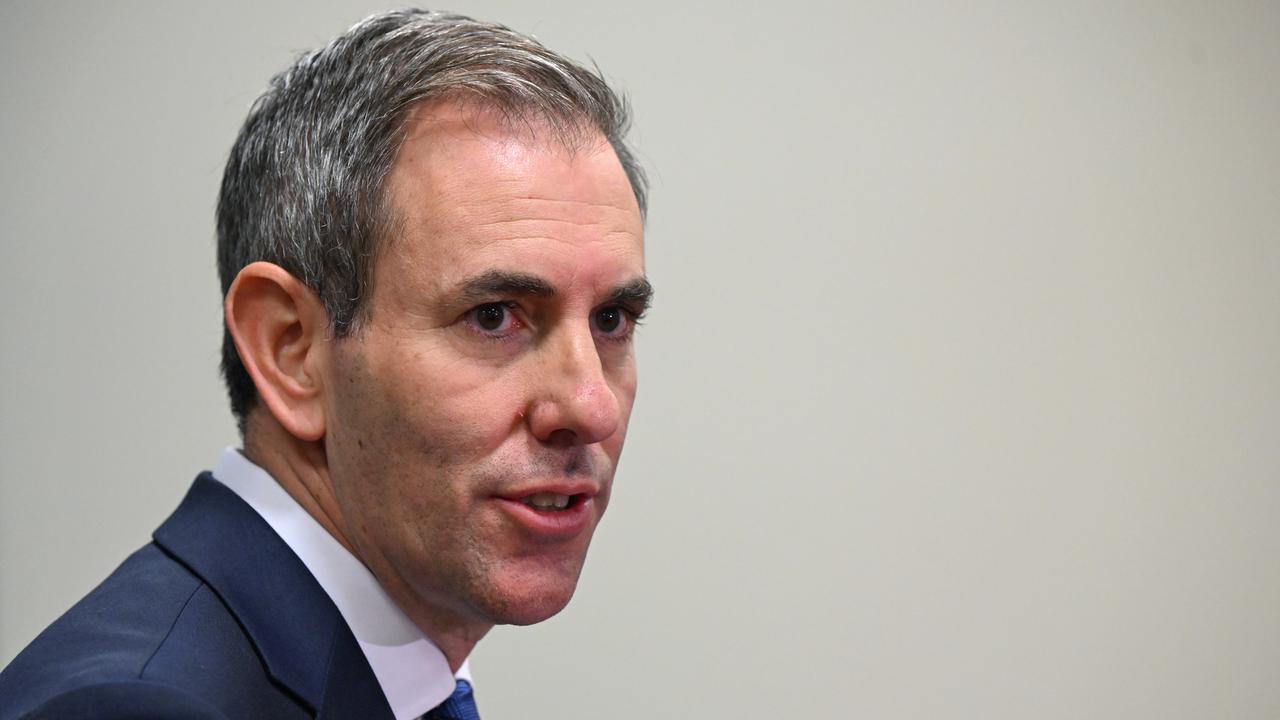
Dr Chalmers on Monday said the budget will be the government’s most responsible yet.
The government will save more money than it spends and bank upward revisions to revenue, he said.

Haribo sales hit record as gummies edge out chocolates
German gummy bear maker Haribo says it achieved a record sales volume last year, driven in part by new product launches and shifting consumer preferences.
“Our worldwide sales increased by 4.5 per cent,” Herwig Vennekens, chief commercial officer of the Haribo Group, told the German business daily Handelsblatt in an interview published on Monday.
The confectionary company, headquartered in the western town of Grafschaft, said new products accounted for about a quarter of that growth.
“By 2025, we succeeded in further expanding our market share and attracting new customers across all age groups – particularly among 20- to 39-year-olds,” a company spokesman said in a follow-up statement.
Recent sour-flavoured launches, including Haribo Pico-Balla Sauer and the worm-shaped Haribo Super Wummis, contributed to the gains, he said.
Vennekens said gummies are increasingly replacing chocolate in seasonal purchases such as Christmas and Easter.
“Fruit gummies are increasingly finding their way into Christmas stockings and Easter baskets instead of chocolate,” Vennekens told the Handelsblatt, pointing to a shift in consumer behaviour as chocolate has become significantly more expensive due to high cocoa prices.
Haribo products are sold in nearly 200 countries worldwide, according to the company.
They are produced at 16 sites across 11 countries, and the company employs about 8500 people.