

Trump pauses US effort to guide vessels out of Hormuz
Donald Trump has paused the US effort to guide stranded vessels out of the Strait of Hormuz to finalise an Iran deal, but the US blockade of the Iranian ports will remain in place.
The US president announced the decision in a social media post, saying he was pausing the effort for a short period to give space for US efforts to finalise a settlement with Iran to end the war.
Trump said he was making the move based “on the request of Pakistan and other Countries, the tremendous Military Success that we have had during the Campaign against the Country of Iran and, additionally, the fact that Great Progress has been made toward a Complete and Final Agreement with Representatives of Iran”.
The announcement on Tuesday came after military leaders and Secretary of State Marco Rubio insisted a ceasefire in the Middle East was still holding and that – while the conflict is not resolved – the initial major US military operation against Iran had concluded.
The blockade, however, would remain in place.
Rubio told a White House press briefing that for peace to be achieved, Iran must agree to Trump’s demands on its nuclear program and also agree to reopen the Strait of Hormuz, a vital waterway for global energy.
He spoke as the United Arab Emirates said it came under attack from Iranian drones and missiles for a second day.
“We would prefer the path of peace,” Rubio said.
He also expressed hope that during the expected visit to China by Iranian Foreign Minister Abbas Araghchi on Wednesday, Beijing would reiterate to Tehran the need to release its chokehold on the strait.
“It is in China’s interest that Iran stop closing the strait,” Rubio said.
Earlier in the day, the US pressed on for a second with its effort to reopen the strait to maritime traffic – an operation Rubio described as defensive and aimed at helping thousands of civilian sailors stranded there by the war.
“They’re sitting ducks, they’re isolated, they’re starving, they’re vulnerable,” Rubio said.
“At least 10 sailors have already died as a result.”
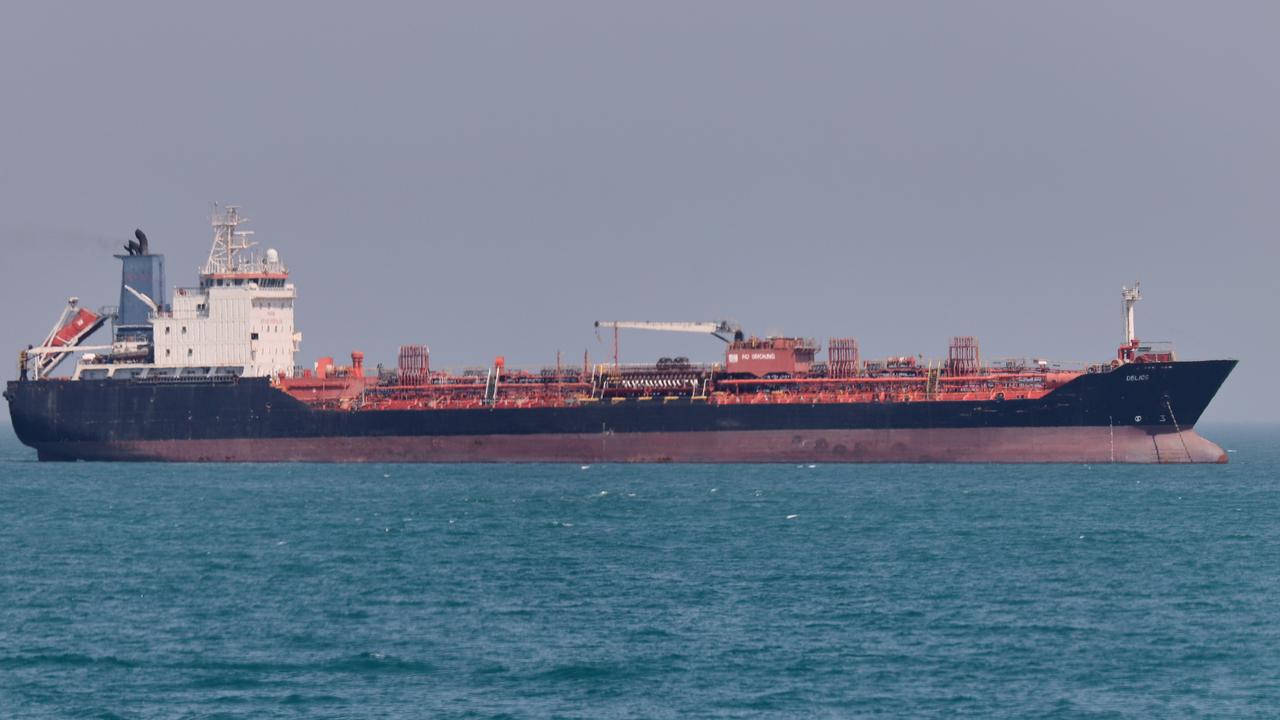
On Monday, the US said it had opened a lane and sunk six small Iranian boats that had threatened commercial ships. So far, only two merchant ships are known to have passed through the new US-guarded route, with hundreds more bottled up in the Persian Gulf.
Iran’s effective closure of the strait, through which major oil and gas supplies passed before the war, along with fertiliser and other petroleum products, has sent fuel prices skyrocketing and rattled the global economy.
Breaking Iran’s grip would deny its main source of leverage as Trump demands a major rollback of its disputed nuclear program.
US Defense Secretary Pete Hegseth and General Dan Caine, the US military’s top officer, told a news conference that Iran’s renewed attacks had not reached the threshold of what Caine called “major combat operations”.
“The ceasefire is not over,” Hegseth said.
Rubio said clashes with Iran related to American efforts to reopen the straight were “defensive in nature”.
“There’s no shooting unless we’re shot at first, OK?” Rubio said. “We’re not attacking them.”
Iran’s parliament speaker and chief negotiator, Mohammad Bagher Qalibaf, signalled that Iran had yet to fully respond to the US attempt to reopen the waterway.
“We know full well that the continuation of the status quo is intolerable for America; while we have not even begun yet,” he said in a post on X.
His statement did not mention negotiations with the US that are now in the form of passing messages via Pakistan.
Disputing Washington’s claim of sinking six Iranian boats, an Iranian military commander said two small civilian cargo boats were hit on Monday, killing five civilians, Iran’s state TV reported.
Caine, the top US general who serves as chairman of the Joint Chiefs of Staff, said more than 100 US military aircraft were patrolling the skies over the strait.
The US has imposed a naval blockade on Iranian ports since April 13, depriving Tehran of oil revenue it needs to shore up its ailing economy.
The Trump administration has cited the April 8 ceasefire in asserting that the president does not have to give a formal update to Congress on the war under the War Powers Resolution.
That law typically requires presidents to seek formal approval from Congress for war activities 60 days after beginning military action.
with Reuters
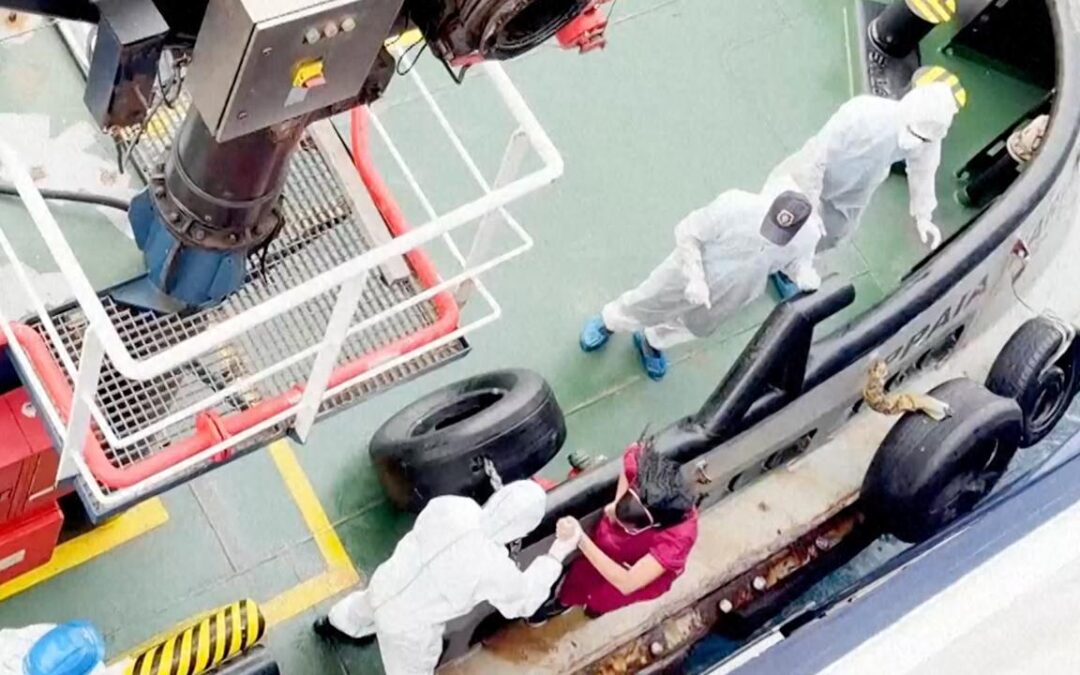
Hantavirus-hit cruise ship to head to Spain
A luxury cruise ship that has been hit by an outbreak of the deadly hantavirus is preparing to travel from Cape Verde towards Europe after the Spanish government gave permission for it to dock in the Canary Islands.
The Spanish Health Ministry said it had been asked by the World Health Organisation and the European Union to take the MV Hondius “in accordance with international law and humanitarian principles”.
It said it would also on Tuesday evening receive a medical flight carrying the ship’s doctor, a Dutch national who it said was gravely ill, following a formal request from the Dutch government.
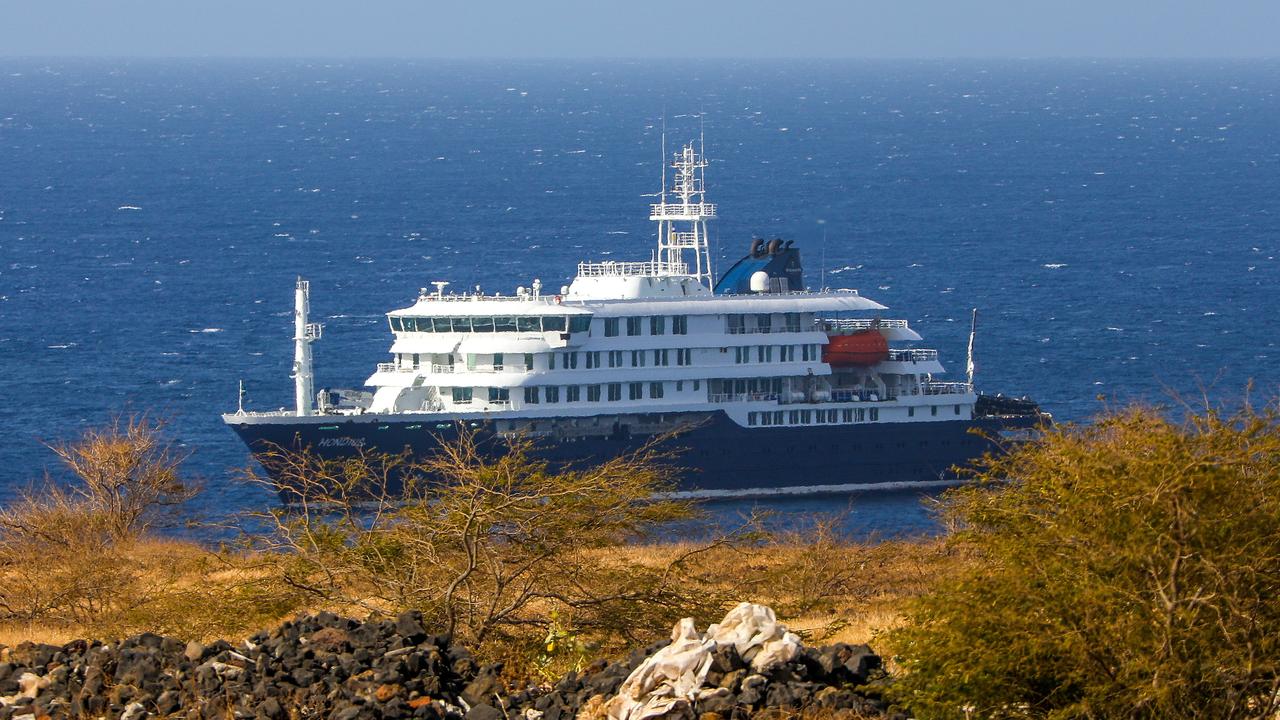
A Dutch couple and a German national have died since the outbreak manifested in early April, while a British national was evacuated from the ship and is in intensive care in South Africa, officials said.
Two crew members require urgent medical care, the Dutch-flagged MV Hondius ship’s operator, Oceanwide Expeditions, said.
Another person on board with a suspected case has only reported a mild fever.
Cape Verde was meant to be the ship’s final destination but the nation off West Africa has not allowed the vessel to put passengers ashore.
Once in the Canary Islands, at a port yet to be determined, the Spanish health ministry said crew and passengers would be examined, treated and repatriated to their respective countries, in coordination with the European Centre for Disease Prevention and Control and the WHO.
All necessary safety measures would be taken, the health ministry said, with medical care and transportation in special facilities and vehicles to avoid contact with the local population and protect health workers.
“The World Health Organization has explained that Cape Verde is unable to carry out this operation,” the statement added.
“The Canary Islands are the closest location with the necessary capabilities.
“Spain has a moral and legal obligation to assist these people, among whom are also several Spanish citizens.”
The Canary Islands is one of Europe’s main arrival points for migrants from West Africa, with tens of thousands of people arriving in rubber dinghies and rickety fishing boats each year.
The MV Hondius would moor either in Gran Canaria or Tenerife, which were three or four days of sailing away from Cape Verde, Oceanwide and the Spanish health ministry said.
Health authorities say about 150 people from 23 countries are on board.
Cape Verde’s National Director of Health Angela Gomes said evacuations would happen “in the coming hours”.
The Dutch foreign ministry said it was preparing the medical evacuation of three people to the Netherlands from the ship.
People are usually infected by hantavirus through contact with infected rodents or their urine, their droppings or their saliva.
But the WHO said it suspects some rare human-to-human transmission took place between very close contacts on board the Hondius.
“We do believe that there may be some human-to-human transmission that’s happening among the really close contacts, the husband and wife, people who have shared cabins,” Maria Van Kerkhove, the director of epidemic and pandemic preparedness and prevention at the WHO, told reporters in Geneva.
Van Kerkhove also sent a direct message to people on board.
“We are working with the countries where you are from. We hear you, we know that you are scared.”
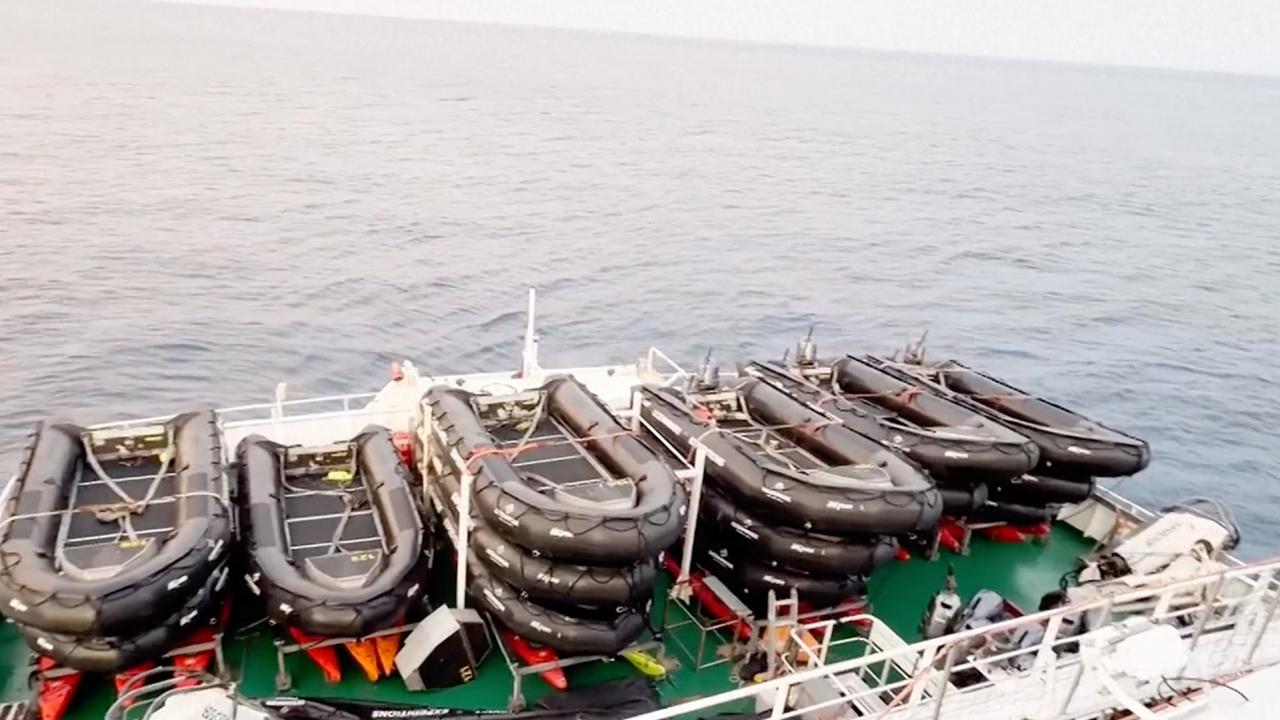
Human-to-human transmission is not common, and the UN health agency reiterated that the risk to the wider public was low from a disease typically spread from contact with infected rodents.
A limited spread among close contacts has been observed in some previous outbreaks of the Andes strain, which spreads in South America, including Argentina, and which the WHO believes could be involved in this instance.
The Hondius left Ushuaia in southern Argentina in March. The WHO said it had been told there were no rats on board.
The UN health body said its working assumption was that the Dutch couple, who joined the ship in Argentina after travelling in the country, were infected before boarding the cruise.
Other cases may also have been infected while on bird-watching trips to islands where birds and rodents live, it said. Such trips are part of the cruise.
Fuel security plan touted as national cabinet meets
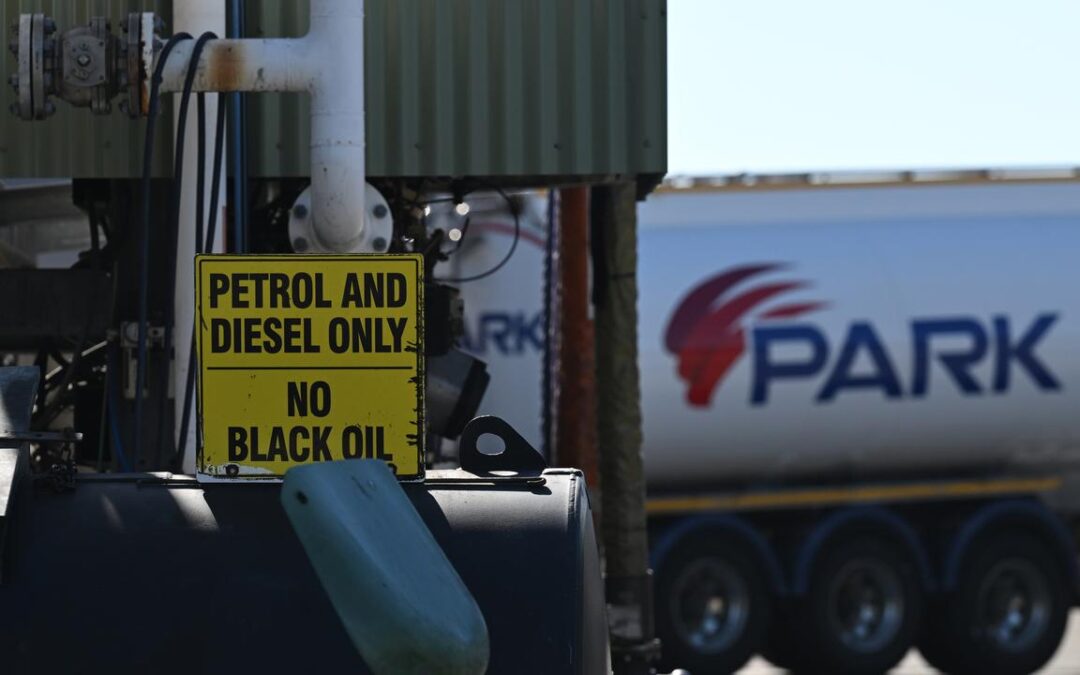
The prime minister will meet with state and territory leaders at a national cabinet meeting on the fuel crisis, as further supply measures for drivers are set to be unveiled.
Anthony Albanese will convene the virtual meeting with premiers and chief ministers on Wednesday, as jurisdictions continue to manage the fallout from the war in the Middle East at the bowser.
Treasurer Jim Chalmers said the meeting would also finalise fuel security measures which will be outlined in Tuesday’s federal budget.
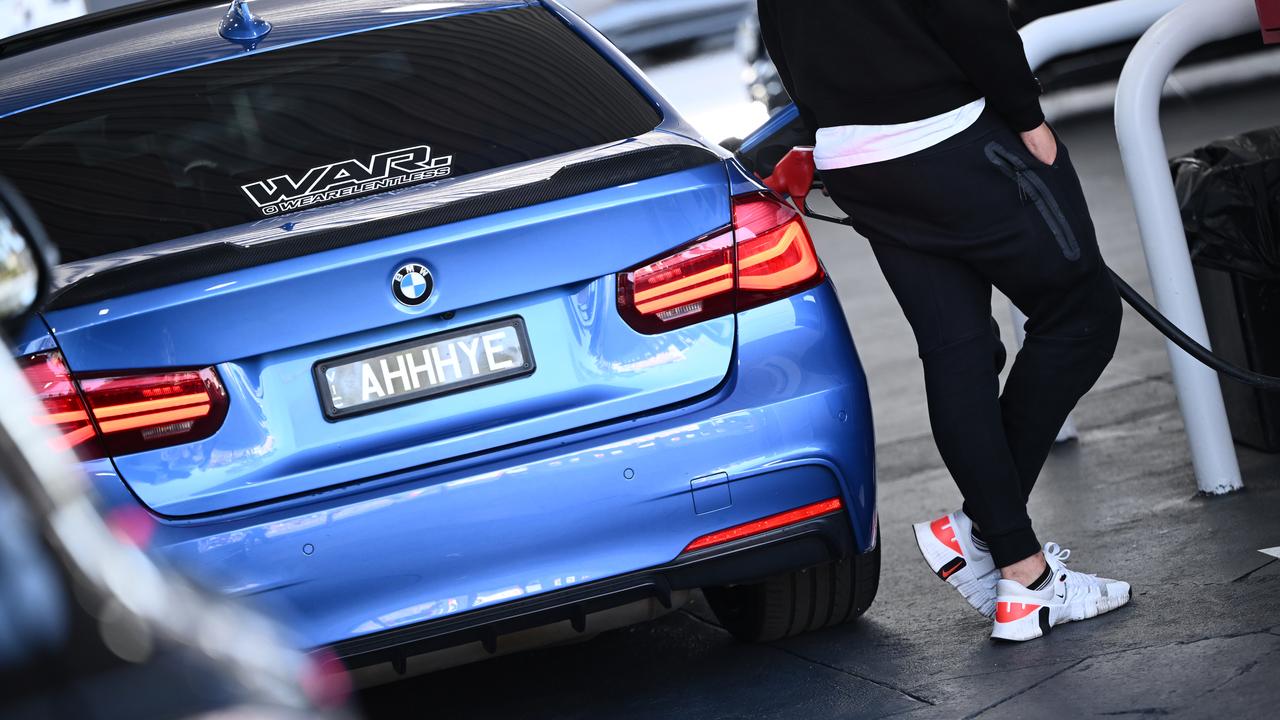
“It’s all about making sure there’s more fuel for motorists and for industry, and more fuel security for our economy more broadly,” he told ABC Radio.
“(There’s) a big emphasis on securing more fuel, making our supply chains more resilient, and funding this fuel tax cuts, which is in the budget as well.”
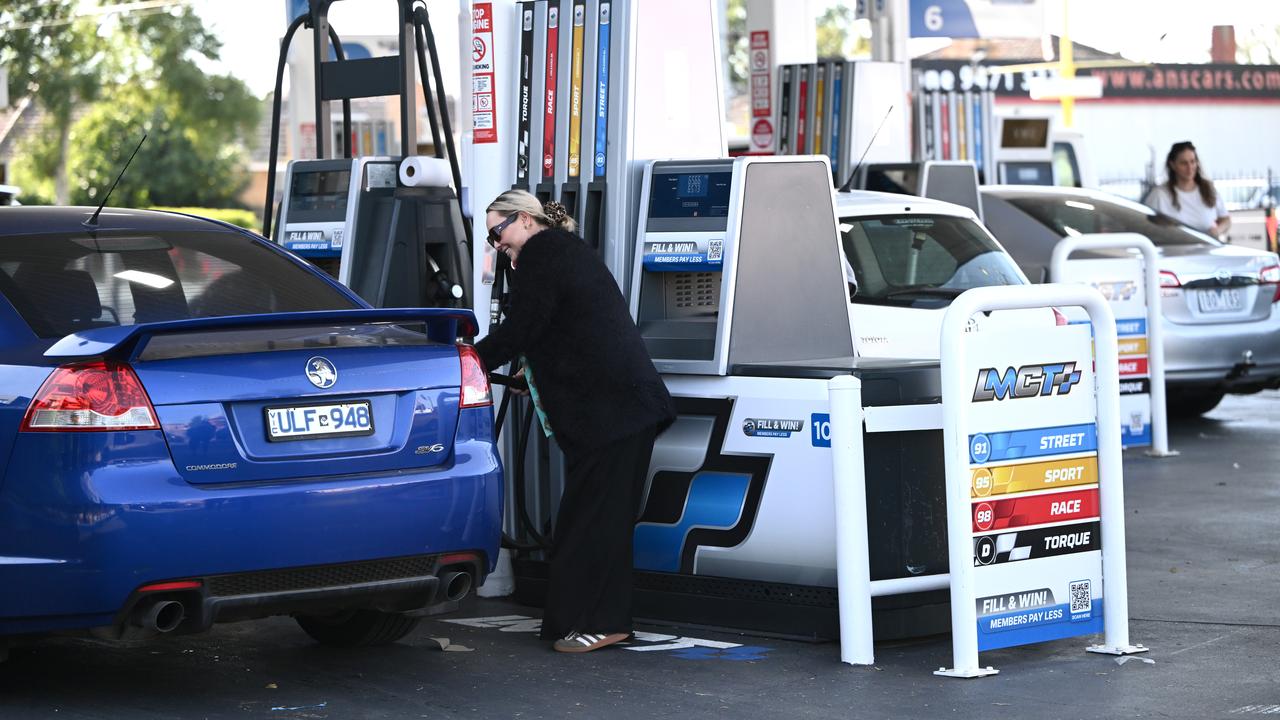
A temporary cut of the fuel excise has already been unveiled, carving 26 cents off a litre.
That $2.5 billion measure is due to run out at the end of June, but the treasurer has not confirmed whether the excise cut would continue beyond that point.
Mr Albanese said national cabinet meetings would be held on a regular basis throughout the fuel crisis in a bid to quell concern.
National cabinet has meet been meeting on a fortnightly basis to discuss the approach on fuel supply.
Mr Albanese said in April drivers shouldn’t assume the fuel security level will be increased just because national cabinet is meeting, and any change of that front would be telegraphed.
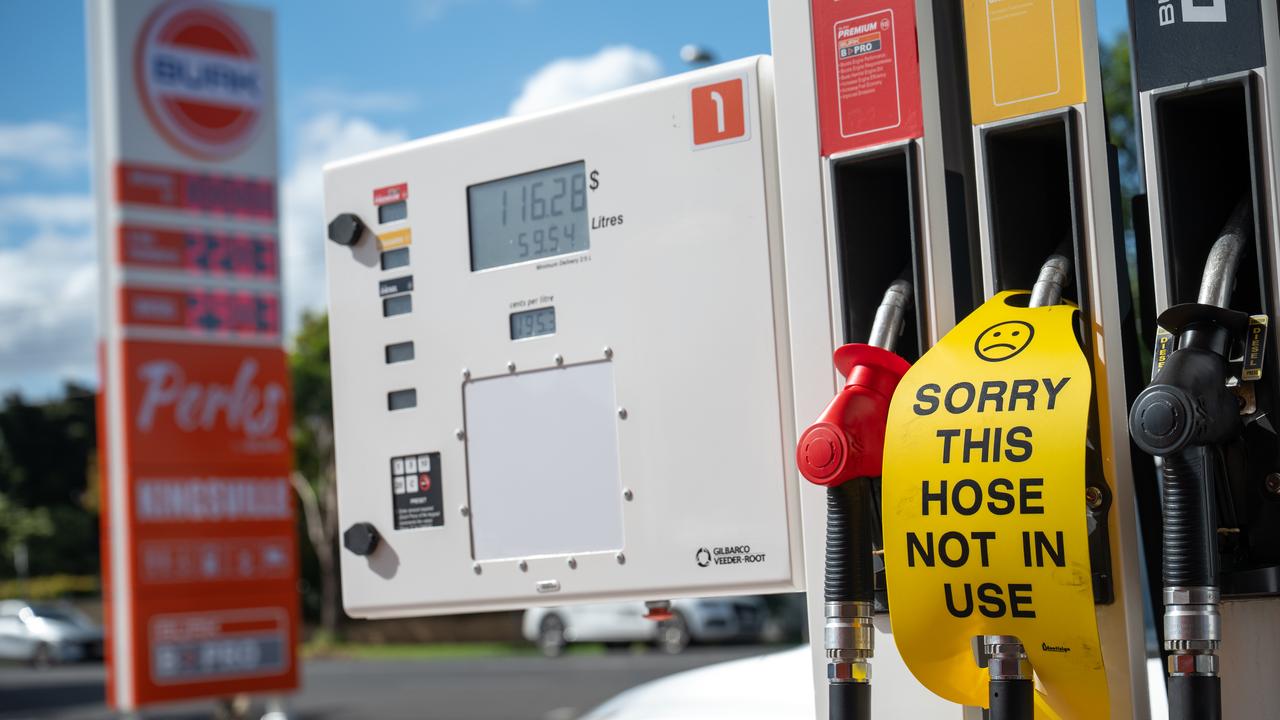
The latest figures have shown Australia having 43 days’ supply of petrol, 33 days of diesel and 28 days of jet fuel.
Australia has more fuel supply than it did at the start of the war in Iran, which has led to the closure of the Strait of Hormuz.
It comes as US Secretary of State Marco Rubio said American military operations against Iran had ended.
Mr Rubio said the focus was now on reopening the Strait of Hormuz, where 20 per cent of the world’s oil supply flows through.
Consumers hang tough despite echoes of COVID headwinds
Australian consumers are showing resilience in the face of rising interest rates, fuel prices and other costs, according to credit agency data.
Despite the headwinds, strong momentum in consumer activity in the first quarter of 2026 had provided a buffer to the national economy, Equifax’s Market Pulse report shows.
Mortgage demand was up 4.1 per cent, compared to the same three months in 2025, while credit card demand jumped 10.4 per cent and personal loan applications rose 7.9 per cent.
Notably, only one month of the three followed US attacks on Iran that have led to the blockage of the Hormuz Strait, effectively halting a fifth of global crude and gas supplies and priming the global economy for a major inflation shock.
“With global uncertainty, supply chain disruptions, higher consumer borrowing rates and rising fuel prices, it is easy to suggest that we could expect to see a dramatic decrease in credit demand,” Equifax chief solution officer Kevin James said.
However, 2026’s parallel to conditions consumers faced in 2022 and 2023 provided some hope Australians could avoid increased credit failure and the “mortgage cliff” as costs and interest rates rose.
The period in question encompassed the aftermath of the COVID-19 pandemic, Russia’s invasion of Ukraine, a four percentage point cash rate rise over 13 months and a 7.8 per cent peak inflation rate.
“The data demonstrates the resilience of Australia’s credit market, as long as factors such as unemployment remain low,” Mr James said.
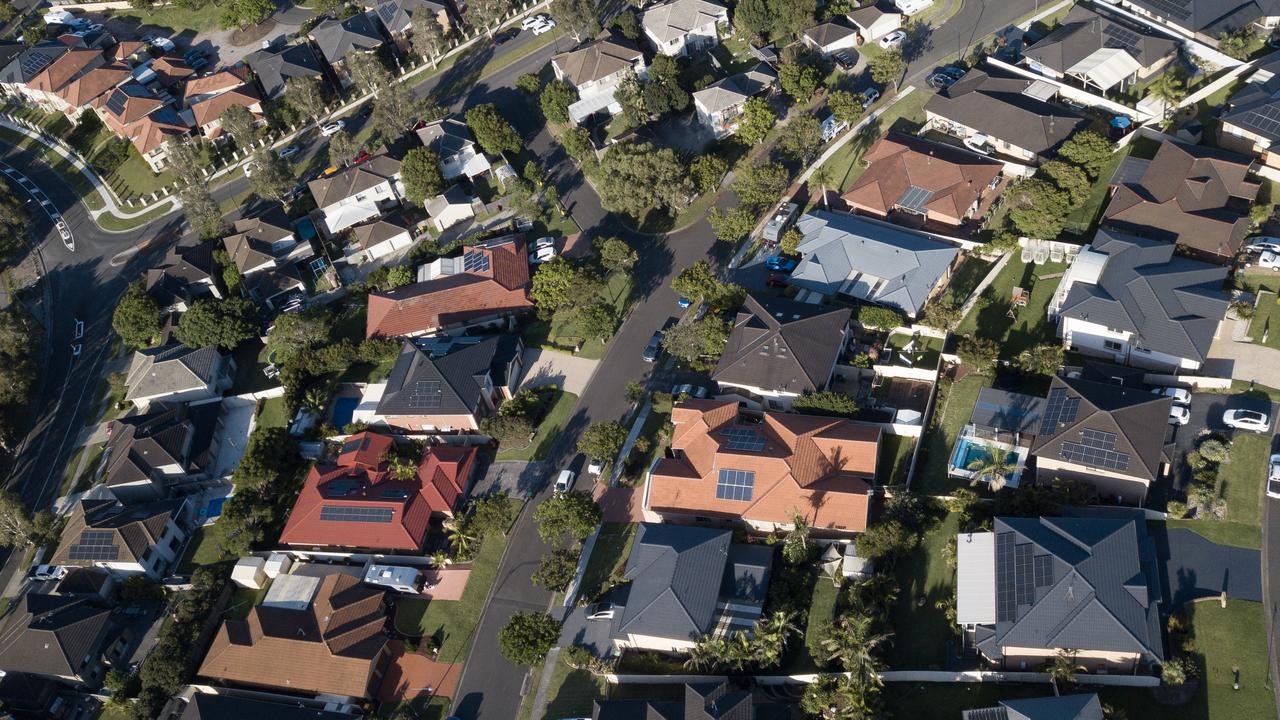
The 7.5 per cent increase in mortgage demand was driven by refinancing and upgrades, rather than by new entrants to the market, which slipped by 3.5 per cent.
The figures indicated Australians were focused on managing their existing financial obligations, Mr James said.
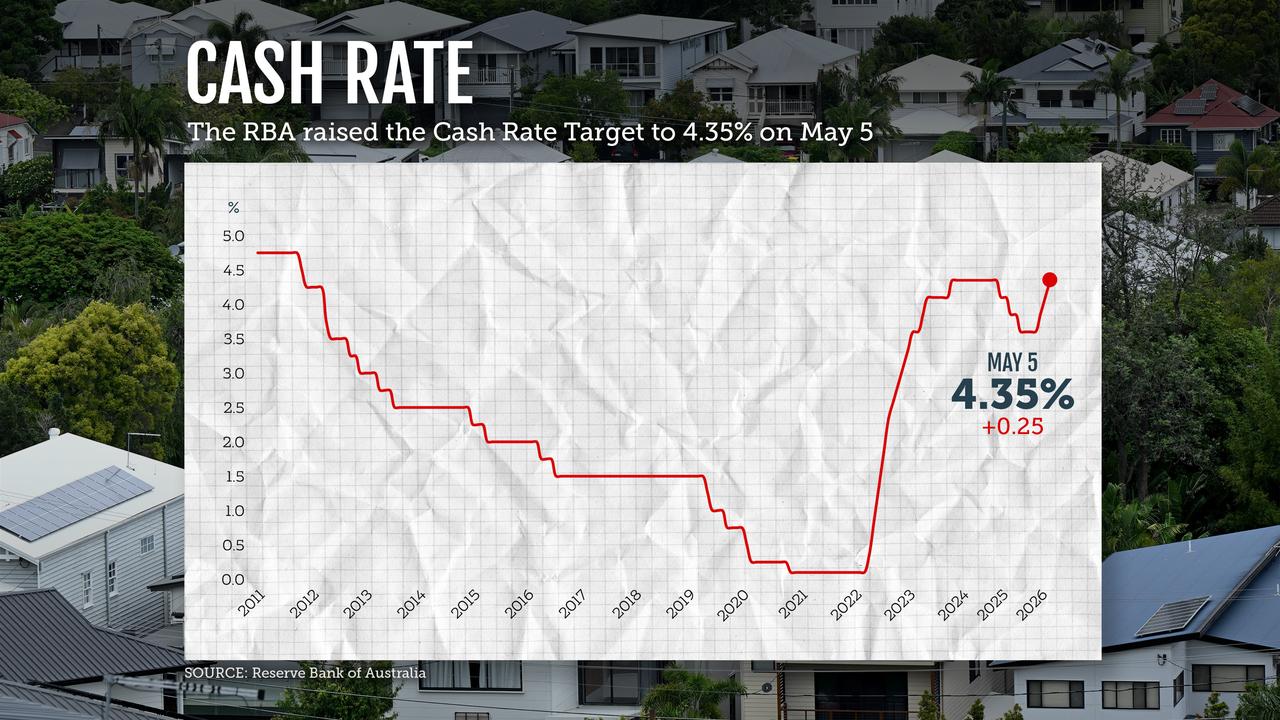
With the Reserve Bank opting to hike the cash interest rate for a third straight meeting on Tuesday, to 4.35 per cent – its highest level since December 2024 – it’s yet to be seen if resilience will continue into the second quarter.
Continued mortgage demand growth could suggest the property price cycle is yet to cool off, aligning with previous cycles where property prices maintained long-term average growth rates of six per cent, even in periods of tightening interest rates.
But there are signs of rising stress in personal loans, with the amount owed by Australian’s rising 3.1 per cent over the quarter, while credit card and mortgage arrears fell.
Budget handout claims fuel fears of further rate pain
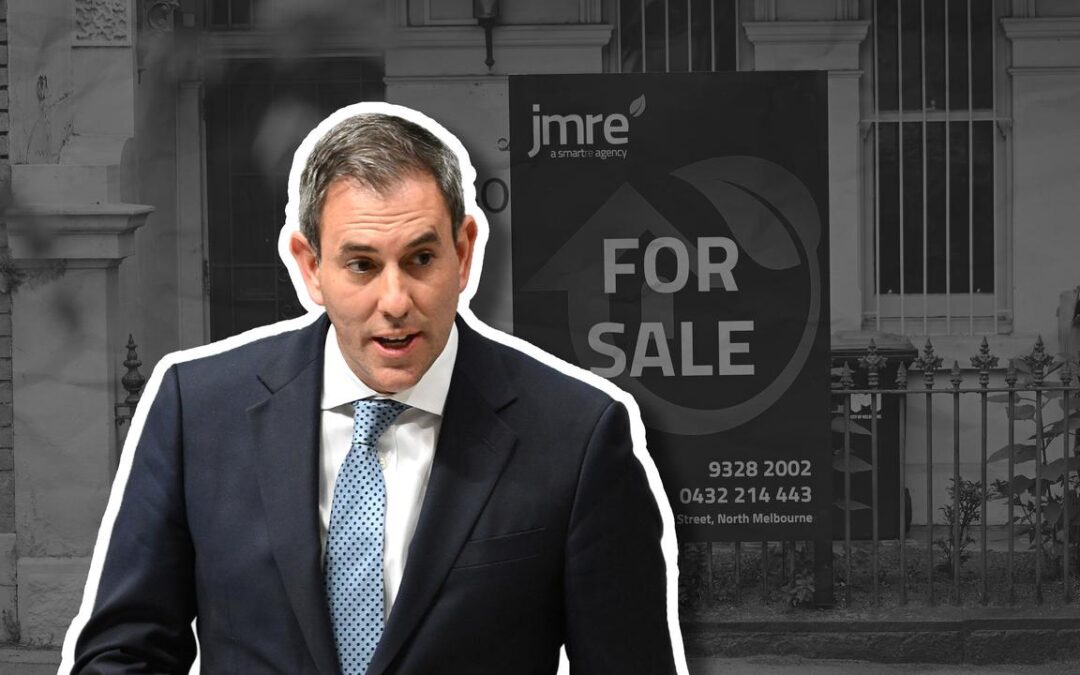
Treasurer Jim Chalmers must follow through on his promises of a disciplined budget or risk forcing the Reserve Bank to hike rates further, economists warn.
After the RBA raised interest rates for a third consecutive time on Tuesday, economists were divided on whether the central bank would follow it up with more hikes or enter a prolonged pause.
Economists at NAB joined Westpac in forecasting another hike in June.
But Commonwealth Bank and ANZ Bank continued to predict the RBA would leave the cash rate at 4.35 per cent, although “the risks would now appear more skewed to a rate hike in August” given the board’s hawkish tone, ANZ Head of Australian Economics Adam Boyton said.
HSBC’s local chief economist Paul Bloxham said the rises hikes since February allowed the RBA to enter “wait and see” mode.
But the bank could be forced to act more decisively if the treasurer unveils higher spending in the upcoming budget than expected.
“A key risk to our view is that the federal budget, which is due to be delivered on 12 May, is more expansionary than we have been assuming and that this could force the RBA to have to hike further,” Mr Bloxham said.
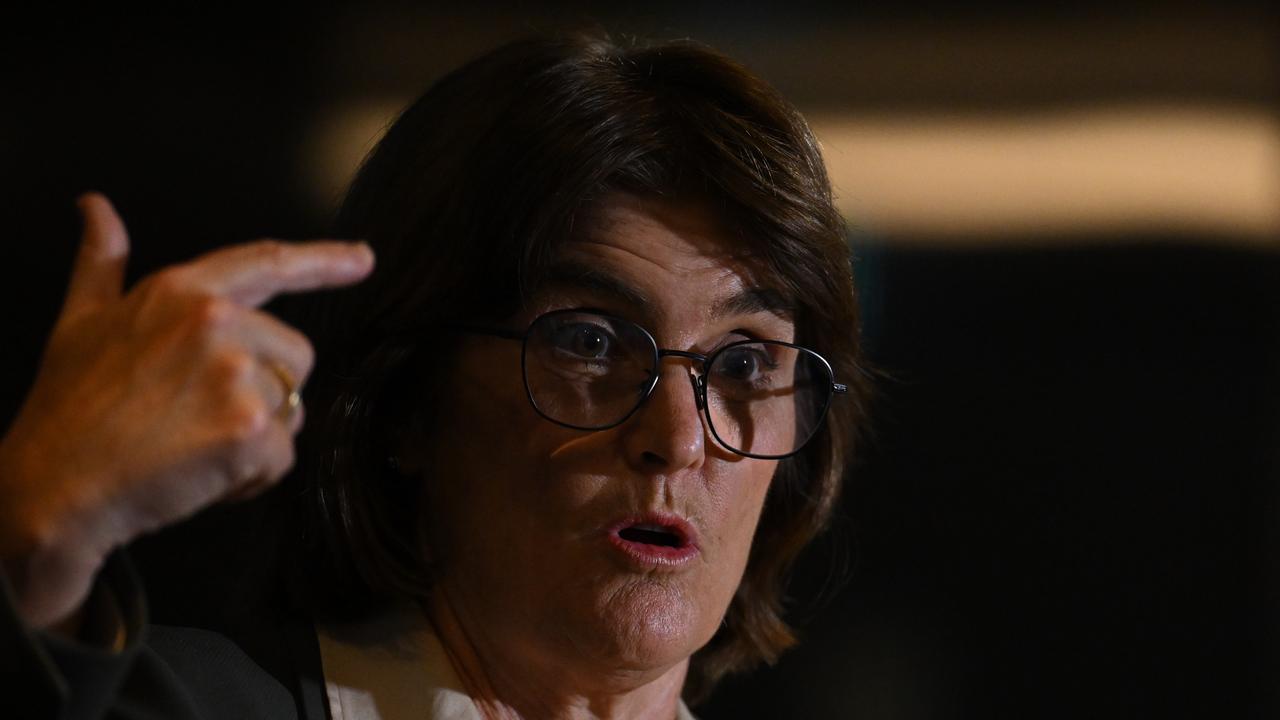
Governor Michele Bullock said government handouts, like a rumoured tax offset or a cut to the fuel excise, add to demand, which the RBA was trying to dampen as part of its fight against inflation.
“The extent to which government make up the shortfalls for households by giving them more money, it makes it harder to dampen demand,” Ms Bullock told reporters.
“When governments are spending a lot of money and we’re running up against capacity constraints, then they do need to think about whether or not there’s ways they can help the inflation problem by looking for ways to constrain demand.”
It wasn’t just the federal government that was boosting demand, she added.
The debt-laden Victorian government splashed an extra $18 billion on new spending initiatives in its pre-election budget on Tuesday.
Deloitte Access Economics partner Stephen Smith said governments needed to work in better alignment with the central bank to bring inflation under control.
“Accordingly, next week’s federal budget will be critical,” he said.
“The government will need to demonstrate a genuine commitment to fiscal discipline and structural reform, rather than relying on broad-based, short-term cost-of-living measures that may provide temporary relief while adding to medium-term inflation persistence.”
Genuine productivity-boosting reform was needed to lift the economy’s supply capacity long term, Mr Smith said.
Business Council chief executive Bran Black said the RBA’s decision underlined the need for productivity reforms to drive investment, as well as spending restraint.
“Households and businesses of all sizes are already feeling the pressure and the government must not add to it,” he said.
Dr Chalmers said the budget will be Labor’s most responsible to date and will play a helpful role in the fight against inflation.
Off track: big rail project slashed after cost blowout
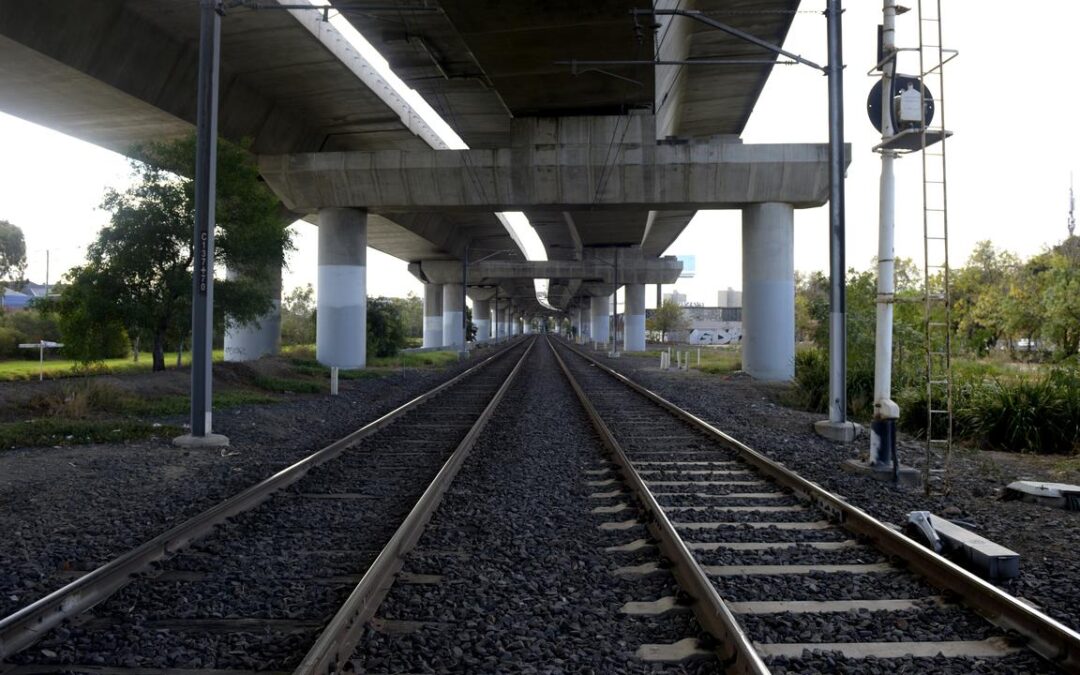
A major freight route designed to connect Australia’s east coast will be left half-finished after nearly tripling in cost over six years.
The federal budget will include plans to pare back the Inland Rail project – originally intended to run from Melbourne to Brisbane – and instead end it at Parkes in central NSW.
Independent analysis shows the cost has blown out from $16.4 billion in 2020 to more than $45 billion, Transport Minister Catherine King said in a statement.
“We are taking sensible decisions to realign the future of Inland Rail and build a safe, efficient and reliable network for the future,” she said.
The 1600-kilometre freight line, made up of new and existing track, was designed to run from Beveridge, just outside Melbourne, to Kagaru near Brisbane, making it easier to transport goods along the nation’s east coast while reducing the number of trucks on roads.
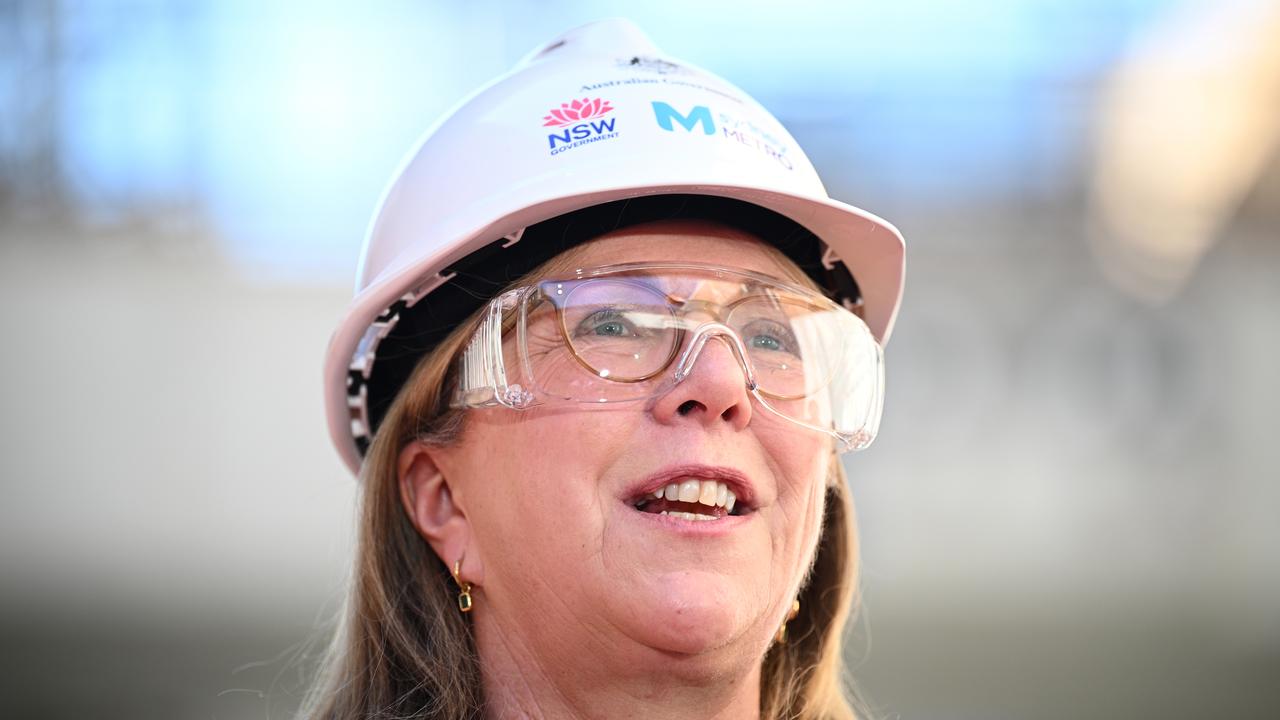
The government will hold onto the land for the rail corridor north of Parkes – roughly halfway between Melbourne and Brisbane – but has no immediate plans to build the second half of the project, Ms King said.
Opposition transport spokeswoman Bridget McKenzie slammed the decision, labelling the project the “road to nowhere”.
“This is a direct hit for the businesses and communities and primary producers that had all geared up for this decadal project,” she told AAP.
“Primary producers and manufacturers wanted resilience built into the north-south freight network … a project that is from Beveridge to Parkes loses all that additional opportunity.”
Some communities along the rail line have raised concerns about potential noise, and towns being effectively cut in two by the route.
The government will also pour an extra $1.75 billion into the east coast freight network in the budget, aimed at upgrading tracks, improving signalling and extending passing loops.
Games, chat groups targeted in terror crackdown
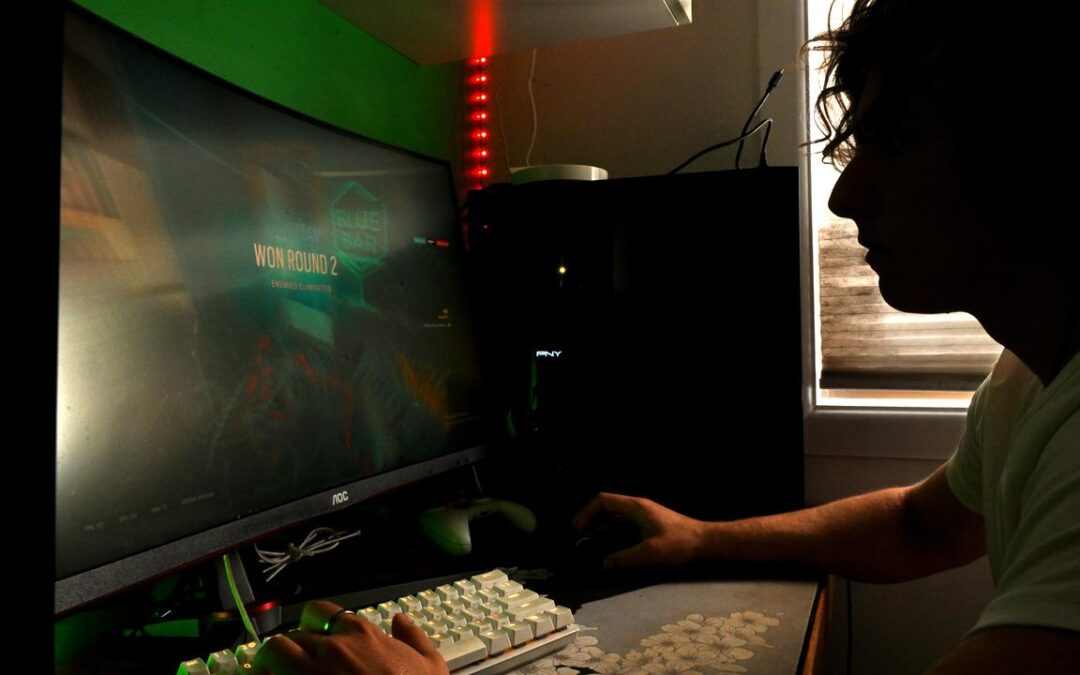
Spies will scour gaming platforms and social media for extremist content in a bid to clamp down on terrorist activity across Australia.
The federal budget will include funding to set up a national centre for online counter-terrorism work, to be jointly run by spy agency ASIO and federal police.
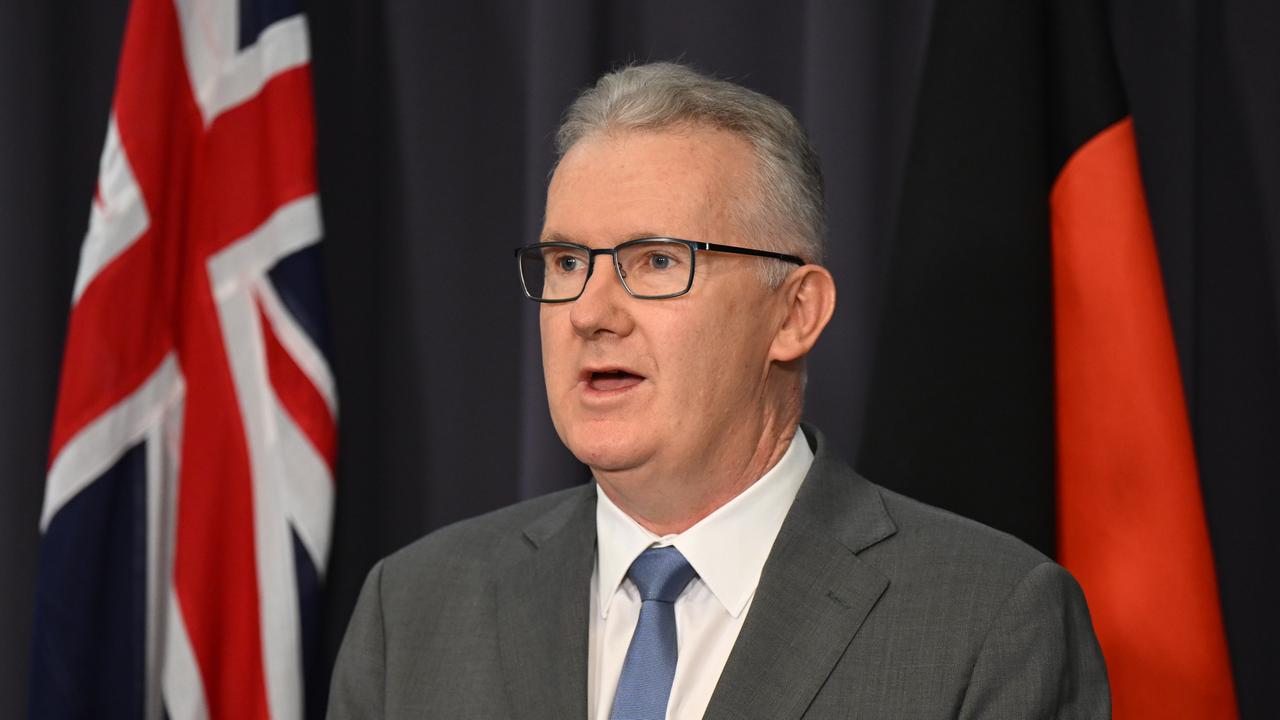
The $74 million program will have specialist counter-terror investigators and analysts monitor high-risk online spaces, Home Affairs Minister Tony Burke said in a statement.
“We already have centres dedicated to protecting children and combating cyber crime; establishing a centre for online violence extremism and terrorism is the next logical step in a fast-moving threat environment,” he said.
“The capability we’ve always had to monitor extremists in the meeting room now extends to the chat room.”
Spy agencies are becoming increasingly concerned about young people being radicalised online – often targeted in seemingly innocuous spaces like gaming platforms and chat groups.
Since laws cracking down on the distribution of extremist material online took effect in 2024, 27 people have been charged with offences.
Of those, 15 were aged 17 years or under.
The funding is part of an $80 million package to be spent over two years, bolstering Australia’s counter-terrorism threats and striving to prevent violent extremism and youth radicalisation.
The cash splash follows Australia’s worst terrorist attack – the massacre of Jews celebrating Hanukkah at Bondi Beach on December 14, 2025.
The interim report of the Royal Commission into Anti-Semitism and Social Cohesion – announced in the wake of the mass shooting – recommended a review of Australia’s counter-terrorism network, including its leadership structures, team integration, systems access and information-sharing arrangements.
Anti-Semitism ‘interlaced’ with actions of Israel
Jewish Australians should not be held accountable for the actions of the Israeli government, despite most holding a strong attachment to the country itself, an inquiry has been told.
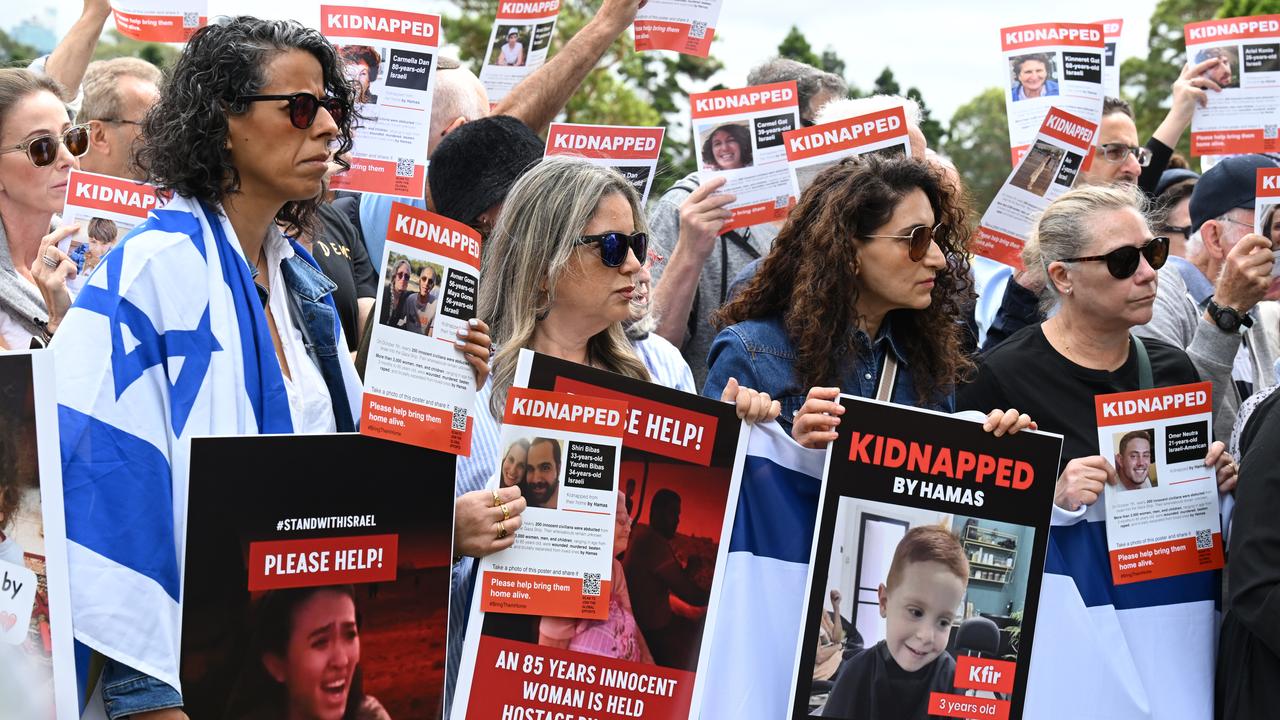
Members of Australia’s Jewish population were shocked to see the response to the October 7, 2023 attack by Hamas on Israel, including a large pro-Palestinian rally outside the Sydney Opera House where anti-Semitic slurs were used.
The Royal Commission on Anti-Semitism and Social Cohesion on Tuesday heard more evidence about the lived experiences of Jewish Australians.
Prominent advocate Peter Wertheim said there is a lot of sympathy for Palestinians within the Jewish community, which was not reciprocated following the October 7 attack.
“This was an attack that had been initiated by Hamas,” said Mr Wertheim, who is co-chief executive of peak body the Executive Council of Australian Jewry.
“They had done it in the most appalling way.
“There was no sympathy expressed for those who were at the receiving end of that treatment.”
The October 7 attacks, in which about 1200 people were killed and another 250 people taken hostage, marked a significant turning point for anti-Semitism in Australia, counsel assisting the commission Zelie Heger SC earlier told the inquiry.
Israel’s subsequent military campaign in Gaza has killed more than 70,000 people in the Palestinian enclave, and been labelled a genocide by a United Nations commission, which the Israeli government disputes.
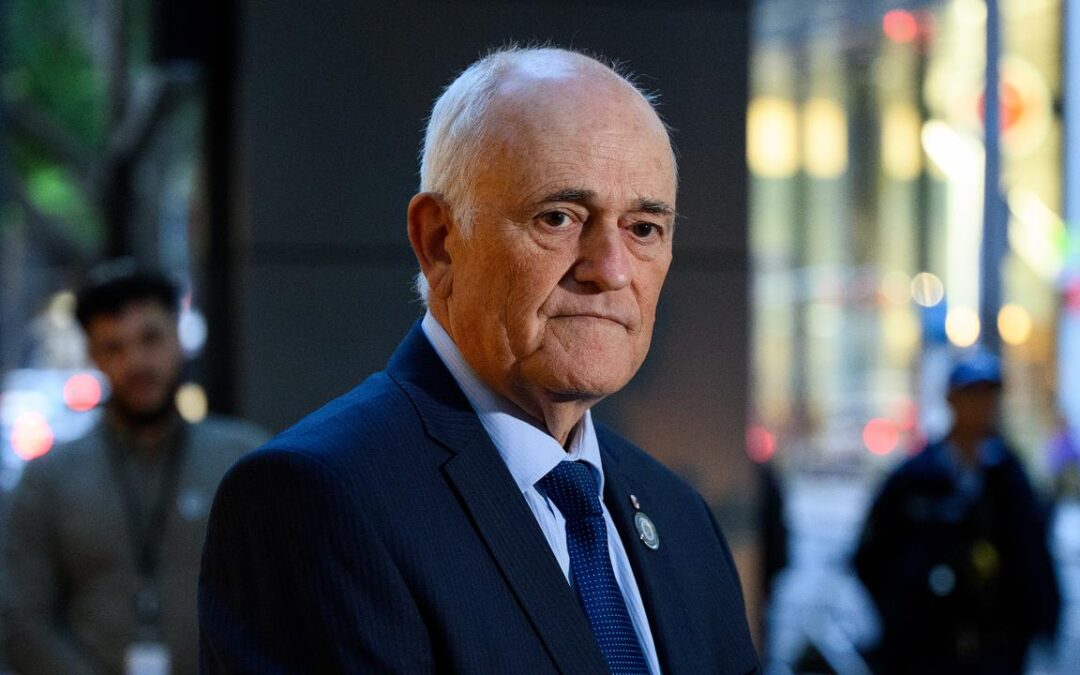
Vic Alhadeff OAM, a non-executive director at public broadcaster SBS, told the inquiry, “so much of the manifestation of anti-Semitism incidents and attacks is interlaced with, and references, what is taking place in the other side of the world.”
In response to his concerns about rising anti-Semitism, Dr Alhadeff said a representative from another faith group told him, “but look what’s happening to the Palestinians in Gaza”.
“My response was, ‘you have to be made of stone not to care about what is happening to the Palestinians in Gaza, however, why are you holding me responsible?’,” Dr Alhadeff said.
“Jewish Australians have no agency in what the Israel Defence Force does, or indeed what the Israeli government does.”
Former High Court Judge, Virginia Bell, who is heading the commission, asked Mr Wertheim if in his experience Jewish Australians have an emotional attachment to the idea of Israel.
“Very much so,” Mr Wertheim replied.
“Most Jews in Australia have family in Israel and friends, and of course, the Hebrew language and our culture and our religion and our civilisation and values all come from Israel.”
However, while the attachment is constant, opinions on various governments and policies have varied greatly in Australia as they have in Israel, he said.
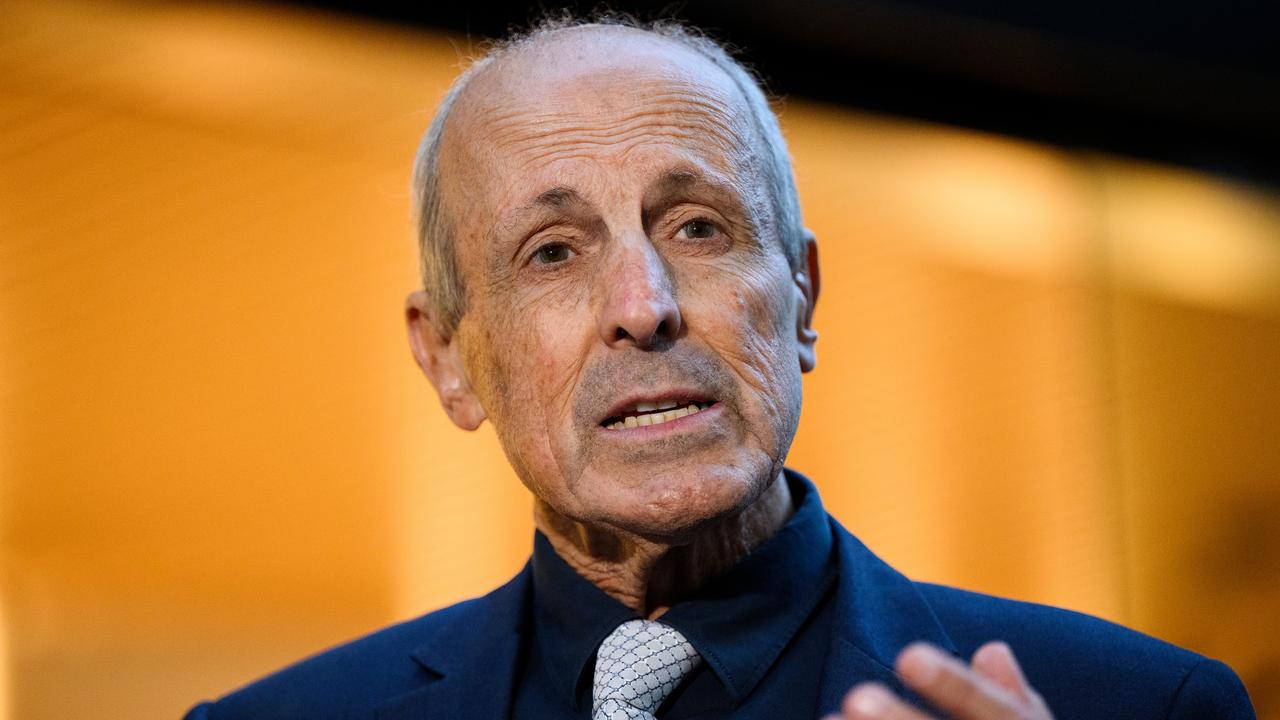
Jeremy Stowe-Lindner, the principal of Melbourne’s Bialik College which he describes as a Zionist school, compared Zionism to being a patriotic Australian in that it did not involve any affiliation to a particular political party or policy.
“Zionism is not a particular political belief. It is not a support for any government or coalition within Israel,” he told the inquiry.
“It’s simply the belief that Israel, as a homeland for the Jewish people, has a right to exist.”
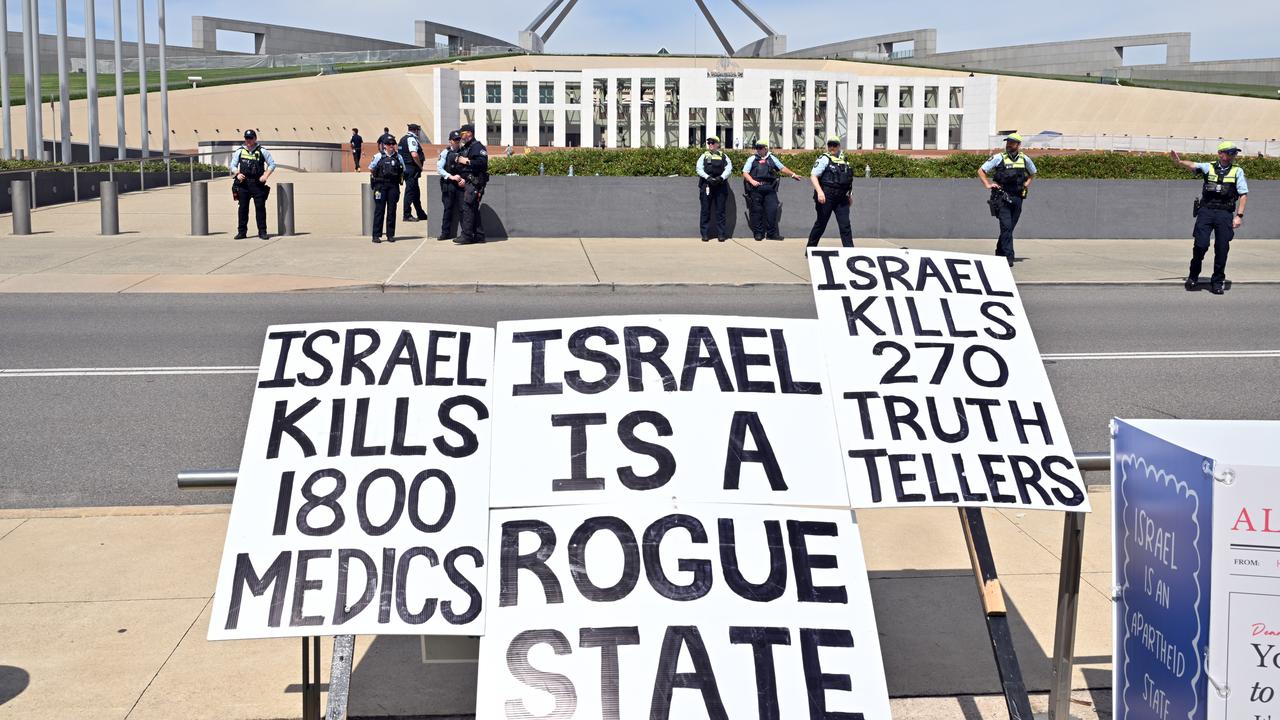
Mr Stowe-Lindner said since late 2023 his school had seen an “avalanche” of anti-Semitic incidents including graffiti, verbal slurs and students being spat on.
“We can’t go into the CBD in Melbourne anymore in school uniform because of what we’ll face,” he said.
He agreed the catalyst did appear to be Jewish people, including children, being identified with the policies of the government of Israel.
The commission will hand down a final report before the end of the year.
‘Downside risks’: warning as state debt edges to $200b
Tackling cost of living over driving down state debt has baffled the business sector and raised the eyebrows of a credit ratings agency.
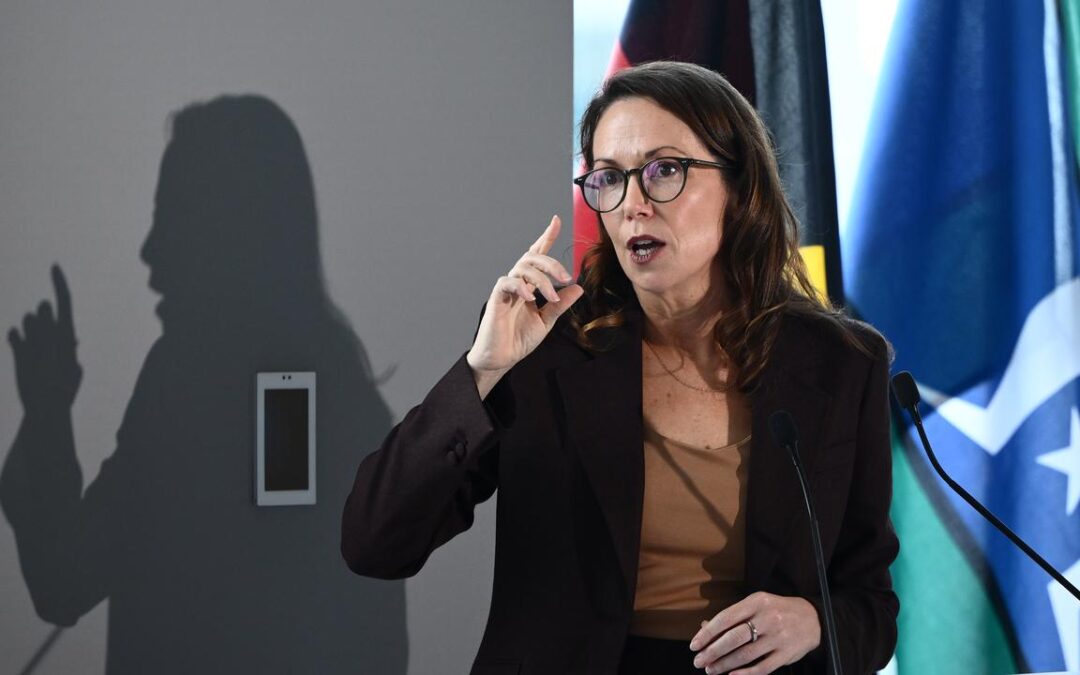
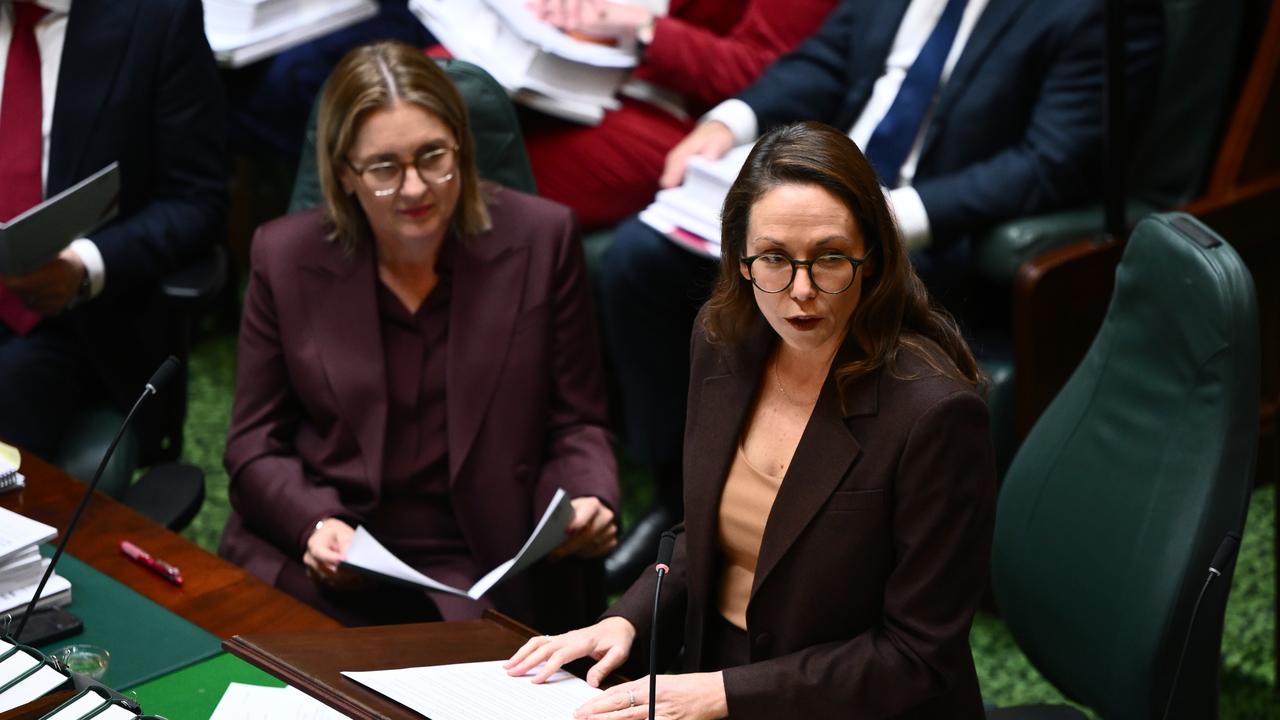
Handing down her second budget on Tuesday before the November state election, Victorian Treasurer Jaclyn Symes narrowly avoided posting a $200 billion net debt projection.
Net debt is instead expected to hit $175.6 billion by the end of next financial year and top $199.3 billion by mid-2030.
By that point, annual interest repayments are forecast to rise to $11.8 billion, equating to more than $32 million a day.
Victoria’s operating surplus for 2026/27 was shaved from $1.9 billion to $1 billion.
There were no other major cost-of-living relief measures left to announce after Premier Jacinta Allan splashed billions of dollars in the lead-up budget day, including on free and half-price public transport and discounted car registration.
Ms Symes described it as a constrained and responsible Labor budget to make life “easier, safer and more affordable for every Victorian”.
“This budget confirms Victoria’s first operating surplus in seven years, the only surplus on the eastern seaboard,” the treasurer said in her address to parliament.
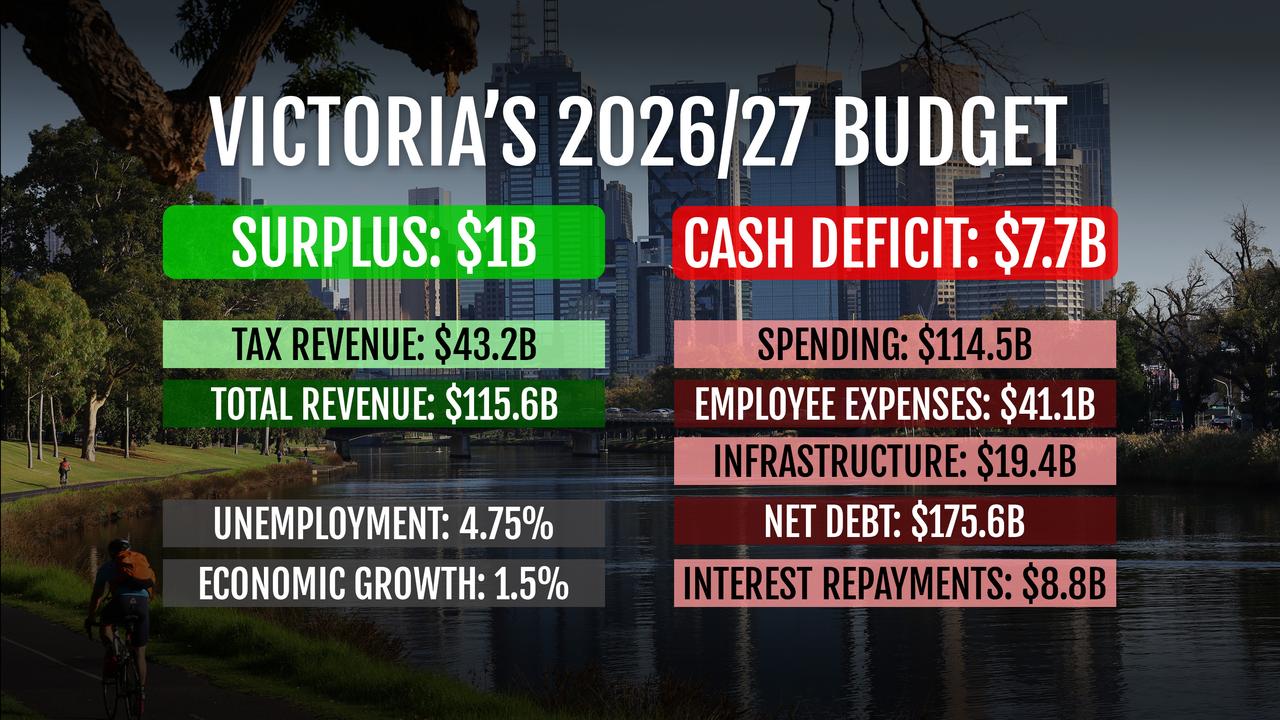
Treasury expects Victoria to post operating surpluses totalling $6.8 billion over the next four years but forecasts more than $30 billion in cash deficits in that span.
While Victoria’s fiscal performance was “gradually improving”, S&P Global Ratings analyst Rebecca Hrvatin said fiscal cash deficits remained structurally large.
The credit ratings agency believes additional spending might not be fully captured in the budget, including election campaign commitments and upcoming wage agreements.
“We believe Victoria’s economic assumptions have downside risks,” Ms Hrvatin said.
“For instance, Victoria’s oil and gas price forecasts are lower than ours, and they assume a faster normalisation following the war in the Middle East.
“A more prolonged disruption could undermine the government’s fiscal forecasts through higher interest rates, lower consumption, and higher unemployment.”
Victorian Chamber of Commerce and Industry chief executive Sally Curtain said the scale of debt and weak growth would likely dent investor confidence.
“It raises more questions than answers,” she said.
Victorians needed to understand the real-life consequences of surging debt, Opposition Leader Jess Wilson said.
“Next year Victorians will be paying an interest bill that could pay for police, ambos and kindergartens and leave spare cash left over,” she told reporters.
The coalition has committed to slash five taxes and drive down debt, if it returns to power for the first time since 2014.
But Ms Wilson is yet to explain where she would find the money, beyond vowing to cut funding as part of the state’s treaty with Aboriginal people.
The budget contained no new taxes.
However, a 40-year extension of Victoria’s lottery licence will deliver a $1.1 billion windfall, offsetting falling poker machine revenue following the introduction of mandatory carded play.
Revenue from stamp duty is forecast to fall by almost $900 million next financial year due to a declining property sales stemming from higher interest rates, Ms Symes said.
Despite the Allan government committing to cut more than 1000 public service jobs, treasury estimates employee expenses will rise to $45.5 billion by 2029/30.
Extra money to be spent on an increased pay offer for public school teachers, mooted to be 28 per cent rise over four years, is expected to come from contingency funding.
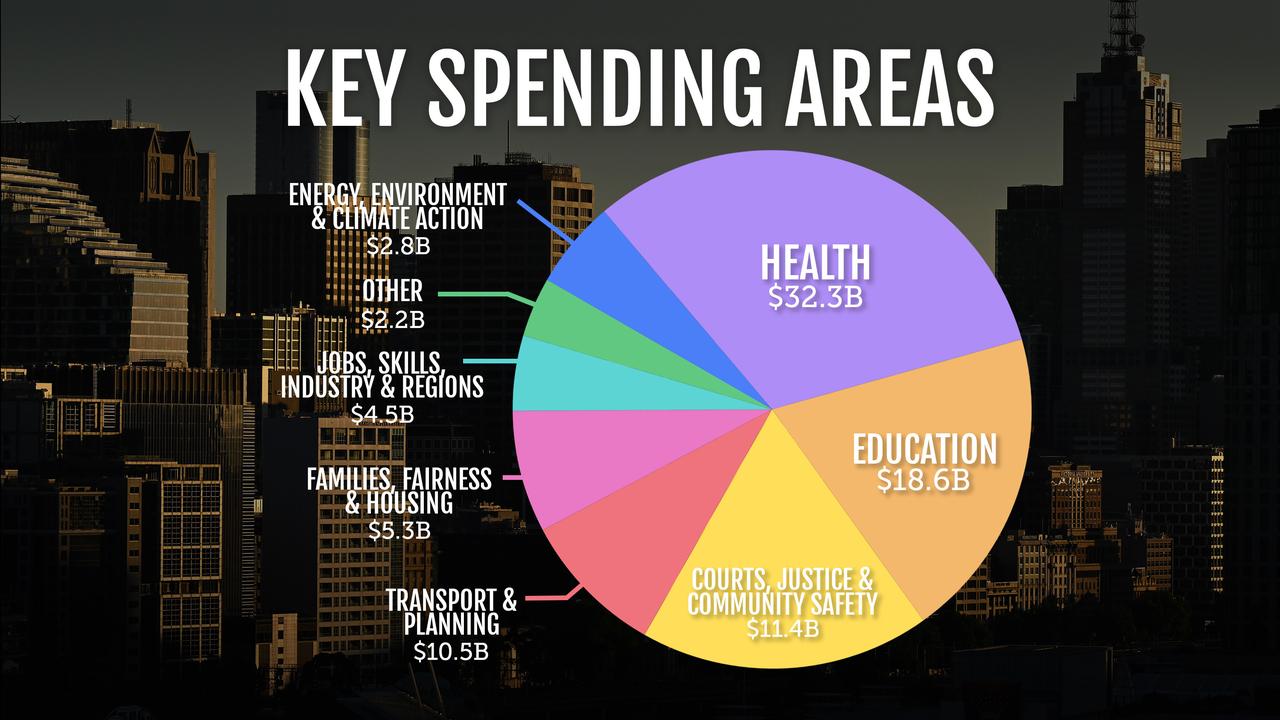
VICTORIAN BUDGET SNAPSHOT 2026/27:
* Net operating surplus: $1 billion in 2026/27, $2 billion in 2029/30
* Net cash deficit: $7.7 billion in 2026/27, $8.1 billion in 2029/30
* Employee expenses: $41.1 billion in 2026/27, $45.5 billion in 2029/30
* Infrastructure spending: $19.4 billion in 2026/27, $15.3 billion in 2029/30
* Net debt: $175.6 billion in 2026/27, $199.3 billion in 2029/30
* Interest repayments: $8.9 billion in 2026/27, $11.8 billion in 2029/30
* Unemployment: 4.75 per cent in both 2026/27 and 2029/30
* Economic growth: 1.5 per cent in 2026/27, 2.5 per cent in 2029/30
Inflation, growth, rates all hinge on end to conflict
The crisis in the Middle East fanned the flames of already buoyant inflation in Australia and could lead to more interest rate pain if it isn’t resolved, the central bank has warned.
The Reserve Bank of Australia released fresh quarterly economic forecasts on Tuesday, when it simultaneously raised its key cash rate by 25 percentage points to 4.35 per cent, as was widely expected.
The rate hike means further repayment pain ahead for mortgage and business loan holders, even as risk continues to lie toward further hikes later this year.
The May quarter forecasts, produced by central bank staff, show the economy is set to slow and consumer price inflation is heading up, although unemployment is likely to remain little changed until the end of the 2026.
“Prior to the conflict in the Middle East, inflation in Australia was materially above target, and the economy and labour market were operating with ongoing capacity pressures,” the RBA said.
“The conflict has led to sharp increases in commodity prices, particularly energy, which has pushed inflation higher.”
The RBA acknowledged that financial markets are currently assuming the central bank’s cash rate will rise to 4.70 per cent by the end of 2026.
This is in line with its use of market cash rate pricing as its base case assumption to inform its modelling for the broader economy.
“Given uncertainty around the duration and severity of the conflict, the outlook for inflation and economic conditions is more uncertain than usual,” it said.
The RBA’s base case is for inflation to remain above its two to three per cent target band for some time.
Headline inflation is expected to rise to an annualised 4.8 per cent in June, before potentially easing to four per cent in December.
The bank’s preferred underlying, or core, inflation measure is on track to 3.8 per cent in June before dipping to 3.5 per cent in December.
The latest data, for the month of March, from the statistics bureau had the measures running at 4.6 per cent and 3.3 per cent, respectively.
On the economy, the RBA sees spending slowing in the months ahead as essentials like higher fuel costs continue to bite.
“These effects will be greater if the Middle East conflict is prolonged, but the global environment is unpredictable,” it said.
Gross domestic product growth is forecast to fall to 1.9 per cent in the year ended June and then to 1.3 per cent in December.
In the 2025 December quarter – the last set of growth data available – the economy lifted to 2.6 per cent.

Turning to the labour market, things get a little complicated because if spending continues to fall, it could prompt job losses.
“If uncertainty becomes particularly high, households and businesses could cut their spending by much more, which would mitigate some of the increase in inflation but lead to a higher unemployment rate,” the RBA warned.
The RBA’s base case is for the unemployment rate to dip to 4.2 per cent in June before bumping back to 4.3 per cent in December.
Overall, the RBA doesn’t see core inflation falling back to the middle of its target band until June 2028.
The federal government will reveal its forecasts in the May 12 budget.