
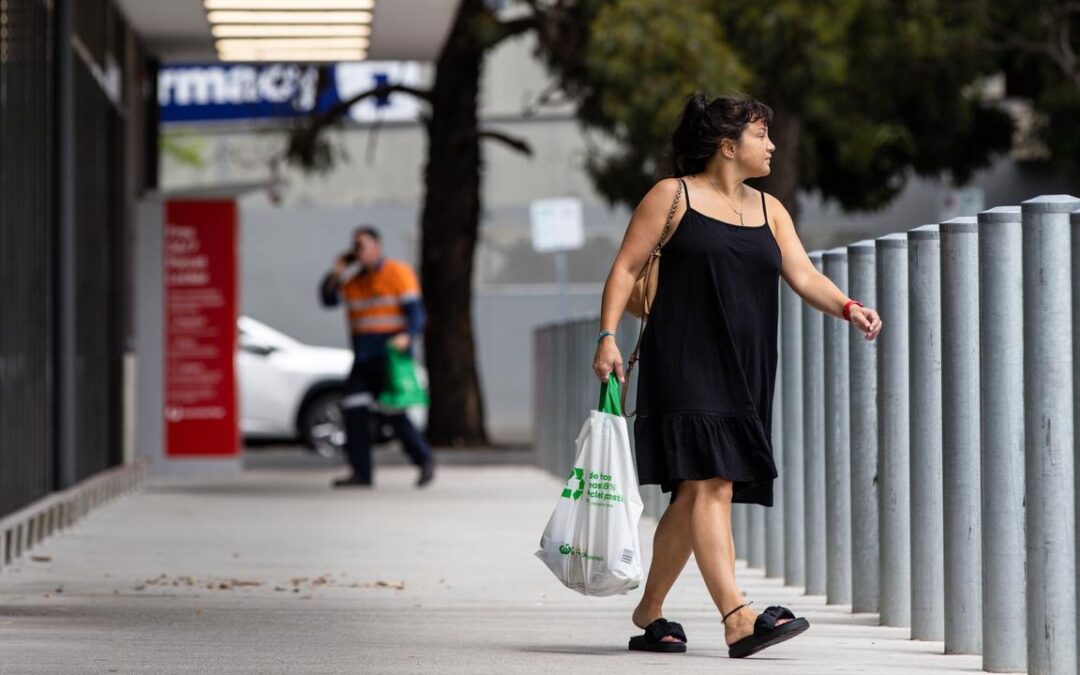
Supermarket brings back soft plastics collection points
Soft plastics recycling collection points are returning to Woolworths stores more than three years after the Australia-wide REDcycle supermarket scheme collapsed.
Woolworths says more than 700 of its stores across five states will accept chip packets, lolly wrappers and similar packaging.
“With this initiative, we have made it easier for Aussie families to recycle their soft plastics as part of their weekly shop,” Woolworths says.
The supermarket giant started a trial of the new scheme in five Victorian Woolworths in February 2024, and several stores in South Australia were the latest to join this week.
Some of the plastic collected through the scheme is recycled and turned into in-store wall panelling and Woolworths-brand bread bags.
The privately run REDcycle scheme came to an abrupt halt in November 2022 after more than 12,000 tonnes of plastic were found to be hoarded in NSW, Victoria and South Australia across dozens of depots.
The retailers involved in REDcycle said they had no knowledge of what was really happening – that plastics which consumers had returned to supermarkets to be recycled were instead put into storage.
More than 500,000 tonnes of soft plastic packaging is used by manufacturers in packaging their products every year, with little of that recycled, according to industry figures.
Woolworths says its renewed recycling program has collected and processed about 40 million pieces of soft plastic, or 310,000kg, since 2024.
Woolworths is co-operating with recycling companies saveBOARD, iQRenew and Plascrete in the program.
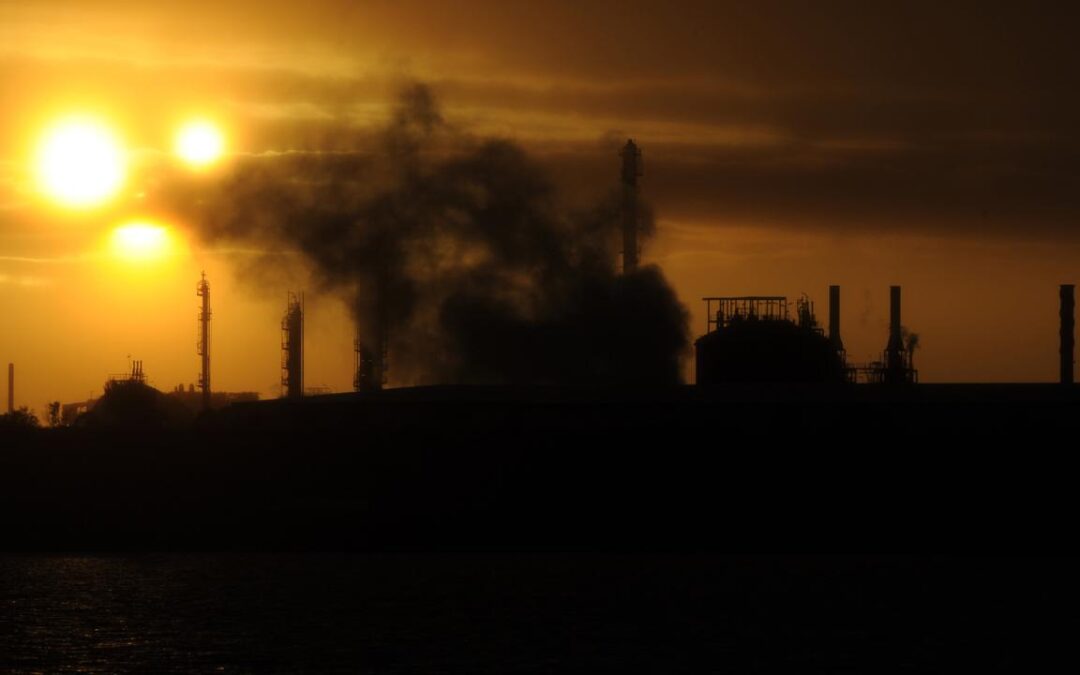
Investors left guessing on corporate climate costs
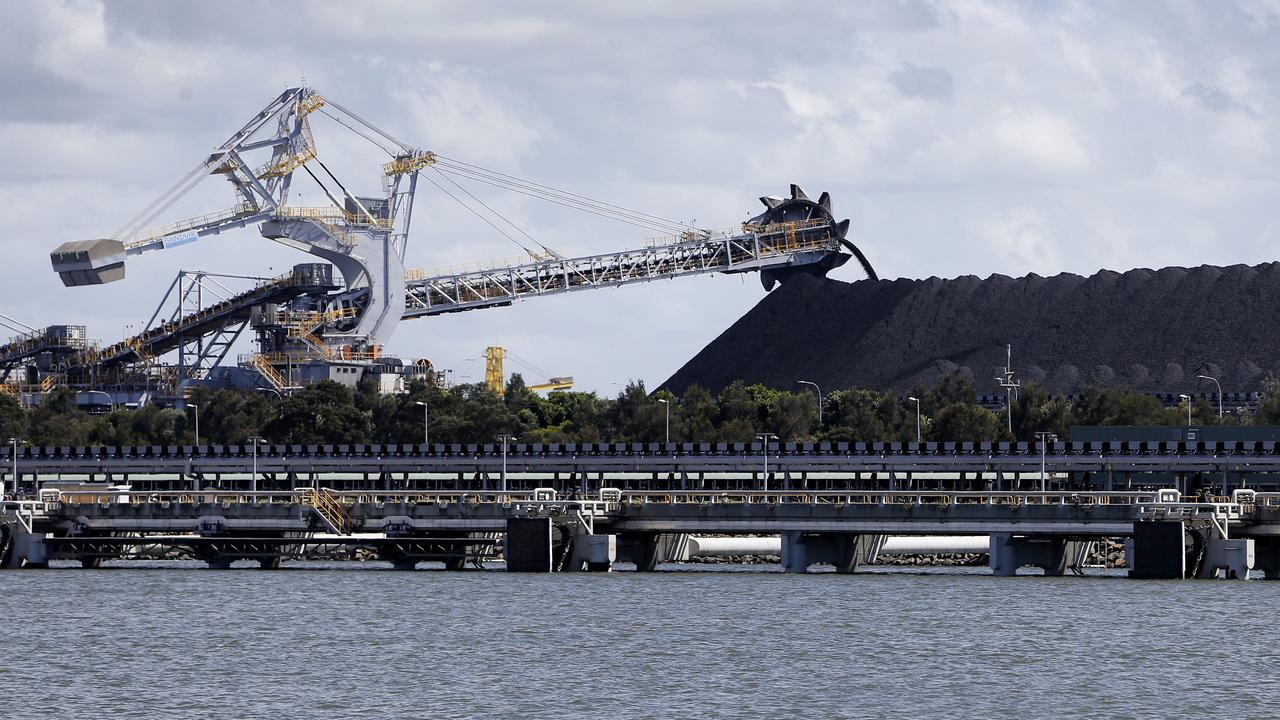
Two-thirds of Australia’s largest companies are owning up to material climate risk but only a third have put a dollar figure on exposure.
The few big firms that have crunched the numbers suggest global temperature rise and decarbonisation will have a material impact on cash flows and earnings.
The $2.5-4.5 billion in annualised climate-related financial risk estimated by corporates so far is just the tip of the iceberg, says ERM, the sustainability consultancy behind the analysis.
“In these this first year of reporting, it’s not a mandatory requirement to quantify climate risk,” ERM lead partner corporate sustainability Mary Stewart told AAP.
“But if they have a material risk, shouldn’t they be quantifying it already?”
The analysis covers the first batch of climate disclosures since it was made mandatory last year, a move designed to put reporting obligations on par with traditional financials.
Little or no capital was flowing into areas of concern, and few companies were embedding climate risk into business decision-making through executive renumeration or other means.
Transition plans were also few and far between, and most companies had put off scope three reporting, referring to indirect emissions generated across entire supply chains.
“The gap between identified climate risk and capital deployed to address it is stark,” Dr Stewart said.
Australian businesses were also grappling with an energy supply crunch and broader economic strain caused by conflict in the Middle East but now was not the time to delay climate investment, she added.
Companies taking steps to insulate from climate risk were in a more resilient position, she said.
“These reports give us an indication of how ready all of the companies are for the coming transition and physical impacts of climate.
“But it also gives you a sense of just how resilient the company is to significant upheaval.”
Energy and mining companies were found to be leading on climate risk management, while financial services firms lagged.
The big end of town have been the first to report under the mandatory scheme and smaller firms will be phased in over coming years.
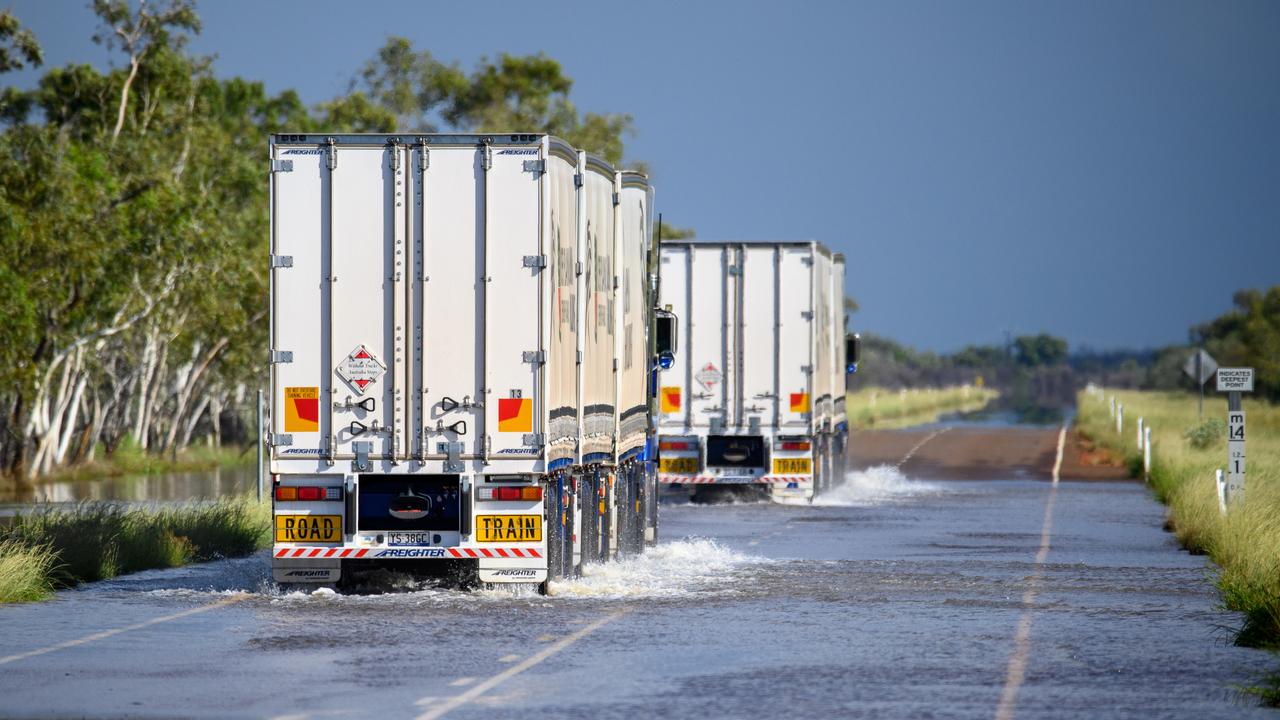
Companies can be exposed to both physical risks, such as flooded factories, and transition risks, such as higher costs from emissions regulation or pricing.
‘ISIS brides’ face arrest on return to Australia
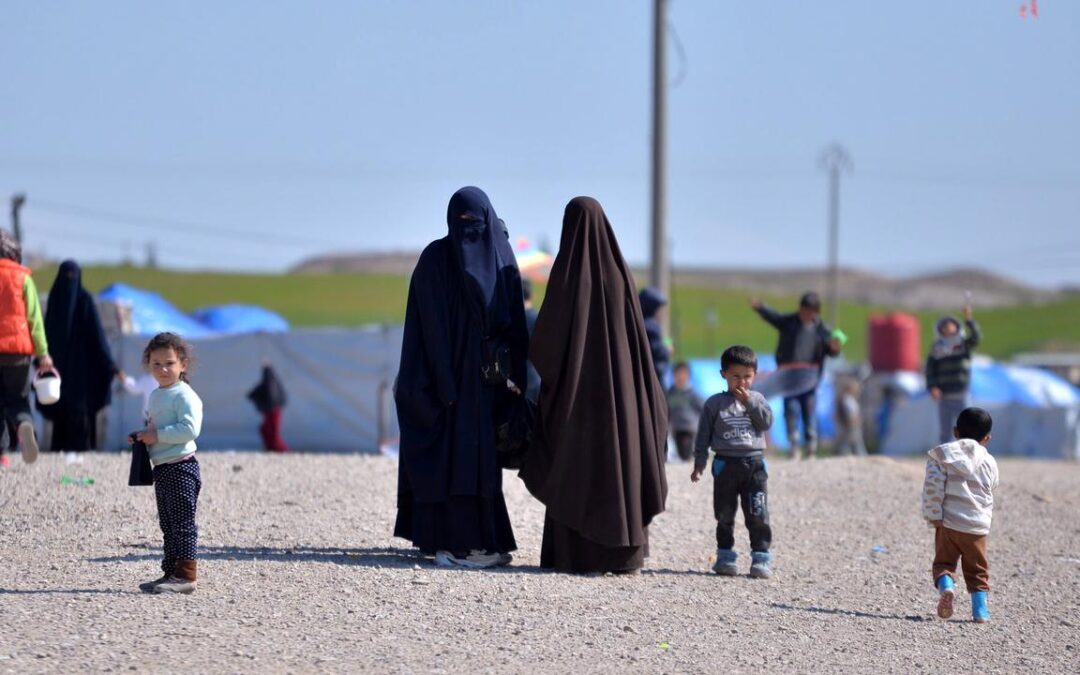
Women and children linked to Islamic State have been warned they face big hurdles reintegrating into Australian society when they return to the country.
The group will arrive in Sydney and Melbourne on Thursday after years in a Syrian refugee camp.
Some of the women, who travelled to the Middle East with their partners who wanted to fight for ISIS, will be arrested on arrival, federal police say.
But the children face an uncertain future, with many having grown up in squalid conditions where violence and radical ideologies are commonplace.
Four women and nine children have booked tickets from Damascus to Australia, the government confirmed on Wednesday.
They are the latest group of so-called “ISIS brides” to return after the collapse of the Islamic caliphate in 2019.
While some women travelled willingly to support their partners who wanted to fight for Islamic State, advocates for the group say others were trafficked, or only went to the Middle East to keep their family together.
All children in the group of 13 returning home would likely need help integrating into Australian society after years in Syrian camps, while others could need more intensive deradicalisation support, leading extremism researcher Michele Grossman told AAP.
“This is going to be very much case by case,” the Deakin University professor said.
“We can’t make assumptions that all children will respond equally … to the kinds of indoctrination activities that we know have gone on in those camps.”
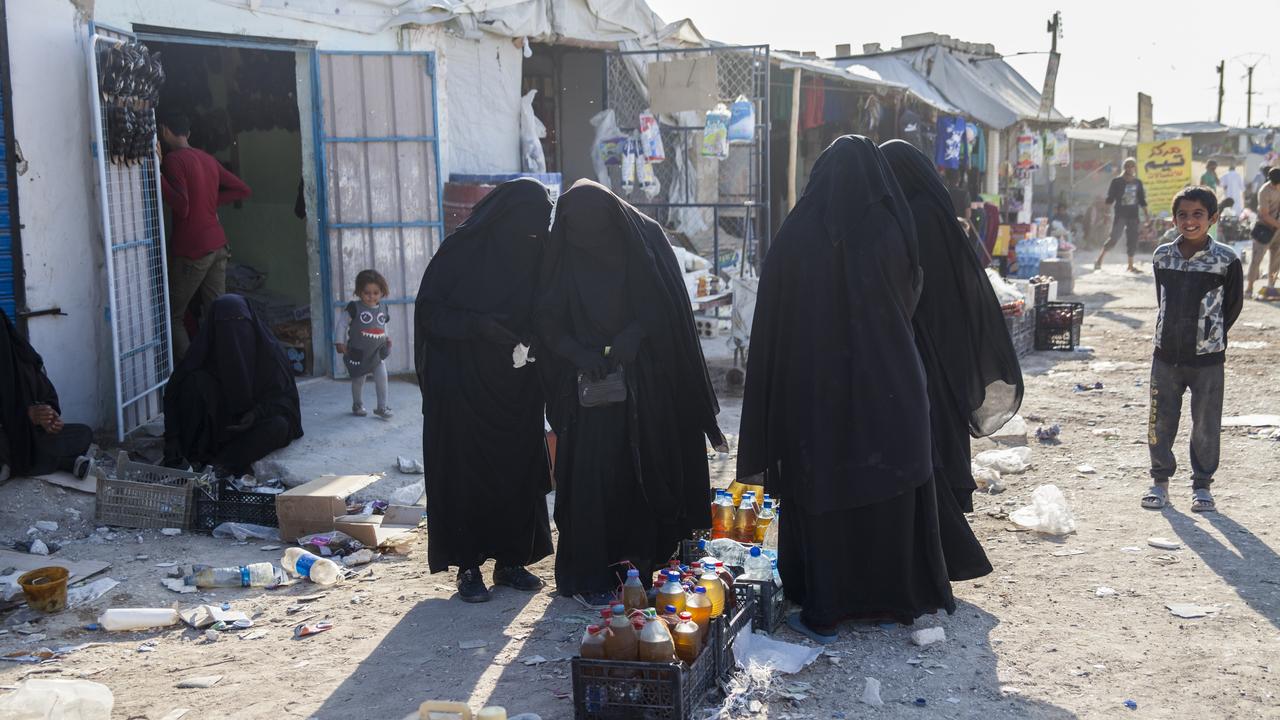
Prof Grossman said support from the community would be crucial to help them recover from years of trauma.
“Communities have to be willing – with appropriate support, with appropriate knowledge and transparency – to be part of the picture,” she said.
“If the community is only ever going to turn them away and refuse to have anything to do with them … then what hope are you giving them, and what prospects are you offering them?”
One woman has been barred from entering Australia on national security grounds and the opposition has reiterated its calls for the entire cohort to be blocked.
“These are people that went to support a terrorist organisation, not on holiday and got caught on some misdemeanour,” opposition home affairs spokesman Jonno Duniam told reporters in Hobart.
“Serious crimes, serious risks to our community.”
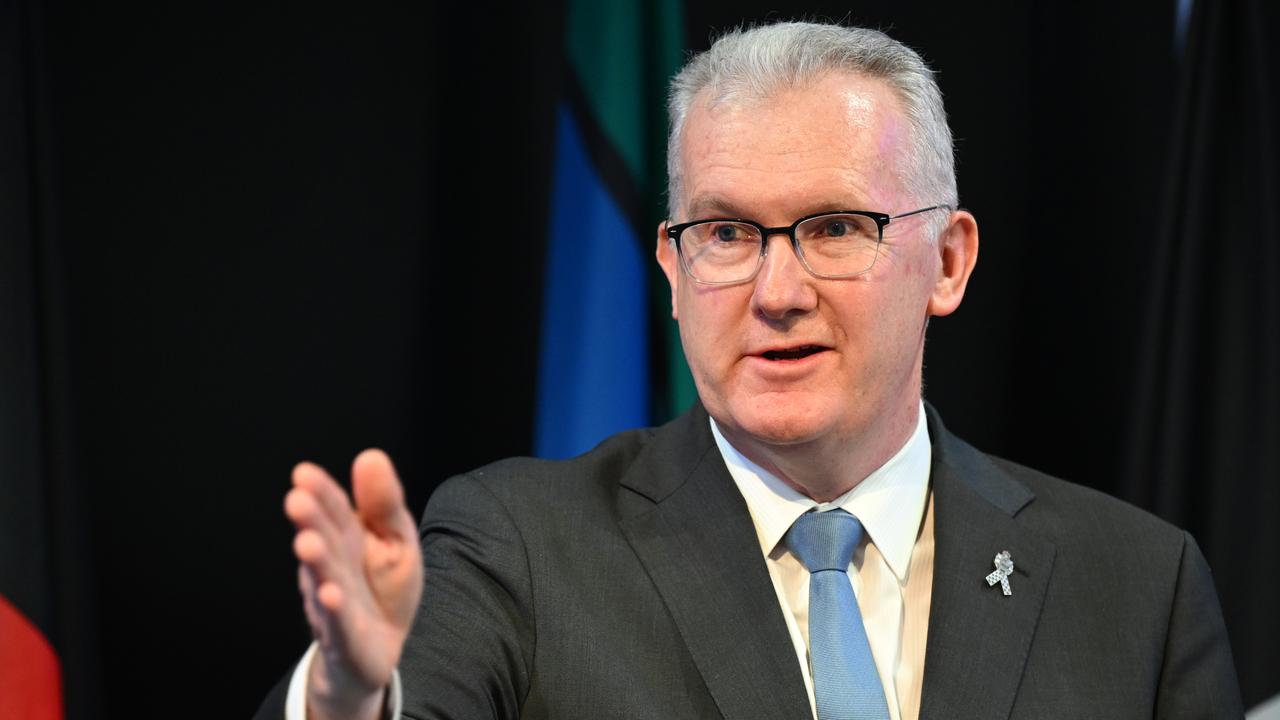
But Home Affairs Minister Tony Burke said there were limits on the government’s ability to prevent citizens returning to their home country.
While each child would be different, many of them would have little memory of what Australia was like, violent extremism specialist Peta Lowe told AAP.
Previously director of countering violent extremism in NSW Youth Justice, Ms Lowe said some of the children might have more complex needs but others could only need a safe environment to reintegrate.
“It may not be any conversations at all about religion or political beliefs,” she said.
“It may be around those very normal things that we would do for children when they’ve come out of risky situations.”
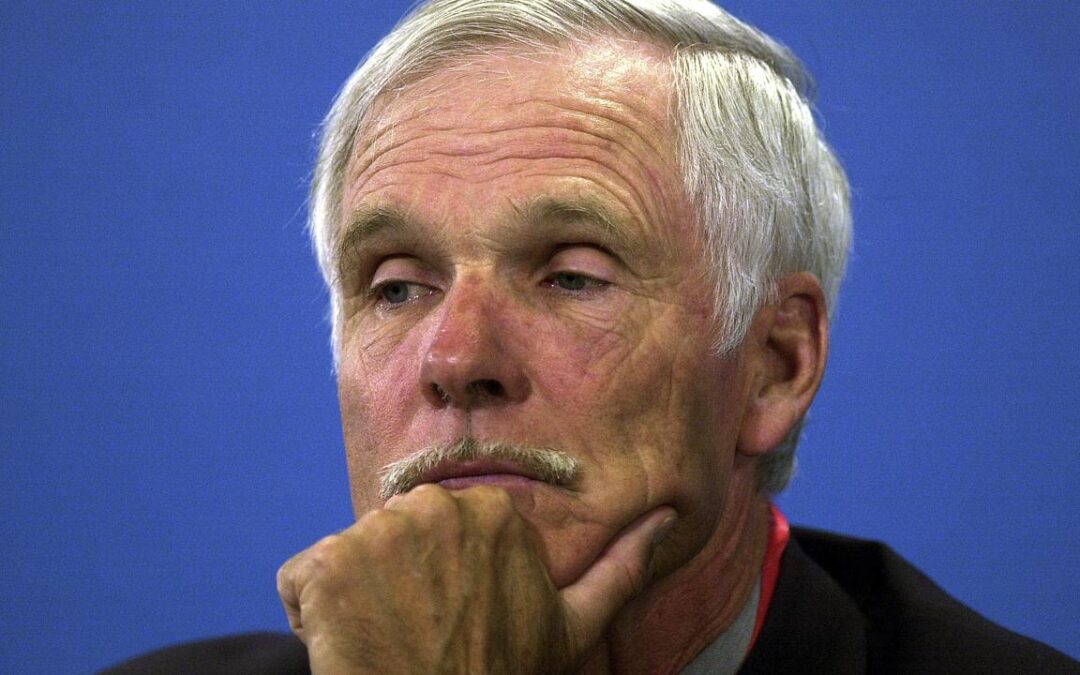
CNN founder Ted Turner dies at the age of 87
Ted Turner, the founder of the CNN network, has died at the age of 87, the broadcaster says.
The United States-based network said the outspoken and often outrageous television pioneer died on Wednesday, citing a news release from Turner Enterprises.
Turner transformed an obscure Atlanta television station into the first satellite-based “superstation” and founded Cable News Network, the first 24-hour all-news TV network.
He owned professional sports teams in Atlanta, defended the America’s Cup in yachting in 1977 and donated $US1 billion ($A1.4 billion) to United Nations charities.
He married three women – most famously actress Jane Fonda – and earned the nicknames “Captain Outrageous” and “The Mouth of the South”.
He once bragged: “If only I had a little humility, I’d be perfect.”
He was slowed in later years by Lewy Body Dementia.
Long since out of the television business, he concentrated on philanthropy and his more than 800,000 hectares of property, including the country’s largest bison herd.
His garrulous personality sometimes overshadowed a driven, risk-taking business acumen.
By the time he sold his Turner Broadcasting System to Time Warner Inc in a 1996 media megadeal, Turner had turned his late father’s billboard company into a global conglomerate that included seven major cable networks, three professional sports teams and a pair of hit movie studios.
Turner’s signature achievement was creating CNN in 1980.
Turner’s own frustration with television news was the instigator.
He often worked past 8pm – after the US nightly newscasts of ABC, CBS and NBC had already gone off the air – and was in bed by the time his local stations did their own newscasts at 11pm.
He took a chance by starting the operation sometimes derided as the “chicken noodle network” in the early days of cable television, living in an apartment above its Atlanta office.
“I was going to have to hit hard and move incredibly fast and that’s what we did – move so fast that the (broadcast) networks wouldn’t have the time to respond, because they should have done this, not me,” Turner recalled in a 2016 interview with the Academy of Achievement.
“But they didn’t have the imagination.”
CNN’s breakthrough moment came during the Gulf War with Iraq in 1991.
Most television journalists had fled Baghdad, warned of an imminent US attack.
CNN stayed, capturing arresting images of a war’s outbreak, with anti-aircraft tracers streaking across the sky and correspondents flinching from the concussion of bombs.
Turner was promised a continued role in CNN after his company’s sale to Time Warner for $US7.3 billion in stock but was gradually pushed out, much to his regret.
“I made a mistake,” he later said.
“The mistake I made was losing control of the company.”
with AP
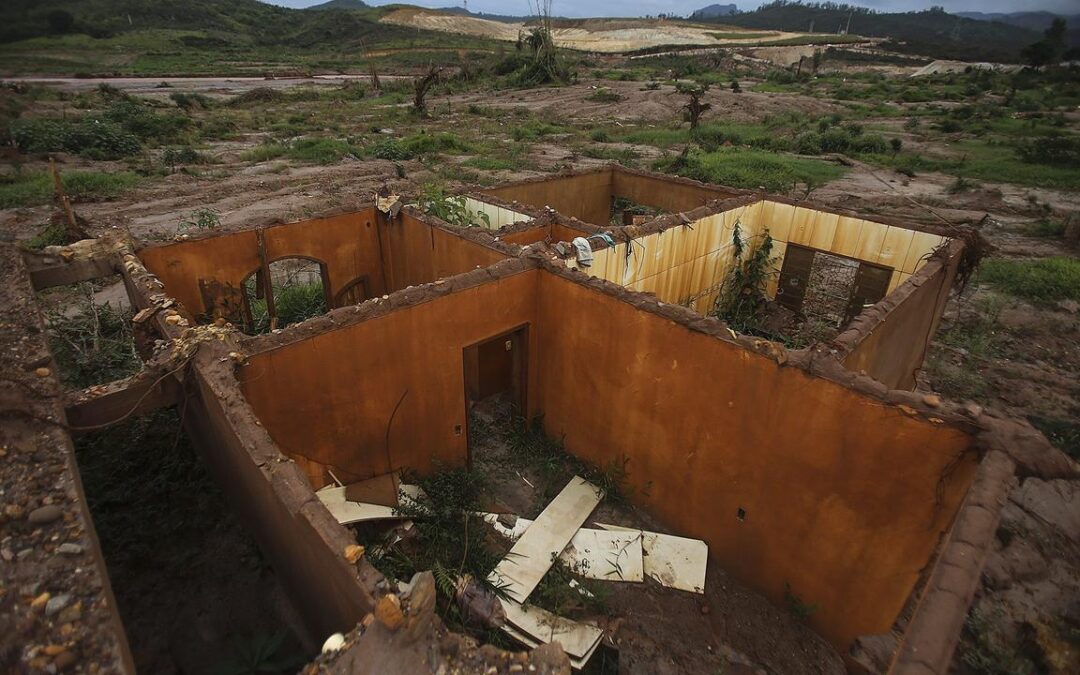
BHP denied appeal for judgment over Brazil dam collapse
BHP cannot appeal against a UK ruling that it is liable for the 2015 collapse of a dam in southeastern Brazil, London’s Court of Appeal has ruled.
In November, London’s High Court ruled the Australian mining giant was legally responsible for the collapse of the Fundao dam in Mariana, southeastern Brazil, which was owned and operated by BHP and Vale’s Samarco joint venture.
BHP’s application for permission to appeal that ruling was refused in January by the High Court and BHP applied directly to the Court of Appeal, which refused permission on Wednesday.
How we can fight China rare metal monopoly: mining boss
Australia and its allies may have to embrace market intervention to combat decades of inaction that let China gain a stranglehold on critical raw materials, an outgoing mining boss says.
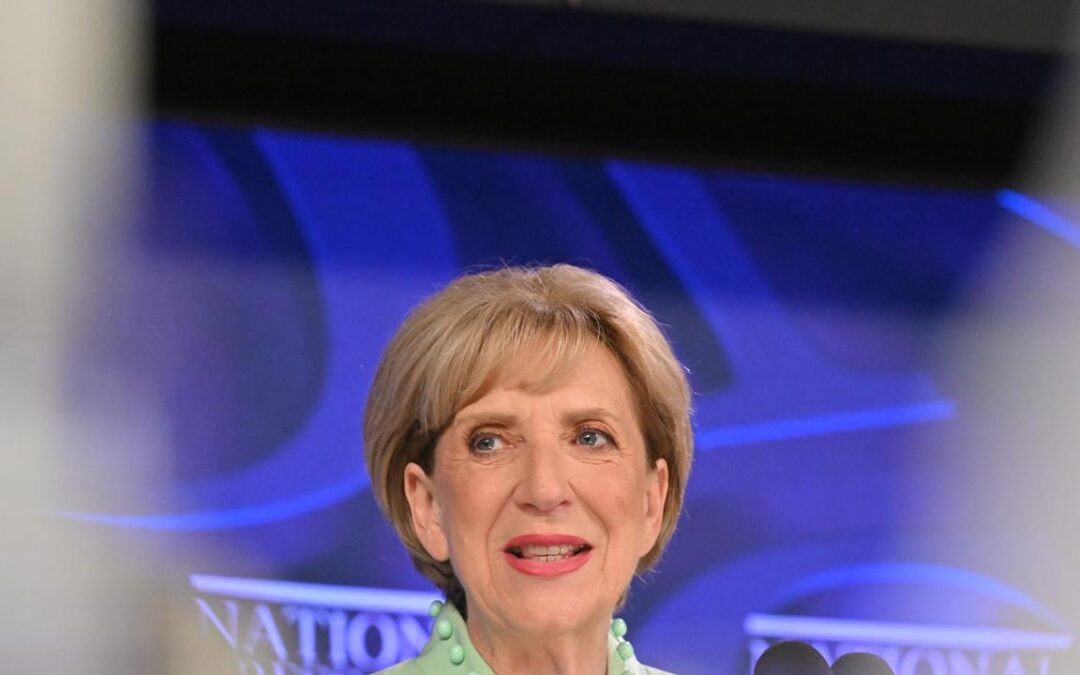
Lynas Rare Earths chief executive Amanda Lacaze told the National Press Club on Wednesday that Australia should produce more mining engineers, consider tax credits and push for more purchases from non-Chinese supply chains.
Such moves could help counter the dominance of China, which spent 30 years developing a monopoly on processing rare earth metals, a group of elements crucial for modern high-tech applications.
China’s push towards monopolising rare earths processing passed with little note when governments believed in the benefits of globalisation, she said, but it had since become clear some countries would use industrial policy to advance their national interests first.
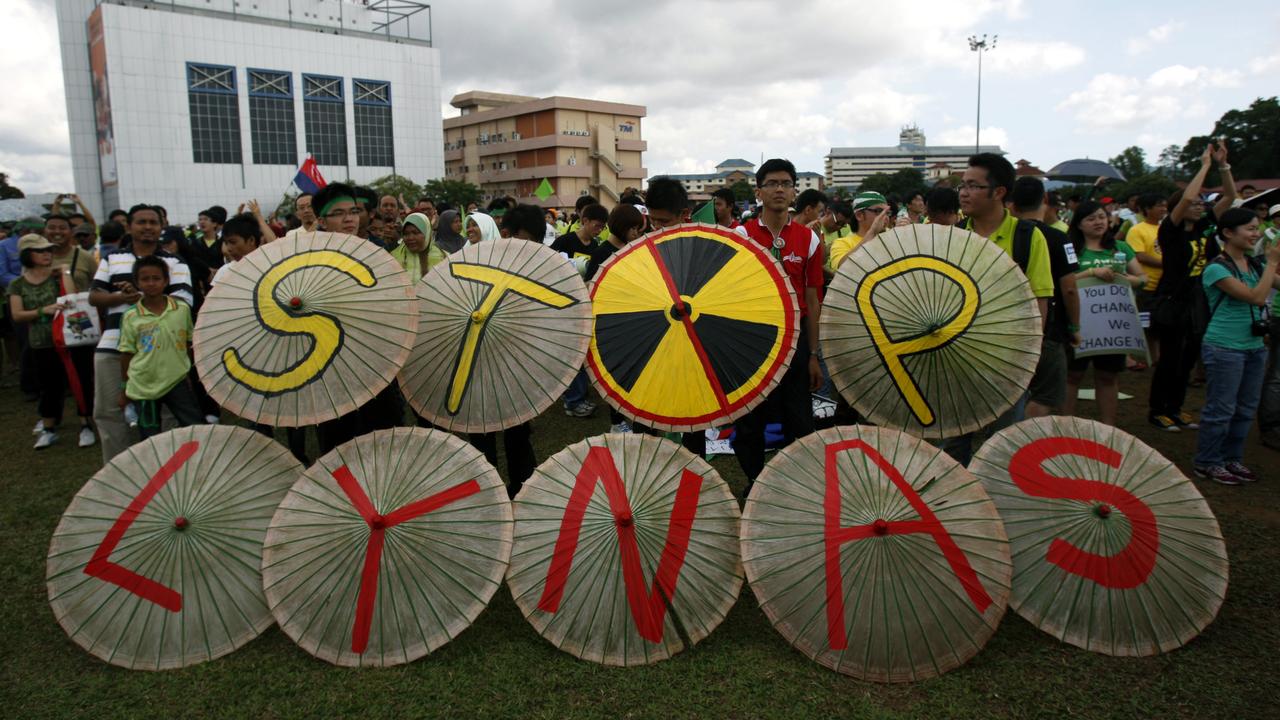
In 2010, following a territorial dispute over uninhabited islands in the East China Sea, China cut off its supply of rare earths to Japanese industry, creating a crisis that resulted in Tokyo financing the development by Lynas of its Mt Weld mine in Western Australia.
But once the crisis passed, China flooded the market with rare earths, tanking prices and bankrupting another miner, US-based Molycorp, in 2015.
Lynas survived thanks to its Japanese backing, but its troubles didn’t end there.
When Ms Lacaze became chief executive in 2014, the company’s controversial Malaysian processing plant “frankly, just did not work”, she said.
“We had limited knowledge on how to fix the plant, a broken balance sheet, little or nothing to sell, difficult relationships with our suppliers, and a shareholder register devoid of any institutional funds,” she said.
Things were so bad her husband sometimes asked her why she took the job, Ms Lacaze added.
“I got sick of reading about the ‘beleaguered miner’ Lynas; the most cutting was where we were described as a debt-ridden basket case.
“We could have easily packed up our bats and balls and got home, because it was pretty tough, but that is not the Lynas way.”
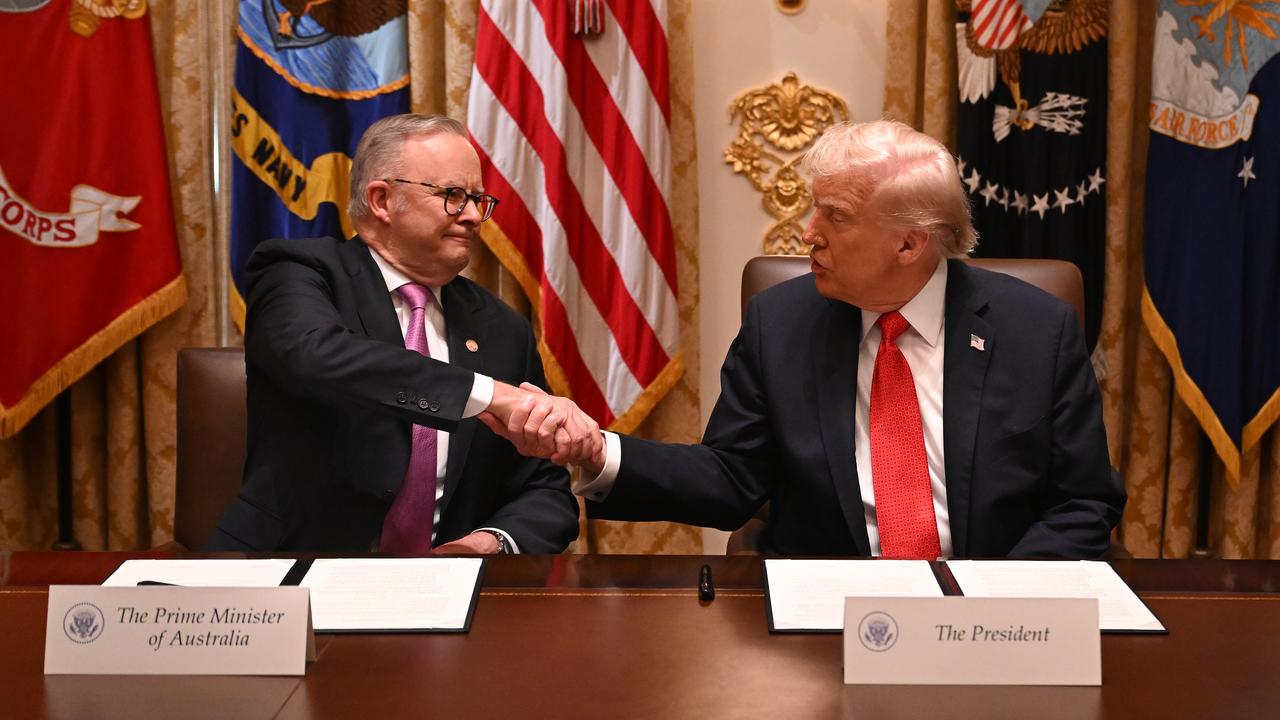
During all this, Japan Australia Rare Earths, a joint venture between Japan’s Sojitz Corp and a state-owned entity, provided financing as well as technical and commercial support.
Today, Beijing still dominates the industry and in 2025 used that as leverage in its trade war with the US, spurring urgent action from Washington to attempt to create its own rare earths supply chain.
“Our experience shows that succeeding in this market is much more complex than simply throwing money at the problem,” Ms Lacaze said.
A long-term perspective was needed to match that of Beijing, she said.
The mining boss recounted that someone in Washington told her recently they “really are focused on the strategic long term” – until the upcoming US mid-term elections.
Engineering remains an aspirational job in China, Ms Lacaze noted, while in Australia universities graduate dozens of mining engineers when they used to produce hundreds.
Tax credits or requirements to purchase from non-Chinese supply chains could help support the industry, she said.
“You can’t stand still … China’s already 20 years ahead of us.
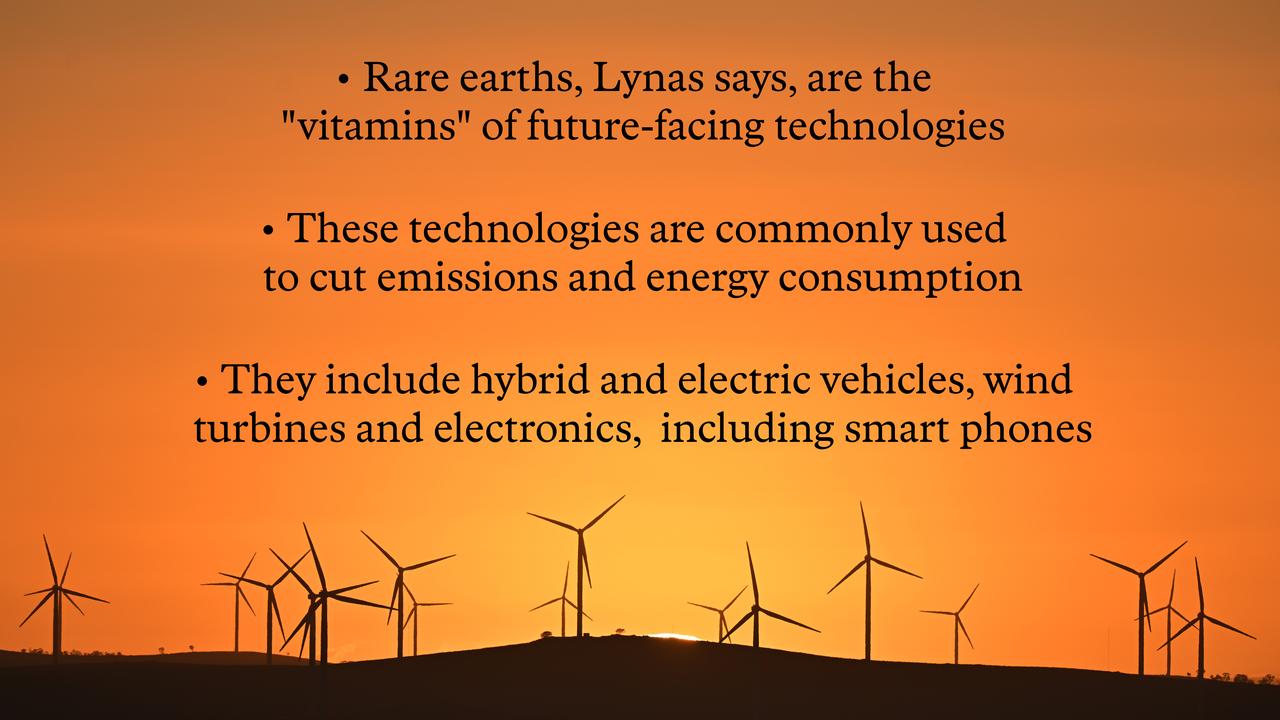
“That means we have to work harder, smarter and faster to catch up.”
Ms Lacaze retires in June.
During her 12-year tenure, Lynas’s market capitalisation has grown from less than $400 million to nearly $19 billion.
In December, it joined the ASX50 index, representing the nation’s largest listed companies.
Apple agrees to $US250m settlement over delayed AI
Apple has agreed to a $US250 million ($A348 million) settlement in a lawsuit accusing the tech giant of misleading iPhone buyers over delayed artificial intelligence upgrades to its Siri voice assistant.
The settlement, which still requires approval from a federal judge in the US state of California, is expected to benefit customers in the United States who bought certain newer iPhone models.
The case centres on delayed artificial intelligence upgrades to Siri.

Apple announced the enhanced Siri at its WWDC developer conference in June 2024 and also temporarily advertised it around the launch of the iPhone 16 model line in September 2024.
However, Apple announced in March 2025 that the software had been delayed, later saying it had not worked reliably enough to be released.
Apple now expects the personalised Siri to become available in 2026.
The improved Siri is intended to be particularly helpful to users because it has access to their personal information and can work across different apps on Apple devices.
The settlement agreement is expected to benefit US customers who bought one of the iPhone 16 models or an iPhone 15 Pro between the WWDC presentation on June 10, 2024, and Apple’s acknowledgement of the delay on March 29, 2025.
Under the settlement, Apple does not admit any wrongdoing.

‘A joke’: Fortescue founder takes on diesel tax credit
More Australian miners would be reducing diesel dependency and the budget would be in better shape to support households if the Commonwealth cut back fuel credits, Fortescue chair and found Andrew Forrest says.
Injecting fresh energy into a pre-budget campaign to deliver a less-generous fuel rebate scheme, Dr Forrest called it a “long-running joke” preventing the broader mining industry from embracing electrification and clean energy.
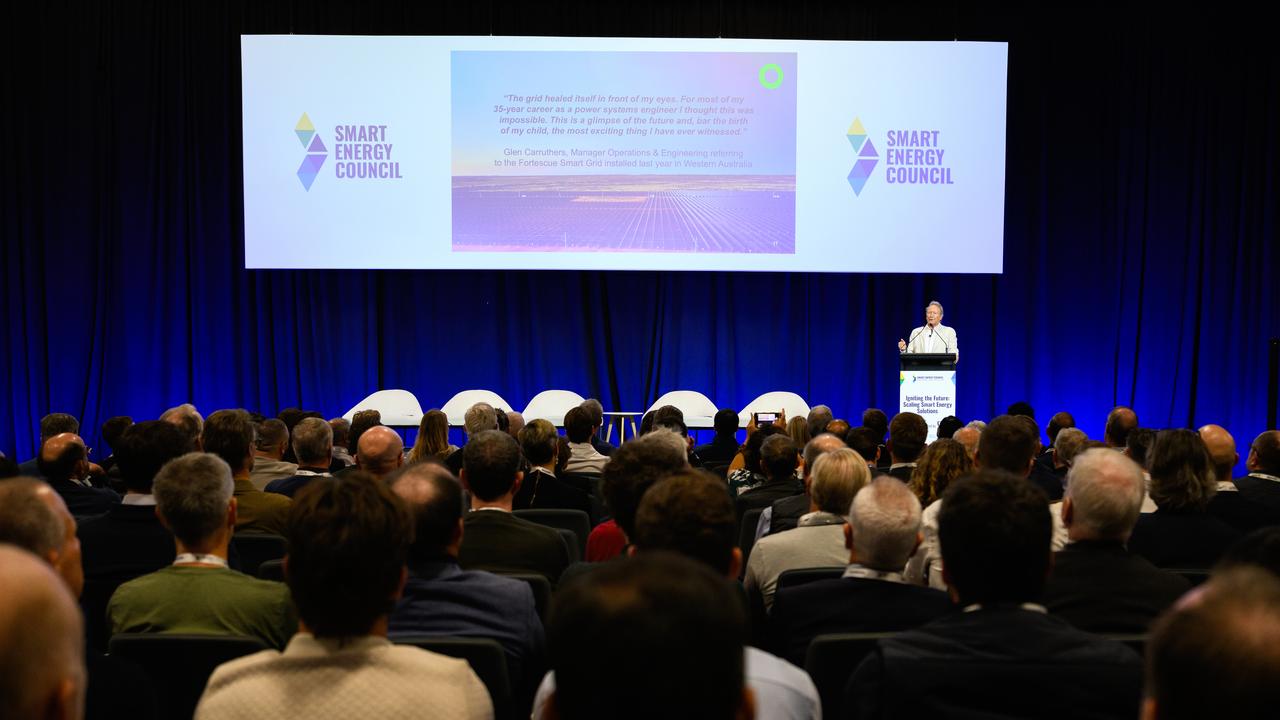
“What we need is help right now for the struggling mums and dads of Australia, that $2.5 billion doesn’t need to go to people who just made $35 billion last year,” he told reporters at the Smart Energy Council conference in Sydney.
“It’s a joke.”
The scheme gives tax credits to businesses for their use of diesel in vehicles, machinery, plants and equipment on private land, and is claimed in industries including mining, transport, farming, forestry and fishing.
Costing roughly $11 billion a year and no longer tied to the costs of maintaining roads, critics argue the rebates are burdening the budget and keeping users hooked on an emissions-intensive fuel that leaves them vulnerable to supply chain shocks, as exposed by war in the Middle East.
The policy has received renewed scrutiny heading into the 2026 federal budget, with the Australian Council of Trade Unions and the Labor Environmental Action Network among supporters of a less generous scheme.
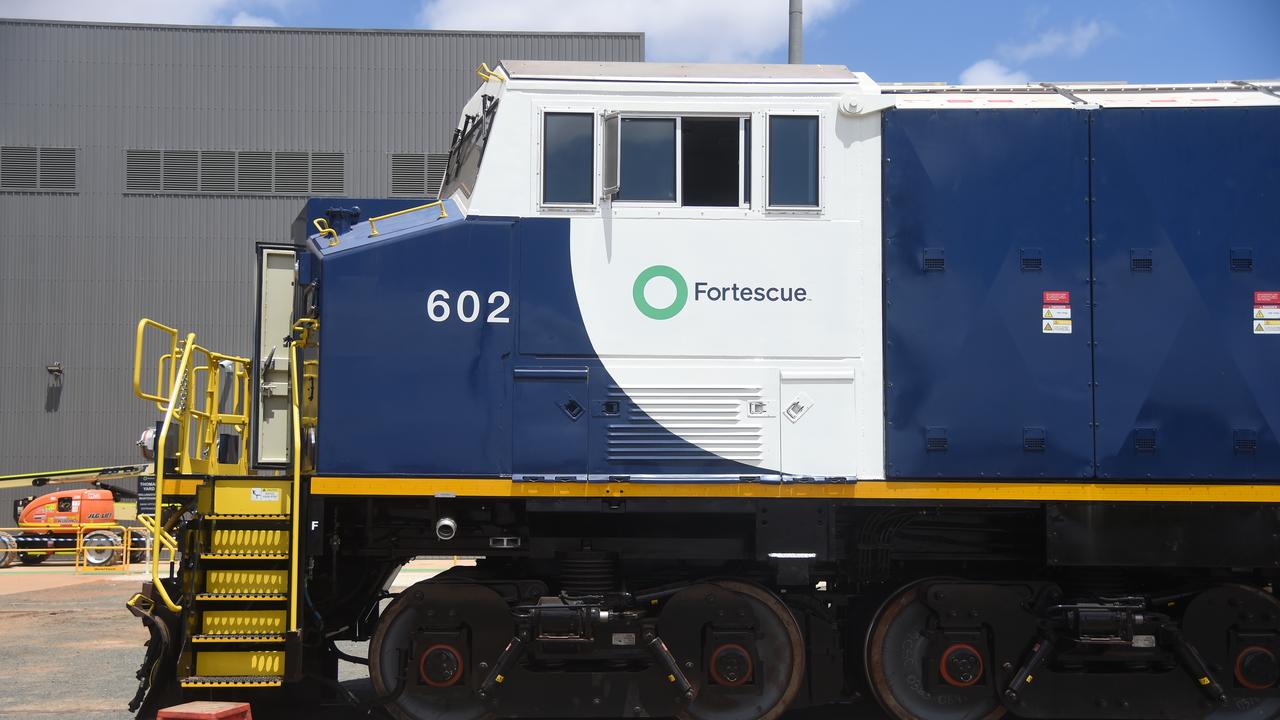
Fortescue has also been pushing for a wind back. The miner is among the biggest beneficiaries, but is pursuing a rapid decarbonisation agenda to run its trucks and machines on renewable energy rather than diesel.
The iron ore producer claims to be on track to reach “real zero” by 2030, referring to actual emissions cuts without offsets.
Dr Forrest highlighted growing public support for winding back the fuel tax credit scheme when queried if federal government interest had tempered since Israel and the United States attacked Iran.
A few different models have been discussed and the Fortescue founder has specifically been advocating for a $50 million a year cap per corporate group, a change that would save the budget $2.5 billion a year while insulating farmers and smaller operators.
Federal Resources Minister Madeleine King has previously said the government is not considering changes to fuel credits in the 2026 budget and defended their use by farmers, miners and tourism operators not using public roads
Romania’s pro-European coalition collapses
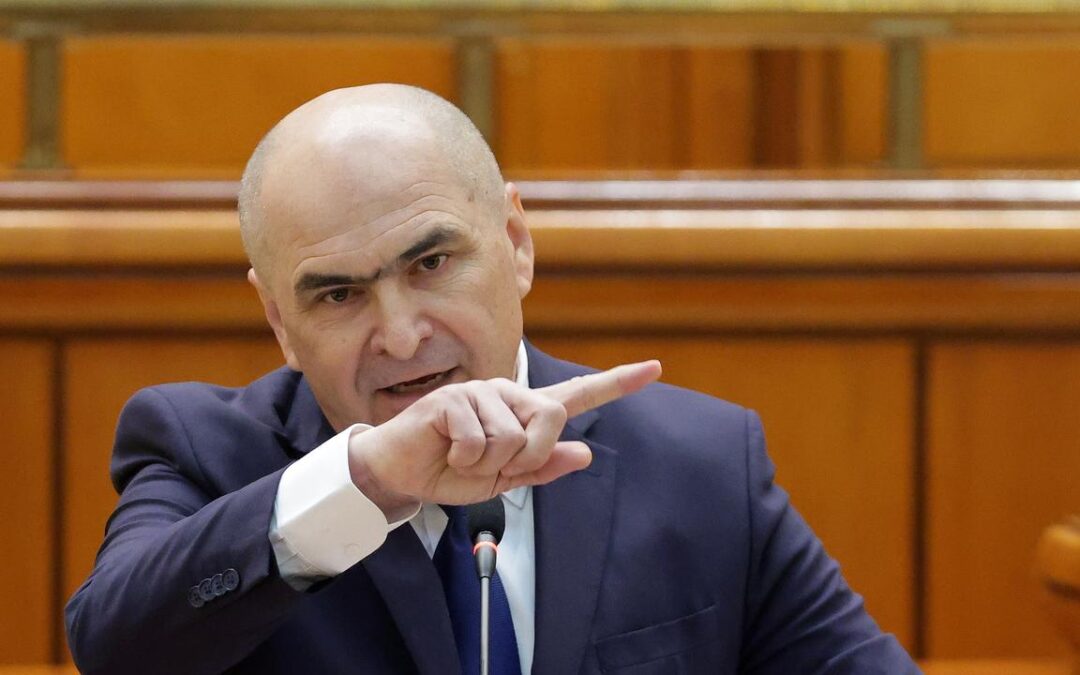
Romania’s pro-European coalition has collapsed after lawmakers voted against Prime Minister Ilie Bolojan, less than a year after he was sworn in, triggering fresh turmoil in the European country.
The no-confidence vote on Tuesday was a blow to Bolojan, who came to power with the aim of ending one of Romania’s worst political crises in its post-communist history.
The Social Democratic Party, or PSD, and the nationalist opposition Alliance for the Unity of Romanians party, or AUR, jointly submitted the motion to Parliament on April 28.
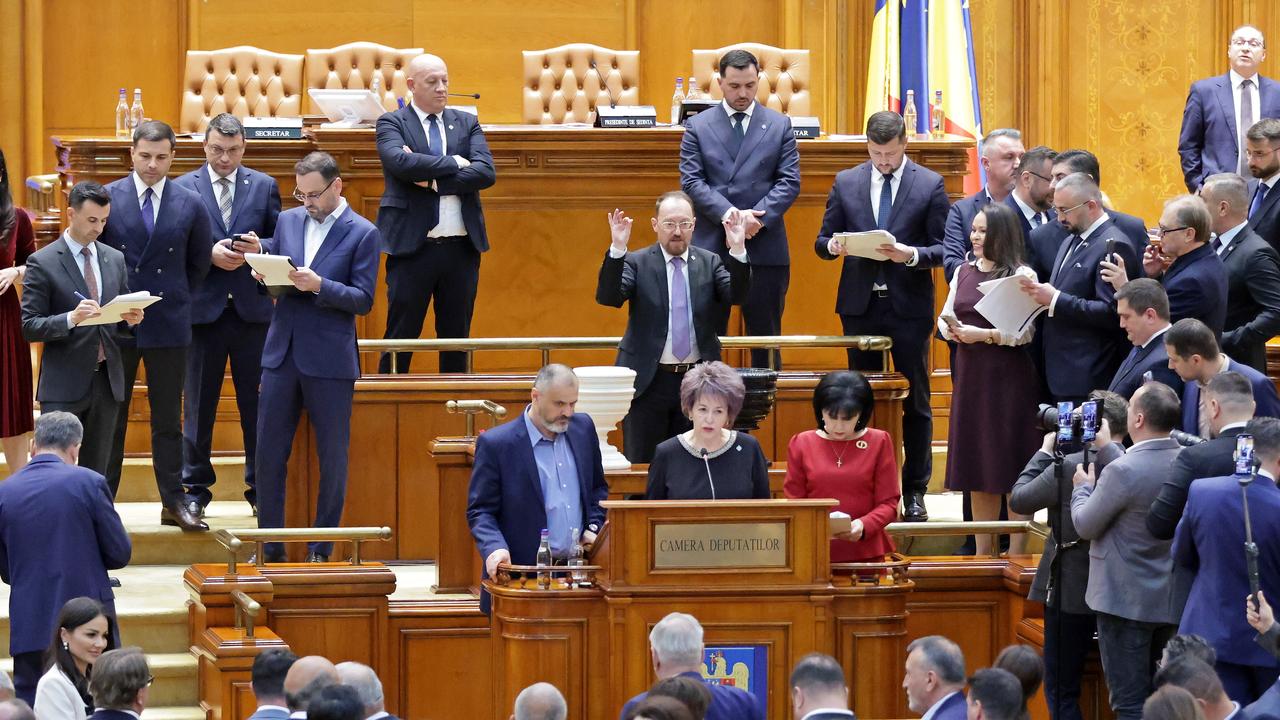
PSD withdrew from the coalition last month. On Tuesday, 281 lawmakers voted in favour and four voted against.
Lawmakers from Bolojan’s National Liberal Party, or PNL, and coalition partners, Save Romania Union party and the small ethnic Hungarian UDMR party, abstained.
Romanian President Nicusor Dan called for calm on, saying that while it is “not a happy moment … it is a democratic decision by parliament,” and that negotiations and informal consultations to form a new government were underway.
“We will have a new government within a reasonable time,” Dan said.
“I exclude the scenario of early elections. And I emphasise: at the end of these procedures, we will have a pro-Western government – we will calmly get through this.”
Romania has faced a long period of instability after the annulment of a presidential election in December 2024.
The country has also grappled with one of the highest budget deficits in the European Union, rampant inflation, and a technical recession. In June, when the coalition was voted in, it pledged to reduce the budget deficit, marking it a top priority.
The PSD had often found itself at loggerheads with Bolojan over austerity measures, including tax hikes, public-sector wage and pension freezes, and cuts to state spending and public administration jobs.
Last week, the party accused Bolojan of “failing to implement any genuine reform” in his 10 months leading the government, and said Romania needs a leader who is “capable of collaboration”.
Bolojan said that he took tough but necessary fiscal measures that effectively “regained the trust of the markets in the Romanian government”.
Bolojan also called the no-confidence motion “cynical and artificial” and said before the vote that it “seems to be written by people who were not in government every day and did not participate in all the decisions”.
The PSD party’s president, Sorin Grindeanu, said Bolojan should appoint an interim prime minister until one is voted into office by lawmakers. He also said he expected Romanian President Nicusor Dan to consult PSD.
“I would like us to quickly find a solution … together with the other parties and move forward,” Grindeanu said.
“All options are open.”
Islamic State-linked families to return to Australia
A cohort of Islamic State-linked families have confirmed plans to return to Australia, the home affairs minister says.
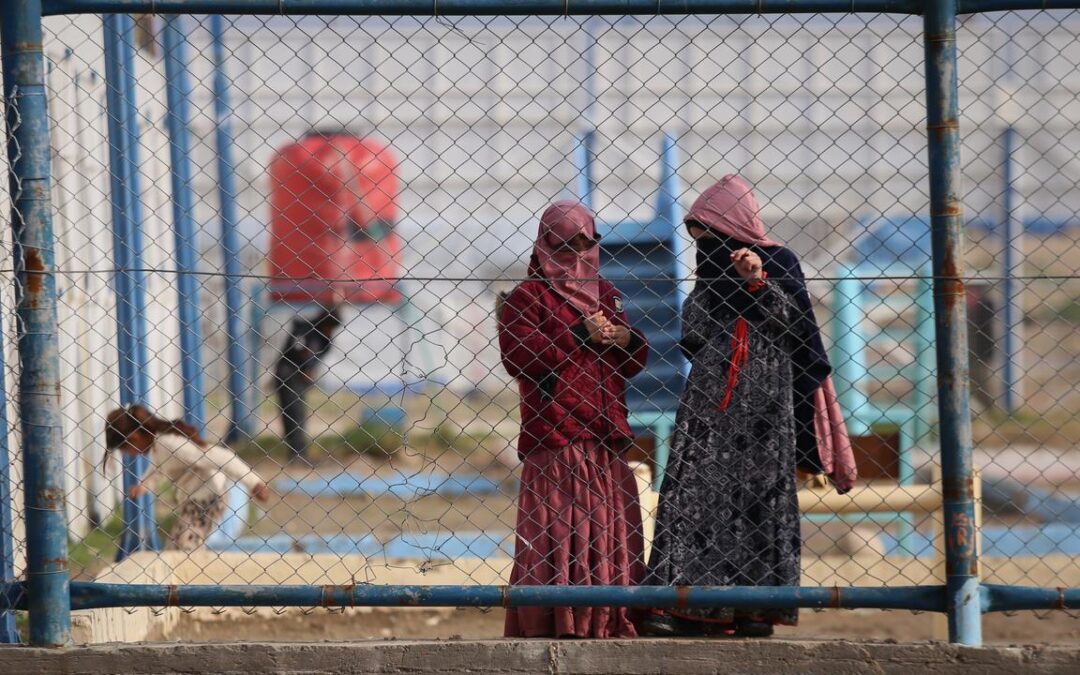
In a statement, Tony Burke said the group, made up of four women and nine children, have finalised plans to come back to Australia after spending years stranded in a Syrian refugee camp.
Mr Burke said the government was not assisting the group in any way.
“These are people who have made the horrific choice to join a dangerous terrorist organisation and to place their children in an unspeakable situation,” he said.
“Any members of this cohort who have committed crimes can expect to face the full force of the law.”
It was revealed in late April that the group of 13 had left the al-Roj camp to travel to the Syrian capital Damascus with plans to board a flight back to Australia.
They were yet to depart at that point and it was unclear if they had secured plane tickets to return.
Mr Burke said Australian intelligence agencies had been preparing for a potential return of the group since 2014 and plans are in place to monitor them.
“The priority of the government, as always, is the safety of the Australian community,” he said.
A group of about 30 women and children has been trying to return home to Australia from Syria for years after travelling to the Middle East with men who sought to fight for Islamic State before the caliphate was toppled in 2019.
The larger cohort recently attempted to leave the al-Roj camp for Damascus in order to travel to Australia but were turned around by local authorities and forced to return.