
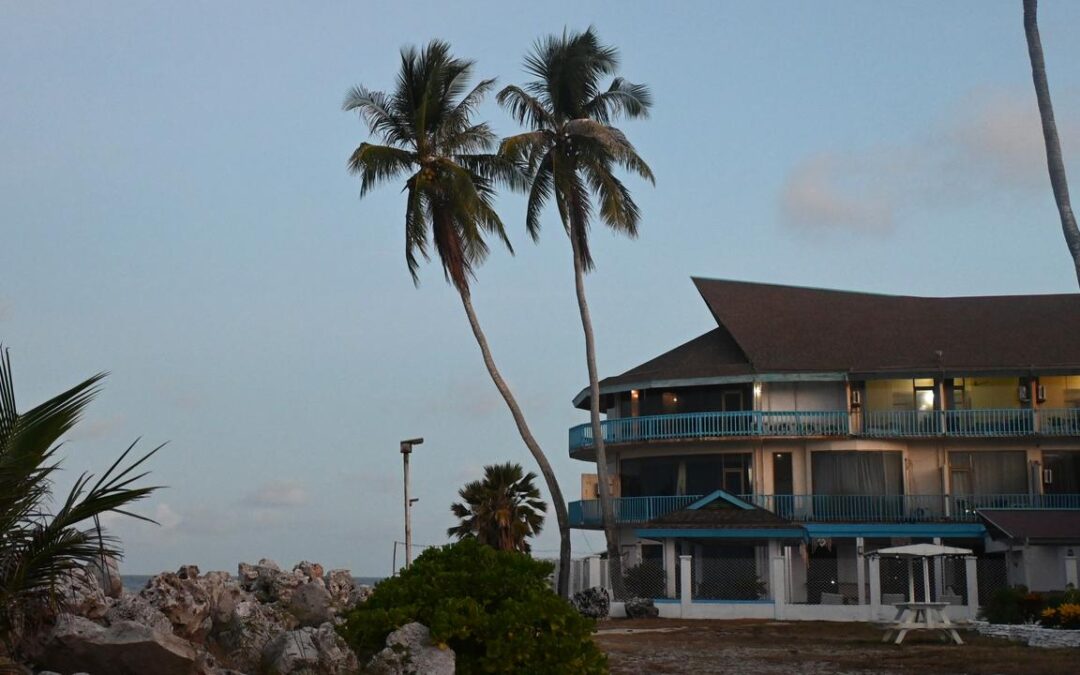
Pacific island nation charts path to diesel freedom
The world’s smallest island nation is seeking to unshackle its power system from diesel after signing on to a landmark renewables partnership.
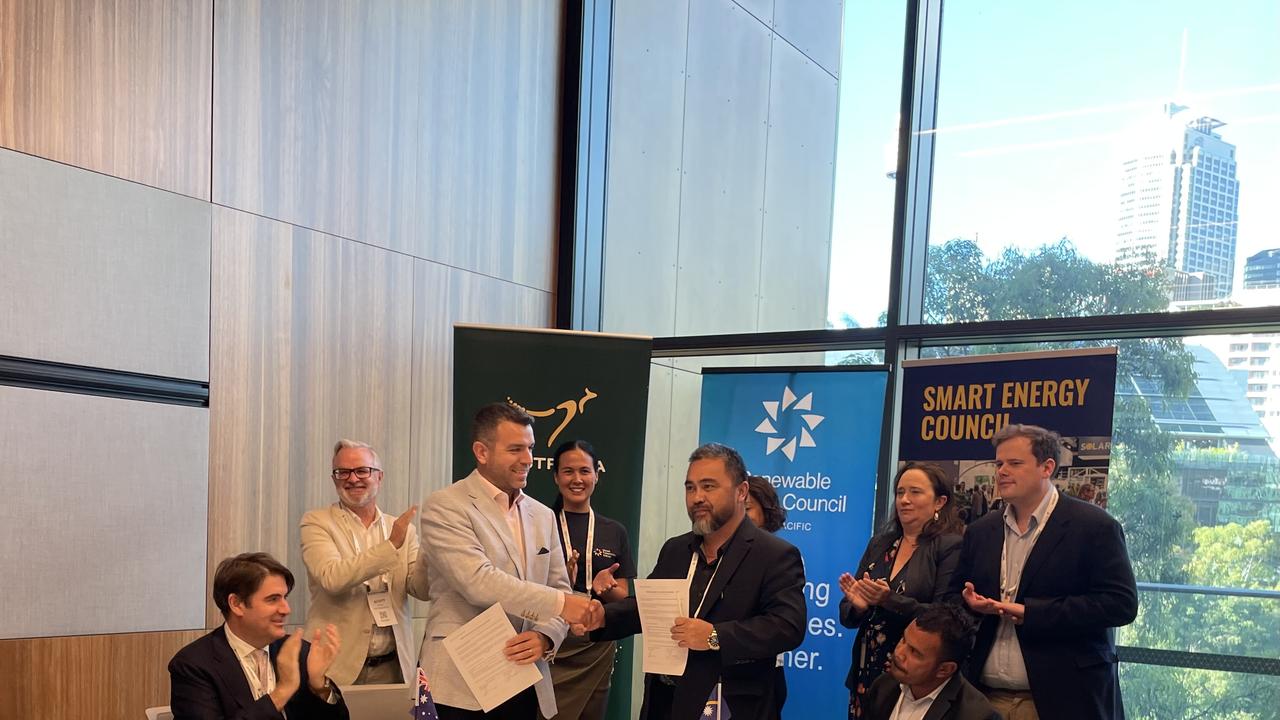
The Republic of Nauru has inked a memorandum of understanding with Australian renewables company Smart Commercial Energy to explore a major solar and battery project.
Nauru Utilities Corporation chief executive Anthony Dimapilis said the oil crisis triggered by the effective closure of the Strait of Hormuz had brought energy security sharply into focus for his country.
“We are keen to have further discussions on getting us out of this fuel dependency,” he told AAP after the MOU was finalised at the Smart Energy Council’s annual conference in Sydney.

Nauru, like many other small Pacific island nations neighbouring Australia, is heavily dependent on diesel for power generation, leaving it exposed to the oil-price spikes that occurred in the wake of the United States-Israel attack on Iran.
An 18MW solar and 40MWh battery storage solution is proposed under the new arrangement that’s expected to bring the tiny country of 13,000 people close to 100 per cent renewables-run.
The plan is to deliver it through a Power Purchase Agreement that will see the Smart Commercial Energy fund, build and operate the infrastructure, with a built-in pathway for Nauru to eventually own and operate the system.
Smart Commercial Energy founder and managing director Huon Hoogesteger said the project would halve the cost of electricity from day one and cut dependency on costly and emissions-intensive diesel.
The investment structure would also keep the returns in-country rather than lending and extracting wealth back out, as had been done in the past.
“They actually can control their own destiny,” Mr Hoogesteger told AAP.
“The money that it does generate, which is a fantastic return, goes back into the country, so they can continue to build infrastructure with the profit that they’re getting from it.”
The aim is to get the nation to roughly 95 per cent renewables-powered through the relationship, recognising some diesel generation may be needed to support the network through prolonged stints of cloudy weather.
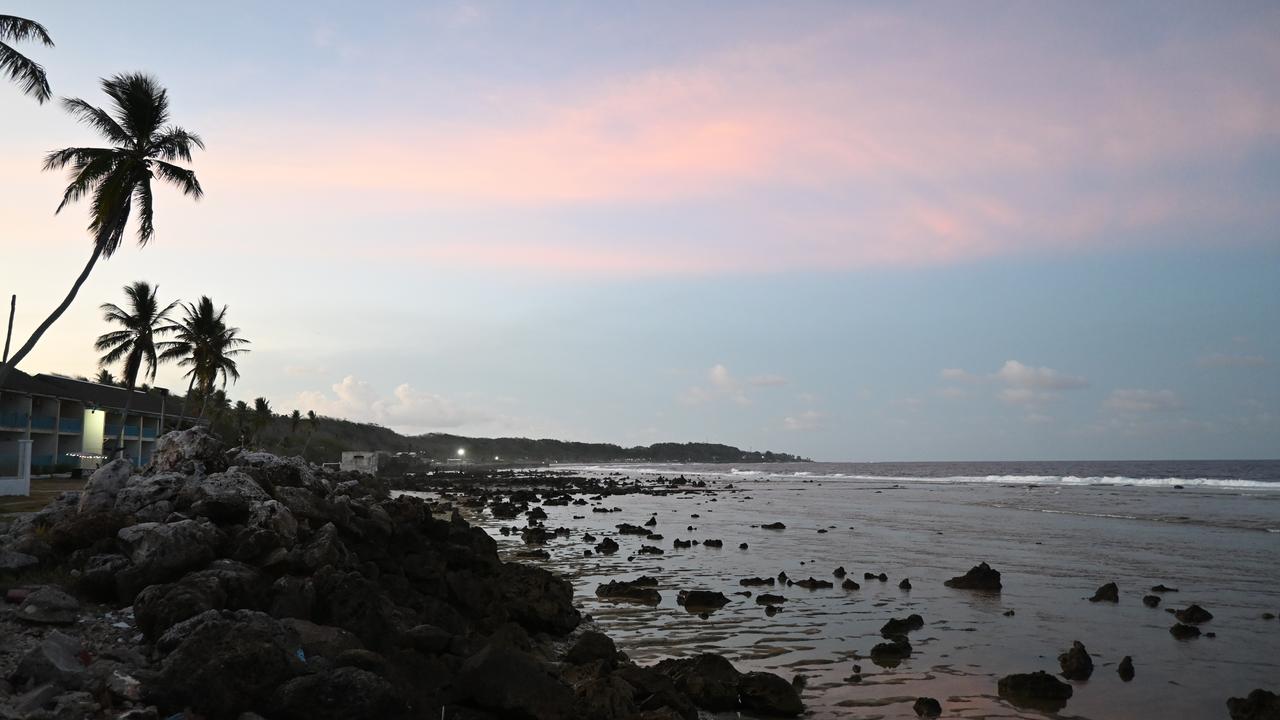
Nauru, Cook Islands, Marshall Islands, Samoa, Tuvalu, and Vanuatu have all pledged to achieve 100 per cent renewable energy by 2030, with many other island states also setting ambitious goals.
While energy security is a key driver behind the region’s clean energy push, Pacific islands are also vulnerable to rising sea levels and other climate impacts and have long played an outsized role in international negotiations on limiting global warming.
According to Smart Commercial Energy, the MOU marks the start of technical and commercial investigations, with no timeline given for when further steps may be taken.

Rebel says producer was ‘obsessed’ with rising star
Hollywood star Rebel Wilson claims a producer became obsessed with a rising star who allegedly accused her of sexual harassment as a blockbuster defamation trial nears its end.
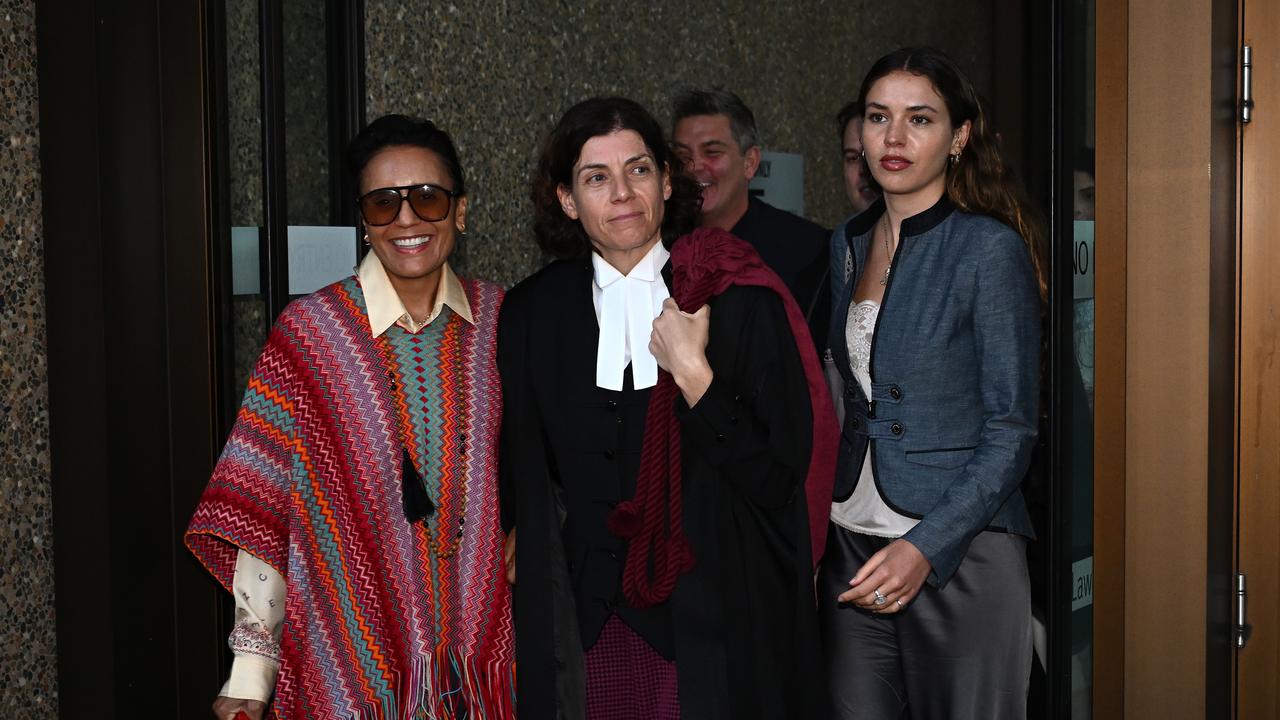
The Pitch Perfect star is being sued by Charlotte MacInnes, the lead actor in the musical comedy The Deb, which Wilson directed, co-produced and starred in.
MacInnes claims she was defamed by the older actor in social media posts that suggested she is a liar and a sellout who withdrew a sexual harassment complaint to advance her career.
The posts alleged MacInnes confided to Wilson – and later recanted – that she felt uncomfortable when the film’s co-producer Amanda Ghost asked to have a shower and a bath together.
MacInnes denies making or retracting a complaint, insisting she had not been uncomfortable when the pair shared a bath in their swimwear after Ms Ghost suffered a medical episode in September 2023.
But Wilson has stood by her version of events, claiming in an affidavit that Ms Ghost became angry when the complaint was relayed and called MacInnes a “lying idiot who cannot sing”.
The first-time director went further during her evidence in the witness box last week, telling the Federal Court the producer had been so furious there was “spit coming out of her mouth”.
At Ms Ghost’s prompting, Wilson sought clarification from the young actor, who said she found the situation bizarre but she didn’t feel personally uncomfortable.
The Bridesmaids actor reported back to the producer that “Charlotte says all good” and that she had “zero issues”, according to texts tendered to the court.

But Wilson states in her affidavit that she had a lingering sense of unease about a situation she deemed “very inappropriate”.
“I found Ms Ghost to be obsessed with Ms MacInnes and what had happened,” Wilson wrote of the days after she relayed the alleged complaint.
The producer denies asking the young actor to share a bath and shower, revealing in her own affidavit that she was shocked when the accusation was put to her and thought Wilson must have misunderstood.
Ms Ghost maintains she didn’t react angrily or describe MacInnes as a liar who couldn’t sing.
She also rejected the accusation that she became obsessed with the young star, but agreed she had been confused by what Wilson had told her and it remained on her mind.
Ms Ghost said she came to believe MacInnes’ version of events when they met up two weeks after the alleged complaint and the pair reconciled.
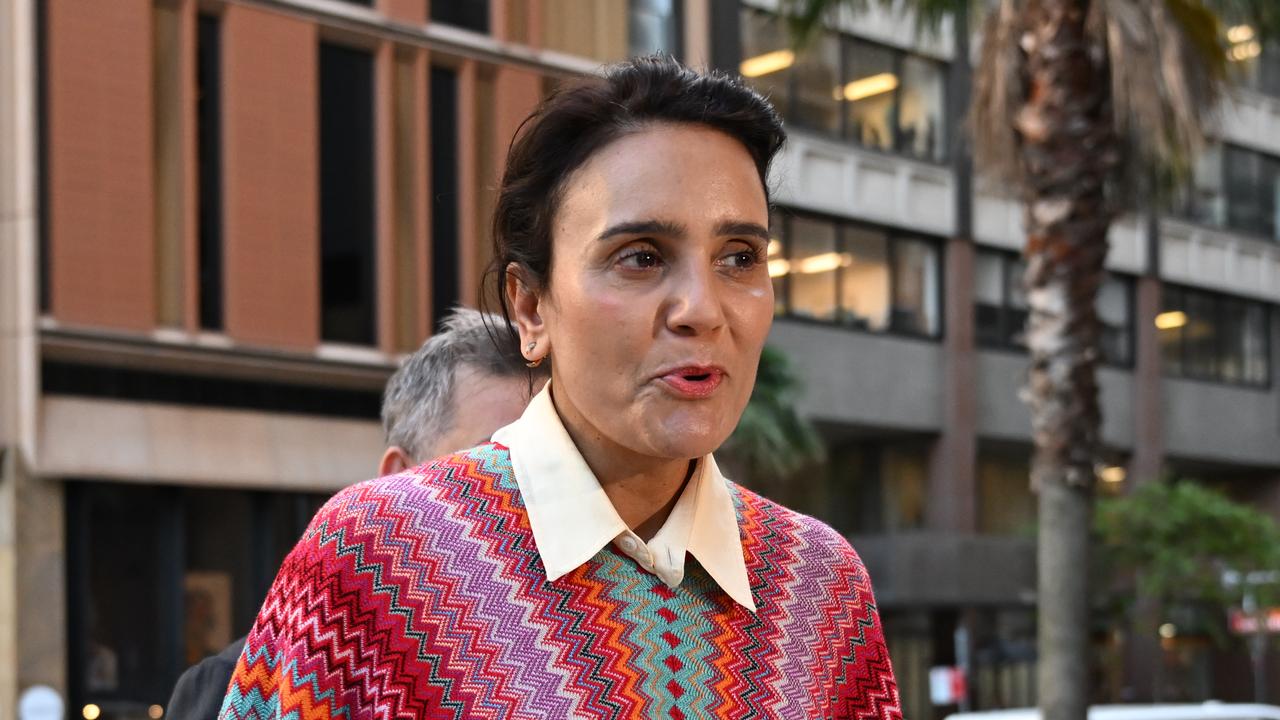
MacInnes has been accused of withdrawing the sexual harassment complaint in return for lucrative career opportunities linked to Ms Ghost, including a lead role in a production and a six-figure record deal.
Wilson said she noticed a change in the young actor’s demeanour during the check-in phone call the day after the complaint, which she found “very strange”.
“I felt like she was guarded and defensive whereas the day before she had seemed upset and forthcoming,” she wrote in her affidavit.
“I was worried that someone had said something to her to get her to change her story.”
The Hollywood star has denied accusations she fabricated the complaint or raised it for leverage during disputes with her co-producers over the film’s budget and writing credit.
Wilson took out defamation insurance after learning she would not be given writing credit so she could “go ballistic on social media”, MacInnes’ barrister Sue Chrysanthou SC argued.
She told the court Wilson falsely portrayed herself as a whistleblower who spoke up to protect MacInnes when instead she was airing the alleged complaint for her own benefit.
“This is how this bully, apparently this saviour of women, the protector of the harassed, responds,” Ms Chrysanthou said.
The trial is set to conclude on Friday with closing statements from both sides.
What Avril Lavigne can teach Chalmers ahead of budget
Why’d the government have to go and make things so complicated?
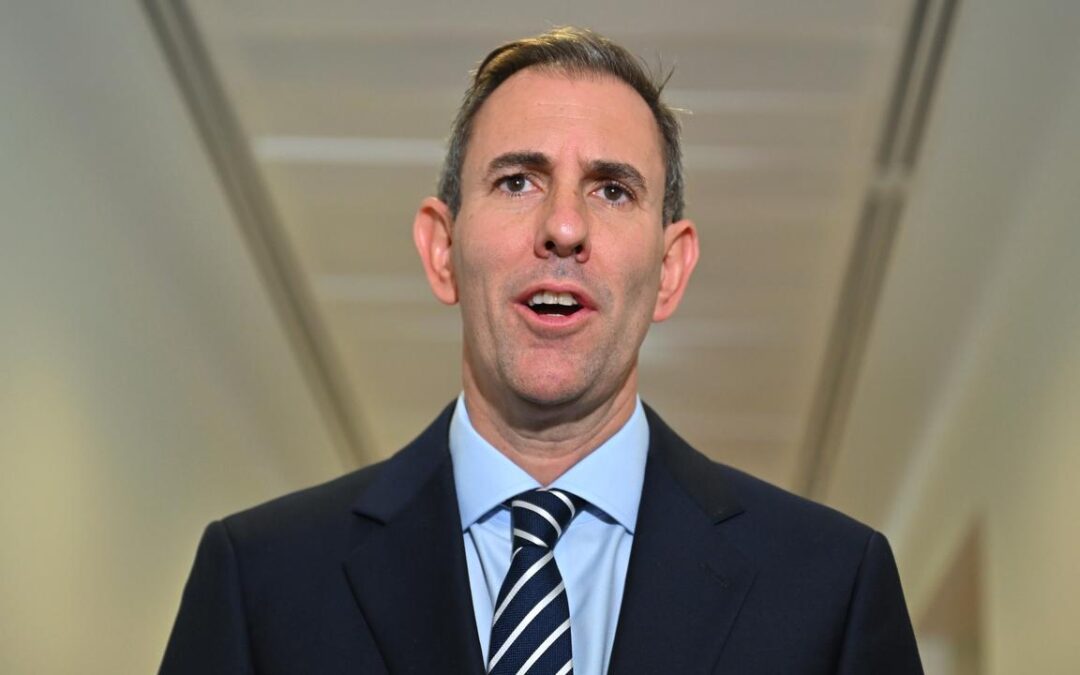
That’s the question one of Australia’s top economists says Treasurer Jim Chalmers should be asking as he prepares to give the nation’s flatlining productivity performance a jump-start in Tuesday’s budget.
Productivity – basically how effective an economy’s workforce is at using tools to turn materials into stuff – is the key to improving living conditions in the long-run and enabling the economy to grow faster without causing a break-out in inflation.
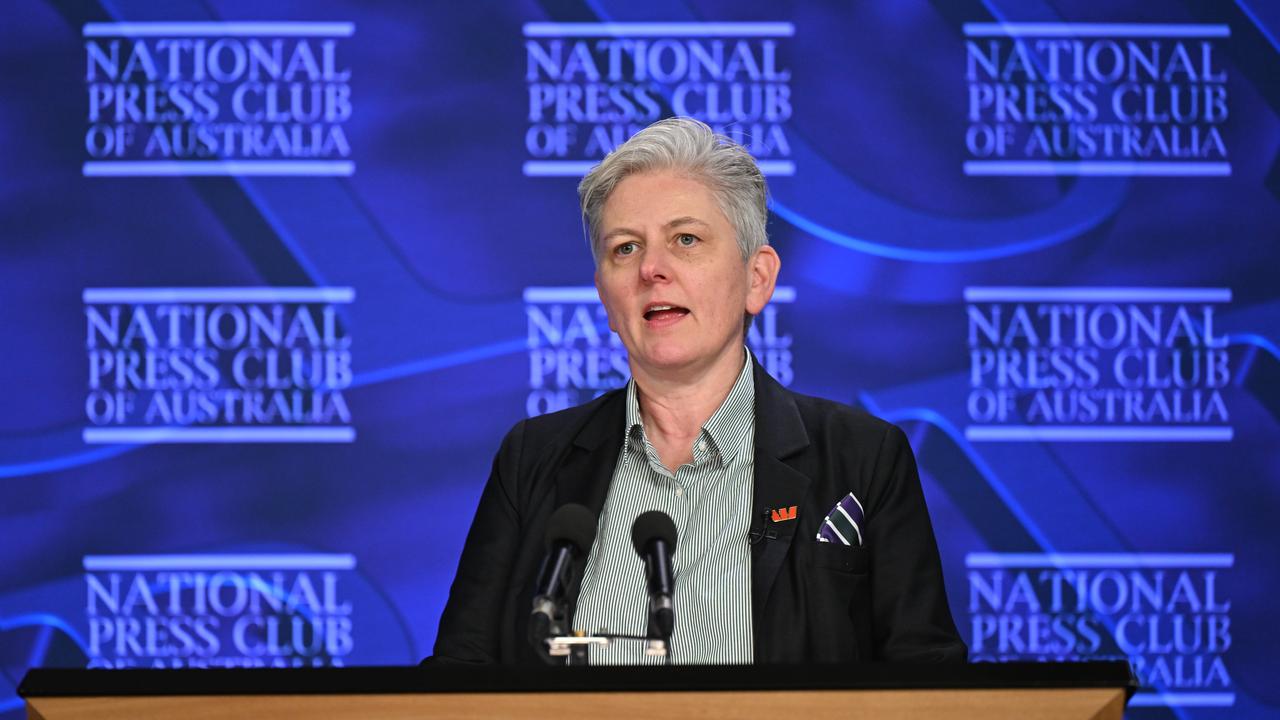
Rather than assuming the government can boost productivity with tax changes, or splashing out on a new spending announcement, the best thing it can do is get out of the way, Westpac chief economist Luci Ellis said in a speech on Thursday.
Legislators increasingly felt any problem had to be addressed by throwing more regulation at it, she said.

As a result firms need to seek approval from an increasing number of agencies to build something, or wrap their heads around increasingly complex regulations and codes.
“I’m reminded of that well-known feminist philosopher Avril Lavigne’s lyric: Why’d you have to go and make things so complicated?” Dr Ellis told a Women in Economics address at the National Press Club.
“The answer is, of course, that there was always one more thing that someone with the best of intent thought should be added.”
Rather than making the economy more resilient, governments risked ingraining a “learned helplessness” if every adverse event continued to be met with a new intervention to cushion the blow, the former Reserve Bank economist said.
Why, for example, when European standards already deem a bike helmet or car booster seat safe enough to use, should Australia need to go further and slap on additional requirements, piling on compliance costs and limiting the availability of products?
Dr Chalmers has made productivity one of the key planks of the upcoming budget.
While leaks out of Treasury have so far mainly included changes targeting intergenerational equity, The Australian reported on Thursday that the budget will include tax write-offs for businesses which would incentivise new investment.
The Australian Financial Review separately reported that the treasurer will raise a cap on the research and development tax break.
“The best way to shift productivity in the right direction after two decades of underperformance is to get what the economists call capital deepening,” Dr Chalmers told Sky News.
“That means more investment in things like the energy transformation, the technological revolution, the changing composition of our industrial base.”
More cuts to red tape are also expected.
One test for the budget to improve productivity is to ensure that new policies and programs are not overly complex, and do not take away choice or promote learned helplessness, Dr Ellis said.
“And if there is one thing I would hope from this and future budgets, it is to take Ms Lavigne’s words to heart and make things less complicated,” she said.

Rio Tinto blamed for drying sacred Indigenous waterhole
A sacred waterhole used for thousands of years by Aboriginal people in Western Australia has run dry for the first time in living memory, with the Robe River Kuruma Traditional Owners blaming years of unsustainable water pumping by Rio Tinto.
Robe River Kuruma, on whose land Rio Tinto operates an iron ore joint venture of the same name, attended Rio Tinto’s annual general meeting in Perth on Wednesday.
Robe River Kuruma representative Jason Masters said Rio Tinto’s over-extraction of water had caused irreparable damage to his traditional lands in the West Pilbara region, and asked Rio Tinto to curtail its water use.
“This is a place where my grandmother was born, a sacred permanent water pool that held water through every drought our old people can remember, now dry for the first time in living memory,” he said.
“Even after heavy rainfall from cyclone Narelle, it remains dry today,” he said, adding that old river gum trees fringing a nearby water system had died.
Rio Tinto and the state government are building a $1.1 million desalination plant due to start operating later in 2026 and eventually supply eight gigalitres of water annually, as part of plans to reduce water use.
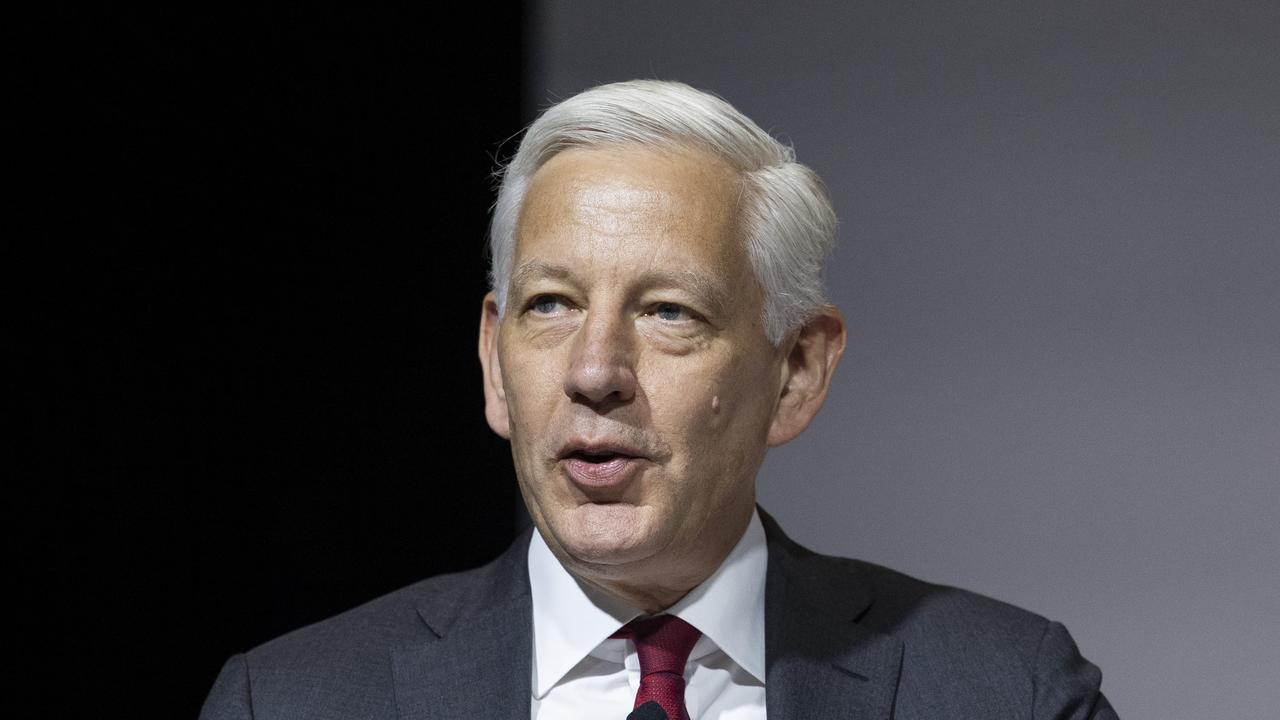
“We are doing everything we can to try to get water back into the system, and that is well under way,” Rio Tinto chairman Dominic Barton said.
“In terms of the irreversible impact and damage, we are very keen to discuss with you what we can do to help to deal with that.”
In March, Rio Tinto said the region had, in the past five years, frequently experienced annual rainfall and streamflow that were below the long-term average.
“This has reduced important groundwater recharge at the Millstream and Bungaroo aquifers, which supply the West Pilbara Water Supply Scheme,” it said.
Rio Tinto in 2020 destroyed a rock shelter sacred to Australia’s Puutu Kunti Kurrama and Pinikura people, which caused a broad public uproar and ultimately led to the departure of the CEO, chair and other executives.

Kyle and Jackie O’s former home left counting the cost
The radio station company involved in a high-profile legal battle with two of its former stars lost millions of dollars in revenue as companies pulled ads over its raunchy content.
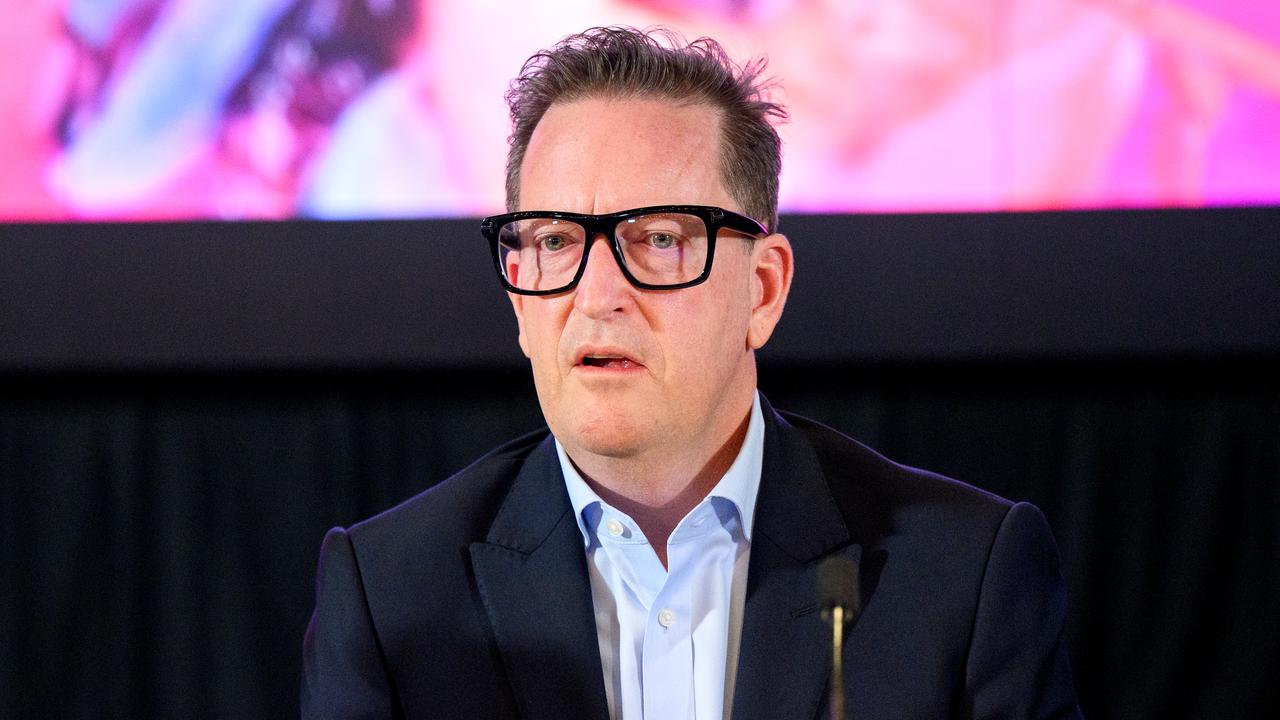
ARN Media chief executive Michael Stephenson told the company’s annual general meeting that the advertising drop-off, while the Kyle and Jackie O Show was on air, cost it $26.4 million in revenue in 2025/26.
“What has been obvious in recent times is that both consumer and advertiser expectations have changed,” he told shareholders on Thursday.
“Over the period, there were a number of advertisers who had concerns about the safety, or the brand safety, of some of our content, and as a result, it impacted our revenues through the period.”
The Kyle and Jackie O Show was known for its explicit content, including occasional discussions of sex acts, masturbation and pornography, which had drawn calls to boycott the show from a grassroots activist group that accused it of normalising “violent misogyny”.
ARN Media sensationally terminated the contracts of both Jacqueline “Jackie O” Henderson and Kyle Sandilands after an on-air blow-up between the pair in February, during which he told her she was “off with the fairies” and “almost unworkable” because of her interest in astrology.
The duo was being paid a combined $20 million each year under a 10-year, $200 million contract due to expire in 2034.
Mr Stephenson told the meeting ARN’s metro radio revenue fell by $28.3 million to $147.3 million in 2025/26, and most of that decline – $22 million – was related to clients “who had chosen not to advertise with ARN because of issues relating to brand safety”.
The issue also hit regional advertising, which was down $5.3 million to $110.5 million, with $4.4 million of that drop coming from national advertisers who pulled their spots because of brand safety concerns.
ARN hopes many of the advertisers who left would eventually return as clients, although Mr Stephenson said he was realistic about the time it would take for that to happen.
“Some of which we may see in this financial year, and some potentially beyond,” he said.

ARN Media chairman Hamish McLennan told shareholders following the February 20 stoush, Henderson took a leave of absence and advised on February 26 she could no longer work with her on-air partner of more than 25 years.
“The company considered this a repudiation of her contract, on the basis that it was not possible for her to perform her core contractual requirement to deliver the Kyle and Jackie O Show and, as a result, her contract was terminated,” Mr McLennan said.
ARN engaged with Henderson about the possibility of an alternative show but failed to reach an agreement, he said.
It also took the view that Sandilands’ conduct on February 20 amounted to “serious misconduct” and terminated his contract two weeks later after he failed to remedy it, Mr McLennan said, without going into details.

Both Henderson and Sandilands, whose morning program was being broadcast in Sydney and Melbourne, are separately suing an ARN subsidiary for more than $160 million.
Sandilands has contended there was no serious misconduct, the KIIS radio network had promoted clips of their on-air blow-ups and ARN was using the incident to back out of a contract it regretted.
The pair reigned as Sydney’s top-rated morning drive program for many years, attracting an audience of more than 600,000 listeners, but the launch into Melbourne in 2024 did not go well.
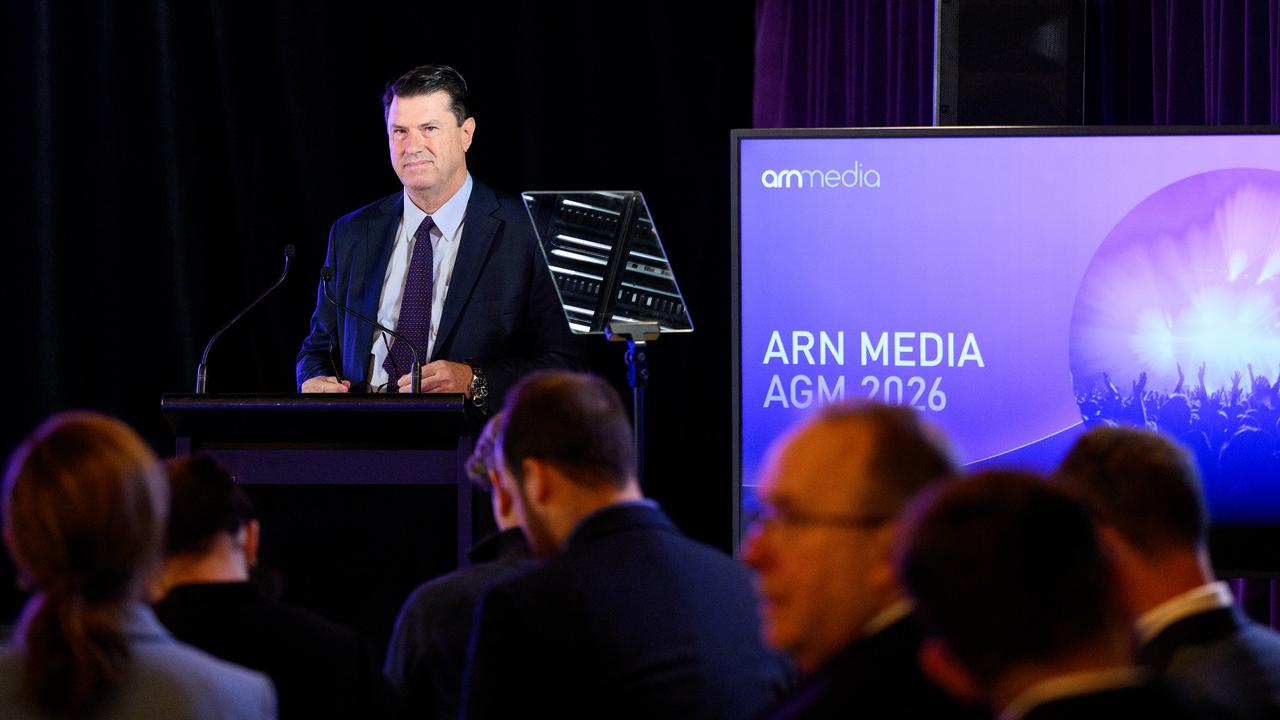
Mr McLennan told shareholders because the matter was before the courts, he couldn’t comment further.
The former Network 10 chief executive expressed confidence in ARN despite its struggling share price – which is down by half over the past 12 months – and said he would invest $500,000 buying company shares.
ARN shares were down almost two per cent to 26 cents in afternoon trading.
Details unveiled for plan to keep more gas at home
Gas exporters will be forced to divert one-fifth of their product into the domestic energy market in a bid to drive down prices and tackle predictions of long-term shortages.
Energy Minister Chris Bowen unveiled plans on Thursday for an east coast gas reserve, which would involve 20 per cent of exports being set aside for use in Australia from July 2027.
“This is a carefully calibrated model which ensures that Australia’s national best interests are put first,” he told reporters in Sydney on Thursday.
“Australia has been the only gas-exporting country in the world without some form of reservation policy.
“That changes under the Albanese government.”
The reservation plan would apply to terminals in Queensland and the Northern Territory, and would only apply to contracts signed after the policy takes effect.
Mr Bowen first flagged the reservation policy in December over gas sector opposition.
In his remarks on Thursday, the minister conceded not everyone would be happy with the change.
The reserve plans come as the federal government all but rules out new measures to tax gas exports in Tuesday’s budget.
Gas exports from Australia have been used as leverage in negotiations with Southeast Asian neighbours to shore up fuel supply as the Iran war causes havoc with oil prices.

ASX continues upswing as Iran mulls US peace proposal
The Australian share market is on track for a second straight session of gains, as oil prices eased on hopes of a potential peace deal between the United States and Iran.
The S&P/ASX200 jumped 75 points by noon on Thursday, up 0.85 per cent, to 8,868.6, As the broader All Ordinaries gained 80.6 points, or 0.89 per cent, to 9,096.7.
The continued upswing followed a positive session on Wall Street, following reports that the US had proposed a memorandum of understanding to Iran to end the war.
“Markets reacted favourably as President (Donald) Trump signalled progress toward a potential agreement with Iran, including a staged reopening of the Strait of Hormuz,” Westpac economist Luka Belobrajdic said.
Energy stocks tumbled 3.1 per cent as Brent crude fell to $US101.50 a barrel, dropping more than 10 per cent since Tuesday and weighing on oil and gas giants Woodside and Santos.
Coal miners also sold off, while uranium stocks turned a corner after days of selling pressure.
Basic materials provided the bulk of forward momentum, surging three per cent and tracking with strong leads from BHP, Rio Tinto and Fortescue, as iron ore futures topped $US111 for the first time since October 2024.
Gold advanced to nearly $US4,717 ($A6,509) an ounce, buoying local miners and lifting the All Ordinaries gold sub-index more than three per cent.
Financials improved for a second straight session, but its upside was capped by a 1.6 per cent slip in NAB shares to $39.40 after it went ex-dividend.
NAB also announced Connie Sokaris will replace Shaun Dooley as chief risk officer in August, with Mr Dooley to assist with her transition and see out the year before retiring from the bank.
Its big four competitors, along with investment giant Macquarie – which will hand down interim results on Friday – all traded higher.
The consumer discretionary sector edged modestly higher, despite a 2.1 per cent boost for segment giant Wesfarmers, as Aristocrat dipped and Light & Wonder’s earnings update prompted a 7.8 per cent sell-off.
Tabcorp was also heavy, plummeting by more than one-fifth after AUSTRAC launched an investigation over “serious concerns” about the group’s compliance with money laundering and terrorism financing obligations.

ASX-listed tech stocks gained 0.8 per cent, despite weakness in sector heavyweights Xero and WiseTech, while data centre group NextDC surged 4.3 per cent.
In company news, ARN Media shares tumbled 1.9 per cent to 26 cents after its trading update revealed an advertising boycott of its Kyle and Jackie O radio show cost it $26.4 million.
The Australian dollar was buying 72.47 US cents, up slightly from 72.30 US cents on Wednesday at 5pm, buoyed by improving risk sentiment and a weaker greenback.
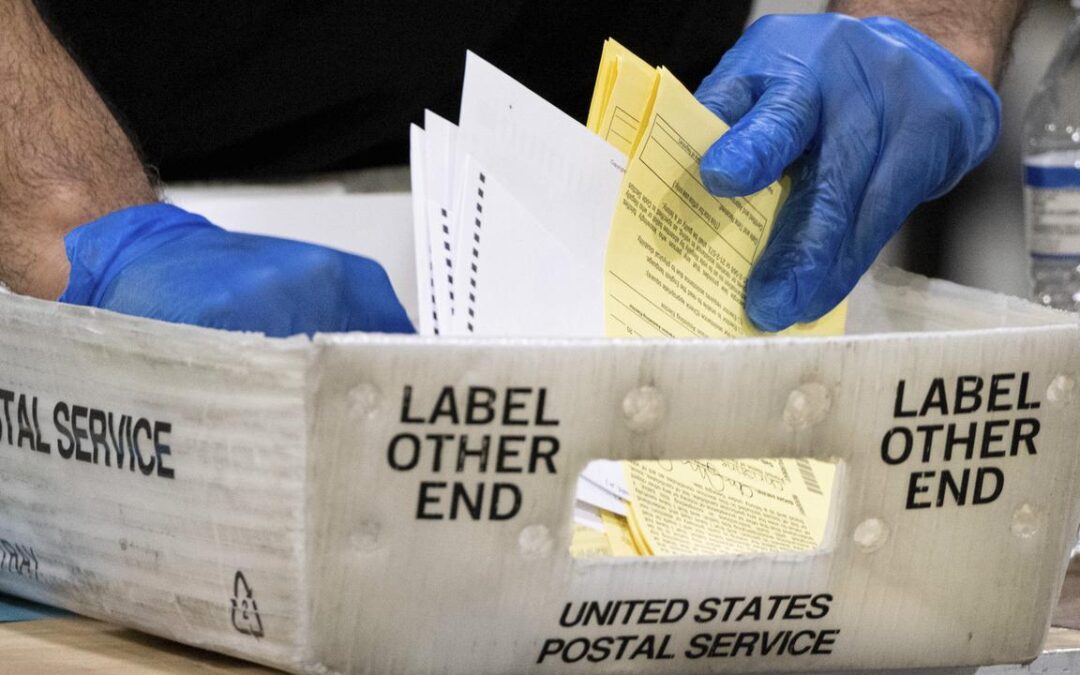
Trump can keep seized ballots from Georgia: judge
A US judge has ruled the Justice Department can keep 2020 election ballots seized during an FBI search in January, a win for President Donald Trump’s administration as it pursues the president’s false claims of widespread voter fraud.
Atlanta-based US District Judge J.P. Boulee rejected Fulton County’s request for the return of original copies of the seized material.
Lawyers for the county had argued the FBI’s search of its election hub relied on faulty and discredited evidence and violated protections under the US Constitution.
Boulee determined there were flaws in an FBI affidavit used to secure a judge’s permission for the search, but concluded those shortcomings did not amount to “callous disregard” for the county’s rights, the legal standard required to have the records returned.
“While the Affidavit was certainly far from perfect, this is not a situation where an officer left out all the facts that might undermine probable cause or where an officer intentionally lied,” Boulee wrote in a 68-page ruling.
Spokespeople for Fulton County, the FBI and the Justice Department didn’t immediately respond to a request for comment.
The ruling is a rare court victory for Trump’s Justice Department in investigations that Trump has demanded. It will allow the FBI to keep possession of more than 600 boxes of 2020 ballots as it pursues a criminal investigation into whether election records were not properly retained or whether residents in Fulton County were defrauded out of a fair election.
But the investigation still faces significant obstacles. DOJ lawyers have not identified any individual targets of the probe and have not disputed claims that the statute of limitations appears to have expired on both crimes prosecutors have said they are investigating.
The dispute was closely watched by US election officials and experts across the country as Trump continues to threaten a potential federal government takeover of some local elections and sows doubts about voting ahead of the November elections.
Trump has continued to falsely claim that his defeat in the 2020 election to Democrat Joe Biden was the result of widespread fraud and has deployed US law enforcement and intelligence agencies to reinvestigate claims about the collection and tallying of votes.
Justice Department lawyers argued Fulton County had not met the stringent legal standard necessary to secure the return of material seized during a court-approved search.
During the search, which was approved by a federal magistrate judge, FBI agents seized original 2020 ballots and other records from the county’s election centre in Union City, Georgia.
Authorities cited alleged “deficiencies or defects” with the 2020 vote, including claims that some digital images of ballots were missing and some absentee ballots did not appear to have been folded as required.
Explosive maker avoids Middle East impacts, for now
The world’s biggest maker of commercial explosives has escaped supply issues impacting other companies due to the Middle East crisis, so far.
Melbourne-based Orica is entering the second half of its financial year in good shape, due to robust demand for its products, which include blasting systems and chemicals for the mining industry.
Orica made a net profit, excluding significant items, of $283.1 million in the first half, up eight per cent.
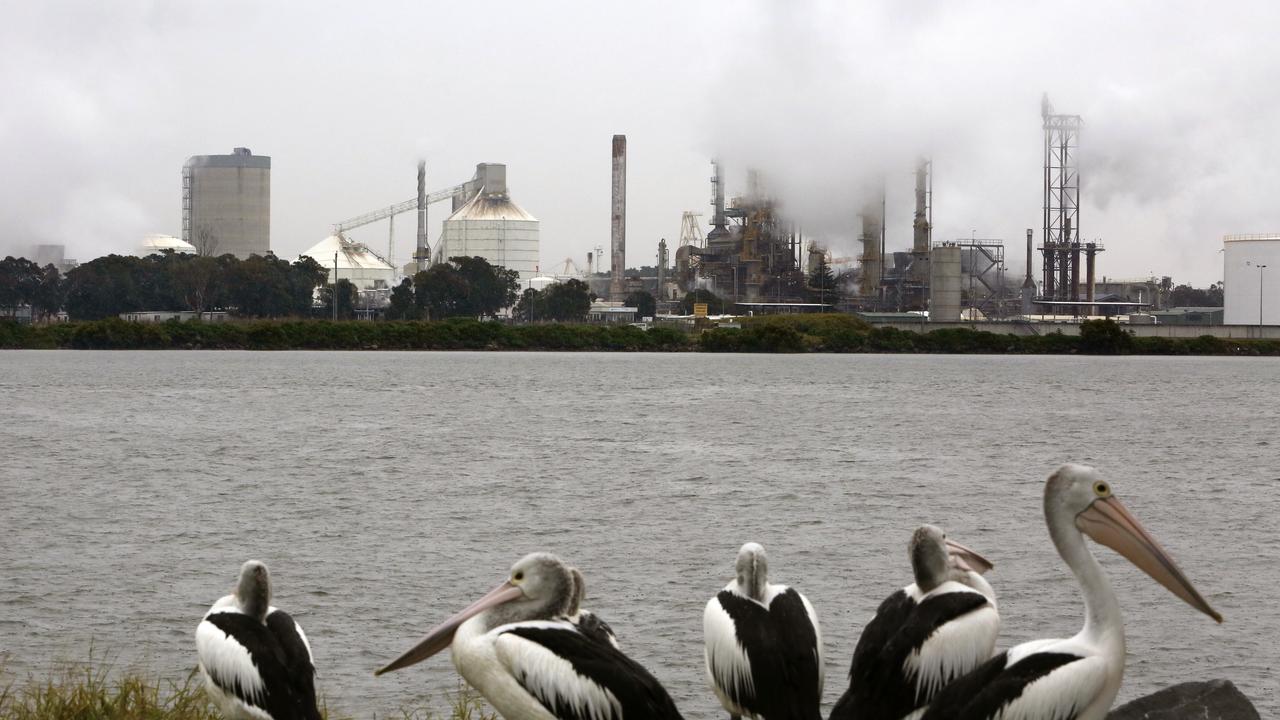
Underlying pre-tax earnings came in at $512 million, up five per cent for the six months ended March, on revenue of $3.9 billion.
That’s its highest underlying result in more than 20 years.
“We have delivered record earnings in the first half, driven by strong demand for premium products and advanced technology offerings, robust gold and copper markets,” chief executive Sanjeev Gandhi said on Thursday.
The company said that because its materials are “generally” not transported through the Strait of Hormuz, it’s not experiencing any immediate supply concerns.
The Strait has been closed for weeks, as the United States attempts to negotiate a peace deal with Iran, which was bombed by America in late February.
The crisis has negatively impacted multiple Australian-listed companies and driven up fuel prices, given that the shipping channel is a thoroughfare for about 20 per cent of the world’s crude oil supplies.
Orica is also a significant consumer of gas, which it uses to make explosives.
Orica will pay shareholders an interim dividend of 28.5 cents per share, up 14 per cent from the same time last year.

Lenders told to ‘support customers’ facing hard times
Lenders are being warned they remain in the frame of Australia’s corporate watchdog as the nation heads into uncertain economic times, with households set to face financial hardship.
The outgoing head of the Australian Securities and Investments Commission will deliver the advice in his final keynote speech at a conference on Thursday, before he packs up his desk at the end of this month.
“These are difficult times for many people in Australia, which makes it all the more pressing that lenders support customers experiencing financial hardship,” chair Joe Longo will say.
“We are not taking a backwards step on this issue and are continuing to keep an eye on how lenders are supporting their customers.
“And if hardship supports break down, debt management and credit repair services should not leave people in even greater financial difficulty.”

In July, when deputy chair Sarah Court takes over from Mr Longo, the commission will release a report on high-fee debt management and credit repair services.
ASIC will also issue another report on debt collection and motor vehicle financing later in the year.
“And let me be clear, if a model thrives on pressure, opacity, or harm, ASIC will step in,” Mr Longo will tell attendees at the Financial Counselling Australia conference in Cairns.
Mr Longo, who has been chair since 2021, also defended the commission’s work after it was forced to up its game and rebuild confidence in the wake of damning findings from the 2019 banking royal commission.
The inquiry uncovered widespread financial sector misconduct that hurt consumers and pinged the regulator for failing to hold firms to account.
“Accountability works best when it is seen and when it is felt,” Mr Longo will say in the speech.
“That means regulators cannot work from behind closed doors – and watchdogs need to both bark and bite to be effective.”
Looking ahead, Mr Longo said the commission will continue its focus on financial literacy via its Moneysmart website, in particular trying to protect Australians from superannuation scams.
“Most recently, we have witnessed unscrupulous actors trying to exploit the significant pot of money in our superannuation system through what we suspect is industrial-scale misconduct,” Mr Longo will say.
“Everyday Australians who signed up for a free super check have instead lost their life savings.”
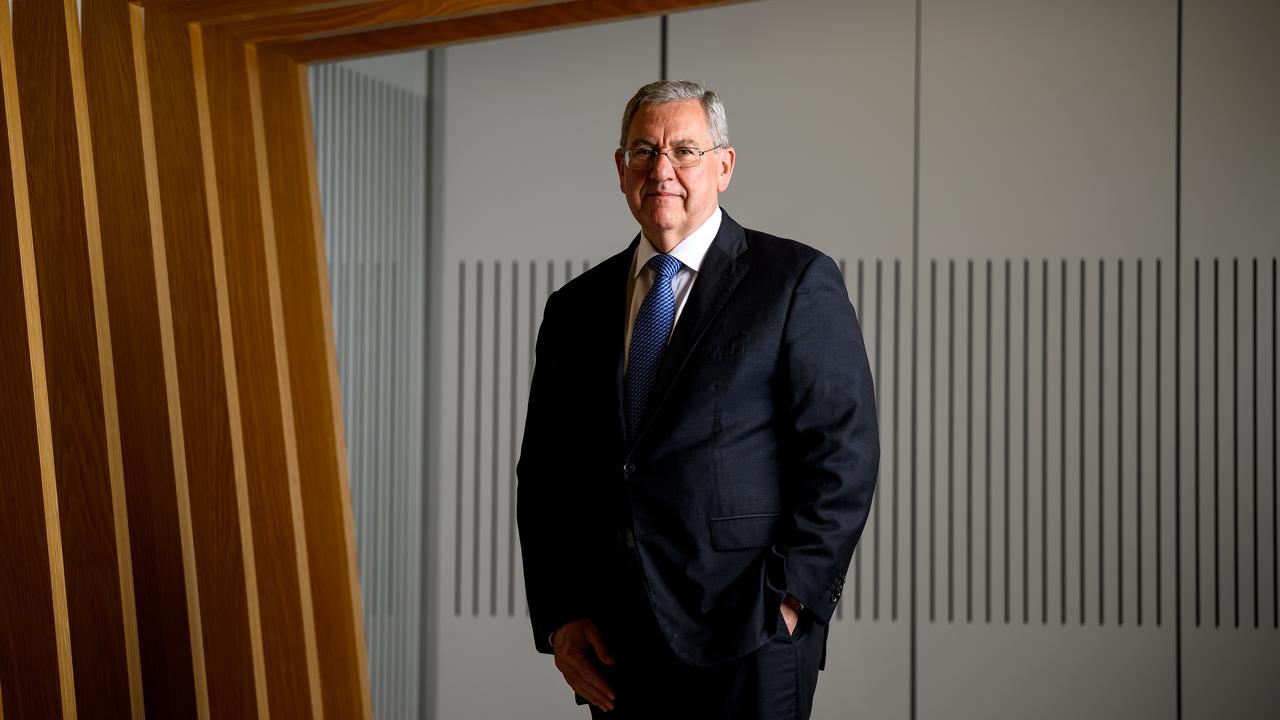
Mr Longo will also decry the practice of “lead generation” by funds using cold calling to encourage people to switch their super with promises of big returns, often at greater risk.
In recent times, the practice has left thousands of investors who moved to the Shield Master and First Guardian Master funds facing collective losses of more than $1 billion.
The federal government, which is planning changes to super switching, should ban unlicensed communications about superannuation, he will argue.
“We wouldn’t let someone perform heart surgery just because they’ve watched a lot of ER,” Mr Longo will say.
“Therefore, we shouldn’t let people who aren’t qualified lure Australians into losing their life savings and turn a profit from it.”