
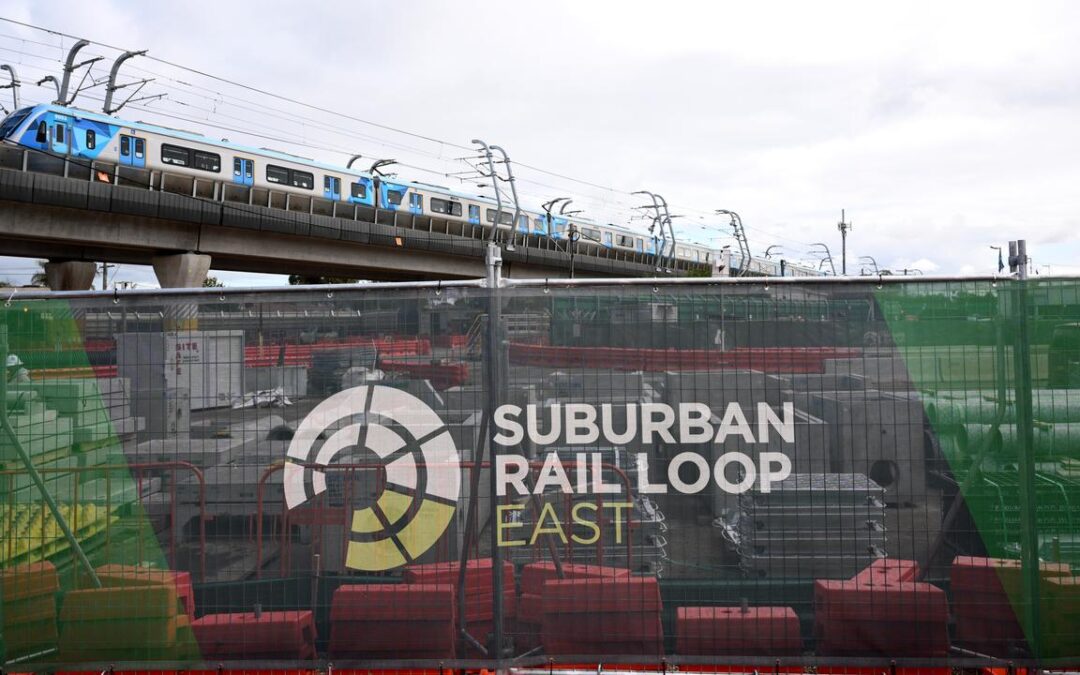
Full steam ahead: billions more locked in for rail line
Australian taxpayers will spend billions more to help fund Victoria’s mega Suburban Rail Loop project, days after the federal government axed regional freight rail plans.
Treasurer Jim Chalmers’ fifth financial blueprint will include an extra $3.8 billion for the massive infrastructure project, for which preparatory work started in 2023.
Prime Minister Anthony Albanese said Suburban Rail Loop East, connecting train lines in Melbourne suburbs of Cheltenham, Glen Waverley, Box Hill and Clayton, would make the city’s economy more productive and improve connectivity.
The cash splash takes the Commonwealth’s spend on the project to $6 billion – still $5.5 billion short of the amount the Victorian government wants from its federal counterpart for the rail line.
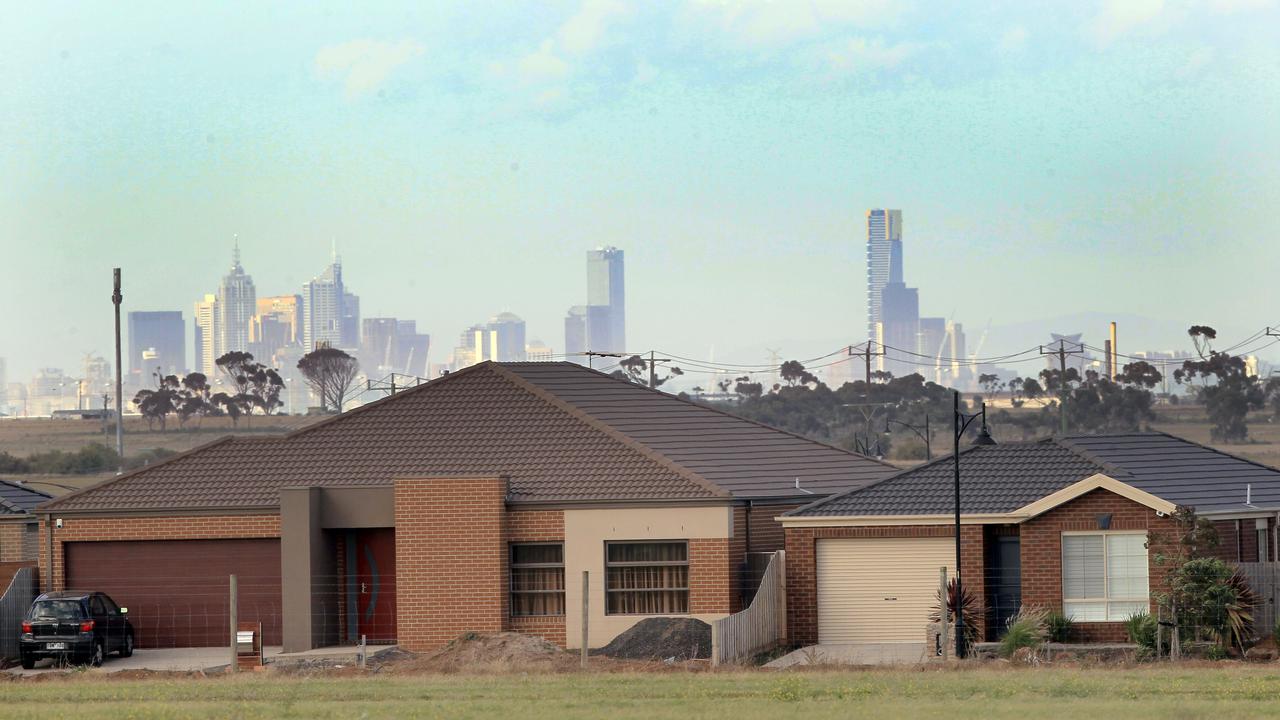
Despite the Victorian budget edging towards $200 billion in debt, the state government has committed to funding $11.5 billion of the rail project with the other third coming from “value capture”, such as elevated land tax revenue.
Australian cities have historically relied on radial rail networks to ferry commuters from the outer suburbs to a central hub.
But the great cities of the world, such as Paris, New York and London, also have orbital rail networks that enable people to get around a city without going into the middle and then back out again, Mr Albanese said.
“And that is what this vision does,” the prime minister told reporters.
Tunnelling for the project is expected to start by the end of 2026, with new line scheduled to be running by 2035.
Two further stages to extend the line across the city’s north and west are planned to follow.
But the rail loop has been much-maligned due to the first stage’s $34.5 billion price tag.
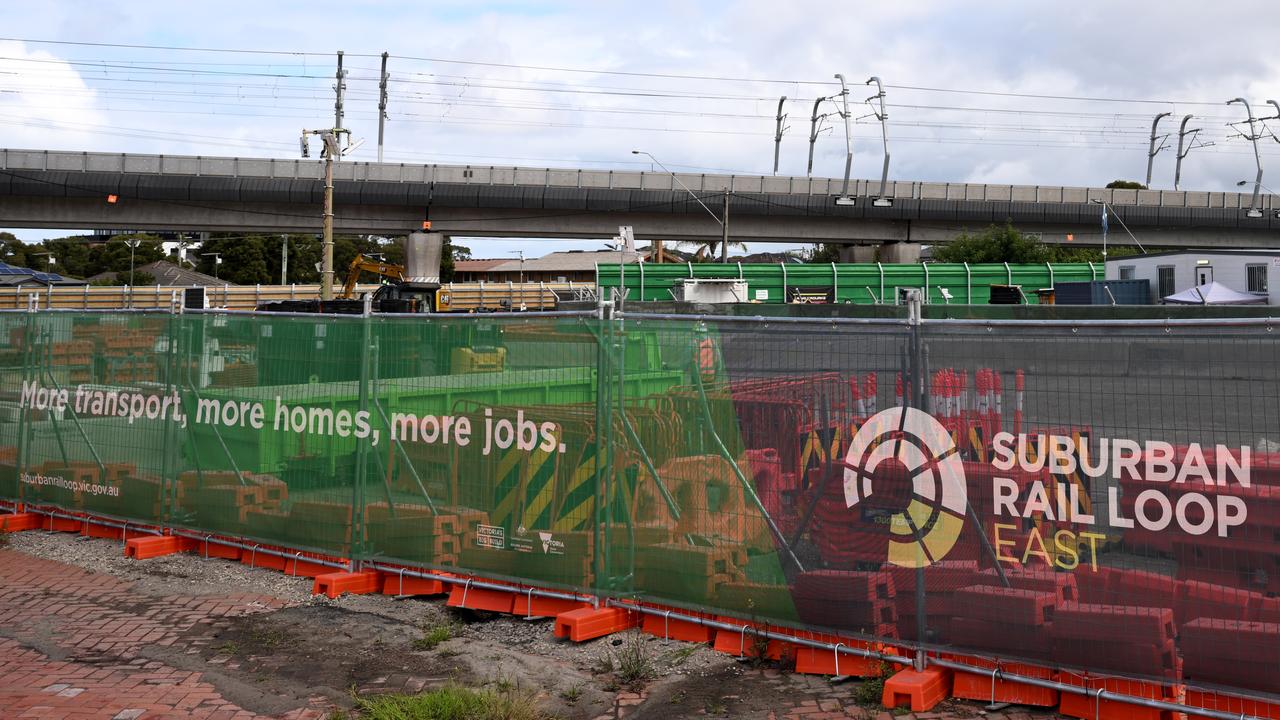
Victorian Opposition Leader Jess Wilson has promised to pause construction and review the project if she forms government in the November state election, despite $7.7 billion already due to be spent by mid-2027.
The Victorian government argues the spending is worthwhile because it will reshape how people travel around Melbourne, creating new hubs in the suburbs and generating thousands of jobs.
Despite the criticism, the cost per kilometre is forecast to be similar to comparable projects such as Sydney’s under-construction Parramatta to CBD Metro.
Monash University professor of public transport Graham Currie said there was no doubt the project would be expensive, but it was a “long-term, visionary” project that would have massive benefits.
“Melbourne is forecast to be the size of London by 2050 and London has much better railways than Melbourne,” he told AAP.
“If we can’t run Melbourne in 20 to 30 years time because there is too much traffic everywhere, what are we going to do?
“By then we might be wondering why we didn’t build more of these.”
Victorian Premier Jacinta Allan praised her federal counterparts, saying they were a “partner in Canberra who gets what our growing state needs”.
“The Suburban Rail Loop will slash travel times and cut congestion for busy families,” she said.
The federal government angered farmers and regional leaders this week when it announced a major freight rail line intended to connect Melbourne and Brisbane would be cut short because of cost blowouts.
Tuesday’s budget will include plans to pare back the Inland Rail project and instead end it at Parkes, in central NSW, after analysis showed costs had soared from $16.4 billion to $45 billion.
The project had been funded “off-budget”, deemed an investment that would generate a return for the government over time.
But the government received advice that the extra $29 billion needed to finish the project would have provided an insufficient return to justify being funded off-budget, adding to the underlying deficit, Finance Minister Katy Gallagher said.
She said axing the project north of Parkes will reduce more than $4 billion from federal debt over four years from 2028/29.
20250407156606777901

Shares drop, oil rebounds as US and Iran exchange fire
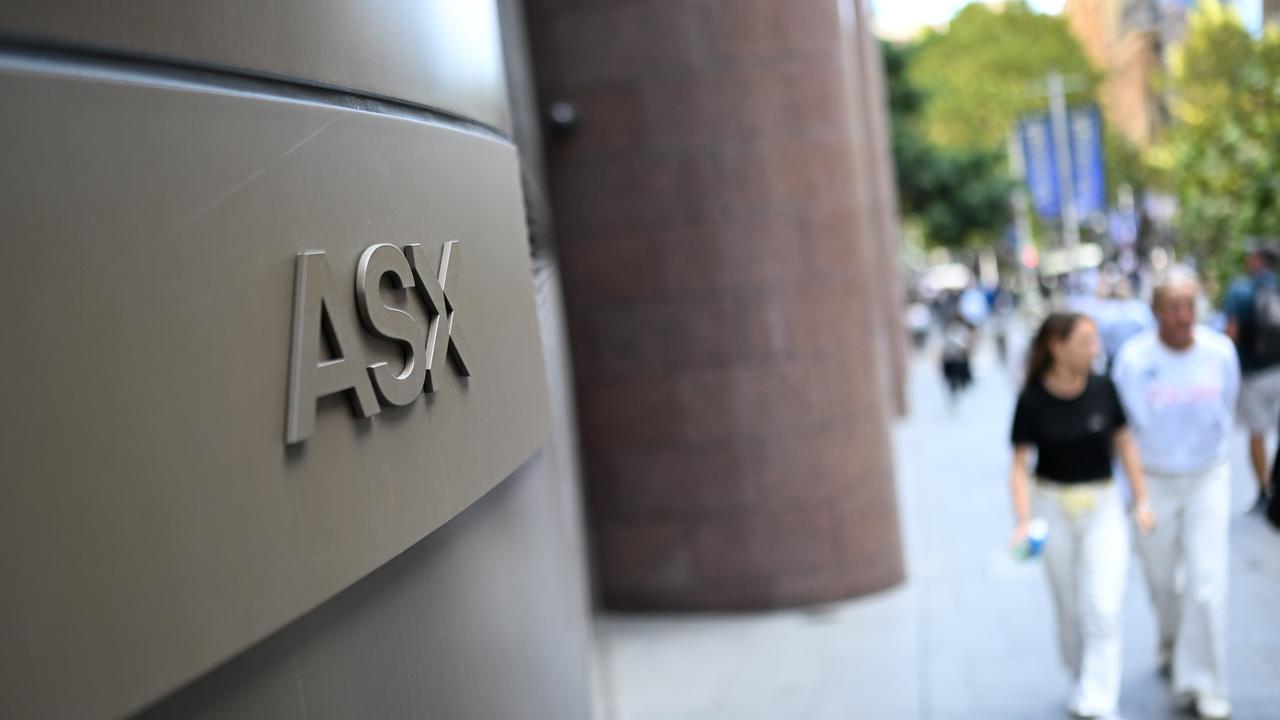
Renewed conflict in the Persian Gulf is weighing on Australia’s share market in the final session of the week, rattling a fragile truce and hitting investor confidence.
The S&P/ASX200 fell 143.6 points by midday, down 1.62 per cent, to 8,734.5, as the broader All Ordinaries lost 137 points, or 1.5 per cent, to 8,970.7.
The local market had rallied over the past two sessions on hopes of de-escalation of the US conflict with Iran, but a firm peace deal looks elusive, IG market analyst Tony Sycamore said.
“Tensions flared again this morning after reports of US strikes on targets in southern Iran, including the key oil port of Bandar Abbas and Qeshm Island,” he said.
Iran responded by targeting US vessels in the eastern Strait of Hormuz, vowing to retaliate against any further attacks.
“This continues the recent pattern of escalation into weekend before de-escalation, ahead of the reopening the following week,” Mr Sycamore said.
Despite Friday’s fall, the local exchange remains on track to narrowly break a three-week losing streak after rebounding strongly on Wednesday and Thursday.
The heavyweight financials sector was weighing heavily heading into the weekend, dipping 2.3 per cent, tracking tumbles in the big four banks.
Investment giant Macquarie Group fell 1.9 per cent to $236.50 despite delivering an eye-watering $4.8 billion net profit in the year to March, up 30 per cent on its 2025 financial year.
Miners also dragged, with basic materials falling 1.6 per cent as BHP, Rio Tinto and Fortescue handed back some of the previous two sessions’ gains.
Gold miners edged lower as the precious metal hovered near $US4,720 ($A6,546) an ounce.
Even energy and utility stocks weren’t spared from the sell-off despite an increase in oil prices, each sector tumbling one and two per cent respectively by lunchtime.
Consumer-facing stocks were also in the red, as Wesfarmers, Woolworths and Coles fell.
Real estate stocks tumbled two per cent in a broad-based dump that wiped the previous two sessions’ gains in the first hour of trade.
There were a handful of companies that dodged the sell-down, with real estate.com.au owner REA Group up 3.4 per cent to $180.39 after posting strong earnings growth in the third quarter.
News Corporation charged more than four per cent higher after its revenue jumped to $US2.2 billion in the three months to March, up nine per cent on the same quarter in 2025, putting it on track for a record full-year profit.
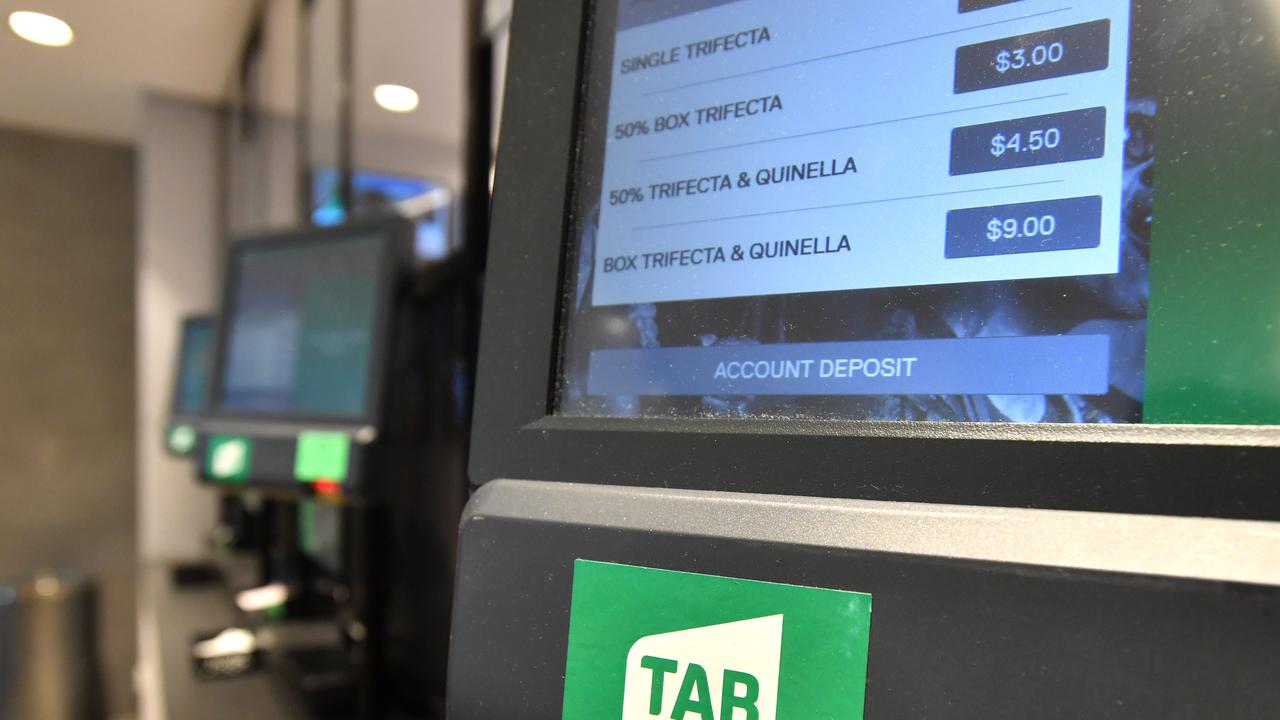
Tabcorp fell for a second day after flagging an AUSTRAC investigation into potential money-laundering obligation breaches, with its share price plunging almost 30 per cent in two sessions.
The Australian dollar is buying 72.09 US cents, down from 72.50 US cents on Thursday at 5pm, as souring risk sentiment supported the greenback.
Former foreign minister resigns as top uni chancellor
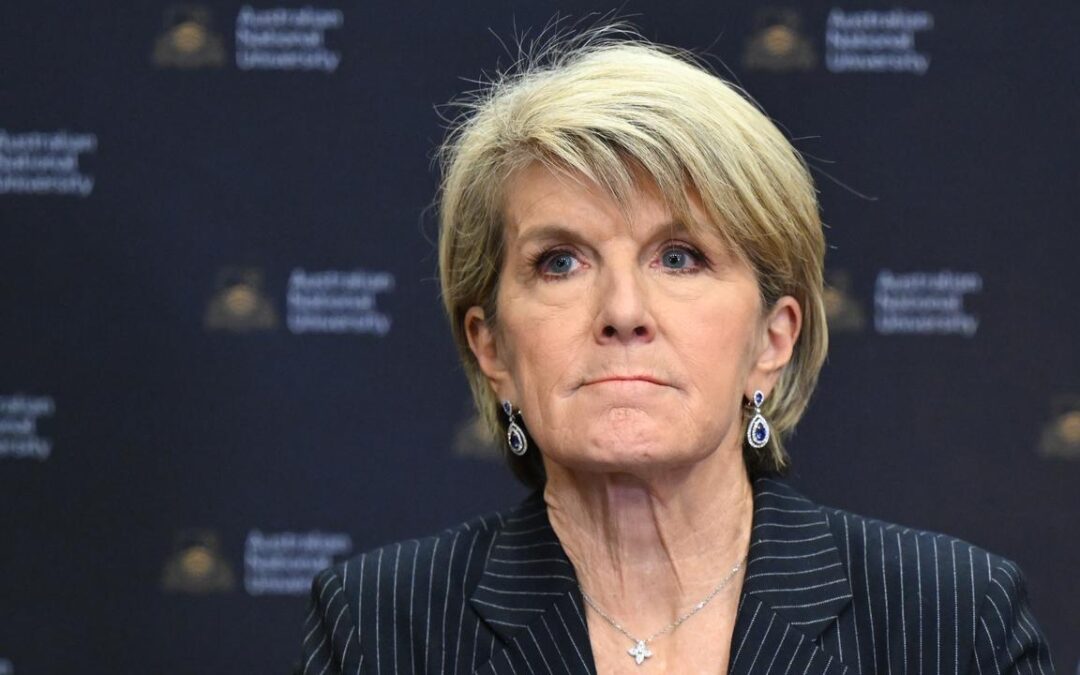
Former foreign minister Julie Bishop has resigned as chancellor of one of the nation’s most prestigious universities, effective immediately.
Previously one of the Liberal government’s most senior ministers, Ms Bishop’s tenure at Australian National University was marred by months of turmoil including job cuts, bullying allegations and ugly disputes between staff and university management.
A contentious cost-cutting proposal, which would have made hundreds of staff forcibly redundant, was abandoned when Vice Chancellor Genevieve Bell quit her post in late 2025.
At the time, Ms Bishop said she had the full confidence of the university council and intended to serve out the rest of her term until the end of 2026.
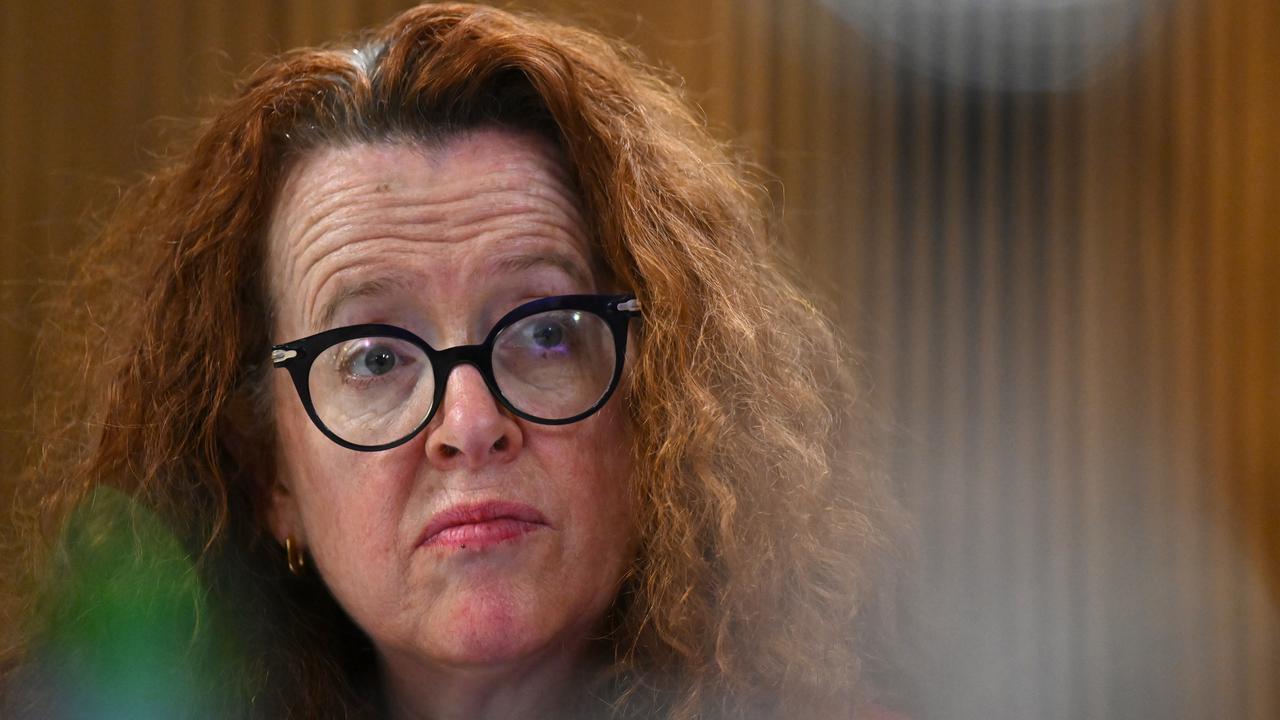
It’s unclear why Ms Bishop chose to step down early, but the Australian Financial Review reported she believed the universities regulator, which had intervened in the running of the ANU council, had overreached.
The university must now work openly with staff, students and the broader community to rebuild confidence, ACT senator and senior minister Katy Gallagher said.
“I note the resignation of ANU Chancellor Julie Bishop,” she said in a statement.
“The challenges facing ANU did not arise overnight, and rebuilding trust and confidence across the university community will take time and careful work.”
The hard work of students, academics and alumni had forced the university’s leaders to take responsibility for governance and leadership failures, independent ACT senator David Pocock said in a statement.
“In stepping aside, the chancellor is acting in the best interests of the ANU,” he said.
“When things go so terribly wrong at the helm of such an important institution, especially one governed by Commonwealth law, there must be accountability.”
Investment bank Macquarie posts second-highest profit
Investment giant Macquarie Group has posted its second-biggest annual profit, recording $4.8 billion, a 30 per cent jump from the prior year.
Market expectations had been for a profit of $4.4 billion for the 12 months to March 31.
Its half-year profit was $3.2 billion, a record half-year result and nearly double that from a year ago.
“Shemara, congratulations on a cracking result,” veteran banking analyst Brian Johnson, of MST Financial, told Macquarie chief executive Shemara Wikramanayake during a briefing on Friday.
Ms Wikramanayake said each of Macquarie’s four businesses had used its specialist expertise to navigate the current environment and identify opportunities for long-term growth.
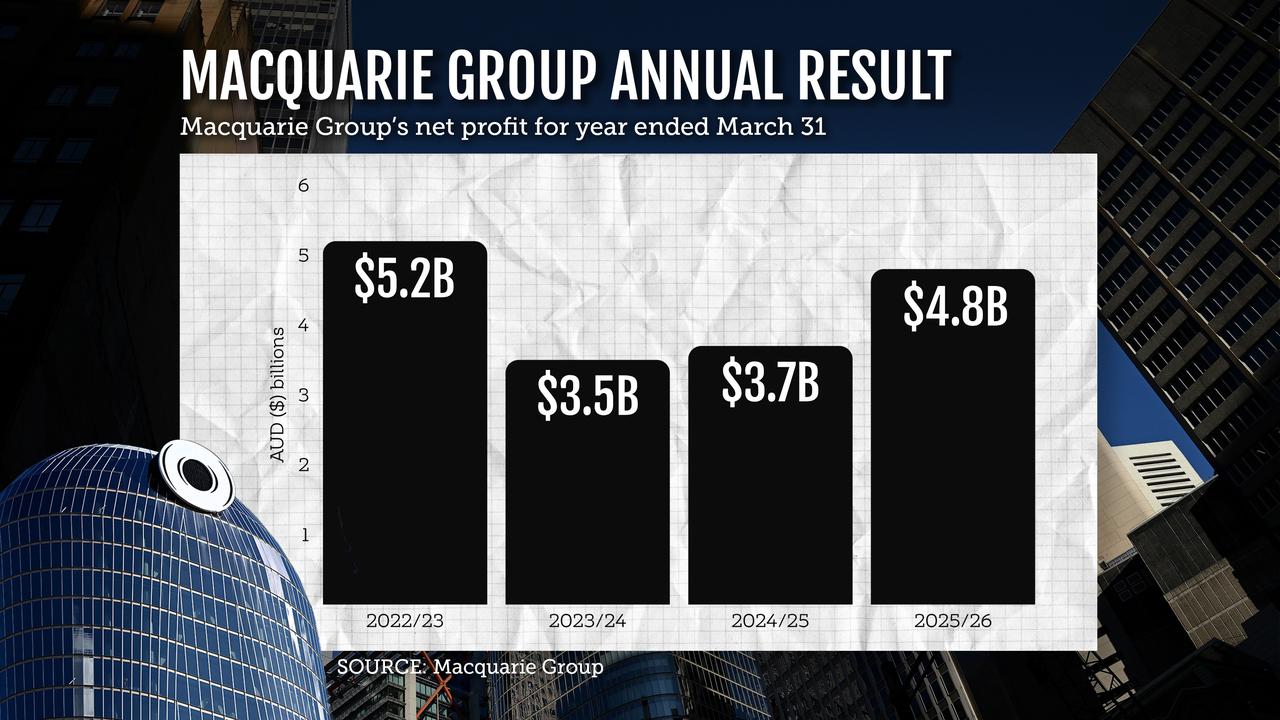
Macquarie’s commodities and global markets division grew the most, with its profit climbing 49 per cent to $4.2 billion, following the sale of its British smart meter asset provider OnStream.
Macquarie Capital contributed a net profit of $1.5 billion, up 43 per cent from a year ago, reflecting higher income from equity investments, mergers and acquisitions fees.
Macquarie Asset Management’s net profit was up 27 per cent to $2.6 billion, driven by higher performance fees, while Macquarie’s banking and financial services division’s contribution rose 17 per cent to $1.6 billion.
Macquarie said it would return half of its half-year profit to shareholders, paying an second-half dividend of $4.20 per share.
That takes its dividends for the year to $7 per share, up from $6.50 per share a year ago.
Macquarie also released its annual and sustainability reports on Friday, which activist group Market Forces said showed it had increased funding for fossil fuel projects.
“Macquarie’s disclosures reveal it has tripled finance for oil and gas in the past four years, confirming it’s Australia’s ‘drill baby drill’ bank, while its big four peers have all reduced funding for fossil fuels,” the group’s banks analyst, Morgan Pickett, said.
The investment bank had just backed Whitehaven Coal’s mine expansion plans, and bankrolled gas fracking projects in Australia’s Beetaloo Basin south of Darwin, Mr Pickett said.
Close to noon on Friday, Macquarie Group shares were down 0.9 per cent to $239.80.
‘A tough ask’: coalition braces for by-election defeat
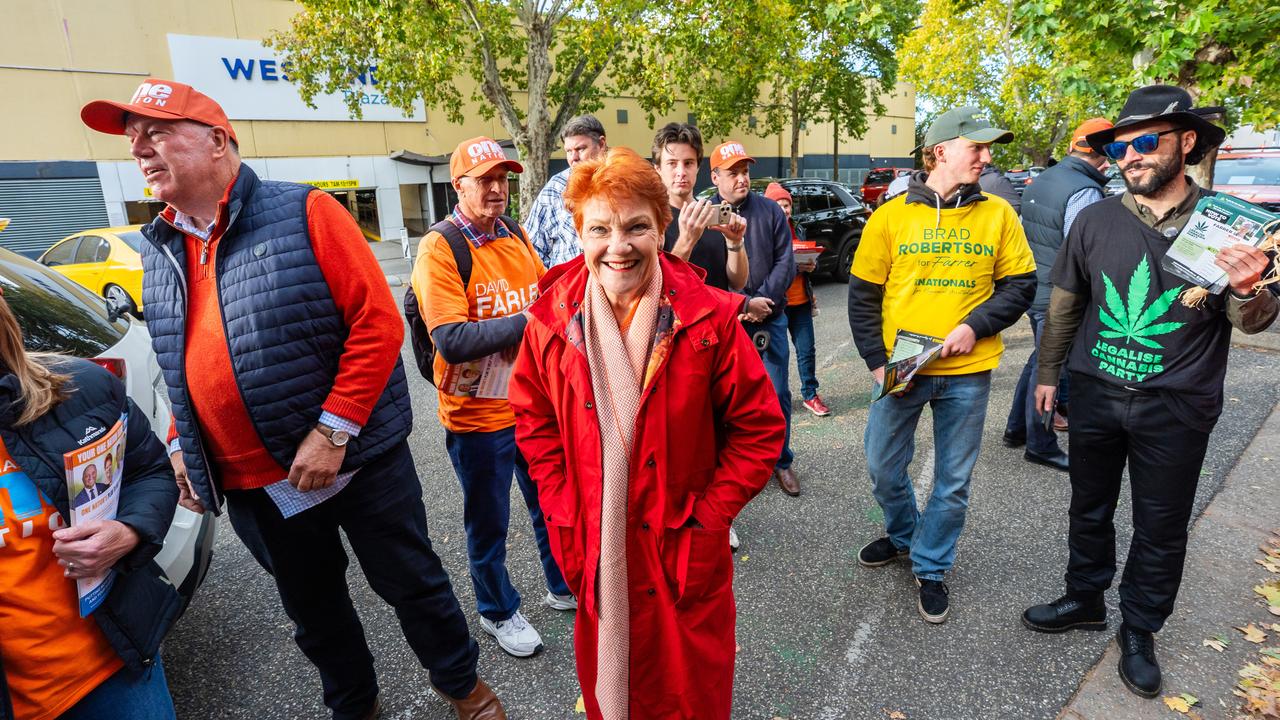
Coalition parties have conceded holding onto the seat of Farrer will be a tall order ahead of the crucial by-election.
Voters will head to the polls on Saturday to replace former opposition leader Sussan Ley in federal parliament, following her resignation.
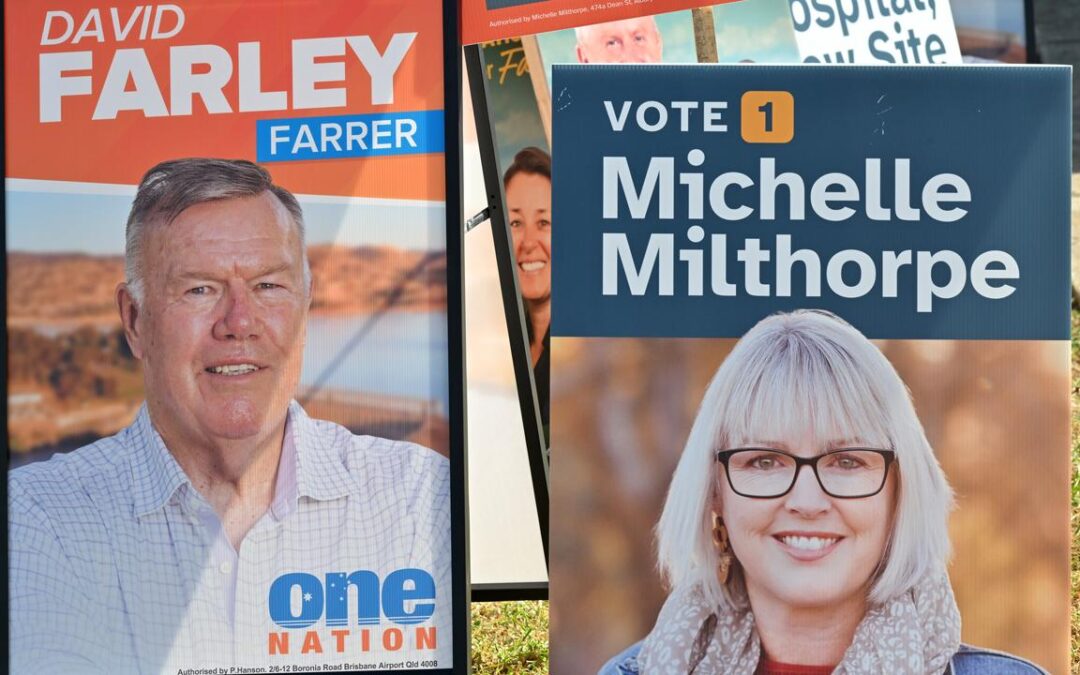
While the electorate has been held by coalition parties since the seat’s creation in 1949, the contest is looming as a showdown between One Nation’s David Farley and independent Michelle Milthorpe.
Should One Nation win, it will be the first time the minor party has taken a seat in the lower house at an election, while Ms Milthorpe is seeking to win after coming close to unseating Ms Ley at the 2025 poll.
Deputy Liberal leader Jane Hume said a win for the party in the seat would be difficult.
“We know it’s a tough ask, when a long-serving local member retires, a by-election is always difficult,” she told ABC Radio on Friday.
“We’ll be fighting for every single vote, not taking anyone for granted.”
Senator Hume warned against voters turning anger for the Labor government into a protest vote against the major parties and going with One Nation.
“The good folks of Farrer definitely know that they’re angry at the Albanese government,” she said.
“They’re beginning to understand that a vote for One Nation will simply entrench the Albanese government, and a vote for teal will simply mean that you get Greens politics.”
Nationals leader Matt Canavan also admitted reclaiming Farrer for the junior coalition party would be a struggle.
“There’s no doubt it’s an uphill battle for us, it’s a real challenge,” he told ABC Radio.
One Nation leader Pauline Hanson said she was confident ahead of Saturday’s poll.
“(Mr Farley) is going to be very beneficial on the floor of parliament, working with Barnaby Joyce … we’re going to have such a voice,” she told Sky News.
“It’s going to put a clear message to all those other people out there. A vote for One Nation is not a waste of a vote.”
The comments came after a video emerged of Liberal senator James Paterson in a scuffle outside a pre-poll centre in Albury with a One Nation volunteer.
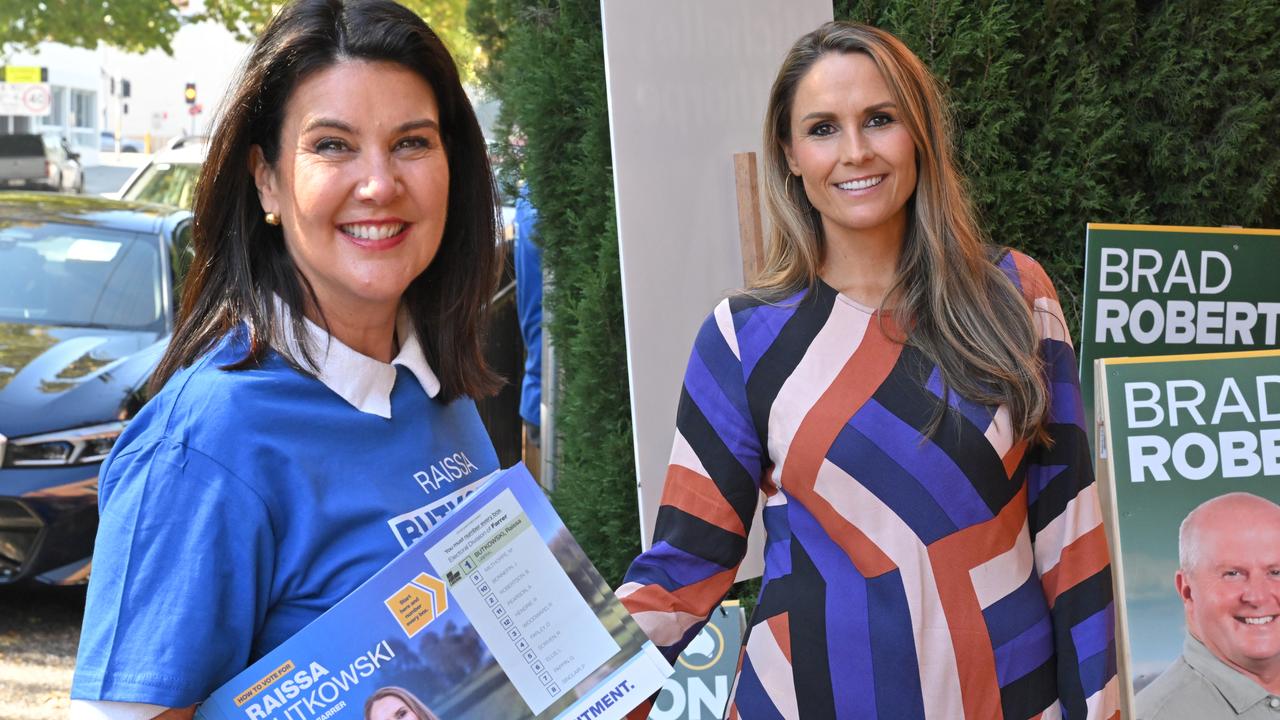
The Liberals have been running campaign ads on Mr Farley’s political past in Farrer following revelations he had previously tried to run for Labor.
But Senator Hanson said Mr Farley had not been a member of Labor.
“Regardless of it, everyone out there who’s voting this election, a lot of people never voted for One Nation before. They’ve been associated with some other political party before One Nation,” she said.
“I’m sick of the dirty games constantly being directed at One Nation all the time because they know they’re losing their support. They know they’re losing the votes and they can’t handle it.”
As of Wednesday, 36,000 people had voted early in Farrer with the Australian Electoral Commission also receiving 9000 postal votes.
Price impact uncertain from gas reservation scheme
An east coast gas reserve will help prevent shortfalls, a federal minister says, but uncertainty remains on how much the scheme will bring down prices for households.
Under the reservation plan, gas exporters will have to set aside 20 per cent of their volume for use in the domestic market.
The scheme will come into effect from July 2027, and apply to three LNG exporters based in Queensland.
Industry Minister Tim Ayres says gas prices will come down as a result of the scheme, but hasn’t detailed the amount consumers can expect to pay in the future.
“We are not making predictions about specific price levels, but this will provide the lowest possible price for Australian households and Australian industry,” he told ABC TV on Friday.
The scheme will be grandfathered, with gas export contracts signed before the reservation plan was announced in late 2025 being excluded.
The gas industry has criticised the proposal, saying there was a lack of detail and could cause a downturn in investment.
Senator Ayres said the federal government would be working closely with the sector on the scheme on how it would work.
“We’ll be working through those details over the coming months with industry to make sure that there’s not scope for industry to … game the process,” he said.
Nationals leader Matt Canavan, also a former resources minister, said the government was playing catch up on a gas reservation.
The coalition did take a policy of a gas reservation on the east coast to the 2025 federal election, which would have added between 10 to 20 per cent extra to domestic supply in its first year of operation.
“I’m putting it out there to them to me how a 20 per cent reservation policy is going to make a difference when 35 per cent of gas in eastern Australia is already supplied to domestic market,” he told ABC Radio.

Weapon-maker investments stoke warnings for Future Fund
Australia has been warned it could be in breach of international law after it was revealed the Future Fund has invested millions in weapons companies involved in Israel’s bombardment of Gaza.
The nation’s sovereign wealth fund has invested $8.6 million in Israeli weapons company Elbit Systems and $13.6 million in Lockheed Martin, which supplies military war planes to the Israeli Air Force, according to a recent Future Fund investment report.
It has also injected $165.3 million into Palantir, which has supplied AI-driven technologies to Israel for its offensive in Gaza.
Another $72.2 million has been devoted to Bank Hapoalim, Bank Leumi and Israel Discount Bank, which were named on a United Nations database as furthering Israel’s illegal settlement activity in the West Bank, East Jerusalem and the Golan Heights.
Established two decades ago, the total of funds managed by Future Fund was $337.2 billion as of March 31.
In a letter sent to Treasurer Jim Chalmers and Finance Minister Katy Gallagher from the Australia Palestine Advocacy Network, the federal government has been urged to address the Future Fund’s investments and stymie the flow of Australian money to Israeli weapons in its May budget.
“The Future Fund was set up for our children’s future, but it’s being used to fund the killing of children in Palestine,” the advocacy network’s executive officer, Katie Shammas, said.
Australia has recognised the state of Palestine and for years recognised Israeli settlements in the occupied territories as illegal.
The federal government has also sanctioned Israelis responsible for inciting and perpetrating settler violence.
But Ms Shammas warns the sovereign wealth fund’s investments create a contradiction that also puts Australia at risk of breaching international law, with the 2024 Advisory Opinion of the International Court of Justice reaffirming the settlements’ illegality.
The IDF’s bombardment and starvation of Gaza has killed more than 72,000 people and destroyed the territory’s infrastructure, leaving four per cent of its cropland undamaged and accessible, according to the UN World Food Program.
A genocide case against Israel has also been brought to the International Court of Justice, but the nation’s prime minister has rejected the accusations.
Israel’s military campaign in Gaza began after designated terror group Hamas killed 1200 Israelis and took about 250 hostages on October 7, 2023.
A federal government spokesperson told AAP the Future Fund invests independently of the government and cannot be legally directed where to invest.
However, the spokesperson said the Future Fund Board invests in accordance with relevant laws, including applicable sanctions, and excludes activities banned under treaties and conventions signed by the government.
“The board and the Future Fund Management Agency have robust processes in place to ensure these exclusions are applied appropriately,” the spokesperson said.
AAP has approached the Future Fund for comment.
‘Inflationary’ WA handouts could inflame GST debate
“Unnecessarily inflationary” handouts in the cashed-up West Australian budget are likely to displease the Reserve Bank, according to a top economist.
And such was the largesse on offer in Thursday’s budget – headlined by a $2.4 billion surplus – it could also supercharge the GST wars.
WA Treasurer Rita Saffioti confirmed the state’s eighth consecutive surplus, with major spends underpinned by a royalties boom and GST take.
There is a four-year infrastructure pipeline of $44.3 billion, including a much-needed boost to support housing stock.

However, it was the cash handouts that caught the eye, including to motorists and families.
Every WA licence-holder will receive $100 – irrespective of whether they drive a gas-guzzler, an EV or a bike – while families will be handed $250 for every high school student, and $150 for each in primary school or kinder.
The cost-of-living relief was announced two days after high inflation caused the central bank to raise interest rates owing to high inflation.
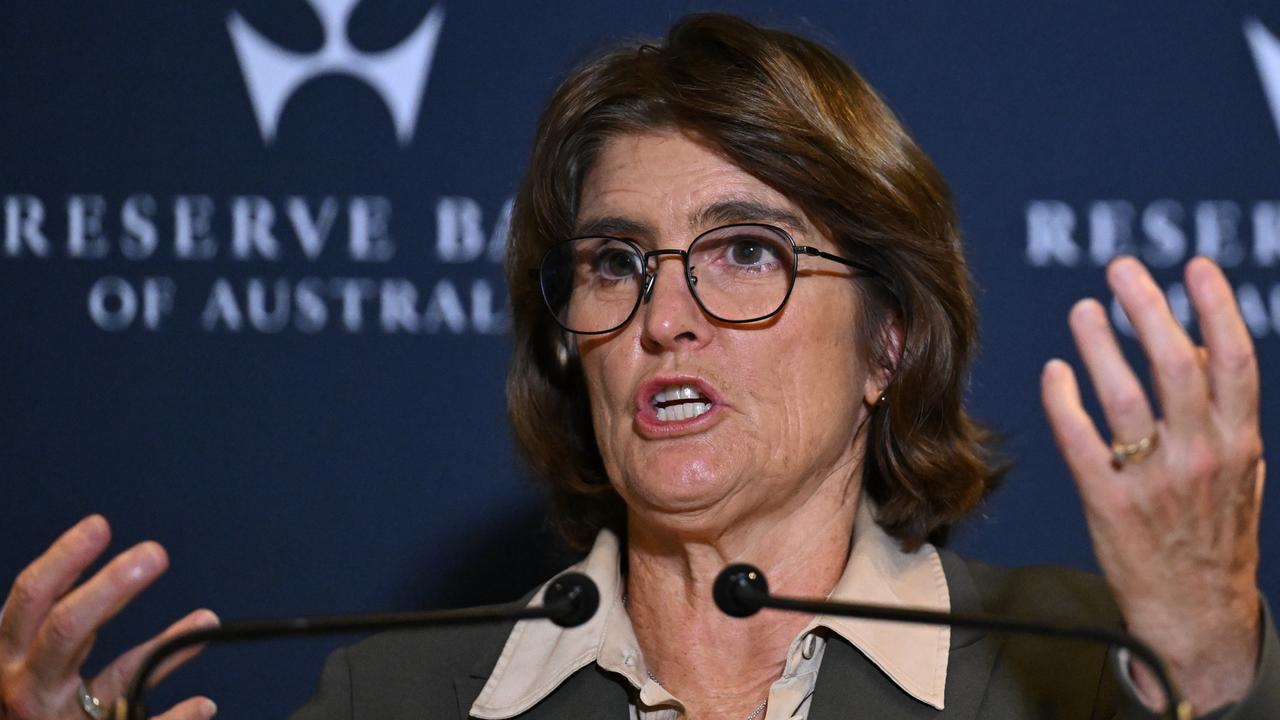
On announcing the rise, RBA governor Michele Bullock urged governments, state and federal, to look for ways to constrain demand.
AMP chief economist Shane Oliver labelled the handouts “unnecessarily inflationary” and “a classic example of why we cannot rely on politicians to keep inflation in check”.
“They are in complete defiance of RBA governor Bullock’s comments on Tuesday,” he said.

“They just make it harder to get inflation back down and will put more pressure on the RBA and hence mortgage holders.”
The handouts also run counter to Premier Roger Cook’s pre-budget pledge to target cost-of-living relief, although there is plenty of that too.
A $1 billion package funds a new carers gold card, expanded free public transport, capped regional flight costs for locals, and energy rebates.
BankWest Curtin Economics Centre director Alan Duncan said it would be wrong to characterise the budget as un-strategic.
“It was a budget that was looking to try and address bottlenecks in the system, address shortages of housing, shortages of skills, address infrastructure struggling to keep pace with population growth,” he said.
“It was a really welcome scale of commitment to those issues.”

There’s no doubt Western Australia’s economy is powering the nation, the question is, how much of that largesse should it keep, and how much should it share with the less well-off.
The past eight years of combined surpluses – which tallies more than $23 billion – correlate to a 2018 policy by Scott Morrison’s government to increase its GST distribution.
That move has been labelled the “worst public policy decision of the 21st century” by economist Saul Eslake, but is cheered in WA.
Prof Duncan said he saw the debate as live, but without a compelling case for change.
“I would not take this budget as a signal that says WA is swimming in it,” he said.
“The use of the additional revenues have been very smart, exactly what you should be doing, not locked into recurrent spending, and looking to the longer term.”
Sensation, controversy: premier portrait to be unveiled
It’s the Archibald, so everyone has an opinion.
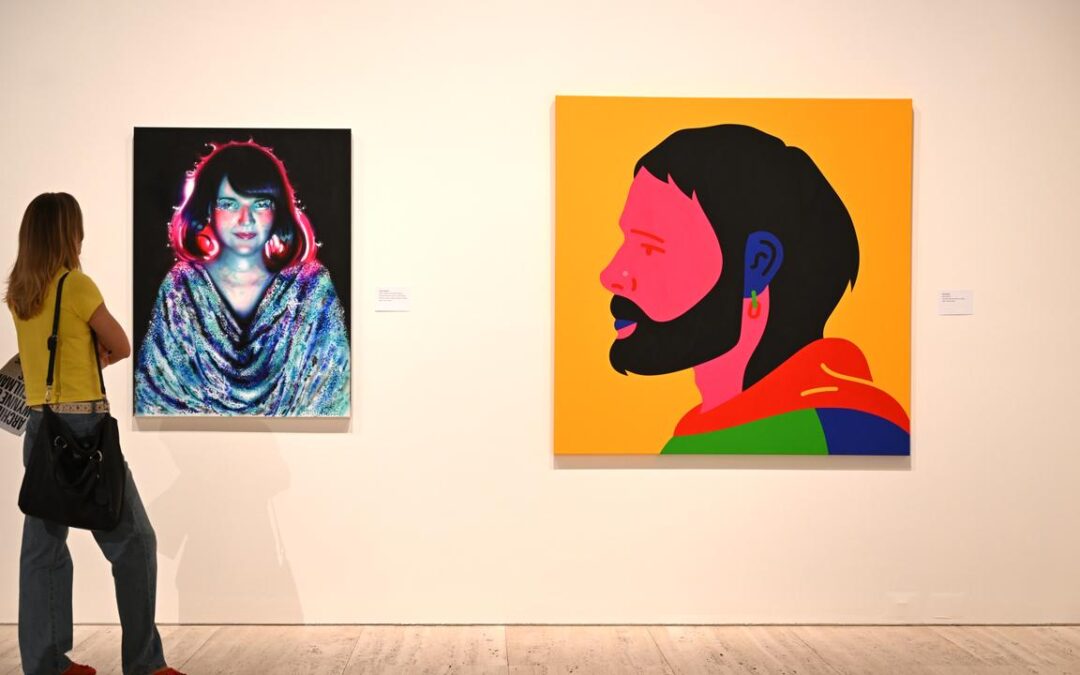
Ahead of the winner’s announcement on Friday, 59 finalists have been on public display at the Art Gallery of NSW, with various critics weighing in.
“It’s no surprise that the Archibald Prize is once again a chaotic collection of disparate pictures varying spectacularly in style as well as in quality,” wrote The Australian’s Christopher Allen.
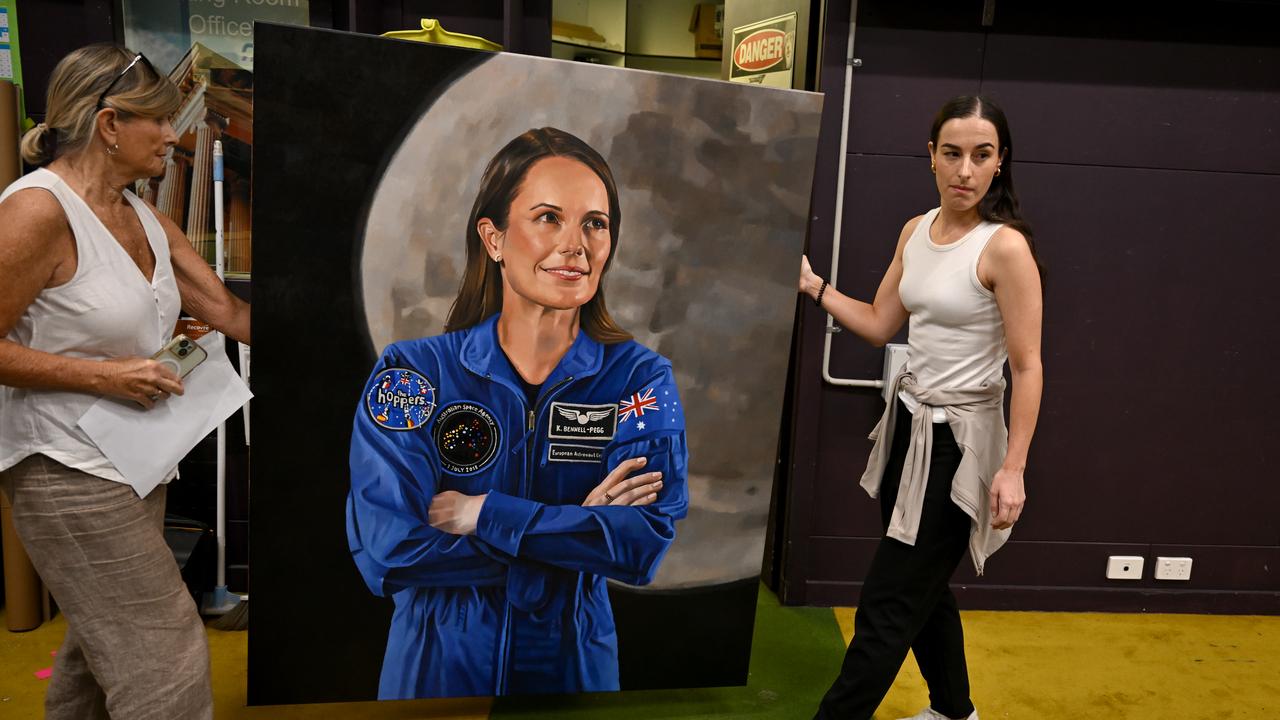
The annual $100,000 contest has gone for sensation and controversy that will attract a mass audience, with too many works painted from photographs, he argued.
Critic John McDonald believes the award has put too much store in inclusivity rather than quality, with the Archibald treated as light entertainment.
“The result is outstandingly mediocre, a sideshow rather than an art show,” he wrote.
And that’s just their take on the finalists; the winner will ultimately be chosen from a crop of more than 1000 entries vying for Australia’s premier portrait prize.
The portrait competition has been running for more than a century, and as has become tradition, a long list of famous Australians have posed as subjects for the 2026 edition.
They include Governor-General Sam Mostyn and actors Marta Dusseldorp, Susie Porter and Sheridan Harbridge.
There’s also musician Mick Turner, surfer Layne Beachley, fashion designers Nicky and Simone Zimmermann, and Alemais founder Lesleigh Jermanus.
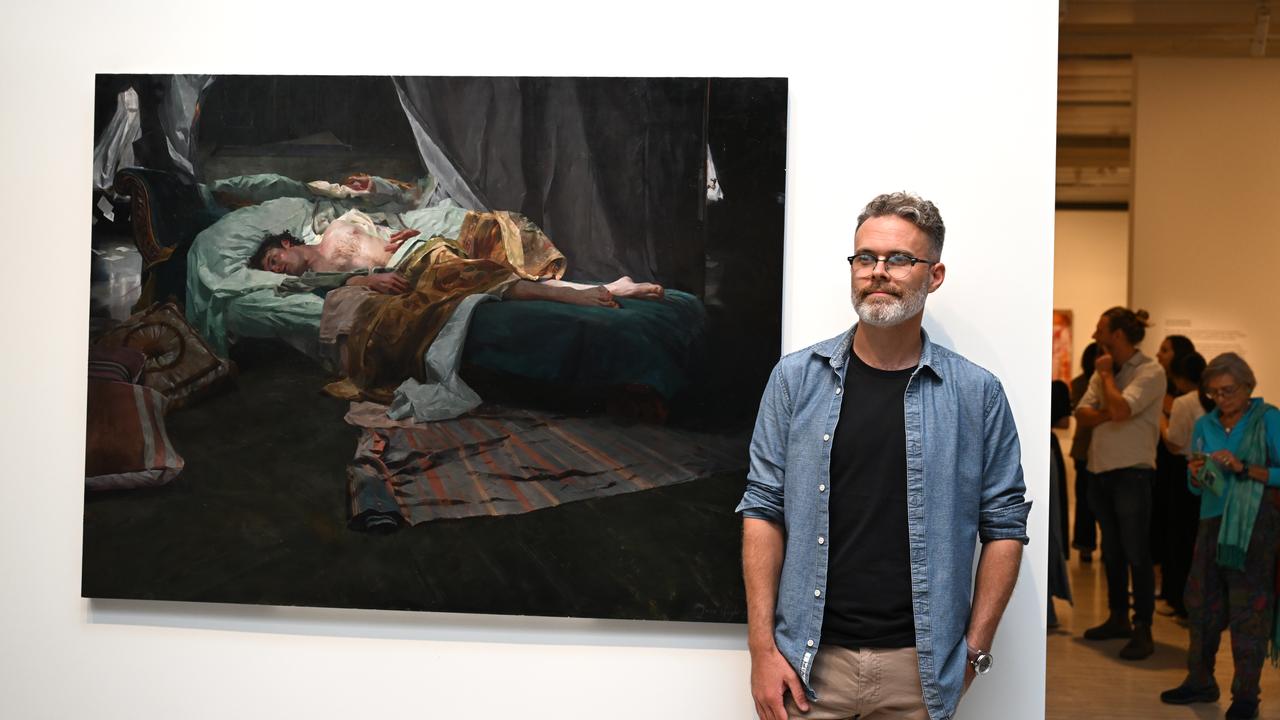
Artist Sean Layh has already won the $3000 Packing Room Prize with his portrait of actor Jacob Collins as Hamlet.
The winners and finalists in all prizes will be on show at the Art Gallery of NSW until August 16 before touring regional NSW and Victoria.
‘Decline’: housing downturn looms as rate hikes bite
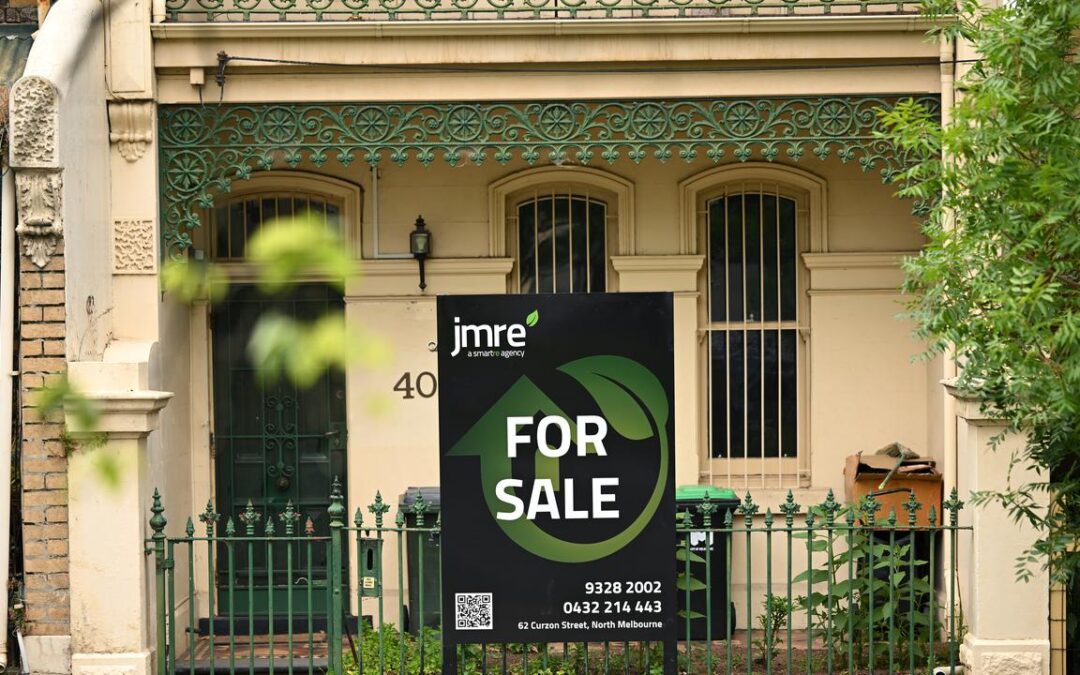
Australia is on the cusp of a housing market downturn as interest rates and affordability woes sap buyer demand, new data suggests.
Sydney and Melbourne are already in the early stages of decline while price growth across the mid-sized capitals is losing momentum, Cotality’s latest Housing Chart Pack found.
Combined capital city home values rose just 0.2 per cent in April, with the property analytics firm’s research director Tim Lawless warning the national market could dip into negative territory within months.
“Sydney and Melbourne are already five months into the early phases of decline, while price growth is slowing across the mid-sized capitals,” Mr Lawless said.
“Listings are picking up as demand softens, interest rates are rising, while affordability and serviceability pressures are biting.”
A significant increase in distressed sales or mortgage arrears wasn’t expected, Mr Lawless told AAP.
It would only likely occur if a worse-than-expected housing outcome were accompanied by weaker-than-forecast labour market conditions, or a larger than expected jump in interest rates.
The forecast comes after the Reserve Bank lifted the cash rate to 4.35 per cent, the third hike so far in 2026 that have fully reversed cuts in 2025.
Over the past four decades, Australia’s housing market has recorded 10 downturns lasting at least three months, Cotality said.
Rising interest rates, tighter lending conditions and affordability pressures are among the most common triggers.
Sydney dwelling values fell 0.6 per cent in April and are now one per cent below their November 2025 peak.
Melbourne prices also dropped 0.6 per cent over the month and sit 2.3 per cent below their March 2022 high.
Despite the slowdown, sharp differences remain across the country.
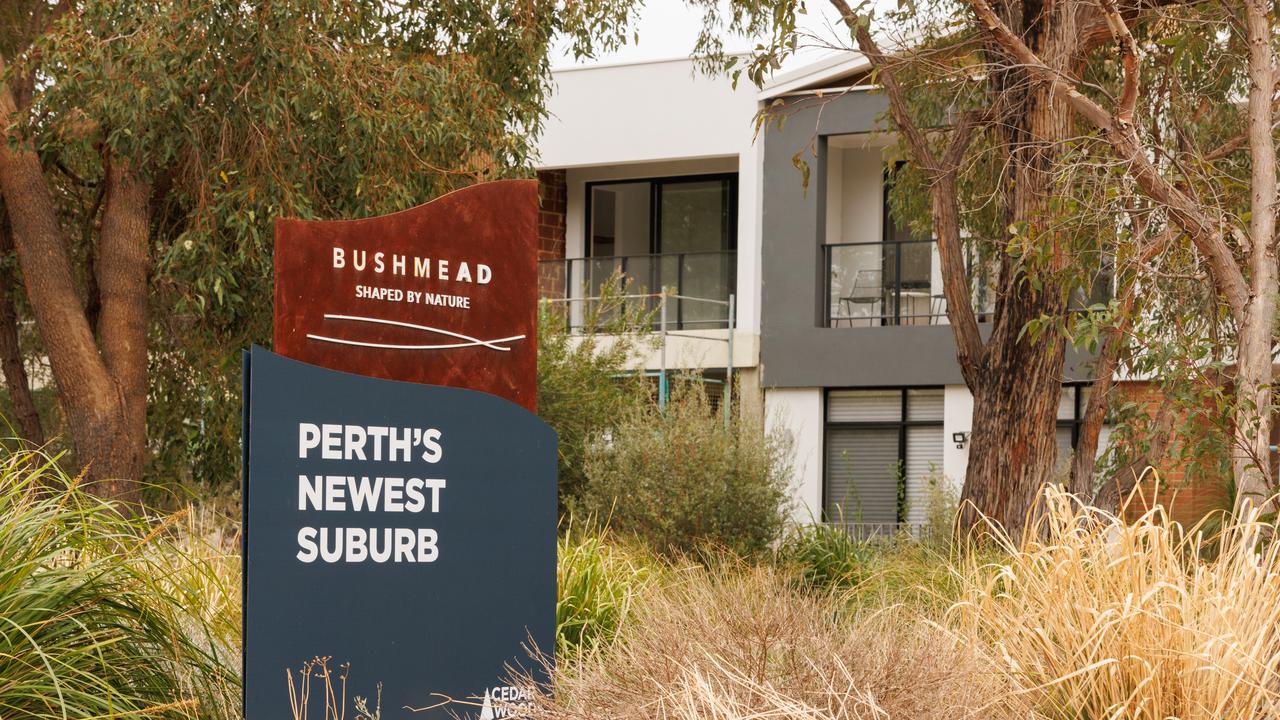
In Perth, values surged 26 per cent over the past year compared to Melbourne’s two per cent growth, highlighting the sizeable gap between the strongest and weakest capital-city markets.
Brisbane, Adelaide, Perth and Darwin all remain at record highs.
The market shift is also beginning to favour buyers after years of tight conditions.
New property listings rose to 39,319 nationally over the four weeks to early May, 4.7 per cent above the five-year average.
Despite the downturn, most homeowners remain well insulated from a downturn after values climbed by a third nationally over the past five years, Cotality said.
REA Group senior economist Eleanor Creagh agreed that April marked a “turning point”, with major capitals leading a downturn in national house prices.
“Australia’s housing market is rebalancing, with April marking a clear turning point in the cycle,” she said.
A range of factors including ongoing housing undersupply, population growth and a resilient labour market will soften any downswing, she said.