
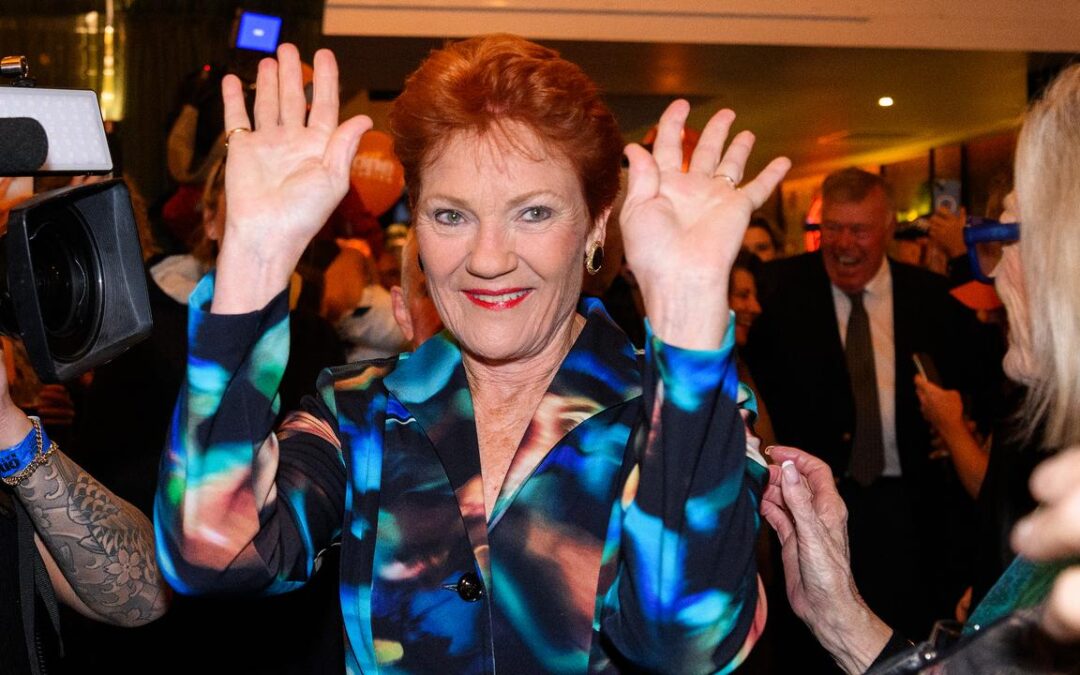
One Nation win grim warning for major party future
The coalition could be reduced to a regional remnant and Labor seats will come under threat if One Nation builds on its breakthrough by-election victory, analysts say.
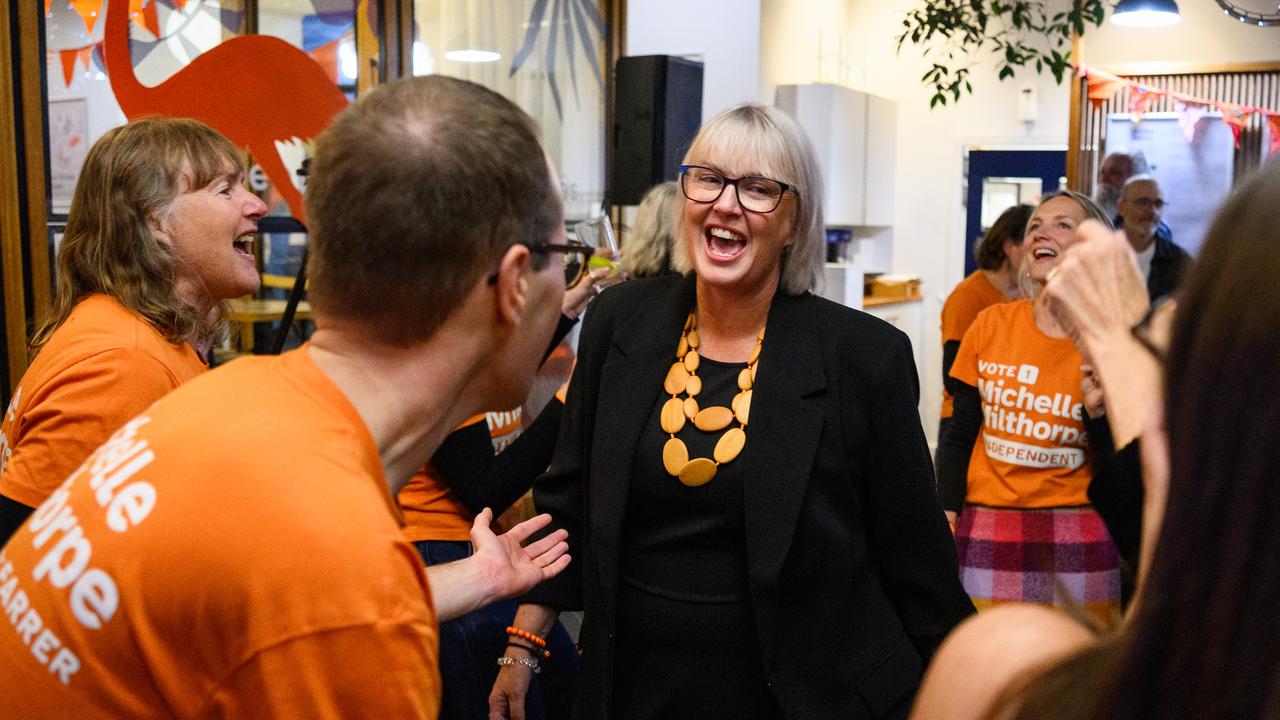
David Farley will head to Canberra after the One Nation candidate scored a thumping victory in the southern NSW seat of Farrer on Saturday.
His win over community independent Michelle Milthorpe snapped 77 years of coalition rule in the electorate and marked the first time his party had won a federal lower house seat.
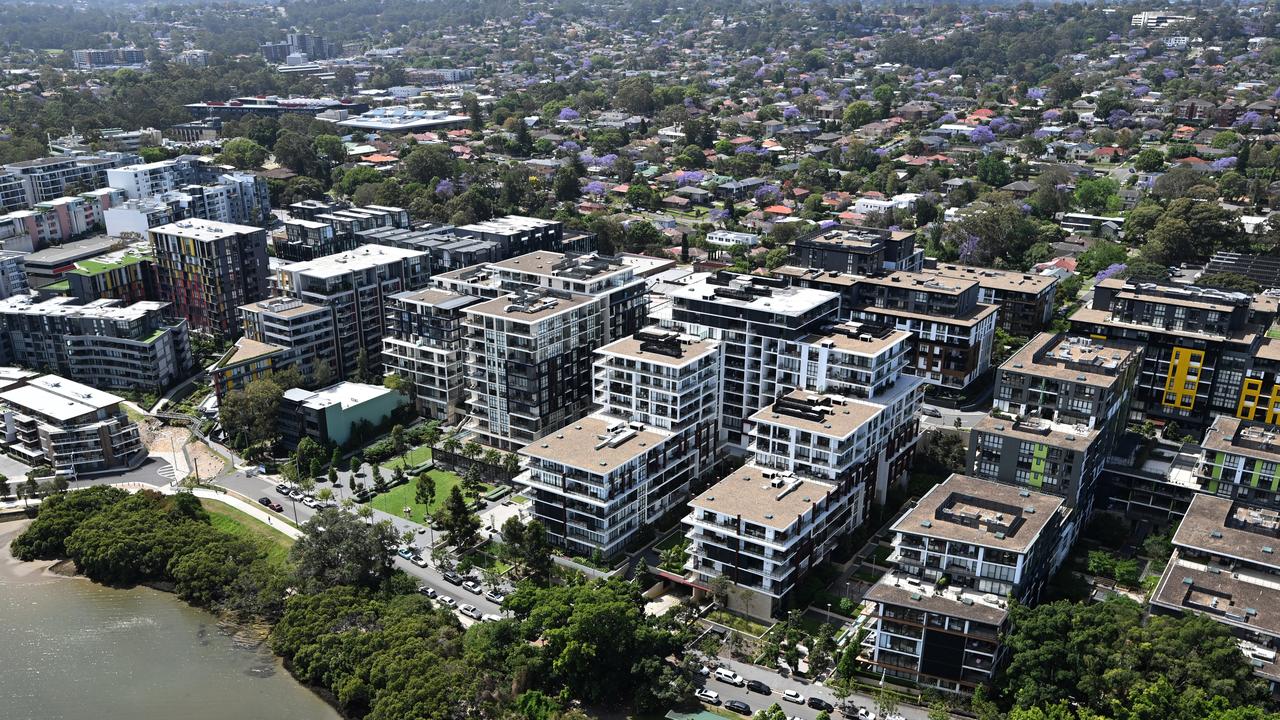
One Nation leader Pauline Hanson and MP Barnaby Joyce have since flagged ambition to add to their lower house total, including in urban areas such as western Sydney.
The result could be replicated in certain outer suburban seats, not just regional ones, former Labor strategist turned leading pollster Kos Samaras said.
“Seats like Lindsay (in Sydney’s west), I could see that seat could definitely become an interesting contest,” the RedBridge director told AAP.
With the Nationals allowed to run in Farrer due to Sussan Ley vacating the seat after her ousting as party leader, the Liberals’ primary vote tanked to 12.4 per cent – down more than 30 percentage points.
Mr Farley dominated outside the regional centre of Albury, where Ms Milthorpe secured the most votes.
The Liberals face the prospect of being pushed completely out of urban seats and being reduced to a rump in the regions, Mr Samaras said.
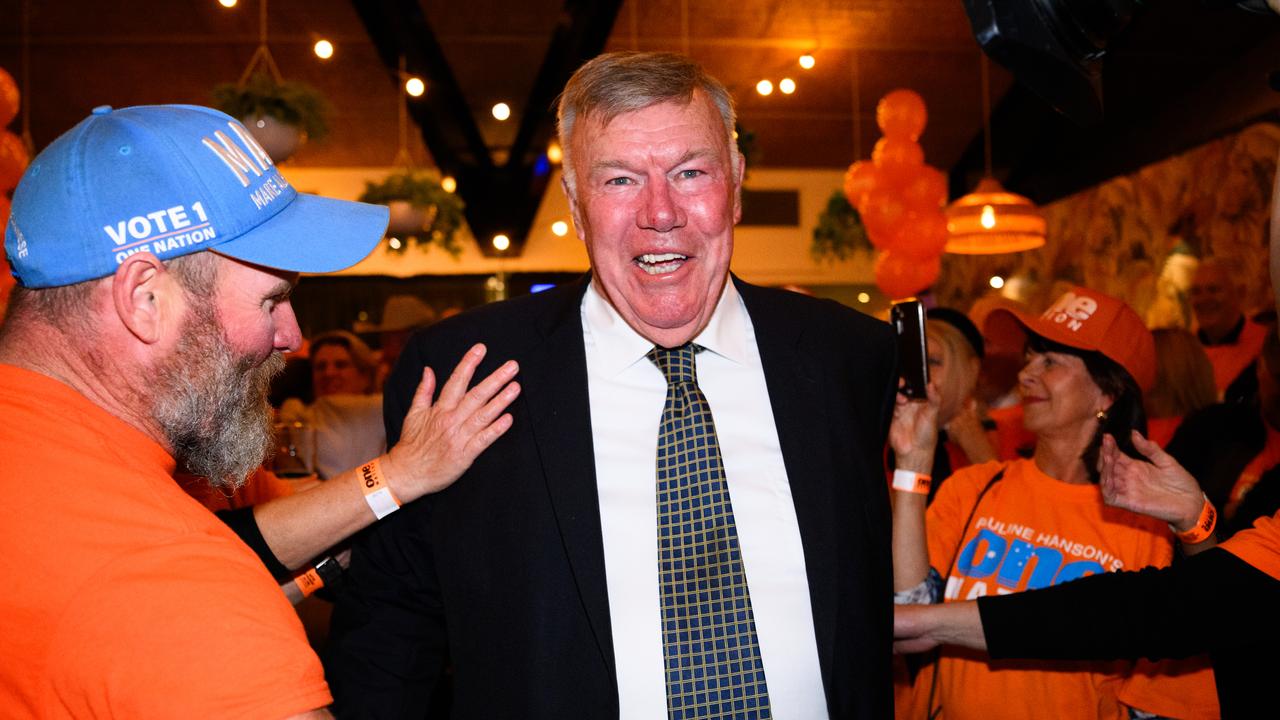
“I would say that every regional electorate that the Nats and the Liberal party hold is on the block,” he said.
“If you’re getting close to 40 per cent primary vote in Farrer, then it’s going to be a lot higher in inland electorates right across the country.”
Labor was less vulnerable to a similar reckoning, with Mr Samaras pointing out Pauline Hanson’s approval rating was minus 57 with its voters.
“It doesn’t mean Labor doesn’t have a problem,” he said.
“It will lose maybe one or two seats to One Nation.
“Seats like Hunter … that will be a threat, but it is much easier for Labor to combat One Nation because they are the contrast.”
Election analyst Ben Raue suggested it was too early to gauge how much damage One Nation could do in suburban seats, noting the next federal election was a long way off.
“Right now, if we were to have a federal election, One Nation would do quite well and win a bunch of seats,” he said.
“I don’t think this (by-election) tells us that they’re going to sweep the cities. They didn’t win Albury.”
With the coalition tacking to the right to appease defectors to One Nation, Treasurer Jim Chalmers said Labor was the last party standing in the “sensible centre”.
Shadow treasurer Tim Wilson did not shut the door on the coalition partnering with One Nation to form a minority government to defeat Labor at the next election.

‘ISIS brides’ on slavery charges make bid for freedom
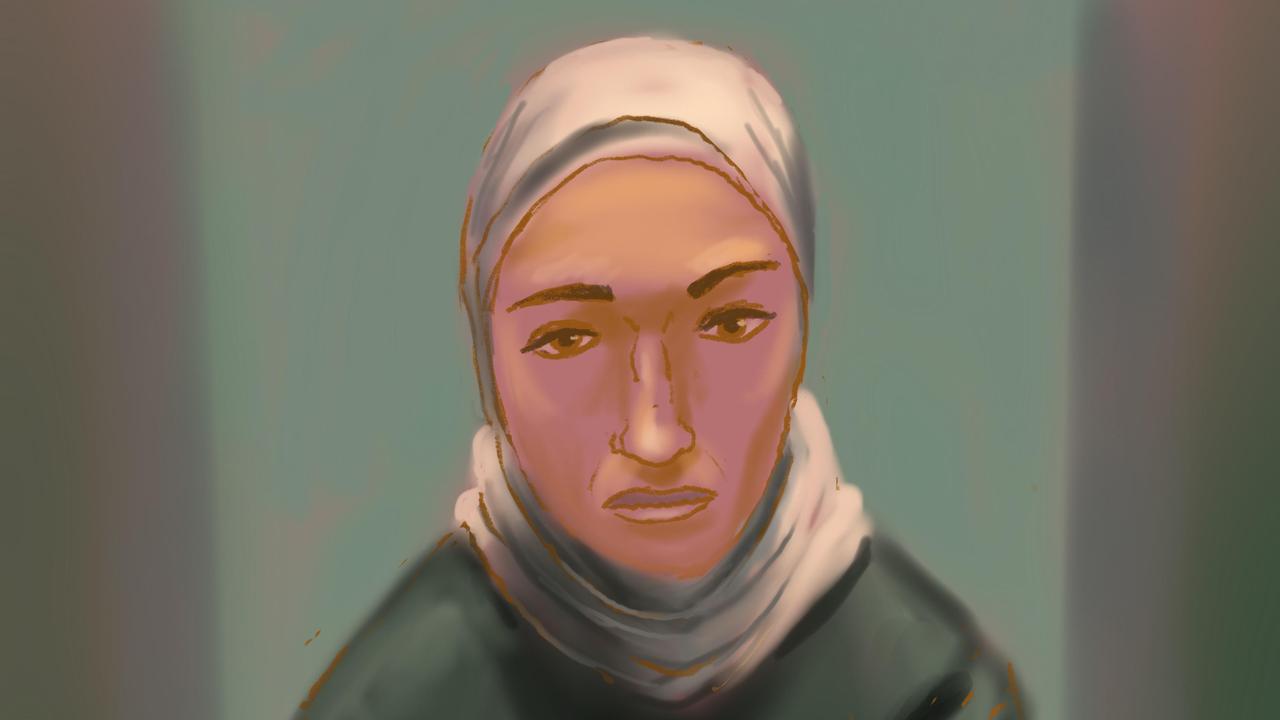
Two Islamic State-linked women arrested and charged with slavery offences hours after returning from a Syrian refugee camp are seeking release into the community.
Kawsar Ahmad, 53, and Zeinab Ahmad, 31, will make an application for bail on Monday in Melbourne Magistrates Court following a brief court appearance on Friday when they were remanded in custody.
The duo were among a larger group of women and children who returned to Australia on Thursday amid chaotic airport scenes after languishing in a Syrian refugee camp for years.
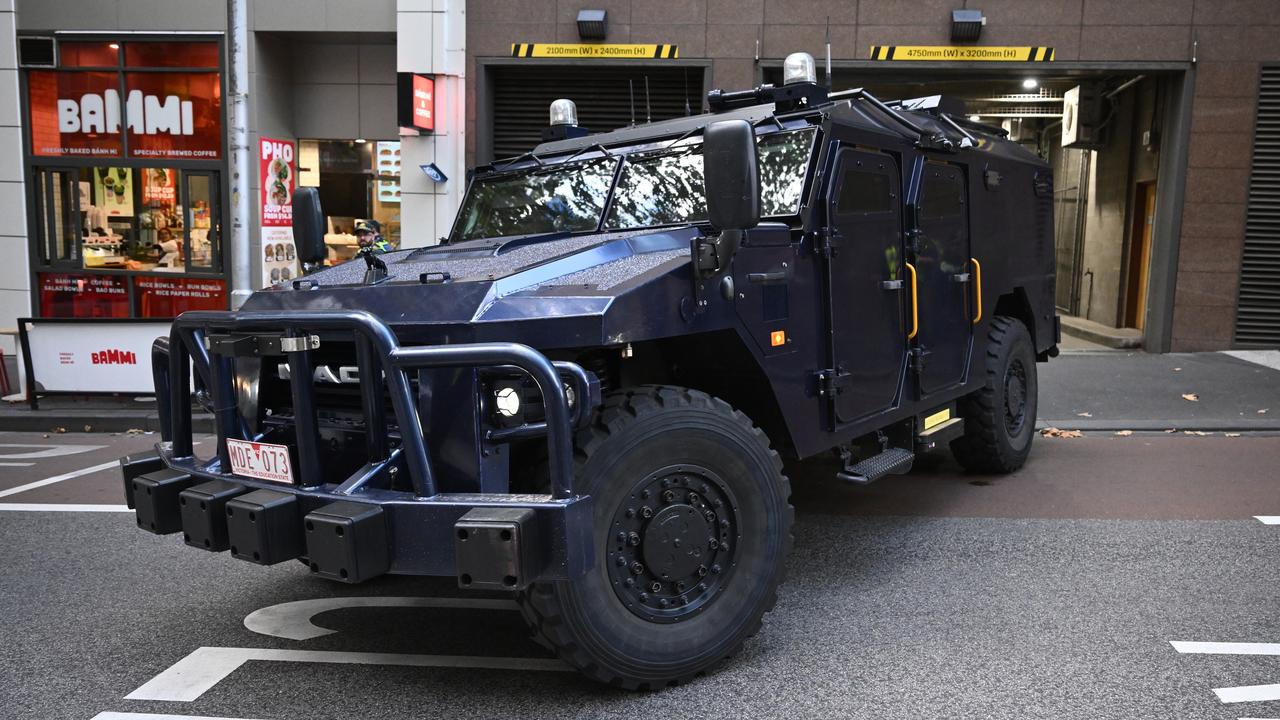
They have both been charged with several crimes against humanity and slavery offences allegedly committed in Syria.
Detectives allege Kawsar Ahmad, also known as Abbas, travelled to the region with her husband and children in 2014.
They allege she was complicit buying a female slave for $US10,000, and knowingly kept the woman in her home.
She has been charged with enslavement, possessing a slave, using a slave and slave trading.
Charge sheets released by the court allege the 53-year-old enslaved, possessed and used the slave in Mayadin, Hajin, Gharanji, Bahra, Abu Hamam, Walaa and other places in the Deir ez-Zu province of Syria between June 2017 and November 2018.
It is alleged the younger Ahmad had also knowingly kept a female slave in her Syrian home, with police charging her with enslavement and using a slave offences over the same period.
The document stated the pair’s conduct was “committed intentionally or knowingly as part of a widespread or systemic attack directed against a civil population”.
Police said the pair were detained by Kurdish forces in 2019 and held with other family members in Al Roj Internally Displaced Persons camp.
They are among three returnees charged following an almost decade-long investigation, which began after the women travelled to the Middle East with their partners who allegedly intended to fight for Islamic State.
A third woman, 32-year-old Janai Safar, who flew into Sydney, was arrested and charged with entering a prohibited area and being a member of a terrorist organisation.
She was denied bail due to the seriousness of the charges and will return before the court in July.
State’s drilling dream sours budget approvals sweetener
Labor will offer more money to states and territories as it tries to secure agreement over landmark environmental reforms, but one premier is vowing not to make it easy.
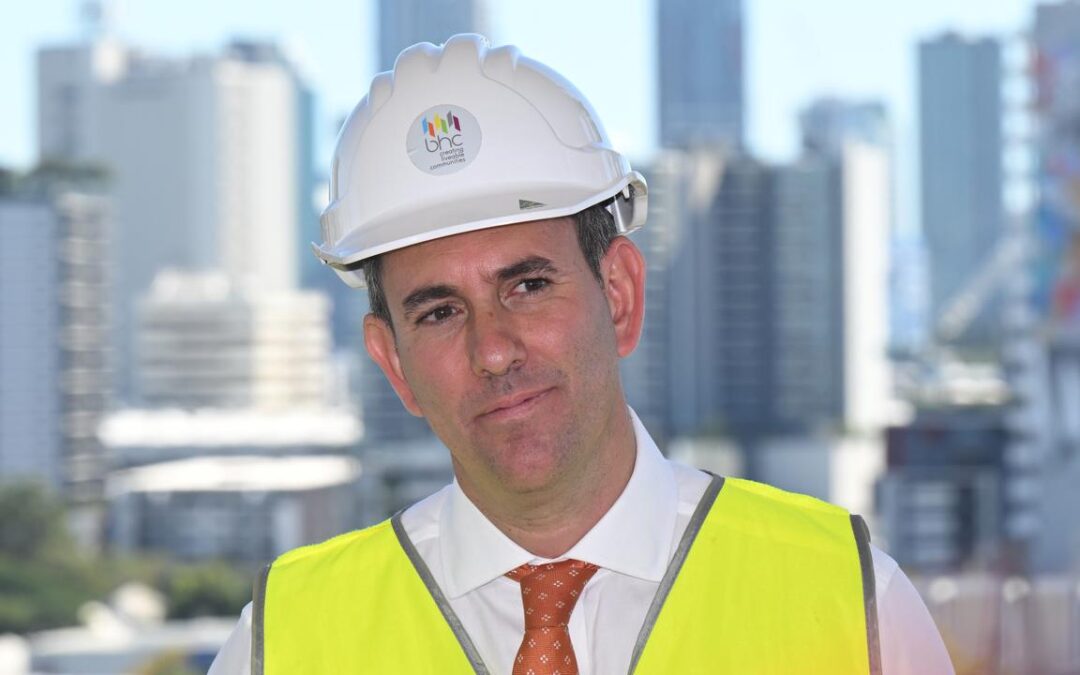
Tuesday’s federal budget will include more than $500 million in funding to implement environmental laws, which Treasurer Jim Chalmers said would help speed up approvals for housing, energy and critical minerals projects.
Passed in late 2025 after a tumultuous five-year process, the Environment Protection and Biodiversity Conservation Act promised to reduce layers of duplication where proponents had to secure approvals from both commonwealth and state governments.
The environmental regime would reduce compliance costs and cut red tape, making it easier and faster to build, and making Australia a more attractive place in which to invest, Dr Chalmers said.
“More efficient approvals mean projects get off the ground quicker and Australians get into homes sooner,” he said.
“This is a big investment that will make our economy more productive and will help to get crucial projects going in housing, energy and critical minerals.”
But critical bilateral agreements that will give greater powers to the states to handle the assessment and approval of both layers of regulation are yet to be signed, meaning the full benefits of the reforms have not been realised.
Part of the budget boost will go to the states to fund extra staffing and resources needed to take on the extra approvals work and help convince them to sign up.
The Albanese government has already signed a memorandum of understanding with Western Australia and is optimistic about signing bilateral agreements with other states, but negotiations have stalled with Queensland.
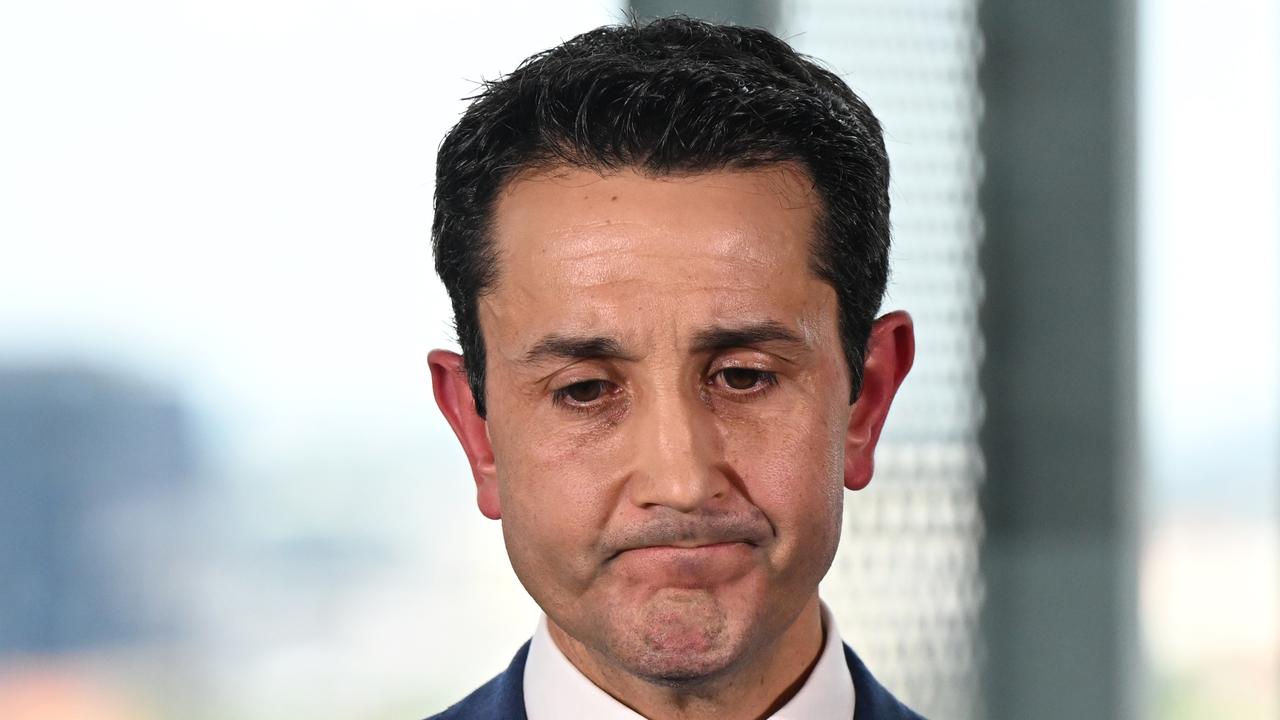
Premier David Crisafulli continued to call on the federal government to reverse its decision to exclude oil exploration projects from access to use a fast-tracked approvals pathway under the laws.
“Until we have that dead hand of the (act) removed, the ability to really get cracking in the Taroom Trough (oil basin) will be hindered,” he told reporters on Sunday.
The Queensland and federal governments have not been in talks about a new bilateral agreement in weeks.
The Commonwealth warns Queensland’s decision to launch a year-long state productivity inquiry into the act could further delay the implementation of the faster approvals pathway.
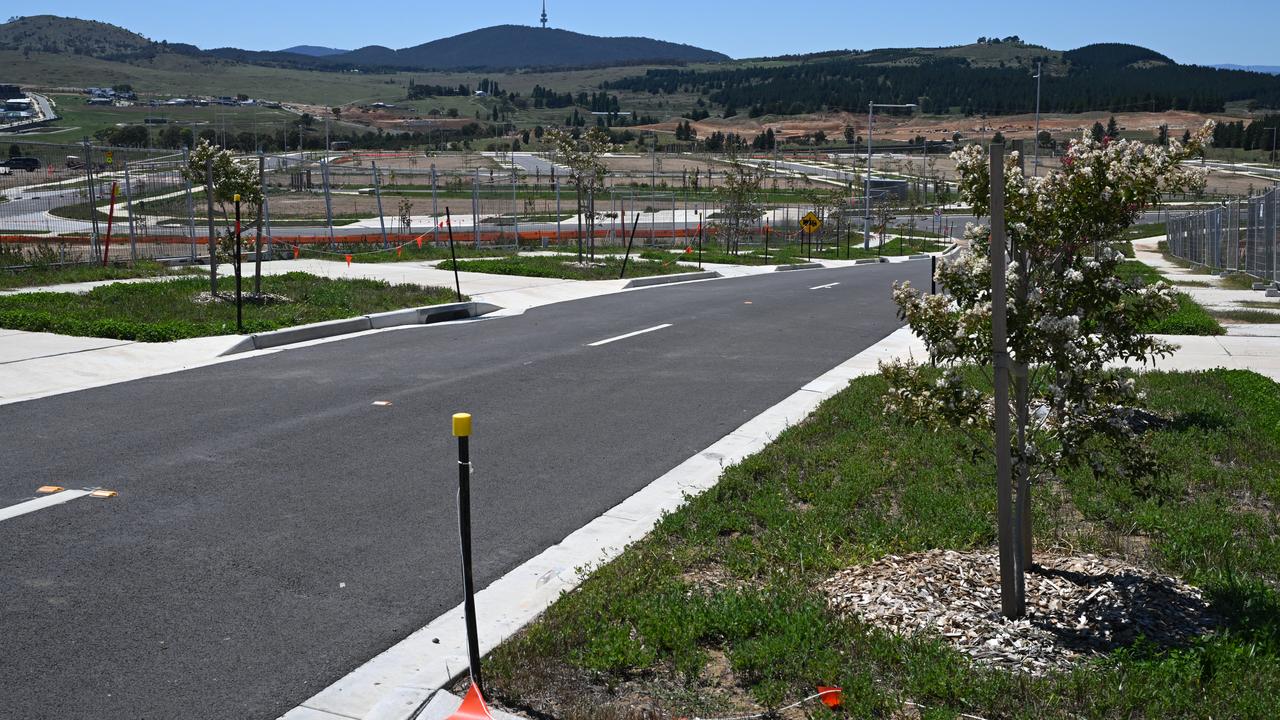
On Sunday, the government announced the budget would include $2 billion to help states and territories build sewers, roads and other enabling infrastructure holding up housing developments.
Centre for Independent Studies chief economist Peter Tulip said it was one of the most cost-effective ways the Commonwealth could boost supply.
“It shows the government is putting their money where their mouth is, which makes their messaging more credible,” he told AAP.
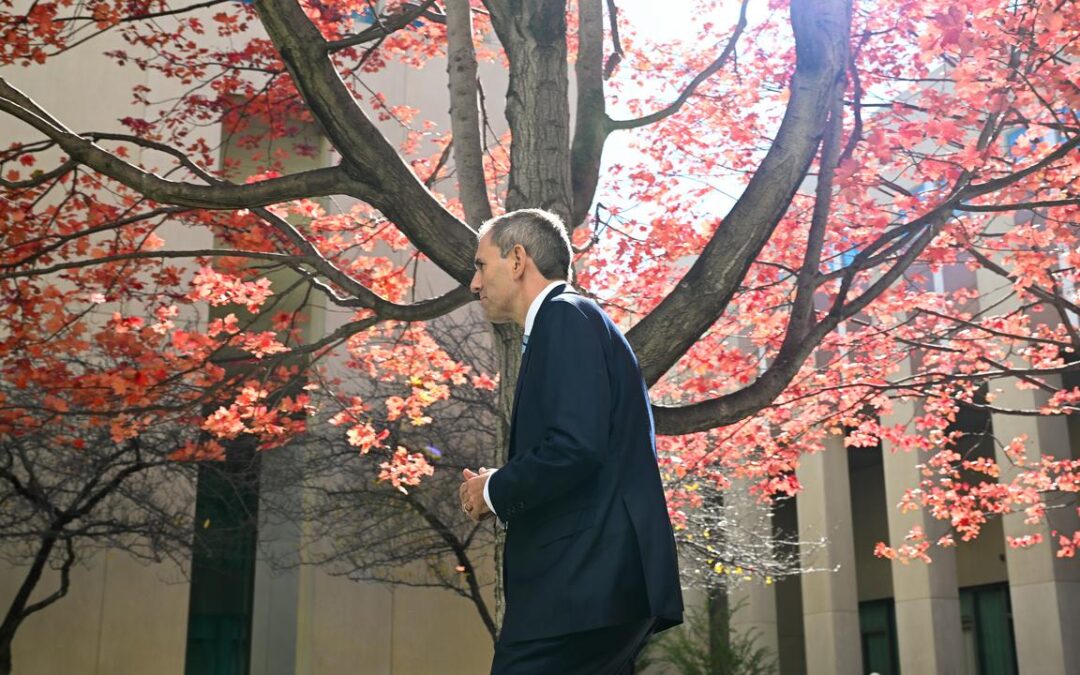
Federal budget to dominate the economic agenda
The federal budget will this week overshadow local data, with Jim Chalmers’ fifth fiscal blueprint key to future Reserve Bank interest rate calls.
The economy was already speeding above its limit before the Middle East conflict erupted in February, driving up oil prices, and the Reserve Bank is hoping the treasurer doesn’t add fuel to the inflation fire on Tuesday.
With supply constrained, a boost to demand is the last thing governor Michele Bullock needs after three straight interest rate hikes.
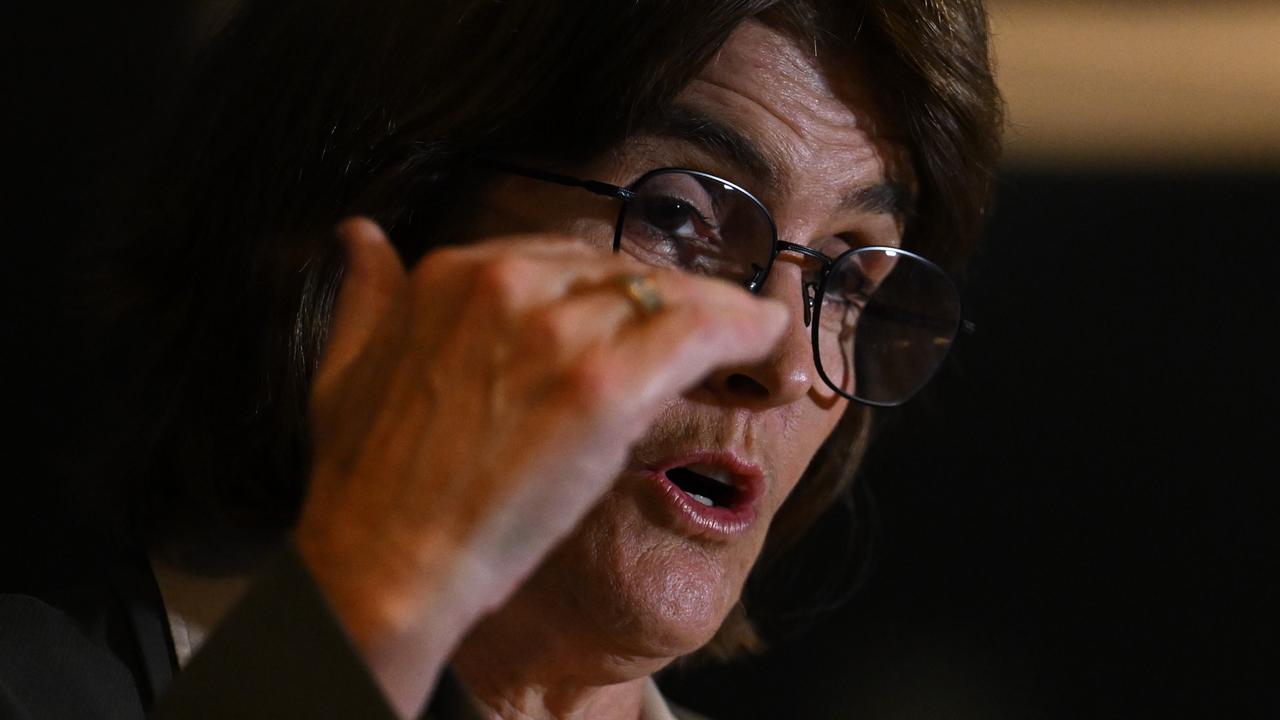
Oxford Economics Australia’s Harry Murphy Cruise predicts the Middle East conflict will improve the budget bottom line for this financial year by about $11 billion through higher commodity prices, income tax and GST revenue.
That will give the government a “tantalising” windfall to spend on household cost-of-living supports.
“But if they do, Australia’s burgeoning inflation problem could get much worse,” Mr Murphy Cruise said.
“Firms are already struggling to keep costs in check. If they have to compete with governments for workers and capital, prices would rise even higher.”
This makes policymaking exceptionally difficult, according to HSBC chief economist Paul Bloxham.
The Reserve Bank had been willing to wield its “blunt instrument” to drive down demand, he said, but “a surgical approach to the budget would be optimal”.
The government is yet to announce additional household supports beyond cutting fuel excise, which is expected to cost more than $2.5 billion in foregone revenue.
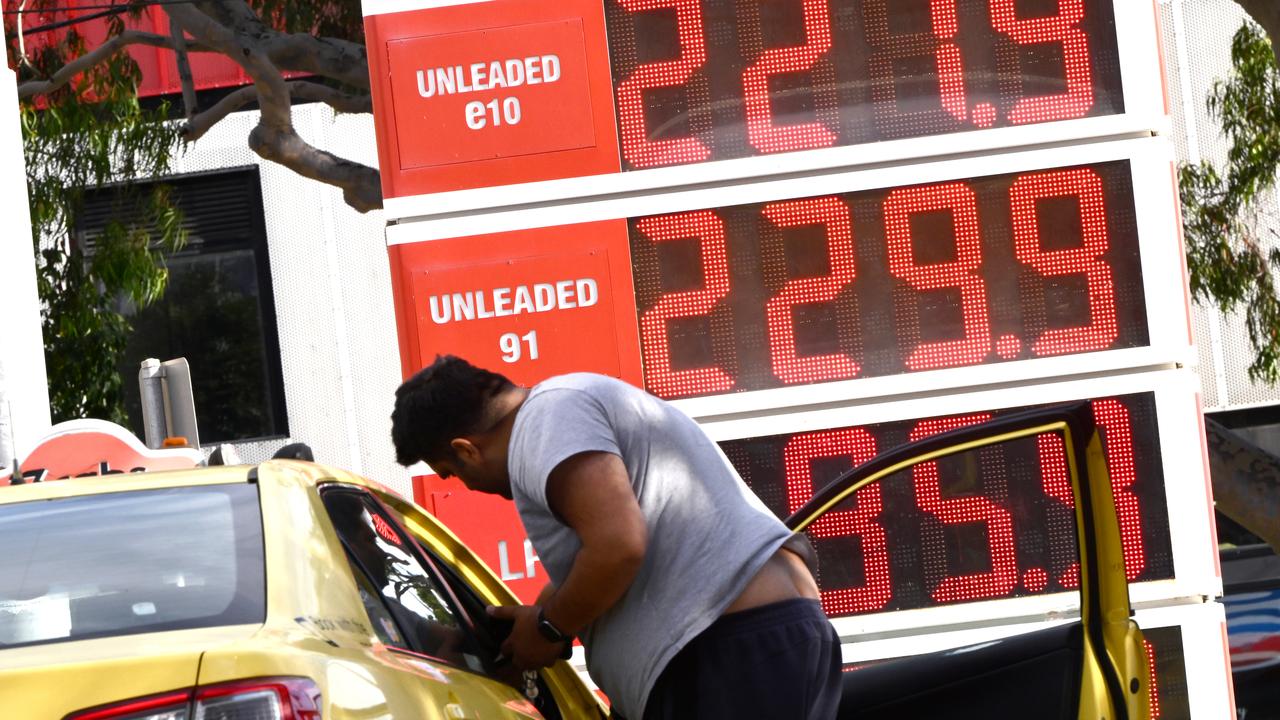
But there is reported speculation wage and salary earners could receive a $200 to $300 one-off “earned income offset”.
Citi economists Josh Williamson and Faraz Syed estimate this would cost $3 billion to $4.4 billion if applied to all salaried employees.
“Assuming all of this is spent, it would at most add just 0.1 per cent to yearly (headline inflation),” they said.
“The big-picture view of the expected change in the underlying cash position shows little cause for the RBA to be alarmed.”
More importantly, the duo say, will be how long the Middle East conflict and energy price shock lasts, what happens to domestic inflation expectations, and how quickly recent rate rises flow through the economy.
Extending the fuel excise cut, combined with additional tax relief or subsidies, could push up underlying inflation and create more headaches down the track.
Economists at Commonwealth Bank and ANZ think the Reserve Bank’s hiking cycle is over but NAB and Westpac expect further rises.

Westpac chief economist Luci Ellis now believes the central bank will wait to see what happens in Iran before back-to-back hikes in August and September, after previously picking a fourth straight rise in June.
Ms Bullock acknowledged on Tuesday that the hikes gave the Reserve Bank board “space” to see how the conflict played out.
But Dr Ellis expects the second-round effects of high fuel prices to be greater than Reserve Bank forecasts imply, which could result in a “wake-up call” in June and September quarter inflation data.
The federal budget and the Fair Work Commission’s annual wage review decision in June would be pivotal, she said.
Lending and wages growth data will also be released on Wednesday.
Meanwhile, investor interest on Wall Street has been piqued by gains in AI stocks and stronger-than-expected US jobs figures.
The S&P 500 climbed 0.84 per cent to end Friday at 7,398.93 points. The Nasdaq gained 1.71 per cent to 26,247.08 points and the Dow Jones rose 0.02 per cent to 49,609.16 points.

Australian share futures slid 42 points, or 0.47 per cent, to 13,148.
About $43 billion was wiped from Australian indices on Friday, as oil prices surged on the prospect of further military action between the US and Iran.
The S&P/ASX200 fell 133.7 points, down 1.51 per cent, to 8,744.4, as the broader All Ordinaries lost 126.5 points, or 1.39 per cent, to 8,980.5.
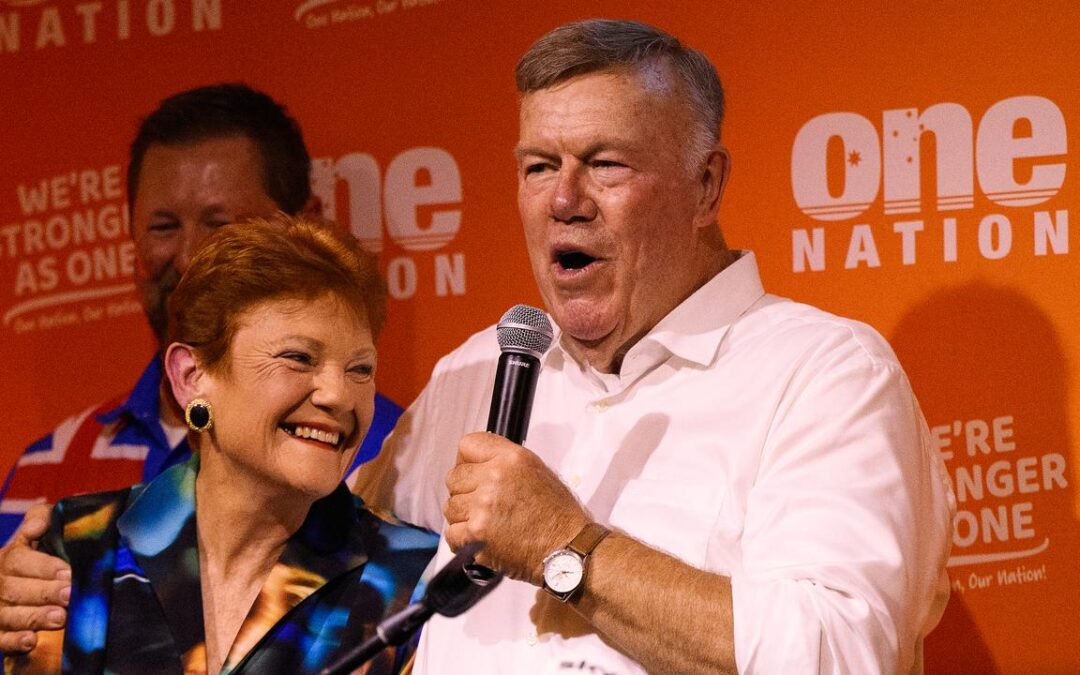
One Nation eyes more seats after by-election triumph
One Nation has warned it is coming for more seats as the coalition picks through the rubble of a historic by-election result.
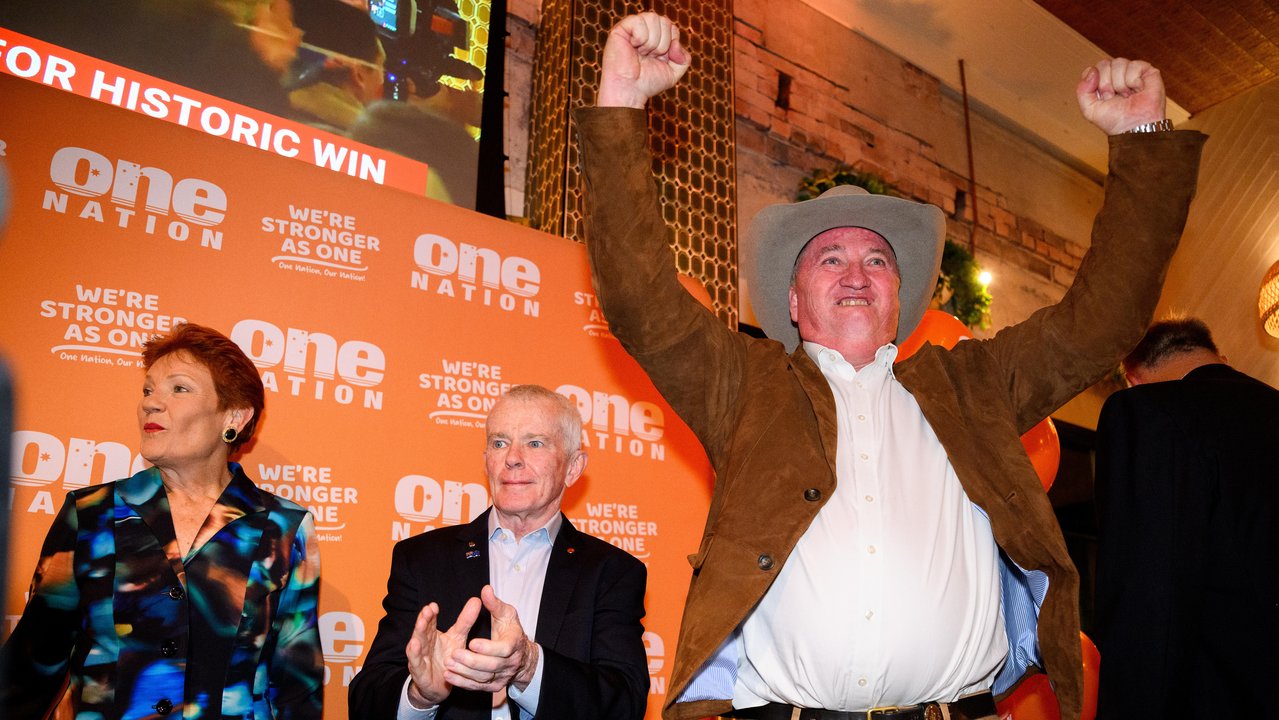
David Farley swept to victory in the sprawling southern NSW electorate of Farrer on Saturday night, ending the coalition’s 77-year reign in the federal seat.
With more than 80 per cent of ballots counted, Mr Farley had claimed more than 57 per cent of the two-candidate-preferred vote to comfortably beat independent Michelle Milthorpe.
“One Nation has reached the end of its beginning. We’re going through the ceiling from here,” he declared on Saturday night to a room that erupted in cheers and applause.
It is One Nation’s first federal lower-house election victory since the party was founded by Pauline Hanson in 1997 and she had a message for the major parties.
“We’re coming after those other seats,” Ms Hanson said.
Former Nationals leader turned One Nation MP Barnaby Joyce also suggested the political earthquake would spread.
“Western Sydney here we come,” he said.
“Australians, they hear the rumble coming from the bush and then it arrives in the city as a bushfire.”
The by-election was triggered when long-time MP Sussan Ley resigned after being ousted as Liberal leader by Angus Taylor in February.
Support for the coalition crumbled, down to 12 per cent of the primary vote for the Liberals and less than 10 per cent for the Nationals.
Ms Ley secured more than 43 per cent of the primary vote when she won the seat a year earlier.
The Liberals must take their medicine and learn hard lessons, Liberal leader Angus Taylor said.
“For too long, we have been a party of convenience and not of conviction,” he said.
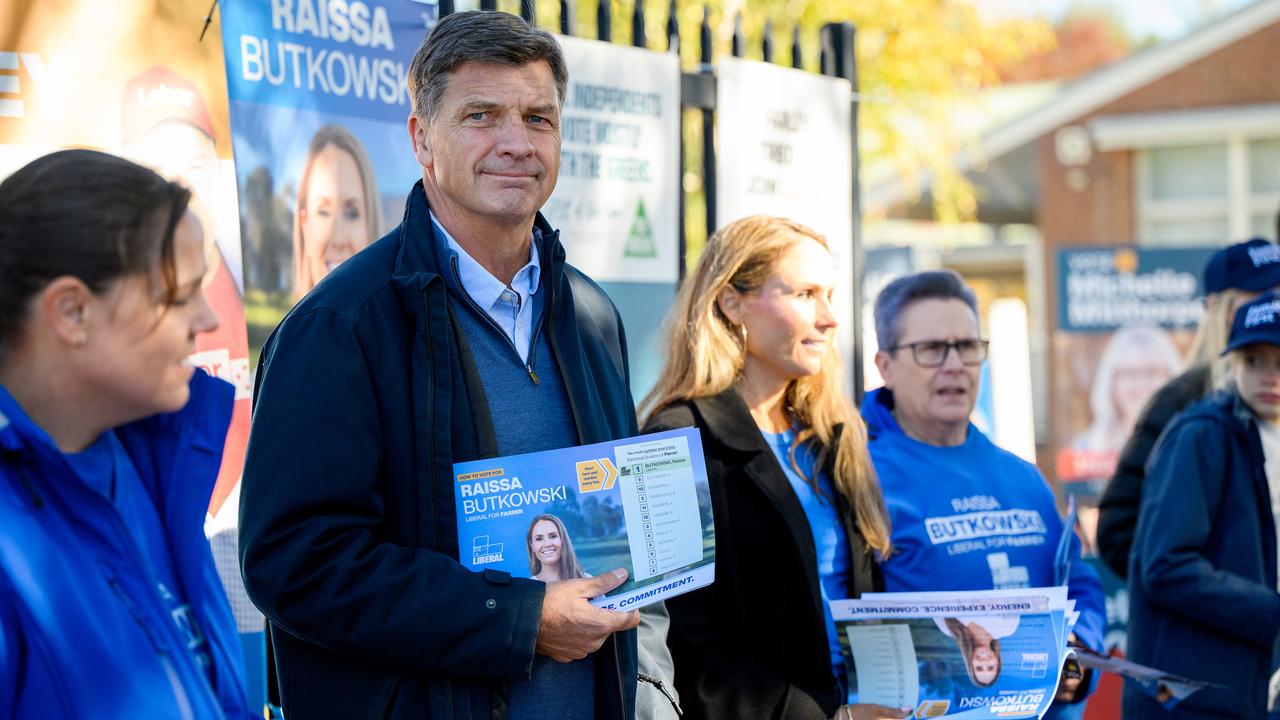
Deputy Liberal leader Jane Hume conceded trust with voters had been broken due to the coalition splitting twice and said it would take time to rebuild.
But Ms Ley said it would be wrong to attribute the result to the coalition ruptures and urged the Liberal leadership to accept the loss with humility as voters “never get it wrong”.
She parroted Mr Taylor’s catchcry of “change or die”, which he deployed after February’s leadership spill.
“Three months later, the result in Farrer demonstrates that statement to be far truer today than it ever was then,” Ms Ley said.
Labor chose not to contest the by-election.
Treasurer Jim Chalmers described the result as a “bloodbath” and said it showed the coalition would have to join One Nation to compete.
“There’s no future coalition government, I think, without One Nation in it,” he told ABC News on Sunday.
Farrer comprises more than 126,560 square kilometres and fills out the southwest corner of NSW.
Its largest population centre is Albury, which sits on the NSW-Victoria border.
The race, which became a two-way competition between a minor party and an independent, signals a broader shift in voting away from the major parties.
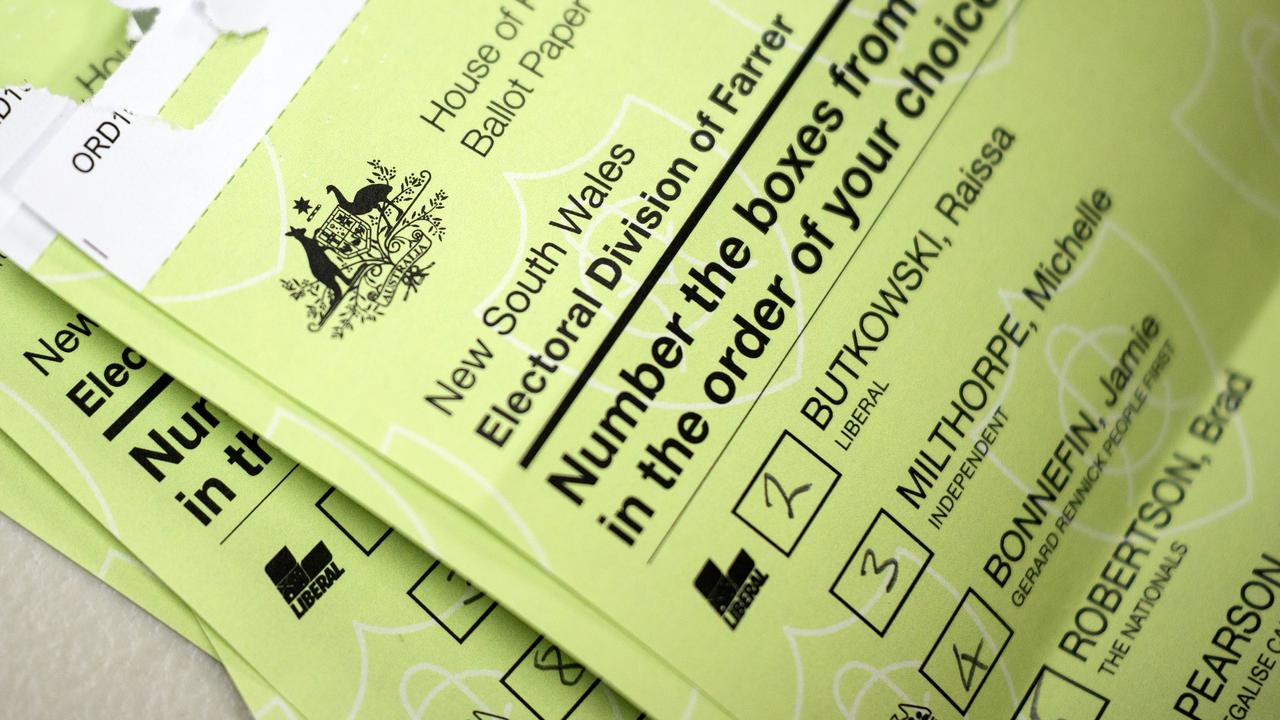
In the 1960s, more than 70 per cent of Australians would vote for the same party in each election.
By 2025, that number fell to just one in three, according to the Australian Election Study.
“The Australian electorate has become increasingly volatile,” the study’s chief investigator, Griffith University senior lecturer Sarah Cameron, told AAP.
“Most people aren’t feeling close to the major political parties and they’re increasingly willing to switch votes from election to election.”
Pedestrian dies after being hit by US plane on runway
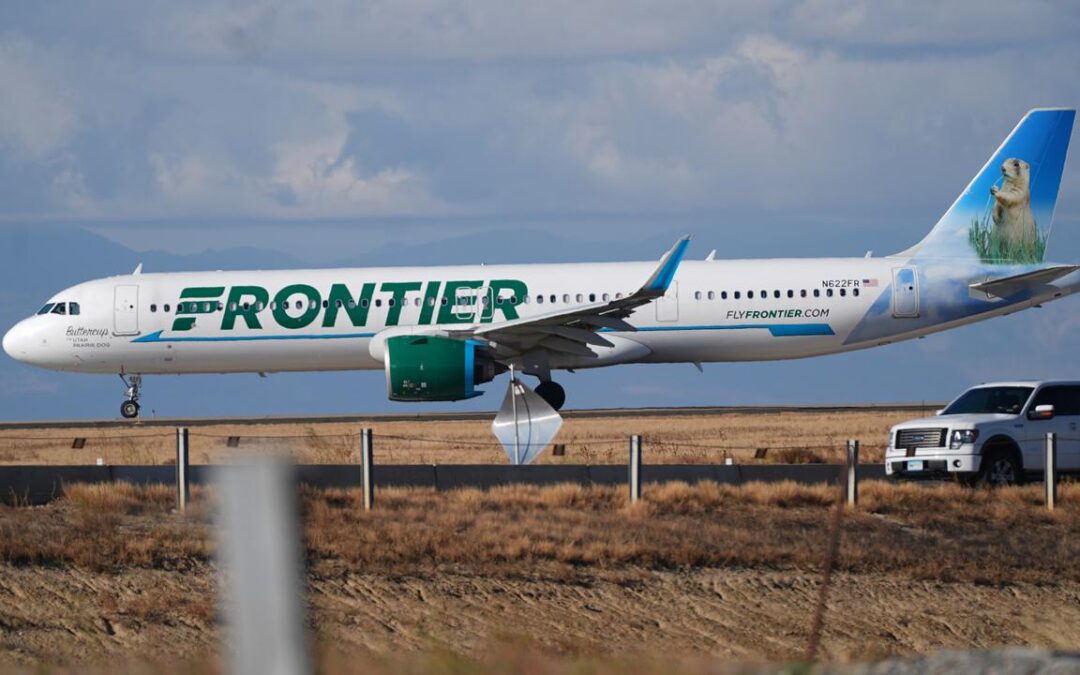
A person who jumped a fence and was on a runway at Denver International Airport was struck and killed by a Frontier Airlines plane during takeoff, with the collision sparking an engine fire that forced passengers to evacuate.
The plane, on route from Denver to Los Angeles International Airport, “reported striking a pedestrian during takeoff at DEN at approximately 11:19pm on Friday,” according to a post on the airport’s official X account.
A spokesperson for the airport said the person, who jumped a perimeter fence, has died. They said the unidentified person was hit two minutes after entering the airport. The person is not believed to be an airport employee.
“We’re stopping on the runway,” the pilot tells the control tower according to the site ATC.com.
“We just hit somebody. We have an engine fire.”
The pilot tells the air traffic controller they have “231 souls” on board and that an “individual was walking across the runway”.
The air traffic controller responds that they are “rolling the trucks now” before the pilot tells the tower they “have smoke in the aircraft. We are going to evacuate on the runway”.
Frontier Airlines said in a statement that flight 4345 was the one involved in the collision and that “smoke was reported in the cabin and the pilots aborted takeoff”. It was not clear whether the smoke was linked to the collision.
The airline said the plane was carrying 224 passengers and seven crew members.
“We are investigating this incident and gathering more information in coordination with the airport and other safety authorities,” the airline said.
Passengers were evacuated via slides and the emergency crew bused them to the terminal. The airport spokesperson said 12 passengers suffered minor injuries and five were taken to hospitals.
Transportation Secretary Sean Duffy said in a post on X that the person “breached airport security at Denver Int’l Airport, deliberately scaled a perimeter fence, and ran out onto a runway.”
He added: “No one should EVER trespass on an airport.”
The incident came a day after a Delta Air Lines employee was killed while on the job at the Orlando International Airport. In a statement, the airline said the employee was killed Thursday night without providing details of the incident or the name of the employee.
“We are focused on extending our full support to family and taking care of our Orlando team during this difficult time,” the airline said. “We are working with local authorities as a full investigation gets underway to determine what occurred.”
Billions to go to ‘boring but essential’ infrastructure
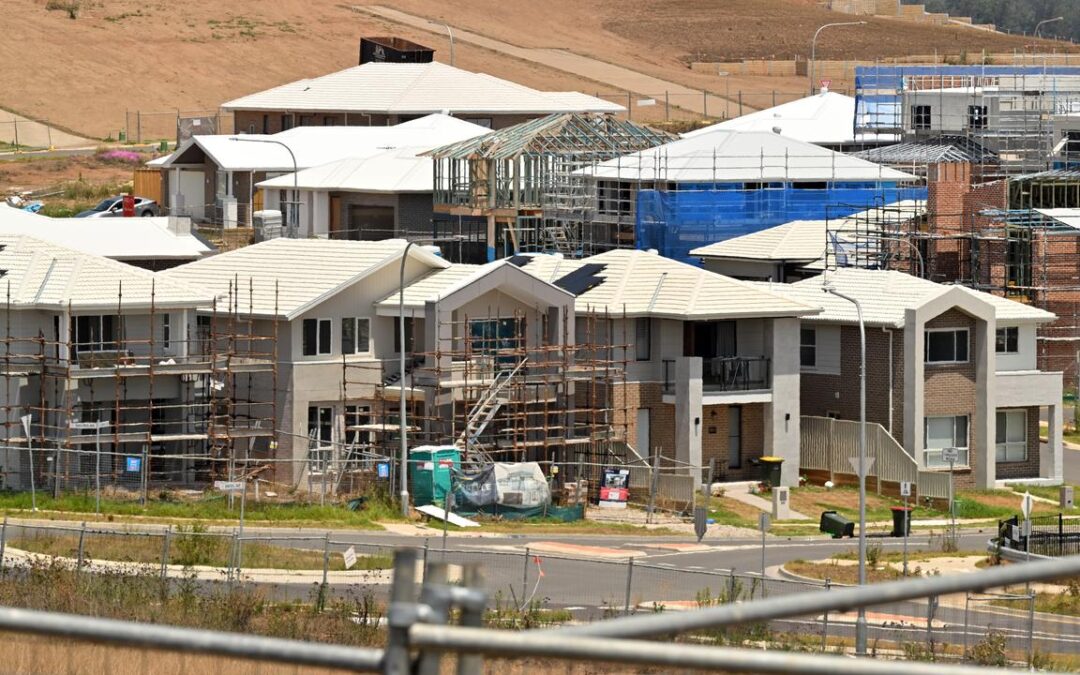
Billions of the dollars will be allocated to the “boring but essential” infrastructure needed to build new homes in the upcoming federal budget.
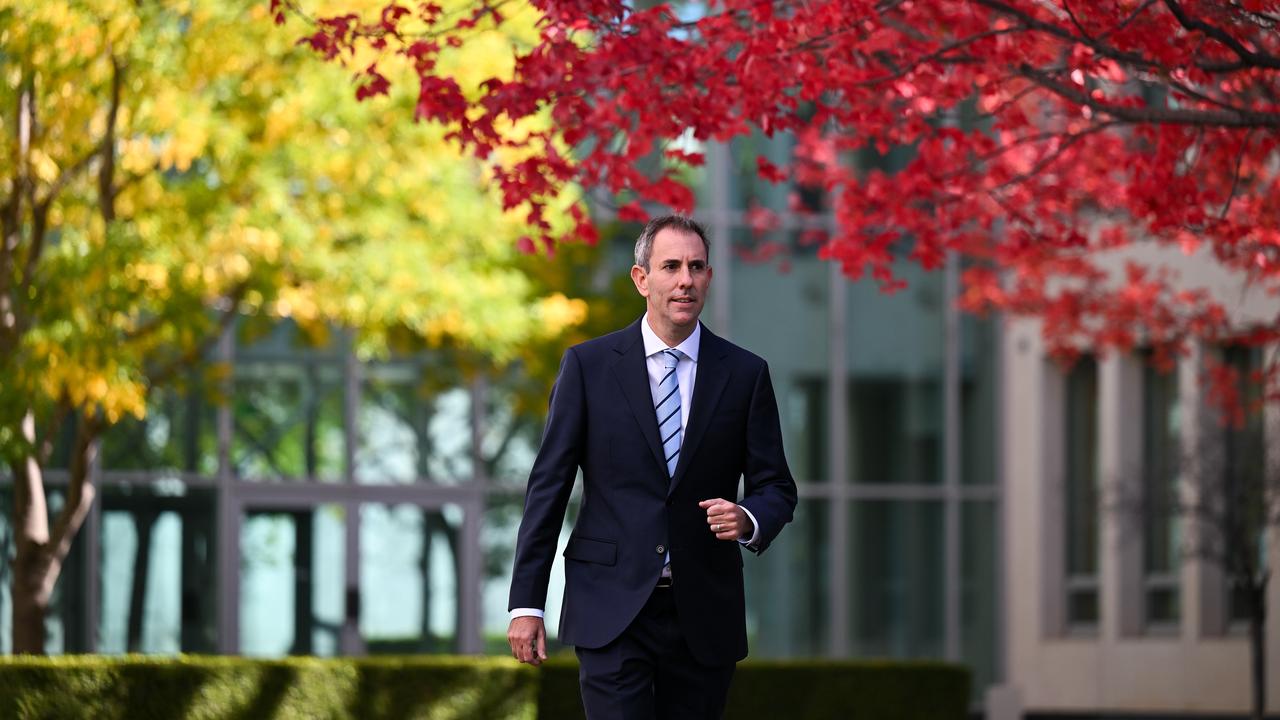
Treasurer Jim Chalmers will deliver his fifth budget for the Albanese government on Tuesday night and is widely expected to try to convince voters the dream of home ownership is still alive.
The government maintains its primary focus in the upcoming budget will be to lift home ownership by boosting supply.
The budget promises to build on state and territory efforts to liberalise planning and zoning laws by removing red tape holding back modern methods of construction, like modular housing.
The latest announcement is an extra $2 billion over four years to be allocated to funding critical infrastructure like roads, water, power and sewerage, without which new houses cannot be built.
Its expected this will help facilitate the construction of up to 65,000 new dwellings.
Local governments and state utility providers are set to receive the money to undertake these projects, with $500 million reserved specifically for regional Australia.
The funding was part of the government’s investment in the “boring but essential” work that increases housing supply, Housing Minister Clare O’Neil said.
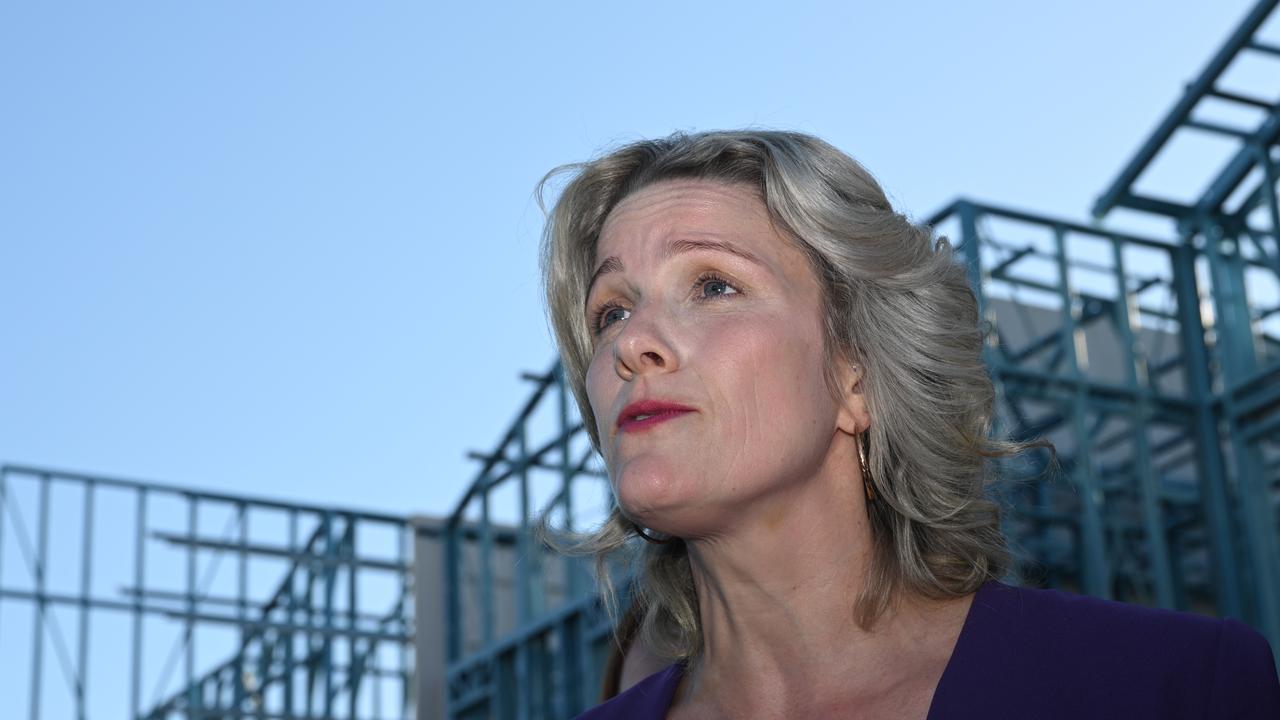
“This critical investment will literally lay the foundations for our country to build more homes, because more housing supply means more housing affordability,” she said.
The government’s housing plan was pro-aspiration and it’s pro-investment, Dr Chalmers added.
“Right now, it’s too hard for too many Australians to get into their own home and get ahead and that’s why we’re investing in supply,” he said.
“We’re coming at this housing challenge from every responsible angle, and boosting supply is central to that.”
Tuesday’s fiscal blueprint will also set aside more than $387 million for the CSIRO.
The investment, over four years, is aimed at ensuring Australia is at the forefront of public research in science and technology.
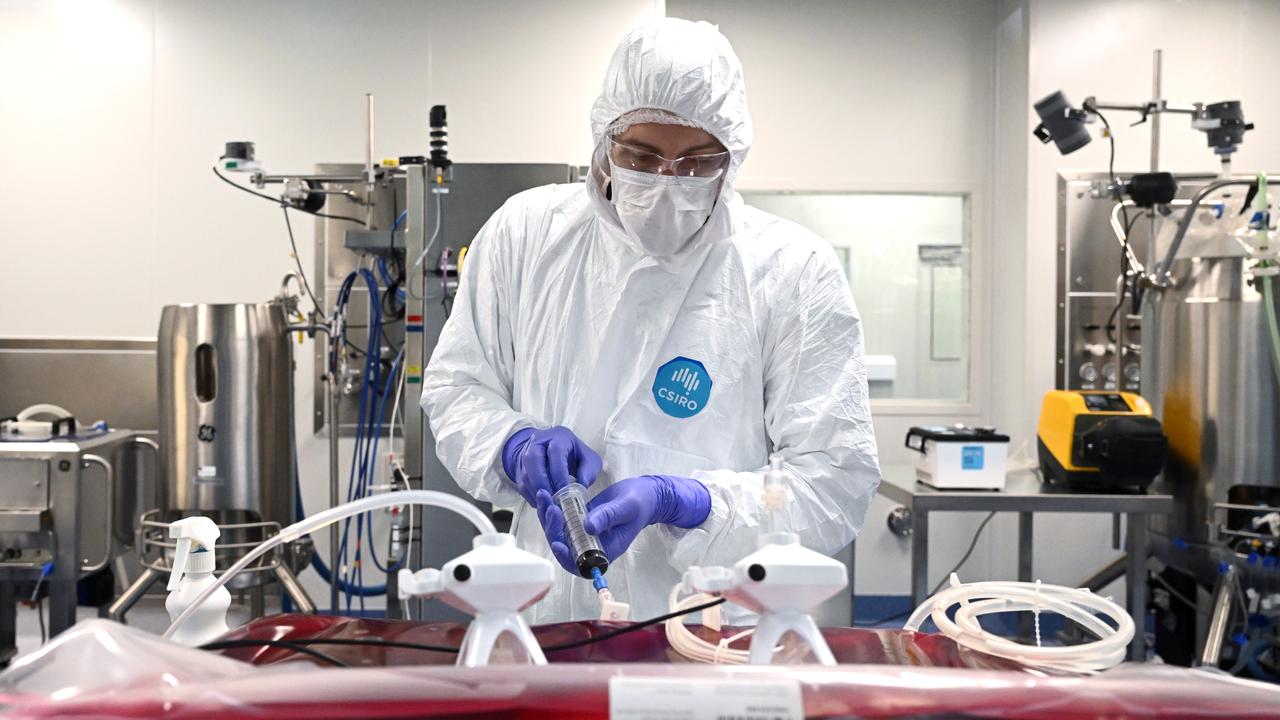
However the funds can’t take away from the fact the nation’s leading research agency has undergone severe staff losses, according to the Community and Public Sector Union.
“Since February 2024, 1150 jobs have been cut from CSIRO, CPSU secretary Susan Tonks said.
“While this funding boost will not change the reality for those scientists who have lost their jobs or facing immediate job cuts, it will be crucial in stemming further job losses.”
China’s exports rebound strongly, led by AI boom
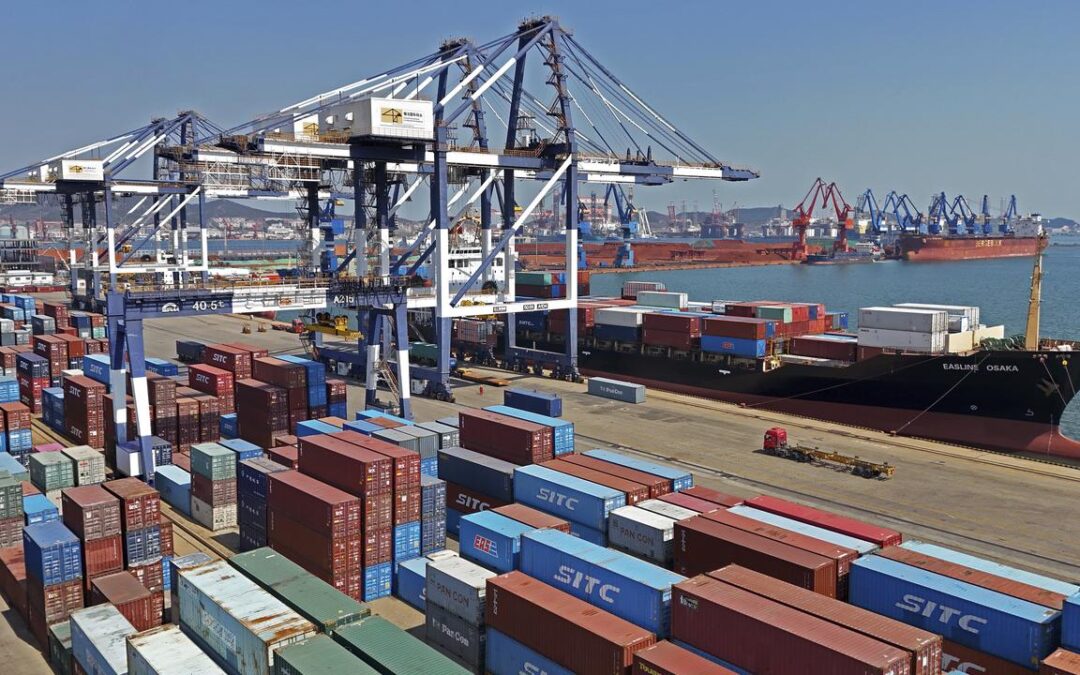
China’s export growth gathered pace in April as factories raced to meet a wave of orders from AI-related industries and other buyers seeking to stockpile components amid fears the Iran war could push global input costs even higher.
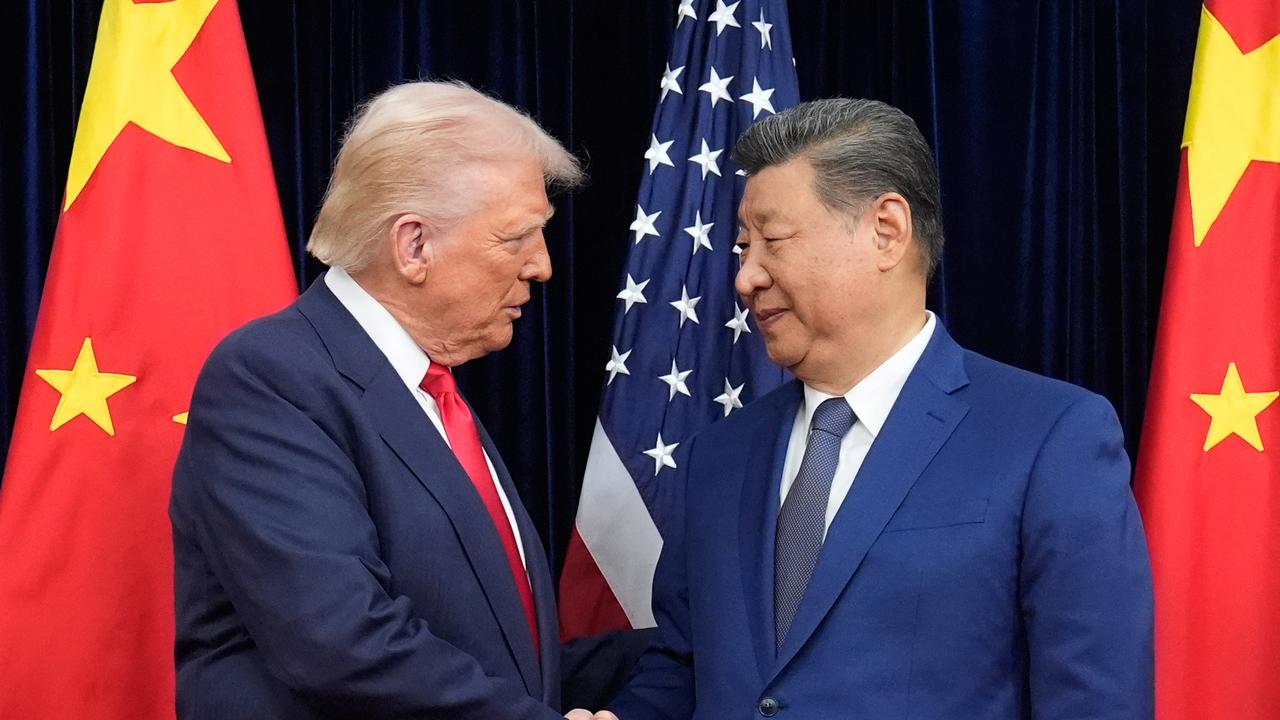
That export strength, which has seen China’s trade surplus with the US widen to $US87.7 billion ($A120.9 billion) in 2026, will be in focus as President Donald Trump travels to Beijing for a leaders’ summit on May 14-15 that is expected to extend 2025’s trade truce.
While Chinese exporters have so far weathered the fallout from the Middle East conflict economists warn that the longer the war drags on and energy prices rise, the greater the risk that external demand fades away – leaving sluggish domestic consumption unable to plug the gap.
For now economists are watching the pace of the AI manufacturing boom and whether shipments of related equipment can keep the Chinese export engine purring.

“The conflict in the Middle East pushed up demand for global manufacturing inventory replenishment, and under the upward cycle of semiconductors, imports and exports maintained a boom,” according to Xing Zhaopeng, senior China strategist at ANZ.
“There is still room for expansion in this round of manufacturing cycle driven by AI, and it is expected that the annual export growth rate will be about 10 per cent.”
Exports expanded 14.1 per cent from a year earlier in US dollar value terms, customs data showed on Saturday, outpacing the 2.5 per cent gain in March and a 7.9 per cent rise tipped by economists.
New export orders rose to their highest level in two years, separate factory activity data for April showed.
Imports notched another strong month, climbing 25.3 per cent versus 27.8 per cent in March.
Economists had forecast growth of 15.2 per cent.
That boosted China’s trade surplus in April to $US84.8 billion, from $US51.13 billion in March.
Broader momentum in the Chinese economy was solid in the first quarter, with GDP growth hitting five per cent year-on-year, the top of the government’s full-year target range, and lessening the need for immediate stimulus.
But even China, long criticised by trading partners for subsidy-backed, cut-price manufacturing, is not insulated from the hit to buyers’ purchasing power as fuel and transport costs rise.
The factory data published in April showed input prices remained elevated, particularly for refined goods and petroleum, coal and chemicals.
Unemployment rates also edged higher and retail sales – a gauge of consumption – continued to underperform industrial output.
Trump is scheduled to meet Chinese President Xi Jinping during his May 14-15 visit to Beijing, as both countries seek to stabilise a relationship strained by tensions over trade, Taiwan and the Iran war.
Grandfather of Inland Rail won’t let project die
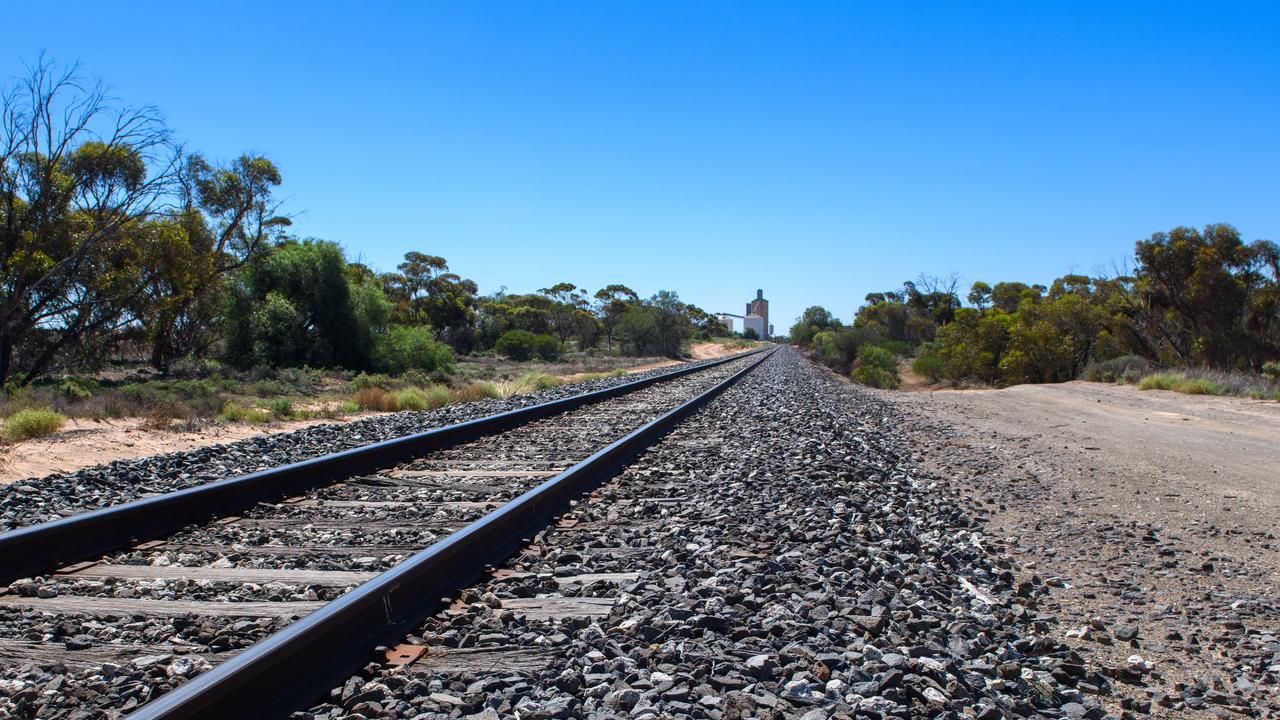
He’s known as the ‘grandfather’ of Inland Rail.
But after almost 30 years fighting for a freight spine through the heart of Australia, Everald Compton refuses to let his dream die on a rural siding.
The veteran fundraiser says a federal decision to shelve a rail link from Parkes in NSW to Brisbane has shattered regional development plans but he insists the project can be salvaged with private help.
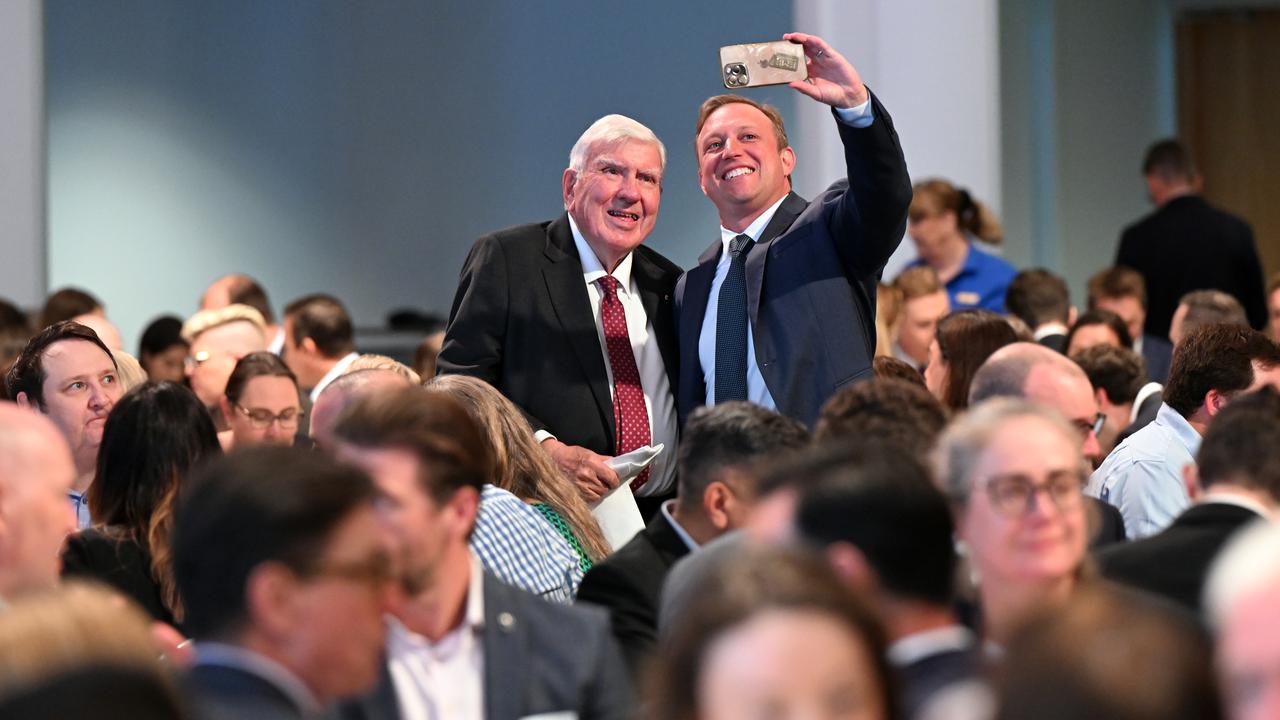
“The Inland Rail concept is not going to die,” Mr Compton tells AAP.
“I’m not in the business of fighting governments, I’m in the business of building railways.”
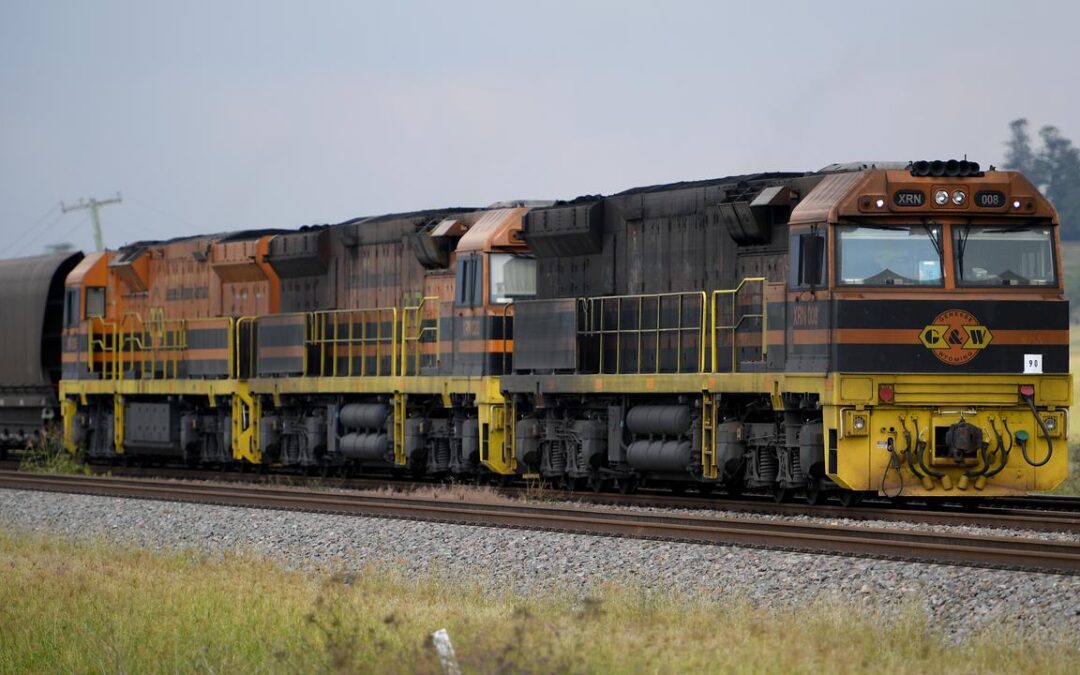
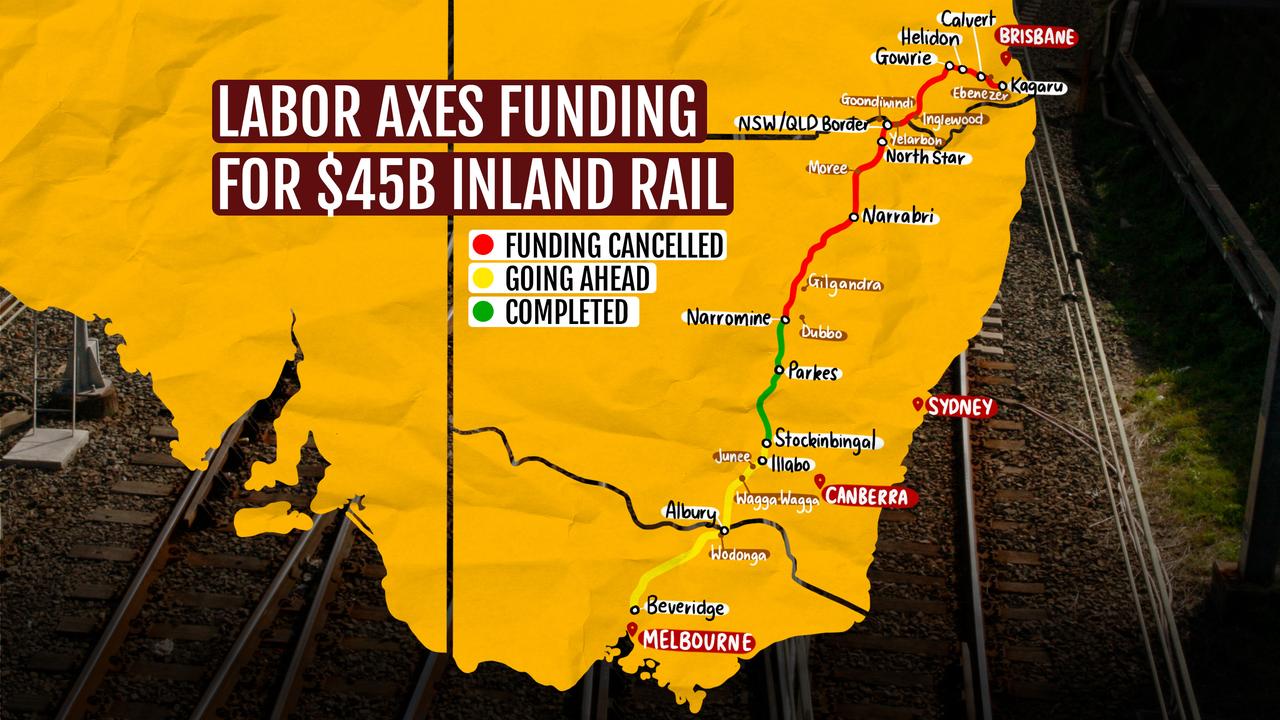
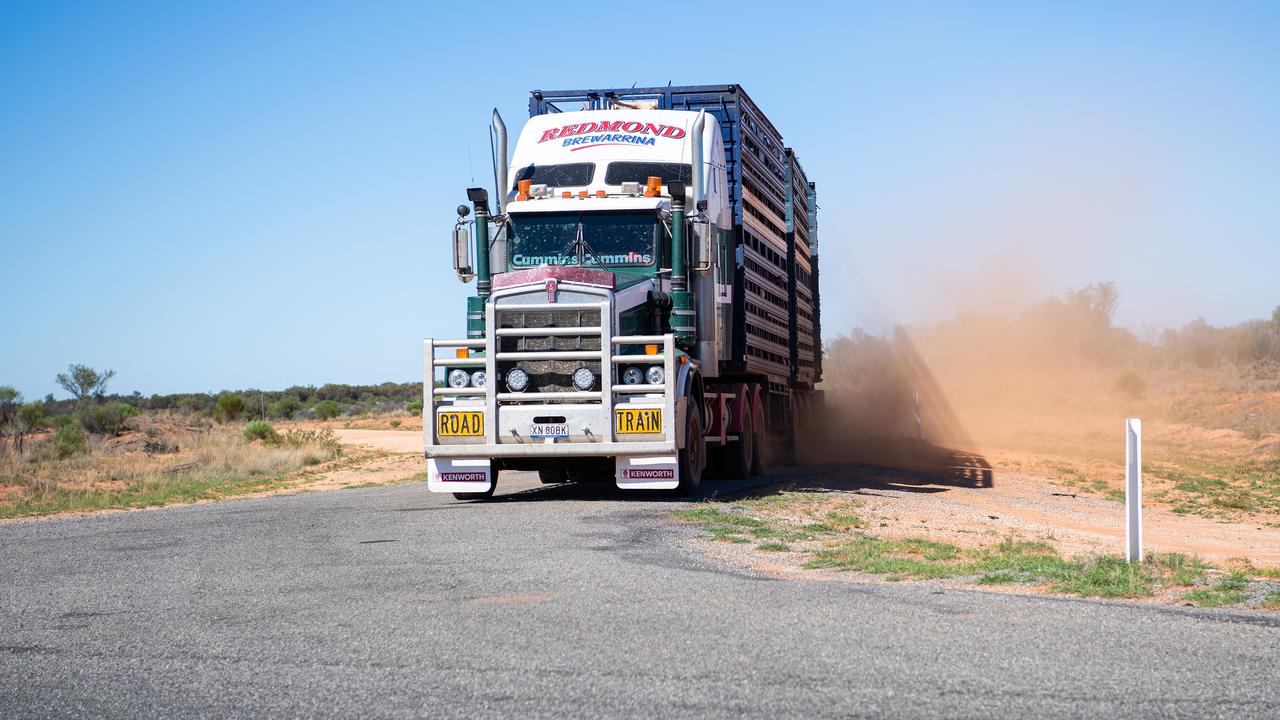
The flagship Beveridge‑to‑Kagaru freight route, originally billed as a nation‑building link between Melbourne and Brisbane, will now stop beyond Parkes, about halfway between the two capitals.
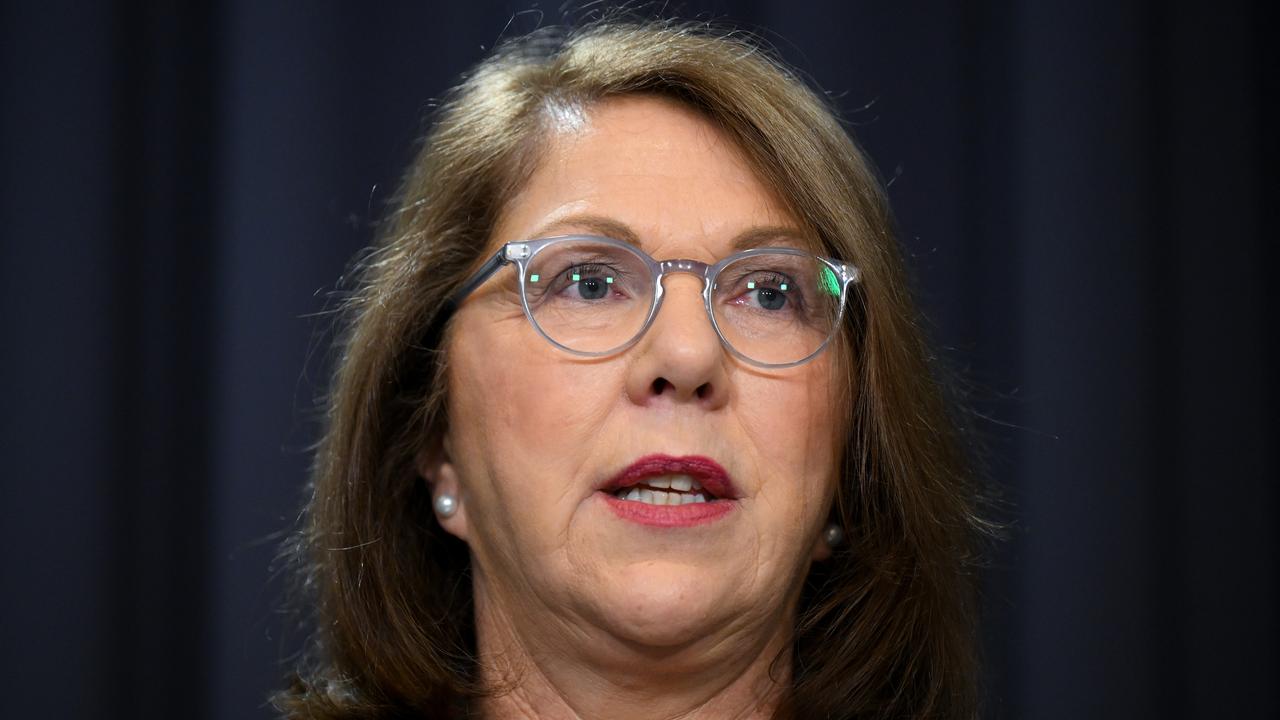
Independent analysis put the cost blowout for the project at more than $45 billion, up from $16.4 billion in 2020, prompting Transport Minister Catherine King to “realign the future of Inland Rail” and focus on a safer, more efficient network.
The government will retain the land corridor north of Parkes but has no immediate plans to build the second half of the line.
Farmers and regional leaders have branded the unfinished project a “train to nowhere”, warning communities that bet on the line will wear the cost for decades.
Queensland Farmers’ Federation chief executive Jo Sheppard says walking away from the full route is a missed opportunity to boost productivity, cut emissions and transform the way freight moves across the country.
“Leaving this project unfinished will be worn as a long‑term cost for our country and particularly our regions,” she says.
Queensland’s Western Downs mayor Andrew Smith calls the cutback a hugely disappointing blow that will leave already worn‑out country roads carrying heavy trucks for years.
For Mr Compton, the latest decision is another twist in a three‑decade fight over what Inland Rail should be and who it should serve.
He first took the idea of a back country freight route to Canberra in March 1996, pitching a privately funded line the length of the continent.
“I got involved in the concept … from Melbourne to Darwin, up through the middle of NSW and Queensland,” he says.
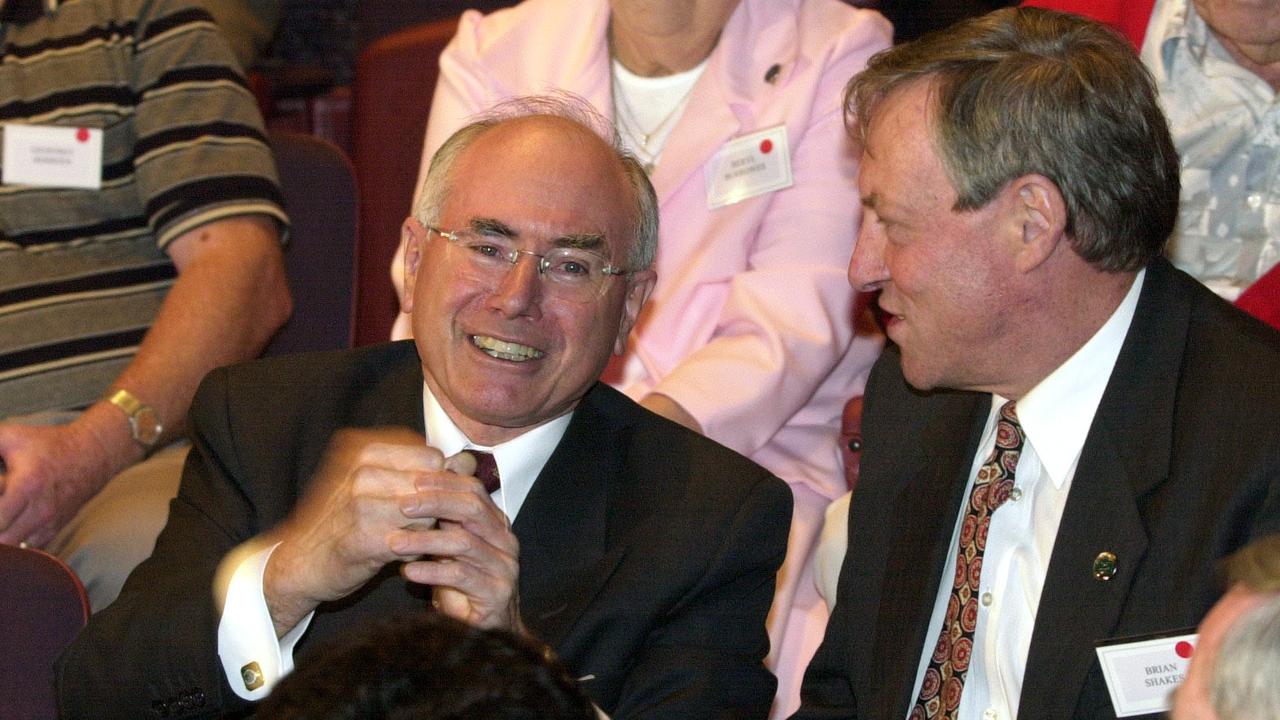
“I went to see (then prime minister) John Howard to get his approval for me to start trying to put together a consortium to do it, which he did.”
But the plan that emerged years later was very different.
Instead of a Melbourne‑Darwin corridor looping through Gladstone, Emerald and Mount Isa, the Commonwealth backed a Melbourne‑Brisbane line from Beveridge, on Melbourne’s fringe, to Kagaru, south of Brisbane.
Mr Compton opposed that shift and was eventually sidelined.
“They got rid of me because I opposed the Melbourne to Brisbane section,” he says.
He objected to the line failing to start at Port of Melbourne or extending into Brisbane and questioned why it carved through farmland while bypassing existing transport corridors.
“Rural industries between Melbourne and Brisbane wouldn’t have been able to export anything on the railway because it didn’t go into a port,” he says.
“I also objected to the way in which they were acquiring land from people, taking over people’s land without any thought about their livelihood.”
The cost explosion that ultimately stalled the project came as no surprise to the man who helped verify the original estimates.
He says the first estimate for getting from Melbourne to Brisbane was about $9 billion.
“You won’t believe it but the current estimate is it will cost $42 billion,” he says.
“All caused by money being wasted on incompetent contracting, legal battles with farmers whose livelihoods were being destroyed.
“They’ve wasted horrendous amounts of money. The federal government had to do something to stop the disaster but they should not have just said it’s off.”
Rather than rage against the cutback, Mr Compton has pitched a private‑sector alternative to complete the northern spine.
When the government signalled it would stop funding Inland Rail at Parkes, he asked to be allowed to build the missing link.
“I said to them, well, I want to negotiate for my private company to build the railway all the way to Parkes and then through to Queensland,” he says.
He has already assembled a board and backers – including bankers, miners and shipping interests – with a view to taking a new project through “financial close” over about two years.
That phase, he says, would include environmental studies, land‑rights work and talks with capital partners.
“We reckon we could do it with private capital,” Mr Compton says.
The federal government has agreed to talk about it but isn’t committed.
In the meantime, he says businesses that invested along the promised corridor have been cut adrift.
“There are a lot of people devastated along the way, people who were planning to open industries, and all the capital is now lost,” he says.
“People need a bit of hope.”
Inland Rail was never just about shifting containers from trucks to trains, Mr Compton says.
He sees it as a chance to redraw the population map.
“Thirty years ago, we said we need that chain of development away from the capital cities.
“We’ve got 80 per cent of the Australian population living in capital cities and the rest of the continent sparsely populated.”
His vision is for a string of growth corridors linking Gladstone, the Darling Downs and inland NSW to Melbourne, complete with new industries and jobs.
In that model, Inland Rail underpins not just freight movements but housing affordability and quality of life.
“You pay a million dollars for a miserable house in the city and then pay rising interest rates on it,” Mr Compton says.
“You can go out to a regional town and get yourself a lovely piece of land and build exactly the same house for $500,000.
“You don’t have a massive debt and you get a job in a new industry out there – a hell of a lot more healthy life, rather than getting around in a crowded city and getting COVID and influenza.”
The main loser is the regional development planned along the original route that will never happen, Mr Compton says.
At his age, he knows he may not see the full line built but he is determined to lock in a path others can follow.
“I’ve only got a few years left but … I’ll make this thing unstoppable.”
To him, Inland Rail is either a half‑built train to nowhere or the backbone of a different kind of Australia.
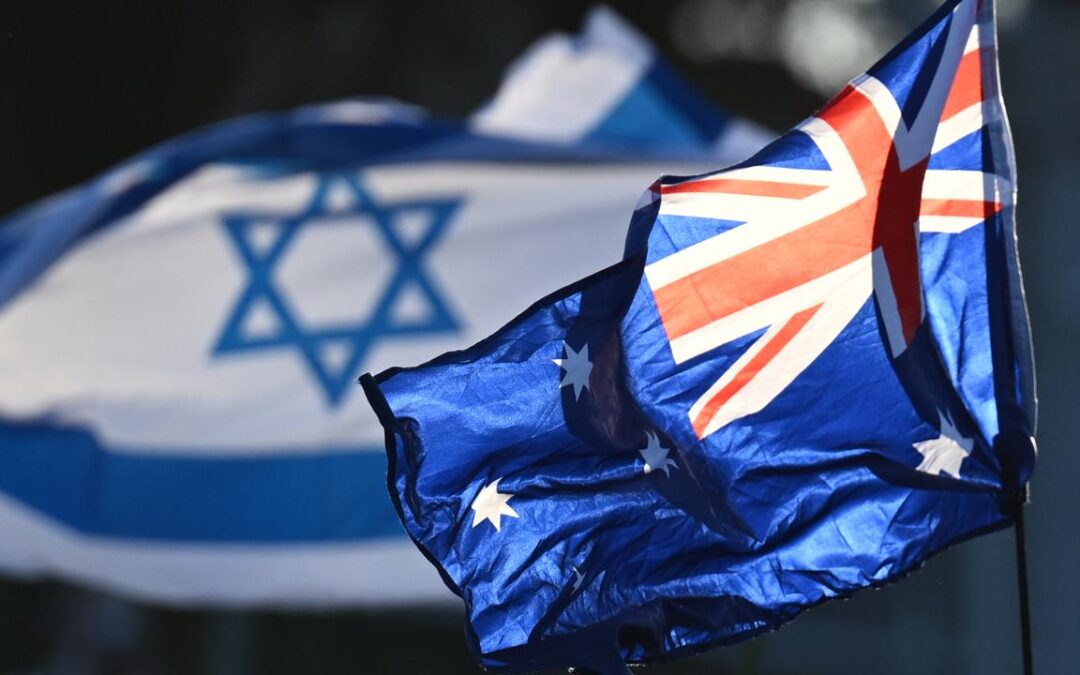
Australian Jews detail ‘unfair’ backlash linked to Gaza
Jewish Australians have described being harassed in schools, at work, on sports fields and university campuses and online.
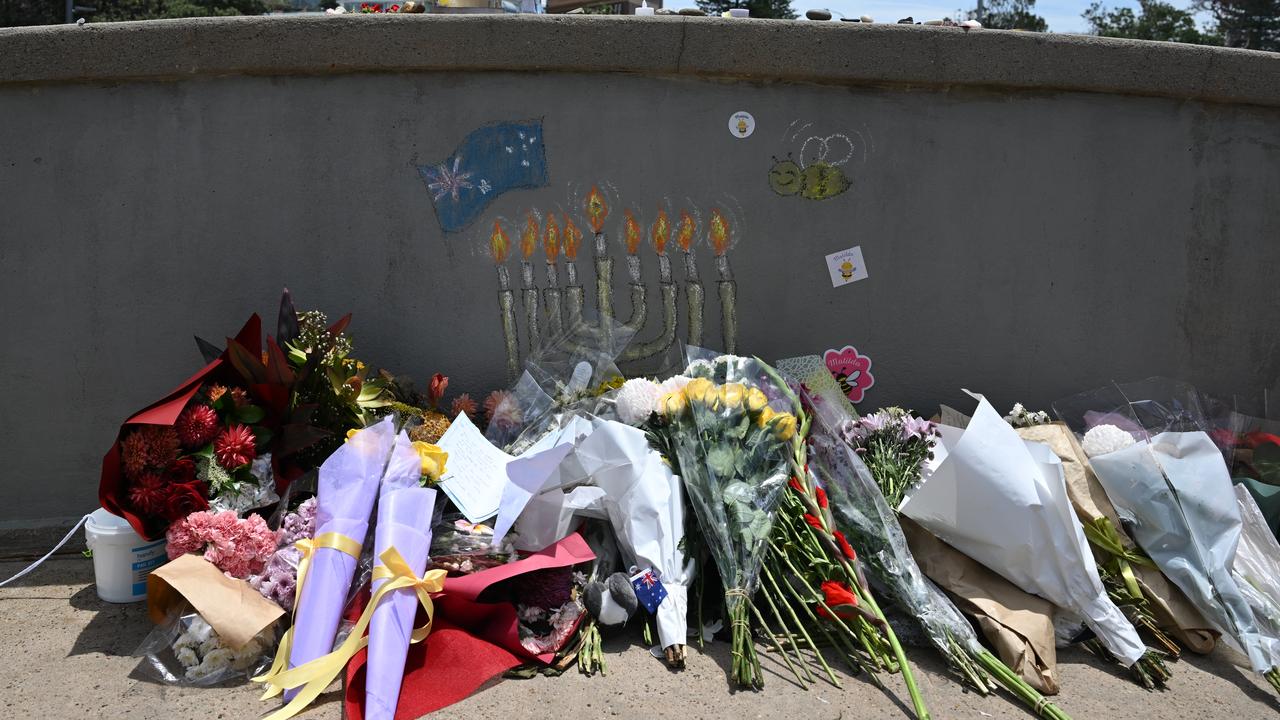
Many say they no longer feel they can practice their religion openly, particularly after the mass shooting that targeted a Hanukkah event at Bondi on December 14.
Members of the Jewish community have shared their lived experiences during the first week of public hearings by the Royal Commission on Anti-Semitism and Social Cohesion, formed in response to the Bondi massacre.
There was a steep rise in anti-Semitic incidents in Australia after the October 7, 2023 attacks by Hamas on Israel, the commission was told.
Most of the more than 50 people who gave evidence at the hearings said they never imagined facing such prolific anti-Semitism in Australia, a place where they had grown up feeling safe and accepted.
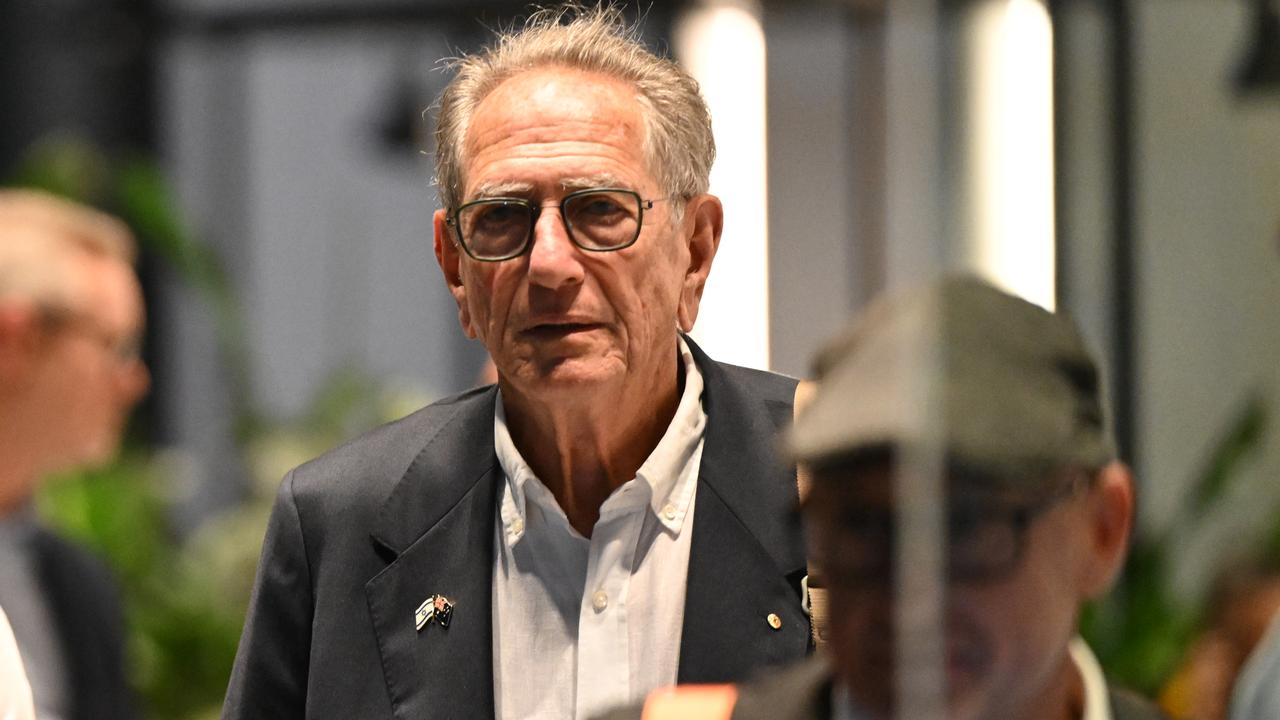
Holocaust survivor Peter Halasz told the commission he was afraid to be recognised as Jewish for the first time since he had fled Nazi-occupied Hungary.
“I found myself, for the first time since childhood, afraid to wear my Star of David in public,” Mr Halasz told the inquiry on Monday.
A Jewish nurse described the terror of being admitted to hospital herself about the time footage emerged of two NSW health workers claiming they had killed Israeli citizens and would do it again.
The woman said she had tried to hide her Jewish identity at the time, including cancelling kosher meals, but still feared she would be identified and targeted.
Sheina Gutnick, the daughter of one of the victims of the Bondi attack, recounted being pointed at and called a “f***ing terrorist” while shopping with her baby before the mass shooting.
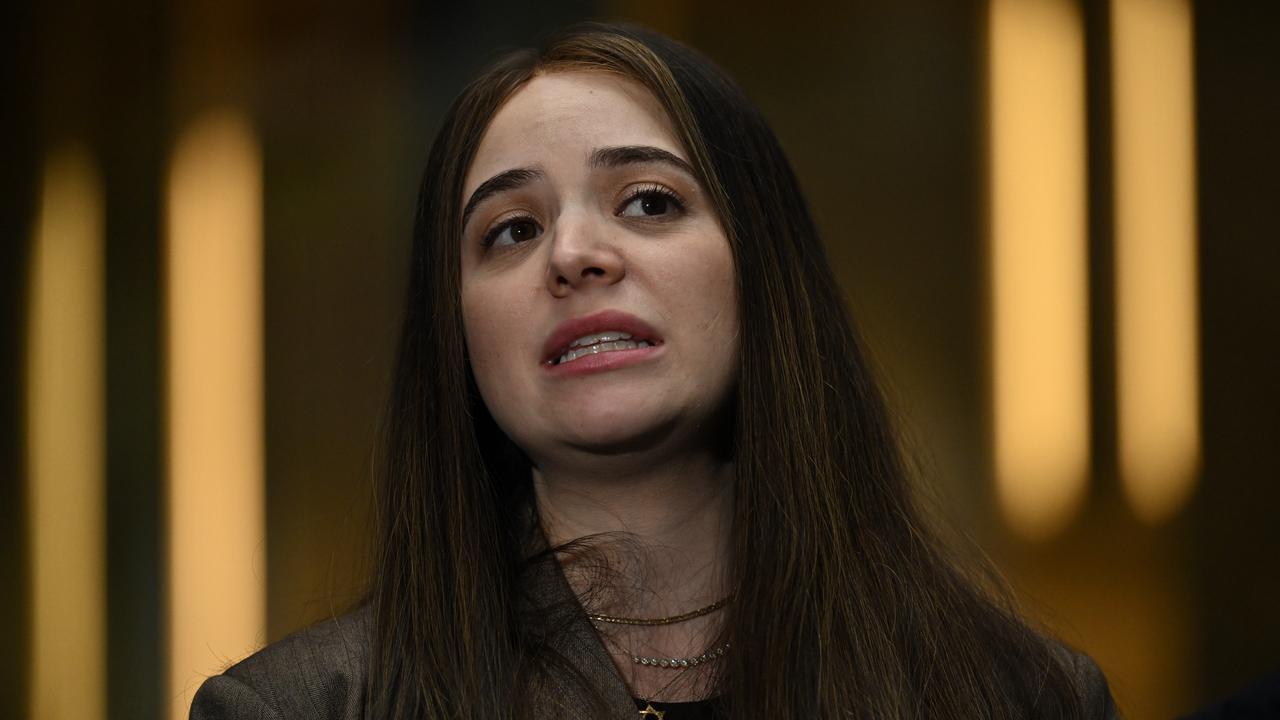
Schools have been a hotbed for anti-Semitism, with students “parroting” what they were seeing online, one former high school teacher told the inquiry.
A year 10 student told the inquiry Nazi salutes were directed at her while studying the Holocaust. Students had also thrown coins at her and asked if she would pick them up.
Australia’s special envoy to combat anti-Semitism, Jillian Segal, told the inquiry the fastest-growing form of anti-Semitism in Australia was the conflation of the actions of the Israeli government with Jewish people.
Ms Segal said it was a “fashionable” form of anti-Semitism spread by online influencers, but one she believed could be combated with education.
Jewish university student Mia Kline said she felt she had been ”put on trial” for the actions of Israel.
The 22-year-old said when she reported Jewish students feeling unsafe on campus, senior university leaders refused to act because there was a difference between what was “hurtful” and what was “hateful”.
“No senior university official would ever say to a student from any other minority community, no, what you’re feeling is not actually suffering against your people,” Ms Kline said.
The commission will probe the intelligence and law enforcement response leading up to the attack, including what was known about the shooters and what was done with that information, in a second block of public hearings from May 25 to June 12.
Those hearings will also explore security arrangements at the festival targeted in the attack and how intelligence about individuals is utilised and shared to inform decisions, including the granting of firearms licences.