
Treasurer to unveil $45b upgrade to budget bottom line
The federal bottom line is forecast to be $44.9 billion better off over coming years, Treasurer Jim Chalmers will reveal in what promises to be one of the most consequential budgets in decades.
Although Dr Chalmers has confirmed Tuesday’s fiscal blueprint will not show a return to surplus in any year in the four-year budget outlook, the forecast deficit will narrow in every year compared to December’s mid-year update.
The mid-year economic and fiscal outlook projected a cumulative deficit of about $143 billion from 2025/26 to 2028/29.
Economists had predicted a substantial improvement to the budget bottom line as a result of higher tax revenue, in part because of the Iran war.
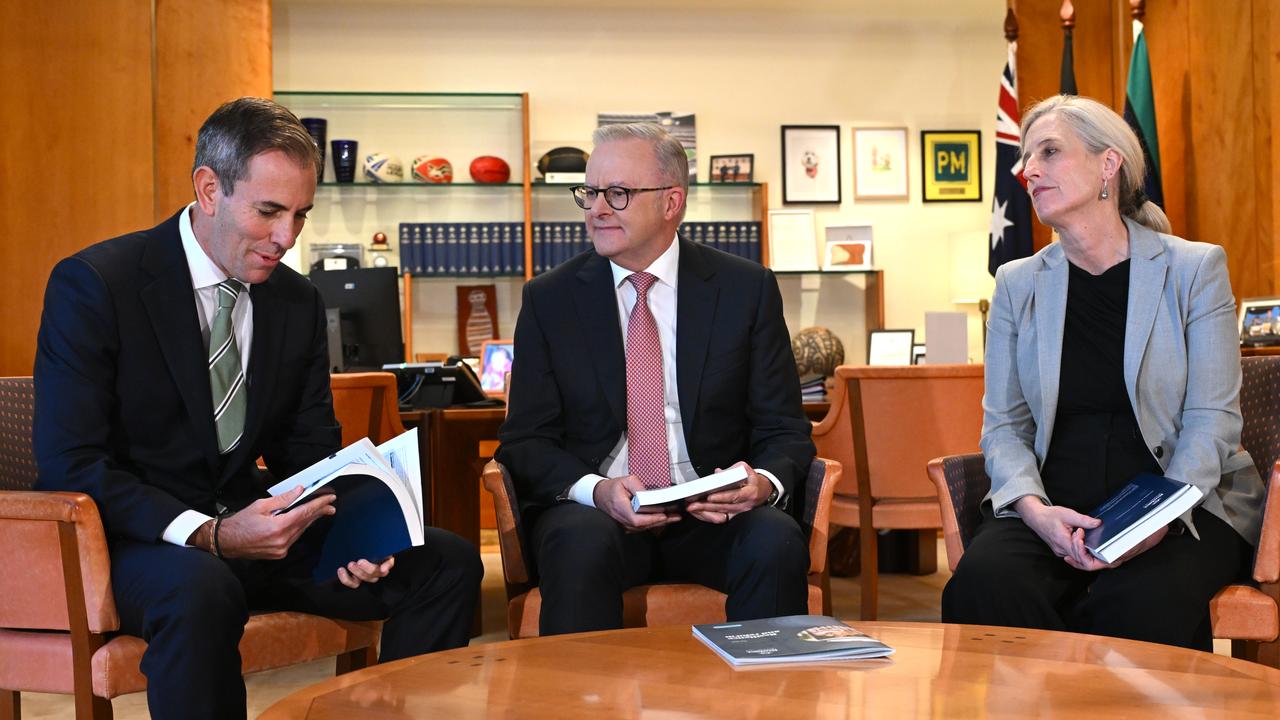
The improvement in the budget was the result of savings and spending restraint by the government, Dr Chalmers said.
“We’re getting the budget in better nick because that helps to fund the things that Australians need and deserve like Medicare, aged care and cost-of-living relief,” he said.
“Responsible economic management is a hallmark of this government and this is our most responsible budget yet.”
Labor has been keen to portray this budget as one of spending restraint, after warnings by economists and Reserve Bank governor Michele Bullock that splashing out would only fuel inflation and risk further rate hikes.
That risk has increased in the past week thanks to big spending increases in the Victorian and Western Australian budgets, said HSBC chief economist Paul Bloxham.
Some big-ticket spending measures have been announced, including on defence, hospital funding and rail infrastructure, but these will also be partly offset by tax increases on property investors and people with trusts.
Media reports suggest a one-off tax handout to wage and salary earners of $200 to $300 will only kick in in 2027, so as not to stoke inflation in the near term.
Finance Minister Katy Gallagher has found $63.8 billion in gross savings in the budget, but it remains to be seen how much of that will be banked to narrow the deficit and how much will be merely shifted to other spending areas.
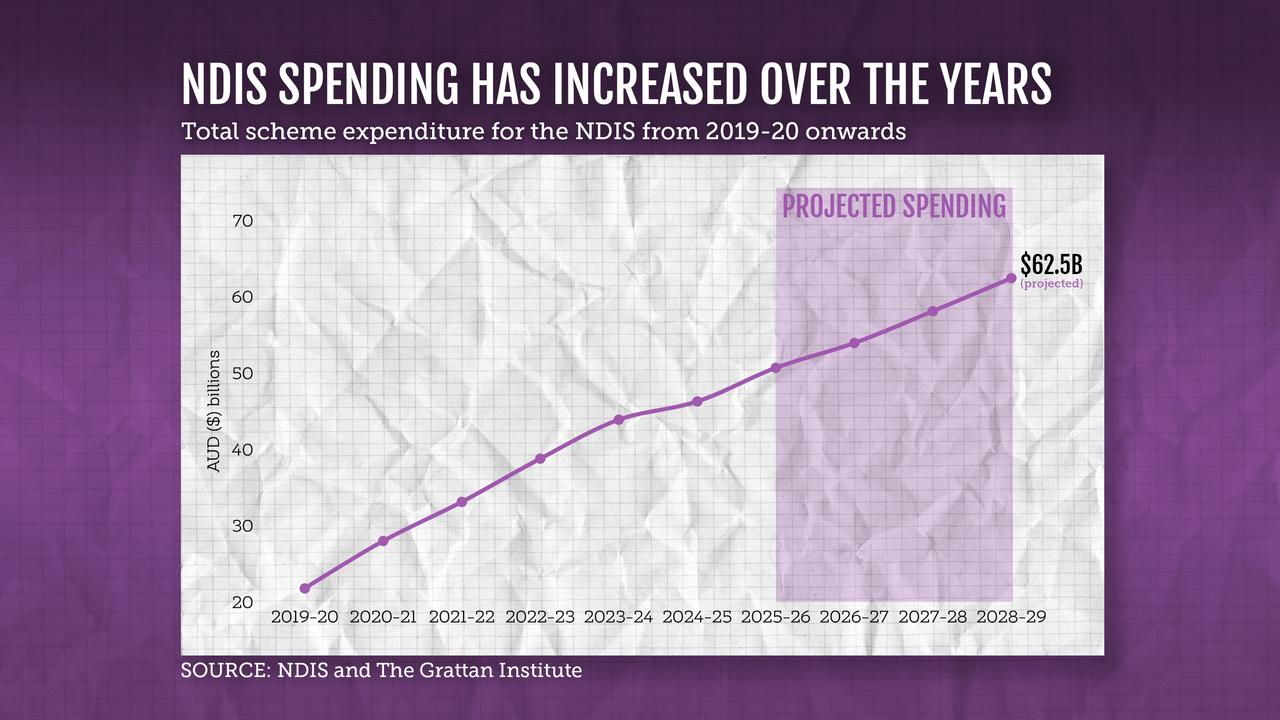
The centrepiece of the savings package will be a forecast $35 billion reduction in the cost of the runaway National Disability Insurance Scheme.
Growth in government payments when adjusted for inflation is forecast to average 1.5 per cent for the eight years to 2029/20, which is the lowest rolling eight-year average in almost three and a half decades.
“We’ve made responsible decisions to improve the budget position while continuing to invest in the services Australians rely on,” Senator Gallagher said.
The budget will show the sum of the policy decisions taken by the government improved the budget for the second time since Labor took power in 2022, after a $2.2 billion improvement in December.
However, that was only due to some creative accounting around the government’s home battery scheme.
The forecast cost of the scheme ballooned from $2.3 billion to $11.6 billion, which was counted as a parameter variation, but changes to the scheme to rein in its largesse were counted as government policy, making a $4.9 billion blowout look like a $6.7 billion saving.
Budget watchers will keep a keen eye out for similar accounting sleights of hand.
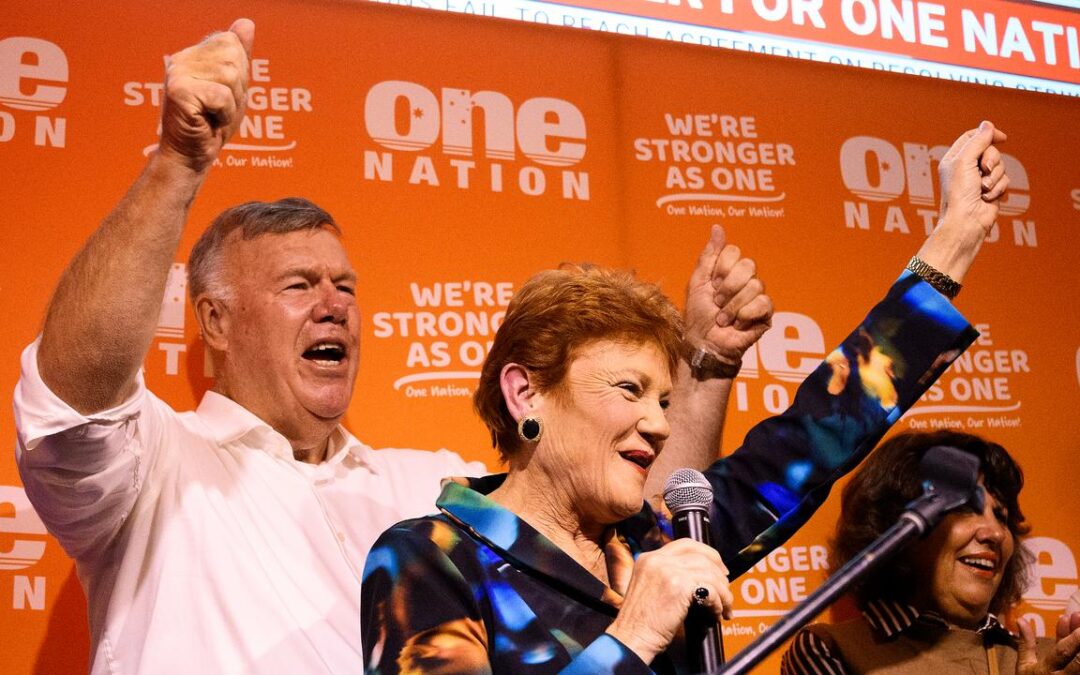
Nationals MPs defiant in face of One Nation threat
Some Nationals MPs fear their seats may be at risk from an ascendant One Nation after the populist party’s thumping win in the Farrer by-election.
Pauline Hanson’s newest MP won’t take his place in parliament for another few weeks while the Australian Electoral Commission finalises the count in the southern NSW seat, but the ramifications of David Farley’s victory are already being felt in the coalition.
Nationals MP Michael McCormack, whose electorate of Riverina neighbours Farrer, conceded One Nation could pose a threat to him at the next election.
“I’d be silly to say I’m just turning a blind eye to what happened on the weekend,” he told AAP.
“That’s not me anyway, I’ve always treated the seat as though it’s a marginal seat.”
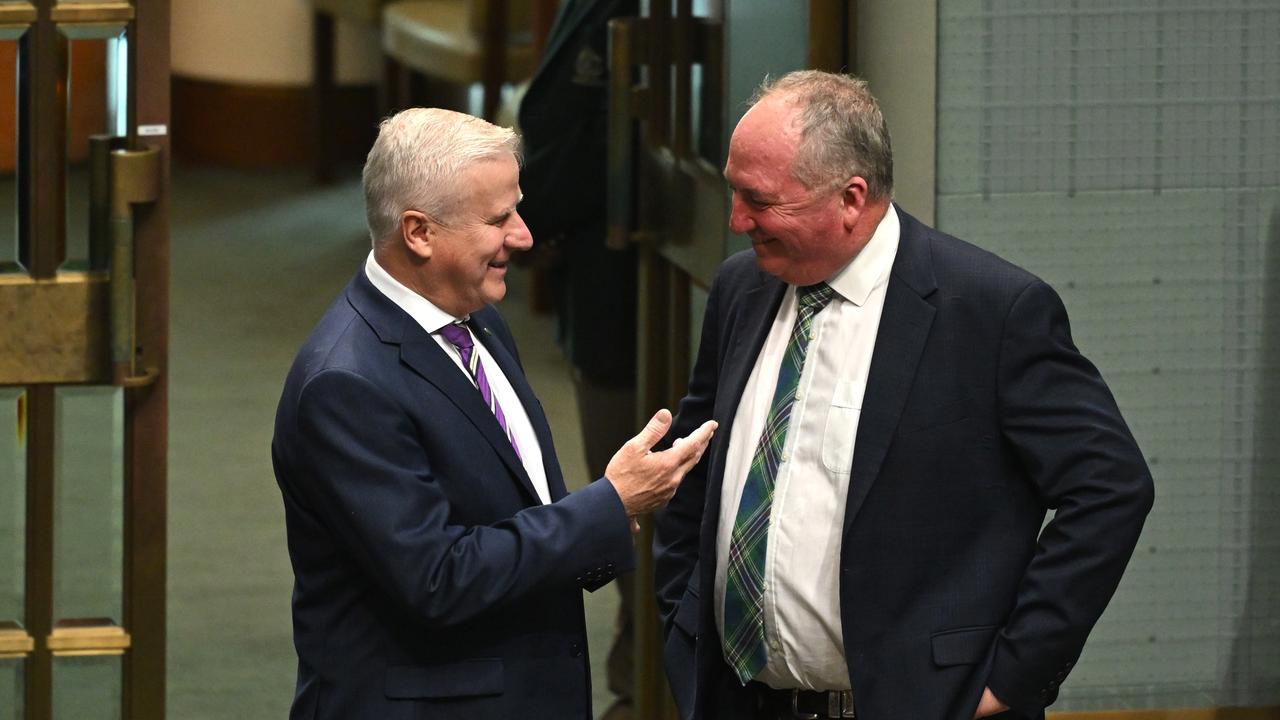
Pointing to his record as a long-serving local member, the former deputy prime minister said his days often start at 5.30am and continue well into the night.
“If you’re going to win – and continue to win – these elections, you’ve got to be prepared to just drive yourself into the ground. You’ve got to show up. And dare I say, not everybody is willing to do that,” Mr McCormack said.
He took a swipe at former opposition leader Sussan Ley, who held the seat for 25 years until her retirement from politics after being ousted by her colleagues in February.
“There are a lot of people who claimed they hadn’t seen their local member for a while,” he said.
“I know Sussan was very busy being the Liberal party leader. I know being a party leader takes a lot of your time up.”
After initially refusing to rule out joining One Nation, fellow National Colin Boyce on Monday said he was sticking with the regional party.
The Queensland MP, whose electorate includes Gladstone and some towns surrounding Rockhampton, said he was “obviously” concerned about the rise of One Nation and warned the party would find even less resistance in his area than it did in in Farrer.
“I’m absolutely sure it’s alive, it’s real,” Mr Boyce said.
One Nation is also talking up its chances in outer suburban seats like Lindsay and McMahon in Sydney’s west, but some analysts argue a higher number of multicultural voters could make it harder for the anti-immigration party to make inroads there.
One Nation MP Barnaby Joyce dismissed those claims, saying the cost of living and a lack of housing affected all Australians.
“Just because you might have more olive complexion doesn’t mean you live in a different nation,” he told Sky News on Monday.
“There is a huge opportunity.”
One Nation’s surge – if replicated nationally – will likely draw parallels to the boost in support for Nigel Farage’s Reform UK party, which had more than 1400 candidates elected in England’s recent council elections.
Senator Hanson’s chief of staff James Ashby revealed Mr Farage had reached out to congratulate One Nation on its by-election win.
“Nigel reached out to Pauline after the weekend, congratulated her, so that was very nice of him,” he told Sky News.
“There’s clearly some similarities.”
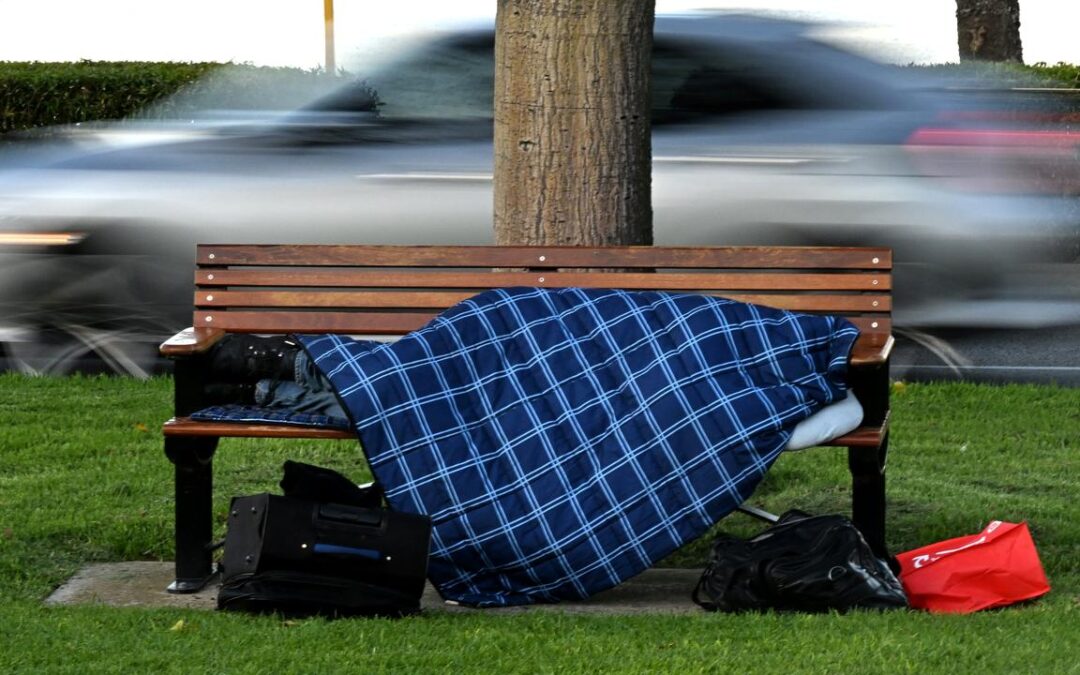
Budget boost to tackle growing ranks of homeless youth
Thousands of young Australians will be offered a new payment to help access community housing as part of the federal budget.
Under the change, the federal government will provide a roughly $6000 top-up payment to some people on Youth Allowance and the Indigenous ABSTUDY payment, making them a more appealing tenant for community housing providers.
The scheme is expected to cost $60 million over the next four years, ramping up the number of people supported from 2325 at the start of 2027, to more than 4000 by the 2029/30 financial year.
The two support payments are less generous than other welfare offerings like JobSeeker or the aged pension.
Because the cost of community housing is generally scaled relative to a person’s income, providers will often choose to rent a room to a pensioner – who will pay more – instead of a young person.
The federal government says the measure will help tackle youth homelessness, with young people aged 19 to 24 currently experiencing higher homelessness rates than any other aged cohort.
Housing would be a big focus of the Albanese government’s fifth budget, Treasurer Jim Chalmers said in a statement.
“The budget acknowledges that the challenges in housing begin with supply but don’t end there, that’s why we are taking other responsible steps including these efforts to address youth homelessness,” he said.
“This is another element of the substantial housing package that we’ll announce on Tuesday night.”
Dr Chalmers is also expected to unveil changes aimed at reducing the power of investors in the housing market to give young people a leg up, including a tightening of negative gearing and capital gains tax concessions.
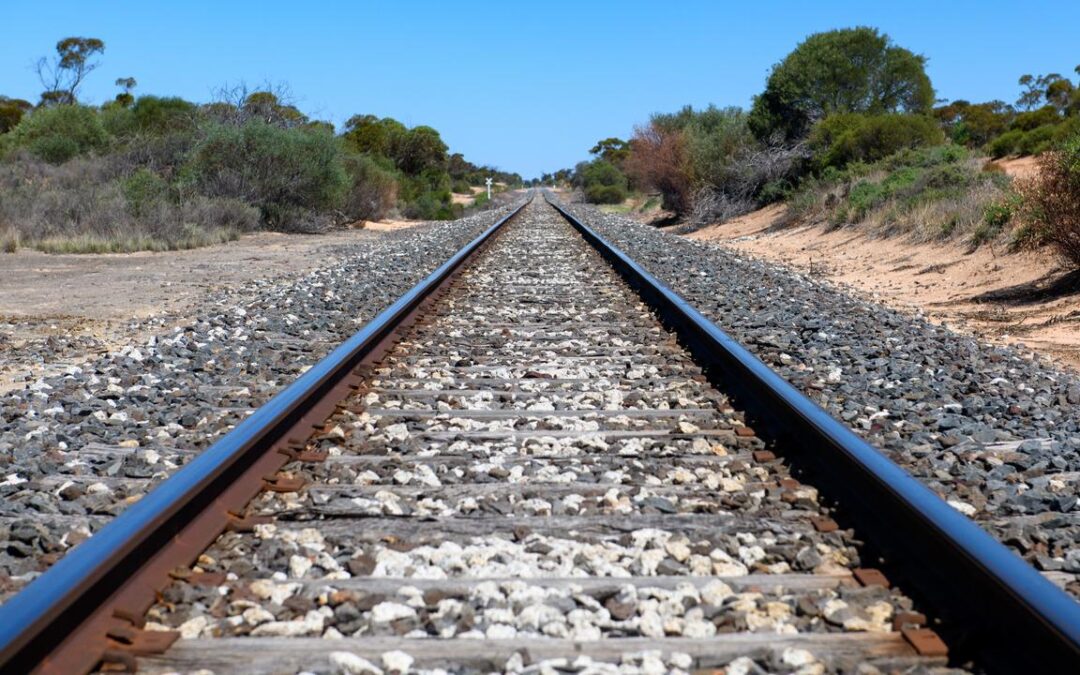
Rail project axing pulls ‘economic rug’ from regions
Nationals MPs have launched a bid to stop a multibillion-dollar rail project through regional communities from being cut in the federal budget.
The federal government has announced it will scrap the $45 billion inland rail project in Tuesday’s budget, citing cost blowouts.
The rail was intended to be built between Melbourne and Brisbane, but will instead stop in the central NSW town of Parkes after its projected cost tripled in six years.
Nationals leader Matt Canavan said regional centres would be hardest hit by the project’s axing.
“So many benefits were to come from this inland rail project, and not only has the government completely taken the economic rug away from these great communities and businesses, they’ve done so with zero consultation,” he told reporters in Canberra on Monday
“We remain committed to finding a way to do it at a reasonable price, at a cost that will make a return for our country.”
The Nationals launched a “rescue our rail” petition calling for the decision to stop the project to be overturned.
Opposition transport minister Bridget McKenzie said reports detailing cost blowouts on inland rail had not been publicly released.
Senator McKenzie said the coalition would look to establish a Senate inquiry into why the funding was cut.

“We want to be investing in these type of projects, and we are not going to take the Labor Party’s callous and reckless decisions lying down,” she said.
It comes as the federal government announced $50 million for rail upgrades between Canberra and Sydney as part of the budget.
The funding will be matched by the NSW and ACT governments.
Upgrades on the rail route will begin later in 2026 and include new express services, track improvements to increase speeds and station upgrades.
“More than 3000 people travel between Sydney and Canberra by air or coach every day, with tens of thousands more driving down the Federal Highway,” federal Transport Minister Catherine King said.
“So many of these regular commuters have consistently called for a more frequent and faster rail alternative.”
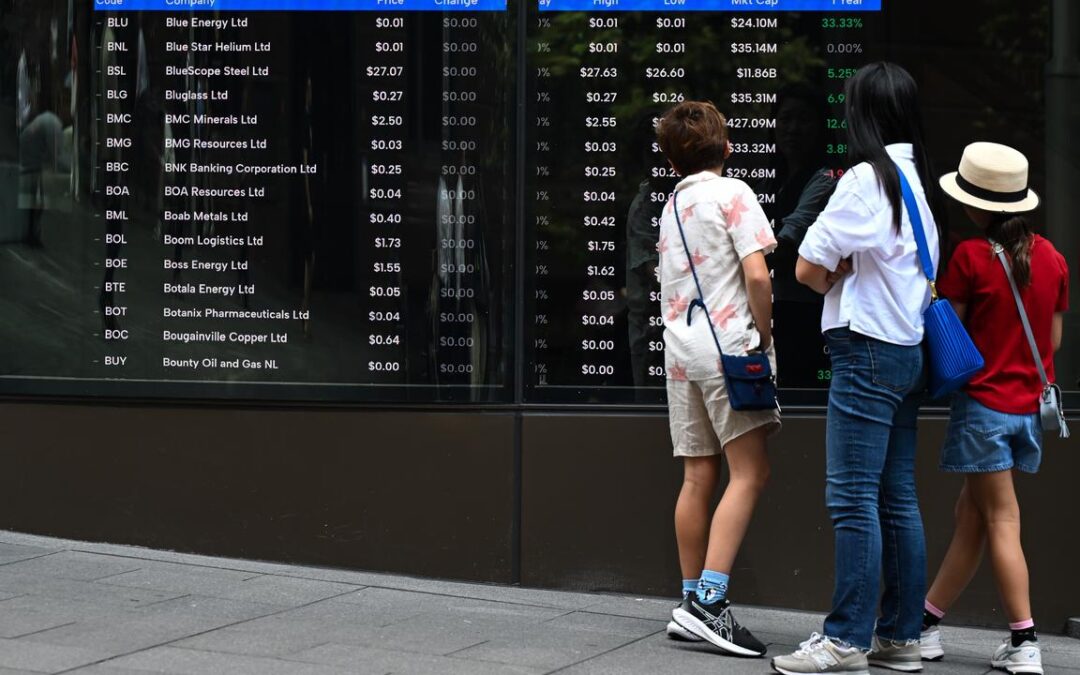
Aussie shares drop as ceasefire frays, CSL plunges
The local share market has slipped after the US rejected Iran’s latest peace proposal to end the Middle East war, and as a huge plunge by a prominent biotech name weighed on the bourse.
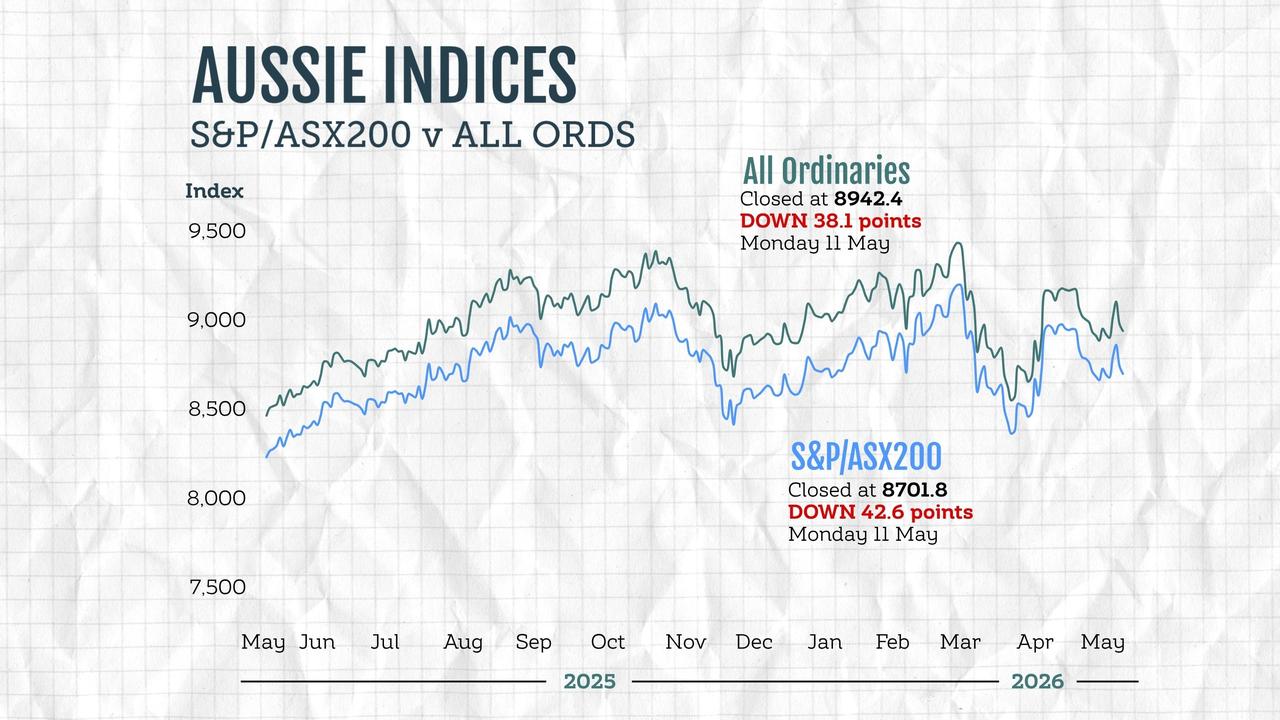
The S&P/ASX200 index on Monday fell 42.6 points, or 0.49 per cent, to 8,701.8 while the broader All Ordinaries dropped 38.1 points, or 0.42 per cent, to 8,942.4.
EToro market analyst Josh Gilbert said that risk-off sentiment was likely to prevail after US President Donald Trump slammed Iran’s offer to end the war, injecting fresh uncertainty into markets at the start of a critical week.
“Trump calling the offer ‘totally unacceptable’ is exactly the kind of headline that markets hate,” Mr Gilbert said.
This week, investors will be watching a highly anticipated summit between Trump and Chinese President Xi Jinping in Beijing and another US inflation readout.
Domestically, traders are waiting for details of Australia’s 2026/27 federal budget, which Treasurer Jim Chalmers will hand down on Tuesday night.
Seven of the ASX’s 11 sectors finished lower on Monday, with energy, materials and property higher and consumer staples basically flat.
Health care was by far the biggest mover, dropping 6.5 per cent as CSL sank 16.0 per cent to a more than decade-low of $100.75 on profit downgrades and asset write-offs.
CSL shares are now down 41.6 per cent so far in 2026, on top of a 38.7 per cent drop in 2025, and the company’s $16.4 billion acquisition of a Swiss iron deficiency business in August 2022 is looking like a huge strategic blunder.
In the financial sector, all of the big retail banks were lower, with ANZ falling 2.4 per cent to $35.90, Westpac retreating 0.9 per cent to $37.12, NAB dipping 0.4 per cent to $38.22 and CBA subtracting 1.1 per cent to $174.01.
The energy sector was up 1.1 per cent as Brent crude hit a five-day high of $US105 a barrel on the renewed tension in the Middle East, with Woodside up 1.5 per cent and Karoon Energy rising 1.0 per cent.
Uranium developers had a good day, with Paladin, Deep Yellow, Bannerman and Boss all rising from 4.6 to 6.5 per cent.
In the heavyweight material sector, Dyno Nobel climbed 6.6 per cent to a three-month high of $3.54 after the explosives manufacturer announced it had made a $20 million first-half profit, up from $7 million a year ago.
Elsewhere in the sector, Rio Tinto grew 0.6 per cent to $179.79 while BHP and Fortescue both added 0.7 per cent, to $58.33 and $21.42 respectively.
However, goldminers slipped as the precious metal traded for $US4,682 an ounce, down about $40 from Friday.
Northern Star dropped 1.9 per cent, Evolution lost 0.7 per cent and Regis Resources subtracted 3.4 per cent.
In consumer staples, Metcash climbed 6.6 per cent to a four-week high of $2.92 after the IGA supplier said it expected to declare an underlying profit of $268 million to $270 million.
“We have delivered a solid result,” chief executive Doug Jones said.
OOh!media climbed 7.1 per cent to $1.35 after the out-of-home advertising company received a second takeover offer from a private equity company
Ingham’s rose 7.4 per cent to $1.82 after the poultry processor reaffirmed guidance of between $180 million and $200 million.
In currency, the Australian dollar remained at an almost four-year high against its US counterpart, buying 72.38 US cents, from 72.24 US cents about 5pm on Friday.
ON THE ASX:
* The S&P/ASX200 dropped 42.6 points, or 0.49 per cent, to 8,701.8
* The broader All Ordinaries fell 42.6 points, or 0.42 per cent, to 8,942.4.
One Australian dollar trades for:
* 72.38 US cents, from 72.24 US cents at 5pm AEST on Friday
* 113.67 Japanese yen, from 113.33 Japanese yen
* 61.54 euro cents, from 61.53 euro cents
* 53.25 British pence, from 53.19 British pence
* 121.70 NZ cents, from 121.38 NZ cents
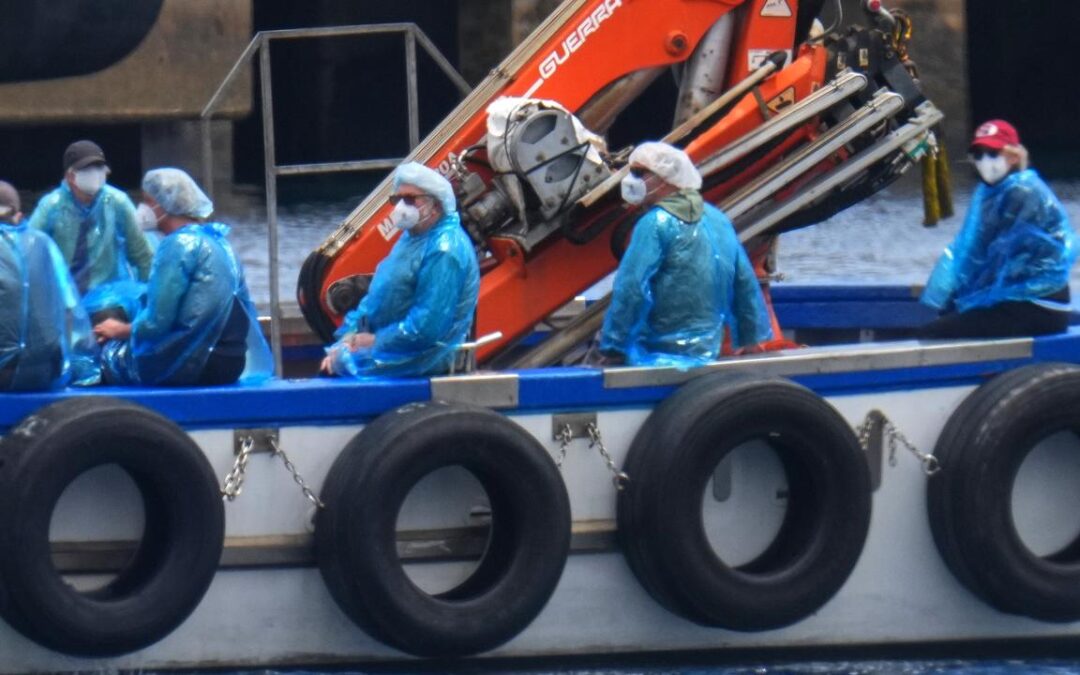
‘No apology’: quarantine for Aussies on virus-hit ship
Australians returning from a cruise afflicted by a rare and deadly virus will be required to quarantine for at least three weeks.
A government-supported charter flight will carry four Australian citizens, one permanent resident and a New Zealand citizen to Australia from Tenerife, in the Canary Islands, after their voyage was marred by a hantavirus outbreak.
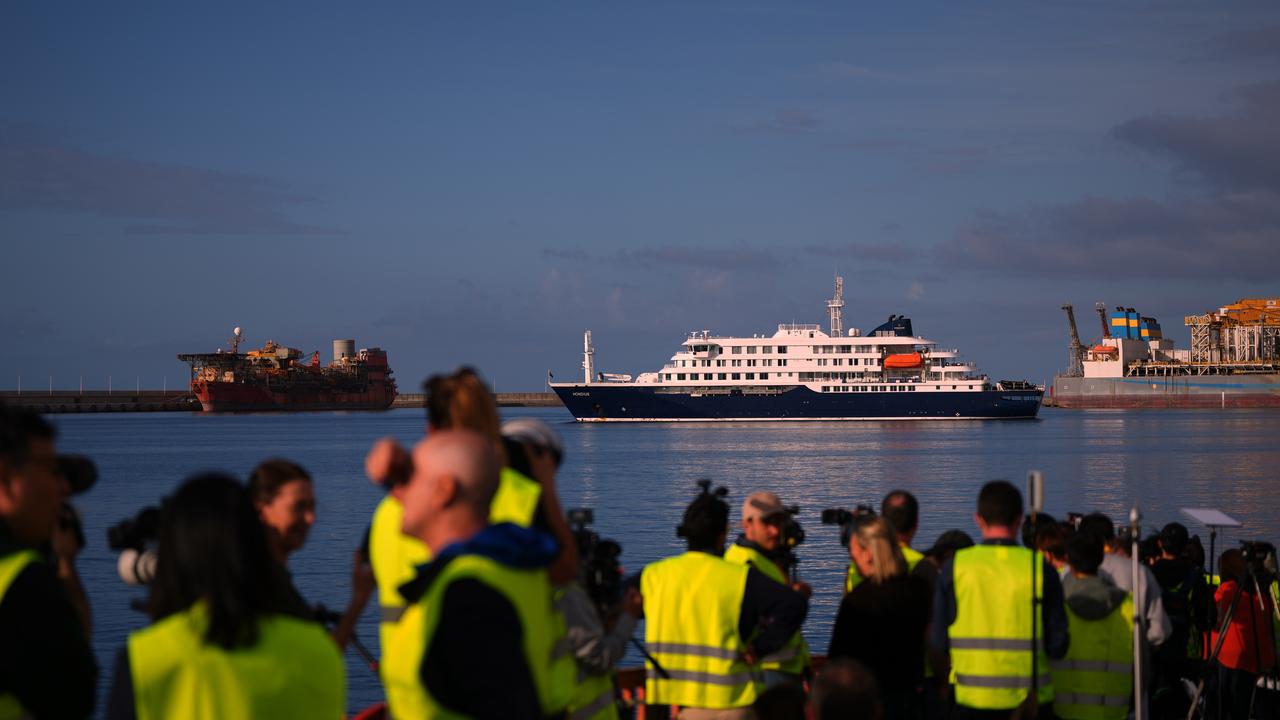
The MV Hondius ship docked in Tenerife on Sunday after three people died and five others were confirmed to have tested positive for the virus, which is contracted through contact with infected rodents.
Three of those returning to Australia live in NSW and two in Queensland, but all will land at the Pearce RAAF base on the outskirts of Perth before completing their quarantine next door at the Centre for National Resilience at Bullsbrook.
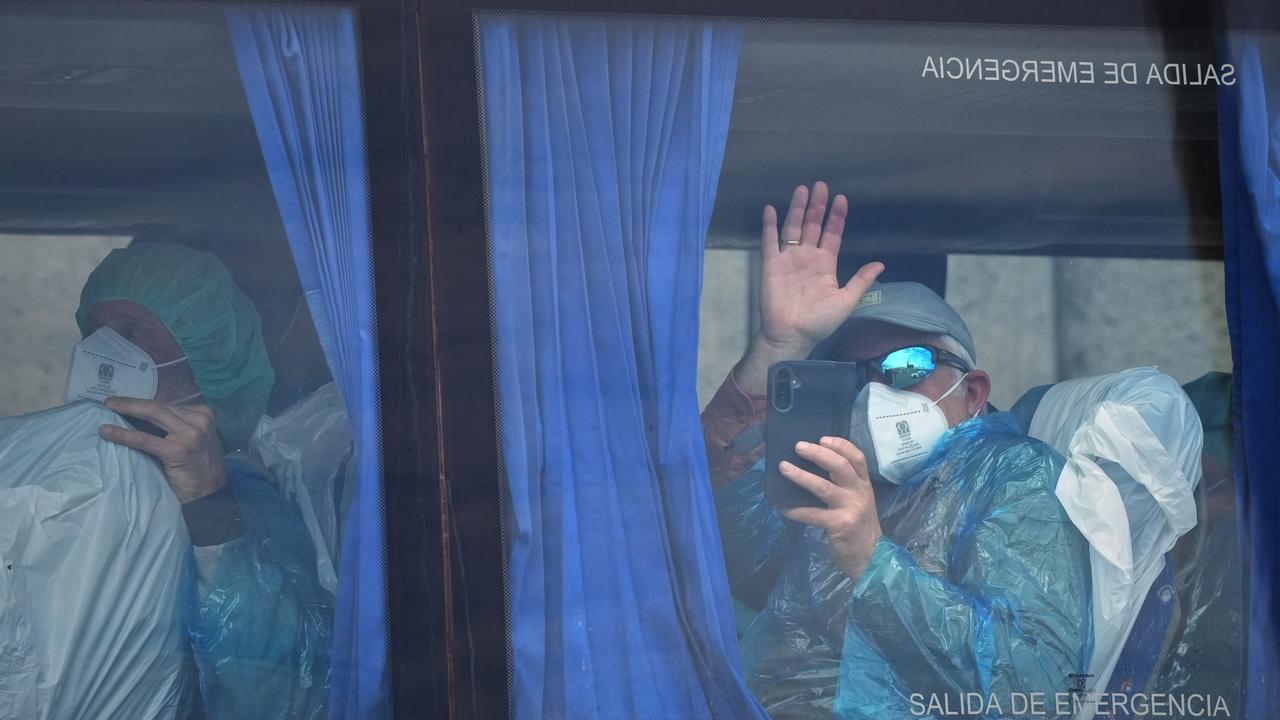
Though hantavirus has an incubation period of 42 days, the group will initially be required to quarantine for three weeks.
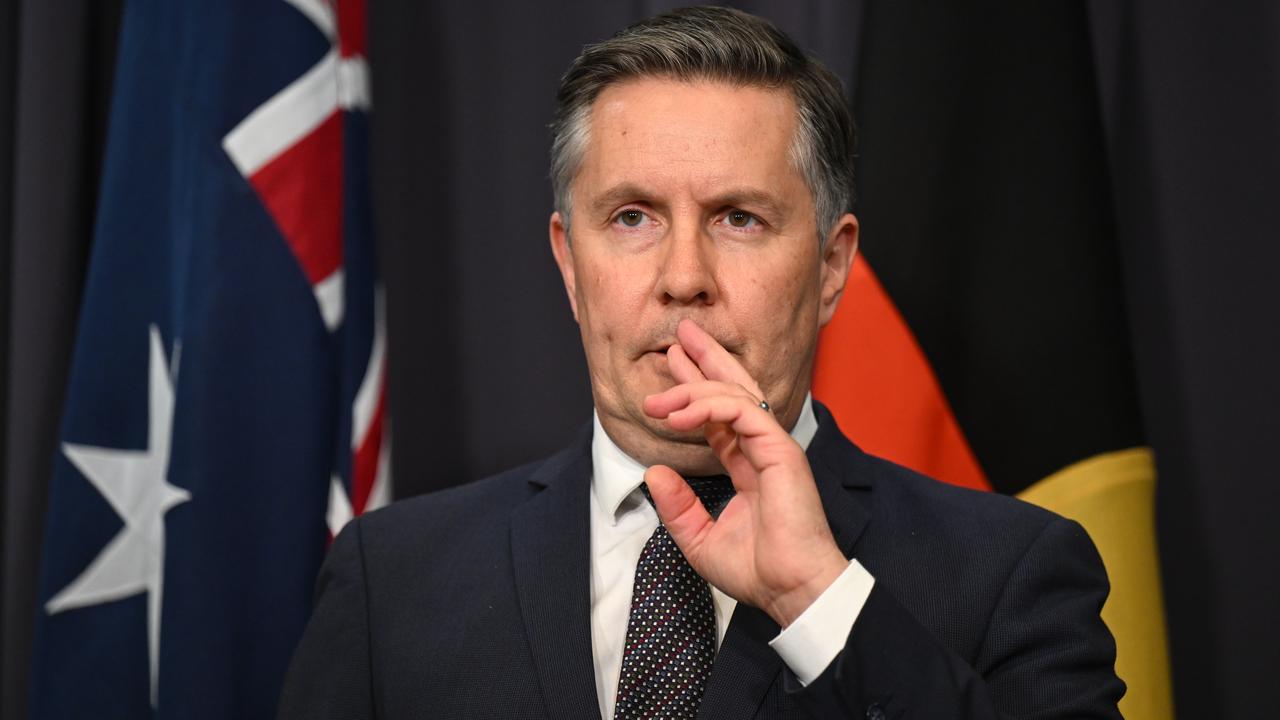
The federal government would then seek advice from chief health officers about any further arrangements, Health Minister Mark Butler said on Monday.
“Our primary responsibility is to keep our community safe and healthy,” he said.
“We also have a responsibility to those passengers, to bring them home and to protect them from any risk – no matter how small – of potentially transmitting the virus without knowing it.
“I make no apology for the fact that this is one of the stronger responses you will see around the world.”
British passengers have been taken to a facility for assessments before those who are allowed to quarantine at home are forced to self-isolate for 45 days.
Americans were given the choice of staying in a Nebraska quarantine facility or going home, where they would be monitored.
Those flying to Australia are among the last to disembark, but none are displaying symptoms of the virus. They are likely to arrive in Perth on Tuesday.
Mr Butler acknowledged the hantavirus was potentially deadly but said it did not pose the same concerns as COVID-19.
“This virus is very, very rare and cases of human-to-human transmission historically have been rarer still,” he said.
“A coronavirus-based pandemic is a very different beast to deal with than this risk.”
Their quarantine arrangements were a national decision after discussions by the Australian Health Protection Committee, comprised of state and commonwealth chief medical officers.
The federal government has also consulted with the WA, Queensland and NSW governments.
NSW Premier Chris Minns said state health officials were preparing for the travellers’ arrival.
“The risk of transmission is relatively low at this stage, certainly not comparable to the coronavirus,” Mr Minns said on Monday.
Queensland Attorney-General Deb Frecklington confirmed her state was ready to isolate the returnees and said reports from the ship had been distressing.
Medical personnel will be onboard the repatriation flight to monitor passengers throughout their journey home and secure transportation to quarantine facilities will be in place for their arrival.
Gas project model pours cold water on emissions goal
Australia’s third-highest greenhouse gas-emitting state is not on track to achieve its net zero by 2050 target, according to economic modelling of a $30 billion-plus gas project.
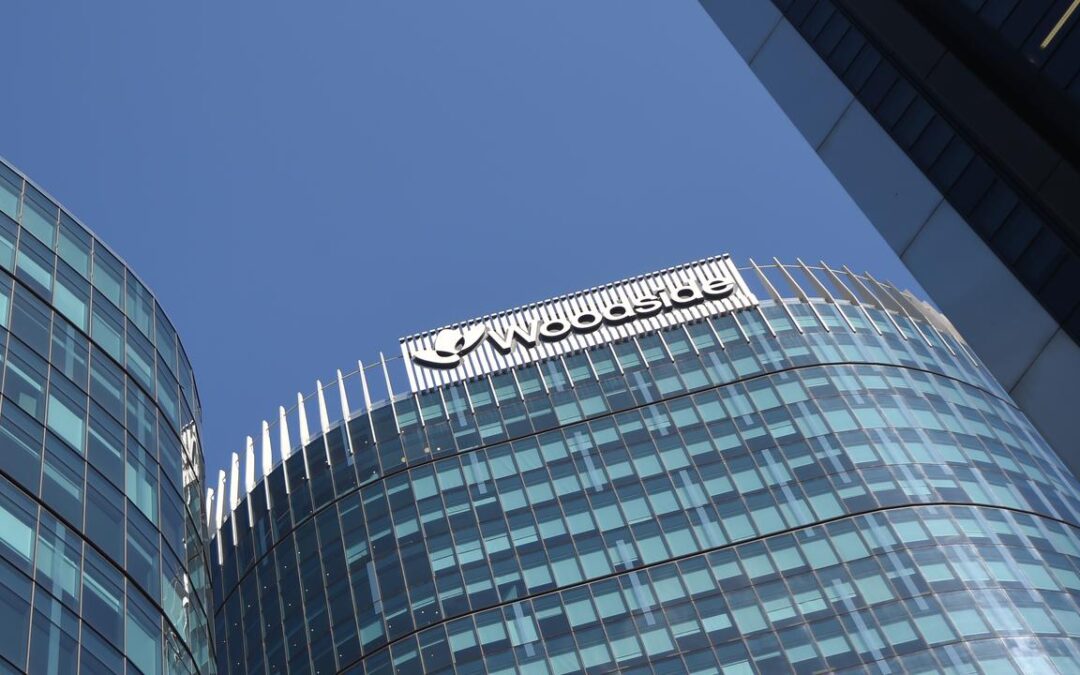
A Deloitte report commissioned by Woodside on its proposed drilling at Browse Basin off Western Australia claims the project will deliver $147 billion in uplift to the state over its lifetime.
It also says the state will fail to achieve net-zero emissions by 2050 on its current trajectory.
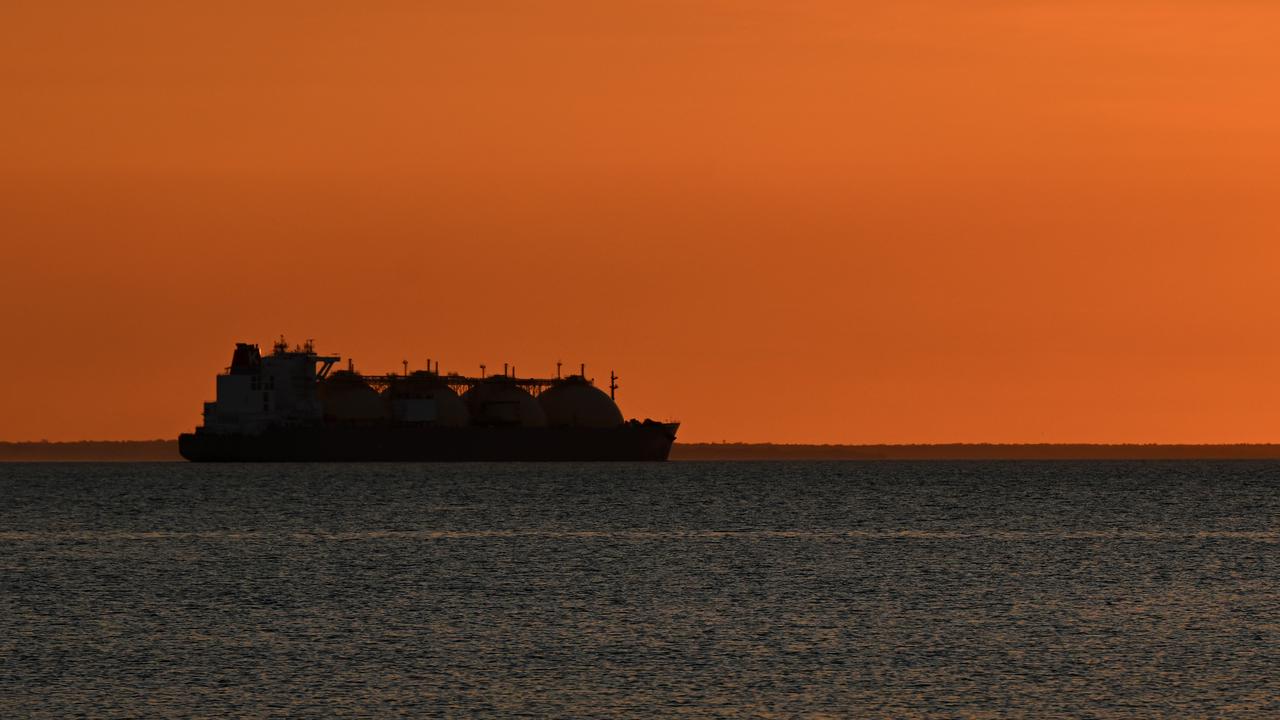
The project, which is undergoing environmental assessments, would support the nation’s energy transition to renewable sources, the report says.
However, with or without the project, it says renewable and energy storage would need to be deployed at rates far above what has occurred in the past for WA to reach the 2050 target.
Australia is bound by legislation to reach net zero by 2050, with the WA government recently saying the state was committed to the goal.
The project, slated to start production in 2030 and run for up to 44 years, would deliver more than $56 billion in taxes, royalties and excise, the report says.
Environmental groups were scathing of the report, with some saying it failed to paint the full picture of potential impacts.
The report notes the project’s potential impacts on domestic gas prices, contributions to decarbonisation outcomes in Asia and broader environmental considerations were outside its scope.
“This report should be read alongside complementary studies that examine these issues in greater depth to provide a more complete understanding of the project’s implications,” it reads.
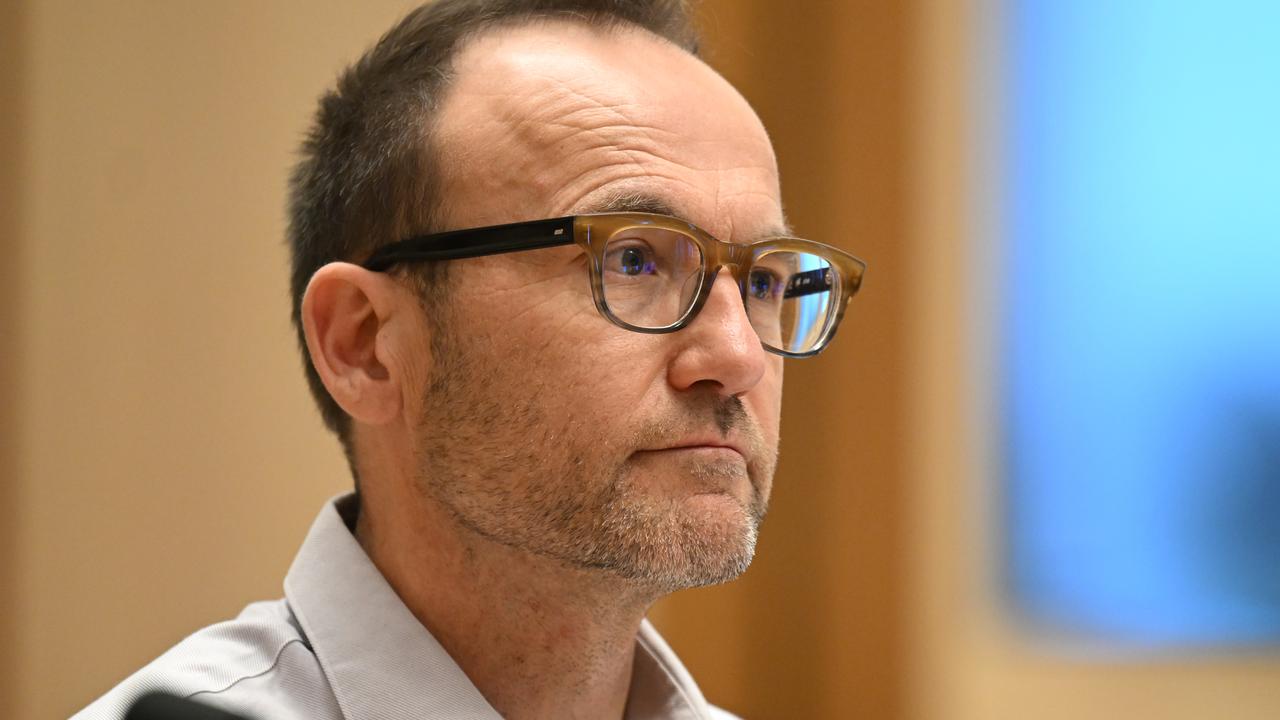
Australian Conservation Foundation chief executive Adam Bandt said people and nature would pay the price if the development proceeded.
“Exported coal and gas comes back to Australia as heatwaves, bushfires, floods and coral bleaching,” he said.
A report by the Institute for Energy Economics and Finance found Browse gas would likely be four times more expensive than existing domestic gas.
The Browse fields were also “carbon dioxide-intensive”, with an average concentration higher than many other gas fields.
According to the most recent data, WA was behind Queensland and NSW for emissions in 2022/23.
Netanyahu wants to wean Israel off US military support
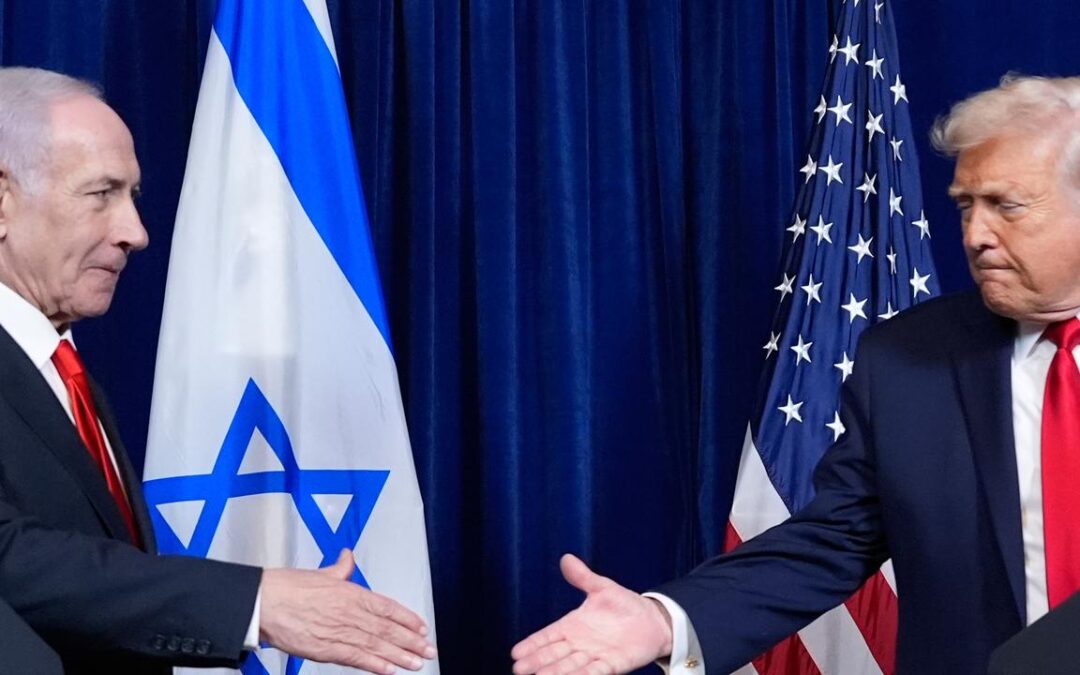
Israeli Prime Minister Benjamin Netanyahu hopes to wean Israel off US military support within a decade as his country pushes to strengthen ties with Gulf states.
“I want to draw down to zero the American financial support, the financial component of the military co-operation that we have,” Netanyahu told CBS News’ 60 Minutes program on Sunday.
Netanyahu said Israel receives about $US3.8 billion ($A5.2 billion) of US military aid a year. The US has agreed to provide a total of $US38 billion ($A52 billion) in military aid to Israel from 2018 to 2028.
But it is “absolutely” the right time to possibly reset the US-Israeli financial relationship, Netanyahu said.
“I don’t want to wait for the next Congress,” he said.
“I want to start now.”

Israel has long had bipartisan consensus within the US Congress for military aid, but support from lawmakers and the public has frayed since the outbreak of war in Gaza in October 2023.
Sixty per cent of US adults have an unfavourable view of Israel, and 59 per cent had little or no confidence in Netanyahu to do the right thing regarding world affairs, according to a Pew survey conducted in March.
Both percentages were up seven percentage points from a year earlier.
Netanyahu said deteriorating support for Israel in the United States “correlates almost 100 per cent with the geometric rise of social media”.
He said several countries, which he did not identify, have “basically manipulated” social media in a way that “hurt us badly”, though he personally did not believe in censorship.
Support for US President Donald Trump, a close ally of Netanyahu, has also ebbed since the United States and Israel launched a war against Iran on February 28.
The war has led to higher gasoline prices, which contributed to US inflation rising on an annualised basis in March to the highest level since May 2023.
A significant factor behind higher fuel prices has been Iran’s throttling of traffic through the Strait of Hormuz, where 20 per cent of the world’s oil normally passes.
Only after the war began did Israeli planners recognise Iran’s ability to close the strait, Netanyahu said.
“It took a while for them to understand how big that risk is, which they understand now,” he said.
Netanyahu declined to discuss Israel’s military plans or timetable in Iran, but he addressed the potential ramifications if Iran’s leadership changed.
“If this regime is indeed weakened or possibly toppled, I think it’s the end of Hezbollah, it’s the end of Hamas, it’s probably the end of the Houthis, because the whole scaffolding of the terrorist proxy network that Iran built collapses,” he said.
Asked if it were possible to topple the Iranian regime, Netanyahu said: “Is it possible? Yes. Is it guaranteed? No.”
Homelessness ‘crisis’ pushes councils to the brink
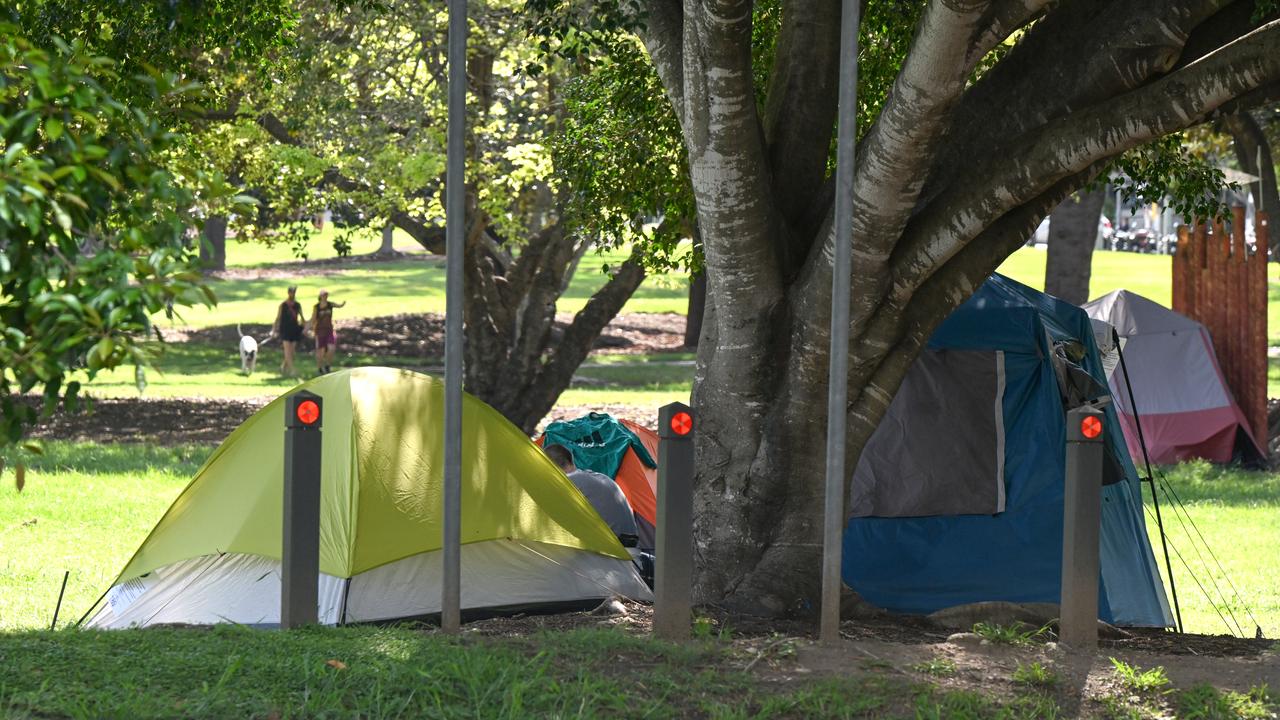
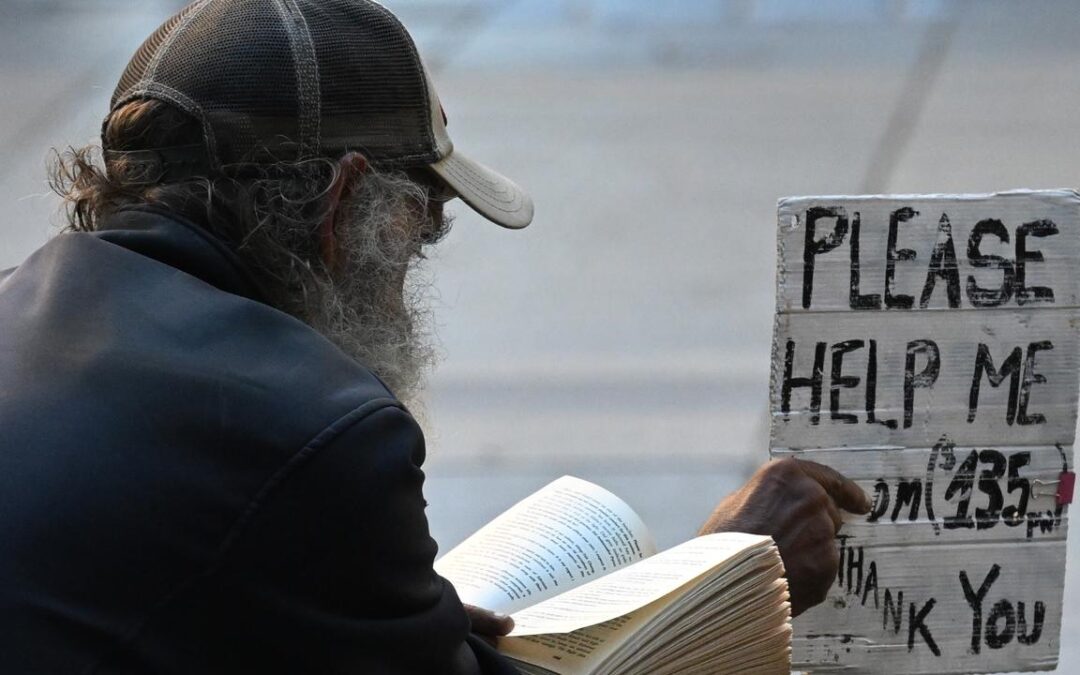
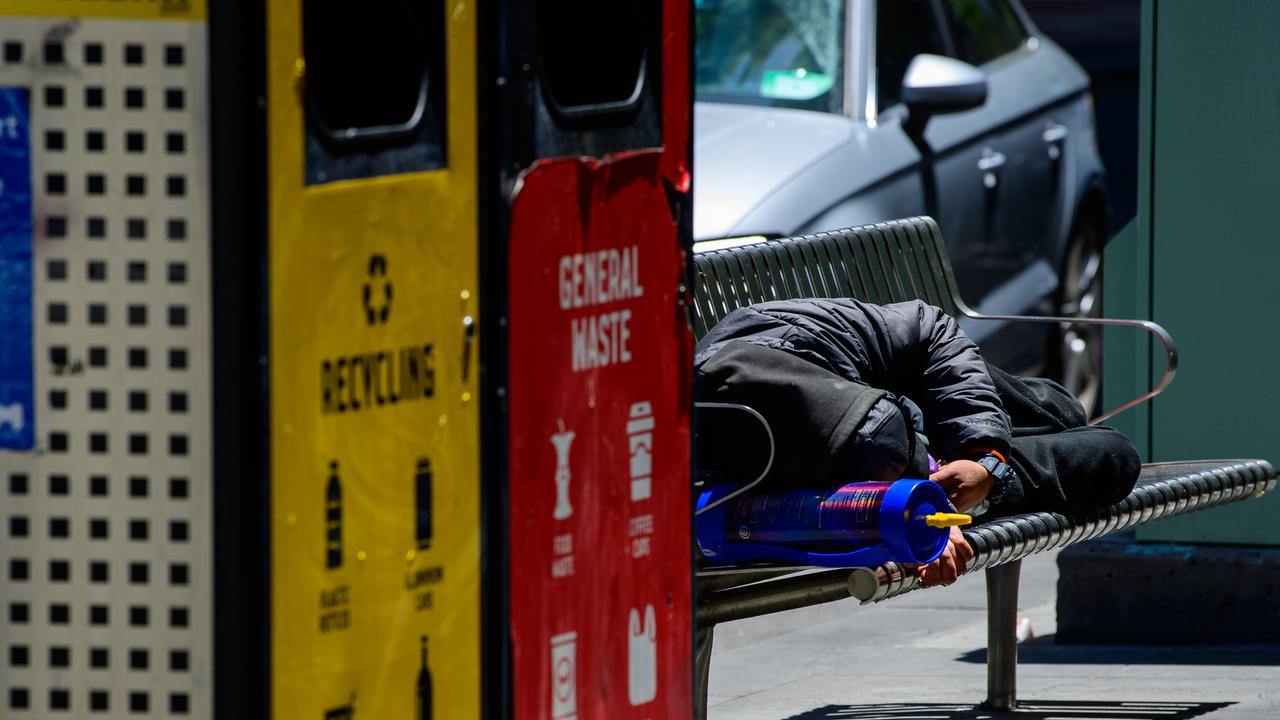
Local councils are struggling to cope with a homelessness crisis that has spread well beyond inner-city streets.
Two-thirds of Australian councils consider homelessness a significant or acute issue in their communities, up from about 10 per cent in the 2010s.
The finding comes from a recent University of New South Wales study, which said councils had been left ill-equipped and on the front lines of a post-pandemic housing crisis.
Published in the Australian Journal of Social Issues, the study surveyed 167 councils and included case studies across metro, regional and coastal areas.
Lead researcher Andrew Clarke, from UNSW’s School of Social Sciences and City Futures Research Centre, said the geography of homelessness had changed dramatically.
“Homelessness is no longer an issue faced by a handful of inner-city councils, it’s become a widespread challenge across Australia,” Dr Clarke said.
“The post-pandemic housing crisis has pushed homelessness into communities that haven’t historically dealt with it.”
Councils were increasingly expected to act despite having no formal responsibility for homelessness policy or service delivery, the study found.
More than three-quarters of councils said concerns from residents, businesses and community groups were the main trigger for action.
“As homelessness has become more visible in public spaces, councils – responsible for parks, libraries and streets – are effectively on the frontline of the crisis,” Dr Clarke said.
Among councils that considered homelessness a significant issue, 95 per cent said it had worsened over the past five years.
About two-thirds described the increase as “substantial”.
Regional cities reported the highest concern levels, with 88 per cent identifying homelessness as significant, acute or very acute.
The study found councils were increasingly acting as the “eyes and ears” of local homelessness systems, with many identifying rough sleepers and linking them to support services.
Others co-ordinated charities and agencies or helped facilitate temporary accommodation and affordable housing projects.
Researchers said councils were also shifting away from punitive responses, such as moving homeless people on from public spaces.
“There’s been a real cultural shift, councils want to prioritise care and co-ordination rather than compliance,” Dr Clarke said.
But these efforts were being undermined by severe shortages of affordable and social housing, the report said.
Nearly 80 per cent of councils surveyed cited financial pressures as a major barrier, while many also pointed to staff shortages and limited legal powers.
Local governments can play an important role in responding to homelessness, Dr Clarke said.
But lasting change would require major investment in social housing and stronger co-ordination between all levels of government.
“The takeaway is clear: councils are part of the solution, but they can’t do it without the resources and housing supply needed to back them up,” he said.
Trump and China’s Xi preparing for talks
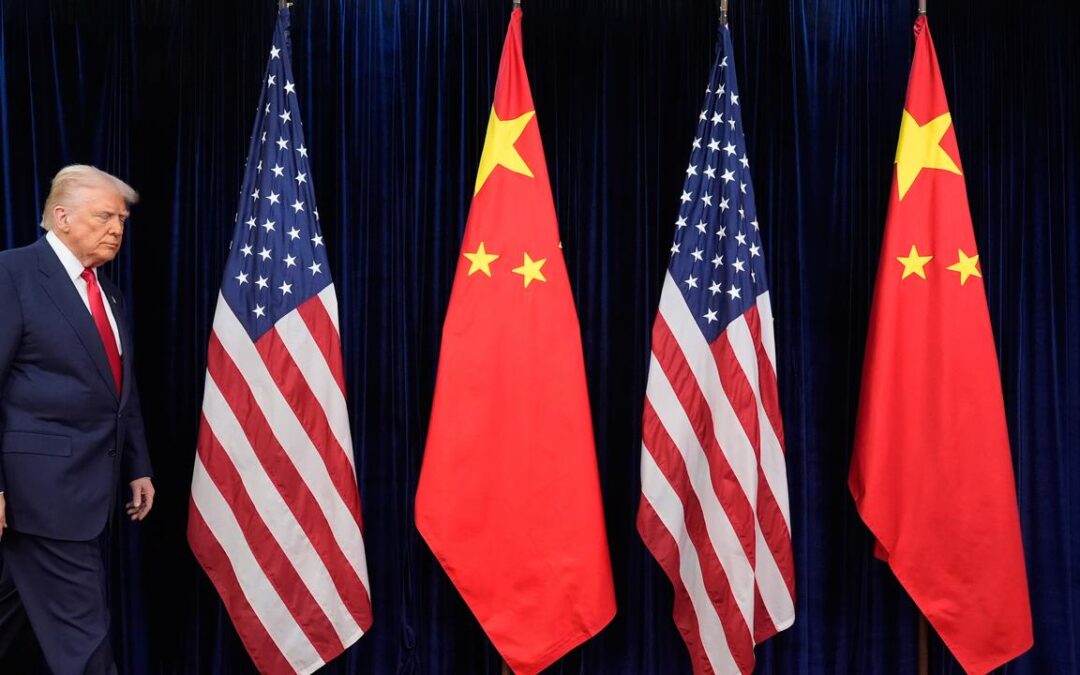
US President Donald Trump and Chinese President Xi Jinping will discuss Iran, Taiwan, artificial intelligence and nuclear weapons as they weigh extending a critical minerals deal, according to US officials previewing Trump’s two-day visit to China this week.
The leaders of the world’s two largest economies will hold their first face-to-face talks in more than six months as they try to stabilise ties strained by trade, the US and Israeli war with Iran and other areas of disagreement.
Trump will arrive in Beijing on Wednesday, ahead of talks set to take place on Thursday and Friday. It will be his first trip to China since 2017.

The US and China are expected to agree to forums to facilitate mutual trade and investment, while China is expected to announce purchases related to Boeing airplanes, American agriculture and energy, the officials said.
Plans for a Board of Trade and Board of Investment may be formally announced at the meeting, but those mechanisms may need subsequent work before they can be implemented, one of the officials said.
The two countries will also discuss lengthening a truce in their trade war that allows rare earth minerals to flow from China to the US, though it is not yet clear if that agreement will be extended this week.
The Trump-Xi talks are also expected to veer into areas that have long been a source of US-China tension, including Iran, Taiwan and nuclear arms.
China maintains ties with Iran and remains a major consumer of its oil.
Trump has been leaning on China to use its influence to push Tehran to make a deal with Washington and end the conflict that began when the US and Israel launched strikes on Iran in February.
The Trump administration also has pressed China on its dealings with Russia.
“The president has spoken multiple times with General Secretary Xi Jinping about the topic of Iran and about the topic of Russia, to include the revenue that China provides to both those regimes, as well as dual-use goods, components and parts, not to mention the potential of weapons exports,” said one of the officials.
“I expect that conversation to continue.”
Xi, meanwhile, is frustrated with Washington over Taiwan.
The US remains the most important international backer and arms supplier for the democratically governed island, which Beijing claims as its own.
The Trump aides expressed increasing concern about advanced artificial intelligence models being developed in China and believed the two sides need “a channel of communication” to avoid conflicts.
“What that looks like is yet to be determined, but we want to take this opportunity with the leaders meeting to open up a conversation and to see if we should establish a channel of communication on AI matters,” said one of the officials.
Washington has also long hoped to open up talks with Beijing about nuclear weapons, though China remains reluctant to discuss its arsenal.