
‘We need courage’: senator’s plea after girl’s death
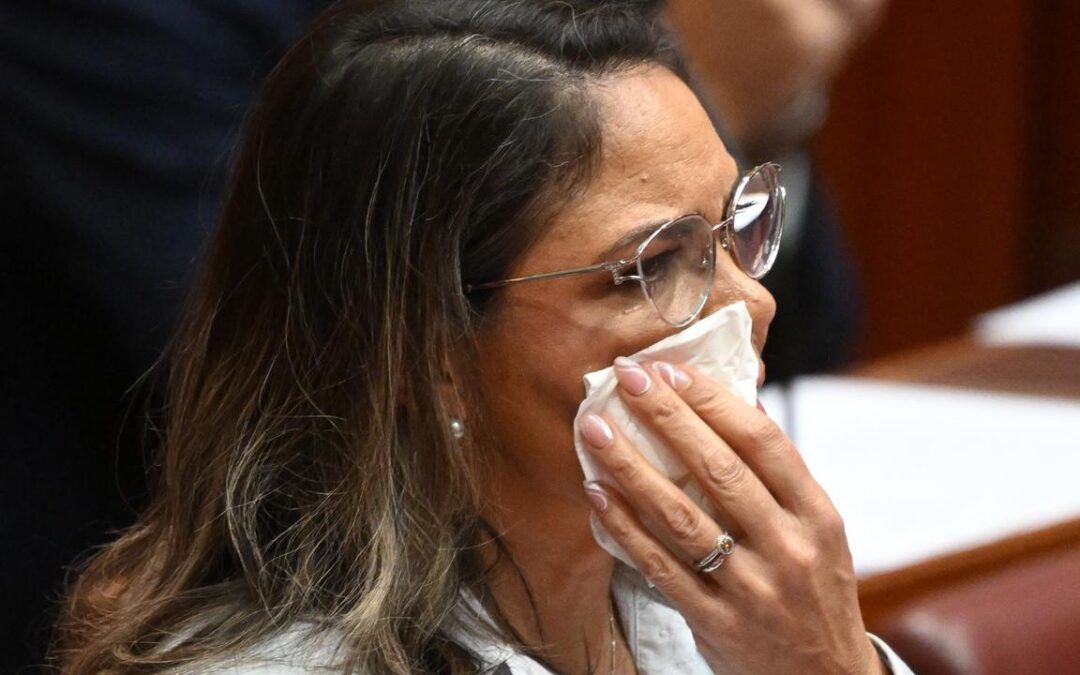
Indigenous senator Jacinta Nampijinpa Price has issued an emotional plea for change after the death of Kumanjayi Little Baby, declaring Australia can no longer “hide behind race”.
With tears welling in her eyes and her voice breaking, the NT senator paid tribute to her five-year-old niece, who was found dead in scrubland on April 30.
Jefferson Lewis, 47, has been charged with her murder.
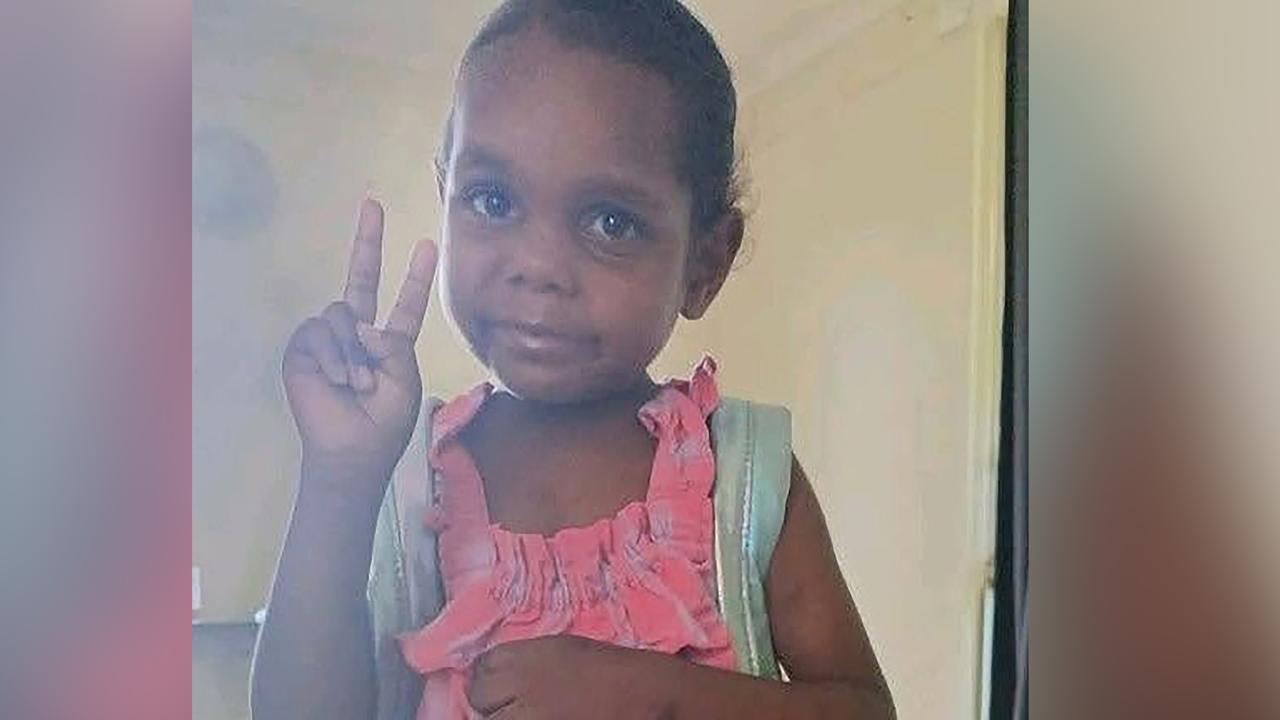
Senator Nampijinpa Price said she didn’t want another family to stand where hers did today.
“We cannot continue hiding behind race,” she told parliament on Tuesday.
“We cannot continue pretending that lowering expectations for Aboriginal children is compassion.
“It’s not compassion, it’s neglect. It’s the racism of low expectations.
“Children deserve safety before ideology. Most of all, we need courage.”
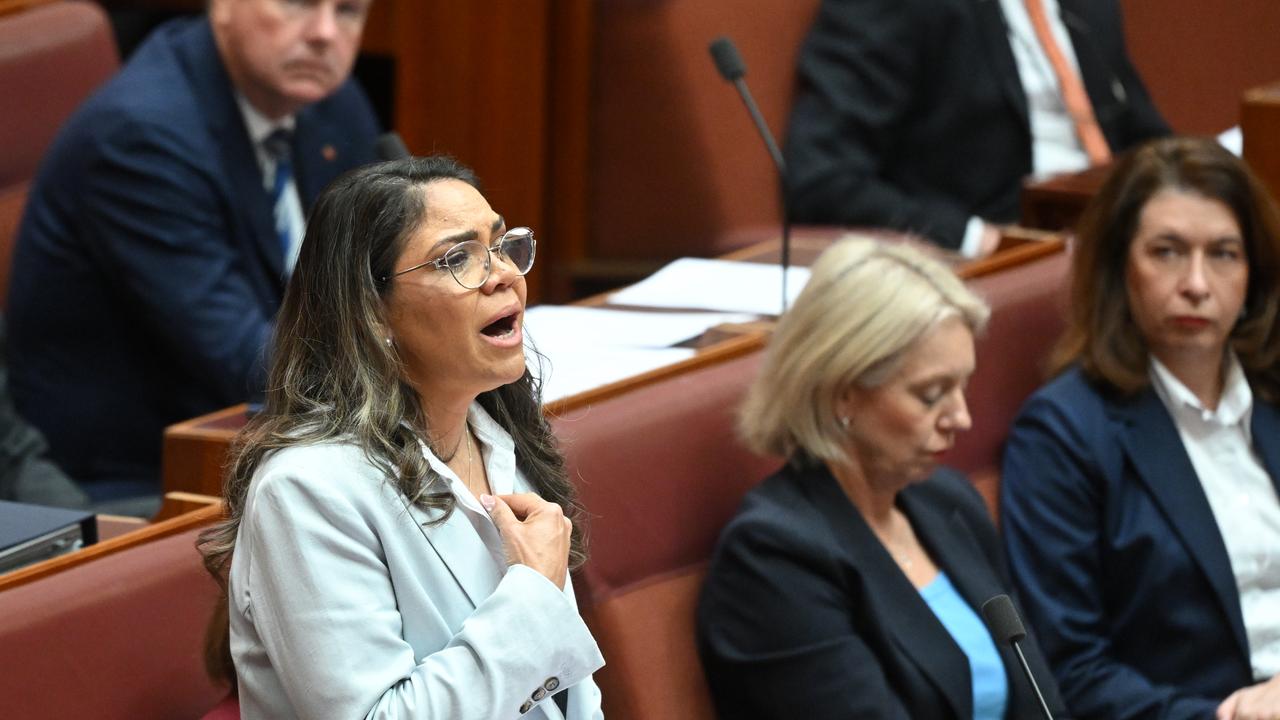
The grieving politician said she didn’t want the parliament to offer its condolences while “refusing to confront the conditions that made those condolences necessary in the first place”.
“I want this parliament to put aside our political differences and stand up for what’s right for our children,” she said.
“This should be the most important thing that every single one of us is here for, to put aside our differences and to put our children first. That is what we need to do. That is all I ask.”
The death of Kumanjayi Little Baby, a name used in line with cultural traditions, sparked riots in Alice Springs as hundreds of people gathered outside the hospital where Lewis was being treated.
The angry crowds gathered outside the hospital once news of his arrest spread.
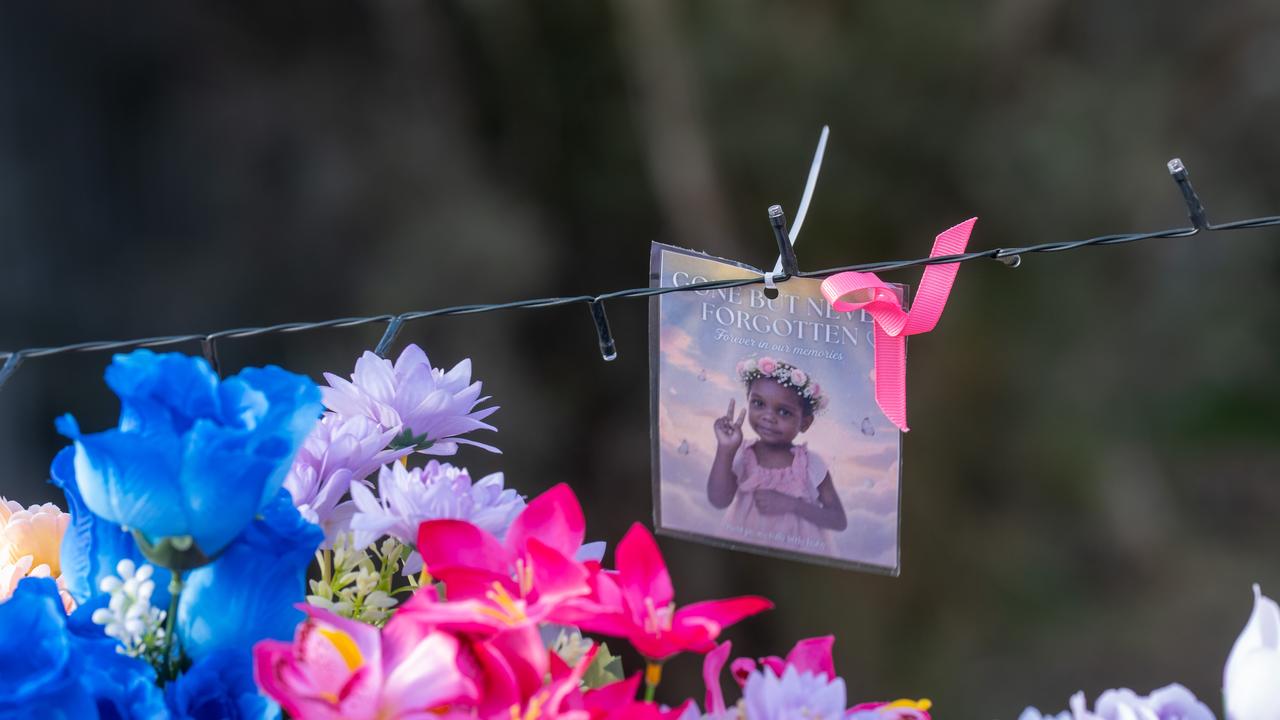
Police cars and bins were set on fire and people threw objects at police who responded to the riot with tear gas.
NT police transported Lewis to Darwin by a helicopter for his own safety.
He is yet to enter a plea to the murder charge.
Shares slip, banks under pressure ahead of budget
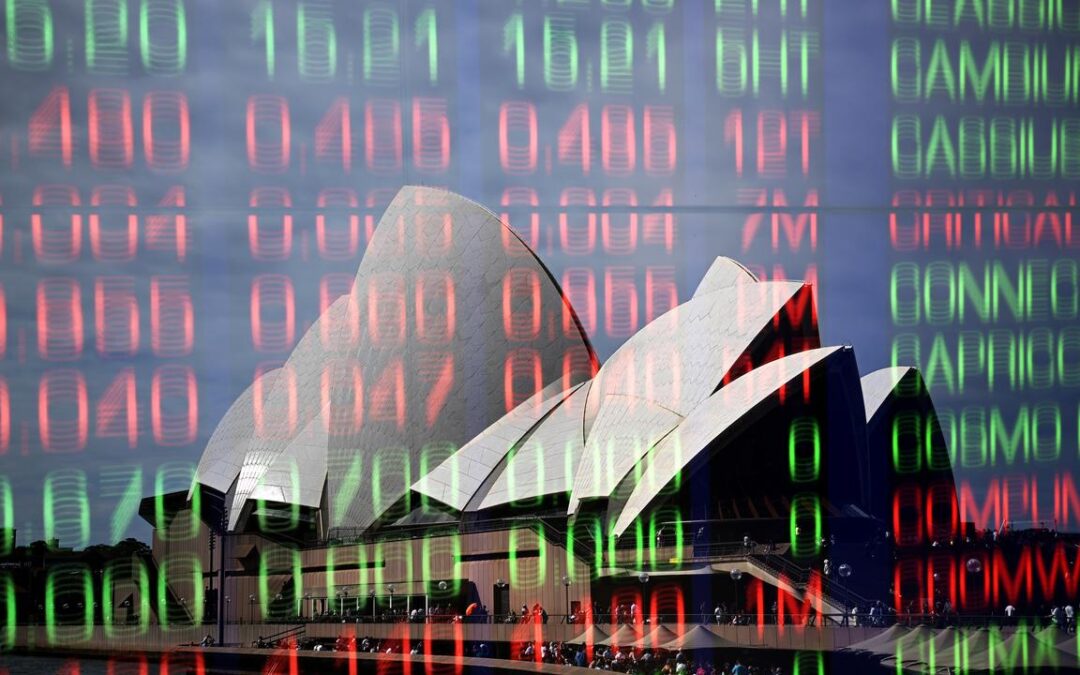
Australia’s share market is tracking a third straight session of losses, with oil on the rise after US-Iran peace deal hopes fade and local banks drop ahead of the federal budget.
The S&P/ASX200 fell 67.2 points by midday, down 0.77 per cent, to 8,634.9, as the broader All Ordinaries lost 69.6 points, or 0.78 per cent, to 8,872.8.
Nine of 11 local sectors were behind by lunchtime, after President Donald Trump said the US ceasefire with Iran was “on life support” after the White House rubbished Tehran’s response to a peace proposal.
Closer to home, Australia’s big banks were under pressure ahead of Tuesday’s night’s federal budget, IG market analyst Tony Sycamore said.
“This budget is shaping up to be the most consequential in years, largely due to expected overhauls to negative gearing and capital gains tax,” Mr Sycamore said.
“With Australian banks heavily exposed to residential mortgages, any policy changes that result in a sustained fall in property prices could lift mortgage stress and bad debts, putting pressure on bank profitability and their share prices.”
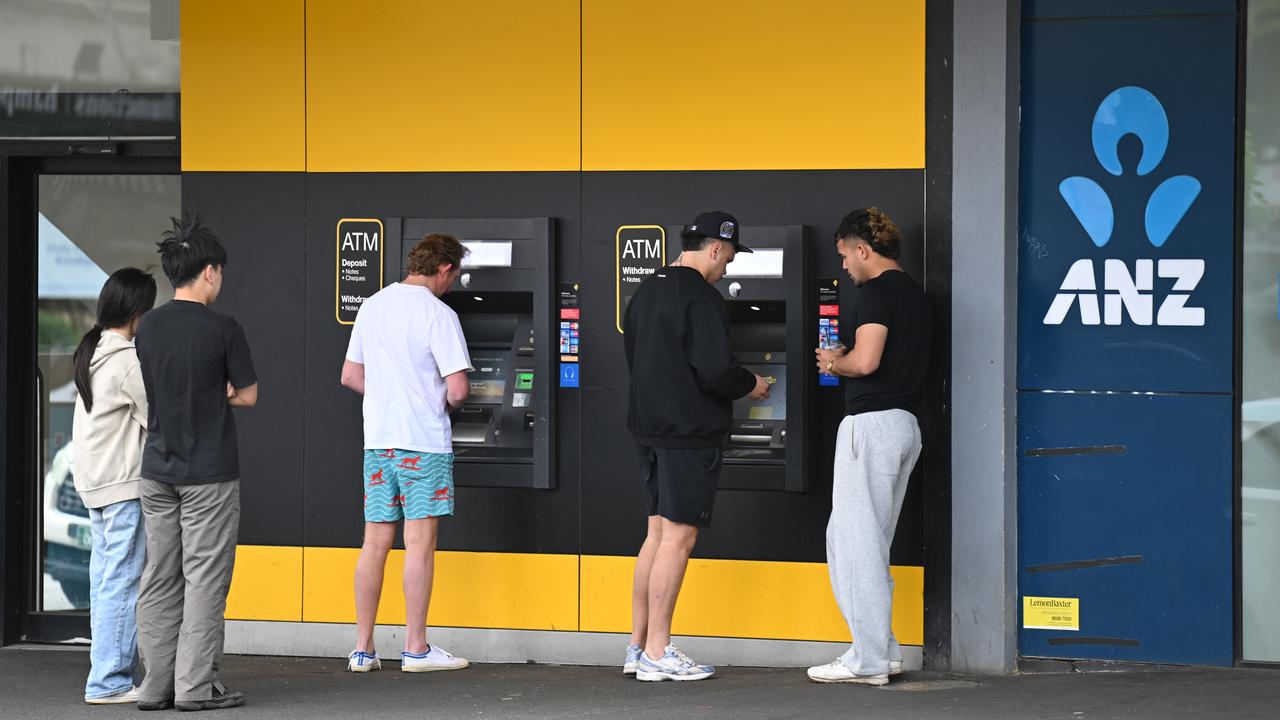
Shares in CommBank, NAB and ANZ each tumbled by more than two per cent, while Westpac slipped 1.6 per cent to $36.53.
The heavyweight financials sector was down almost two per cent, as investment managers, insurers and fintechs also fell into the red.
Basic materials offered some counterbalance to the selling, up 2.4 per cent as BHP surged to a record high of $60.23.
Energy stocks and utilities were the only other two sectors trading higher by midday, up 0.1 per cent and 0.6 per cent respectively, as Brent oil futures rose above $US105 a barrel.
Woodside, Santos, AGL and Origin traded higher, while coal producers and uranium stocks dipped.
The health care sector dropped 2.5 per cent, dragged downwards as blood plasma giant CSL bombed to its lowest price since December 2016, shedding almost 19 per cent since Monday’s grim trading update.
Consumer-facing stocks were in bad shape, with discretionaries down 2.3 per cent, while staples lost 1.9 per cent in broad-based sell-downs.
IT stocks fared even worse, down 3.6 per cent as tracking app Life360 lost more than a tenth of its value after a mixed first quarter update.
In company news, former market darling Droneshield crashed 15 per cent to three-month lows of $3 after the corporate regulator announced a probe into the defence technology company.
The investigation related to information provided to bourse operator ASX and share trading between 6 and 12 November 2025, which includes when chief executive Oleg Vornik, chair Peter James and director Jethro Marks sold nearly $70 million in Dronshield stock.
The Australian dollar is buying 72.32 US cents, down slightly from 72.38 US cents on Monday at 5pm.
AI rally pauses as Mideast ceasefire on ‘life support’
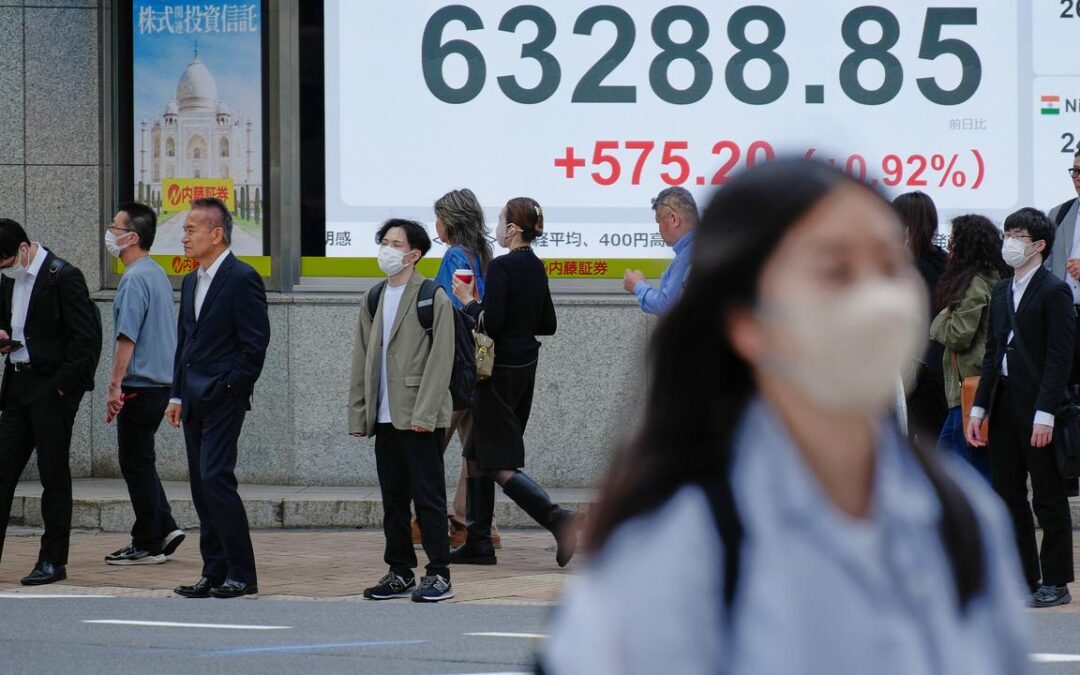
Oil crept higher and the dollar rose on Tuesday as hopes faded for a deal to get ships moving through the Strait of Hormuz, while a red-hot chip rally in chip stocks cooled and traders waited on US inflation figures.
US President Donald Trump said the ceasefire with Iran was “on life support” after Tehran’s response to a US proposal to end the war made clear the two sides were still far apart.
Brent crude futures were up 0.7 per cent to $US105 ($A145) a barrel. S&P 500 futures dipped 0.2 per cent and even the almost unstoppable KOSPI index in Seoul slid 3.0 per cent, pulling down other regional markets.
MSCI’s broadest index of Asian shares excluding Japan fell 1.0 per cent, while Tokyo’s Nikkei was flat. European futures fell 1.0 per cent.
Markets are keeping a watchful eye on Trump’s Wednesday visit to China, with expectations low for either progress on Iran or on the trade front, with the focus on the status quo holding.
“Investors should not expect sweeping agreements. A ‘win’ would mean no new tariffs or export controls, and perhaps small symbolic deals, such as agricultural purchases, aircraft orders, or signals on rare earths,” said Daniel Casali, chief investment strategist at Evelyn Partners.
“These may seem minor, but stability at the margin matters.”
Overnight Wall Street had been resilient in the face of rising oil prices with the S&P 500 and Nasdaq eking out the latest in a series of new closing highs.
US inflation data is due later in the day with the headline consumer price index seen climbing to a hot 3.7 per cent year-on-year.
Any suggestion that the Federal Reserve may need to hike this year – rather than cut as investors had expected before the war – could rattle markets.
Global bond yields rose overnight, led by a selloff in gilts after a speech by Prime Minister Keir Starmer did little to dispel investor doubts about his political survival, following Labour’s heavy defeat in last week’s local elections.
Japan’s 10-year government bond yield rose to a 29-year high of 2.54 per cent ahead of an auction later in the day. A summary of opinions from the Bank of Japan’s April meeting reinforced a growing hawkish shift on the board, keeping the door open for a June rate hike.
Benchmark 10-year Treasury yields were steady at 4.42 per cent.
In currency trade the dollar was on the front foot and rose to 157.53 yen. US Treasury Secretary Scott Bessent is in Tokyo for meetings with top Japanese officials, but his Japanese counterpart made no explicit mention of his endorsement for Japan’s currency intervention to reporters on Tuesday.
“We agreed that we are coordinating extremely well on recent market moves, including exchange rates,” said Japanese Finance Minister Satsuki Katayama.
The euro slipped 0.2 per cent to $US1.1762 ($A1.6225) and the Australian dollar fell 0.25 per cent to $US0.7232 ($A0.9976). Australia’s government is set to deliver a narrower than previously flagged budget deficit on Tuesday.
Soldier dies, another injured in parachute accident
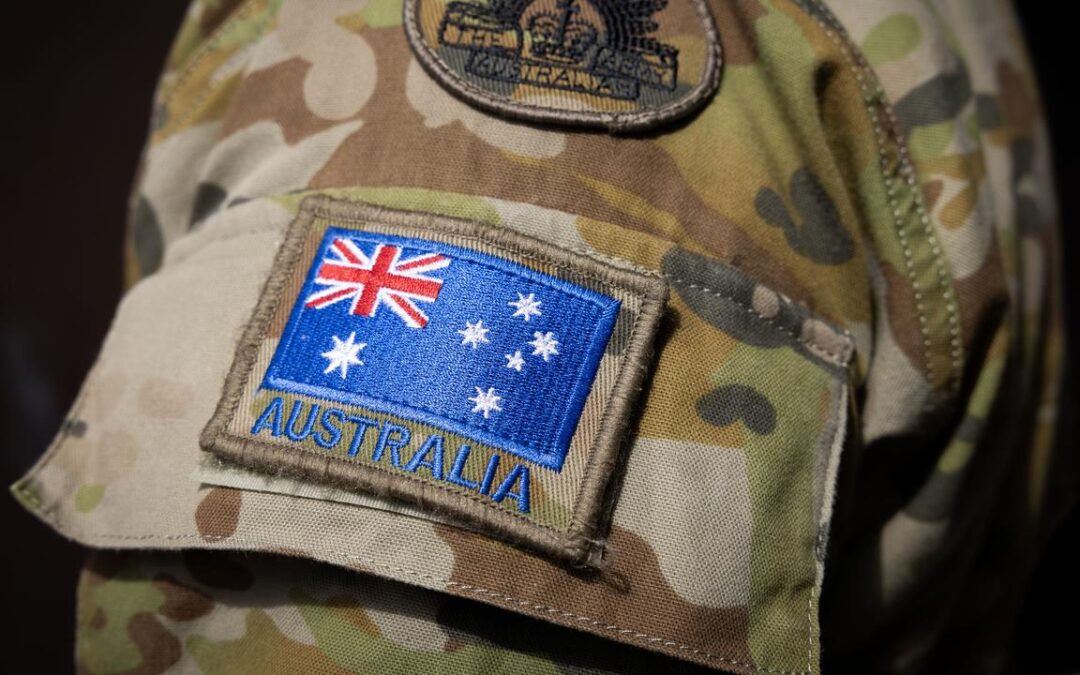
A soldier has died and another injured after a parachuting training accident at an Australian Defence Force airfield.
The Department of Defence confirmed the Australian army member died during a training course at the Jervis Bay Airfield, 200km east of Canberra, on Monday evening.
Another soldier was injured in the incident but did not require hospitalisation.
The identities or ages of the soldiers involved have not been released.
“We request that the privacy of Defence members and families is respected at this time,” the department said in a statement on Tuesday.
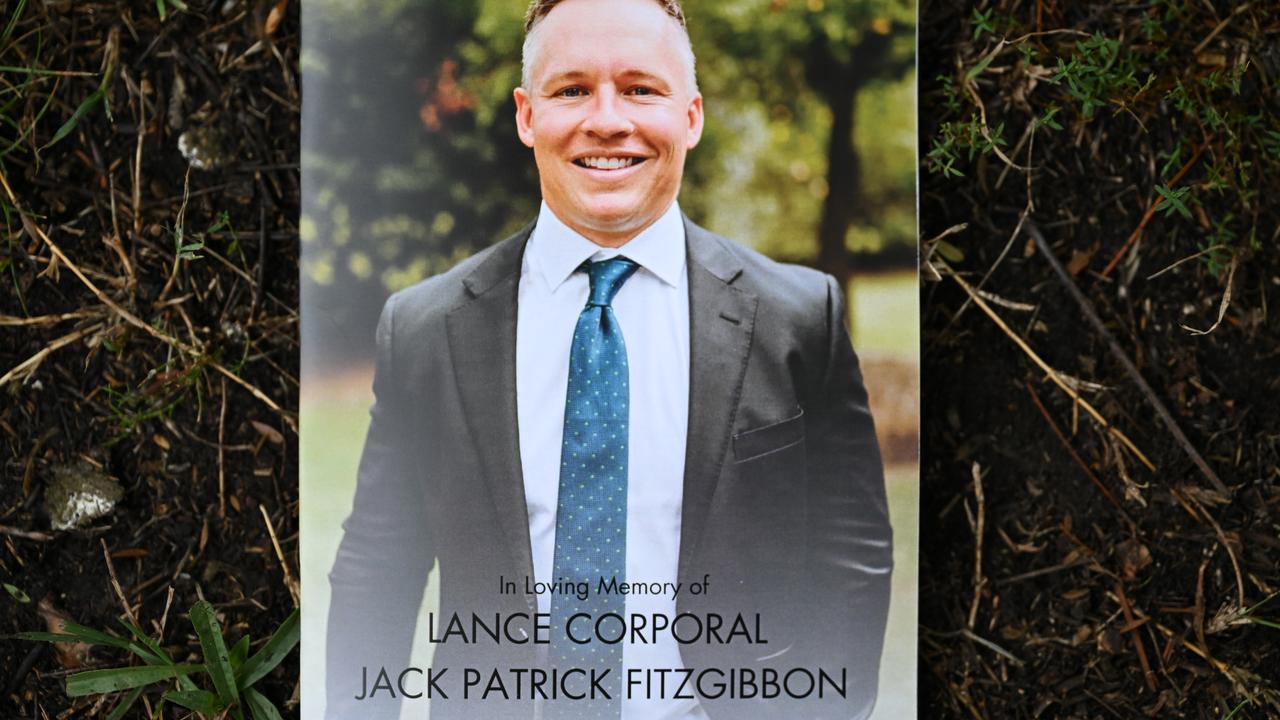
The death is the first in a parachuting accident since Lance Corporal Jack Fitzgibbon, the son of former federal minister Joel Fitzgibbon, died in March 2024 during a training incident at RAAF Base Richmond, northwest of Sydney.
Cpl Fitzgibbon’s death led to an investigation by the Department of Defence and a two-month halt to parachute training activities.
The last active service member to die in any incident was in October 2025 when a M113 armoured personnel carrier rolled during a training exercise west of Townsville.
Two other service members were hospitalised with relatively minor injuries after the incident but were released.
Two soldiers were also killed in a truck rollover south of Townsville in August 2021.
The department was charged in September 2023 with breaching federal work health and safety laws over the incident.
Trump set to sign orders to boost US beef imports
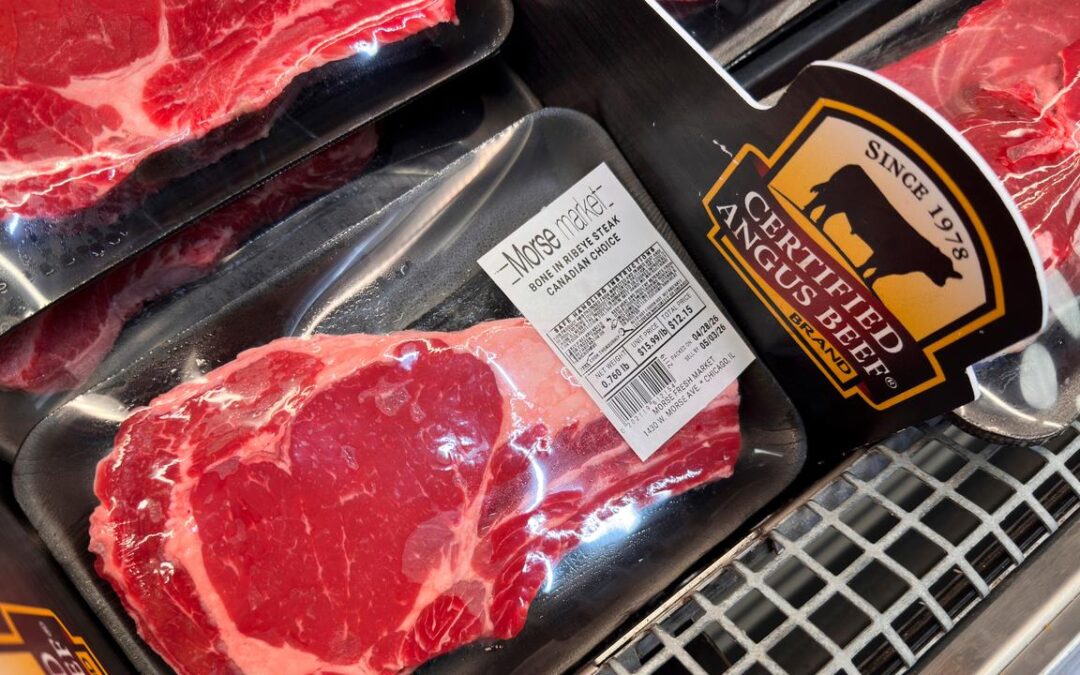
US President Donald Trump is set to sign executive orders to allow increased beef imports into the United States and to support renewal of the local cattle herd in an effort to address high beef prices, a White House official says.
The official did not provide details on the two executive orders, which come at a time when the U.S cattle herd has shrunk to its lowest level in 75 years and beef prices continue to climb.
Earlier, the Wall Street Journal reported that Trump would temporarily suspend tariff-rate quotas on beef, which would allow more of the meat to enter the US at lower tariff rates.
The newspaper said Trump would direct the Small Business Administration to increase lending to ranchers and to reduce protections under the Endangered Species Act for grey and Mexican wolves that prey on herds.
Expectations for increased beef imports from Brazil weighed on US cattle futures after Trump met Brazilian President Inacio Lula da Silva last week.
On Monday, Chicago Mercantile Exchange June live cattle futures shook off early losses to end slightly higher, while August feeder cattle dropped 0.5 per cent.
Although prices for eggs, milk and other grocery staples have fallen since Trump took office in January 2025, beef prices continue to climb – a symbol of persistent inflation for consumers as the northern hemisphere summer backyard grilling season gets underway.
Last October, Trump ordered a quadrupling of beef imports from Argentina, and a month later removed his 40 per cent punitive tariff on Brazilian beef and coffee.
The moves did little to reverse beef prices, which were up 12.1 per cent year-over-year in April, according to the Labor Department’s Consumer Price Index.
Beef is more than 16 per cent more expensive than when Trump returned to office in January 2025.
The US cattle herd has dwindled to a 75-year low after ranchers slashed their herds because of a persistent drought that burned up grazing lands and raised feeding costs.
High cattle prices have also encouraged ranchers to sell livestock to be slaughtered, instead of keeping them for breeding.
The US Department of Agriculture has projected that the country will import a record 2.6 billion kg of beef this year, up about six per cent from 2025 and 25 per centfrom 2024.
Most imports are lean beef trimmings that are mixed with US supplies to make ground beef, said David Anderson, agricultural economist at Texas A&M University.
He said more imports could help hamburger restaurants reduce their ingredient costs but he did not expect prices to fall significantly for consumers.
“We were already importing a record amount. How much more does this get on top of what we were already importing?” Anderson said.
“I’m hard-pressed to see this is going to be a huge effect on prices. It would be tough to have this be a huge influx of supply.”
Bill Bullard, CEO of cattle producers’ group R-CALF USA, said increased imports also could discourage US ranchers from expanding their herds.
Smaller cattle feeders could even exit the industry if prices drop far enough, he said.
Consumers may not see benefits as ranchers come under pressure, Bullard said.
“We’ve had record imports for the past three years and at the same time consumers continue to pay record prices for beef,” he added.
‘Time has come’: Shorten backs budget’s broken promise
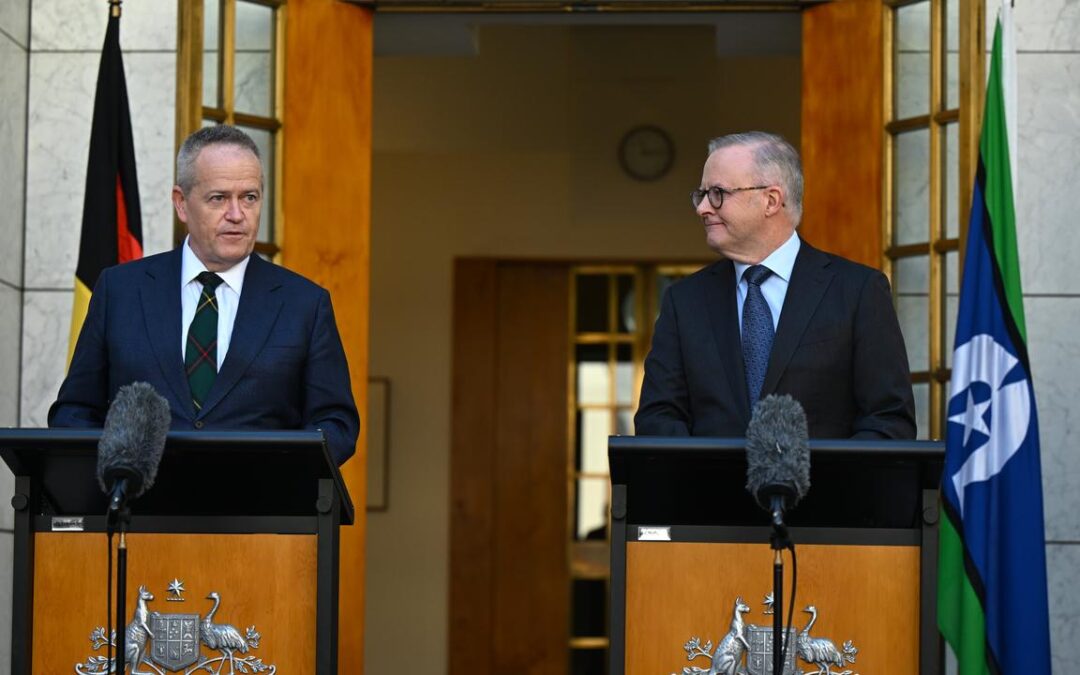
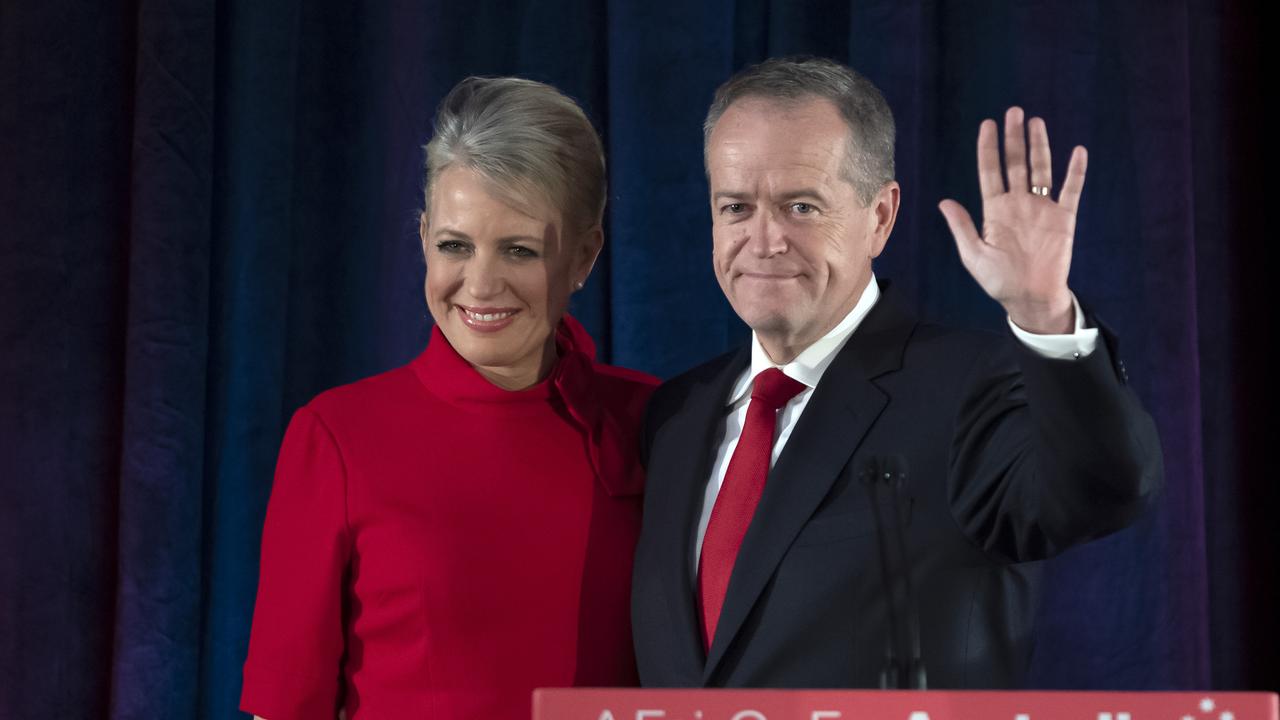
Bill Shorten has defended Anthony Albanese’s government as it prepares to break an election promise over negative gearing, arguing fairness should trump past commitments.
It has been widely reported Tuesday night’s federal budget will contain changes to negative gearing, the policy which allows landlords to reduce their bill at tax time.
If so, Mr Albanese will break his repeated election commitment to leave those tax settings alone.
While stressing that any changes are hypothetical until confirmed on budget night, Mr Shorten backed in the policy he unsuccessfully took to the 2019 election.
“It’s an idea whose time has well and truly come,” the former Labor leader told AAP.
In breaking an election promise on tax, Mr Albanese’s government will be repeating an act from its first term, when it re-designed Mr Morrison’s stage three tax cuts to be more generous to those with lower incomes.
Then a cabinet minister, Mr Shorten enthusiastically backed that change.
“Tax cuts for more people proved to be more palatable than tax cuts for people who already were pretty well-off,” he said.
“Because there were 13 million, 14 million winners and a relatively smaller number of perceived losers, in a cost-of-living crisis people thought that was pretty fair.”
It’s that same fairness principle Mr Shorten applies to the likely negative gearing U-turn.
“The idea that someone who might have three or four investment properties can turn up to bid on a house with a taxpayer subsidy in their wallet, compared to a young couple trying to buy their first home doesn’t seem fair to me,” he said.
Labor is taking the view it will be rewarded by an electorate concerned by rampant housing costs.
That’s a different calculation than with other infamous broken promises.
Bob Hawke’s 1987 election pledge that “by 1990, no Australian child will be living in poverty” was over-ambitious and unfeasible.
After winning the 1993 election, Paul Keating moved to scrap tax cuts promised as “L-A-W” because the money wasn’t there.
Tony Abbott’s 2013 election eve promise of no cuts to education, health and public broadcasters were reversed as part of wider cutbacks in the 2014 budget.
And Julia Gillard’s 2010 affirmation that “there will be no carbon tax under a government I lead” was a casualty of negotiations to form a minority government.
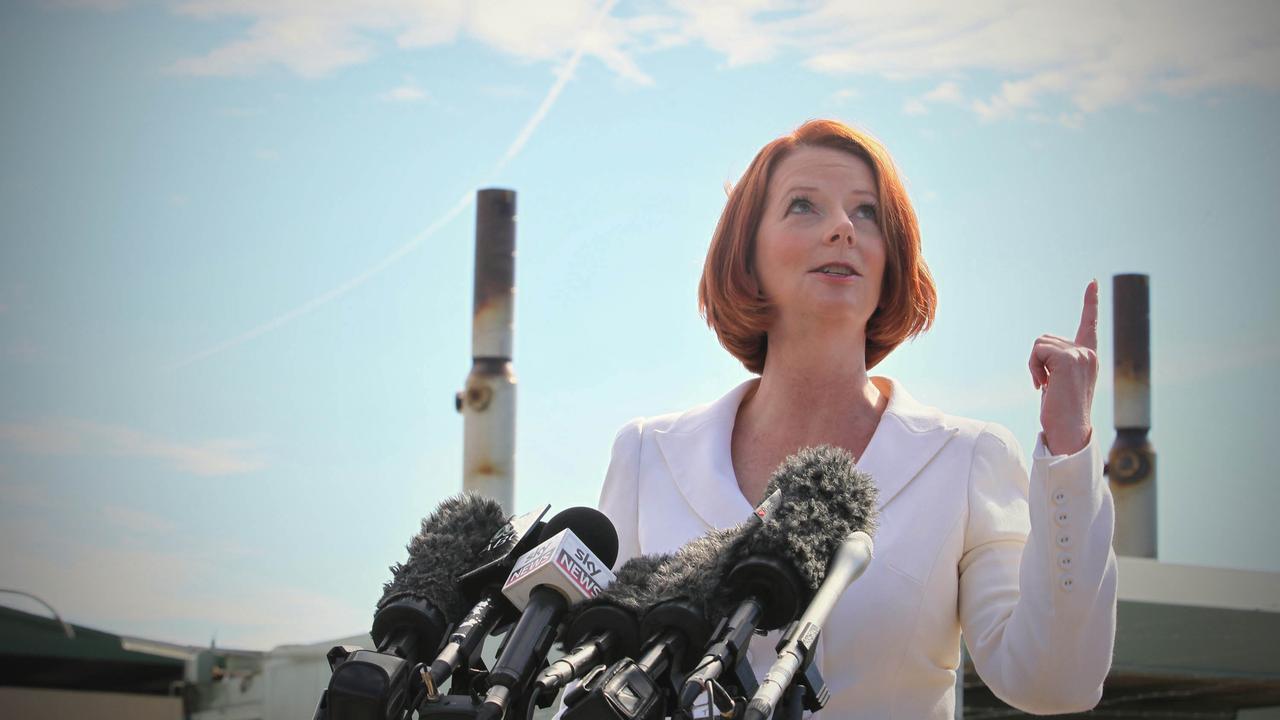
Sean Kelly, an adviser to Labor prime ministers Kevin Rudd and Ms Gillard, argues any broken promise can be powerful with voters as “it’s a betrayal (and) can have an emotional element”.
However, it’s hard to tell how each pivot will play.
“There is no single cut-through rule when it comes to broken promises. They all land in their own circumstances … and it’s very hard to take rules from the past,” he said.
In the case of Australia’s first female prime minister, Mr Kelly argues other factors were much more politically challenging.
“Julia Gillard had Kevin Rudd behind her, a wall of misogyny in front of her, and a minority government,” he said.
“Absent those things, I’m not sure that the carbon price broken promise looks quite the way it does.”
UK PM Starmer says British Steel to be nationalised
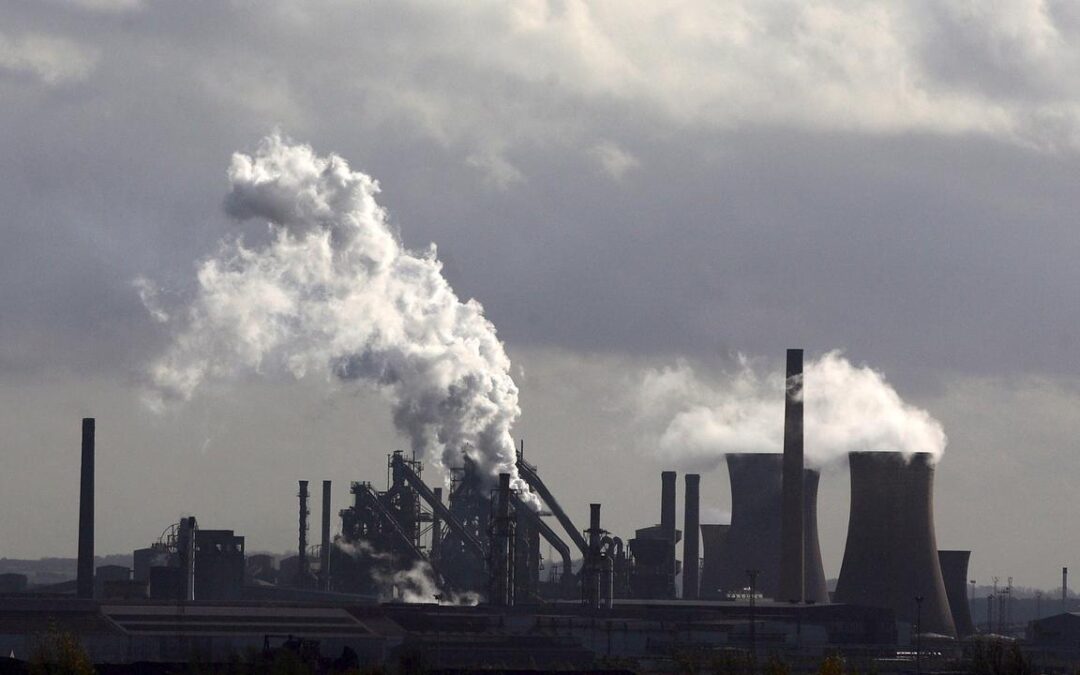
British Steel is set to return to public ownership as Prime Minister Keir Starmer announced new laws that he says will give the UK government “options” to protect the industry and workers.
New powers could be used to nationalise British Steel, 38 years since the firm was first sold off.
It comes a year after the government used emergency powers to take control of the firm and continue production at the site in Scunthorpe after its owner, Chinese firm Jingye, proposed to close the two blast furnaces.
It has since been in discussions with Jingye but said it could not agree a commercial sale, and that it did not think a deal could be reached that would deliver sufficient value to taxpayers.
The government said it believes introducing legislation to provide a route to public ownership was the right next step and will enable it to make decisions about the steelmaker’s future.
The legislation, which will be brought forward this week, will be subject to a public interest test, which considers factors including national security, maintaining critical national infrastructure and supporting the economy.
“Strong domestic steel production is vital for our economy, and this legislation would allow us to ensure stability for British Steel’s workers, suppliers and customers and avoid damaging disruption to crucial supply chains, while we consider options for the site’s future,” Starmer said.
“The government recognises that securing the long-term future of the UK’s steel sector relies on both public and private investment for modernisation.”
Steel union GMB welcomed the move to nationalise British Steel which it said will “protect it from foreign owners”.
The United Kingdom government’s intervention last year put the breaks on Jingye’s proposals and ended its redundancy consultations, which could have resulted in the loss of between 2000 and 2700 jobs.
Calls for options in budget to ease pressure on parents
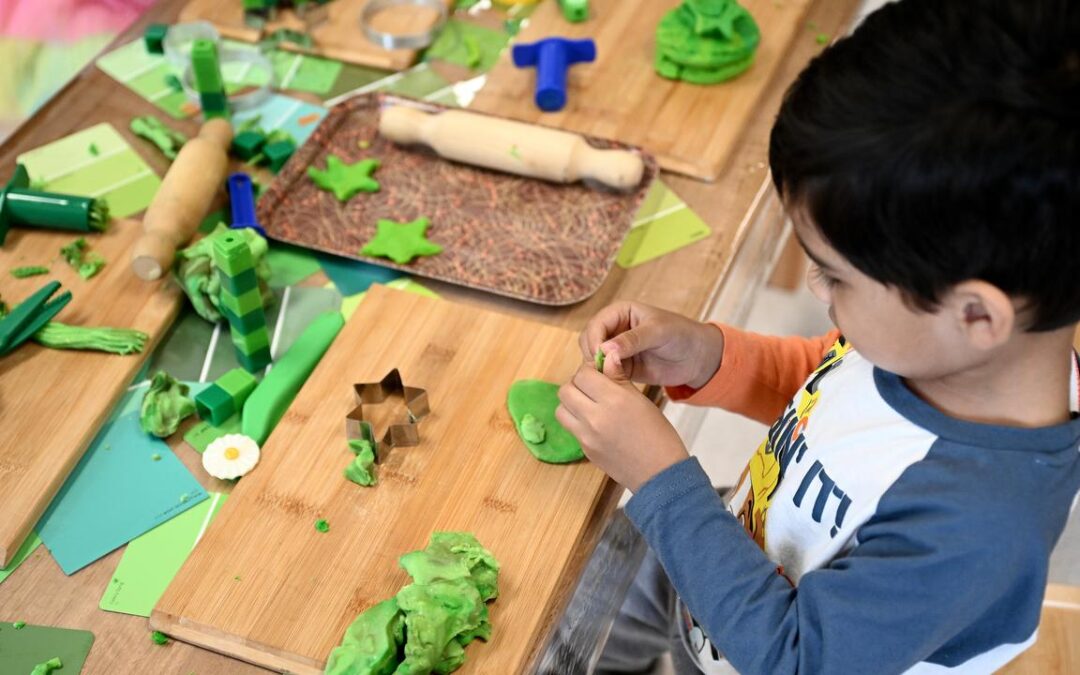
Parents are calling for more childcare options as the federal government signals a universal system is unlikely to be on the cards any time soon.
Treasurer Jim Chalmers will hand down his fifth federal budget on Tuesday night, and while tax reform is shaping up as a key talking point, people will also be looking out for the government’s plans on child care.
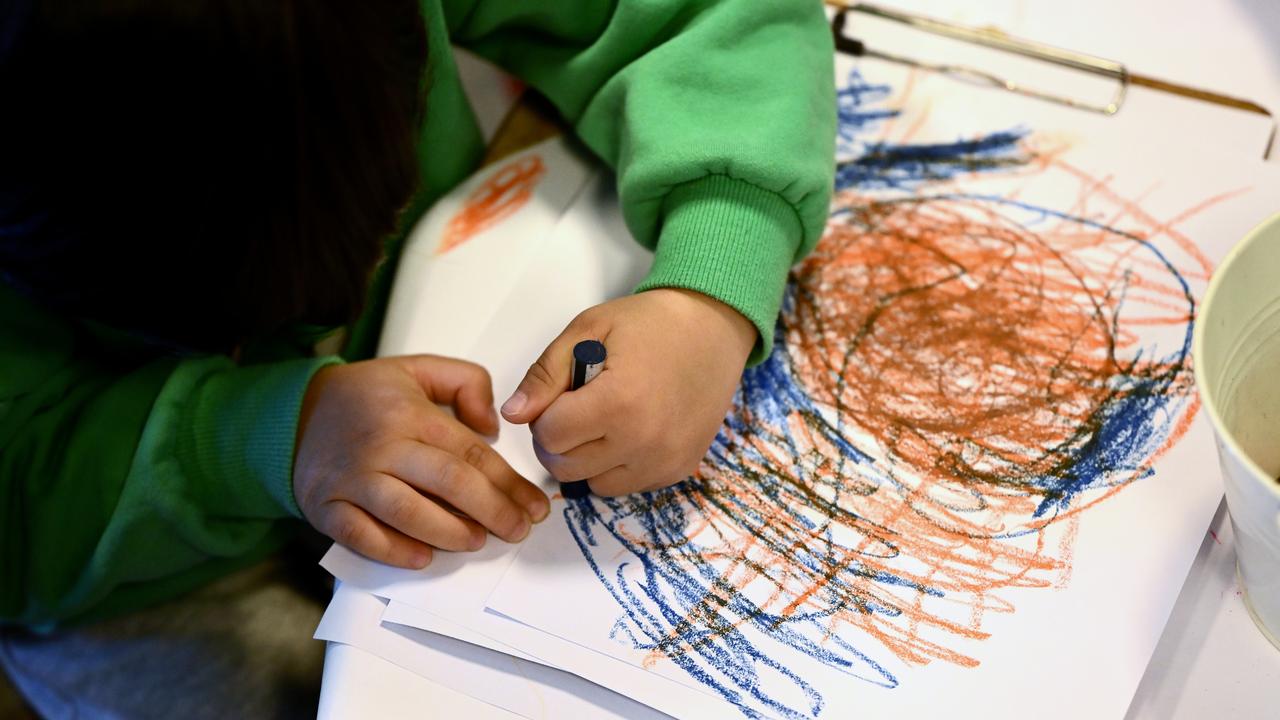
Parent and child advocacy group For Parents wants the existing childcare subsidy to be expanded to include alternatives to centre-based care.
A petition launched by the group in 2025 has gained more than 20,000 signatures from parents who want to see the subsidy expanded to care provided by grandparents, nannies, au pairs and co-working spaces that allow parents to keep their children close while they work.
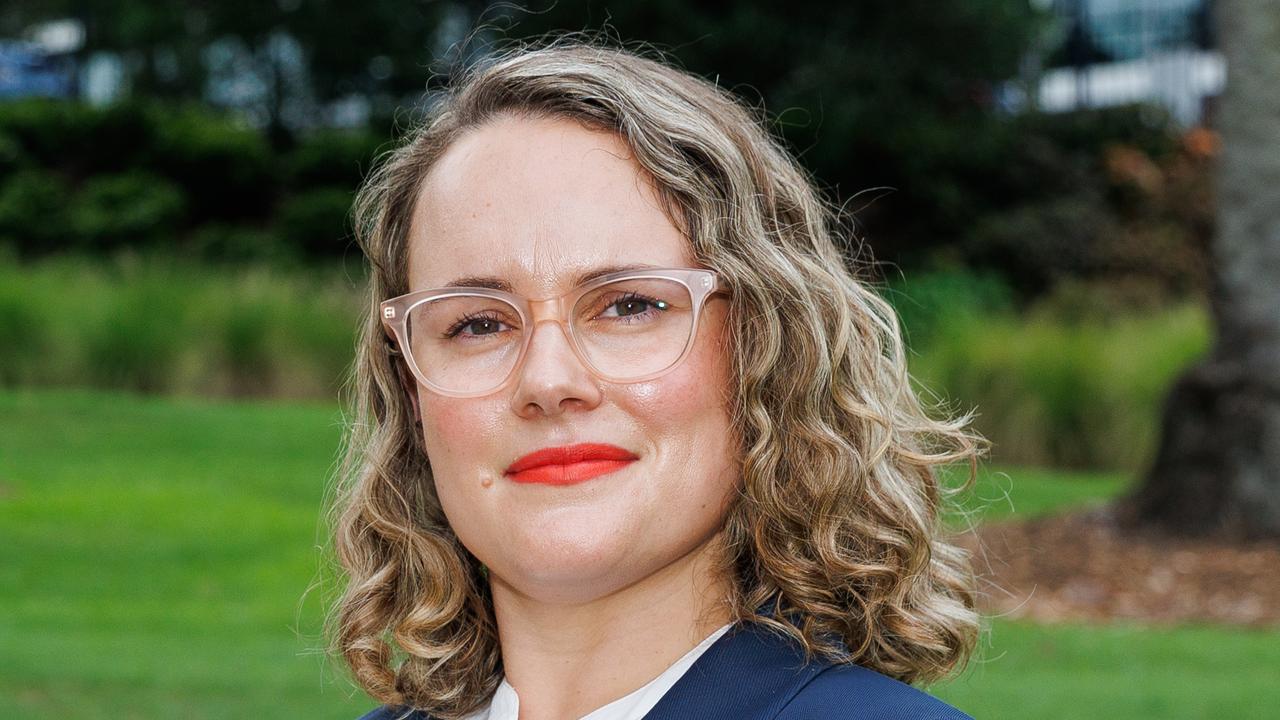
“This idea that for parents to work their child must be in an accredited childcare facility, we think a huge opportunity is being missed,” For Parents co-founder Cecilia Cobb told AAP.
“We’ve got kids going into a childcare model that parents don’t want them in, but it’s the only option.”
The coalition has indicated support for measures that provide flexibility to benefit families but are yet to formally adopt such a policy.
While Prime Minister Anthony Albanese has previously stated he wants universal childcare to be his legacy, Dr Chalmers has cautioned that model is not something that can be afforded in the budget right now.
The treasurer’s remarks were disappointing, Ms Cobb said.
“A 2022 election commitment that still can’t be delivered on and is brushed aside as being a fringe issue is not good enough,” she said.
“Child care is not a ‘nice to have’ luxury and most parents in the trenches with little kids would see it as a core enabler of them being able to work.
“It should therefore be viewed as a necessity in the budget.”
Advocacy organisation The Parenthood has called for the budget to expand paid parental leave entitlements to 52 weeks at a replacement wage rate, as well as further support to make workplaces family friendly.
With two in five families paying full fees beyond the current subsidy cap, the group says quality, affordable and accessible early childhood education must also be a budget priority.
“Families and educators are under pressure (and) this budget needed to show how that pressure would be eased, not ignored,” The Parenthood chief executive Georgie Dent said.
Treasurer to unveil $45b upgrade to budget bottom line
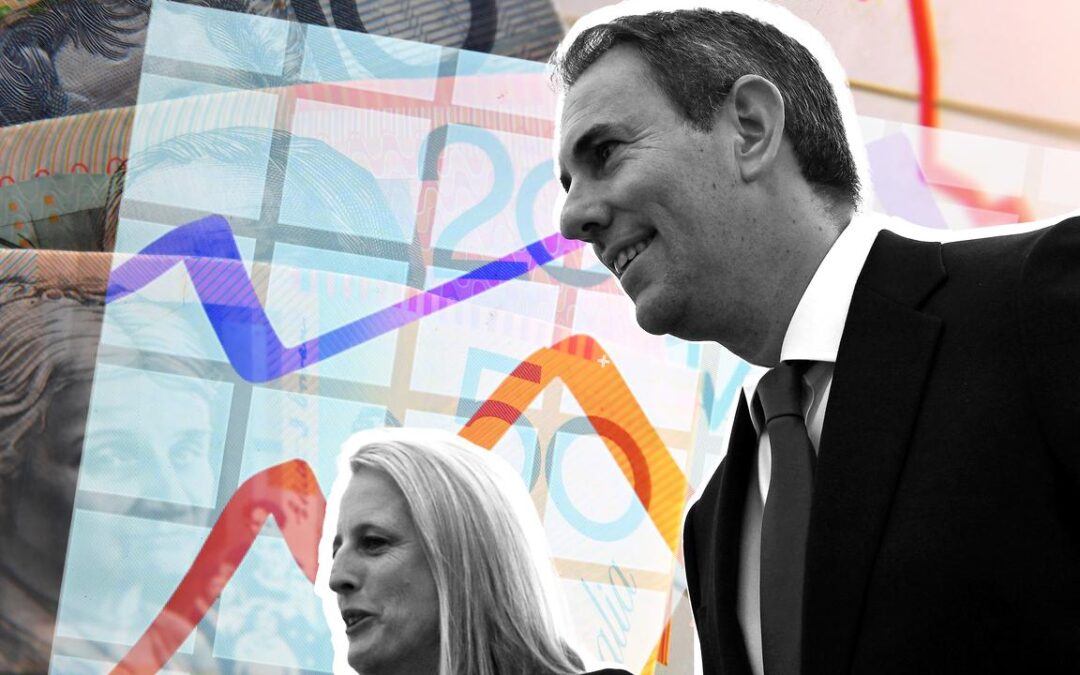
The federal bottom line is forecast to be $44.9 billion better off over coming years, Treasurer Jim Chalmers will reveal in what promises to be one of the most consequential budgets in decades.
Although Dr Chalmers has confirmed Tuesday’s fiscal blueprint will not show a return to surplus in any year in the four-year budget outlook, the forecast deficit will narrow in every year compared to December’s mid-year update.
The mid-year economic and fiscal outlook projected a cumulative deficit of about $143 billion from 2025/26 to 2028/29.
Economists had predicted a substantial improvement to the budget bottom line as a result of higher tax revenue, in part because of the Iran war.
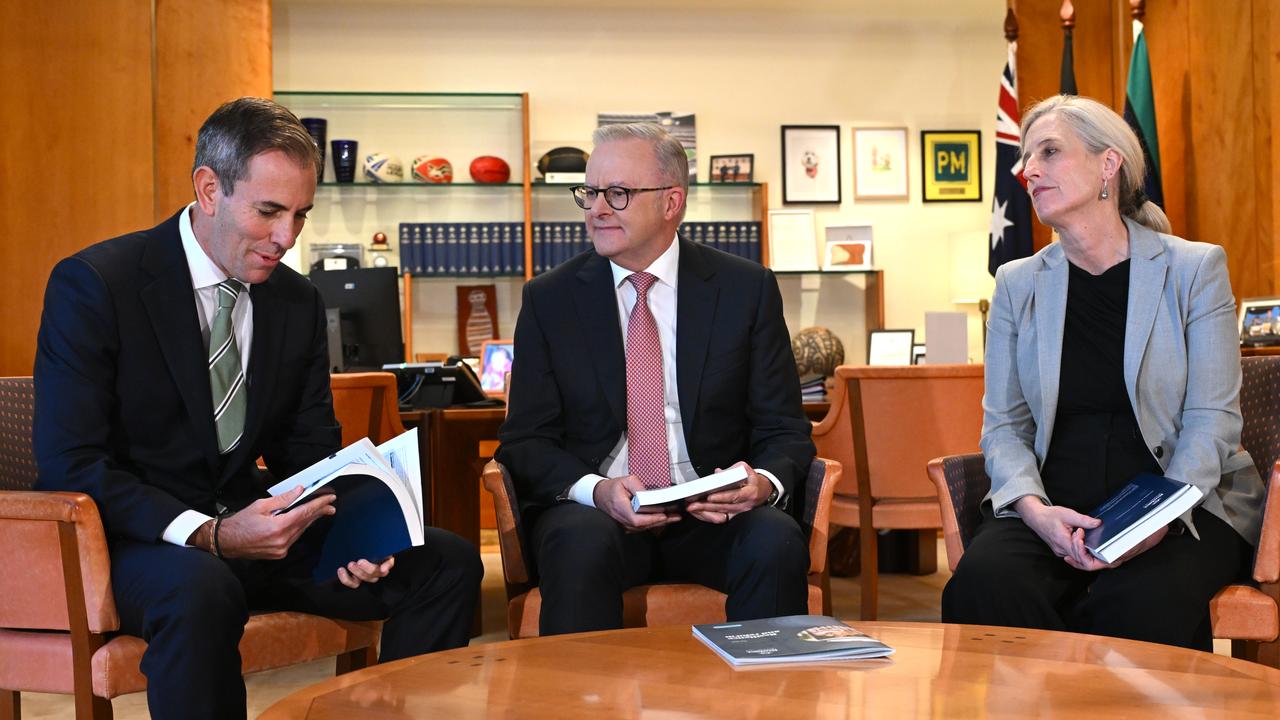
The improvement in the budget was the result of savings and spending restraint by the government, Dr Chalmers said.
“We’re getting the budget in better nick because that helps to fund the things that Australians need and deserve like Medicare, aged care and cost-of-living relief,” he said.
“Responsible economic management is a hallmark of this government and this is our most responsible budget yet.”
Labor has been keen to portray this budget as one of spending restraint, after warnings by economists and Reserve Bank governor Michele Bullock that splashing out would only fuel inflation and risk further rate hikes.
That risk has increased in the past week thanks to big spending increases in the Victorian and Western Australian budgets, said HSBC chief economist Paul Bloxham.
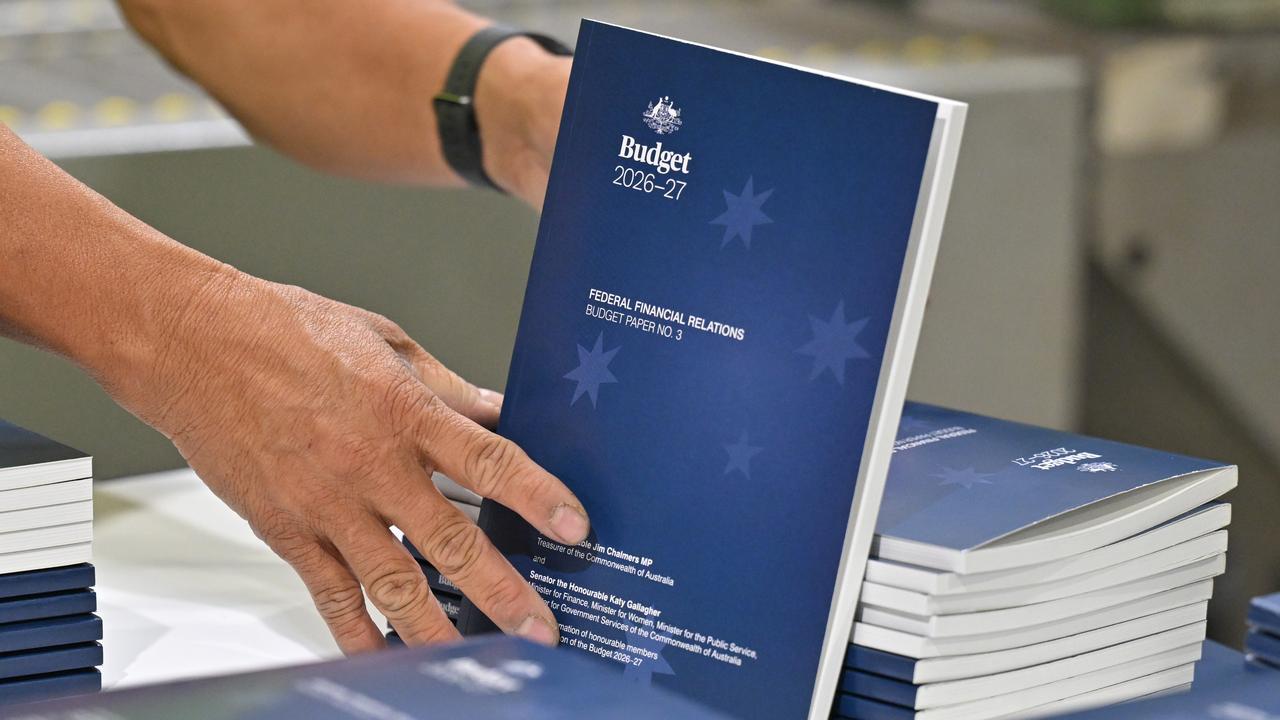
Some big-ticket spending measures have been announced, including on defence, hospital funding and rail infrastructure, but these will also be partly offset by tax increases on property investors and people with trusts.
Media reports suggest a one-off tax handout to wage and salary earners of $200 to $300 will only kick in in 2027, so as not to stoke inflation in the near term.
Finance Minister Katy Gallagher has found $63.8 billion in gross savings in the budget, but it remains to be seen how much of that will be banked to narrow the deficit and how much will be merely shifted to other spending areas.
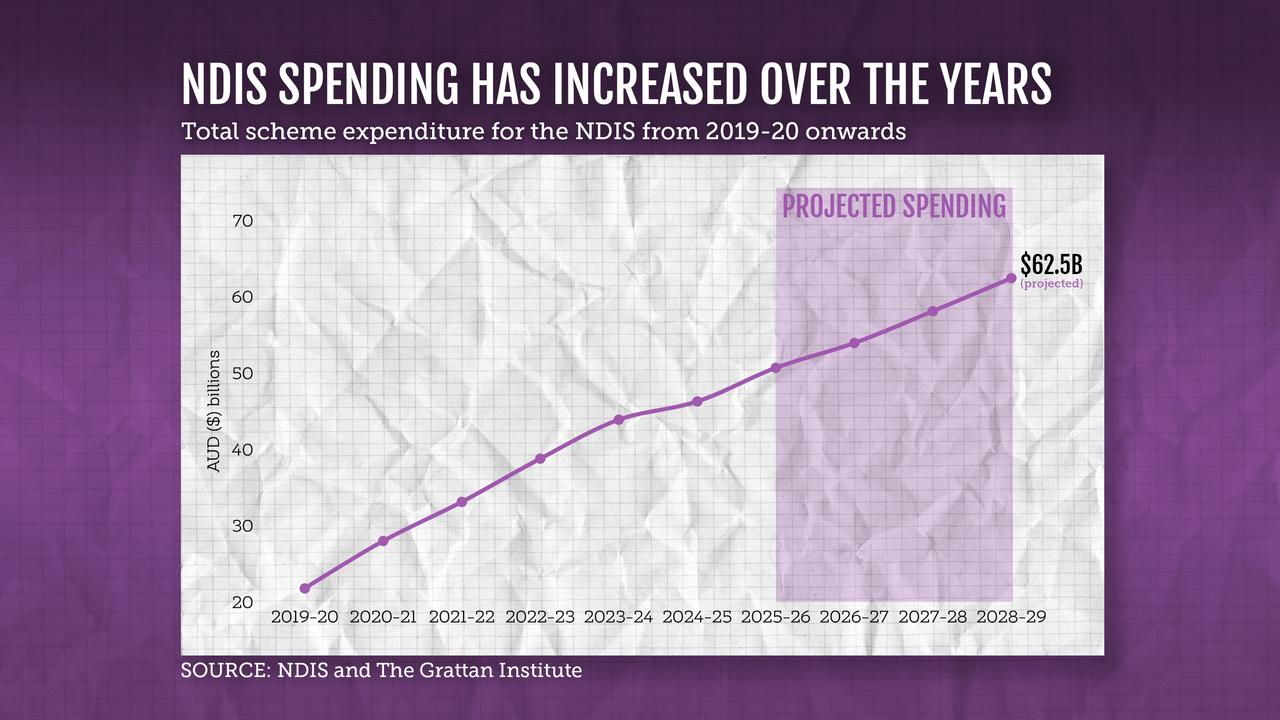
The centrepiece of the savings package will be a forecast $35 billion reduction in the cost of the runaway National Disability Insurance Scheme.
Growth in government payments when adjusted for inflation is forecast to average 1.5 per cent for the eight years to 2029/20, which is the lowest rolling eight-year average in almost three and a half decades.
“We’ve made responsible decisions to improve the budget position while continuing to invest in the services Australians rely on,” Senator Gallagher said.
The budget will show the sum of the policy decisions taken by the government improved the budget for the second time since Labor took power in 2022, after a $2.2 billion improvement in December.
However, that was only due to some creative accounting around the government’s home battery scheme.
The forecast cost of the scheme ballooned from $2.3 billion to $11.6 billion, which was counted as a parameter variation, but changes to the scheme to rein in its largesse were counted as government policy, making a $4.9 billion blowout look like a $6.7 billion saving.
Budget watchers will keep a keen eye out for similar accounting sleights of hand.
Nationals MPs defiant in face of One Nation threat
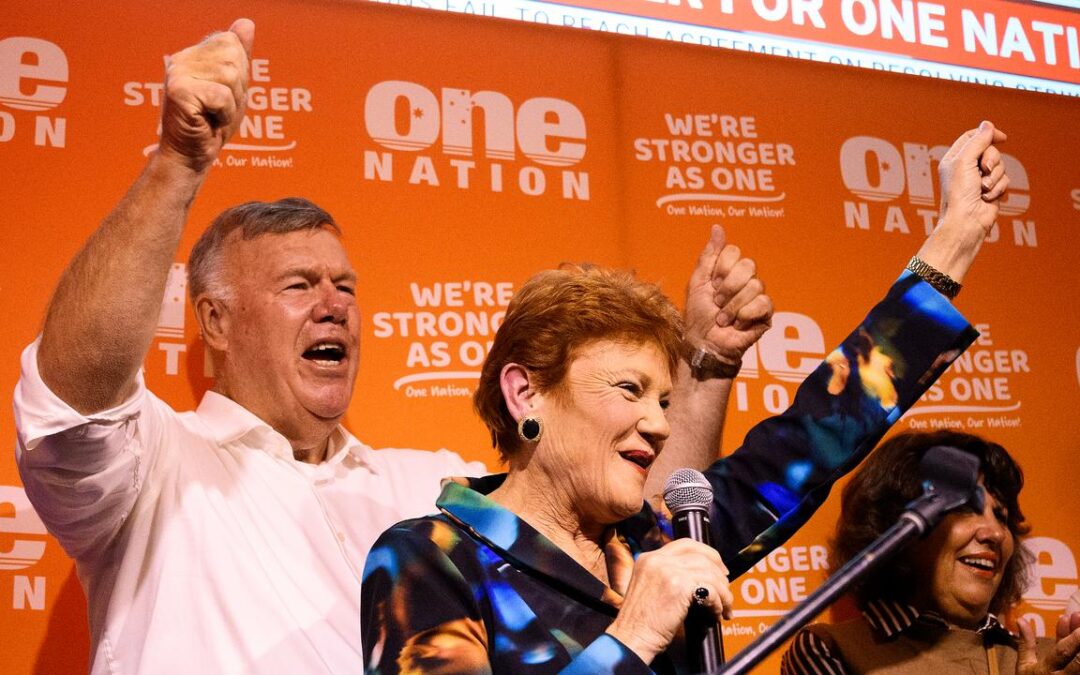
Some Nationals MPs fear their seats may be at risk from an ascendant One Nation after the populist party’s thumping win in the Farrer by-election.
Pauline Hanson’s newest MP won’t take his place in parliament for another few weeks while the Australian Electoral Commission finalises the count in the southern NSW seat, but the ramifications of David Farley’s victory are already being felt in the coalition.
Nationals MP Michael McCormack, whose electorate of Riverina neighbours Farrer, conceded One Nation could pose a threat to him at the next election.
“I’d be silly to say I’m just turning a blind eye to what happened on the weekend,” he told AAP.
“That’s not me anyway, I’ve always treated the seat as though it’s a marginal seat.”
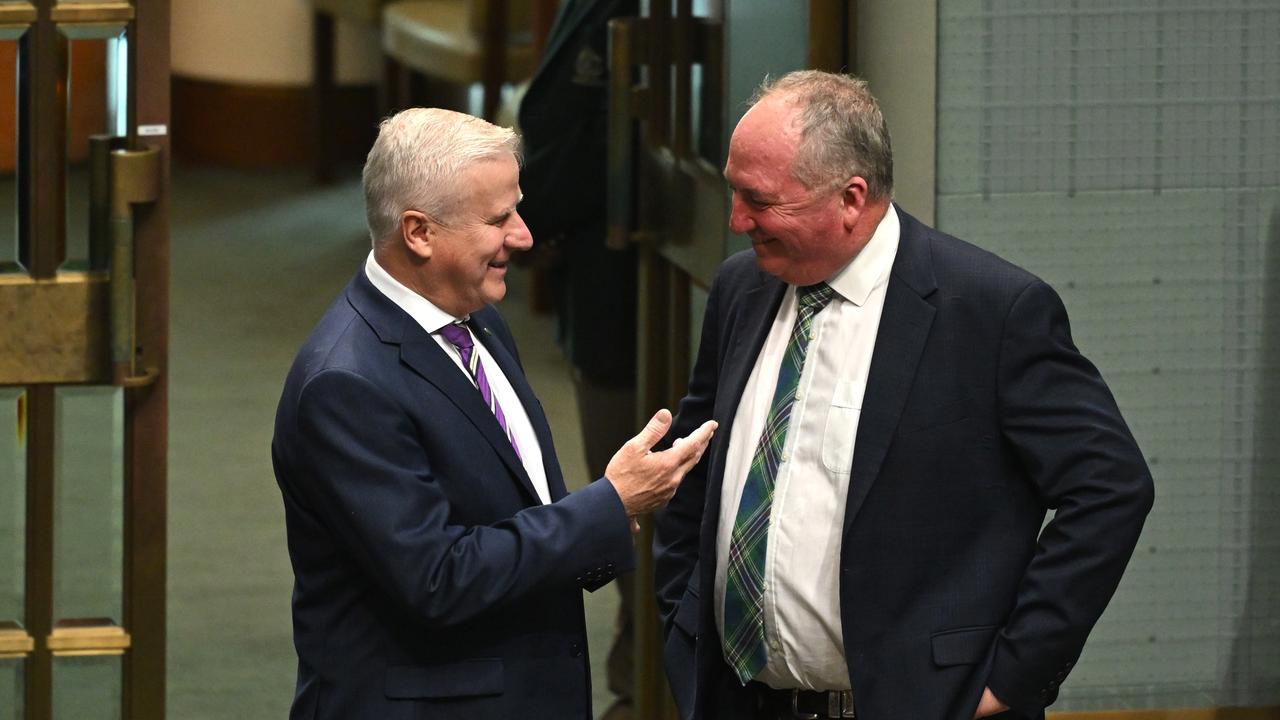
Pointing to his record as a long-serving local member, the former deputy prime minister said his days often start at 5.30am and continue well into the night.
“If you’re going to win – and continue to win – these elections, you’ve got to be prepared to just drive yourself into the ground. You’ve got to show up. And dare I say, not everybody is willing to do that,” Mr McCormack said.
He took a swipe at former opposition leader Sussan Ley, who held the seat for 25 years until her retirement from politics after being ousted by her colleagues in February.
“There are a lot of people who claimed they hadn’t seen their local member for a while,” he said.
“I know Sussan was very busy being the Liberal party leader. I know being a party leader takes a lot of your time up.”
After initially refusing to rule out joining One Nation, fellow National Colin Boyce on Monday said he was sticking with the regional party.
The Queensland MP, whose electorate includes Gladstone and some towns surrounding Rockhampton, said he was “obviously” concerned about the rise of One Nation and warned the party would find even less resistance in his area than it did in in Farrer.
“I’m absolutely sure it’s alive, it’s real,” Mr Boyce said.
One Nation is also talking up its chances in outer suburban seats like Lindsay and McMahon in Sydney’s west, but some analysts argue a higher number of multicultural voters could make it harder for the anti-immigration party to make inroads there.
One Nation MP Barnaby Joyce dismissed those claims, saying the cost of living and a lack of housing affected all Australians.
“Just because you might have more olive complexion doesn’t mean you live in a different nation,” he told Sky News on Monday.
“There is a huge opportunity.”
One Nation’s surge – if replicated nationally – will likely draw parallels to the boost in support for Nigel Farage’s Reform UK party, which had more than 1400 candidates elected in England’s recent council elections.
Senator Hanson’s chief of staff James Ashby revealed Mr Farage had reached out to congratulate One Nation on its by-election win.
“Nigel reached out to Pauline after the weekend, congratulated her, so that was very nice of him,” he told Sky News.
“There’s clearly some similarities.”