
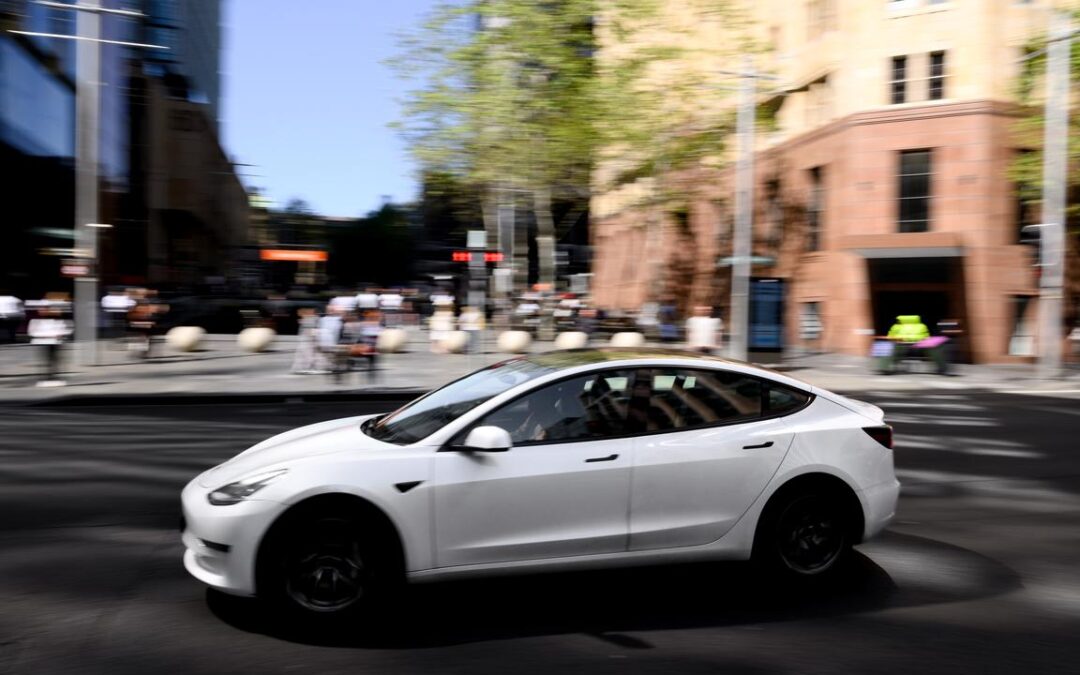
Electric car owners dodge road charge but pay more tax
Australia’s electric car drivers may escape a road-user charge for another year but will pay more tax under measures revealed in the federal budget.
The changes are part of several reforms to support low-emission vehicles in the budget, including an extension of its electric car repair scheme, a funding boost for Australia Post’s electric fleet, and charging stations in regional areas.
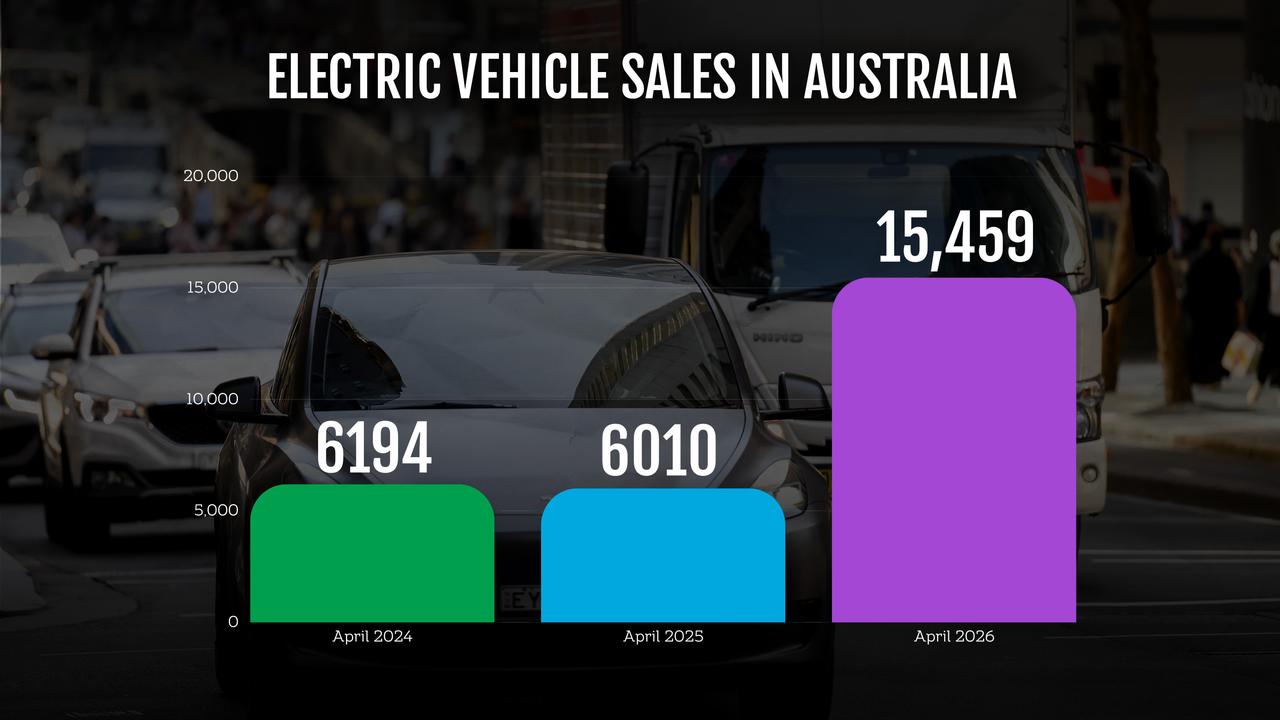
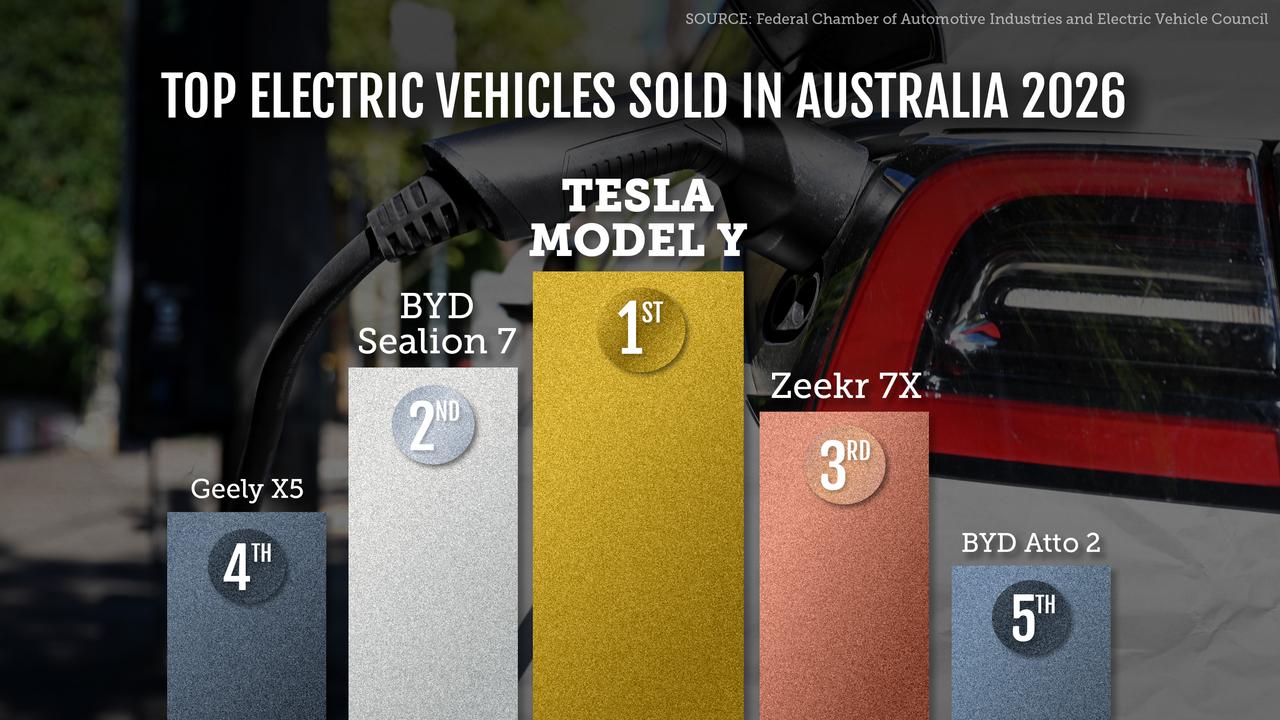
The announcements come after record-breaking sales for electric vehicles in March and April, fuelled by petrol price shortages and price rises.
The government confirmed changes to its electric car discount in the budget papers, revealing it would collect another $1.95 billion in fringe benefits tax from motorists over the next four years.
The full tax discount will apply only to electric cars worth $75,000 and less from April 2027, purchased under novated leases, and will become a 25 per cent fringe benefits tax cut for all electric vehicles under the luxury car tax threshold from April 2029.
Making the discount a permanent budget measure would boost electric car adoption, Treasurer Jim Chalmers said, while ensuring the scheme did not blow out.
“We’ll put in place more sustainable long-term settings to support the take up of electric vehicles,” he said.
Motorists bought 330,000 electric cars under the discount its first three years of operation, according to a review, including 78,000 low-emission vehicles that would not have otherwise been purchased.
A road-user charge for electric vehicle drivers, as recommended by the Economic Reform Roundtable, has been put on hold while the federal government develops a policy with state and territory governments.
A similar annual road charge introduced for electric and hybrid vehicle drivers in Victoria was overruled by the High Court in 2023, and another is proposed for NSW motorists in 2027.
Other commitments for electric vehicles include a year-long extension to an initiative supporting the sale and servicing of the cars at dealerships and repairers and an additional $40.5 million to electrify Australia Post’s fleet of delivery vehicles.
A further $40 million will also be spent on electric vehicle charging stations in regional black spots and for kerbside charging.
Pacific nations secure more funding for climate and aid
Australia will provide more support to Pacific nations including funding for upcoming climate change summits and tax exemptions for some rugby league players.
Tuesday’s federal budget contained more than $335 million of assistance across the Pacific.
The bulk of the funding will go towards development assistance measures for Nauru, with $167.3 million over the next four years and about $50 million per year after that.
The funding will kick in from 2027, when an existing aid program expires.
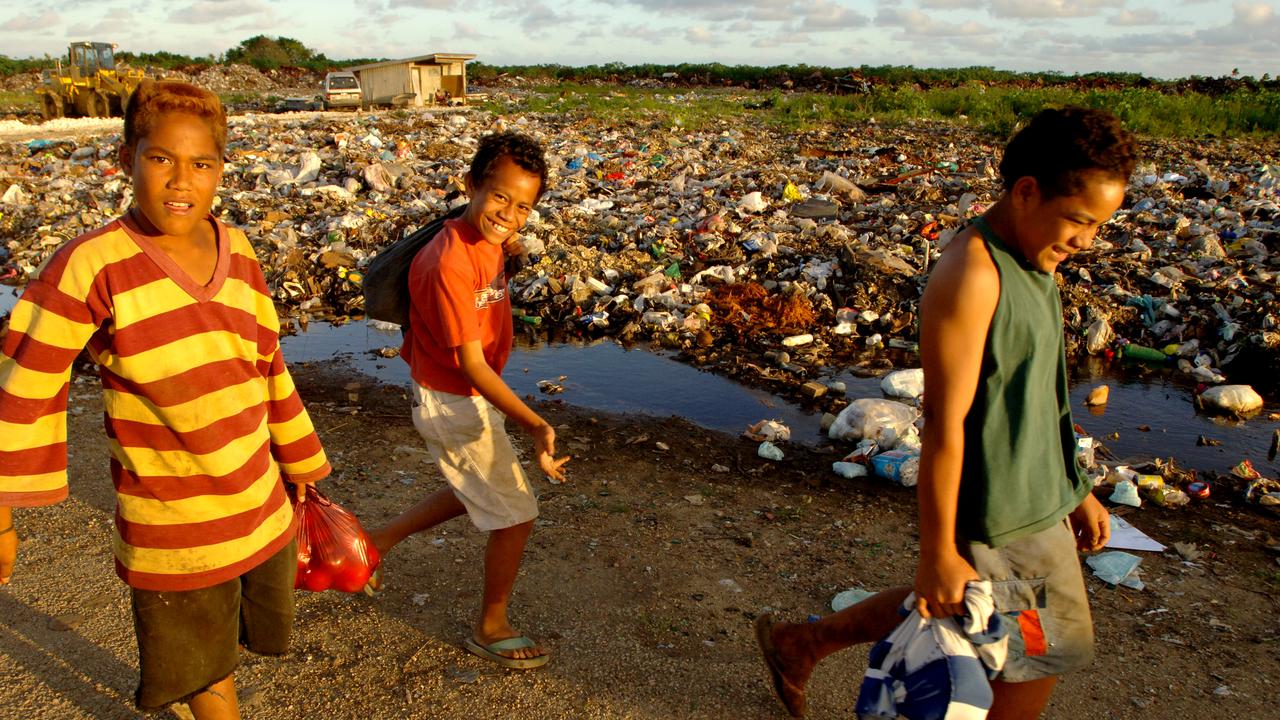
The Pacific will also get $147 million to help host events as part of the UN’s annual climate summit.
Pacific nations will help host conferences in the lead-up to the summit, including a leaders’ event.
After Australia and the Pacific made a joint bid to host the UN summit, a diplomatic compromise saw hosting rights fall to Turkey, but Pacific countries are hosting events ahead of the main gathering.
Security across the region will also be bolstered, with $5.5 million to guard against money laundering, crime and the financing of terrorism.
An extra $550 million over the next decade will be set aside for infrastructure resilient to climate change throughout the Pacific and East Timor.
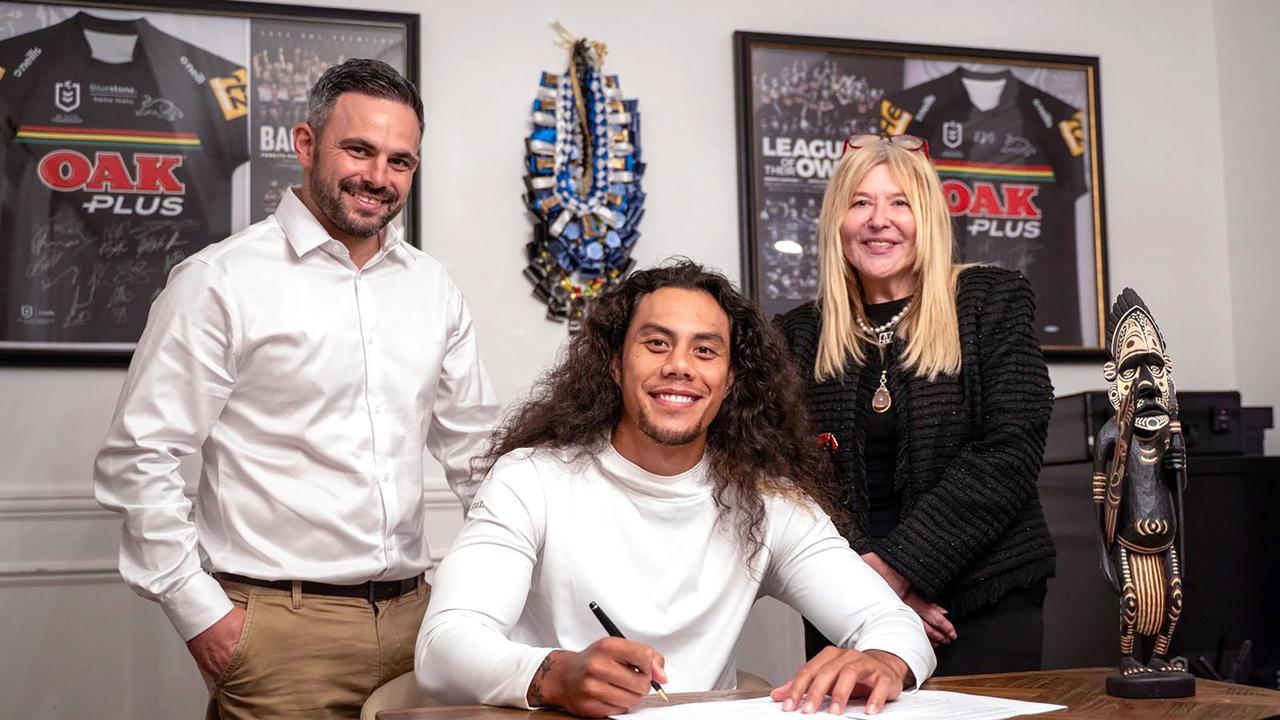
Rugby league diplomacy is also central to the Pacific budget, with players signing on to the PNG Chiefs team in the NRL, as well as club staff, given an exemption from paying tax.
The sweetener will deliver a $5.4 million hit to tax revenue over the next four years.
The ABC will also receive funding to build media distribution and engagement in the Pacific, with $14.1 million set aside.
Aid outside of the Pacific has also been included in the budget, with continued support for Ukraine.
A duty exemption for Ukraine will also be extended by two years to 2028.
All goods from Ukraine will be duty-free entering Australia, except for products such as alcohol, fuel and tobacco.
Small businesses win as popular supports made permanent
Millions of businesses feeling the economic pain of the Middle East crisis will get some of their tax back along with extra money to buy equipment to help them weather the storm.
The two permanent changes were confirmed in the federal budget on Tuesday night by Treasurer Jim Chalmers as part of a broader $3.5 billion business tax relief package.
Those set to benefit include 2.7 million small businesses, who will be able to access both measures, and almost another 90,000 companies in line for tax refunds.
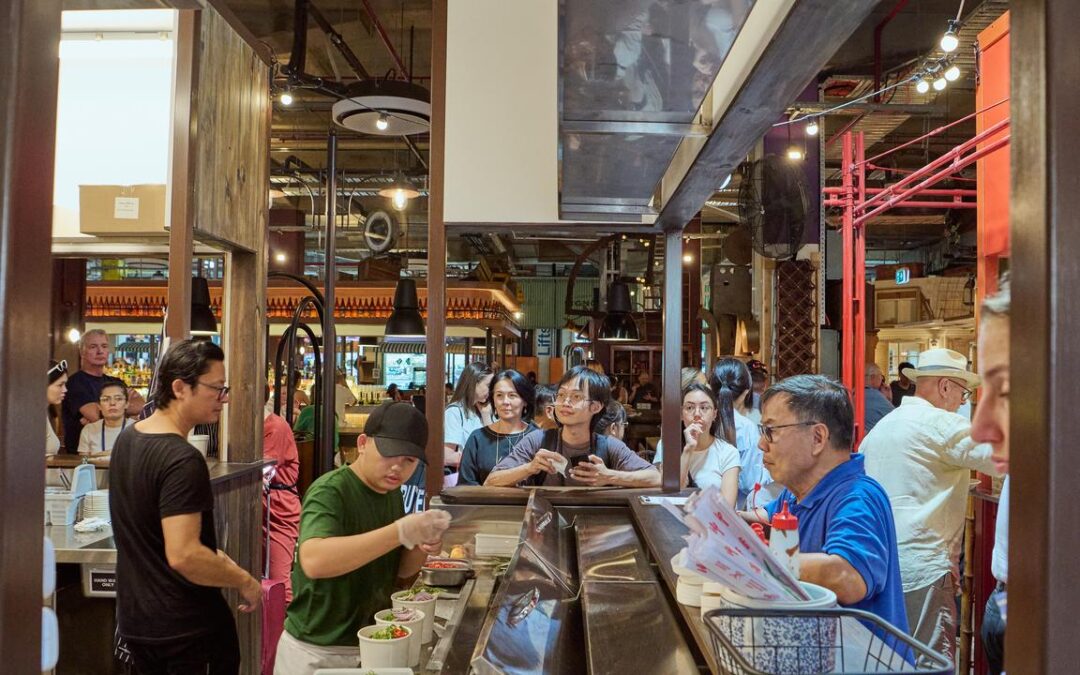
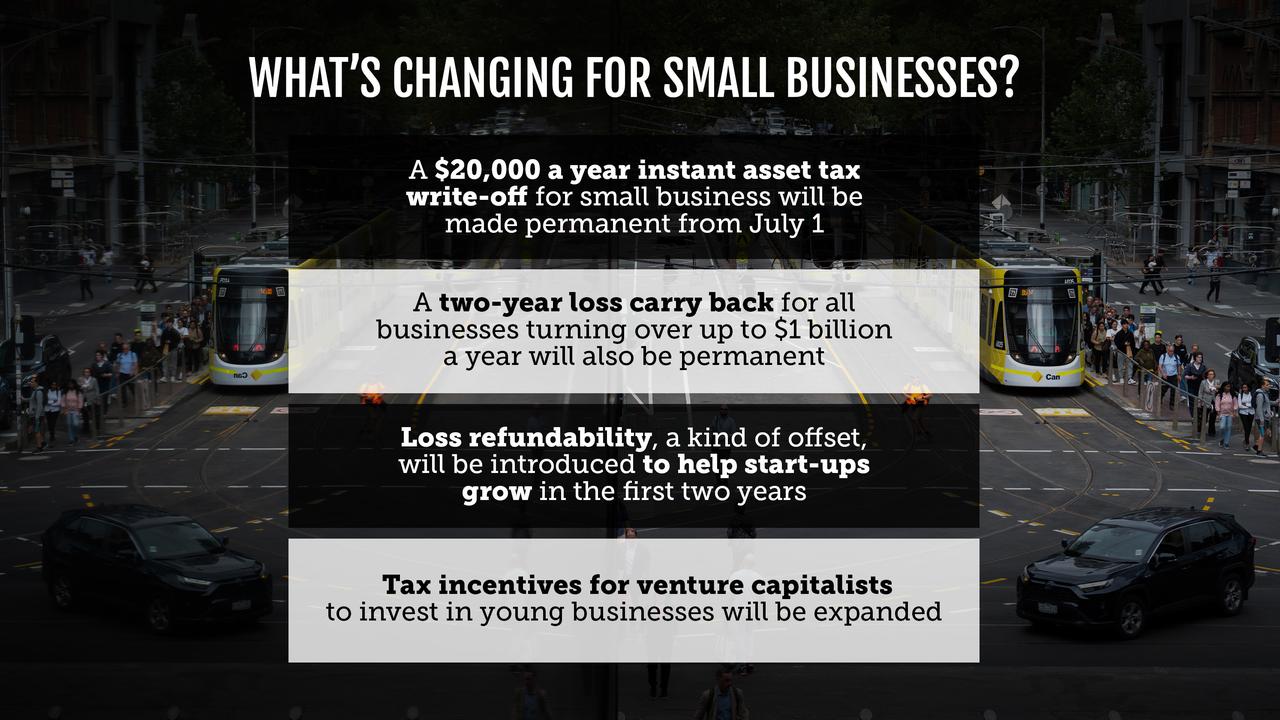
Small business owners turning over less than $10 million will be able to get the $20,000 a year instant asset tax write-off permanently from July 1.
The scheme already allows them to buy equipment, furniture or vehicles, and is expected to slash compliance costs such as record keeping by about $32 million a year.
The second measure is the reintroduction of a two-year loss carry back for all businesses – including small businesses – turning over up to $1 billion a year.
The carry back allows a business to offset earnings losses against the past two years’ profits, giving them a tax refund.
The measure is expected to cost $2.3 billion over five years and will become permanent from July 1.
“It will be particularly valuable for established businesses that have been profitable in recent years but experience a temporary downturn,” the budget papers said.
The government is also introducing loss refundability to help start-ups grow in their first two years from mid-2028, while expanding tax incentives for venture capitalists to back young businesses from mid-2027.
And the maximum cap on expenses that can be claimed back under the research and development tax incentive will rise to $200 million, to encourage more onshore investment.
“We’re building a better tax system for businesses, with over $3.5 billion in new measures that lower taxes, to encourage investment and innovation,” Dr Chalmers said.
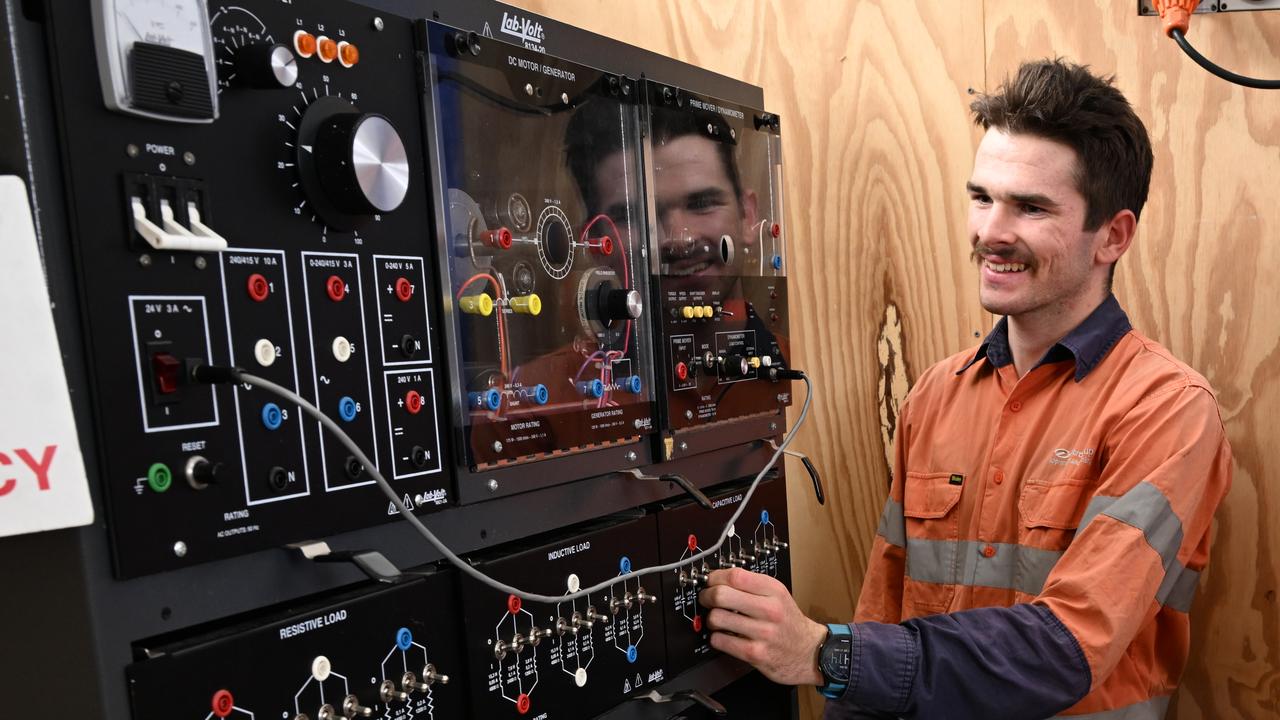
The budget continues to target red tape and boosting productivity, with a goal of reducing the regulatory burden by $10.2 billion a year under a raft of measures across various portfolios.
These include, as previously announced, working with the states and territories to harmonise payroll tax, cutting paperwork, promoting electronic record keeping, and harmonising state retail tenancy arrangements and other laws to promote cross jurisdiction business enterprise.
“This is the broadest productivity push in a budget since the 1990s,” Dr Chalmers said.
Sharp slowdown looms if war lingers, budget papers warn
Lingering conflict in the Middle East could cause Australia’s economy to briefly contract and unemployment to spike to pre-pandemic levels, Treasury warns in the nation’s fiscal blueprint.
While Treasurer Jim Chalmers said Australia was well placed to weather headwinds blowing in from the Strait of Hormuz as he released his fifth budget on Tuesday night, he acknowledged households and business could be hit hard by a prolonged war.
Under a severe downside scenario prepared by Treasury boffins for the budget, oil prices were assumed to rise from about $US104 a barrel to as high as $US200 a barrel, with corresponding price increases for other commodities like fertiliser.
In that scenario, Australia’s economy would only narrowly avoid a recession – which is two consecutive quarters of negative growth – but still shrink in the September quarter.
Annual GDP growth would fall from 2.6 per cent currently to 1.25 per cent in 2026/27, 0.5 per cent lower than forecast in Treasury’s base case.
Yearly inflation would peak at around 7.25 per cent in December and unemployment would hit five per cent in 2027/28.
“Price pressures stemming from the conflict are expected to broaden in the coming months, as price increases for petroleum-dependent products are passed through supply chains,” the budget warned.
That would have significant consequences for households and businesses already reeling from three straight Reserve Bank rate hikes.
Higher cost pressures will squeeze business margins and threaten viability, the budget warned.
Dr Chalmers said Australia was better placed and better prepared than most countries to deal with the global crisis.
“As Australians, we confront these serious challenges together from a position of strength,” he said in a speech in Parliament House.
Economists warned that a budget spending splash could further exacerbate inflation, already at 4.6 per cent, by adding to the demand at a time when the economy is already supply-constrained.
Dr Chalmers touted his government’s efforts to drive down real spending growth, which is now forecast to fall from 4.3 per cent in the current financial year to 1.3 per cent in 2026/27 and 0.7 per cent in 2027/28.
”We are playing a helpful rather than a harmful role in the fight against inflation,” he told reporters.
Still, the fall in real spending growth is largely due to a surge in inflation.
Payments as a percentage of GDP are set to rise to 26.8 per cent in 2026/27, which is the highest ratio since 1987, excluding the COVID-19 pandemic.
At the centre of the savings package are sweeping cuts to the runaway National Disability Insurance Scheme, which will save $37.8 billion over the five years from 2025/26, with program spending falling from $56.1 billion in 2026/27 to $55.1 billion the following year.
Despite the underlying budget deficit improving by $8.5 billion since the December mid-year update to $28.3 billion in 2025/26, the fiscal bottom line is projected to remain in the red until 2034/35.
This is a year earlier than the previous budget forecast, largely as a result of the NDIS reforms.
But aged care, defence and hospital payments to the states are expected to grow faster over the medium term than they were projected to in December.
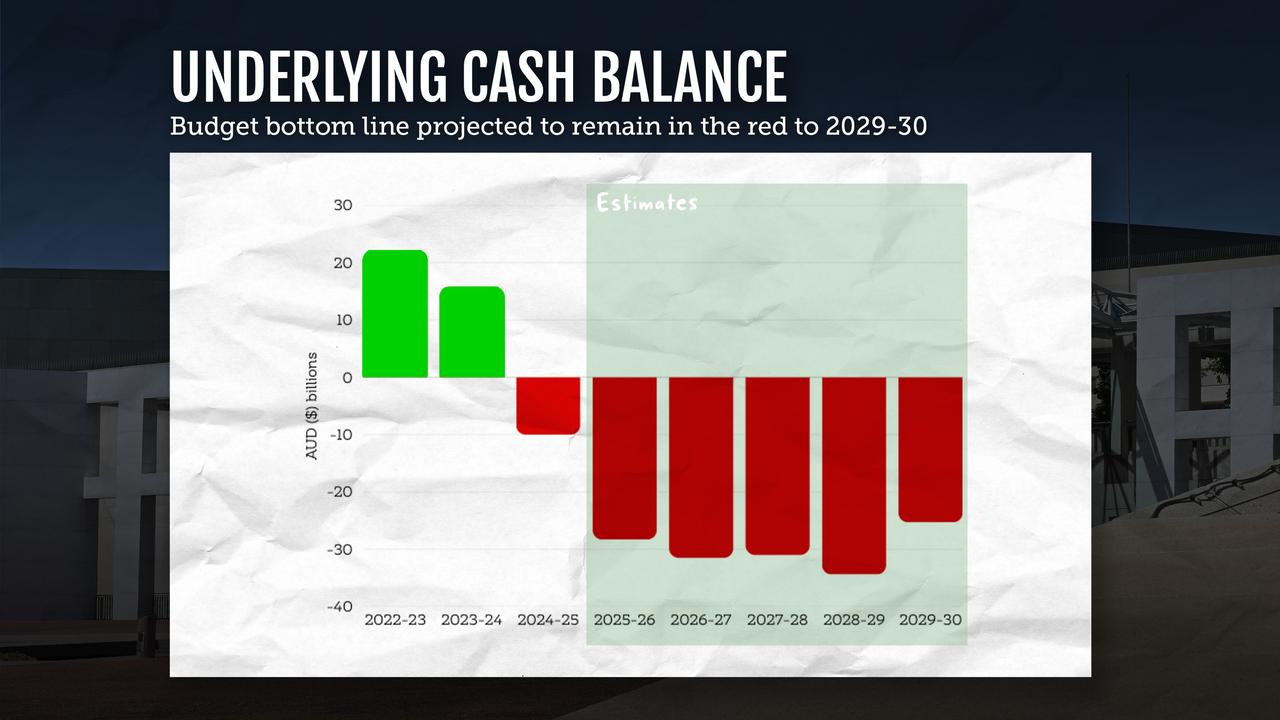
However, “off-budget” spending continued to increase, with the headline deficit climbing from $47.9 billion this financial year to $64.1 billion in 2026/27.
The government’s net policy decisions since December improved the cumulative bottom line by $8.2 billion, but most of the improvement is projected to happen in 2029/30.
Government decisions, including $2.55 billion for fuel excise cuts, are estimated to make the deficit $5.3 billion worse off in 2025/26 and $6.5 billion worse off in 2026/27.
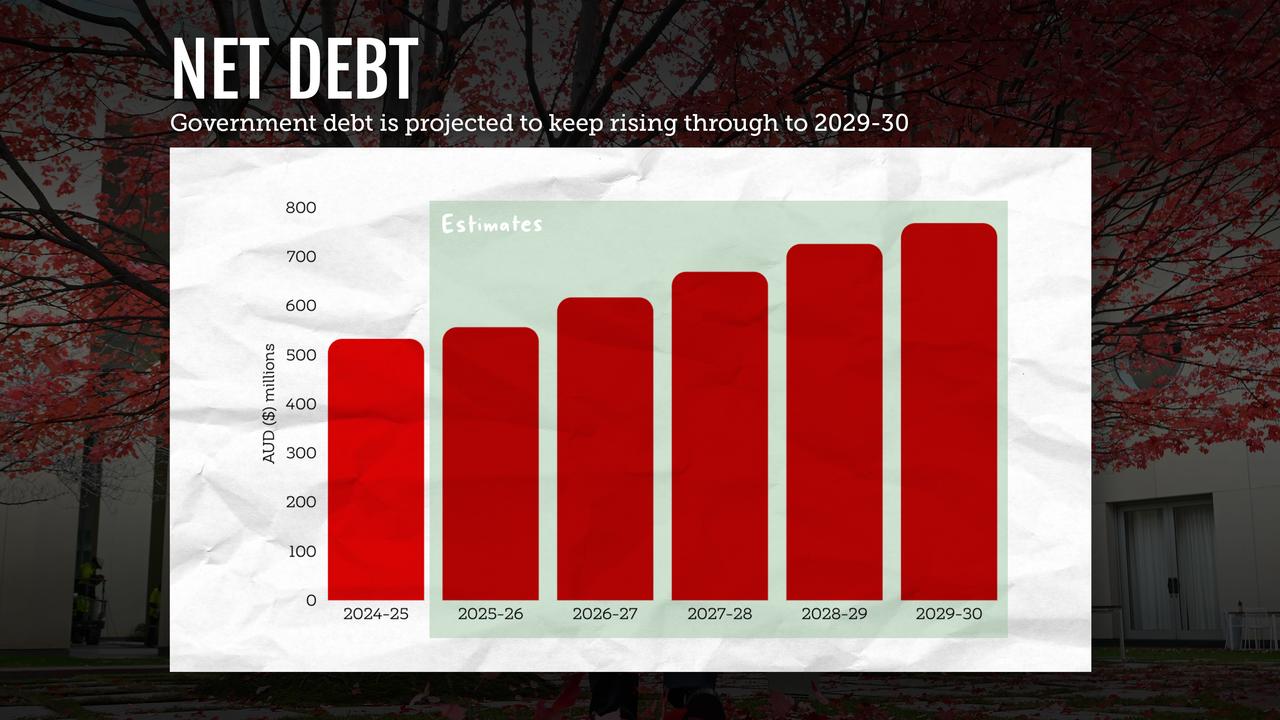
Gross debt is expected to finally exceed $1 trillion in 2026-27, while net debt is expected to hit $616 billion, or just under one fifth of GDP.
Tax relief for workers and pain for investors in budget
All workers will get a $250 tax cut from as part of the federal budget, funded by a raid on investment properties, trusts and other investments.
In a budget framed around inequity between older and younger Australians, the war in the Middle East and the nation’s lagging productivity, the government has outlined plans to overhaul the tax system and flagged the potential for extra tax cuts in coming years.
“This will help rebalance a system which is more generous to assets than it is to labour, and help rebalance a system where house prices have decoupled from incomes,” Treasurer Jim Chalmers told parliament on Tuesday night.
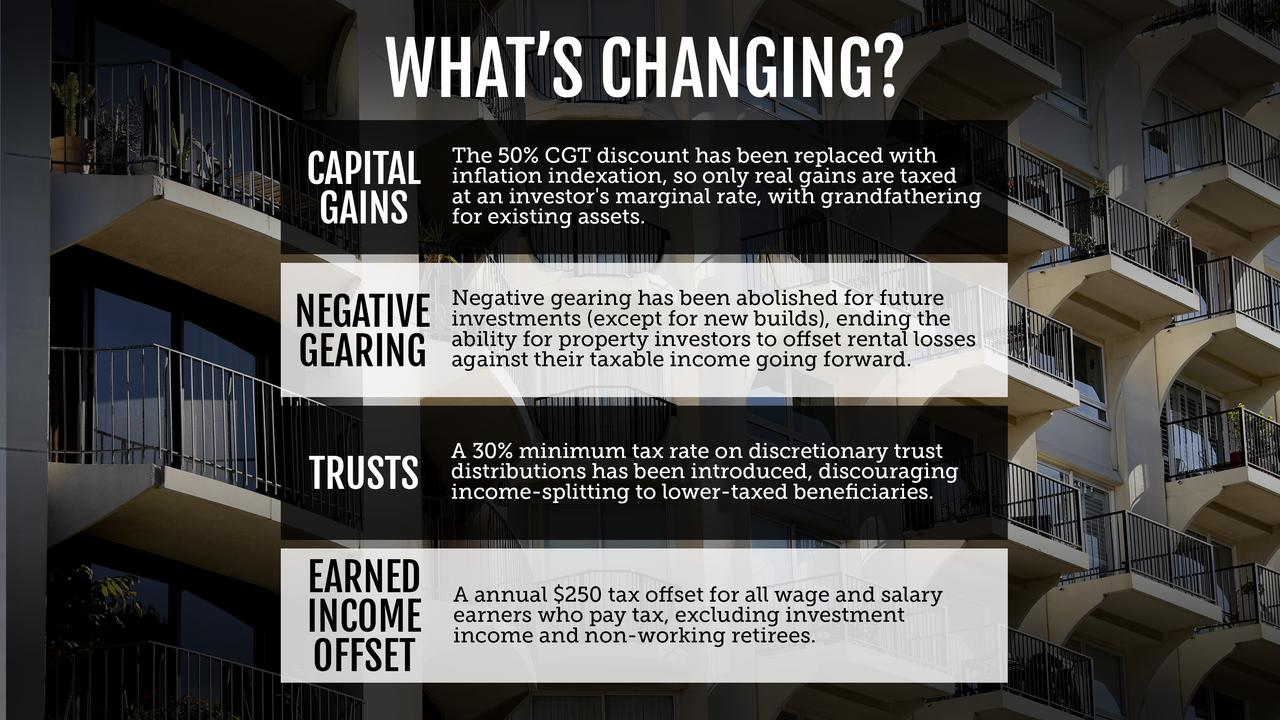
The more than 13 million Australians who earn a wage will automatically get a $250 bonus payment in every tax return from July 2027, on top of existing reductions announced in previous budgets.
The measure is being funded through a paring-back of tax concessions for property investors, which Labor says will help about 75,000 Australians enter home ownership.
This is despite Prime Minister Anthony Albanese promising during the 2025 election campaign not to touch the concessions.
While house prices have risen more than 400 per cent since 1999, average incomes have increased at less than half that rate, Dr Chalmers said.
The treasurer also flagged more potential tax cuts down the line as a result of the government’s savings.
According to the budget papers, Australia will be in a deficit of $28.3 billion this financial year, an improvement of about $8.5 billion from previous forecasts.
While future deficits are predicted to be smaller than previously expected, the nation’s finances aren’t expected to return to surplus until 2035.
“The medium-term budget position is much stronger and more sustainable as a consequence, creating more room for future tax relief,” Dr Chalmers said.
Under a clamp-down on wealthy investors, negative gearing – where a landlord can deduct losses on a rental property against their wages at tax time – will be limited to newly built homes from July 2027.
Homes bought before the announcement will be exempt from the changes until they’re sold.
The current 50 per cent discount on capital gains tax will also be overhauled, with the measure on existing properties to be linked to the current rate of inflation from July 2027, and a minimum tax rate of 30 per cent to be imposed.
So the changes don’t impact Australia’s housing pipeline, investors in new builds will be able to choose between the old and new tax schemes.
Gains on properties built before 1985 – which have previously been exempt from CGT – will also begin being taxed from July 2027 at the inflation-adjusted rate.
A 30 per cent minimum tax will also be imposed in discretionary trusts, which are often used by wealthy families to split income between family members and minimise tax.
Together, the changes to investment taxes will rake in an extra $8 billion.
That money will be spent on the $250 “Working Australians Tax Offset” and the reintroduction of loss carry-backs for businesses and startups.
From July, companies earning less than $1 billion will be able to offset the current year’s tax losses against taxes paid up to two years earlier.
The government says the change will encourage businesses to invest and make them more resilient in a bid to boost Australia’s economic growth.
“These changes will level the playing field for workers and first-home buyers, and support investment in productive assets, including new housing supply,” Dr Chalmers said.
The government is now preparing for a pushback from landlords and wealthy Australians who will be unhappy about its negative gearing, capital gains and trusts reforms.
Michelin Guide arrival may boost Australian hospitality
The Australian arrival of the world’s most famous food guide will provide an opportunity for the nation to prove its culinary chops.
Anonymous Michelin Guide inspectors have arrived Down Under for the first time, travelling through South Australia to begin evaluating and potentially listing some of its best eateries.
Any outstanding establishments could be included in the 2027 Michelin Guide to South Australia, with the full list to be announced in October 2026.
This offers a significant opportunity for SA’s hospitality scene and could eventually pave the way for a national rollout, Australian Restaurant and Cafe Association chief executive Wes Lambert said.
“The arrival of the MICHELIN Guide sends a powerful message to the world that Australia is home to world class culinary talent, exceptional produce, unique dining experiences and a hospitality culture that can compete with the very best globally,” he said.
“This has the potential to create a halo effect across the entire hospitality and tourism economy.”
International tourists to South Australia already spent as much as $1.8 billion, but with more than 62 million people visiting the Michelin Guide’s website and more than four million followers on its Instagram, these listings could bring even more to the state.
According to EY’s 2025 Beyond the Michelin Stars study, 74 per cent of travellers consider the guide’s presence as a decisive criterion when choosing a destination and 76 per cent are prepared to extend their stay to eat at a restaurant recommended by the guide.
“The guide has a proven track record as a powerful driver of gastronomic tourism and economic development in the region it covers,” SA Tourism Minister Emily Bourke said.
“It aims to give visitors another reason to book a trip to our state, and once they’re here, they’ll go onto experience even more of what South Australia has to offer.”
The South Australian Tourism Commission found SA was ranked best out of all Australian states and territories for good food and wine.
International director of the Michelin Guide Gwendal Poullennec said inspectors were struck by the authenticity and personality of the state’s dining culture.
“South Australia offers an impressive diversity of culinary expressions within a single destination,” he said.
“The strength of its identity lies in the freedom chefs enjoy defining their own voice, guided by outstanding produce, a strong relationship to the land and a confident openness to global influences.”
But SA’s culinary culture is likely not the only factor to have brought Michelin to Australia.
The guide entered a partnership with the South Australian government after Tourism Australia turned down a Michelin deal that would have cost $40 million over five years, according to reports in the Australian Financial Review.
Similar agreements have been reached with Tourism New Zealand and Thailand’s tourism body.
Labor MP ‘interfered’ with Hillsong fraud allegations
A Labor MP has been accused of trying to stop fraud allegations against the Hillsong megachurch being aired in parliament.
Natalie Louise Moses has sued the federal government claiming she was victimised as a whistleblower exposing misconduct within the church.
She worked with Hillsong for three years from March 2020.
In March 2022, after the Australian Charities and Not-for-profits Commission commenced an investigation into Hillsong, Ms Moses was tasked with managing the church’s internal response.
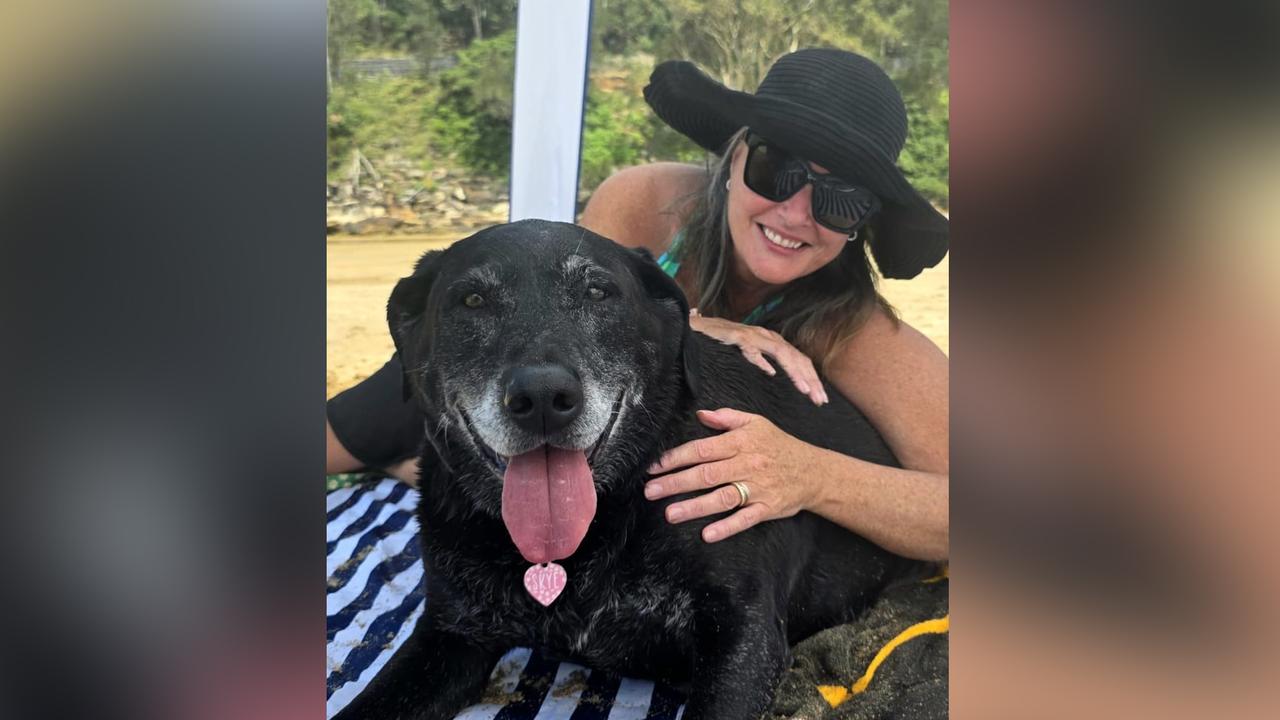
Five months later, she sued Hillsong, claiming she had been victimised as a protected whistleblower for exposing excessive spending, misuse of funds and tax evasion.
Hillsong denied the allegations but settled the lawsuit with Ms Moses in March the following year.
The whistleblower launched further Federal Court proceedings in January claiming she was also victimised by Labor’s Assistant Minister for Productivity, Competition, Charities and Treasury Andrew Leigh.
She is seeking compensation and damages.
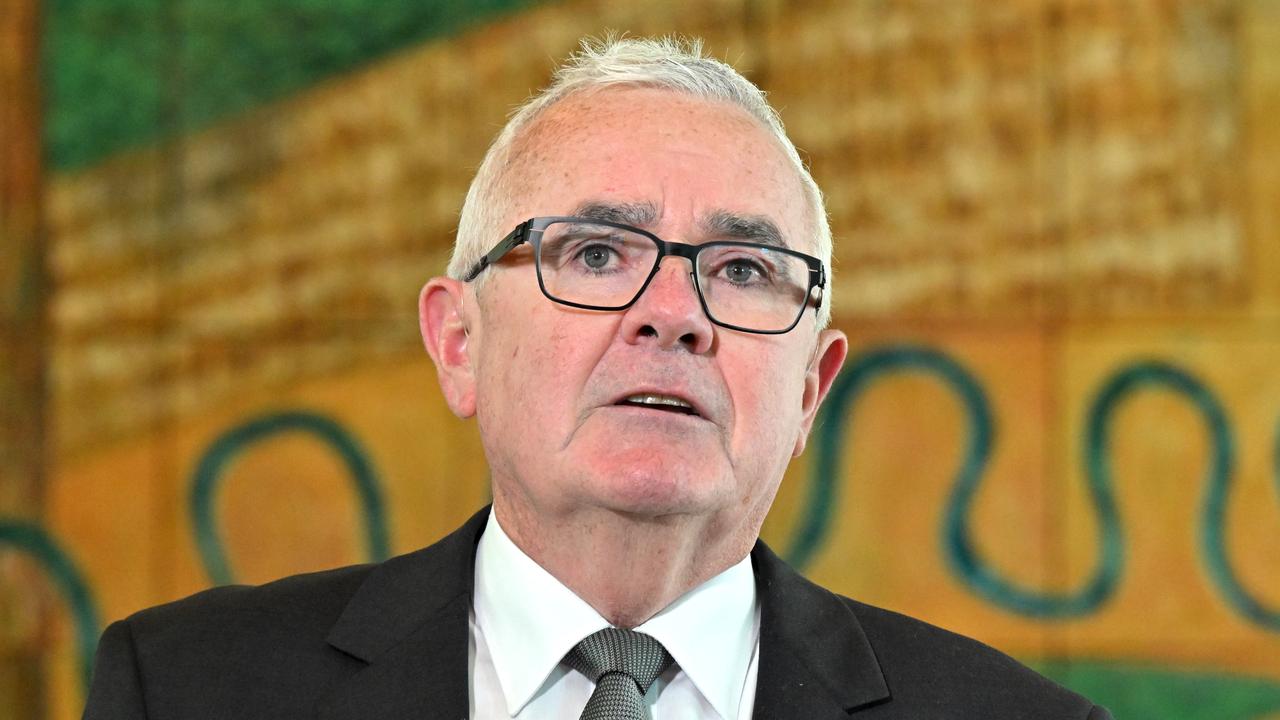
Documents released by the court on Tuesday allege Dr Leigh interfered three times with attempts by independent MP Andrew Wilkie to speak about the Hillsong allegations.
His actions delayed the parliamentary speech for months, prejudicing Ms Moses in her lawsuit against Hillsong, she claimed.
Speaking to AAP, Ms Moses described just wanting to tell the truth about the church where she worked and worshipped.
The matter turned political after Labor’s interference, she said.
“I was put through the wringer,” Ms Moses said.
“No one who is doing the right thing should be treated as badly as I was by politicians who are meant to care about us.”
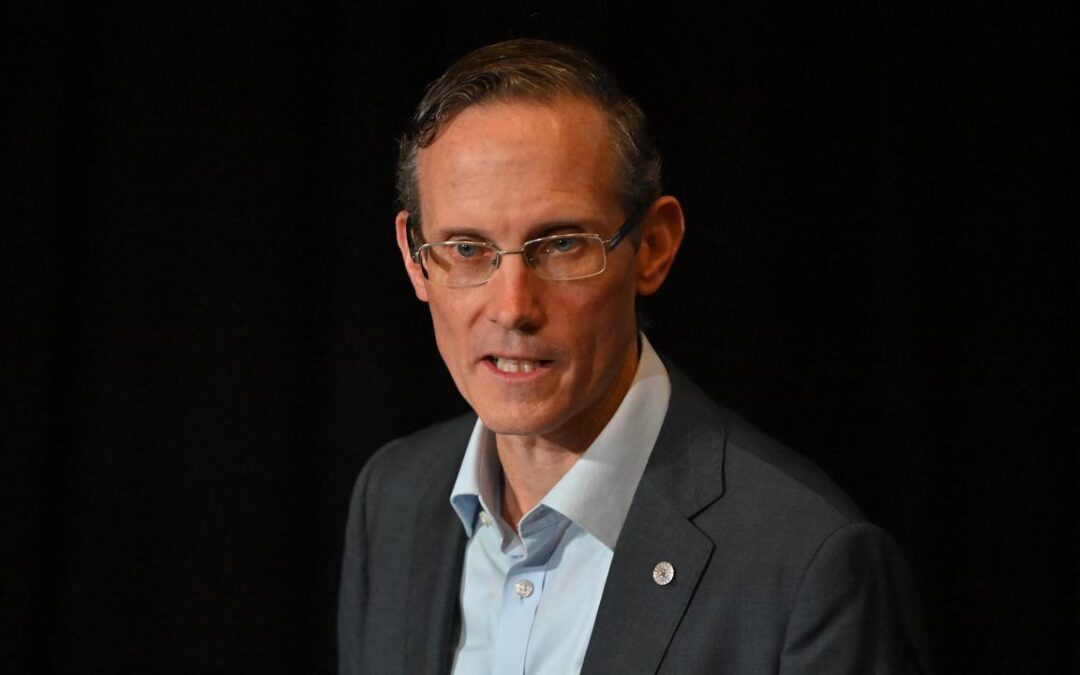
Dr Leigh is accused of falsely telling Mr Wilkie in September 2022 that Ms Moses did not want her allegations aired in parliament.
A month later, Labor said it would oppose the tabling of documents through the speech – a move she says was materially influenced by Dr Leigh.
Weeks before Mr Wilkie disclosed the allegations in March 2023, Ms Moses claims she experienced pressure from Dr Leigh and her lawyer Josh Bornstein from Maurice Blackburn not to table the documents.
The speech went ahead regardless.
“Last year a whistleblower provided me with financial records and board papers that show that Hillsong is breaking numerous laws in Australia and around the world relating to fraud, money laundering and tax evasion,” Mr Wilkie said at the time.
Mr Bornstein terminated his retainer with Ms Moses after the speech, saying she had not followed his legal advice, the pleadings claim.
Dr Leigh’s interference caused two psychological breakdowns, reputational harm and added expense in finding new legal representation, Ms Moses says.
The Labor MP also provided statements to a Herald Sun journalist in July 2023 which Ms Moses claims were false, misleading and portrayed her as a liar.
In that interview, he said he spoke with Mr Bornstein to see if tabling the documents would be harmful to Ms Moses as a whistleblower.
She denies any harm, saying tabling the material actually helped settle her lawsuit with Hillsong after a traumatic three-month-long mediation.
The federal government is being sued as being liable for the Labor MP’s actions.
Mr Bornstein has not been pursued and does not face any allegations of wrongdoing.
However, Ms Moses has targeted ACNC Commissioner Sue Woodward, accusing her of victimisation through a statement issued the day after Mr Wilkie’s parliamentary speech.
Ms Woodward issued an unnecessary correction in a way that undermined the credibility of the independent MP’s remarks, Ms Moses claims.
This shielded the church from reputational harm while ignoring the potential harm to the whistleblower, court documents say.
Ms Woodward also did not correct a further statement made by Hillsong after settling its dispute with Ms Moses where it claimed the allegations of fraud were due to a “misunderstanding”.
In December 2024, Hillsong agreed to an 18-month enforceable undertaking after the charities commission raised concerns about governance, record-keeping and reporting.
Hillsong agreed to the undertaking, saying it had changed its board and reviewed its policies and procedures.
Dr Leigh, the ACNC, Maurice Blackburn and Mr Wilkie declined to comment.
The matter will next come before court on June 19.

Critics pay out on PM for ‘cowardly’ gambling reforms
Anthony Albanese insists his government’s anti-gambling reforms will make a “meaningful difference” to stop Australians being the world’s biggest losers on punting.
But independent MPs and harm reduction advocates have labelled long-awaited changes lacklustre and beholden to the gambling lobby.
The government has chosen not to progress a national gambling regulator, a key recommendation of a 2023 parliamentary probe into gambling harm.
That review, chaired by late Labor MP Peta Murphy, finally got a formal response on Tuesday, more than 1000 days after it was made public.
ACT Senator David Pocock led condemnation of the government’s response, saying it didn’t address its 31 recommendations and was “both cowardly and disrespectful”.
“Cowardly because they are not willing to actually just front up on a day when journalists (are) in budget lock-up … and disrespectful because they don’t even respond to those 31 recommendations,” he said.
“Tragically, we have a prime minister totally captured by vested interests when it comes to gambling, and we’re seeing no action from them.”
According to a Queensland study, Australians lost more than $32 billion on legal gambling in 2023/24, giving Australians a world-leading average loss of $1521 per adult per year.
The Australian Institute of Family Studies has estimated one-in-seven adults were experiencing gambling harm, or at risk of it.
To combat these issues, the government is instituting a three-an-hour cap on gambling advertising on television, with all ads banned during matches.
Radio advertising will also be banned during school hours, as will cross-promotional content and all gambling advertising inside stadiums, including playing kits.
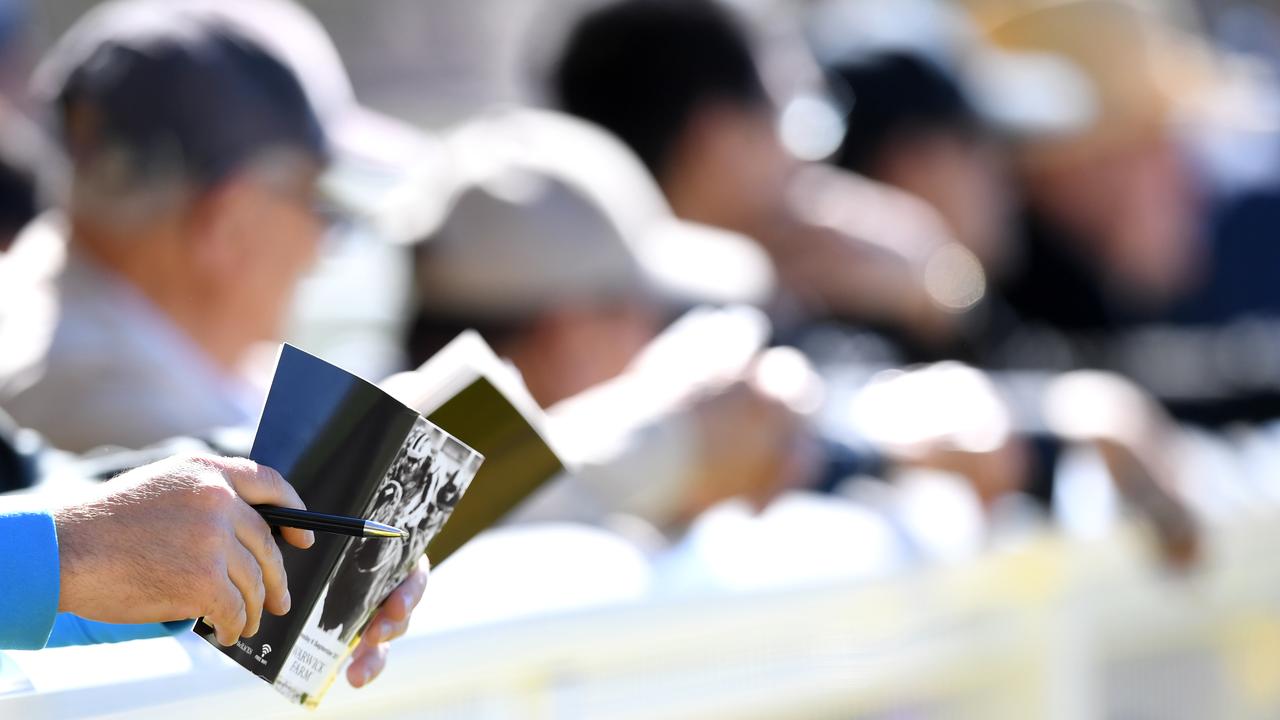
Online ads will be restricted to verified over-18 users, while keno-like “pocket pokies” apps will be banned, with blocks placed on offshore gaming sites.
The government has committed to making a new criminal offence of match-fixing, following similar laws being created at state level.
The prime minister told parliament the changes – foreshadowed at a National Press Club appearance in April – got the balance right between allowing adults to gamble and shielding young people.
“They will make a meaningful difference,” Mr Albanese said, with the changes to take effect by January.
Others disagreed, with Hobart-based MP Andrew Wilkie calling the response “terrible” and WA independent Kate Chaney labelling it “pathetic”.
“Partial bans don’t work, they just move the money around,” she said.
Ms Chaney said the example this week of Ladbrokes and Neds brought to light the failing regulatory environment.
An Australian Communications and Media Authority investigation showed “more than 500 breaches of national self-exclusion rules” by parent company Entain.
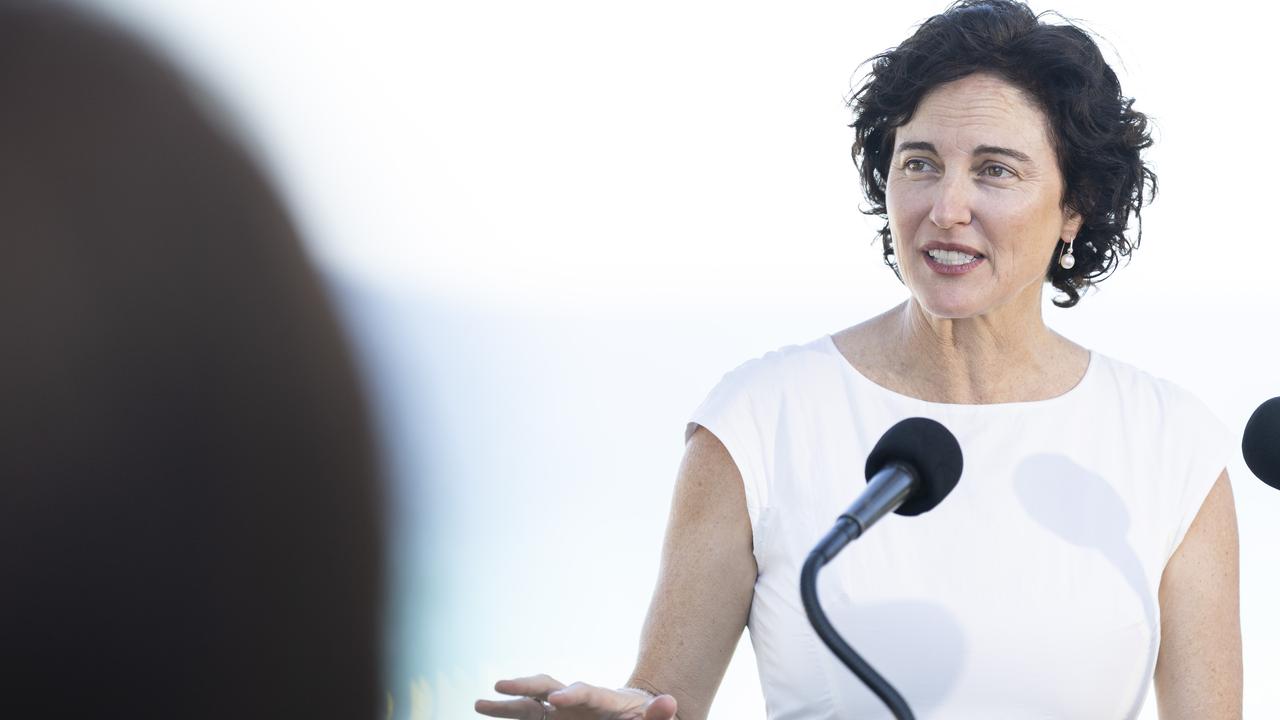
The regulator found Entain opened accounts, allowed bets, and failed to close accounts for gamblers who had placed themselves on the register, and kept sending them texts and emails encouraging them to bet.
“When people register for self-exclusion, there should be no way for them to open new accounts for licensed wagering services in Australia,” the authority’s Carolyn Lidgerwood said.
While Entain acknowledged fault and must fix the mistakes, Ms Chaney said the lack of fine or punishment showed the need for a “national gambling regulator with teeth”.
Responsible Wagering Australia, the body representing gambling outfits, said more time was needed to implement the changes.
“These are major, costly reforms that require significant operational changes and wagering, racing, sport, broadcasters and online platforms urgently need clarity ahead of the 1 January 2027 start date,” chief executive Kai Cantwell said.
Mr Cantwell said “overregulation” risked Australians taking their gambling to “illegal offshore sites with no consumer protections, no safeguards and no contribution to Australian sport, racing or taxpayers”.
‘We need courage’: senator’s plea after girl’s death
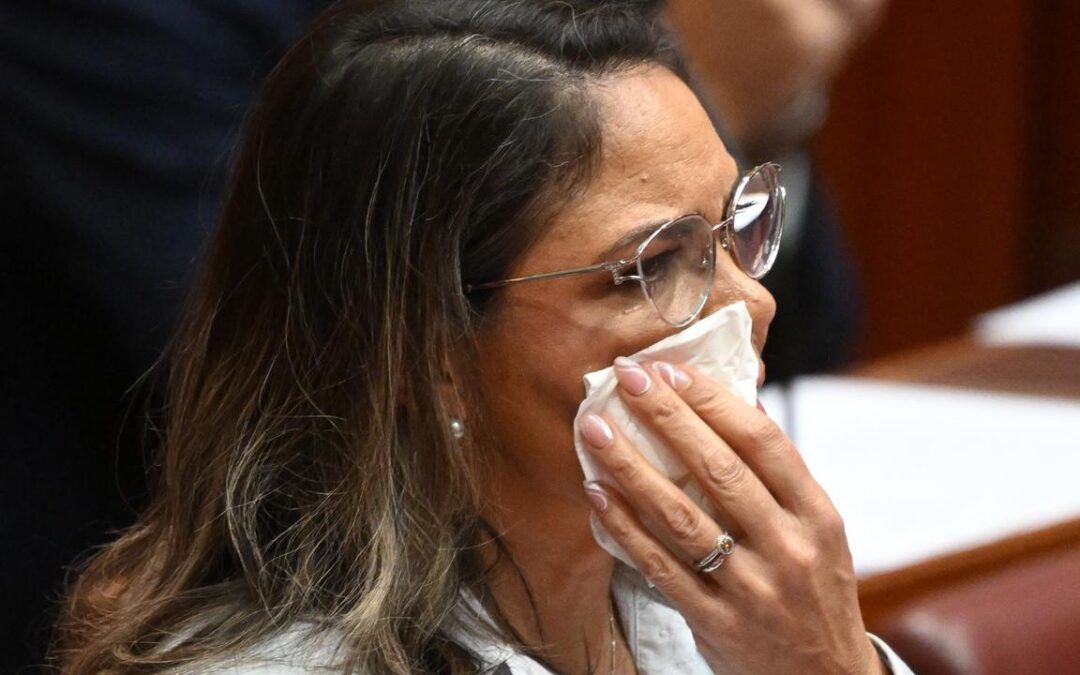
Indigenous senator Jacinta Nampijinpa Price has issued an emotional plea for change after the death of Kumanjayi Little Baby, declaring Australia can no longer “hide behind race”.
With tears welling in her eyes and her voice breaking, the NT senator paid tribute to her five-year-old niece, who was found dead in scrubland on April 30.
Jefferson Lewis, 47, has been charged with her murder.
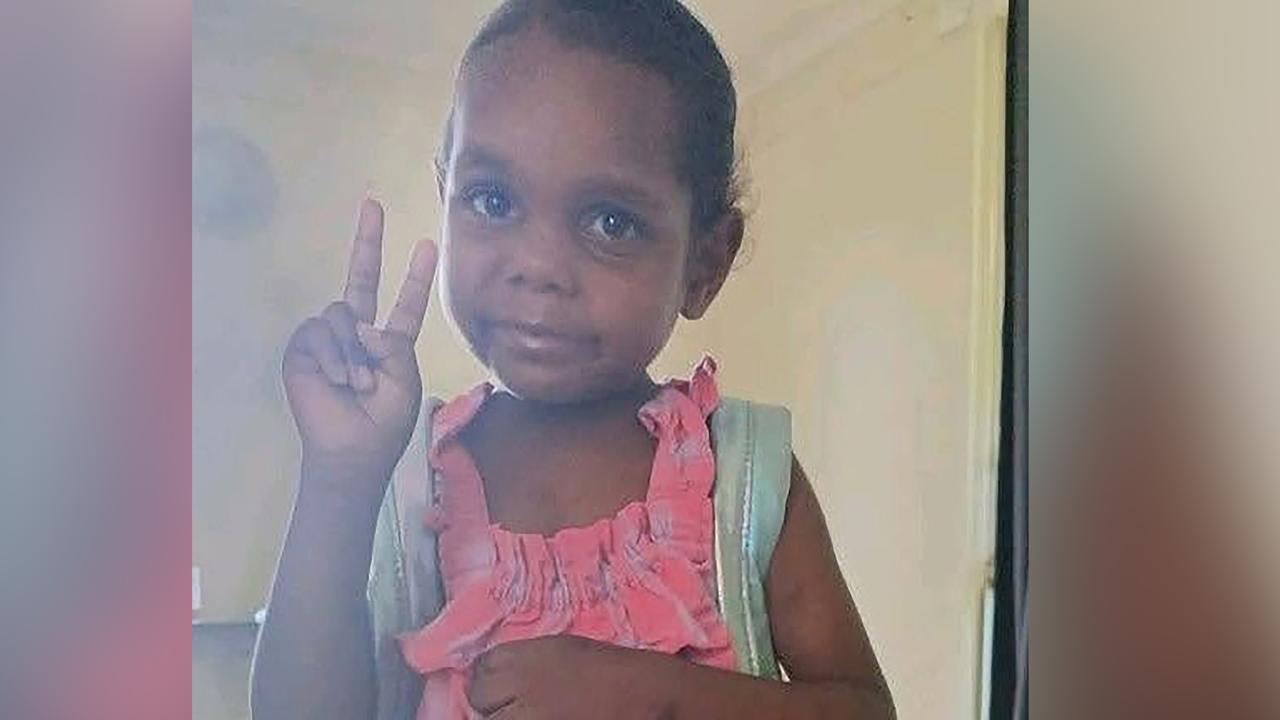
Senator Nampijinpa Price said she didn’t want another family to stand where hers did today.
“We cannot continue hiding behind race,” she told parliament on Tuesday.
“We cannot continue pretending that lowering expectations for Aboriginal children is compassion.
“It’s not compassion, it’s neglect. It’s the racism of low expectations.
“Children deserve safety before ideology. Most of all, we need courage.”
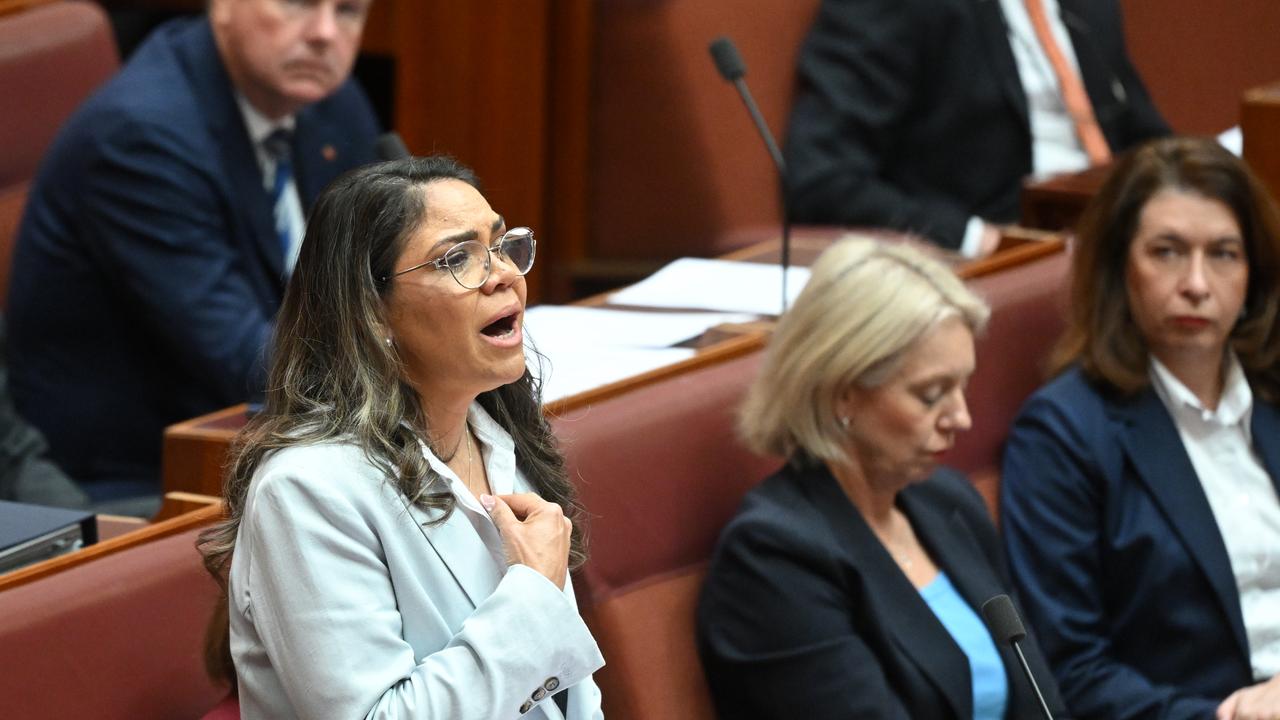
The grieving politician said she didn’t want the parliament to offer its condolences while “refusing to confront the conditions that made those condolences necessary in the first place”.
“I want this parliament to put aside our political differences and stand up for what’s right for our children,” she said.
“This should be the most important thing that every single one of us is here for, to put aside our differences and to put our children first. That is what we need to do. That is all I ask.”
The death of Kumanjayi Little Baby, a name used in line with cultural traditions, sparked riots in Alice Springs as hundreds of people gathered outside the hospital where Lewis was being treated.
The angry crowds gathered outside the hospital once news of his arrest spread.
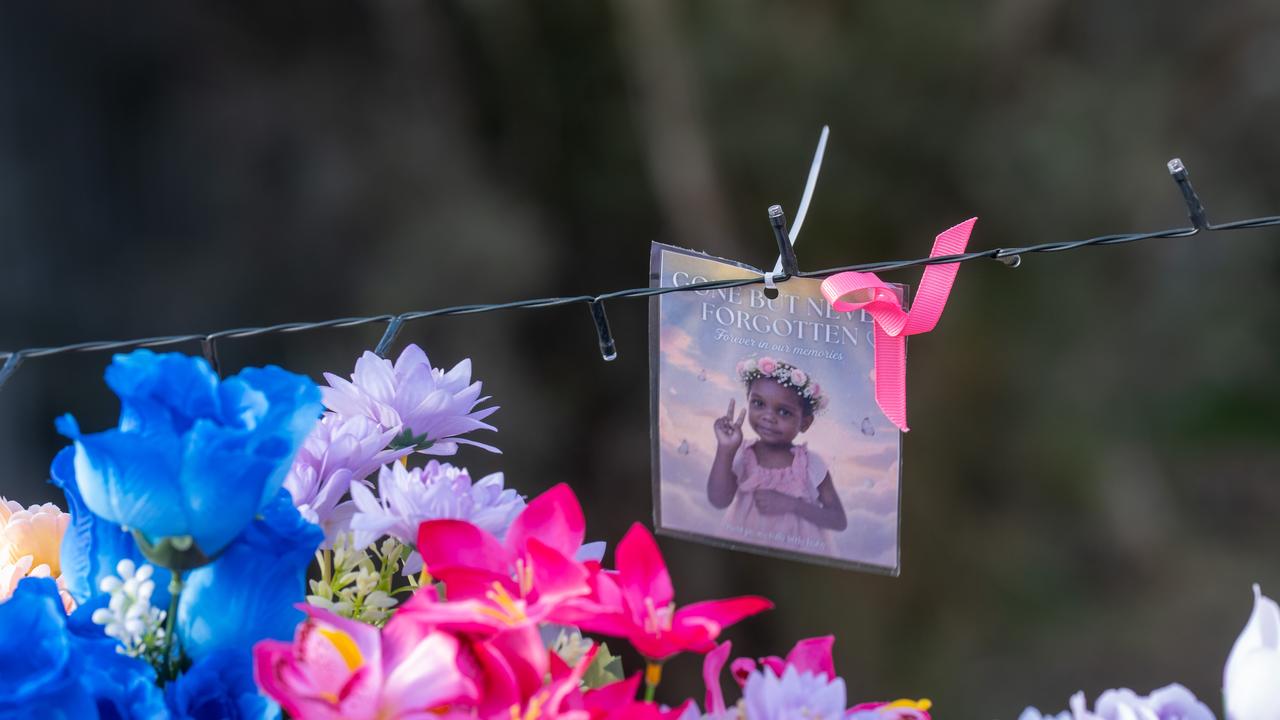
Police cars and bins were set on fire and people threw objects at police who responded to the riot with tear gas.
NT police transported Lewis to Darwin by a helicopter for his own safety.
He is yet to enter a plea to the murder charge.
Shares slip, banks under pressure ahead of budget
Australia’s share market is tracking a third straight session of losses, with oil on the rise after US-Iran peace deal hopes fade and local banks drop ahead of the federal budget.
The S&P/ASX200 fell 67.2 points by midday, down 0.77 per cent, to 8,634.9, as the broader All Ordinaries lost 69.6 points, or 0.78 per cent, to 8,872.8.
Nine of 11 local sectors were behind by lunchtime, after President Donald Trump said the US ceasefire with Iran was “on life support” after the White House rubbished Tehran’s response to a peace proposal.
Closer to home, Australia’s big banks were under pressure ahead of Tuesday’s night’s federal budget, IG market analyst Tony Sycamore said.
“This budget is shaping up to be the most consequential in years, largely due to expected overhauls to negative gearing and capital gains tax,” Mr Sycamore said.
“With Australian banks heavily exposed to residential mortgages, any policy changes that result in a sustained fall in property prices could lift mortgage stress and bad debts, putting pressure on bank profitability and their share prices.”
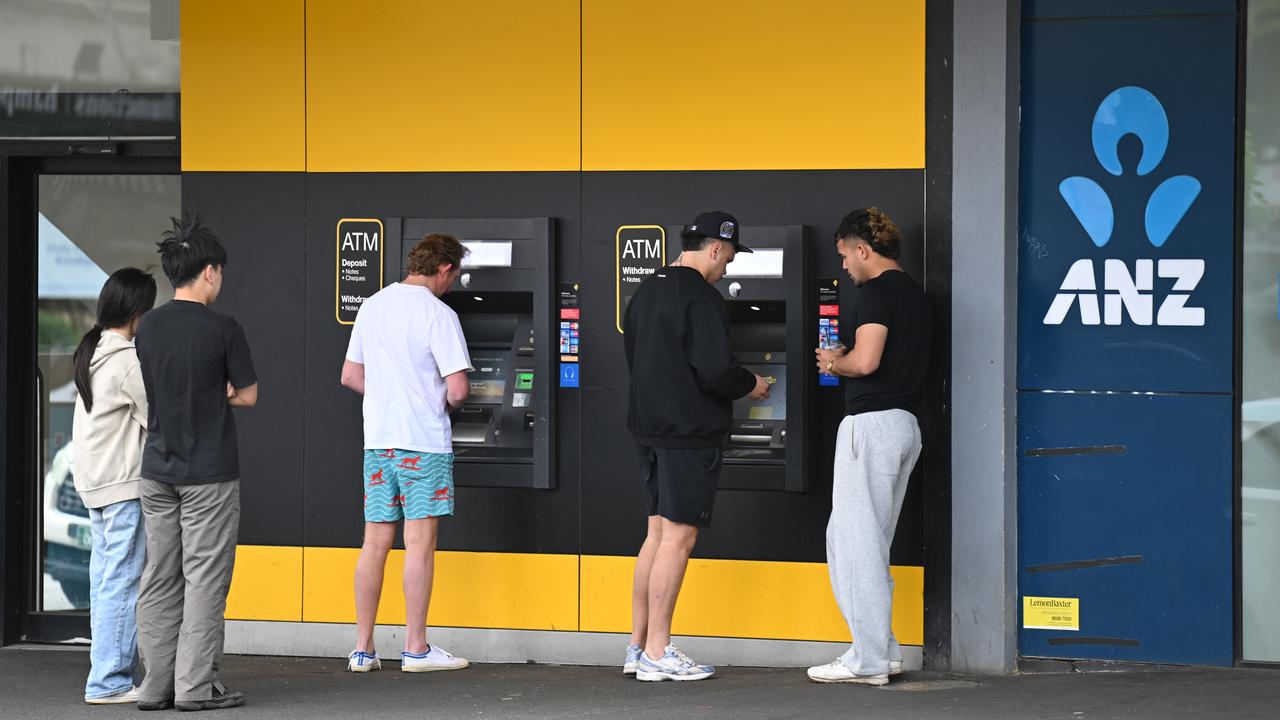
Shares in CommBank, NAB and ANZ each tumbled by more than two per cent, while Westpac slipped 1.6 per cent to $36.53.
The heavyweight financials sector was down almost two per cent, as investment managers, insurers and fintechs also fell into the red.
Basic materials offered some counterbalance to the selling, up 2.4 per cent as BHP surged to a record high of $60.23.
Energy stocks and utilities were the only other two sectors trading higher by midday, up 0.1 per cent and 0.6 per cent respectively, as Brent oil futures rose above $US105 a barrel.
Woodside, Santos, AGL and Origin traded higher, while coal producers and uranium stocks dipped.
The health care sector dropped 2.5 per cent, dragged downwards as blood plasma giant CSL bombed to its lowest price since December 2016, shedding almost 19 per cent since Monday’s grim trading update.
Consumer-facing stocks were in bad shape, with discretionaries down 2.3 per cent, while staples lost 1.9 per cent in broad-based sell-downs.
IT stocks fared even worse, down 3.6 per cent as tracking app Life360 lost more than a tenth of its value after a mixed first quarter update.
In company news, former market darling Droneshield crashed 15 per cent to three-month lows of $3 after the corporate regulator announced a probe into the defence technology company.
The investigation related to information provided to bourse operator ASX and share trading between 6 and 12 November 2025, which includes when chief executive Oleg Vornik, chair Peter James and director Jethro Marks sold nearly $70 million in Dronshield stock.
The Australian dollar is buying 72.32 US cents, down slightly from 72.38 US cents on Monday at 5pm.