

Up, up and you pay: tourists to be slugged extra tax
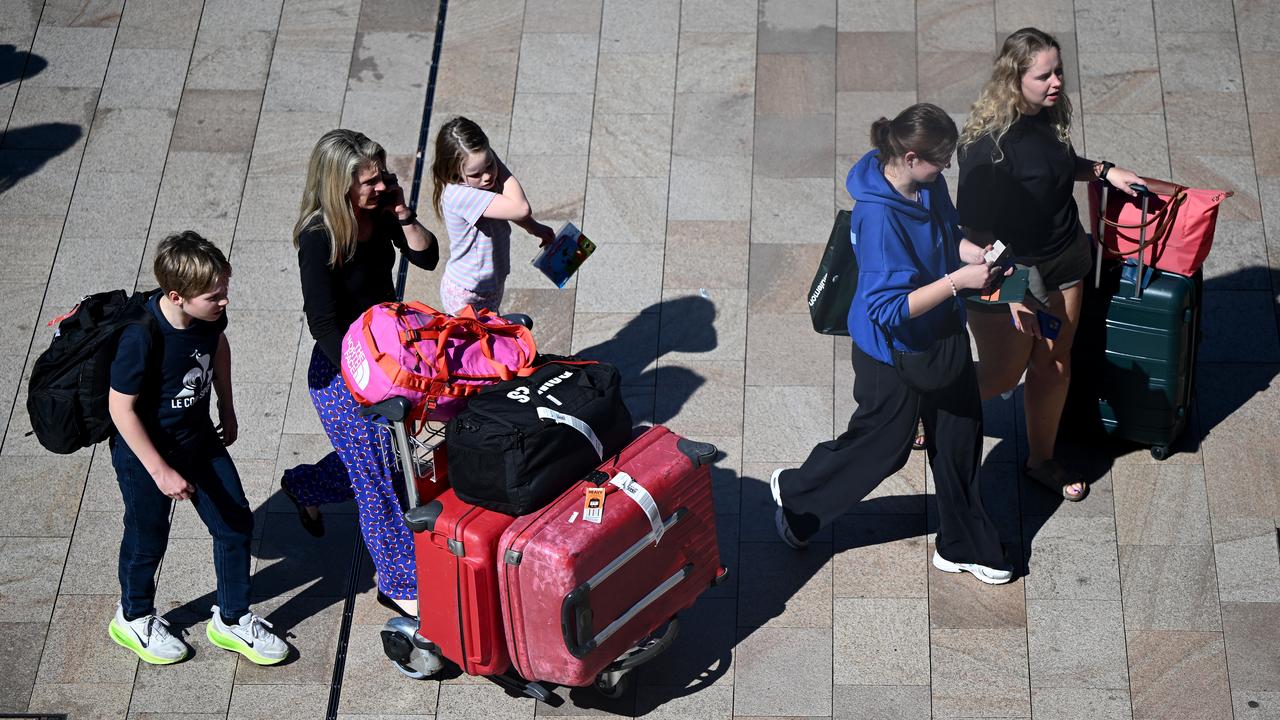
Australians heading overseas will be hit with increased exit fees in a move that has incensed some travel groups and travellers alike.
A price hike of $10 from January 1 was announced as part of the 2026/27 federal budget, with the passenger movement charge increasing to $80.
The fee will apply to all passengers departing by air or sea, regardless of whether they are Australian citizens or non-citizens intending to return.
The government says the price hike will amount to about $755m in raised revenue over five years from 2025-26.
But Tourism and Transport Forum chief executive Margy Osmond said it will just make travel even more expensive, describing the move as “an absolute shocker for the tourism industry”.
“Operators are already under enormous pressure from the ongoing fuel crisis and surging operating costs,” Ms Osmond said in a statement on Wednesday.
“(It) makes Australia more expensive to visit and more expensive for Australians to travel.”
Ms Osmond accused the government of using the charge as a revenue grab with little evidence the billions collected from travellers were being reinvested back into tourism, aviation or border infrastructure.
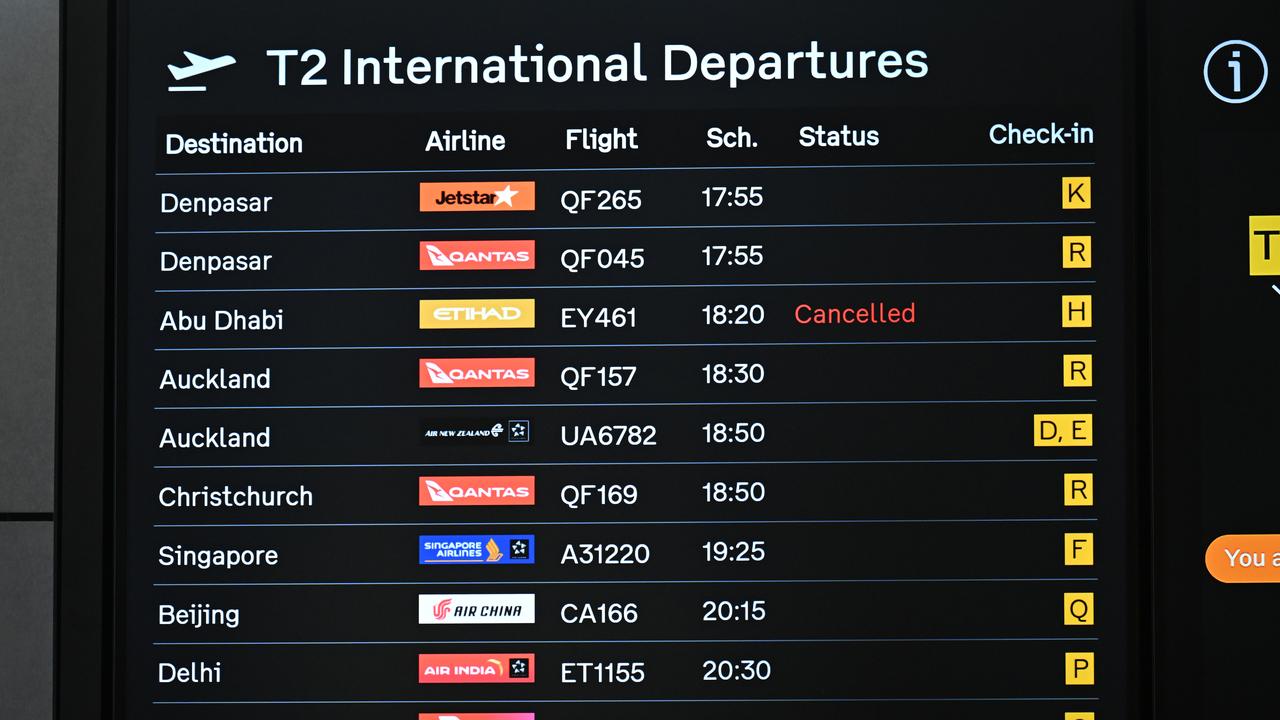
The Australian Airports Association called for the additional revenue to be reinvested in tangible border upgrades such as digitising the paper Incoming Passenger Card as an app for overseas arrivals, more SmartGates and better resourcing for Australian Border Force.
“Replacing the paper card is the first step in modernising the border,” chief executive Simon Westaway told AAP.
“This is a simple fix to a frustrating administrative process for anyone flying into Australia and would be a modest productivity investment towards a future seamless border.
“The paper card is an outdated method to gather information and gives the impression that Australia is falling behind on new technology.”
New Zealand, Indonesia and Singapore deliver a “far better border experience”, Mr Westaway said.
The passenger movement tax – usually included in ticket prices – was first introduced in 1995 to offset the costs of border services including customs, immigration, and quarantine.
Budget lacks energy for big renewable project reforms
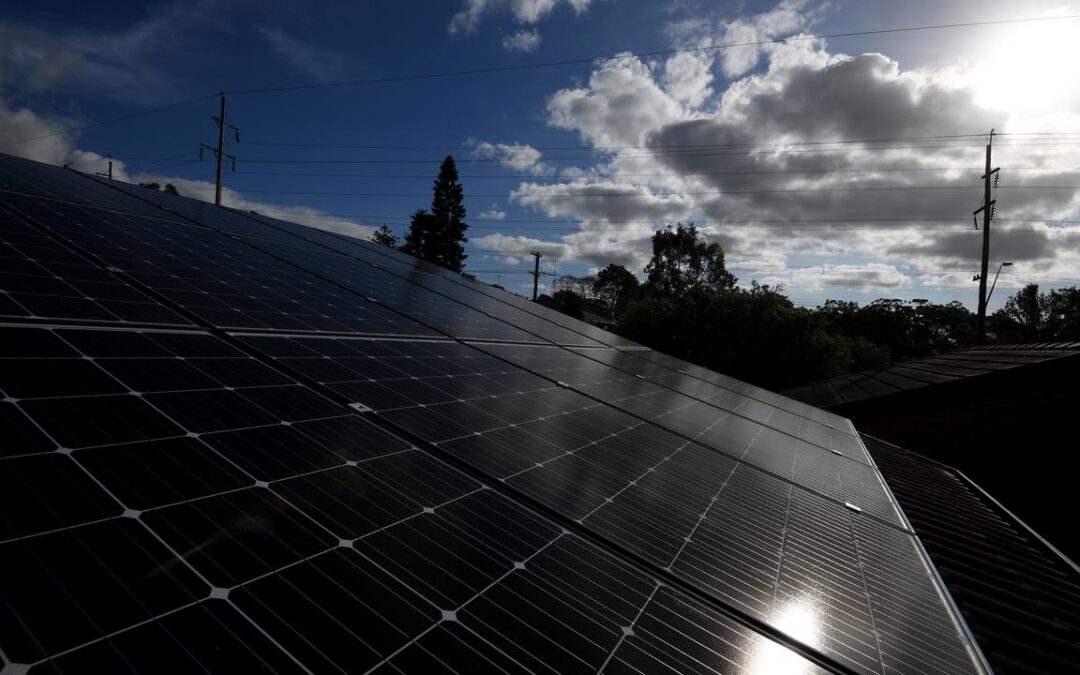
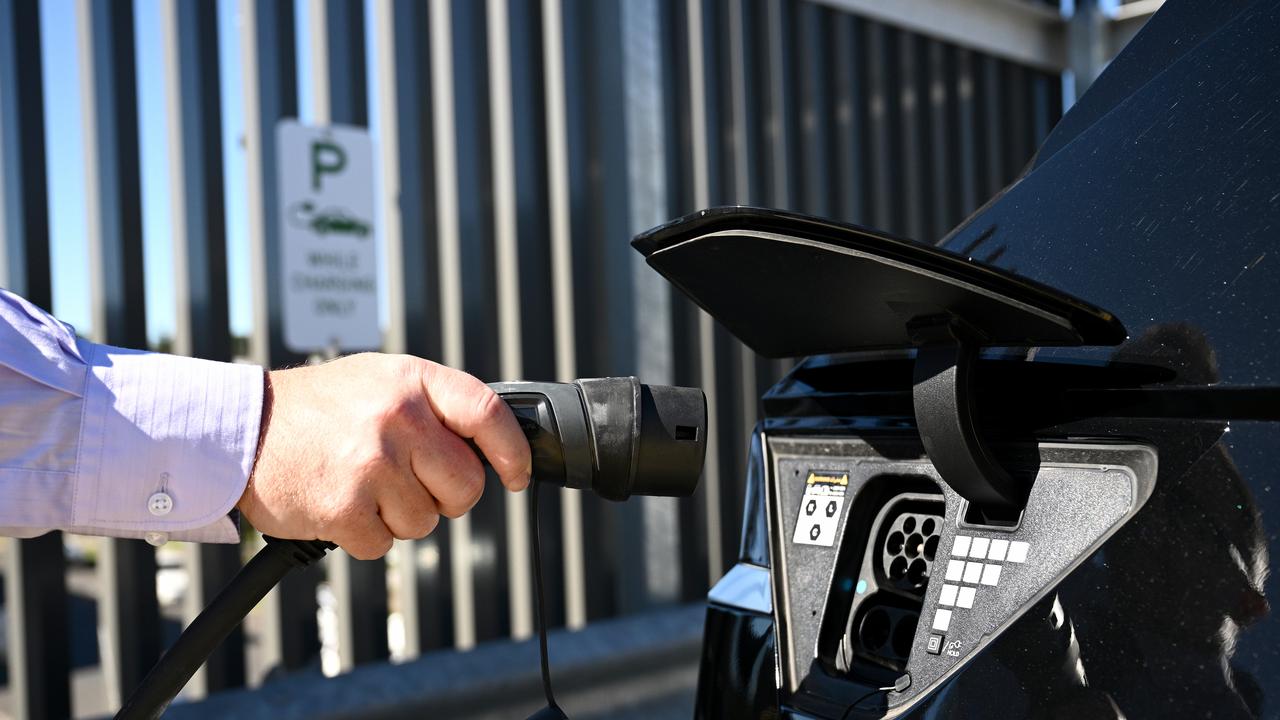
Australia’s growing throng of solar panels, batteries and electric cars will be managed by a new regulator in a multimillion-dollar budget commitment welcomed by investment and climate groups.
The change will come in addition to support for biofuel production, faster environmental approvals, and a solar panel recycling trial.
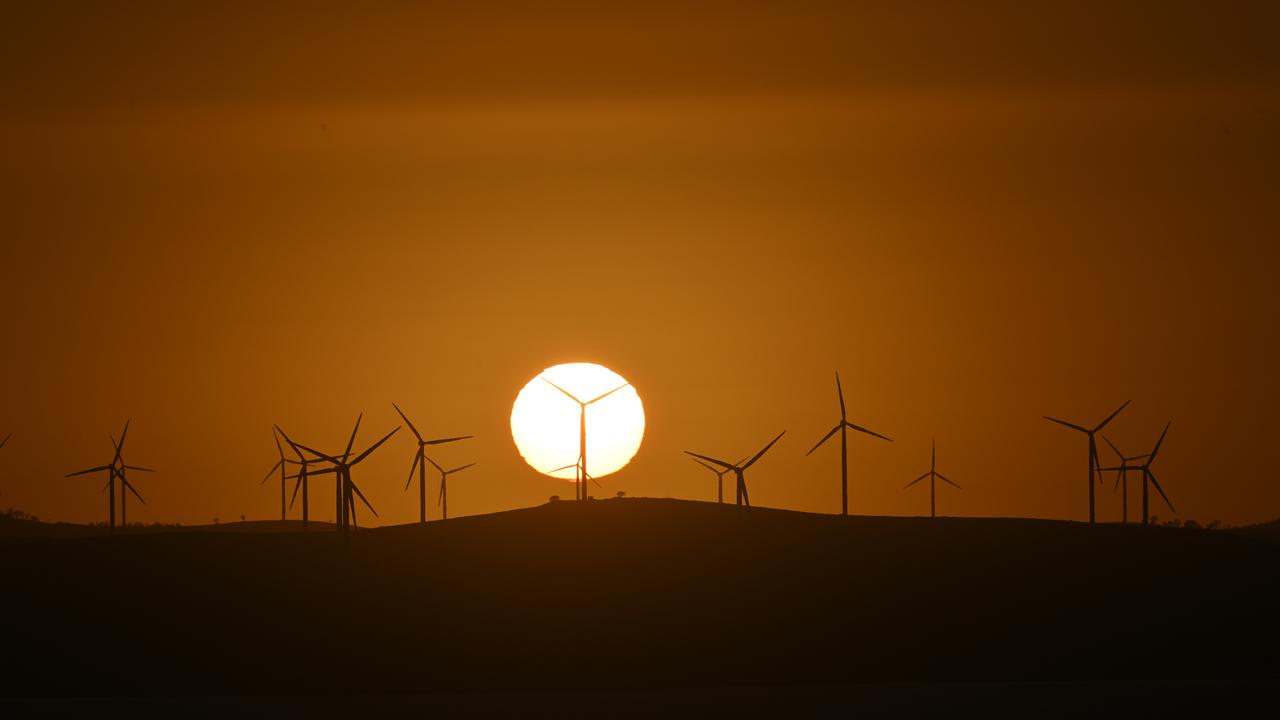
But some organisations said the federal budget represented a missed opportunity for much-needed renewable energy reforms while Australians struggled with rising fuel and electricity prices.
The budget, released on Tuesday night, revealed funding for a National Technical Regulator to co-ordinate consumer energy resources such as rooftop solar panels, home batteries, and electric vehicles.
The agency, established under the Clean Energy Regulator, will set technical requirements for consumers to connect their equipment to the national electricity grid and could help to cut $7 billion from system costs by 2050, according to government estimates.
Australian households had installed more than 4.3 million solar systems and hundreds of thousands of home batteries, and the regulator could help them optimise those investments, Race for 2030 chief executive Dr Bill Lilley said.
”This is a major and welcome recognition of the role households are now playing in shaping the grid and the increasing complexity of coordinating them,” he said.
”Whether it’s integrating solar and batteries, managing energy use through home systems or charging and optimising electric vehicles, people need technologies that work together simply and reliably.”
Other budget energy commitments included $163.8 million to accelerate environmental approvals, $24.7 million to fund a solar panel recycling trial announced in April, and $4 million to develop a green fuel policy for the maritime industry.
While the measures were welcome, the budget lacked big-ticket changes capable of speeding up Australia’s transition to renewable energy, such as a gas export levy or changes to electrify heavy transport, according to Climate Capital Forum founder Blair Palese.
”For a world in transition, this budget sends a message that Australia is still stuck in the past,” she said.
”It has missed the opportunity to send a strong signal to clean energy investors that Australia is growing its clean energy commitments and setting the conditions for them to invest in renewable energy projects, jobs and green industrial capability.”
Solar Citizens chief executive Heidi Lee Douglas said a campaign for tax incentives to help landlords invest in the technology also went unanswered, even though it could have reduced inequity for renters.
Green groups warn climate courage missing from budget
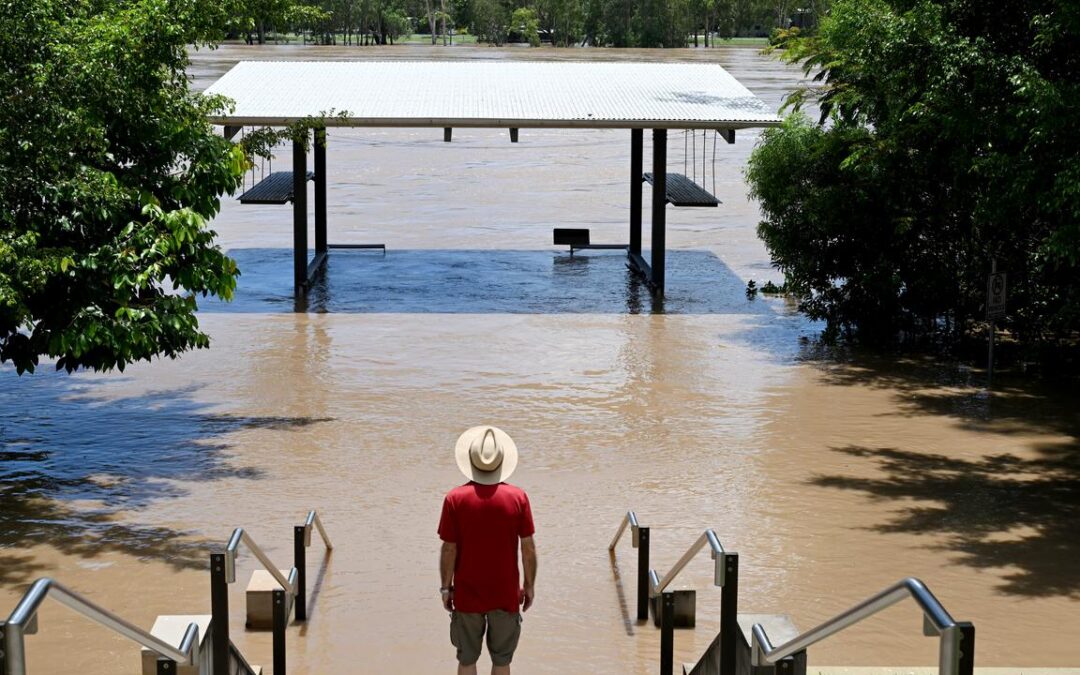
Climate wins on bike lanes and batteries have been overshadowed by a failure to capture fossil fuel revenue and rein in off-road diesel credits, environment groups say.
The lead up to Tuesday’s federal budget was dominated by a campaign to hike taxes on gas exports and pressure to wind back the fuel tax credit scheme.
The Australian Conservation Foundation has criticised a lack of action in controversial policy areas.
“This is a budget of thinly veiled fossil fuel subsidies that redirects public money to coal, oil and gas giants,” climate policy adviser Annika Reynolds said.
“In this moment, Australians are calling for government to tax gas exports fairly and use that money for cost-of-living relief and the restoration of nature.”

The petroleum resources rent tax is the mechanism for taxing profits earned on fuel extraction.
The government effectively ruled out gas tax changes ahead of the budget, with LNG exports reportedly used as leverage in negotiations with trading partners to shore up liquid fuel supplies.
Labor will, however, enforce an east coast gas reserve to set aside product for the domestic market.
Support has also been mounting to trim the fuel tax credit scheme, used by miners and farmers running diesel vehicles and equipment on private land.
Capping credits was billed as a way to insulate small businesses, save money and incentivise big miners to buy electric trucks over diesel.
The scheme is set to cost $10.7 billion over the coming financial year and grow steadily out to 2030, the budget papers show.
“The government has shown admirable guts with reforms to improve young people having access to housing,” Greenpeace Australia Pacific chief executive David Ritter said.
“It needs to show the same level of courage in standing up to fossil fuel interests and choosing affordable energy and a safe future for all of us.”

Tuesday’s budget included $7.2 billion for the continuation of the cheaper home battery scheme over the forward estimates, and $500 million for the active transport fund to support bike lanes and other infrastructure.
More than $110 million will go towards the native species protection program, with money also set aside for an environmental watchdog.
Green manufacturing policy network, Future Made in Australia, has been reworked with extra funding for clean fuels and cuts to a hydrogen grants program.
Farmers for Climate Action welcomed funding to help drive down emissions and protect nature, but warned not enough was going towards resilience or adaptation.
“This comes at a time when the national climate risk assessment has warned of escalating costs from climate-driven disasters,” chief executive Verity Morgan-Schmidt said.

Funding to stem child-support system abuses welcomed
Australia is taking one of its most significant steps in recent history to stem abuses and weaponisation of the child-support system, advocates say.
The 2026/27 federal budget handed down on Tuesday night included almost $183 million to address abuse in the child-support system and help children get the financial backing they are owed.
The funding allocation comes after shocking findings by the Commonwealth Ombudsman in June that the child-support system was being weaponised and strategically exploited by perpetrators of family violence to continue coercion, control and harm following a separation.
The funding will go towards reforms across the system and include measures to improve assessment, payment and compliance processes.
From July 1 2027, changes are promised to make it easier for parents to collect child support and reduce the risk of pressure, coercion or forced conflict between former partners.
The tax office will also get funding to allow it to prosecute parents who repeatedly fail to submit their tax returns in a bid to distort the amount of child support they have to pay.
The government will also strengthen the enforcement of child-support payments and stop people with large debts from travelling overseas until they have paid what they owe.
Women’s Legal Services Australia described the proposed changes as one of the most significant actions taken against systems abuse in the nation’s recent history.
“When households are under financial strain and fuel and inflation costs are rising, the risk of violence at home grows,” executive director Adrianne Walters said.
“Investment in making the child-support system safer and tackling the shocking levels of financial abuse is both the right thing to do and the smart economic decision.”
But the service said the budget missed an opportunity to provide targeted investments in women’s legal services to meet the demand of those fleeing violence.
Around 1000 women a week were being turned away from the service due to insufficient resources, Ms Walters said.
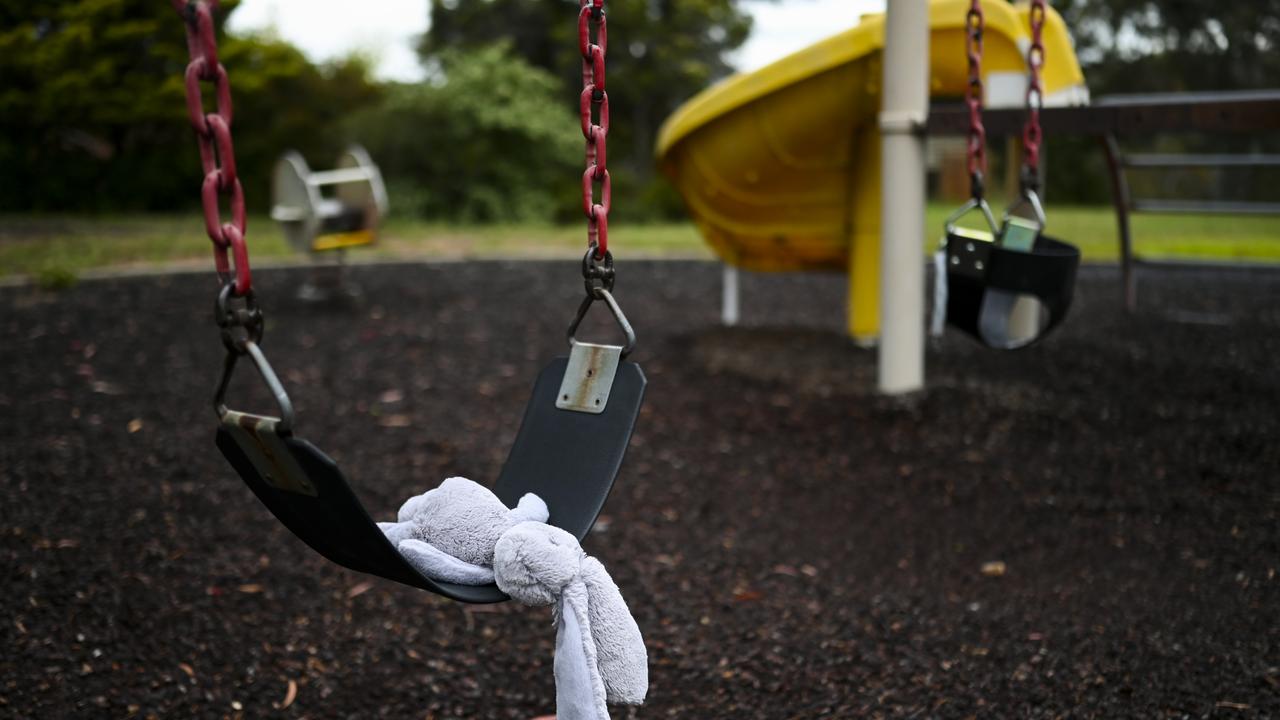
“Each woman turned away is more exposed to violence (and) more likely to face long-term economic hardship,” she said.
No to Violence chief executive Phillip Ripper said reforms to systems needed to be matched with other investments in legal assistance and frontline supports.
“We know 16 per cent of Australian women, around 1.6 million people, have experienced economic abuse by a partner (and) we also know the overwhelming majority of parents owed child support are women and their children,” he said.
“But reforms must also be matched with investment in family violence services and frontline supports, because disrupting systems abuse can trigger backlash and escalation from men using violence.”
1800 RESPECT (1800 737 732)
Lifeline 13 11 14
Men’s Referral Service 1300 766 491

ASX falls as bank’s shares track worst day since 2008
Australia’s share market is falling for a fourth session, as investors mull a shake-up of investment taxes and a major sell off in Commonwealth Bank shares after disappointing interim profit.
The S&P/ASX200 fell 21.7 points by midday, down 0.25 per cent, to 8,649, as the broader All Ordinaries dipped 15.6 points, or 0.18 per cent, to 8,896.
Commonwealth Bank shares tumbled more than nine per cent in early trade to $155.92, heading for their worst day since December 2008, after its $2.7 billion March quarter profit missed expectations.
The result completes an underwhelming quartet of interim results for the big four banks, widely considered as barometers for the Australian economy.
Tax reforms announced in the federal budget, relating to capital gains tax discounts, negative gearing and trusts, were largely in line with expectations but their impact would be felt across many asset classes, IG market analyst Tony Sycamore said.
“They will make long-term investing in both residential property and equities less tax-effective,” Mr Sycamore said.
“While the generous grandfathering protects existing owners, younger Australians and new investors now face a meaningfully less attractive regime – one of the more heavily taxed CGT frameworks among developed peers.”
Outside of financials, eight of 11 local sectors made gains, led by basic materials as BHP charged to a new all-time high of $61.61 on the back of copper prices, resetting its own record overnight.
Pure copper plays, like Sandfire Resources and Capstone, respectively charged more than six and four per cent higher.
BHP continues to eclipse the Commonwealth Bank as Australia’s largest company, with a market capitalisation of $312 billion, compared to CBA’s $262 billion valuation.
ASX-listed gold miners also advanced, while the precious metal hovered near $US4,706 ($A6,500) an ounce.
Energy stocks were slightly better than flat, with modest gains for Santos and Woodside, as oil prices firmed amid ongoing US-Iran tensions.
Coal producers were broadly higher, while uranium producers were mixed as Paladin tumbled by a tenth after a March quarter swing to profit wasn’t enough to impress investors.
Consumer discretionary stocks rebounded by two per cent after falling the previous three sessions, as gambling machine maker Aristocrat Leisure surged almost eight per cent to $49.49 after a strong first-half update.
The IT sector fell one per cent, with WiseTech Xero and NextDC all stumbling.
Tuesday night’s budget tax reforms will likely make investing in growth stocks and start-ups less attractive to investors, Ebury economist Anthony Malouf said.
“The changes effectively punish assets experiencing rapid growth – such as start-ups and high-growth equities – where gains significantly outpace inflation, leaving outsized real gains fully exposed at marginal rates,” he said.
The reforms could dampen risk appetite and broader business investment at the margin, Mr Malouf said.
The Australian dollar is buying 72.43 US cents, up from 72.12 US cents on Tuesday at 5pm.
NZ to trim new spending and stick to surplus path
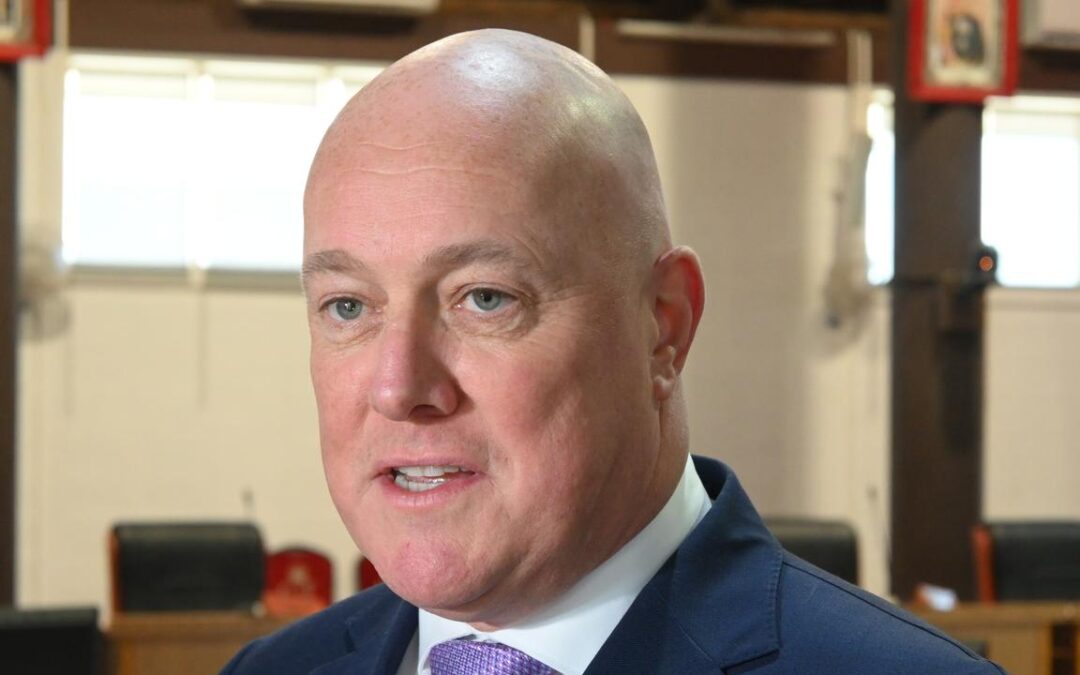
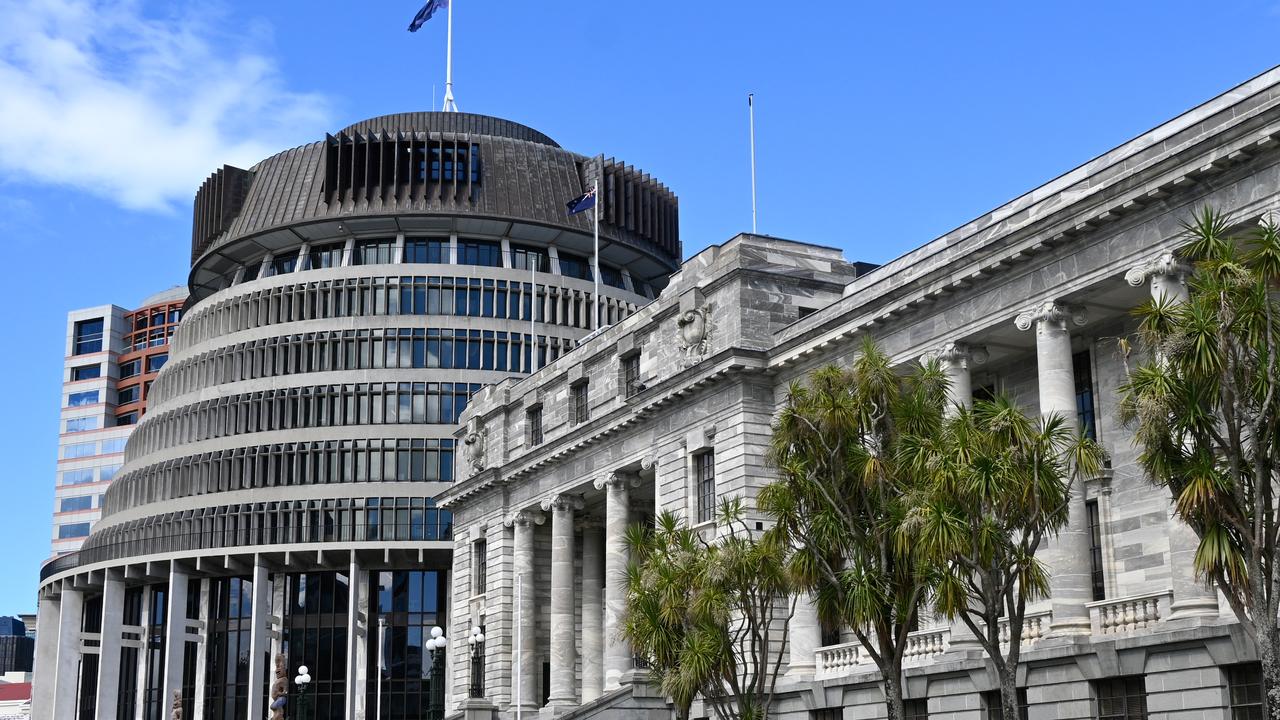
New Zealand will keep a tight rein on day-to-day spending in the budget, while increasing capital investment to strengthen infrastructure, defence and energy resilience.
Prime Minister Christopher Luxon made his pre-budget address on Wednesday, with a speech ranging widely from defence to immigration and New Zealand’s place in an increasingly unstable world.
The budget strategy reflects a recalibration by the government, focusing on restoring the public finances while boosting investment in critical assets, as policymakers respond to a sluggish economy and aging infrastructure at home and rising geopolitical and security risks abroad.
The net operating package in budget 2026 will be $NZ2.1 billion ($A1.73b), around $NZ300 million ($A246.9m) below the $NZ2.4 billion ($A1.197b) allowance earmarked in December, as the government seeks to return to an operating surplus excluding the state accident insurer by 2028/29.
The capital package will be larger than originally planned, at a net $NZ5.7 billion ($A4.69b), reflecting the need to invest in infrastructure, defence, schools and hospitals as New Zealand faces a more volatile global environment.
“Fiscal repair balanced with careful capital investment features heavily” in the budget, Luxon said, adding the government remained committed to putting debt on a downward path toward 40 per cent of gross domestic product.
The centre-right National-led government has made spending restraint and fiscal discipline core to its agenda since taking office, with Luxon highlighting a third straight year of savings across agencies alongside continued investment in health and education.
New Zealand’s economy remains weak after a prolonged period of high interest rates, soft household demand and pressure on public finances.
Luxon said crises offshore had made the path back to surplus harder.
New Zealand could no longer rely on geography, alliances or renewable energy alone to shield it from global shocks, and reaffirmed plans to nearly double defence spending to two per cent of GDP, Luxon said.
“We can’t have prosperity – more jobs, more exports, and higher wages – without security.”
The prime minister framed the domestic policy push within a shifting global landscape, warning the world was moving away from a rules-based order toward one defined by power, security competition and national resilience.
“The United States, which supported the global order for 80 years, is now focusing more exclusively on its own view of its own interests. America First,” he said.
“As a small, trading nation, we are disproportionately exposed,” he said.
The budget will be delivered on May 28.
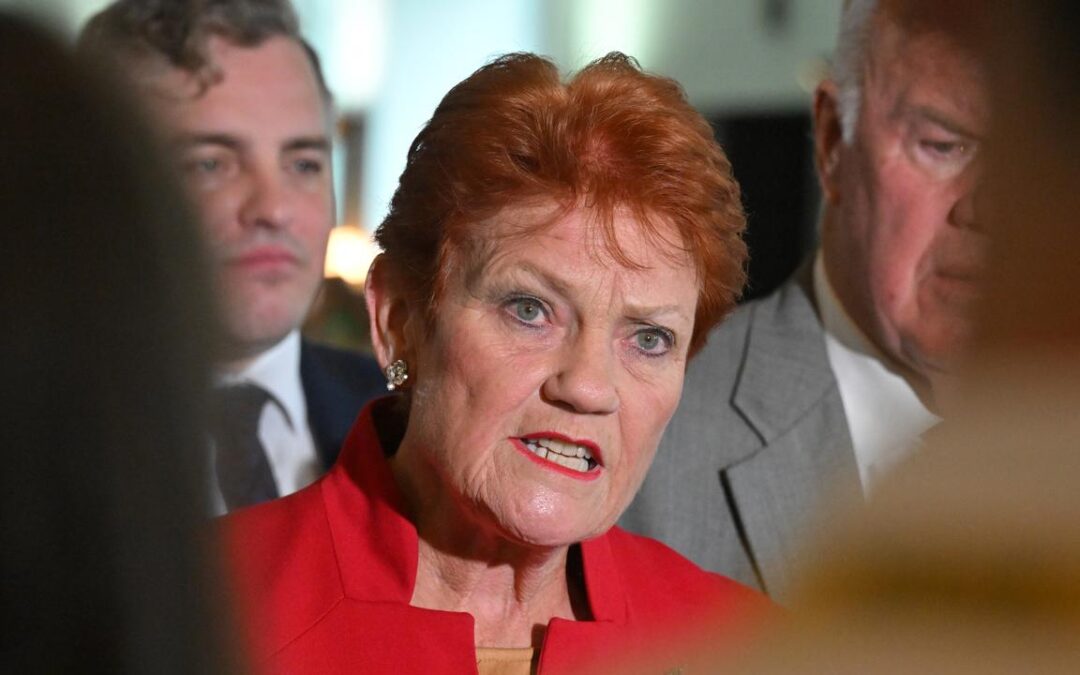
Pauline Hanson refuses to condemn Dezi Freeman defender
A One Nation volunteer who stood beside Pauline Hanson as the party celebrated winning its first lower house seat has shared social media posts supporting cop-killer Dezi Freeman and neo-Nazi Thomas Sewell.
Allan Beale had already made news in the lead-up to the Farrer by-election on Saturday after being filmed trying to grab Liberal senator James Patterson’s phone out of his hand in a testy street altercation.
The One Nation volunteer previously shared a Facebook post supporting Freeman that read: “Will the injured police officer ever be allowed to tell his story, or maybe he doesn’t even exist??”
“For all to consider,” Mr Beale commented.
He was also active in comments relating to Victorian neo-Nazi leader Thomas Sewell, praising him for pushing back against pro-Palestinian protesters.
“Back in my military days we would have certainly been more aggressive in ensuring long term injuries were imparted,” Mr Beale said of the demonstrators.
Senator Hanson refused to directly condemn Mr Beale when questioned about his social media activity by reporters on Wednesday.
“He was invited there, he was a volunteer, it was a night of celebration,” Senator Hanson said.
“I do not condone violence of any type or bullying.”
MP-elect David Farley plucked the volunteer from the celebrating crowd during his victory speech, which he made on stage alongside Senator Hanson and New England MP Barnaby Joyce.
Mr Farley put his arm around Mr Beale and handed him the microphone.
One Nation senator Malcolm Roberts offered him a “good on you” and a firm handshake, while Senator Hanson gave him a hug.
Business sector urges Canberra to tackle red-tape cuts
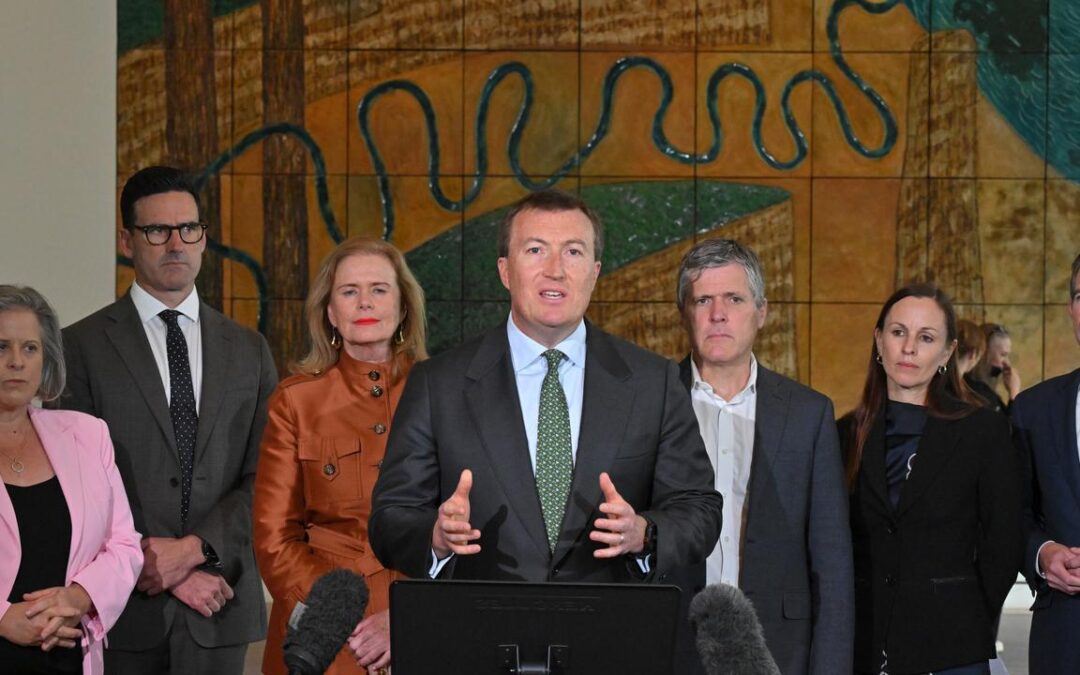
The federal government must crack on with harmonising regulations so that businesses like retailers, airports and farmers can avoid costly red tape, a major business lobby says.
The Alliance of Industry Associations, representing 30 groups including banks, business, builders, farmers, transport, tourism and retail, made the call after the federal budget was handed down on Tuesday night.
Different regulations in different states and jurisdictions, and other “unfriendly” laws, cost the economy around $160 billion each year, they claim.
While welcoming the productivity improvements announced in the budget, the alliance now wants the government to go further and mirror the US and the UK by cutting red tape by 25 per cent by 2030.

“That is unquestionably the next step, and we urge the government to continue its good work, working with us to deliver on that outcome,” Business Council of Australia chief executive Bran Black said in Canberra on Wednesday.
Treasurer Jim Chalmers says his 2026/27 budget will reduce the regulatory burden for business by $10.2 billion a year under a raft of measures across various government portfolios.
These include working with the states and territories to harmonise payroll tax, cut paperwork, promote electronic record keeping, and harmonise state retail tenancy arrangements and other laws to promote business enterprise.
“For decades now in our economy, productivity growth has underperformed,” Dr Chalmers told ABC radio on Wednesday.
“The productivity package is very broad, very substantial and will shift the needle on productivity over the medium term.”
Top of the list for the Australian Airports Association is the dumping of the international arrivals card, which was left out of the budget and creates long border arrivals queues from ever-growing numbers of travellers.
“The importance of removing the card and having a funding program and a timeline around this is the trigger to get border modernisation in place ahead of the 2032 Olympics,” chief executive Simon Westaway told reporters.
For farmers, key issues include supply inefficiencies and farm management regulations, which can involve multiple tiers of government and take years to resolve.

“Something like 40 per cent of the cost that you pay for food in the supermarket comes from red tape and supply chain inefficiencies between farm and supermarket,” National Farmers’ Federation chief Mike Guerin said.
“Imagine if we could halve that cost and reduce the cost of food and supermarkets for everyday Australians, as we continue to tackle this cost-of-living crisis.”
Australian Retailers Association head Chris Rodwell wants the government to match the success of the US in cutting red tape.
“There is a productivity miracle happening in the US at the moment, and we need that same miracle to come to Australia,” he said.

OpenAI chief Altman denies betraying Elon Musk
OpenAI chief executive Sam Altman has rejected Elon Musk’s claim he betrayed the ChatGPT maker’s founding mission to serve the public good, saying it was Musk who was interested in seizing control of OpenAI and making money from it.
In an August 2024 lawsuit, Musk accused Altman and OpenAI of persuading him into giving $US38 million ($A53 million), only to see the nonprofit abandon its mission to benefit humanity and instead become a for-profit corporation.
The trial, now in its third week, may determine the future of OpenAI and its leadership, as it prepares for a possible initial public offering that could value the business at $US1 trillion ($A1.4 trillion).
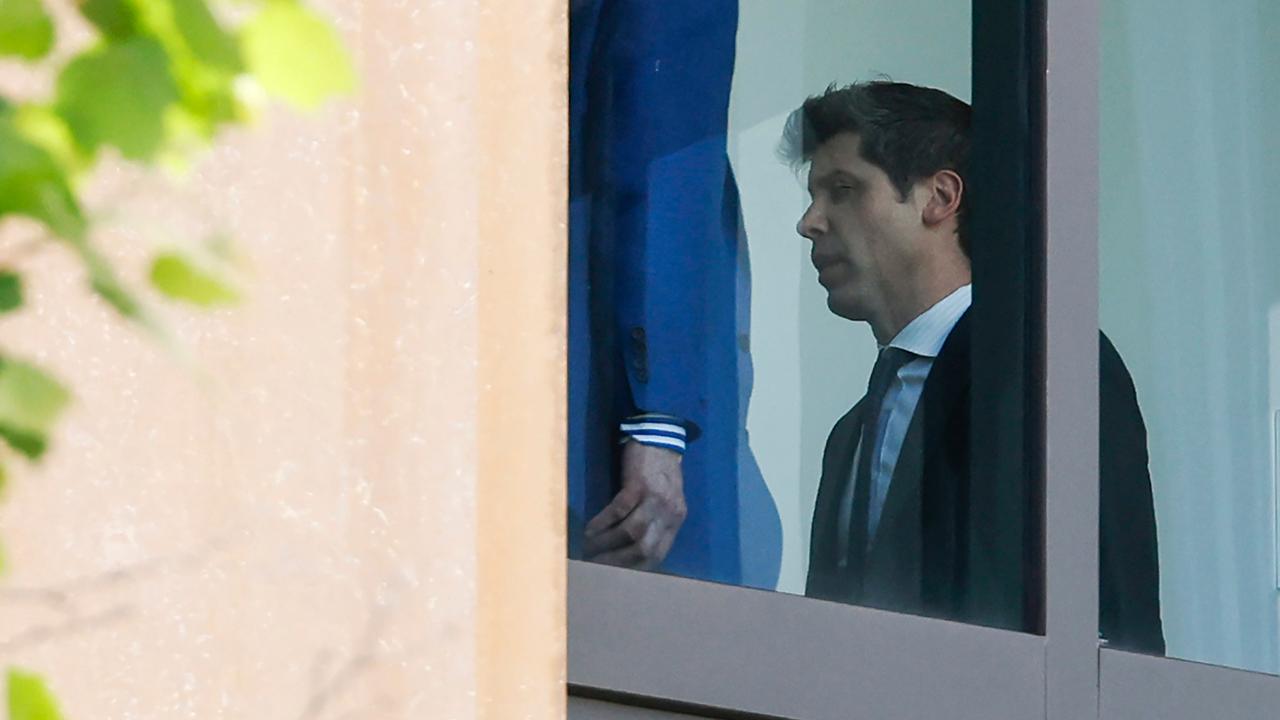
Under questioning from his lawyer in the California federal court on Tuesday, Altman denied Musk’s contention that he and OpenAI President Greg Brockman, who is also a defendant, tried to “steal a charity”.
“It feels difficult to even wrap my head around that framing,” Altman said, and maintained he hoped that “as OpenAI continues to do well, the nonprofit will do even better”.
Lawyers for Musk have sought to portray Altman as a liar about his plan for OpenAI.
Musk testified early in the trial: “If you have someone who is not trustworthy in charge of AI, I think that’s a very big danger for the whole world”.
The trial marks a clash among tech giants, with Musk portraying himself as a defender of ordinary people from the perils of AI and Silicon Valley titans who care more about money.
Musk, the world’s richest person, is seeking about $US150 billion ($A207 billion) in damages from OpenAI and Microsoft, a major investor, to be paid to an OpenAI nonprofit. He also wants Altman and Brockman removed from their roles.
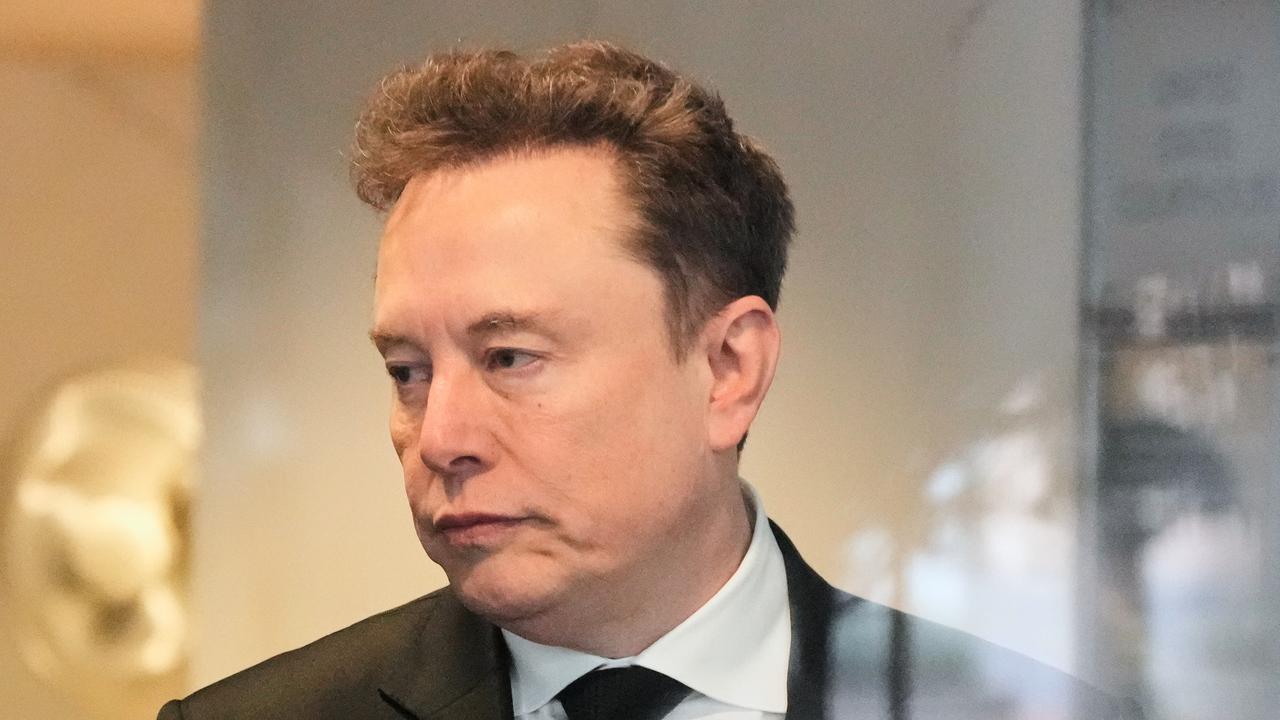
OpenAI was co-founded in 2015 by several entrepreneurs, including Musk and Altman.
It has said Musk knew about the for-profit plan before leaving its board in 2018, and is suing because he regrets missing out on potential riches.
OpenAI created a for-profit entity in March 2019.
Asked by his lawyer William Savitt whether Musk opposed the for-profit plan, Altman said “quite the opposite”.
Altman recalled Musk once demanding a 90 per cent stake in OpenAI, and said he was “extremely uncomfortable” with ceding majority control even as Musk lessened his demands.
“I had quite a lot of experience with startups, had seen a lot of control fights,” he said, citing Musk’s SpaceX as an example where founders of well-performing companies consolidated power to ensure permanent control.
Altman also said that while he and other OpenAI leaders wanted to stay on Musk’s good side, he baulked at a merger with Tesla, Musk’s electric car company.
“I don’t think we would have had the ability to ensure that (our) mission was acted on,” he said. “Fundamentally, Tesla needs to serve its customers and sell cars.”
Musk’s lawyer Steven Molo cited testimony from a former OpenAI board member that Altman fostered a “toxic culture of lying”, and from seven former OpenAI officials who said Altman wasn’t trustworthy.
“Have you misled people when you do business?”
“I do not think so.”
Altman also testified about his brief ouster from OpenAI in 2023, when its board challenged his candour and defended its need to benefit humanity.
He said he considered not returning and moving to Microsoft, but OpenAI meant too much to him.
“I was willing to run back into a burning building to save it,” he said.
Altman does not own OpenAI equity directly, but has a stake in a fund invested in the company.
The trial comes after OpenAI raised hundreds of billions of dollars from large technology companies and investors to add computing power. Altman said OpenAI raised $US175 billion from private investors across its lifetime.
Musk’s departure sparked mixed feelings within OpenAI, Altman said, with some people worried it might impede funding, while others were relieved to be freed of Musk’s demand that researchers regularly defend their progress.
OpenAI’s chairman, Bret Taylor, testified that OpenAI received a formal takeover offer from a consortium led by Musk’s rival company xAI in February 2025, six months after Musk sued.
“This proposal was to acquire this non-profit by a group of for-profit investors, which felt contradictory to the spirit of the lawsuit,” he said.
Trump dismisses Americans’ economic pain over war
US President Donald Trump says Americans’ financial struggles are not a factor in his decision-making as he seeks to negotiate an end to the Iran war, saying that preventing Tehran from acquiring a nuclear weapon is his top priority.
Asked by a reporter to what extent Americans’ financial situations were motivating him to strike a deal, Trump said: “Not even a little bit.”
“The only thing that matters, when I’m talking about Iran, they can’t have a nuclear weapon,” Trump said before departing the White House for a trip to China on Tuesday.
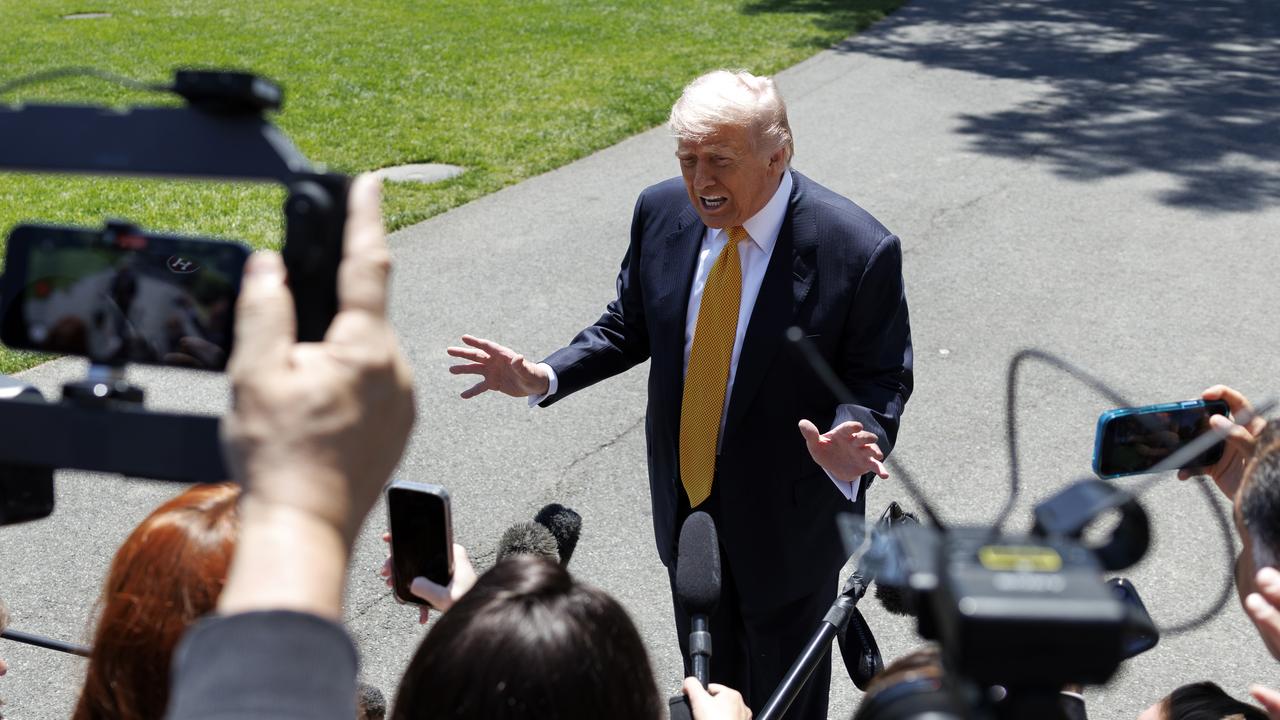
“I don’t think about Americans’ financial situation. I don’t think about anybody. I think about one thing: We cannot let Iran have a nuclear weapon. That’s all. That’s the only thing that motivates me.”
Trump’s remarks are likely to draw scrutiny from critics who argue the administration should balance geopolitical objectives with the economic impact on Americans, particularly as cost-of-living concerns remain a top issue for voters ahead of the November mid-term elections.
White House Communications Director Steven Cheung said Trump’s “ultimate responsibility is the safety and security of Americans. Iran cannot have a nuclear weapon, and if action wasn’t taken, they’d have one, which threatens all Americans”.
Trump is under growing pressure from fellow Republicans who fear economic pain caused by the war could spark a backlash against the party and cost it control of the House of Representatives and possibly the Senate in November.
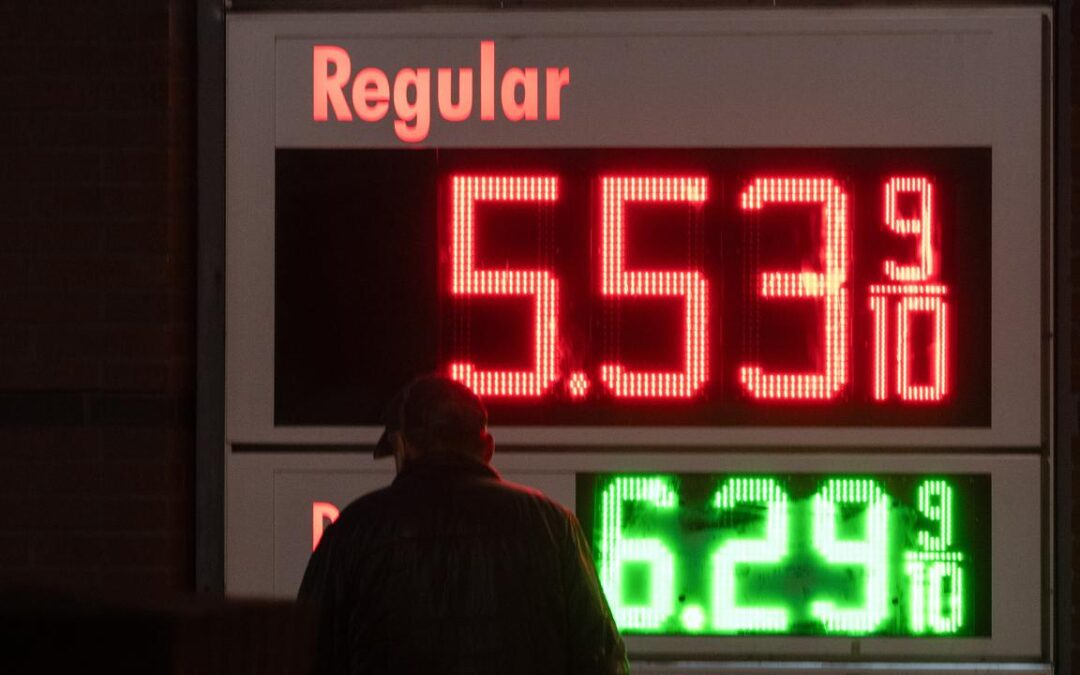
Rising energy costs linked to the Iran conflict have pushed up gasoline prices and contributed to inflation.
US consumer inflation in April posted its largest gain in three years, according to data released on Tuesday.
Trump framed his approach as a matter of national and global security, suggesting economic concerns were secondary to preventing nuclear proliferation.
US intelligence assessments, however, indicate that the time Iran would need to build a nuclear weapon has not changed since last summer, when analysts estimated that a US-Israeli attack had increased the timeline to nine months to a year, according to three sources familiar with the matter.