
Senate confirms Warsh as chair of the Federal Reserve
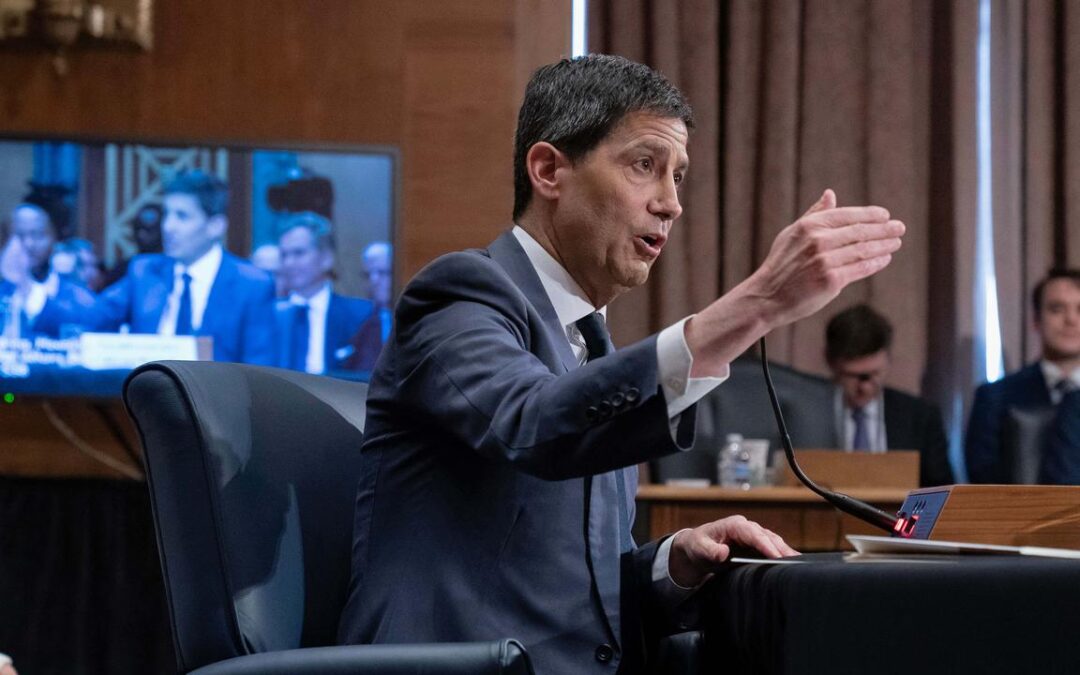
The Senate has confirmed President Donald Trump’s nominee to lead the Federal Reserve, Kevin Warsh, bringing new leadership to the world’s most powerful central bank at a fraught moment for the global economy.
Warsh, 56, a former top Fed official, was confirmed Wednesday in a largely party-line 54-45 vote and will replace Jerome Powell as chair at an unusually difficult time for the independent agency.
Inflation has topped the Fed’s 2.0 per cent target for five years and is now rising faster because of spiking gas prices.
The Fed’s interest rate-setting committee is divided and saw the most dissenting votes in more than three decades last month.
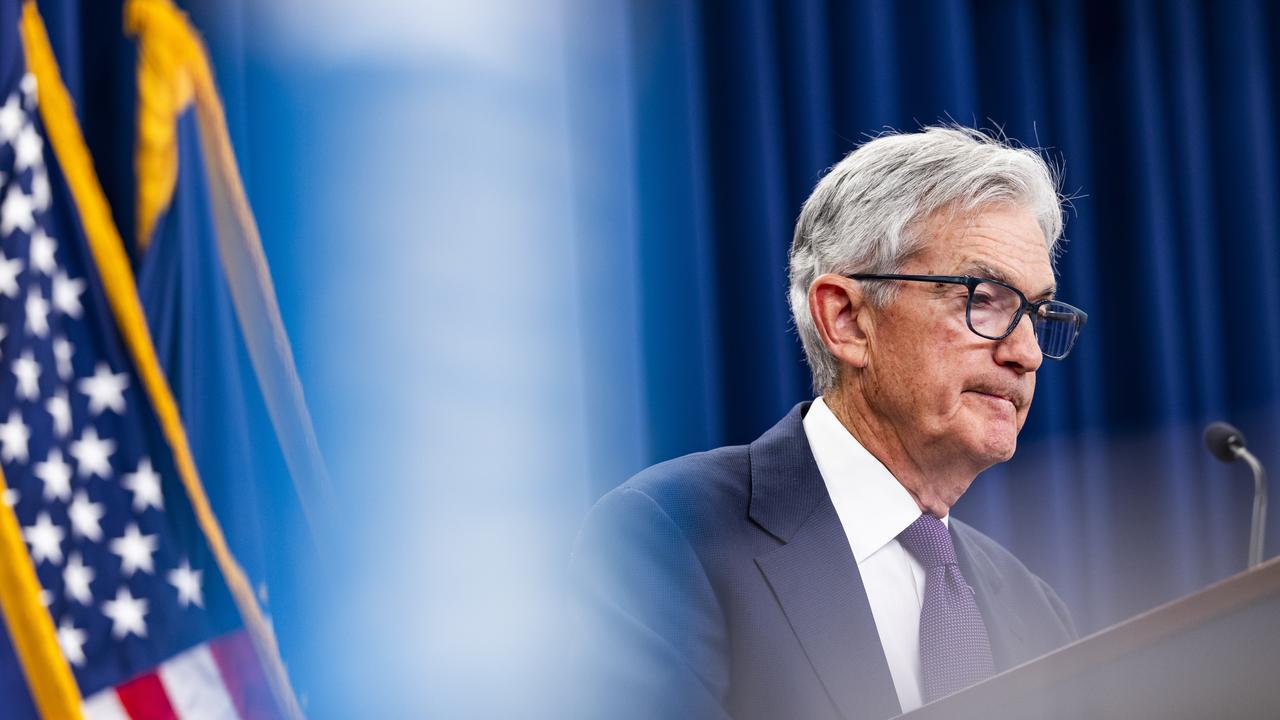
And Powell, after years of personal attacks from Trump and an unprecedented Justice Department investigation, plans to remain on the Fed’s board even after his term as chair ends, potentially creating a competing power centre.
Senate Majority Leader John Thune said in a floor speech that it’s critical that a Fed chair “understand not only the macro” but also “appreciate the microeconomy: and that’s the hardworking Americans, their jobs and their livelihoods”.
“Kevin Warsh is just such a person,” Thune said.
The Fed has faced threats to its independence from Trump, who has repeatedly attacked Powell for not cutting interest rates.
Trump also sought to fire Fed governor Lisa Cook and launched an investigation into Powell’s Senate testimony about a building renovation.
The probe of Powell had threatened to derail Warsh’s nomination, as Republican Senator Thom Tillis of North Carolina vowed to withhold support until the investigation was terminated.
The probe was ultimately dropped in April.
Every Republican voted for Warsh on Wednesday, as did Democratic Senator John Fetterman of Pennsylvania.
Kevin Hassett, director of the White House’s National Economic Council, said in a Fox News interview on Sunday that he believes the markets are relieved that Warsh “is going to help lower interest rates over time”.
“Obviously, data-driven,” said Hassett.
“I’m not putting any pressure on Kevin Warsh.”
In December, Trump said on his social media platform that he wanted a Fed chair who would cut interest rates when the stock market rose — the opposite of what traditional economics would prescribe.
“Anyone that disagrees with me will never be the Fed chairman!” he said.
Trump’s comments have fuelled concerns over whether Warsh will set rates based on economic conditions or instead seek to appease Trump, even if doing so could worsen inflation.
At Warsh’s confirmation hearing last month, Senator Elizabeth Warren, a Democrat from Massachusetts, derided him as a “sock puppet” for Trump.
Still, Warsh denied at the hearing that Trump had pressured him to reduce the Fed’s key rate.
“I will be an independent actor if confirmed as chair of the Federal Reserve,” he said.
Warsh has been highly critical of the Fed’s recent track record, particularly the inflation spike in 2021-22, the worst in four decades.
He has called for limiting the Fed’s communications, which would be a sharp shift after decades of growing transparency.
He has argued that some of its communications tools, such as quarterly forecasts of where its key rate may head, have made it harder for officials to switch gears.
Senate Democrats have also condemned Warsh for not fully divulging the details of his wealth, which amounts to at least $US100 million ($A138 million).
His investments include stakes in Polymarket and SpaceX, but he hasn’t revealed the size of those holdings. He promised to sell all such assets within 90 days of being sworn in.
“He will be the wealthiest Fed chair in history, but he refuses to provide transparency to the American people about who he is entangled with,” Warren said.
Warsh faces difficult economic conditions.
The Fed is still grappling with how to respond to the 50 per cent spike in gas prices caused by the war in Iran.
The increase has boosted inflation, which reached 3.8 per cent in April.

Iran war looms over Trump’s China visit
The US-Israeli war in Iran is looming over US President Donald Trump’s visit to China, as signs emerged that the conflict is shifting alliances across the Middle East.
Trump arrived in Beijing on Wednesday ahead of talks with President Xi Jinping set to begin on Thursday.
He is expected to ask for China’s help to resolve the costly and unpopular conflict, which he launched in late February, but analysts say he is unlikely to get the support he wants.
New reports on Wednesday highlighted how the Iran war is accelerating geopolitical realignment across the region.
Israel revealed that Prime Minister Netanyahu secretly travelled to the United Arab Emirates in March for talks with Sheikh Mohammed bin Zayed, which Israel said resulted in an “historic breakthrough” in Israel’s relations with the UAE.
The two countries re-established ties in 2020 as part of the Trump-backed Abraham Accords, but the relationship has strengthened after the UAE came under Iranian attack.

Separately, Reuters reported that Saudi fighter jets have bombed Iran-backed militias in Iraq, part of a broader pattern of military responses involving Gulf nations during the war that have remained hidden.
Retaliatory strikes were also launched from Kuwait into Iraq, sources said.
Tehran, meanwhile, has tightened its grip on the Strait of Hormuz, which before the war handled one-fifth of the world’s oil supply, cutting deals with Iraq and Pakistan to ship oil and liquefied natural gas from the region, according to sources with knowledge of the matter.
Iranian officials have signalled they see that control as a long-term strategic goal. An army spokesperson said supervision of the waterway could generate revenue amounting to twice Iran’s oil income, while strengthening its foreign policy leverage.
“After this war ends, there will be no place for retreat,” the spokesperson said, according to comments carried by ISNA news agency.
More than one month after a tenuous ceasefire took effect, US and Iranian demands to end the war remain far apart.
Washington has called for Tehran to scrap its nuclear program and lift its hold on the strait, while Iran has demanded compensation for war damage, an end to the US blockade and a halt to fighting on all fronts, including in Lebanon, where Israel is battling Iran-backed Hezbollah. Trump has dismissed those positions as “garbage”.

The conflict is weighing heavily on global energy markets.
Global oil supply will fall by around 3.9 million barrels per day in 2026 and undershoot demand due to disruptions caused by the Iran war, the International Energy Agency said on Wednesday, with more than one billion barrels of Middle East supply already lost.
The Trump administration said on Tuesday that senior US and Chinese officials had agreed last month that no country should be able to charge tolls on traffic through the region, in an effort to project consensus on the issue ahead of the summit.
China, a major buyer of Iranian oil that maintains close ties with Tehran, did not dispute that account.
On Wednesday, a Chinese supertanker carrying two million barrels of Iraqi crude sailed through the Strait of Hormuz, ship-tracking data showed, marking the third known passage by a Chinese oil tanker through the channel since the US and Israel launched strikes on Iran on February 28.
Other countries are exploring shipping arrangements similar to Tehran’s deals with Iraq and Pakistan, sources said, potentially entrenching Tehran’s control of the waterway through which fertilisers, petrochemicals and other bulk commodities vital to global supply chains normally flow.
Iran has demanded security guarantees for Lebanon as part of its proposal to end the wider war.
But despite a US-mediated ceasefire announced last month, Israel has continued to strike Hezbollah.
On Wednesday, Israeli air strikes on cars in Lebanon killed 12 people, including two children, according to Lebanon’s health ministry.
Some of the strikes targeted vehicles well beyond the main theatre of conflict in the south, on the coastal highway south of Beirut, security sources said.

Bargain bust-up: court rules on Coles’ ‘fake’ discounts
A judge will decide whether supermarket giant Coles deliberately misled customers with its “Down Down” price campaign in a landmark ruling ending a high-stakes legal battle.
Due to be delivered on Thursday morning by Justice Michael O’Bryan, the decision could change the way supermarkets operate and see the $28 billion company hit with nine-figure penalties.
The Australian Competition and Consumer Commission brought separate but similar cases against the country’s two dominant supermarket chains with a Woolworths suit awaiting judgment at a later date.

Both cases allege the supermarkets misled consumers by increasing prices for a short time before lowering them to above the original price and marketing it as a discount.
In one instance, a can of Nature’s Gift dog food was on sale for $4 nearly a year before the price was briefly increased to $6.
It was then sold under a “Down Down” ticket for $4.50.
The watchdog identified hundreds of products on the Coles campaign and a similar “Prices Dropped” push from Woolworths that followed a similar formula.
During separate hearings, lawyers for the supermarkets argued prices increased due to inflationary pressures and the discounts were genuine.
Melbourne University consumer law expert Jeannie Paterson said the outcome in the case against Coles was too close to call.
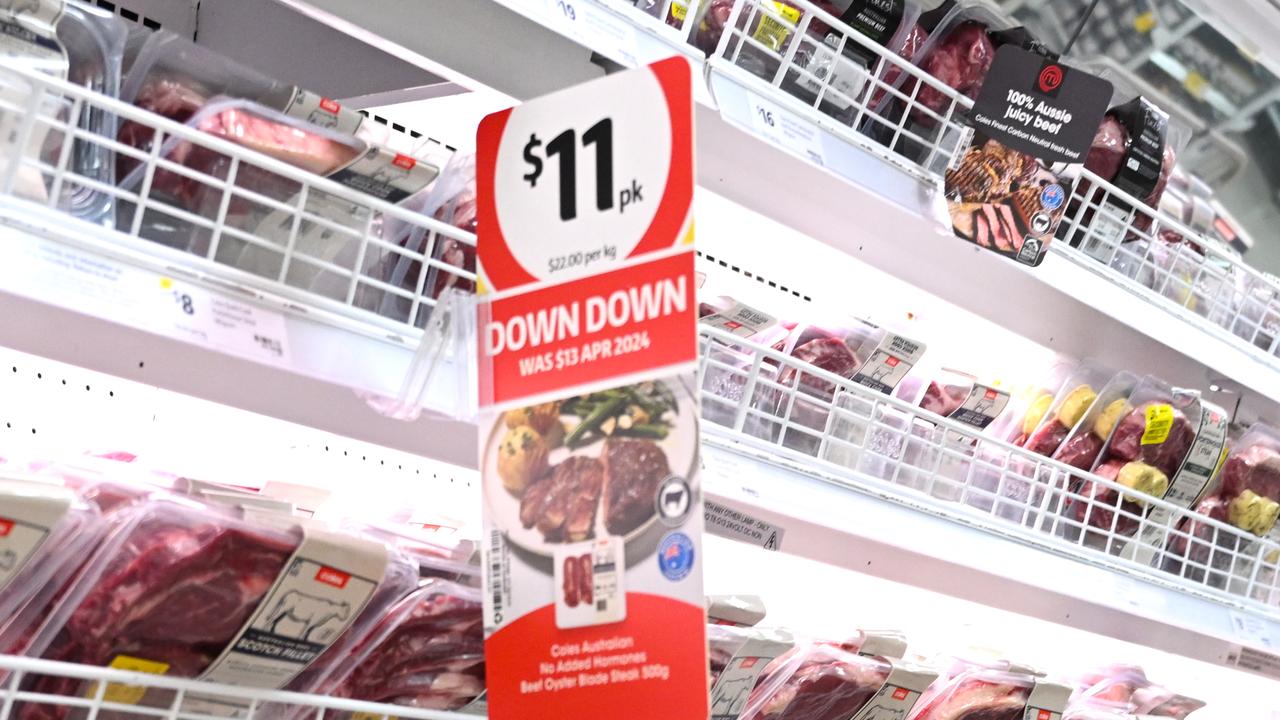
“People feel aggrieved there was this short-term price increase before the price was dropped – but, strictly, the marketing was accurate,” she told AAP.
If Coles was found to have misled its customers it could mean “colossal” fines for the retailer and change the way all supermarkets did business, Professor Paterson said.
“Even if Coles wins, we’re going to see a great deal of cynicism about promotional offers and pricing,” she said.
ACCC barrister Garry Rich SC argued during hearings that Coles was trying to avoid losing customers by disguising price increases as discounts.
“Why on earth are you telling your customers your prices are going down? They’re not,” he told the court.

But Coles’ barrister John Sheahan argued “ordinary, reasonable consumers” knew that prices generally trended upward due to inflation.
The consumer watchdog’s case could be hurt by the fact that very little evidence was brought about shoppers’ habits and their understanding of discount campaigns, Prof Patterson said.
A ruling against Coles would be instructive – but not definitive – when predicting the court’s decision in the Woolworths case, she added.
“There are some differences in the evidence that was brought in the two cases,” Prof Patterson said.
“Woolworths will be looking very closely.”
Coalition budget reply to link housing, migration rates
Australia’s migrant intake would be tied to the number of new homes built each year if the coalition wins government, under a plan to reduce pressure on the nation’s housing sector and challenge Pauline Hanson’s ascendant One Nation.
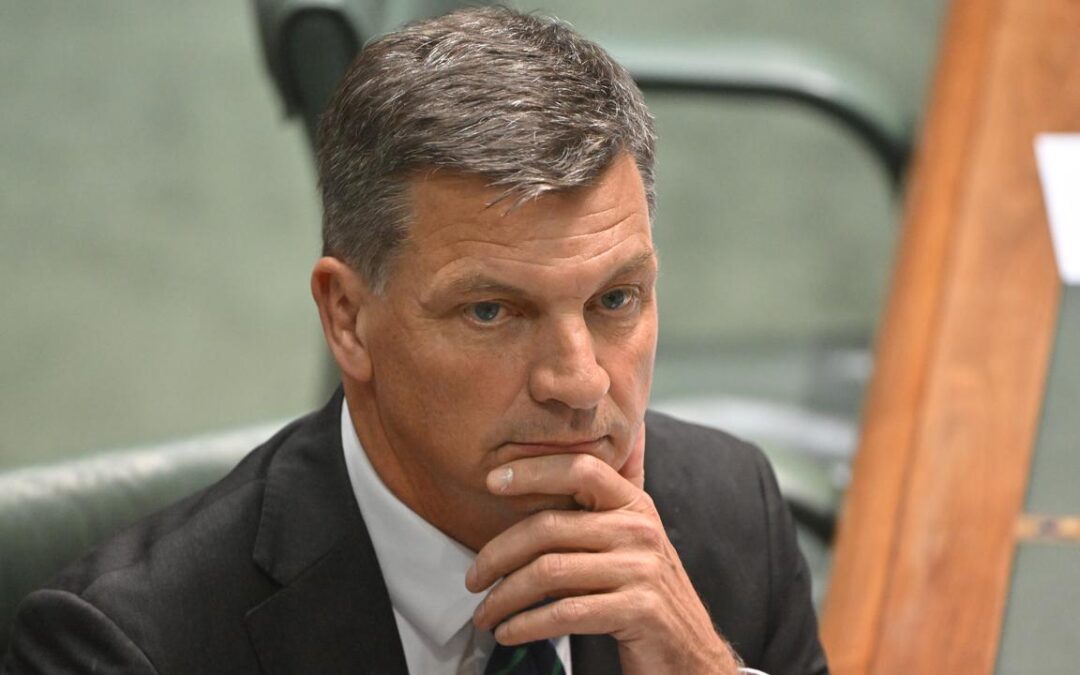
Opposition Leader Angus Taylor will use his first budget reply speech to outline more details of his promised crackdown on migration, unveiling a dramatic cut to the number of foreigners allowed into the country and reheating parts of Peter Dutton’s 2025 election platform.
“Australia should only bring in as many people as it can house,” Mr Taylor will tell parliament on Thursday night.
“Under Labor, migration has run miles ahead of housing and that puts pressure on rents, house prices and on every young Australian trying to get ahead,” he will say.
Under Mr Taylor’s plan, a limit would be placed on net overseas migration, equivalent to the number of homes built in the previous year.
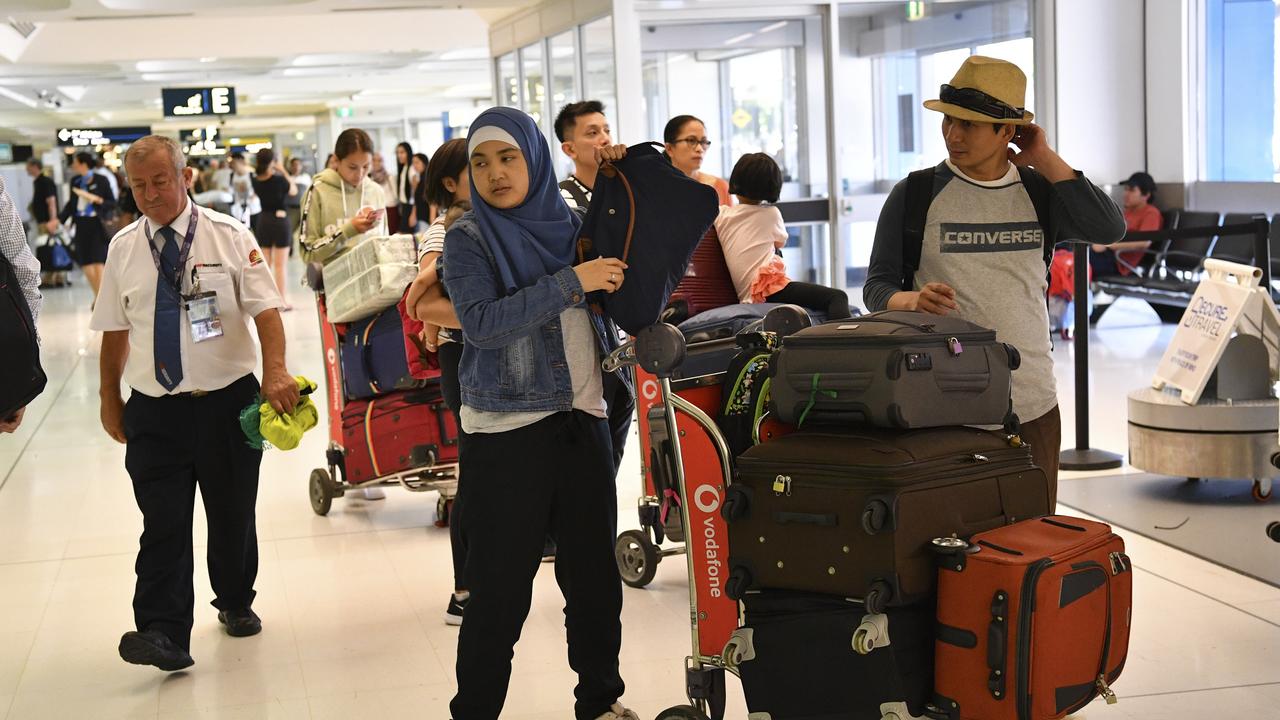
Net overseas migration is the difference between the number of people arriving in Australia and the number of departures, and also includes temporary migrants like foreign students.
Tuesday’s budget forecasts the figure at 295,000 for this financial year, dropping to 225,000 by 2027/28.
That’s well below the post-pandemic high of more than 550,000, when a flood of migrants re-entered the country as borders reopened, but still higher than pre-COVID levels.
Last financial year, around 175,000 new homes were built. If Mr Taylor’s policy were implemented, that would mean a cut to net migration of about 40 per cent for this financial year.
The opposition leader will also seek to challenge Pauline Hanson’s One Nation on migration after its win over the Liberals in the Farrer by-election, leaning into populist right-wing rhetoric around “mass migration”.
“This is about mass migration running ahead of the homes, roads, hospitals, schools and services Australia can provide,” Mr Taylor will say.
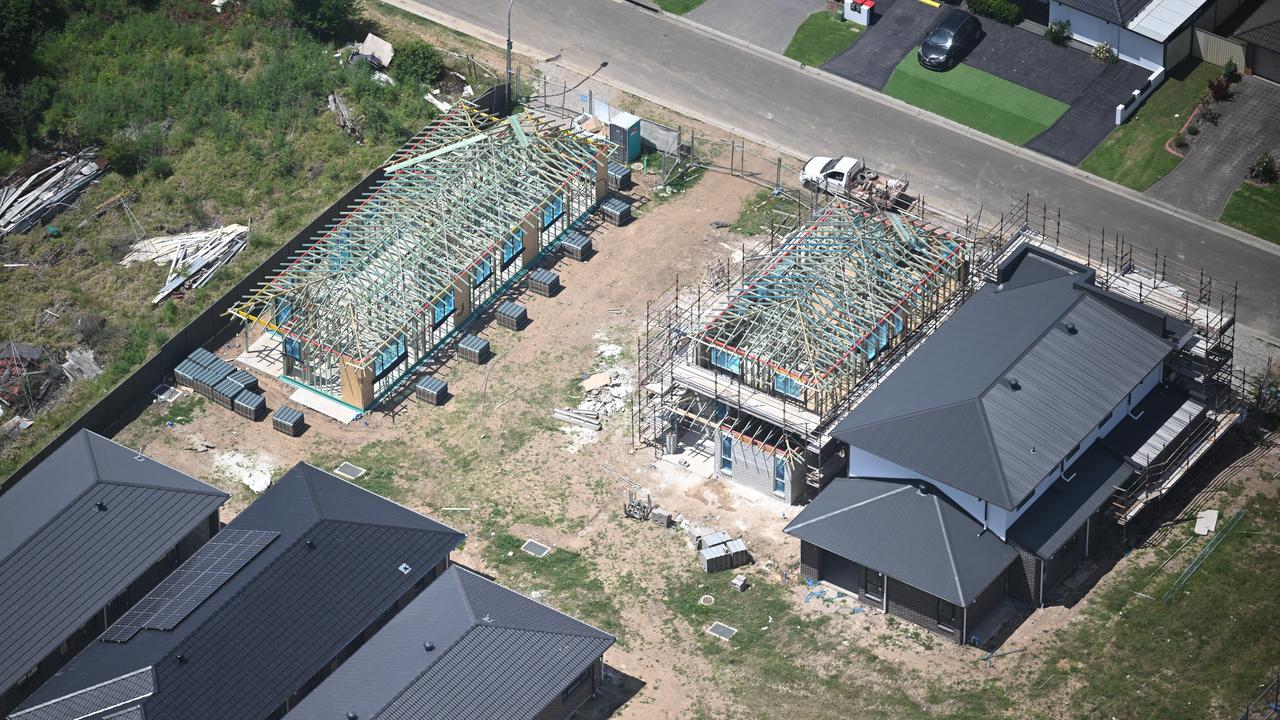
His budget reply speech sets up a fight with Labor over housing policy, after the federal government revealed plans to scrap tax concessions for property investors in a bid to help more young people buy a home.
The coalition has promised to repeal the changes if it wins the next election.
Mr Taylor has also revived former opposition leader Peter Dutton’s promise from the 2025 election campaign to create a $5 billion housing infrastructure fund, which would help provide water, sewage, utilities and access roads to new housing developments.
The change will unlock up to 400,000 new homes, he will say, while also promising to scrap Labor’s flagship housing funds, including the Housing Australia Future Fund, the Help to Buy and Build to Rent schemes and the New Homes Bonus.
Jakarta prosecutors seek 18 years jail for Gojek boss
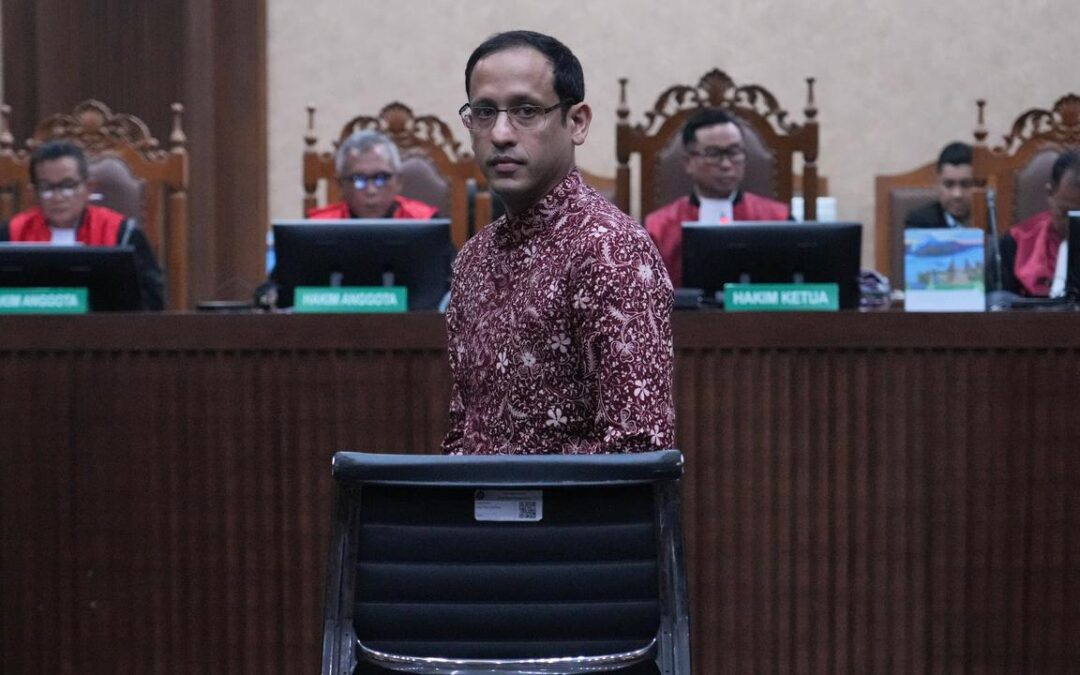
Indonesian prosecutors have sought an 18-year prison sentence for a co-founder of ride-hailing and payments giant Gojek over his alleged role in a corruption case tied to the procurement of Google Chromebook laptops for schools during the COVID-19 pandemic.
At a hearing at Jakarta’s Corruption Court, prosecutors also sought a fine of one billion rupiah (about $A78,924) and requested the seizure of Nadiem Anwar Makarim’ s assets if he fails to repay 809 billion rupiah (about $A66.5 million) linked to the program, along with 4.8 trillion rupiah (about $A380.1 million) in funds they described as unexplained wealth.
Under the proposal, he would face an additional nine years in prison if he does not comply within one month after a final court ruling.

Makarim was arrested in September after an investigation into the procurement, which prosecutors say caused about $US125 million ($A173 million) in state losses.
Earlier this week, judges approved a change in his detention status to house arrest following surgery.
The trial has drawn significant public attention, often attended by hundreds of “ojek” motorcycle taxi drivers showing solidarity for the man who revolutionised Indonesia’s gig economy.
The case centres on allegations that Makarim, who served as education minister from 2019 to 2024, “enriched himself” through the government’s Chromebook procurement program in 2020–2022.
Prosecutors told the three-judge panel that he abused his position to influence policy decisions and corporate dealings.
They alleged Makarim pressured Google to invest in PT Aplikasi Karya Anak Bangsa (PT AKAB), the parent company of Gojek, which later became part of GoTo Group.
During proceedings, prosecutors downplayed testimony from three former Google executives who said Google’s investment in GoTo was unrelated to the Indonesian government’s decision to procure Chromebooks for schools.
“Google’s investment in GoTo is considered a mutually beneficial relationship that may have influenced Chromebook procurement policy,” prosecutors told the court, asserting that the Chromebook procurement and Google’s investment — totalling about $US787 million ($A1.1 billion) via Google Asia Pacific — were interconnected.
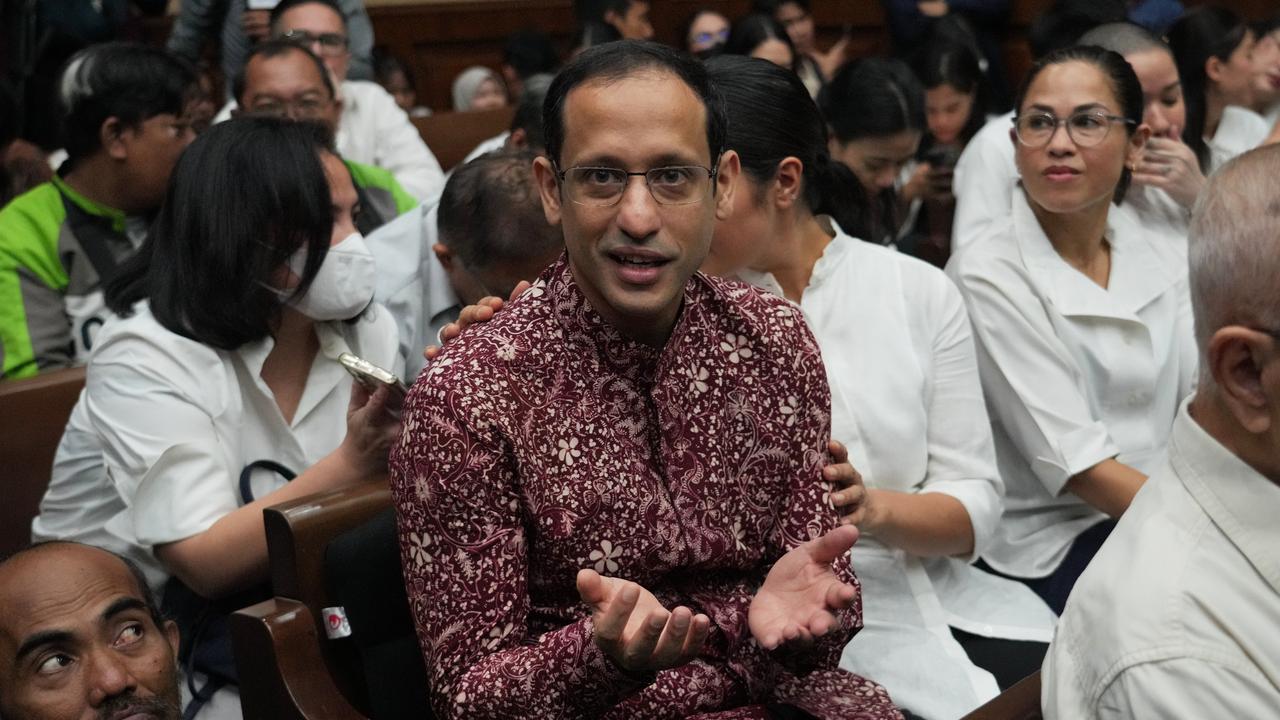
A panel of judges is expected to deliver a verdict in the coming weeks.
If convicted, Makarim faces one of the harshest corruption sentences in recent Indonesian history.
Responding to the sentencing demand, Makarim denied wrongdoing and criticised what he called an excessive punishment.
“These are lawful earnings from building a company and creating jobs,” he told reporters after the hearing, referring to his stake in Gojek.
“I am effectively being charged with 27 or 28 years in prison, far more than many violent criminals.”
He said there was “no administrative violation and no element of corruption” in his actions, adding that the restitution sought by prosecutors far exceeded his actual wealth.
The Chromebook program was launched during the pandemic to support remote learning.
Prosecutors said Makarim favoured Chromebooks despite concerns they were ineffective in areas with limited internet access.
Makarim has maintained that procurement decisions were made by technical officials, not by him.
His lawyers argue that he divested from PT AKAB upon taking office and that his wealth declined during his tenure.
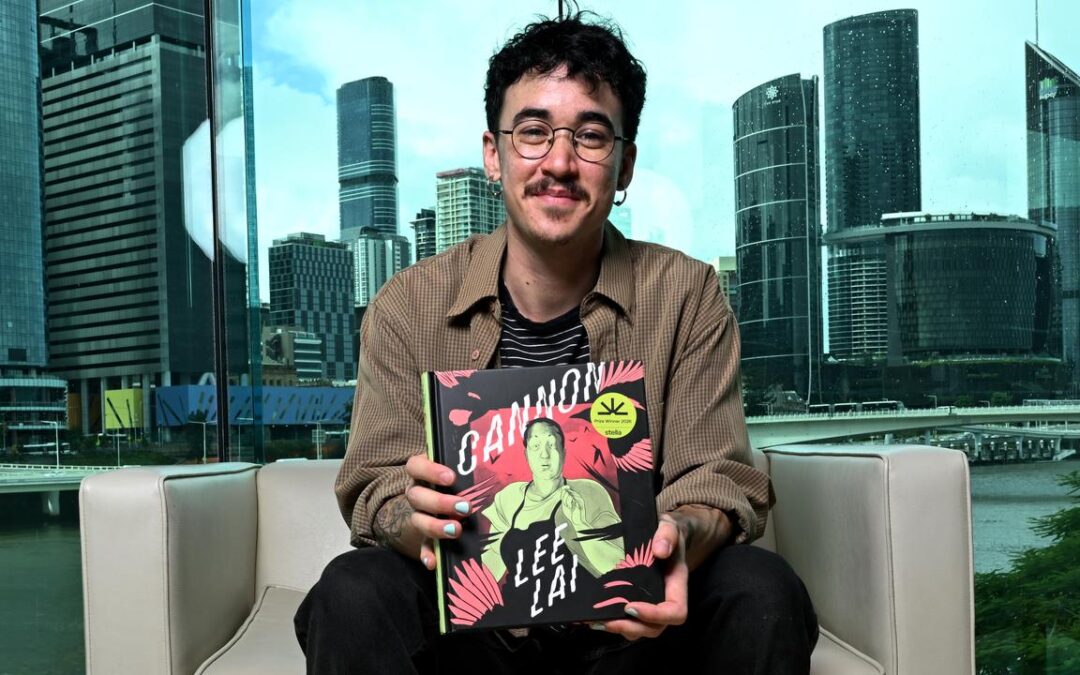
In Stella Prize first, a graphic novel draws the win
The $60,000 Stella Prize has gone to a graphic novel for the first time, with Lee Lai taking out the award for her book Cannon.
“This feels like quite a big deal,” said Lai, who has been based in Montreal for the past decade and returned to Australia to accept the prize.
“The Australian publishing landscape has historically been not that supportive of comics, it’s very hard to get a comic published in Australia,” she said.
Lai is also the first transgender writer to win the award, which is open to women and non-binary authors, in its 14-year history.
She says her feelings about winning the Stella Prize are complicated because other trans creatives struggle with family support, housing stability and access to gender-affirming healthcare.
“There are a lot of brilliant creatives who are trans people who aren’t getting published; I think there are a lot of barriers,” she said.
Set in Montreal, the book tells the story of repressed heroine Lucy who works in a busy restaurant, loosely based on a place Lai worked when she first moved to the city.

Lucy, otherwise known as Cannon, also cares for her elderly grandfather and is taken for granted by her best friend.
When the pressure gets too much, the main character is sometimes surrounded by mysterious black birds.
“It’s my attempt at a portrait of anger – anger has been a very interesting experience for me, it’s something I was very avoidant about in my life,” Lai said.
Cannon is a truly exceptional feat of the graphic novel form and the win will expose the book to new readers nationwide, Stella chief Fiona Sweet said.
The story is relatable, funny, wise and very weird, Chair of Judges Sophie Gee said.
“This is a novel of immense skill and power that uses words and the visual language of comics to construct a complex and pleasingly unresolved story that readers can’t put down,” she said.
Lai has already won several international awards for her work and was shortlisted for the Stella in 2021 for her first novel Stone Fruit.
She will appear at events presented by Stella in Brisbane, Melbourne and Sydney during May.

Rinehart legal saga reignites, Hancock lodges appeal
Australia’s richest person, Gina Rinehart, will fight elements of a complex court ruling that found two rival mining dynasties were entitled to a share of the spoils from some of the billionaire’s prized iron ore assets.
The Western Australian Supreme Court last month ruled the wealthy heirs of mining pioneer Peter Wright and engineer Don Rhodes were entitled to some of their claims for royalties from the massive Rio Tinto-operated Hope Downs mining complex, in WA’s ore-rich Pilbara region.
Hancock Prospecting, of which Mrs Rinehart is executive chair, this week lodged appeals against most of the court orders related to the decision, including findings related to decades-old partnership contracts between her company and Wright Prospecting and DFD Rhodes.
Mrs Rinehart is also resisting a finding that Wright Prospecting is entitled to damages for contract breaches, and orders to hand over years of financial records related to the proceeds and royalties earned from Hope Downs’ rich ore deposits.
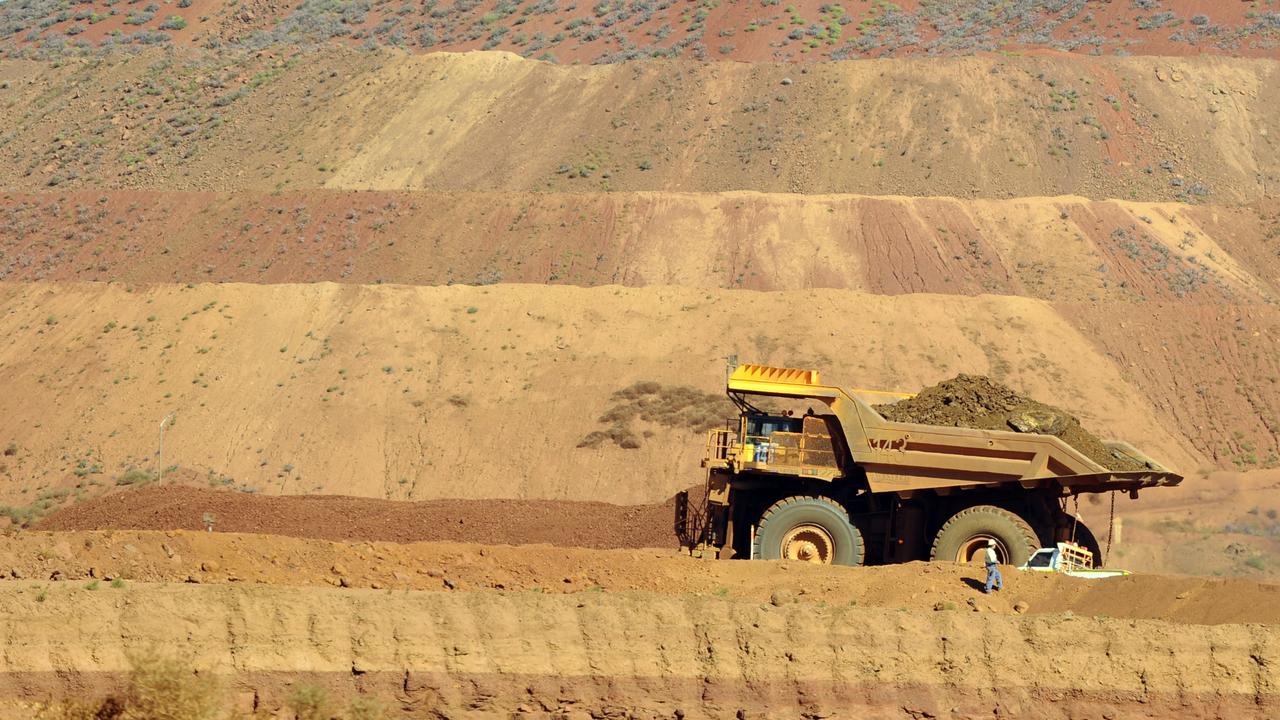
Justice Jennifer Smith’s 1655-page judgment found Hancock Prospecting would be required to pay royalties, damages, interest and costs, which could be worth hundreds of millions of dollars.
At the heart of the issues raised in the 51-day trial were agreements made decades ago between Mrs Rinehart’s father Lang Hancock, Peter Wright and engineer Don Rhodes, who were mates and colleagues at the time.
Justice Smith dismissed Wright Prospecting’s claim for a half share of some of Hancock’s iron ore deposits, worth billions of dollars.
Wright had demanded a stake in mined and unmined Hope Downs tenements and royalties amid a claim Hancock breached a 1980s partnership agreement.
DFD Rhodes also claimed a royalty share of Hope Downs’ production over an alleged deal with Mr Hancock and Mr Wright that handed over tenements in the 1960s.
The trial also drew in Mrs Rinehart’s children, over a previous claim by John Hancock and Bianca Rinehart stating their grandfather left them a hefty share in the Pilbara mining resources he discovered in the 1950s.
Rio Tinto was also involved in the battle as the joint-venture partner in Hope Downs.
Mrs Rinehart inherited her father’s iron ore discovery in the Pilbara region and forged a mining empire after he died in 1992.
She developed mines from tenements at Hope Downs, signing a deal in 2005 with Rio Tinto, which has a 50 per cent stake in the project.
The Hope Downs mining complex near Newman is one of Australia’s largest and most successful iron ore projects, with multiple open-pit mines.
Hancock Prospecting rejected the Wright Prospecting and DFD Rhodes’ claims during the trial, maintaining that it undertook all the work, bore the financial risk involved in the development and is the legitimate owner of the assets.
Mrs Rinehart’s wealth is estimated to be about $40 billion.

Up in smoke: budget loses $8b more to illicit tobacco
Australia’s growing tobacco black market has slashed billions more dollars from the federal budget bottom line as the treasurer remains steadfast against calls to lower the excise fuelling the illicit trade.
The tobacco excise was revised lower by $8 billion in the five years to 2029/30 in Tuesday’s budget.
In 2025/26, the forecast tax take fell to $4.1 billion – $1.3 billion lower than projected just five months earlier in the mid-year budget update.
Revenue from the excise has been in freefall since 2019, even though the impost has continued to rise.
Lower smoking rates have played a part, but the main driver has been the explosion in black market sales, which the government estimates make up more than half of the total tobacco market.
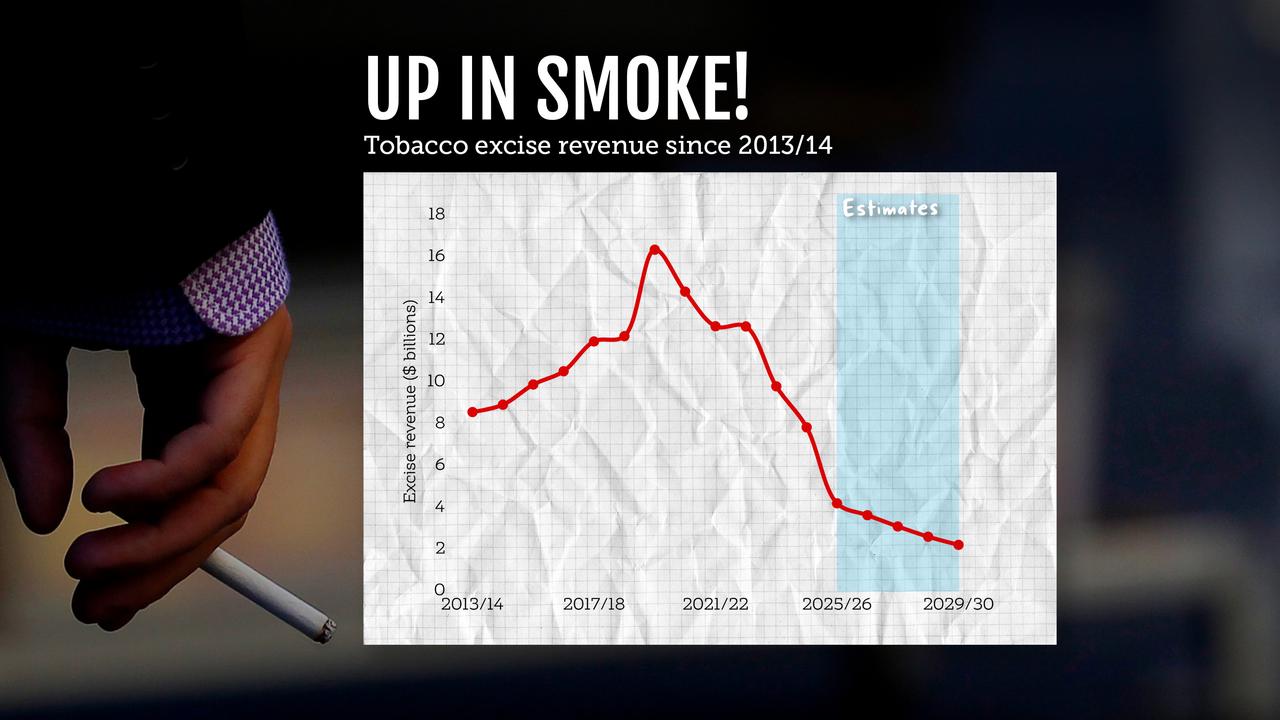
Compared to 2019, illicit sales are burning a $12 billion black hole in the budget.
“It’s another concerning downgrade, and something that I think people would have expected some policy action to try and rectify,” e61 researcher Lachlan Vass told AAP.
At $1.50 per cigarette, the excise was creating a $30 per pack incentive for organised criminals to sell black market tobacco.
Without lowering the excise to remove that incentive, enforcement alone would not be enough to kill the illegal trade, Mr Vass said.
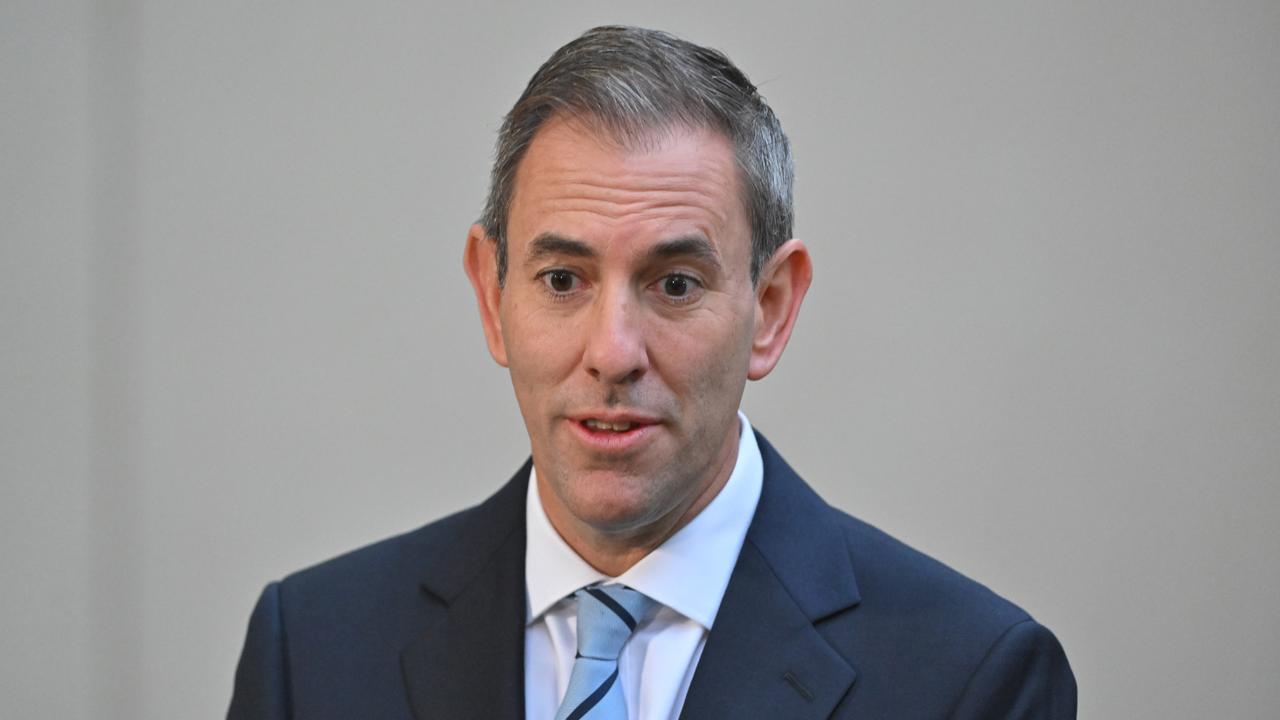
But Treasurer Jim Chalmers said he was not convinced that cutting the excise, “as Big Tobacco would like us to do”, would make a difference.
“We want that number of tax taken on cigarettes to go down because more people are giving up the darts, not because of organised crime,” he told 2GB radio.
“We’re spending a lot of money, time and effort trying to crack down on this illegal industry.”
The government has spent over $200 million trying to beef up compliance and enforcement, including $156.7 million in the previous budget, but only $14 million extra was pledged on Tuesday to boost transport, storage and disposal of seized tobacco and vapes.
A cut to the excise alone would be unlikely to dislodge the black market’s dominance now that distribution networks have become entrenched, Mr Vass said.
But he said a return to 2019 levels at a minimum, along with increased enforcement, would be needed to make an impact.
Shadow Treasurer Tim Wilson said the government had given a “complete license for organised crime, bikie gangs and criminals” to run the tobacco industry but refused to back a cut to the excise.
“The big question is how much would you have to cut it to actually stop the behaviour, because I see numbers which I think are too conservative,” he told 2GB.

‘These geniuses’: PM’s generational housing gamble
Anthony Albanese is playing “gutsy” politics with sweeping changes to tax concessions for landlords but risks offending established investors who may not have expected the overhaul, an expert in politics says.
From July 2027, negative gearing will be scrapped for all homes except new builds, while the 50 per cent capital gains tax discount will be abolished for existing properties in favour of a new scheme tied to inflation.
The federal government has pitched the changes as an effort to help younger Australians – many of whom may have been locked out of the property market – to buy their first home.

Close to half the electoral roll is now made up of millennials and Gen Z – a group which analysts say Labor is trying to win over with its controversial budget.
The housing tax changes were designed to counter accusations the government was being too timid with its mammoth 94-seat majority in parliament, Monash University politics expert Zareh Ghazarian told AAP.
“The risk here, of course, is that it will offend those who were not expecting these sorts of changes, and those who have established a long history of rental investments,” he said.
Associate Professor Ghazarian said the government could “lose some political skin” for breaking its promise not to touch negative gearing or capital gains in the lead-up to the last election.
“But in the longer term, the calculation must be that this is going to be a winner,” he said.
The opposition has promised to repeal the changes if it wins the next election, casting them as an assault on aspiration.
“We’ll do whatever we have to do to ensure that these taxes are not imposed on Australians,” Opposition Leader Angus Taylor told ABC TV on Wednesday.
“The hostility will be enormous, and I think the government will be forced to recant on significant parts of this, or all of this,” he said.
Prime Minister Anthony Albanese said the coalition was repeating the same political mistake it made in the lead-up to the last election, when it promised to repeal a modest tax cut announced in the 2025 budget.
“It’s a repeat of what happened one year ago… these geniuses are going to go to the election saying that they will repeal young Australians getting a fair go,” he told parliament on Tuesday.
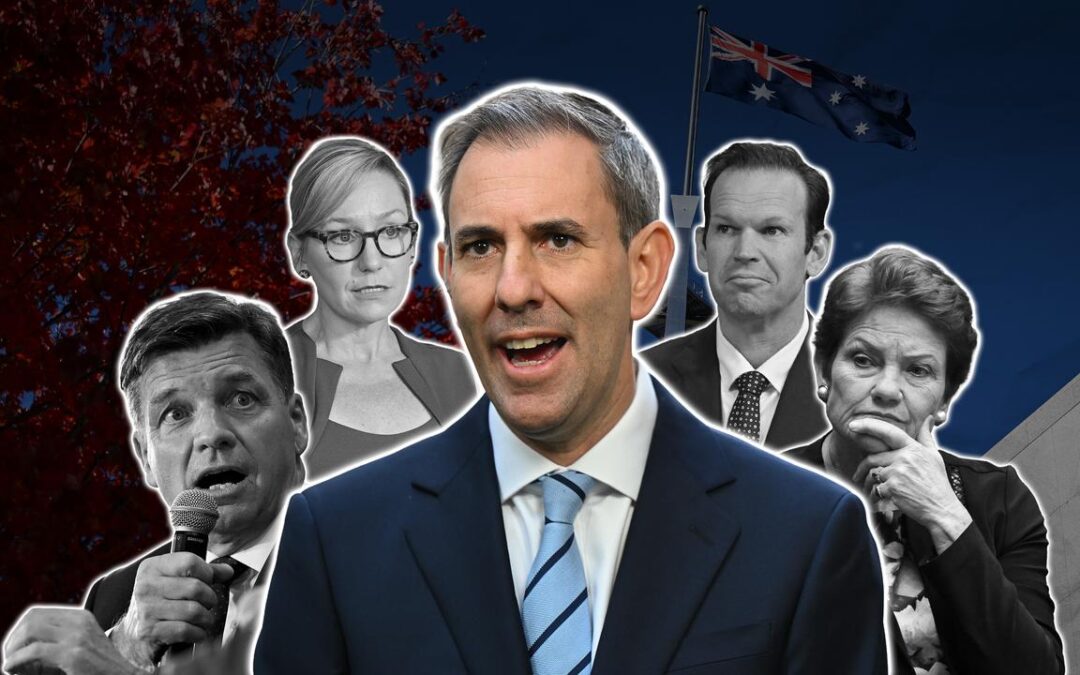
Labor faces parliament challenge to budget tax reform
The future of the government’s signature policies in the federal budget remain unclear, with no guarantee of support through the parliament.
Treasurer Jim Chalmers’ fifth budget included plans to limit negative gearing to new builds, as well as an overhaul of the 50 per cent discount on capital gains tax, which will instead be linked to the rate of inflation.
In order for the budget measures to become reality, Labor will need to look to the coalition or the Greens for support.
Opposition Leader Angus Taylor said the coalition would scrap the tax changes should it form government.
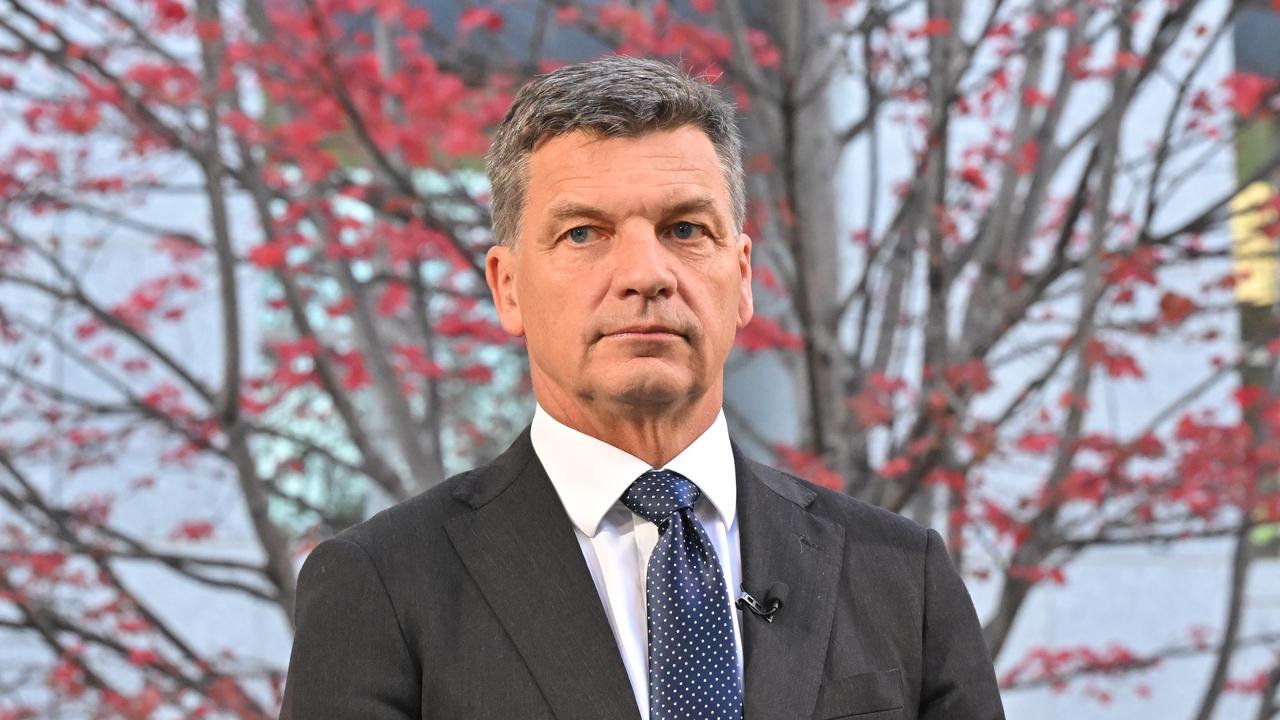
“We’re going to do everything we can to stop these bad taxes, toxic taxes, from getting through the parliament,” he told Sky News on Wednesday.
But the Greens have yet to indicate their support for the measures, despite previously calling for the government to make changes on negative gearing.
“It’s a bit of a con, because they’ve kept 95 per cent of these property investor tax credits, and there is nothing in this budget for renters,” Greens leader Larissa Waters told reporters in Canberra.
“We’re going to take a look at the details of the legislation once the government puts it forward, and if it’s a small step forward, well, that will factor into our decision making.”
Savings to the budget through cuts to the NDIS will also require support from the parliament, with a tightening of eligibility for the scheme expected to save $36 billion over the next four years.
The Greens have said they would oppose any of the changes for the scheme.
“(The government) have found it in themselves to punch down on the most vulnerable in our community,” Senator Waters said.
“They’re going to be cutting 160,000 people off the NDIS because they don’t have the guts to raise revenue from the big corporations.”
The coalition had signalled support for changes to the NDIS in order to bring down costs to the program, which is expected to become one of the largest spending items in the budget.
The treasurer said he was confident of NDIS measures passing through parliament.
“There are a number of elements of the budgets which are difficult but doable,” he told the National Press Club.
“It will take a lot of work, and not just at the Commonwealth level, to make sure that the numbers that we’ve accounted for in the budget come to fruition, but I’m confident that we can.”