
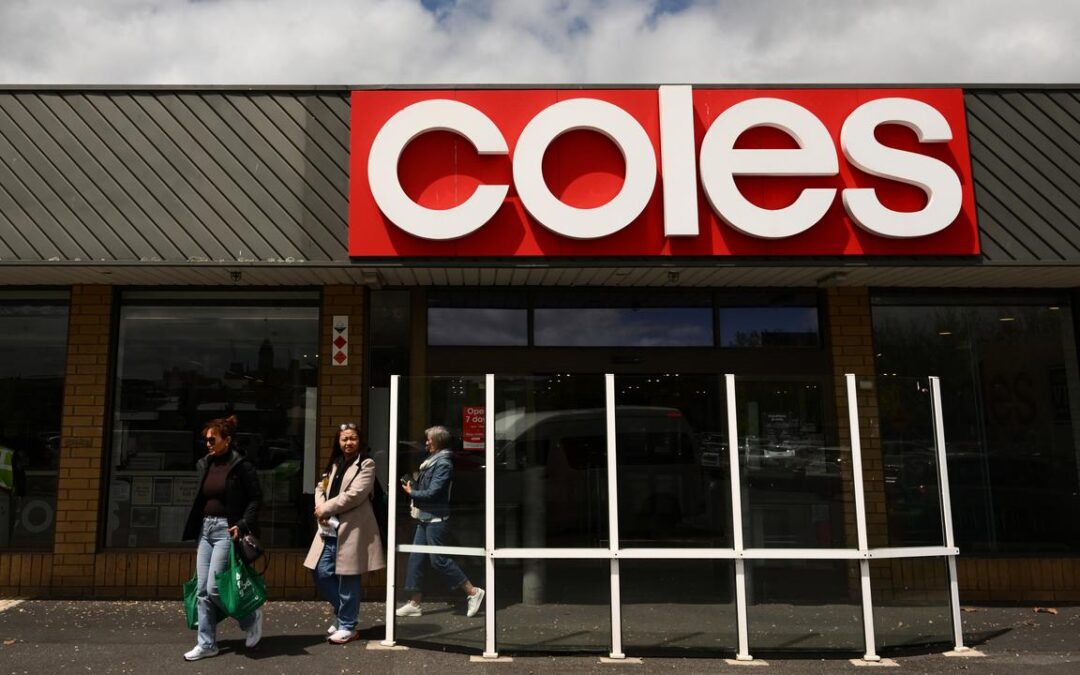
Shoppers could pay more after Coles misconduct ruling
Customers could end up paying more for longer, according to a consumer expert who says a landmark ruling against Coles will have unintended consequences.
The Federal Court found on Thursday several products marketed under Coles’ “Down Down” campaign were not held at a higher price long enough to constitute a genuine discount.
For example, a party pack of Arnott’s Barbecue Shapes was sold at $4.50 for almost a year, before the price was raised to $5.50 for less than a month and then marketed at the “Down Down” price of $5.
Justice Michael O’Bryan ruled products would have had to remain at the higher price for at least 12 weeks for the discounts to have been considered genuine.
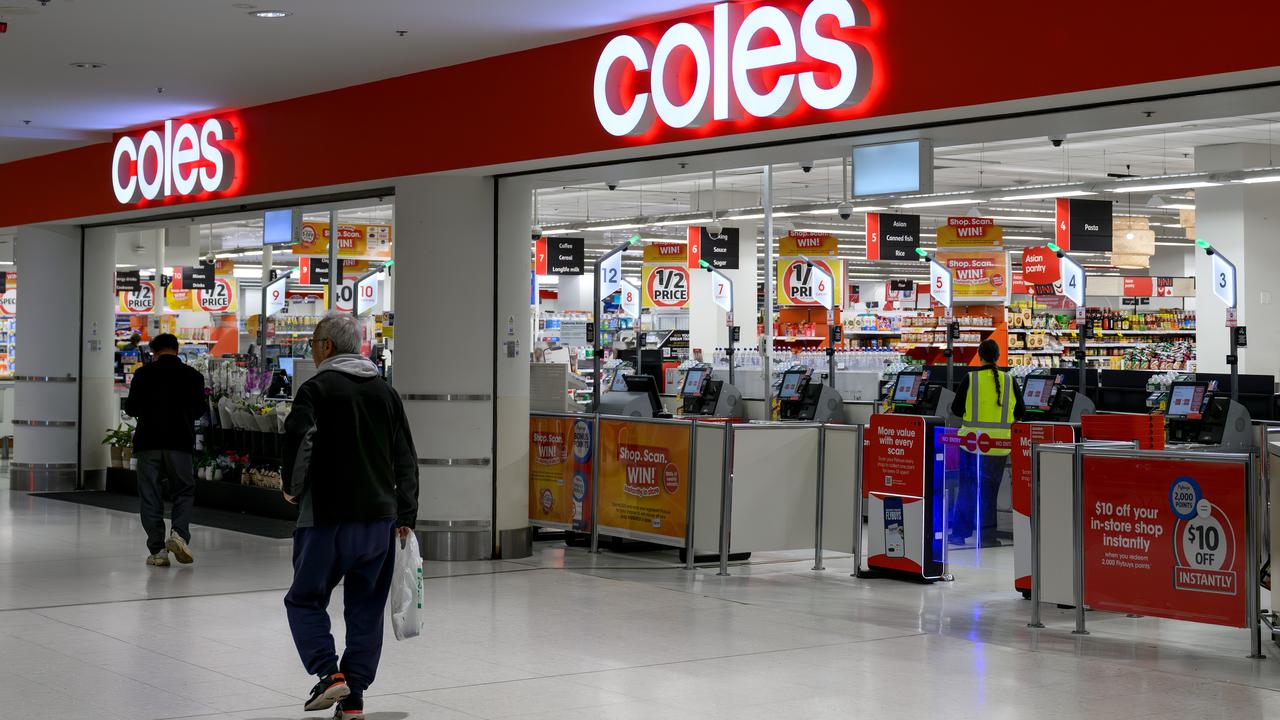
Queensland University of Technology retail expert Gary Mortimer said prices naturally increased with inflation and fuel overheads and retailers would have to wait longer before offering consumers a discounted price.
Professor Mortimer said Coles, and likely other retailers, would move to 12 weeks of stability before offering a discount, in line with Justice O’Bryan’s ruling.
“The decision does have some unintended consequences for prices and consumers,” he told AAP.
“If your favourite box of cereal goes up by 15 per cent next week, you can be assured it will be up at that price for at least 12 weeks before it can be put on a discount.”
An exception to the 12-week rule was a bag of dog food that retailed for $4 for 296 days, then $6 for just seven days, before being sold for $4.50 under a “Down Down” promotion.
The dog food was the one product of 14 under Justice O’Bryan’s consideration that he did not find misleading because it did not have a “was” price on the ticket for customers to compare to.
Addressing reporters after Thursday’s ruling, Australian Competition and Consumer Commission chair Gina Cass-Gottlieb said retailers could present a genuine “was” price, rather than a briefly inflated one, for customers to compare with a discount.
Labor MP Andrew Leigh said the case had confirmed a basic principle.
“A discount should mean a real saving, not a pricing trick,” he said.
“Shoppers should be able to trust the ticket on the shelf, without needing a spreadsheet at the checkout.”
Consumer advocacy group Choice campaigns director Andy Kelly said cost-of-living pressures made it more important than ever for customers to be able to trust promotions reflected genuine discounts.
“Hiking prices whilst telling consumers that prices are down has allowed Coles to have its cake and eat it too,” he said.
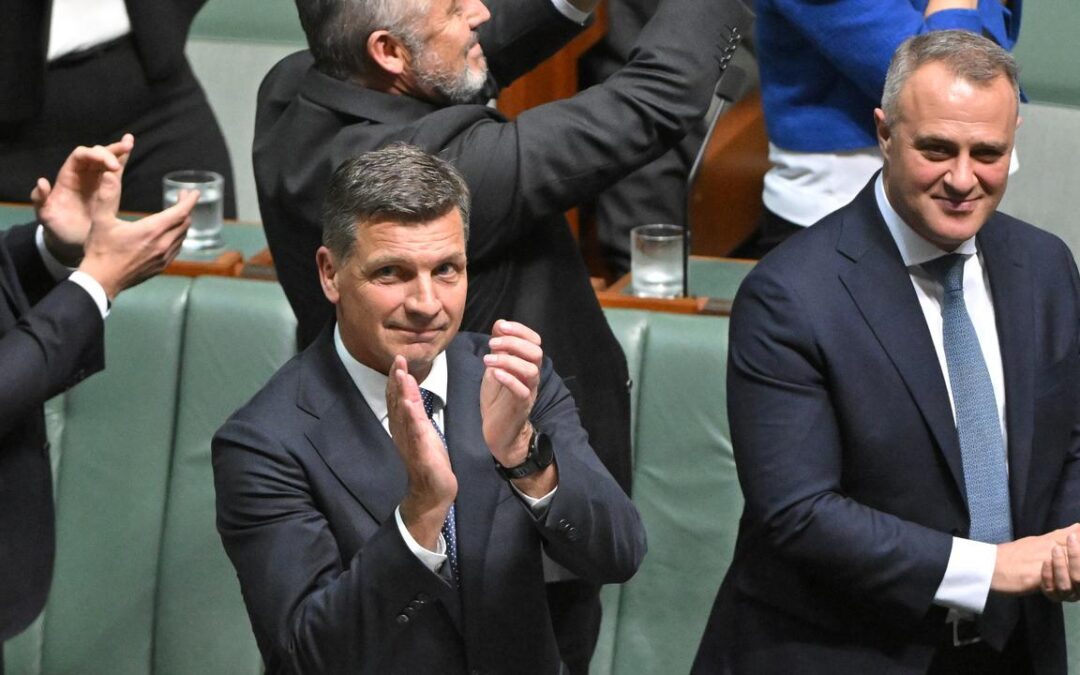
‘Un-costed nonsense’: coalition economic plan blasted
The coalition has pledged to introduce some of the biggest cuts to migration in Australia’s history and overhaul the nation’s tax system, but is facing accusations its reforms are “un-costed nonsense”.
In his first budget reply speech, Opposition Leader Angus Taylor has promised to index tax rates in line with inflation, claiming the move will deliver workers an extra $1000 a year, four years into the policy.
Under his plan, the bottom two tax brackets – covering people earning between $18,201 and $135,000 – would be indexed from 2028/29.
The top two tax brackets would also be indexed from the 2031/32 financial year.
“This is generational tax reform. It’s fair, simple and honest,” Mr Taylor told parliament on Thursday night.
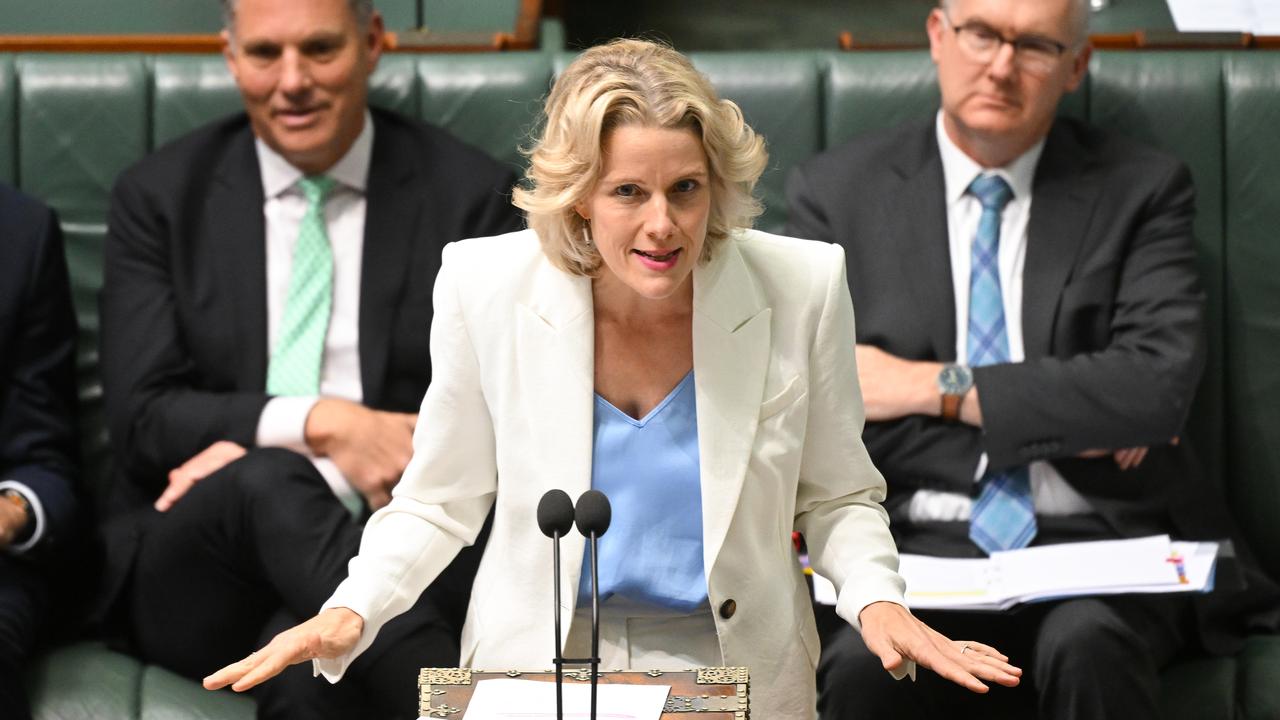
The opposition leader also promised to strip welfare payments from permanent residents, including access to JobSeeker and the National Disability Insurance Scheme, claiming the move would save billions of dollars.
The reforms would be grandfathered, Mr Taylor said after his speech, so current permanent residents wouldn’t be left worse-off.
“We’re not taking anything away from anyone,” he told ABC TV.
Under a broader crackdown on migration, Australia’s intake of foreigners would be tied to the number of homes built every year.
“This much I promise: the coalition will deliver one of the biggest cuts to immigration in Australian history,” Mr Taylor said, without providing detailed figures for his migration targets.
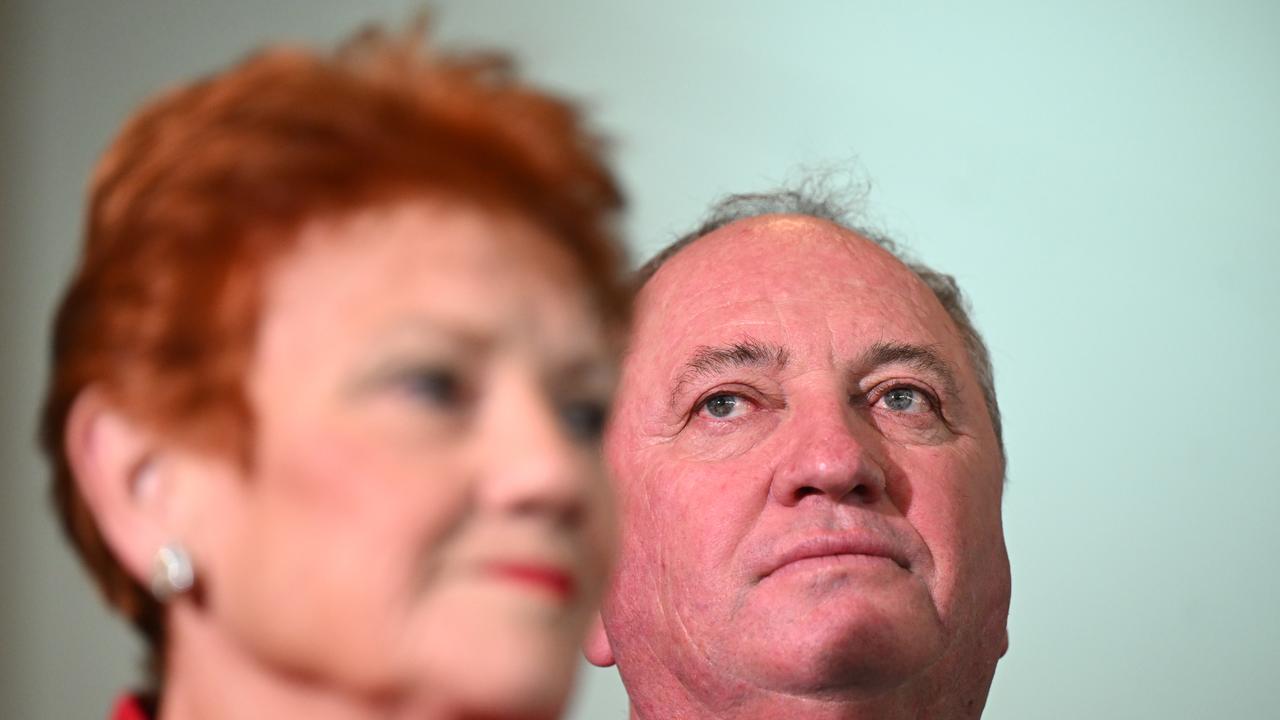
One Nation MP Barnaby Joyce said Mr Taylor was effectively reading off his party’s script and said he’d never seen the coalition pushed further to the right on immigration.
“I think the Australian people … feel uncomfortable about where (migration’s) off to, and they’re demanding of governments of all ilks to give them a sense of security,” Mr Joyce told the ABC.
Housing Minister Clare O’Neil blasted the speech, claiming Australian families were looking for answers to the cost of living and housing supply.
“Instead of real answers to these problems, what they got was un-costed nonsense that won’t build a single home or pay a single bill,” she told reporters at parliament house.
“You can’t out One Nation, One Nation… if people like what Pauline Hanson is putting down, they’re going to vote for them, not you,” Ms O’Neil said.
Migrant advocates responded angrily to the opposition leader’s speech, accusing him of attempting to “chase votes with dog whistles, fear and division”.
“Taylor’s comments tonight are inflammatory and desperate,” Asylum Seeker Resource Centre deputy chief executive Jana Favero said in a statement.
“The fact that he feels the need to dog-whistle about mass deportations of so-called ‘overstayers’, many of whom are actually trapped in a massively blown-out court and tribunal system created through years of coalition underfunding, shows they are far more interested in stoking fear than delivering serious policy solutions.”
Xi lauds ‘new positioning’ in Chinese ties with US
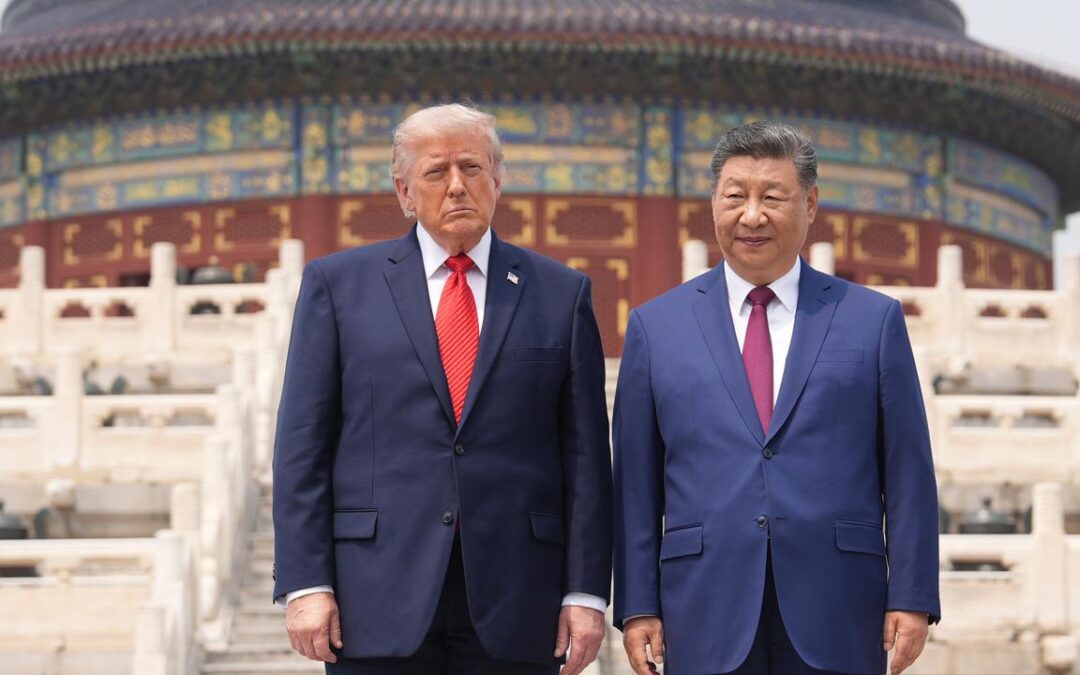
Chinese President Xi Jinping has hailed a “new positioning” of ties with the United States that envisages co-operation with measured competition, following his summit with US President Donald Trump.
Trump’s Beijing visit, the first by a US president in nearly a decade, runs until Friday at a time when his Iran war is denting domestic approval ratings ahead of mid-term elections.
Xi said both leaders agreed that building a “constructive, strategically stable relationship” would guide ties in the next three years and beyond, according to a Chinese foreign ministry statement.
Xi described such ties as based primarily on co-operation but with measured competition for “a normal stability in which differences are controllable, and a lasting stability in which peace can be expected,” the ministry added.
Analysts said the reference to “constructive strategic stability” showed China was following gradations in relations that yield a framework for diplomacy in which it can manage multi-faceted ties with the United States.
The new Chinese framing echoed the formulation of “constructive strategic partnership” proposed in 1997 – the most positive following the end of the Cold War – and signalled China’s desire to put relations on surer footings.
China had framed ties with the US in terms of partnership and co-operation in the 2000s and early 2010s.
But increasing competition and rivalry after China overtook Japan to become the world’s second largest economy in 2010, as well as Xi’s ascendance to power in 2012 and Trump-induced volatility since 2016, resulted in language of managed interdependence, strategic competition and conflict-avoidance.
The new framework marks a significant shift away from past “negative characterisations” such as great-power competition, said Wang Wen, a professor at Beijing’s Renmin University.
“The core distinction lies in its emphasis on a positive model of interaction marked by co-operation as the mainstay, together with measured competition, manageable differences and a foreseeable prospect of peace,” Wang said.
“It’s new language and I think it reflects China’s desire to put more institutional guardrails around US-China relations, both competition and cooperation,” said Joe Mazur, geopolitics analyst at Beijing-based consultancy Trivium China.
China and the US “should be partners, rather than rivals,” Xi said while holding a state banquet for Trump on Thursday.
But frictions, such as those over the Iran conflict and recent US sanctions on Chinese firms, continue to “complicate US-China dynamics” and may test the durability of the new framework, said Zhao Minghao, an international relations expert at Shanghai’s Fudan University.
Even as Xi talked up co-operation, he stressed “utmost caution” by the United States in handling the issue of Taiwan, the democratically governed island claimed by China, although Taipei rejects the contention.
“If handled poorly, the two countries could collide or even enter into conflict, pushing the entire China-US relationship into an extremely dangerous situation,” the Chinese leader said.
Xi also raised eye brows by asking “whether the two countries can transcend the ‘Thucydides Trap’ and forge a new model for relations between major powers”.
The term – popular in foreign policy studies – refers to the idea that when a rising power threatens to displace an established one, the result is often war.
Xi has used the term for years but using it as Trump offered optimism was noteworthy and foreshadowed his closed-door comments on Taiwan.
with AP
UK records strong growth but Iran war casts shadow
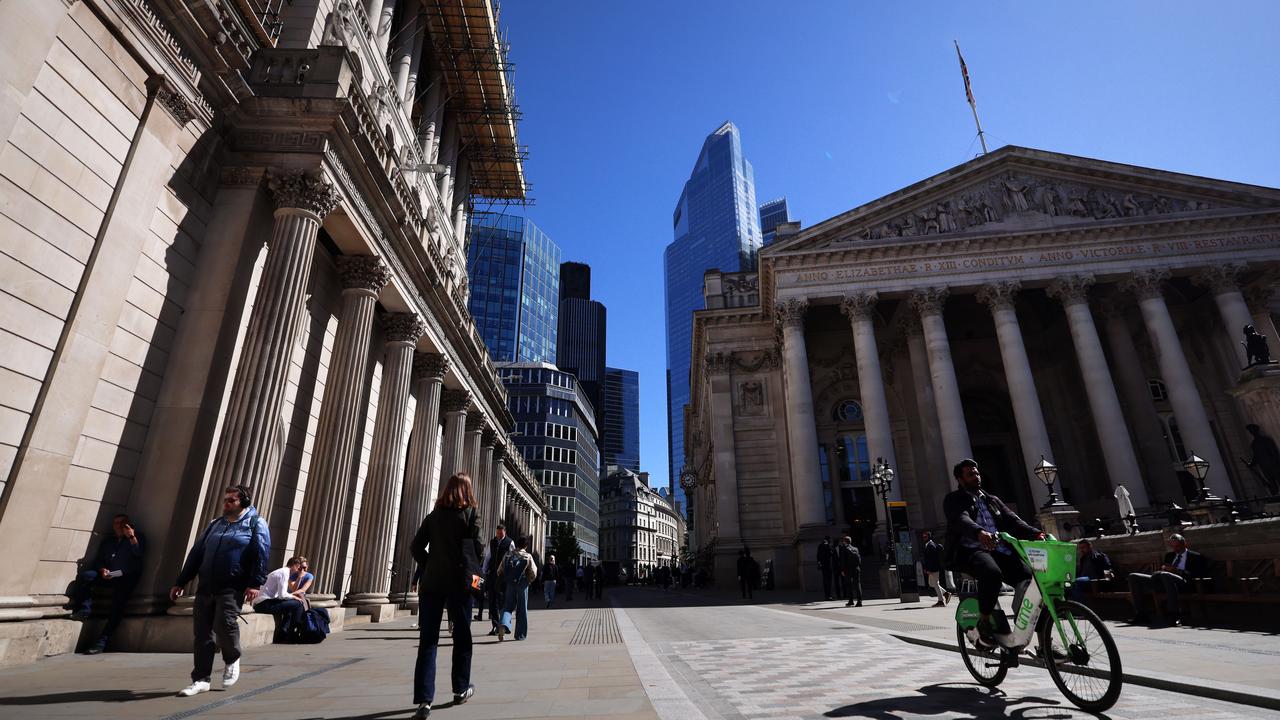
Britain’s economy grew unexpectedly in March to cap another strong first quarter, suggesting it was in better shape as the Iran war escalated than many feared, though economists say seasonal distortions have flattered the figures.
Gross domestic product increased by 0.3 per cent month-on-month in March, the Office for National Statistics (ONS) said, against expectations in a Reuters poll of economists for a 0.2 per cent contraction.
The services sector, construction output and manufacturing grew strongly.
For the first quarter as a whole, the economy expanded by 0.6 per cent – marking the third year running of conspicuously strong growth in the first quarter.
Economists said measurement issues related to shifts in spending after the pandemic might be contributing to that pattern.
Raj Badiani, economics director at S&P Global Market Intelligence, said the stockpiling of goods sparked by the Iran war might also have pulled forward demand in March.
“Nevertheless, recession risks have risen, and we now expect the UK economy to contract mildly in the second and third quarters of this year,” Badiani said, citing a coming inflation surge caused by higher oil prices, and pressure on the Bank of England to raise interest rates.
The ONS said partial spending data for April “pointed to some weakening going into the second quarter”.
It remains to be seen how renewed uncertainty in Westminster – with investors now unsure about the political future of Prime Minister Keir Starmer – will weigh on the economic outlook.
The ONS on Thursday published a blog that acknowledged there might be post-pandemic shifts in the timing of spending in the economy and said it was keeping its methods under review.
It nudged down its growth estimates for the first quarters of 2024 and 2025 as a result.
“It seems that something’s not quite right with the way the data is being seasonally adjusted, a legacy we suspect of higher inflation and the timing of annual price hikes,” said ING economist James Smith.
“Today’s data won’t change much for the Bank of England, which is singularly focused on the impending inflation spike and the risk of it spilling into wage growth.”
A Reuters poll of economists showed the Bank of England will hold borrowing costs at 3.75 per cent in 2026, though more than a third expect at least one rate hike as the Iran war fuels an energy price surge that drove up inflation forecasts.
Financial markets, by contrast, have priced in between two and three quarter-point rises in 2026.
Finance minister Rachel Reeves said the data showed she had the right economic plan.
Middle ring could be ‘hollowed out’ by tax overhaul
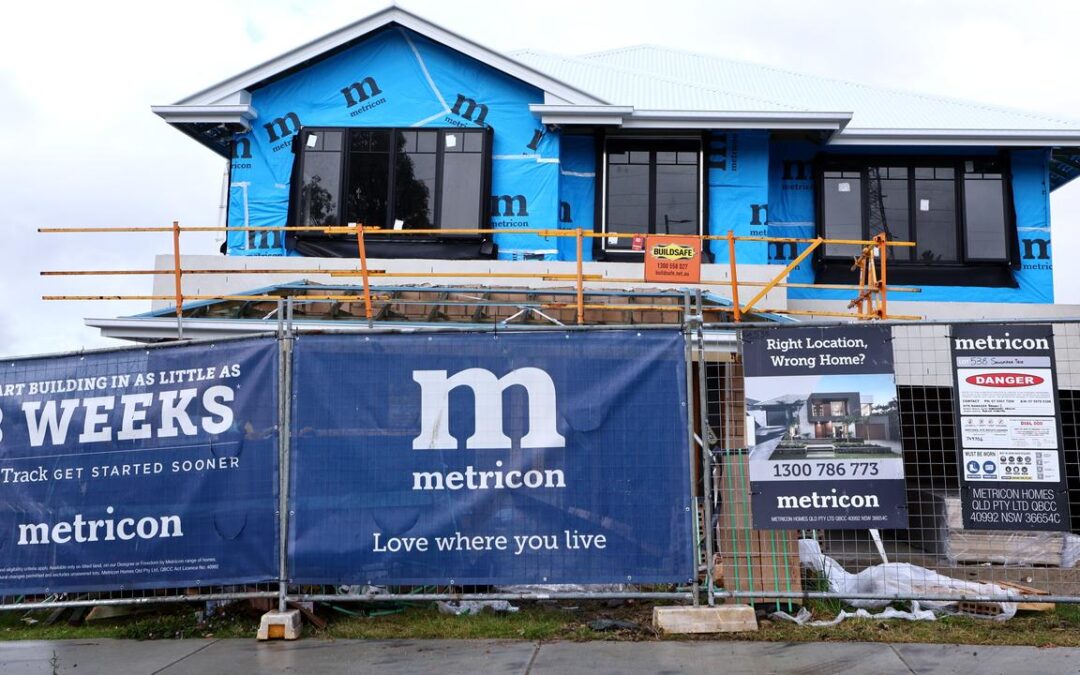
Rental supplies in the middle ring of Australian capital cities could be hollowed out by changes to investor tax concessions in the federal budget.
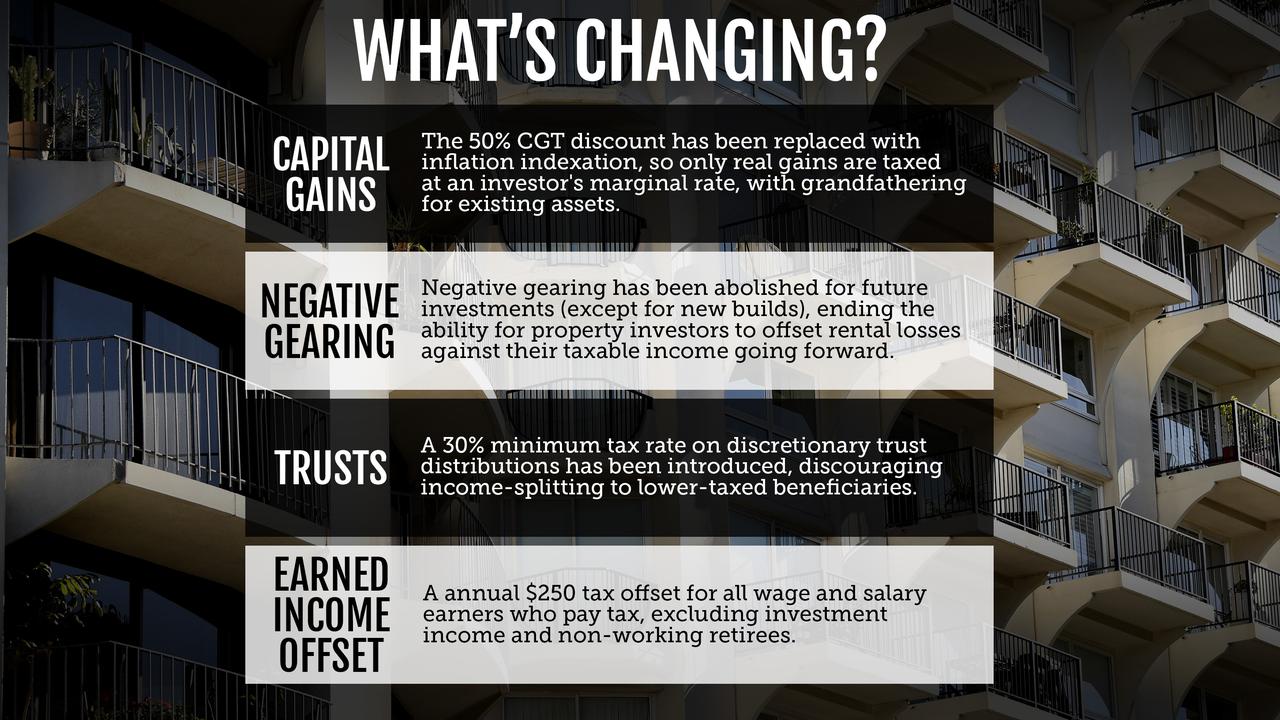
Real estate agents expect investor interest in established properties to crater after Tuesday’s budget scrapped negative gearing and wound back the capital gains tax discount.
Investor activity was already cooling following three Reserve Bank rate hikes, uncertainty over the Middle East and expectations the budget would hit tax breaks.
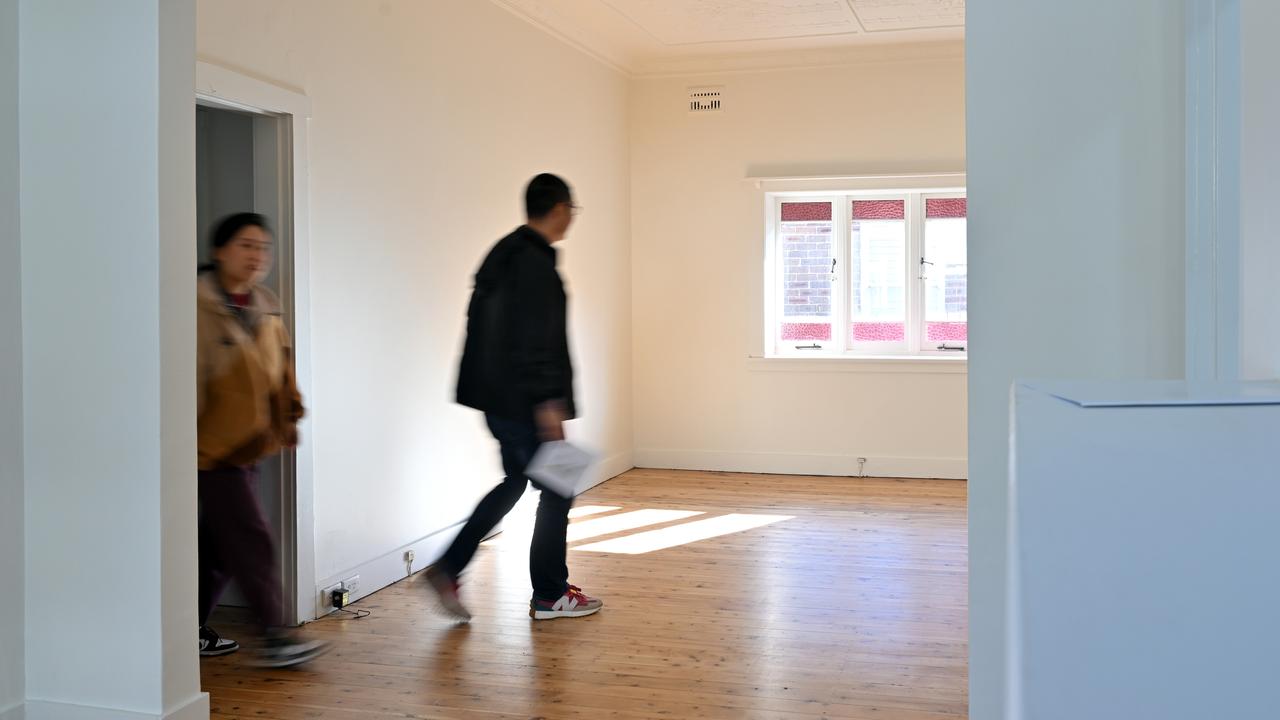
Landlords have also been disempowered by state and territory reforms in recent years that have, rightfully, given more power to tenants, Cotality head of research Tim Lawless said.
“With all that in mind, I think that the cumulative effect of what you describe as disincentives for property investors is probably going to see a fairly sharp pullback in property investment,” he told AAP.
Carve-outs for new builds will shift investors from the existing market, which attracts about 80 to 90 per cent of investor lending, according to data from the Australian Bureau of Statistics.
That would likely mean greater interest in house and land packages in the outer suburbs, given they tended to have higher growth potential than new apartments, and investors would still be looking for strong capital gains even with the lower tax discount, Mr Lawless said.
Grandfathering arrangements will prevent a sudden rush of investors to exit.
But over time, as investors sold out of established middle-ring suburbs, such as Annandale in Sydney’s inner west or Clifton Hill in Melbourne’s inner north, there would gradually be fewer investors coming in to take their place, Mr Lawless said.
“They potentially could be the markets where rental supplies just hollow out because you don’t see very much of an influx of new investment coming into those markets to support rental supply and most investor demand is funnelled into inner city apartments or the outer fringe house market,” he said.
Treasury forecast the combined impact of the tax changes would cause home prices to grow two per cent slower than they otherwise would have and support an extra 75,000 first home buyers in the first decade.
But shifts in sentiment could cause prices to fall more sharply in the short term, Commonwealth Bank economist Trent Saunders said.
Emma Bloom, Melbourne-based buyer’s agent at Morrell and Koren, said sentiment was shot.
“Basically, the budget was like throwing a bucket of cold water over an already frozen market,” she said.
Sellers, too, were likely to pause given the lack of confidence in the market, she said.

Fewer than 2000 auctions were scheduled across the combined capital cities this week, down from 2182 a week earlier and 2561 the week before that, Cotality data showed.
The trend is consistent with a slowdown in credit growth, with the Australian Bureau of Statistics reporting on Wednesday new home loan numbers fell by 6.2 per cent to 139,794 in the March quarter.
Amid the falling sentiment, Melbourne and Sydney have entered a downturn, falling another 0.6 per cent in April, Cotality data showed.
“Often in a rising market environment, people are keen to hurry and get on with it, because they figure they’ll be paying more in a month’s time if they don’t,” said Pete Wargent, director of AllenWargent property buyers.
“It seems to be definitely the opposite dynamic now, and people are like, ‘well, I’m just going to wait and see what plays out before I make any big decisions’.”
Taylor faces ‘strategic error’ in seizing on migration
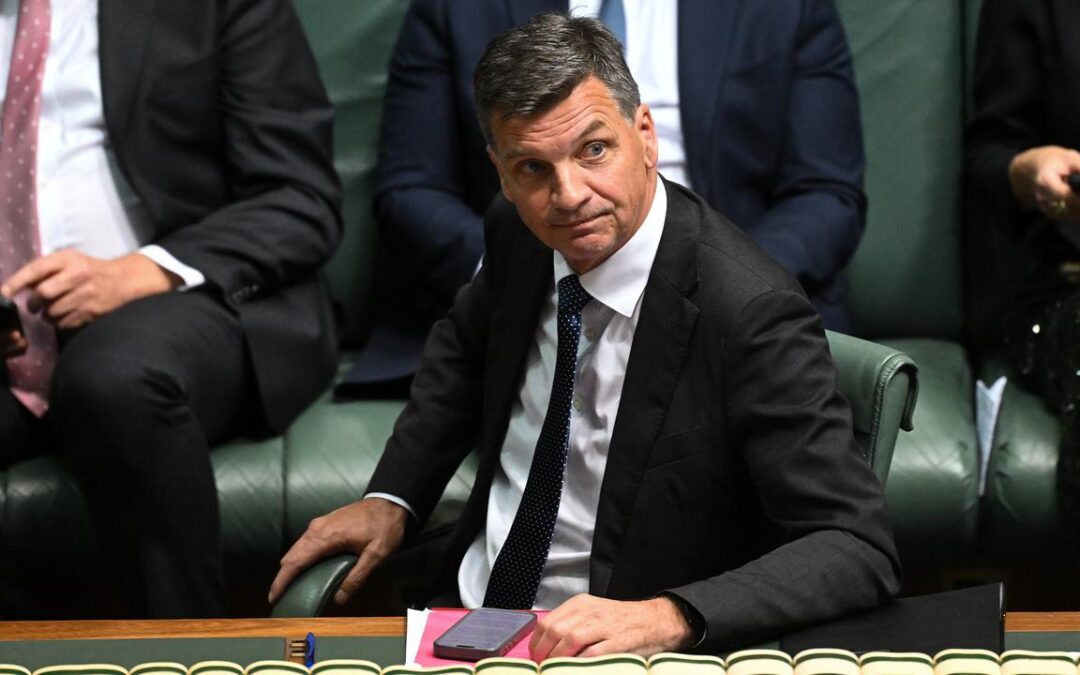
Presenting Australians with a plan to crack down on migration would prove a “strategic error” for Opposition Leader Angus Taylor who faces a growing challenge from One Nation.
Mr Taylor will address the parliament on Thursday evening to deliver his first budget reply speech two days after Treasurer Jim Chalmers handed down his fifth budget earlier this week.
Although the details are yet to be unveiled, the coalition has already outlined cutting the migrant intake to ease pressure off the tight housing market in its economic pitch to voters.
YouGov director of public data Paul Smith said polling undertaken has shown loyal coalition voters no longer identified with the conservative and country parties anymore.
“Angus Taylor must set out how he is on the side of the people who think the economic system is not working for them,” he told AAP.
“The coalition needs to set out something new and different and copying One Nation’s policies will make things worse and not better.
“Seizing on immigration is a strategic error as people think One Nation already does that well.”
Mr Smith said voters tended to perceive the coalition as good economic managers, and that Mr Taylor needed to spruik his own product rather than be associated with One Nation on issues such as immigration.
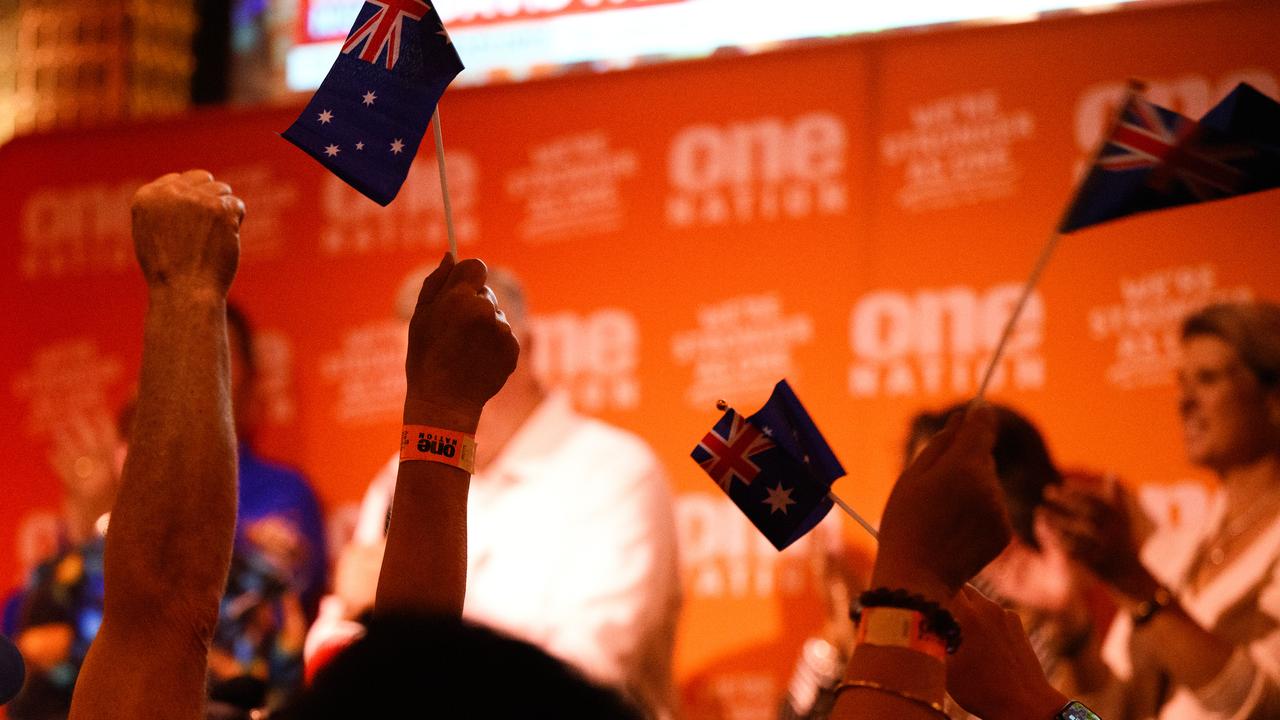
The budget reply speech will be delivered in the context of right-wing political party One Nation winning its first lower house seat in the federal parliament at the election.
The minor party managed to wrest former Liberal leader Sussan Ley’s seat, which has been held exclusively by the coalition since the electorate’s creation in 1949, at the by-election last Saturday.
The election was seen as a litmus test for swelling support in the community for One Nation, which voters now rate higher than the coalition in opinion polls.
Coalition politicians are increasingly concerned they could face a wipe-out event at the next federal election, with regional seats in NSW and Queensland considered at particular risk.
Riding on community sentiment that Australia’s migrant intake is too high, Mr Taylor has promised to only allow arrivals that are equivalent to the number of homes built in the previous year.
But the Greens and One Nation leader Pauline Hanson have accused the coalition of copying the party’s policies on migration.
Unions ramp up minimum wage rise demands as costs soar
Unions have lifted their minimum wage demands to six per cent after the federal budget warned inflation would hit five per cent by the middle of the year.
The Australian Council of Trade Unions had originally called for almost three million workers on minimum and award wages to receive a five per cent pay increase when the Fair Work Commission hands down its annual wage review in June.
But worsening inflation expectations caused by the war in the Middle East have prompted the peak union body to aim higher.
A six per cent wage rise would increase the minimum wage to $26.45 an hour and leave a full-time worker on the minimum wage $57 a week better off.
Workers are still behind where they were in 2021 and should not be allowed to go backwards further because of US President Donald Trump’s war with Iran, ACTU secretary Sally McManus said.
She argued higher minimum and award wages did not lead to increased inflation because they were separate to the enterprise bargaining system.
“Ten per cent of the overall payroll is the minimum wage workers, and them getting a pay rise that keeps up with inflation, or a bit more, doesn’t feed into anyone else’s pay rise,” she told reporters on Thursday.
AMP chief economist Shane Oliver disagreed, saying such an increase would be “disastrous” for inflation.
Award wages directly influence pay rise claims across the economy, he said.
The Fair Work Commission references its decision off quarterly inflation in March, which came in at 4.1 per cent.
Dr Oliver said an increase above inflation plus productivity growth of 0.8 per cent would lock in inflation expectations for businesses, which would pass on rising labour costs to consumers and households, who would demand higher pay rises, risking a wage-price spiral.
While the spike in inflation was caused by an oil supply shock, the demand side of the economy was already too high before the war, he said.
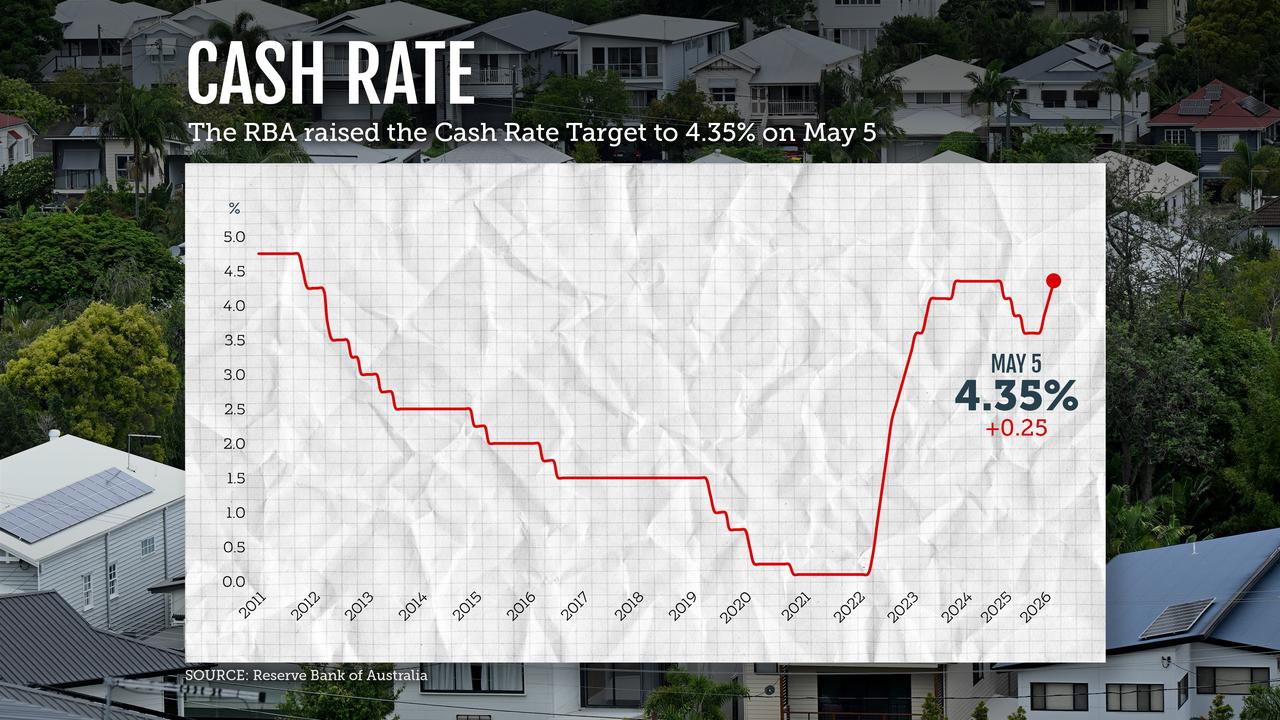
An extra $18 billion in federal government spending in the next financial year did little to take the pressure off the RBA, leading Dr Oliver to lock in his prediction for another rate rise.
“They’re not raising interest rates because they think they can bring down global oil prices,” he told AAP.
“They’re trying to prevent higher underlying inflation from continuing and flowing on to inflation expectations.”
Without nominating a specific number, the Albanese government previously recommended the commission hand down a “sustainable” pay rise above inflation.
The budget aimed to drive down headline inflation in the short term through $2.9 billion in temporary cuts to the fuel excise and heavy vehicle road user charge, but this still added to aggregate demand.
Two household surveys pointed to a drop in consumer spending in April of about one per cent, as a result of the temporary reduction in fuel prices.
Signs of a slowdown were emerging in discretionary spending, with travel down 9.3 per cent over the month, NAB transaction data showed.
“The spending side of the Australian economy needs to slow and households are forecast to do much of the heavy lifting on this front,” Commonwealth Bank head of Australian economics Belinda Allen said.

(James Ross/AAP PHOTOS)
The budget forecast household consumption growth to slow from 2.25 per cent this financial year to 1.75 per cent in 2026/27, as higher prices weighed on real incomes and spending.
Treasury’s assumptions are based on the oil price gradually declining from about $US100 a barrel to $US80 a barrel by mid-2027.
Unless a resolution to the conflict is reached soon, CBA commodities analyst Vivek Dhar said oil prices would likely rise to about $US150 a barrel by mid-July.
ASX steadies, Coles drops after dodgy discounts ruling
Mining giant BHP has extended its record-breaking run, while Coles shares have buckled under the weight of a landmark court decision as the local bourse heads towards a fifth straight day of losses.
The S&P/ASX200 fell 23.3 points by midday on Thursday, to be down 0.27 per cent to 8,607.1, as the broader All Ordinaries gained 27.4 points, or 0.31 per cent, to 8,855.8.
BHP shares have surged almost seven per cent in three days, breaking its record high in each session to trade at $62.31, bolstered by base metal price strength after data this week indicated a rebound in China’s economy.
Rio Tinto and Fortescue also advanced but the rest of the segment faltered, with gold miners, battery minerals and rare earths producers losing ground.
Eight of 11 local sectors were trading lower by lunchtime, with consumer staples under pressure as Coles dropped 3.6 per cent after the Federal Court ruled the supermarket giant’s ”Down Down” discount campaign had misled shoppers.
Woolworths shares dropped 1.7 per cent, with the court to rule on its “Prices Down” campaign at a later date.
Energy stocks were also heavy, with the sector shedding 1.1 per cent after oil prices fell overnight on fears of potential US interest rate hikes and ahead of a meeting between President Donald Trump and Chinese counterpart Xi Jinping.
The heavyweight financials sector eked a less than 0.2 per cent gain, as Commonwealth Bank shares bounced modestly after tumbling more than 10 per cent on Wednesday, which wiped almost $30 billion from its value to leave it with a combined market cap of $257 billion.
NAB shares have underperformed their big four counterparts, slipping 1.9 per cent to $36.18.
IT stocks tumbled as accounting software-maker Xero dropped almost nine per cent, after a US expansion ate into its full-year post-tax net profit, which fell by more than a quarter to $167.4 million on the previous year.
WiseTech also weighed on the segment, plunging more than four per cent as concerns around artificial intelligence disruption and trade uncertainty continued to weigh on the logistics platform’s prospects.
Megaport shares rocketed higher by more than a third after securing three major GPU, CPU, network, and storage contracts with two customers worth a combined $US$182.9 million ($A254 million).
In company news, Euronext Paris CEO Anthony Attia will become the next managing director and chief executive of bourse operator ASX Ltd, replacing Helen Lofthouse. Its share price gained 1.7 per cent.
The Australian dollar was buying 72.45 US cents, up slightly from 72.36 US cents on Wednesday at 5pm.
The currency is being supported by stronger commodity prices, improved risk sentiment and expectations of further Reserve Bank interest rate hikes, IG market analyst Tony Sycamore said.

Global glut hits grain handler as farmers hold back
A global oversupply of grain has compressed margins for a leading Australian agribusiness and food processor, putting a dent in its interim earnings.
GrainCorp on Thursday reported a $5 million net profit for the six months to March 31, down from $58 million a year ago.
Excluding the impact of its GrainsConnect Canada business, the underlying profit was $33 million, down from $69 million.
The company’s earnings before interest, tax, depreciation and amortisation fell to $136 million, compared to $202 million previously.
GrainCorp chief executive Robert Spurway said all of the world’s grain production areas had performed well over the past 12 months, with no global droughts, creating an oversupply of grain.
“What that means is that customers of grain are not particularly concerned or acting with urgency to acquire grain, because they know there’s plenty of it there,” he said.
This also means prices are lower than their long-term averages, and Australian grain is having to compete with grain from all over the world, Mr Spurway said.
Australian growers are not particularly excited about the prevailing prices and have been holding onto their grain in the hopes prices might improve, he added.
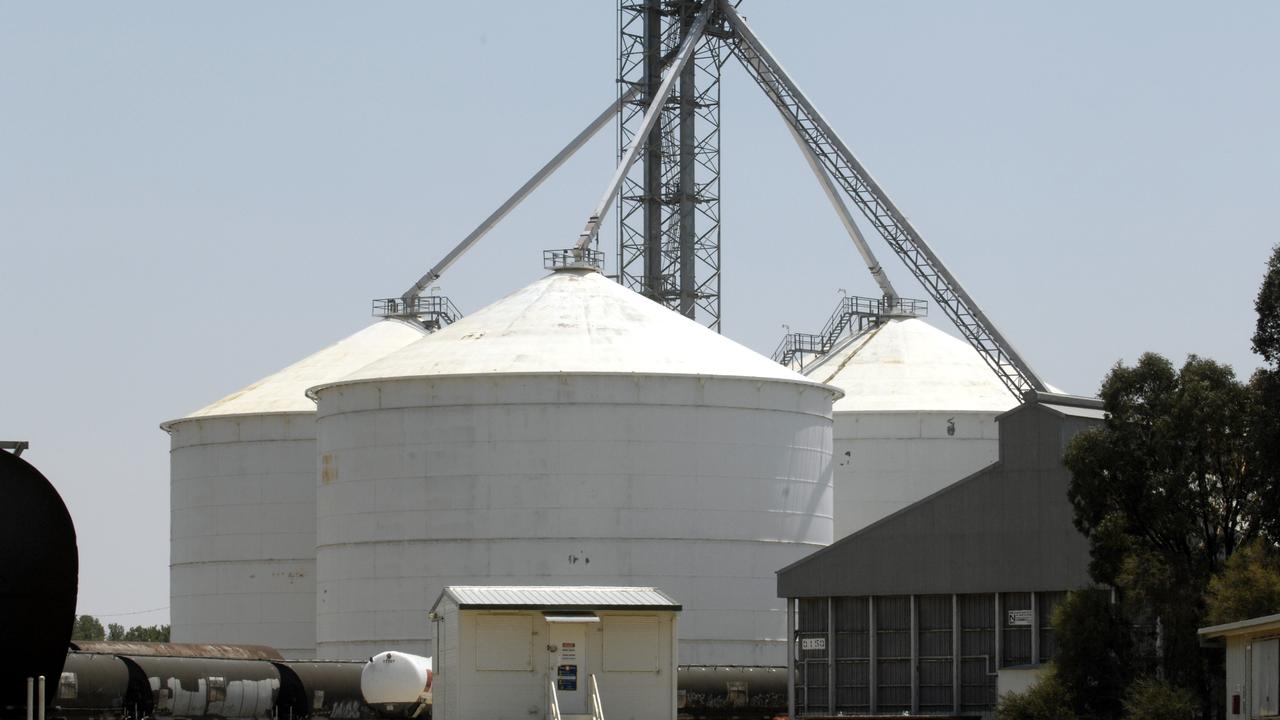
GrainCorp’s core business is receiving and storing grain for east coast growers, and its total grain handled was down 11 per cent to 26.5 million metric tonnes in the first half, the company said.
On the positive side, diesel shortages impacting growers in late March and early April due to the Middle East war have abated, with farmers saying they have sufficient fertiliser to cover planting.
“Certainly, the farmers I’ve spoken to directly in the last couple of weeks have been well-underway in southern regions with a full plant and a typical rotation of the sort of crops that they put in,” Mr Spurway said.
“So we’re encouraged by the resilience of the sector.”
GrainCorp on Thursday also reaffirmed its guidance for full-year underlying earnings of $200 million to $240 million, and an underlying full-year profit of $20 million to $50 million.
However, weather conditions will be a key factor in the final result.
Favourable planting conditions exist in Victoria and southern NSW, but more rain is needed in northern NSW and Queensland, Mr Spurway said.
“We are encouraged by the short-term forecast, and along with growers, we’ll be looking for more follow-up rain in those regions in the coming weeks and months,” he said.
RBC Capital Markets analyst Owen Birrell said the earnings result was broadly in line with expectations, but GrainCorp’s core net cash position was lower than expected at $163 million.
After midday, GrainCorp shares were down by more than 15 per cent to $5.27.
Trump, Xi set for Beijing talks on trade truce, Iran
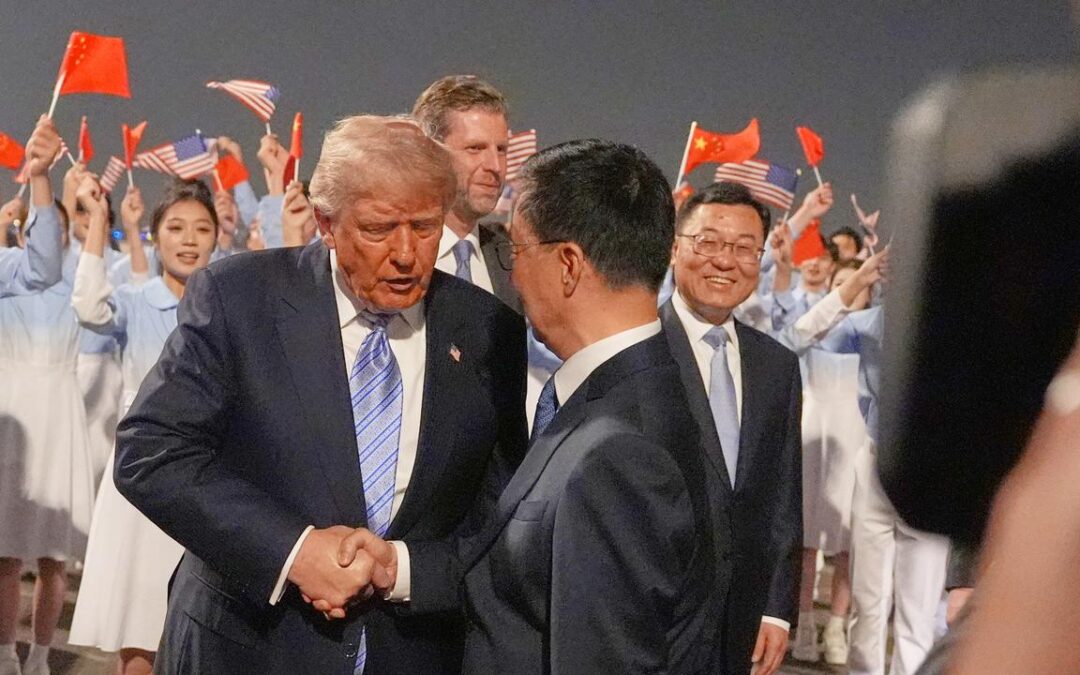
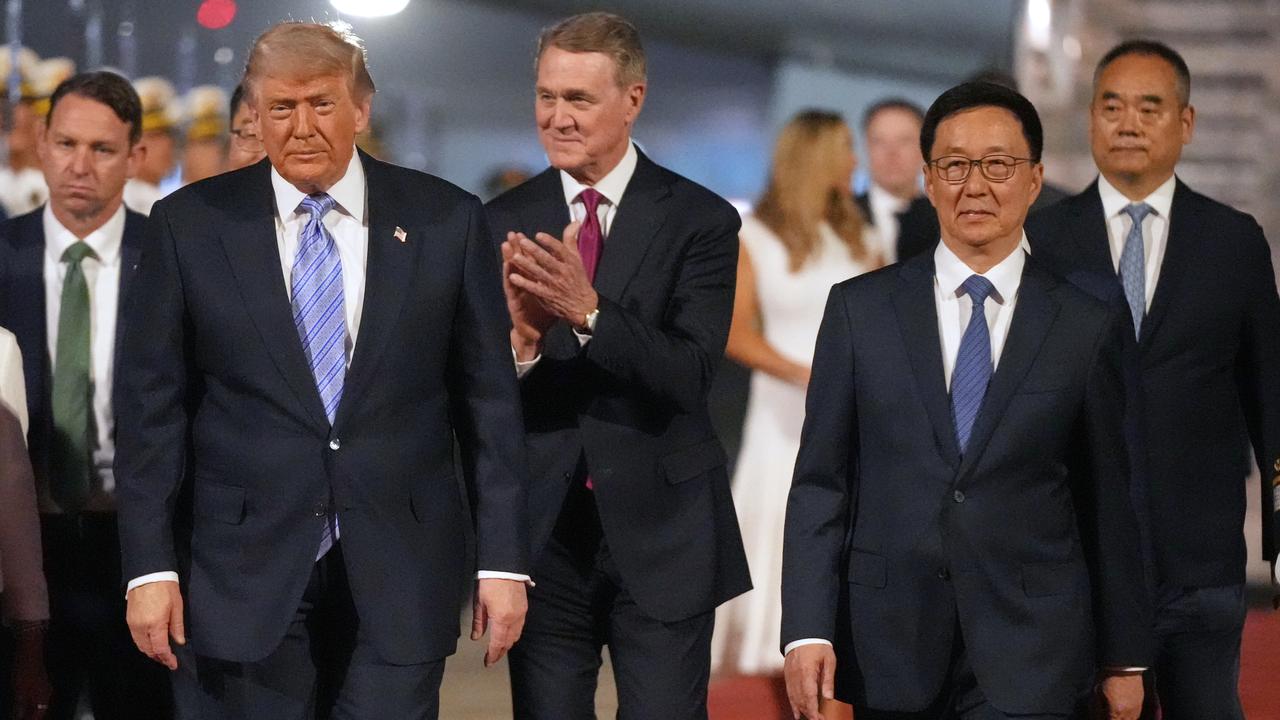
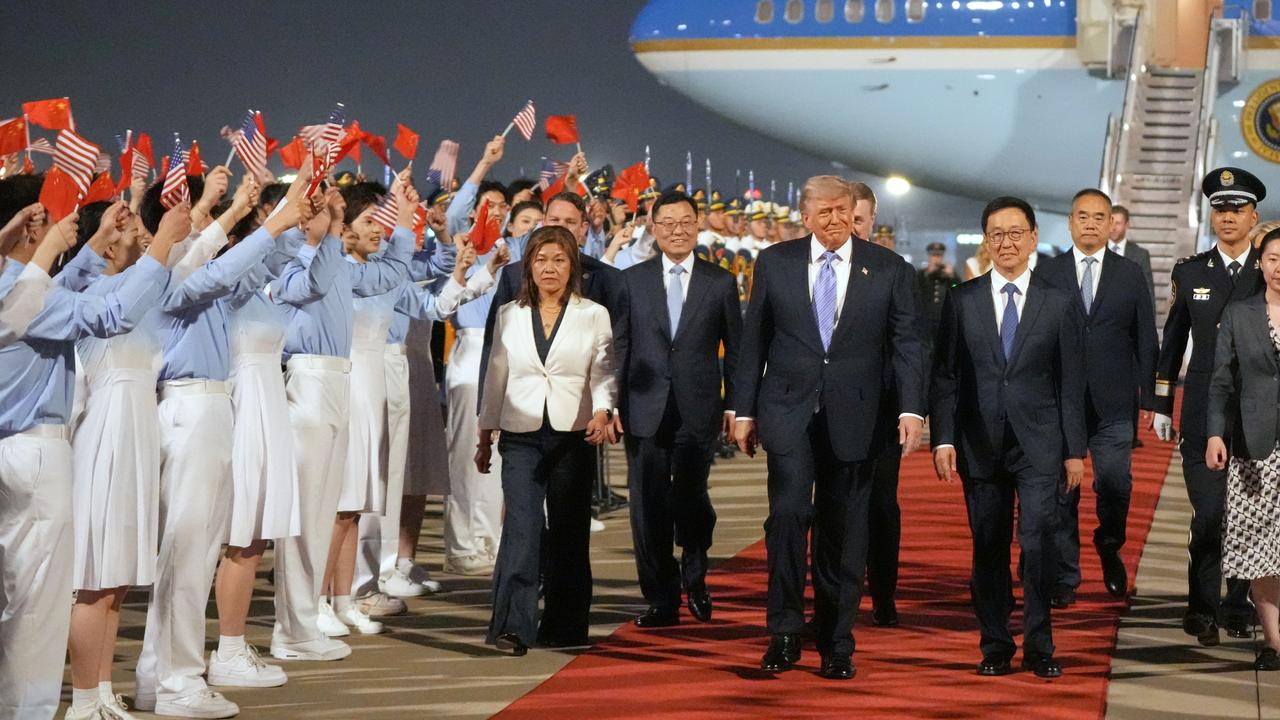
US President Donald Trump is heading into a series of meetings with China’s Xi Jinping in Beijing, aiming to secure economic wins, maintain a fragile trade truce and navigate thorny issues such as the Iran war and arms sales to Taiwan.
With his approval ratings badly dented by his war in Iran, Trump’s hotly anticipated trip to China – the first by a US president to America’s main strategic rival since his last visit there in 2017 – has taken on added significance.
Joining him on the trip is a group of chief executives including Elon Musk and Nvidia’s Jensen Huang, a late addition who boarded Air Force One during a refuelling stop in Alaska en route to the Chinese capital at Trump’s request.
Many of those executives, including Huang and Musk, are seeking to resolve issues with China, and Trump has said he will urge Xi to “open up” China to US business.
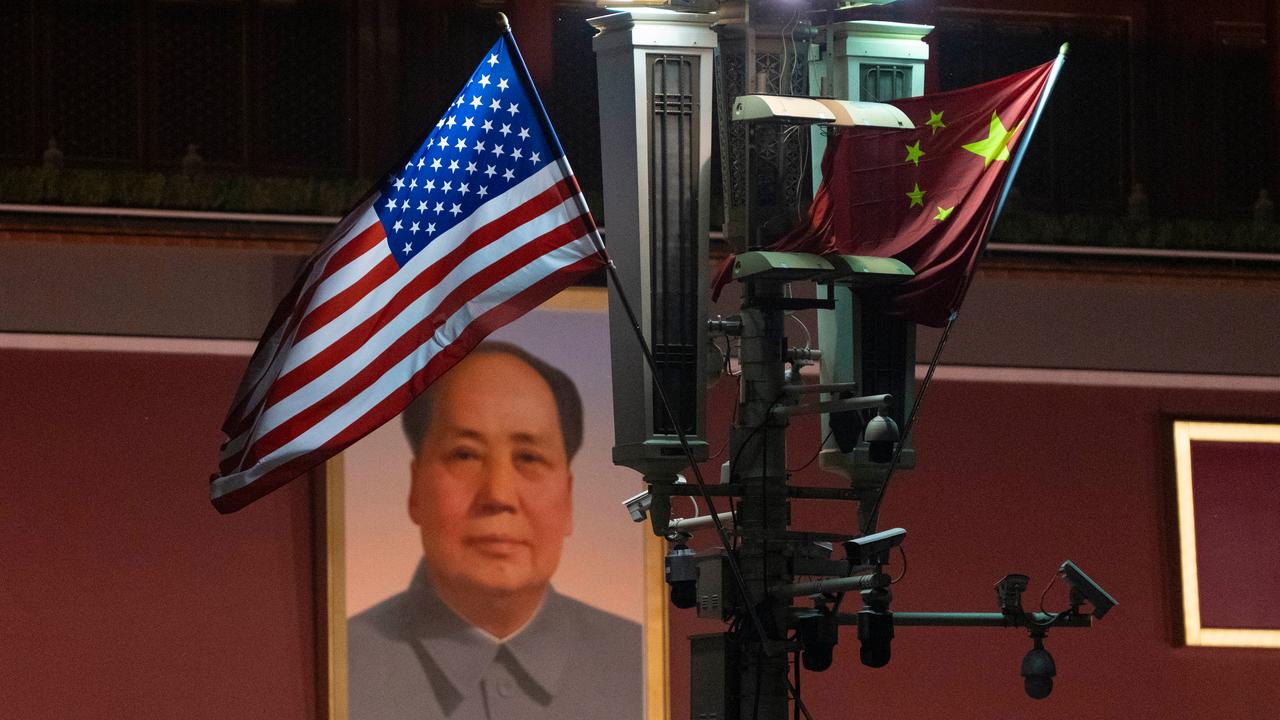
But the power dynamic has shifted since Trump’s last visit in 2017 when China went out of its way to lavish Trump and buy billions in US goods, said Ali Wyne, senior advisor for US-China relations at International Crisis Group.
Back then “China was trying to persuade the United States of its growing status … This time around it’s the United States, unprompted, of its own volition, that is acknowledging that status,” Wyne said, pointing out Trump revived the term ‘G2’, referring to a superpower duo, when he last met Xi on the sidelines of an APEC meeting in South Korea in October.
This week’s meetings will provide plenty of face time between the leaders: they are scheduled to hold talks at The Great Hall of the People, tour the UNESCO heritage site Temple of Heaven and attend a state banquet on Thursday, before taking tea and lunch together on Friday, according to the White House.
But Trump enters the talks with a weakened hand. US courts have hemmed in his ability to levy tariffs at will on exports from China and other nations.
The Iran war has also boosted inflation at home and escalated the risk that Trump’s Republican Party will lose control of one or both legislative branches in November’s midterm elections.
Though the Chinese economy has faltered, Xi does not face comparable economic or political pressure.
Nevertheless, both sides are eager to maintain a trade truce struck last October in which Trump suspended triple-digit tariffs on Chinese goods and Xi backed away from choking global supplies of rare earths, vital in making items from electric cars to weapons.
They are also expected to discuss forums to support mutual trade and investment and dialogue on AI issues.
Washington looks to sell Boeing airplanes, farm goods and energy to China to cut a trade deficit that has long irked Trump, while Beijing wants the US to ease curbs on exports of chipmaking equipment and advanced semiconductors, officials involved in the planning said.
Aside from trade matters, Trump is widely expected to encourage China to convince Tehran to make a deal with Washington to end the conflict.
But analysts doubt Xi will be willing to push Tehran hard or end support for its military, given Iran’s value to Beijing as a strategic counterweight to the US.
But for Xi, US arms sales to Taiwan, the democratically governed island claimed by China, will be a top priority.
China reiterated on Wednesday its strong opposition to the sales, with the status of a $US14 billion ($A19 billion) package awaiting Trump’s approval still unclear.
The United States is bound by law to provide Taiwan with the means to defend itself, despite a lack of formal diplomatic ties.