

Land levy planned despite anti-‘forever tax’ pledge
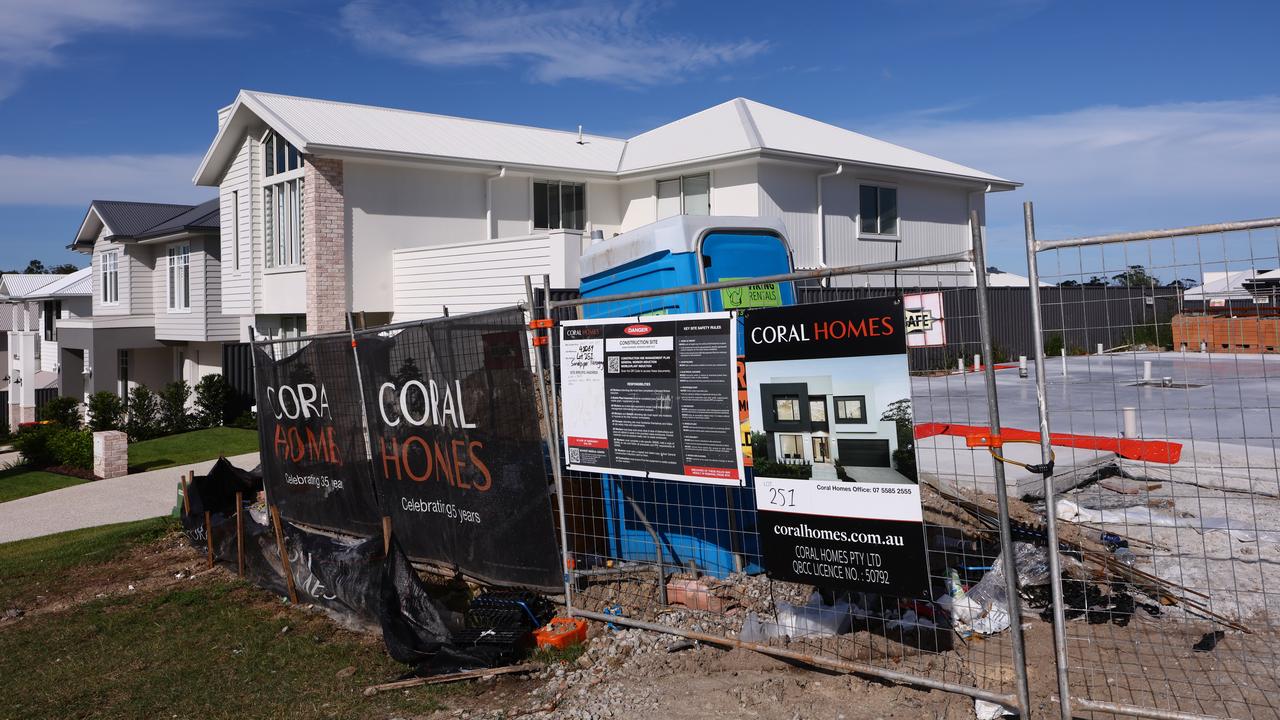
Property owners in Australia’s most populous state could pay an annual levy of up to $600 under a proposal to change the way emergency services are funded.
NSW is the only mainland state that funds emergency services by taxing property insurance customers, a levy that has been blamed for ballooning premiums and putting cover out of reach for many.
But a NSW Treasury paper has put forward a series of proposals for a broad land tax to replace the controversial measure.
The change would mean a fairer, more sustainable and more transparent system that would make insurance more affordable, the government said.
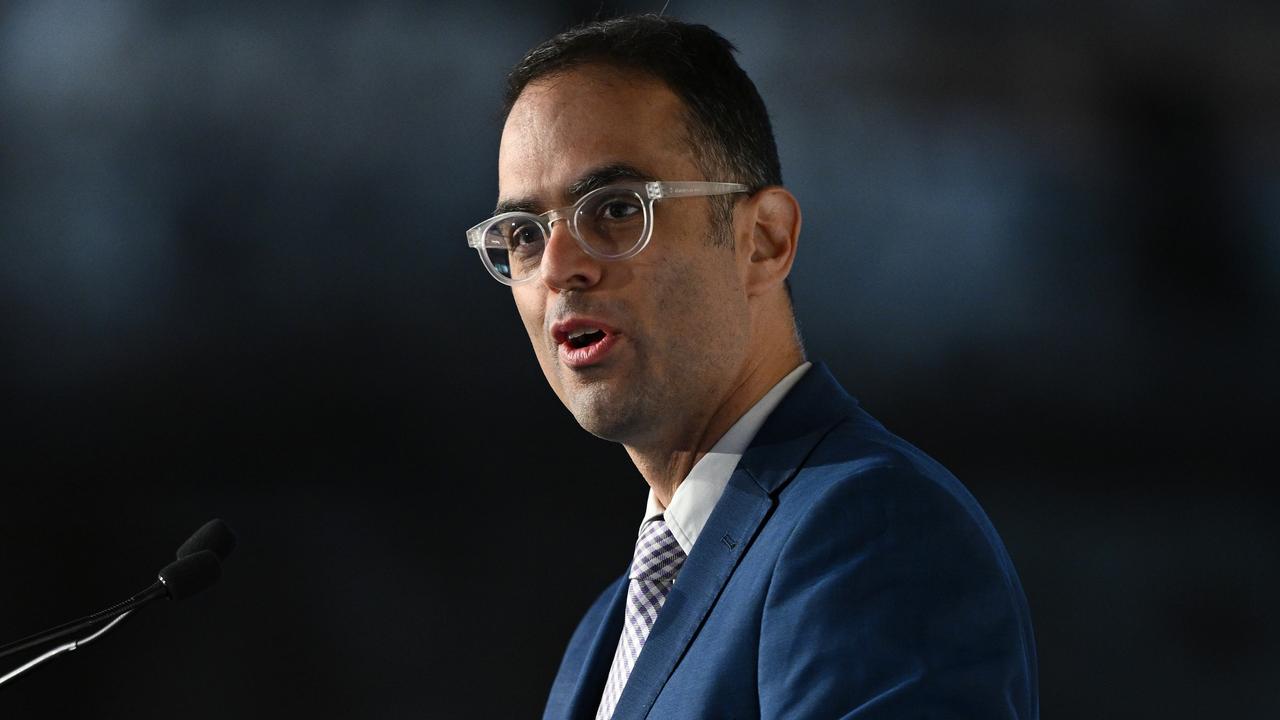
“We have an old system that’s out of date, that punishes working families,” NSW Treasurer Daniel Mookhey told reporters on Sunday.
“People with mortgages have no choice but to pay, people with cars have no choice but to pay, but some of our biggest corporate landholders can buy their way out of making any contribution whatsoever (to emergency services) by self-insuring.
“We do need to confront cost-of-living pressures wherever we encounter them.”
Mr Mookhey acknowledged any changes would need cross-party support to proceed and the state opposition has yet to offer its blessing, although the coalition previously tried and failed to overhaul the levy while in government.
The government is yet to announce the details of any planned overhaul of the levy.
At the 2023 state election, Labor committed to repealing an annual land tax introduced by the former Liberal-led government to replace stamp duty for first home buyers who opted in.
Labor branded the measure a “forever tax” on homes and abolished it after taking office.
But the Treasury paper contains five different proposals for tiered land taxes based on the value of residential, commercial, industrial, public and farm properties.
Every option requires all property owners to make a minimum contribution, although the paper acknowledges those with lower land values will generally have less capacity to do so.
Those in the lowest residential bracket, with a land value of up to $302,100, could pay an annual levy between $158 and $189, while property owners in the highest residential bracket, with land values of more than $1.41 million, would face an annual levy of $509 to $573.
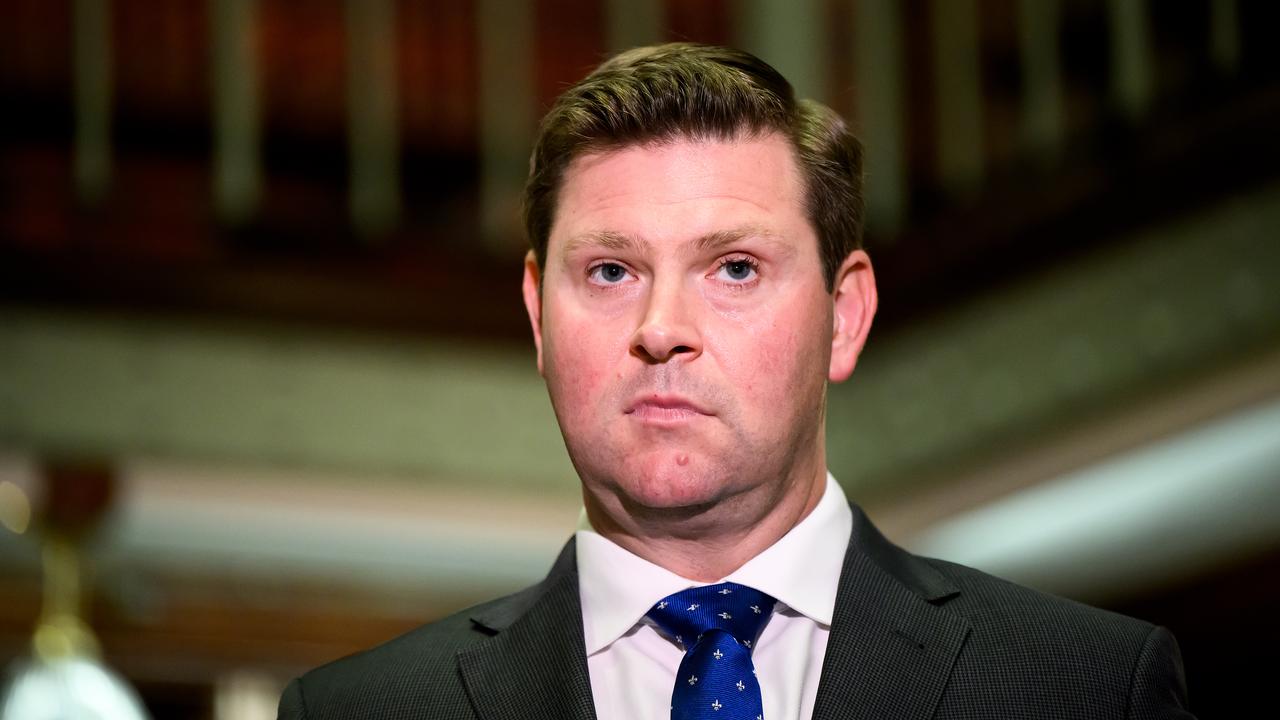
“Putting aside (Premier) Minns and Mookhey’s vow not to place a forever tax on the family home, we have always been concerned that those currently paying for insurance will be worse off under any new system,” NSW shadow treasurer Scott Farlow said in a statement.
The former Berejiklian government tried to replace the levy with a fee based on land values in 2017.
But it was forced into an embarrassing backflip following concerns some ratepayers could be left out of pocket.

Labor plays down chances of post-budget poll boost
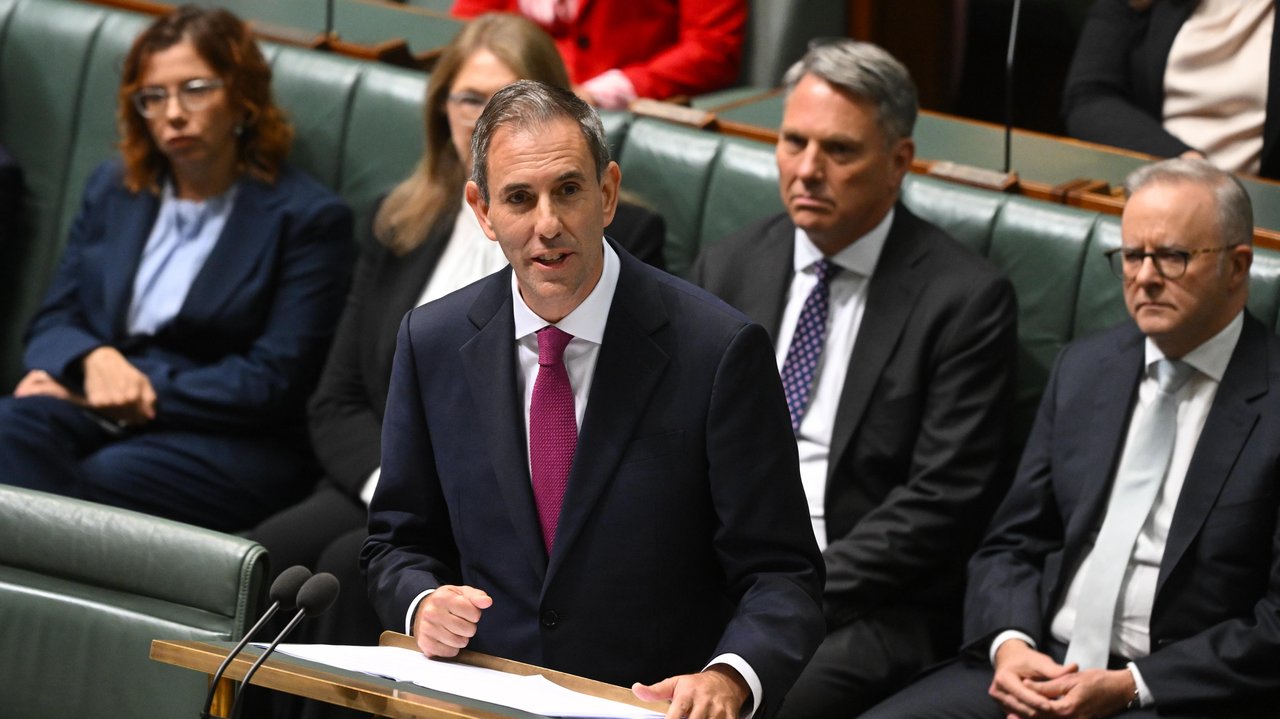
Treasurer Jim Chalmers is playing down the government’s chances of a post-budget popularity boost as he defends controversial changes to tax on investments.
After a week dominated by competing economic visions from Labor and the coalition, Dr Chalmers accused the opposition of proposing a $250 billion hit to the budget bottom line in the next decade.
The coalition wants to index tax brackets in line with inflation, effectively giving all Australians a tax cut every year from 2028/29, while Labor has announced a $250 rebate each year for all working Australians.
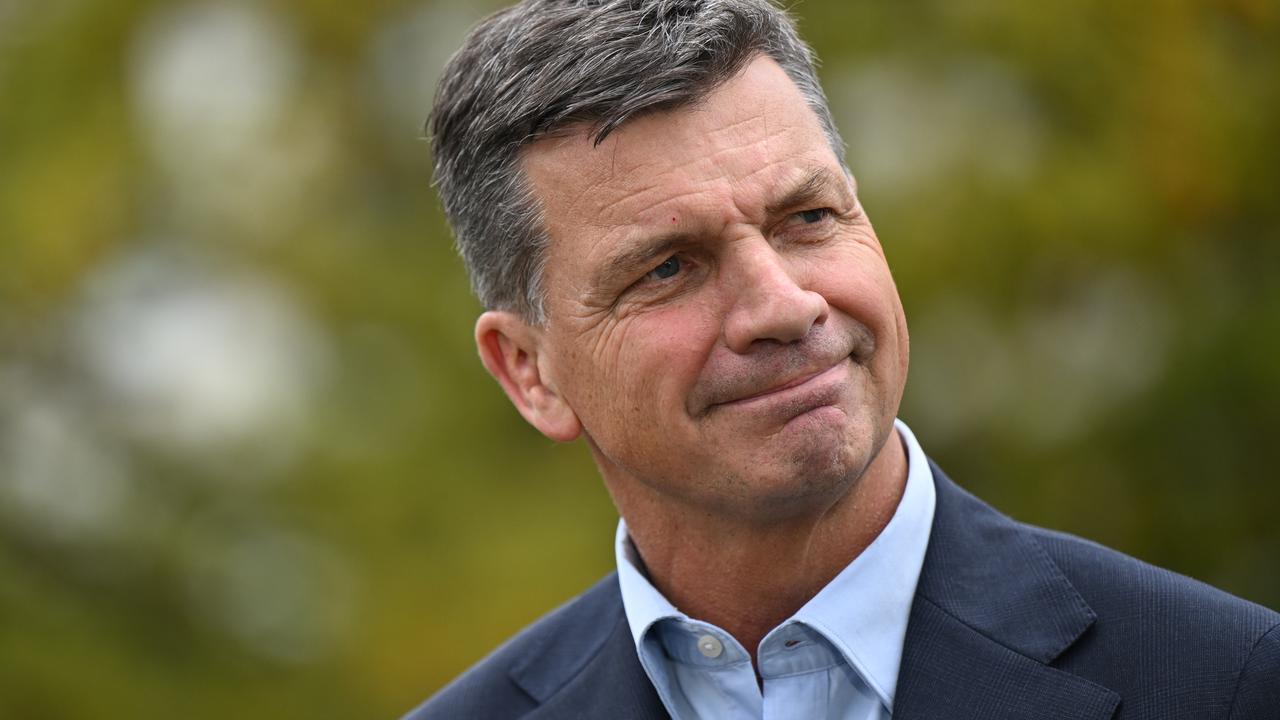
“What (Opposition Leader) Angus Taylor is proposing to do is to pump the most money into the economy when inflation is already at its highest,” Dr Chalmers told the ABC’s Insiders program on Sunday.
Mr Taylor rejected the suggestion, arguing leaving the current settings in place would effectively amount to a tax hike due to bracket creep as people were pushed into higher tiers through wage inflation.
“If Labor wants to crow about their planned income tax increases of $200 billion, that’s all going to be coming away from the private sector,” he told Sky News.
“That is a plan to grow government and shrink the private sector forever.”
The coalition says its policy will cost about $22.5 billion over the next four years and will be fully offset by savings elsewhere in the budget.
An opinion poll published on Sunday suggested the government’s plan to wind back negative gearing and the capital gains tax discount had been poorly received and was widely regarded among voters as a broken election promise.
According to Freshwater research published by News Corp, 44 per cent of voters thought the budget would leave their household worse off while 13 per cent thought it would improve their circumstances.
More than 80 per cent of those surveyed thought Labor had broken its promise to leave property tax concessions unchanged.
Asked whether he was disappointed by the survey results, Dr Chalmers said he wasn’t expecting support for the government to increase due to its budget reforms.
“I’d be more surprised if there was a bounce,” he said, pointing to the oil crisis and a “predictable scare campaign” as factors driving down support for the government.
“Frankly, we didn’t do this to get a bounce in the polls. We did it to get a boost in first home ownership.”
Prime Minister Anthony Albanese said young people looking to invest in housing, rather than buying a home to live in, would still be able to do so.
“If they have currently a negatively geared property, then there’s no change there, but if they want to have a new investment, they’ll invest in a new property,” he told reporters.
The brave volunteers turning trauma into purpose
When Benn Lockyer reaches out to grieving fathers through a volunteer support line, he already knows there is nothing he can say to “fix” what has happened to them.
What he can offer is something else entirely: understanding.
The Victorian father lost his son James in 2017 after complications during labour left the newborn with a brain injury. James lived for just three days.
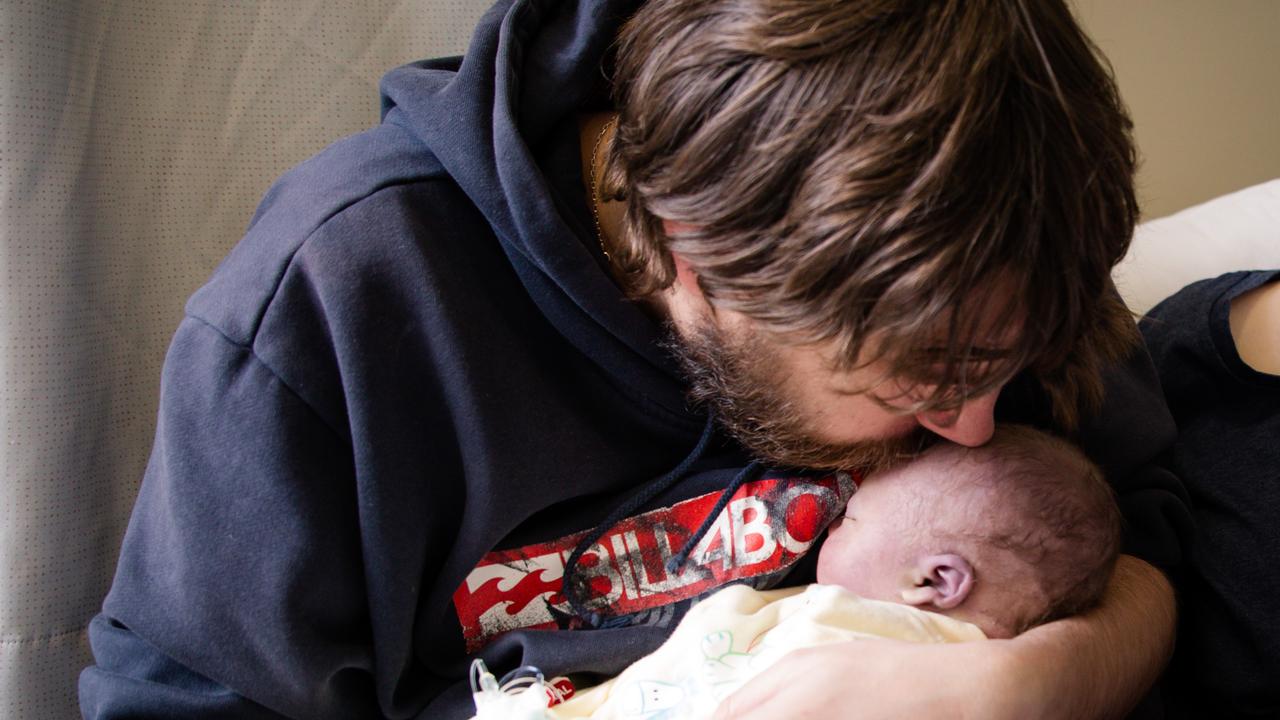
Years later, after counselling and support groups helped navigate his own grief, Mr Lockyer found himself wanting to become the person he once needed.
“I need to give back to this community,” he tells AAP.
“I had years and years of support through Red Nose and, for me, it was, ‘How can I return that, how can I provide support to other families?'”
As Australians prepare to mark National Volunteer Week from May 18-24, stories like Mr Lockyer’s are at the centre of this year’s theme: “It’s your year to volunteer.”
While volunteering is often associated with sausage sizzles, sporting clubs and school fundraisers, many people are drawn to it after some of the most difficult moments of their lives.
For some, lived experience becomes the very thing that allows them to help others.
Mr Lockyer says joining a support group after James’ death was a turning point.
“We didn’t know what to expect. We were terrified going into that room,” he recalls.
“But everyone was supportive and understanding. They all lived through it as well.”
Hearing from parents further along in their grief gave him hope life could eventually become manageable again.
“It sort of normalised and validated a lot of what I was feeling,” he says.
“It provided that hope that, ‘Maybe we will be okay out of this.'”
Eventually, Mr Lockyer began volunteering, himself providing peer support to other bereaved fathers through online chats and one-on-one phone calls.
Despite his own experiences, he initially doubted he was qualified to help anyone else.
“I remember turning up to the first training session and I was terrified,” he says.
“I was like, ‘What am I doing? I’m not qualified to do this.'”
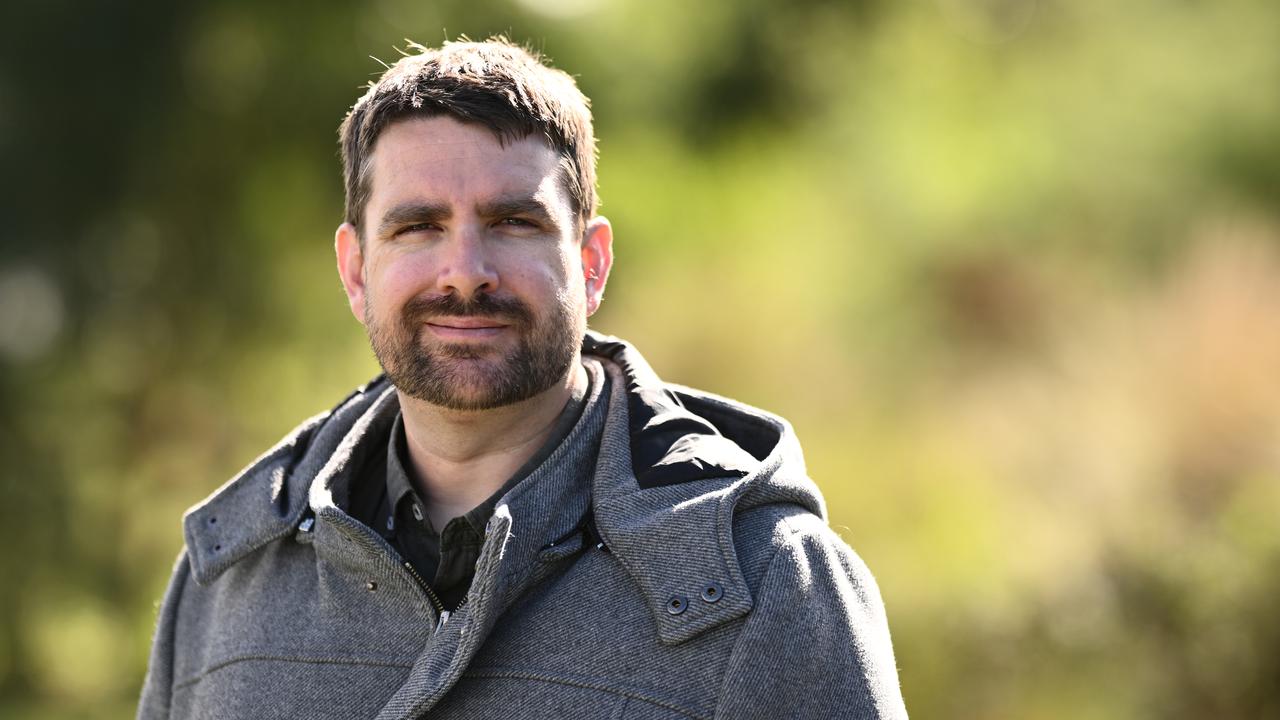
That uncertainty faded the first time he spoke directly with another grieving dad.
“You get onto a phone call with someone who needs help and it just changes. You just know,” he says.
“You kind of doubt yourself a little bit. And then you’re like, no, ‘I’m exactly qualified to be doing this because I know exactly how much pain these people are going through.'”
For Mr Lockyer, volunteering became a way of giving purpose to grief that could never truly be resolved.
“I can’t go back and change what happened. I can’t bring James back,” he says.
“But if I can take that experience and that pain and bring some sort of light to someone else’s life, then that’s given it some sort of purpose.”
For Volunteering Australia chief executive Mark Pearce, hearing stories like Mr Lockyer’s are far from uncommon.
“There is a significant proportion of people, especially in those roles which are personal support, psychological support, where people may have experienced something,” he tells AAP.
“Then, they’ve said, ‘Wow, this is something that was really special to me. This is an opportunity for me to be that person to someone else as they move through that life experience themselves.'”
Mr Pearce says many volunteers underestimate what they can offer until they actually become involved.
Volunteers commonly tell him they feel they have something to contribute but don’t know how.
“‘I didn’t realise what a difference I could make until I actually started to make that difference’,” he reports being told.
Volunteering can also help people rediscover a sense of belonging and connection after periods of trauma or isolation, he continues.
“When you walk away at the end of the day or the night or the week, whatever the case might be, there is this profound sense of belonging, of contribution and personal empowerment.”
Mr Pearce describes volunteering as “almost the simplest human interaction”.
“It’s the ‘need a hand with that?'” he says.
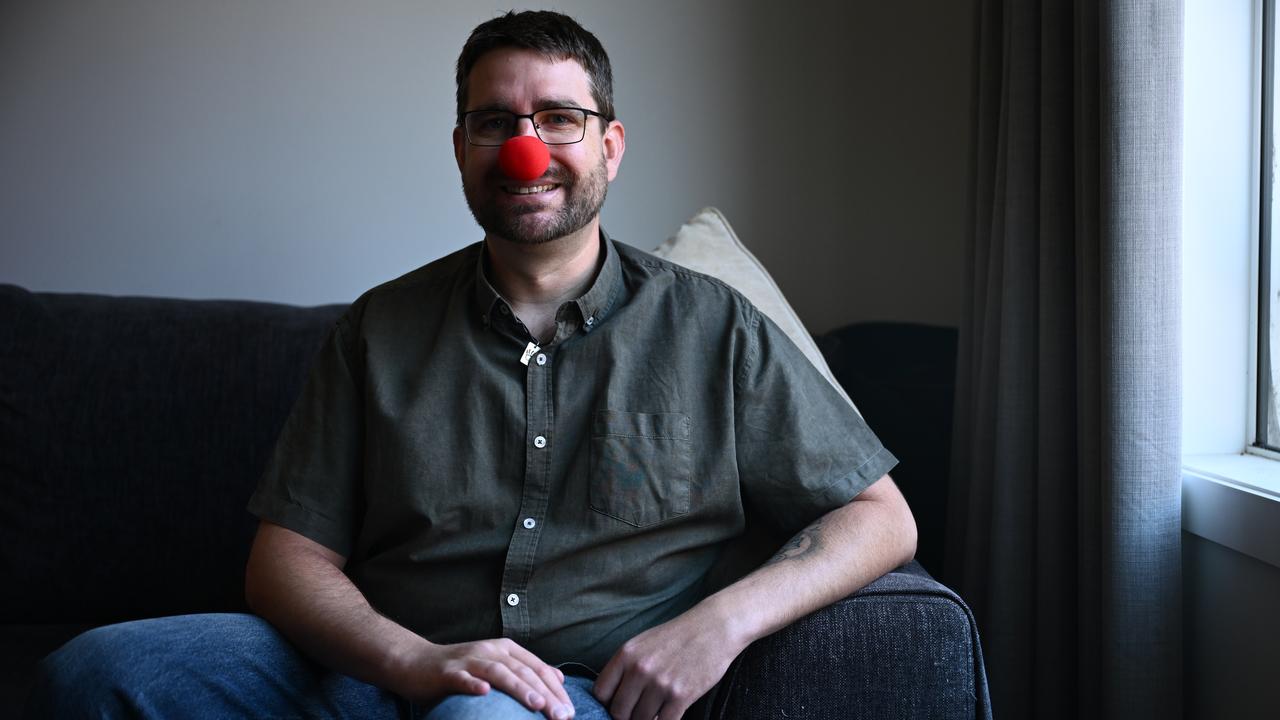
Importantly, he says, volunteering doesn’t always require huge time commitments or certification.
“You don’t need to have formal qualifications oftentimes. You just need to be there with intention,” he explains.
“It can be one hour a week. It can be less than one hour a week … but it’s about that connection.”
Australian Bureau of Statistics research reveals 42.8 per cent of Australians aged 15 or over volunteered formally, informally or both in 2025.
More than 618 million hours were contributed through formal volunteering alone.
Men and women volunteer formally at a similar rate: 22 per cent and 23 per cent respectively. Adults aged 35-54 are most likely to volunteer.
For Mr Lockyer, who now juggles volunteering alongside full-time work and raising two young children, the rewards far outweigh the time commitment.
“Being able to provide that support for other people is important to me and so it’s time that I want to make,” he says.

Goodrem sings for Australia in Eurovision final
Delta Goodrem has performed for Australia at the Eurovision final with a powerful ballad her fans hope could earn her the top prize in Austria.
Goodrem was the eighth performer out of a total of 25 acts competing in the song contest at the Wiener Stadthalle in Vienna on Saturday night (Sunday morning AEST), sandwiched between Ukraine and Serbia.
The singer and former Neighbours star was accompanied by a harpist for her song, Eclipse.
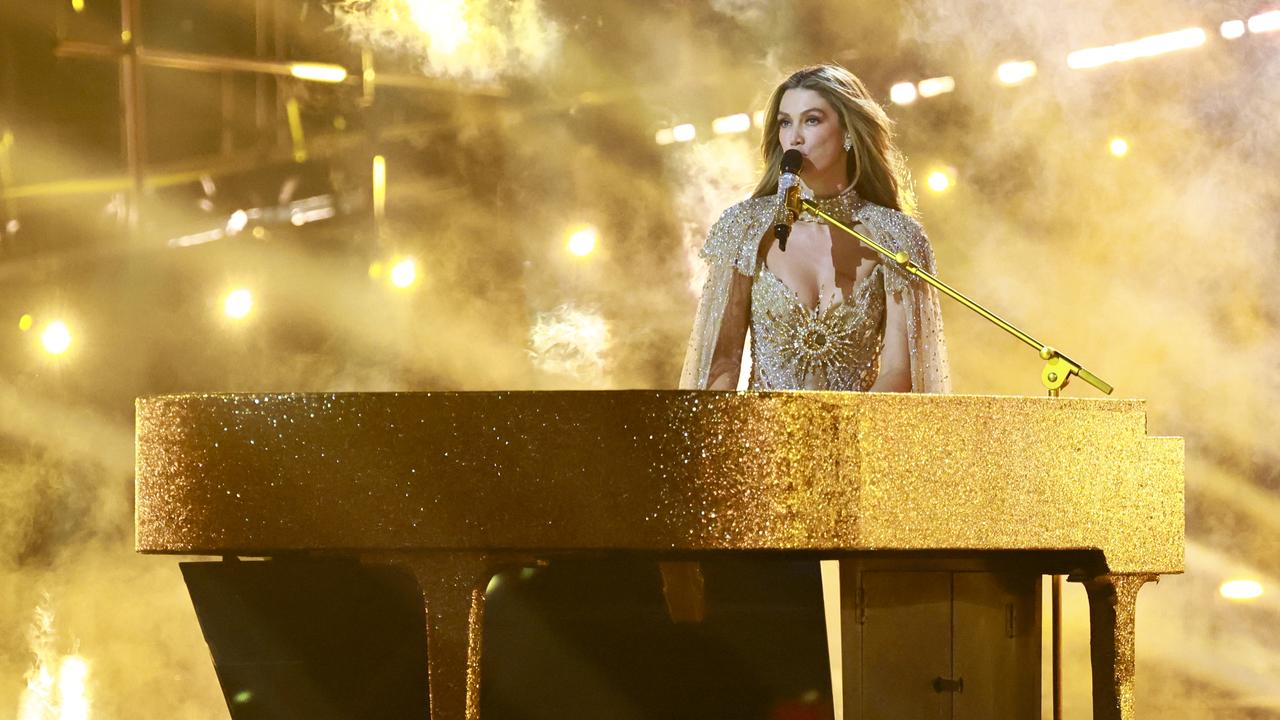
Goodrem was elevated into the air from the top of her sparkly gold piano at the pinnacle of her song.
“Thank you so much,” she said as she waved to the crowd and left the stage.
Millions of viewers around the world will cast their judgement on the performances at Eurovision’s 70th anniversary event, voting by phone or text message during and for a short time after the show, although they are not allowed to vote for their own country’s act.
The act with the most points wins, with their country getting to host the competition next year.
Finland, Greece and Australia have been the favourites in prediction markets.
It is unclear what would happen if Australia were to win but it is believed it would be made to select another host – a European country – or co-host it.
Speaking to SBS, Eurovision’s Australian broadcaster, Goodrem said Australia should be allowed to host it in the event of a win.
“We had to get up (at four in the morning) and we’re very passionate about Eurovision,” she said.
“I’m not into the logistics just yet. I have no idea of the operational side.”
Australia has participated in Eurovision since 2015 and was most successful in 2016 when Dami Im finished second with her song Sound of Silence in Stockholm, losing out to Ukraine’s Jamala.
The often irreverent song competition has been marred by controversy as several countries boycotted it this year over Israel’s participation.
The public broadcasters of five countries – Spain, the Netherlands, Ireland, Iceland and Slovenia – oppose Israel’s involvement because of the country’s military offensive in the Gaza Strip in response to the Hamas-led attack of October 7, 2023.
with AP, PA, DPA and Reuters
Finger to the wind on extending fuel excise discount
Anthony Albanese isn’t yet saying ‘yes’ to extending the government’s fuel tax discount but neither has he ruled it out.
The opposition wants to wait and see but has reservations about it unless certain inflation offsets can be part of the equation.
The irony is that the two may well end up adopting each other’s original position on what has become a defining cost-of-living issue.
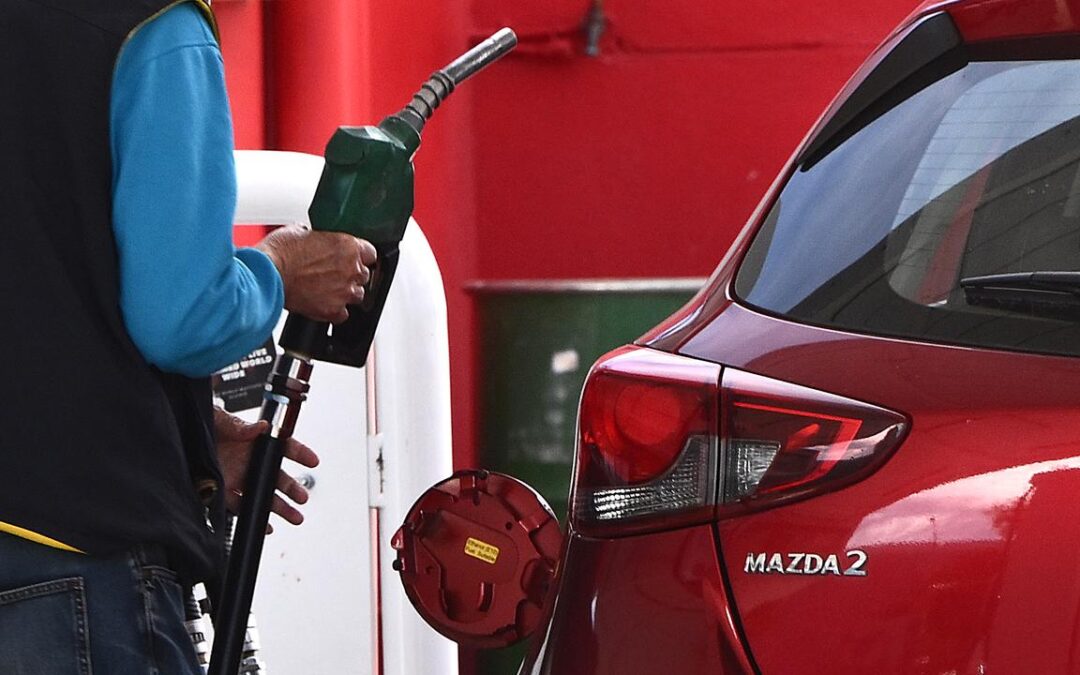
The government’s three-month cut to the fuel excise kicked in at the start of April, resulting in the cost of petrol and diesel being slashed by 26.3 cents a litre in response to soaring prices caused by the US-led war on Iran.
The prime minister left the door ajar for an extension on Saturday despite advising Australia now holds a healthier supply of fuel than it did before the conflict erupted in late February.
“We’ll make an assessment in the lead up to July 1,” Mr Albanese said in Sydney.
He went on to spruik other forms of tax relief commencing at the start of the new financial year that may cushion the blow should the excise cut be allowed to lapse.
“On July 1, of course, we’ve got our first tax cuts, one of the five instalments of tax cuts that have been put in place by my government,” he said.
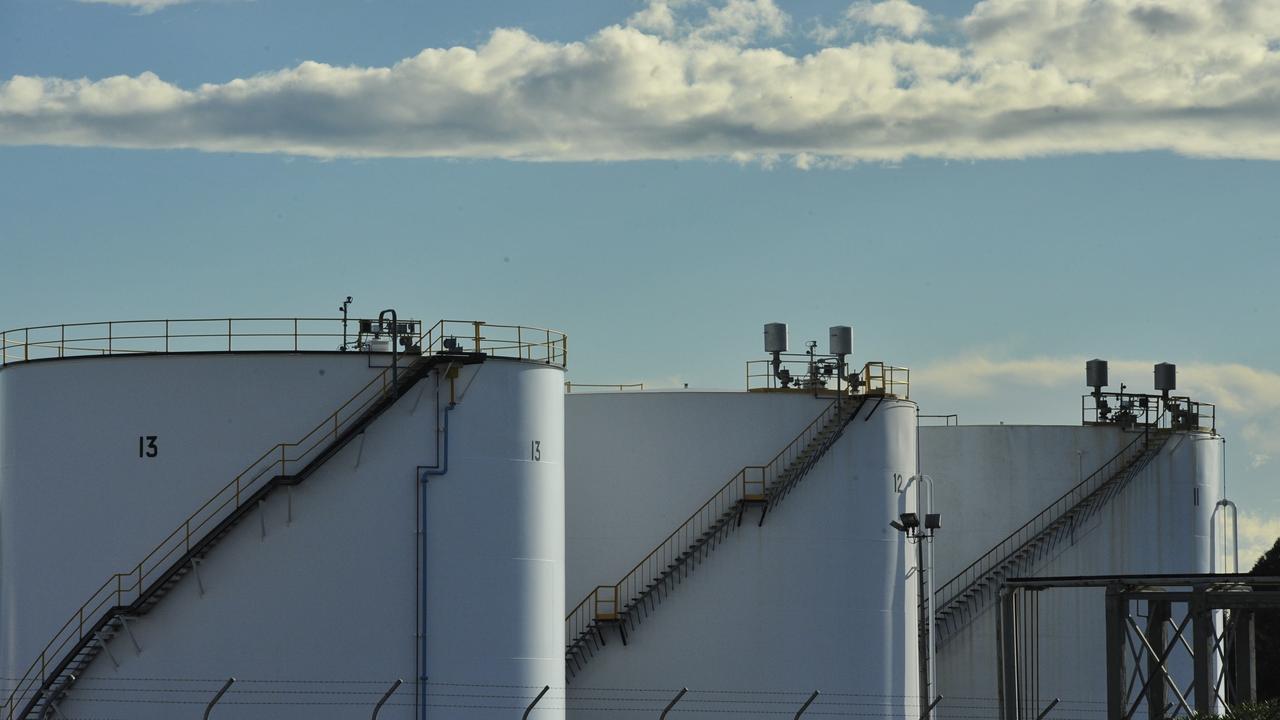
Australia now has 44 days’ worth of petrol, two days more than last week’s update and eight days more than the day the Iran bombing began.
The nation has 36 days worth of diesel and 35 days worth of jet fuel.
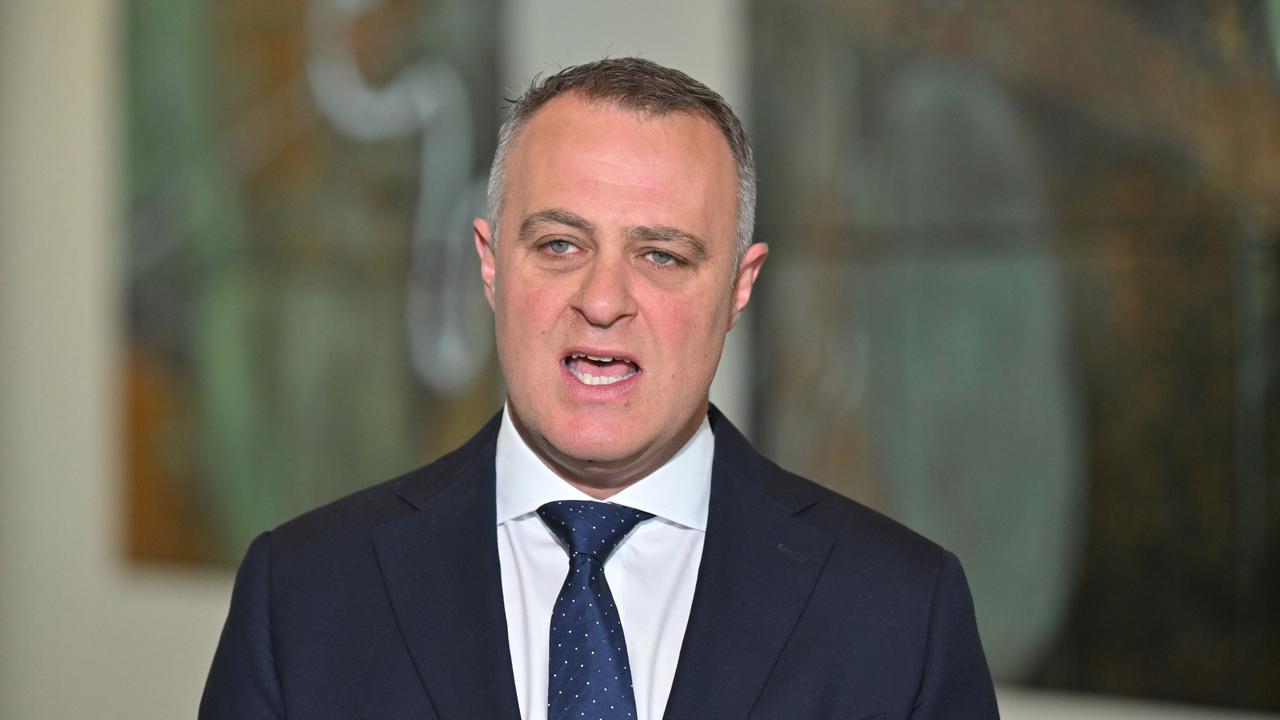
Asked whether the opposition would support extending the excise cut, Shadow Treasurer Tim Wilson said he’d prefer to hold off commenting until Australia’s fuel supply challenge pans out.
“We’re waiting to see both fuel supply and the global context before we provide an answer,” he told reporters at Melbourne Airport.
“When we led this conversation originally and put the proposal forward, we made sure there were inflationary offsets because what we didn’t want was more debt petrol on the inflation fire.”
The prime minister says Australia is “in a better position than anyone was predicting prior to Easter”.
The nation remains at level two of the government’s fuel plan that requests users only buy what they need and take voluntary steps to use less.
The federal budget included a multi-billion-dollar fuel resilience package, including a $7.5 billion fuel and fertiliser security facility and $3.2 billion Australian fuel security reserve.
It is designed to facilitate at least 50 days of onshore fuel supply and storage of diesel and avgas.
Australia has also been ramping up efforts to secure supplies, with an additional three spot-market diesel cargoes secured on Friday.
Neck and neck by-election could swing on postal votes
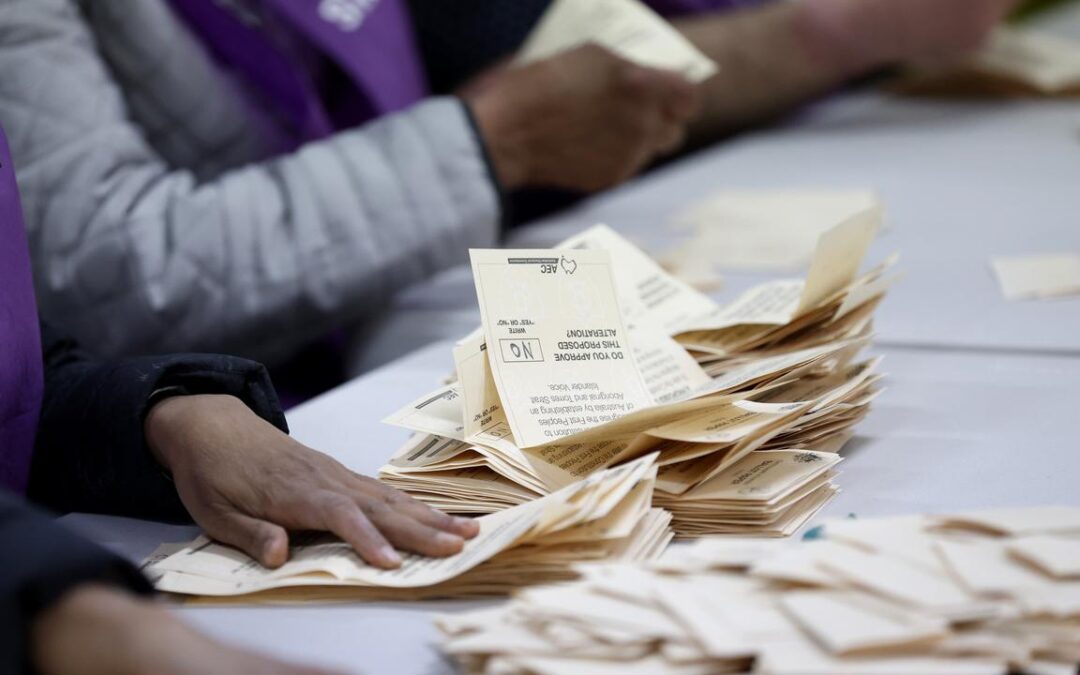
The outcome of a neck-and-neck Queensland by-election could come down to postal votes.
With almost 80 per cent of ballots counted in the race for the inner northern Brisbane seat of Stafford late on Saturday evening, Labor was leading the LNP by 768 votes, according to chief ABC analyst Casey Briggs.
“Labor is likely to retain Stafford,” he said.
“There has been a 4.1 per cent swing against Labor with additional postal votes still to be counted,” he said.
“But for the LNP to win from here, those postal votes would need to break very strongly in its favour. That is very unlikely to happen.”
Neither party was able to make a declaration and with preferences crucial, multiple counts will probably be required to confirm the result.
Mr Briggs said postal ballots were the biggest variable remaining as it was uncertain precisely how many would end up being returned and counted.
Polls closed at 6pm, with more than 14,000 people casting ballots on the day.
Almost 42 per cent of electors chose to vote early, 13,530 in person and 3860 by post.
Electoral Commissioner Pat Vidgen said staff were counting first preferences from votes taken on election day, during early voting, telephone voting and the postal votes returned so far.
“Voting finished at 6pm … but it could still take a few days to determine the results,” he said.
“We’ll only declare successful candidates when the outcome is certain.”
Voters were called to the polls on Saturday in the electorate of Stafford after the sudden death of former independent MP Jimmy Sullivan on April 9.
Mr Sullivan – who had a 6.83 per cent swing against him in the 2024 election – was expelled from the Labor Party in May 2025 over legal and medical concerns.
The seat has been held by Labor for most of its history, with Mr Sullivan’s father Terry serving as the member from 2001 to 2006.
Labor’s Luke Richmond notionally still holds the seat with a 5.3 per cent two-party preferred margin.
But recent polling suggested the LNP could be on track for an unexpected and historic victory.
Griffith University political scientist Paul Williams predicted that Fiona Hammond would win the seat for the LNP.
With by-election swings towards a sitting government rare, even a reduction in Labor’s margin would technically be a loss for Labor and former premier Steven Miles.
And if the seat is lost, it would likely be terminal to his leadership, Prof Williams said.
One Nation did not stand a candidate in the vote.
Extension on fuel excise relief kept in play by PM
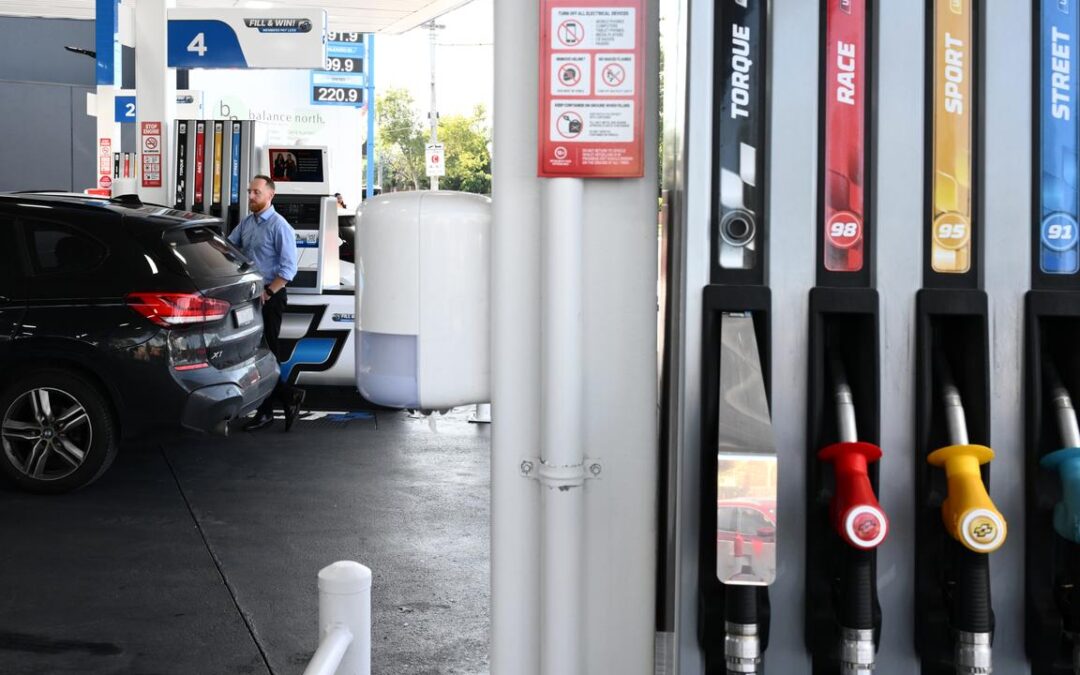
The door has been left ajar for an extension to petrol pump excise relief despite the prime minister reporting healthier supplies of liquid fuels than before the Iran war began.
Providing the weekly update on Australia’s fuel security situation since the conflict started disrupting oil supplies, Anthony Albanese did not rule out a tax relief extension.
The federal government has halved the excise charged per litre at the bowser to lower prices for motorists in a temporary move due to expire at the end of June.
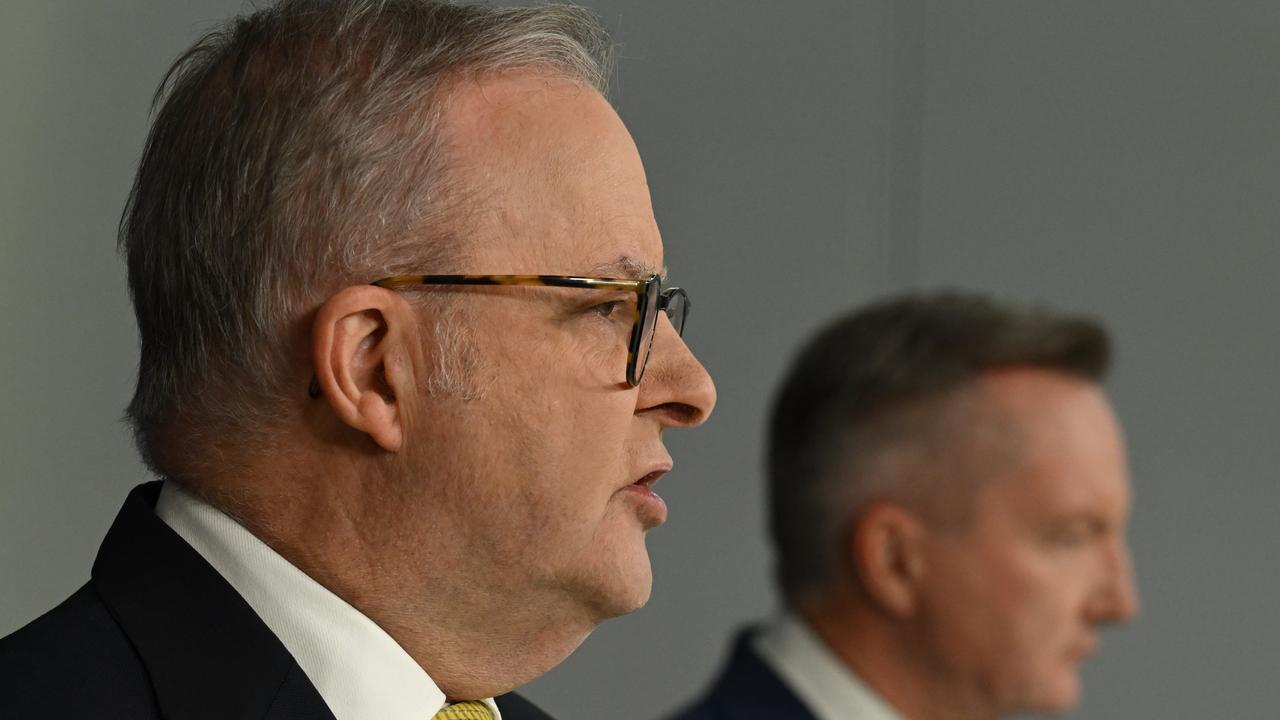
“We’ll make an assessment in the lead up to July 1,” Mr Albanese told reporters in Sydney on Saturday, before spruiking other forms of tax relief kicking in at the start of the new financial year that may cushion the blow were the excise cut to lapse.
“On July 1, of course, we’ve got our first tax cuts, one of the five instalments of tax cuts that have been put in place by my government,” referencing rejigged income tax cuts and other announced relief packages.
Australia now has 44 days’ worth of petrol, two days more than last week’s update and eight days more than the day the Iran bombing began.
The country has 36 days worth of diesel and 35 days worth of jet fuel.
The prime minister said Australia had more petrol, jet fuel and diesel than on February 28, when the United States and Israel attacked Iran.
“We are in a better position than anyone was predicting prior to Easter, when we did the national address,” he said.
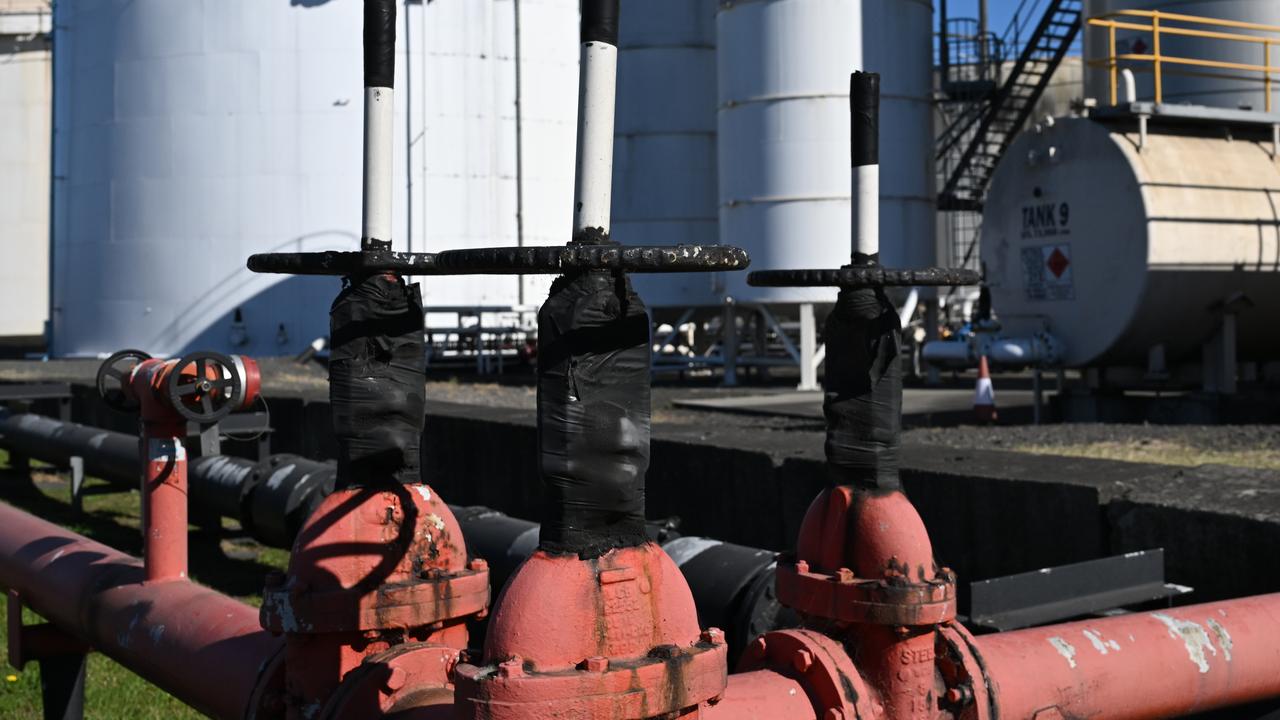
Australia remains at level two of its fuel plan that requests users only buy what they need and take voluntary steps to use less.
The 2026 federal budget, handed down on Tuesday, included a multi-billion-dollar fuel resilience package, including a $7.5 billion fuel and fertiliser security facility and $3.2 billion Australian fuel security reserve.
The package is designed to facilitate at least 50 days of onshore fuel supply and storage of diesel and aviation fuel.
Australia has also been ramping up its efforts to secure fuel supplies, with an additional three spot-market diesel cargoes secured on Friday.
The federal opposition, led by Angus Taylor, has been calling for the minimum stock-holding obligation to meet the 90-day requirement under the international energy treaty and advocating for more domestic oil and gas mining.

The adopted family members being dumped in hard times
Baz is looking for love and open to meeting both men and women.
Recently split from a female, his online profile describes him as a small man but adventurous, endearing and cheeky.
“Baz has the biggest heart and an even bigger determination to keep going,” it says.
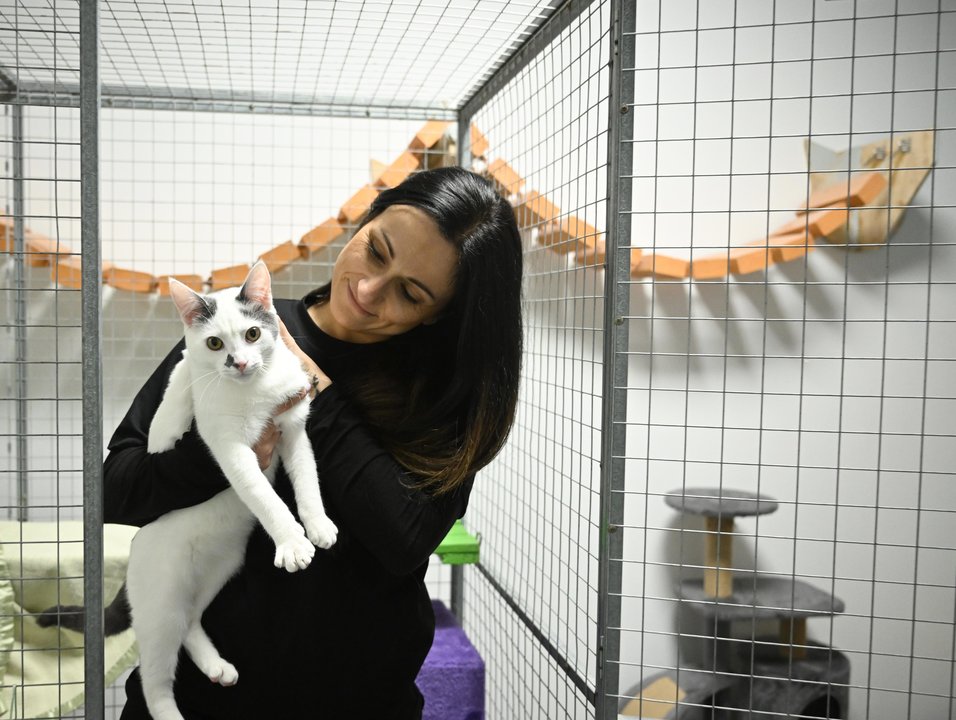
The eight-week-old ragdoll kitten, is currently living at Second Chance Animal Rescue in Melbourne.
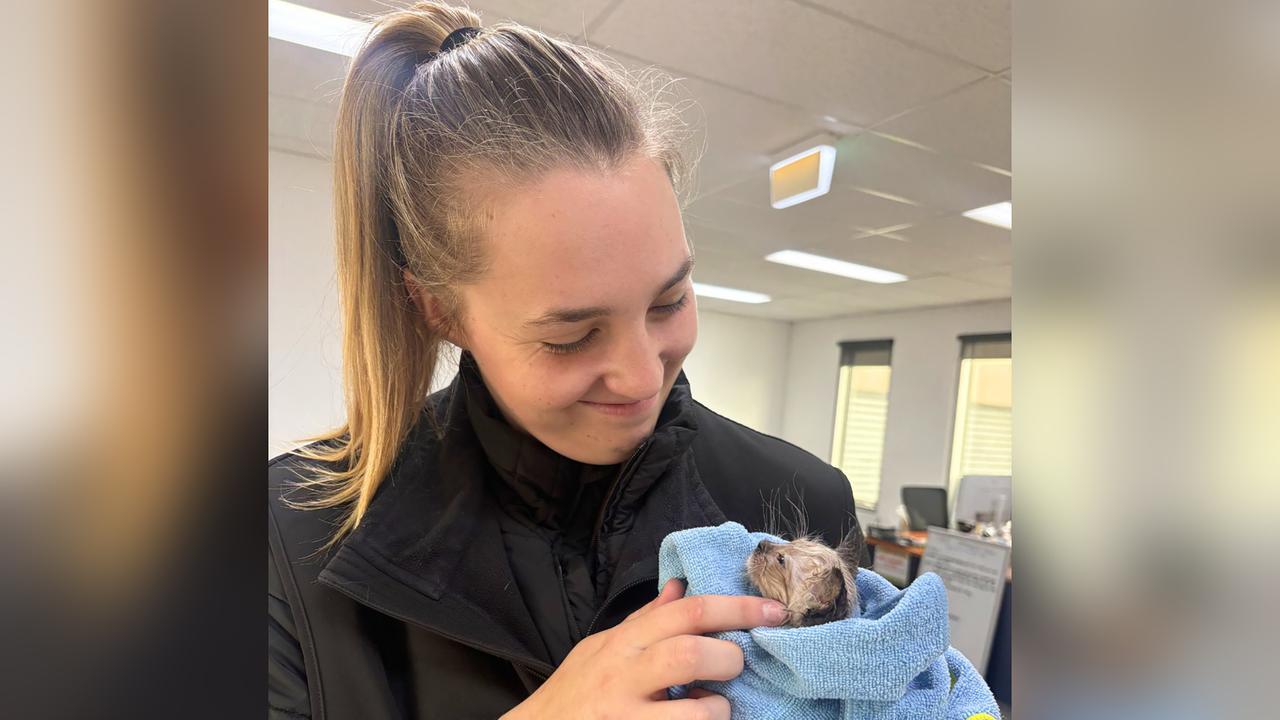
“He was surrendered because the owner was facing a crisis and she could not give them the care that he needed,” says the shelter’s founder, Marisa Debattista.
“It was a regretful situation; she did not want to surrender him but had no choice.
“Times are tougher than last year, that’s for sure,” Ms Debattista adds.
In 2025, she had to find $200,000 to keep the lights on but lived to fight another day thanks to the kindness of strangers, or more precisely, their donations.
That said, having rehomed 17,000 animals and provided more than a million pet meals, Second Chance has reached its lowest point since opening its doors nearly 20 years ago.
The offerings to animal shelters in federal and state budgets are meagre, Ms Debattista says, and charitable donations have dwindled amid crushing cost-of-living pressures.
At the same time, and with children so expensive to raise, birthrates are at a record low.
It’s a reality that has changed the the tune for many Australians, say researchers.
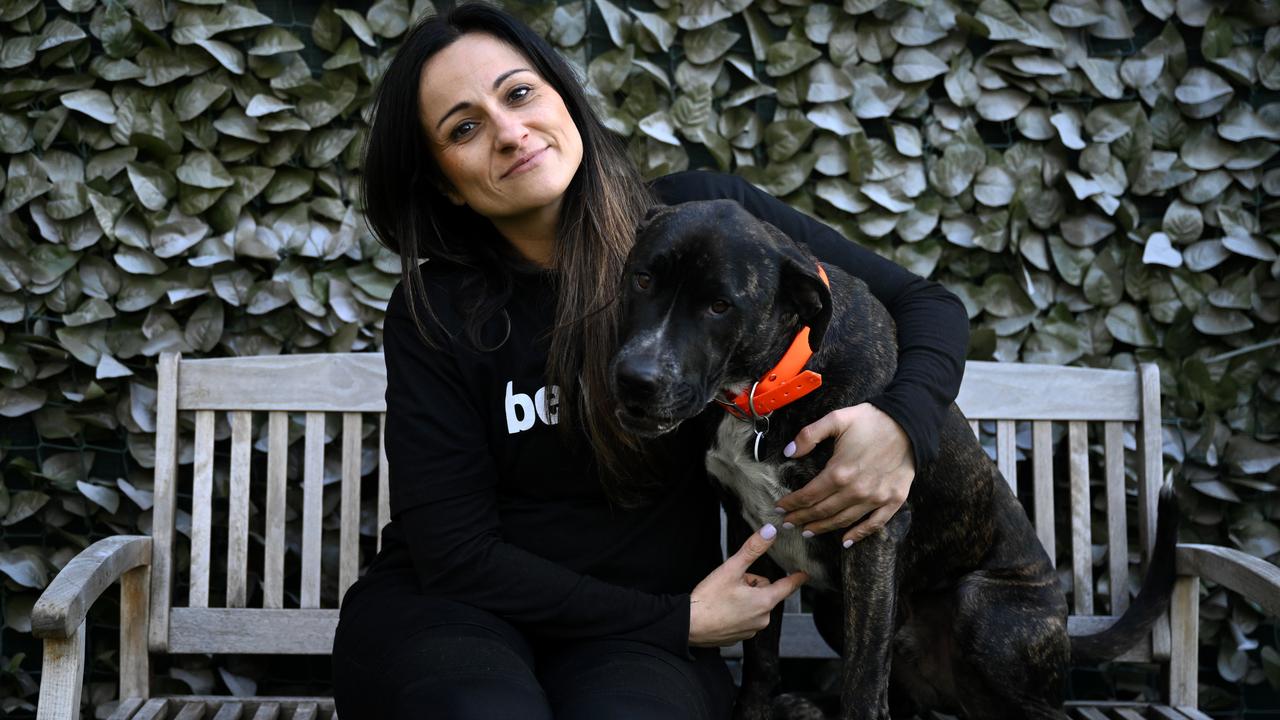
The days where dogs were considered working animals are long gone, with 93 per cent of owners now viewing man’s best friend as a family member, according to a study commissioned by pet supplement maker ZamiPet.
But supplementing the financial burden of bringing a child into the world with caring for a pet hasn’t been a straight win, say animal rights advocates.
Indeed, pets have also become expensive to keep.
Ms Debattista estimates 80 per cent of the animals entering Second Chance are surrendered because their owners are in financial crisis.
A similar situation is occurring across NSW.
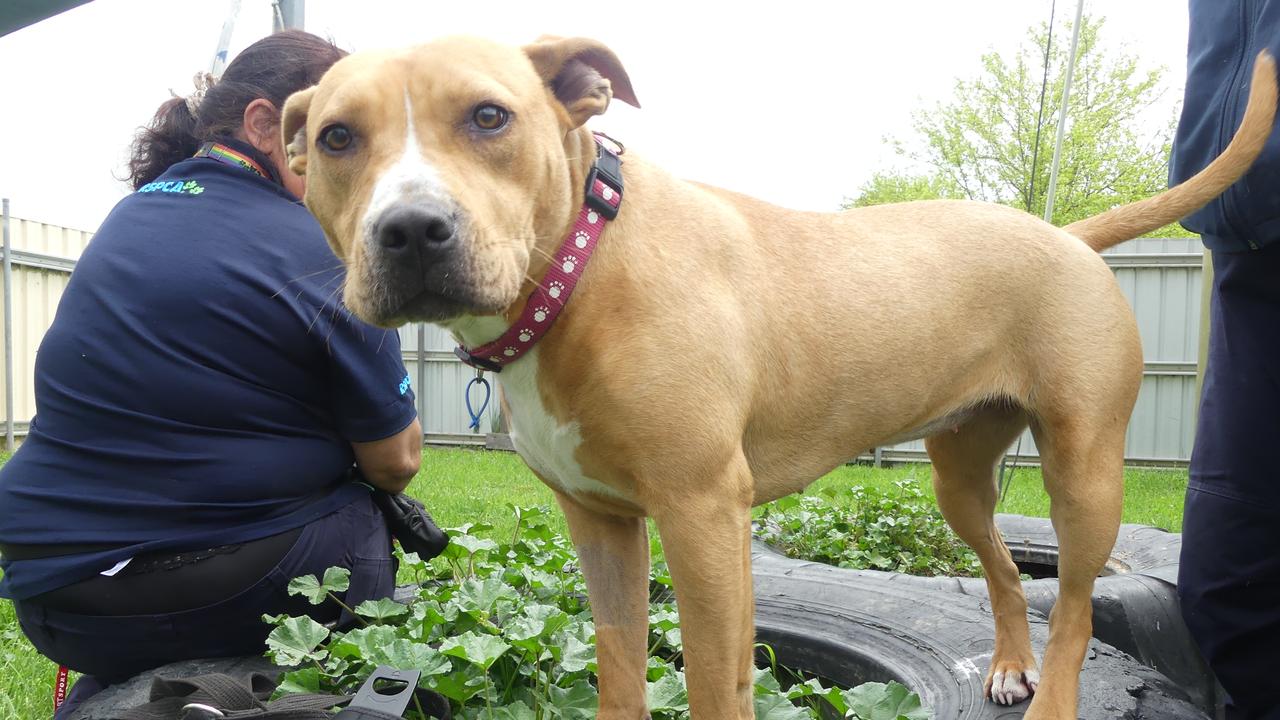
“Housing and cost-of-living pressures continue to be key barriers to keeping people and pets together”, says a spokesperson for the Royal Society for the Prevention of Cruelty to Animals.
“Currently, one in three surrenders at RSPCA NSW are due to housing or financial pressures.”
The RSPCA’s nationwide survey illuminates how pets are bearing the brunt where money stress is taking hold.
One in three Australians have delayed vet care for their pets because they could not afford it, the study found; one in five are not at all confident they could cover unexpected emergency care expenses.
This predicament played out in a South Australian court on Thursday where a 49-year-old woman and 55-year-old man were convicted of 24 counts of animal ill-treatment.
The verdict was handed down after RSPCA inspectors executed a search warrant at their property and found a number of cats suffering eye infections and evidence of others scouring.
“When the female defendant arrived, she stated the property had been in its unsanitary state for a month and that she was getting help to clean the house”, the RSPCA said.
“She also stated that the three kittens had been unwell for a couple of months and that she had planned to take them and the sick cats to the vet that day, though a vet appointment had not been made.”
The cost burden of visiting the vet is even seeing the likes of big banks and government departments issuing public warnings around pet ownership.
Commonwealth Bank estimates owning a dog costs $3218 a year and a cat, $1715, while the government’s Moneysmart site calculates $2520 and $1656.
Adam Guest, CEO and co-founder of Raw and Fresh, produces pet dietary products, and says he hasn’t put prices up in two years in an attempt to keep customer costs down.
“There’s still a lot of ‘cowboy-ness’ that goes through the pet food industry”, he tells AAP.
“What I mean by that is they put the guise on it – that it’s a human-grade high-quality piece of produce that they’re providing but it turns out it’s so far from that it isn’t funny.”
Mr Guest also donates hundreds of meals to struggling pet shelters each week.
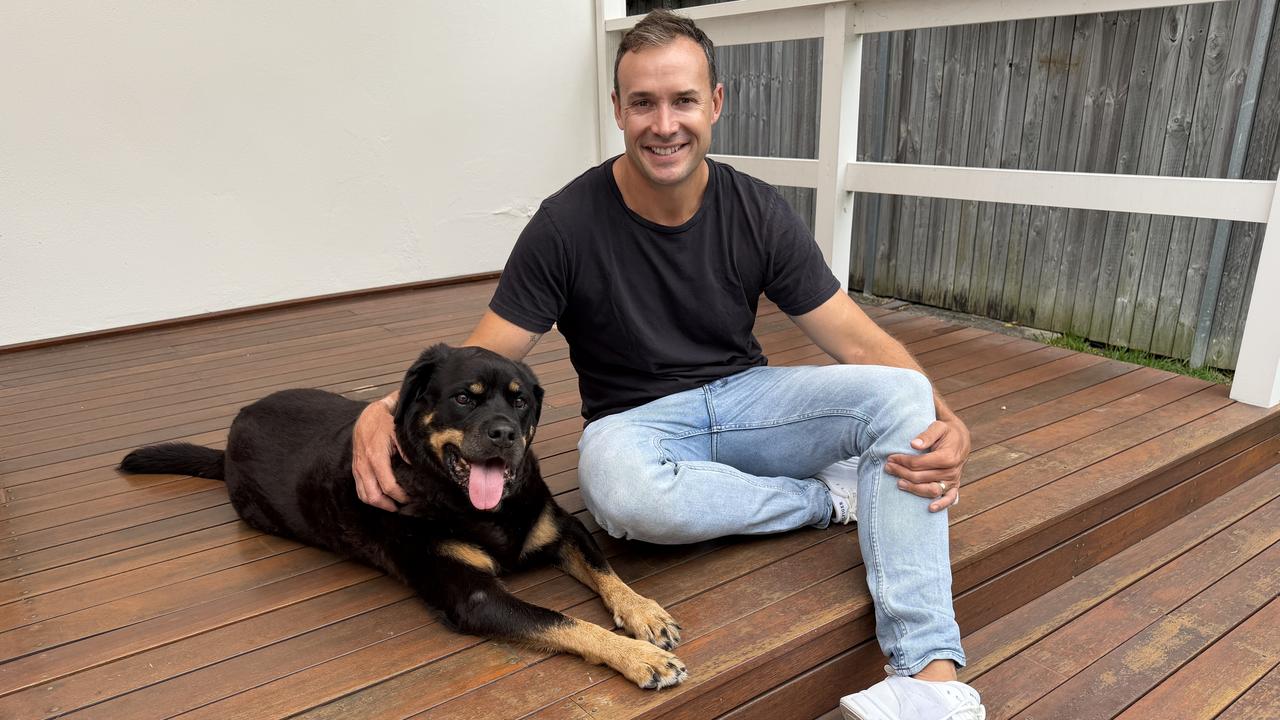
One recipient is Pound Patrol Rescue in Sydney’s west, where founder Lisa Younes says food costs have rocketed from $800 a week to over $2500.
This has been is compounded by an increase in the number of abandoned and lost animals taken in.
It’s a perfect storm that has pushed things to the brink.
“Pound Patrol is in financial crisis,” read the shelter’s Instagram page in March.
“Our bank account is empty, we are burdened with vet bills, rent (our rent has just gone up a lot), food, and medications for our furry friends.”
Mr Guest’s generosity has been a lifeline but it might not be enough.
It’s a pattern being repeated countrywide.
At the Animal Welfare League in Queensland, rescue intake numbers have risen almost 12,000 in five years.
“Rehoming one dog might cost us $5000 once we look at the care for that animal”, says its manager Melinda Phipps.
It’s a stark reminder for anyone fancying the likes of Baz.
His big heart comes at a cost.
By-election a test for former premier’s leadership
A suburban by-election is set to shake up state politics, with a party leader’s position under threat and a once-safe seat on the line.
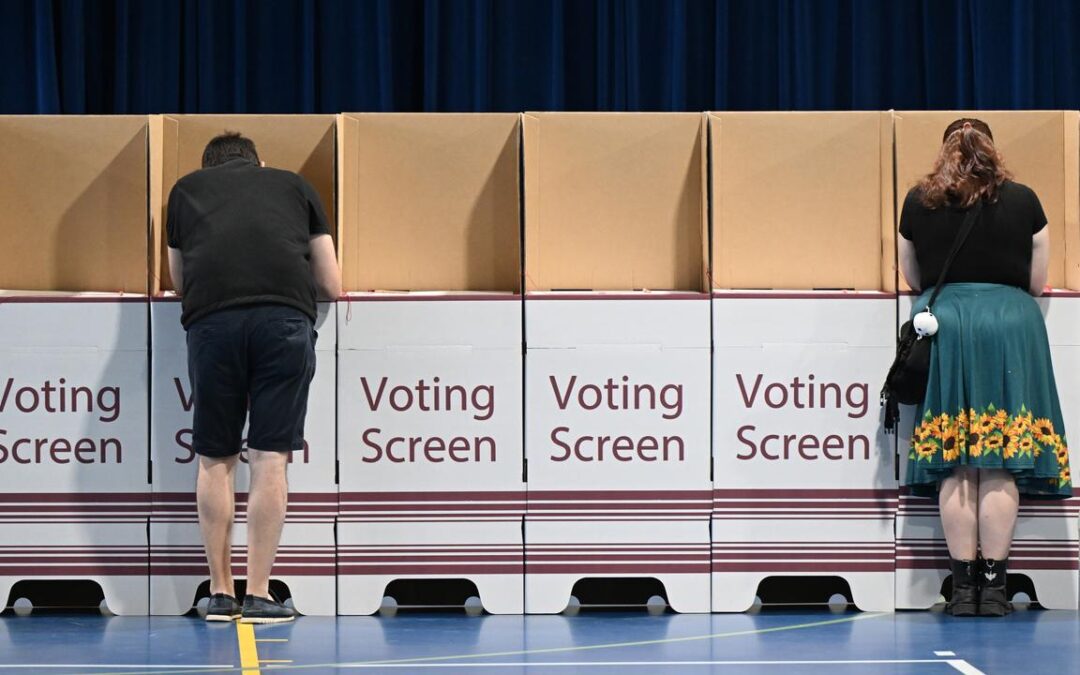
Voters in the northern Brisbane-based seat of Stafford go to the polls on Saturday after the sudden death of former independent MP Jimmy Sullivan on April 9.
Mr Sullivan – who had a 6.83 per cent swing against him in the 2024 election – was expelled from the Labor Party in May 2025 over legal and medical concerns.
The seat has been held by Labor for most of its history, with Mr Sullivan’s father Terry serving as the member from 2001 to 2006.
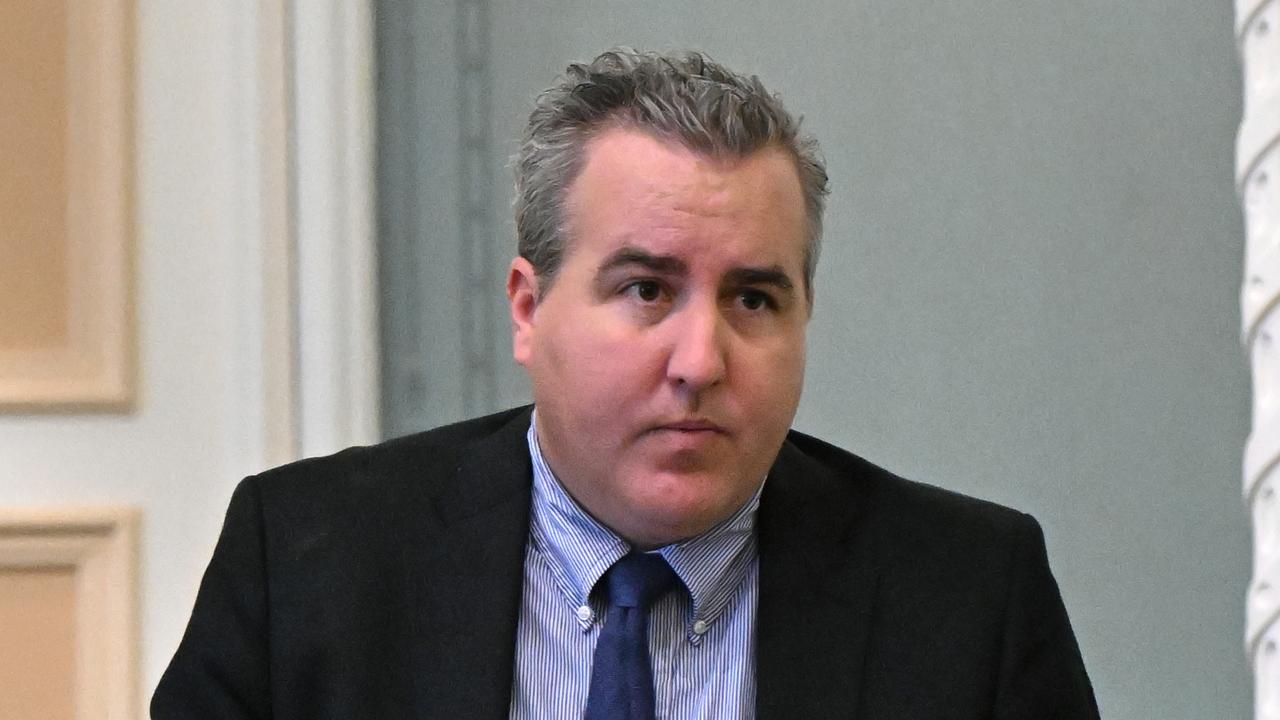
But a political expert warns that could change on Saturday, in a result that would have ramifications for David Crisafulli’s ruling LNP government, the Labor opposition and federal politics.
Paul Williams, a political scientist at Griffith University, said he thought it increasingly likely that Fiona Hammond would snatch the seat for the LNP with a predicted vote of 51-52 per cent after preferences were allocated.
Notionally, Labor still holds the seat with a 5.3 per cent two-party preferred margin.
Recent polling showed the LNP on track for an unexpected and historic victory.
With by-election swings towards a sitting government rare, Prof Williams said even a reduction in Labor’s margin would technically be a loss for Labor and former premier Steven Miles.
“If (the LNP) bring it from 55 to 53, that’s technically a loss for Labor,” Prof Williams said.
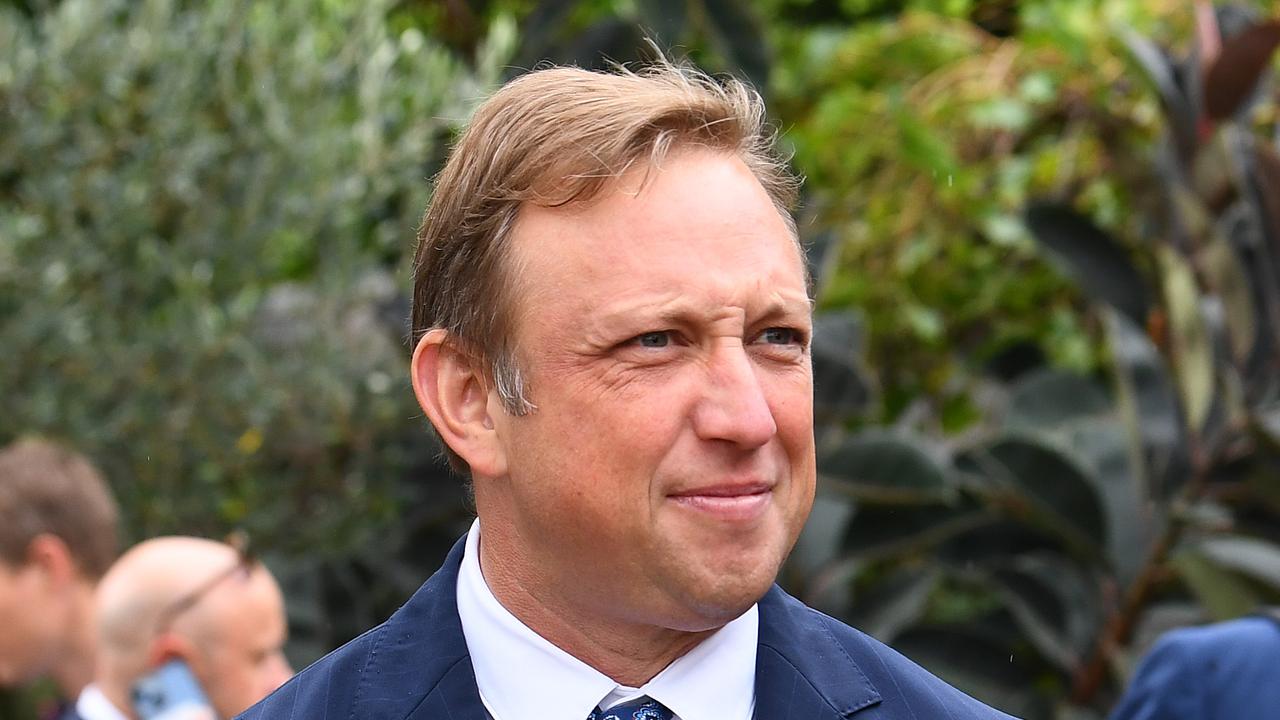
“They should be winning this seat with 59-60, and we know that’s not going to happen.
“If they lose the seat, it’s huge. If it was a regional seat, maybe, but to lose a seat in Brisbane for Labor is very consequential.”
He said a loss would likely be terminal to Mr Miles’ leadership, with shadow treasurer and shadow minister for women Shannon Fentiman best placed to challenge.
Prof Williams also said One Nation had erred by failing to stand a candidate in the urban seat, where the party has historically struggled to get traction.
“They wouldn’t win it, but six months ago it would have been impossible and now it’s moved from impossible to unlikely,” he said.
Where previously the party might have expected to poll between two and four per cent of the vote, on Saturday they might have expected to hit between 12 to 20 per cent or even more.
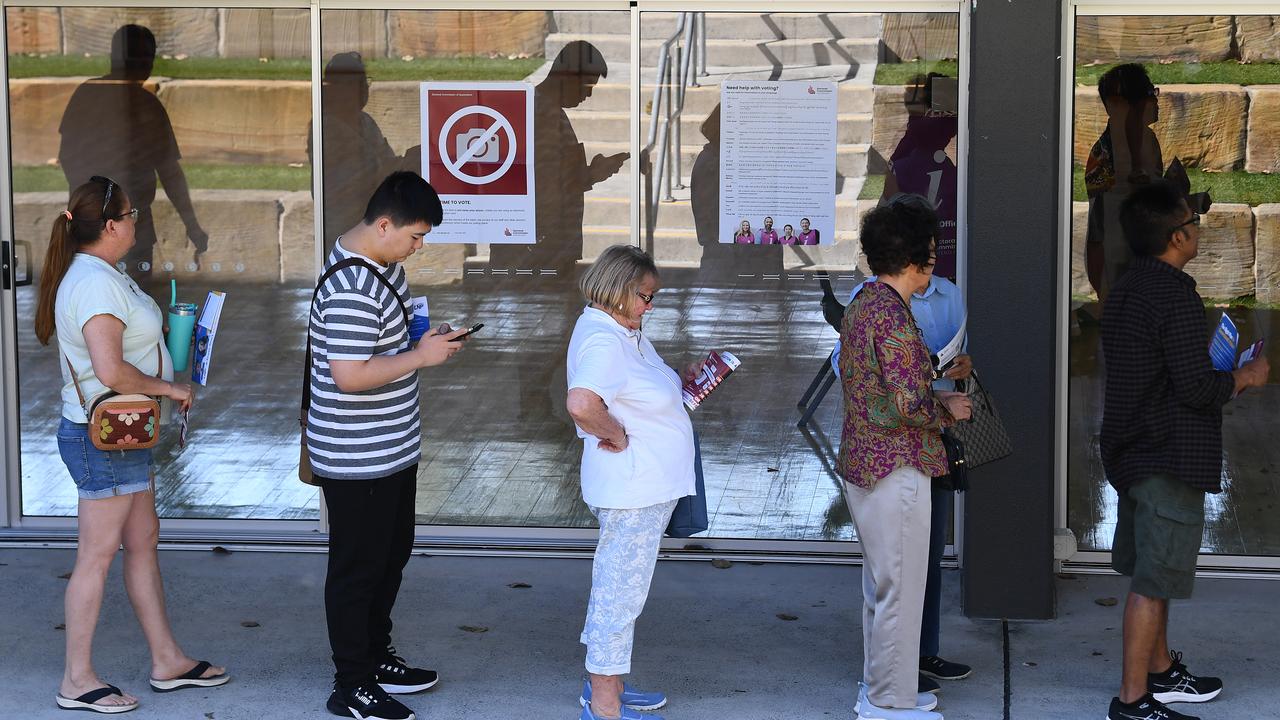
That sort of result, Prof Williams said, would have almost guaranteed an LNP victory on preferences.
He said the Greens’ decision not to allocate preferences would likely only be consequential in the event of a very close result.
On Friday, Mr Miles said the by-election was an opportunity for voters in the seat to send the Crisafulli government a message.
He said the outcome of the election would not change either the government or the leadership of the Labor Party.
Starbucks to lay off 300 US corporate workers
Starbucks says it is laying off 300 corporate employees and closing some offices in the United States as part of its ongoing turnaround.
No coffeehouse employees are affected, the company said.
The cuts will affect employees in support functions like marketing, human resources and supply chain management.
No international employees are affected but Starbucks said it was also reviewing its corporate structure outside the US.
Starbucks said itis also closing underused offices in Atlanta, Dallas, Chicago and other cities.
The Seattle-based company recently announced that it is opening a corporate office in Nashville, Tennessee, that will employ up to 2000 people within five years.
Starbucks expects to the moves to result in $US400 million ($A559 million) in restructuring charges, including $US120 million in employee separation benefits.
Starbucks has been trying to reduce costs and complexity under chairman and CEO Brian Niccol, who joined the company in 2024.
Last year, the company laid off 2000 corporate employees and closed hundreds of stores in the US, Canada and Europe.
Niccol said last month that the simplified structure is helping the company innovate more quickly.
Starbucks is also investing in its remaining stores to improve customers’ experience.
It plans to redesign 1000 US stores this year to give them a cosier, more comfortable feel, and it is also hiring baristas to ensure faster service during busy times.
The efforts appear to be paying off.
In the January-March period, Starbucks said its US same-store sales, or sales at locations open at least a year, jumped seven per cent.
Niccol called the quarter “the turn in our turnaround”.
“Our focus now is on sustaining our momentum and making our results repeatable and durable, all while delivering a healthy cost structure that supports profitable growth,” Niccol said during a conference call with investors.
“It’s how we turn progress into consistent results.”