

Proposed new airline could face squeeze from giants
A proposed new low budget airline would bring ticket prices down across Australia’s busiest aviation routes, but faces immense challenges from existing players, experts say.
Former Qantas executive, Peter Kelly is hoping to bring to bear his decades of experience to turn planned new airline, Zinc into a much cheaper alternative for passengers.
Modelled on British ultra low budget carrier Ryanair, Zinc is proposing to offer the cheapest domestic tickets, initially between the “Golden Triangle” of Sydney, Melbourne and Brisbane, and later adding Adelaide and the Gold Coast.
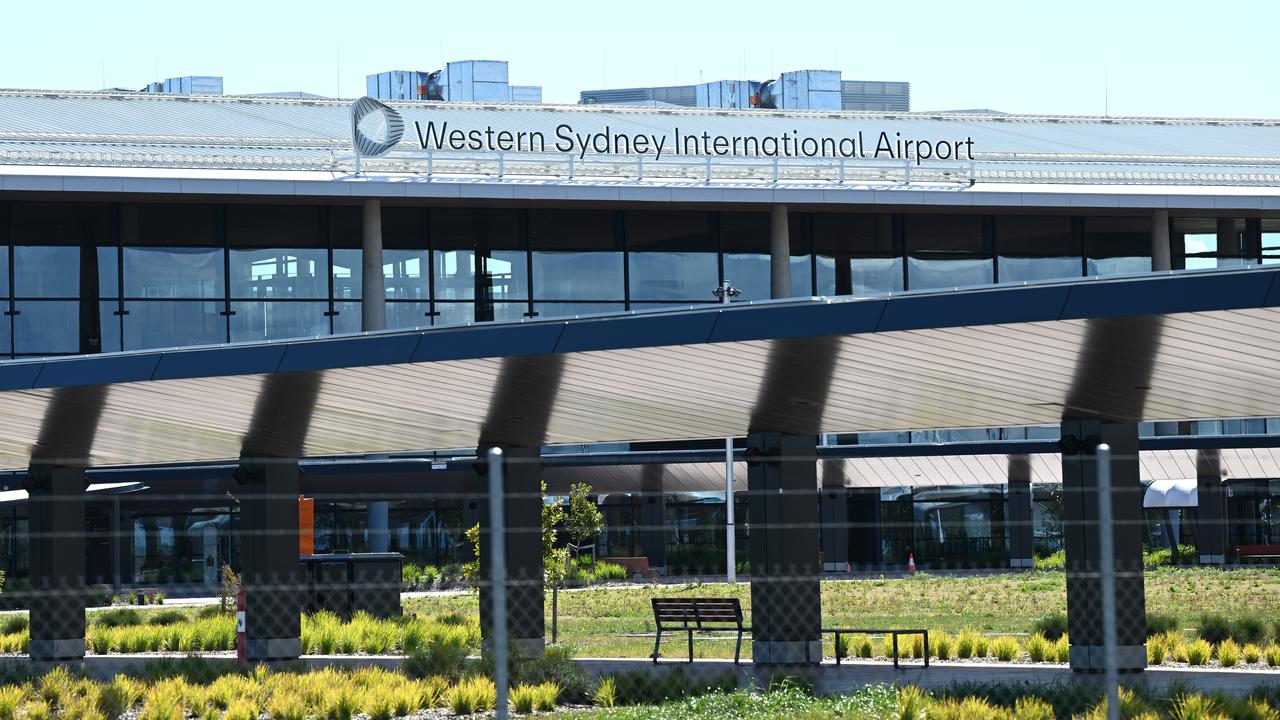
Despite the inevitable challenges, Mr Kelly says the new Western Sydney International Airport presents the opportunity for a high enough volume of flights to be viable.
The Australian domestic market was previously impeded by a limited number of “slots” available for flights through Sydney’s existing Kingsford Smith Airport, which he said were largely taken up by the incumbent airlines, he explained.
Professor Rico Merkert, an aviation industry expert from Sydney University, said an ultra-low budget airline like Zinc has the potential to bring ticket prices down across the board.
“For customers it would be great. More competition means lower prices,” Prof Merkert told AAP.
However, he said low-budget subsidiary of Mr Kelly’s former employer, Jetstar, will push back against another competitor in the market, particularly in its most profitable routes.
“They will do everything they can to make this a failure in my view,” he said.
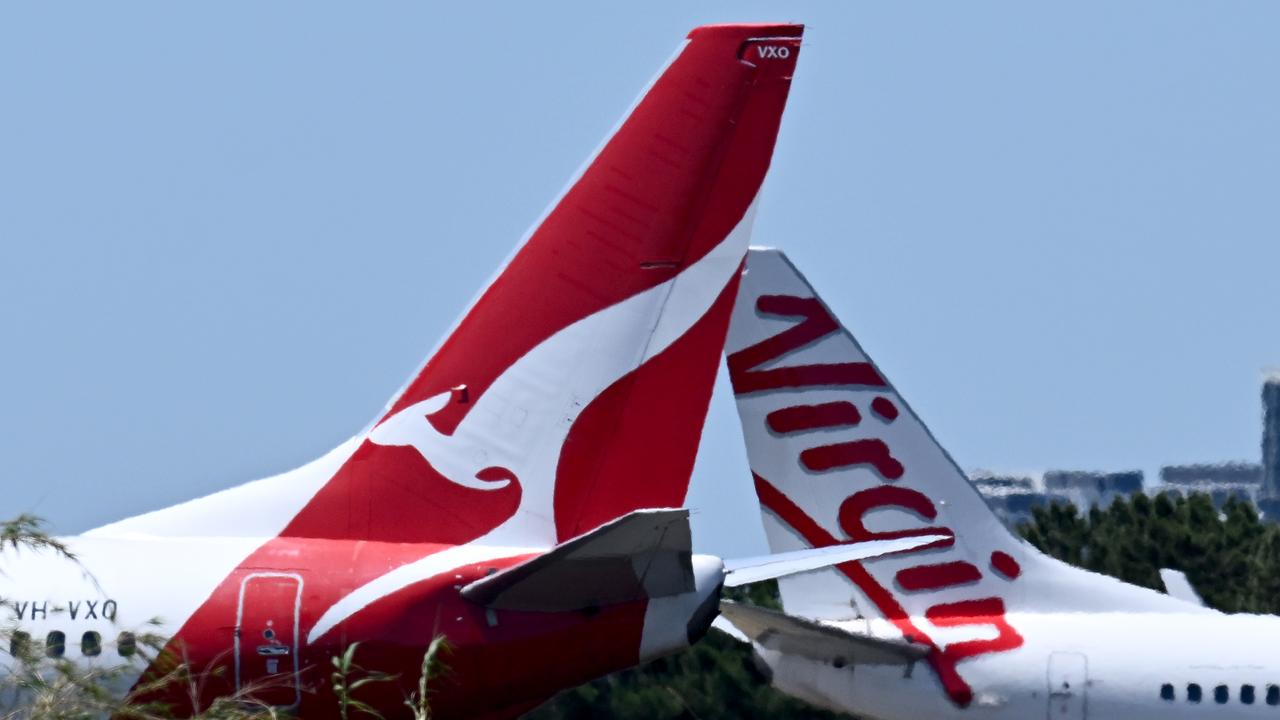
Now defunct airline, Rex also chose to “poke the bear” by expanding from its regional roots to offering flights in the “Golden Triangle” and ultimately collapsed, Prof Merkert pointed out.
However, Mr Kelly says there is an appetite for more competition in Australia, not least by the Australian Competition and Consumer Commission.
“I don’t think (Qantas chief executive) Vanessa Hudson wants to see Qantas up on the front page of the newspapers with the ACCC filing (against) them for predatory practices,” he said.
Prof Merkert also questioned the timing of the announcement to kick off a new airline, coinciding with a global fuel crisis, and just last week American ultra low cost airline, Spirit, going bust.
“It’s an absolute crazy environment to set up an airline right now, when most other airlines are just trying to understand how they can survive,” he said.
RMIT aviation expert, Chrystal Zhang, agrees timing is critical for new airlines, saying potentially Zinc’s lead-up prior to its launch could make for better conditions in the future.
“New airlines entering the market would face significant and very head on competition from the incumbent airlines,” she said.
“In theory, we need more airlines but in reality, perhaps it’s a different story.”

Rugby Australia’s alleged secret plan blindsided Rebels
The governing body of rugby union in Australia has been accused of abandoning one of its former clubs because it did not represent the code’s heartland.
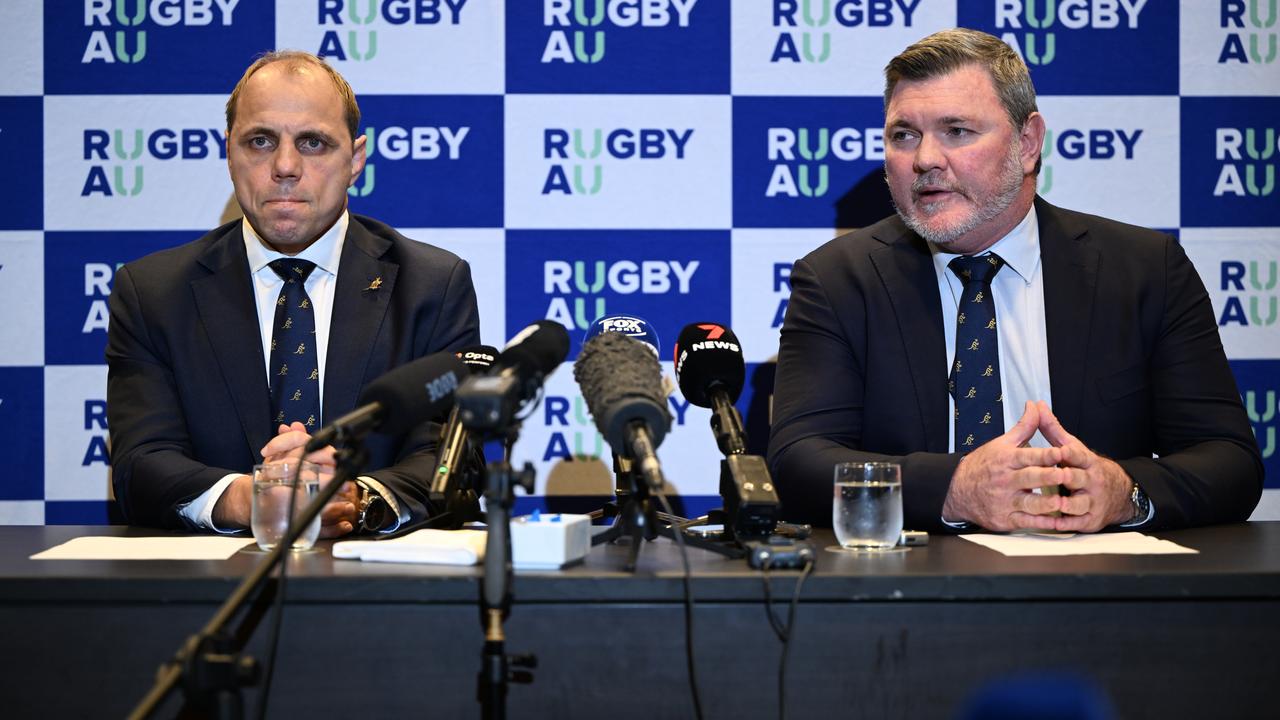
The now-defunct Melbourne Rebels claimed in the Federal Court on Monday Rugby Australia (RA) drafted a secret plan to bolster teams in rugby’s traditional homes of NSW, Queensland and the ACT.
The club is seeking more than $30 million from the governing body in damages and to cover its debts after the club was axed from Super Rugby in May 2024.
The Rebels were “superfluous” to RA’s needs after the plan, known as “Winning Rugby”, was adopted by its board in July 2023, the Rebels’ barrister submitted in his opening address.

“(RA) prioritised and preferenced the interest of the clubs in the heartlands of rugby in Australia … and let the Rebels descend into voluntary administration,” Bernard Quinn KC said.
“(Winning Rugby) was not disclosed to any of the clubs, no one at the Rebels knew what it was until after this case commenced.”
Mr Quinn said the Rebels were so blindsided by the betrayal of the governing body because there had been a genuine unity to rebuild the game after the struggles suffered during the COVID-19 pandemic.
“The parties who find themselves now facing each other in court … weren’t at loggerheads, they were for most part collaborating to achieve elite sporting objectives,” he said.
“(The Rebels’ directors) assumed RA shared the desire to see rugby prosper in Victoria but that proved not to be the case.”
RA claimed when the case was launched it was misled about the dire state of the club’s finances from as early as 2018.
It said in a statement it would never have allowed the club to play in Super Rugby if it had a full picture of the position of the balance sheets.
However, Mr Quinn said RA’s decision to provide extra funding to save heartland clubs the NSW Waratahs and ACT Brumbies from insolvency but not the Rebels showed a clear preference for the future of the domestic game.
“(The Rebels) assumed they would be on the same page … not to look behind what was being said and assume there was another intention,” the barrister said.
Opening addresses will continue on Tuesday.

Musicians vanishing from Australia’s major productions
Musicians are disappearing from Australia’s biggest stage shows as technology usurps their roles.
The world’s highest grossing musical returned to Sydney in April with a smaller orchestra after Disney cut all four string parts from the 2026 season of The Lion King.
The string section has been replaced by KeyComp, a program developed in Germany which allows a single keyboard player to replicate entire sections of an orchestra by using a synthesiser.

This has left live musicians out of a job, their musicality and expressiveness supplanted by recordings from Hamburg.
“The Lion King is the highest grossing musical of all time, and despite that, they’re still deciding to cut jobs,” the Media, Entertainment and Arts Alliance’s federal musicians president James Steendam told a NSW parliamentary inquiry into live music on Monday.
“Musicians are earning around 25 per cent less now – adjusted for inflation – than when Disney first brought Lion King here in 2003, so we are not the reason for any expenses that are blowing out.
“(But) I now find myself largely unemployed, in some part due to Disney’s decision.”
Mr Steendam has played the violin and viola for Opera Australia, Orchestra Victoria, and most recently performed almost 1000 shows with the Australian production of Hamilton.
The music team that put on Hamilton is the same one doing The Lion King and it is likely Mr Steendam would have been working on this production if the string parts had not been cut, he said.
KeyComp is increasingly encroaching on the world’s most watched musicals, with Disney also deploying the technology for Beauty and the Beast and Frozen, and could spread to other live music sectors including opera and ballet.

“As musicians start to disappear from our orchestra pits and music theatres … there will be downstream implications,” Mr Steendam said.
“The music industry is an ecosystem, it doesn’t exist in a bubble.
“One thing will always affect another and economies that rely on live music will also be affected: there’s no music industry without musicians.”
But many productions that use live musicians, including The Lion King, travel to Australia with funding from the state governments.
The demise of live music has also extended to dance, with the West Australian Ballet’s recent production of Dracula in Adelaide using a recording by the WA Symphony Orchestra, instead of hiring musicians to play live.
The MEAA has urged the NSW government to introduce rules establishing minimum orchestra requirements for performances that receive funding or tax incentives from states or state-based agencies.
AAP has contacted Disney for comment.

China’s economy loses steam as domestic demand drops
China’s growth lost momentum in April, with industrial output cooling and retail sales sinking to over three-year lows as the world’s second-biggest economy wrestled with higher energy costs from the Iran war and persistently weak domestic demand.
Better-than-expected exports and China’s domestic fuel-pricing controls have helped weather the energy shock, but higher input costs threaten to squeeze already weak factory margins and further dampen consumer spending if the conflict drags on.
Factory output grew 4.1 per cent from a year earlier last month, compared with a 5.7 per cent rise in March, data from the National Bureau of Statistics (NBS) showed on Monday, missing a Reuters poll forecast for 5.9 per cent growth and marking the slowest growth since July 2023.
“The strong performance of the exporters helped to mitigate the weaknesses in domestic demand, but not enough to fully offset it,” said Zhiwei Zhang, president and chief economist at Pinpoint Asset Management.
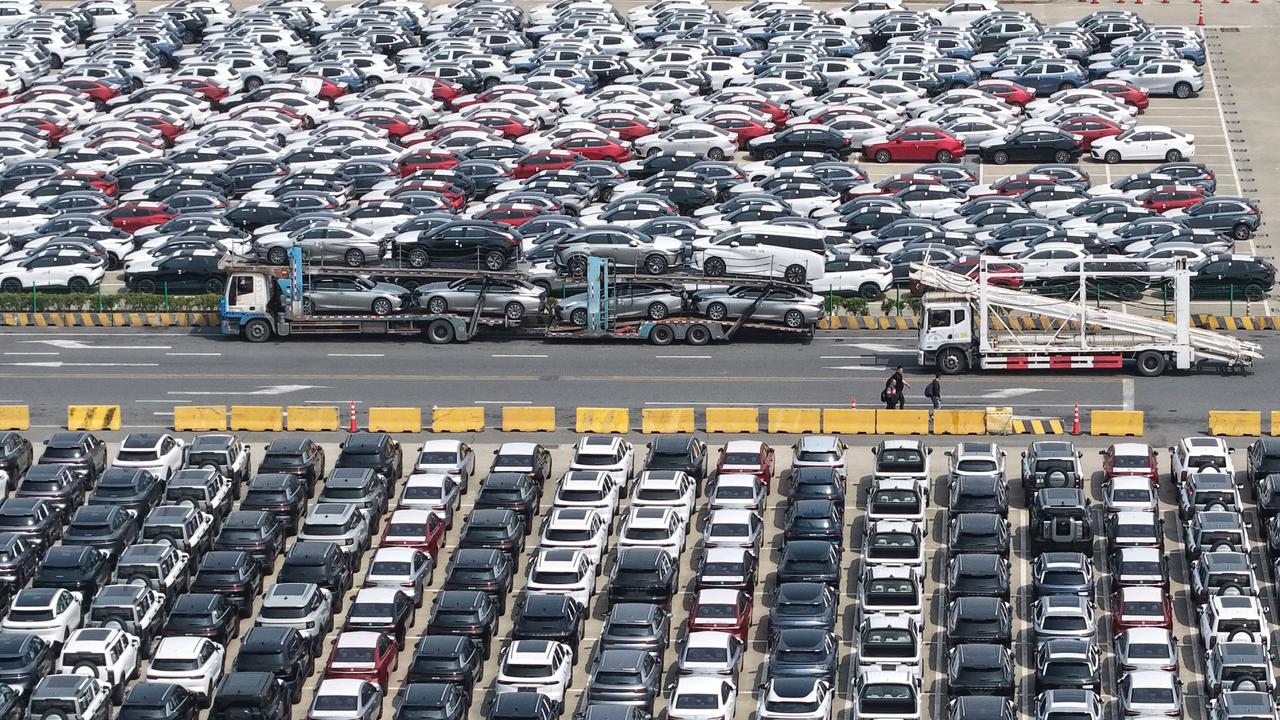
Exports gathered pace in April as factories raced to meet a wave of orders from AI-related industries and other buyers seeking to stockpile components amid fears the Iran war could push global input costs even higher.
Zhang didn’t expect the government to change its policy stance on just one month of weak data and said Beijing will likely reassess its policy stance in July when the second-quarter GDP data is available.
Retail sales, a gauge of consumption, rose just 0.2 per cent in April, cooling sharply from 1.7 per cent in March and sliding to their weakest gain since December 2022. The figures were also well below forecasts centred on a 2 per cent increase.
The fragility of household consumption was underscored in April domestic car sales, which dropped 21.6 per cent in April from a year earlier for their seventh straight month of decline, even as automakers ramped up efforts to expand in overseas markets to offset weakness at home.
“Retail sales growth in the first four months of 2026 points to still-weak household demand, with consumers concentrating spending on selective discretionary and upgrade categories rather than broad-based consumption,” said Yuhan Zhang, principal economist at the Conference Board’s China Center.
He said the split highlighted a two-speed recovery: steady spending on small lifestyle and tech upgrades, but weak appetite for big-ticket, credit-driven purchases tied to housing and income.
The nationwide survey-based jobless rate nudged down to 5.2 per cent in April from 5.4 per cent in March.
China stocks looked past the weak data and were broadly flat, as investors turned their focus to escalating tensions in the Middle East and a global bond selloff.
The April figures offered early signs that China’s first-quarter momentum was already fading and came after US President Donald Trump finished his state visit to China.
The summit delivered few surprises even as it helped ease tense relations between the world’s two biggest economies.
China and the United States have agreed to expand agricultural trade through tariff reductions and tackle non-tariff barriers and market access issues, but substantive progress across trade and investment remained elusive.
China’s economy expanded 5.0 per cent in the first three months of the year, at the upper end of Beijing’s full-year target range of 4.5 per cent to 5.0 per cent.
However, analysts have warned that the recovery is running on uneven ground as industrial output continues to outstrip domestic demand.

Rex brass promised profit before plunging to $35m loss
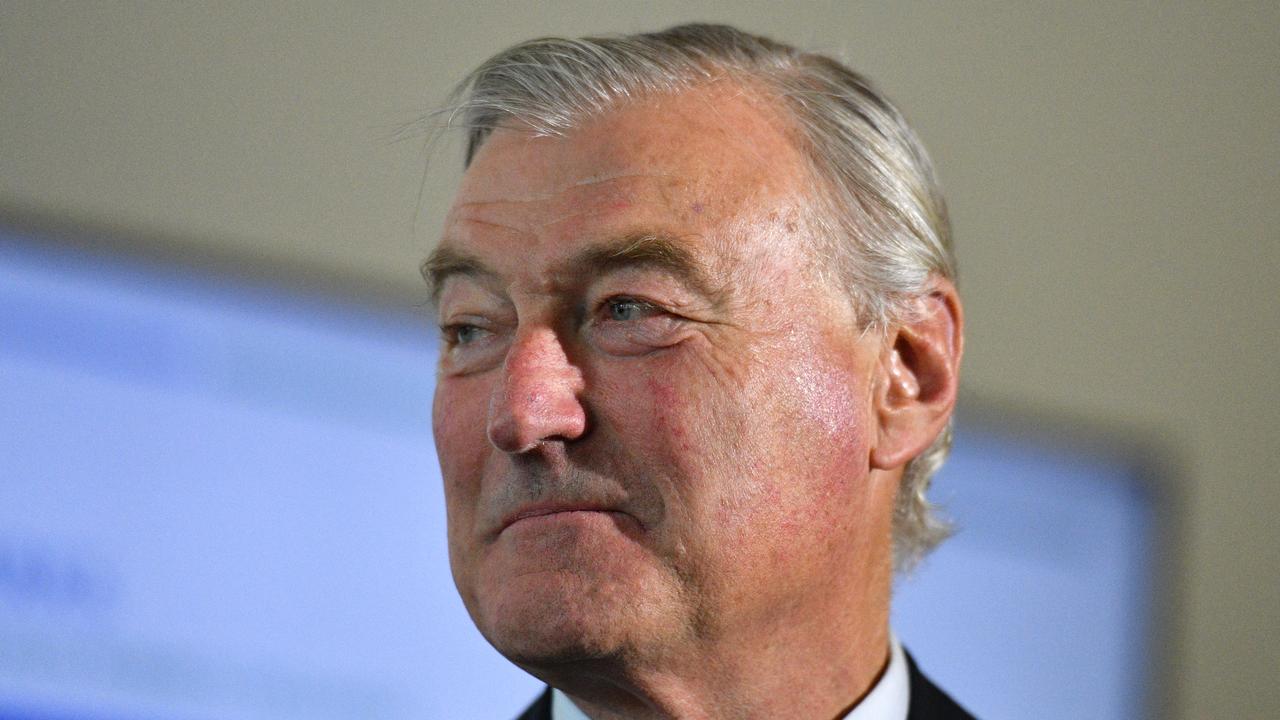
Four former Rex directors told investors they were optimistic about turning a profit, despite being months from handing down a $35 million loss, a court has heard.
The Australian Securities and Investments Commission has accused Rex’s leadership of misleading and deceptive conduct, and is seeking disqualification orders against the former executive chairman Lim Kim Hai, former chair John Sharp, and directors Lincoln Pan and Siddharth Khotkar.
On February 28, 2023 Rex released a statement to the market claiming it was optimistic the company would post positive operating profits for the financial year, barring any external shocks.
The statement was not corrected until June 20, 10 days before the end of the financial year, when Rex forecasted a $35 million loss.
The initial claim had been made despite Rex incurring operating losses in the period to February, ASIC barrister Michael Borsky KC argued.
“Rex was unlikely to have positive operating profits for the full year and indeed … Rex did not have reasonable grounds to expect that it would have positive operating profits for the full year on each of the relevant dates throughout,” Mr Borsky told the Sydney Supreme Court hearing.
“We note that no external shocks in the nature of, for example, COVID or a war or any other major interruptions or external shocks have been identified by the defendants or are even suggested in the evidence on our reading of it.”
According to ASIC, the optimism about turning a profit was unreasonable given Rex only had five months to turn its previous losses for the year around, particularly since the second half of the financial year is generally weaker for Australia’s domestic airline industry.
A separate breach of the airline’s disclosure obligations, relating to the expansion from regional services into domestic operations that eventually forced it into administration, led to a $66,000 fine in 2021.
It was snapped by US aviation group Air T via administrators EY in October, after the federal government had bought $50 million of the airline’s debt from a major creditor and loaned Rex up to $80 million to keep regional routes running.
Rex is Australia’s largest independent regional airline, flying to 53 destinations across the nation.
The case continues.

Aussie shares tumble as bonds sell-off and oil soars
Australian shares have started the week sharply lower, as oil prices surged on the ongoing Iran conflict and as inflation spurred fears global central banks will be forced to ratchet-up interest rates.
The S&P/ASX200 fell 110.1 points by midday, down 1.28 per cent, to 8,520.7, as the broader All Ordinaries slipped 118.9 points lower, or 1.41 per cent, to 8,745.8.
The slip came after Wall Street’s gravity-defying, record-breaking ran out of steam on Friday, wiping out the previous two session of gains as artificial intelligence hype and strong tech earnings collided with worsening inflation worries.
“Risk sentiment took a hit at the end of last week as nerves around the Middle East conflict and its inflationary consequences resurfaced,” Westpac economist Ryan Wells said.
“A global bond rout saw longer-dated yields jump to fresh highs across some jurisdictions, as markets now expect tighter monetary policy sooner.”
Energy stocks made up the only local sector advancing on Monday morning, with Santos and Woodside rallying more than two per cent each as Brent oil soared above $US111 for the first time in two weeks.
Refinery operators Viva and Ampol also improved, the increase in crude prices coming after reports a drone strike caused a fire at a nuclear power plant in the United Arab Emirates and as efforts to end the US-Israeli war on Iran appear stalled.
The basic materials sector weighed heavily after a stellar run the previous week, with mega miners BHP, Rio Tinto and Fortescue each tumbling 2.4 per cent or more.
Gold miners were a sea of red, as the precious metal slipped to $US4,535 ($A6,360) an ounce, dragging the All Ordinaries gold sub-index four per cent lower.
Lithium miners Liontown and PLS bucked the trend with minor gains,while Lynas Rare Earths soared more than five per cent higher.
Financials eased with a mixed performance from the big four banks, with CommBank and Westpac eking minor advances while ANZ and NAB fell behind.
Consumer-facing stocks also sold-off, with staples and cyclicals each slipping roughly 0.8 per cent.
Real estate trusts underperformed the bourse, the segment diving 2.5 per cent as the domestic economic outlook continued to dim.
In company news, Santos has delivered first oil from its Pikka project in Alaska, targeting a production plateau of 80,000 barrels of oil during the third quarter.
Shares in agribusiness giant Elders dropped by almost a quarter despite posting an improved first-half statutory net profit of $39.5 million, as it warned of the impact of fuel prices on the industry.
The Australian dollar is buying 71.27 US cents, down from 71.59 US cents on Friday at 5pm, easing from its recent rally as investors mulled global central banks playing catch-up with the already-hawkish RBA.
Chinese interference claims spark forced miner sell-off
Six companies – five of them headquartered in China or Hong Kong – have been forced to sell off their holdings in an Australian rare earths miner amid fears of foreign interference.
Treasurer Jim Chalmers has given the overseas-owned businesses 14 days to dispose of their shares in Northern Minerals, a company which hopes to extract dysprosium and terbium in Western Australia’s East Kimberley region.
The federal government views the rare earths miner as a crucial part of its efforts to fight China’s hold on the global critical minerals supply chain, but Northern Minerals has been the subject of a number of boardroom tussles with mysterious wealthy shareholders.
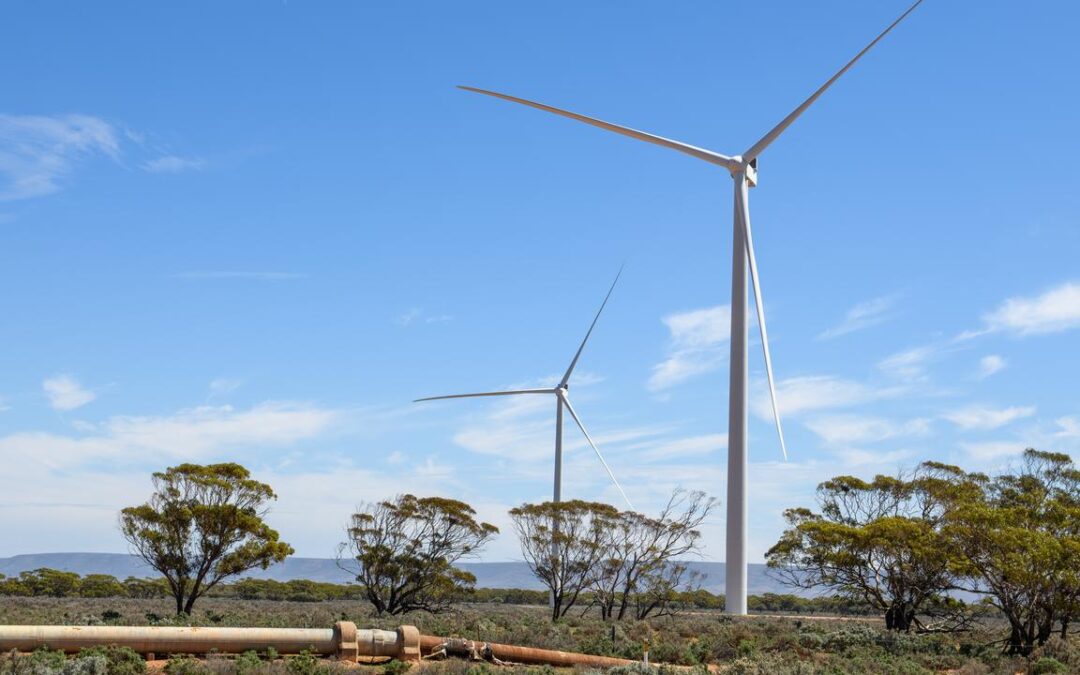
Dysprosium and terbium are used in the manufacture of specialised magnets, which are useful for electric vehicles, wind turbines and industrial robots.

In total, the sell off from Hong Kong Ying Tak, Real International Resources, Qogir Trading and Service Co., Chuanyou Cong, Vastness Investment Group and Shongxiong Lin will affect 17.5 per cent of the mining company’s shares, worth roughly $40 million.
“This decision was entirely consistent with advice from Treasury and the Foreign Investment Review Board. It’s about protecting our national interest and ensuring compliance with our foreign investment framework,” Dr Chalmers told reporters in Brisbane on Monday.
“We operate a robust and non-discriminatory foreign investment framework, and we will take further action if it’s necessary to protect our national interest in relation to this matter,” he said.
In January Vastness Investment Group – one of the companies now being forced to divest – made an unsuccessful bid to remove Northern Minerals’ chairman Adam Handley.
Company and government officials suspect the Chinese shareholders have been making a concerted effort to stymie the business’ efforts to establish its projects.
The Foreign Investment Review Board believes a group of Chinese individuals, who’d previously been forced to sell off their holdings, had given them to Hong Kong Ying Tak – which has also been included in the latest sell-off order.
In March, Qogir – another one of the companies named by Dr Chalmers – sold off more than 28 million shares, but still retained a nearly five per cent stake in Northern Minerals.
Asia shares slip, oil prices pile pressure on bonds
Asia share markets slipped on Monday as fresh drone attacks in the Gulf pushed up oil prices and bond yields, while the AI boom is set to be tested by earnings from tech-diva Nvidia this week.
A drone strike caused a fire at a nuclear power plant in the United Arab Emirates, while Saudi Arabia reported intercepting three drones, as US President Donald Trump warned Iran must act “fast” to reach a deal.
Meanwhile, the vital Strait of Hormuz remains closed to all but a trickle of shipping as Tehran tries to formalise its control of the waterway that used to carry 20 per cent of the world’s oil trade.
“The closure is draining global oil inventories fast,” warned analysts at Capital Economics. “Inventories could reach critical levels by end-June, setting the stage for Brent at $US130 ($A182)-140pb, if not higher.”
“If the strait is closed through year-end and oil stays around $US150 ($A210)pb into 2027, that would push inflation to near 10 per cent in the UK and euro zone, send rates back to their recent peaks and lead to global recession.”
Brent was trading up 1.2 per cent at $US110.63 ($A154.73) a barrel, while US crude climbed 1.0 per cent to $US106.42 ($A148.84) a barrel.
G7 finance ministers gather in Paris on Monday to discuss the Strait of Hormuz and critical raw material supplies, even as geopolitical differences threaten to test the group’s cohesion.
Concerns energy costs would stay high and thus continue to drive inflation, saw global bond markets hammered on Friday.
Yields on US 10-year notes were up at 4.584 per cent, having surged 23 basis points last week, while 30-year bonds stood at 5.109 per cent after jumping 18 basis points on the week.
Investors in turn feared central banks globally would have to tighten to head off an inflationary spiral, and a hike from the Federal Reserve is now seen as a 50-50 chance this year.
Minutes of the Fed’s last meeting are out on Wednesday and should show how much pressure there was on the committee for a shift to a neutral stance, and away from an easing bias.
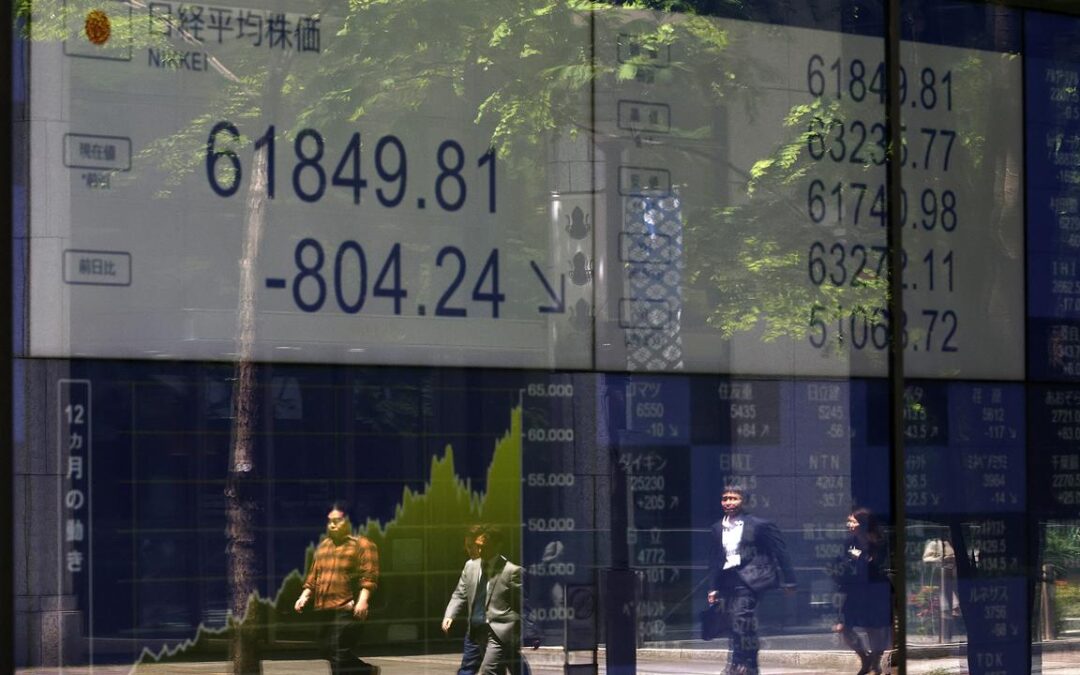
Japan’s Nikkei eased 0.4 per cent, having fallen 2.0 per cent last week though that was from record highs. South Korean stocks fell 2.1 per cent, as the red-hot market cooled just a little after demand for semiconductors drove it to all-time peaks.
MSCI’s broadest index of Asia-Pacific shares outside Japan lost 0.6 per cent. China’s markets hit their highest in more than four years last week, but will have to weather data on April retail sales and industrial output later in the session.
S&P 500 futures fell 0.4 per cent and Nasdaq futures lost 0.5 per cent in early trade.
While Wall Street has been supported by upbeat earnings, analysts at Citi noted half of the boost to earnings came from one-time items such as tariff add-backs and asset mark-ups. Both the gains in profits and the overall indexes were also tightly based.
“We identify 20 stocks that contributed the majority of index earnings upside,” wrote analyst Scott Chronert in a note.
“Forward guidance increases also show a similar narrow focus.
“Broadening is a necessary condition for meaningful index upside from here.
“This will require a better line of sight to the Iran conflict wind-down.”
The all-important AI trade will be tested by earnings from Nvidia due on Wednesday, where expectations are sky high for the world’s most valuable company.
Nvidia shares are up 36 per cent since the March low, while the Philadelphia SE semiconductor index has surged more than 60 per cent, amid voracious demand for chips as tech companies spend massively to build AI-related infrastructure.
Also due this week are results from a host of retailers led by Walmart, which will provide an insight into how consumers are faring with high energy prices.
In forex markets, risk aversion has tended to benefit the greenback as the world’s most liquid currency. The US is also a net energy exporter, giving it a relative advantage over Europe and much of Asia.
The euro sat at $US1.1620 ($A1.6252), after losing 1.4 per cent last week. The pound wallowed at $US1.3318 ($A1.8627), having dived 2.3 per cent last week as political instability added to already intense pressure on the gilt market.
The dollar held firm on the yen at 158.64, with only the threat of Japanese intervention preventing another speculative assault on the 160.00 chart barrier.
In commodity markets, gold was flat at $US4,540 ($A6,350) an ounce , having drawn little support so far as a safe haven or as a hedge against inflation risks.

Police called over crowd frenzy at UK Swatch stores
Watch retailer Swatch has been forced to close stores across the United Kingdom amid safety concerns after huge crowds descended on shopping centres.
Swatch announced it was closing a store in Greater Manchester on Sunday for a second day after scores of people queued for the launch of a new pocket watch.
Police were called to the Swatch store at the Trafford Centre in Greater Manchester on Saturday, with an arrest also made in Cardiff.
Videos posted online appeared to show huge crowds at multiple shopping centres across the UK with police near a number of stores.
Police were called to a shopping centre in Cardiff after reports of about 300 people trying to get in to a Swatch store at 6.20am on Saturday, South Wales Police said.
A 25-year-old man from Pengam was arrested and issued with a Section 35 dispersal notice, the force added.
Officers were also sent to the Trafford Centre in Manchester and “dispersed a large number of people,” Greater Manchester Police said.
Swatch posted on Facebook on Saturday saying “in light of safety considerations for both our customers and our staff” stores in Liverpool, Manchester, Birmingham, Sheffield, Glasgow and Cardiff would be closed for the day, along with all of the London stores.
It posted later on Saturday saying: “To all our dear fans worldwide of our AP x Swatch collab, launched on May 16.
“To ensure the safety of both our customers and our staff in Swatch stores, we kindly ask you not to rush to our stores in large numbers to acquire this product.
“The Royal Pop Collection will remain available for several months. In some countries, queues of more than 50 people cannot be accepted, and sales may need to be paused.”
The company posted again on Sunday saying the Manchester store would be closed for the day “in light of safety considerations”.
Swatch launched the Audemars Piguet x Swatch Royal Pop Collection on Saturday at selected stores worldwide, according to the company’s website.
Purchases are limited to one watch per person, per day and per store.

Newspoll dumps on Labor’s budget – worst in decades
A new poll has ranked Labor’s budget the worst since 1993 with a majority of voters declaring the federal government’s latest financial blueprint will leave them worse off.
At the same time, the Newspoll found primary support for Labor unchanged, as the coalition slipped further behind and One Nation continued to surge.
Among the 1252 voters quizzed, 52 per cent believed they would be worse off over the next 12 months as a result of the government’s tax changes and other measures and only 11 per cent thought their circumstances would improve.
The poll also found 47 per cent of voters felt the budget was driving a wedge between younger and older generations while 26 per cent believed it was rebalancing the playing field and making things fairer.
Published in The Australian, the poll ranked Treasurer Jim Chalmer’s efforts below the Abbott government’s controversial austerity budget in 2014 and the worst since the Keating government’s 1993 budget when Labor abandoned the infamous “L-A-W” tax cuts.

But it also put primary support for Labor unchanged at 31 per cent while the coalition dropped one percentage point to 20 per cent and One Nation surged from 24 to 27 per cent following David Farley’s victory in the Farrer by-election.
Anthony Albanese remained well ahead of Liberal Leader Angus Taylor as preferred prime minister with 46 per cent support compared to 38 per cent.
Some Liberals see One Nation’s win in the Farrer by-election, a seat held by the coalition for the previous 77 years, as an existential threat.
Senior party figures are hoping an ambitious plan to bake in permanent annual tax cuts will help the coalition reconnect with voters who have abandoned it after a year of political infighting.
The opposition is also hoping to capitalise on Labor’s decision to wind back concessions for investors, including negative gearing and the capital gains tax discount.
A Freshwater poll released on Sunday showed 44 per cent of voters thought the budget would leave their household worse off while 13 per cent thought it would improve their circumstances.
More than 80 per cent of those surveyed thought Labor had broken its promise to leave property tax concessions unchanged.
Dr Chalmers attempted to set expectations, saying he didn’t believe the budget would boost support for Labor.
“I would be more surprised if there was some kind of budget bounce in the polls today, given this budget was full of hard decisions, not handouts,” he said.
As federal Labor continues selling its controversial changes to taxes on housing, it has announced a project that is expected to deliver an extra 51,000 dwellings from mid-2028.
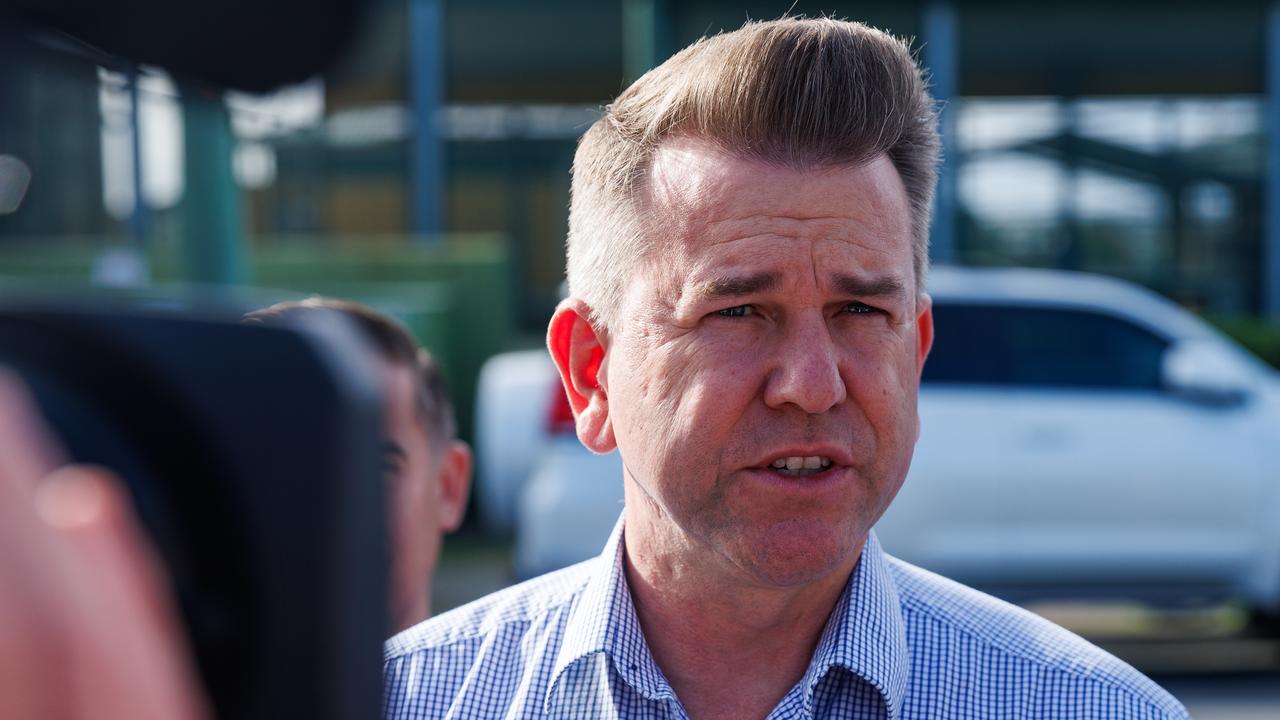
Under an existing plan to fund more enabling infrastructure for housing like roads, sewage and utilities, the Commonwealth will pour $2 billion into projects in the Queensland growth areas of Mount Peter, Southern Thornlands and Waraba.
Of that funding, $399 million will be handed out as grants while the remaining $1.6 billion will be provided as zero-interest loans.
The Queensland government will provide an additional $399 million from its own coffers and 20,000 of the new properties will be earmarked for first home buyers.
Deputy Premier Jarrod Bleijie said the funding would help speed up construction.
“More homes across Queensland are needed and fast, and a key way the Crisafulli government can play its part is to unlock land and deliver supply, supply, supply,” he said.