

Deadly disease outbreak linked to waning vaccinations
A dip in vaccination rates has been blamed for one of Australia’s worst diphtheria outbreaks as the rare respiratory disease continues to spread.
Hundreds of cases spanning three states and a territory have been reported amid fears the highly contagious infection has claimed a life in an outback community.
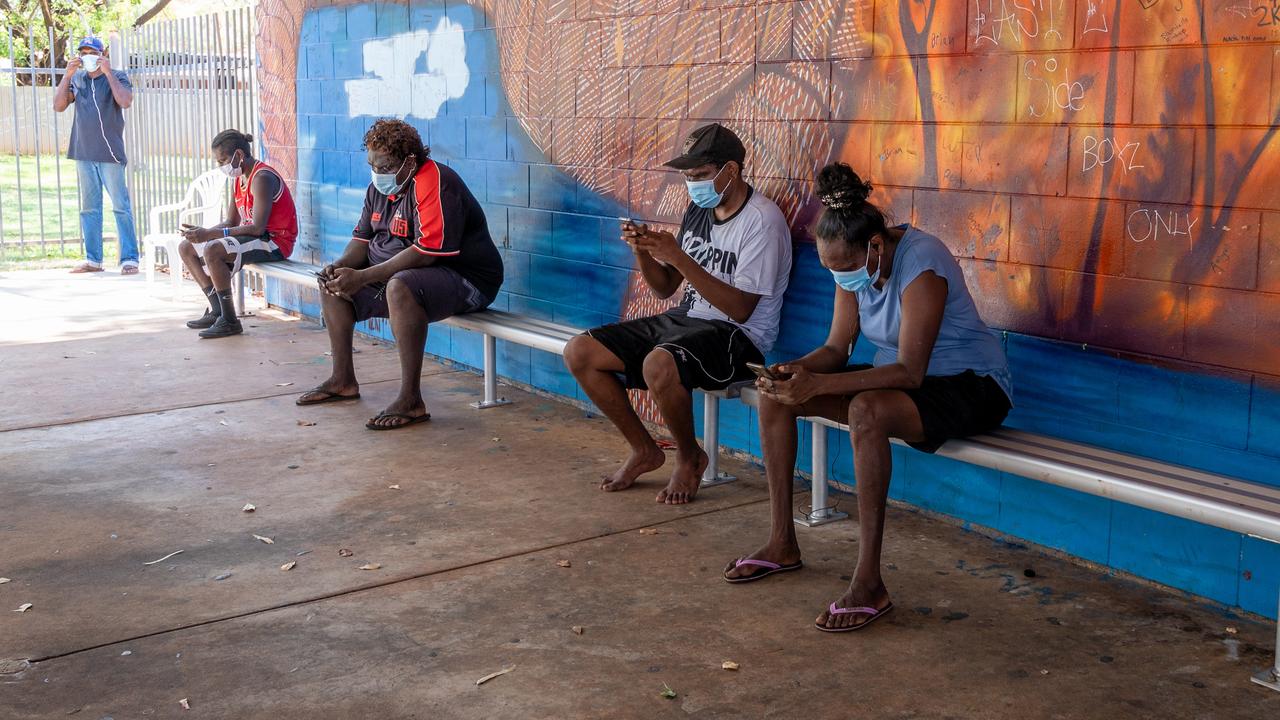
Almost all the cases have involved Indigenous Australians, prompting health authorities to work with Aboriginal agencies to try to curb the outbreak, including provision of vaccines.
Diphtheria was a feared childhood disease and common cause of death in children until the 1940s, when vaccines were rolled out.
Immunisation expert Milena Dalton said the outbreak highlighted how quickly vaccine-preventable diseases could re-emerge when there were immunity gaps.
“Although diphtheria remains rare in Australia this outbreak shows it hasn’t disappeared,” she told AAP.
“Vaccination has made it more uncommon, but protection needs to be maintained.”
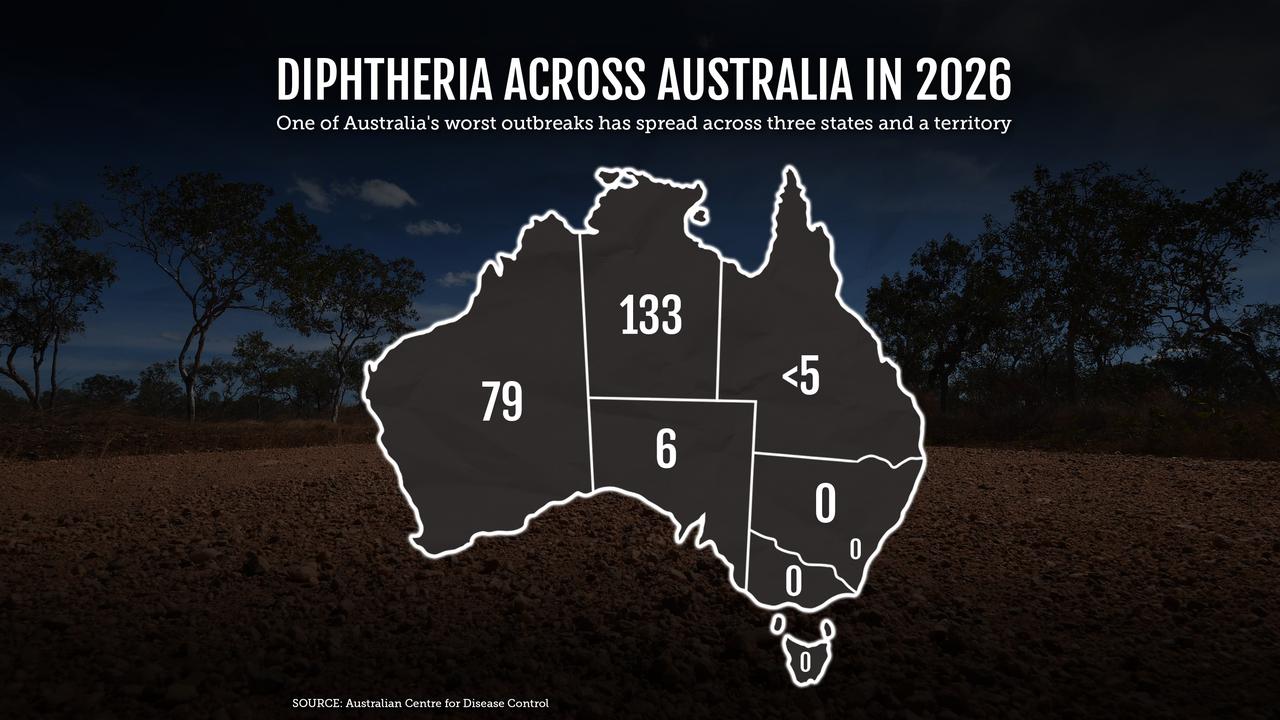
The National Notifiable Disease Surveillance System reports 133 notifications of the disease in the Northern Territory since the outbreak began in March.

It has since spread to Western Australia where 79 cases have been reported plus another six in South Australia and up to five in Queensland.
NT health authorities are also awaiting results from an autopsy about a possible diphtheria-related death in a remote territory community.
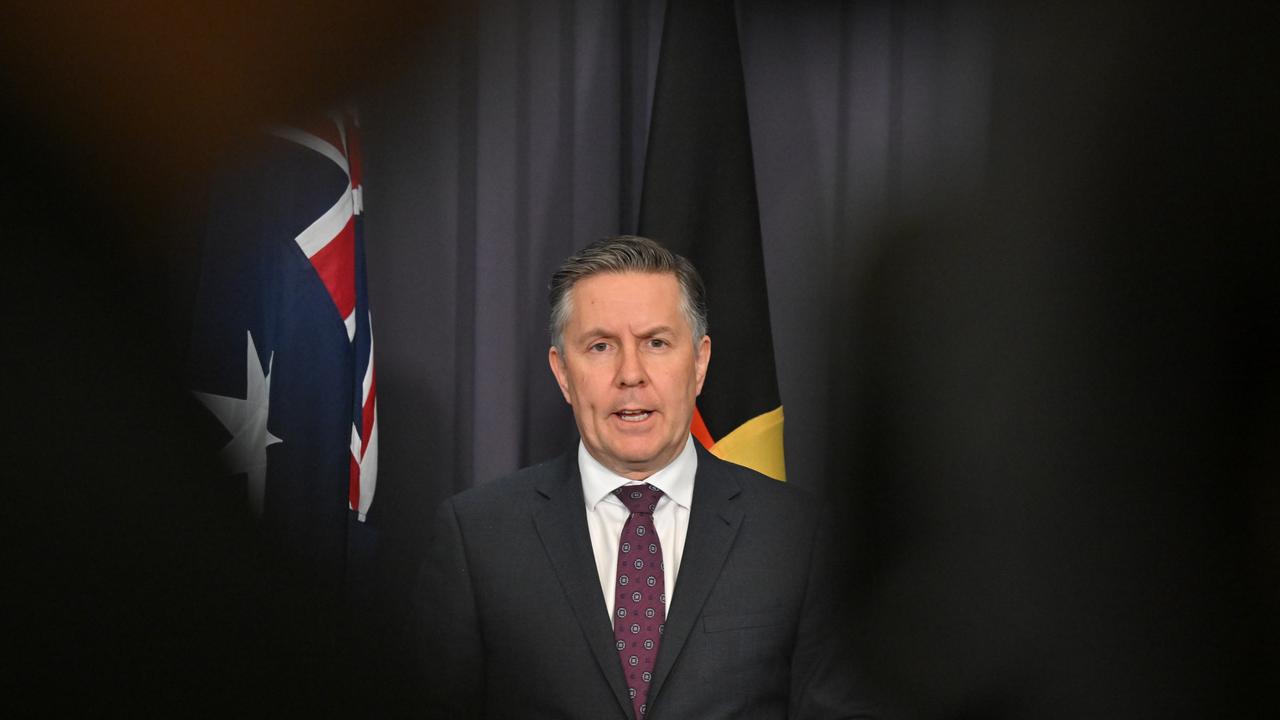
Federal Health Minister Mark Butler described it as the biggest diphtheria outbreak in Australia for decades.
“There’s no question this is serious,” he told ABC Radio on Tuesday.
A response to the outbreak needed to be in partnership with Aboriginal community-controlled health services and local leaders, Dr Dalton said.
The outbreak required governments to support rapid vaccination, booster delivery, testing, treatment and contact tracing, the expert from Melbourne’s Burnet Institute said.
“We do have the tools to stop it spreading further so we really need to ensure that those tools reach the communities that need them most,” she said.
NT Health said it was working with community organisations to undertake a territory-wide vaccination program, focusing on vulnerable people and at-risk areas.
“Vaccination remains the most important measure for preventing, protecting and reducing transmission,” it said in a statement.
Vaccination is free under a national program for children aged six weeks to two months, four months, six months, 18 months, four years and 12 years.
Pregnant women from 20 weeks are also eligible and adults are encouraged to get a booster vaccine every 10 years.
Diphtheria can easily spread person to person through inhalation of respiratory droplets when an infected person coughs or sneezes.
Respiratory diphtheria symptoms can include a sore throat, mild fever, loss of appetite and in severe cases, trouble breathing, in some cases leading to death if untreated.
The less harmful strain of the disease is cutaneous diphtheria, spread by direct skin contact on lesions of infected people, with symptoms including sores or ulcers and slow-healing wounds.
Houses, town water supply sold in mining mega‑deal
It is not every day a mining deal comes with houses, childcare centres and the town water supply thrown in.
But in central Queensland, a big slice of country town Middlemount has been included in a deal struck to sell off a multinational company’s Australian steelmaking mines.
However Anglo American’s mega deal has come under fire from a local mayor, warning it amounts to the sale of “entire communities”.
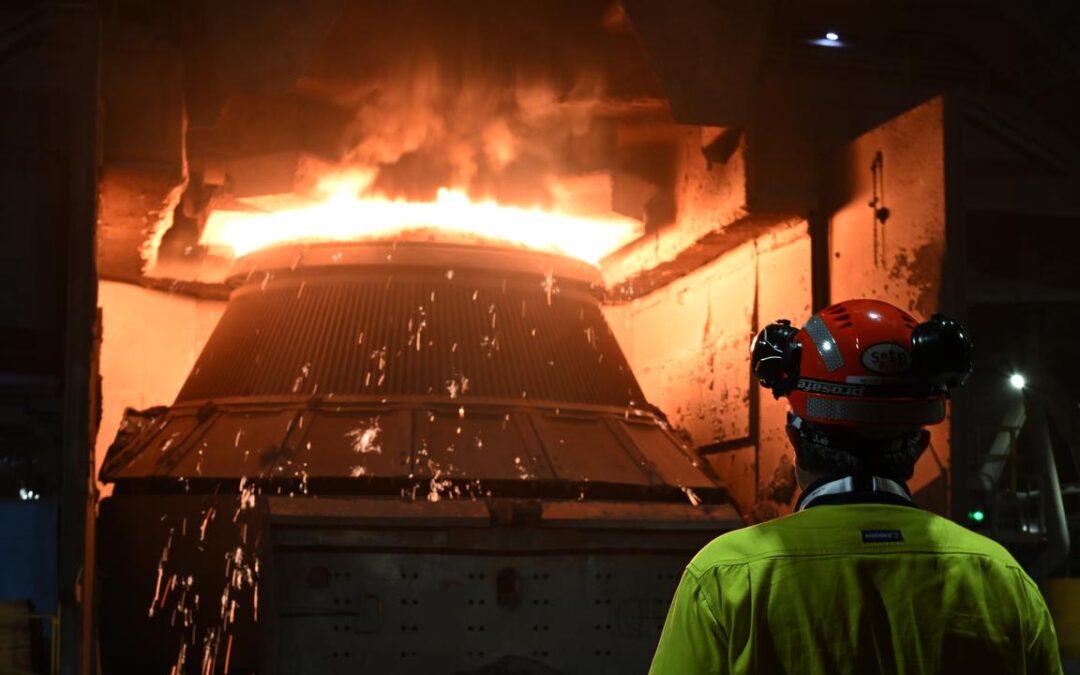
Anglo American is set to leave Queensland after selling its five Australian steelmaking mines to Dhilmar Limited in a move worth about $5.8 billion.
The deal is far more than a routine change of hands in the coalfields, with purpose-built mining town Middlemount set to be impacted.
Dhilmar is expected to take control of about 600 houses in Middlemount set aside for mine workers and essential staff such as teachers, nurses and police officers, making the new owner one of the town’s biggest landlords.
Anglo also ran key services including the town water supply and childcare facilities which are set to be taken over by Dhilmar in the deal, the local mayor said.
“This isn’t just the transfer of mining leases,” Isaac Regional Council Mayor Kelly Vea Vea said.
“This is the wholesale of entire residential portfolios, commercial spaces and community services that go with it.
“We all work together, we live together, we raise our families together – so the sale of these mine assets has far‑reaching implications well beyond the mining leases themselves.”
Cr Vea Vea said another 200 houses in nearby Moranbah were also set to be run by Dhilmar as part of the deal.
Water, housing and basic services in Middlemount and Moranbah were intertwined with the mining operations, she said, leaving locals wondering what the new owner would do.
“Communities like ours don’t have separate water supplies – they come from mining companies,” Cr Vea Vea said.
“A lot of assistance is given for things like childcare, commercial spaces and water infrastructure, so how we work out our partnerships and relate to each other is so important to keeping our communities viable.”
Queensland Premier David Crisafulli said the sale was a vote of confidence in the state’s resources sector.
“I want people to know there’s a bright future in Queensland mining, because you’ve got a government who’s on your side,” he said.
Under the deal, Dhilmar will pay about $3.4 billion when the sale goes through, with another $2.4 billion possible over the next five years if coal prices stay high enough.
Anglo said it would use the money to pay down debt and streamline its business as it prepared for a planned merger with Canadian miner Teck.
The sale covers major steelmaking coal operations including Moranbah North, Grosvenor, Capcoal, Roper Creek and Dawson, plus half of the Moranbah South project.
Anglo last year sold its stake in the Jellinbah mine for about $1.5 billion.
With this latest deal, the value of its steelmaking coal exits climbs to around $7.3 billion.
The Dhilmar transaction still has to clear regulators and competition watchdogs and is not expected to be finalised until early 2027.

No bears: software firm shrugs off AI ‘apocalypse’ fear
An Australian software company that serves hundreds of governments, universities and councils has lifted earnings after rolling artificial intelligence into its products.
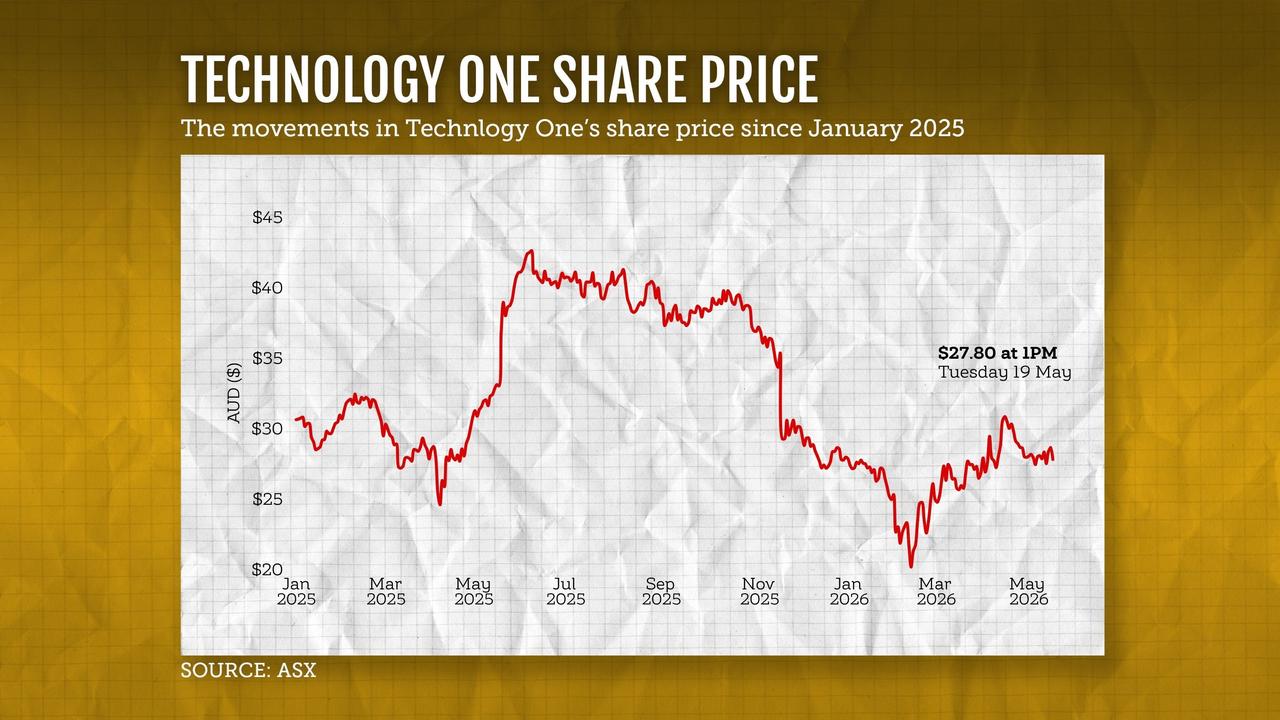
Technology One, whose local-listed competitors include WiseTech Global and Xero, generated a bottom-line net profit of $66.8 million for the six months ended March, up six per cent on the prior corresponding half.
“The adoption of AI and the feedback we are receiving is surpassing our expectations,” chief executive Ed Chung said on Tuesday.
Technology One’s suite of AI-driven products, which include Plus and Guide, allows users to record and report, as well as predict, learn, and simplify their operations.

“Plus understands every aspect of a customer’s organisation – their people, processes and performance – and it responds in real time,” Mr Chung said.
The technology aligns with its cloud-based enterprise resource planning software products, which are pre-configured or specialised offerings for local councils, universities and government.
Its core offerings include management of financial information, human resources, payroll and student administration. A new product that can scan thousands of invoices was recently added.
Technology One’s share price fell by almost four per cent after the results announcement to $27.55, before extending the decline to around $27.30 in the afternoon.
Companies like Technology One, and their overseas counterparts, whose businesses are built around software as a service, or SaaS, have been under pressure this year.
Investors have been examining their responses to the rise of advanced AI agents, like Claude, which could disrupt their business models by building autonomous, bespoke software – the so-called SaaS apocalypse.
But Technology One has ridden the economic waves over the past 38 years since its start-up and emerged “stronger each time”, Mr Chung argued, noting that AI will accelerate its business model.
“The bear case (the disruption scenario) is not our case,” he told an investor briefing.
“Two years ago, we began investigating agentic AI, and we wanted to see how far we could productise agentic AI for our customers.
“We’re at the very, very beginning of this fifth generation – the AI generation – but we’re at the forefront of this tech in our industry.”
For the first half, Technology One reported several customer wins, including a 10-year deal with Queensland’s James Cook University, and strong growth in the local government sector.
Company-wide annual recurring revenue totalled $598 million, up 17 per cent.
The first-half profit on a pre-tax basis was in line with the company’s guidance at $89.1 million.
RBC Capital Markets analyst Jackson Lee said the result was “solid” overall, but noted it hasn’t had a major win in the London borough council space for some time.
Technology One reaffirmed its guidance for pre-tax profit growth of 18-20 per cent for the full year.
The Brisbane-based company will pay a higher interim dividend of eight cents per share, up 21 per cent.
Australia secures more jet fuel shipments from China
Extra jet fuel shipments are due to arrive in Australia from China following negotiations with Beijing.
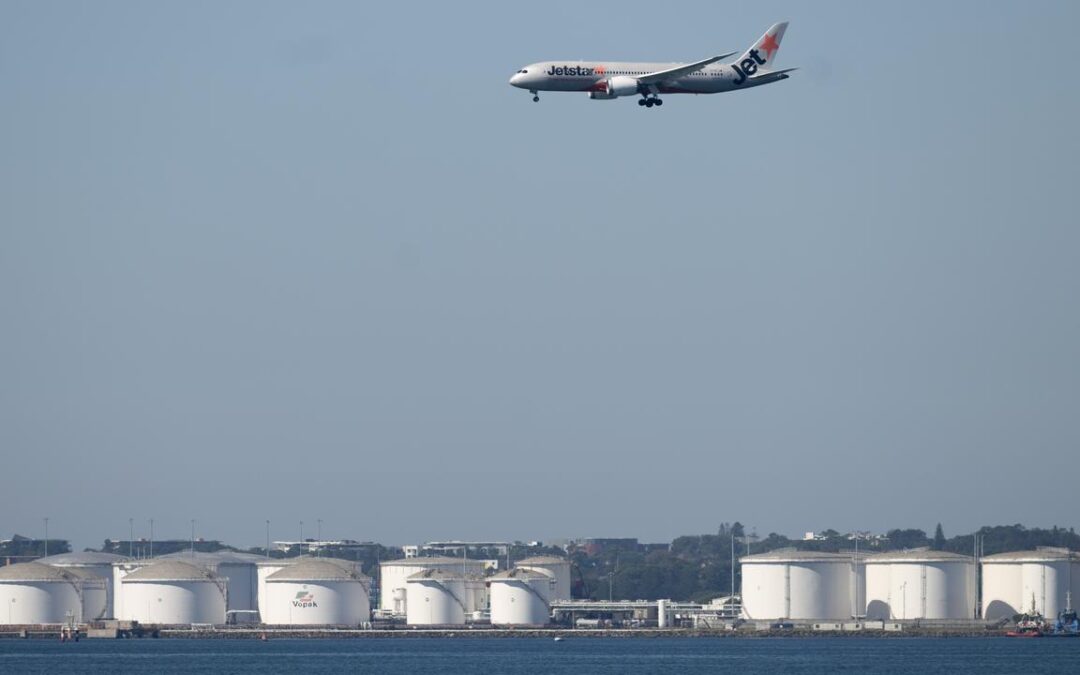
About 100 million litres of jet fuel will begin arriving in Australia in three shipments from the beginning of June.
The additional fuel followed talks held between Prime Minister Anthony Albanese and Chinese Premier Li Qiang.
Foreign Minister Penny Wong also visited China in April for talks with Premier Li on fuel supply, leading to Chinese state-owned oil companies agreeing to negotiate directly with Australian businesses on distribution.
China is one of the largest jet fuel exporters to Australia, but has restricted supply since the Iran war started in late February in order to protect its domestic stock.
Mr Albanese said the extra fuel would bring further certainty to supply levels.
“In the face of global challenges, my government will leave no stone unturned to shield Australians from the impact of global fuel challenges,” he said.
“The additional 600,000 barrels of jet fuel will help keep Australia moving.”
More agricultural-grade urea has also been locked in from Brunei, with more than 38,000 tonnes secured following recent fuel deals.
Agriculture Minister Julie Collins said the supply would give farmers more confidence.
“The additional fertiliser we have secured through our $7.5 billion Fuel and Fertiliser Security Facility will mean Australia’s farmers can keep farming,” she said.
“Having access to critical inputs like fertiliser underpins the food security of Australia and the countries we export to, particularly in the Indo-Pacific region, which is why we’ve been working day and night with industry to get fertiliser to our farmers.”
The closure of the Strait of Hormuz, where one-fifth of the world’s oil supply goes through, has created volatility in global markets.
Senator Wong said Australia was continuing to work with allies to secure fuel supply as the war in the Middle East continues.
“Australia is working with countries in our region to respond to this unprecedented shock to the global economy and ensure the continued flow of essential fuels,” she said.

‘Not acceptable’: Liberal breaks ranks on immigration
A Liberal senator has taken aim at his leader’s tone and approach to the debate over migration after the coalition promised to slash the number of foreigners entering Australia.
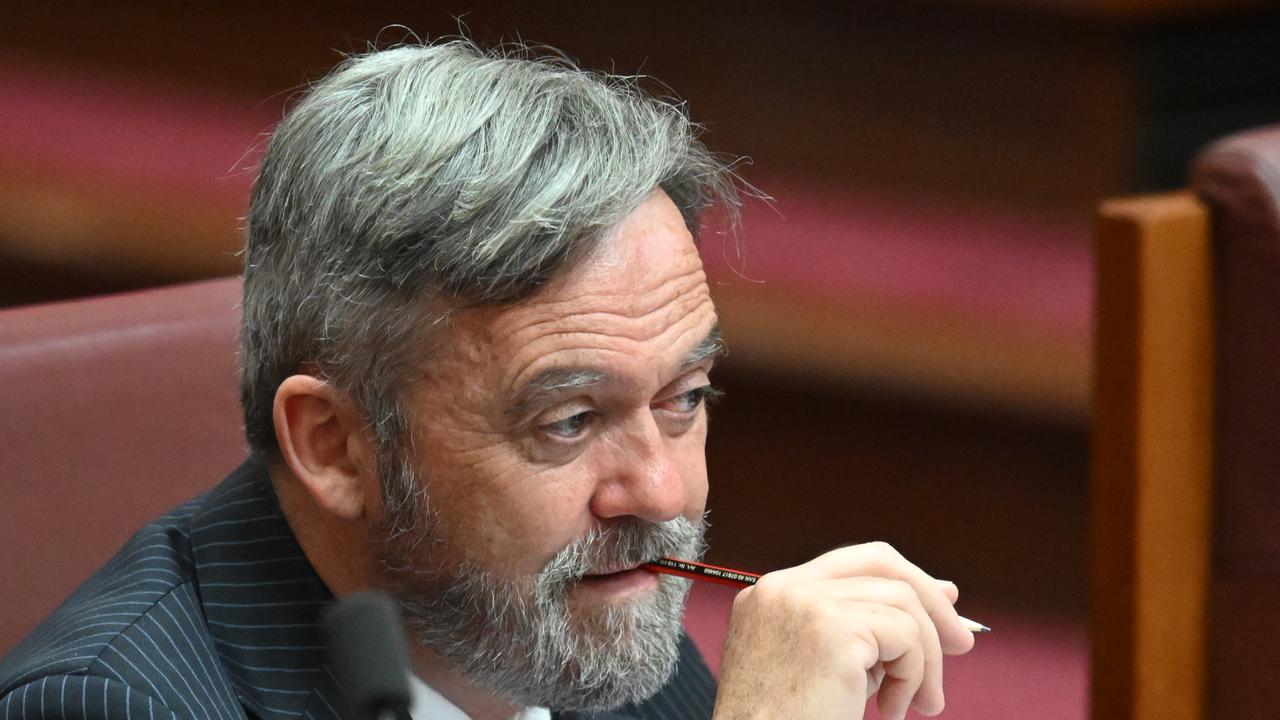
South Australian senator Andrew McLachlan argued the framing of Opposition Leader Angus Taylor’s plan to link immigration with the number of homes being built each year risked alienating diaspora communities across the country.
But Senator McLachlan agreed there was a legitimate conversation to be had about migration levels, to ensure new arrivals get the support they need.
“It’s about the tone and our approach, because we cannot – you should not – approach migration as a negative,” he told ABC radio on Tuesday.
“Certainly it should be controlled, and we don’t want to invite people here without giving them a society that can accommodate them both economically and culturally, but we cannot continue to blame migrants for the problems of our economy.”
In his budget reply speech, the opposition leader promised to set Australia’s net overseas migration level at the number of homes completed in the previous year.
“This is about mass migration running ahead of the homes, roads, hospitals, schools and services Australia can provide,” Mr Taylor told parliament.
Senator McLachlan said that language was unnecessary and politically risky.
“The use of the word mass migration, for example, is not acceptable … it creates anxiety and fear in the community,” he said.
Mr Taylor also promised to bar permanent residents from accessing welfare benefits like JobSeeker.
That would effectively create a two-tiered society, Senator McLachlan said.
“I have deep concerns coming from a multicultural community that we are going to create two types of members in the community going forward with this policy suite,” he said.
At the last election, then-opposition Leader Peter Dutton suffered major backlash from multicultural communities after promising sweeping migration cuts.

Asked about Mr McLachlan’s comments, Mr Taylor denied his comments alienated migrant communities
“No, it alienates the government that’s got it wrong,” he said.
Mr Taylor defended his use of the term “mass migration”, arguing Labor was exceeding its own immigration targets while failing to meet its housing goals.
Prime Minister Albanese said migrants and permanent residents made an important contribution to the nation and accused the opposition of attempting to win votes back from Pauline Hanson’s One Nation.
“Angus Taylor’s budget reply was all about fighting One Nation. What I’m about is fighting for our nation,” he told reporters in Perth on Tuesday.

Asia shares mixed, oil eases on Trump’s Iran comments
Asian shares wobbled on Tuesday while bonds found their footing following a steep selloff after US President Donald Trump’s decision to pause a planned attack on Iran and his claim there was a good chance of a nuclear deal sent oil prices lower.
Trump said on Monday he had paused a planned attack against Iran to allow for negotiations to take place on a deal to end the war, after Tehran sent a new peace proposal to Washington.
He subsequently said there was a “very good chance” the US could reach an agreement with Iran to prevent Tehran from obtaining a nuclear weapon.
Still, investors remained cautious after being rattled in the previous session by a weekend drone strike in the United Arab Emirates.
“We’ve seen a lot of back and forth already,” said Fabien Yip, a market analyst at IG.
“Until we actually see real action happening (in the Strait of Hormuz), whereby ships are passing through safely and we see a material rebound in the numbers of traffic going through in the Strait, I think the market in general is shrugging off the commentary from either side.”
Brent crude futures fell more than 2.0 per cent to $US109.41 ($A152.56) a barrel on the back of Trump’s comments, while US crude was down 1.3 per cent to $US107.25 ($A149.55) per barrel, though both remained more than 50 per cent above their pre-war levels.
In share markets, MSCI’s broadest index of Asia-Pacific shares outside Japan was down 0.22 per cent, while Japan’s Nikkei rose 1.0 per cent. South Korea’s Kospi fell 2.0 per cent.
Nasdaq futures reversed early gains to trade 0.07 per cent lower, while S&P 500 futures lost 0.03 per cent. In Europe, EUROSTOXX 50 futures rose 0.4 per cent, while FTSE futures and DAX futures edged 0.3 and 0.4 per cent higher, respectively.
The all-important artificial intelligence trade will be tested by earnings from Nvidia that are due on Wednesday, where expectations are sky-high for the world’s most valuable company.
“Nvidia’s earnings are the ultimate test for a stock market that is not only trading at record highs, but one that also had a breathtaking bounce off of the March lows, as Nvidia is the market’s shorthand for everything AI and this market’s gains have been driven in large part by AI over the past few years,” said Richard Reyle, chief investment officer at Questar Capital Partners.
The fall in oil prices helped stem a steep selloff in global bonds on Tuesday, though worries remained about the lasting inflationary shock from the Iran war.
Yields on the benchmark 10-year US Treasury note eased from a more than one-year high to 4.5974 per cent in early Asian trade, while the two-year yield was down slightly to 4.0564 per cent.
Japanese government bond yields, which shot to record highs in the previous session, were similarly down across the curve.
Overnight, G7 finance ministers acknowledged mounting concerns over public debt and bond market volatility as they met in Paris.
Markets are now pricing in rate hikes from major central banks this year on expectations policymakers will have to tighten policy to combat a resurgence in inflation driven by higher-for-longer energy prices.
“While the economic rationale for pricing persistently higher inflation over the coming years on the current supply shock is weak particularly given the labour market backdrop, a return of supply-side volatility and the sanguine growth tone in markets both argue for more risk premium through the inflation curve,” Goldman Sachs analysts said in a note.
In foreign exchange, the dollar has benefited from safe-haven demand since the onset of the war and was up 0.1 per cent at 159 yen, putting traders on alert for any intervention from Tokyo to shore up its ailing currency.
The euro was down 0.1 per cent at $US1.1643 ($A1.6235), while sterling similarly fell 0.1 per cent to $US1.3419 ($A1.8711).
Elsewhere, spot gold eased marginally to $US4,562.50 ($A6,361.81) an ounce, having come under pressure from rising bond yields.

Refunds but no price caps for ripped-off older Aussies
Long-awaited home care price caps to stop older Australians being overcharged have been deferred indefinitely, but other financial protections have been introduced in the meantime.
The government has put off the price limits, originally due to start in July, for fear of baking in “volatile” cost increases resulting from the Iran war, which has affected broad sections of the economy.
“We don’t want to set in place a price cap that really leads to unintended consequences, particularly that sees prices go up,” Health Minister Mark Butler told ABC radio on Tuesday.

Hundreds of thousands of people rely on the support at home program, which provides help with cleaning, showering, transport and clinical supports like nursing and occupational therapy.
In the National Disability Insurance Scheme – which does have price limits – most providers set their prices at the cap, Mr Butler said.
“We’ll do some more work, particularly through a period that hopefully sees this price volatility … essentially sort of flow through the system,” he said.
In a bid to better protect older Australians while the price caps are being developed, the Aged Care Quality and Safety Commission will have the power to order refunds for services where providers are found to be overcharging.
The commission will also be able to take action against providers who don’t issue monthly statements, and require regular public reporting on investigations and enforcement action.
Reports showing different prices for support at home will be published so older Australians and their families can see how their provider compares.
Aged Care Minister Sam Rae said the government had listened to older Australians and their families who called for stronger protections against “rogue” market prices.
“We’ve listened, and we’re acting,” he said in a statement.
The government will also encourage providers to limit price increases to no more than two per year, so older people can budget their packages.
Advocacy group Council on the Ageing welcomed the new measures but warned the hard work on price caps would need to continue.
“What matters is not the mechanism itself, but whether older people are genuinely protected from excessive and unreasonable pricing,” chief executive Pat Sparrow said in a statement.
The peak body for aged care providers described the price cap plan as “premature” and said more time was needed to get settings in the sector right.
“With no independent costing study completed since the Support at Home program commenced in November, any caps set now would not be able to account for the true cost of delivering quality services,” Ageing Australia chief executive Tom Symondson said in a statement.
“Most importantly, this (deferral) avoids sweeping confusion for providers and older people alike.”

It comes as the health minister said looming changes to private health insurance rebates would not be scrapped for older Australians, despite criticism from the demographic.
Discounts on the rebates for over-65s will be wound back, with more than three million people set to pay about $240 a year more for insurance.
Mr Butler said the measures were to redirect funding into aged care and make the rebates equitable among age groups.
“It’s unwelcome to many, but at a time of real challenge in our budget and the need to find every dollar we can into aged care,” he said.
“Where there are two households next door to each other on the same income, paying them a different subsidy for their private health insurance simply based on age was not sustainable going forward.”
Booze lose: Aussies risk health with illicit alcohol
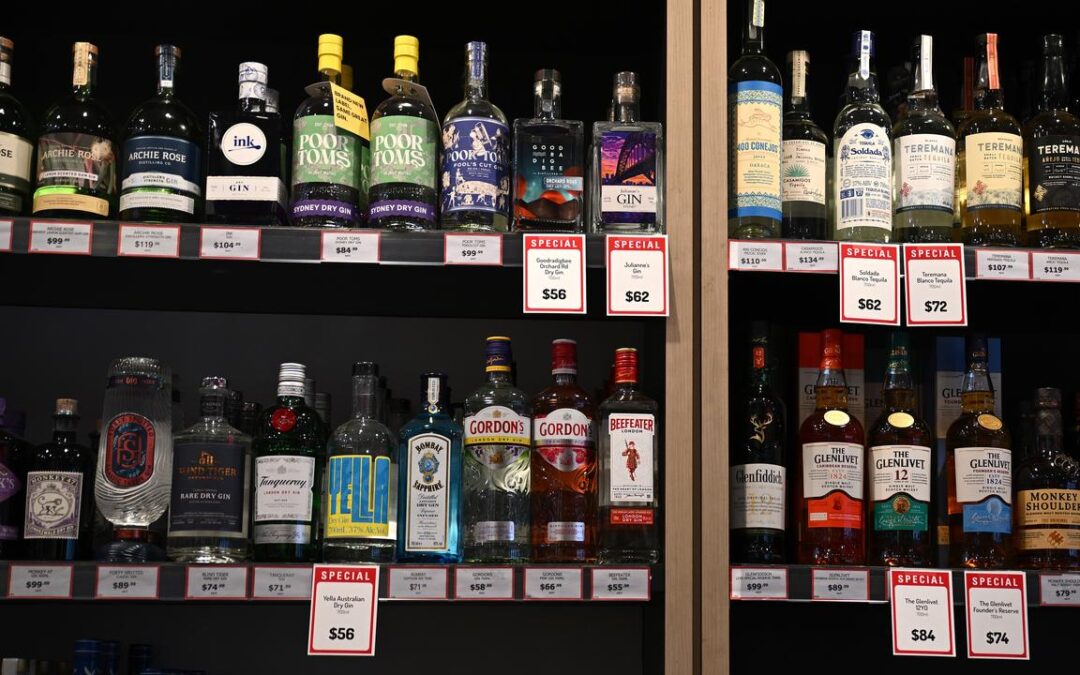
Unsuspecting Australians could be drinking contaminated illicit alcohol stocked in regular bottle shops, leaving them at risk of serious health consequences.
Almost one-in-three bottle shops visited in Victoria contained suspected illicit alcohol products, researchers from the National Drug and Alcohol Research Centre, UNSW and National Drug Research Institute found.
The team have since gone to over 200 stores across different socio-economic areas in NSW, Victoria and Queensland to find the same proportion of bottle shops stocking suspected illicit alcohol.
“We’re finding regular bottle shops are stocking products that we suspect are illicit, and we’ve found that have contaminants in them,” postdoctoral research fellow Michala Kowalski told AAP.
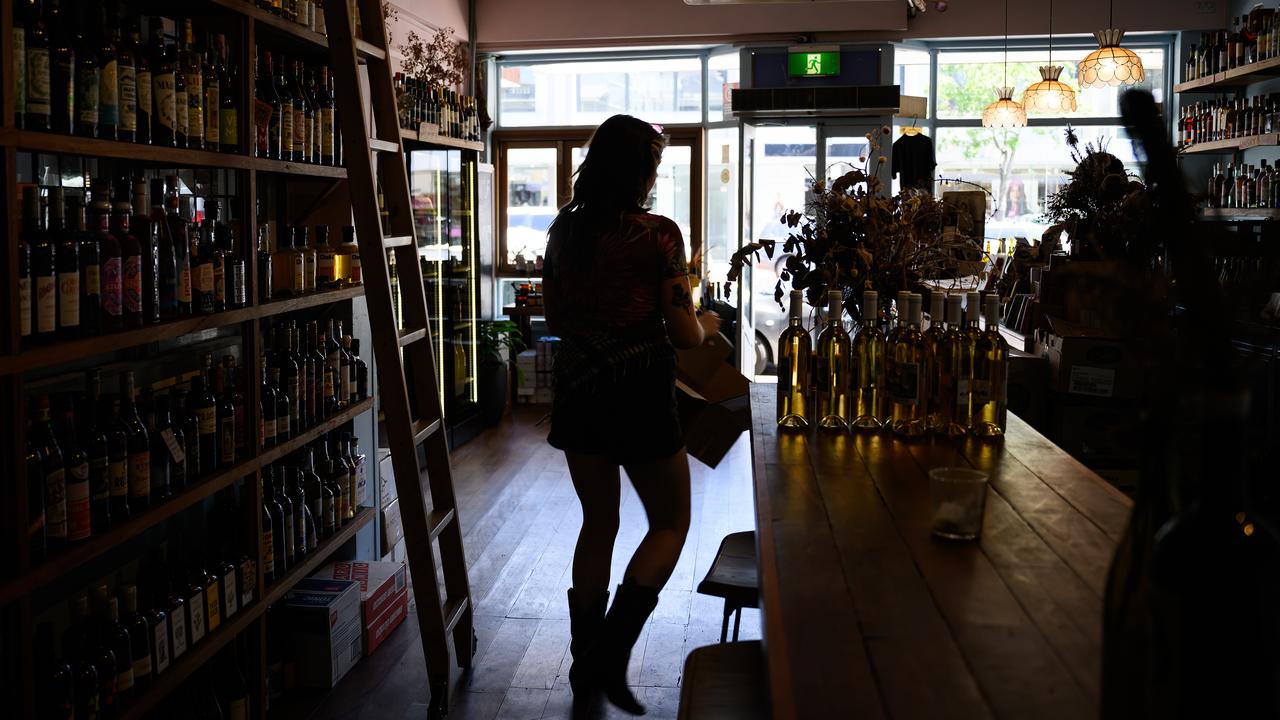
People might be lulled into a false sense of security thinking their product is legitimate because they’ve bought it from a regular bottle shop, but the risks could be deadly with researchers finding methanol and plastic debris in some products.
“Methanol, if you have it at a high enough concentration, can actually cause poisoning which can cause seizures, blindness and even be fatal,” Dr Kowalski said.
The researcher said methanol concentrations in products they tested were lower than the deadly threshold.
“But finding it at all is a really big concern about product quality, and we don’t know what’s out there in other products,” she said.
Plastic particles have also been found in some bottles, which have been linked to cancers.
Illicit alcohol has been seized at Australian borders from overseas markets, but Dr Kowalski said some products tested in the research were locally manufactured.
The research comes as Melbourne faces a firestorm of arson attacks on its nightlife precincts, with Victoria Police investigating illicit alcohol as one possible motivation behind the firebombings.
“We’re getting a lot of information from the public, from industry, in relation to some of the complexities of the alcohol industry, in terms of illicit alcohol, homemade alcohol, and the like,” Detective Superintendent Jason Kelly said.
Industry insiders believe the attacks on the city’s nightlife hotspots are linked to underworld figures battling to take control of the growing illegal alcohol trade.
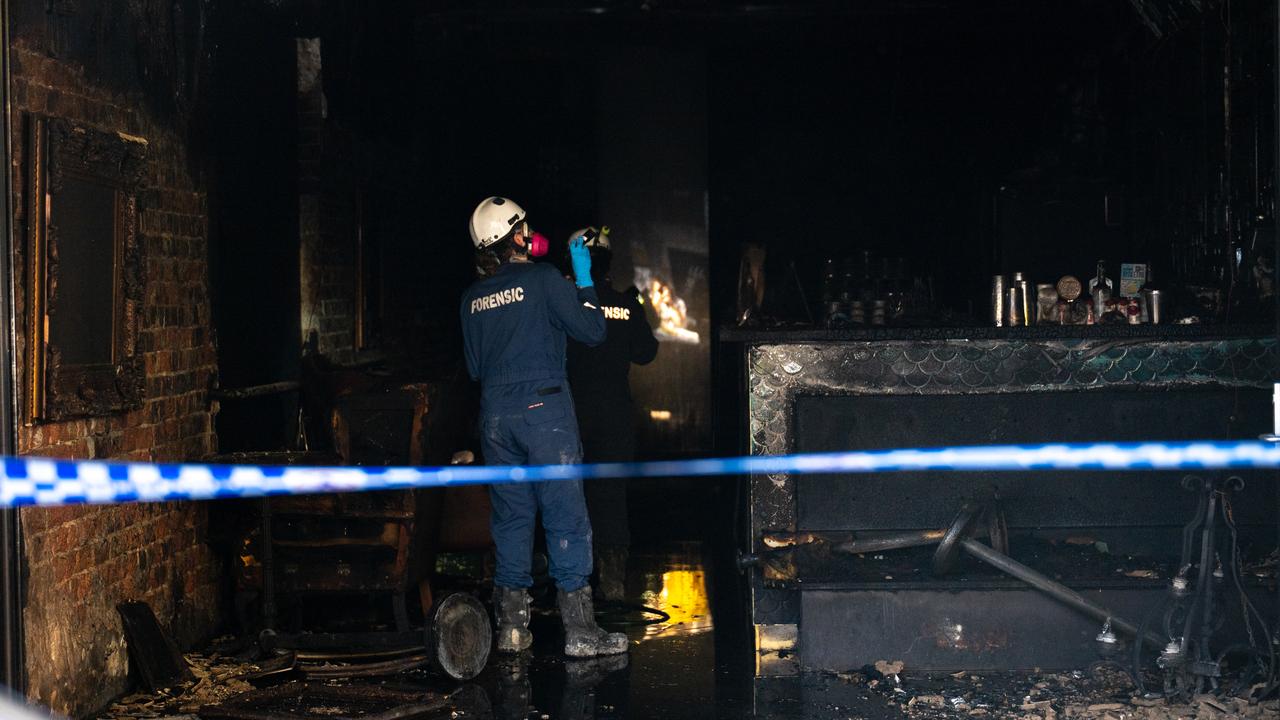
A well-known industry source, who spoke on the condition of anonymity, said Melbourne was at risk of another tobacco war as criminal figures strong-arm hospitality venues into using their illegal product.
“It all relates to stupidly high government excises and taxes on alcohol,” the source, who asked not to be named out of fear of retribution, told AAP.
“Now that there is so much money in selling this cheap overseas tax-free alcohol … criminals and bikies have got involved just like they did with white packet cigarettes and vapes when the government over-taxed real cigarettes.”
Dr Kowalski said a whole-of-government response is needed to address the problem, including regulatory changes and enforcement, and tax policy alone would not solve the issue.
“If you continue raising (taxes), that it could cause more growth (of the illicit market), but that the flip side isn’t necessarily true because it’s already so well established,” she said.
Consumers could reduce their risk by sticking to their trusted brands and shops, keeping an eye on prices that don’t make sense, and paying attention to bottle quality, including missing pregnancy warnings or barcodes on labels.

All eyes on RBA official for verdict on federal budget
The first speech by a Reserve Bank official since the federal budget will be watched closely by investors as debate rages over whether the government has helped or hindered in the fight against inflation.
RBA chief economist Sarah Hunter will appear at the Bloomberg Forum for investment managers in Sydney on Tuesday, soon after a speech by Treasurer Jim Chalmers.
Dr Chalmers’s fifth budget, released exactly a week earlier, has attracted blowback from the big end of town over changes to investor tax breaks and the use of trusts to minimise tax.
But economists have also narrowed in on the budget’s impact on the fiscal impulse – that is, how much the changes in the budget add to or detract from overall demand and inflation.

NAB head of Australian economics Gareth Spence said the stance of the budget was broadly neutral over the 2026/27 financial year and slightly eased demand over the subsequent three years.
“This will of course depend on the forecasts being realised, with the current year having been more stimulatory than expected at this time last year,” he said in a research note.
An upside surprise to public spending in the budget added to the risk of more RBA rate hikes, HSBC chief economist Paul Bloxham said.
Alongside high inflation pressures and relatively resilient household spending amid the Middle East oil supply shock, it all painted a challenging picture for the RBA, Mr Spence said.
“(NAB’s) business survey aligns with anecdotal evidence that price pass-through is likely to be broad and of a significant magnitude given the size of the shock,” he said.
“A message we expect to be repeated by RBA’s Hunter tomorrow. The RBA no doubt also remains alert to any softening in activity and deterioration in the labour market – but business conditions and consumer spending data do not currently point to a major pullback.”
NAB expects the RBA to raise rates for a fourth consecutive meeting in June.
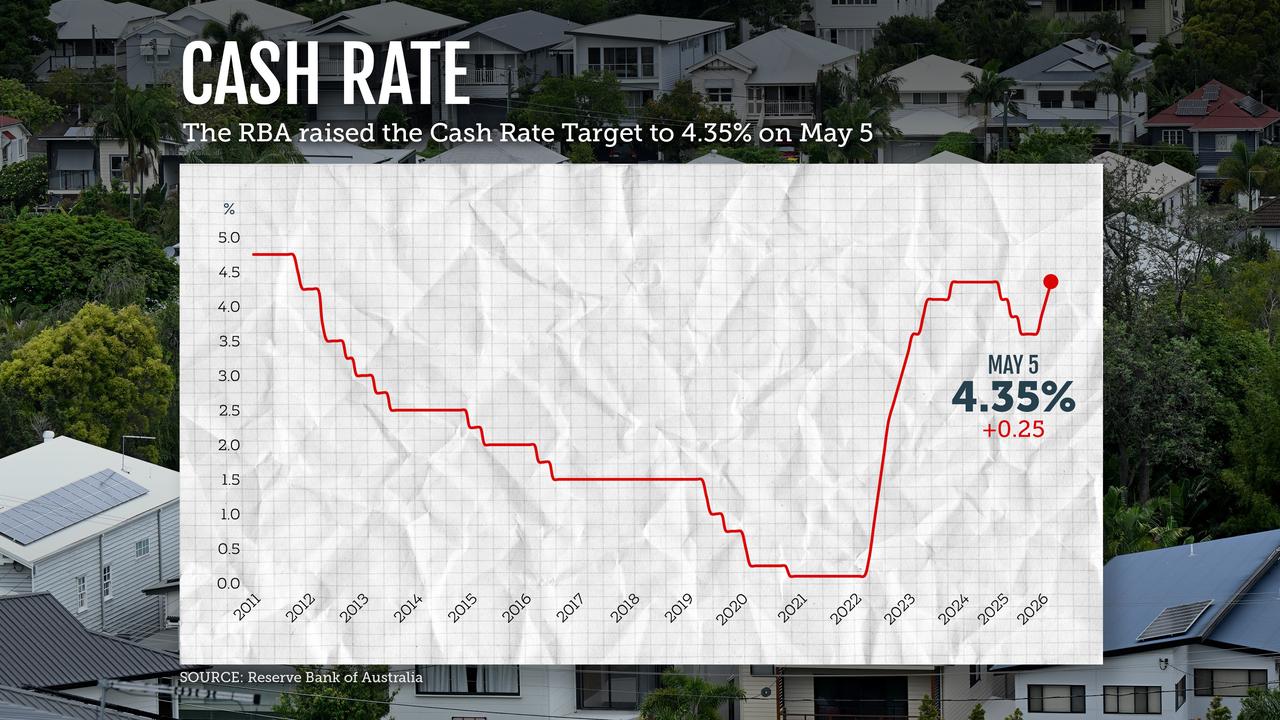
Minutes from the board’s May meeting, also set to be released on Tuesday, would attract attention for how much the board’s stance had shifted to being more dependent on future data, said JP Morgan analysts Ben Jarman, Tom Kennedy and Tom Ryan.
The board’s post-meeting statement concluded by saying monetary policy was “well placed to respond to developments” which in the past had signalled a more neutral policy stance, they said.
“The board’s discussion of two-sided risks marks an important evolution in tone,” the trio said.
“(RBA governor Michele) Bullock’s characterisation of a fuel rationing scenario as a ‘different world’ and her distinction between cost pass-through into the price level versus broader changes in price-setting behaviour suggest a more nuanced framework than March’s singularly hawkish supply shock message.”
Money markets were pricing in at least one more rate rise by November but rated the chance of a June hike at less than one-fifth.
Miners demand stable tax settings as PM heads west
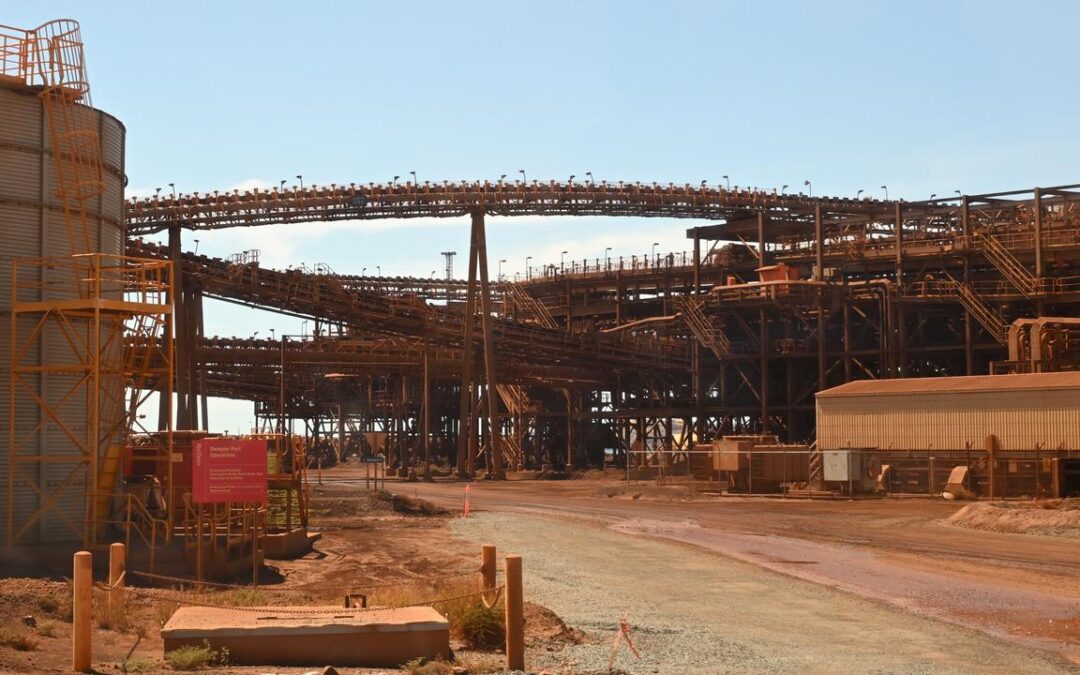
Australia’s resources sector is calling for gas projects to get off the ground and tax settings to remain stable as Anthony Albanese takes his budget sales pitch to the nation’s west.
The prime minister on Tuesday will spruik Labor’s economic plan in Perth, as post-federal budget polling shows voter backlash after the government broke promises not to touch negative gearing or the capital gains tax.
Mr Albanese said Labor always thought selling “big reform” would be difficult.
“This is tax reform that’s been called for a long period of time, treating income gained from working – which is what most people do – much more equally with income earned from assets … that’s what we’ve put forward,” he told ABC radio on Monday evening.
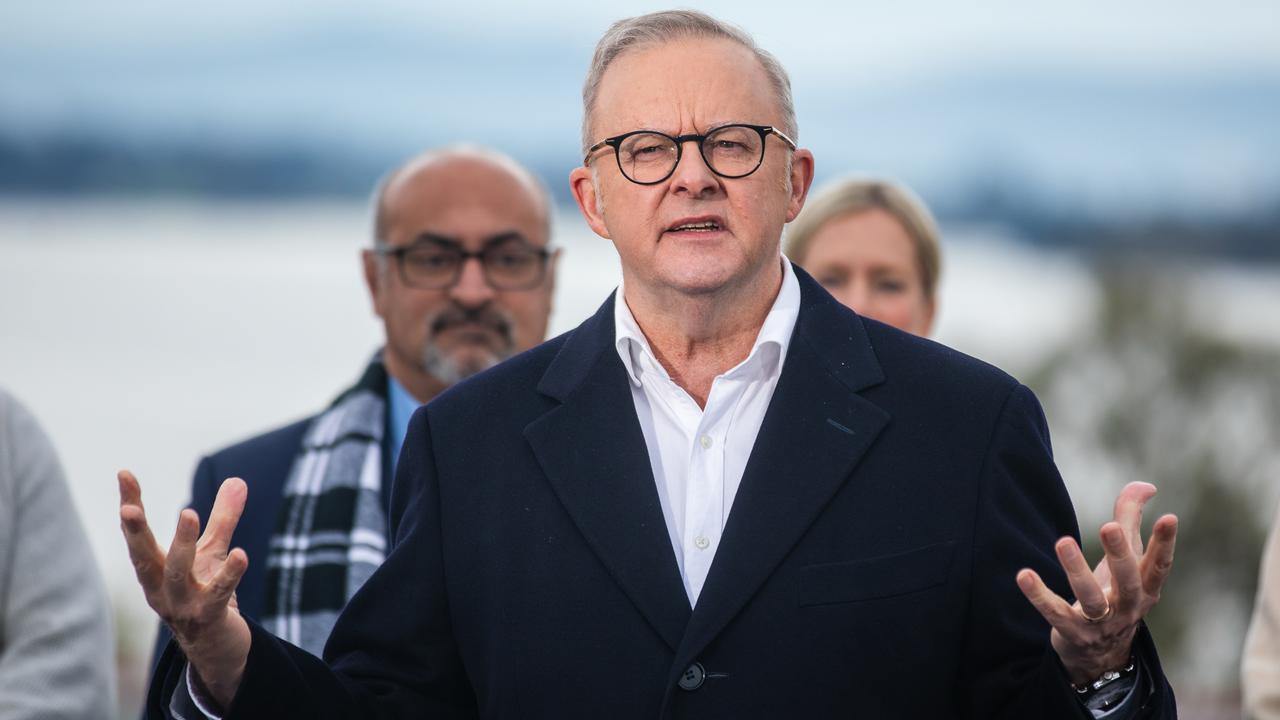
Minerals Council of Australia chief executive Tania Constable said the resources industry wanted the government to improve investment conditions and competitiveness.
“We need gas projects to get off the ground through better regulation, stable tax settings, balanced workplace relations and the continued work on port, rail and road infrastructure,” she told AAP.
“The industry are going to raise (with the prime minister) the fact that the entire resources industry is important to the Australian economy.
“We are the industry making the massive contribution to the budget bottom line.”
Ahead of the budget’s delivery last Tuesday, Mr Albanese flew to Western Australia to address a key resources event amid calls to hike taxes on gas exports.
There he announced more than $45 million in funding to progress environmental bilateral agreements with states and territories in a bid to speed up approvals and remove duplication for new projects.
The prime minister has worked hard to shore up votes in WA, as the state proved key in elevating Labor to office.
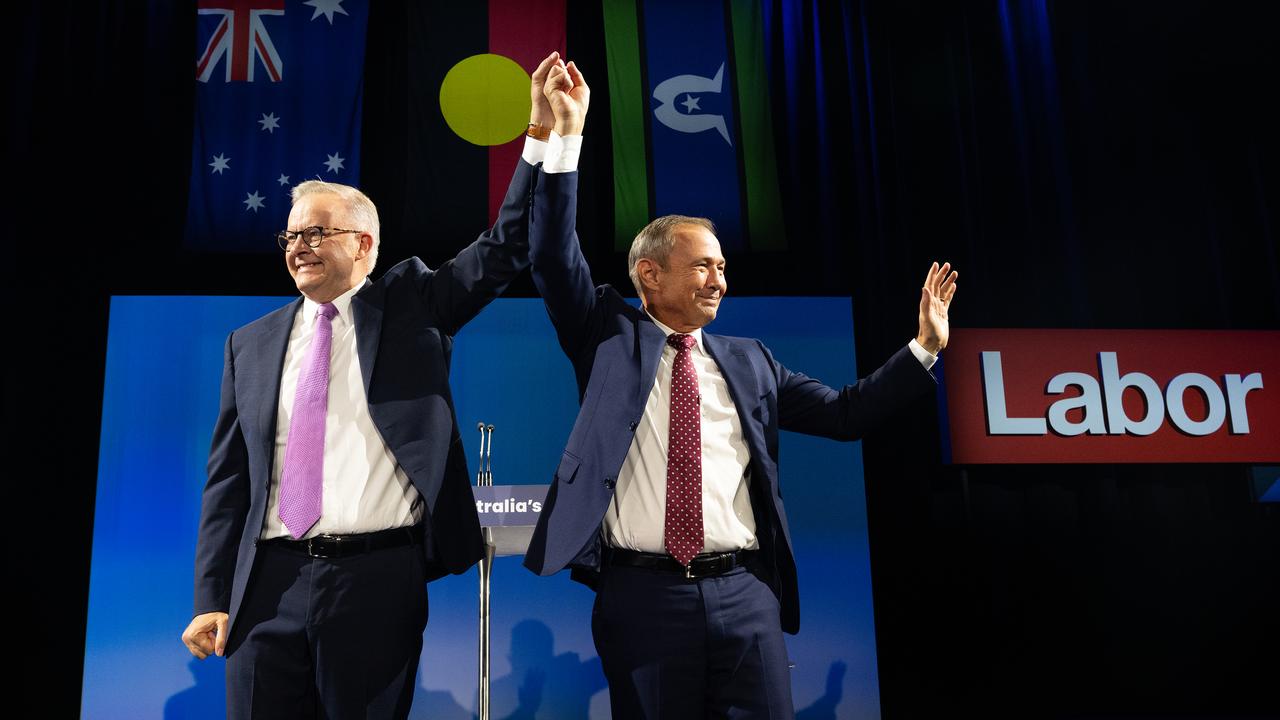
Mr Albanese will also face pressure during his visit to the resources state to reaffirm his commitment to the GST deal struck between former premier Mark McGowan and former Liberal prime minister Scott Morrison.
The deal guarantees a return of 75 cents of its per-person share of the goods and service tax.
The agreement is under review by the Productivity Commission which will hand down its interim report to the federal government by late August.