

Opera Australia $10m turnaround a result to sing about
Opera Australia’s latest performance is less Verdi’s La Traviata, and more AC/DC’s Back in Black.
The national company has posted a major turnaround in its finances, balancing the books in 2025 following 2024’s big losses of more than $10 million.
“It’s very close to break even, which is fantastic … the return to good times is not an anomaly,” said chief executive Alex Budd, who began his role in November and is part of an overhauled senior management structure.
He said the improvements under acting chief executive Simon Militano had been driven by more disciplined cost controls, a carefully balanced repertoire, and a focus on rebuilding the company’s finances.
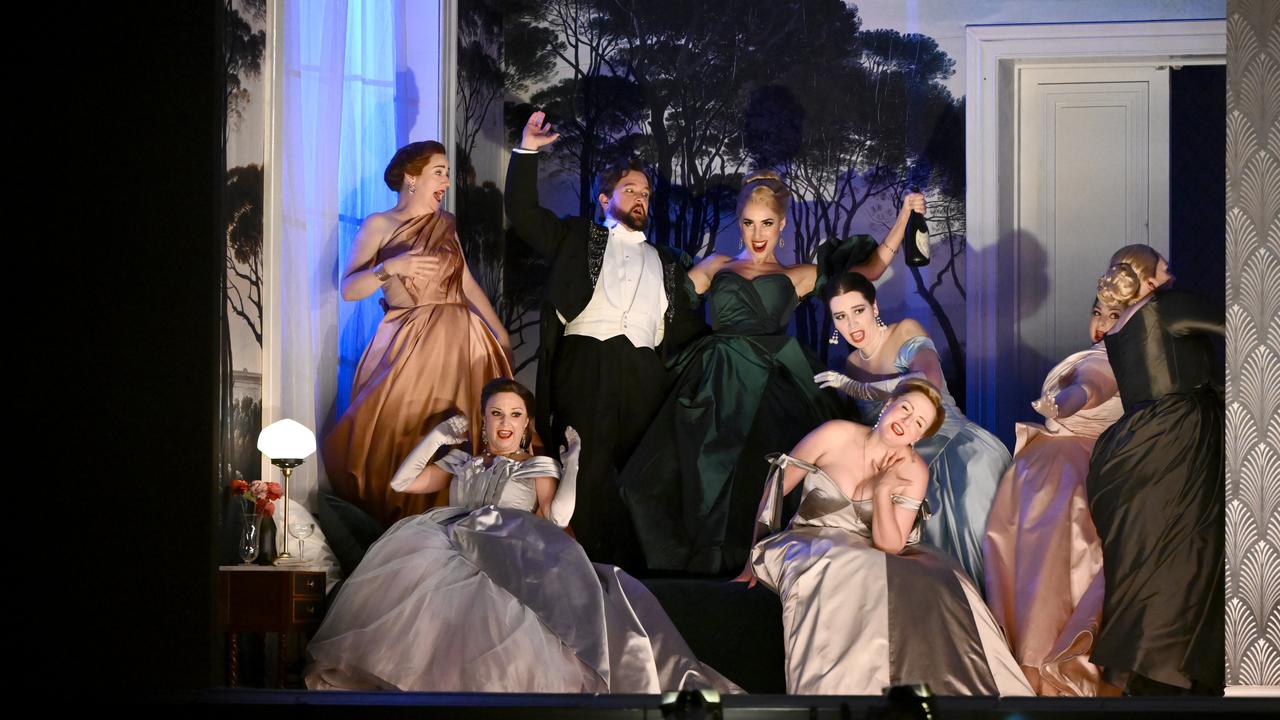
While total revenue reached $122.8 million in 2025, Opera Australia posted a small deficit of $36,051 prior to the inclusion of the company’s capital fund, which took the final result to a profit of $3.6 million, according to its annual results released on Wednesday.
Box office was up by 29 per cent during 2025, with ticket revenue rising from $50.7 million in 2024 to $65.3 million.
It all reflected a big growth in audiences, with just under 575,000 people attending shows in 2025, compared to about 362,000 the previous year.
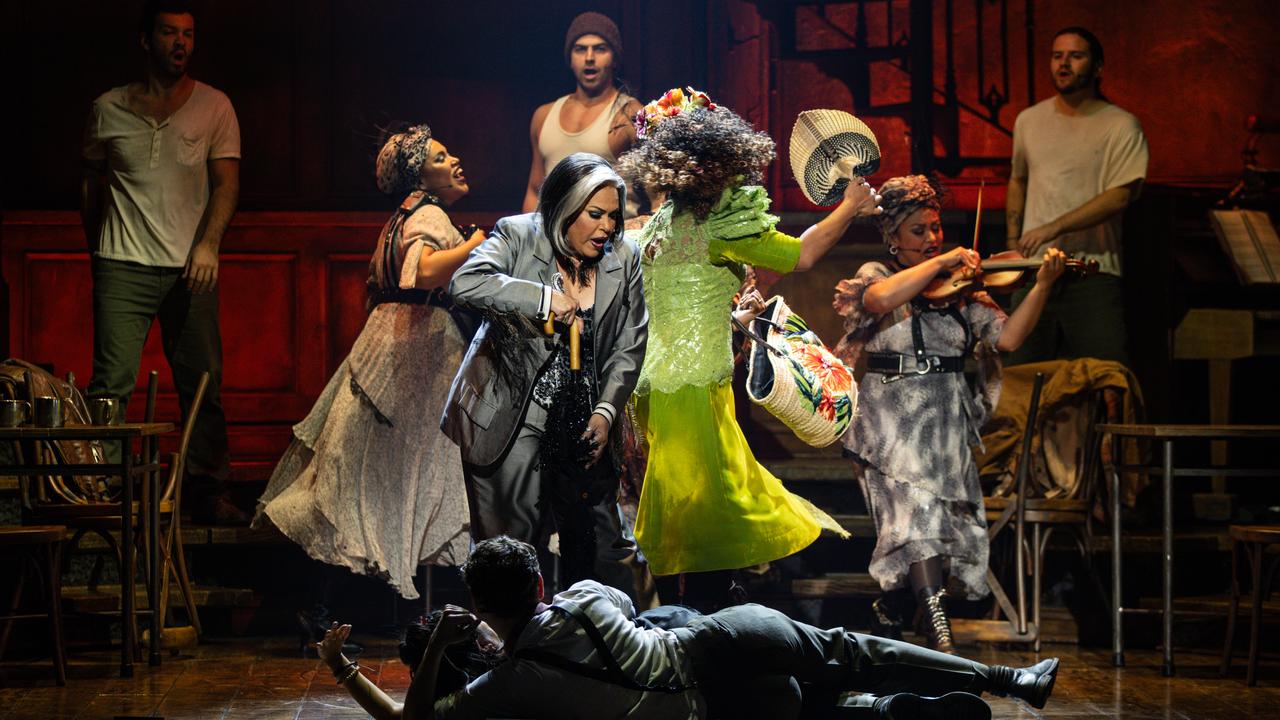
The biggest hits were the musical Hadestown, which had an audience of 185,000 in Sydney and Melbourne, while Rent attracted more than 50,000 to the Sydney Opera House.
Almost 48,000 people saw director Anne-Louise Sarks’ new production of Carmen across runs in Sydney and Melbourne, while Sarah Giles’ version of Rusalka starring Australian soprano Nicole Car was another highlight, with an audience of 10,000 at the Opera House.
The company also relies on $25 million in Creative Australia funding, as well as $3.9 million from the NSW government and another $1 million from the Victorian government.
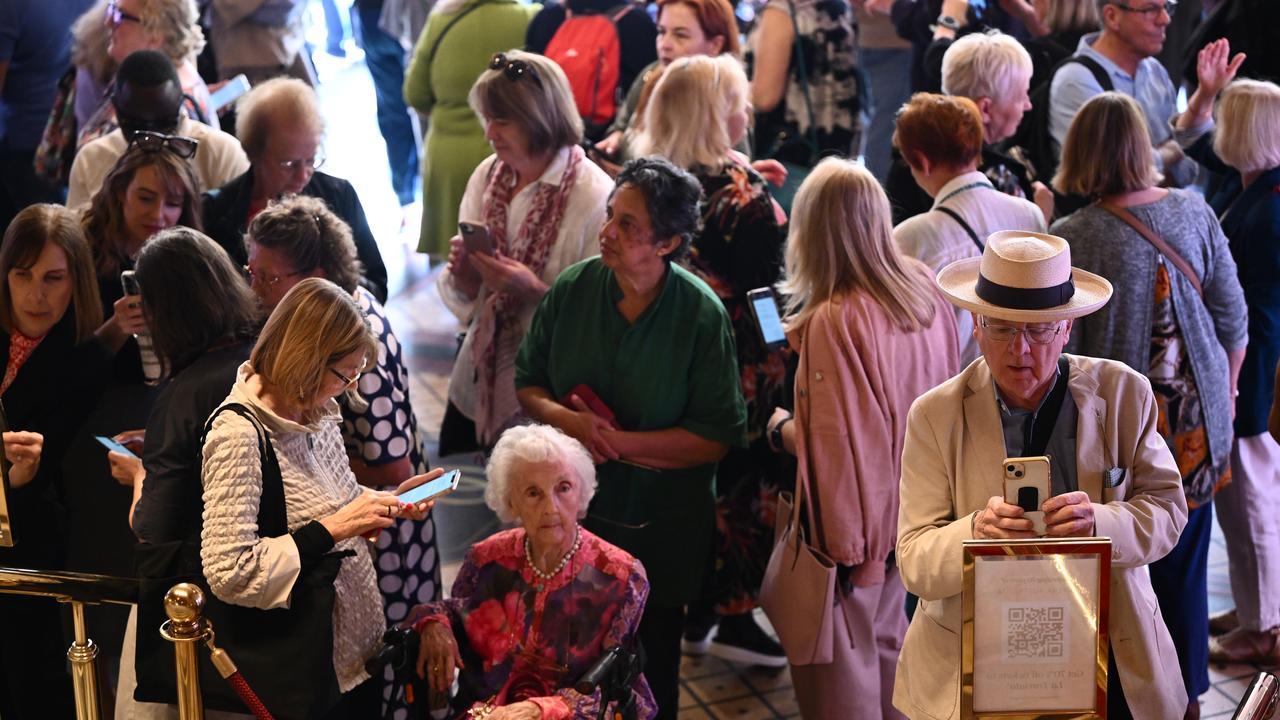
Budd is cautiously optimistic about 2026, and is predicting a small surplus, thanks in part to a record-breaking extended run of Phantom of the Opera on Sydney Harbour, with more than 92,000 tickets sold.
Like other performing arts companies, Opera Australia is contending with cost of living pressures for audiences, as well as a competitive market for live theatre, and increased production costs.
“We’ve done a lot of work around our risk and exposure to the conflict in the Middle East, and our main concern, which we need to manage our way through, is around manufacturing,” Budd said.
A move to the Regent Theatre due to renovations at Arts Centre Melbourne has worked for the company, Budd said, although it reduced the number of productions presented in the city.
He flagged the return to Opera Australia’s traditional State Theatre home will mean an expanded program for Melbourne opera lovers in 2027.
“When we announce our season next year, I suspect Melbourne will be really pleased with what we’ve been able to bring back to the Ian Potter State Theatre,” he said.

Trump purges another Republican critic
US President Donald Trump has scored another victory in his campaign to punish disloyal Republicans as Thomas Massie of Kentucky lost his primary race, underscoring the risks for lawmakers who defy Trump.
Massie, who angered Trump by leading a push to release Justice Department files tied to the late sex offender Jeffrey Epstein, was defeated by Ed Gallrein, a former Navy SEAL backed by the president and bolstered by heavy outside spending by pro-Israel groups.
The contest offered the latest evidence of Trump’s hold over Republicans.
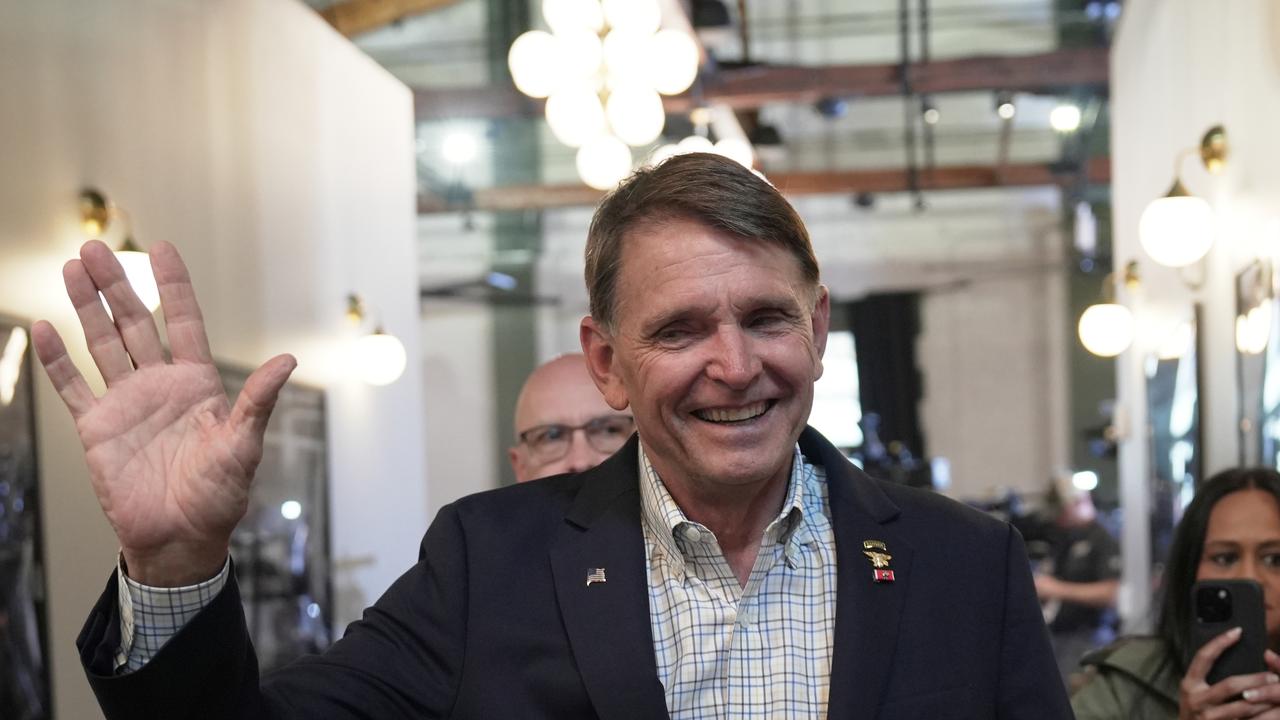
This followed the ouster in a primary on Saturday of another Trump critic, Senator Bill Cassidy of Louisiana, and losses for dissenting state lawmakers in Indiana primaries on May 5.
Gallrein embraced the role Trump gave him and focused his pitch to voters on his personal history and unwavering loyalty to the president.
“Massie got Trumped. Donald Trump is the sun and the moon and the stars in the Republican Party in Kentucky,” said Kentucky-based Republican strategist TJ Litafik.
But rather than signal wider appeal for the president, Massie’s defeat underscored Trump’s dominance among party activists who shape primary outcomes, even as his sagging approval ratings and high gas prices raise questions about the party’s chances with the broader electorate in November’s midterm elections.
Massie incurred Trump’s ire by successfully leading a push to release Justice Department files tied to Epstein, and his criticism of the Iran war.
The contest between the libertarian-leaning Massie and Gallrein was the most expensive US House primary in history, costing more than $US32 million ($A45 million) in ad spending.
Other primaries are unfolding on Tuesday across Alabama, Georgia, Idaho, Kentucky, Oregon and Pennsylvania, helping to shape the battlefield for November’s elections, when Democrats aim to take control of the House and potentially the Senate despite Republican gains in a national redistricting fight.
with AP
Big online travel agency hit by ‘disappointing’ change
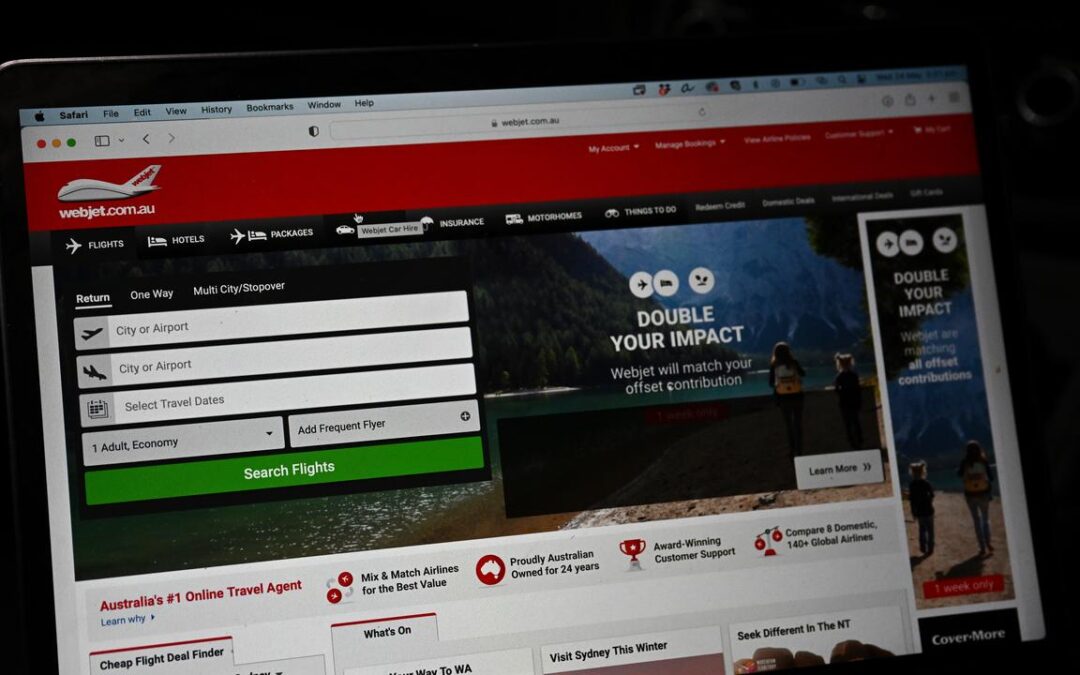
Major online travel agency Webjet will take a hit on commissions after Virgin Australia said it would return to the holiday packages market under its own label.
The change by Virgin, which includes other Webjet commercial arrangements and is likely to impact other online travel businesses, will take effect from July 1.
Webjet, which on Wednesday released its full-year results, said that if the change had started at the start of 2026 it would have cost the group $3 million in underlying revenue.

Chief executive Katrina Barry said the impact of Virgin’s decision was substantial, although the carrier remains a “valued partner”.
“This does have a significant impact on our future commercials,” she told an earnings briefing.
Webjet, which mainly serves the Australian and New Zealand markets, provides digital platforms for consumers to plan and book flights, hotels, holiday packages, and car hires.
It went into a trading halt on Tuesday after Virgin’s announcement ahead of a return to normal trading on Wednesday.
Webjet posted a $3.5 million bottom-line net profit attributable to investors for the year ended March 31, up from a downwardly revised $2 million in 2025.
Underlying earnings before interest, tax, depreciation and amortisation came to $28.1 million, down 20 per cent, on barely higher revenue of $136.4 million.
Total bookings for the year were already down, which Ms Barry said was disappointing, while noting that its domestic market fell by 10 per cent.
“That’s really very much reflecting the cost of living pressures and the elevated fares (being charged by airlines), which impact our mass market mortgage belt customers,” she said.
“International bookings are up (by one per cent) and that growth is now slightly skewed to short haul destinations in recent months, particularly around Asia Pacific destinations.”
Webjet is also facing artificial intelligence headwinds, which are threatening the broader online travel sector because it allows travellers to use the tool to make their own arrangements.
During its 2026 full year, Webjet launched predictive AI tools across flight searches to help it anticipate pricing and adjust prices to draw in customers, Ms Barry said.
“This is delivering real competitive pricing for our customers,” she said.
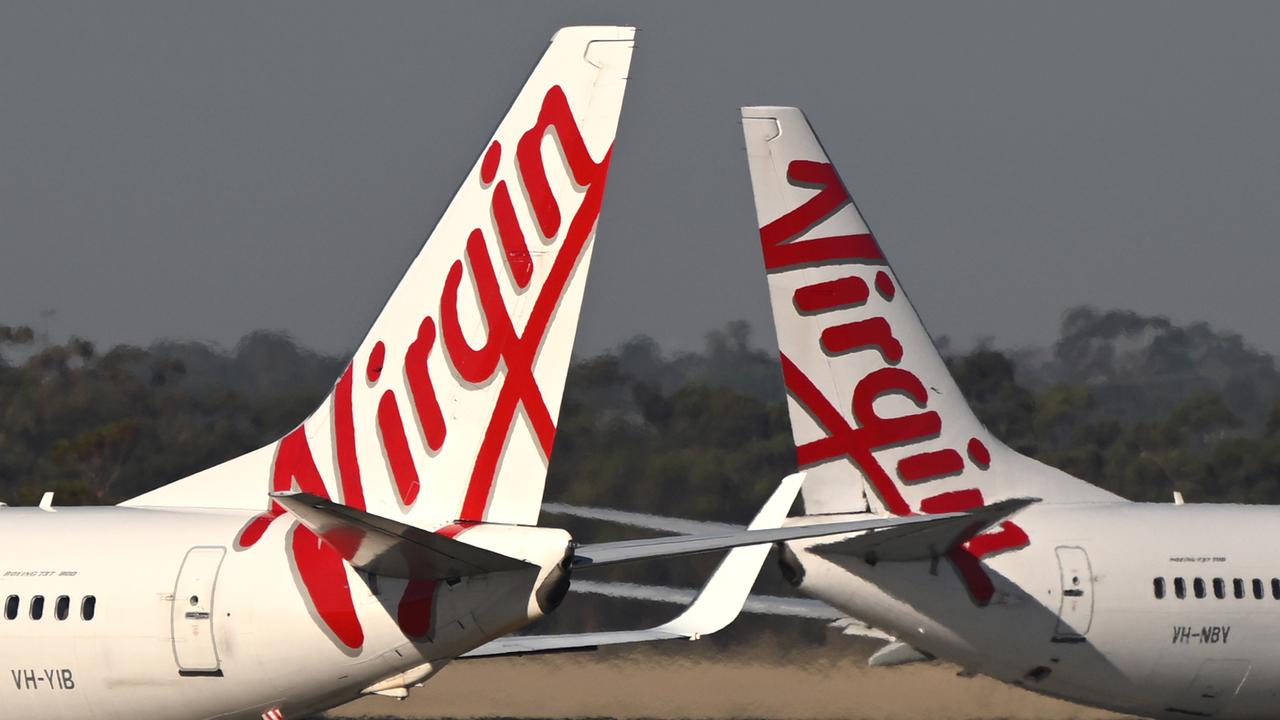
Virgin on Tuesday announced the launch of Virgin Australia Holidays, while citing YouGov research showing 75 per cent of travellers are more likely to book a holiday through their airline.
Webjet shares were sitting at 49 cents when the trading halt was called, giving it a market value of $192.3 million.
Webjet declared a second-half dividend of two cents per share, taking the total for the year to four cents.
Big online travel agency hit by ‘disappointing’ change
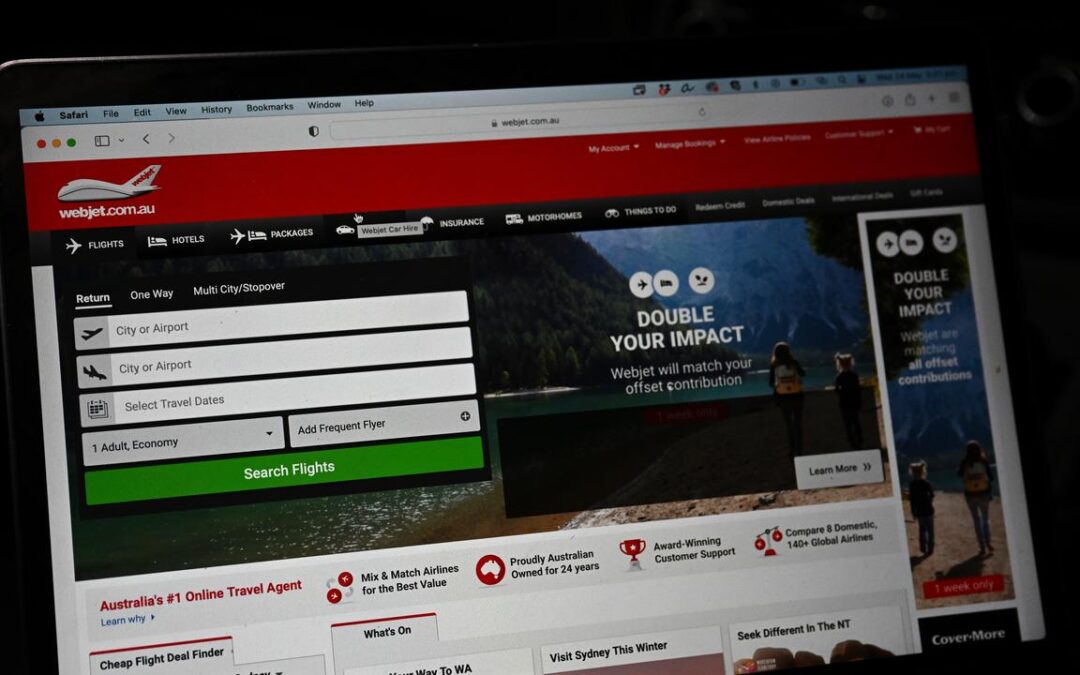
Major online travel agency Webjet will take a hit on commissions after Virgin Australia said it would return to the holiday packages market under its own label.
The change by Virgin, which includes other Webjet commercial arrangements and is likely to impact other online travel businesses, will take effect from July 1.
Webjet, which on Wednesday released its full-year results, said that if the change had started at the start of 2026 it would have cost the group $3 million in underlying revenue.

Chief executive Katrina Barry said the impact of Virgin’s decision was substantial, although the carrier remains a “valued partner”.
“This does have a significant impact on our future commercials,” she told an earnings briefing.
Webjet, which mainly serves the Australian and New Zealand markets, provides digital platforms for consumers to plan and book flights, hotels, holiday packages, and car hires.
It went into a trading halt on Tuesday after Virgin’s announcement ahead of a return to normal trading on Wednesday.
Webjet posted a $3.5 million bottom-line net profit attributable to investors for the year ended March 31, up from a downwardly revised $2 million in 2025.
Underlying earnings before interest, tax, depreciation and amortisation came to $28.1 million, down 20 per cent, on barely higher revenue of $136.4 million.
Total bookings for the year were already down, which Ms Barry said was disappointing, while noting that its domestic market fell by 10 per cent.
“That’s really very much reflecting the cost of living pressures and the elevated fares (being charged by airlines), which impact our mass market mortgage belt customers,” she said.
“International bookings are up (by one per cent) and that growth is now slightly skewed to short haul destinations in recent months, particularly around Asia Pacific destinations.”
Webjet is also facing artificial intelligence headwinds, which are threatening the broader online travel sector because it allows travellers to use the tool to make their own arrangements.
During its 2026 full year, Webjet launched predictive AI tools across flight searches to help it anticipate pricing and adjust prices to draw in customers, Ms Barry said.
“This is delivering real competitive pricing for our customers,” she said.
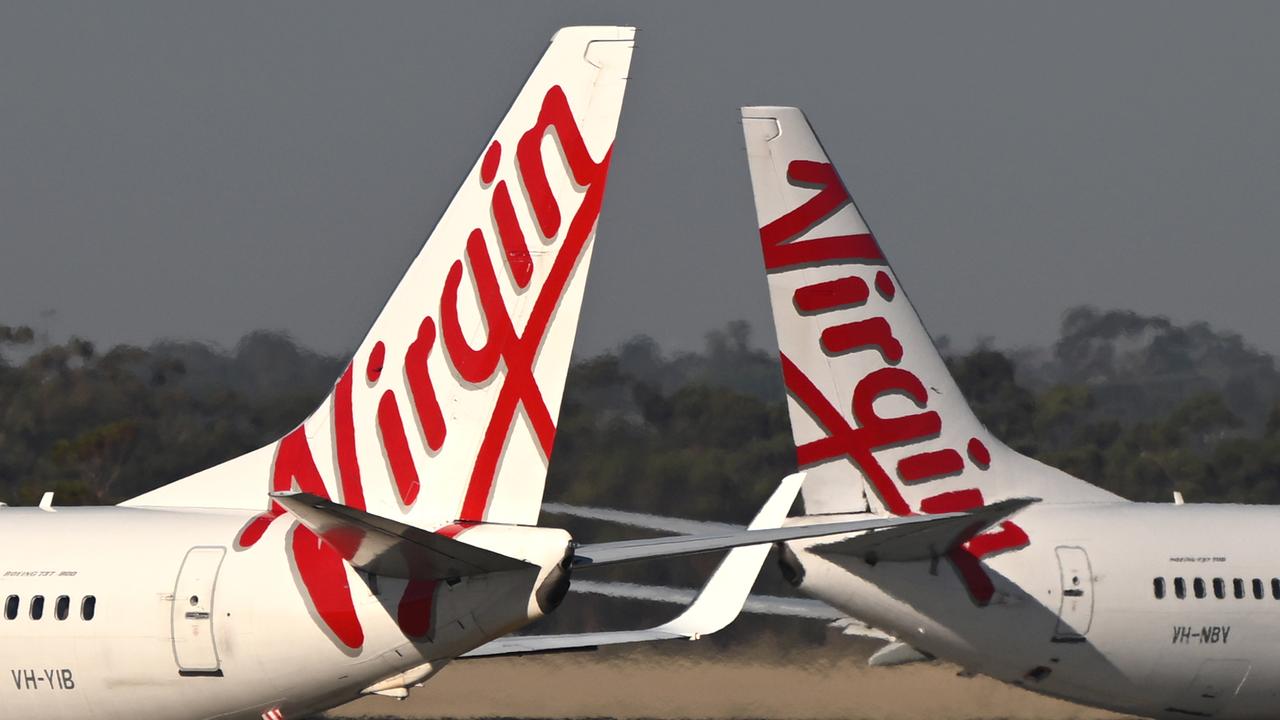
Virgin on Tuesday announced the launch of Virgin Australia Holidays, while citing YouGov research showing 75 per cent of travellers are more likely to book a holiday through their airline.
Webjet shares were sitting at 49 cents when the trading halt was called, giving it a market value of $192.3 million.
Webjet declared a second-half dividend of two cents per share, taking the total for the year to four cents.
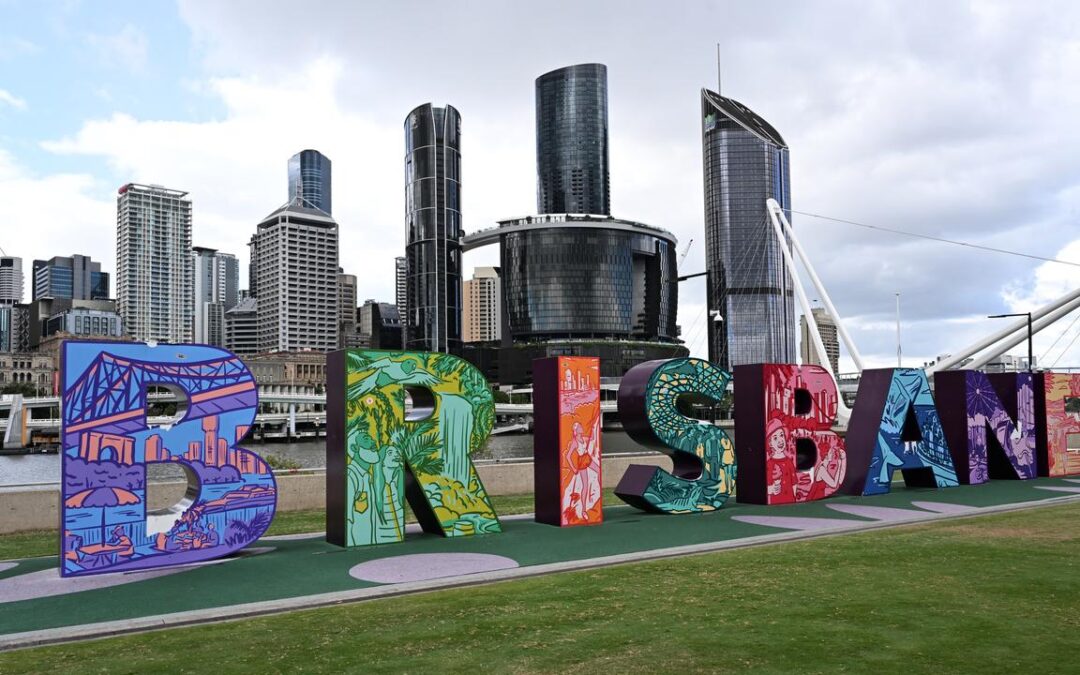
Olympics hotel shock: Queensland running out of rooms
Queensland is expected to deliver less than a quarter of the hotel rooms needed for the 2032 Olympics as building fails to keep up with growing visitor demand, new analysis shows.
Hotel building across Brisbane, the Gold Coast and Sunshine Coast has almost stopped despite strong bookings and higher room rates, according to a report by the Property Council of Australia released on Wednesday.
Just one new hotel opened across the three regions in the past 12 months – the Mondrian at Burleigh Heads – the 2026 Queensland Hotel Market Outlook found.
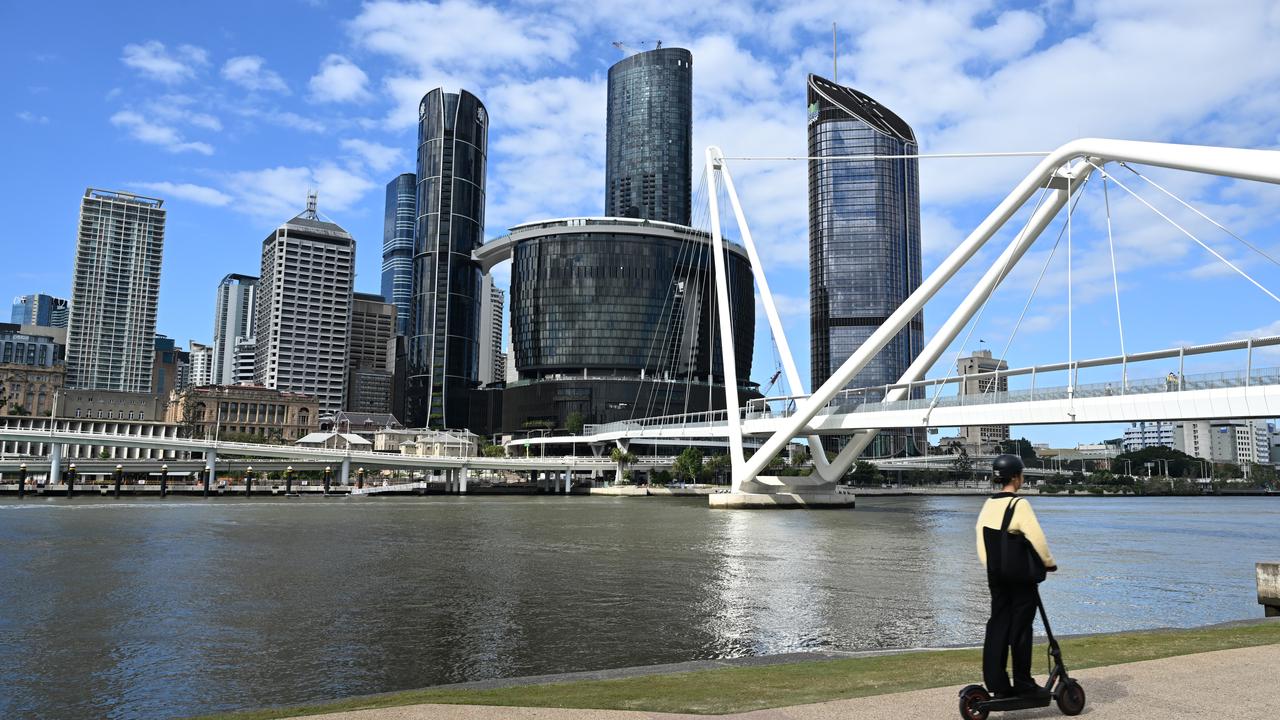
The state’s hotel shortage is now a long‑term problem, not a short‑term dip, Property Council Queensland executive director Jess Caire said.
“The demand is here, the global spotlight is coming, but the rooms are not,” she said.
“Queensland’s hotel markets are doing exactly what we would hope – attracting visitors, lifting occupancy and driving strong returns, yet the supply response has stalled completely.”
Queensland is now well behind the state government’s own hotel targets, according to the report prepared by CBRE for the Property Council.
On current trends, the planned pipeline will deliver about 24 per cent of the 14,700 extra rooms needed by 2032 and only nine per cent of the long‑term 40,000‑room Destination 2045 goal.
Hotel markets across Brisbane, the Gold Coast and Sunshine Coast are already tighter than before the pandemic, CBRE head of hotels research Ally Gibson said.
“Across Brisbane, the Gold Coast and the Sunshine Coast, just one new hotel opened in the past 12 months – the Mondrian in Burleigh Heads,” she said.
“One exceptional property in three major markets – that tells you everything about the supply problem we face.”
Hotels are expensive to build and must carry rising construction, finance and running costs for years before they settle into steady trading, Ms Gibson said.
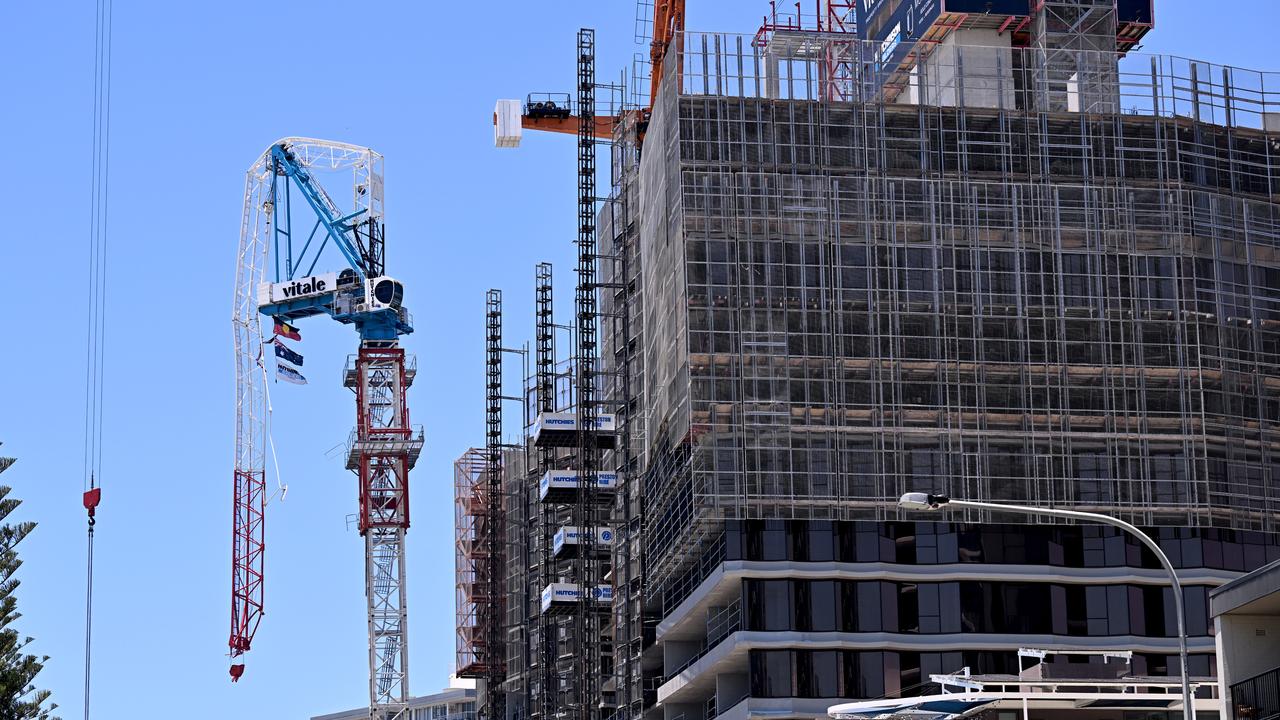
Construction costs for mid‑ to high‑end hotels have risen close to 40 per cent since 2019, with a further 18 per cent increase expected across 2026 and 2027, according to CBRE.
“The gap between what a hotel costs to build and what it can earn is widening every month,” Ms Gibson said.
“Projects that didn’t stack up last year stack up even less today. The market is performing – the economics of building are broken.”
Room‑night demand in past Olympic host cities has usually been higher in the second and third years after the games than during the event itself, according to the report.
Queensland’s hotel pipeline needs to cover the decade after 2032, not just the two weeks of competition, the Property Council said.
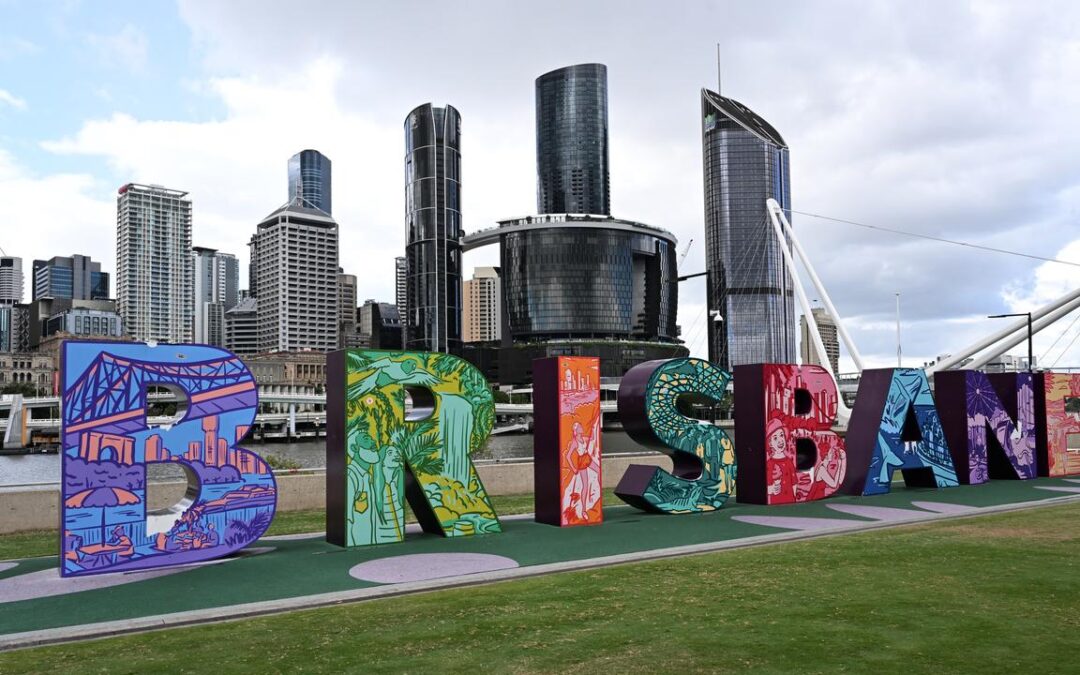
Olympics hotel shock: Queensland running out of rooms
Queensland is expected to deliver less than a quarter of the hotel rooms needed for the 2032 Olympics as building fails to keep up with growing visitor demand, new analysis shows.
Hotel building across Brisbane, the Gold Coast and Sunshine Coast has almost stopped despite strong bookings and higher room rates, according to a report by the Property Council of Australia released on Wednesday.
Just one new hotel opened across the three regions in the past 12 months – the Mondrian at Burleigh Heads – the 2026 Queensland Hotel Market Outlook found.
The state’s hotel shortage is now a long‑term problem, not a short‑term dip, Property Council Queensland executive director Jess Caire said.
“The demand is here, the global spotlight is coming, but the rooms are not,” she said.
“Queensland’s hotel markets are doing exactly what we would hope – attracting visitors, lifting occupancy and driving strong returns, yet the supply response has stalled completely.”
Queensland is now well behind the state government’s own hotel targets, according to the report prepared by CBRE for the Property Council.
On current trends, the planned pipeline will deliver about 24 per cent of the 14,700 extra rooms needed by 2032 and only nine per cent of the long‑term 40,000‑room Destination 2045 goal.
Hotel markets across Brisbane, the Gold Coast and Sunshine Coast are already tighter than before the pandemic, CBRE head of hotels research Ally Gibson said.
“Across Brisbane, the Gold Coast and the Sunshine Coast, just one new hotel opened in the past 12 months – the Mondrian in Burleigh Heads,” she said.
“One exceptional property in three major markets – that tells you everything about the supply problem we face.”
Hotels are expensive to build and must carry rising construction, finance and running costs for years before they settle into steady trading, Ms Gibson said.
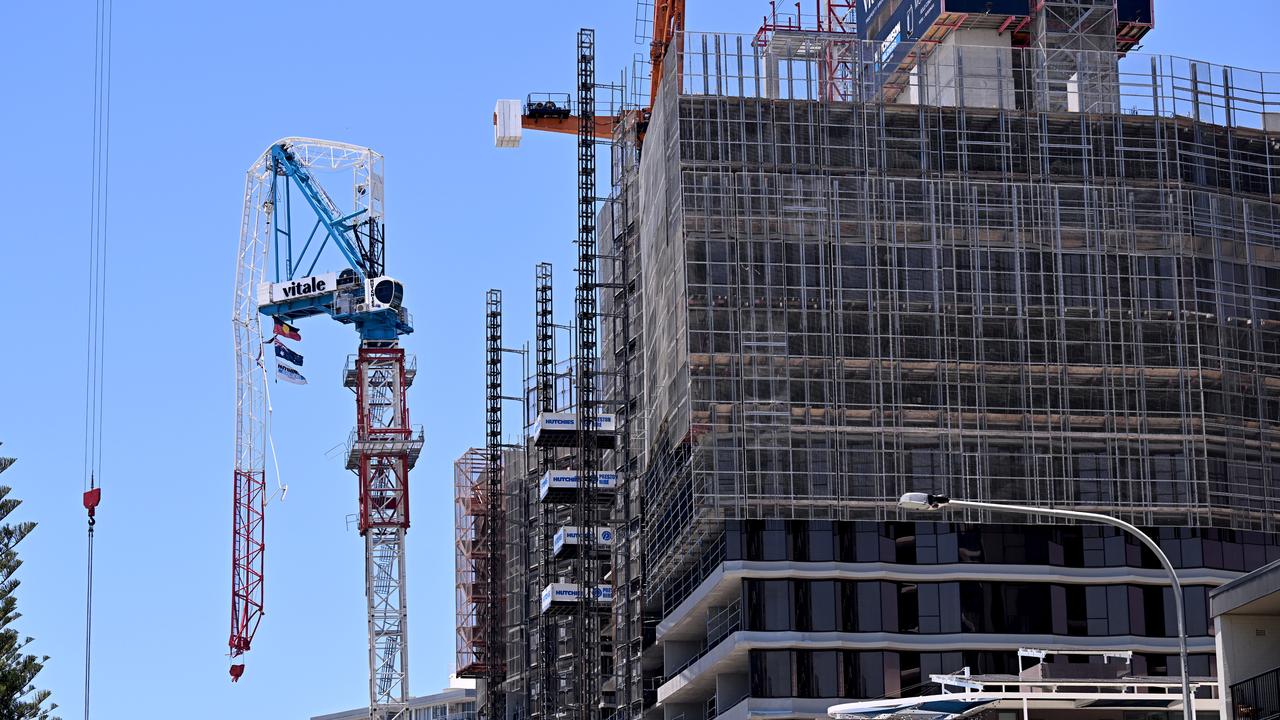
Construction costs for mid‑ to high‑end hotels have risen close to 40 per cent since 2019, with a further 18 per cent increase expected across 2026 and 2027, according to CBRE.
“The gap between what a hotel costs to build and what it can earn is widening every month,” Ms Gibson said.
“Projects that didn’t stack up last year stack up even less today. The market is performing – the economics of building are broken.”
Room‑night demand in past Olympic host cities has usually been higher in the second and third years after the games than during the event itself, according to the report.
Queensland’s hotel pipeline needs to cover the decade after 2032, not just the two weeks of competition, the Property Council said.
UN lowers forecast for global economic growth in 2026
Responding to Middle East crises and rising oil prices, the United Nations has lowered its forecast for global economic growth and raised the prospects for inflation this year.
Global GDP growth is now forecast at 2.5 per cent for 2026, down from 2.7 per cent in January, and UN economists said it could fall to only 2.1 per cent “in a more adverse scenario”.
That would be one of the weakest growth rates this century, outside of the COVID-19 pandemic and the global financial crisis of 2008, Shantanu Mukherjee, director of economic analysis in the UN Department of Economic and Social Affairs, said at a news conference on Tuesday.
Global inflation is projected to rise to 3.9 per cent in 2026, 0.8 per cent higher than forecast in January, before the US and Israel launched airstrikes on Iran.
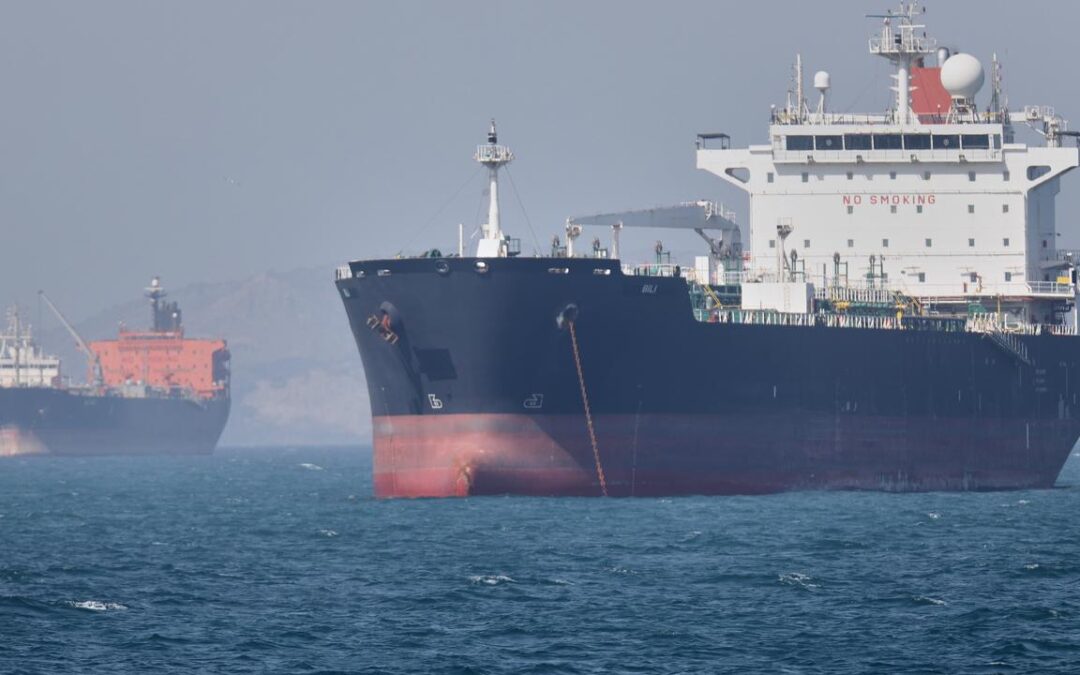
That nation responded by blocking the Strait of Hormuz, a critical waterway for shipments of oil, natural gas, fertiliser and other petroleum products.
“Increased energy prices are a potent factor, as are the prices of refinery products that are crucial to industrial production and commercial transport,” Mukherjee said.
But he stressed that not all countries will experience the same rate of inflation.
In richer developed countries, inflation is projected to rise from 2.6 per cent in 2025 to 2.9 per cent in 2026.
In developing countries, inflation is forecast to accelerate from 4.2 per cent to 5.2 per cent as higher costs for energy, transportation and imported goods erode real incomes.
with Reuters
The great housing giveaway: $11b windfall up for grabs
Australian taxpayers could be missing out on billions of dollars a year while wealthy landowners make out like bandits, amid efforts to tackle housing affordability.
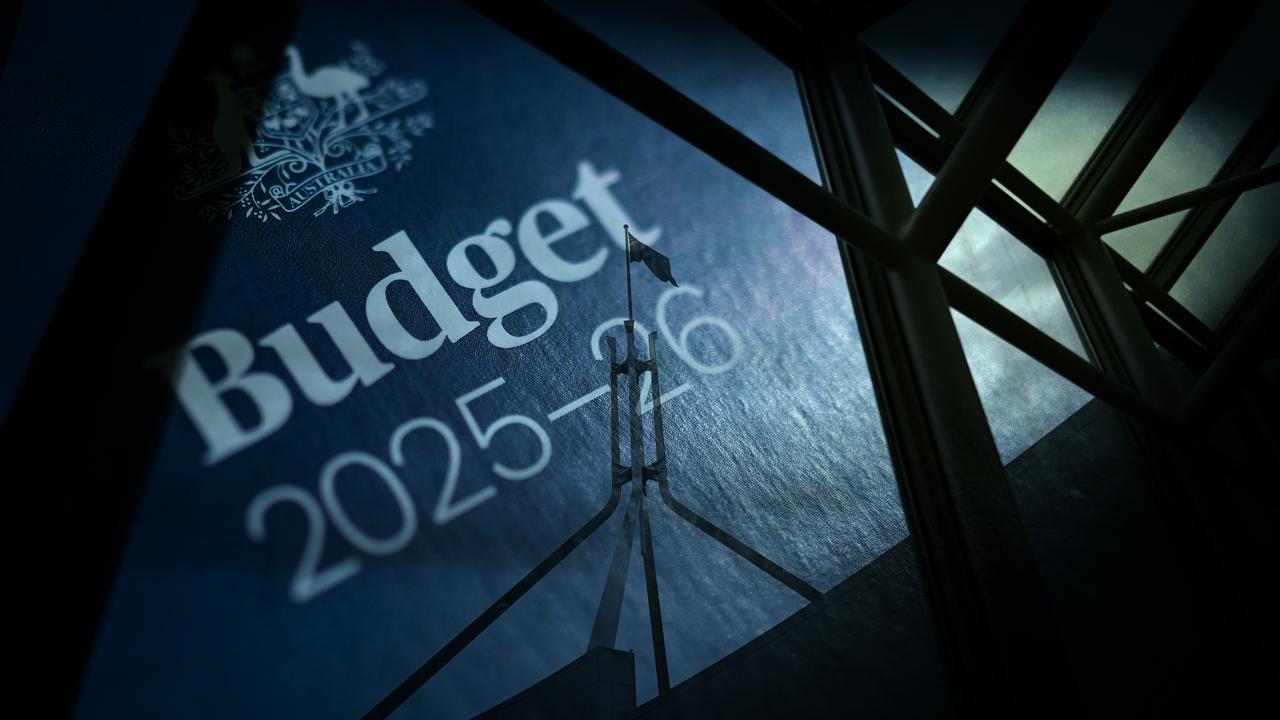
The Albanese government’s fifth budget attempted to reshape Australia’s tax settings in favour of owner-occupiers over property investors.
But it neglected to address a “deep unfairness” at the heart of the nation’s housing policy, according to a report released by think tank Prosper Australia on Wednesday.
In recent years, state and territory governments have been easing zoning laws, like raising maximum building height limits, in a bid to boost housing supply and ease affordability pressures.
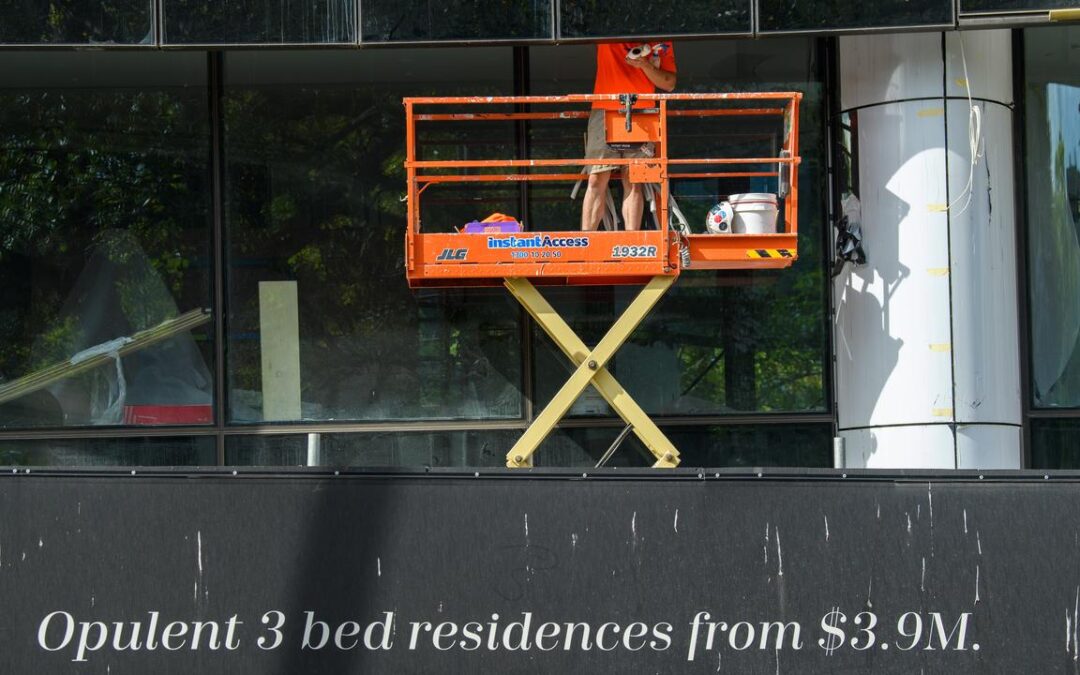
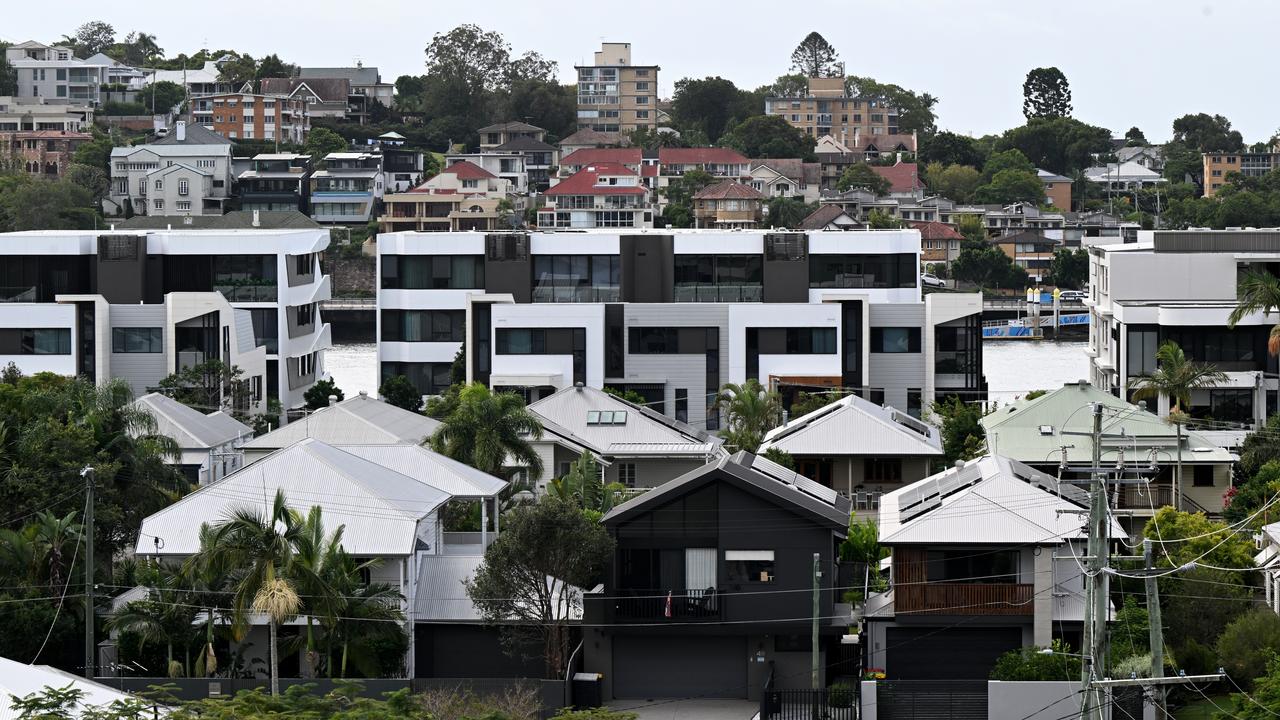
While upzoning is widely lauded by economists as an effective measure to boost supply, report authors Tim Helm and Henry Williams estimated it was also giving away $11 billion per year in windfall gains to property owners.
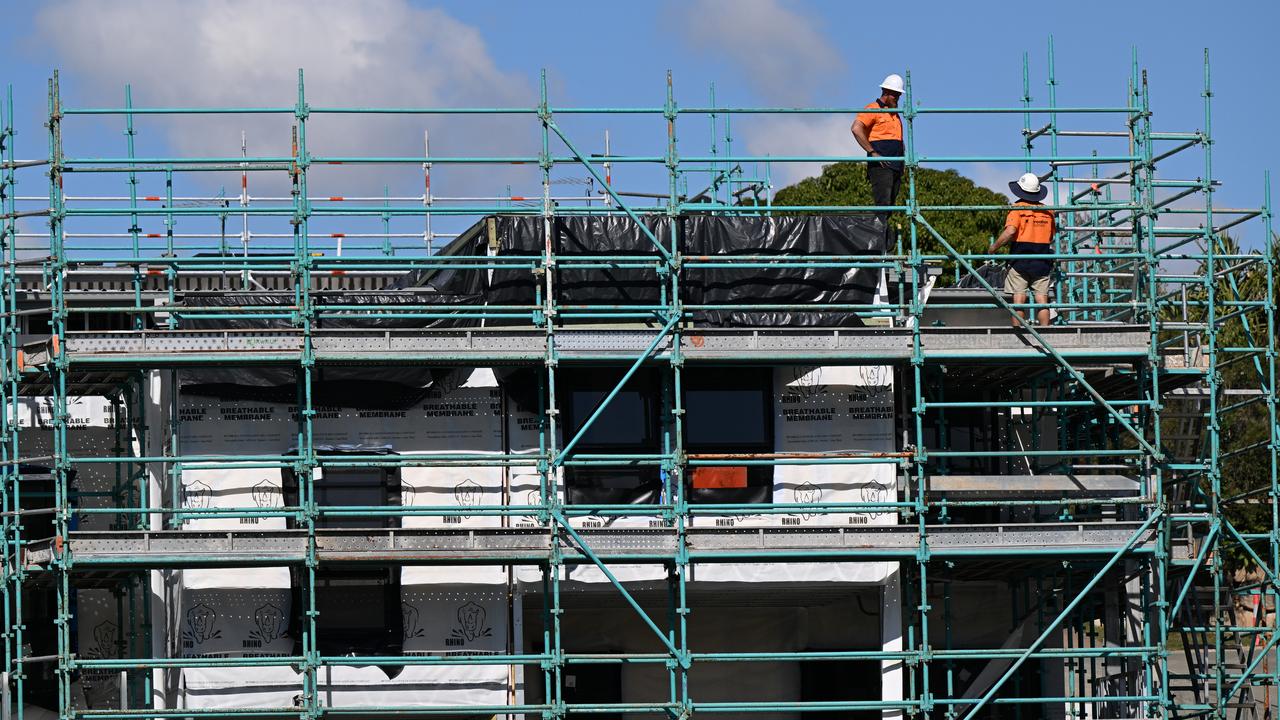
When a government raises the height limit that a property owner can build on their land, it is essentially giving away a public asset – the airspace above the land – for free, Dr Helm argues.
That results in an unearned increase in wealth for the owner.
For example, a 2016 report by Sydney’s Inner West Council found rezoning a block of land from industrial to eight-storey apartments increased the land value from $2 million to $10.7 million.
“We think development rights are legally and ethically the property of the community, and when we give them away through planning improvements without charging fair market price for them, it’s transferring wealth to private landowners,” Dr Helm told AAP.
He called on state governments to impose a 75 per cent levy on the increase in land value created by development rights, based on the ACT’s lease variation charge which has been in place in some form for over 50 years.
The extra revenue could be used to abolish stamp duty for every first home buyer or build almost 200,000 new social housing dwellings, he said.
Dr Helm said the charge would not discourage new supply.
By only applying the charge to the excess profit created by upzoning, the landowner still keeps all the return from developing the property, plus an extra 25 per cent of the development right windfall.
Despite the levy, the ACT has built more dwellings per capita than any other jurisdiction over the past 15 years, with 12.2 dwellings per 1000 residents, compared to the national average of 8.2.
But the charge has long been a bete noire of the ACT property industry.
In practice, Property Council ACT executive director Ashlee Berry said the levy was adding to developers’ feasibility challenges and limiting new supply.
“At the end of the day, a developer is buying a parcel of land, putting in their investment, their capital, and ultimately taking risks to deliver homes for other people,” she said.
“We don’t agree with that premise that there needs to be some sort of windfall gain tax on that, because they’re already paying so much in taxes across the spectrum.”
Ms Berry pointed to a residential development in Canberra’s Dairy Road precinct, which has been bogged in protracted court proceedings after the ACT government slapped a $101 million lease variation charge on the proposal, which would have made it unviable.
‘Making more’: why young people will keep investing
Holly Nebauer is waiting for a call from a real estate agent as her daughter, three-year-old Indy, plays at her ankles.
The 31-year-old and her fiance are hoping to secure their forever home in Bungendore, about 40 kilometres out of Canberra.
It will be the third property the couple has bought since 2020, having sold their first one. They expect to list their current house on the market soon.

Their first home, a two-bedroom, two-bathroom townhouse in Canberra’s north, cost $466,000 at the start of the pandemic and sold for almost $200,000 more a year-and-a-half later.
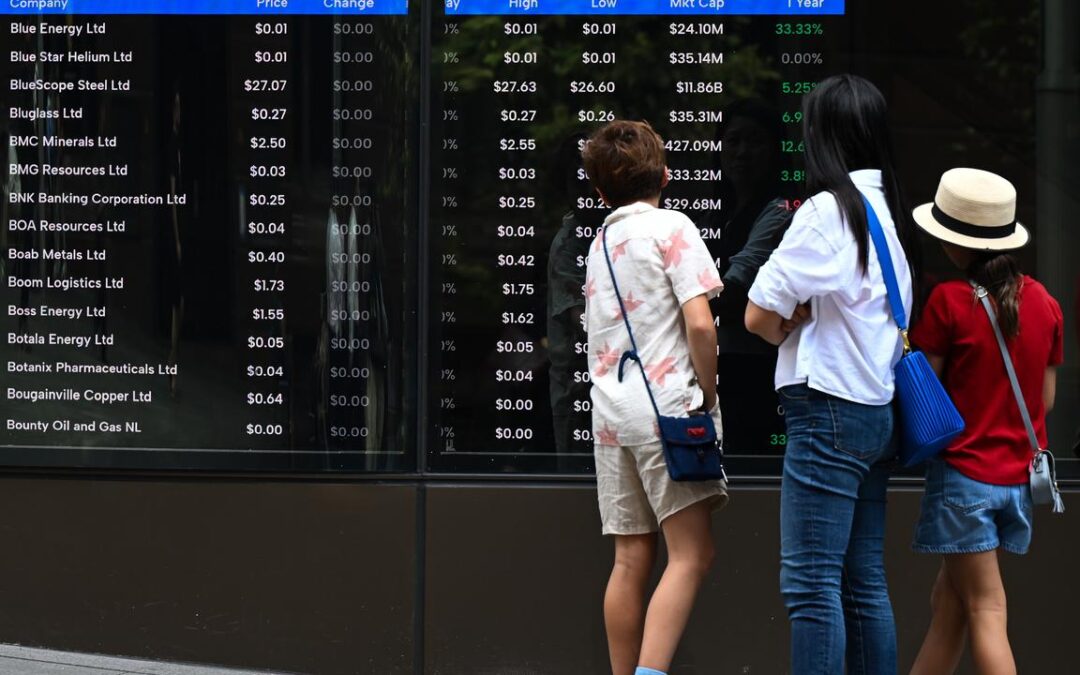
Ms Nebauer says she had invested in the share market as a way to buy property and is now coaching her little sister to do the same, despite federal budget changes to the capital gains tax and negative gearing.
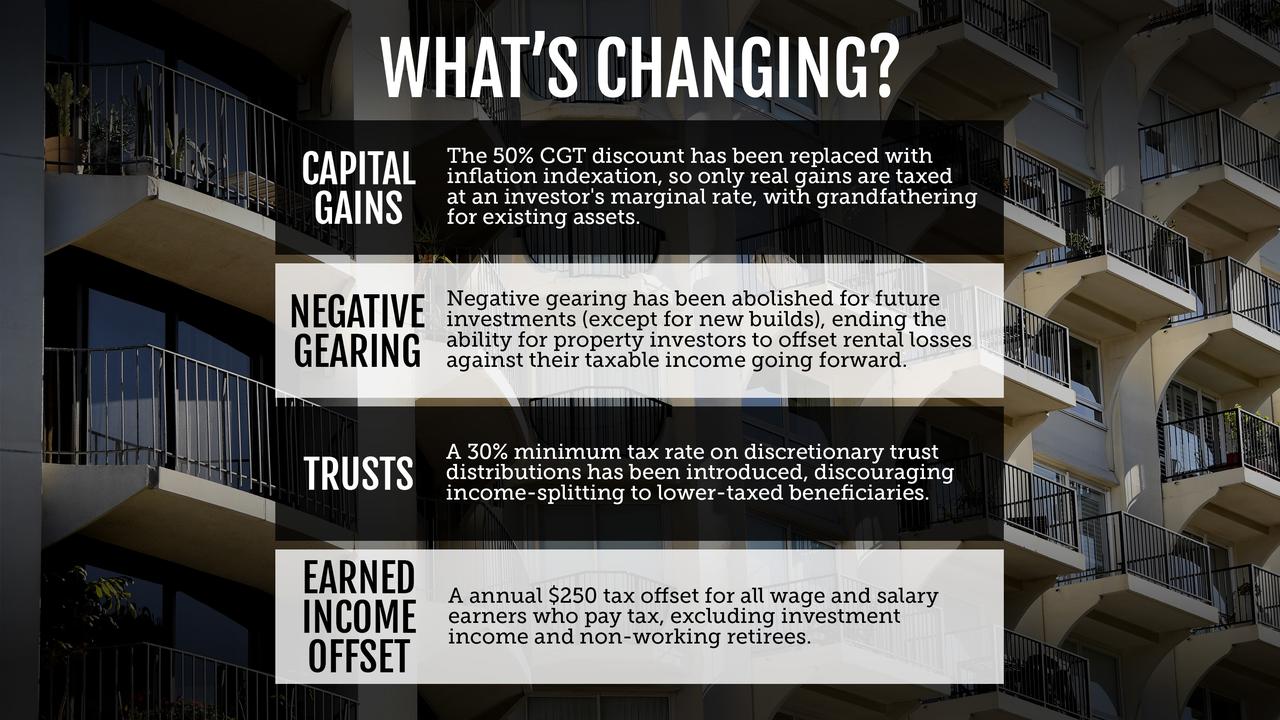
A flat 50 per cent discount on capital gains will be removed from July 2027 and replaced with an indexed, inflation-based discount, with a minimum tax of 30 per cent.
The Albanese government has been criticised for breaking election promises with the changes.
The decision to include investments, not just housing, took Ms Nebauer by surprise.
“But we knew as a society that something had to change,” she told AAP.
“I imagine I’ll still be making more on my investments than I would be if I had all my money sitting in the bank.”
The chief executive of investment company Raiz, Brendan Malone, said the government’s proposed changes would still allow young Australians to make money if they do not panic and consider shifting their investments.
He expects more activity in dividend-paying stocks, which are likely to perform better than high-growth stocks. They may even perform better than they did under the prior discount.
“Being in the market, no matter what the market does, will put you in a much better position over time,” Mr Malone says.
But it’s a sentiment that contrasts with what coalition politicians believe.
Shadow treasurer Tim Wilson will outline his response to Labor’s “bad faith budget” in a speech at the National Press Club on Wednesday.
“Where we should have got unity, we had the prime minister stoke fights around the kitchen tables of the nation,” he will say.
“And where we should have got a path for growth, we got the politics of redistribution and resentment.”
Mr Wilson will pledge the coalition will consult on a Small Business Act, with four key pillars.
This includes a single definition for a small business, and a provision that each new law require a small business regulatory impact statement to provide a pathway for feedback.
“We will replace Labor’s pessimism with Liberal optimism,” he will say.
“A nation where the taxpayers are respected, hard work pays off, and Australians feel in control of their lives.”
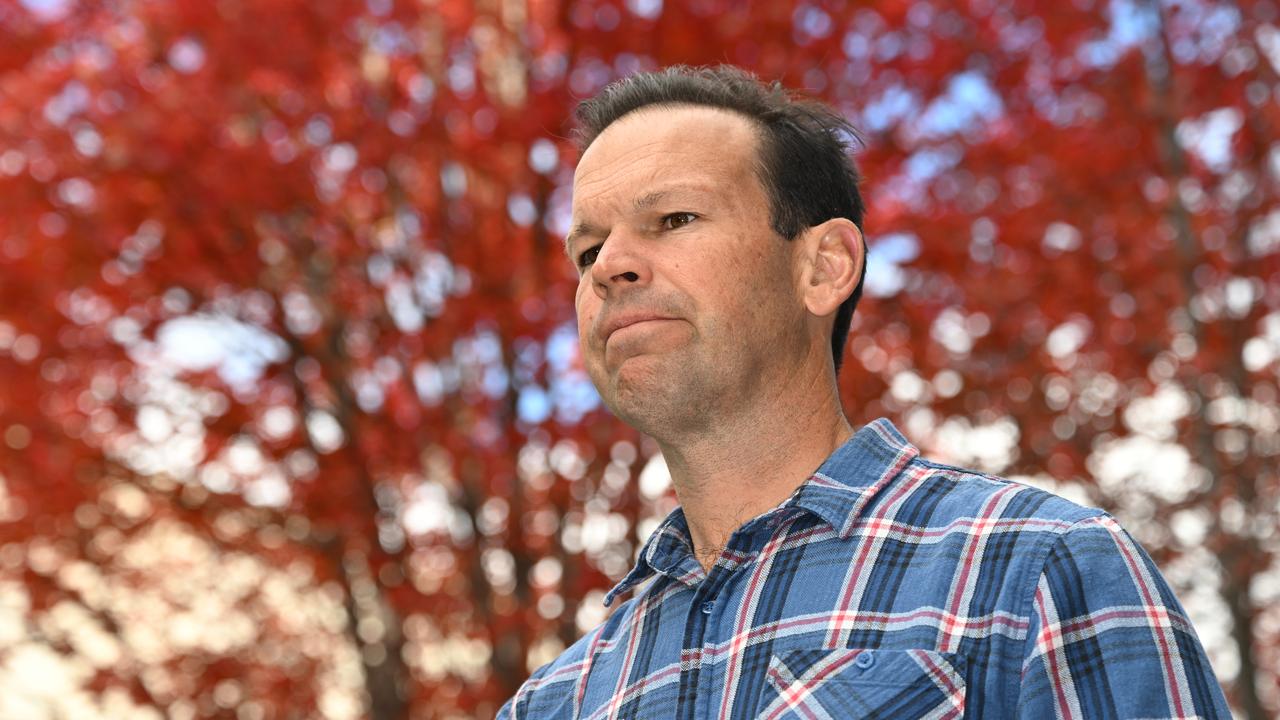
Nationals leader Matt Canavan will also deliver a speech, arguing at the Rural Press Club the government’s new tax settings are a “fundamental breach” of Australian’s rights, given they undo election promises made by the Albanese government.
“The Labor Party has no mandate for these taxes. They should be opposed in the parliament for that reason alone,” he will say.
Former governor-general Peter Hollingworth dead at 91
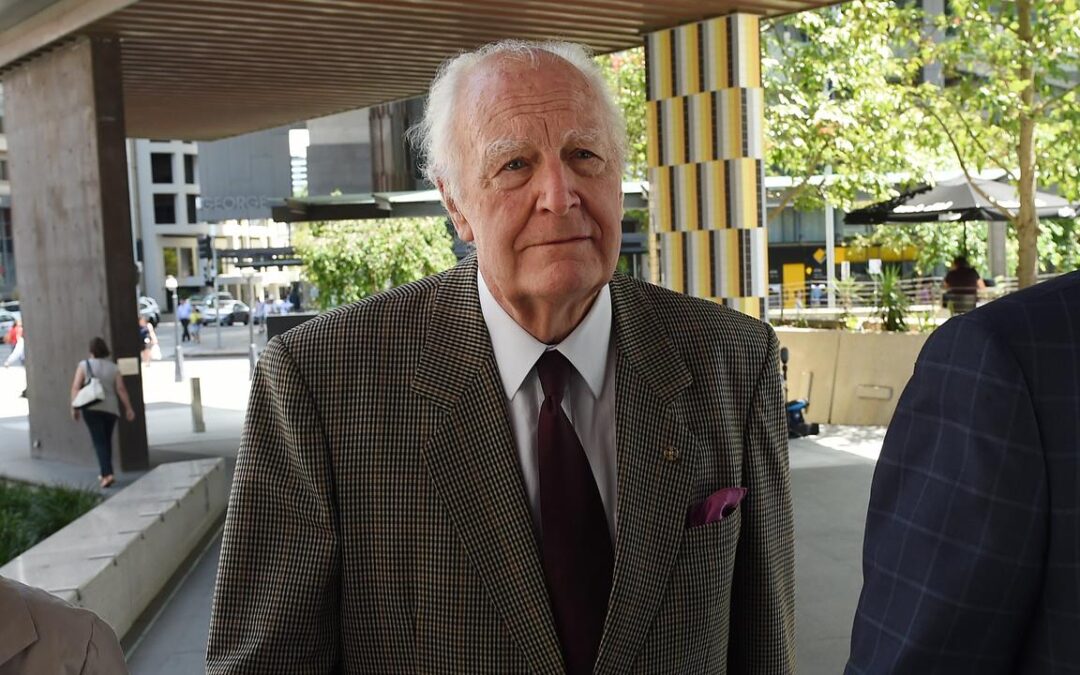
Former governor-general Peter Hollingworth, who resigned over his handling of child sexual abuse in the Anglican Church, has died.
Dr Hollingworth, who devoted much of his life to fighting poverty, served as the Anglican archbishop of Brisbane for 11 years from 1990.
He died on Tuesday, aged 91.
Appointed governor-general in 2001 by former Liberal prime minister John Howard, Dr Hollingworth used his position to advocate for Indigenous rights and disadvantaged people.
But he spent less than two years in the role before being forced to resign.

In 2003, a board of inquiry into the handling of complaints of sexual abuse in the Anglican Diocese of Brisbane found that Dr Hollingworth, as archbishop, failed to act on knowledge of abuse.
He allowed two priests Donald Shearman and John Elliot to remain in the church despite knowing they had sexually assaulted children.
A church inquiry in 2023 found he had committed misconduct by allowing the pedophiles to remain in the church but said he remained fit for ministry.
Dr Hollingworth accepted the investigation’s findings, saying he “made mistakes and I cannot undo them” but had committed no crimes.
In a statement on Tuesday, Anglican Archbishop of Brisbane Jeremy Greaves said the church sent its condolences to Dr Hollingworth’s family.
“Anglican Church of Southern Queensland acknowledges with deep regret the past failings of the church,” he said.
“(It) apologises unreservedly to those who have suffered abuse, distress, isolation, and harm caused by the church’s failure to respond with integrity and care when it was needed most.”
Dr Hollingworth was named Australian of the Year in 1991.
He announced in 2023 he would no longer practise as an Anglican priest to “end distress” for survivors.
1800 RESPECT (1800 737 732)
National Sexual Abuse and Redress Support Service 1800 211 028