
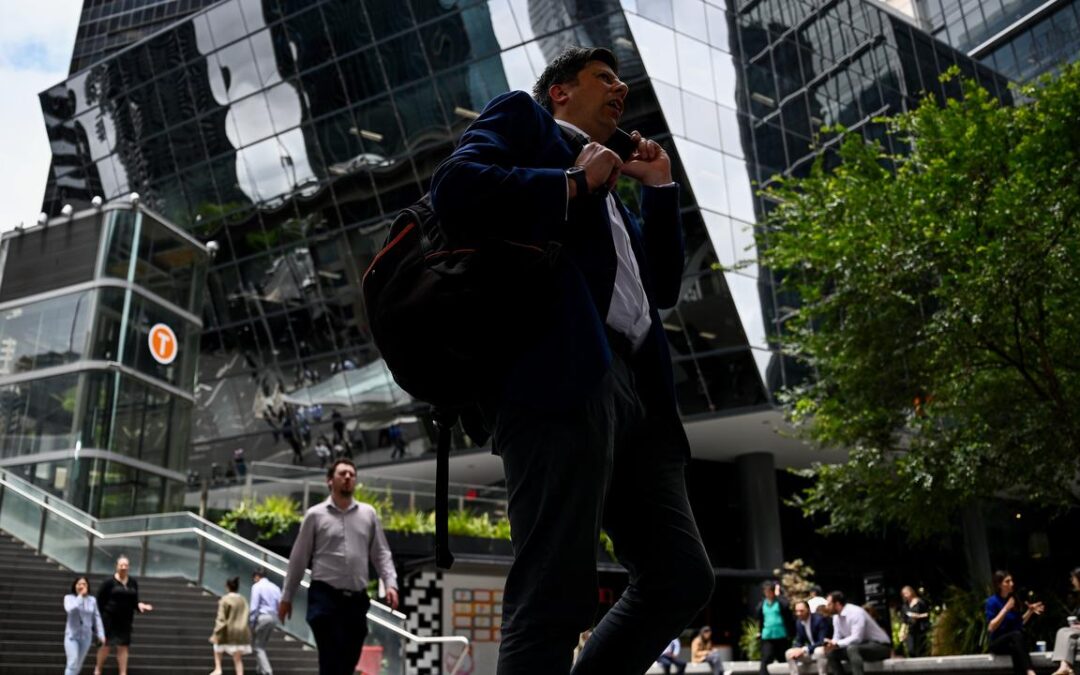
Jobs market holds key to next Reserve Bank rates call
An uptick in Australia’s unemployment could scare the Reserve Bank off more rate hikes as fears grow about the impact of the Iran war on the economy.
The jobless rate is expected to remain at 4.3 per cent, with another 20,000 jobs added for April, when the Australian Bureau of Statistics releases the results of its latest Labour Force survey on Thursday.
“A resilient outcome in line with expectations would support the case for further RBA rate hikes in the months ahead,” IG market analyst Tony Sycamore said.
“A noticeably softer result, however, especially one that sees the jobless rate edge toward 4.5 per cent, would see the rates market dial back expectations for additional rate hikes later this year.”
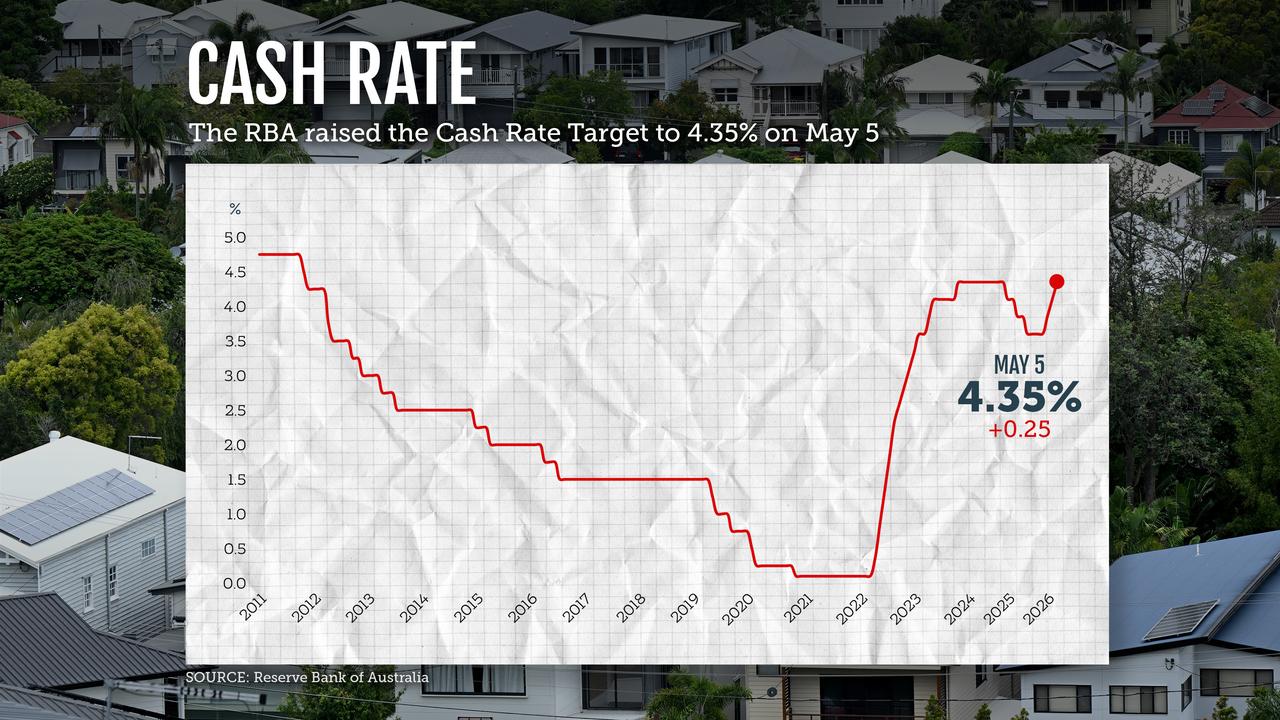
Money markets were pricing in about a one-in-10 chance of a hike at the next RBA meeting in June but had fully priced in one rate rise by November.
Minutes from the central bank’s meeting earlier in May, released on Tuesday, showed most board members still agreed fighting inflation was the priority, even though the risks to economic activity and employment were gathering.
Market economists also warned of worsening impacts on the labour market the longer the Iran war drags on.
That poses a dilemma for the Reserve Bank board, which must balance the dual priorities of keeping price growth under control and targeting full employment.
Commonwealth Bank on Wednesday downgraded its economic growth forecast from 1.9 per cent to 1.6 per cent by the end of 2026 and upgraded its peak unemployment forecast from 4.4 per cent to 4.6 per cent.
“That leaves the RBA facing a difficult trade-off,” said CBA economists Belinda Allen, Ashwin Clarke and Harry Ottley in a research note.
“Inflation was already running too hot and will go higher from here. At the same time, growth is likely to slow over coming months, which should bring demand more into line with supply and gradually reduce price pressures.”

The labour market was still showing resilience in April data released by online jobs marketplace SEEK.
Job ads increased 0.2 per cent over the month, while advertised salary growth rose 0.4 per cent.
Importantly, the growth in jobs ads was broad-based across every state and territory, except the ACT, SEEK chief economist Blair Chapman said.
“While this is positive, we shouldn’t underestimate the headwinds still facing Australian businesses,” he said.
“With inflation rising and fuel costs driving up business and living cost pressures, hiring confidence is understandably muted as we head into the final months of the financial year.”
Samsung union suspends strike as tentative deal reached
Samsung Electronics’ union says it will suspend a planned strike after the two sides reached a tentative pay deal, potentially averting action that threatened to disrupt the production of AI and other chips.
The labour union suspended the planned 18 days of strike action – scheduled to begin on Thursday – by nearly 48,000 of its members to put the tentative agreement to a vote by its members.
The vote will take place from May 22 to 27, union leader Choi Seung-ho told reporters.
An earlier notice posted on the union’s website had said it would happen from May 23 to 28.
Samsung Electronics said in a separate statement that the two parties had reached a tentative agreement on wages and collective bargaining and pledged to “build mature and constructive labour-management relations”.
The 11th-hour deal came after days of talks that broke down multiple times, including earlier on Wednesday when the union announced that it would go ahead with the strike.
Talks restarted later in the day after South Korean Labour Minister Kim Young-hoon stepped in to mediate.
The two sides had been at odds over how performance bonuses would be distributed between the conglomerate’s hugely profitable memory business and loss-making logic chip businesses, Reuters has previously reported.
Choi said they had agreed on how to distribute profit to loss-making businesses and would publish details of the tentative plan on the union’s website shortly.
He expects the union members to approve the wage deal, he added.
“We will do our utmost to stabilise labor-management relations at Samsung Electronics going forward,” he said.
Samsung accounts for almost a quarter of South Korea’s exports and is also the world’s largest memory chip maker so production disruptions risk fuelling price rises at a time when the AI boom has caused shortages.
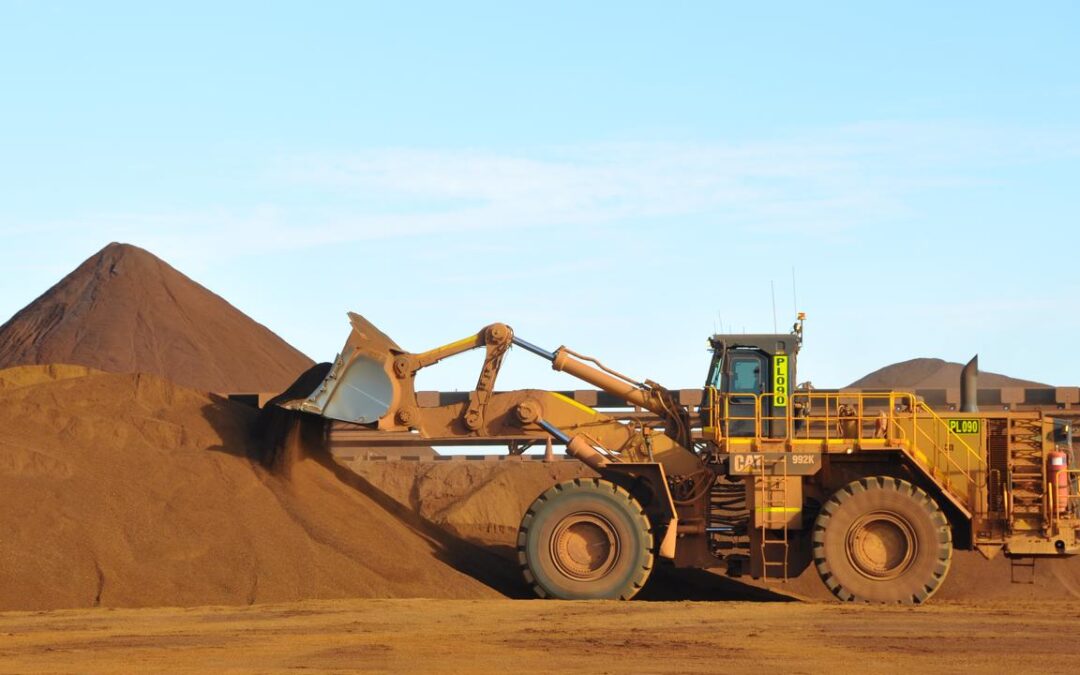
Australia’s mining sector burning through more diesel
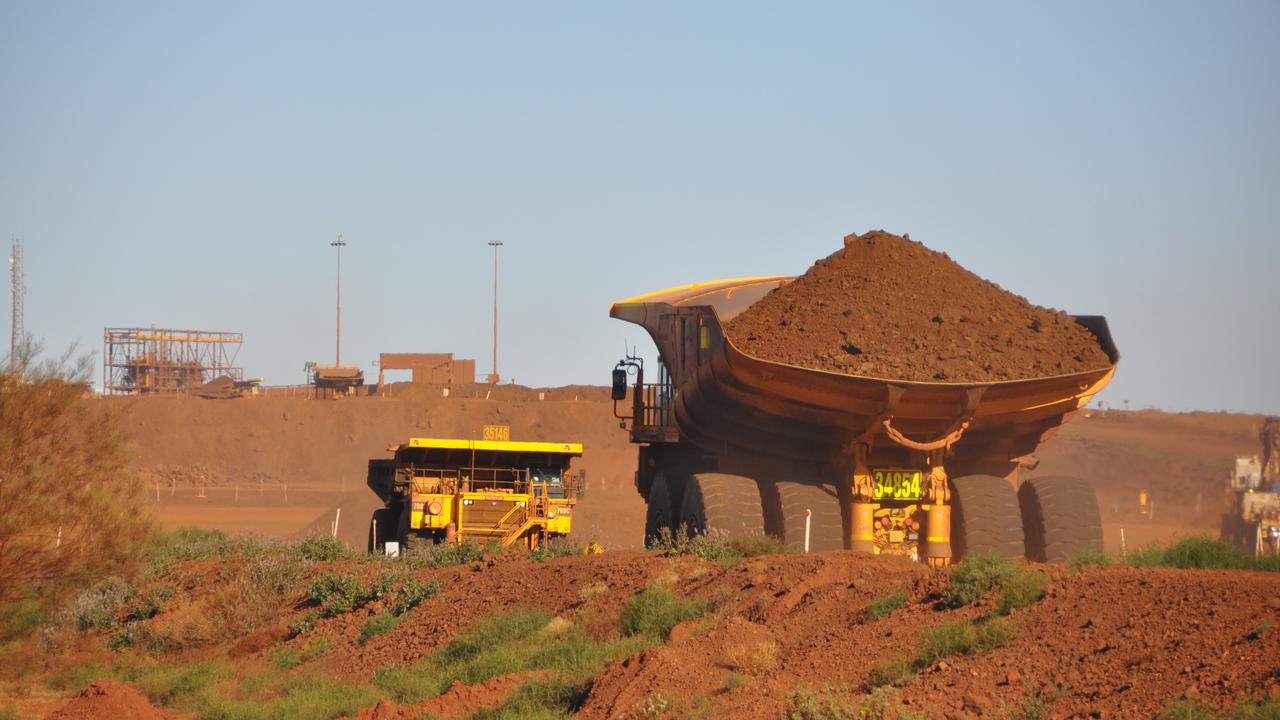
Australia’s mining industry is using a quarter more diesel than it did four years ago just to achieve the same output, despite fuel shortages crippling the nation.
Every major Australian coal mining company is using more fuel now than in 2021/22, modelling from the Institute for Energy Economics and Financial Analysis shows.
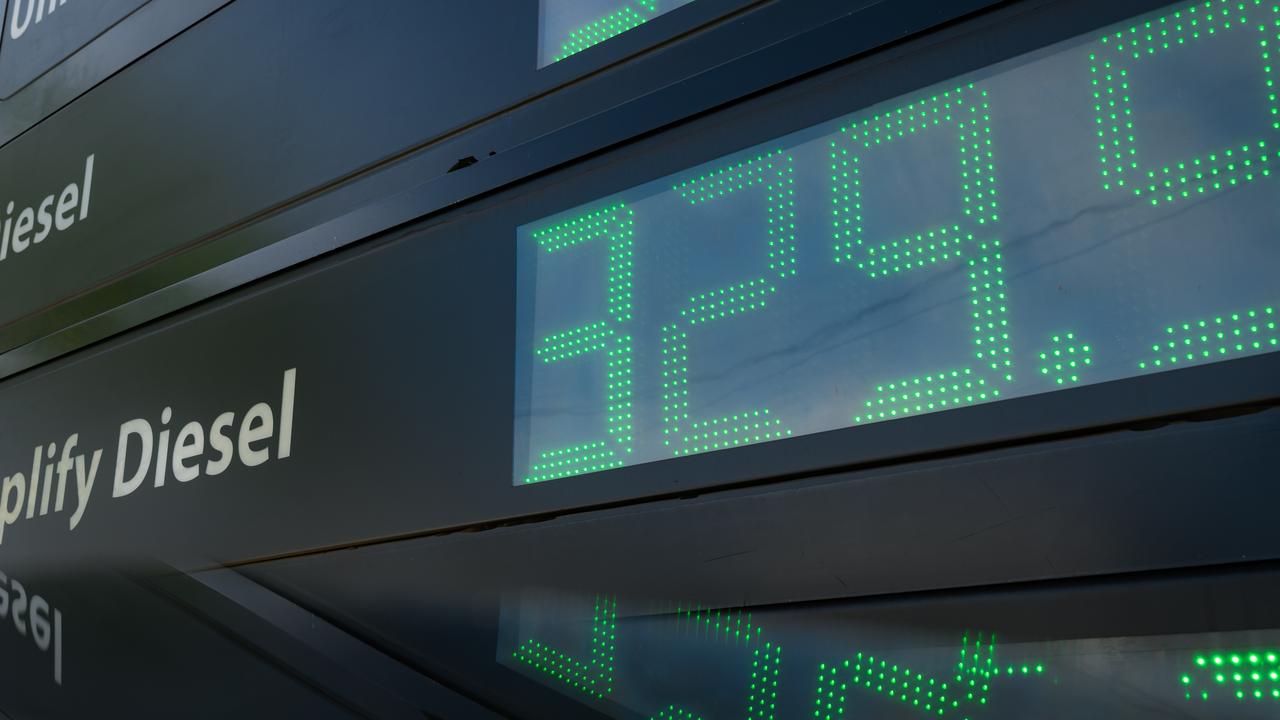
But even as the price of diesel skyrockets due to the closure of the Strait of Hormuz, fuel intensity rates are locked in, due to Australia’s mining sector not yet having the ability to move to alternatives.
Workers also have to dig deeper in open-cut mines to reach coal seams than they did in previous years.
With large volumes of dirt and rock having to be removed, more fuel is burned as a result
“The main solutions tend to be electrification or alternative fuels, such as biofuels or hydrogen-based fuels, but the most promising solutions vary depending on the sector considered, and so does their maturity,” the institute’s Australian chief executive Amandine Denis-Ryan said during an online panel.
“One of the challenges is access to large new volumes of electricity in often remote sites.”
Despite that, Australia has the lowest stockpile of all 32 International Energy Agency members and about half the volume recommended.
“That is really telling in an agency like this where we have a very large oil shock in terms of supply, given the closure of the Strait of Hormuz,” the Institute’s energy finance analyst Kevin Morrison said.
“That’s why we have seen a lot of energy diplomacy by Australian politicians to secure more supplies,”
The government’s discount on the fuel excise duty, which shaves 26 cents off a litre, will expire at the end of June.
Ms Denis-Ryan said consumers were likely to feel the pinch of rising diesel prices at the bowsers.
While Australia’s indexed demand for diesel has climbed rapidly over the last decade, the demand for petrol is quite stable.
Australia’s mining sector burning through more diesel
Australia’s mining industry is using a quarter more diesel than it did four years ago just to achieve the same output, despite fuel shortages crippling the nation.
Every major Australian coal mining company is using more fuel now than in 2021/22, modelling from the Institute for Energy Economics and Financial Analysis shows.
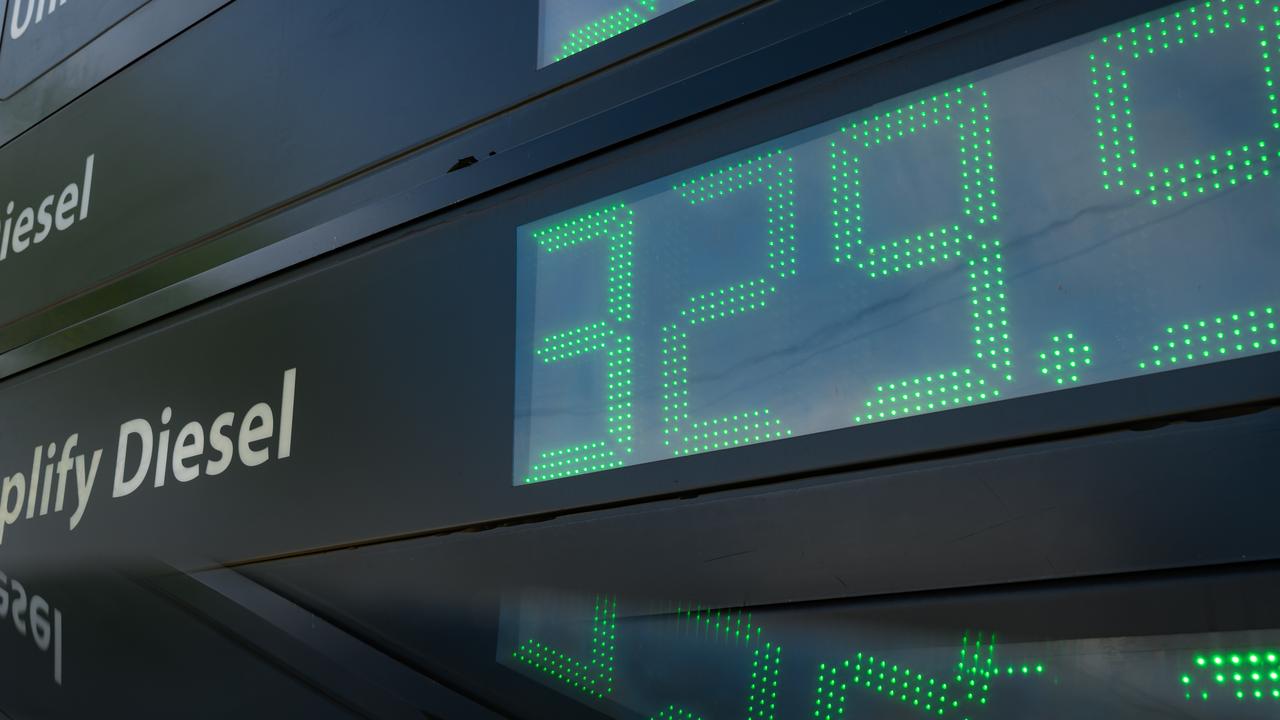
But even as the price of diesel skyrockets due to the closure of the Strait of Hormuz, fuel intensity rates are locked in, due to Australia’s mining sector not yet having the ability to move to alternatives.
Workers also have to dig deeper in open-cut mines to reach coal seams than they did in previous years.
With large volumes of dirt and rock having to be removed, more fuel is burned as a result
“The main solutions tend to be electrification or alternative fuels, such as biofuels or hydrogen-based fuels, but the most promising solutions vary depending on the sector considered, and so does their maturity,” the institute’s Australian chief executive Amandine Denis-Ryan said during an online panel.
“One of the challenges is access to large new volumes of electricity in often remote sites.”
Despite that, Australia has the lowest stockpile of all 32 International Energy Agency members and about half the volume recommended.
“That is really telling in an agency like this where we have a very large oil shock in terms of supply, given the closure of the Strait of Hormuz,” the Institute’s energy finance analyst Kevin Morrison said.
“That’s why we have seen a lot of energy diplomacy by Australian politicians to secure more supplies,”
The government’s discount on the fuel excise duty, which shaves 26 cents off a litre, will expire at the end of June.
Ms Denis-Ryan said consumers were likely to feel the pinch of rising diesel prices at the bowsers.
While Australia’s indexed demand for diesel has climbed rapidly over the last decade, the demand for petrol is quite stable.

Surging lithium price prompts mines to restart, M&A
Shuttered lithium mines are restarting production and merger and acquisition activity is picking up as the price of the key component in portable electronics rebounds.
Core Lithium on Wednesday announced it had recommenced mining at its Finniss lithium operation south of Darwin, which had been placed into care and maintenance mode in mid-2024 after just two years of operations.
The first ore is expected to be processed in the September quarter, with a first shipment targeted for the December quarter, managing director Paul Brown said.
A day earlier, Mineral Resources said it would restart production at its Bald Hill lithium mine in Western Australia, which was similarly placed in care and maintenance mode in November 2024.
The restart is expected to create around 370 new jobs, Mineral Resources said.
“With strong and sustained demand for spodumene concentrate driving a significant recovery in prices, the time is right to restart operations at Bald Hill,” said managing director Chris Ellison.
PLS Group, meanwhile, is scheduled to resume production at its Ngungaju hard-rock lithium processing facility in early July, after putting the WA operation into care and maintenance mode in late 2024.
PLS, formerly known as Pilbara Minerals, announced that restart in February and has been actively hiring for fly-in, fly-out positions at the plant south of Port Hedland.
Australia’s lithium mines produce spodumene concentrate, a hard-rock lithium ore that is shipped to China for processing into lithium carbonate or lithium hydroxide, an essential component of the lithium-ion batteries used to power electric vehicles, smartphones and other devices.
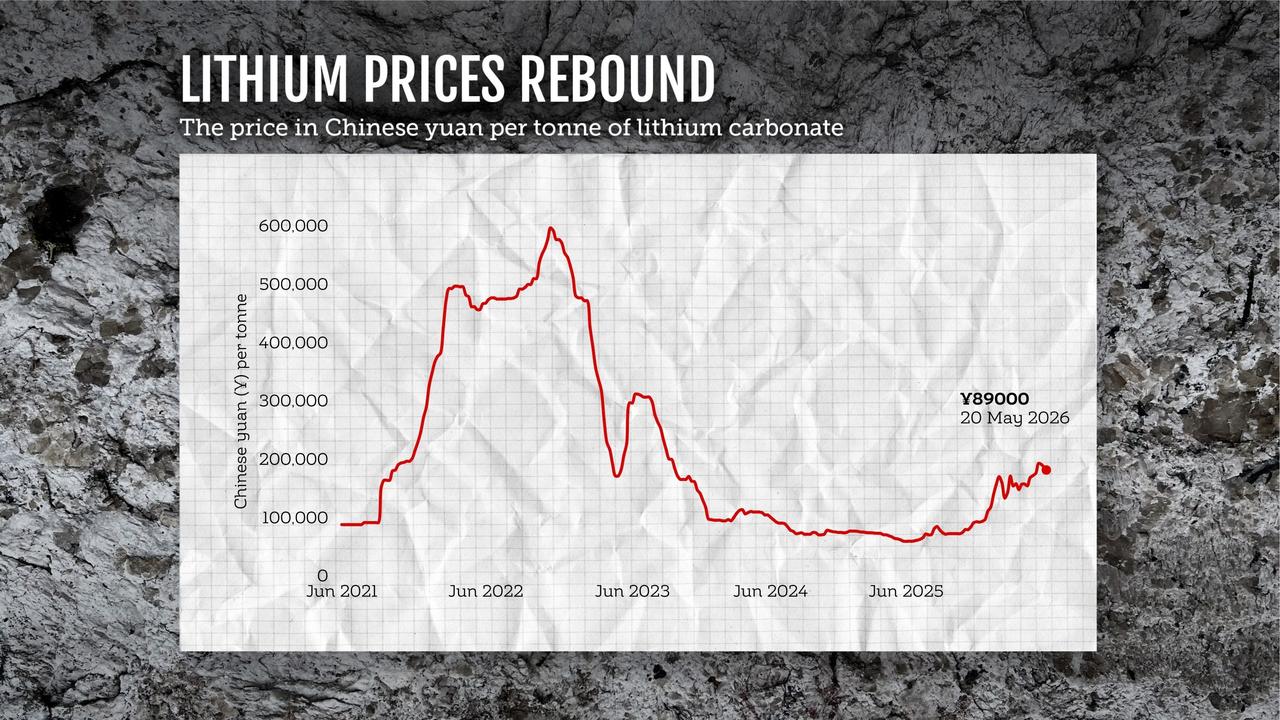
Lithium prices have followed a classic boom-and-bust cycle typical in commodity markets.
Prices took off in 2022 amid surging demand for electric vehicles, but then cratered the following year as a rush of investment into lithium production in Australia, South America and China oversupplied the market.
After a brutal three-year bear market, lithium prices have picked up back up again, recently hitting their highest level since mid-2023.
That resurgence has also led to more M&A activity of ASX-listed lithium developers.
On Tuesday, Perth-headquartered European Lithium agreed to be acquired by Nasdaq-listed Critical Metals Corp in an all-scrip transaction valuing the company at $835 million, a 136 per cent premium.
Earlier in May, Africa-focused lithium developer Atlantic Lithium agreed to be acquired by a Chinese company for $US210 million ($292 million), a 26.6 per cent premium.
Xi and Putin meet to reaffirm China-Russia ties
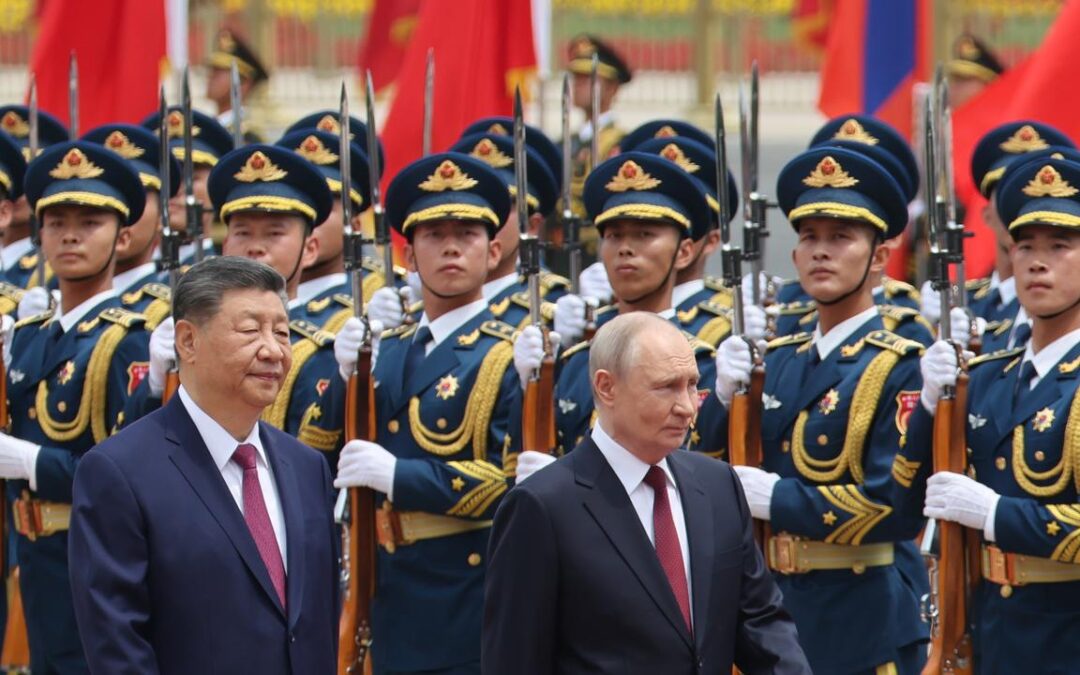
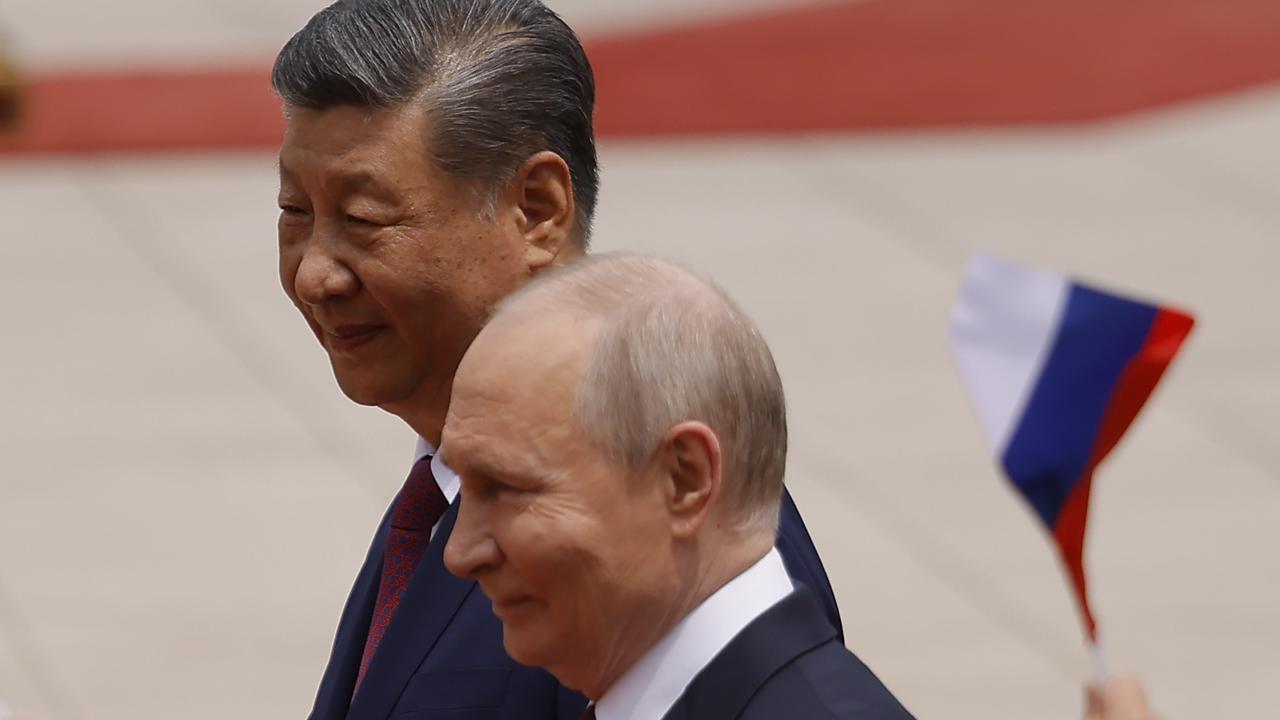
Chinese leader Xi Jinping has welcomed Russian President Vladimir Putin in Beijing in a meeting meant to reaffirm ties and that takes place only days after a visit by US President Donald Trump to China.
Xi welcomed Putin with a ceremony at the Great Hall of the People on Wednesday.
The two delegations later held bilateral talks, to be followed by a ceremony for signing co-operation agreements.
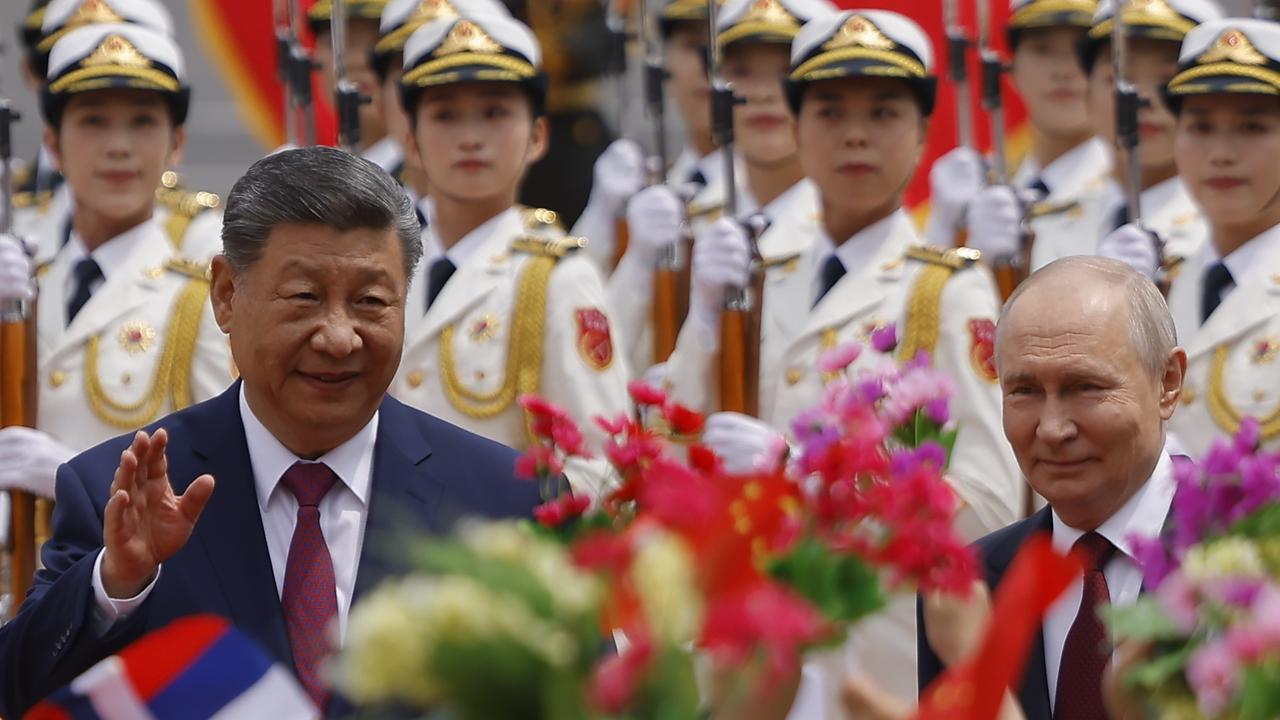
Putin’s visit comes just days after Trump’s own trip to Beijing – in a sequence that is meant to cement Beijing’s image as an influential superpower, experts say.
“The message is clearly one that China maintains friendship and strategic partnership with whichever power it likes, and the USA is just one of them,” said Steve Tsang, director of the SOAS China Institute at the University of London.
Russian presidential aide Yuri Ushakov said earlier that there was “no connection” between Trump and Putin’s visits, noting the trip by the Russian leader was agreed several days after Putin and Xi spoke via videoconference on February 4.
The Russian and Chinese leaders are set to discuss energy and security as well as their overall ties.
The two sides agreed to extend a friendship treaty first signed in 2001, Chinese state media reported.
China became Russia’s top trading partner following after Moscow’s full-scale invasion of Ukraine in 2022.
Beijing has said it is neutral in the conflict while maintaining trade ties with the Kremlin despite economic and financial sanctions by the US and Europe.
China is the top customer for Russian oil and gas supplies, and Moscow expects the war in Iran to increase the demand. China also has ignored demands from the West to stop providing high-tech components for Russia’s weapons industries.
Ushakov said Russia’s oil exports to China grew by 35 per cent in the first quarter of 2026 and that Russia is one of the biggest exporters of natural gas to China.
During “the crisis in the Middle East,” Russia remains a reliable energy supplier and China is a “responsible consumer,” Ushakov said.
Putin noted earlier this month that Moscow and Beijing have reached “a very substantial step forward in our co-operation in the oil and gas sector”.
“Practically all the key issues have been agreed upon,” he said.
“If we succeed in finalising these details and bringing them to a conclusion during this visit, I will be extremely pleased.”
Putin also praised their bilateral relationship as a crucial, balancing force in international relations.
“Interaction between such nations as China and Russia undoubtedly serves as a factor of deterrence and stability,” he said.
Moscow welcomes China’s dialogue with the US as another stabilising element for the global economy, Putin added.
“We stand only to benefit from this, from the stability and constructive engagement between the US and China,” he said.
Former Rex boss admits misleading profit message
The former boss of regional airline Rex has admitted misleading investors by claiming the board was optimistic about delivering a profit, months before the carrier handed down a multi-million dollar loss.
In a surprise twist, former Rex executive chair Lim Kim Hai admitted the accusations levelled at him by the corporate watchdog in the NSW Supreme Court on Wednesday.
The Australian Securities and Investments Commission brought the case against Mr Lim and three other Rex directors, alleging they failed to amend a February 2023 statement citing profit optimism until just weeks before the end of the 2022/23 financial year, which resulted in a $31.7 million loss.
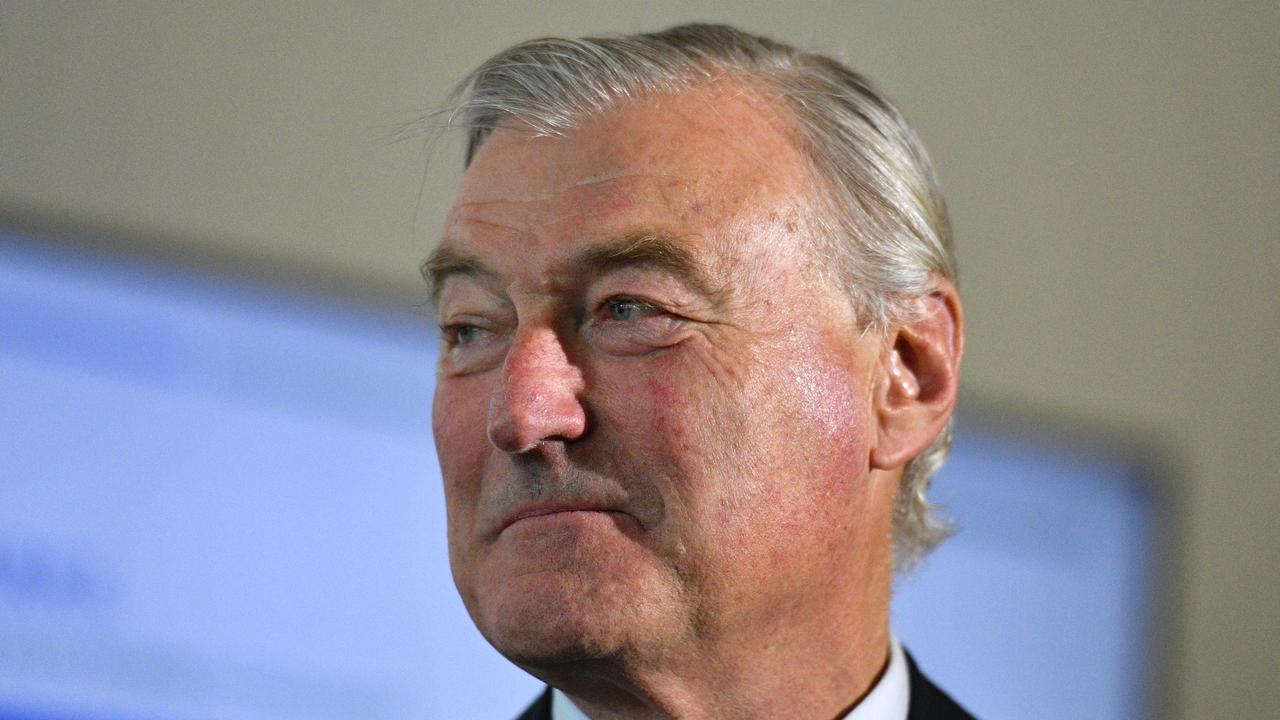
Mr Lim, former deputy chair John Sharp and directors Lincoln Pan and Siddharth Khotkar had collectively planned to contest the charges until Mr Lim made the admission during the morning court session.
“ASIC and Mr Lim will ask the court to impose pecuniary penalties and disqualification orders, as well as other orders, against Mr Lim,” the corporate watchdog said in a statement.
“The penalties and orders are subject to the court’s consideration and approval.”
Rex released a market statement on February 28, 2023, claiming it was optimistic the company would post positive operating profits for the financial year, barring external shocks.
Despite incurring multiple operating losses in the months before, the statement was not amended until June 20, 10 days before the end of the financial year.
Rex adjusted its guidance to a $35 million loss before ultimately posting a $31.7 million pre-tax operational loss for the year.
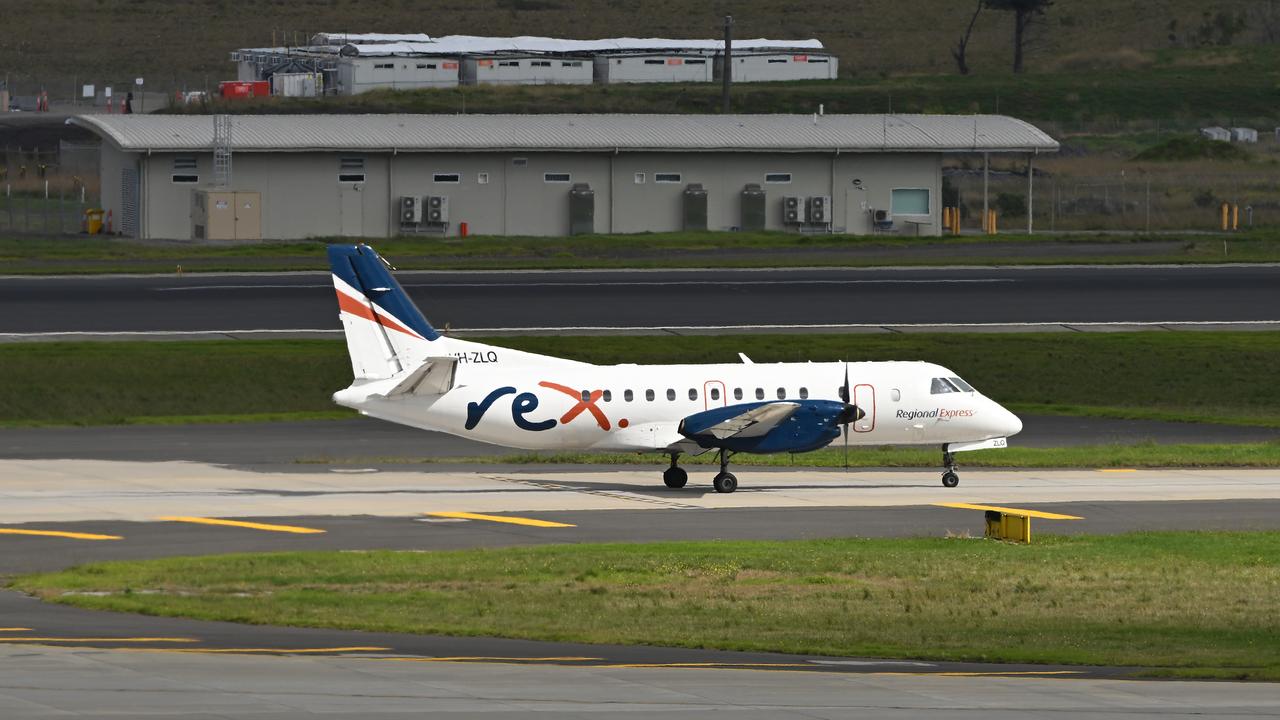
On Monday, the commission’s legal team described the initial profit claims as unreasonable, since Rex had less than five months to turn around months of operating losses, in a seasonally weak half for the domestic flight industry.
A separate breach of the airline’s disclosure obligations, relating to the expansion from regional services into domestic operations, led to a $66,000 fine in 2021.
Rex fell into administration in 2024 with about $500 million in debt and was later snapped up by US aviation group Air T via administrators EY in October 2025.
The carrier’s reported malfeasance has raised questions about the Albanese government extending it an $80 million lifeline and buying up $50 of its debt to keep regional routes running.
The matter against the remaining former board members is ongoing.

Samsung strike to disrupt supply of semiconductors
Samsung Electronics’ management and its labour union have failed to reach a deal, setting the stage for 48,000 workers to walk off the job.
The strike starting on Thursday threatens the health of South Korea’s economy and will likely disrupt the global supply of semiconductors.
Under intense pressure from the government and business groups to avert a strike, the two sides had sought to hash out a deal on bonus payments before the 18-day strike begins.
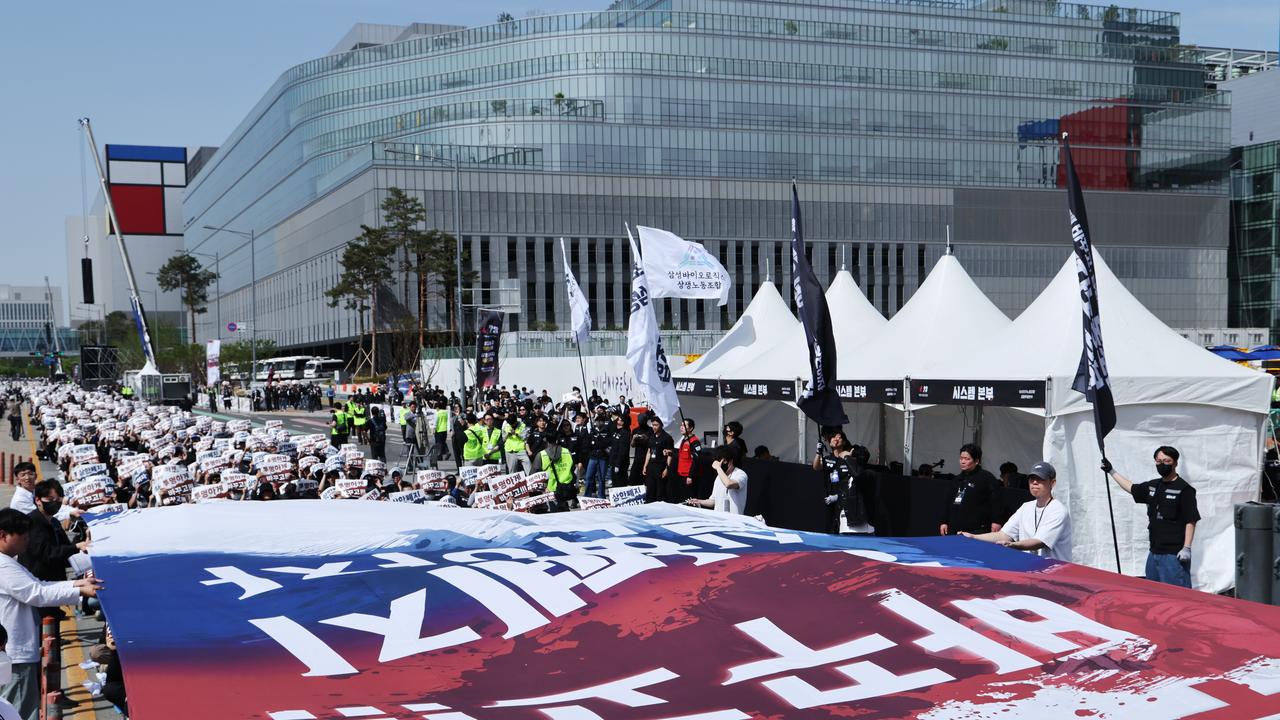
Union leader Choi Seung-ho said the strike would go ahead as management had not come round on one remaining sticking point in talks mediated by the government.
“I want to make clear that we had accepted the final proposal presented by government mediator,” he told reporters.
“We express deep regret and feel disappointed but the union plans to go ahead with the strike according to the law,” Choi said.
Samsung Electronics said in a statement on Wednesday the union had insisted on “unacceptable demands” that included the size of bonuses for loss-making units.
“The reason an agreement could not be reached …. is that accepting the labour union’s excessive demands would undermine the fundamental principles of company management,” it said.

Its shares were down 3.1 per cent after the news.
The union had demanded that Samsung abolish a cap on bonuses that stands at 50 per cent of annual salaries, allocate 15 per cent of annual operating profit to bonuses and that these changes be formalised beyond one year.
South Korea’s government threatened at the weekend to step in and order emergency arbitration, citing the adverse impact the strike could have on the economy.
The measure, which has been rarely employed, would prevent the strike from going ahead for 30 days while the government mediates talks.
Samsung accounts for almost a quarter of the country’s exports.
It is also the world’s largest memory chip maker and production disruptions could dent global supply at a time when the AI boom has caused shortages.
Australian shares dip as global bond rout continues
Australian shares have resumed their journey lower, as inflation concerns fuelled by the Middle East energy crisis underpin a global bond sell-off and weigh on investor confidence.
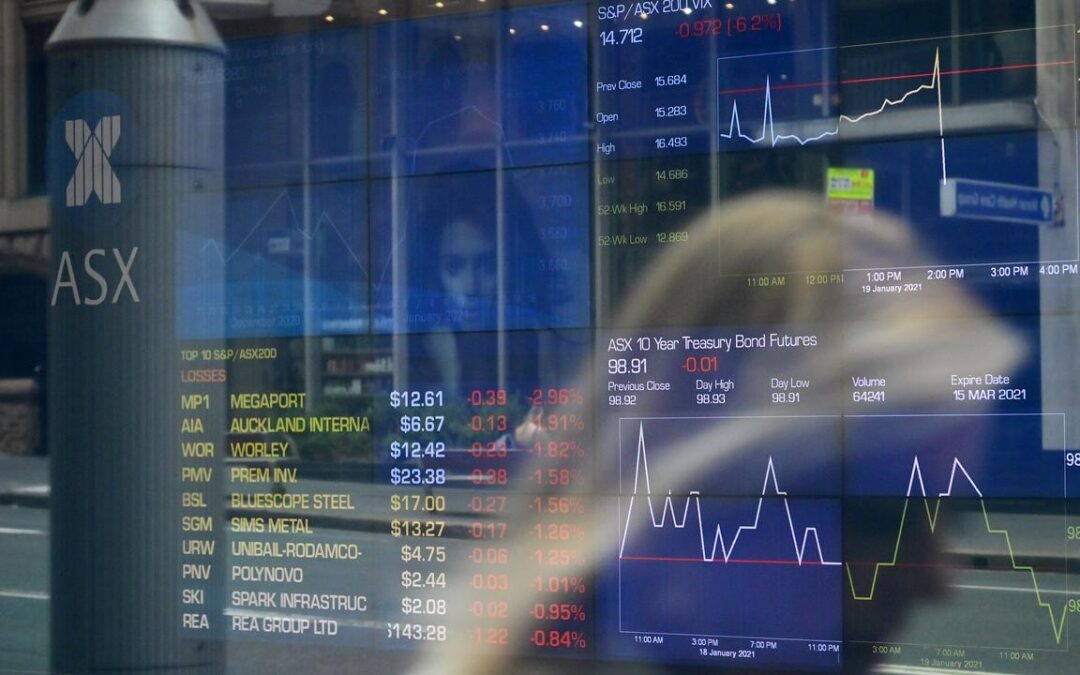
The S&P/ASX200 fell 71.6 points by midday, down 0.83 per cent to 8,533, as the broader All Ordinaries lost 71.6 points, or 0.81 per cent to 8,757.9.
Local equities renewed their slump following Tuesday’s bounce after US President Donald Trump walked back threats of fresh attacks on Iran.
But worries around the conflict’s impact on global inflation hit Wall Street overnight, sending long-dated treasury bonds to their highest levels since 2007.
“Frankly, we’re not overly convinced about the near-term prospects of a peace deal and suspect the motivation to hold fire stemmed from the weekend’s fresh drone attacks on the UAE and Saudi Arabia,” IG market analyst Tony Sycamore said.
Despite the gloomy outlook in the Persian Gulf, oil prices have remained relatively steady since Monday, with Brent crude trading near $US110.60 a barrel.
ASX-listed energy stocks improved by 0.4 per cent, with Woodside and Santos advancing while refinery operators and coal miners were mixed.
Uranium stocks continued to sell off, with Paladin Energy down by more than a fifth in just one week.
Raw materials producers were also under pressure, with mega miners BHP, Rio Tinto and Fortescue each giving up 1.9 per cent of their value by lunchtime as iron ore futures slipped to two-week lows.
Gold miners tumbled as the precious metal eased to $US4,481 ($A6,312) an ounce, the All Ordinaries gold sub-index down more than 27 per cent since the United States and Israel began launching air strikes on Iran on February 28.
Financials were heavy, down 0.7 per cent as all four big banks fell into the red, led by a 1.1 per cent slump in Westpac to $35.98.
Local IT stocks outperformed the other sectors, up 1.5 per cent, but ultimately languished after tumbling more than 40 per cent since reaching record highs in September 2025.
Consumer-facing stocks offered some resistance to the broader sell-off, with staples up 0.4 per cent and cyclicals gaining 0.6 per cent with rebounds in respective segment giants Woolworths, Coles and Wesfarmers.
In company news, coal port operator Dalrymple Bay rose 0.8 per cent to $5.37 after lifting its distribution guidance by seven per cent for the 2026 financial year to 26.375 cents per share.
Webjet’s value tumbled by more than one-tenth to a record low of 40 cents per share, after Virgin told the travel company it planned to substantially cut commissions and commercial agreements from July 1.
The Australian dollar was buying 71.01 US cents, down from 71.34 US cents on Tuesday at 5pm, as the greenback appreciated on expectations that resurgent inflation will force the Federal Reserve to hike interest rates.

European Union reaches provisional deal on US tariffs
The European Union has struck a provisional agreement on legislation to remove import duties on US goods, a key part of the trade deal reached with Washington in July, in a move likely to avert higher US tariffs on EU products.
Under the terms of the deal struck at US President Donald Trump’s Turnberry golf resort in Scotland in July, the EU agreed to remove import duties on US industrial goods and grant preferential access to US farm and sea produce.
In exchange, the United States would impose tariffs of 15 per cent on most EU goods.
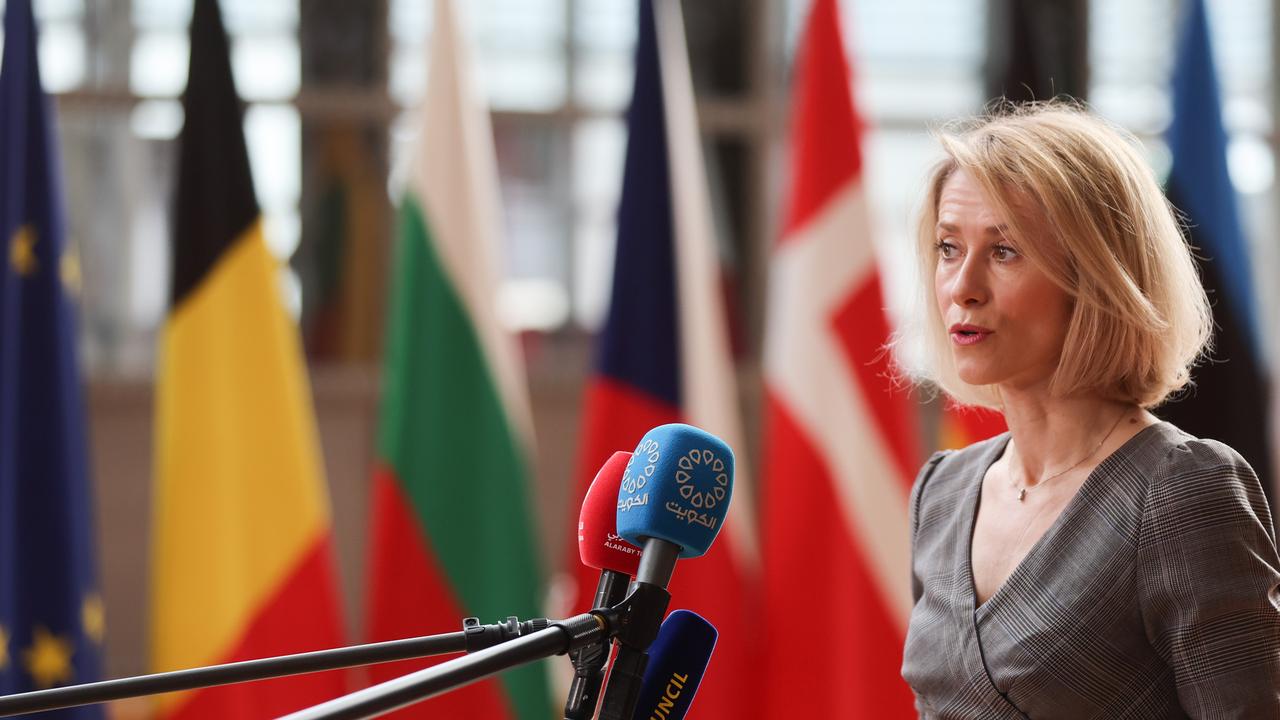
Nearly 10 months since that framework accord, the European Parliament and the Council, the body representing EU governments, agreed on a legislative text, paving the way for the EU duty reductions to enter force with safeguards in case Trump reneges on the agreement.
“I am proud to announce that Europe has avoided a damaging escalation of transatlantic trade tensions and protected European companies, investments and millions of jobs on both sides of the Atlantic,” Zeljana Zovko, the lead trade negotiator in the European People’s Party group on the US deal, said in an X post announcing the deal.
“The agreement is expected to provide a more stable framework for EU-US trade relations while leaving room for further discussions on unresolved issues, particularly in the steel and aluminium sector,” the European People’s Party said.
Trump has said he would impose much higher tariffs on EU goods including cars if the European Union did not implement its trade deal commitments by July 4, having earlier threatened to raise tariffs on EU car imports to 25 per cent from the current 15 per cent.
EU lawmakers had twice paused the required legislation after Trump’s threats to impose new tariffs on European allies who did not back his proposed acquisition of Greenland and after the US Supreme Court struck down his global tariffs.
The bloc should now meet Trump’s July 4 deadline, with a final vote of approval in the European Parliament expected in mid-June.
EU lawmakers had wanted tougher safeguards, including a “sunrise clause” under which the EU would only cut duties when the United States fulfilled its side of the deal, the possibility to suspend the deal if the US breached the terms, and a “sunset clause” to end EU tariff concessions on March 31, 2028.
EU governments had less appetite for inserting such items, concerned they could antagonise the Trump administration and create uncertainty for EU businesses.