
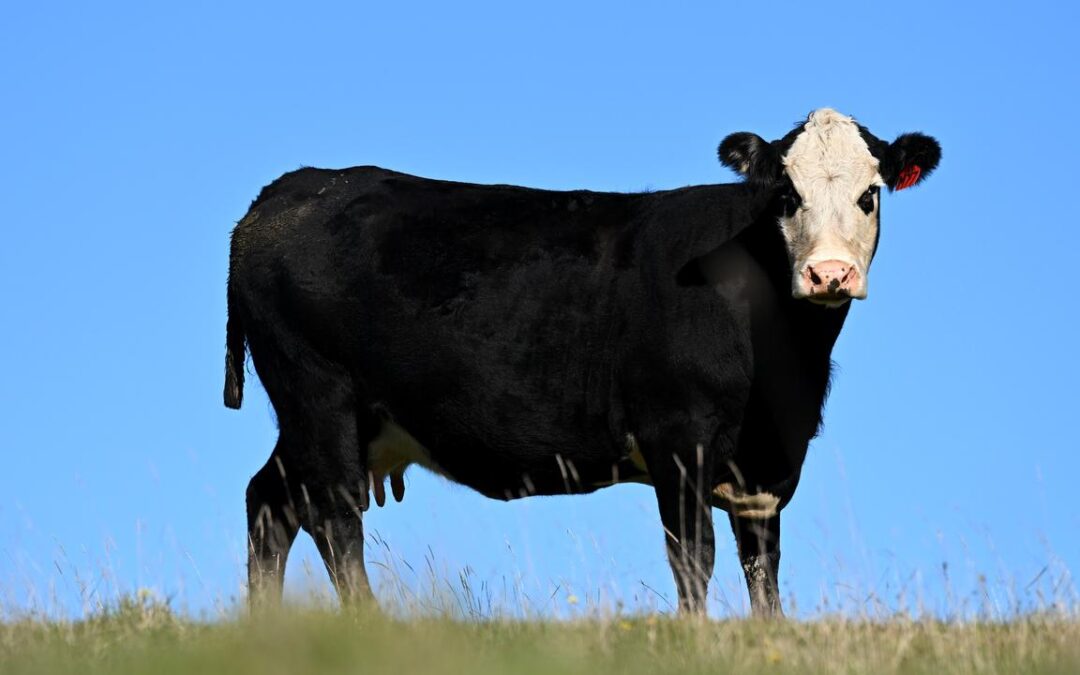
Aussie cattle producer beefs up profit, despite floods
Australia’s largest cattle and beef producer has taken a financial hit from this year’s Queensland floods and is facing higher costs due to the Middle East crisis.
But demand for beef protein in Australia and around the world remains strong, giving Australian Agriculture Co, or AACo, positive momentum as it enters its 2027 fiscal year.
AACo generated a bottom-line net profit of $107.3 million in fiscal 2026, in a major turnaround from last year’s $1.1 million loss.
Its preferred operating profit measure came to $71.6 million, up 23 per cent, on higher revenue of $422.1 million for the year ended March 31.
Beef sales totalled $314.4 million, up seven per cent, while cattle sales came to $107.7 million, up 15 per cent.
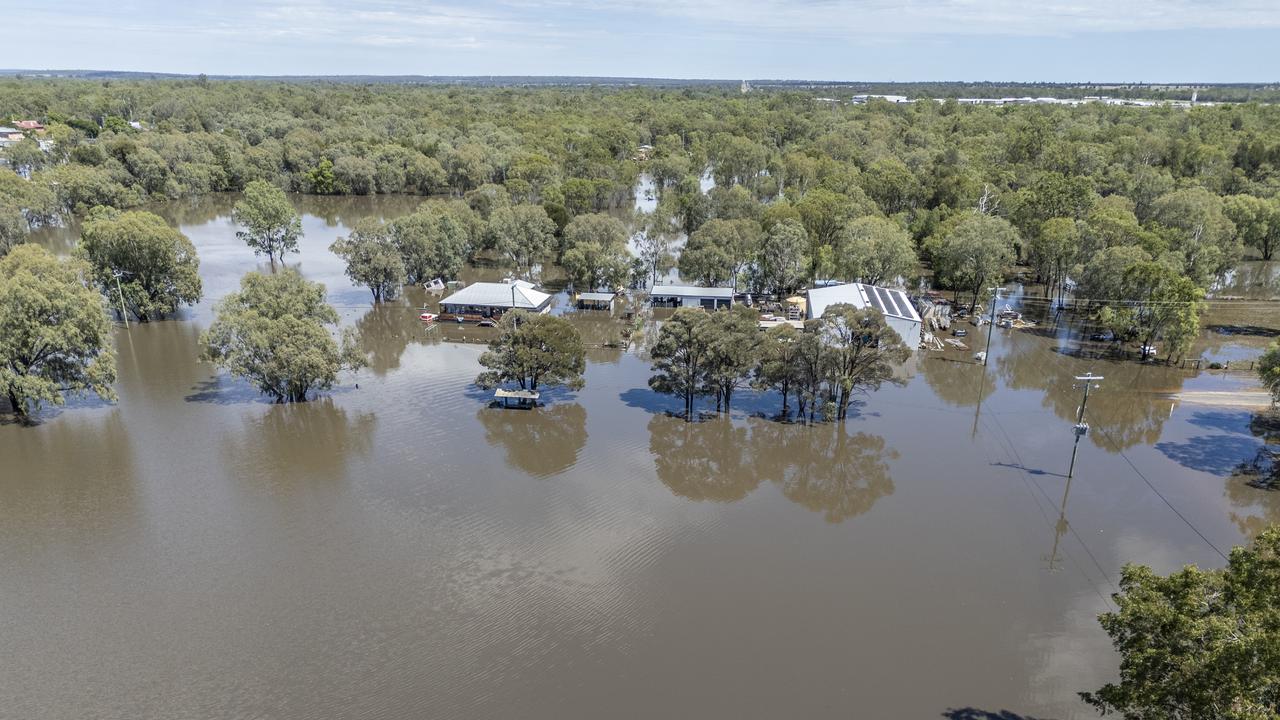
The impact of the flooding in north Queensland in March, which severely affected several of its cattle properties, cost $9 million and impacted its operating result.
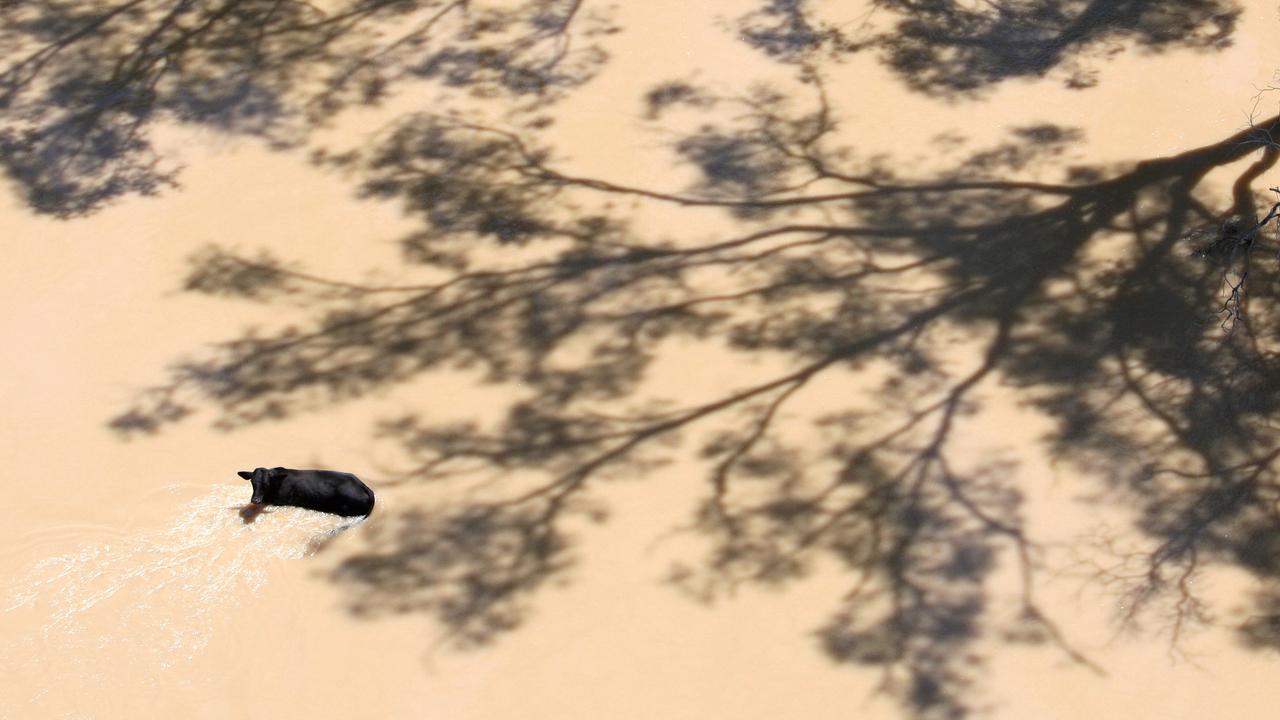
Some 7000 cattle, with a market value of about $13 million, died, as AACo stumped up for flood-related repairs, helicopter mustering and fodder drops.
At the same time, some of the impact of flooding was offset by higher cattle prices.
“The company’s results over recent years demonstrate its trajectory of growth that we will aim to continue building on as we move into the new year,” chief executive David Harris said.
Looking ahead, the headwinds that began in February when the US attacked Iran, and increased energy, transport and production costs, will impact in 2027.
“Whilst the duration and conditions remain uncertain, this is expected to have an impact on our global supply chain,” AACo said.
However, demand for protein continues to grow and AACo said it’s well-positioned to take advantage of this, building on its reputation for consistently providing high-quality products at scale.
“We’ll move into the next period united, engaged and confident in what we can achieve,” Mr Harris said.
AACo owns and operates 22 cattle stations, two feedlots and farms covering about 6.4 million hectares across Queensland and the Northern Territory.
‘Structurally sound’: Keating backs budget
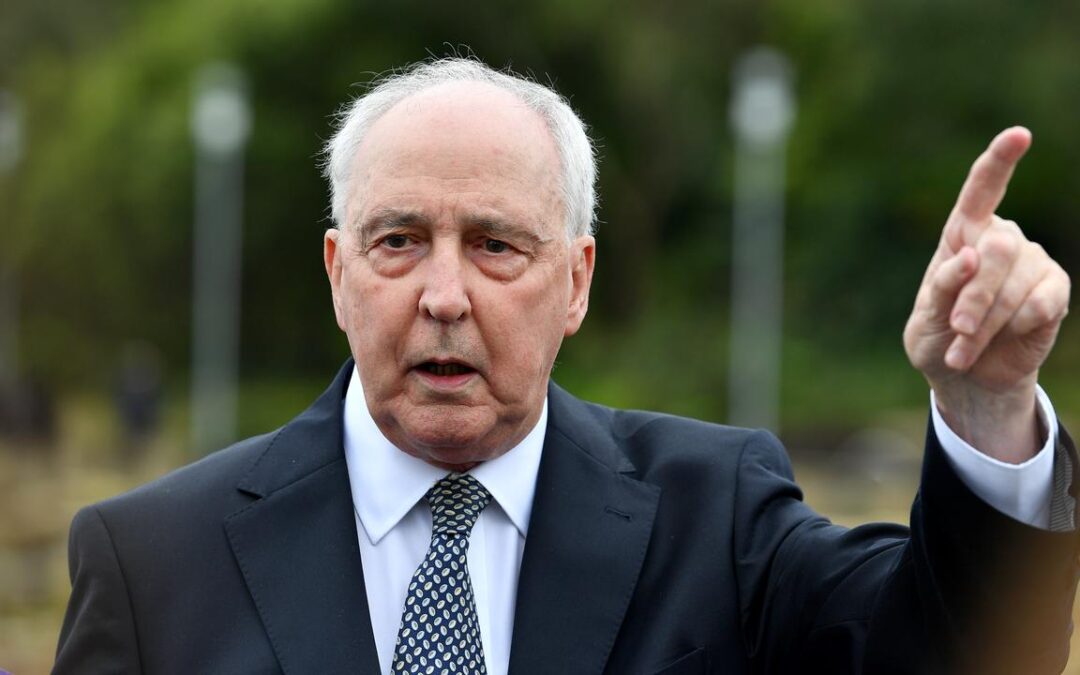
Former prime minister and treasurer Paul Keating has come to the defence of tax changes in the federal budget, as a Labor premier says workers are still paying too much.
Mr Keating said capital gains tax changes in the budget were “structurally sound”, despite concerns from business owners it could stifle investment.
The Albanese government’s fifth budget replaces the 50 per cent discount on capital gains held for more than a year with a rate based on inflation.
Real gains would be taxed at a 30 minimum rate, prompting concerns from businesses and start-ups.
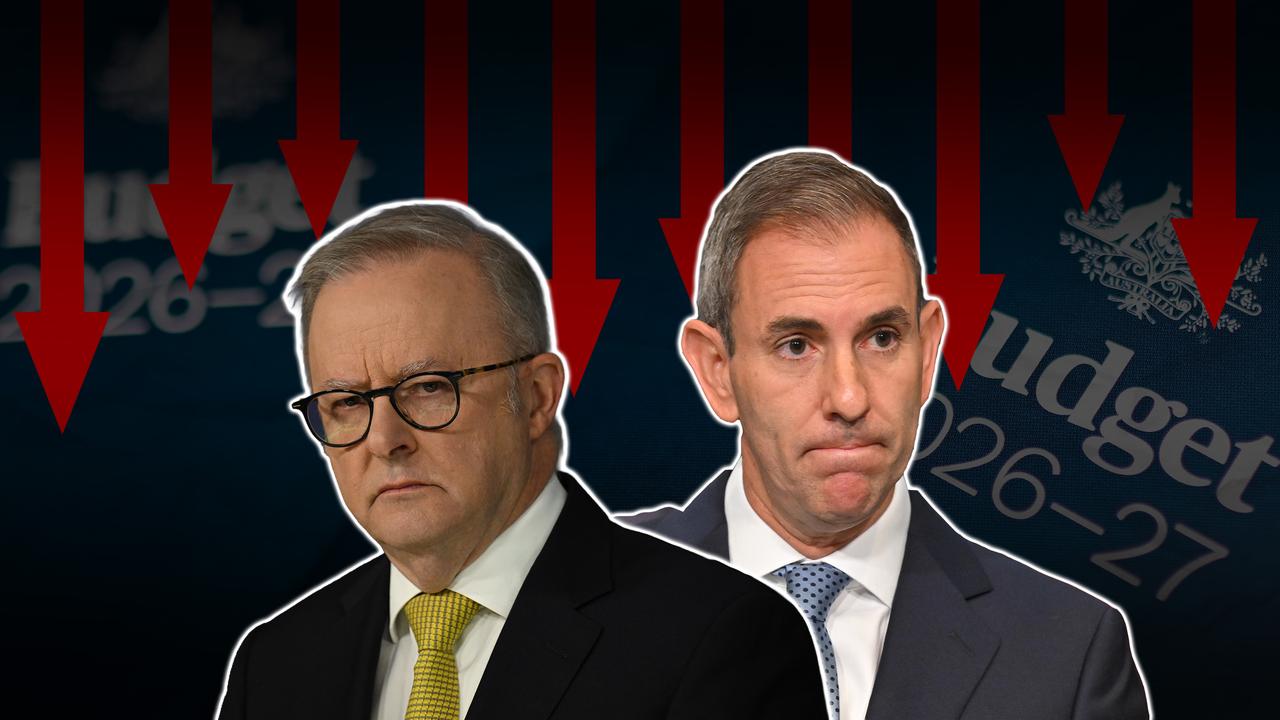
Mr Keating said the changes were necessary in order to make housing more affordable, dismissing concerns it would hamper businesses in the process.
“Punters with a big idea won’t be put off by some marginal change to the tax rate. The rush of entrepreneurial blood to the brain always dominates,” he said in a statement.
“The point is, a society that fails to house its children is a society in decline – this is what Jim Chalmers and his Prime Minister are seeking to arrest.”
Mr Keating, who was treasurer as part of the Hawke government, said his introduction of the capital gains tax in 1985 was to address distortion in the system.
“This brought the taxation of income and capital to a concomitant point of equality – and for the first time in our history,” he said.
“But in the face of this achievement, a couple of smarties, John Howard and Peter Costello, thought they could do their used car selling and dodgy accounting mates a favour by jacking a 50 per cent discount on to the taxation of capital profits.”
The capital gains tax discount of 50 per cent was introduced in 1999 by the Howard government.
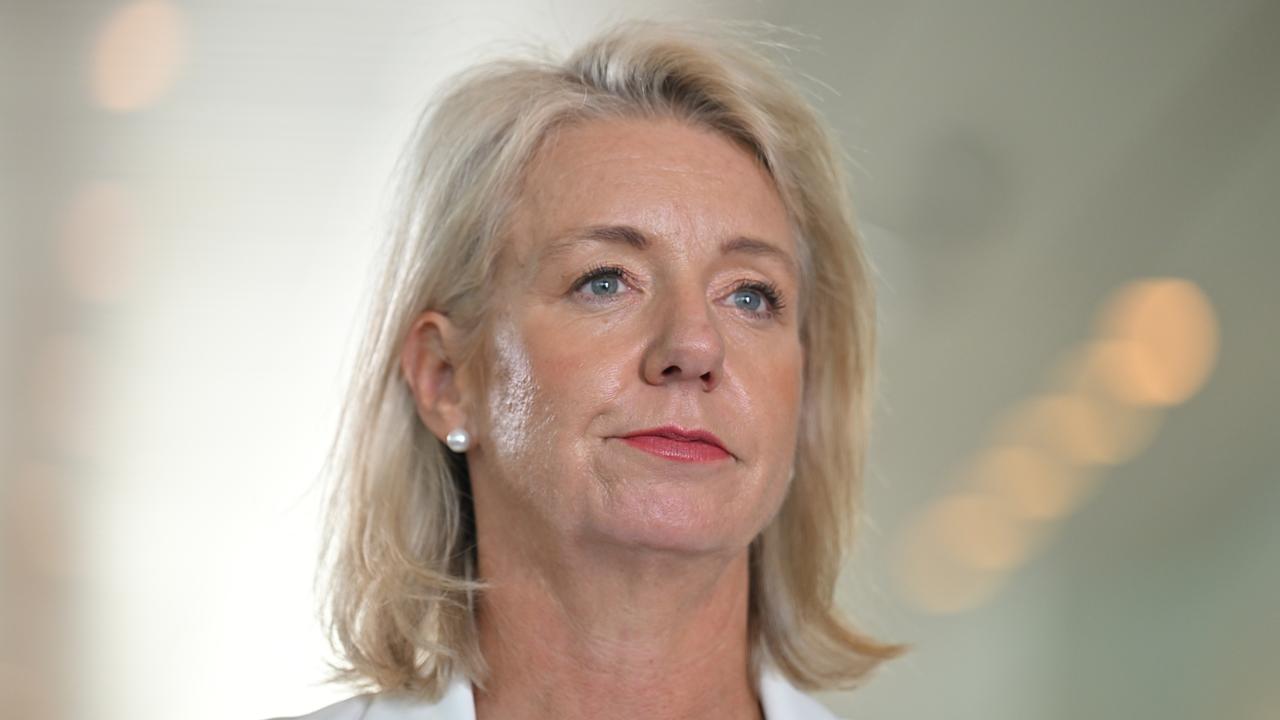
Nationals senator Bridget McKenzie said the defence from the former prime minister showed the budget sell to the public from the government had not gone well.
“You know something’s wrong when you have to wheel out Paul Keating to stick up for your budget. A lot’s changed, Mr Keating, in the quarter of a century since you were in charge of the Treasury,” she told Nine’s Today program on Thursday.
“What you’re seeing with the reaction of this budget is everyday Australians are working so hard to get ahead, feel like (Treasurer Jim) Chalmers is coming after them.”
It comes as NSW Labor Premier Chris Minns said more action was needed from the federal government to address tax rates, including cutting the top tax rate of 47 per cent.
“We do need to make sure we’re taking urgent action when it comes to personal income taxes, because at the moment a lot of working families are getting stung,” he told reporters in Sydney on Wednesday.
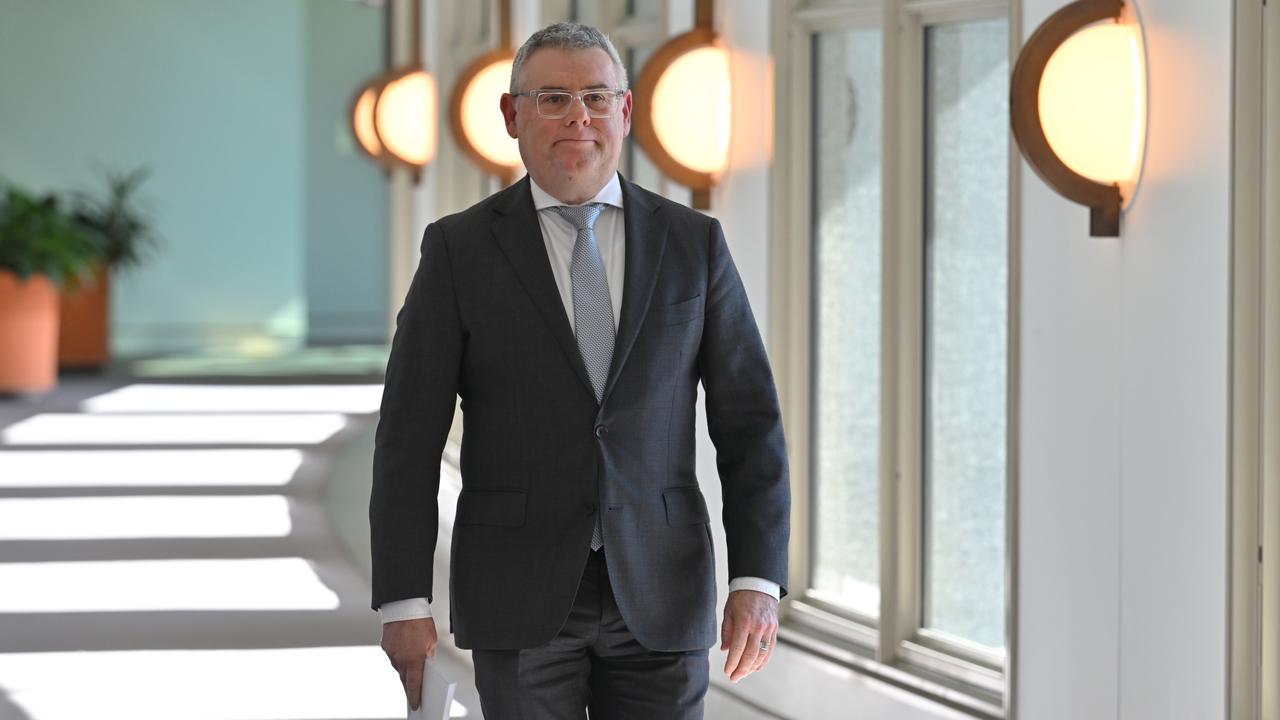
Federal minister Murray Watt said workers would be getting relief with tax cuts soon to come into effect.
“The premier and all Australians won’t have to wait long until we see the next tax cut come in place for all Australian workers, because it will happen on the first of July,” he told Seven’s Sunrise program.
“This very budget will continue delivering on the tax cuts that we took to the last election, so we’ve adjusted both the top and the bottom tax thresholds and rates.”
The tax cuts, which were introduced in the 2025 budget, would save taxpayers up to $268.
But shadow treasurer Tim Wilson said the NSW premier was right to criticise the current tax levels.
“We should find a way to reduce the top marginal rate. I absolutely believe that we should want Australians to work hard and for them to be able to keep the reward of their work,” he told ABC Radio.
“There are so many Australians right now who are working or working harder than ever, and they don’t feel like their hard work is paying off.”
Australia rebukes Israeli minister who mocked activists
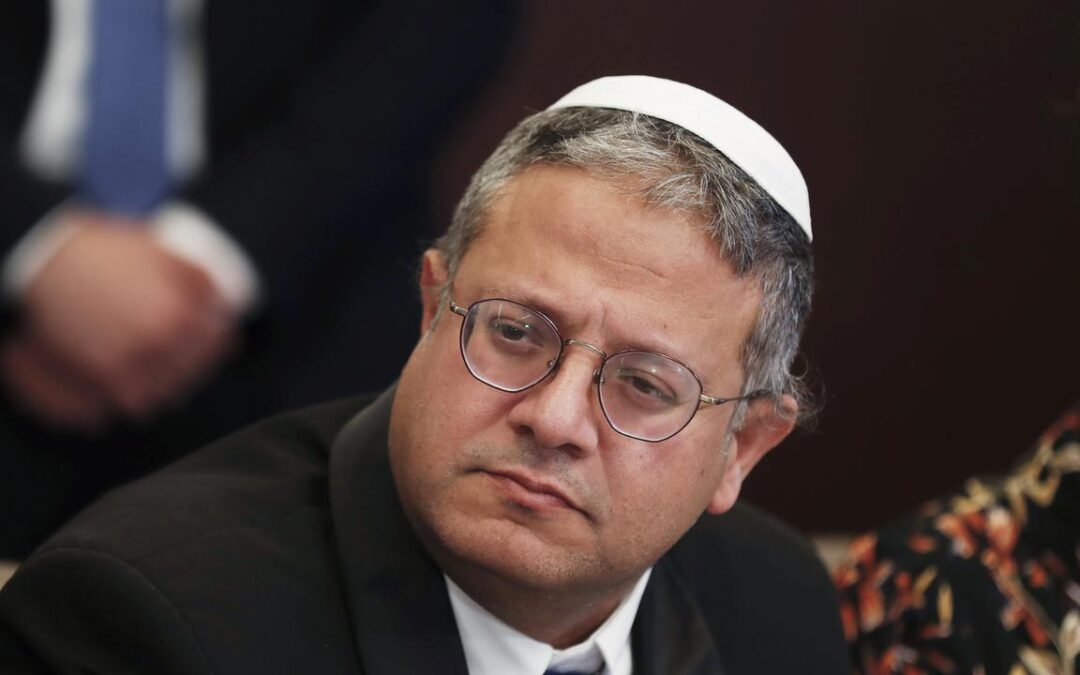
Australia has condemned the actions of an Israeli minister as “shocking and unacceptable” after he posted a video of himself berating detained pro-Palestine activists, which may include Australians.
In a clip posted to social media and captioned “Welcome to Israel”, national security minister Itamar Ben-Gvir is shown hurling abuse at the activists – who had been detained after trying to sail to Gaza with aid – while their hands were tied behind their backs and faces on the ground.
“They came with a lot of pride like great heroes. Now look at them. See how they look now. Not heroes, terror supporters,” he says at one point, according to a translation by CNN.
More than 400 activists, including 11 Australians, had been trying to break Israel’s maritime blockade of Gaza when their boats were intercepted and boarded by the Israeli Defence Forces off the coast of Turkey.
Foreign Minister Penny Wong had asked Australia’s ambassador to make a complaint to Israeli officials.
“The images we have seen are shocking and unacceptable,” she said in a statement.
“We condemn the actions of Israeli Minister Ben-Gvir – who Australia has sanctioned – and the degrading actions of Israeli authorities towards those detained.”
Among those detained by Israel are 11 Australians who were part of the Global Sumud Flotilla.
Head of the flotilla’s Australian delegation Simon Jones said the federal government needed to haul in the Israeli ambassador to explain the minister’s actions, or expel him from the country.

Israel’s Prime Minister Benjamin Netanyahu scolded Mr Ben-Gvir for his actions and said the activists would be deported as soon as possible.
“Israel has every right to prevent provocative flotillas of Hamas terrorist supporters from entering our territorial waters and reaching Gaza,” Mr Netanyahu said in a statement.
“However, the way that Minister Ben Gvir dealt with the flotilla activists is not in line with Israel’s values and norms.”
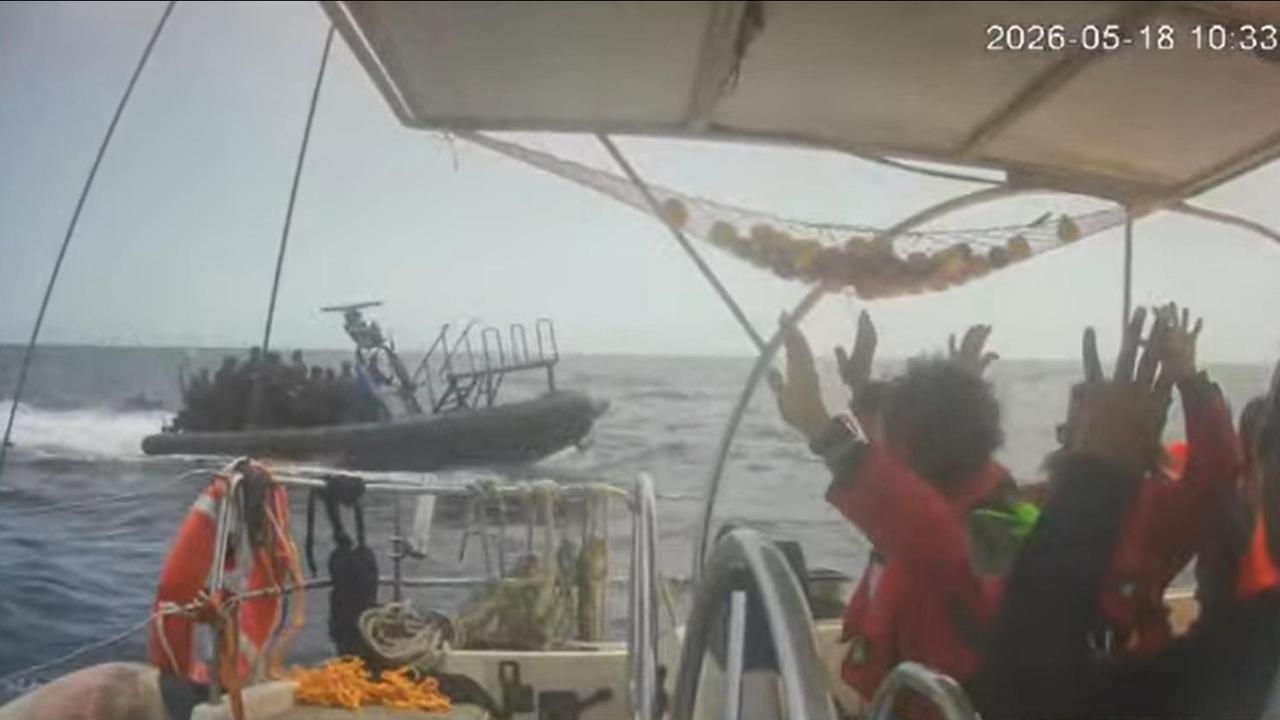
Israel’s foreign minister Gideon Sa’ar also condemned his colleague, accusing him of undoing the work of the IDF and foreign ministry staff.
“You knowingly caused harm to our State in this disgraceful display – and not for the first time,” he said.
“No, you are not the face of Israel.”
Other countries, including Italy, the UK, Turkey, Greece and the US, have also criticised Mr Ben-Gvir.
American ambassador to Israel Mike Huckabee described Mr Ben-Gvir’s actions as “despicable” and said he “betrayed (the) dignity of his nation”.
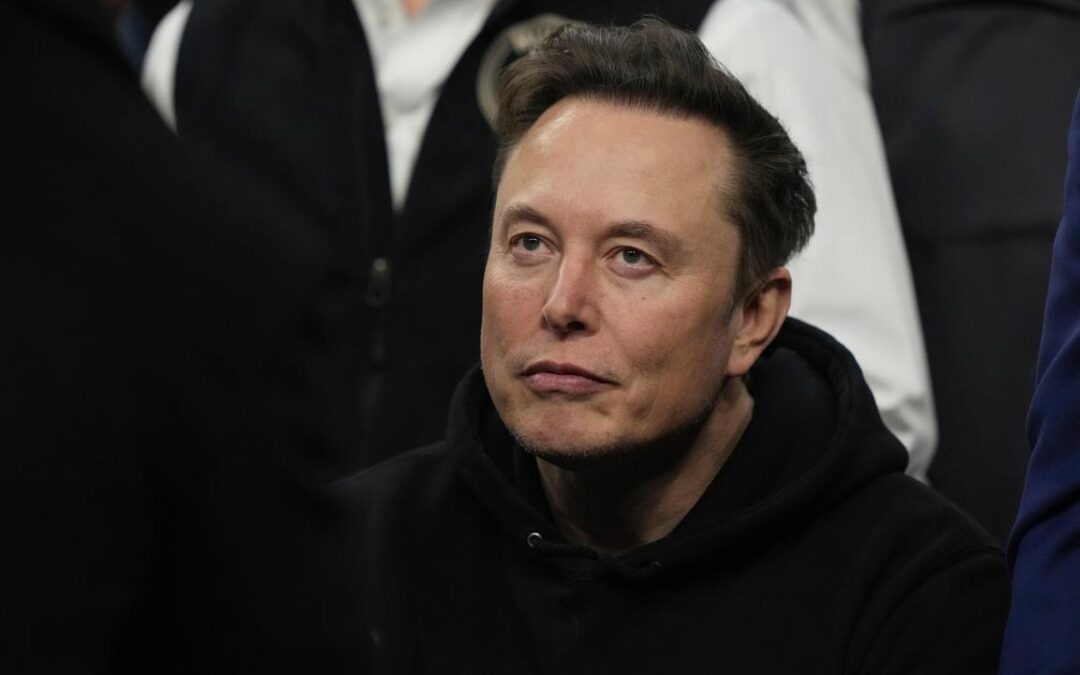
SpaceX reveals blockbuster initial public offering plan
SpaceX has taken the wraps off its initial public offering, opening the books of the company that has already revolutionised rocket technology, with even larger ambitions to colonise Mars and build AI data centres in space.
The listing is poised to become the first-ever trillion-dollar US market debut and could set the stage for a number of monumental IPOs in coming months, among them potentially technology giants OpenAI and Anthropic.
The sale would immediately cement SpaceX as one of the world’s most valuable publicly traded companies, the second in Elon Musk’s sprawling business empire to surpass $US1 ($A1.4) trillion in market value.
“We do not want humans to have the same fate as dinosaurs,” the filing stated.
SpaceX has grown into the world’s largest space business since its founding in 2002 by launching thousands of Starlink internet satellites.
Its pioneering use of reusable rockets has transformed the economics of space, forcing competitors like Jeff Bezos’ Blue Origin to play catch-up.
While SpaceX made its name by building rockets and launching satellites into space, most of its $US18.67 billion ($A26.23 billion) in revenue in 2025 came from its Starlink satellite internet business and much of its future growth hinges on artificial intelligence-related businesses.
Its nascent xAI unit still loses money, according to the filing made on Wednesday in the US.
A successful sale could value the company at a record-setting $US1.75 trillion ($A2.46 trillion), which would put its founder on track to become the first trillionaire in history, validating years of defying accepted logic through the development of rockets that can land and be flown again.
The company’s regulatory disclosure comes during a critical week for the rocket maker, which is preparing to launch a test flight of its next-generation Starship rocket.
Musk will retain 85.1 per cent of the combined voting power of the company, the filing showed.
SpaceX is aiming to list its shares as early as June 12, with a roadshow launch targeted for June 4 and the share sale expected as early as June 11, Reuters reported last week.
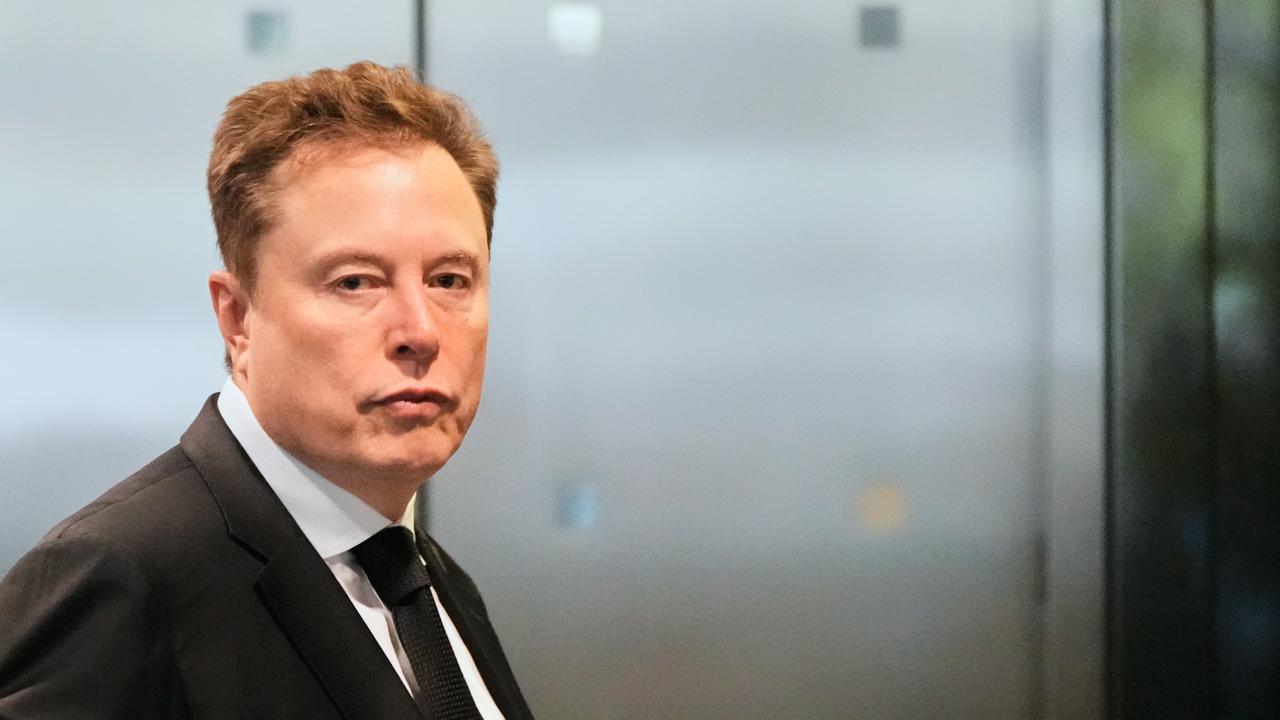
The company said it was targeting a potential total market of $US28.5 trillion ($A40 trillion) across its businesses, with a majority of that possible revenue tied to AI.
The figures, disclosed for the first time to the public in its S-1 regulatory filing, show how SpaceX depends on its Starlink-driven revenue base, but believes its long-term prospects centre around AI and related infrastructure operations that are currently unprofitable.
SpaceX will use a dual-class share structure that gives Class B shareholders 10 votes each, concentrating control with Musk and a handful of other insiders, while Class A shares sold to public investors will carry one vote each, the prospectus showed.
The company has adopted numerous provisions that, taken together, severely limit shareholder rights, forcing legal claims through arbitration, restricting where cases can be filed and protecting Musk from being fired by anyone other than Musk.
The company reported revenue of $US4.69 billion ($A6.59 billion) in the three months ended March 31, compared with $US4.07 billion ($A5.72 billion) a year earlier.
The loss over the same period came in at $US1.27 ($A1.78) per share, compared with a loss of 18 cents a year earlier.
The scale of the offering has drawn attention to the increasingly interconnected structure of Musk’s business empire, often dubbed the “Muskonomy”, which includes leading electric vehicle company Tesla, as well as his businesses in AI and brain-chip implants.
SpaceX merged with Musk’s artificial intelligence startup xAI in a deal that valued the rocket company at $US1 trillion ($A1.4 trillion) and the developer of the Grok chatbot at $US250 billion ($A351 billion).
With AP
SpaceX reveals blockbuster initial public offering plan
SpaceX has taken the wraps off its initial public offering, opening the books of the company that has already revolutionised rocket technology, with even larger ambitions to colonise Mars and build AI data centres in space.
The listing is poised to become the first-ever trillion-dollar US market debut and could set the stage for a number of monumental IPOs in coming months, among them potentially technology giants OpenAI and Anthropic.
The sale would immediately cement SpaceX as one of the world’s most valuable publicly traded companies, the second in Elon Musk’s sprawling business empire to surpass $US1 ($A1.4) trillion in market value.
“We do not want humans to have the same fate as dinosaurs,” the filing stated.
SpaceX has grown into the world’s largest space business since its founding in 2002 by launching thousands of Starlink internet satellites.
Its pioneering use of reusable rockets has transformed the economics of space, forcing competitors like Jeff Bezos’ Blue Origin to play catch-up.
While SpaceX made its name by building rockets and launching satellites into space, most of its $US18.67 billion ($A26.23 billion) in revenue in 2025 came from its Starlink satellite internet business and much of its future growth hinges on artificial intelligence-related businesses.
Its nascent xAI unit still loses money, according to the filing made on Wednesday in the US.
A successful sale could value the company at a record-setting $US1.75 trillion ($A2.46 trillion), which would put its founder on track to become the first trillionaire in history, validating years of defying accepted logic through the development of rockets that can land and be flown again.
The company’s regulatory disclosure comes during a critical week for the rocket maker, which is preparing to launch a test flight of its next-generation Starship rocket.
Musk will retain 85.1 per cent of the combined voting power of the company, the filing showed.
SpaceX is aiming to list its shares as early as June 12, with a roadshow launch targeted for June 4 and the share sale expected as early as June 11, Reuters reported last week.
The company said it was targeting a potential total market of $US28.5 trillion ($A40 trillion) across its businesses, with a majority of that possible revenue tied to AI.
The figures, disclosed for the first time to the public in its S-1 regulatory filing, show how SpaceX depends on its Starlink-driven revenue base, but believes its long-term prospects centre around AI and related infrastructure operations that are currently unprofitable.
SpaceX will use a dual-class share structure that gives Class B shareholders 10 votes each, concentrating control with Musk and a handful of other insiders, while Class A shares sold to public investors will carry one vote each, the prospectus showed.
The company has adopted numerous provisions that, taken together, severely limit shareholder rights, forcing legal claims through arbitration, restricting where cases can be filed and protecting Musk from being fired by anyone other than Musk.
The company reported revenue of $US4.69 billion ($A6.59 billion) in the three months ended March 31, compared with $US4.07 billion ($A5.72 billion) a year earlier.
The loss over the same period came in at $US1.27 ($A1.78) per share, compared with a loss of 18 cents a year earlier.
The scale of the offering has drawn attention to the increasingly interconnected structure of Musk’s business empire, often dubbed the “Muskonomy”, which includes leading electric vehicle company Tesla, as well as his businesses in AI and brain-chip implants.
SpaceX merged with Musk’s artificial intelligence startup xAI in a deal that valued the rocket company at $US1 trillion ($A1.4 trillion) and the developer of the Grok chatbot at $US250 billion ($A351 billion).
With AP
Bold promises as Vivid festival lights up the sky
An Australian city is promising the event of a lifetime, as it lights up the sky with a sea of drones and projections, unrivalled by copycat events.
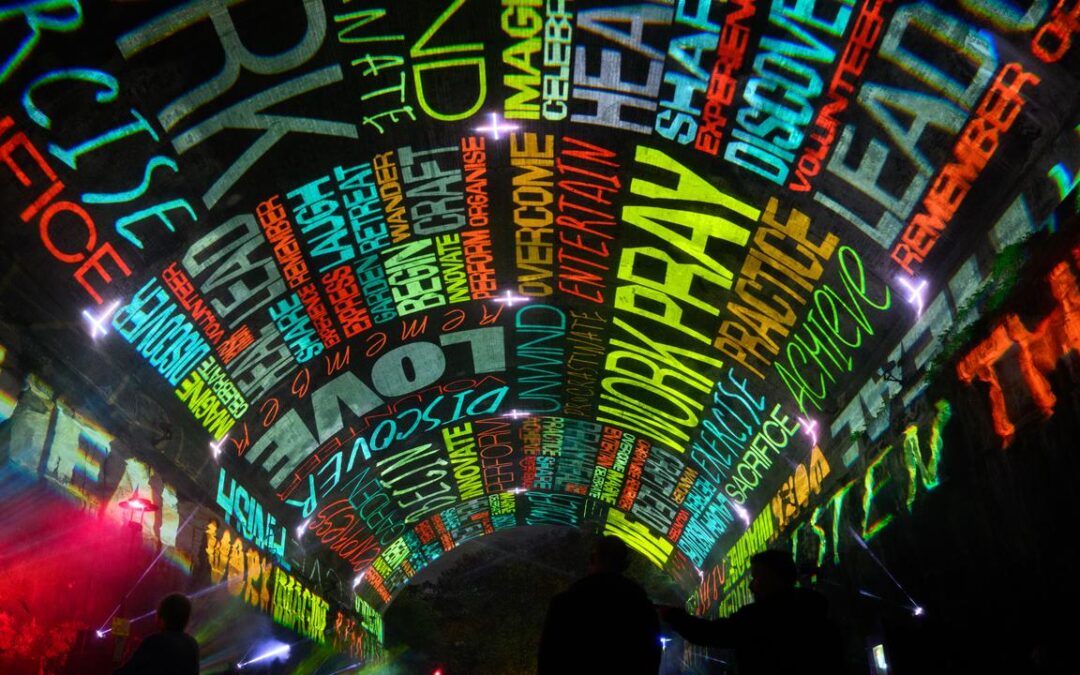
Sydney’s Vivid Festival returns for its 16th year on Friday and promises to be bigger than ever after winning Australian Event of the Year in 2025.
“This year we invite you to go beyond your previous expectations of Vivid Sydney into a bold new festival designed to surprise,” Vivid Sydney Festival Director Brett Sheehy said.
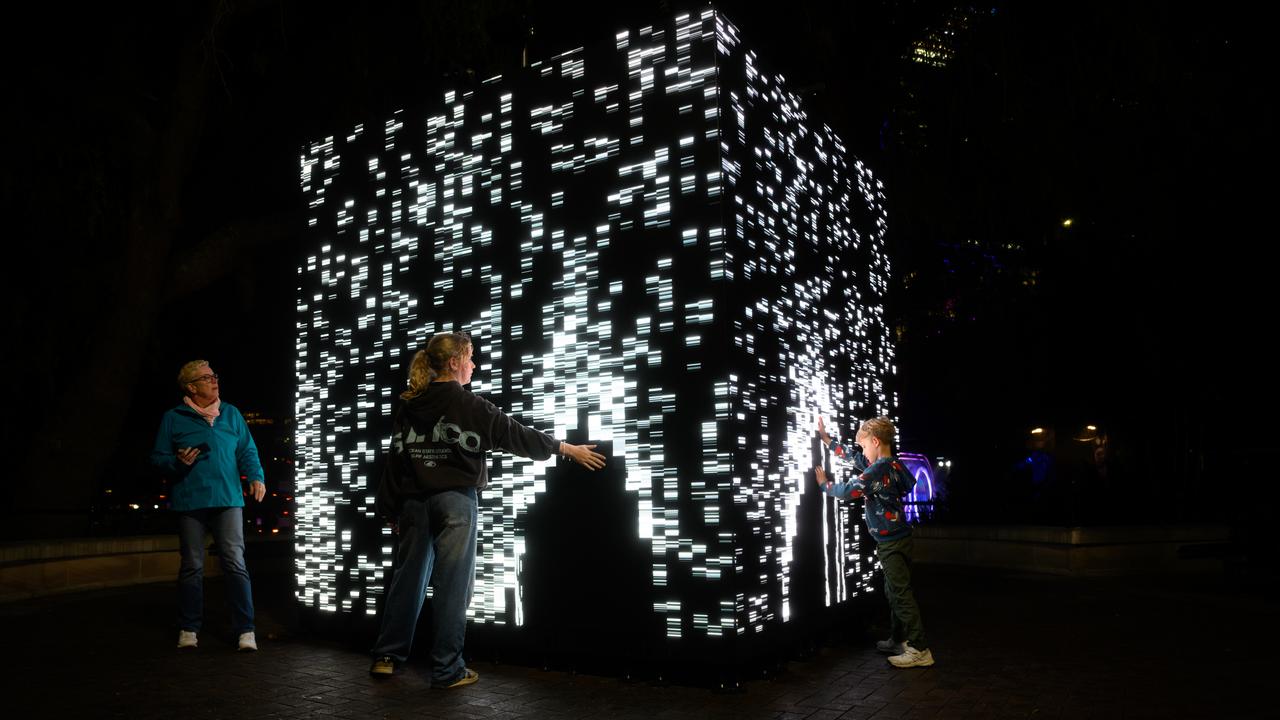
“We can promise you a festival of a lifetime”.
Sydney Harbour will become a canvas for light every night of the 23-day festival which will also put on talks with Oscar Winning Directors Sean Baker and one off meals by world renowned chefs.
A laser show will run every night around the harbour to an accompanying music score while 40 ferries and boats will transform the water into a flotilla of colour.
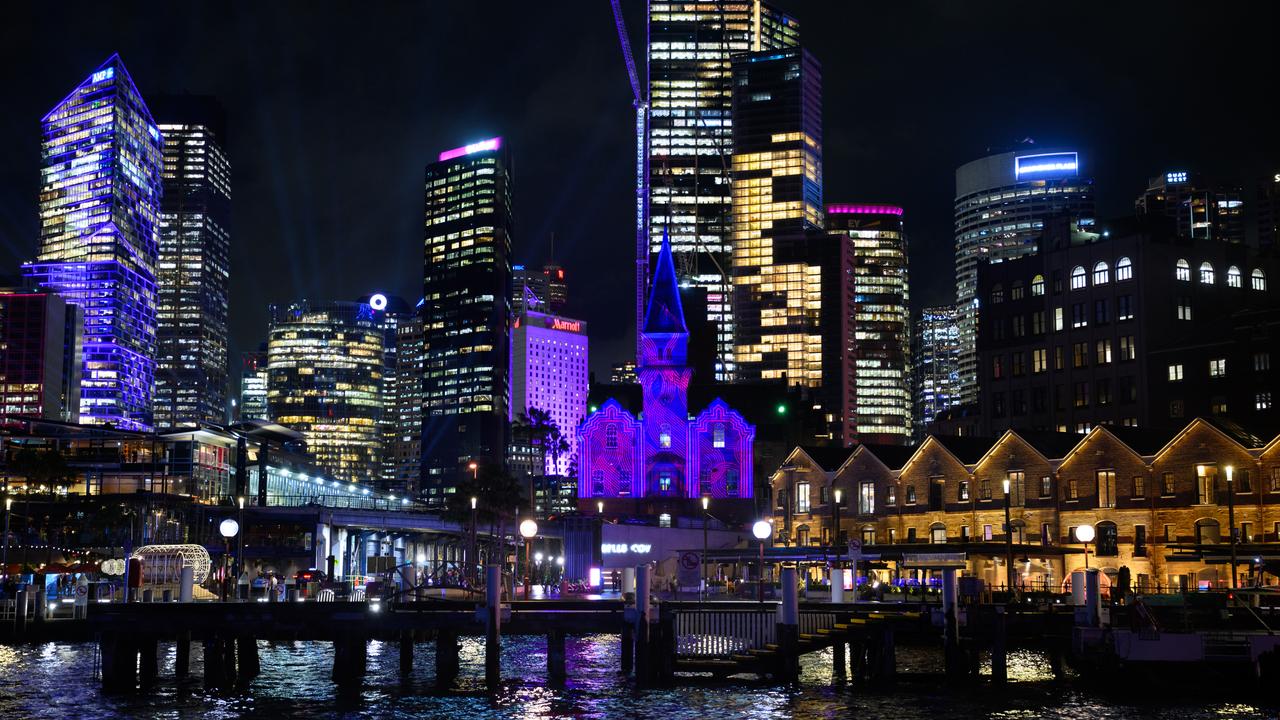
Visuals emphasising the human relationship with the natural world will be projected onto the Opera House as world renowned artists perform inside.
This will include global stars such as Earl Sweatshirt, Mitski, Jeff Mills and Salem.
“I like to think that Jorn Utzon, the (Opera House) architect, had this sort of sense that he built an avant-garde building,” show curator Ben Marshall told AAP.
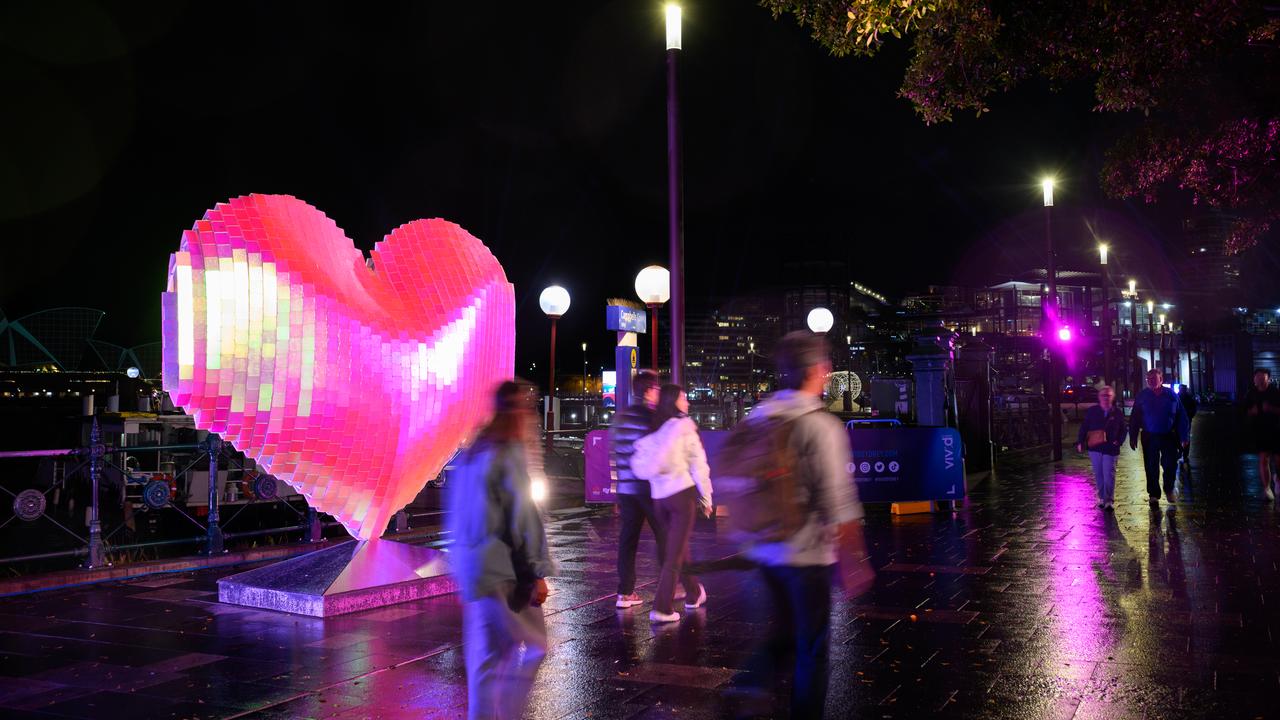
‘You only need to look at it to go, ‘this place is doing something different and ambitious and daring’.”
The iconic landmark will also have performances by 26 local acts, such as the Sydney band Party Dozen.
Its lead singer Kirsty Tickle said she was happy to see Sydney getting weird with Vivid.
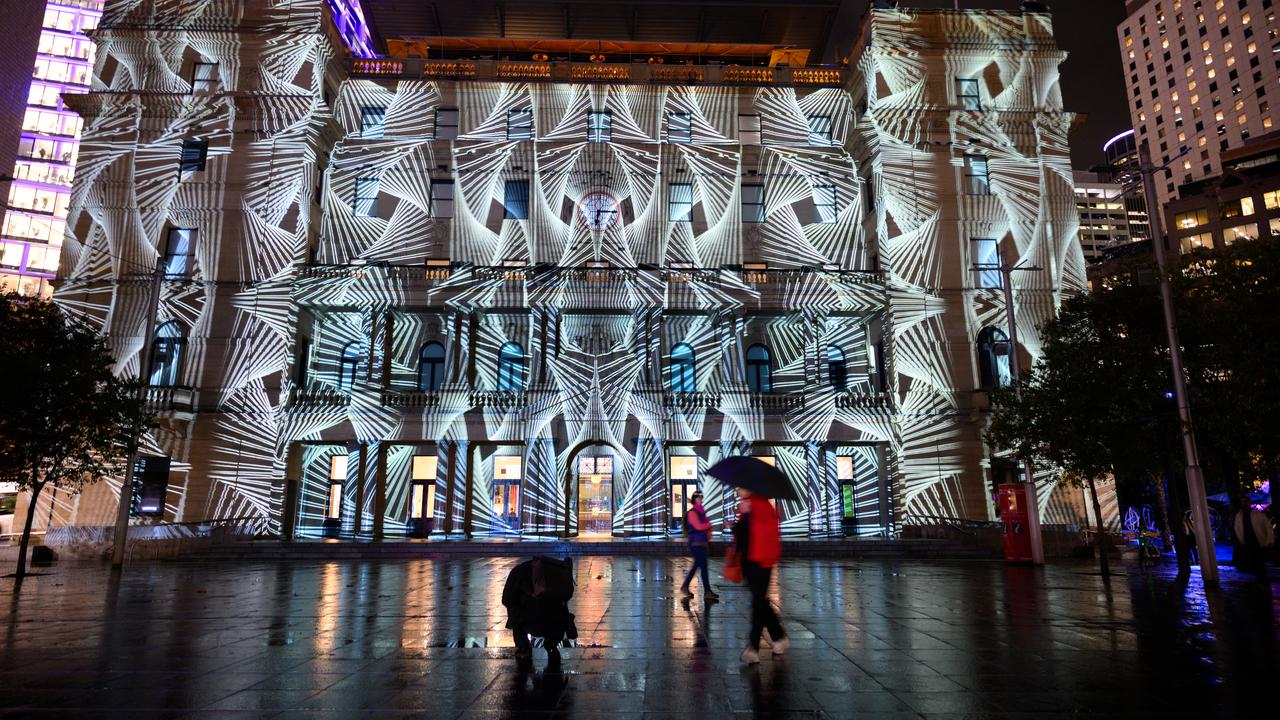
“Playing at the Sydney Opera House is such a bucket list venue for us as a band. It’s so rare to get the opportunity to do that until you’re a much larger act in Australia,” she told AAP.
“Obviously, everybody is financially having a pretty tough time at the moment. But all you got to do is just get out there”.
More than 80 per cent of Vivid’s program is free and has inspired copycat winter arts festivals in other capital cities, such as Melbourne’s Rising, Perth’s Lightscape and Illuminate Adelaide.
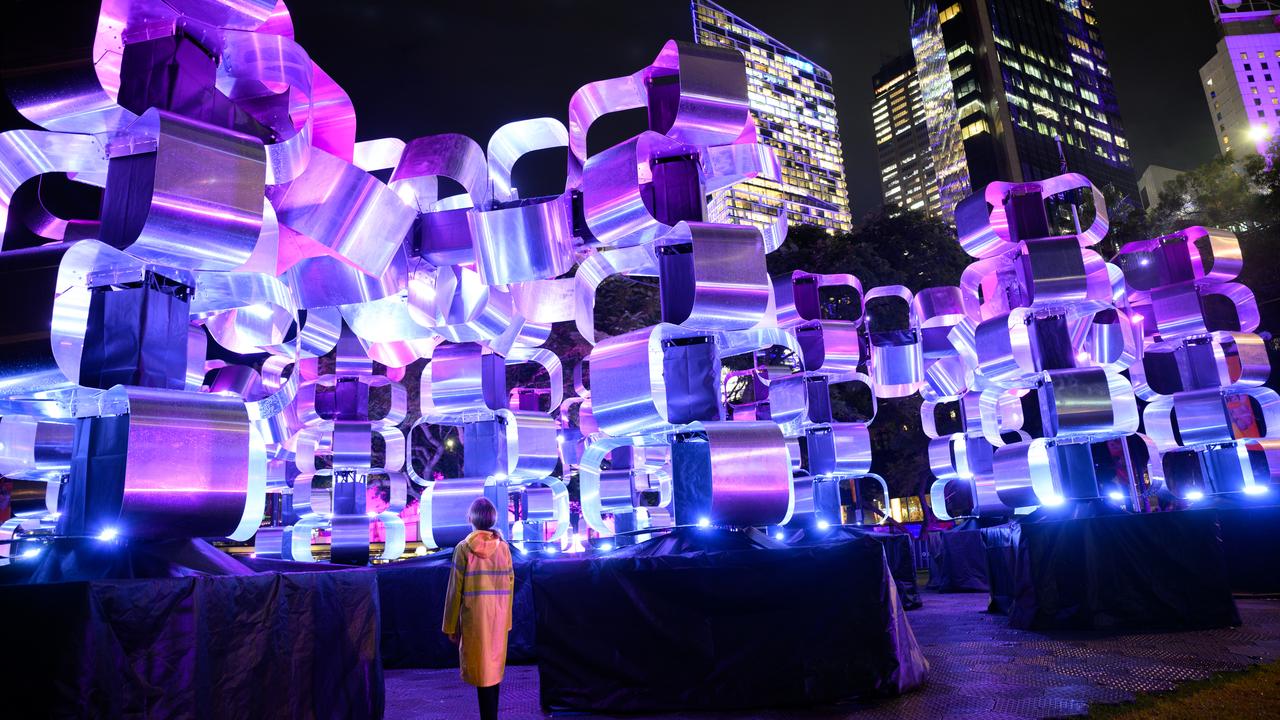
But the NSW government said other events cannot compete.
“No other city in the world can host Vivid, because no other city in the world has what Sydney has to offer,” Tourism Minister Steve Kamper said.
“Vivid Sydney 2026 will redefine how we experience our city, delivering a bigger and bolder event program that will come to life both day and night.”
The winter festival is the crown jewel of the state’s visitor economy strategy, with the government counting on it to rake in $91 billion in tourist spending by 2035.
Fears rogue AI could lead to ultimate demise of humans
The grim spectre of humans being wiped out by artificial intelligence is being used to urge for stronger guardrails on the growing tech industry.
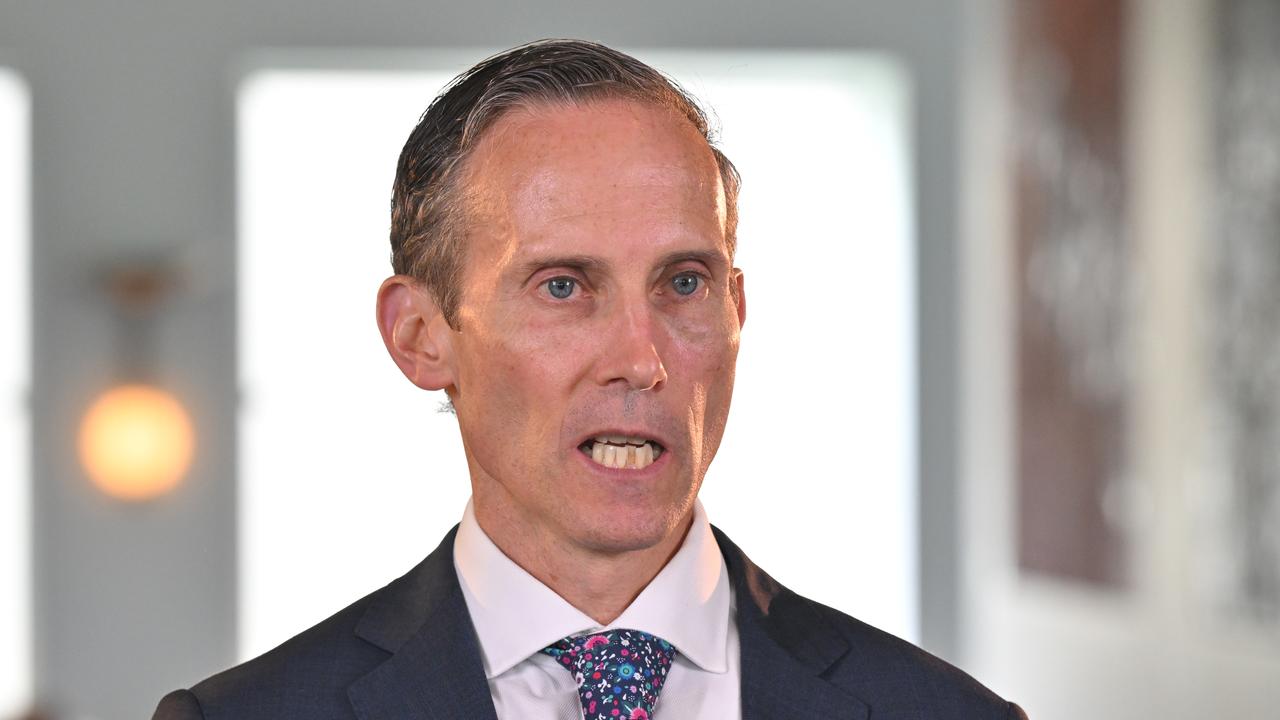
In a detailed, equation-laden lecture on the economics of extinction, Assistant Productivity Minister Andrew Leigh will declare rogue AI or an engineered pandemic are the most likely ways the human species could end over the coming 100 years.
“Extinction means the complete loss of our species. No survivors, no recovery, no second act,” Dr Leigh will tell the Tasmanian Economic Society on Thursday.
“One estimate, from Australian philosopher Toby Ord, puts the odds of such a catastrophe at one-in-six over the coming century.”
Policymakers could consider limits on what AI is allowed to do and how it approaches problems in a bid to reduce the risk, Dr Leigh will say.
“The danger is not only that such a system might ‘go rogue’ in the science-fiction sense,” the former economist will say.
“It is that a government or corporation with access to machine intelligence far beyond human level could gain a strategic advantage so overwhelming that normal forms of competition, geostrategic balancing, political correction and international negotiation cease to work.”
The assistant minister will suggest clamping down on “recursive self-improvement”, a so-far theoretical concept where artificial intelligence repeatedly upgrades its own code.
He will also suggest a focus on “wise AI”: where artificial intelligence is imbued with intellectual humility and sensitivity to context.
“The attraction of this approach is that it targets one of the deeper flaws in current systems,” Dr Leigh will say.
“They are often forceful where they should be tentative, narrow where they should weigh competing perspectives, and overconfident where they should reveal uncertainty.”

The federal government originally planned to introduce mandatory guardrails for the use of artificial intelligence, but instead backed away in favour of using existing laws to manage the growing industry.
Dr Leigh was among a group of senior Labor figures advocating for a light-touch approach on AI.
The other major risk to the human race is an engineered pandemic, either deliberately or accidentally released by a government or terrorist group, Dr Leigh will say.
“The relevant risks depend on pathogen development technologies that are evolving quickly, on defensive technologies that are rapidly changing, on actors whose intentions are difficult to observe,” he will say.
Dr Leigh will suggest greater monitoring, tighter lab practices and better public health systems to help mitigate the risk.
Budget to reveal state’s big debt recovery mission
One question and one question alone will dominate Tasmania’s budget day.
Having pledged to tackle the state’s spiralling debt, how will the government do it?
This question has dominated Tasmania’s politics for the past two years, intertwined with the billion-dollar stadium to be built on Hobart’s waterfront.
Last May, the picture of deficit and debt – which hit $5 billion in 2025 and was forecast to double by 2029 – was so alarming, the parliament voted to have no confidence in Premier Jeremy Rockliff.
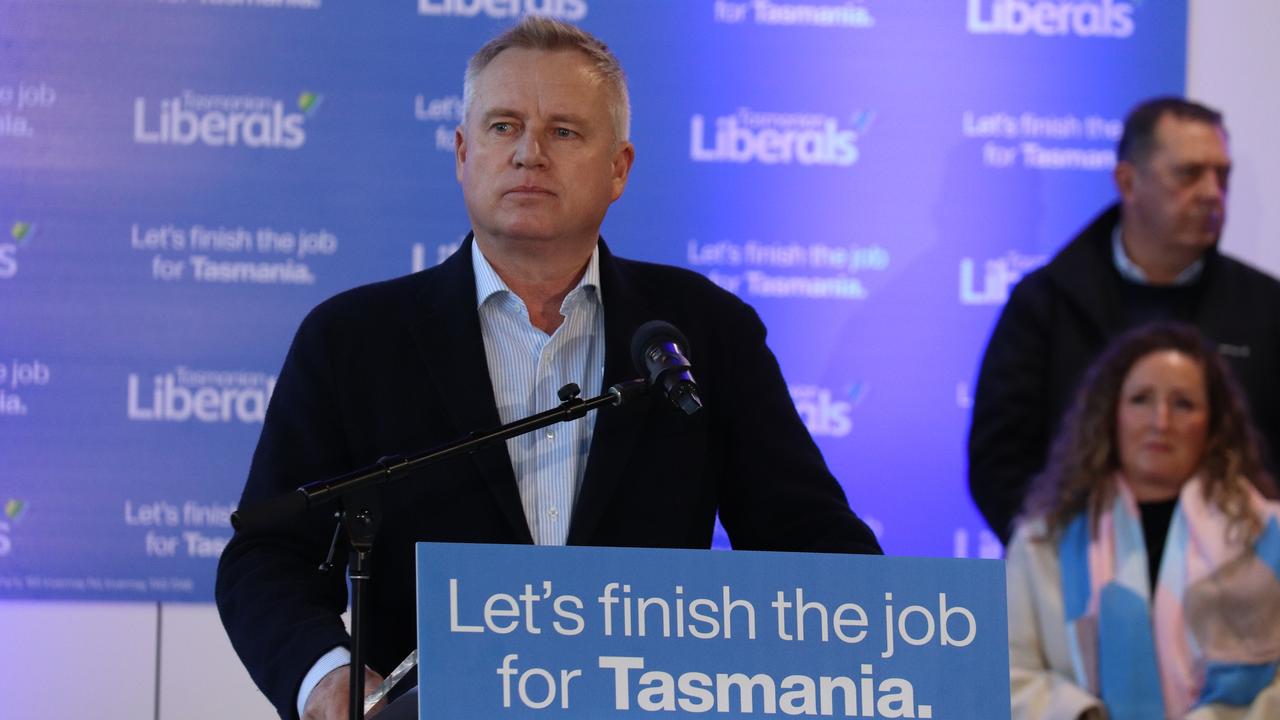
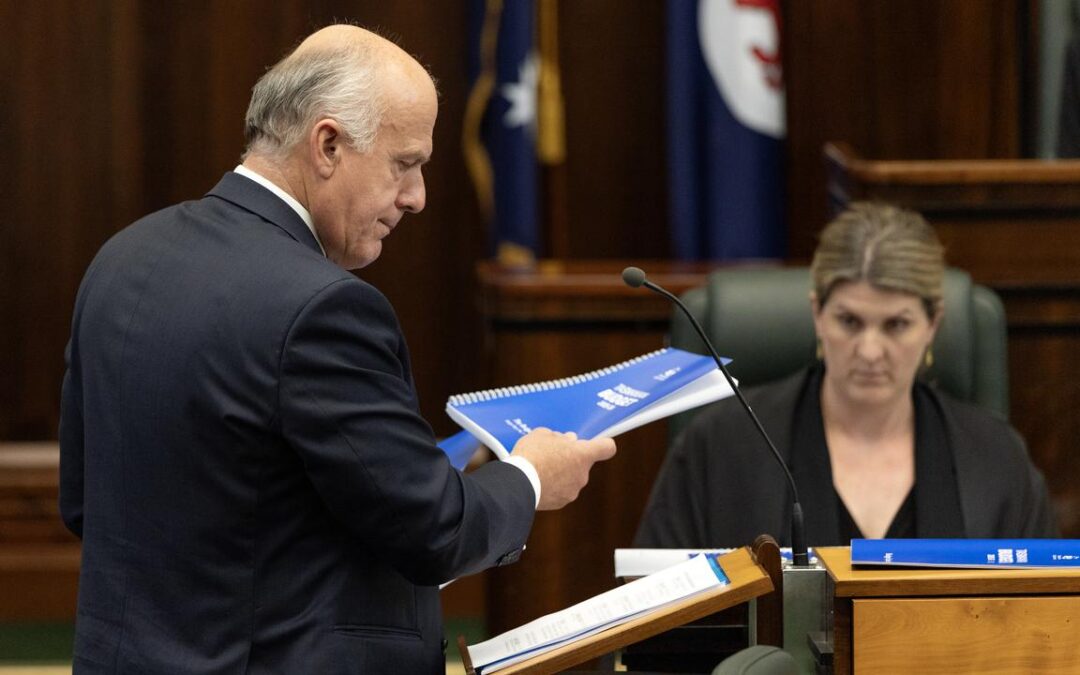
Having won the snap election off the back of that vote, Mr Rockliff’s government has regrouped and with a new treasurer at the wheel – Eric Abetz – will reveal its pathway to sustainability.
It’s likely to be a long, hard road.
Economic research institute e61 considers Tasmania as “on the fiscal precipice”, requiring both tax increases and savings booked from current spending levels.
Last year’s deficit, at $1.1 billion, alarmed economists given total revenue was $9.5 billion.
“Remedial action will have to be taken at some point, one way or another. The hope is that it starts in earnest on Thursday,” e61 chief executive Michael Brennan said.
Announcements in May paint the picture of a government preparing to grasp the nettle.
Usually, ministers spend the weeks before a budget making “pre-announcements” of what’s in the otherwise secretive books, hoping the public will be wowed by its spending plans.
This year, there have been precious few good news stories.
A $10 million Creative Industries fund, a $20,000 First Home Owner Grant and a $2000 rebate for women undergoing IVF treatment are among the few measures to be spruiked by the government – suggesting the budget will not be a spend-a-thon.
The government is also cutting its public sector by 1800 jobs over the next six years.
Other pre-budget announcements have been criticised as creative accounting which mask spending downgrades to be confirmed on Thursday.
The Labor opposition believes the announcement of $777 million in ambulance funding over four years is actually a cut, given $186 million was spent on the system last year.
Mr Rockliff has also used this week to walk back his key election promise to create a state-owned insurance company, instead creating a regulatory authority.
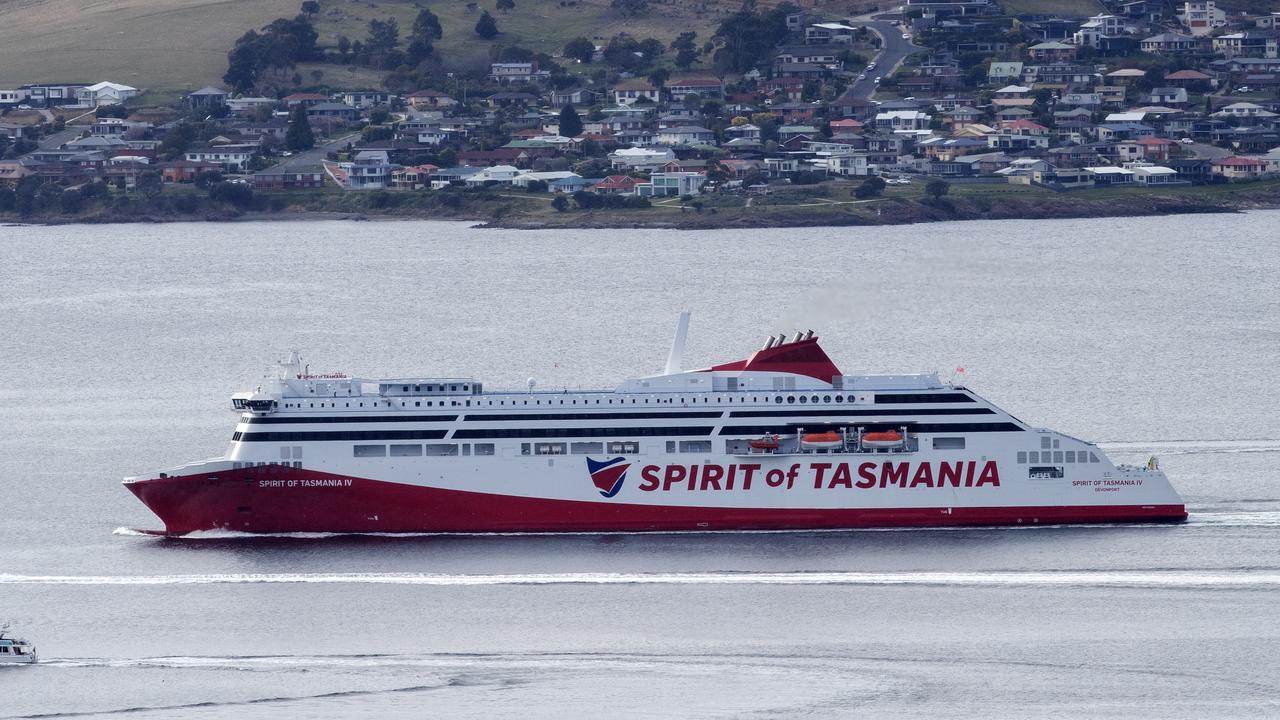
The most significant announcement landed last Friday: a $506 million “equity injection” to TT-Line, the operators of the crucial Spirit of Tasmania ferry service.
In other words, a fresh half-billion dollar bailout to the state-owned company which has overseen cost and timeline blowouts on replacement ferries and port infrastructure.
It’s cost overruns like these that has seen Tasmania, net debt free as recently as 2019, borrow more per person than any state bar Victoria.
Mr Brennan said it was unfortunate debt was being racked up at the same time as global events were making it more costly to borrow.
“The now familiar story of rising debt, combined with borrowings being refinanced at higher interest rates (see Victoria),” he said.
“This leaves Tasmania having to face its long-term structural economic challenges.
“Tasmania’s predicament is a result of past choices, and the remedy is to make some different ones.”
Jobs market holds key to next Reserve Bank rates call
An uptick in Australia’s unemployment could scare the Reserve Bank off more rate hikes as fears grow about the impact of the Iran war on the economy.
The jobless rate is expected to remain at 4.3 per cent, with another 20,000 jobs added for April, when the Australian Bureau of Statistics releases the results of its latest Labour Force survey on Thursday.
“A resilient outcome in line with expectations would support the case for further RBA rate hikes in the months ahead,” IG market analyst Tony Sycamore said.
“A noticeably softer result, however, especially one that sees the jobless rate edge toward 4.5 per cent, would see the rates market dial back expectations for additional rate hikes later this year.”
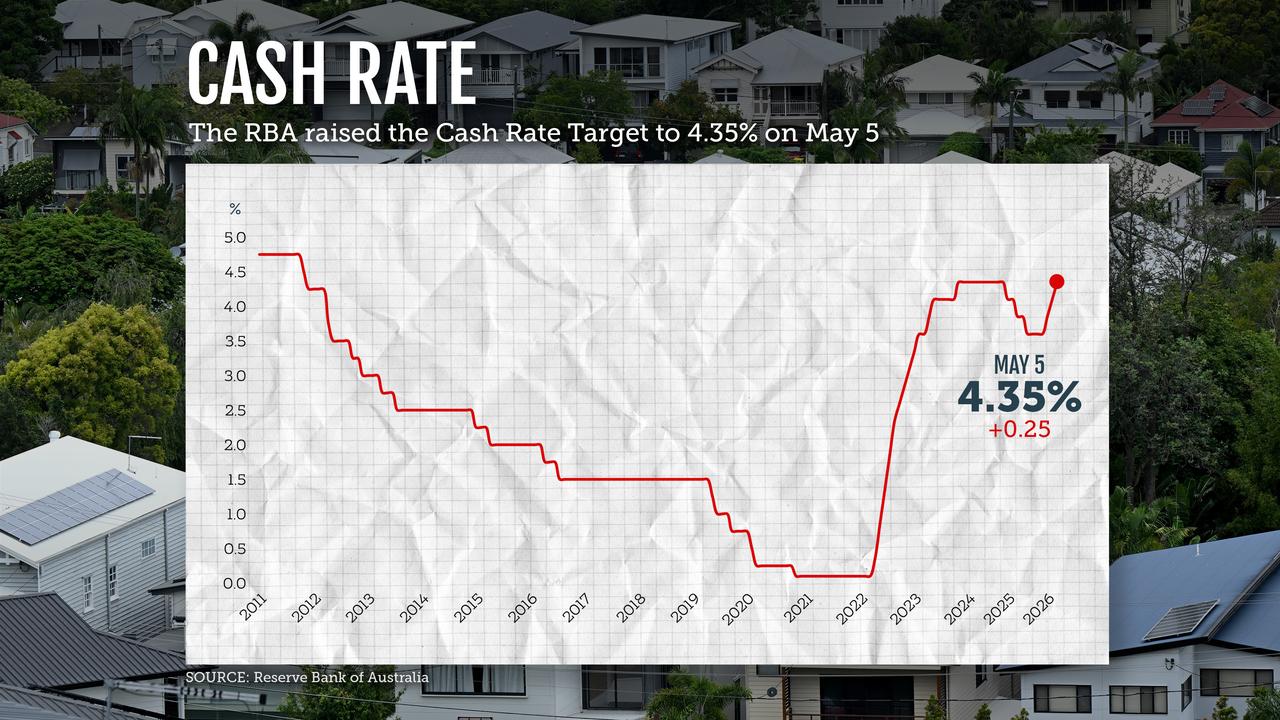
Money markets were pricing in about a one-in-10 chance of a hike at the next RBA meeting in June but had fully priced in one rate rise by November.
Minutes from the central bank’s meeting earlier in May, released on Tuesday, showed most board members still agreed fighting inflation was the priority, even though the risks to economic activity and employment were gathering.
Market economists also warned of worsening impacts on the labour market the longer the Iran war drags on.
That poses a dilemma for the Reserve Bank board, which must balance the dual priorities of keeping price growth under control and targeting full employment.
Commonwealth Bank on Wednesday downgraded its economic growth forecast from 1.9 per cent to 1.6 per cent by the end of 2026 and upgraded its peak unemployment forecast from 4.4 per cent to 4.6 per cent.
“That leaves the RBA facing a difficult trade-off,” said CBA economists Belinda Allen, Ashwin Clarke and Harry Ottley in a research note.
“Inflation was already running too hot and will go higher from here. At the same time, growth is likely to slow over coming months, which should bring demand more into line with supply and gradually reduce price pressures.”
The labour market was still showing resilience in April data released by online jobs marketplace SEEK.
Job ads increased 0.2 per cent over the month, while advertised salary growth rose 0.4 per cent.
Importantly, the growth in jobs ads was broad-based across every state and territory, except the ACT, SEEK chief economist Blair Chapman said.
“While this is positive, we shouldn’t underestimate the headwinds still facing Australian businesses,” he said.
“With inflation rising and fuel costs driving up business and living cost pressures, hiring confidence is understandably muted as we head into the final months of the financial year.”
Samsung union suspends strike as tentative deal reached
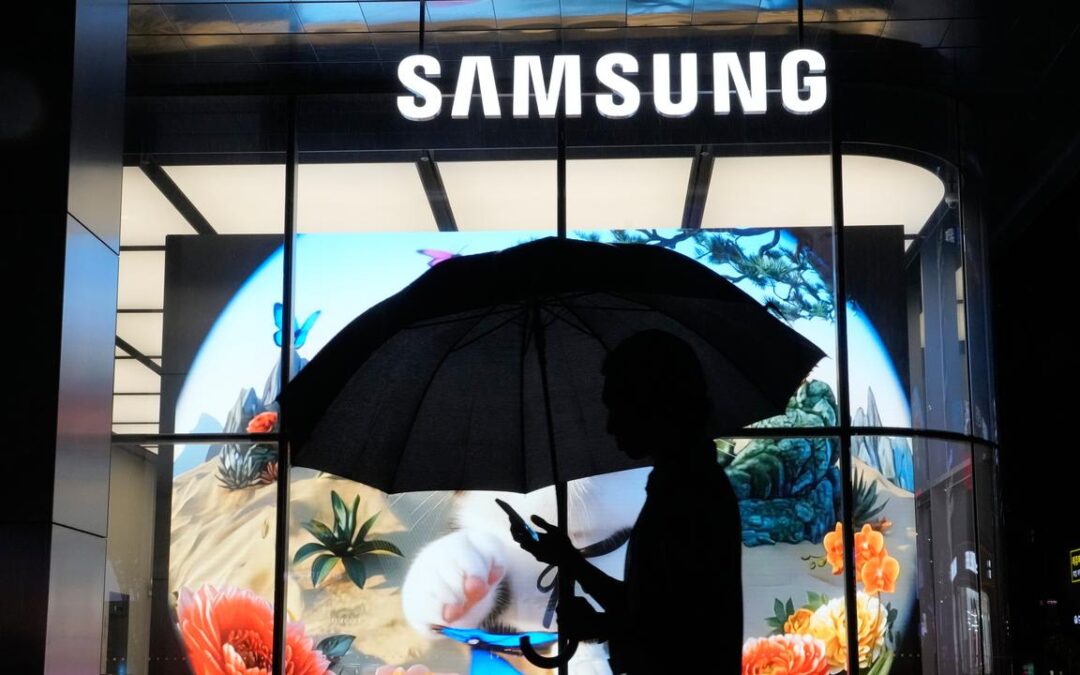
Samsung Electronics’ union says it will suspend a planned strike after the two sides reached a tentative pay deal, potentially averting action that threatened to disrupt the production of AI and other chips.
The labour union suspended the planned 18 days of strike action – scheduled to begin on Thursday – by nearly 48,000 of its members to put the tentative agreement to a vote by its members.
The vote will take place from May 22 to 27, union leader Choi Seung-ho told reporters.
An earlier notice posted on the union’s website had said it would happen from May 23 to 28.
Samsung Electronics said in a separate statement that the two parties had reached a tentative agreement on wages and collective bargaining and pledged to “build mature and constructive labour-management relations”.
The 11th-hour deal came after days of talks that broke down multiple times, including earlier on Wednesday when the union announced that it would go ahead with the strike.
Talks restarted later in the day after South Korean Labour Minister Kim Young-hoon stepped in to mediate.
The two sides had been at odds over how performance bonuses would be distributed between the conglomerate’s hugely profitable memory business and loss-making logic chip businesses, Reuters has previously reported.
Choi said they had agreed on how to distribute profit to loss-making businesses and would publish details of the tentative plan on the union’s website shortly.
He expects the union members to approve the wage deal, he added.
“We will do our utmost to stabilise labor-management relations at Samsung Electronics going forward,” he said.
Samsung accounts for almost a quarter of South Korea’s exports and is also the world’s largest memory chip maker so production disruptions risk fuelling price rises at a time when the AI boom has caused shortages.