
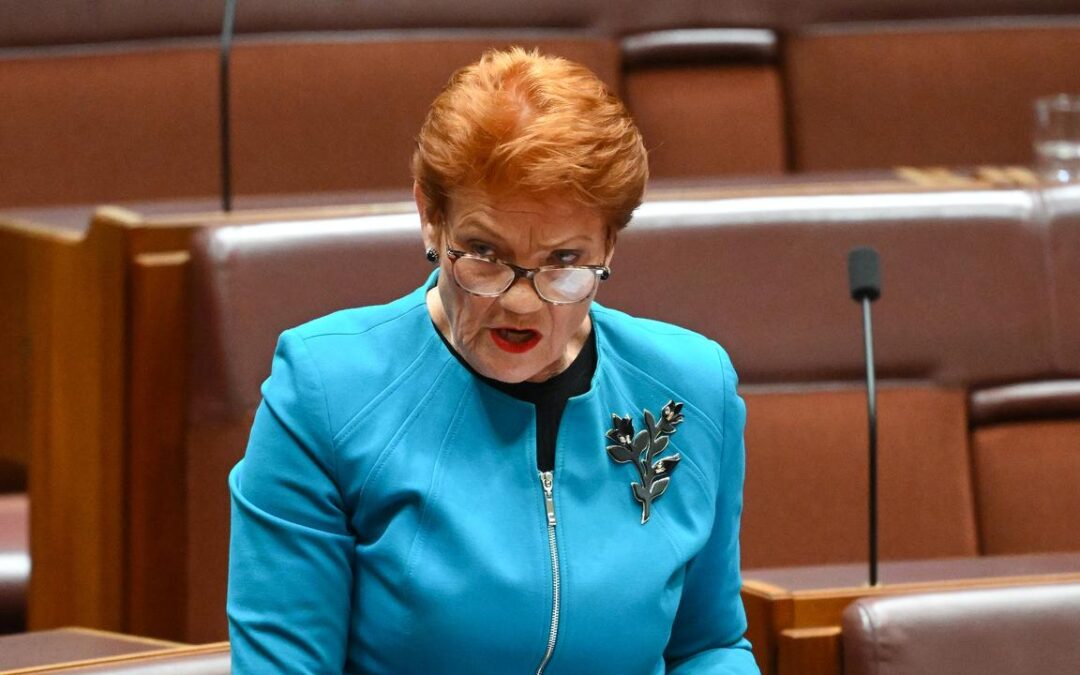
Hanson lashes gas tax ‘vandalism’, reveals energy plan
One Nation leader Pauline Hanson has slammed calls for more regulations for the gas industry while labelling a campaign to impose a tax on exports as damaging.
Senator Hanson used a speech at the Australian Energy Producers Conference in Adelaide to outline plans to discount oil and gas exploration in a bid to increase Australia’s sovereign wealth.
The policy, similar to that used in Norway, would include a 30 per cent rebate on oil and gas exploration in Australia.
In exchange, the Commonwealth would take a financial stake of up to 30 per cent in oil and gas projects, with profits directed into a sovereign wealth fund.
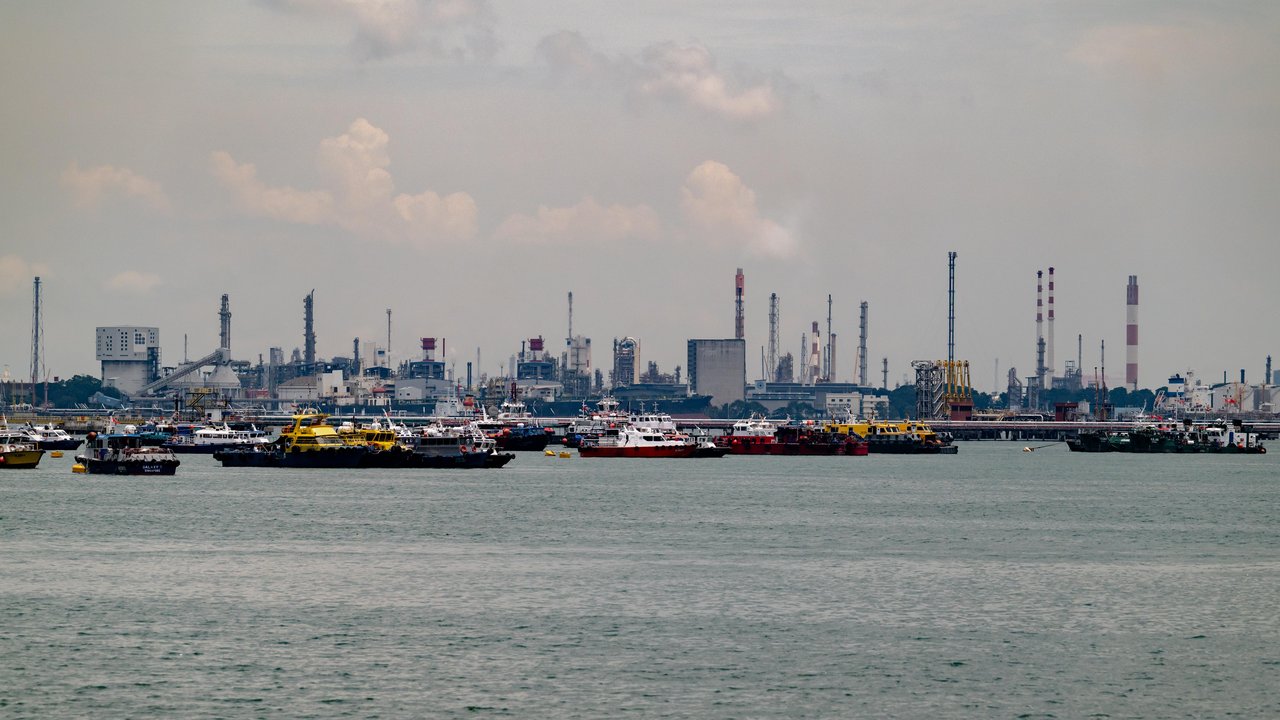
The government’s share of the gas and oil extracted would be directed into fertiliser, fuel refining and energy production.
The petroleum resource rent tax would be scrapped and replaced with a royalty scheme.
“This flexibility will maximise value for Australians while encouraging industry participation,” Senator Hanson said.
“One Nation would ensure the (wealth fund) board consists of only industry experts who have had success in the oil and gas industry, not government-appointed bureaucrats.”
The One Nation leader hit out at a campaign to impose a 25 per cent windfall tax on gas exports
“These activists simply want to destroy our gas industry and push their green agenda scam. It’s nothing more than economic vandalism,” she said.
“The tax would apply to the total value of all gas exports and destroy the economics of the entire industry. That is their goal.”
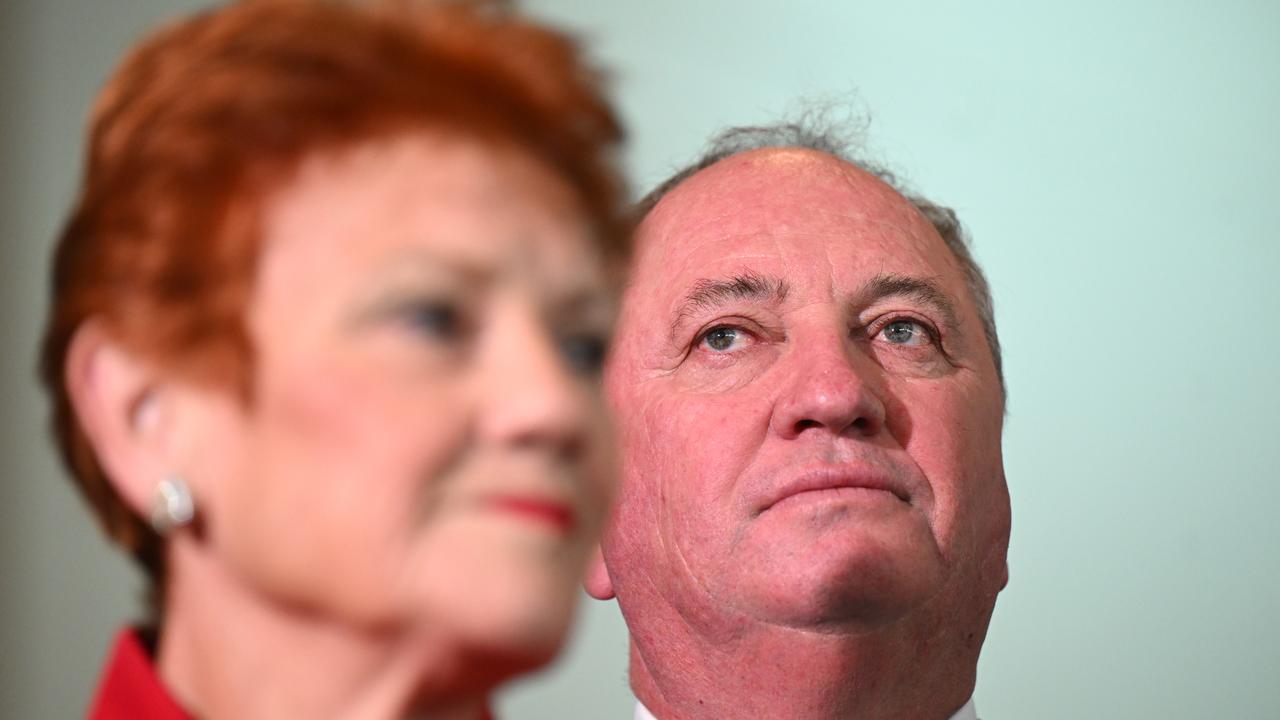
One Nation MP Barnaby Joyce said the party’s plan would allow the Australian people to become part-owners in the nation’s natural resources.
“That’s what the Australian people want. They want a form of ownership” he told reporters in Adelaide.
“This would be positive on the Australian balance sheet.”
But Resources Minister Madeleine King said Norway’s position was very different from Australia’s, given most of the east coast’s gas supply came from hydraulic fracturing and coal seam gas.
Norway has very few onshore gas resources.
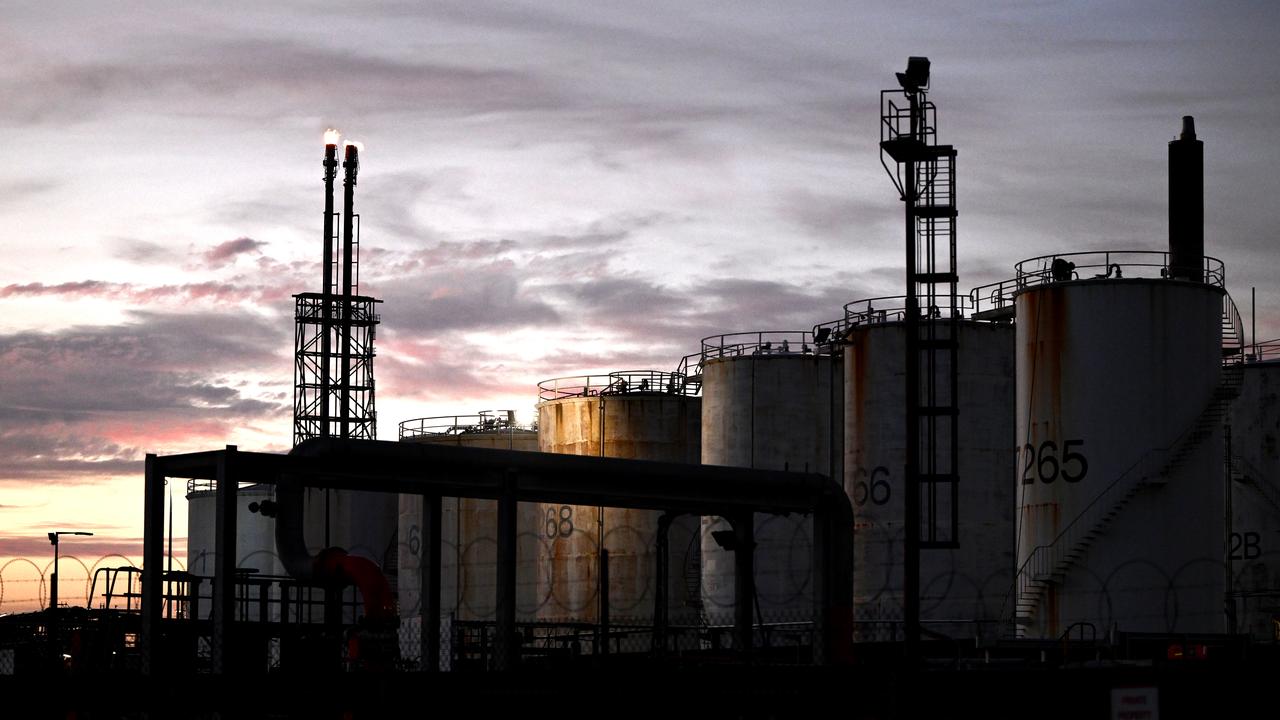
“For One Nation to cherry-pick parts of a system of another country … just speaks to their lack of knowledge of our gas system and, by the sounds of it, our political system as well,” she told reporters in Perth.
Opposition Leader Angus Taylor said he would not back any additional charges on the sector.
“I have only just seen the policy, but let me tell you, I don’t support putting more taxes on oil and gas, which I think is part of that policy,” he said.
But Senator Hanson said the plan would be centred on investment, not a “takeover” of the industry.
Earlier, in his own speech at the Adelaide conference, Mr Taylor called for the industry to be more vocal about government policies in the sector.
“You need to start making noise. You need to use every campaign tool at your disposal – especially social media. Push back against your detractors,” he said.
“We are going to have to fight like hell. That’s where we are at now.”
Mr Taylor, who wants all net-zero goals scrapped, used his budget reply speech earlier in May to call on the government to lift fuel baseline stockholding levels from 30 to 60 days.
He said the coalition would allow for smaller oil and gas companies to be incentivised to carry out explorations.
“Australia needs energy abundance. We must get busy digging and drilling, but we have a government that isn’t interested in these things,” he said.
The coalition would also establish an $800 million fuel security facility to boost storage capacity, with a focus on diesel.
He wants to speed up project approvals for drilling projects, particularly in Bass Strait.
Green light for ‘globally significant’ rare earths mine
Australia has scored a “big win” in its effort to dislodge China’s grip on high-tech supply chains after a Gina Rinehart-backed rare earths miner gave the green light for its flagship project.
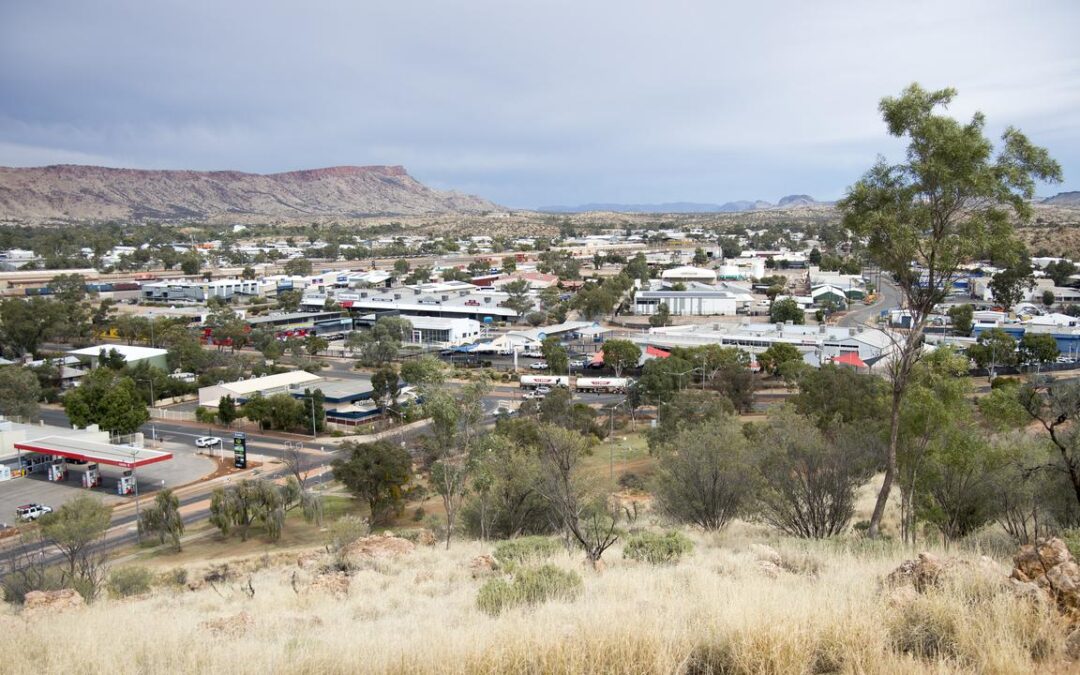
Arafura Rare Earths’ final investment decision to build its Nolans Project – which will be Australia’s first fully integrated ore-to-oxide rare earths operation – in the Northern Territory marks a major milestone as the West seeks to reduce its economic reliance on China.
Thursday’s decision came after years of building offtake relationships with companies including Hyundai, Kia and Siemens and as the miner became the first company to secure support under a federal government plan to build a rare earths strategic reserve.
China mines more than half the world’s rare earths but refines as much as 90 per cent of global production.
Rare earths contain essential elements and alloys that are key to modern technologies with applications in defence and renewable energy.
Government intervention was essential to get the project off the ground because the market was not functioning in its own right, Arafura managing director and chief executive Darryl Cuzzubbo said.
“It’s obviously a very monumental milestone for the company as we go into construction, but I’d like to say it’s a significant milestone for the Northern Territory, and indeed Australia,” he told reporters in Perth.

The strategic importance of the project was evident in the level of financing being provided by Australia’s Western allies, including the US, Germany and South Korea, Edith Cowan University senior geopolitics lecturer Naoise McDonagh said.
“It’s a really important step in de-risking and diversifying from Chinese supply,” he told AAP.
China has enjoyed a stranglehold on the supply of permanent magnets made from Neodymium-Praseodymium oxide, which the Nolans project would produce, he said.
“It’s a big win, it’s a very positive signal and I think the government will see it that way, and industry should see it that way as well,” Dr McDonagh said.
The project’s green-lighting showed how reforms to the Strategic Reserve and Export Finance Australia were translating policy into practical outcomes, Minerals Council chief executive Tania Constable said.
“Australia has globally significant critical mineral resources, but bringing projects online – particularly in rare earths – requires navigating opaque markets, long development timelines and concentrated supply chains,” she said.
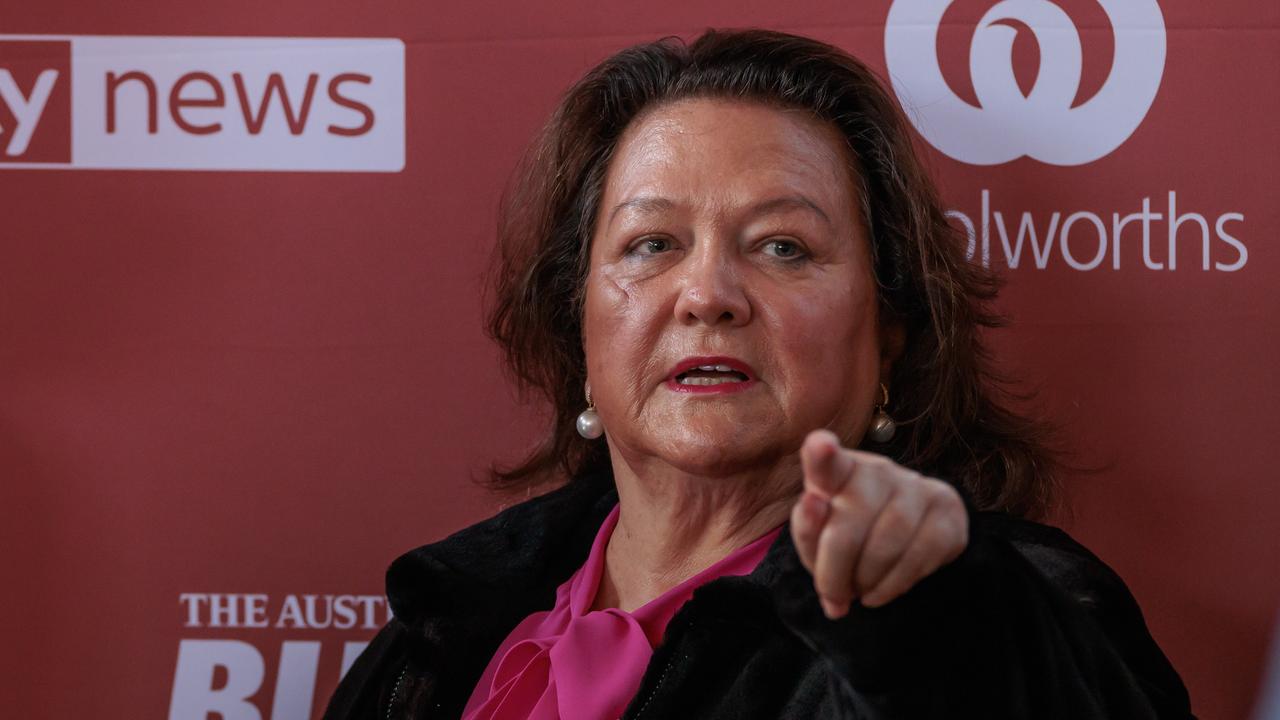
Arafura, in which Ms Rinehart’s Hancock Prospecting holds a more than 15 per cent stake, has received roughly $1.2 billion in taxpayer support so far.
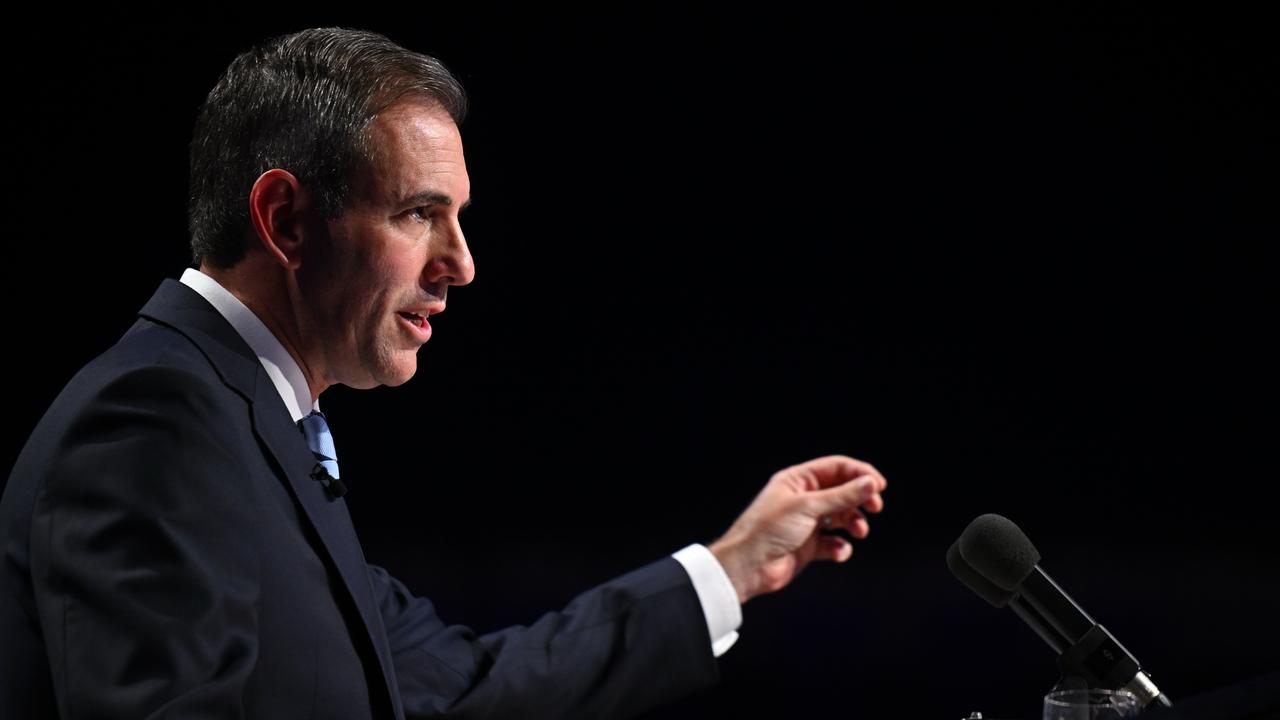
Treasurer Jim Chalmers said rare earths were essential to Australia’s economic and national security.
Nolans is expected to create 600 jobs during construction and sustain 350 permanent positions during steady-state operations.
Arafura’s share price was more than two per cent higher at 30c in afternoon trading.
Green light for ‘globally significant’ rare earths mine
Australia has scored a “big win” in its effort to dislodge China’s grip on high-tech supply chains after a Gina Rinehart-backed rare earths miner gave the green light for its flagship project.
Arafura Rare Earths’ final investment decision to build its Nolans Project – which will be Australia’s first fully integrated ore-to-oxide rare earths operation – in the Northern Territory marks a major milestone as the West seeks to reduce its economic reliance on China.
Thursday’s decision came after years of building offtake relationships with companies including Hyundai, Kia and Siemens and as the miner became the first company to secure support under a federal government plan to build a rare earths strategic reserve.
China mines more than half the world’s rare earths but refines as much as 90 per cent of global production.
Rare earths contain essential elements and alloys that are key to modern technologies with applications in defence and renewable energy.
Government intervention was essential to get the project off the ground because the market was not functioning in its own right, Arafura managing director and chief executive Darryl Cuzzubbo said.
“It’s obviously a very monumental milestone for the company as we go into construction, but I’d like to say it’s a significant milestone for the Northern Territory, and indeed Australia,” he told reporters in Perth.

The strategic importance of the project was evident in the level of financing being provided by Australia’s Western allies, including the US, Germany and South Korea, Edith Cowan University senior geopolitics lecturer Naoise McDonagh said.
“It’s a really important step in de-risking and diversifying from Chinese supply,” he told AAP.
China has enjoyed a stranglehold on the supply of permanent magnets made from Neodymium-Praseodymium oxide, which the Nolans project would produce, he said.
“It’s a big win, it’s a very positive signal and I think the government will see it that way, and industry should see it that way as well,” Dr McDonagh said.
The project’s green-lighting showed how reforms to the Strategic Reserve and Export Finance Australia were translating policy into practical outcomes, Minerals Council chief executive Tania Constable said.
“Australia has globally significant critical mineral resources, but bringing projects online – particularly in rare earths – requires navigating opaque markets, long development timelines and concentrated supply chains,” she said.
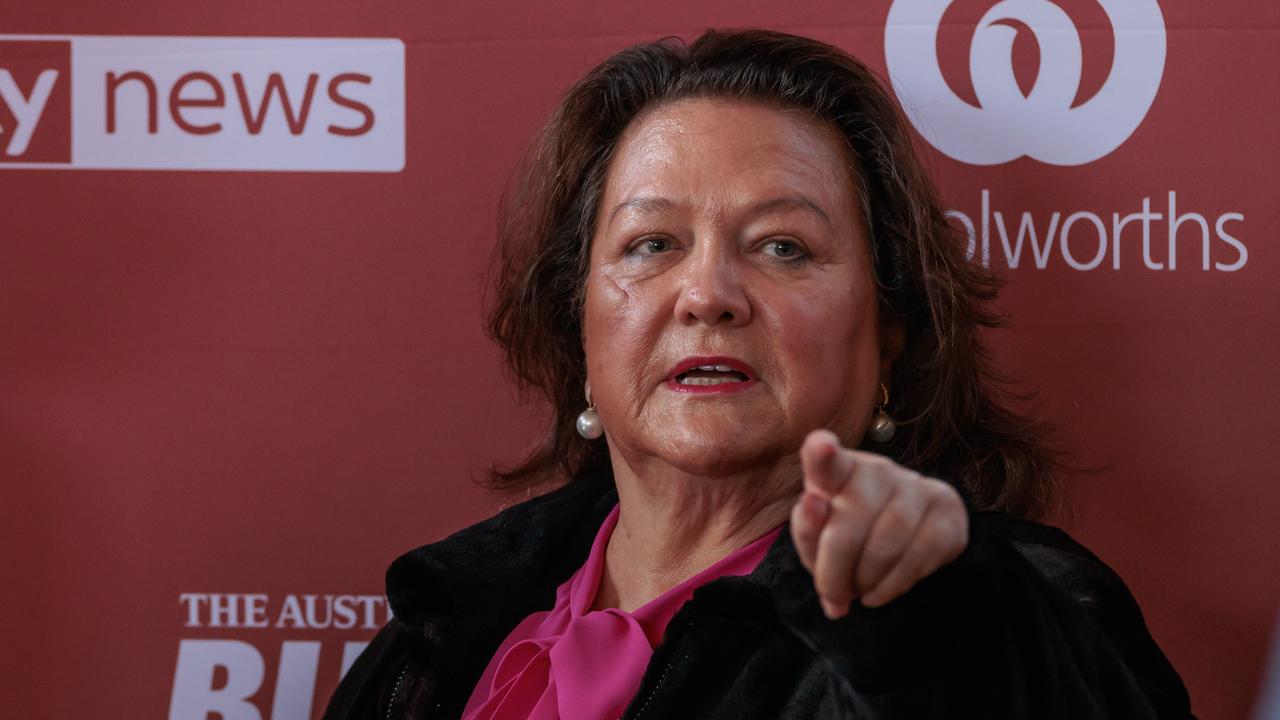
Arafura, in which Ms Rinehart’s Hancock Prospecting holds a more than 15 per cent stake, has received roughly $1.2 billion in taxpayer support so far.
Treasurer Jim Chalmers said rare earths were essential to Australia’s economic and national security.
Nolans is expected to create 600 jobs during construction and sustain 350 permanent positions during steady-state operations.
Arafura’s share price was more than two per cent higher at 30c in afternoon trading.
Shares bounce on peace deal hopes, rates expectations
Australia’s stock market has had its best day since early April on optimism for a Persian Gulf peace deal and after a surprise uptick in unemployment softened the odds of further interest rate hikes.
The S&P/ASX200 surged 125.1 points on Thursday, up 1.47 per cent, to 8,621.7, as the broader All Ordinaries gained 123.8 points, or 1.42 per cent, to 8,840.8.
Strong rallies in banks, miners and real estate trusts led the exchange higher, with eight of 11 local sectors improving over the session.
Energy and utilities stocks underperformed, as the Brent crude benchmark eased to $US106 a barrel from above $US111 on Wednesday.
The Australian dollar is buying 71.25 US cents, up from 71.02 US cents on Wednesday at 5pm.
Shares bounce on peace deal hopes, rates expectations
Australia’s stock market has had its best day since early April on optimism for a Persian Gulf peace deal and after a surprise uptick in unemployment softened the odds of further interest rate hikes.
The S&P/ASX200 surged 125.1 points on Thursday, up 1.47 per cent, to 8,621.7, as the broader All Ordinaries gained 123.8 points, or 1.42 per cent, to 8,840.8.
Strong rallies in banks, miners and real estate trusts led the exchange higher, with eight of 11 local sectors improving over the session.
Energy and utilities stocks underperformed, as the Brent crude benchmark eased to $US106 a barrel from above $US111 on Wednesday.
The Australian dollar is buying 71.25 US cents, up from 71.02 US cents on Wednesday at 5pm.
Australia backs historic United Nations climate vote
Australia has voted in favour of a landmark United Nations resolution spearheaded by its Pacific island neighbours to strengthen state responsibility to act on climate change.
The 193-member global body endorsed an advisory opinion provided by the world’s top court on Wednesday, which notably warns a failure to curb fossil fuel production might constitute an “internationally wrongful act”.
The hard-fought legal opinion from the International Court of Justice delivered in July 2025 was first conceived by a group of Pacific students and initially taken up by Vanuatu.

The climate-vulnerable island nation, supported by its Pacific allies, was also the first to sponsor the UN General Assembly resolution that passed with 141 votes in favour, eight against and 28 abstentions.
“This must be a turning point in accountability for damaging the climate,” said Vishal Prasad, one of the students who instigated the ICJ advisory opinion.
“Communities on the frontlines, like in the Pacific, have been waiting far too long and continue to pay too high a price for the actions of others,” said the director of Pacific Islands Students Fighting Climate Change.

Australia-based Climate Council chief executive Amanda McKenzie said the ruling left the federal government’s stance on fossil fuel exports exposed.
“While the government is ramping up renewable power, it is still giving fossil fuel giants a free ride,” she said.
“Continuing to wave through massive new coal and gas projects puts our kids’ future at risk and is now clearly against international law.”
Australia, which has been pursuing significant domestic emissions cuts with ambitious renewables targets but remains a major exporter of coal and gas, voted in favour of the resolution.
Other big fossil fuel producers, including the United States, Russia, Iran and Saudi Arabia, opposed the measure.
Australia was not among the 69 resolution co-sponsors leading into the vote, however, making it and New Zealand the only Pacific nations missing from the list.
Australia holds a key president of negotiations role heading into the next Conference of the Parties climate change talks to be held in Turkey, with Fiji and Tuvalu set to hold official pre-event meetings.
Low-lying Tuvalu is expected to lose 90 per cent of its land to the ocean by the end of the century due to sea level rise.
The UN General Assembly resolution formally reaffirms the ICJ’s findings and urges governments to align policies with limiting global warming to 1.5C.
It also urges nations in violation to provide reparation for damage and calls for the regulation of fossil fuel companies.
Australia backs historic United Nations climate vote
Australia has voted in favour of a landmark United Nations resolution spearheaded by its Pacific island neighbours to strengthen state responsibility to act on climate change.
The 193-member global body endorsed an advisory opinion provided by the world’s top court on Wednesday, which notably warns a failure to curb fossil fuel production might constitute an “internationally wrongful act”.
The hard-fought legal opinion from the International Court of Justice delivered in July 2025 was first conceived by a group of Pacific students and initially taken up by Vanuatu.

The climate-vulnerable island nation, supported by its Pacific allies, was also the first to sponsor the UN General Assembly resolution that passed with 141 votes in favour, eight against and 28 abstentions.
“This must be a turning point in accountability for damaging the climate,” said Vishal Prasad, one of the students who instigated the ICJ advisory opinion.
“Communities on the frontlines, like in the Pacific, have been waiting far too long and continue to pay too high a price for the actions of others,” said the director of Pacific Islands Students Fighting Climate Change.

Australia-based Climate Council chief executive Amanda McKenzie said the ruling left the federal government’s stance on fossil fuel exports exposed.
“While the government is ramping up renewable power, it is still giving fossil fuel giants a free ride,” she said.
“Continuing to wave through massive new coal and gas projects puts our kids’ future at risk and is now clearly against international law.”
Australia, which has been pursuing significant domestic emissions cuts with ambitious renewables targets but remains a major exporter of coal and gas, voted in favour of the resolution.
Other big fossil fuel producers, including the United States, Russia, Iran and Saudi Arabia, opposed the measure.
Australia was not among the 69 resolution co-sponsors leading into the vote, however, making it and New Zealand the only Pacific nations missing from the list.
Australia holds a key president of negotiations role heading into the next Conference of the Parties climate change talks to be held in Turkey, with Fiji and Tuvalu set to hold official pre-event meetings.
Low-lying Tuvalu is expected to lose 90 per cent of its land to the ocean by the end of the century due to sea level rise.
The UN General Assembly resolution formally reaffirms the ICJ’s findings and urges governments to align policies with limiting global warming to 1.5C.
It also urges nations in violation to provide reparation for damage and calls for the regulation of fossil fuel companies.

James Murdoch to acquire New York Magazine, Vox.com
James Murdoch has agreed to acquire New York Magazine and the Vox Media podcast network in a deal that will significantly expand his portfolio and stands to boost his influence over news and entertainment.
The deal, valued at more than $US300 million ($A421 million), gives Murdoch control of a storied magazine brand along with a podcast division whose reach among a demographic coveted by advertisers rivals that of cable television news networks, according to several people with direct knowledge of the acquisition.
The politics news site Vox.com is also included.
“This acquisition reflects both our interest in the forward edge of culture and our deep commitment to ambitious journalism,” Murdoch, the younger son of media mogul Rupert Murdoch, said in a statement announcing the transaction.

His company Lupa Systems will buy both properties from Vox Media.
Murdoch and his wife, Kathryn Murdoch, were intimately involved in courting key talent from Vox, including Kara Swisher and Scott Galloway, hosts of the popular Pivot podcast and several other programs on the company’s podcast network.
“I like James and Kathryn,” Swisher said in a phone interview, after the deal was announced.
“Unlike many other media owners these days, they’re savvy about the business and willing to take smart risks.”
Vox’s podcast division was valued much higher than New York Magazine in the transaction, two of the people said, spotlighting the importance of locking in top programs.
Pivot has three years remaining on its contract, which will continue under Murdoch. Swisher said she met with the investor and his wife several times before the deal came together.
“In a company like Vox, if its talent doesn’t like something, it’s not gonna happen,” Galloway said in an interview.
“James is the only Murdoch that this deal could have happened with.”
Several years ago, James was locked in a fierce dispute with his father over the editorial direction and future control of the family’s media empire.
He resigned in 2020 from the board of News Corp, the publishing arm of the family’s media empire, citing “disagreements over certain editorial content”.
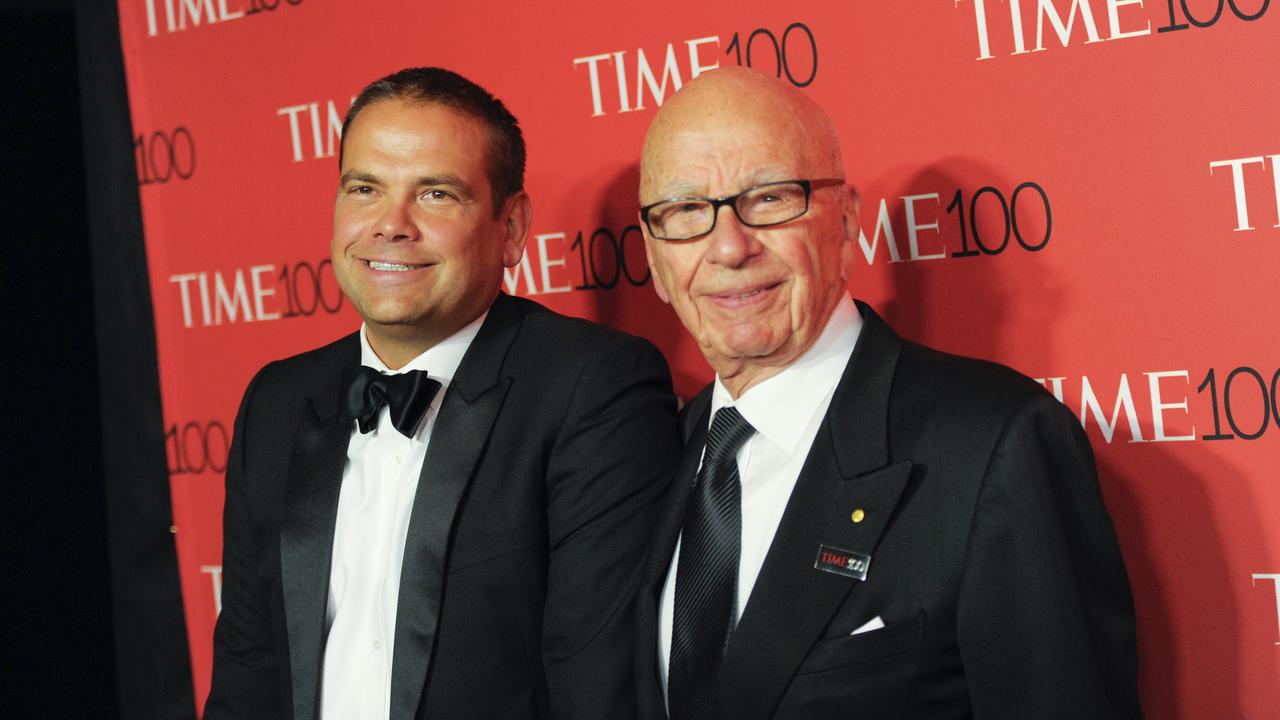
More recently, James and two of his sisters, Prudence and Elisabeth, sued their father to block his efforts to change the terms of the family trust that held a significant controlling interest in News Corp and Fox Corp.
Under the revised terms, James’ older brother Lachlan would secure control over what remained of the family’s media empire, effectively shutting out James and his sisters.
The pitched succession battle played out in a closed Nevada court before the parties settled.
James and his siblings effectively cashed out their stakes in the family trust, with each receiving $US1.1 billion ($A1.5 billion).
“I always thought James had great instincts on the digital business, but then Rupert would always come in and f*** it up,” Swisher said, citing previously unsuccessful digital investments.
“And there was nothing James could do since his father was in charge.”
Representatives for Rupert Murdoch did not respond to a request for comment.

James Murdoch to acquire New York Magazine, Vox.com
James Murdoch has agreed to acquire New York Magazine and the Vox Media podcast network in a deal that will significantly expand his portfolio and stands to boost his influence over news and entertainment.
The deal, valued at more than $US300 million ($A421 million), gives Murdoch control of a storied magazine brand along with a podcast division whose reach among a demographic coveted by advertisers rivals that of cable television news networks, according to several people with direct knowledge of the acquisition.
The politics news site Vox.com is also included.
“This acquisition reflects both our interest in the forward edge of culture and our deep commitment to ambitious journalism,” Murdoch, the younger son of media mogul Rupert Murdoch, said in a statement announcing the transaction.

His company Lupa Systems will buy both properties from Vox Media.
Murdoch and his wife, Kathryn Murdoch, were intimately involved in courting key talent from Vox, including Kara Swisher and Scott Galloway, hosts of the popular Pivot podcast and several other programs on the company’s podcast network.
“I like James and Kathryn,” Swisher said in a phone interview, after the deal was announced.
“Unlike many other media owners these days, they’re savvy about the business and willing to take smart risks.”
Vox’s podcast division was valued much higher than New York Magazine in the transaction, two of the people said, spotlighting the importance of locking in top programs.
Pivot has three years remaining on its contract, which will continue under Murdoch. Swisher said she met with the investor and his wife several times before the deal came together.
“In a company like Vox, if its talent doesn’t like something, it’s not gonna happen,” Galloway said in an interview.
“James is the only Murdoch that this deal could have happened with.”
Several years ago, James was locked in a fierce dispute with his father over the editorial direction and future control of the family’s media empire.
He resigned in 2020 from the board of News Corp, the publishing arm of the family’s media empire, citing “disagreements over certain editorial content”.
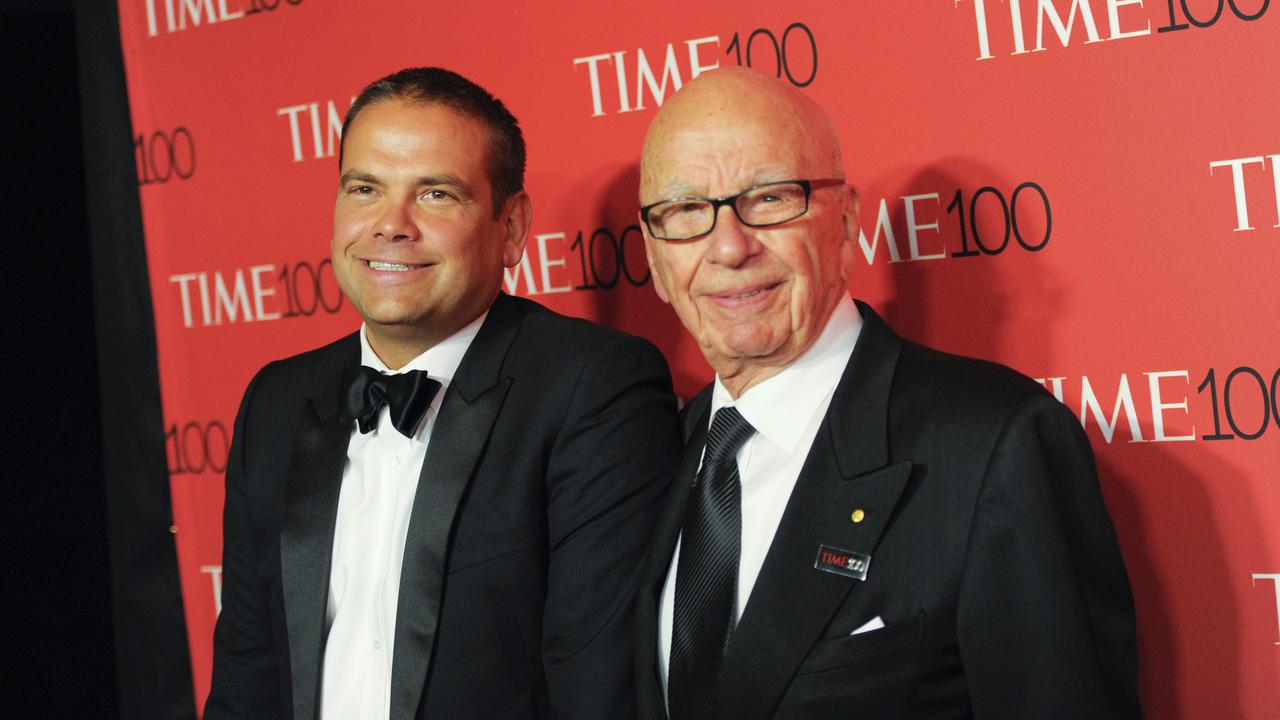
More recently, James and two of his sisters, Prudence and Elisabeth, sued their father to block his efforts to change the terms of the family trust that held a significant controlling interest in News Corp and Fox Corp.
Under the revised terms, James’ older brother Lachlan would secure control over what remained of the family’s media empire, effectively shutting out James and his sisters.
The pitched succession battle played out in a closed Nevada court before the parties settled.
James and his siblings effectively cashed out their stakes in the family trust, with each receiving $US1.1 billion ($A1.5 billion).
“I always thought James had great instincts on the digital business, but then Rupert would always come in and f*** it up,” Swisher said, citing previously unsuccessful digital investments.
“And there was nothing James could do since his father was in charge.”
Representatives for Rupert Murdoch did not respond to a request for comment.
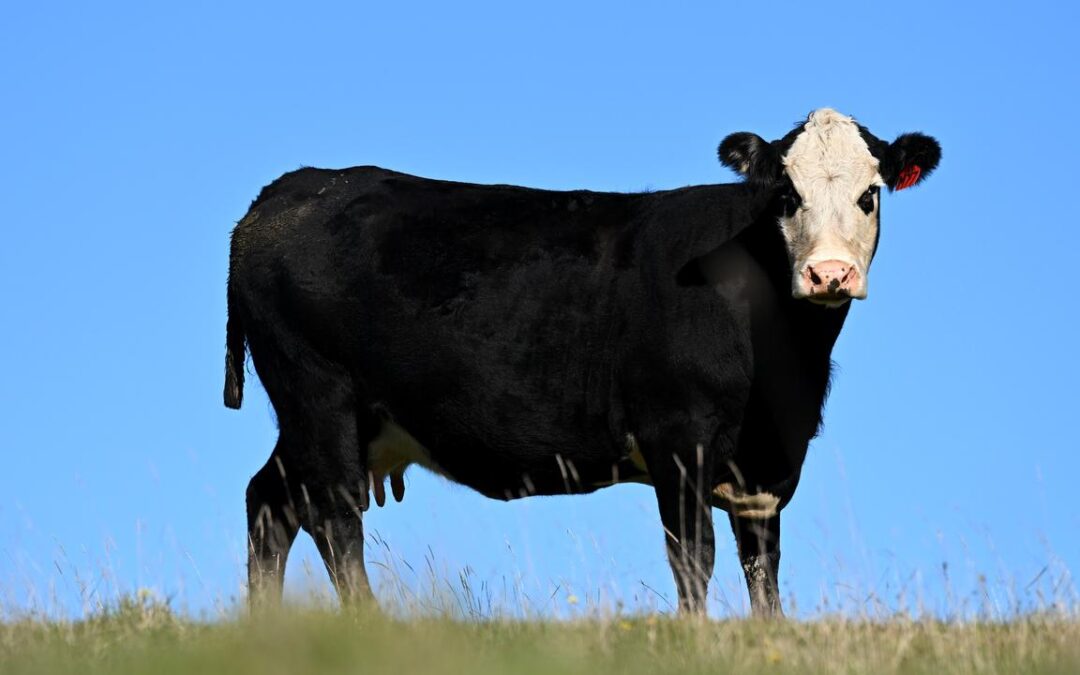
Aussie cattle producer beefs up profit, despite floods
Australia’s largest cattle and beef producer has taken a financial hit from this year’s Queensland floods and is facing higher costs due to the Middle East crisis.
But demand for beef protein in Australia and around the world remains strong, giving Australian Agriculture Co, or AACo, positive momentum as it enters its 2027 fiscal year.
AACo generated a bottom-line net profit of $107.3 million in fiscal 2026, in a major turnaround from last year’s $1.1 million loss.
Its preferred operating profit measure came to $71.6 million, up 23 per cent, on higher revenue of $422.1 million for the year ended March 31.
Beef sales totalled $314.4 million, up seven per cent, while cattle sales came to $107.7 million, up 15 per cent.
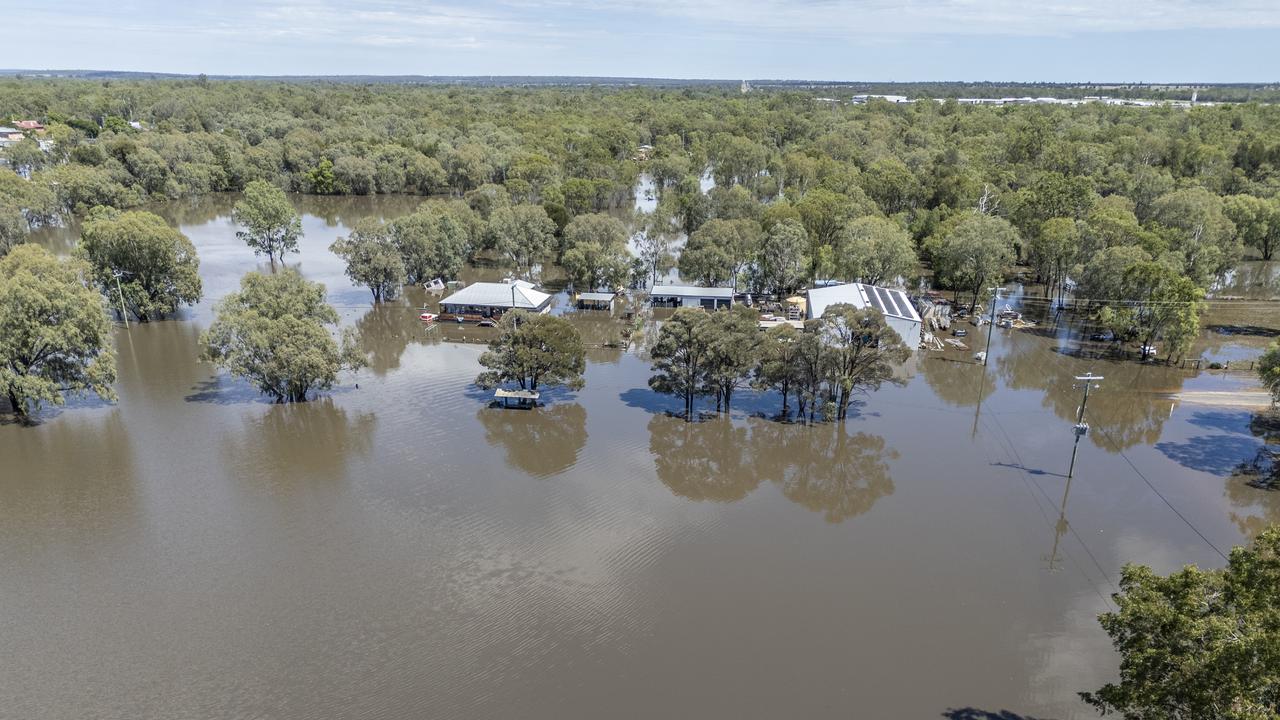
The impact of the flooding in north Queensland in March, which severely affected several of its cattle properties, cost $9 million and impacted its operating result.
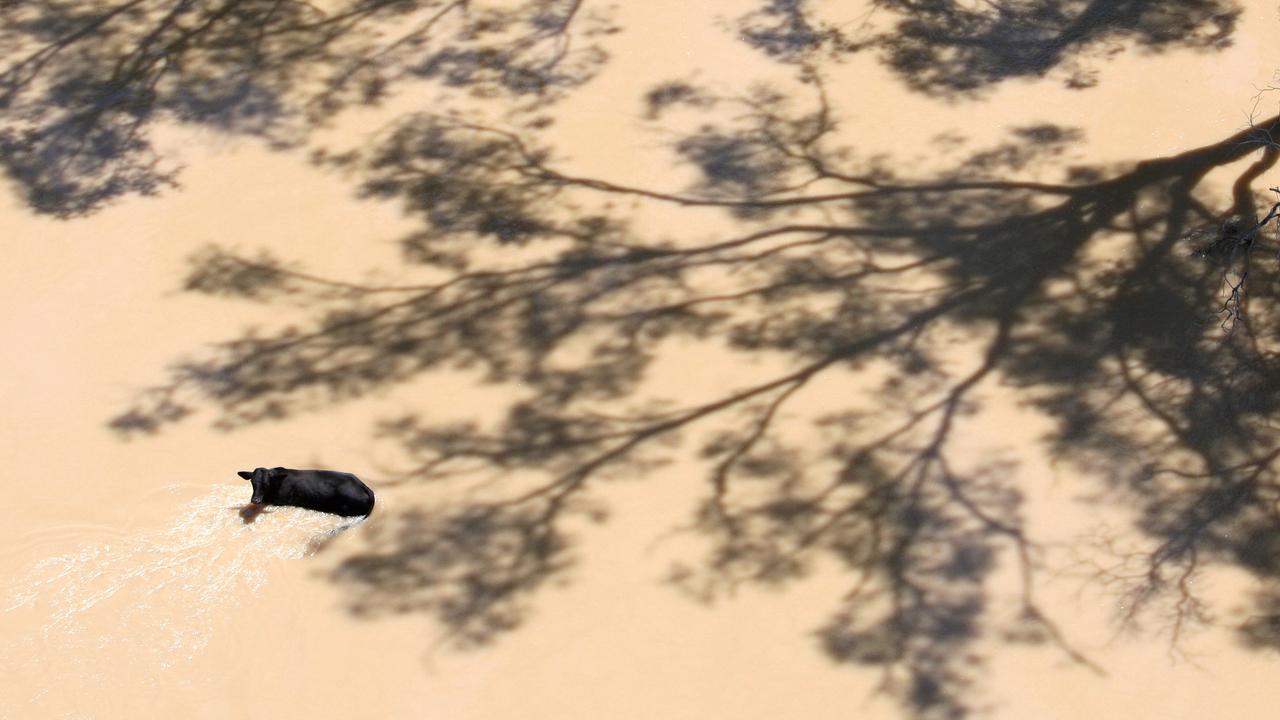
Some 7000 cattle, with a market value of about $13 million, died, as AACo stumped up for flood-related repairs, helicopter mustering and fodder drops.
At the same time, some of the impact of flooding was offset by higher cattle prices.
“The company’s results over recent years demonstrate its trajectory of growth that we will aim to continue building on as we move into the new year,” chief executive David Harris said.
Looking ahead, the headwinds that began in February when the US attacked Iran, and increased energy, transport and production costs, will impact in 2027.
“Whilst the duration and conditions remain uncertain, this is expected to have an impact on our global supply chain,” AACo said.
However, demand for protein continues to grow and AACo said it’s well-positioned to take advantage of this, building on its reputation for consistently providing high-quality products at scale.
“We’ll move into the next period united, engaged and confident in what we can achieve,” Mr Harris said.
AACo owns and operates 22 cattle stations, two feedlots and farms covering about 6.4 million hectares across Queensland and the Northern Territory.