
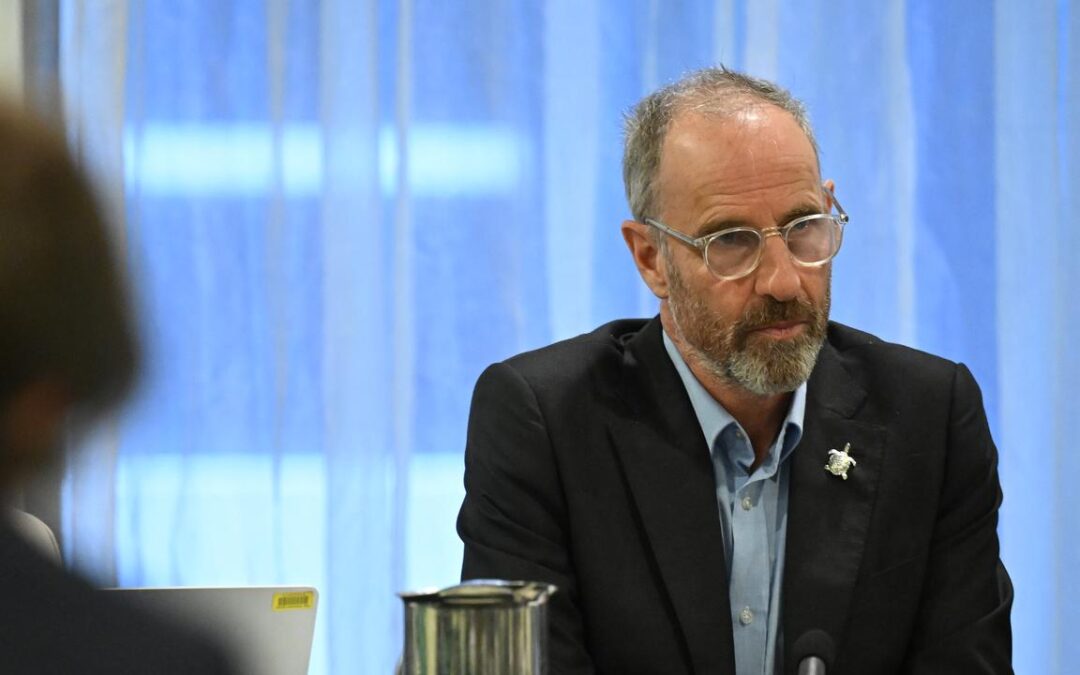
Greens demand tougher tax changes but support likely
Controversial tax changes in the budget are a “step in the right direction” but the Greens want the government to go further before pledging to give their support.
The progressive minor party’s vote is crucial to Labor’s hopes of getting legislation through the Senate, given the coalition has vowed to repeal the changes to investor tax breaks if elected.
While the government has faced significant blowback from small business owners and landlords over the changes to the capital gains tax discount and negative gearing, Greens economics spokesman Nick McKim said Labor hadn’t gone far enough.
“Faced with a once in a generation opportunity to shift more of the tax burden onto super wealthy people, and in particular super wealthy property speculators, Labor blinked,” he told ABC Radio on Friday.
The changes were a “step in the right direction”, but Senator McKim said the Greens would fight the government on its decision to grandfather the tax changes for existing property investors, which had in effect “pulled up the drawbridge” in front of young people.
“We would claw far more back from super wealthy property investors, and we would invest that into a genuine tax break for working Australians that would help them at the moment as they’re getting smashed as prices are going up everywhere,” he said.
Business groups have urged the government not to rush the tax package through parliament, with legislation for the capital gains tax and negative gearing changes expected to be introduced in the next sitting fortnight, which begins on Monday.
The proposal to remove the 50 per cent capital gains discount in favour of a minimum 30 per cent tax and indexation of the cost base has been slammed by the startup sector, which warns entrepreneurs will flee the country in search of a more favourable tax regime.
Opposition Leader Angus Taylor said the taxes were “toxic” and the government was scrambling for the exit.
The government has been consulting with the sector since before the budget about a potential carve-out, but Prime Minister Anthony Albanese has ruled out substantially amending the tax changes.
The startup sector had a valid point, conceded Assistant Minister for the Digital Economy and former tech businessman Andrew Charlton.
“That new regime doesn’t interact well if you have a really low capital base because you’ve got nothing to inflate off,” he told Nine’s Today program.
“So, there are real concerns out there.”
The government is more open to amending a proposal to impose a 30 per cent tax on discretionary testamentary trusts, which has sparked a campaign branding it a “death tax”, according to reports in Nine newspapers.
Discretionary testamentary trusts are used by some wealthy families to divide money in a will while ensuring asset protection, flexibility and control over how wealth is passed on, Chartered Accountants ANZ policy executive Geraldine Magarey said.
“They’re typically used by families with substantial assets, often property, investments or small‑business wealth, and are especially valuable where there are children, vulnerable beneficiaries, or a desire to manage wealth across generations,” she said.
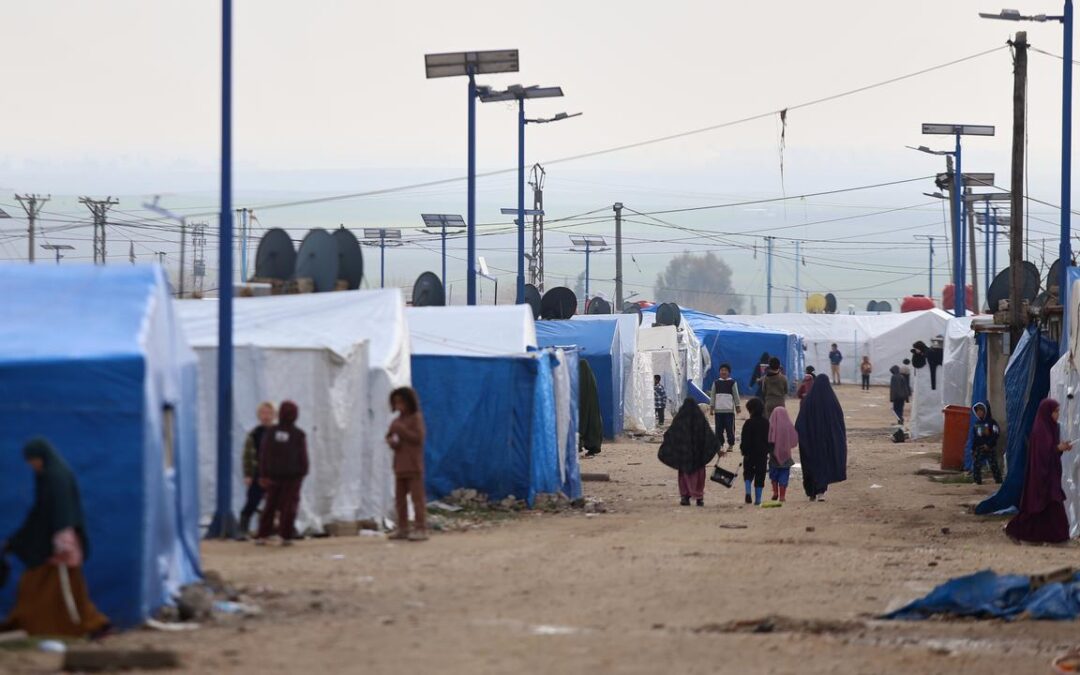
Second ‘ISIS bride’ group leaves Syrian refugee camp
A second group of Australian women and children with links to the terrorist group Islamic State have left a refugee camp in Syria.
The group departed the Al-Roj camp on Thursday, according to the ABC, ahead of their reported return.
It is expected they will head towards the capital Damascus for flights returning to Australia, but the timing remains unclear.

It comes after a group of four women and nine children with ties to Islamic State arrived in Australia earlier in May after leaving the same refugee camp.
Three of the women in that group were arrested upon their arrival and remain in custody.
Two are facing charges relating to slavery, and the other was charged with joining a terrorist organisation and travelling to a declared conflict zone.

Federal minister Tanya Plibersek said the second group would face repercussions on their return.
“They’ll face the same consequences as the first group,” she told ABC TV on Friday.
“If there are any crimes that they’re accused of, they’ll be taken into custody and treated with the full force of the law.”
It is understood seven women and 14 children were remaining at the Syrian Al Roj camp following the departure of the first group.
One of the women has been given a temporary exclusion order, which banned them from entering Australia for a two-year period on national security grounds.
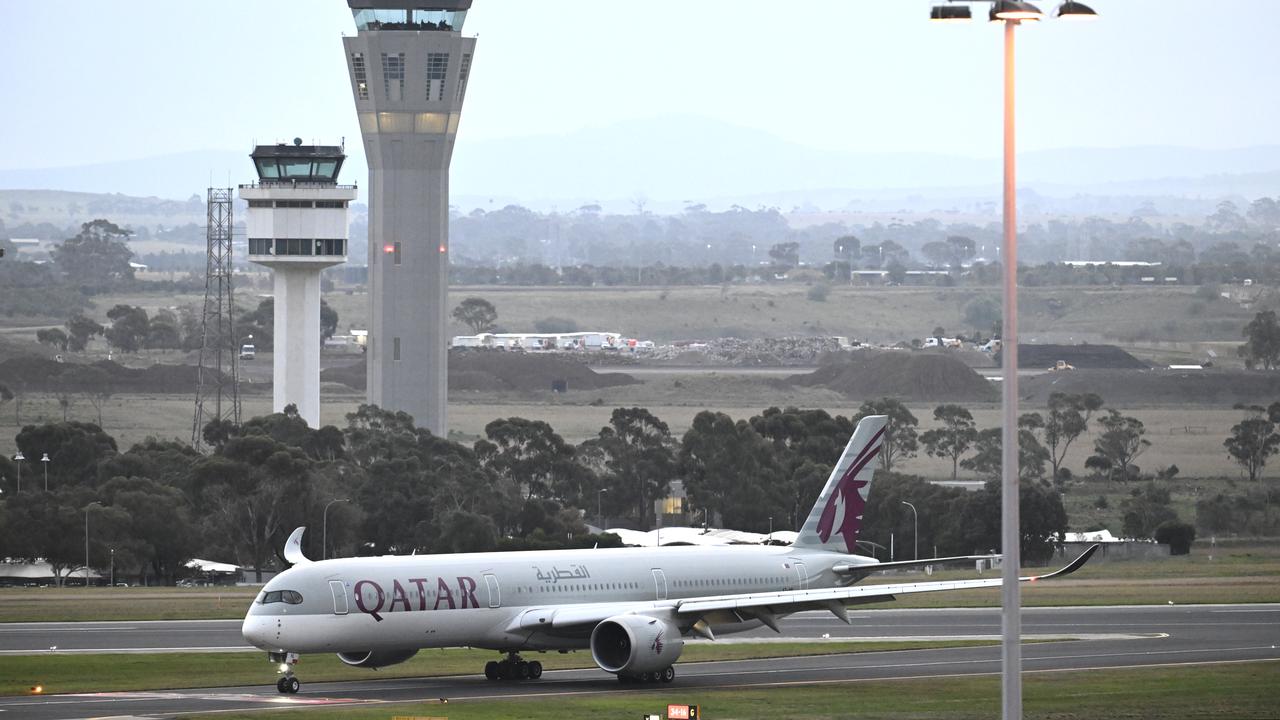
The group can to return to Australia from the refugee camp as they are citizens, but Prime Minister Anthony Albanese has insisted no support has been given to them.
“The US State Department has been very keen on people leaving those camps,” he told ABC Radio on Wednesday.
“There wasn’t a government person on the plane (with the previous cohort), because we weren’t providing any assistance, and won’t.”

Adios! Aussie fast food chain suddenly exits US
An Aussie-born Mexican-themed fast food chain is pulling out of the United States in a spectacular turnaround on its American market ambitions.
Stock exchange-listed Guzman y Gomez made the announcement on Friday, saying its restaurants in Chicago will cease trading immediately.
The decision was made because the financial performance of the US business was not acceptable or meeting targets.
“I have always been confident in the differentiation of our food and guest experience, however this was not translating to an improvement in sales momentum,” founder and co-chief executive Steven Marks said.
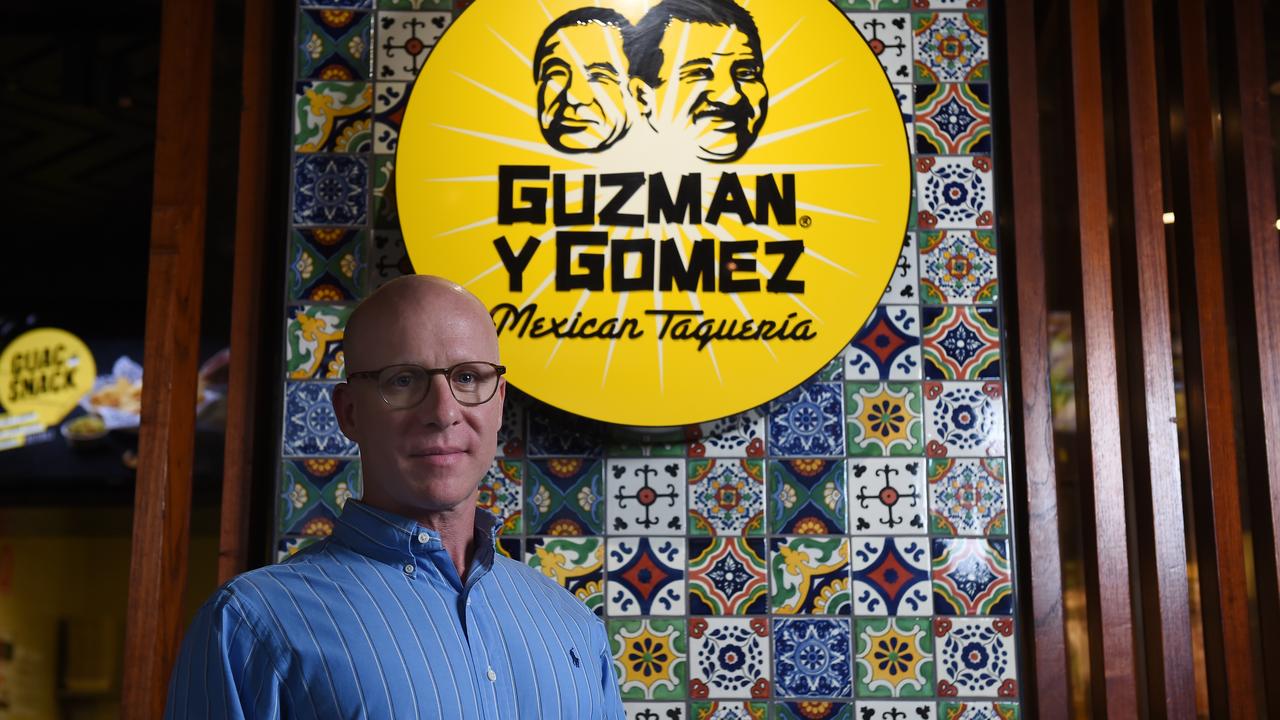
Guzman’s US experiment lasted about six years, after it opened its first store in Chicago in January 2020.
“I realised this was going to take significantly more time and capital than we had expected,” Mr Marks said.
“The board and I have concluded that the business was unlikely to deliver the performance that would justify continued investment of shareholder capital.”
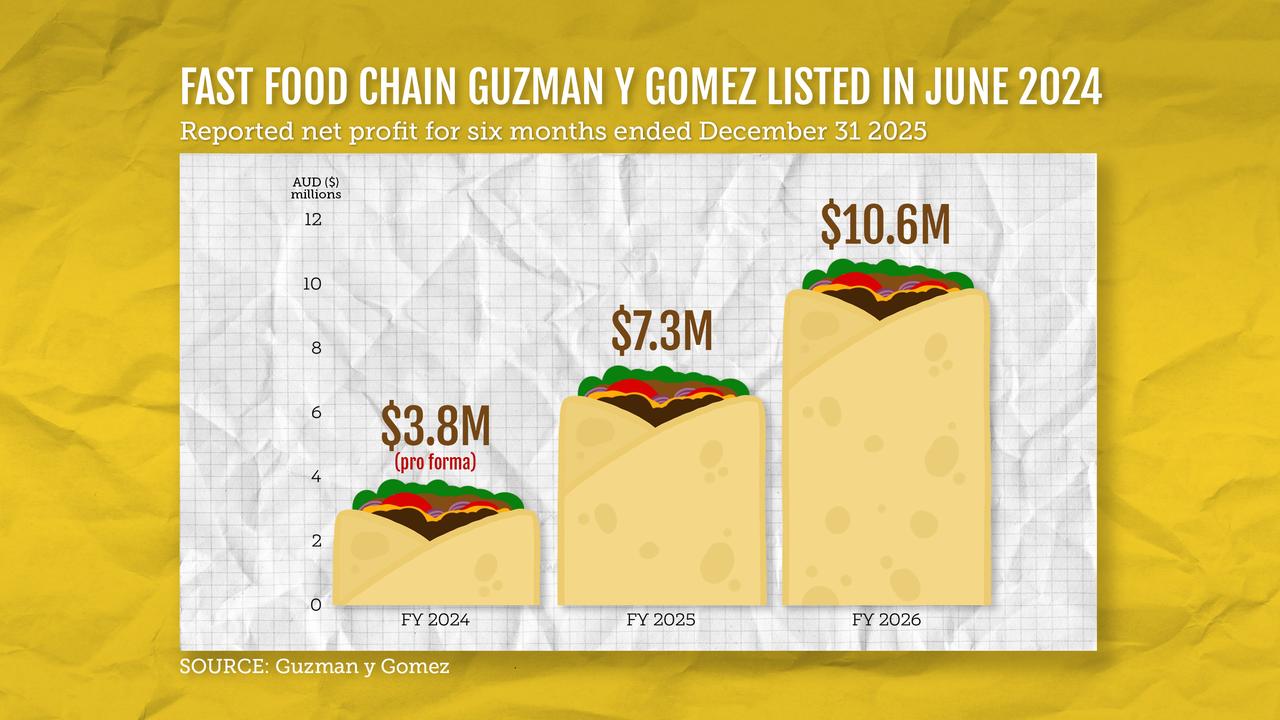
In February, Guzman reported a bottom-line net profit of $10.6 million, up almost 45 per cent, on revenue of $261.2 million, for the first half of its financial year.
However, total cash earnings came in at $33 million, missing market forecasts of between $34.9 million and $35.9 million.
Weighing on the result was an $8.3 million slump in the equivalent line item for its US business, as new restaurants dragged on margins, despite global network sales swelling 18 per cent to $681.8 million.
Its core Australian business generated network sales of $673.6 million and earnings of $41.2 million.
Guzman on Friday reiterated that its Australian operation was still growing strongly.
“We have a long runway ahead of us in Australia, as we progress to our long-term target of 1000 restaurants,” Mr Marks said.
Guzman still has operations in Singapore and Japan, under a master franchise arrangement.
“We are very proud of our international partners in Singapore and Japan and see substantial growth ahead in each market,” Mr Marks said.
“Today’s decision is about the US specifically – it is not a statement about GYG’s global potential.”
The US exit is expected to weigh on its full-year profit and loss line, with a one-off charge of between $US30 million and $US40 million.
On Thursday, RBC Capital Markets analyst Michael Toner upgraded Guzman’s stock to “outperform” with a price target of $22, on the strength of its Australian business and expansion opportunities beyond 1000 stores.
Its shares ended on Thursday at $18, giving it a market value of $1.8 billion.

Aussie activists detained by Israel arrive in Turkey
Australian activists detained in Israel after trying to deliver aid to Gaza have been deported to Turkey following a “shameful” video of an Israeli minister taunting detainees.
The 428 Global Sumud Flotilla participants – including 11 Australians – were released overnight after being intercepted by Israeli forces at gunpoint in international waters on Tuesday.
A statement from the flotilla’s Australian contingent said members were being forensically examined in hospital in Istanbul and will meet with lawyers to document their experience.
They will then return to Australia in coming days.
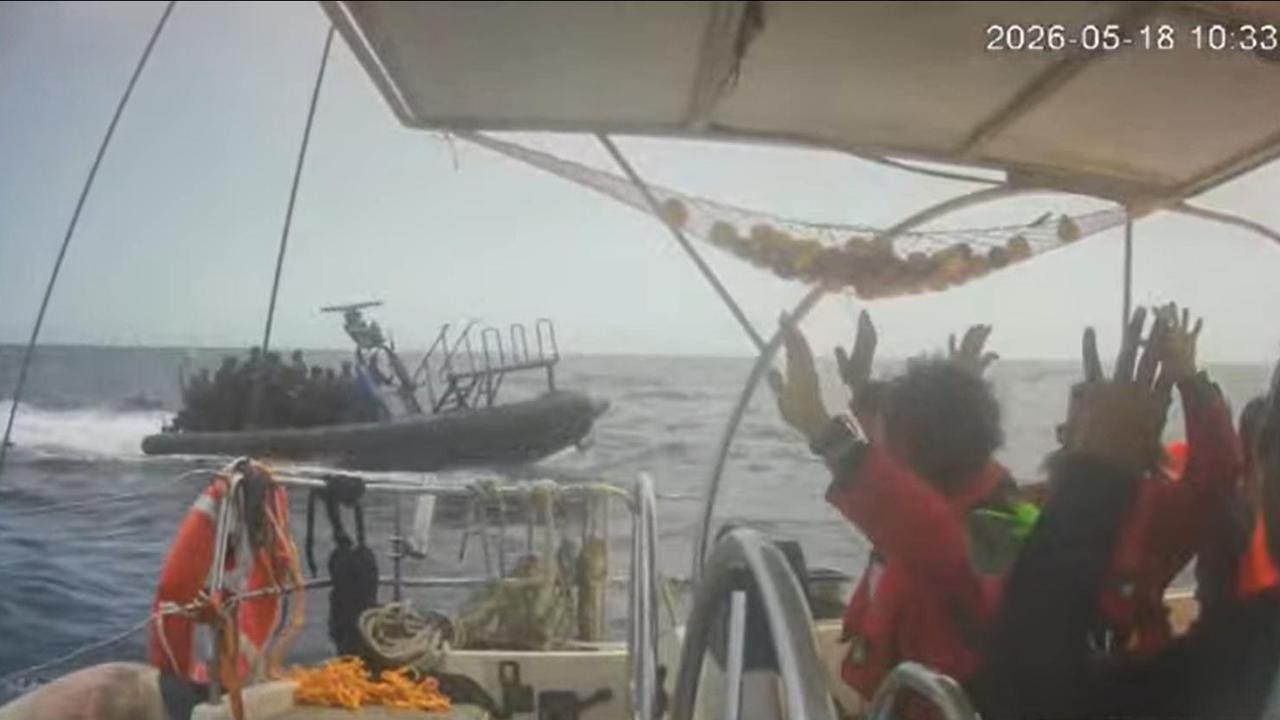
Federal minister Tanya Plibersek confirmed Department of Foreign Affairs and Trade officials were providing assistance to Australians on the ground in Turkey who were part of the flotilla.
“(DFAT is providing) the usual consular assistance, and my hope is that they’lll be on their way home safely,” she told ABC Radio on Friday.
“There are 11 Australians now in Istanbul being assisted by our Australian authorities.”
Their release follows condemnation of Israel’s National Security Minister Itamar Ben-Gvir, who was seen in a video humiliating the activists in the flotilla.
The video prompted a public rebuke from Foreign Minister Penny Wong and for Israel’s ambassador to Australia Hillel Newman to be summoned to DFAT for a “please explain”.
Ms Plibersek said the actions of Israel’s minister was shameful.
“It was absolutely disgraceful behaviour, and I’m very pleased to say that the foreign minister has said that in the strongest terms to the Israeli government,” she said.
“Our Australian ambassador in Israel has made the position of the Australian government very clear, that this behaviour is acceptable, completely unacceptable.”
Mr Newman said the activists were “certainly safe” and had access to consular officials while in detention.
“No one is in harm’s way … the dealing with them was very sensitive,” he told reporters in Canberra on Thursday.
However, one of the Australians onboard the flotilla, Zack Schofield, said many in the group were treated poorly in prison.
“Many of us haven’t eaten for days. We were denied water for two days,” he said in a statement.
“I have friends that were shocked with tasers, stun guns for extended periods of time just on entry to prison.”
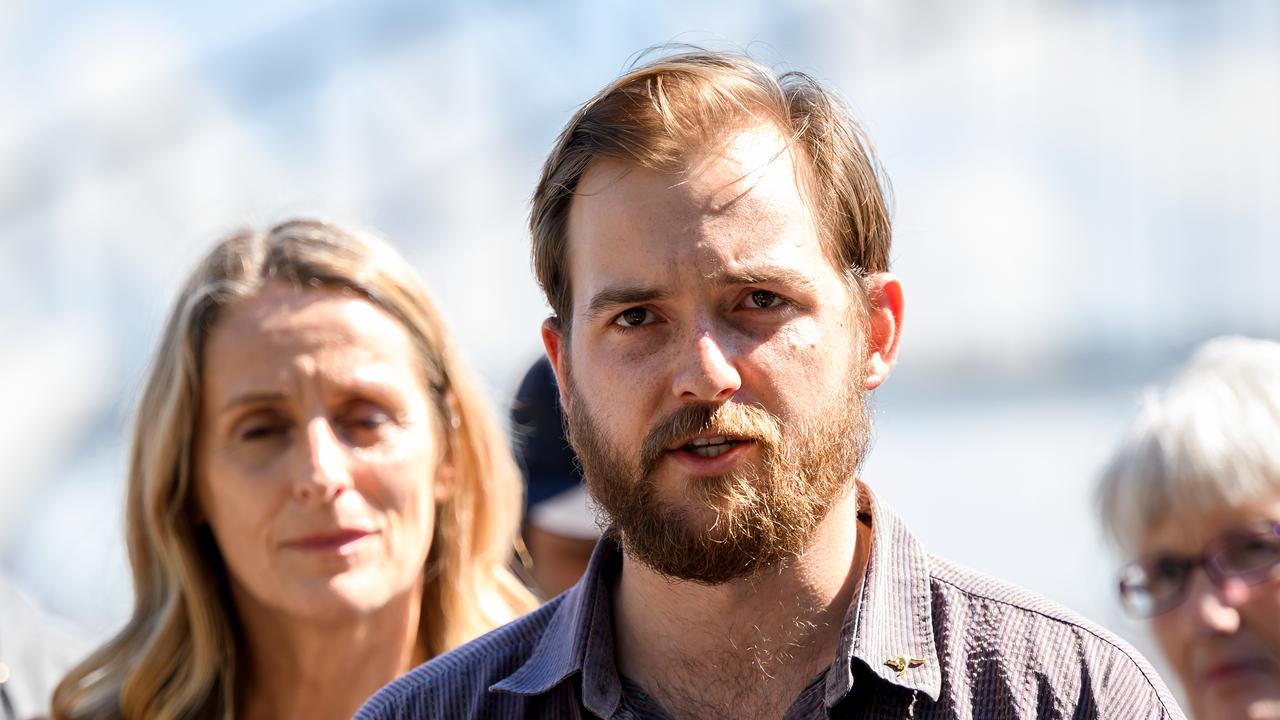
Greens senator Nick McKim said stronger actions were needed from the federal government.
“This demands the strongest possible response from our prime minister and our foreign minister, a far, far stronger response than they’ve delivered to date,” he told ABC Radio.
“That is abhorrent treatment of people by a senior figure in the Israeli government. People are being degraded, they’re having their human rights abused. It is effectively a form of torture.”
Concerns, doubts over Tasmania budget cuts
The world’s biggest credit ratings agency doubts Tasmania will pull off its “ambitious” budget cuts, warning the island state it faces a fresh downgrade if it doesn’t.
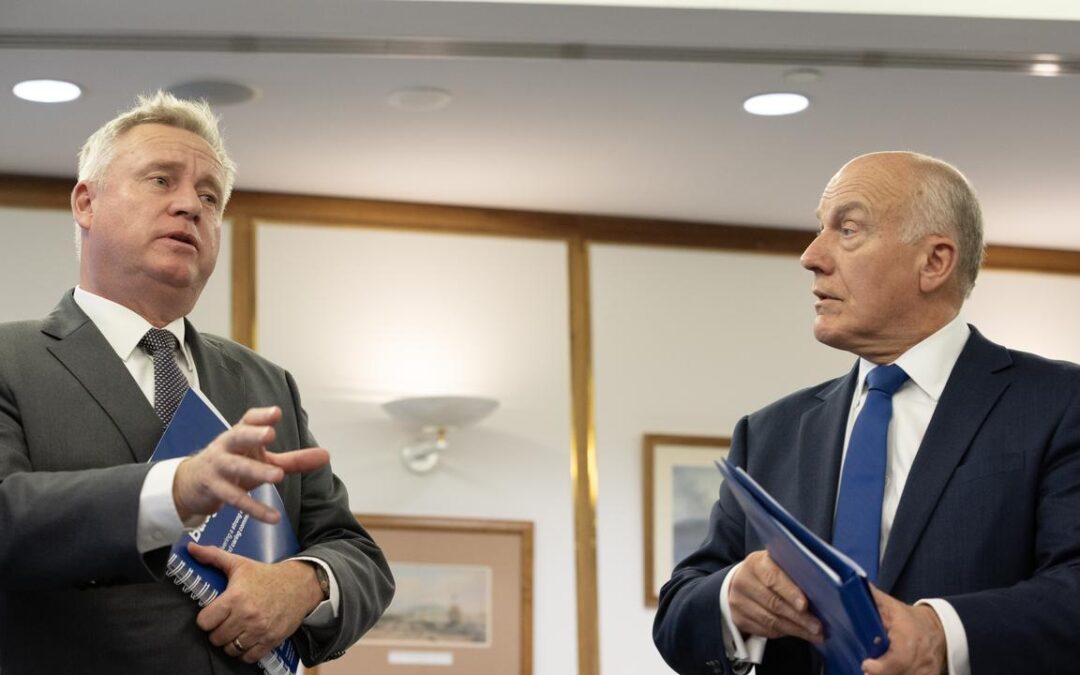
S&P Global Ratings has sounded the alarm on the minority Liberal government’s budget, delivered on Thursday by Treasurer Eric Abetz.
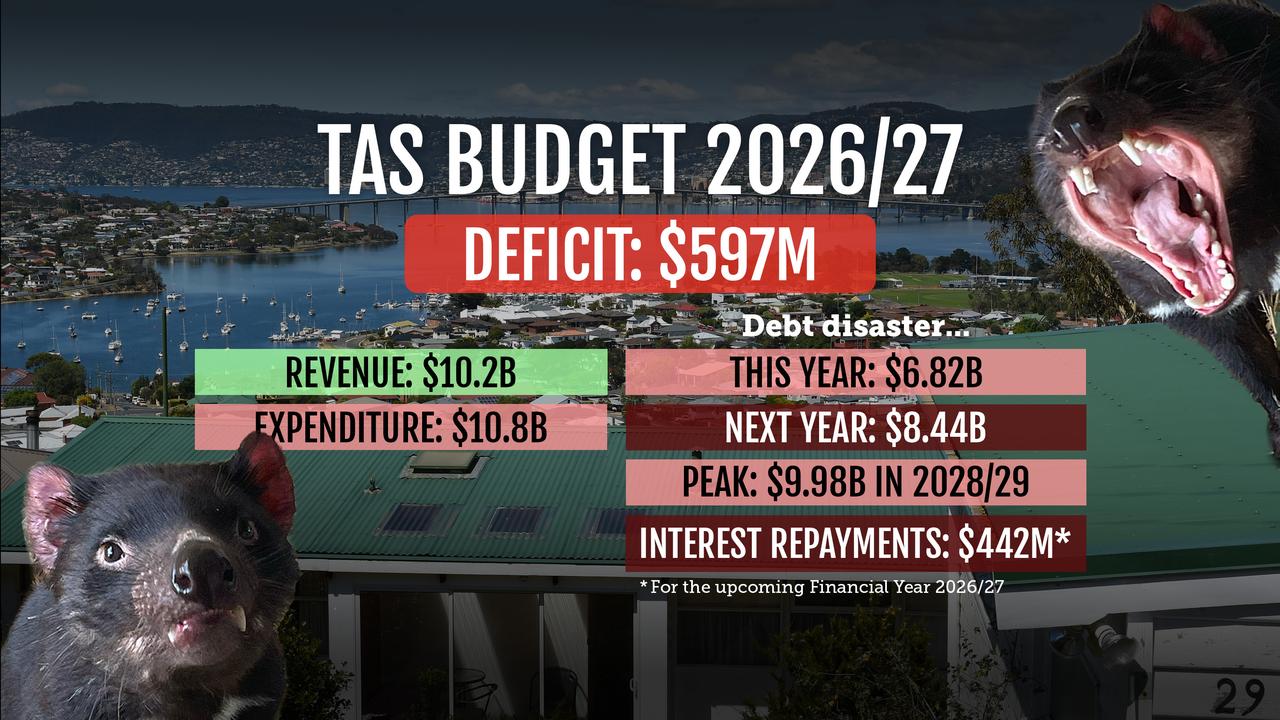
Tasmania has slid into debt quicksand this decade with a series of huge deficits, and 2026-27 will be no different, with a $597 million deficit forecast.
However, Mr Abetz has conjured a surplus in 2027-28 – a year earlier than previously forecast – with $1.47 billion in cuts over the next four years.
S&P is dubious, issuing a statement that the “dramatic turnaround” job faces “high execution risk,” noting previous failed efforts to rein in debt.
“Tasmania aims to cut nominal operating expenses between fiscals 2026 and 2029, compared with growth of about 6 per cent per year historically,” it read.
“This will be challenging, in our view, given inflationary pressures, its aging population and rising demand from voters for health, education, and other social services.”
Tasmania was handed its first downgrade in 32 years by S&P in the shadow of last year’s budget, and has a credit rating of AA.
Credit ratings impact the budget predicament as they influence the interest rate the state can borrow at.
The latest books show debt peaking at $9.98 billion in 2028/29, with Tasmanians to pay $2.2 billion in interest servicing that debt over the next four years.
However, in a frightening prospect for bean-counters, S&P believe debt will more than double, “likely breaching $A20 billion” in 2028-29.
Should that happen, a fresh downgrade would be on the cards.
“Tasmania promised ambitious fiscal outcomes … delivering on them will be key to maintaining our rating on the state,” S&P said.
Mr Abetz has ordered $216 million of savings next year, two-thirds in the already-stretched health system.
The budget papers suggest savings will come through more user-pays treatments, shuffling employees around and hiring fewer short-term health workers.
Frontline health services are not prioritised for cuts, but they are on the table, alarming opposition parties.
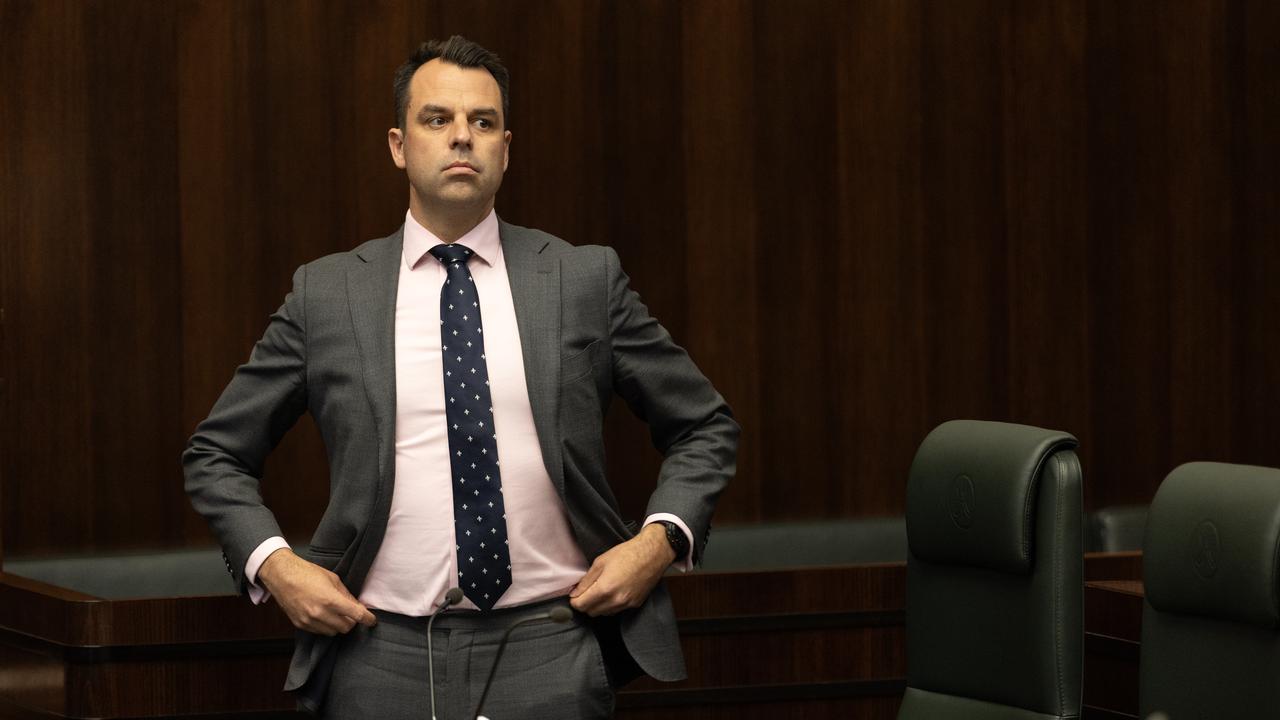
“We thought the premier had handed Eric Abetz a knife to gut the public service, but today’s budget shows he actually gave him a chainsaw,” Labor finance spokesman Dean Winter said.
“There is no detail about what they are, but the $130 million in cuts to health just next year is the equivalent of sacking three nurses a day for the entire year.”
The Greens also condemned the budget, calling on the government to abandon its new Hobart waterfront stadium and raise corporate taxes.
Both opposition parties have pledged to pass the budget and not repeat the high-stakes politics that sent Tasmania to a snap election last year.
A billion-dollar deficit last May prompted Labor to move a no-confidence vote in Premier Jeremy Rockliff, which passed, triggering an election.
The Liberals’ increased vote gave them a mandate for fiscal repair, Mr Abetz told journalists.
“What we’re doing is getting on with the job that the people want us to do: they do want responsible government and they do want balanced budgets,” he said.
Bowen to back electrification at UN climate summit
Australia and Turkey have flagged they will put vehicle electrification in the fast lane at this year’s United Nations climate summit, as the world grapples with the fallout from fuel shortages stemming from conflict in the Middle East.
Climate Change Minister Chris Bowen and his Turkish counterpart, Murat Kurum, co-hosted a ministerial meeting of 40 countries in Copenhagen on Wednesday and Thursday that will help shape the agenda of the COP31 conference in Antalya.
The annual Copenhagen talks are a pit stop on the way to the main summit and a chance to road test fresh ideas in an informal setting.
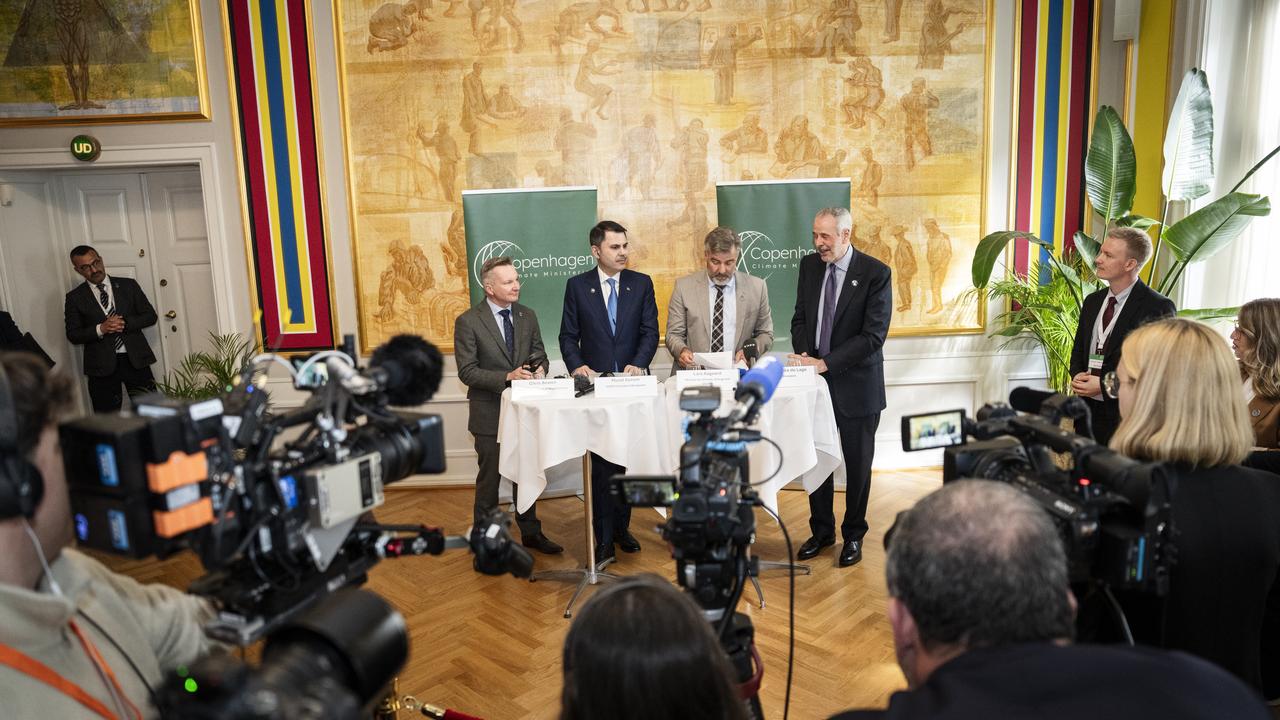
Mr Bowen and Mr Kurum nominated electrification as their big-ticket priority.
The transport sector accounts for 15 per cent of total greenhouse gas emissions, the UN says.
“Higher oil prices are putting pressure on all our citizens from Suva to Sydney to Stockholm,” Mr Bowen said.
The talks emphasised that the renewables rollout also helps shore up energy independence, as countries deal with the biggest oil shock in world history.
“No one can sanction the sun, no one can blockade the wind,” Mr Bowen said.
“Solar energy has to travel 150 million kilometres to earth, but it does not have to travel the 150 kilometres of the Strait of Hormuz.”
The ministers touched on the need for more rare earth minerals for car batteries. China has a monopoly on critical minerals processing.
“Of course, we will work with all countries that currently supply, but we also welcome other countries who are adding value for the first time,” Mr Bowen said.
The growing popularity of electric vehicles – one in four cars sold globally runs on a battery – is a sign of optimism, Mr Bowen said.
Australians went from buying an electric vehicle once every 50 minutes four years ago to once every three minutes in April, Mr Bowen said.
Prime Minister Anthony Albanese’s government introduced an electric car tax discount in 2022 that will be wound back over the next three years, according to the May budget.
The full tax discount will apply only to electric cars worth $75,000 and less from April 2027, purchased under novated leases, and will become a 25 per cent fringe benefits tax cut for all electric vehicles under the luxury car tax threshold from April 2029.
But Mr Bowen dismissed accusations of mixed messages and played down the Climate Council’s concerns that the move will put the handbrake on sales.
“We’ve saved the EV discount; it is still in place, we have just calibrated it to reflect the fact that there are many more affordable models in Australia,” he told AAP in Copenhagen.
“When we brought in the EV tax cut, there was no EV available for under $40,000, and now there are 10.”
Cars are not the only focus for electrification. Mr Kurum heaped praise on Denmark’s network of 12,000km of bike paths, as acting Danish climate minister Lars Aagaard highlighted the thousands of Danish families doing the daily school and kindergarten drop off with electric cargo bikes.
“You can commute longer … you get a more quiet city and you get clean air,” Mr Aagaard said.
Pacific island nations Palau, Tuvalu, the Marshall Islands and Fiji were represented at the Copenhagen talks.
“The Pacific often gets sidelined at COPs… I want to change that,” Mr Bowen said.
“I’ll be meeting with (Pacific island ministers) almost every day during Antalya … making sure they are fully in the loop and giving feedback to me.”
While in Copenhagen, Mr Bowen and other ministers dropped by Amalienborg Palace to meet with Danish King Frederik, who has a special interest in climate change.
He and his Australian-born wife Queen Mary, in March, undertook a state visit to Australia with a large Danish green energy business delegation in tow.
Denmark is a world leader in offshore wind energy and wants to help Australia with its green energy transition.
Hanson lashes gas tax ‘vandalism’, reveals energy plan
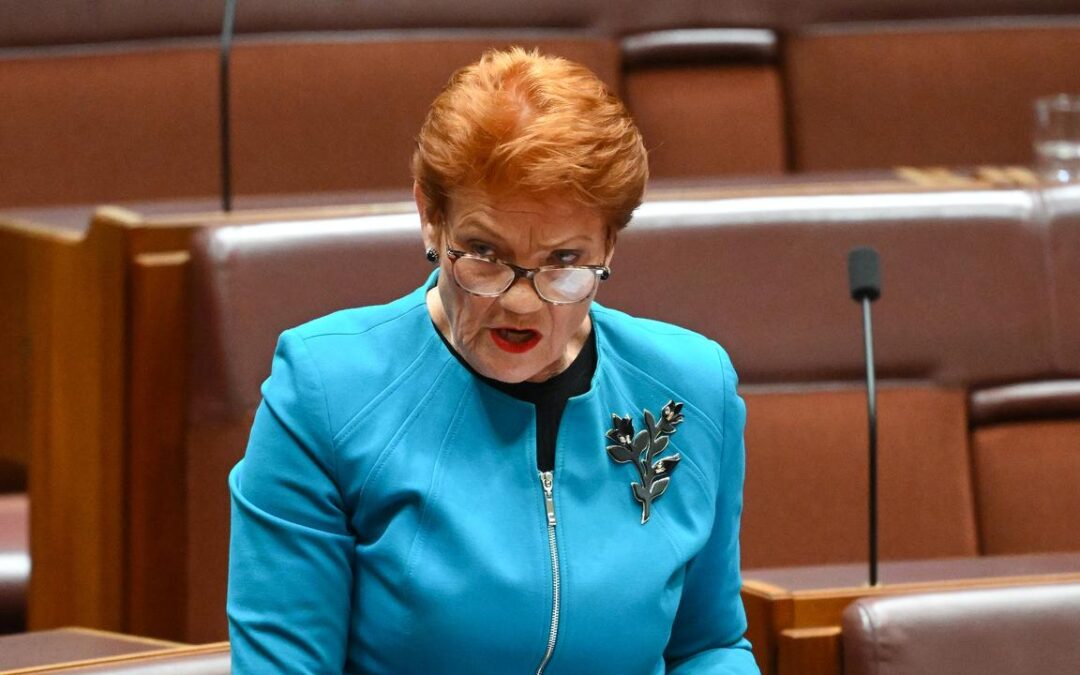
One Nation leader Pauline Hanson has slammed calls for more regulations for the gas industry while labelling a campaign to impose a tax on exports as damaging.
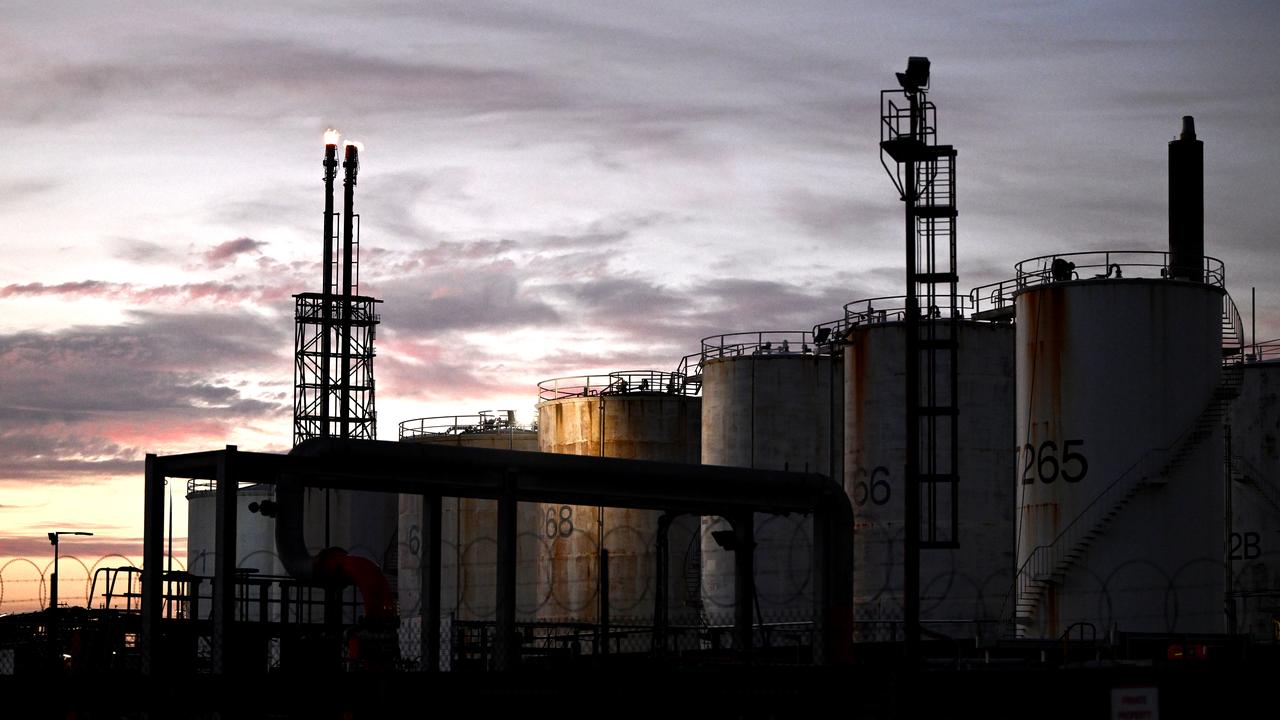
Senator Hanson used a speech at the Australian Energy Producers Conference in Adelaide to outline plans to discount oil and gas exploration in a bid to increase Australia’s sovereign wealth.
The policy, similar to that used in Norway, would include a 30 per cent rebate on oil and gas exploration in Australia.
In exchange, the Commonwealth would take a financial stake of up to 30 per cent in oil and gas projects, with profits directed into a sovereign wealth fund.
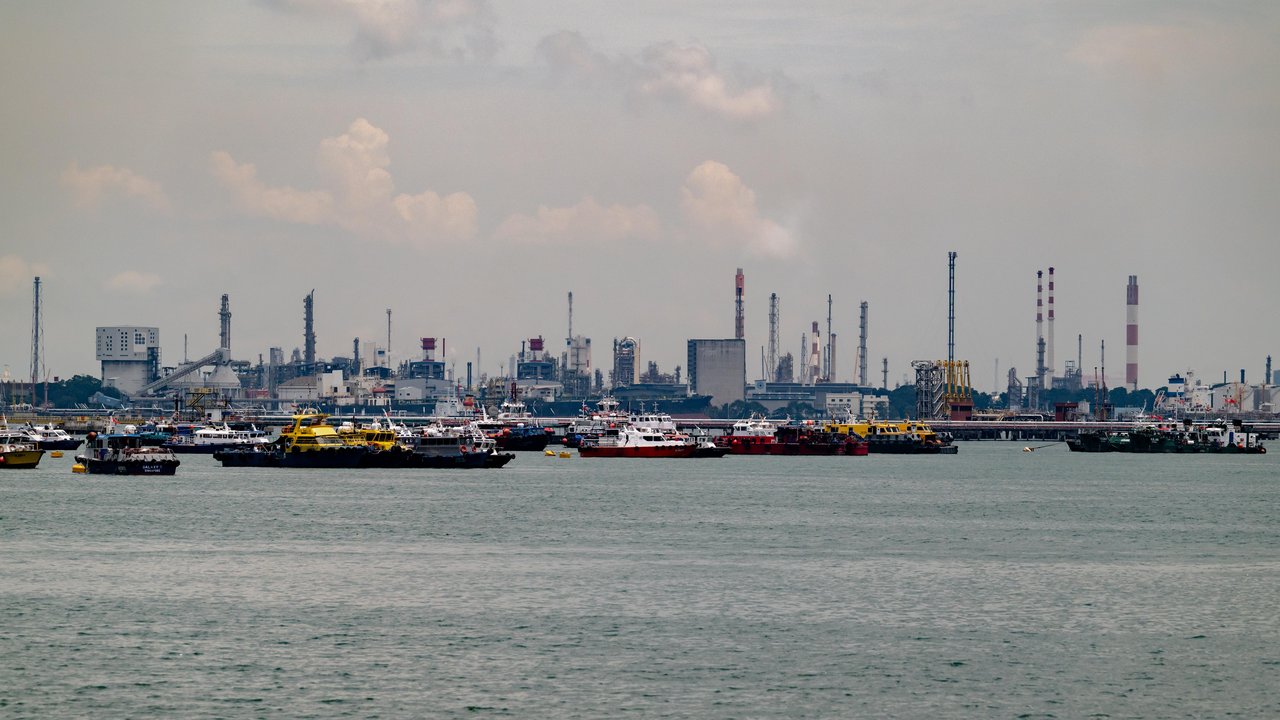
The government’s share of the gas and oil extracted would be directed into fertiliser, fuel refining and energy production.
The petroleum resource rent tax would be scrapped and replaced with a royalty scheme.
“This flexibility will maximise value for Australians while encouraging industry participation,” Senator Hanson said.
“One Nation would ensure the (wealth fund) board consists of only industry experts who have had success in the oil and gas industry, not government-appointed bureaucrats.”
The One Nation leader hit out at a campaign to impose a 25 per cent windfall tax on gas exports
“These activists simply want to destroy our gas industry and push their green agenda scam. It’s nothing more than economic vandalism,” she said.
“The tax would apply to the total value of all gas exports and destroy the economics of the entire industry. That is their goal.”
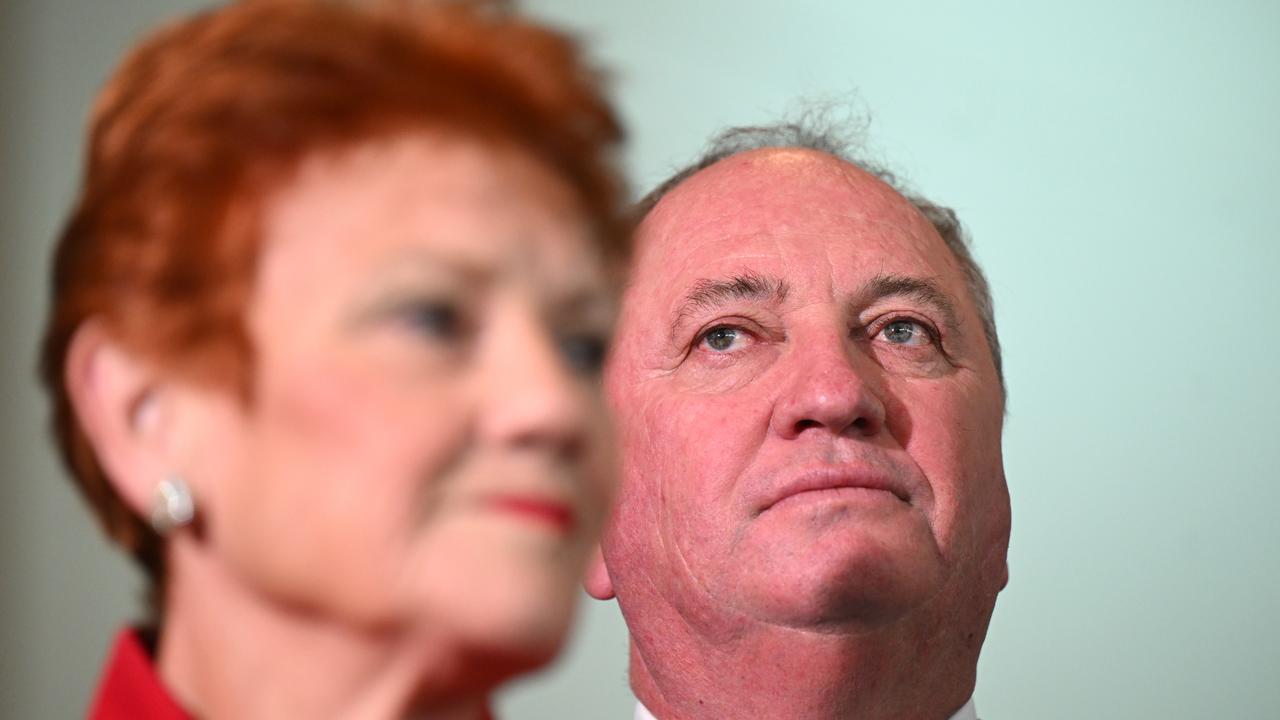
One Nation MP Barnaby Joyce said the party’s plan would allow the Australian people to become part-owners in the nation’s natural resources.
“That’s what the Australian people want. They want a form of ownership” he told reporters in Adelaide.
“This would be positive on the Australian balance sheet.”
But Resources Minister Madeleine King said Norway’s position was very different from Australia’s, given most of the east coast’s gas supply came from hydraulic fracturing and coal seam gas.
Norway has very few onshore gas resources.
“For One Nation to cherry-pick parts of a system of another country … just speaks to their lack of knowledge of our gas system and, by the sounds of it, our political system as well,” she told reporters in Perth.
Opposition Leader Angus Taylor said he would not back any additional charges on the sector.
“I have only just seen the policy, but let me tell you, I don’t support putting more taxes on oil and gas, which I think is part of that policy,” he said.
But Senator Hanson said the plan would be centred on investment, not a “takeover” of the industry.
Earlier, in his own speech at the Adelaide conference, Mr Taylor called for the industry to be more vocal about government policies in the sector.
“You need to start making noise. You need to use every campaign tool at your disposal – especially social media. Push back against your detractors,” he said.
“We are going to have to fight like hell. That’s where we are at now.”
Mr Taylor, who wants all net-zero goals scrapped, used his budget reply speech earlier in May to call on the government to lift fuel baseline stockholding levels from 30 to 60 days.
He said the coalition would allow for smaller oil and gas companies to be incentivised to carry out explorations.
“Australia needs energy abundance. We must get busy digging and drilling, but we have a government that isn’t interested in these things,” he said.
The coalition would also establish an $800 million fuel security facility to boost storage capacity, with a focus on diesel.
He wants to speed up project approvals for drilling projects, particularly in Bass Strait.
Hanson lashes gas tax ‘vandalism’, reveals energy plan
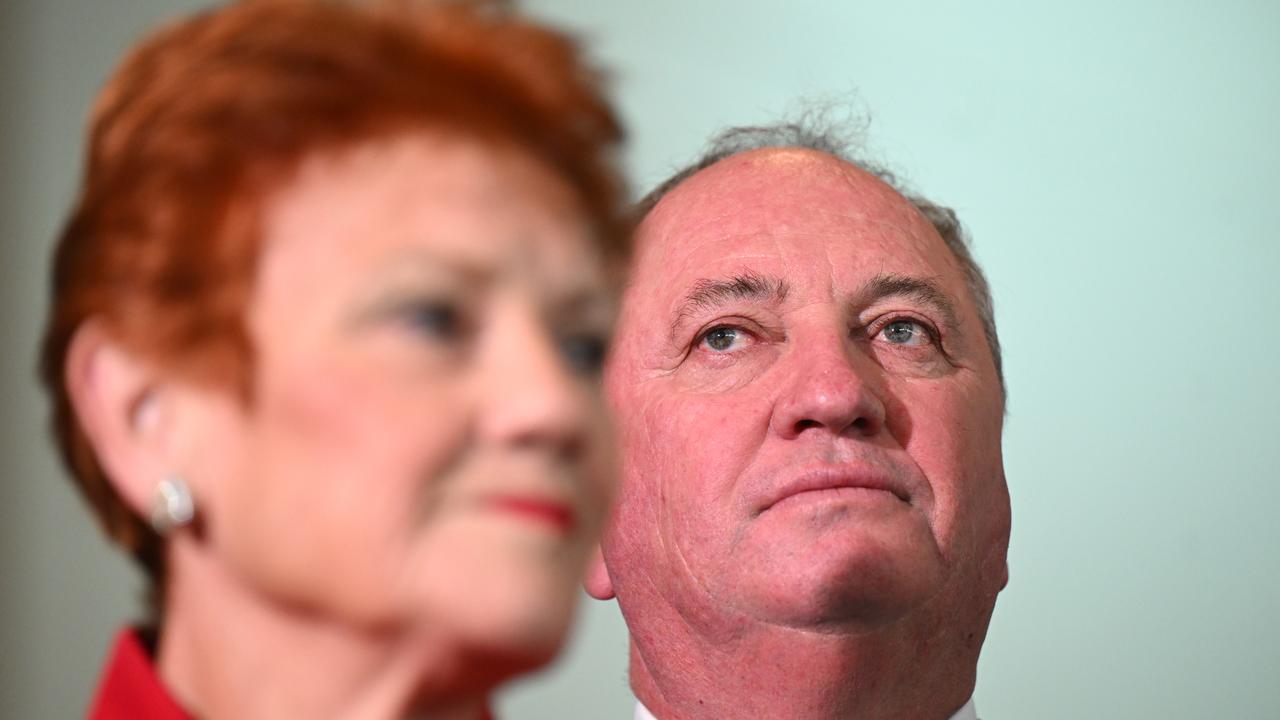
One Nation leader Pauline Hanson has slammed calls for more regulations for the gas industry while labelling a campaign to impose a tax on exports as damaging.
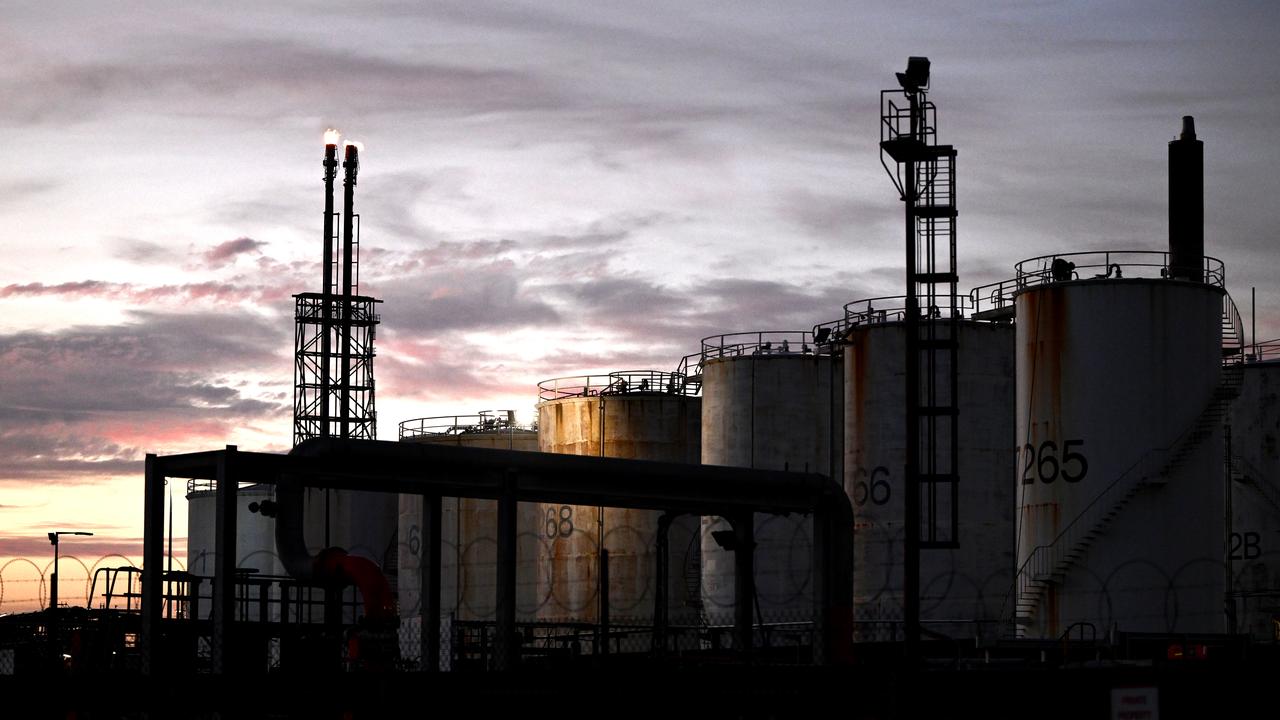
Senator Hanson used a speech at the Australian Energy Producers Conference in Adelaide to outline plans to discount oil and gas exploration in a bid to increase Australia’s sovereign wealth.
The policy, similar to that used in Norway, would include a 30 per cent rebate on oil and gas exploration in Australia.
In exchange, the Commonwealth would take a financial stake of up to 30 per cent in oil and gas projects, with profits directed into a sovereign wealth fund.
The government’s share of the gas and oil extracted would be directed into fertiliser, fuel refining and energy production.
The petroleum resource rent tax would be scrapped and replaced with a royalty scheme.
“This flexibility will maximise value for Australians while encouraging industry participation,” Senator Hanson said.
“One Nation would ensure the (wealth fund) board consists of only industry experts who have had success in the oil and gas industry, not government-appointed bureaucrats.”
The One Nation leader hit out at a campaign to impose a 25 per cent windfall tax on gas exports
“These activists simply want to destroy our gas industry and push their green agenda scam. It’s nothing more than economic vandalism,” she said.
“The tax would apply to the total value of all gas exports and destroy the economics of the entire industry. That is their goal.”
One Nation MP Barnaby Joyce said the party’s plan would allow the Australian people to become part-owners in the nation’s natural resources.
“That’s what the Australian people want. They want a form of ownership” he told reporters in Adelaide.
“This would be positive on the Australian balance sheet.”
But Resources Minister Madeleine King said Norway’s position was very different from Australia’s, given most of the east coast’s gas supply came from hydraulic fracturing and coal seam gas.
Norway has very few onshore gas resources.
“For One Nation to cherry-pick parts of a system of another country … just speaks to their lack of knowledge of our gas system and, by the sounds of it, our political system as well,” she told reporters in Perth.
Opposition Leader Angus Taylor said he would not back any additional charges on the sector.
“I have only just seen the policy, but let me tell you, I don’t support putting more taxes on oil and gas, which I think is part of that policy,” he said.
But Senator Hanson said the plan would be centred on investment, not a “takeover” of the industry.
Earlier, in his own speech at the Adelaide conference, Mr Taylor called for the industry to be more vocal about government policies in the sector.
“You need to start making noise. You need to use every campaign tool at your disposal – especially social media. Push back against your detractors,” he said.
“We are going to have to fight like hell. That’s where we are at now.”
Mr Taylor, who wants all net-zero goals scrapped, used his budget reply speech earlier in May to call on the government to lift fuel baseline stockholding levels from 30 to 60 days.
He said the coalition would allow for smaller oil and gas companies to be incentivised to carry out explorations.
“Australia needs energy abundance. We must get busy digging and drilling, but we have a government that isn’t interested in these things,” he said.
The coalition would also establish an $800 million fuel security facility to boost storage capacity, with a focus on diesel.
He wants to speed up project approvals for drilling projects, particularly in Bass Strait.
Green light for ‘globally significant’ rare earths mine
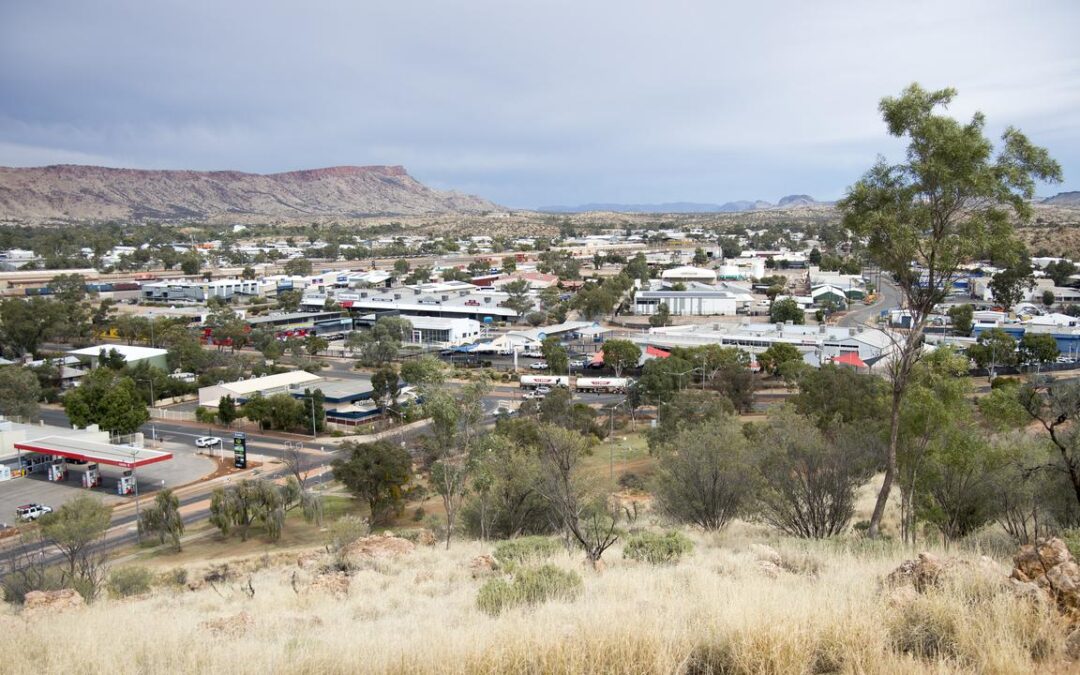
Australia has scored a “big win” in its effort to dislodge China’s grip on high-tech supply chains after a Gina Rinehart-backed rare earths miner gave the green light for its flagship project.
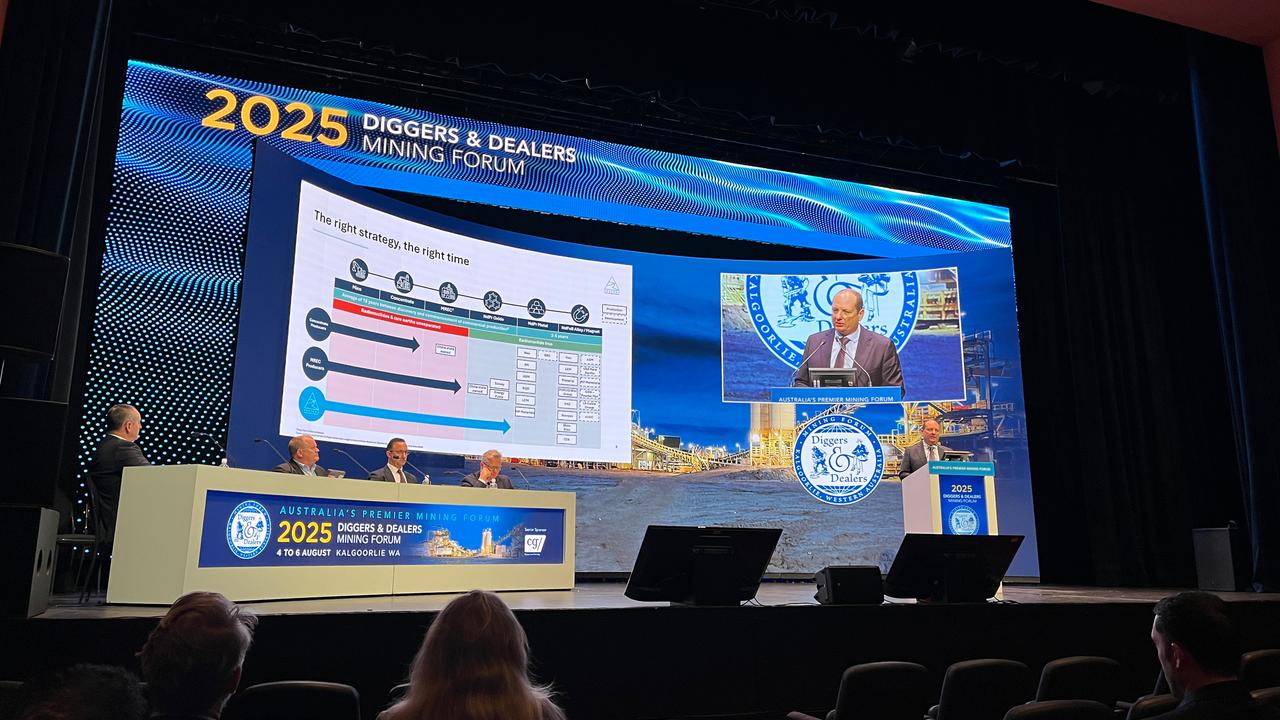
Arafura Rare Earths’ final investment decision to build its Nolans Project – which will be Australia’s first fully integrated ore-to-oxide rare earths operation – in the Northern Territory marks a major milestone as the West seeks to reduce its economic reliance on China.
Thursday’s decision came after years of building offtake relationships with companies including Hyundai, Kia and Siemens and as the miner became the first company to secure support under a federal government plan to build a rare earths strategic reserve.
China mines more than half the world’s rare earths but refines as much as 90 per cent of global production.
Rare earths contain essential elements and alloys that are key to modern technologies with applications in defence and renewable energy.
Government intervention was essential to get the project off the ground because the market was not functioning in its own right, Arafura managing director and chief executive Darryl Cuzzubbo said.
“It’s obviously a very monumental milestone for the company as we go into construction, but I’d like to say it’s a significant milestone for the Northern Territory, and indeed Australia,” he told reporters in Perth.
The strategic importance of the project was evident in the level of financing being provided by Australia’s Western allies, including the US, Germany and South Korea, Edith Cowan University senior geopolitics lecturer Naoise McDonagh said.
“It’s a really important step in de-risking and diversifying from Chinese supply,” he told AAP.
China has enjoyed a stranglehold on the supply of permanent magnets made from Neodymium-Praseodymium oxide, which the Nolans project would produce, he said.
“It’s a big win, it’s a very positive signal and I think the government will see it that way, and industry should see it that way as well,” Dr McDonagh said.
The project’s green-lighting showed how reforms to the Strategic Reserve and Export Finance Australia were translating policy into practical outcomes, Minerals Council chief executive Tania Constable said.
“Australia has globally significant critical mineral resources, but bringing projects online – particularly in rare earths – requires navigating opaque markets, long development timelines and concentrated supply chains,” she said.
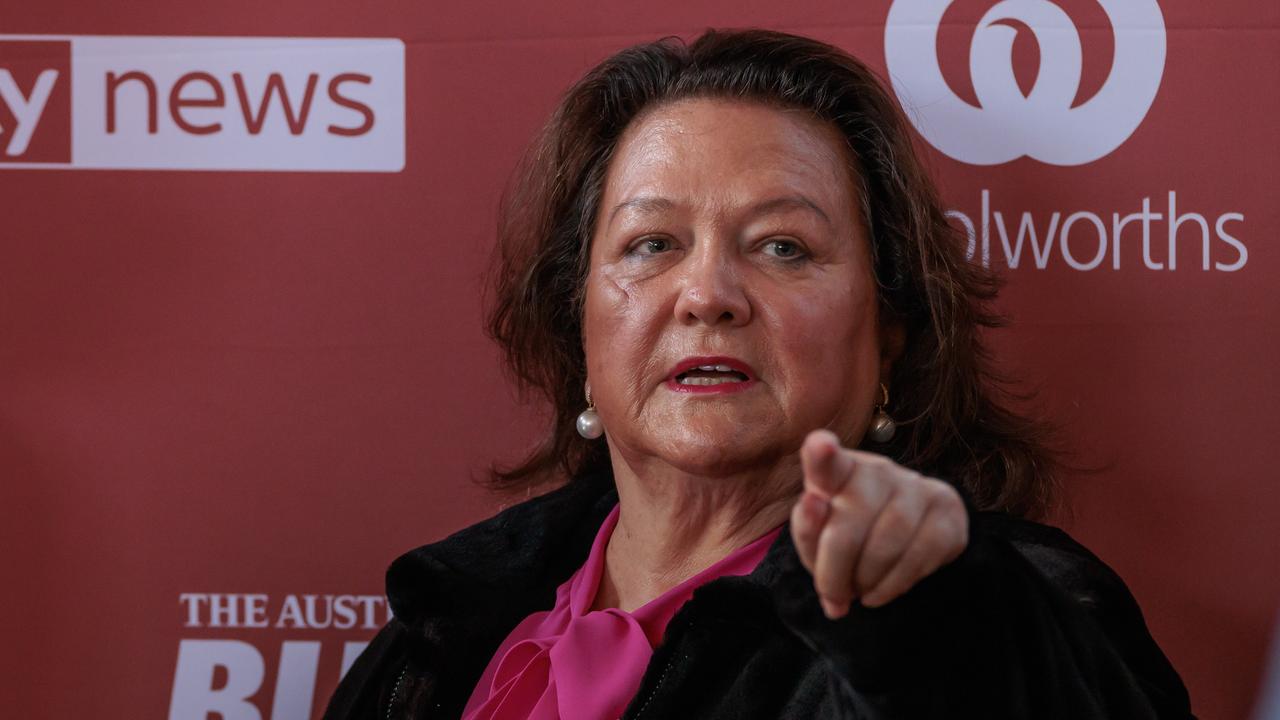
Arafura, in which Ms Rinehart’s Hancock Prospecting holds a more than 15 per cent stake, has received roughly $1.2 billion in taxpayer support so far.
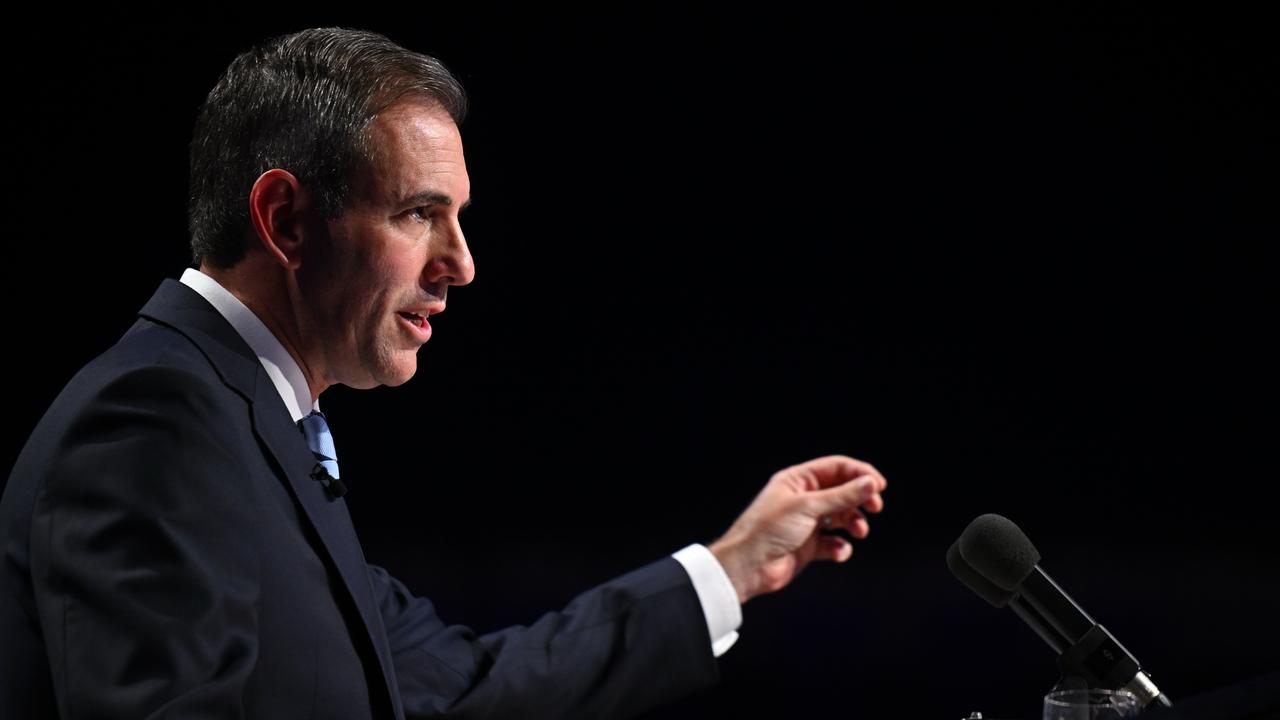
Treasurer Jim Chalmers said rare earths were essential to Australia’s economic and national security.
Nolans is expected to create 600 jobs during construction and sustain 350 permanent positions during steady-state operations.
Arafura’s share price was more than two per cent higher at 30c in afternoon trading.
Green light for ‘globally significant’ rare earths mine
Australia has scored a “big win” in its effort to dislodge China’s grip on high-tech supply chains after a Gina Rinehart-backed rare earths miner gave the green light for its flagship project.
Arafura Rare Earths’ final investment decision to build its Nolans Project – which will be Australia’s first fully integrated ore-to-oxide rare earths operation – in the Northern Territory marks a major milestone as the West seeks to reduce its economic reliance on China.
Thursday’s decision came after years of building offtake relationships with companies including Hyundai, Kia and Siemens and as the miner became the first company to secure support under a federal government plan to build a rare earths strategic reserve.
China mines more than half the world’s rare earths but refines as much as 90 per cent of global production.
Rare earths contain essential elements and alloys that are key to modern technologies with applications in defence and renewable energy.
Government intervention was essential to get the project off the ground because the market was not functioning in its own right, Arafura managing director and chief executive Darryl Cuzzubbo said.
“It’s obviously a very monumental milestone for the company as we go into construction, but I’d like to say it’s a significant milestone for the Northern Territory, and indeed Australia,” he told reporters in Perth.
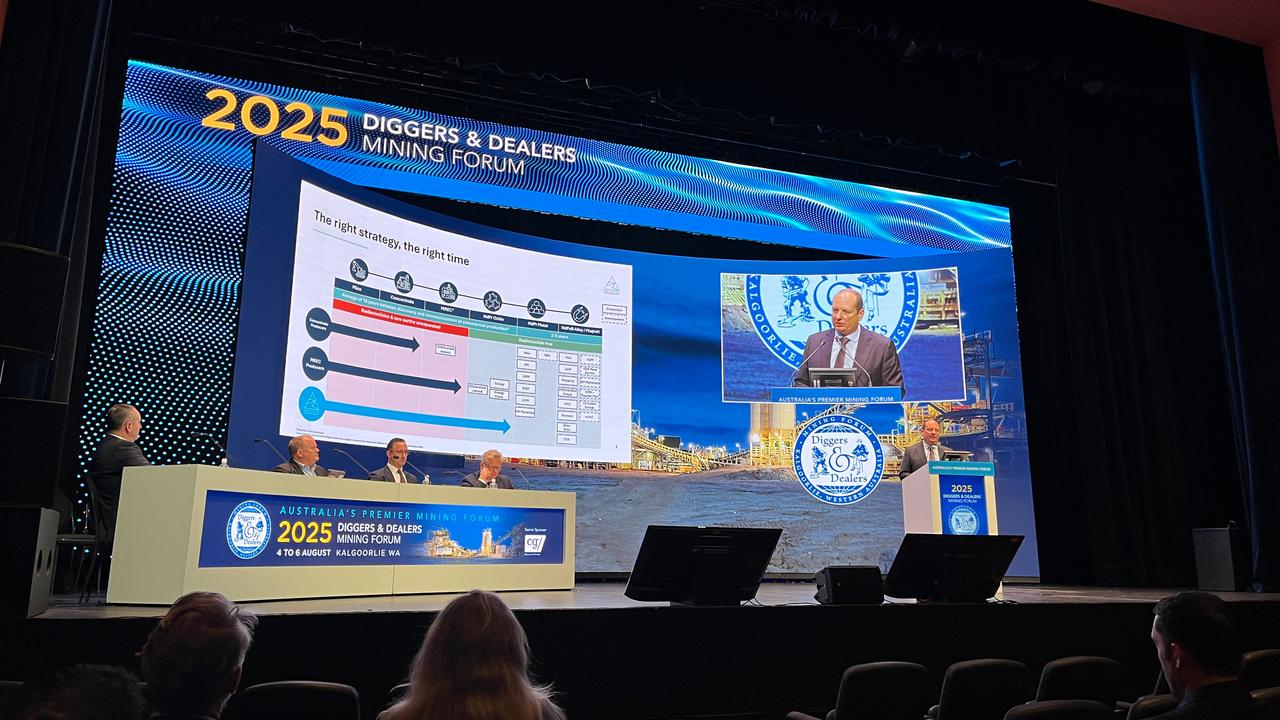
The strategic importance of the project was evident in the level of financing being provided by Australia’s Western allies, including the US, Germany and South Korea, Edith Cowan University senior geopolitics lecturer Naoise McDonagh said.
“It’s a really important step in de-risking and diversifying from Chinese supply,” he told AAP.
China has enjoyed a stranglehold on the supply of permanent magnets made from Neodymium-Praseodymium oxide, which the Nolans project would produce, he said.
“It’s a big win, it’s a very positive signal and I think the government will see it that way, and industry should see it that way as well,” Dr McDonagh said.
The project’s green-lighting showed how reforms to the Strategic Reserve and Export Finance Australia were translating policy into practical outcomes, Minerals Council chief executive Tania Constable said.
“Australia has globally significant critical mineral resources, but bringing projects online – particularly in rare earths – requires navigating opaque markets, long development timelines and concentrated supply chains,” she said.
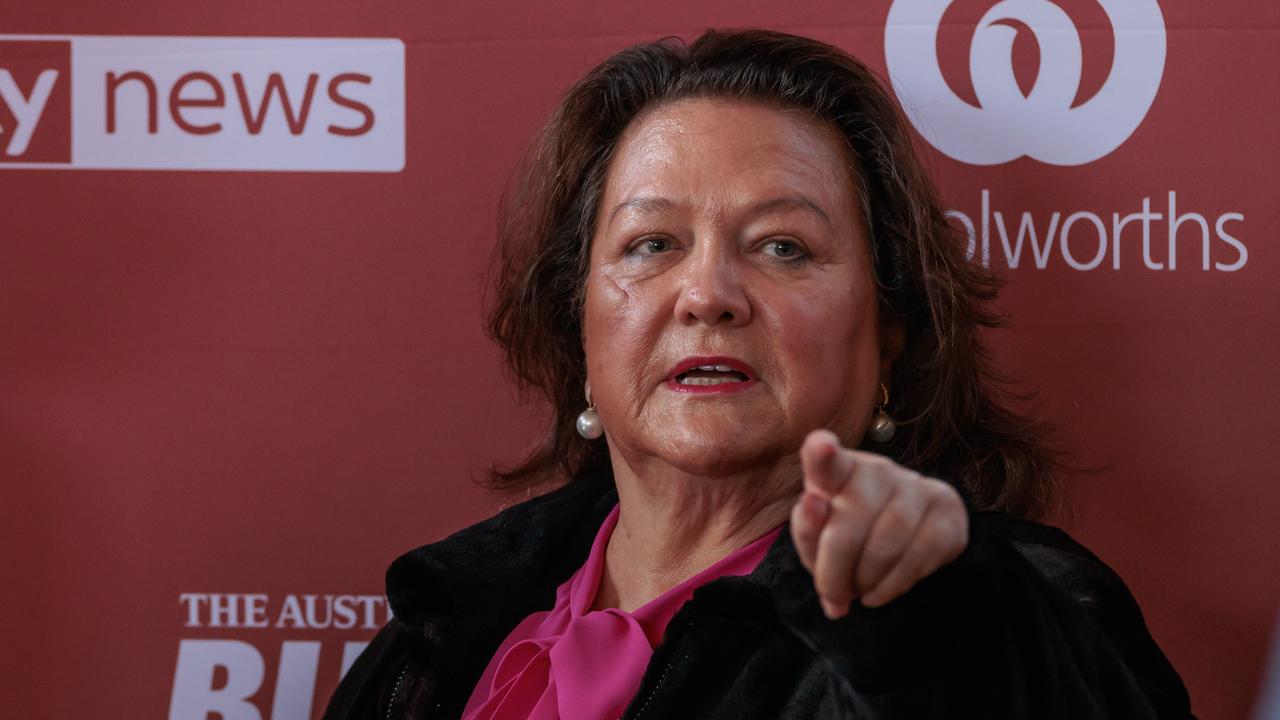
Arafura, in which Ms Rinehart’s Hancock Prospecting holds a more than 15 per cent stake, has received roughly $1.2 billion in taxpayer support so far.
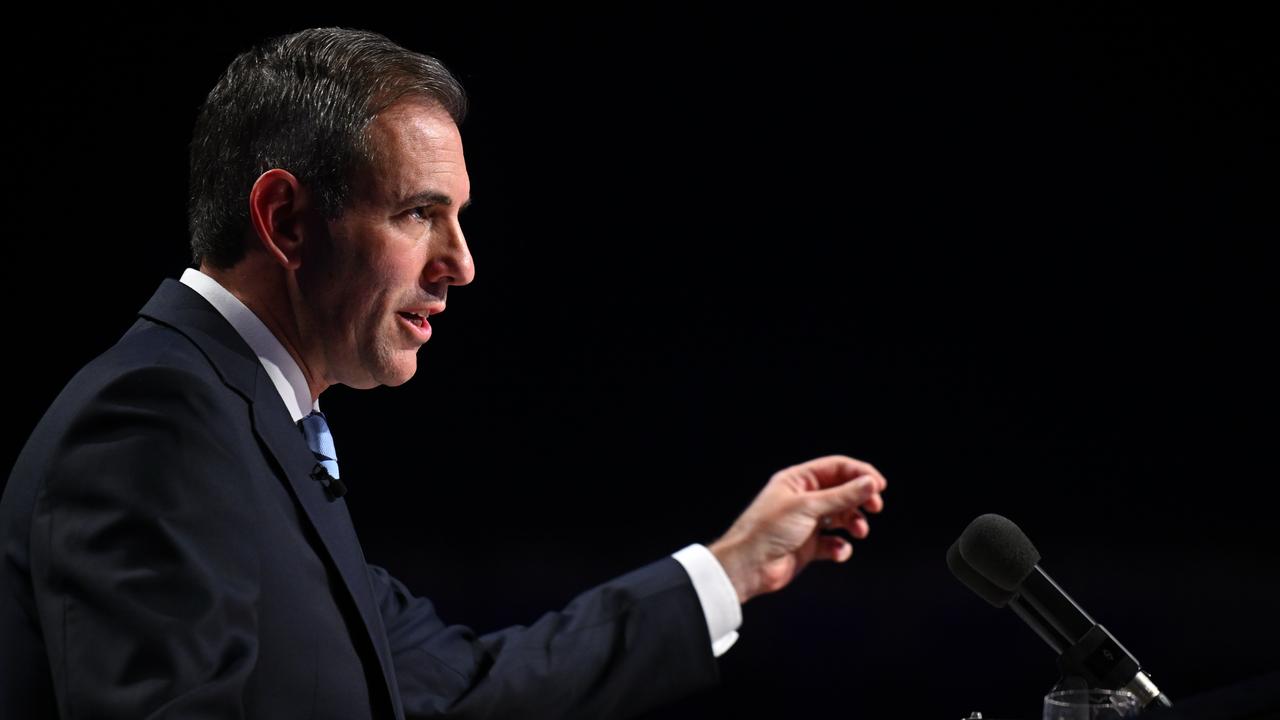
Treasurer Jim Chalmers said rare earths were essential to Australia’s economic and national security.
Nolans is expected to create 600 jobs during construction and sustain 350 permanent positions during steady-state operations.
Arafura’s share price was more than two per cent higher at 30c in afternoon trading.