

SpaceX launches biggest, most beefed-up Starship yet
SpaceX has launched its biggest, most powerful Starship yet on a test flight, an upgraded version that NASA is counting on to land astronauts on the moon.
The redesigned mega rocket made its debut two days after SpaceX chief Elon Musk announced he’s taking the company public.
It blasted off from the southern tip of Texas, carrying 20 mock Starlink satellites for release halfway around the world.
It’s the 12th test flight of the rocket that Musk is building to get people to Mars one day. But first comes the moon and NASA’s Artemis program.

The last of the old space-skimming Starships lifted off in October. SpaceX’s third-generation Starship – a souped-up version dubbed V3 – soared from a brand-new launch pad at Starbase, near the Mexican border, on Friday afternoon, local time.
Last-minute pad issues thwarted Thursday evening’s launch attempt.
SpaceX was hoping to avoid the fireworks it experienced during back-to-back launches in 2025 when midair explosions rained wreckage down on the Atlantic. Earlier flights also ended in flames.
At 124 metres, the latest model eclipses the older Starship lines by more than a metre and packs more engine thrust.
The revamped booster sports fewer but bigger and stronger grid fins for steering it back to earth following liftoff, and a larger and more robust fuel transfer line to feed the 33 main engines.
The retro-looking, stainless steel spacecraft also has more of everything – more cameras and more navigation and computer power – as well as docking cones for future rendezvous and moon missions.
Starship is meant to be fully reusable, with giant mechanical arms at the launch pads to catch the returning rocket stages. But on this latest trial run, nothing was being recovered.
The Gulf of Mexico marked the end of the road for the redesigned first-stage booster, and the Indian Ocean for the spacecraft and its satellite demos.
NASA is paying SpaceX billions of dollars – and also Jeff Bezos’ Blue Origin – to provide the lunar landers that will be used to land Artemis astronauts on the moon.
The two companies are scrambling to be first.

While Starship has reached the fringes of space on multiple flights lasting an hour at most, Bezos’ Blue Moon has yet to lift off, although a prototype is being readied for a moonshot later in 2026.
NASA is following April’s successful lunar flyaround by four astronauts with a docking trial run in orbit around earth planned for 2027.
For that Artemis III mission, astronauts will practice docking their Orion capsule with Starship, Blue Moon or both.
A moon landing by two astronauts – Artemis IV – could follow as soon as 2028 using either Starship or Blue Moon, whichever lander is safer and ready first.
It will be NASA’s first lunar landing with a crew since 1972’s Apollo 17. The goal this time is a moon base near the lunar south pole, staffed by astronauts as well as robots.
SpaceX is already taking reservations for private flights to the moon and Mars on Starship, though the timing is uncertain.
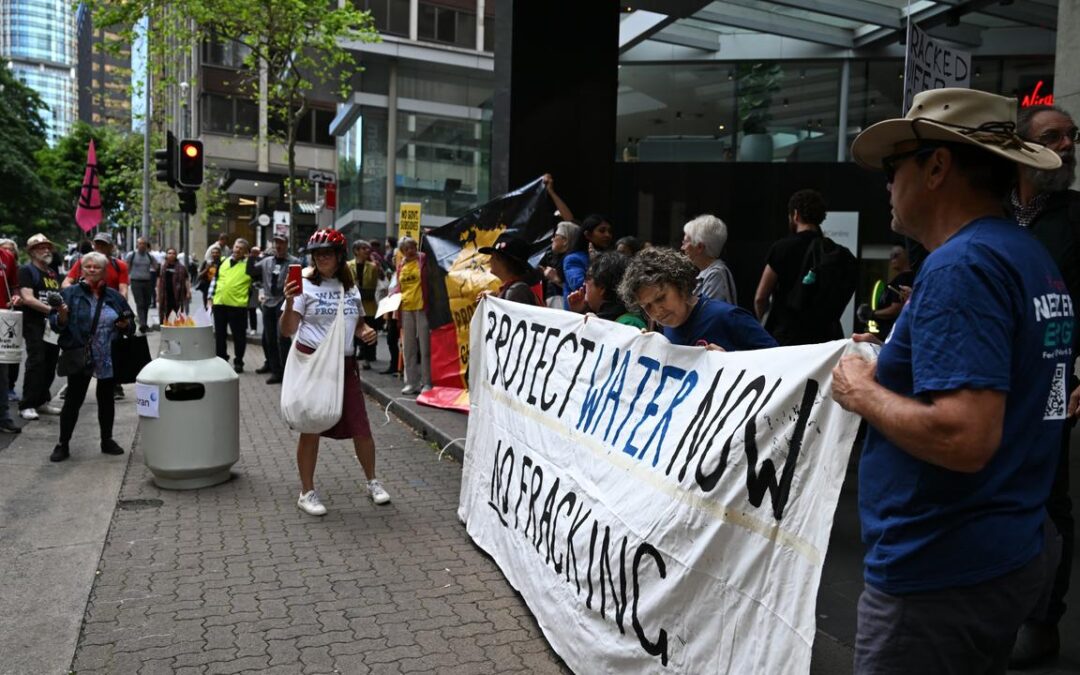
‘Huge questions’ over tax rebates for gas exploration
Taxpayer-funded research and development incentives topping $44 million for a single gas company have critics calling for the fossil fuel industry to be excluded like gambling and tobacco.
Designed to spur business innovation, the R&D tax offset scheme already explicitly bars “prospecting, exploring or drilling for minerals or petroleum”.
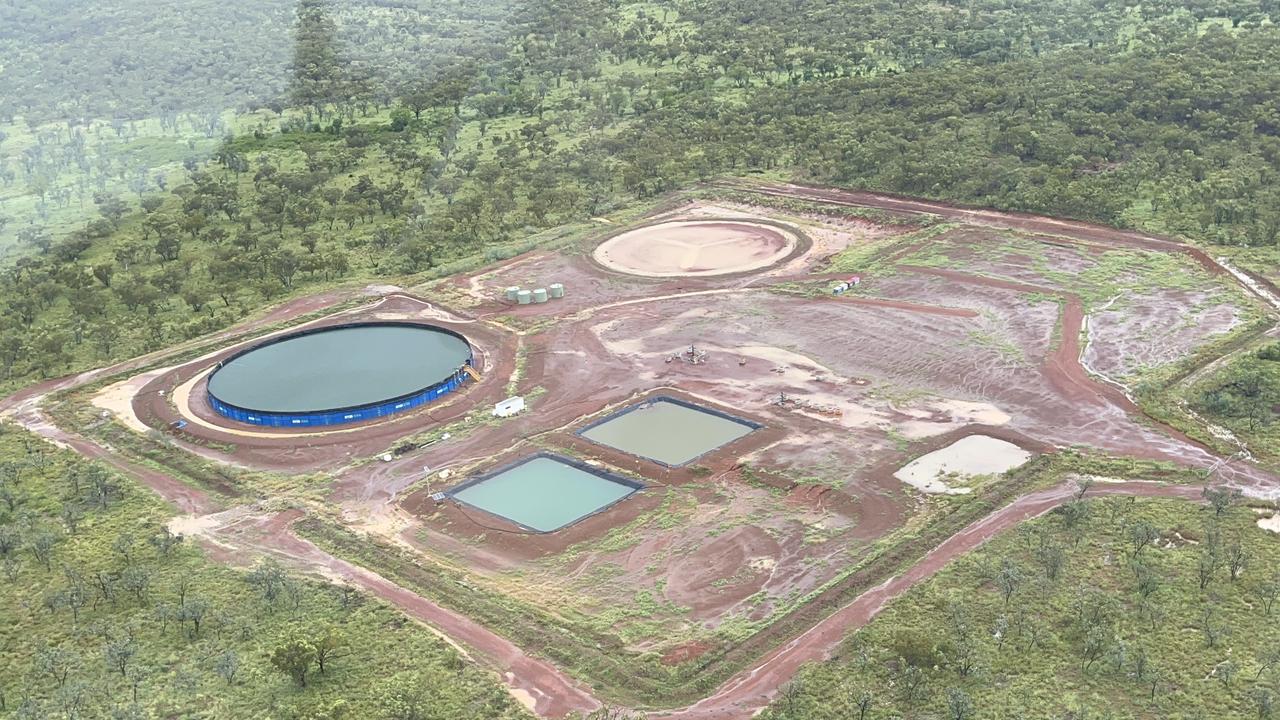
Yet at least one gas producer, Beetaloo Energy Australia, has been attracting millions in tax incentives as it explores for gas to frack in the Northern Territory’s Beetaloo Basin.
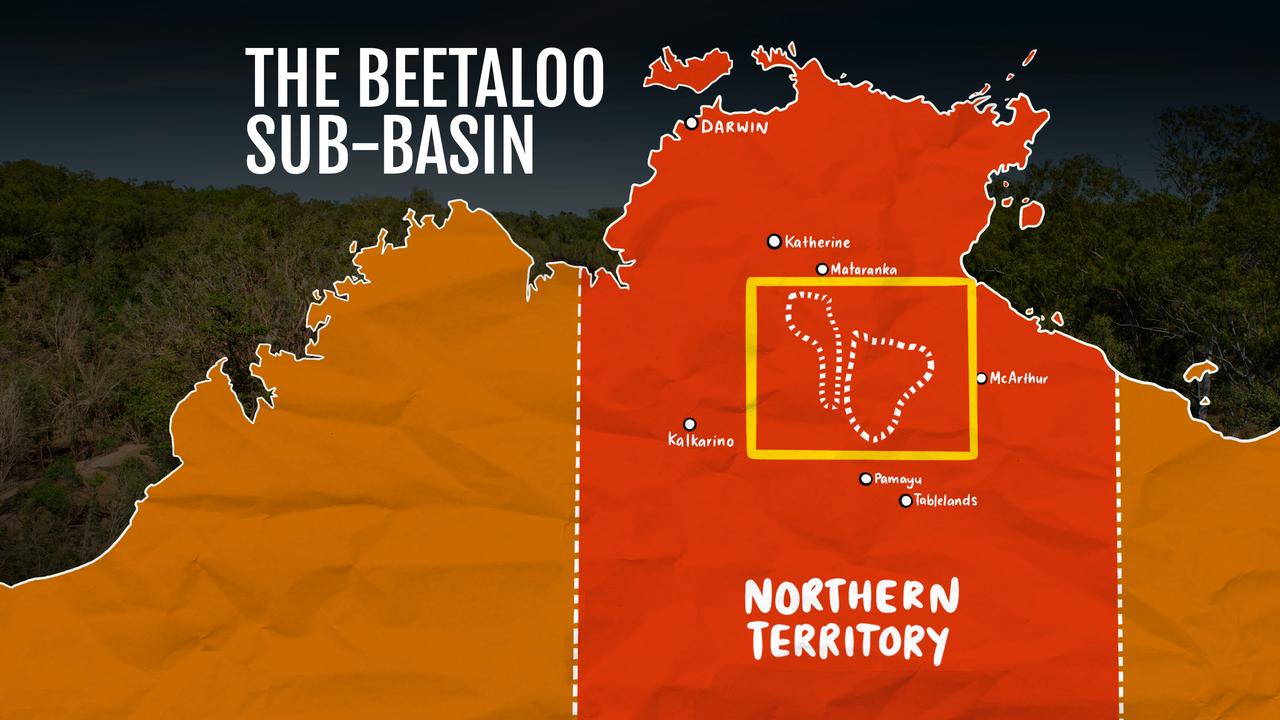
The company, formerly known as Empire Energy, announced $15.4 million in cash payments in April, marking the fourth time it had accessed the R&D scheme.
Lock the Gate and the Tax Justice Network Australia have been tracking money flowing to the gas producer through the R&D program for the past six years and say refunds now total $44.1 million.
Beetaloo Energy defends its use of R&D incentives as innovative activity rather than business-as-usual exploration and prospecting.
“The Beetaloo Basin is the world’s oldest shale gas basin and commercial extraction processes are yet to be proven due to its complex geology,” a spokesperson told AAP.
“The activity in question is not exploration to discover gas but rather undertaking R&D activities with the purpose to generate new knowledge to determine how that gas can be extracted.”
In a statement to the ASX, managing director Alex Underwood said the $15.4 million would “materially strengthen” the company’s balance sheet as it advanced the Carpentaria pilot project.
Greens Senator Penny Allman-Payne has pushed Department of Industry, Science and Resources officials on the validity and legality of Beetaloo Energy’s R&D tax incentive activities during senate estimates hearings.
The department’s interpretation of the legislation allows for the inclusion of R&D activities where prospecting, exploring or drilling might be required for purposes other than finding deposits and establishing their prospective character, it said in answers to questions on notice.
“Other such purposes could include, for instance, drilling for the purposes of developing extraction technologies and techniques.”
Differentiating authentic experimentation from business-as-usual activity has long been a challenge for the incentive scheme, Tax Justice Network Australia secretariat Mark Zirnsak said, as was transparency due to taxpayer confidentiality.
“There are companies claiming R&D incentives but a lack of transparency stopping us from knowing if they are legitimately entitled to it,” he told AAP.
“And on the surface of what they’re disclosing, there are huge question marks as to whether they are entitled to it.”
Even if gas companies are genuinely engaging in R&D, Mr Zirnsak says fossil fuels should be excluded as gambling and tobacco companies have already been, with the sector in structural decline due to global climate commitments.

“Why would you want to keep propping up R&D there when you could be actually spending those valuable dollars on industries that have a longer life and will set Australia up to be working in innovative or emerging markets?”
Lock the Gate Alliance acting national co-ordinator Georgina Woods says gas companies operating in the NT could be in line for more federal backing following recent remarks made by the resources minister
Madeline King flagged opportunities for federal support for common-user infrastructure for the industry, including roads, while visiting Darwin.
“It’s unbelievable that the federal government is signalling more handouts to Beetaloo Energy when there has been so much public opposition to fracking because of its impacts on water and contribution to greenhouse gas pollution,” Ms Woods said.

‘Green fatigue’ sweeps the ethical investments market
Driven by consumer demand, compulsory super and strict greenwashing regulations, Australia’s record on ethical investment is well regarded.
Or at least it was.
Amid concerns over performance and a US-led anti-woke backlash, the nation’s appetite for putting hard-earned savings into companies with a conscience has fallen off a cliff.

Driven mostly by younger investors, support for funds dedicated to strong environmental, social and governance, or ESG, frameworks was riding high until 2021.
Now, the sector is suffering green fatigue.
Trading has dropped 60 to 70 per cent, according to an examination of the 250 most-traded instruments on popular investment-tracking platform Sharesight.
“What we’ve found with ESG, in particular, is just a real drop in enthusiasm for the asset class,” says Douglas Morris, chief executive of the Sydney and Wellington-based company.
“That’s based on just the sheer number of new buy activity, buy/trade activity, that we’ve seen for ESG products in comparison to other types of investments.”
Founded in 2008, Sharesight has around a million customers globally, including hundreds of thousands in Australia.

A little over four years ago, ESG-focused exchange-traded funds like Betashares’s Global Sustainability Leaders and Australian Sustainability Leaders, as well as Vanguard’s Ethically Conscious International Shares Index, were widely held in Sharesight portfolios and among its most-traded instruments.
That was before Russia invaded Ukraine, when there was a lot of retail investor enthusiasm for trading in the aftermath of the COVID-19 pandemic.
“People were locked away inside and they had government stimulus money,” Mr Morris tells AAP.
“Interest rates were low and they were trading and investing a lot.”
Stock markets had performed very well to that point and rotating into ESG investments seemed “almost like the icing on the cake”.
But by the end of 2025, interest in such funds had dropped significantly in Sharesight’s rankings or disappeared from its list of the top 250 traded instruments entirely.
No dedicated ESG or ethical funds appeared in the top-traded holdings of Australian investors in the 12 months to April.
That’s despite exchange-traded funds generally growing from about eight per cent of Sharesight member investments up to 30 per cent, Mr Morris says.
Instead, there’s been a strong rotation into big US tech companies, cryptocurrency, uranium and nuclear energy stocks, defence and aerospace companies and leveraged Nasdaq-linked ETFs.
“Tech stocks have now been the most popular investment for a number of years,” Mr Morris says.
“You know, your Apples, Googles, NVIDIAs, Microsofts, Teslas and a range of other players now in the AI space.”
Mr Morris says ethical investments have simply not performed all that well, with just one in seven active ESG equity managers beating market benchmarks.

It was also a mistake to assume younger investors would put their money into ESG at the expense of higher returns just because they’re politically left of centre.
“At the end of the day, they still want those strong returns, right?” he says.
ESG investing has also been swept up by the US culture wars, with the ruling Republican Party attacking what it considers “woke capitalism”.
Proponents say ESG investing is simply a tool to manage the risk posed by climate change and poor governance structures, and that a diverse workforce is good for business.
In recent times, lax governance standards resulted in scandals at Australian companies such as Star Entertainment Group and Corporate Travel Management, costing investors huge sums.
In 2020, mining giant Rio Tinto faced a federal parliamentary inquiry into its destruction of a 46,000-year-old rock shelter at Juukan Gorge in the Pilbara.

Dugald Higgins, head of responsible investment at Melbourne-based Zenith, says based on data he’s seen, ESG funds in Australia and Zealand are still growing while they have been shrinking in the US and flat in Europe.
“I mean, it’s a not a lot of inflow, absolutely, and have there been some funds that have shut down, absolutely,” he says.
“But all in all, money is still coming in.”
Mr Higgins tells AAP ESG went through a “hype cycle” over the past few years he describes as part of a normal overreach for new products.
“You get to, like, peak hype and normally then, of course, what happens is reality bites and people realise either it’s not all that its cracked up to be or it’s not actually panning out the way that they thought it would,” he says.
It’s not that ESG doesn’t work, Mr Higgins argues, but in 2022 people were “promised the world” only to realise that investing isn’t that simple.
“If you think about that classic hype cycle, we’re in the trough of despair, but we’re on the leading edge of coming out of that into what is a more realistic and long lasting view of what this stuff is, how it should look and feel and work,” he says.
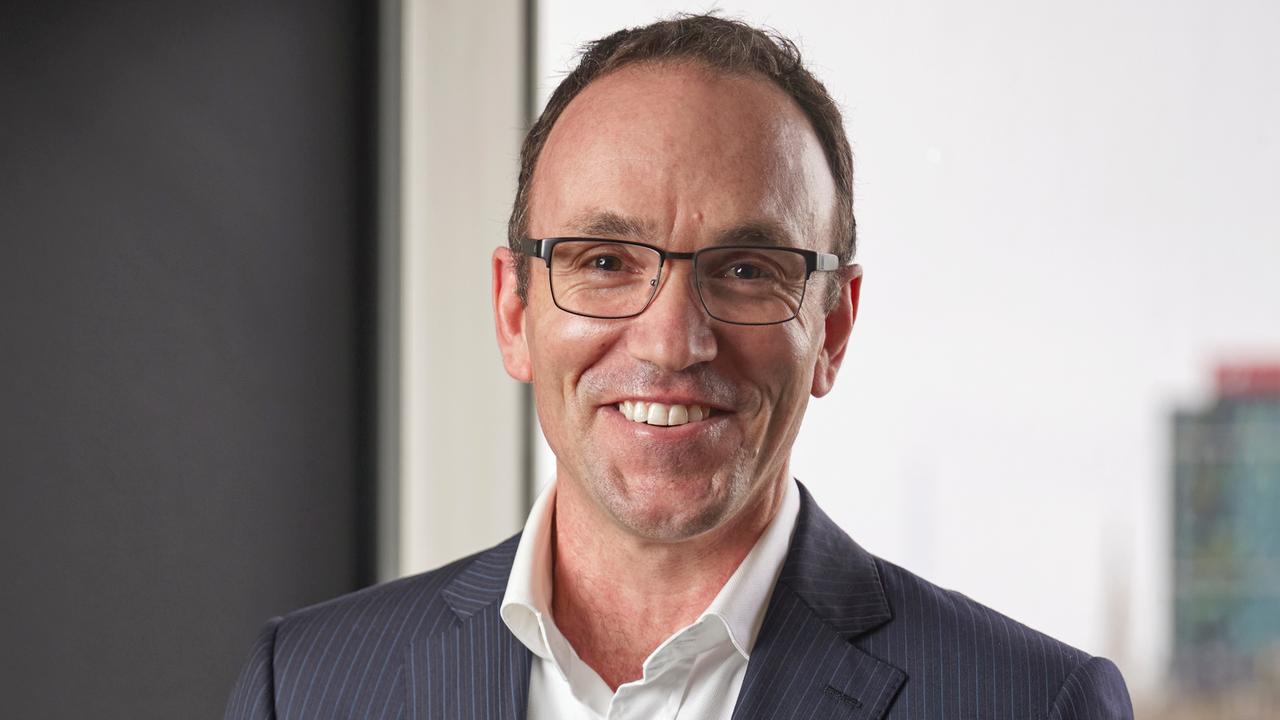
Zenith has seen very little evidence to suggest investors have to give up performance to invest ethically or sustainably over the long haul, Mr Higgins adds.
“In the short-term, absolutely, you can get radical differences.
“You’ll have periods of quite pronounced over- and under-performance, which you should accept, and you’ve got to ride through that and accept that this is part of the deal.”

Australia’s remaining solarless roofs harder to crack
On a mission to investigate solar, battery and electrification retrofits for the block of flats she lives in, Coco Venaglia has faced hurdle after hurdle.
The building’s strata committee is open to upgrades but pressed for time, and was pleased when she offered to do the legwork.
Yet discussions about replacing the small, ageing and likely defunct rooftop solar array and installing a battery to split between apartments or power common infrastructure have been a hard-sell.
It seems landlords have little incentive to invest when the benefits largely flow to tenants through cheaper bills.
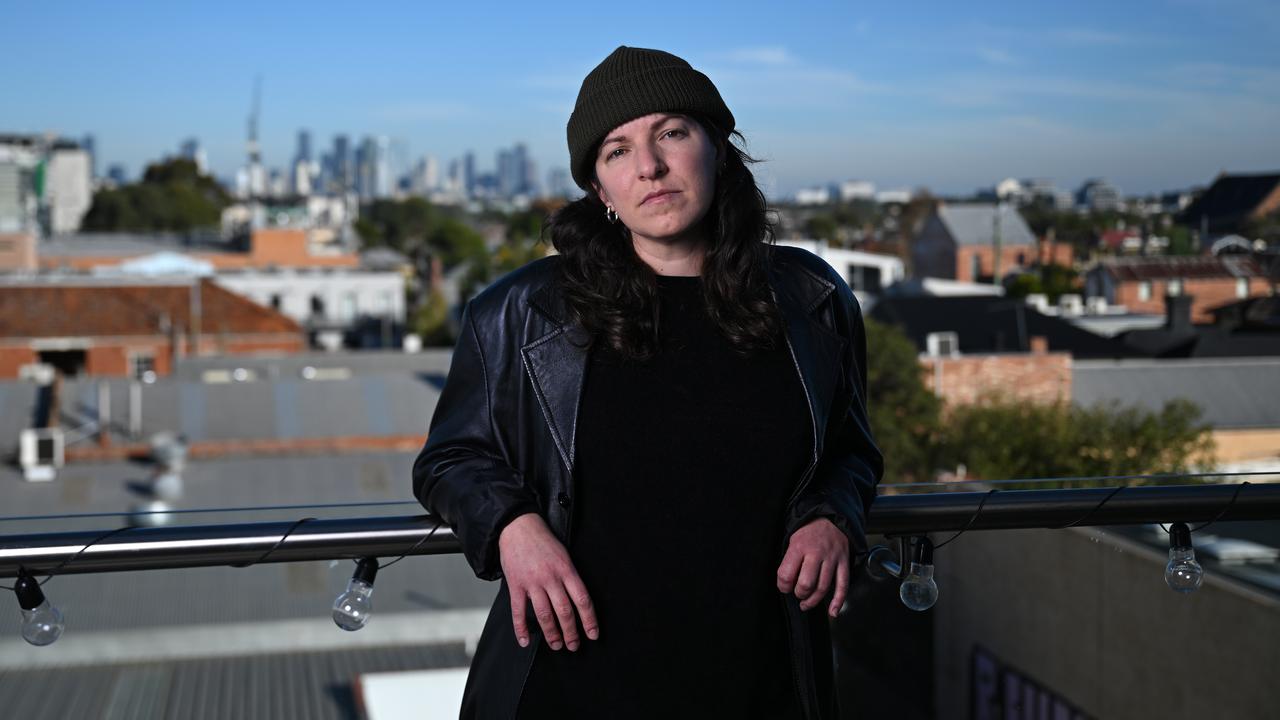
A mechanical “car stacker” lift in the garage of the inner Melbourne unit block poses a technical challenge for electric vehicle charging, the first-time owner says.
Quotes just to disconnect her apartment from the gas line – excluding the cost of new appliances – have also varied from $1500 to $4000, price tags Ms Venaglia suspects are over-inflated.
They may be reasonable estimates but she says it’s hard to know, with a “quagmire of information” to sift through.
The upgrade options are also difficult to square with the unique infrastructure and technical limitations of her building.
“Reducing the information barrier would be one of the best things,” she tells AAP
Finding providers that specialise in apartments – especially whole-building retrofits – has been an uphill battle as well.
Apartment occupants, renters and low income households – often one and the same – have long been left behind in Australia’s world-leading rooftop solar and now battery boom, tech that’s best paired with energy efficiency and electric appliances to depress bills and cut emissions further.
Energy Consumers Australia research suggests half the country faces zero structural roadblocks to solar and batteries but the remaining 50 per cent are restricted by tenure, dwelling type or affordability.
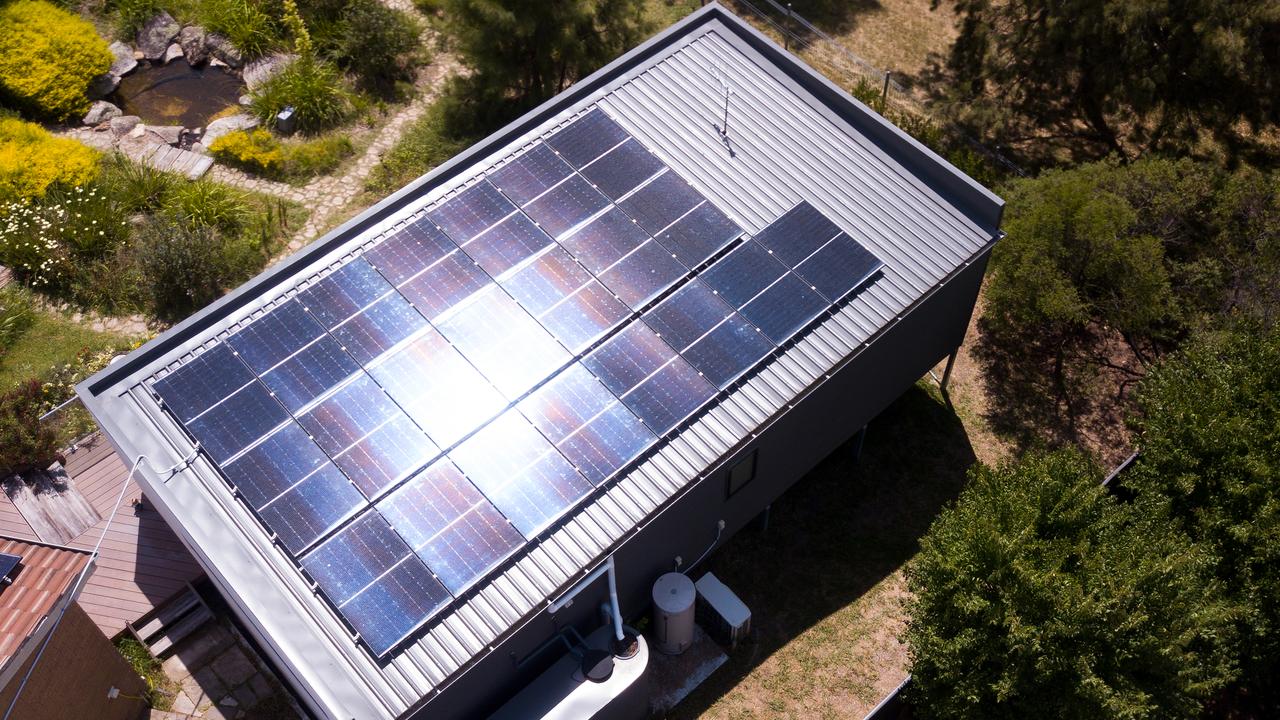
The group’s executive manager of advocacy and analysis, Ashley Bradshaw, says the runaway success of distributed solar and battery – encouraged by rebate schemes – benefits all energy users by lowering network costs, even if home owners in standalone dwellings benefit more.
Distributed energy has also proved a fast and scalable way to transition the power grid to meet renewables targets and climate goals, he adds, especially as large-scale projects experience headwinds.
Mr Bradshaw says consumer surveying suggests there is still huge opportunity for solar and battery growth, especially if policymakers do more to lower hurdles for disadvantaged groups.
Moves are already afoot.
Renters, making up roughly a third of households obstructed from solar and batteries, would benefit from minimum energy efficiency rental standards already in place in some states and under consideration in others.
Groups like Solar Citizens have been vocal on renter energy equity, campaigning for landlord tax incentives to encourage solar installs ahead of the last federal budget.
Trials of precinct-scale solutions are also on the agenda to leverage under-utilised city roof space.
Urban renewable energy zones would take advantage of large commercial, industrial and public rooftops to host solar backed by battery storage and share energy with nearby residential homes, including apartments.
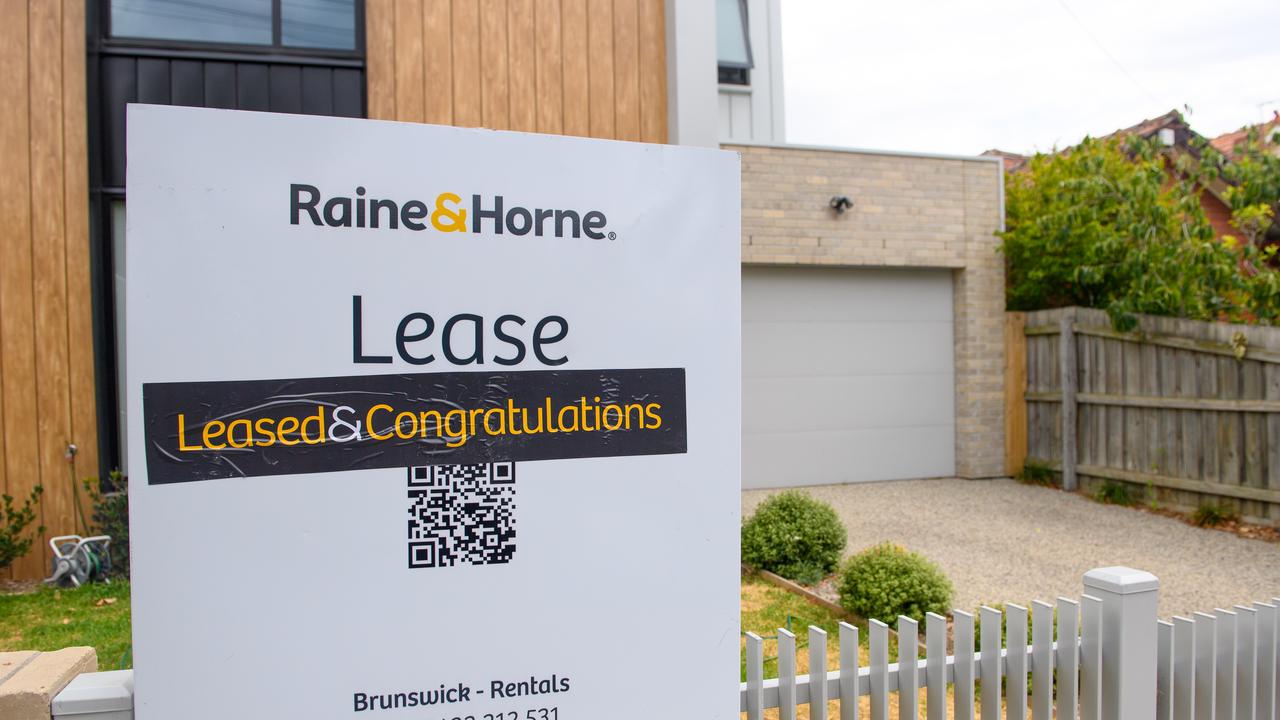
This would reduce reliance on large-scale infrastructure.
Mr Bradshaw says apartment solar and electrification retrofits are notoriously difficult and the focus should be on phasing out gas connections in new builds to “stop the problem getting worse”.
Limited roof space per dwelling may make the economics of onsite solar installs hard to stack up for existing apartment blocks, he says.
The more cost-effective avenues to benefit from the changing energy ecosystem will differ for each home or building, he adds, with ceiling insulation potentially a better investment or taking advantage of the incoming free midday energy plans.
Wendy Russell, research fellow from Australian National University’s Centre for Energy Systems, has been looking into apartment electrification in Canberra.
Rooftop solar has the potential to significantly cut costs for apartments when powering energy-intensive shared infrastructure, she says, particularly electric vehicle charging and centralised hot water.
“Hot water actually is a form of energy storage,” she tells AAP.
“Particularly in an apartment context because you can use the hot water system to use up excess solar during the day.”
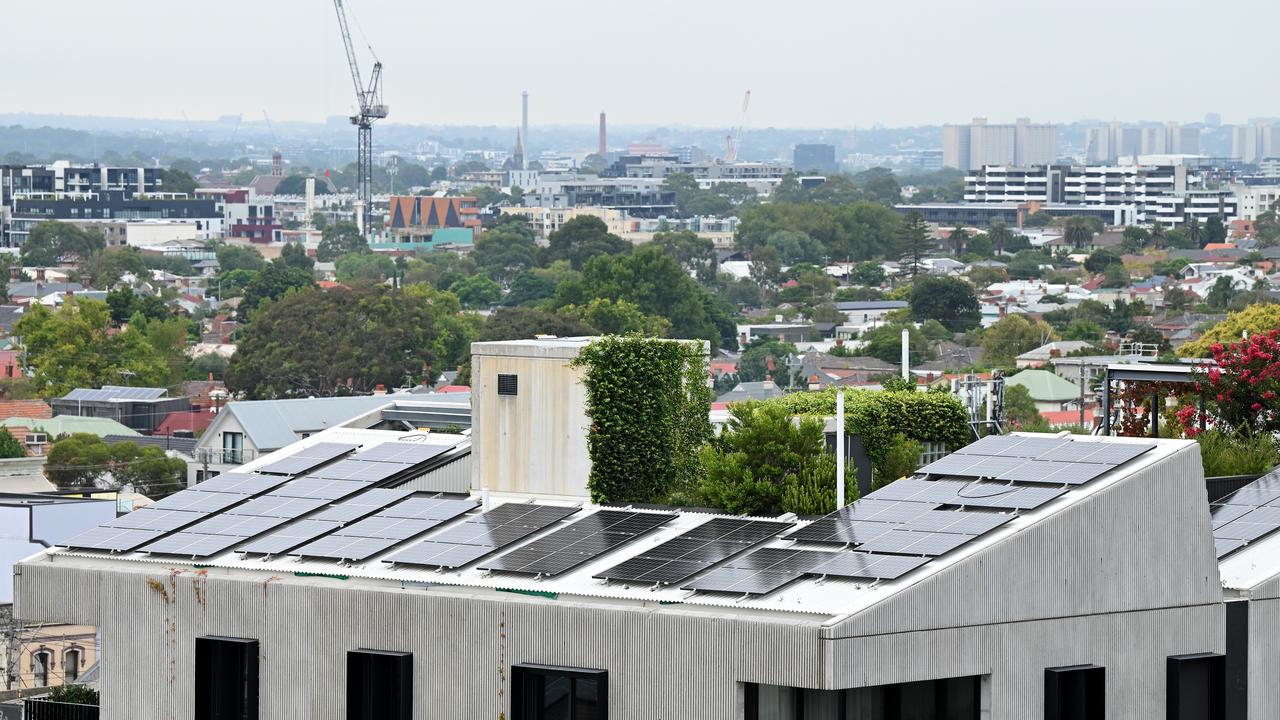
The study confirms an assortment of technical, regulatory and practical hurdles to apartment electrification and onsite generation, including roofs not strong enough to host solar panels and time-poor strata committees.
As well as identifying opportunities for regulatory reform, such as improving embedded networks, she recommends keeping an open mind on emerging technologies like balcony solar.
Deakin University director of the Centre for Smart Power and Energy Research, Saman Gorji, notes plug-in balcony solar and batteries are becoming popular in the US and Europe.
However they face a host of legal, technical and regulatory barriers in Australia.
The energy expert has been assessing state-level rebates for solar installations on apartments in NSW and Victoria.
Those of $150,000 for eligible shared systems in NSW and $2800 per apartment in Victoria beneficially cut upfront costs in shared buildings.
But rebates are not enough in isolation, Professor Gorji says.
He would like to see standard strata templates to help building committees navigate other common headaches.

He flags a growing energy equity divide between apartment occupants and detached home-owners, and says policymaking is at risk of entrenching the gap without fine-tuning.
“How could we refrain from having this energy divide widening further? he asks”
It’s a question Coco Venaglia is expecting no immediate answers to.

Warsh says he’ll lead ‘reform-oriented’ US central bank
Kevin Warsh has been sworn in as the new head of the Federal Reserve, marking a new chapter after a strained relationship between the world’s most powerful central bank and US President Donald Trump.
Speaking after taking the oath of office at the White House, Warsh pledged to be “reform-oriented,” saying he would carry out his duties with “energy and purpose”.
He said the coming years could “bring unmatched prosperity that will raise living standards for Americans from all walks of life”.
Trump, who selected Warsh for the post, had repeatedly and unsuccessfully pushed for lower interest rates while criticising previous Fed chair Jerome Powell.
The president argues that lower borrowing costs would boost economic growth, investment and consumer spending but critics warn that cutting rates too aggressively could further fuel inflation.
Trump’s repeated criticism of the Fed had fuelled concerns about the political independence of the central bank.
“Thankfully, unlike some of his predecessors, Kevin understands that when the economy is booming, that’s a good thing,” Trump said.
Trump added that he and Warsh agreed the fight against inflation must not come at the expense of economic growth.
“He’s looking to deliver positive economic growth. It’s so important,” the president said.
He said Warsh would return the Fed to its core mission of ensuring price stability and full employment.
At the same time, Trump stressed the institution’s independence.
Addressing Warsh directly, Trump said: “Don’t look at me, don’t look at anybody, just do your own thing and do a great job.”
Warsh promised “to lead a reform-oriented Federal Reserve, learning from past successes and mistakes, both escaping static frameworks and models and upholding clear standards of integrity and performance”.
Interest rate decisions are made collectively by the Fed’s policy-making committee.
The Fed is mandated by Congress to operate independently of political influence.
In 2025, the Fed cut interest rates three times by 25 basis points each, citing concerns about the labour market.
It then paused at its first three meetings this year amid rising inflation linked to the war involving Iran.
with AP
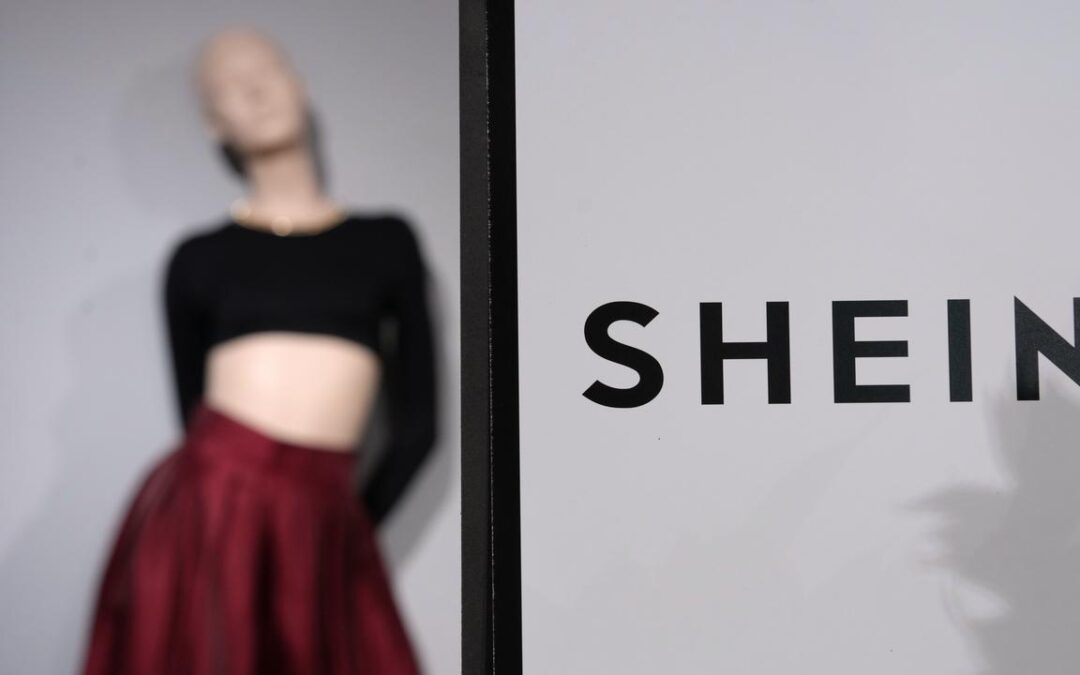
Fast-fashion giant Shein to buy eco-friendly Everlane
Everlane, the retailer that has bucked the fast-fashion industry by promising affordable ethically sourced and sustainable clothing, is being acquired by the king of fast-fashion Shein.
A letter to Everlane employees from their CEO Alfred Chang confirming the deal was obtained by the Associated Press on Friday.
Everlane, based in San Francisco, did not disclose a purchase price.
Chinese firm Shein declined to comment.
Everlane’s majority owner L Catterton could not be immediately reached for comment.
Everlane was founded in 2011 by Michael Preysman and Jesse Farmer with a mission to produce eco friendly and affordable clothing.
The company publicised regular audits of its pay and working conditions, as well as the brand’s environmental impact.
The online retailer opened its first physical store in 2017.
But the company in recent years has been embroiled in controversies surrounding treatment of its workers, according to media reports.
Everlane, which was joined by other eco-friendly brands like Allbirds, also found that offering a more transparent look at its factories was not enough for consumers, according to independent retail analyst Bruce Winder.
Winder said shoppers were also seeking more affordable prices, and “the novelty wore off”.
He cited Allbirds.
After sales of the once highly popular shoe tumbled, it rebranded itself NewBird AI and is now focused on artificial intelligence and cloud-computing services.
L Catterton began acquiring significant stakes in Everlane in September 2020, becoming its majority owner.
It also owns a significant stake in brands Boll & Branch, Etro and Birkenstock.
Preysman officially stepped down in 2022.
The online retailer Shein was founded in China in 2012 and become extremely popular with teens and young shoppers with $US15 ($A21) trendy dresses and sandals.
A majority of its items are mass produced and stitched together by workers in a web of factories in China.
It has moved its headquarters in Singapore.
“Like many brands, we’ve faced increasing pressure in a rapidly changing retail landscape,” Chang wrote in the letter.
“This partnership allows us to remain independent, and gives us the stability and resources to make a larger impact, without compromising on the quality and standards that make Everlane, Everlane.”
Chang, who became CEO in 2024, wrote that the deal will enable the business to invest more in its product, innovation and staff.
He emphasised that Everlane will remain an independent brand, staying true to its “sustainability” commitments.
Chang said he will continue as CEO and its leadership will remain in place.
The takeover bid arrives at a time when Everlane is struggling.
Sales are down and debt has mounted, according to Neil Saunders, managing director of GlobalData Retail.
The company needs new ownership to survive and Shein can provide that financial stability, he said.
Shein can establish a presence outside of fast fashion through Everlane, Saunders said, as growth within the industry becomes more difficult.
Winder noted that Shein also has an opportunity to redefine its brand by creating a portfolio of eco-friendly brands like Everlane.
But Everlane and Shein are an odd couple, analysts noted.
Shein is unlikely to completely retool Everlane’s supply network, Saunders said, but even being associated with the Shein group may be “somewhat jarring for core Everlane customers”.
“Ultimately, the deal likely saves Everlane,” he said.
“But that salvation comes at a price.”
Chang seemed to allude in his memo to some of the negative responses on social media when rumours of the deal were swirling, stating that the “past week has been a hard one. Seeing our company in the media, and in that light, was painful”.

‘Like a sneeze’: AI data centre boom spreads concern
Community and environmental groups have joined the call to suspend data centre approvals in Australia while authorities determine the true impact of the artificial intelligence hubs.
Sydney Water also repeated its warning data centres could use up to one quarter of the city’s drinking water within a decade, and infrastructure investment would need to rise to meet demand.
The warnings came on Friday at the third hearing of the NSW government’s data centre inquiry, which heard from organisations including energy providers, local councils and business groups.
Australia has become the second-largest destination for data centre investments worldwide as tech companies attempt to meet demand for AI tools.

But questions remain over their electricity and water consumption, Carbon Zero Initiative strategy lead Alexander Hoysted said, and energy providers have had little chance to assess their impact.
“It’s a little bit like a sneeze – it starts slowly and then all of a sudden these issues burst onto the scene very quickly,” he said.
Despite claims data centres’ water consumption had been exaggerated, Sydney Water managing director Darren Cleary repeated the organisation’s forecast that data centres could use up to 25 per cent of the city’s drinkable water by 2035.
“Our forecasts do reflect applications that are coming in that are planning to go ahead and there’s clearly uncertainty when we get towards that 10-year time frame,” he said.
“We have a large new industry developing in west or in greater Sydney that will add a significant new demand to our system.”
Data centres’ commitments to renewable energy should also be examined closely, Greenpeace Australia Pacific campaigner Solaye Snider said, and a moratorium should be placed on approvals until the industry has greater certainty.
“We need to pause, especially on the largest and most energy-intensive proposals right now, because we simply don’t have enough renewable energy readily available,” she said.
“We also want to scrutinise some of the claims that are being made by data centre operators and the data centre lobby around this.”

The Lane Cove Responsible Planning Group also called for a moratorium, with member Paul Trainor telling the inquiry planning regulations were inadequate.
Six data centres were planned for the Sydney suburb, he said, including one within 20 metres of homes and 160m of a school, despite concerns about noise and air pollution.
“If data centres are truly critical infrastructure, they must be planned to a far higher standard and not cluster beside homes, beside schools, beside recreation areas without enforceable statewide planning rules and cumulative impact assessments,” he said.
New regulations should address concerns about their water use, housing and cost recovery, Urban Development Institute of Australia chief executive Stuart Ayres said, but also give developers greater certainty.
“The issue of this inquiry is not whether NSW should accommodate data centres – it should,” he said.
“The question is whether they are planned, serviced and approved within a transparent, disciplined planning framework.”
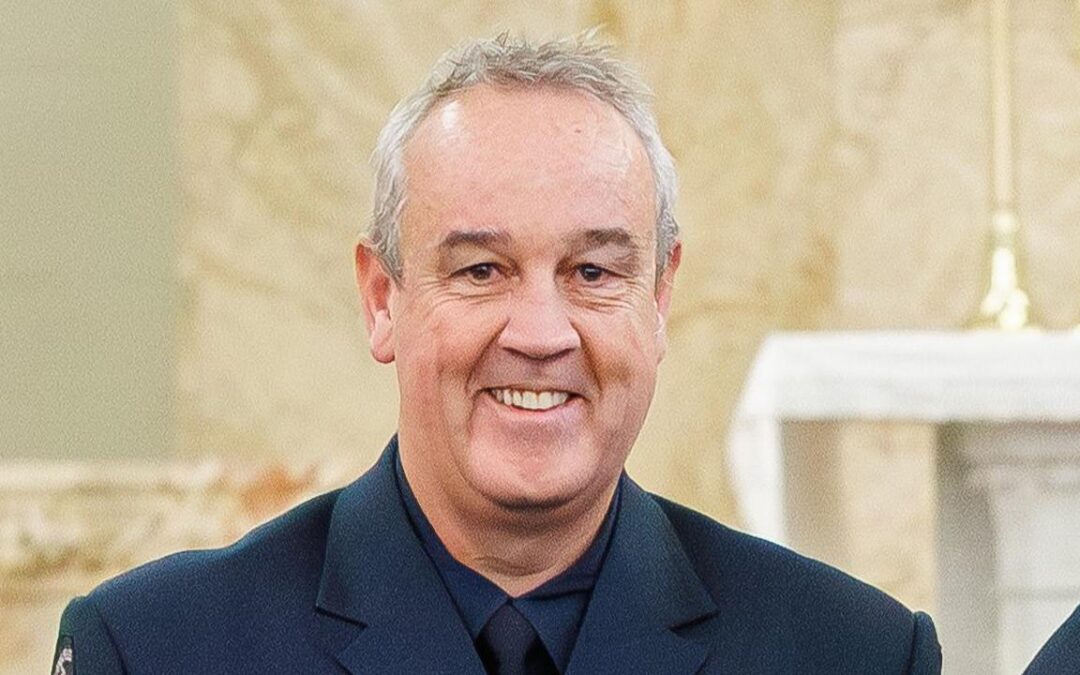
Australian policeman dies in Machu Picchu hiking fall
An Australian police officer who fell to his death while hiking to Peru’s famed Machu Picchu is being remembered as a dedicated family man with a passion for travel.
The body of Victorian Sergeant Matt Paton was recovered by Peruvian rescuers on Thursday local time in an abyss about 300 metres from a trail leading to Machu Picchu.
Sgt Paton fell from the Inca Trail on Wednesday afternoon while with a guided group headed to the ancient Inca citadel, one of the South American nation’s most visited sites.

The 52-year-old’s relatives said they were “shattered by this loss”.
“”It seems surreal at the moment – everyone is bereft,” the family said in a statement on Friday.
“Family was the most important thing to Matt. He was dedicated to his family including his wife of 31 years and their three children. He adored his family. And we adored him.”
The father of three had always wanted to travel to Peru and had been learning Spanish before the trip, they said.
“He was always up for an adventure and to learn something and to experience something new.”
Victoria Police Chief Commissioner Mike Bush described Sgt Paton as a “wonderful, caring person”.

“His colleagues and the entire policing family are devastated at the tragic loss,” Mr Bush said in a statement.
“Matt loved travelling, exploring historic sites and cultures.
“He will be remembered for his selflessness, amazing sense of humour, extreme kindness and inclusion of all.”
Peruvian authorities were investigating the circumstances of Sgt Paton’s death, Victoria Police said.
His body has been taken to a morgue in the regional city of Urubamba for an autopsy.
Local police told the ABC he fell after tripping through a damaged security barrier in a difficult-to-access area of the trail.
Australia’s Department of Foreign Affairs and Trade has been contacted for comment.
Machu Picchu, situated 2430 metres above sea-level on the eastern slopes of the Andes Mountains, receives thousands of visitors daily.
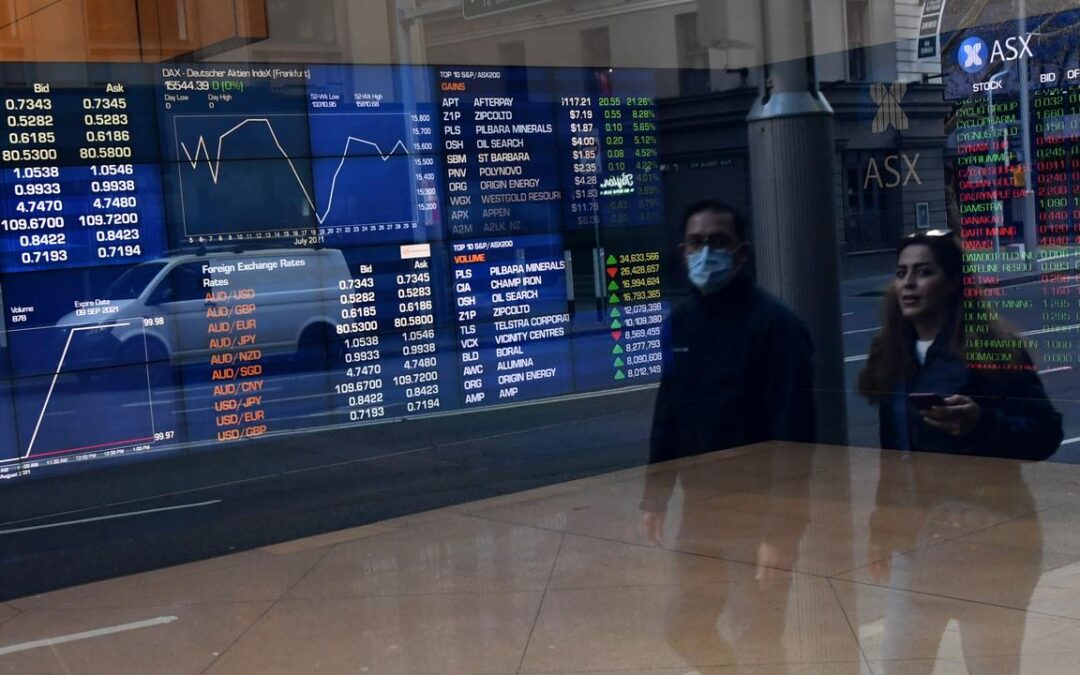
Aussie shares up despite mixed signals from Iran talks
Australia’s share market continues to recover on optimism about a potential peace deal between the United States and Iran, despite division remaining on key issues.
The S&P/ASX200 rose 41.4 points by midday on Friday, to be up 0.48 per cent to 8,663.1, as the broader All Ordinaries lifted by 45.2 points, or 0.51 per cent, to 8,886.
“Iran suggested that the latest US proposal ‘has narrowed the gaps to some extent’ between the two sides,” Westpac economist Mantas Vanagas said.
“However, the two countries still appear to be drifting further apart on the two central issues – Iran’s nuclear ambitions and the reopening of the Strait of Hormuz.”
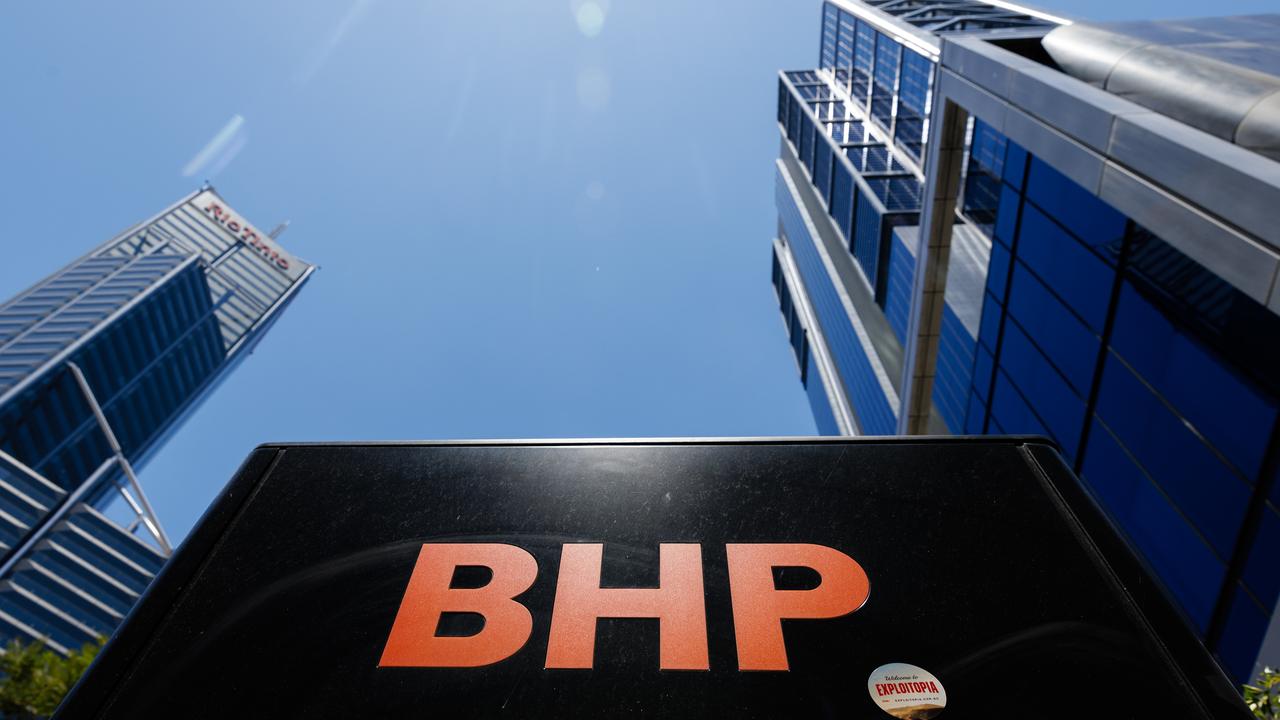
ASX-listed miners were doing some heavy lifting heading into the weekend, with materials up 1.4 per cent with strong leads from BHP and Rio Tinto.
Arafura Rare Earths went into a trading halt a day after green-lighting its flagship ore-to-oxide Nolans Project in the NT, as it launched a $350 million institutional placement to support the endeavour.
Gina Rinehart’s Hancock Prospecting has already committed $85 million to the placement, which will take Hancock’s stake in the mining minnow up to 17.5 per cent.
Consumer-facing stocks were mixed, with staples up 0.6 per cent on strong performances from Woolworths, Bega and Elders, while cyclicals eked out a 0.1 per cent improvement.
Mexican-themed fast food chain Guzman Y Gomez rocketed more than 14 per cent higher after calling off its US expansion because it failed to meet its financial targets.
Ainsworth Game Technology jumped 3.8 per cent despite flagging a reduction in revenue due to increased competition and negative economic factors in the US market.

Financials advanced 0.4 per cent, led by the big four banks and investment firms as major insurers sold off.
Energy stocks edged lower as Brent oil slipped below $US105 a barrel.
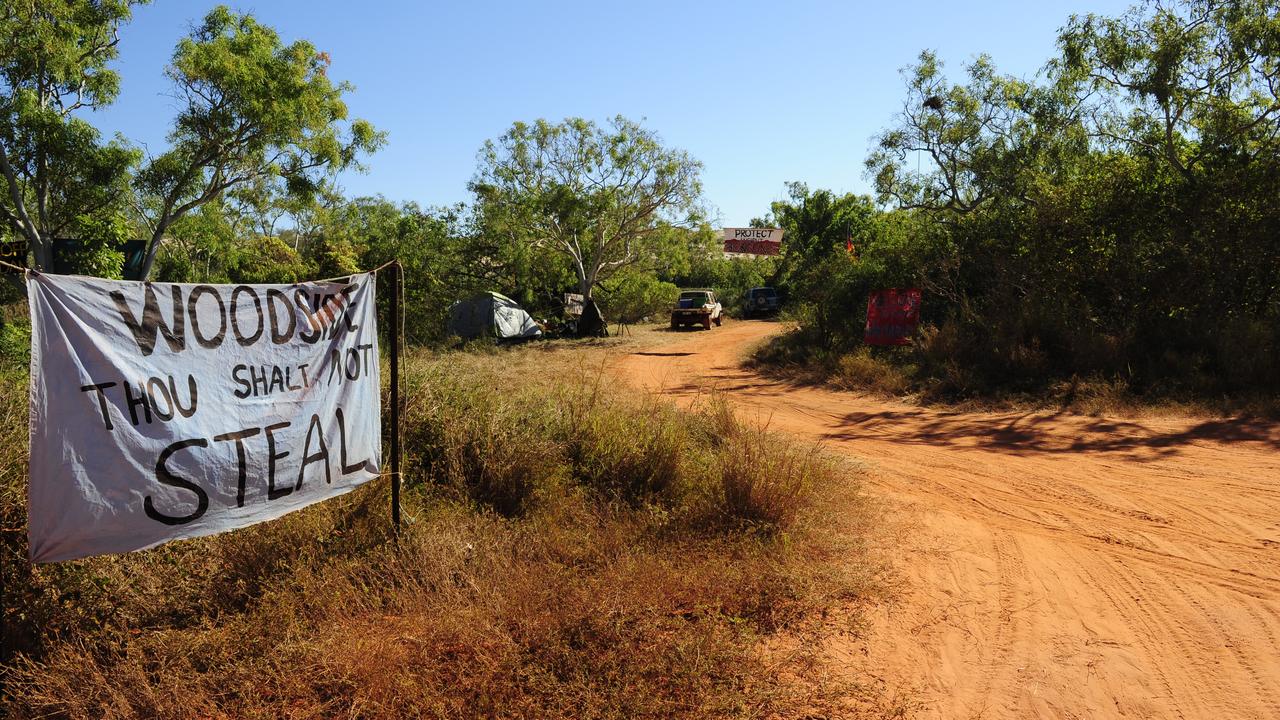
Woodside eased 0.9 per cent to $31.55, while Santos swung in the other direction and coal miners were broadly lower.
Beaten-down uranium stocks continued to recover from recent weakness as sentiment improved and microchip maker Nvidia posted a new first-quarter sales record, bolstered by the global data centre build-out.
ASX-listed tech stocks advanced 0.2 per cent, as Appen soared 10 per cent after reaffirming its revenue guidance range of between $270 million and $300 million.
Utilities, communications stocks and real estate stocks underperformed the bourse, shedding between 0.8 and 1.2 per cent respectively.
Gold miners were mixed but broadly higher as the precious metal firmed to $US4,527 ($A6,340) an ounce, while Northern Star fell for a second day after announcing the departure of managing director Stuart Tonkin.
The Australian dollar was buying 71.38 US cents, up from 71.13 US cents on Thursday at 5pm.
Avalanche of criticism over premier’s fracking ‘threat’
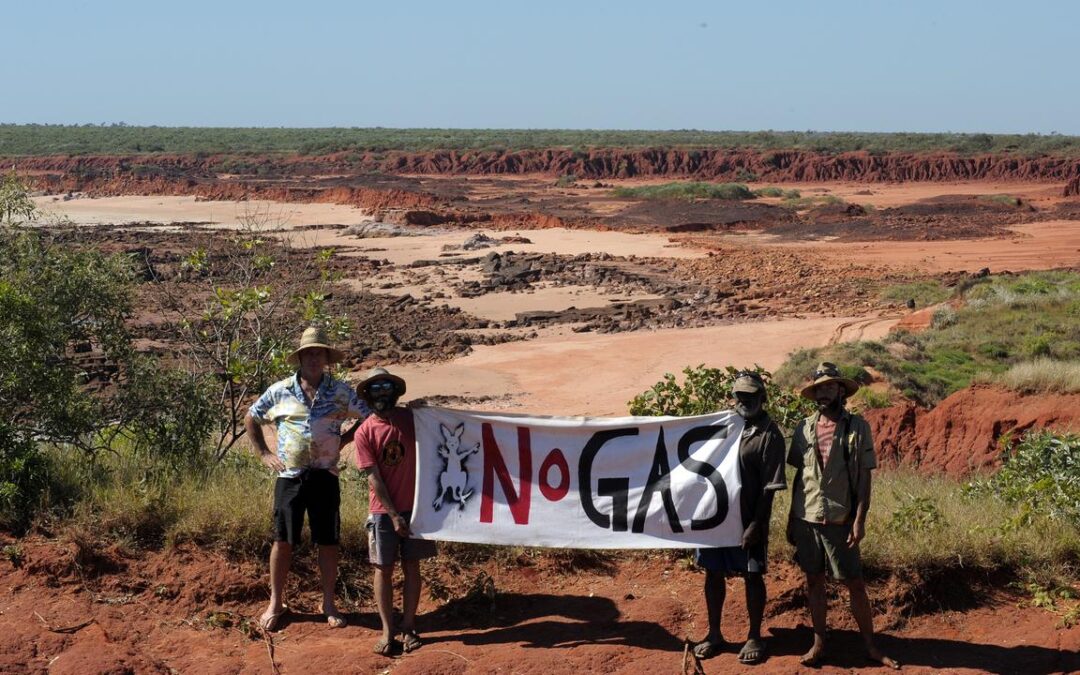
The potential of gas fracking in a pristine wilderness area has opened a fresh fault line between industry and conservation groups.
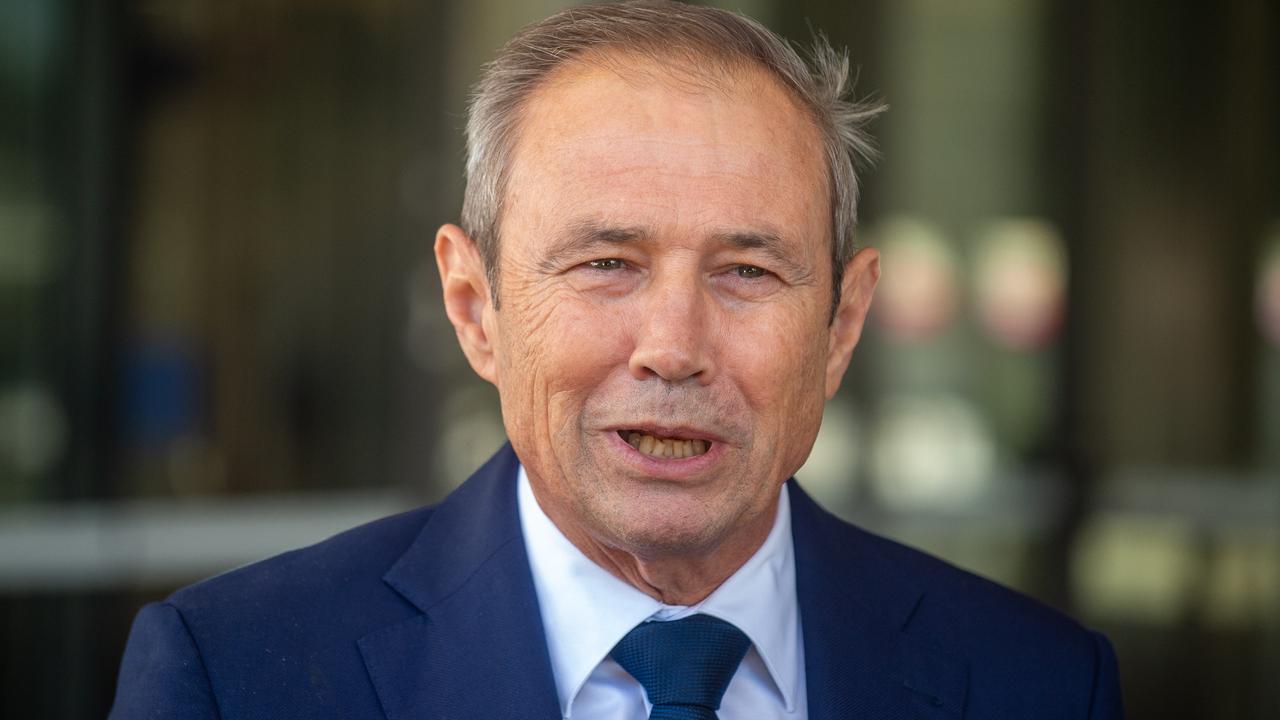
Premier Roger Cook said Western Australia could be forced to permit fracking in the Kimberley region if Woodside Energy’s $30 billion offshore Browse project was not developed and the state was left short of gas.
Mr Cook told the Australian Financial Review that WA had a large deficit in its future energy needs, and renewable sources would not be able to replace the gas needed to meet demands from households and heavy industry.
The mining sector welcomed Mr Cook’s remarks, with the Chamber of Minerals and Energy saying gas and the proposed Browse development were critical to WA’s energy security.
“The premier is right: gas will be essential to keeping WA’s energy system reliable and affordable for decades to come,” chief executive Aaron Morey said.
“Browse is a no-brainer.”
However, the premier’s comments triggered an avalanche of criticism from environmental groups.
The Conservation Council said WA was not facing a gas supply problem, but it did have a gas export problem.
Playing off Woodside’s Browse project against fracking in the Kimberley as an either-or scenario was disingenuous and misleading, the council said.
“The government has a choice: make the gas industry deliver the gas they already owe us and is readily available, or let them destroy precious places like Scott Reef and the Kimberley,” executive director Matt Roberts said.
“Gas companies are meant to reserve 15 per cent of their gas for the domestic market, but deliver little more than half of that.”
Environs Kimberley said the WA government should force the oil and gas industry to increase the supply of domestic gas.
“These comments from the premier are outrageous,” executive director Martin Pritchard said.
“Saying that an iconic place like the Kimberley has to be sacrificed to fracking or Scott reef drilled by the oil and gas industry is shocking.”
Greens MP Sophie McNeill also scolded the premier.
“It’s a complete lie that either one of these beautiful places needs to be destroyed just because the gas industry wants to make massive profits,” she said.
Conservation groups are challenging the federal environment minister’s North West Shelf Project extension approval in the Federal Court.
Environmental groups have also lodged a judicial review challenge in the Supreme Court.