
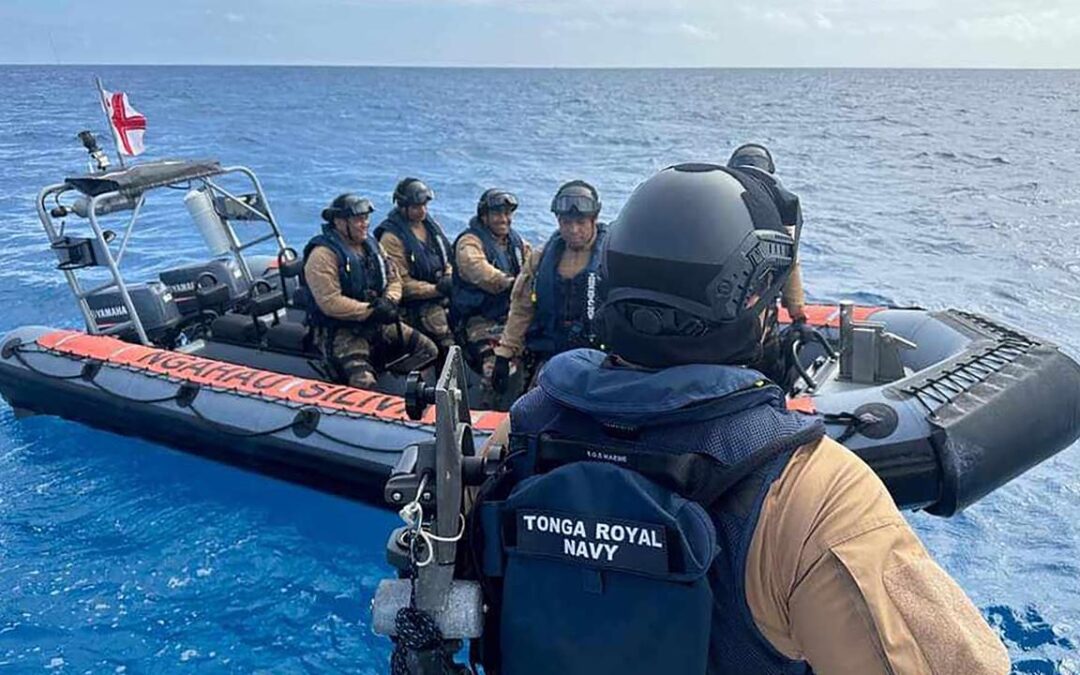
Defence helps Pacific partners fight illegal fishing
Illegal fishing costs Pacific Island nations hundreds of millions of dollars in potential revenue each year but an Australian-backed operation is helping them fight back.
The Southwest Pacific is the world’s most fertile fishing ground, supplying more than half of the tuna sold globally.
Which is why the Australian Defence Force has joined a multinational effort to detect and deter illegal, unreported and unregulated fishing in the region.
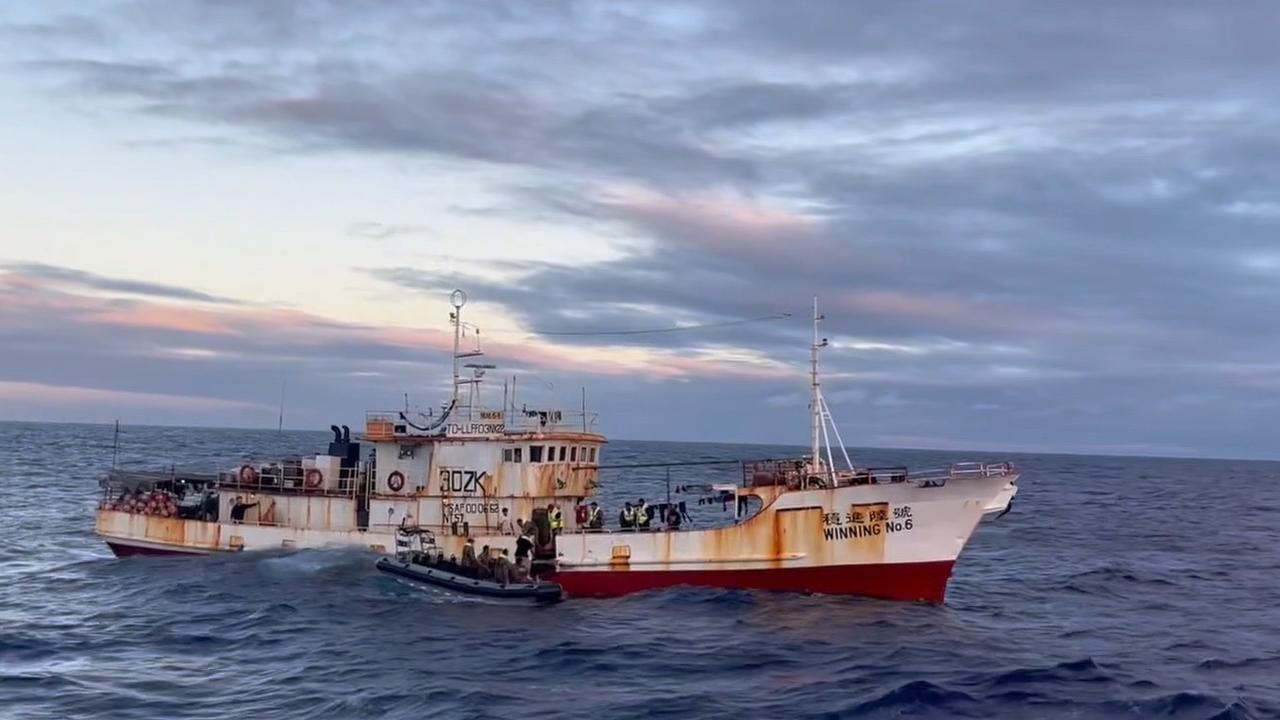
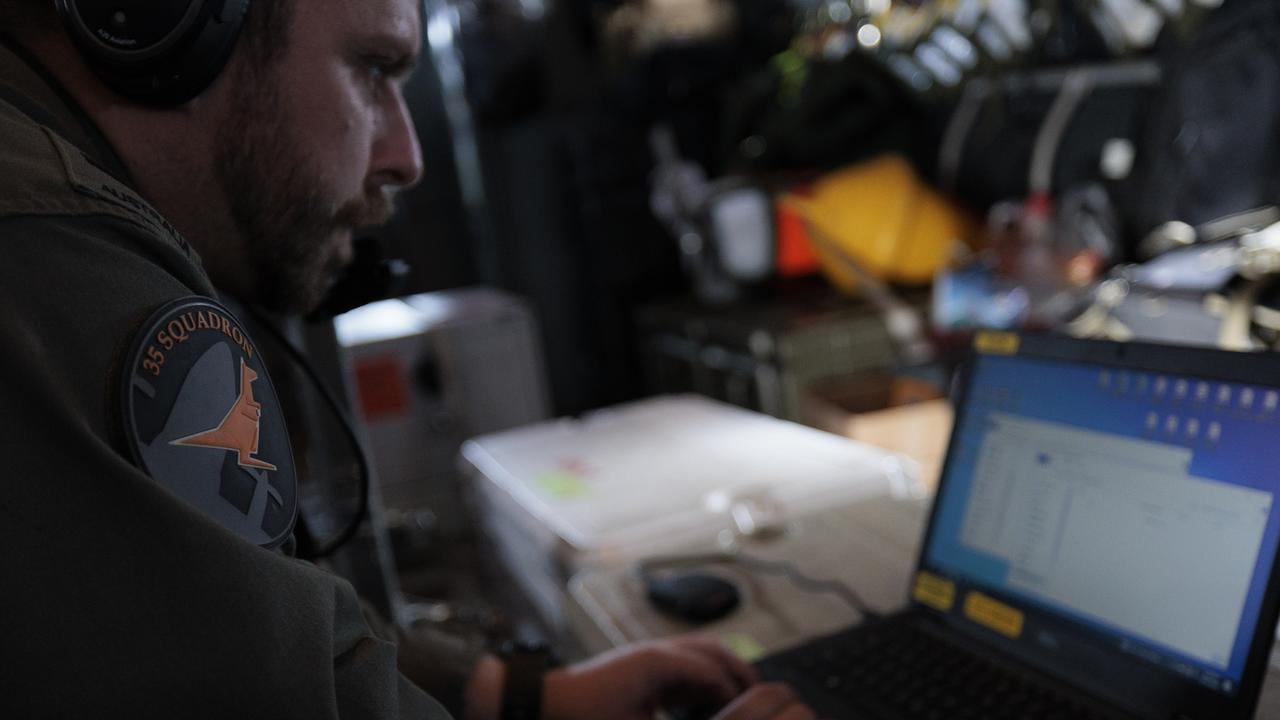
As part of Operation Solania, a Royal Australian Air Force C-27J Spartan and supporting personnel deployed to the Cook Islands and Tonga, working alongside the Royal New Zealand Air Force, have been supporting the Pacific Islands Forum Fisheries Agency’s Operation Tui Moana.
Operation Tui Moana is one of four annual Pacific-led maritime surveillance operations.
In May, ADF surveillance patrols covered 113,220sq km of sea, identifying potential threats to Pacific partners’ marine resources and countering transnational organised crime.
They successfully identified 12 vessels of interest suspected of illegal fishing in Tonga and the Cook Islands’ exclusive economic zones.
Chief of Joint Operations Vice Admiral Justin Jones said fisheries protection was essential to long-term sustainability.
“Australia continues to prioritise our region by deploying ADF assets to support Pacific-led arrangements that safeguard regional prosperity and security,” Vice Admiral Jones said.
“Working together to deliver Pacific-led, Australian-backed solutions to Pacific security challenges is essential to ensuring our region’s stability and protecting our sovereignty.”
Unlicensed fishing by foreign boats was historically the primary threat to the area, but better satellite tracking has made it easier to detect illegal boats.
The most prevalent problem now involves vessels drastically misreporting their catch volume or illegally transferring catches to larger ships out on the high seas.

Investor tax cut call as opponents fight Labor plan
Investor incentives should be increased, not cut, a senior Liberal says, as Labor moves to rush its once-in-a-generation tax overhaul through parliament.
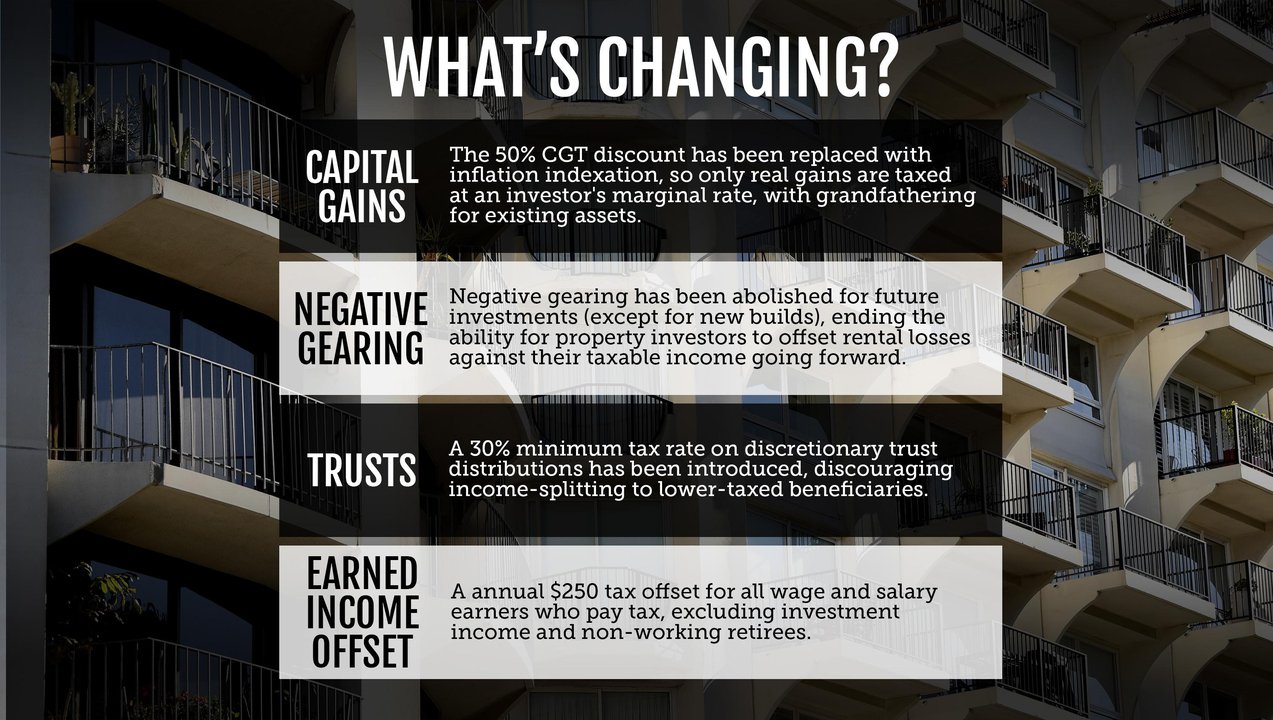
Business leaders have warned the measures, laid out in the federal budget earlier in May, will lead to talent and funding moving offshore as the existing 50 per cent capital gains discount is axed in favour of a minimum 30 per cent tax rate.
The Albanese government is expected to introduce legislation to federal parliament within a fortnight that would end the discount and negative gearing for investors buying existing properties.
Opposition housing spokesman Andrew Bragg said he would increase the discount rather than remove it to get money flowing where it was needed.
“We should be looking to cut taxes,” he told Sky News on Sunday.
“There are heaps of ways you could play around with (capital gains tax) to actually incentivise more investment.”
Asked how the coalition would fund an already promised plan to end so-called bracket creep for income taxes – costing at least $22 billion – Senator Bragg agreed significant spending cuts would be needed.
Being too afraid to say what would be cut was “part of the weakness” of political leaders, he said, although he refused to nominate areas that would be targeted for savings.
Capital gains tax is paid when assets such as shares or property are sold, based on the increase in value.
The proposed regime would adjust returns for inflation before tax was applied, meaning the impost on low-growth assets could be less than under the existing discount-based regime, introduced by the Howard government in 1999.
But Labor’s plan has been criticised by startup and small business supporters in particular for discouraging people from building and investing in young companies with low initial costs.
UNSW chief societal economist Richard Holden said the plans would create Australia’s first-ever “productivity tax”, under which productive firms paid more than their less-efficient peers.
“Two identical businesses, delivering the exact same service, one highly productive, the other unproductive, will now face vastly different effective capital gains tax rates,” he said in a post-budget analysis.
“Young people will pay the biggest price for this profound policy error, because they will miss out on the jobs growth and prosperity that productive businesses create.”
Labor cabinet secretary Andrew Charlton defended the tax changes as necessary to stop investment in existing houses from pushing up prices and starving other parts of the economy of necessary funding.
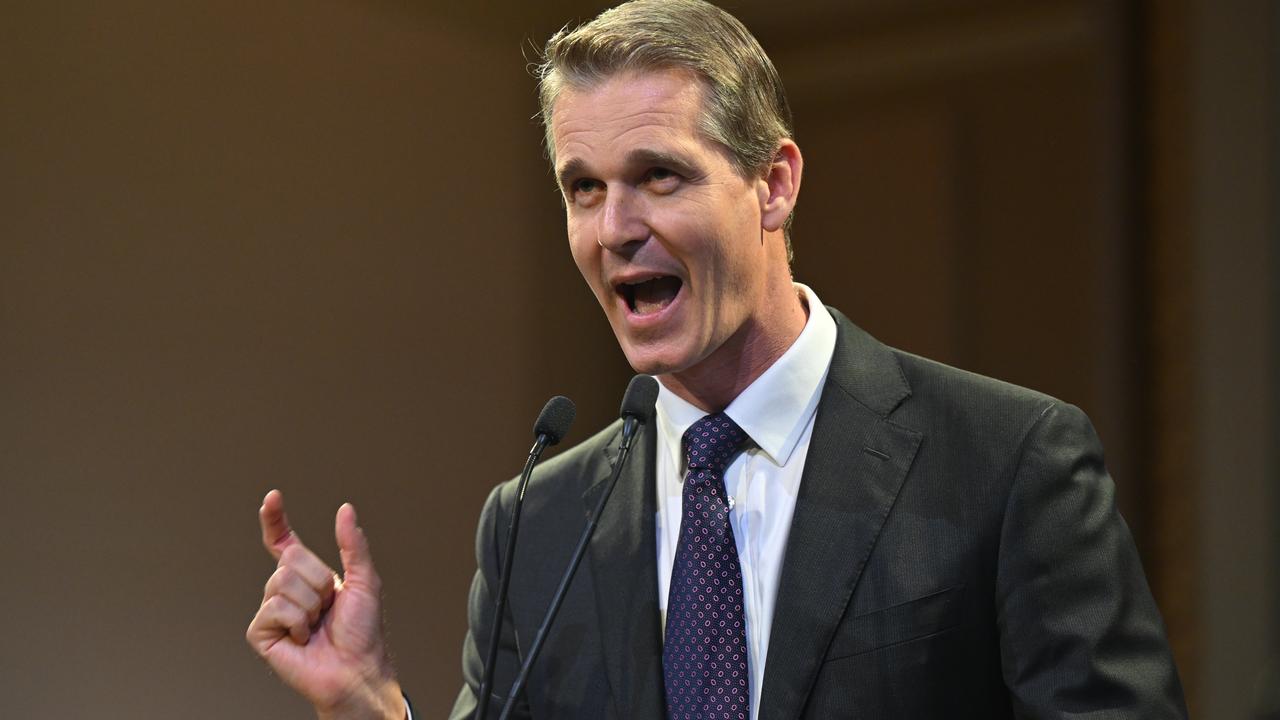
He also pushed back against suggestions he personally benefited from the old tax regime when he sold his consultancy business for tens of millions of dollars.
“I can tell you that across the assets that I have owned, this is a fairer system,” he said.
“I would have lost out of some, gained out of others, but overall it is a fairer system.”
Asked if the changes would make the nation a less attractive place in which to invest, Mr Charlton said comparing Australia’s tax rate on a nominal gain in another country was not a like-for-like comparison.
“In many cases, our regime will be more generous to assets who have experienced a lot of inflation over a long period of time and that is not compensated for in the regimes of other countries,” he said.
Independent senator David Pocock called for a parliamentary inquiry into the proposed tax change to avoid what he said was a worrying trend of measures being rammed through parliament without adequate public consultation to get policies right.
Temporary fall in inflation won’t ease RBA fears
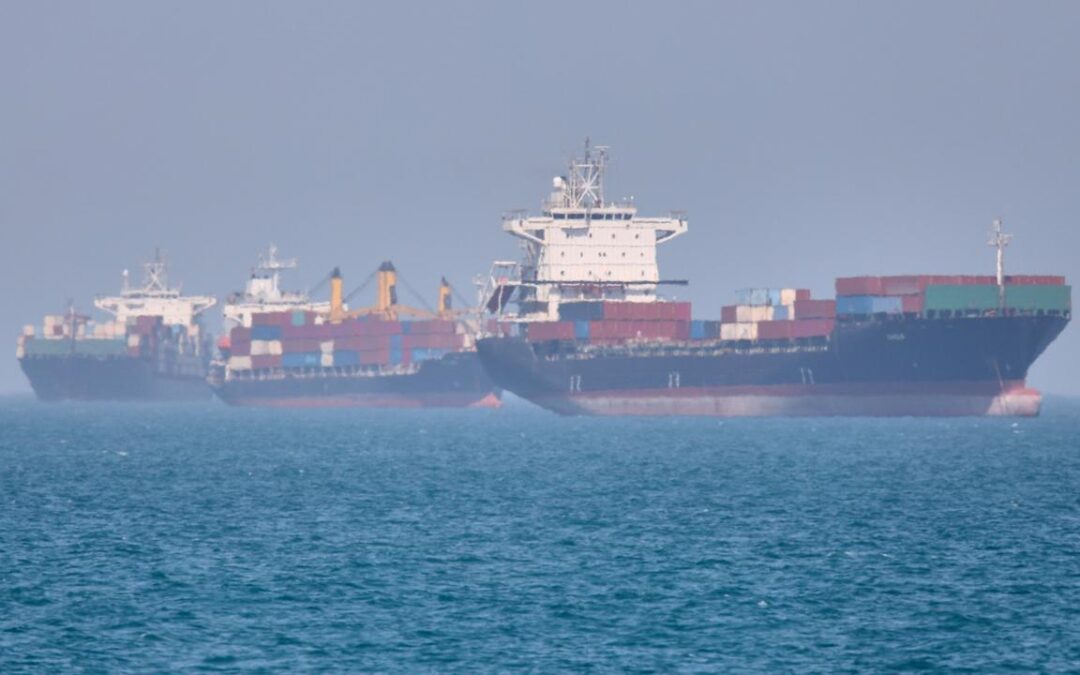
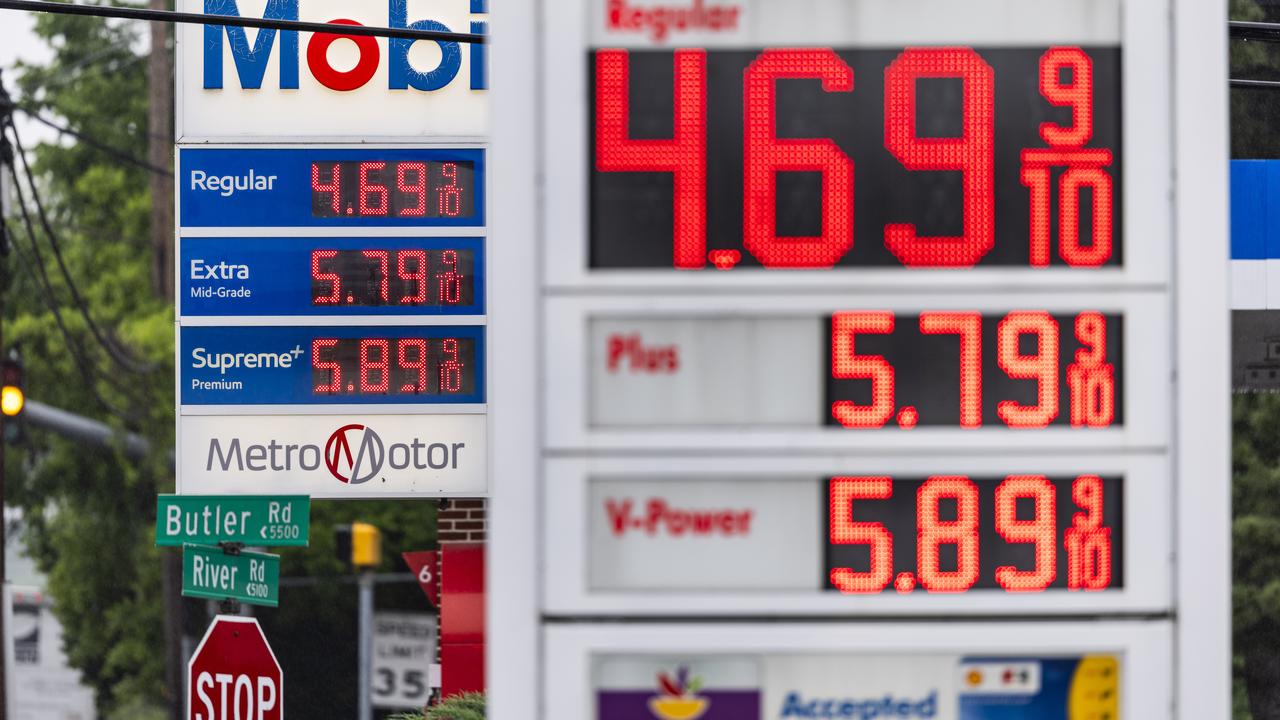
The Strait of Hormuz is still closed and supply disruptions are still pushing global prices up yet fresh data is expected to show Australia’s headline inflation is on the way down.
Even so, the Reserve Bank won’t be declaring mission accomplished, if the forecasts are borne out.
Economists at NAB, CBA and ANZ are tipping the consumer price index to drop from the 4.6 per cent annual rate clocked in March when fresh figures are released by the Australian Bureau of Statistics on Wednesday.
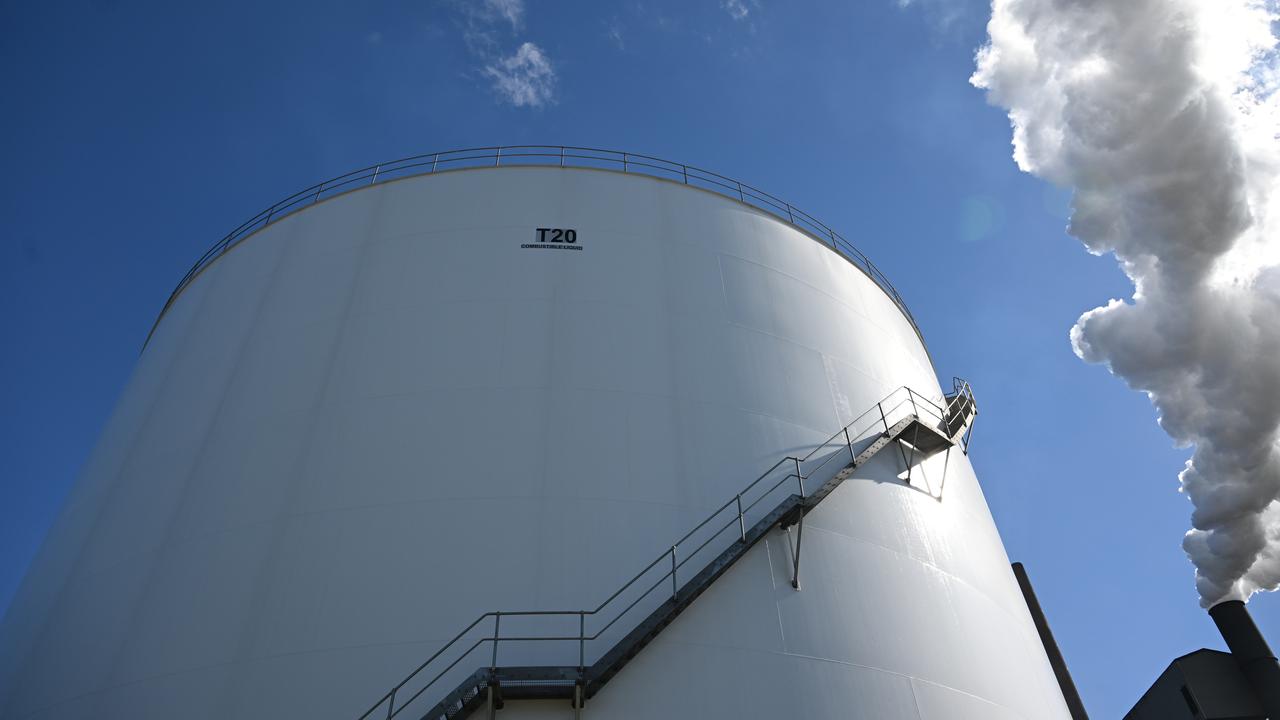
That’s largely because of a temporary reduction in fuel taxes, rather than a softening in the underlying impulse.
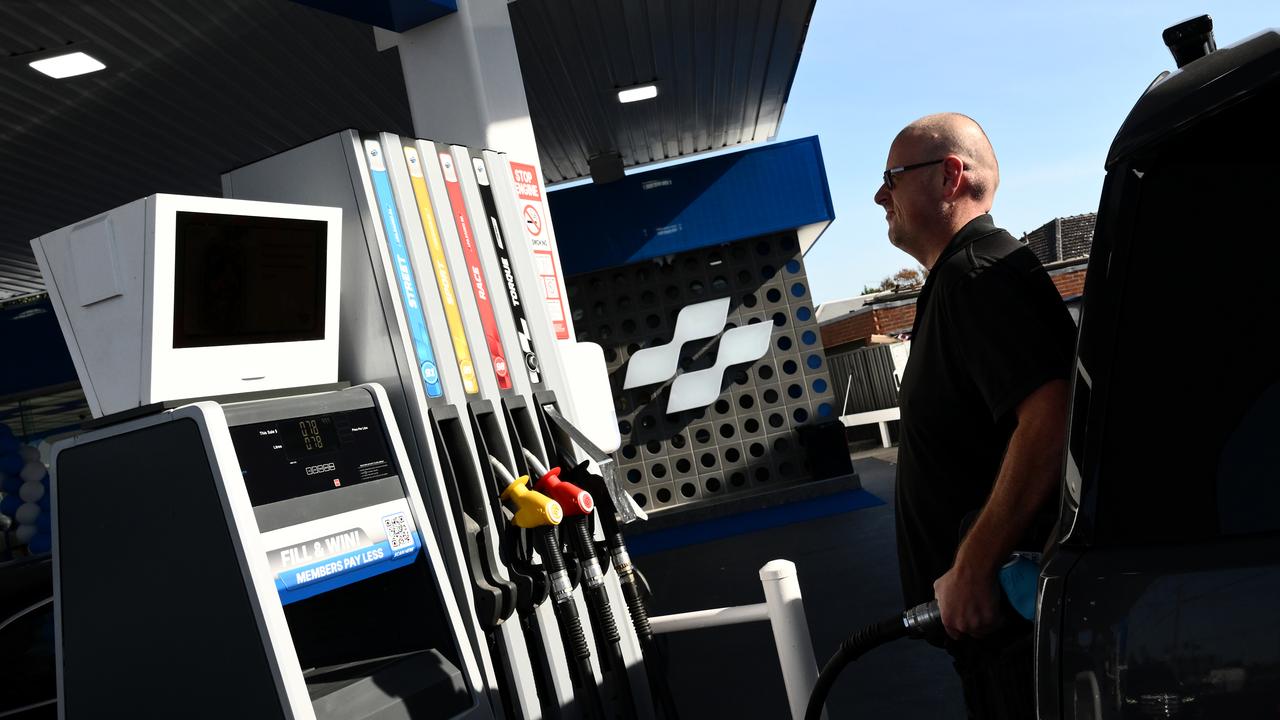
Petrol prices fell about nine per cent over the month but because diesel prices still rose, NAB senior economist Taylor Nugent has pencilled in a seven per cent fall in automotive fuel.
He therefore expects headline inflation to fall to 4.4 per cent for April, driven by the 32c per litre reduction in fuel excise.
“That will add to headline inflation in July when the excise cut unwinds,” Mr Nugent said.
Economists at ANZ and CBA expect an even larger drop in the consumer price index to 4.3 per cent in April, although Westpac predicted an annual rise of 4.8 per cent.
“Lower public transport fares in some states are also expected to weigh modestly on the monthly outcome,” said CBA economist Trent Saunders.
Underlying inflation, which excludes volatile price movements, will likely tick up to 3.4 per cent from 3.3 per cent, supported by higher new dwelling costs and a larger bump in private health insurance premiums, he said.
“The key risk for April is how much businesses have passed on higher costs, particularly for new housing.”
The pace and breadth of cost pass-through has troubled the Reserve Bank as it faces a devilish dual-edged dilemma of rising inflation and stagnating activity.
Despite markets reacting positively to commentary out of the White House suggesting an end to the Iran war is nigh, there has been little progress.
While Hormuz remains effectively shut to freight, oil stockpiles will continue eroding and shortages of other vital commodities like fertiliser will keep mounting.
CBA commodity analyst Vivek Dhar warned oil futures could rise from $US105 a barrel to about $US150 by mid-June if the status quo remained. By September it could be $US200.
That would be catastrophic not only for consumer prices. By then, the RBA might be more concerned about the hit to economic activity and employment.
The labour market showed its first signs of softness last week, with unemployment rising from 4.3 per cent to 4.5 per cent in April.
Another sign of the hit from the Middle East conflict could come on Thursday, when the ABS releases household spending figures.
ANZ economist Aaron Luke expects a 1.3 per cent month-on-month contraction in April, following a 1.6 per cent rise in March.
While much of that will be down to lower fuel prices and free public transport, discretionary spending is also expected to have softened.
Carolyn Hewson will deliver the first speech by an external member of the Reserve Bank’s rate-setting board on Wednesday but probably won’t give away much on rates.
Her Adelaide University address will consider responsibility and leadership in public service and economic decision-making.
US Secretary of State Marco Rubio flagging progress toward a deal with Iran has meanwhile been enough to raise Wall Street enthusiasm.

The Dow Jones Industrial Average on Friday rose 294.04 points, or 0.58 per cent, to 50,579.70, a record closing high.
The S&P 500 climbed 0.37 per cent to 7,473.47 and the Nasdaq Composite 0.19 per cent to 26,343.97.
Australian share futures lost 58 points, or 0.66 per cent, to 11,542.
The S&P/ASX200 rose 35.3 points on Friday, up 0.41 per cent to 8,657, as the broader All Ordinaries improved 36.4 points, or 0.41 per cent, to 8,877.2.
‘Huge grievance’ pushes One Nation to major status
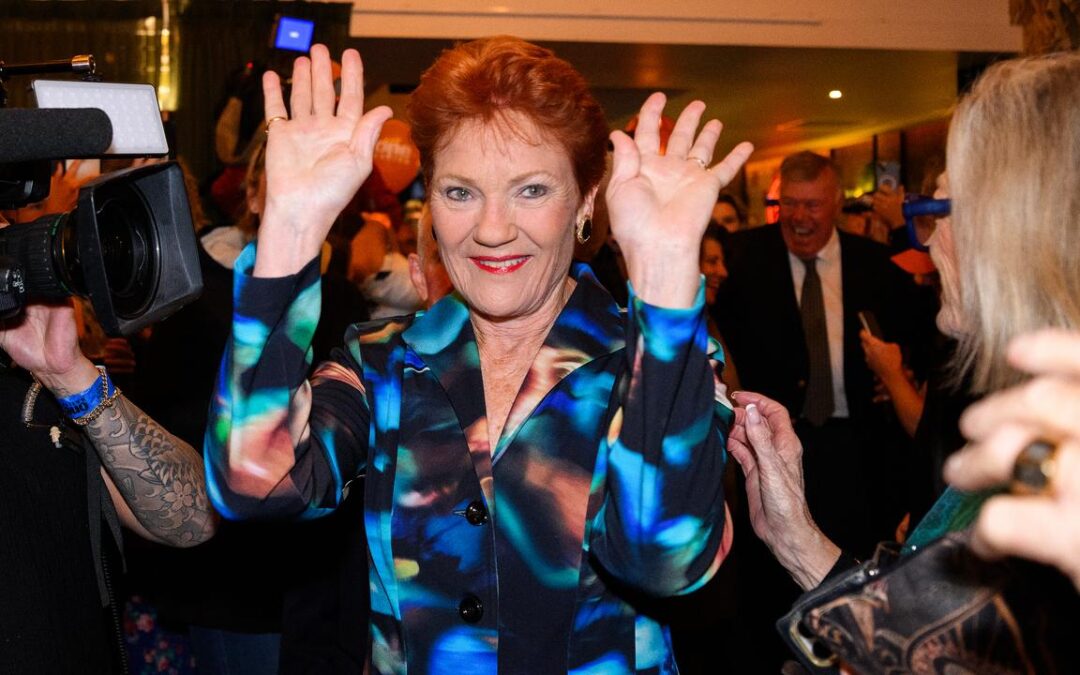
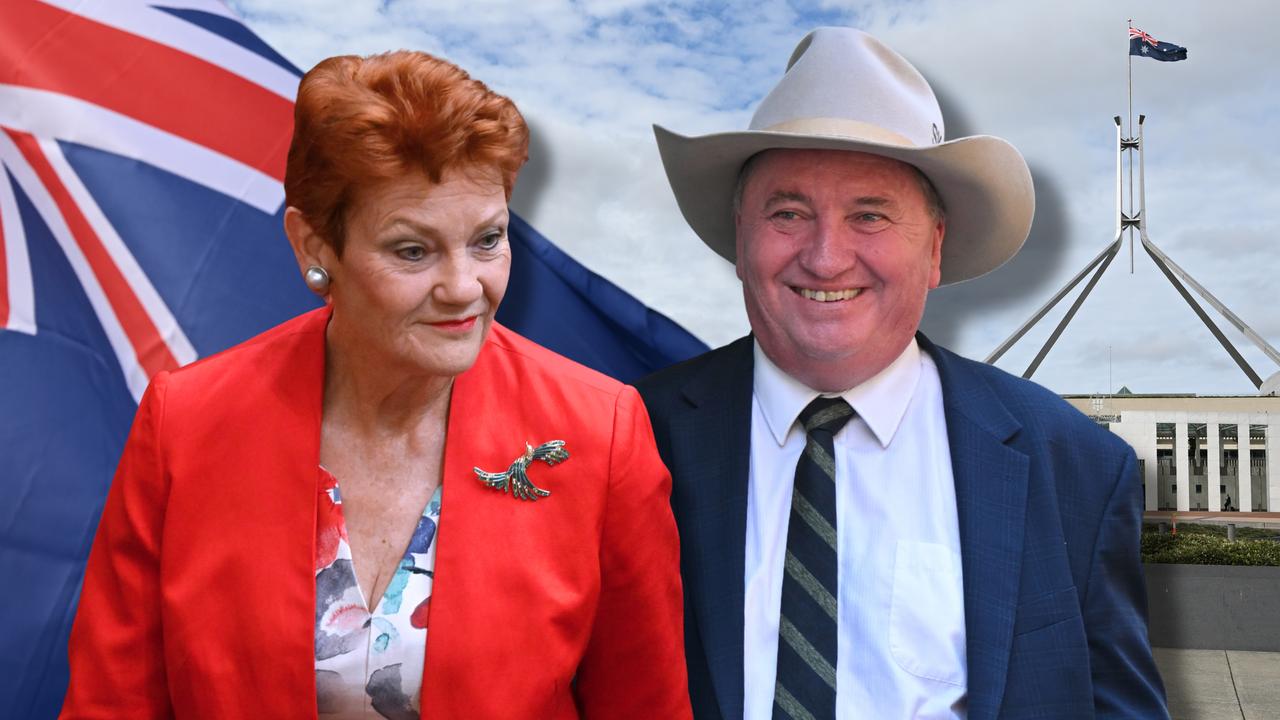
Australia’s major political parties face a “huge amount of grievance” as a leading Liberal figure concedes his party’s decade of flawed policies has helped fuel the rise of One Nation.
Polling from RedBridge Group and Accent Research shows Pauline Hanson’s One Nation could win up to 59 lower house seats if a federal election were held today.
The result would leave Senator Hanson’s anti-immigration party as the official opposition, reducing the coalition to a handful of seats and forcing Labor into minority government.
But RedBridge analyst Alex Fein said people should reject the “reflexive interpretation” the poll – backed up by others showing a surge of support for One Nation – was lurching towards the far right.
Rather, many people were experiencing deteriorating living standards and public services, while trust in institutions such as government, media and businesses had collapsed.
The anti-establishment sentiment left a void to be filled and a vote for Senator Hanson was seen as giving the major political parties a “kick up the bum”, Ms Fein said.
Opposition housing spokesman Andrew Bragg said he believed voters wanted an “economic revolution”, but it wasn’t the time to concede the coalition would have to partner with One Nation.
“What it shows is there’s a huge amount of grievance in the Australian community and I think we have not done a good job in the last 10 years on economic policy,” he told Sky News on Sunday.
“That’s my main takeaway … we should have done more on tax, more on industrial relations, more on super, more on budget stuff and we’ve just been too similar to Labor over a long period of time.
“We’re being punished.”
RedBridge’s central prediction was for One Nation to take 53 seats, based on current polling, reducing the coalition to just 12 and Labour to a slender majority of 76.
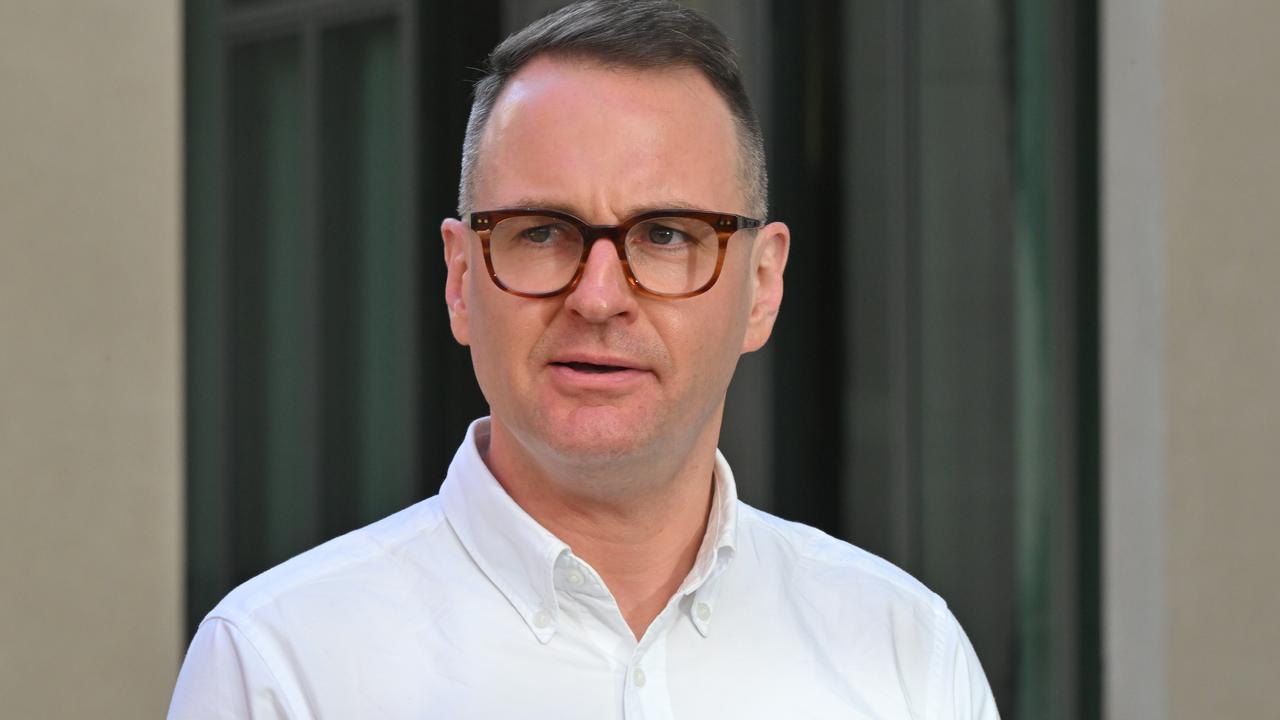
Labor cabinet secretary Andrew Charlton said the government needed to focus on presenting solutions to voters’ concerns and demonstrating it was tackling those issues.
“One Nation is expressing the grievances that people have, but they’re not providing the solutions that those people need to those grievances,” he said.
“Every opportunity they get … they vote against things that will benefit Australian families and workers.”
Alarm has been rising within the coalition, particularly among Nationals facing a strong challenge in regional and rural seats.
But former party leader David Littleproud played down the research.
“To have that 6000 poll across 17 million votes and then be able to make those assumptions is a little courageous,” he told Nine’s Today program.
“It’s more about clickbait and feeding our algorithm than it is about the reality.”
One Nation’s David Farley wrested the regional NSW seat of Farrer from the Liberals at a recent by-election, representing his party’s first win in the lower house.
The poll predicted the independent cross bench would be reduced from 10 seats to eight.
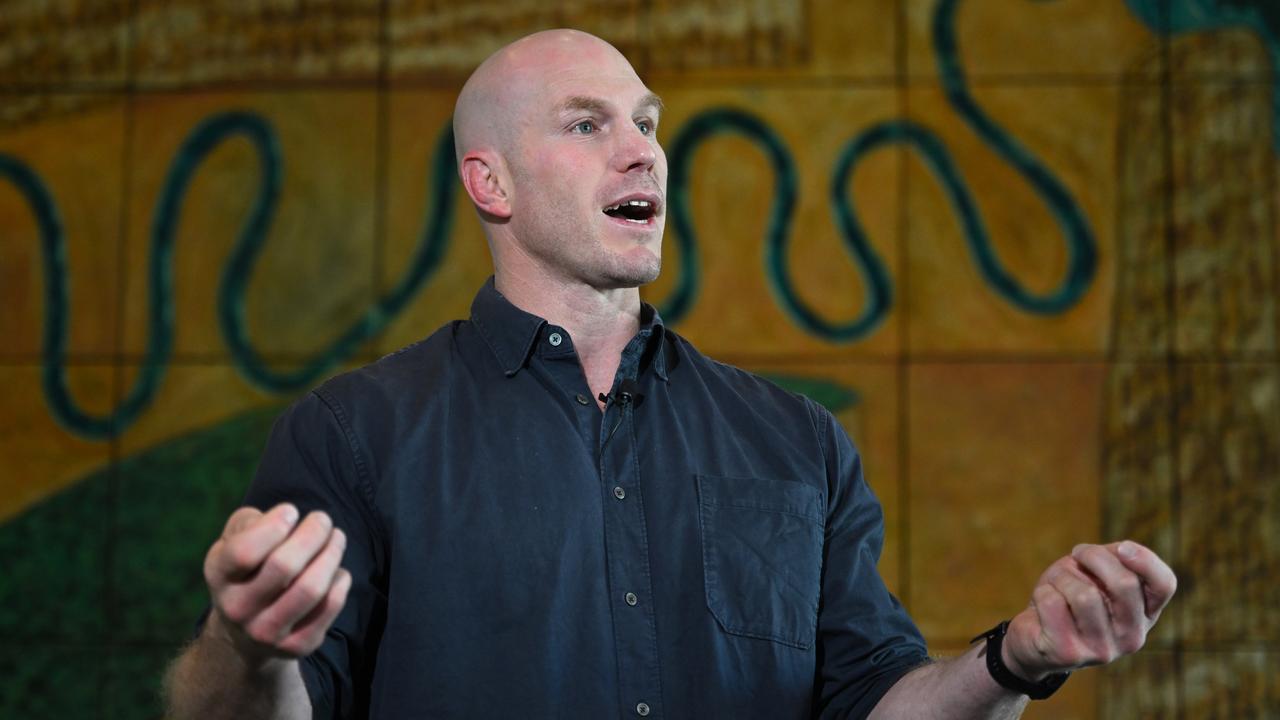
Independent senator David Pocock did not rule out teaming up with others to form a political party when asked if it was time for like-minded representatives to band together.
“We’re in a real time of flux politically and there’s people actually looking for candidates who are going to come to Canberra and actually put them first, put them ahead of vested interests,” he told ABC’s Insiders on Sunday.
Senator Pocock said he was focused on serving his ACT constituents and offering solutions.
“As to what that looks like in the future, who knows?” he said.
As cemeteries fill, Australians choose forests
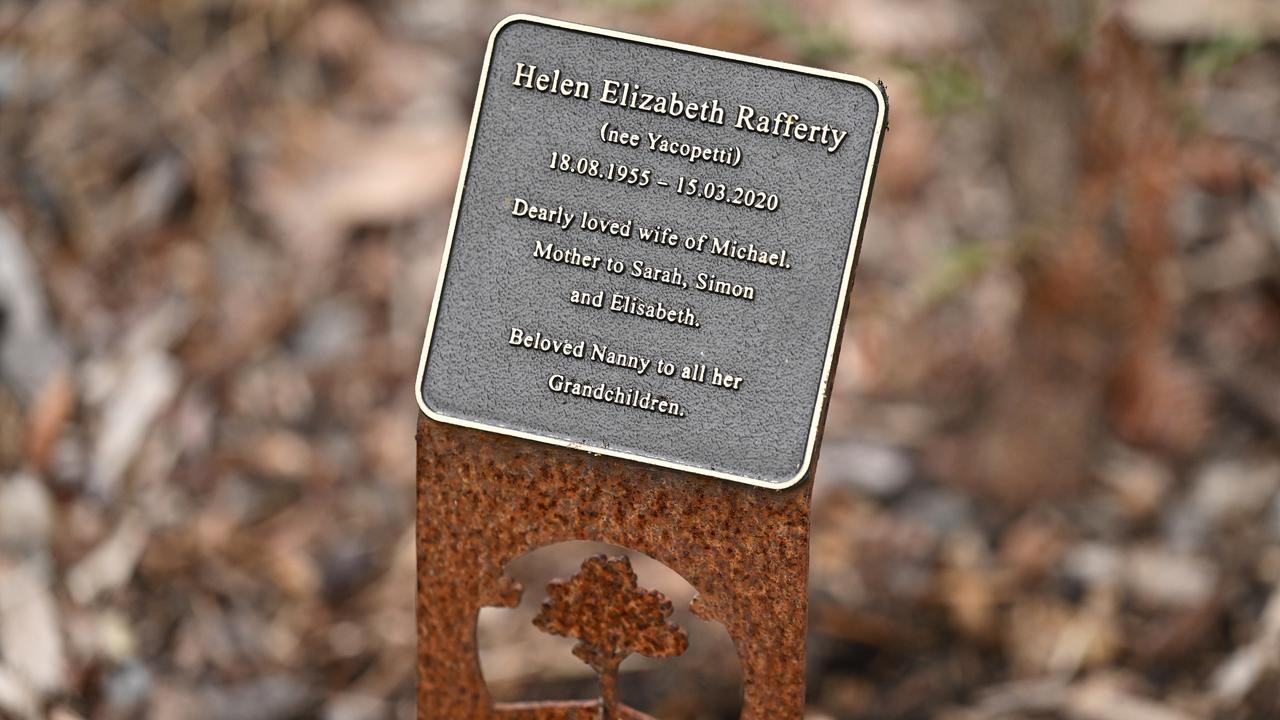
When Helen Rafferty succumbed to a five-year illness on the eve of the first COVID-19 lockdown, her husband Michael had to act fast to farewell his “darling wife of 44 years”.
Three days after she died, borders closed, cities emptied and families across Australia became separated from loved ones.
The Raffertys’ children, scattered between the United States and Australia, had no time to get home before restrictions came into force and the pandemic sealed the borders.
“They all missed the death,” Mr Rafferty tells AAP.
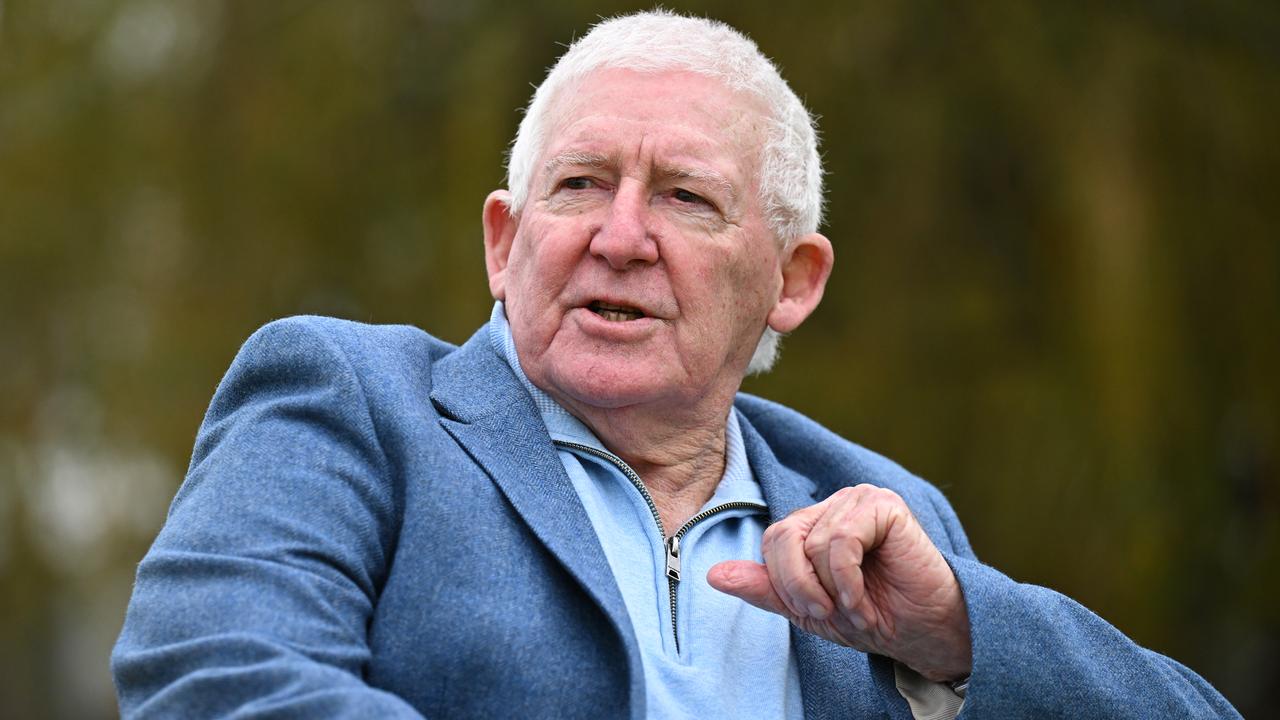
He had to act fast to push ahead with Helen’s memorial service – one she had written and he sang at – before the state effectively shut down.
It was held just in time with Mr Rafferty but his children did not have the opportunity to properly farewell their mother.
“The city was shut down on the same day – the 18th – and I came home from the memorial service and into an empty home and I stayed there for two years,” Mr Rafferty remembers.
“Not even someone to have a goddamn cup of coffee with?”
Ms Rafferty had been cremated and her ashes divided into three containers for the couple’s children.
At first, Michael held onto them, believing they would eventually return and decide together what should happen.
“I kept them there hoping the children would come back,” he says.
But as the months stretched into years, Michael realised he needed to make a decision.
“I spoke to one of my sisters and they said, ‘Make the choice, it’s your decision. No one else’s’,” he says.
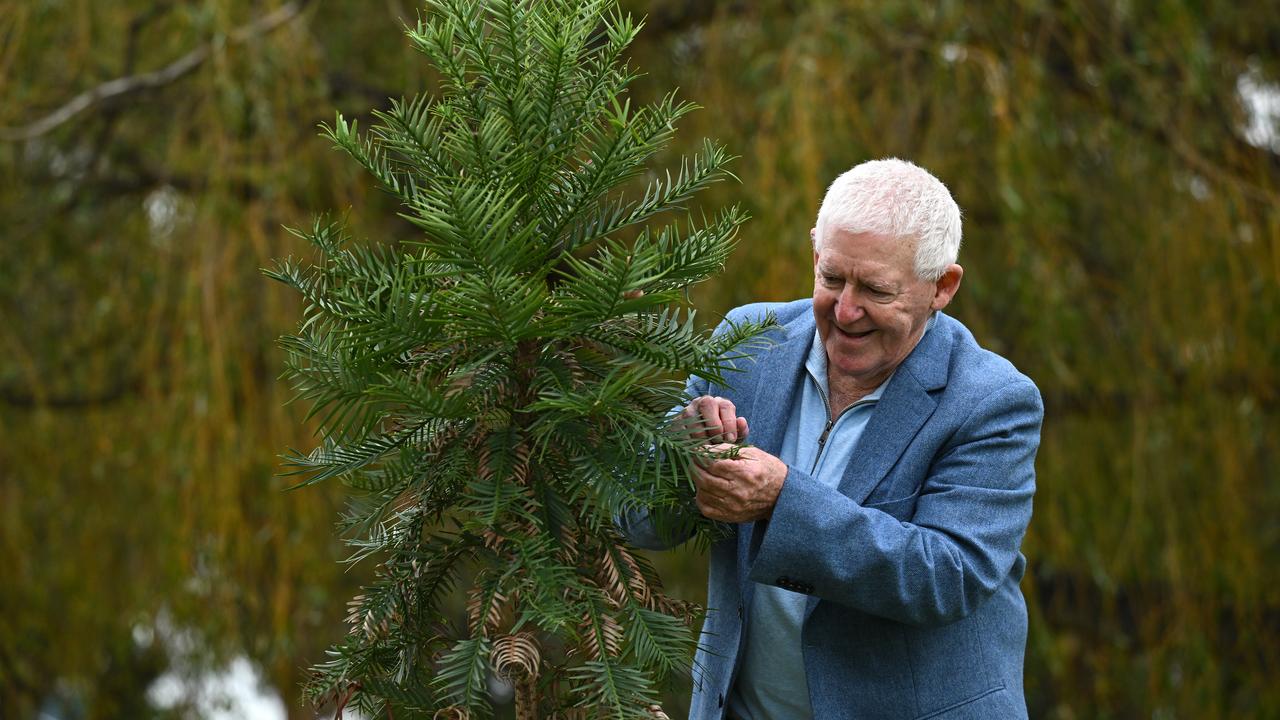
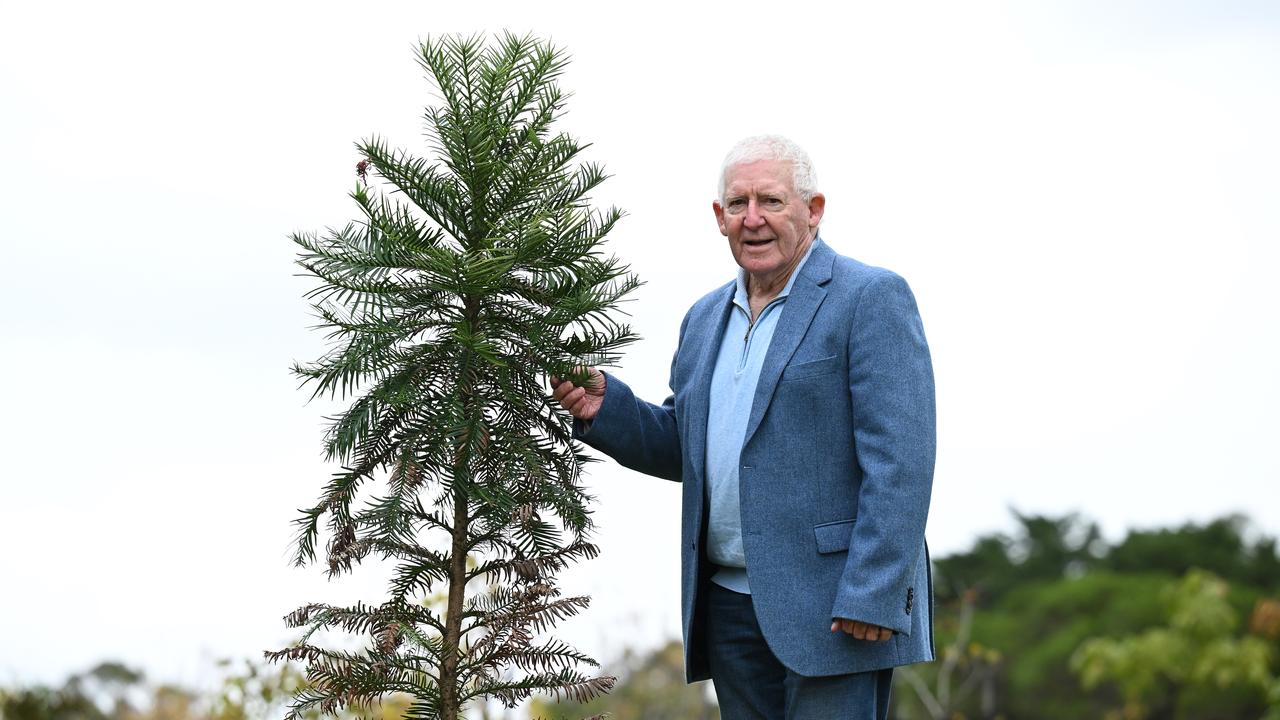
Sitting in the backyard was a Wollemi pine – one of the world’s oldest and rarest tree species.
The couple had been cultivating the tree from a cutting taken from a rediscovered specimen in the Blue Mountains decades earlier.
The tree – by then two metres high – had been Helen’s pride and joy.
“Helen was into gardening like there was no tomorrow,” Mr Rafferty says.
“The pine was Helen’s pine. She selected it. I nurtured it.”
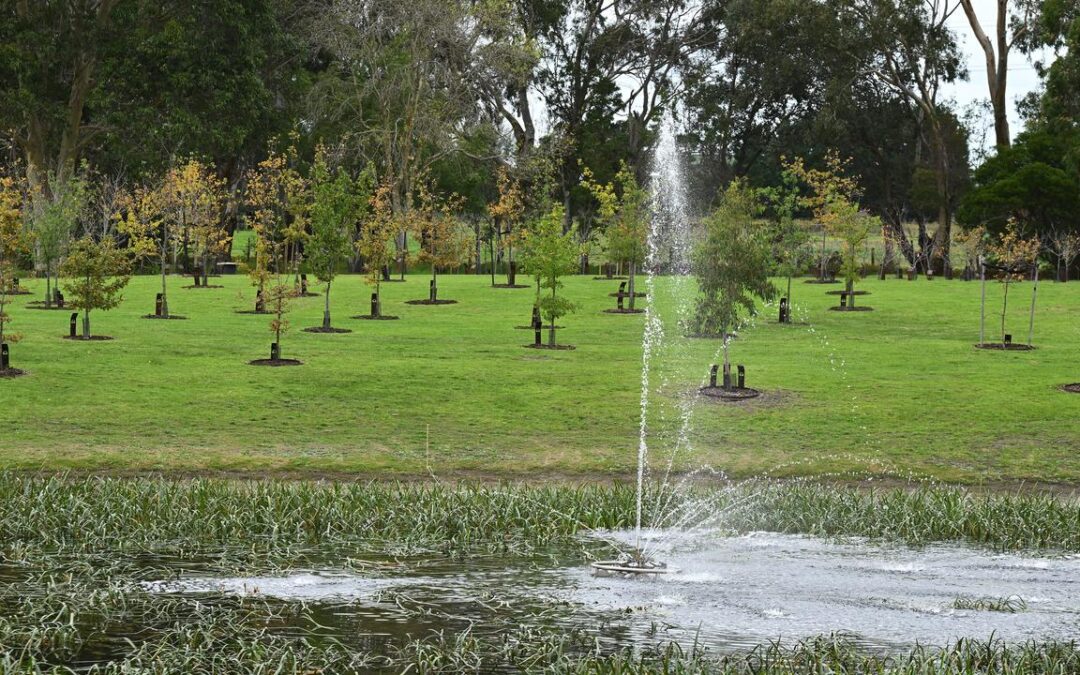
Then, while reading the newspaper one morning, he stumbled across an advertisement for Mornington Green – a memorial park on Victoria’s Mornington Peninsula offering environmentally-focused memorial options.
“I said, ‘What I want to do is to put Helen’s ashes under (the pine),'” he recalls.
The decision was immediate.
“I didn’t even think twice,” he says.
He was one of the first bereaved people to choose that option and Helen’s Wollemi pine was the first planted at the park overlooking Western Port Bay.
“The whole setting is truly magnificent,” Mr Rafferty says.
“The perfect place for Helen.”
He now visits the site on Helen’s birthday, their wedding anniversary and other significant dates.
“I normally say a little prayer and wander around and just have a look and wander off and come out,” he says.
“And I am at peace.”
Australians are increasingly reconsidering what happens after death.
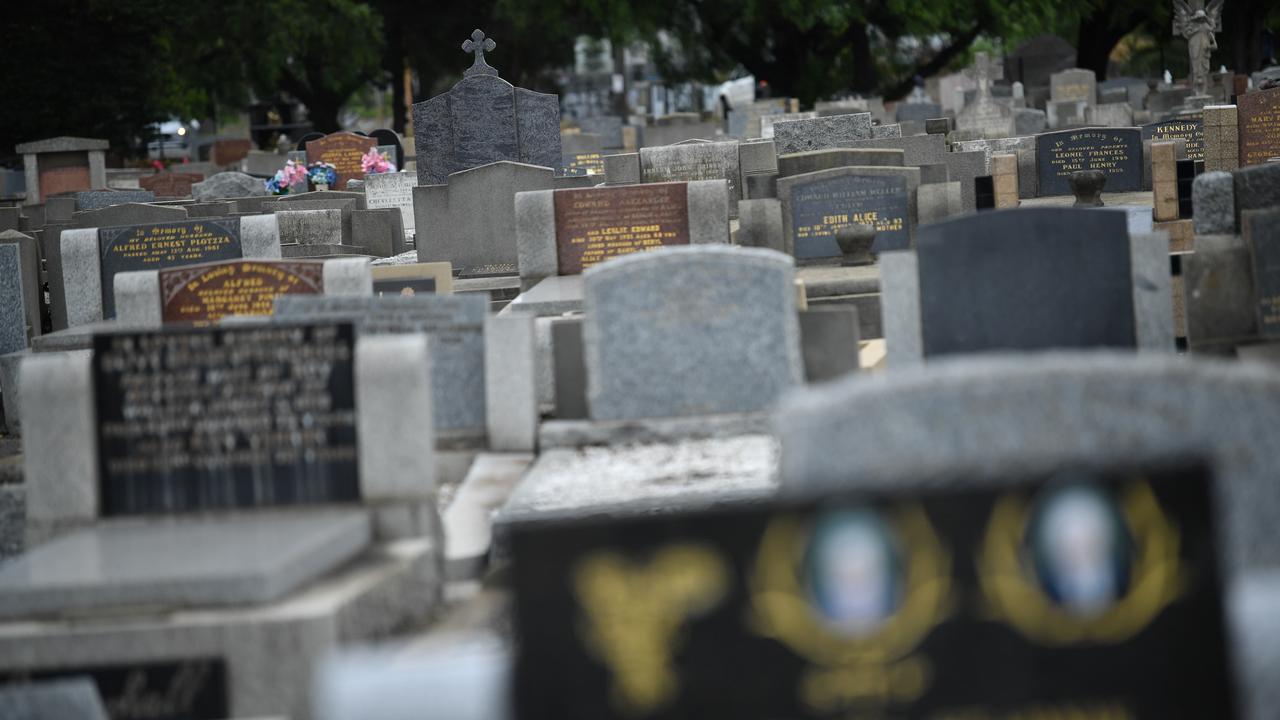
Traditional burials continue to consume urban land, particularly in major cities where cemetery space is increasingly limited.
Available room on Crown land is likely to run out within 30 years, while in Sydney, this is likely to be the case in less than a decade and at least 70,000 spaces will soon be needed just to keep up.
At the same time, cremation – now chosen by more than 70 per cent of Australians according to industry estimates – carries an environmental footprint through energy use and emissions.
A growing number of memorial providers are instead promoting alternatives focused on conservation, regeneration and natural memorialisation.
Living Legacy Forest, an Australian-first initiative, allows ashes to be placed within protected forest sites – like Mornington Green – to regenerate habitat and restore biodiversity.
“Now that people are aware of the toxic profile of ashes having the same pH as bleach and a cup of salts, people are treating ashes so they can actually help a tree grow rather than harm it,” one of Living Legacy Memorial Gardens’ founders, Warren Roberts, explains.
“Living Legacy is a paradigm shift in how we leave the world.
“Instead of chopping down trees to make coffins and space for graves people are becoming trees and creating protected forests.”
The organisation estimates that if even 10 per cent of Australians chose forest memorials, more than 5400 hectares of conservation forest could eventually be created.
Other memorial alternatives include incorporating cremated remains into artificial reef structures and biodegradable urns, or even having ashes turned into diamonds.
For Mr Rafferty, though, the decision had little to do with trends. It was about Helen.
“She loved that pine,” he says.
“She would have been delighted. Absolutely delighted.”

Evacuations in California as chemical tank cools
US authorities are scrambling to cool an overheated chemical storage tank and keep it from exploding close to Disneyland’s two theme parks, as nearby residents are forced to evacuate.
No injuries were reported after the pressurised tank overheated on Thursday and began venting vapours in Garden Grove, according to the Orange County Fire Authority.
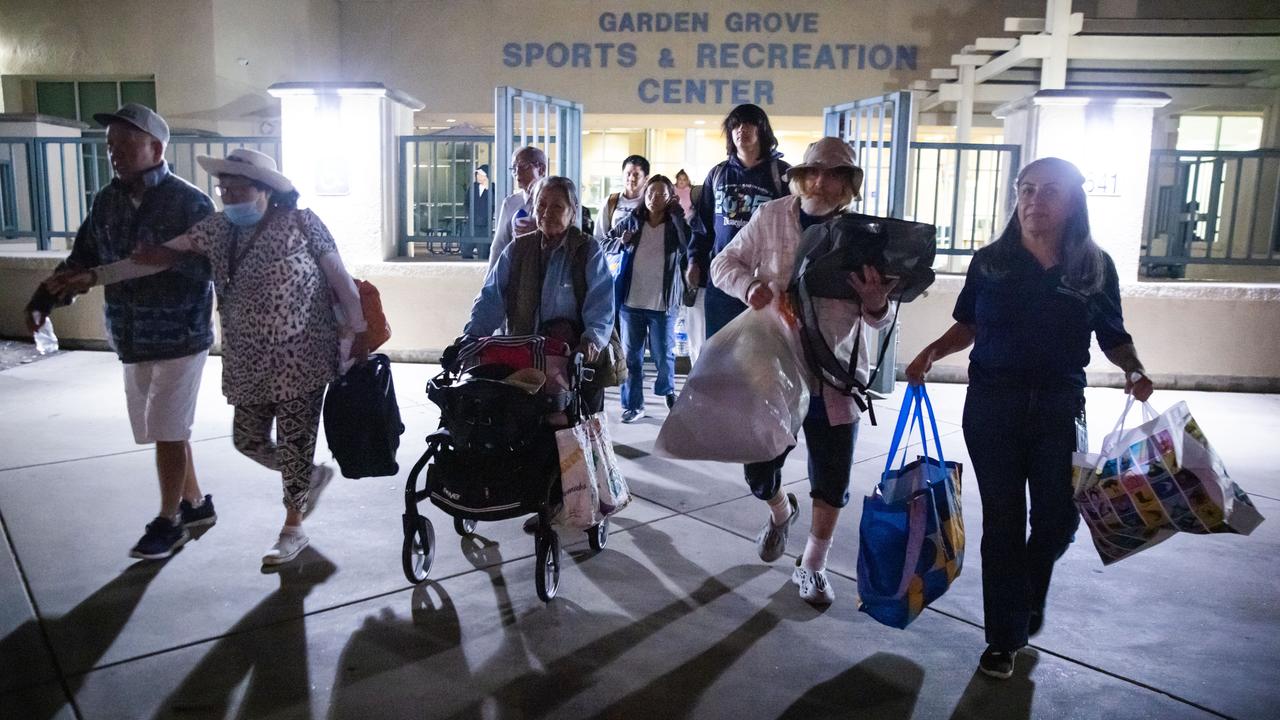
Evacuation orders were issued for 40,000 people, and several shelters were opened by Friday night, including at three high schools.
The main concern was that the tank could fail and crack, releasing the chemical onto the ground, or it could explode, said Orange County Fire Authority Division Chief Craig Covey.
The tank is located at GKN Aerospace, which makes parts for commercial and military aircraft.
The tank holds between 22,700 and 26,500 litres of methyl methacrylate, used to make plastic parts.
Drones are monitoring the tank’s temperature, and by Friday evening, efforts to cool the tank were working, Covey said.
“It is not ok with me just to sit back and watch this thing blow up or fail. That is not acceptable to me,” Covey said.
“Our group is going to do everything they can to come up with a third, a fourth, a fifth option that is not that, that is not failure, and we can get all of you back home as soon as possible. I ask you to continue to be patient.”
He urged the public not to call 911 for non-emergency issues, especially with suggestions about solving the problem, Covey said
“I know that everybody’s thinking they’re going to give us some really good ideas on how to fix that,” he said.
“While we really appreciate the intent of that, trust me, I have the best people around working on solutions.”
Initially, residents in Garden Grove were ordered to leave.
Evacuation orders were expanded Friday to some residents of five other Orange County cities — Cypress, Stanton, Anaheim, Buena Park and Westminster.
Garden Grove is about 61 kilometres south of downtown Los Angeles and less than 1.6km from Disneyland’s two theme parks, which were not under evacuation orders.
The city is known for its vibrant Vietnamese community, one of the largest of any US city.
Local Vietnamese television stations translated updates from officials and urged residents to take the situation seriously.
Covey said crews used sandbags to create containment barriers to prevent the toxic chemical from getting into storm drains or reaching creeks or the nearby ocean in the event of a spill.
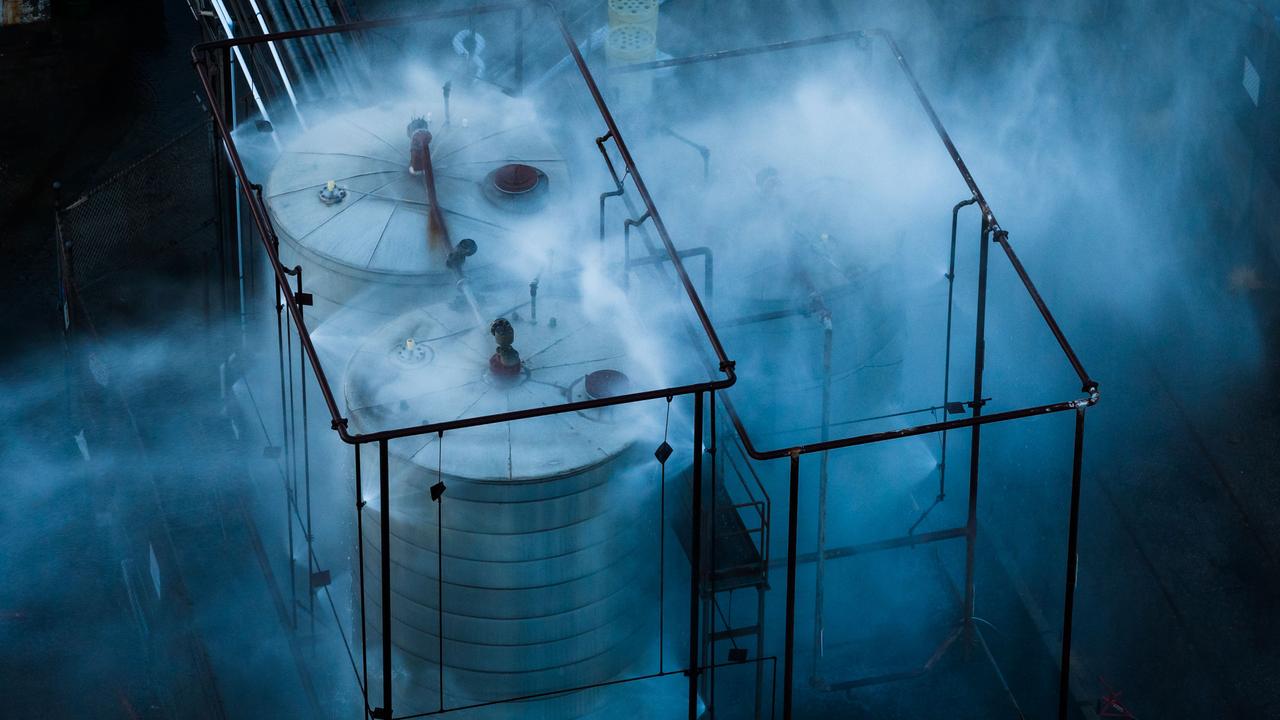
If the chemical heats up, it can release a vapour that is harmful to people’s health.
It can cause respiratory issues, itching and burning eyes, nausea and headaches, said Dr. Regina Chinsio-Kwong, the Orange County health officer.
Crews were initially successful and were able to neutralise one of two damaged tanks, but Covey said they determined Friday morning that the remaining tank was “in the biggest crisis”.
In a statement, GKN Aerospace said it was “fully focused on working with emergency services, specialised hazardous material teams and the relevant authorities to ensure the safety of the local community, our employees and everyone else involved”.

Pope meets grieving families affected by mafia dumping
Pope Leo has greeted grieving families who lost loved ones to illegal toxic dumping in an area near Naples, tied to a multi-billion-dollar mafia-run criminal racket.
Many paused to share photographs and other mementos of children and young people who have died or are battling cancer because of the pollution.
Leo’s visit to the so-called Terra dei Fuochi, or Land of Fires, came on the eve of the eleventh anniversary of the late Pope Francis’ big ecological encyclical Laudato Si (Praised Be), and indicates Leo’s commitment to carry on his predecessor’s environmental agenda.
“I have come first of all to gather the tears of those who have lost loved ones, killed by environmental pollution caused by unscrupulous people and organisations who for too long were able to act with impunity,” Leo said in remarks to family members and local clergy inside Acerra’s cathedral.
The pontiff recalled that the area now dubbed the Land of Fires was once called “Campania felix,” Latin for blessed or fruitful countryside, “capable of enchanting for its fertility, its produce and its culture, like a hymn to life”.
“And yet — here is death, of the land and of men,” the pope said.
The European Court of Human Rights last year validated a generation of residents’ complaints that mafia dumping, burial and burning of toxic waste led to an increased rate of cancer and other ailments in the area of 90 municipalities around Caserta and Naples, encompassing a population of 2.9 million people.
The court found Italian authorities had known since 1988 about the toxic pollution, blamed on the Camorra crime syndicate that controls waste disposal, but failed to take necessary steps to protect the residents.
The binding ruling gave Italy two years to set up a database about the toxic waste and verified health risks associated with living there.

Bishop Antonio Di Donna estimated 150 young people had died in the city of some 58,000 over the past three decades, emphasising in his opening remarks that the number didn’t take into account adults and victims in other municipalities.
He urged the pope to admonish those who continue to pollute, noting that the dumping of tons of toxic waste was reported a day earlier near Castera.
Di Donna said that Italian officials had identified dozens more human-caused contamination sites throughout the country, including the Venetian port of Marghera, and the leaching of PFAS forever chemicals into groundwater near Vicenza.
“We say to those brothers of ours ensnared in evil and seized by a mirage of fabulous earnings: Convert, change your ways, because what you are doing is not only a crime, it is a sin that cries out to God for vengeance,” the bishop said.
The pope later greeted the mayors of the 90 communities impacted by the toxic dumping, and greeted thousands of people waving yellow flags and chanting “Papa Leone” along the route of his pope mobile and in a central piazza.
The victims include Maria Venturato, who died of cancer in 2016 at the age of 25.
Her father, Angelo, said he hopes to speak with the pope to explain their reality, “not for me … for the next generation”.
“I’d like to give these young people a future, so I’m asking for the pope’s help with this. That is, I’m making a strong appeal to him to go to those in power and say, ‘Look, let’s heal this land of fires,'” he said.
Iran, US are closer to a deal to end the war: officials
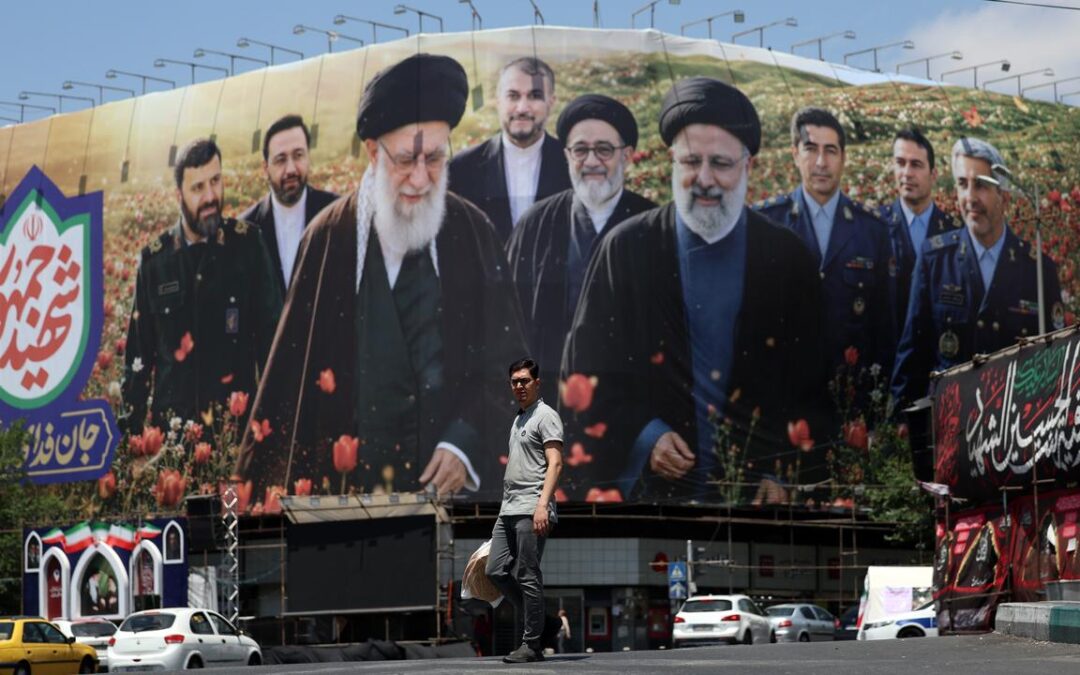
The United States and Iran are close to agreeing on a memorandum of understanding aimed at ending the war, officials say, as America weighs a new round of attacks on the Islamic Republic.
Iran signalled “narrowing differences” in negotiations with the US after Pakistan’s army chief held more talks in Tehran.
US Secretary of State Marco Rubio told journalists in India that “there’s been some progress made” and “there may be news later today”.
The officials and a diplomat expressed hope that a final decision on the Pakistan-prepared draft could come within 48 hours as both sides review it. They spoke on condition of anonymity because they were not authorised to brief the media.
They said Vice President JD Vance and envoys Steve Witkoff and Jared Kushner played significant roles in helping bridge remaining gaps, and that Qatar played a key role by sending a senior official to Tehran to support Pakistan’s mediation efforts.
Still, both Iran and the US emphasised their key positions and have warned of the risks of resuming attacks.
Iran state TV quoted Foreign Ministry spokesperson Esmail Baghaei as describing the draft as a “framework agreement”.
“We want this to include the main issues required for ending the imposed war and other issues of essential importance to us. Then, over a reasonable time span, between 30 to 60 days, details are discussed and ultimately a final agreement is reached,” he said.
He said the Strait of Hormuz is among the topics discussed.
Positions have moved closer in recent days, Iran’s official IRNA news agency quoted Baghaei as saying.
“Over the past week, the trend has been toward narrowing differences,” he said.
“We will have to wait and see what happens over the next three or four days.”
Baghaei said nuclear issues are not part of the current negotiations, as Tehran first seeks to end the war before discussing its nuclear program that has long been at the heart of international tensions.
“Our focus at this stage is on ending the war on all fronts, including Lebanon,” Baghaei said.
Lifting sanctions on Tehran “has explicitly been included in the text and remains our fixed position”.
Rubio, in New Delhi, said that “even as I speak to you now there is some work being done. There is a chance that, whether it’s later today, tomorrow, in a couple days, we may have something to say”.
He repeated the US stance that Iran can never have a nuclear weapon and must turn over its highly enriched uranium, and the Strait of Hormuz must be open.
Iran has rebuilt military assets after weeks of war and then a fragile ceasefire, parliament Speaker Mohammad Bagher Qalibaf said after the meeting with Pakistan’s Field Marshal Asim Munir, state TV reported.
Qalibaf, the lead negotiator in historic face-to-face talks with the US last month, also said the result would be “more crushing and more bitter” than at the start of the war if US President Donald Trump resumes attacks.
Trump earlier said he was holding off on a military strike against Iran because “serious negotiations” were underway, and at the request of allies in the Middle East.
Trump has repeatedly set deadlines for Tehran and then backed off.
The US and Israel sparked the war with attacks on February 28, cutting short talks with Iran.
Tehran retaliated by effectively closing the Strait of Hormuz, a key waterway for the region’s oil, natural gas and fertiliser, causing global economic pain.
The US then blockaded Iranian ports, and the US Central Command on Saturday said US forces had turned away more than 100 commercial vessels and disabled four since the blockade began on April 13.
Cambodian crashes kill 14 garment workers, injure 79
Two separate traffic collisions in Cambodia have killed at least 14 garment factory workers and injured 79 others, mostly women.
The garment sector is Cambodia’s main export earner, with low labour costs being its competitive advantage.
Salaries, including overtime, generally amount to $US200 ($A280)- $US300 ($A420) a month.
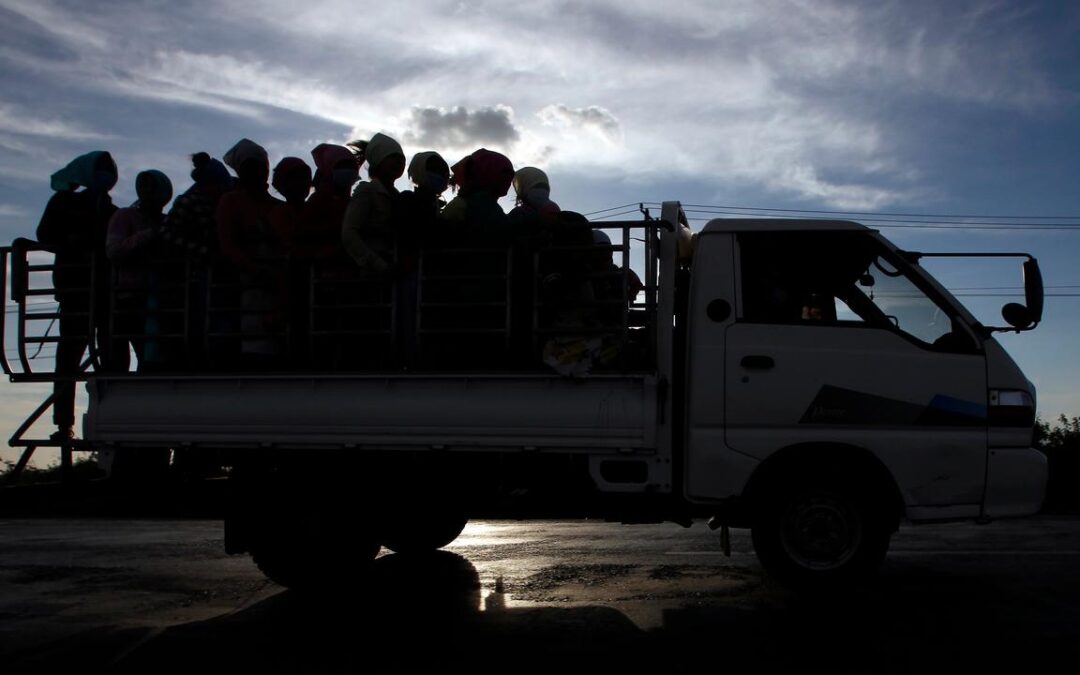
The first incident occurred in the province of Kampong Chhnang, approximately 60 kilometres north of the capital, Phnom Penh, when a heavy cargo truck crashed into an open-top truck transporting workers to their factory.
Nine people were killed and 44 were injured, according to a statement issued by the Labour Ministry.
The second crash occurred in the south-eastern province of Svay Rieng, one of Cambodia’s main garment-factory hubs.
A bus carrying workers veered off the road and overturned, killing five and injuring 35 others.
Flatbed trucks are the usual method of transportation available for workers.
They often lack seats or benches, forcing passengers to stand, significantly increasing the risk of injury or death.
The Labour Ministry statement said 74 of the 93 crash victims were female, roughly matching the proportion of women in the garment sector workforce.
The Labour Ministry stated it was “deeply shocked by two horrific traffic accidents that occurred simultaneously” and appealed for strict compliance with traffic laws to prevent accidents.
A Transport Ministry report notes that 1467 people were killed in traffic accidents in 2025, making it by far the leading cause of deaths by accident in the Southeast Asian nation.
Cambodia’s garment sector, comprising clothing and footwear, employs an estimated 800,000 to one million people in some 1900 factories.
Production accounts for more than $US15.5 billion ($A21.7 billion) in exports last year, according to the country’s Commerce Ministry.
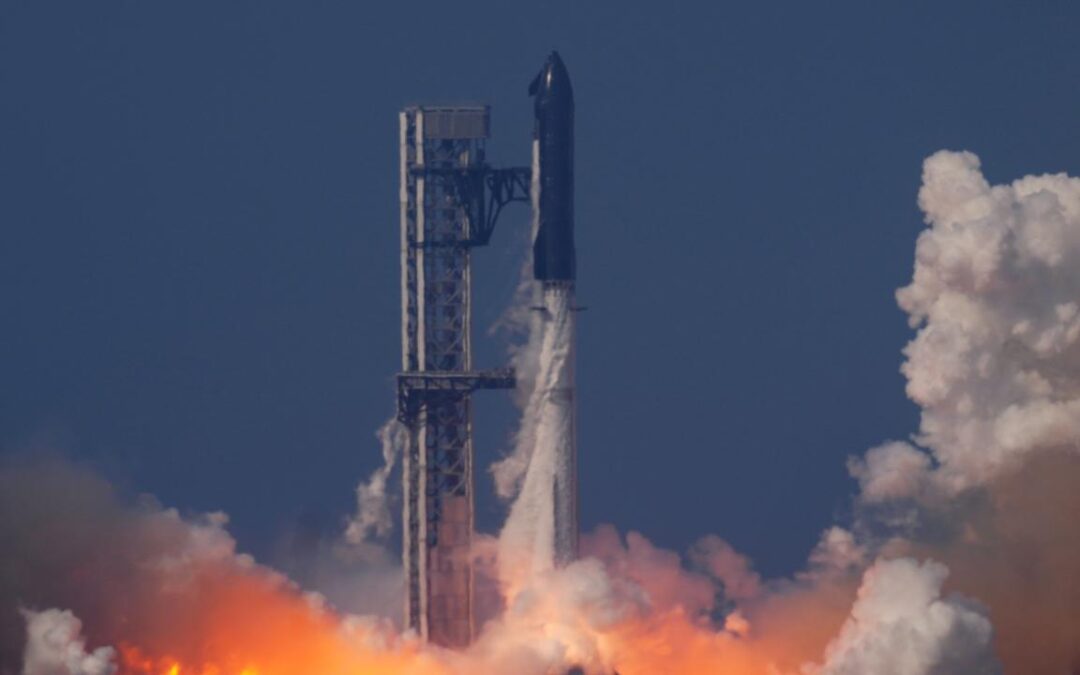
SpaceX launches biggest, most beefed-up Starship yet
SpaceX has launched its biggest, most powerful Starship yet on a test flight, an upgraded version that NASA is counting on to land astronauts on the moon.
The redesigned mega rocket made its debut two days after SpaceX chief Elon Musk announced he’s taking the company public.
It blasted off from the southern tip of Texas, carrying 20 mock Starlink satellites for release halfway around the world.
It’s the 12th test flight of the rocket that Musk is building to get people to Mars one day. But first comes the moon and NASA’s Artemis program.
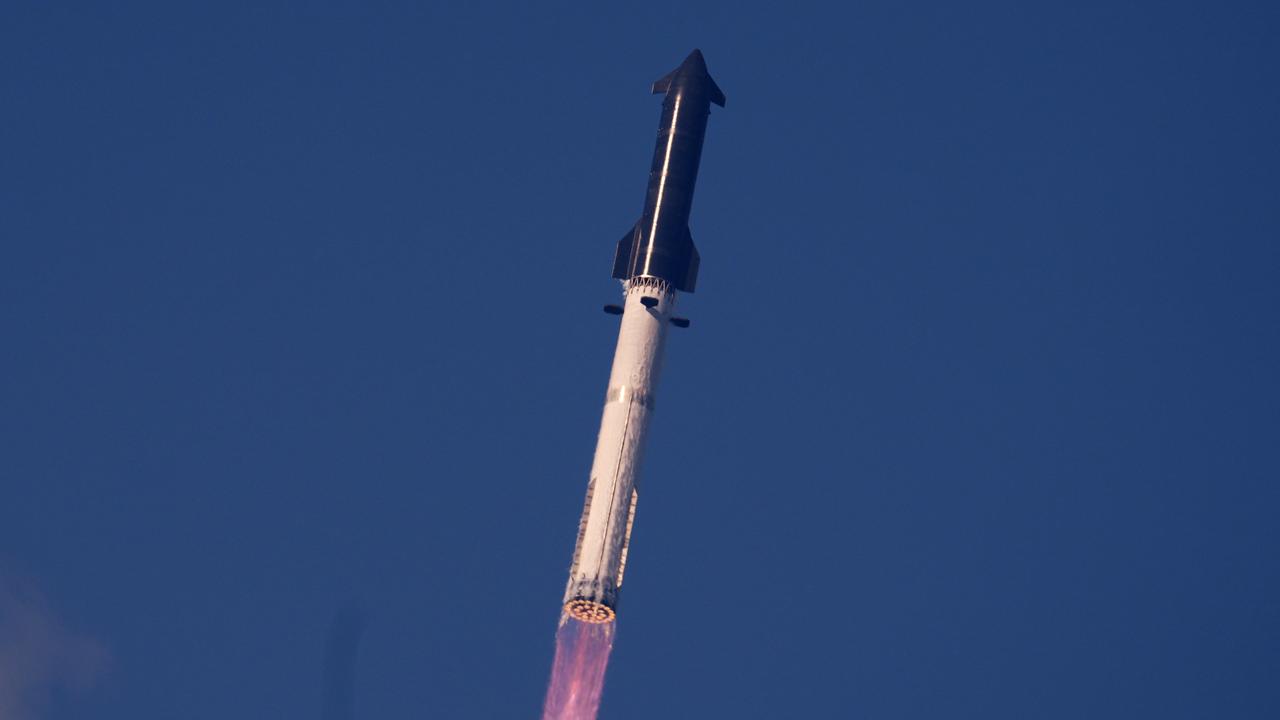
The last of the old space-skimming Starships lifted off in October. SpaceX’s third-generation Starship – a souped-up version dubbed V3 – soared from a brand-new launch pad at Starbase, near the Mexican border, on Friday afternoon, local time.
Last-minute pad issues thwarted Thursday evening’s launch attempt.
SpaceX was hoping to avoid the fireworks it experienced during back-to-back launches in 2025 when midair explosions rained wreckage down on the Atlantic. Earlier flights also ended in flames.
At 124 metres, the latest model eclipses the older Starship lines by more than a metre and packs more engine thrust.
The revamped booster sports fewer but bigger and stronger grid fins for steering it back to earth following liftoff, and a larger and more robust fuel transfer line to feed the 33 main engines.
The retro-looking, stainless steel spacecraft also has more of everything – more cameras and more navigation and computer power – as well as docking cones for future rendezvous and moon missions.
Starship is meant to be fully reusable, with giant mechanical arms at the launch pads to catch the returning rocket stages. But on this latest trial run, nothing was being recovered.
The Gulf of Mexico marked the end of the road for the redesigned first-stage booster, and the Indian Ocean for the spacecraft and its satellite demos.
NASA is paying SpaceX billions of dollars – and also Jeff Bezos’ Blue Origin – to provide the lunar landers that will be used to land Artemis astronauts on the moon.
The two companies are scrambling to be first.
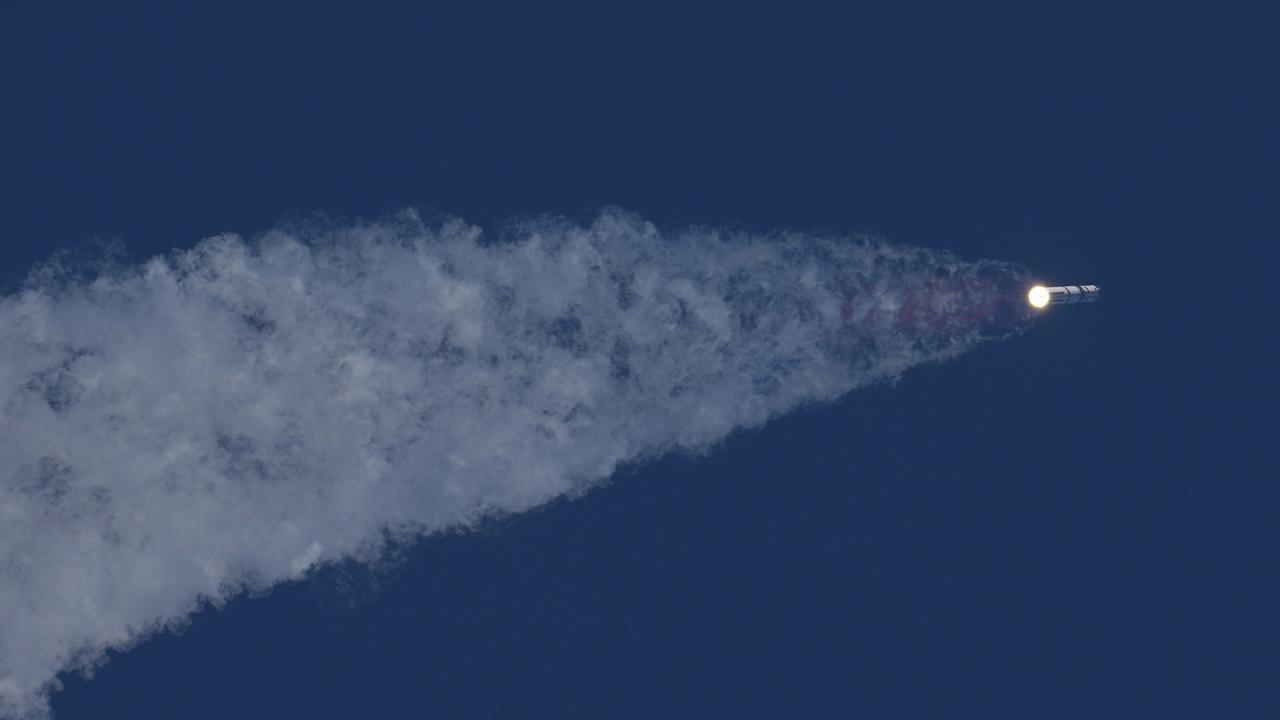
While Starship has reached the fringes of space on multiple flights lasting an hour at most, Bezos’ Blue Moon has yet to lift off, although a prototype is being readied for a moonshot later in 2026.
NASA is following April’s successful lunar flyaround by four astronauts with a docking trial run in orbit around earth planned for 2027.
For that Artemis III mission, astronauts will practice docking their Orion capsule with Starship, Blue Moon or both.
A moon landing by two astronauts – Artemis IV – could follow as soon as 2028 using either Starship or Blue Moon, whichever lander is safer and ready first.
It will be NASA’s first lunar landing with a crew since 1972’s Apollo 17. The goal this time is a moon base near the lunar south pole, staffed by astronauts as well as robots.
SpaceX is already taking reservations for private flights to the moon and Mars on Starship, though the timing is uncertain.