
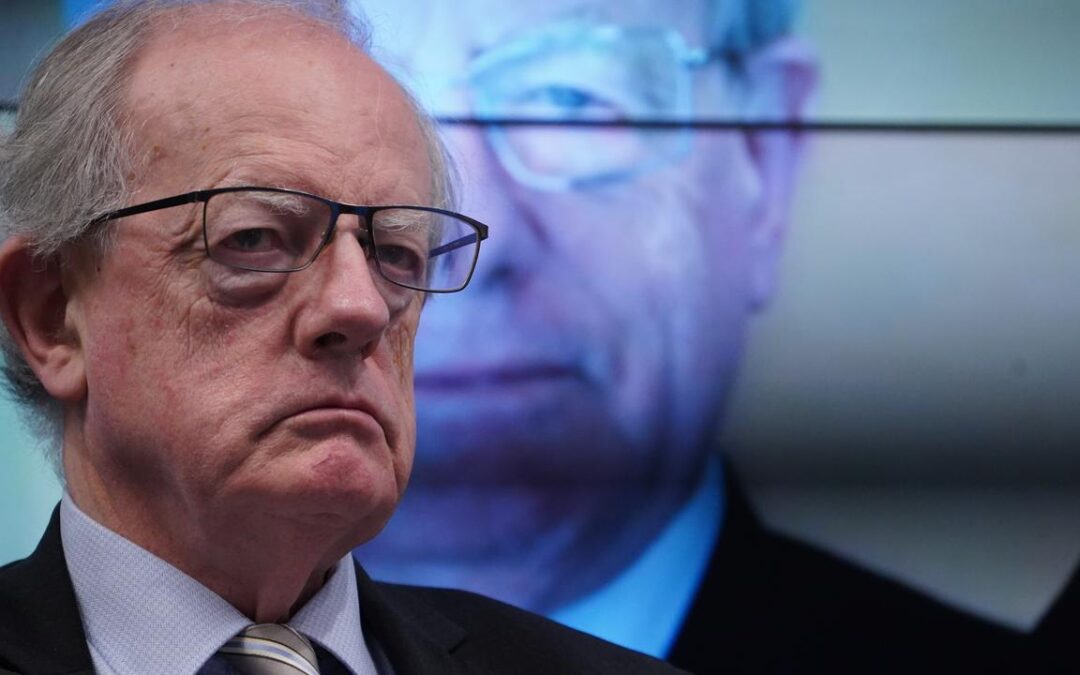
Federal anti-corruption boss resigns two years early
The head of Australia’s anti-corruption body has resigned two years before the end of his term amid long-running questions about potential conflicts of interest.
National Anti-Corruption Commissioner Paul Brereton said the ongoing focus on personal matters was drawing attention away from the agency’s work.
The former war crimes investigator had faced repeated questions about potential conflicts of interest because of his ties to the military and his service in the army reserves.
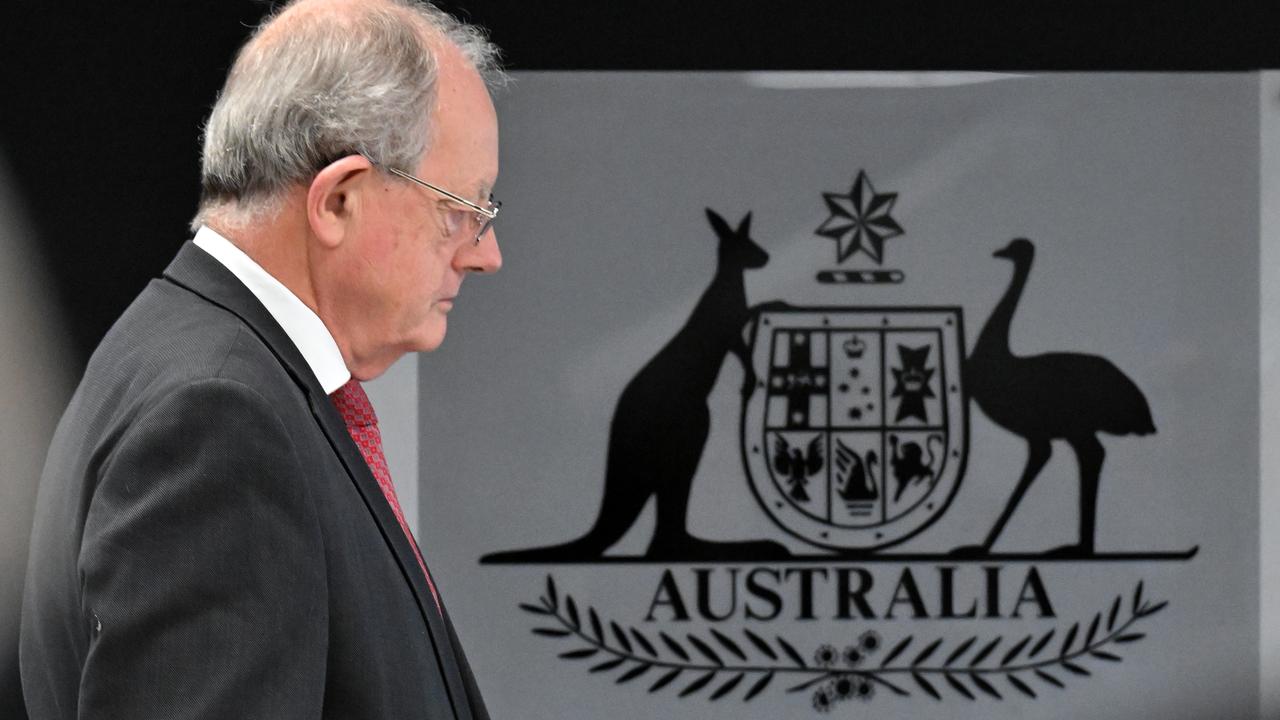
“I believe that the commission’s success is paramount, and not due to any single person,” Mr Brereton said.
“While I will continue to resist any suggestion of impropriety, I have decided that it is time, now that the commission is established and functioning with quality staff and good processes, to step aside and allow a new commissioner to lead it into the next phase of its development into a key and respected component of the integrity architecture of the Commonwealth.”
In October 2025, he stepped away from all corruption referrals related to defence to avoid any perceived conflict of interest.
He has also been criticised for his decision not to investigate referrals related to the robodebt scandal, which was later overturned.
Mr Brereton’s resignation will take effect on July 6, just over three years after he was appointed to a five-year term.
He’s scheduled to face questions at a parliamentary hearing on Tuesday.
In his statement, Mr Brereton said the mere existence of the National Anti-Corruption Commission had changed behaviour across the public service.
That had been reinforced by education programs and investigations, he said.
Of the 7264 referrals received in the past three years, more than 92 per cent had been finalised, with 34 investigations under way.
Some of those probes were into current or former politicians and their staff, senior public servants, contractors, consultants and a grants scheme, Mr Brereton said.
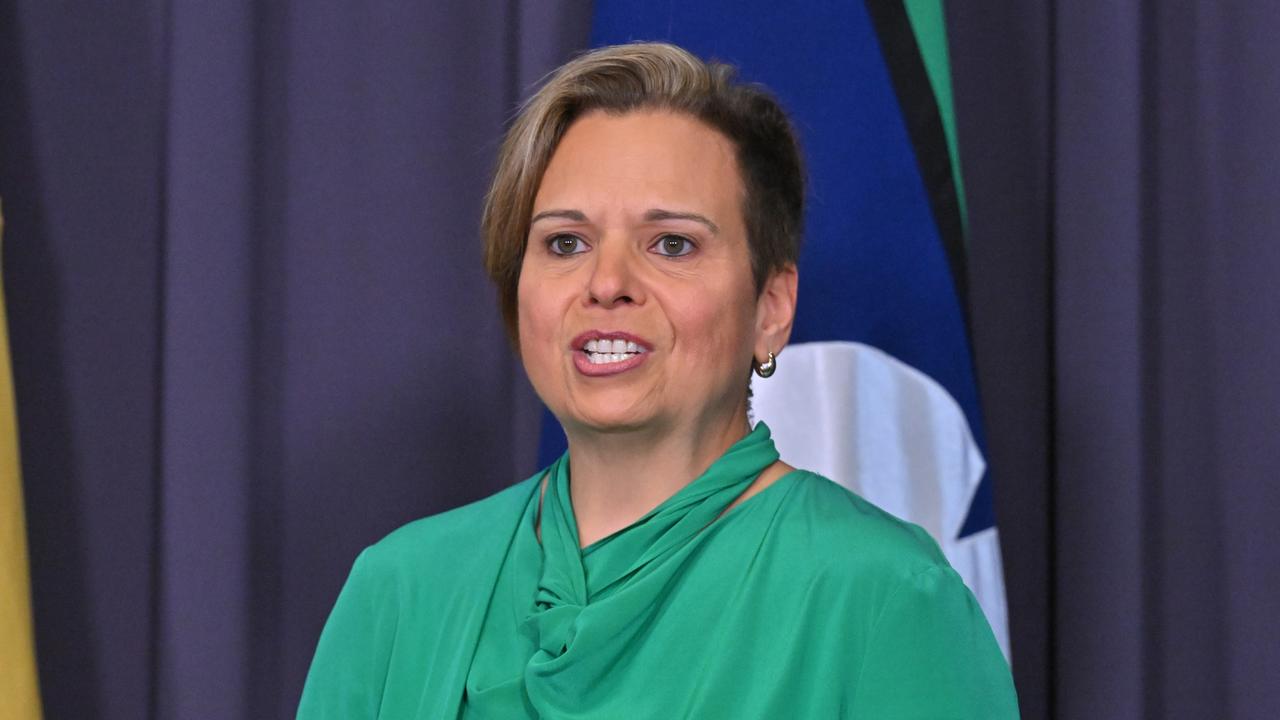
The government would choose a new commissioner through a merit-based process, Attorney-General Michelle Rowland said.
“I thank Commissioner Brereton for his service as Commissioner of the National Anti-Corruption Commission following his appointment in 2023,” she said.
“Commissioner Brereton has made an invaluable contribution to the establishment of the NACC as its inaugural commissioner.”
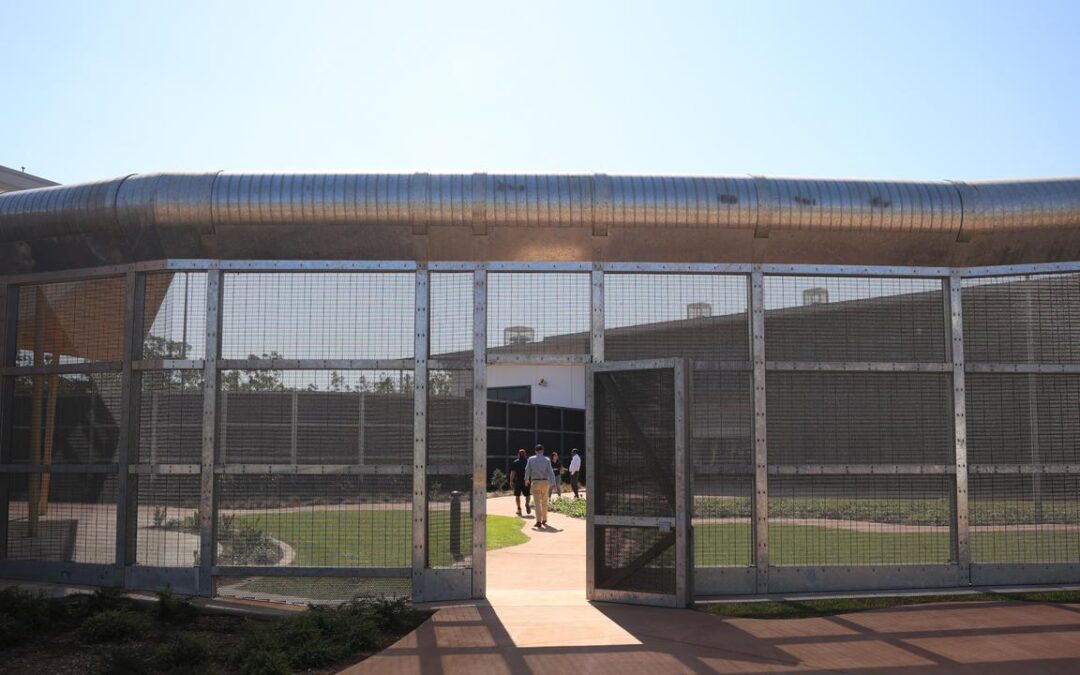
Indigenous kids’ rights cut after sentencing changes
Children in a jurisdiction’s youth justice system, who are overwhelmingly Indigenous, are going without legal representation and languishing in over-crowded prisons, a parliamentary inquiry has heard.
In a letter from federal Attorney-General Michelle Rowland to her Northern Territory counterpart Marie-Claire Boothby, revealed in budget hearings on Monday, a series of resourcing concerns about the high incarceration rates of children were outlined.
Some children were going before courts with no legal representation, which was inconsistent with international obligations including the Conventions on the Rights of the Child, the letter dated May 20 said.
Officials from the attorney-general’s department confirmed that was the case, highlighting increased concerns the Northern Territory government’s law amendments have ramped up child incarceration rates.
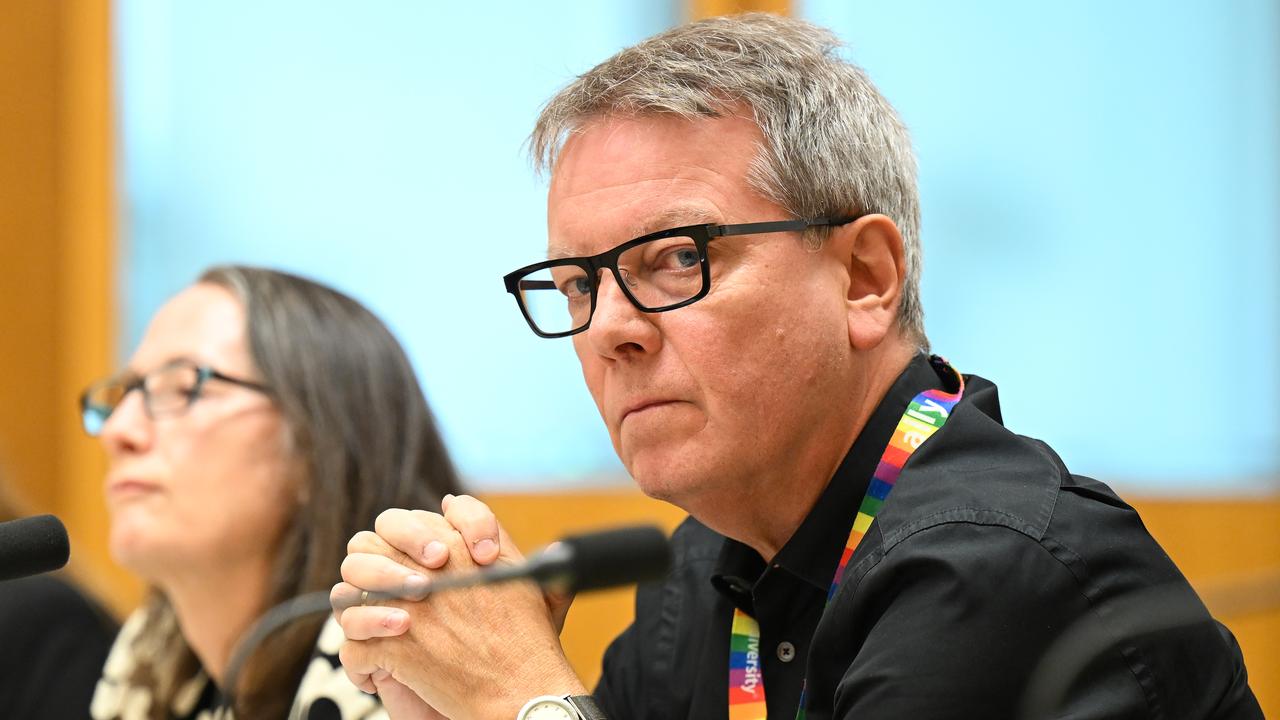
”How have we got to this point?” Greens NSW Senator David Shoebridge asked when tabling the letter in the committee.
”Without any checks and balances from the federal government, the Northern Territory has now, through a series of legal and policy reforms, got to a point where its criminal justice system is breaching the Conventions on the Rights of the Child.”
The Northern Territory’s Country Liberal government introduced controversial ”tough on crime” laws in 2025, which impose a presumption against bail for both adults and children.
Data from the territory, released in January, showed a 22 per cent surge in those refused bail over a twelve-month period.
Prison populations have swelled as a result.
Federal officials from the Attorney-General’s Department confirmed that while the North Australian Aboriginal Justice Agency was still legally representing all children who presented to it, LegalAid had paused help for those who were not in custody.
Attorney-General’s Department secretary, Katherine Jones, said her team had worked closely with the Northern Territory and sought to provide additional services there.
”We will continue to engage,” she said.
The Northern Territory’s government in 2024 lowered the age of criminal responsibility to 10 years old about two years after the previous government took it up to 12.
Senator Shoebridge pressed the committee to respond to a United Nations report in May on the changes, but Ms Jones was blunt that her department was not responsible for doing so.
”Different levels of government have different responsibilities,” she said.
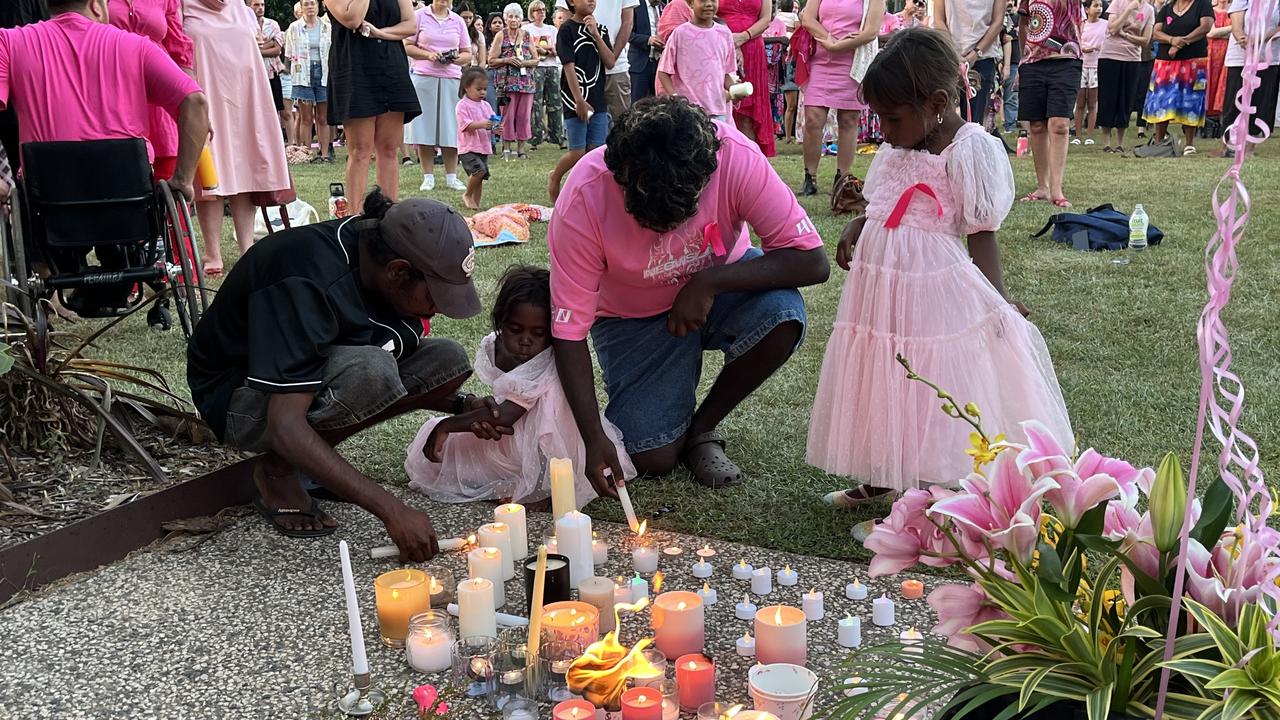
Senator Shoebridge said in the past year, Aboriginal children had often accounted for the entire Northern Territory youth prison population.
Ms Jones said the Attorney-General’s Department did not have an on-the-ground role in Northern Territory Indigenous camps, when questioned by senators about the events leading up to the alleged abduction and death of five-year-old Kumanjayi Little Baby in Alice Springs in April.
“We focus on the responsibilities the government has asked us to discharge, which is to fund projects that divert people from the justice system. That’s our responsibility,” she said.
The Northern Territory government is considering changes to its child protection laws.
‘Flying blind’: why Labor ditched the inland rail route
The beleaguered inland rail project was once described as being derailed from the start.
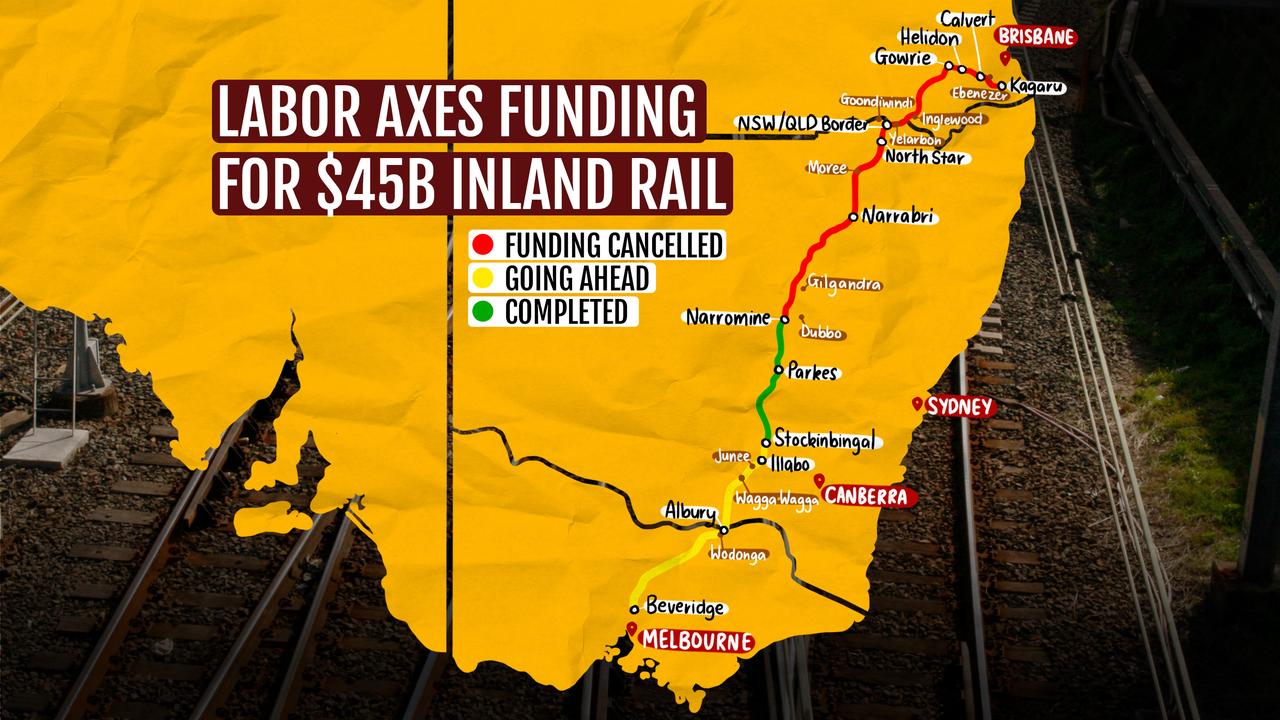
From an original estimated investment of $4.7 billion in 2015, the cost for the freight rail route between Melbourne and Brisbane blew out nearly 10 times that amount to $45.6 billion by 2025.
But that eye-watering figure, which prompted the federal Labor government to scrap the route north of Parkes in central NSW, was only a modest estimate of the surging cost, a Senate estimates hearing has been told.
Infrastructure department secretary Jim Betts on Monday tabled the independent analysis that informed the government’s decision to vastly curtail the original route.
The biggest sticking points identified in the report by advisory ACIL Allen, which itself cost $1.87 million, were several pending approvals for the Queensland route.
“The $45.6 billion is the lower-end estimate,” Mr Betts told the hearing in Canberra.
“(It is) based on some reasonably optimistic assumptions, for instance, that work would commence during 2025, which it clearly hasn’t on some of those key packages.”
The government was “flying blind” on route planning in Queensland, which could have been subject to further approvals and consent conditions, he said.
Environmental consent, land acquisition, delayed approvals, community push-back and “unexpected technical matters” were identified as some of the most significant risks to the project.
The northern corridor has been “preserved” to allow any future government to take up the project again, Mr Betts said.
Undertaking the analysis was a recommendation from a 2023 review, which found construction had begun “somewhat surprisingly” without knowing where the route would start or finish.
It followed a 2021 Senate report, called Inland Rail: derailed from the start, that raised fundamental questions about the business case and cost of the project.
Mr Betts said the government had decided it was wiser to upgrade the existing government-owned Australian Rail Track Corporation network, which spans more than 9,600km across five states.
There were 200 days of weather-related shut downs on that network in the last five years, including a 14-day closure of a key corridor between WA and the rest of the country in January.
“It’s well documented that there have been some significant challenges with that network in recent times, prolonged outages as a result of historic under investment,” Mr Betts said.
“What industry have said to us is that the priority is to invest in the integrity of the existing network.”
The scrapping of the full inland rail project is likely to be dominate regional and rural Senate estimates, which are scheduled to run until Thursday.

Legislate first, ask questions later for CGT carve-out
Capital gains tax carve-outs for startups won’t be included in legislation set to be introduced to parliament within days.
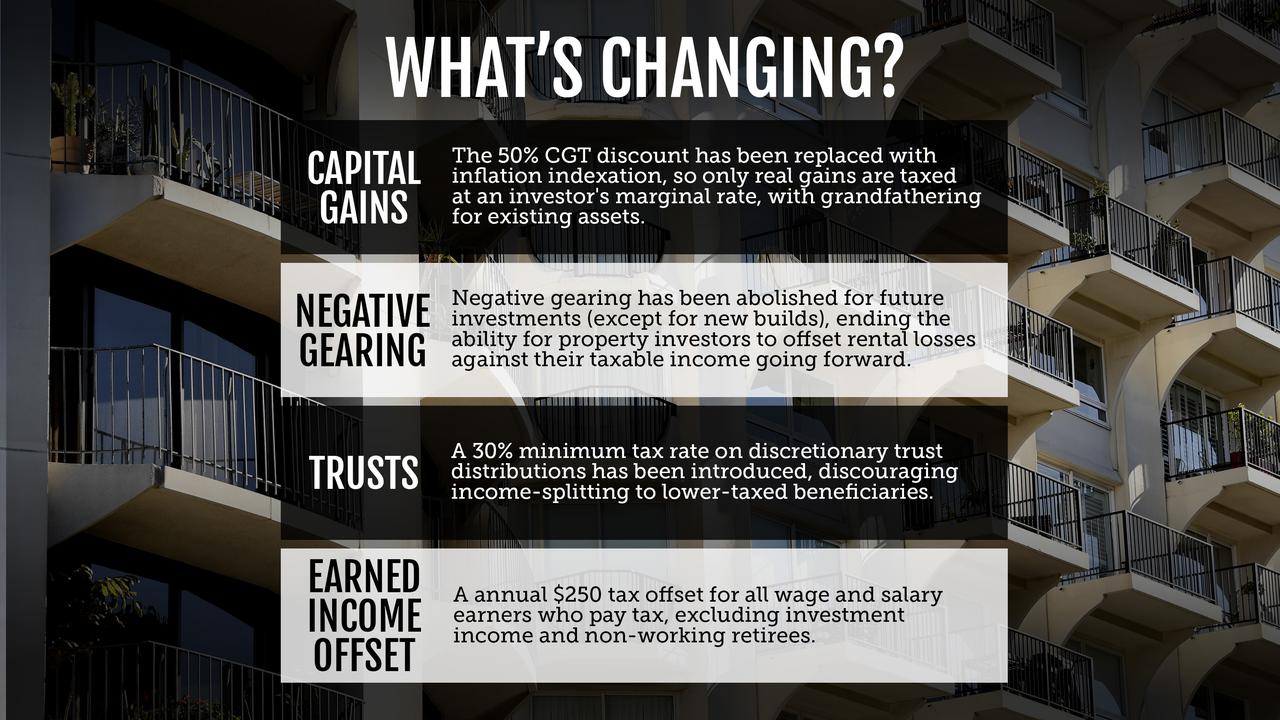
Instead, the government will continue consultation even as it looks to pass laws through the lower house to enshrine income tax cuts and a standard $1000 deduction, abolish negative gearing for established properties and replace the 50 per cent CGT discount.
The four changes will be included in one bill to be introduced to parliament on Thursday, Prime Minister Anthony Albanese said.
A second tranche of legislation will address the details of implementation, he said.
Asked why a potential carve-out for startups would be tacked onto the legislation after it was introduced, rather than included from the outset, Mr Albanese said that was the “normal way” tax reform was usually implemented.
If consultation had started before budget night, some people would have had an unfair advantage, he said.
“That’s called insider knowledge, and because changes are dated – in capital gains and from negative gearing – from budget night, that is why you can’t have the level of consultation that you want to see people coming forward in a common sense way,” he told reporters on Monday.
Earlier on Monday, Housing Minister Clare O’Neil said the government had been “engaging in conversations with startups even before the budget”.
Because startups often have a negligible initial cost base and founders rely on large capital uplift when they sell their business to justify the risk they take on at the outset, the proposed changes have been widely criticised by the sector.
Entrepreneurs argue it could effectively double their capital gains tax rate and scare talent and capital offshore.
“There’s recognition of course that CGT arrangements need to take account of the specifics that are quite different for start-ups in terms of the economics of how they begin their businesses,” Ms O’Neil told reporters in Canberra.
“So we’ll continue those conversations when they’re occurring in good faith.”
Ms O’Neil brushed off a billboard campaign at Canberra airport urging MPs flying into the nation’s capital to “stop the ambition tax”.
Most Australians were not worrying about the impact the tax changes would have on their investment property or family trust arrangements, she said.
“They are sitting around the kitchen table with a pile of bills, trying to think about how they’re going to make ends meet and how they’re going to save for a deposit for a home,” she said.
“Our budget is for those Australians.”
Mr Albanese was leaning towards narrowly targeting CGT carve-outs at tech startups, according to reporting in The Australian.
But Mr Albanese said Treasury had been consulting with small businesses beyond the tech sector, including the Council of Small Business Organisations Australia and the Australian Chamber of Commerce and Industry.
Damage from the CGT changes would extend beyond startups and the tech sector, the chamber’s chief of policy and advocacy David Alexander said.
“This is going to go into all industries – small, medium, and large businesses – so ameliorating the damage in one sub-sector is really not going to cut it,” he told ABC Radio.
‘Hoarding has stopped’: Albanese reveals fuel levels
Drivers have almost a week’s more petrol and diesel in reserve than they did at the start of the Iran war, as the prime minister met with state and territory leaders on the ongoing fuel crisis.
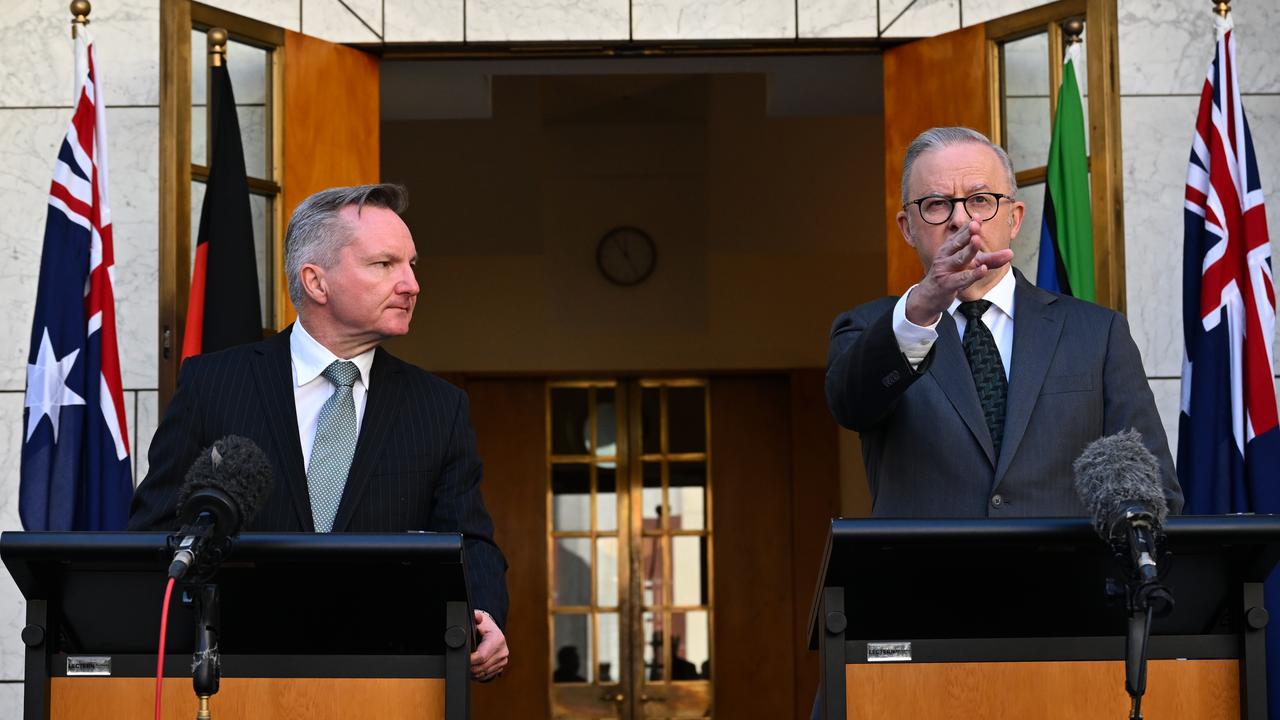
Anthony Albanese met virtually with premiers and chief ministers for national cabinet on Monday, as he confirmed Australia’s fuel supply remains secure well into July.
There is 43 days of petrol in national reserves, five days more than the stockpile at the start of the war in late February.
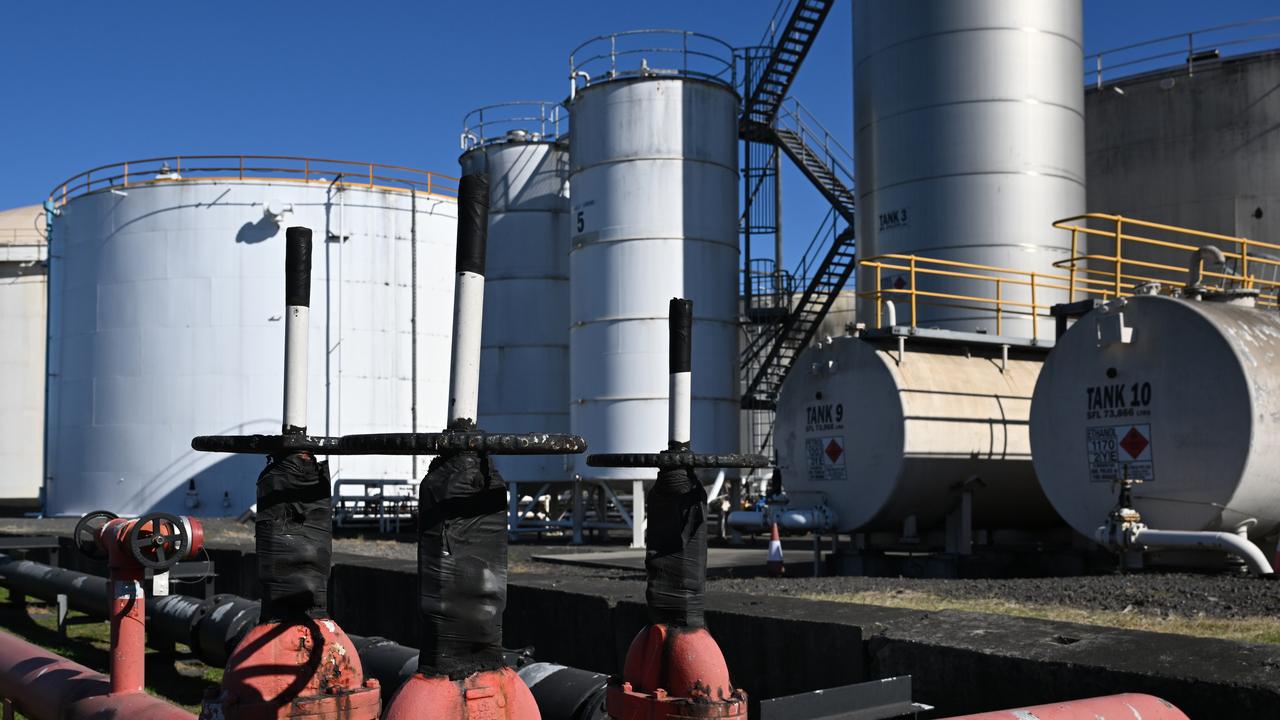
The latest figures also revealed there was 38 days of diesel in reserve, six more than at the start of the war, and 31 days of jet fuel, an increase of two.
“There’s a tail wind here as well, but it was a positive meeting and supply is looking secure into July,” Mr Albanese told reporters in Canberra.
“The hoarding of fuel has stopped. People are taking just what they need, and that means that for those sectors who rely particularly upon diesel, it is making a difference.”
Energy Minister Chris Bowen confirmed 48 cargo ships with fuel onboard are on their way to Australia, with 3.4 billion litres to be delivered over the coming month.
Of that, 1.8 billion litres will be diesel.
Despite a fragile ceasefire, US President Donald Trump has told officials not to rush into a deal with Iran to end the war.
A blockade remains in place on the Strait of Hormuz, where one-fifth of the world’s oil flows through.
Mr Albanese said he wanted a resolution to the crisis.
“We are very hopeful that the positive signs of a de-escalation and peace in the region will lead to a conclusion that is in the global economy’s interests, and it is therefore in Australia’s interests as well,” he said.
We know, though, this is volatile and uncertain times, and I want to make it clear that when the conflict ends, that doesn’t mean that the economic tail concludes.”
Oil slips, Aussie shares advance on peace deal hopes
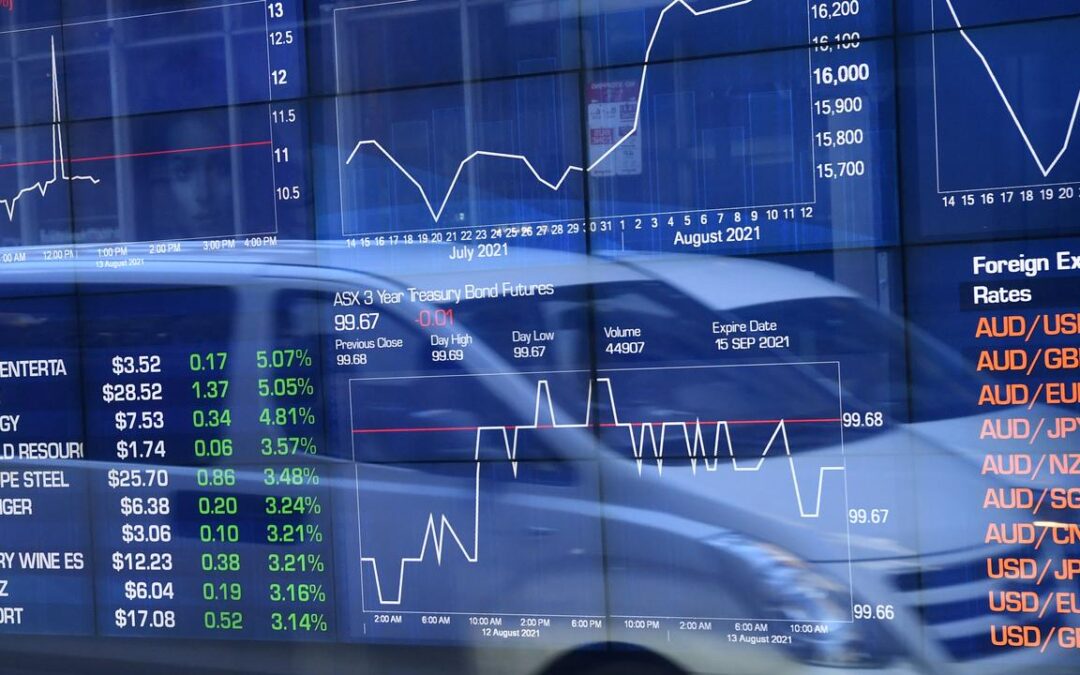
Australia’s share market has begun the week on a positive footing, reacting to reports that the US and Iran are now closer to a deal to end hostilities and reopen the Strait of Hormuz.
The S&P/ASX200 was up by 38.6 points by midday on Monday, lifting 0.44 per cent to 8,695, as the broader All Ordinaries improved by 38.8 points, or 0.44 per cent, to 8,916.
Hopes of a lasting truce between the US and Iran have been further bolstered by news that a handful of oil and gas tankers have exited the Strait of Hormuz – some after being stranded for nearly three months.
“Over the weekend, President Trump and his administration implied an initial deal with Iran is near, though a number of points are still to be settled, and it is clear the US and Iran have differing views on hard ‘red lines’,” Westpac economist Ryan Wells said.
“There are early signs that risk sentiment remains supported, early Sydney trade revealing a broad-based sell-off in the US dollar, with ‘riskier’ currencies like the Australian dollar benefiting as a result.”
Brent crude prices tumbled below $US97 a barrel at the open, down from around $US112 at the same time the previous week.
ASX-listed energy stocks have slumped 2.3 per cent, with Woodside, Santos and refinery operators Ampol and Viva under pressure, while coal producers and uranium stocks have advanced.
Miners helped push the bourse in the other direction, with basic materials stocks charging 1.8 per cent higher, led by a strong rebound in gold stocks.
The precious metal firmed to $US4,652 ($A6,490) an ounce, as the gold sub-index surged by almost four per cent.
Mega miners Fortescue and Rio Tinto gained 1.5 per cent or more, while BHP traded 1.1 per cent higher to $60.42, tracking with a lift in iron ore futures.
The heavyweight financials sector was sluggish, losing 0.3 per cent as Westpac, NAB and ANZ made modest advances and Commonwealth Bank shares edged lower.
Real estate trusts gained more than one per cent, buoyed by improving sentiment and a 5.5 per cent rally in Charter Hall on the back of an earnings upgrade.
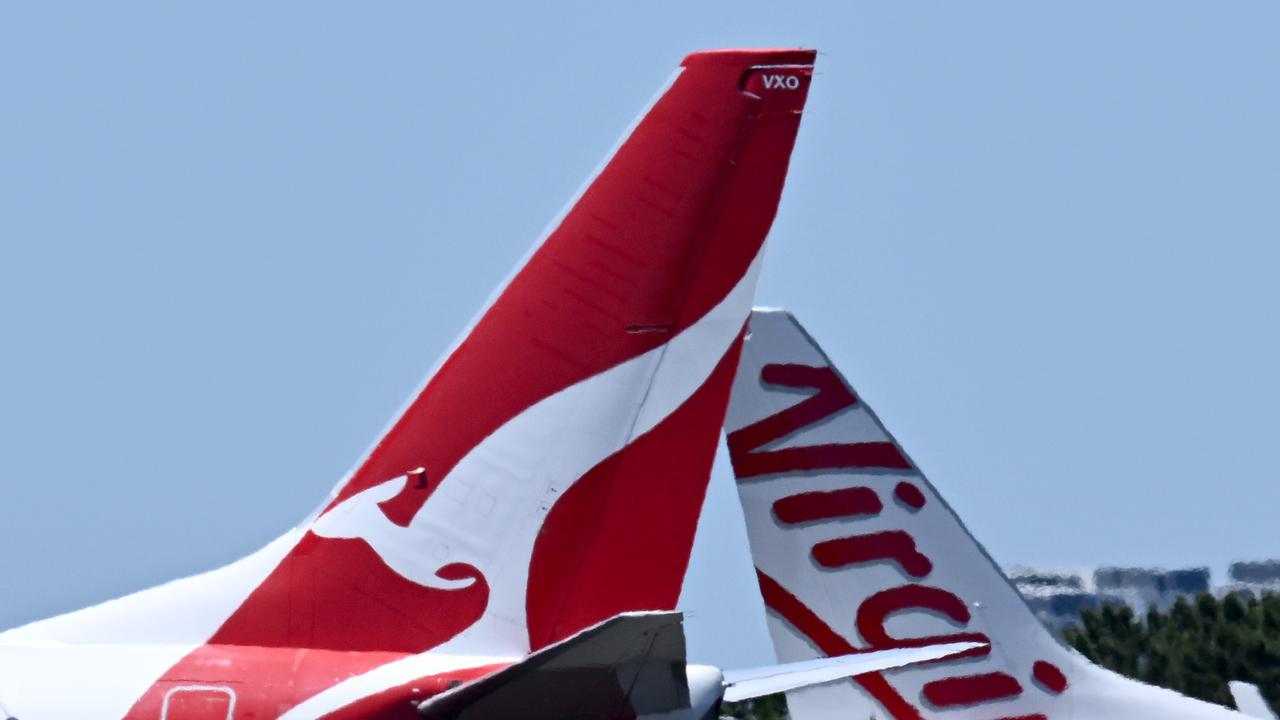
Industrials jumped 0.6 per cent, led by more than four and six per cent uplifts in Qantas and Virgin Australia shares, as investors leaned into hopes around the easing of Persian Gulf tensions.
Consumer-facing stocks also improved, with staples up 0.5 per cent and cyclicals rising 0.3 per cent.
In company news, Guzman y Gomez shares spiked at the open before easing to a 0.9 per cent boost, after ending up 10 per cent on Friday on the well-received announcement that it was exiting the US market.
Looking ahead, April inflation data due Wednesday will help traders assess the impact of the energy crisis on local price growth ahead of the Reserve Bank’s mid-June meeting on monetary policy.
The Australian dollar was buying 71.66 US cents, up from 71.36 US cents on Friday at 5pm, buoyed by improving risk sentiment and commodity prices.

Teal independents in talks to set up their own party
The teal independents are mulling forming a new political party to present voters with an alternative to the major parties, as polling shows surging support for One Nation.
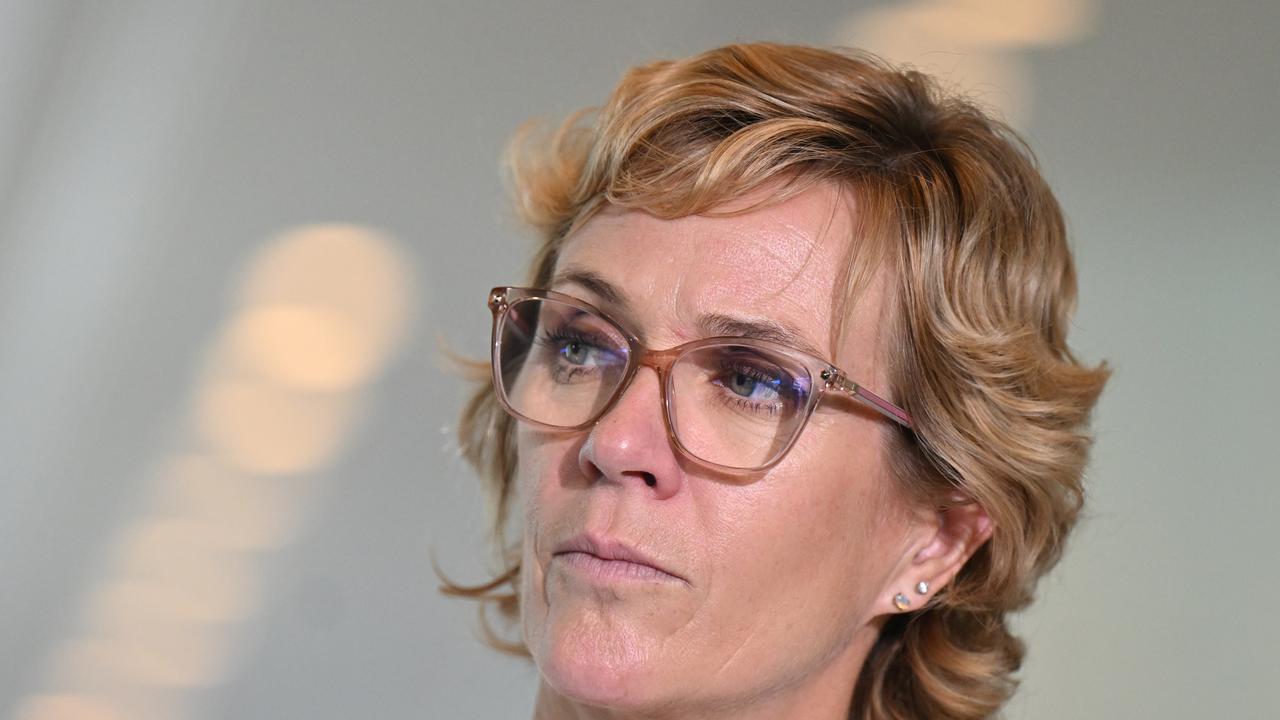
Independent MP Zali Steggall, who holds former Liberal prime minister Tony Abbott’s old Sydney seat of Warringah, confirmed the group was discussing how they could be more effective in parliament as Australia entered a time of “political flux”.
“I’m always open … I’ve made my third term, and after seven years in parliament, I can see how there are many things we could do politics better and differently,” she told ABC radio on Monday.
“There’s huge frustration and unhappiness with the major parties.
“You see the coalition lurching to the right. The rise of One Nation is really concerning for many in our community.”
A number of independents were swept into power at the 2022 federal election, taking away a number of inner-city seats traditionally held by the Liberals across the country.
Ms Steggall acknowledged the potential loss of votes if they were no longer independents.
RedBridge Group and Accent Research analysis published at the weekend, shows Pauline Hanson’s party could win up to 59 lower house seats if a federal election were to be held.
This would mean One Nation becomes the federal opposition, and force Labor into minority government.
Former Liberal prime minister Malcolm Turnbull denied rumours he was involved in the talks to create a teal political party.
“There is a vacuum in Australian politics at the moment, because the Liberal Party has moved so far to the right, and in doing so … it’s done itself enormous damage,” he told ABC radio.
“There is a vacuum for an alternative centre party.
“The teals would be obvious people to be part of that … but whether they actually decide to do so is up to them. So I’m not involved with any plans to set something up.”
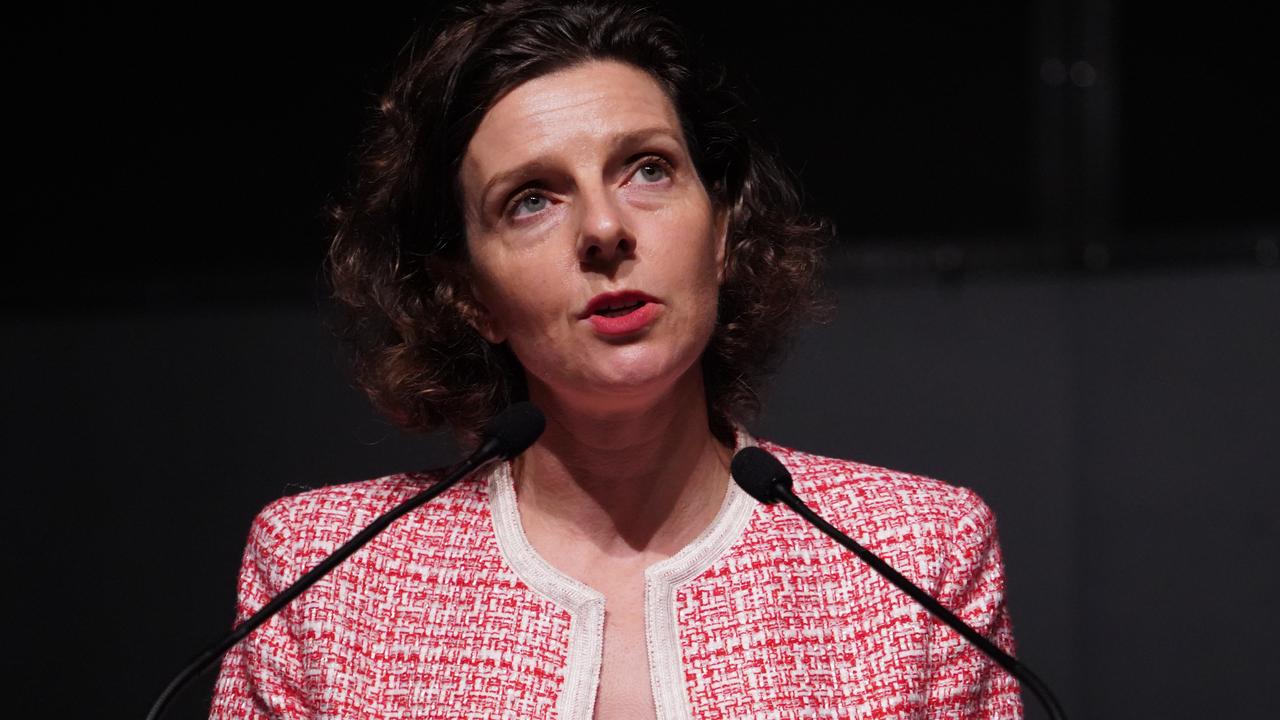
Wentworth MP Allegra Spender, who now holds Mr Turnbull’s old seat, said conversations have been held over time about how politics “could evolve”.
“They (voters) are really concerned that, frankly, the major parties are not addressing the issues that matter most to people,” she said.
“A lot of people are saying, you know, we need to do something different.
“So I’ve certainly had lots of conversations, nothing more than that to announce at the moment.”
RedBridge analysis cautioned against the “reflexive interpretation” that growing support for One Nation was showing Australian society lurching towards the far right.
Many people were instead experiencing deteriorating living standards and public services, while trust in institutions such as government, media and businesses had collapsed.

Forensic experts sift through drone hit dormitory
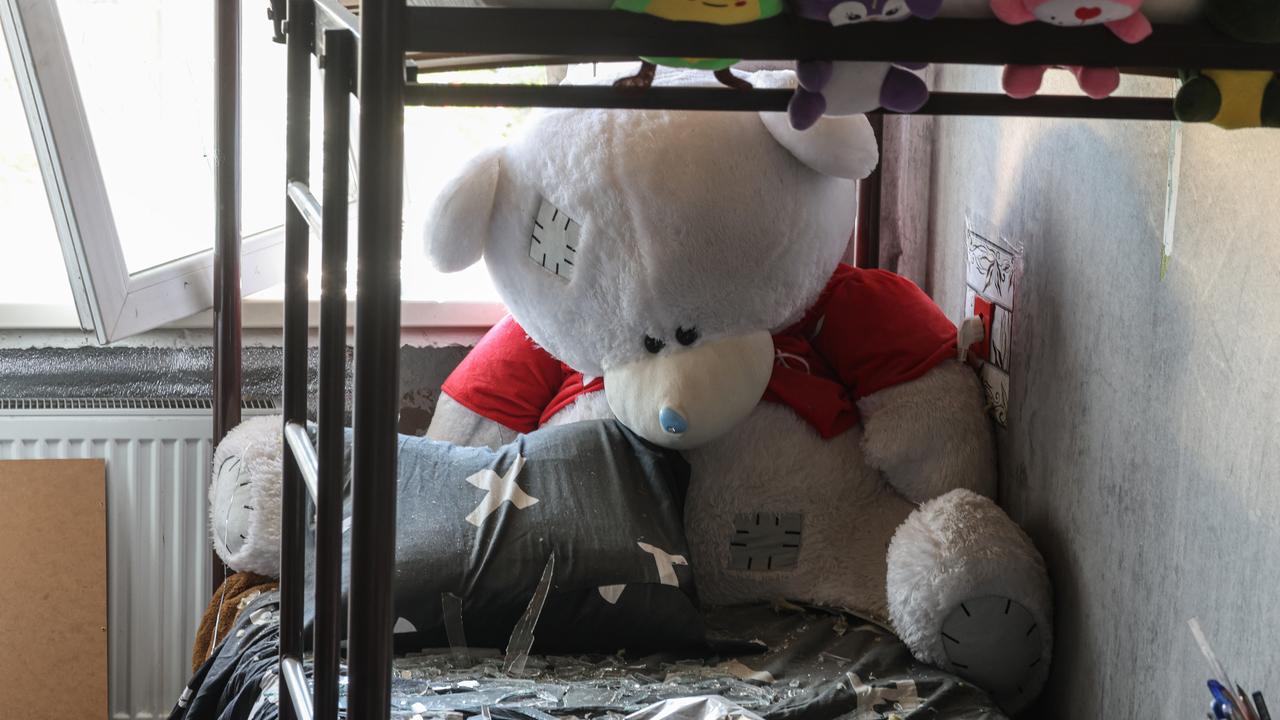
Forensic experts have sifted through the ruins of a dormitory largely destroyed in what Russian authorities say was a Ukrainian drone attack in Ukraine’s Luhansk region, seized and placed under Russian control in the four-year-old war.
Authorities said search operations concluded late on Saturday and put the death toll in the strike on the teacher training college at 21, many of them young women.
The building’s facade was gashed by gaping holes and smashed windows.
Piles of twisted metal and concrete lay outside the building looking onto what was once a courtyard, with wrecked desks and cupboards piled up inside.
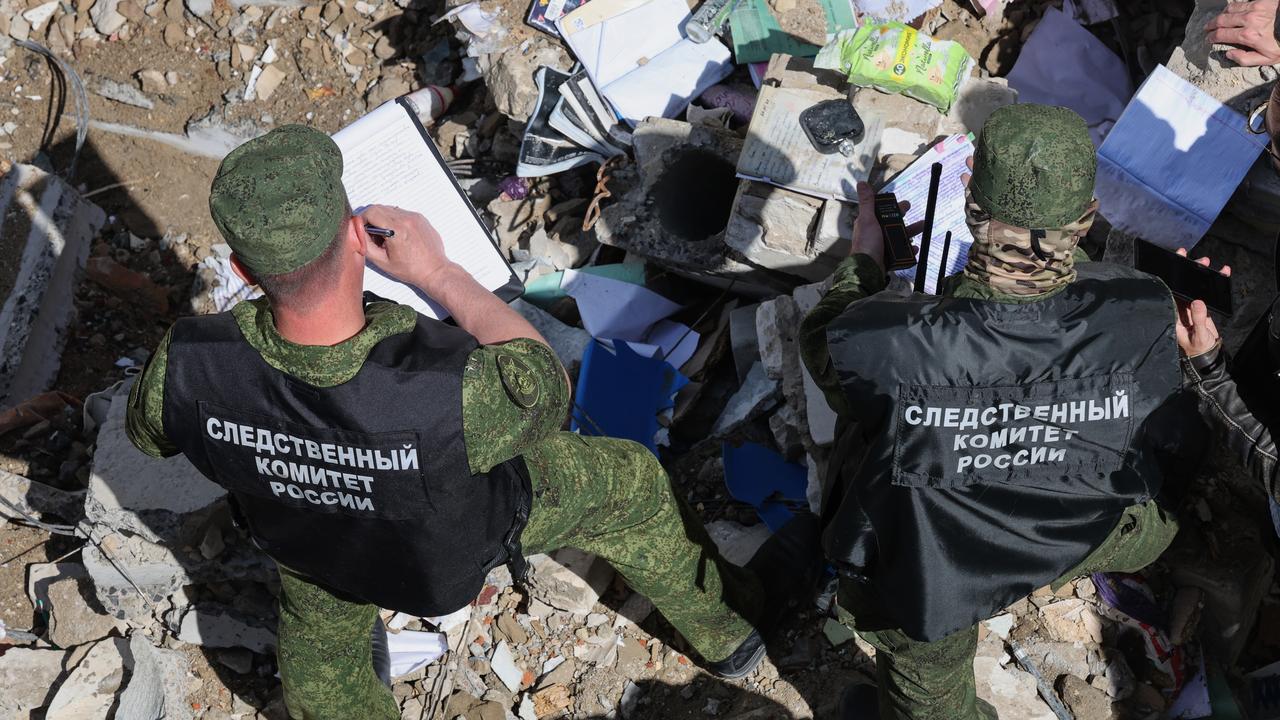
A worker in protective gear examined pieces of metal and other debris laid out on a tarpaulin as workers from Russia’s Investigative Committee compiled data from the incident on Friday.
Reuters reported from Starobilsk on a media trip organised by the Ministry of Foreign Affairs of the Russian Federation on Saturday.
Ukraine’s military denied responsibility for the attack, saying it had struck an elite drone command unit in the area and that its forces complied with international humanitarian law.
Reuters was not able to independently verify what happened.
“Three waves of UAVs (drones) 10-15 minutes apart,” Russia’s Human Rights Commissioner, Yana Lantrova, told journalists outside the wrecked building as a group of people held up photos of those killed.
“Sixteen UAVs in total. They waited for the children to run out. They fired directly at the children.”
The facility in the east of Ukraine’s Luhansk region, annexed by Russia several months after the Kremlin’s February 2022 invasion of its smaller neighbour, was adorned with official Russian state symbols.
A set of instructions on how to act against “the threat of terrorism” was posted on one wall.
Russian President Vladimir Putin ordered his military to prepare options for retaliation against Ukraine after the attack.
Within a little more than 24 hours, early on Sunday, Russia struck Kyiv and surrounding areas with hundreds of drones and missiles in one of the heaviest bombardments of the city since the start of the war.
The overnight barrage killed four people and was marked by the firing of a Russian Oreshnik hypersonic missile south of Kyiv.

Gen Z bombarded by fake crypto trading scams
In the already difficult to navigate world of online trading, young people are being lured in by the promise of easy money trading cryptocurrency.
The problem – the sites, trades, and profits are all entirely fake and any money paid goes straight into the pockets of scammers.
The scams work by inviting young people to join trading advice chat groups on messaging services such as WhatsApp, sometimes posing as high-profile figures who the scammers impersonate.
Scammers then recommend victims invest via a fake crypto asset trading platform which shows profits and trades, when in reality no real trading is taking place.

When the victim tries to withdraw their supposed profits, scammers ask for even more money via “withdrawal fees”.
Once money has been transferred via the scam there is often no way to get it back.
“If it sounds too good to be true, it probably is,” financial watchdog boss, Alan Kirkland said.
While anyone can be targeted, younger Australians are particularly exposed because of the volume of investment ads they see online, said Mr Kirkland who is head of the Australian Securities and Investments Commission.
“‘These scams often involve polished, fake trading platforms that show false profits to convince people to invest,” Mr Kirkland said.
“They even impersonate trusted brands and well-known individuals to make fake investment opportunities look real.”
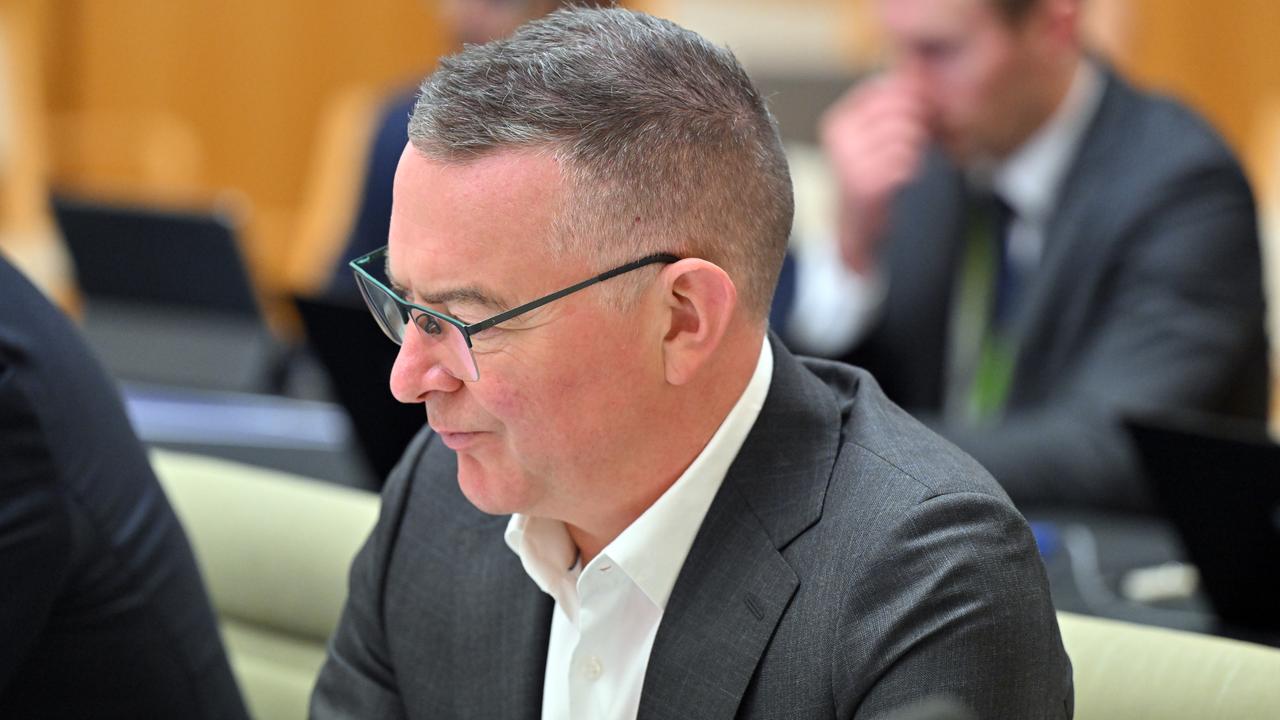
Advertisements for cryptocurrency platforms are widespread on social media, with one Gen Z survey showing 72 per cent of respondents had seen ads and 41 per cent had been contacted by someone about investing in crypto.
ASIC is warning young people to be extremely careful when investing in crypto, especially when being invited to join groups via social media.
Young people are being told to “Stop, Check and Protect” by taking the time to research via ASIC’s Moneysmart website whether a platform is registered as required or doing an online search of the business.
For those who think they’ve been scammed, ASIC advises contacting their bank immediately.
Power bill relief as energy caps slashed in one state
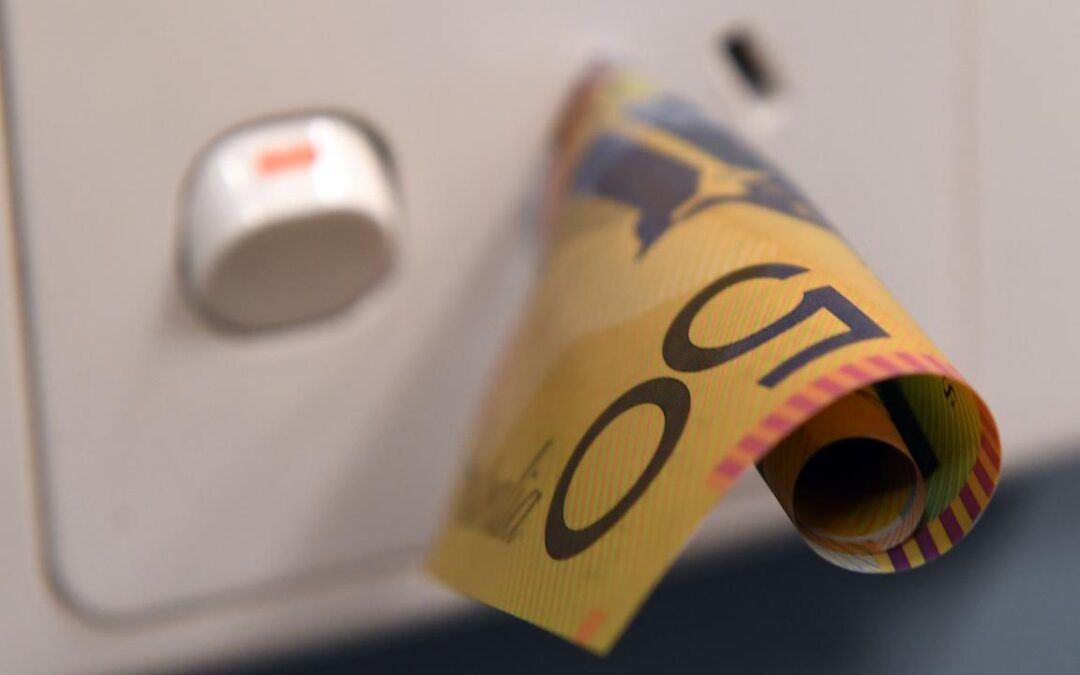
Hundreds of thousands of households will pay less for energy next financial year after a state regulator slashed the cap on standard electricity offers.
The average household on the Victorian Default Offer will pay $84 less than the year before after the Essential Services Commission unveiled the new cap on Monday to take effect from July 1.
Small businesses on the default offer will save an average of $241 in 2026/27 under the new settings.
The default offer is the maximum amount energy retailers can charge customers on a standing offer – a basic electricity contract for people who have not signed up to a market deal.
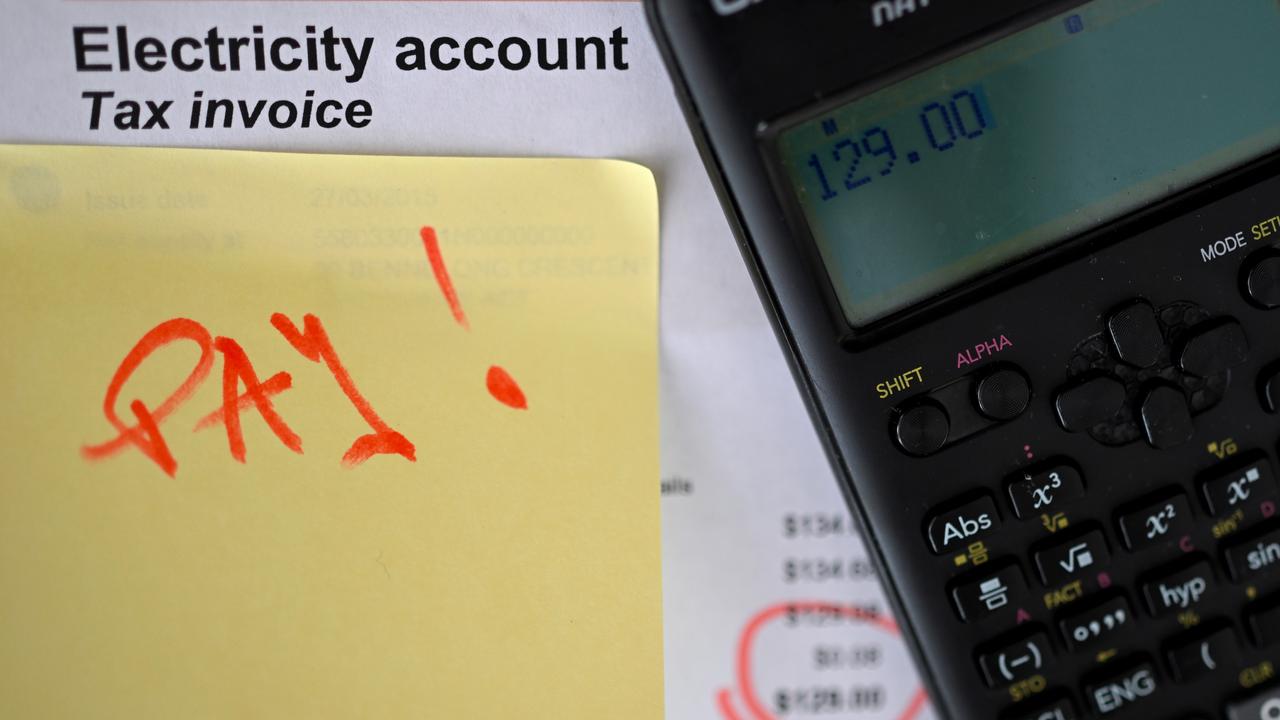
Most Victorians are on cheaper market offers rather than the default tariff, but it remains a safeguard for those unwilling or unable to shop around.
It also acts as a benchmark price across the wider market, with retailers required to compare their advertised offers against it.
About 512,000 Victorian households and 62,000 small businesses are currently on standing offers affected by the default offer.
Under the new announcement, the average household bill on a flat tariff will fall from $1675 to $1591, a reduction of about five per cent.
For small businesses, the average annual bill will fall from $3620 to $3380, or about six per cent.
The reductions are larger than those forecast in the regulator’s draft decision released in March.
Regional customers in the AusNet distribution area will receive the biggest cuts, with annual household bills dropping by $160 on average.
Lower environmental certificate costs, slightly cheaper wholesale electricity prices and reduced network charges for households drove the decrease, the commission said.
Victoria’s electricity market had remained relatively stable despite global fuel supply disruptions and international energy uncertainty, it added.
The default offer was now 14 per cent lower than the standing offer prices it replaced when introduced in 2019, the Victorian government said.
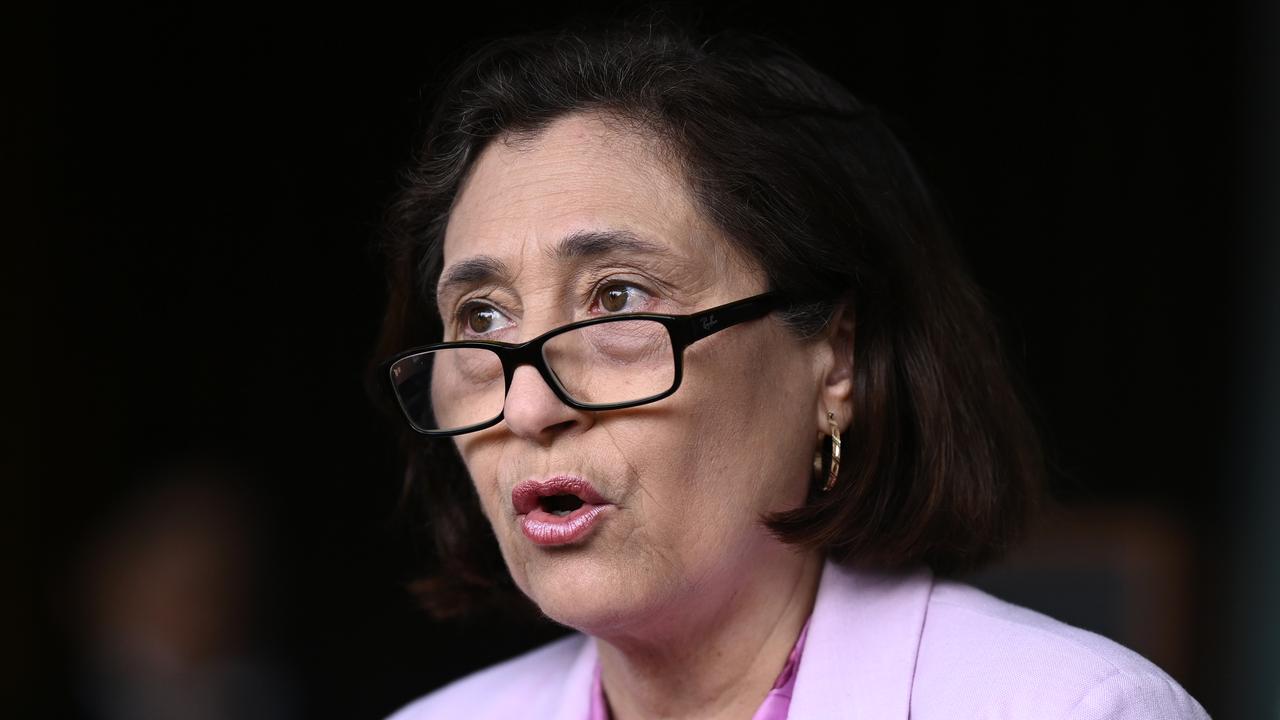
Energy Minister Lily D’Ambrosio said the cuts would provide relief during ongoing cost-of-living pressures.
“Labor is investing in the efficient, renewable energy that Victoria needs to make life cheaper for Victorians,” she said.
The state’s default electricity price remained lower than the benchmark used in other eastern states, she added.
However, NSW, South Australia and southeast Queensland on the national default offer can also expect significantly cheaper energy from July.
In March, the Australian Energy Regulator released a draft decision forecasting cuts of up to 10 per cent for some consumers due to lower wholesale and environmental costs.
The average household in NSW could pay $58 to $226 less than the year before, and bills could be roughly $216 lower in southeast Queensland.
A more modest $31 fall can be expected in South Australia.
Small businesses are in line for price drops between 7.6 per cent and 21.2 per cent, depending on the area.
The final national default offer will be released on Tuesday, before taking effect on July 1.