

Fear data centres leaving energy transition ‘worse off’
Claims data centres are adding renewables to the grid and aiding decarbonisation have been challenged by a prominent environment group that’s calling for a moratorium on development.
In a comprehensive report, Greenpeace has interrogated the industry’s environmental credentials, accusing it of failing to cover its own emissions with new solar and wind and “heaping massive new load” onto the grid.
It’s also sharply critical of data centre proposals that include onsite gas generation, including a NSW Cloud Carrier project involving a 700-megawatt power plant, and questions the “critical infrastructure” status given “AI is being used for abuse, war and other human rights violations”.
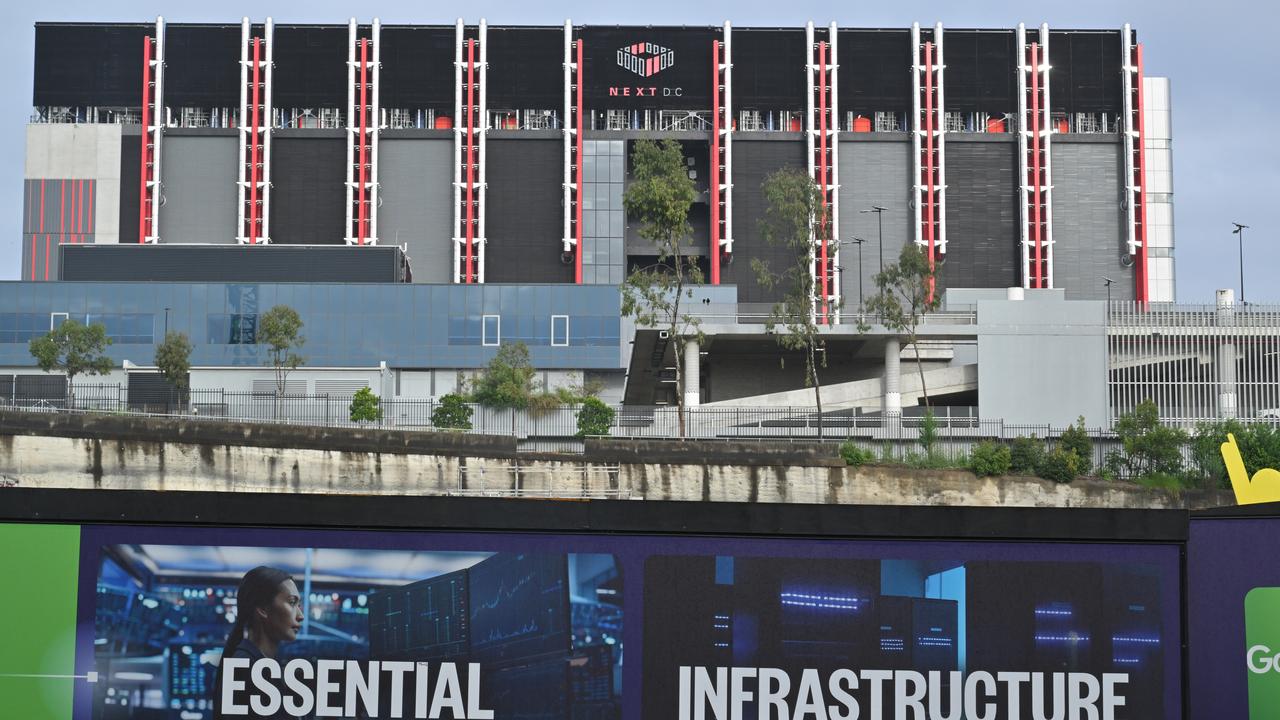
Australia has become the second biggest destination for data centre investments worldwide as tech companies rush to meet demand for AI tools.
Questions have been levelled at the sizeable energy, water and land usage needed for the computing power, with a diversity of views among civil society.
While governments have been broadly welcoming of the business investment, concerns have not gone unheeded, with state and federal energy ministers – Queensland excluded – in favour of 100 per cent renewable energy offsets for new data centre proposals.
The Greenpeace report, led by independent climate analyst Ketan Joshi who has been studying data centre environmental issues closely, casts doubt on claims operators are already building new clean energy as “unsubstantiated”.
Renewable energy credits used by some players are unlikely to be amounting to true additional energy, the report said.
Even the use of power purchasing agreements – contracts with buyers to sell energy upon completion – was questionable as solar and wind projects scrutinised were often close to finalisation and unlikely reliant on the data centre support to go ahead.
Mr Joshi said the findings challenged the notion data centres were actually accelerating the clean energy transition and helping meet net zero goals.
“Unless the data centre industry builds no new fossil fuels and far more new renewables than new demand, we end up worse off,” he said.
“Currently data centres increase coal and gas output and delay shutdowns, while plugging polluting gas into data centres does the damage directly instead.”
Lobby group Data Centre Australia says the industry has invested billions in grid and recycled water infrastructure, is abiding by energy efficiency regulations, and pays 100 per cent of its electricity network costs.
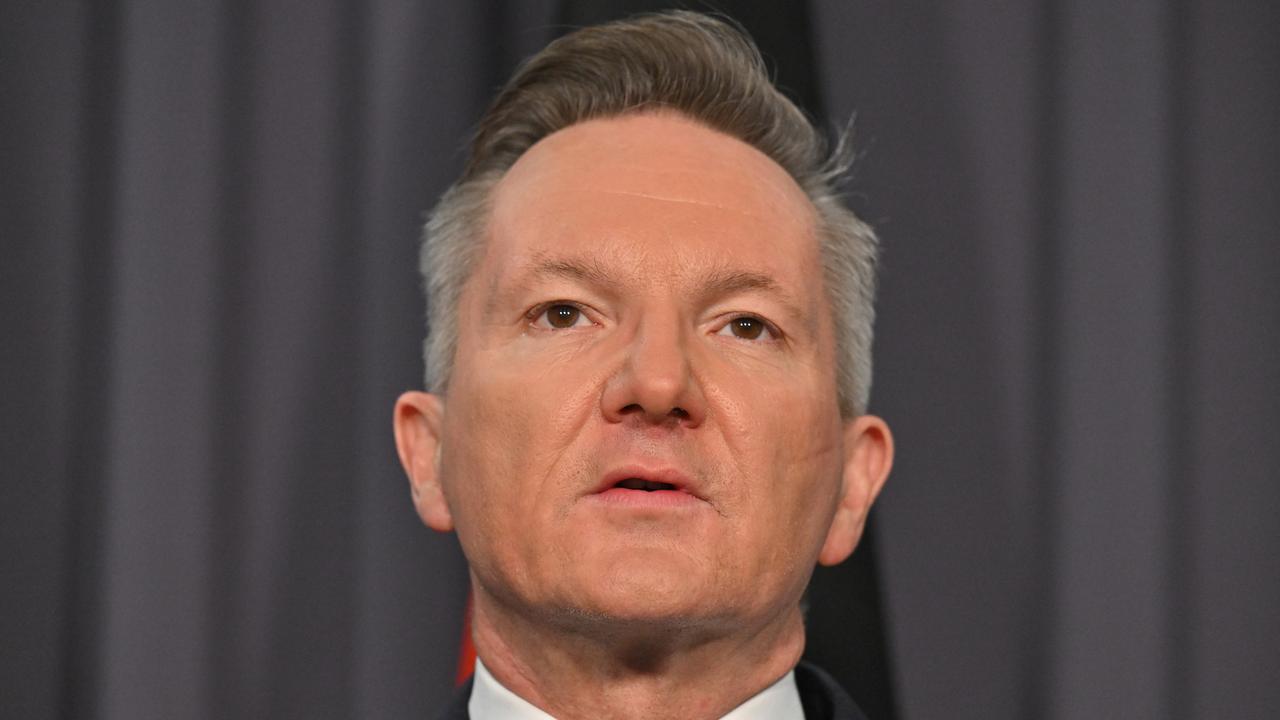
Energy Minister Chris Bowen said data centres could be a “net plus” for the energy system, if done right, while confirming regulatory options were under consideration.
“The best one to look at most urgently is a rule change through the Australian Energy Market Commission to say, ‘if you want a data centre in Australia, great, we welcome the investment, but you’ll bring your own renewable energy and you’ll be flexible and you’ll help us manage the grid’,” he told reporters on Tuesday.
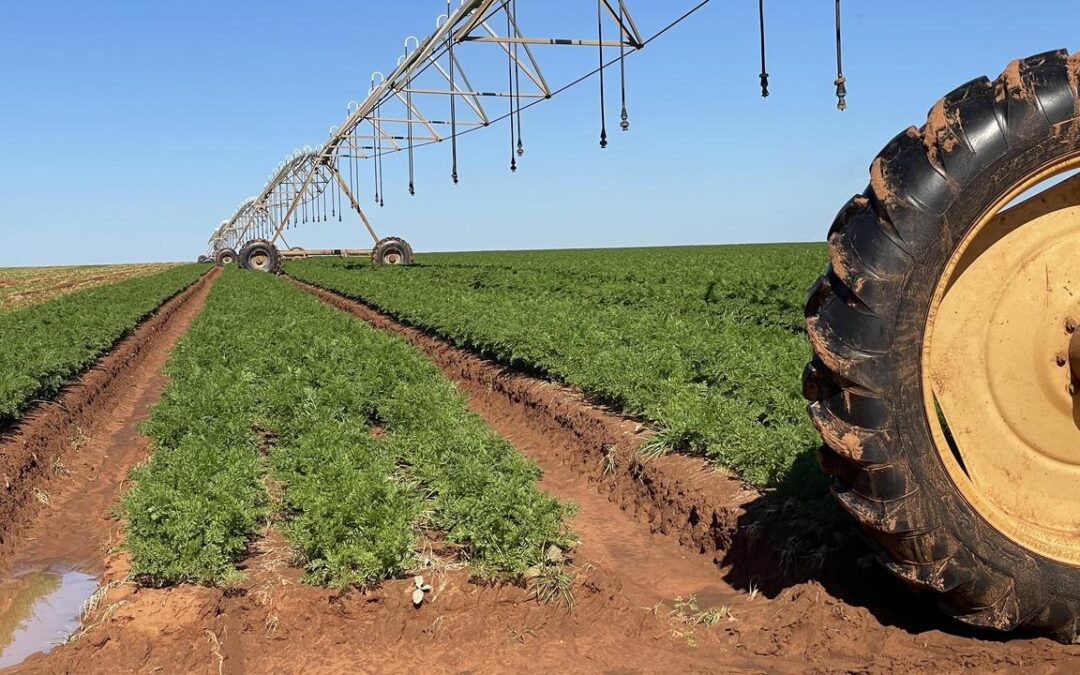
Global capital eyes $50b water market, raising stakes
Australia’s $50 billion water market is booming, drawing global investors and offering farmers flexibility, but ongoing scarcity and record-high permanent plantings are raising the stakes of the next drought.
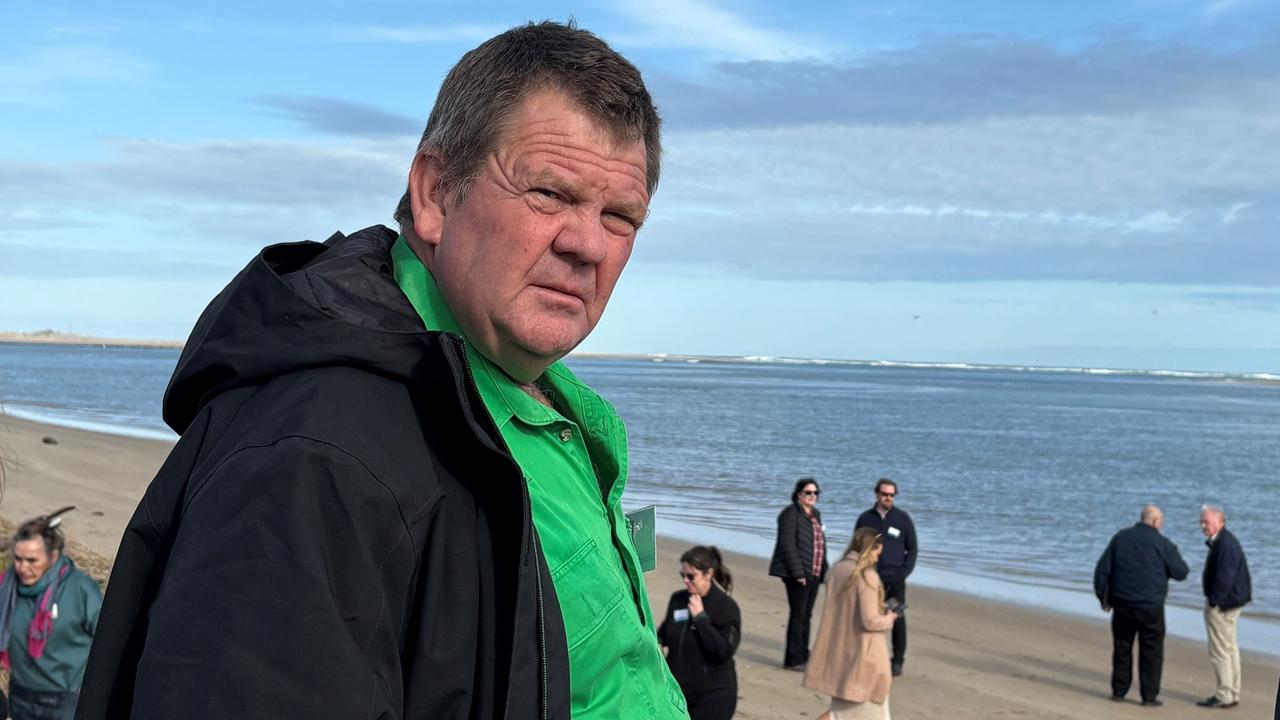
Australia has one of the few markets in there world where water rights can be separated from land, capped and traded, something that still causes angst in parts of the farming community, National Farmers Federation water committee chair and Finley dairy farmer Malcolm Holm said.
“But in essence, what it’s enabled the whole thing to do is actually give farmers and industries flexibility,” Mr Holm told AAP.
Selling water rights can take the pressure off farmers’ and farming organisations’ balance sheets when upgrading equipment, transitioning crops or undertaking succession planning.
However, with water-trading pushing growers towards higher value permanent plantings and government buybacks significantly reducing the volume of water available, the next drought could leave some producers high and dry.
“If we get anything near a 2006, 2007 or a 2019/2020-type scenario … there is going to be a lot of pain because there just simply won’t be enough water to go around,” Mr Holm said.
The scarcity of Australia’s water and the $50 billion market developed to manage it is drawing the attention of global capital.
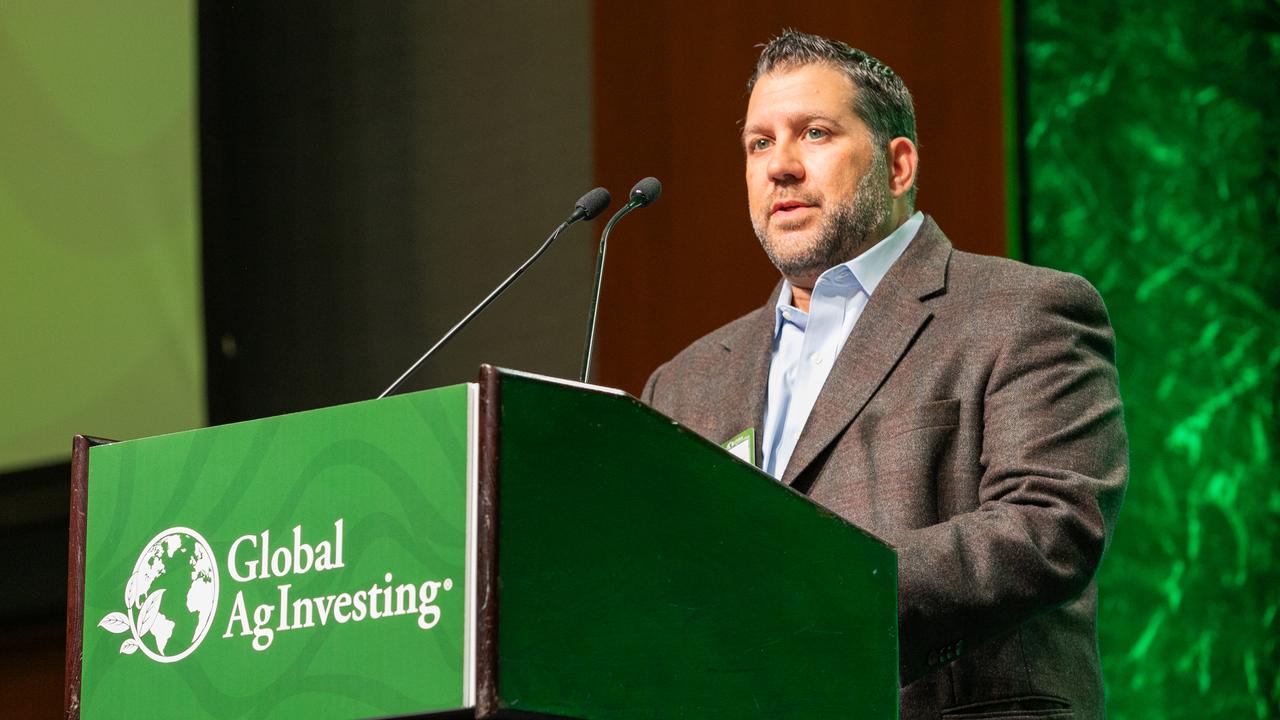
So much so, it was the focus at Global AgInvesting’s latest conference in New York, prompting its next event to be hosted in Brisbane in June – the first time ever in the southern hemisphere.
These events bring together investors representing a combined $10 trillion in assets under management.
Agriculture provides a very stable asset class for investors, GAI’s portfolio director Jonathan Levin told AAP.
“While it’s a small percentage or portion of their portfolios, it represents a place where you can have steady gains over time and really protect your investments,” he said.
Returns in the Australian water and agriculture sector have generated 10 per cent annualised returns for the last decade.
“That’s that’s pretty very much comparable to, say, investing in commercial real estate in Australia,” said Kim Morison, chief investment officer at Argyle Group, a specialist water rights and agriculture investment fund manager.
“It’s really about another way to invest in the agricultural sector, to provide capital to farming businesses and allow them to transition to a higher value use of that water,” Mr Morison told AAP.
“Which ultimately then makes a good investment return for us … because the water then graduates to a higher and better use.”
Back in Finley, Mr Holm said despite occasional sub-optimal outcomes such as wine gluts and almond overexposure, water rights trading had been positive.
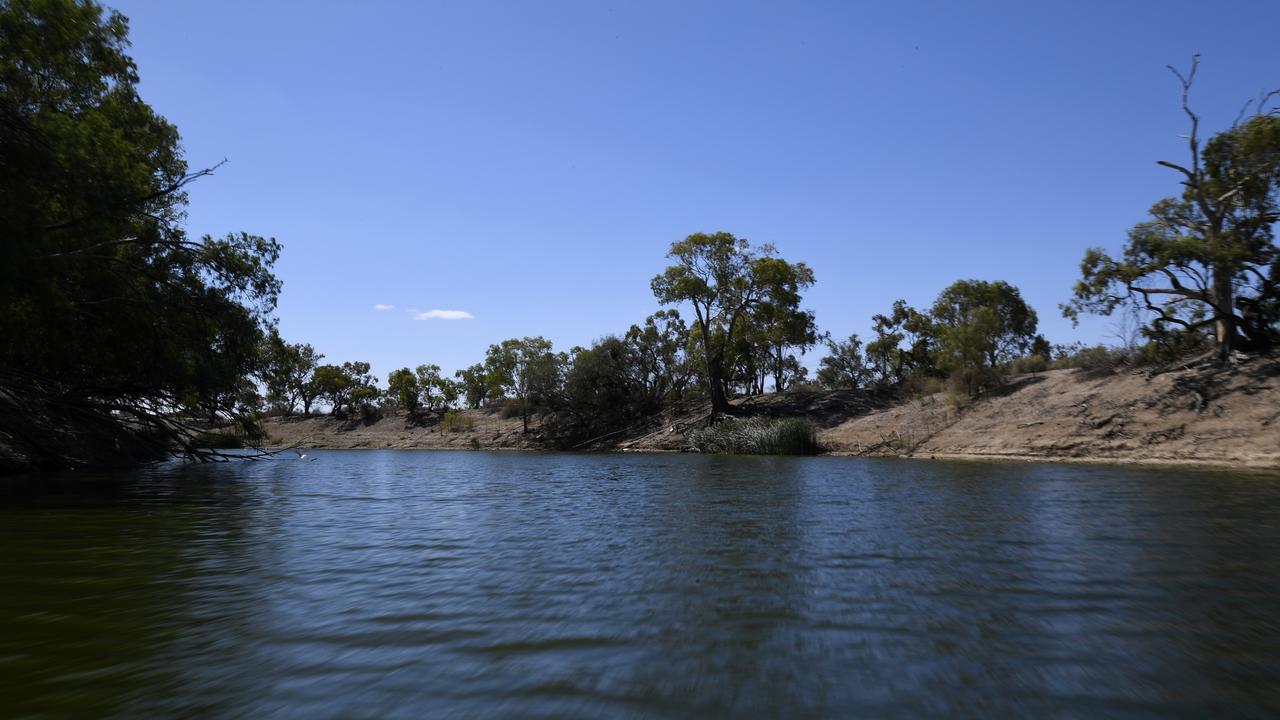
“It’s actually allowed irrigators to flex with the seasons,” he said.
“Essentially water has become another commodity like buying diesel, fertiliser, or any input into your farm.”
The dairy farmer said he preferred water rights were held by investor funds rather than by government, because investors had to pump it back into the production system to see a return.
“They’ve either got to use it on their own farms or sell it in the temporary water market,” Mr Holm said.
“Agriculture still gets to use it.”
Inflation pressures set to expand despite fuel reprieve
Inflation pressures are heating up, despite an expected fall in the consumer price index.
Data released by the Australian Bureau of Statistics on Wednesday is likely to show headline inflation cooled in April.
AMP economist My Bui has tipped the annual rate to fall to 4.4 per cent, from 4.6 per cent the month prior.
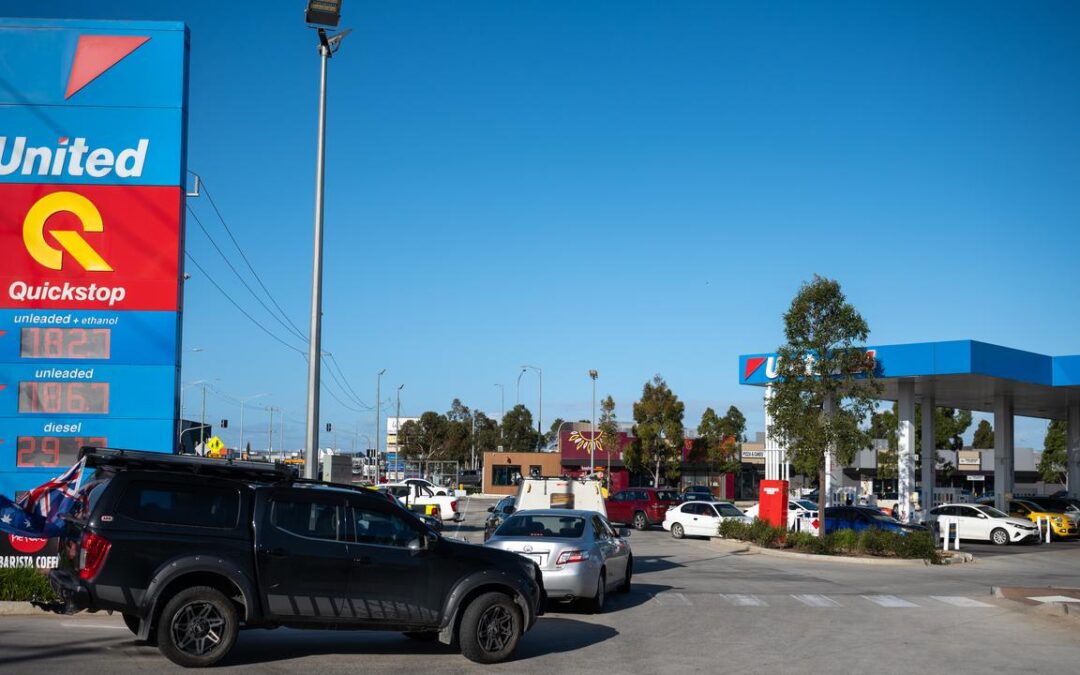
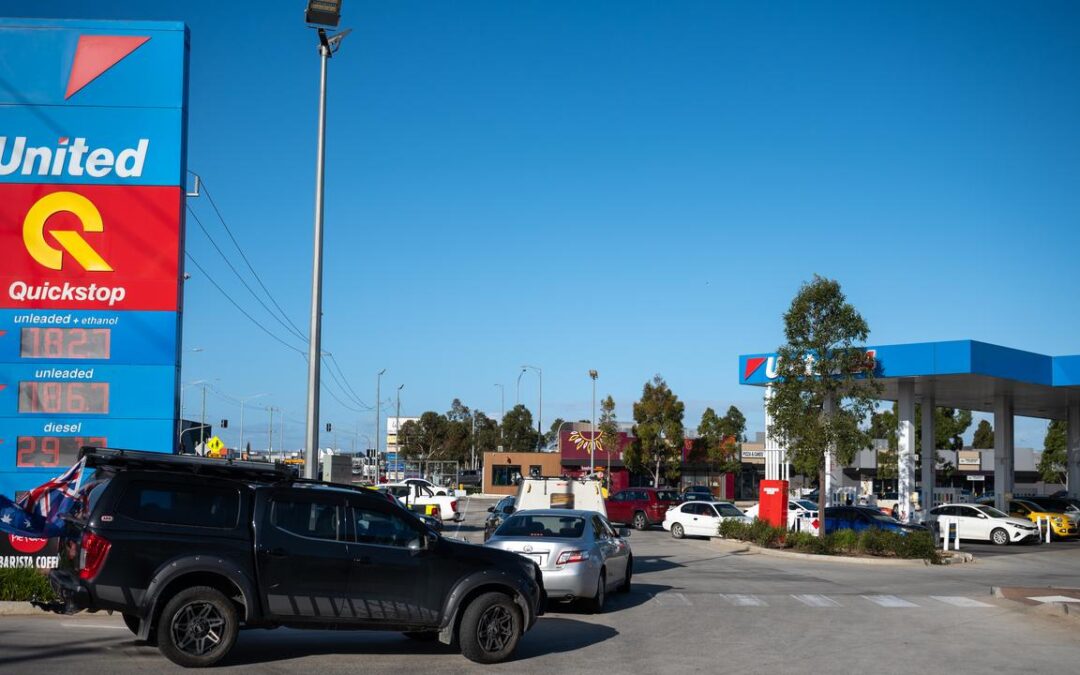
The slowdown is largely due to the government’s decision to temporarily cut the fuel excise in half.
As a result, the Reserve Bank will likely look through the drop in the headline measure and instead focus on trimmed mean inflation, which gives a better sense of the underlying pulse, Ms Bui said.
AMP forecasts the trimmed mean edged up to 3.4 per cent year-on-year.
“We also see a lot more price rises (through) what we would call the secondary round impacts,” she told AAP.
Almost three in four Australian businesses reported that they had been negatively impacted by fuel prices and supply disruptions, according to the ABS’s May survey of business conditions and sentiments, released on Tuesday.
Half of all businesses reported operating expenses had risen, with fuel prices and freight and delivery costs the most common culprits.
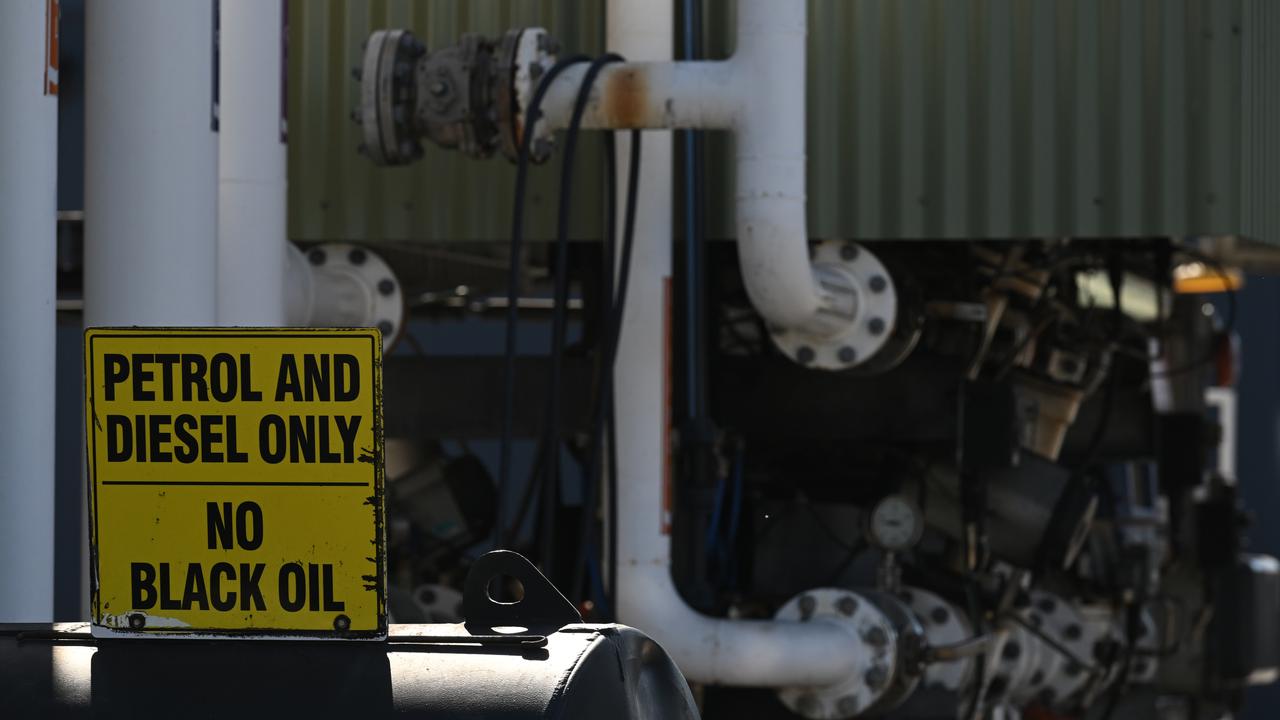
Even though fuel prices eased, the prices businesses charged tended to lag behind input costs, while fuel surcharges remained commonplace in industries such as construction and logistics.
Prices for household services, like gardening and cleaning, are expected to show a rise of 5.2 per cent, Ms Bui said.
“The RBA pays attention to things like market services … (such as) hairdressers, household services,” she said.
“That does show the underlying pressures in the economy a little bit better, because those categories tend to be sticky, so I do expect them to look at that carefully.”
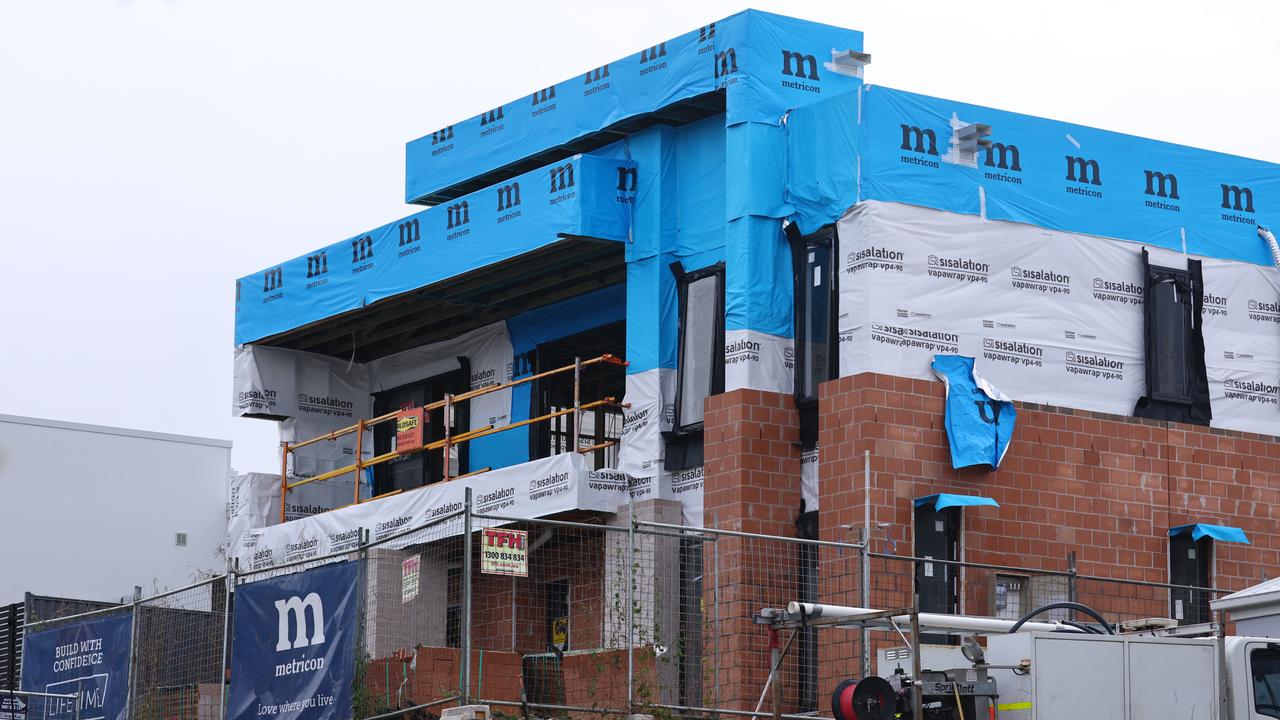
Housing inflation will also be a key focus of the central bank, given it tends to be an early indicator of overall inflation pressures in the economy.
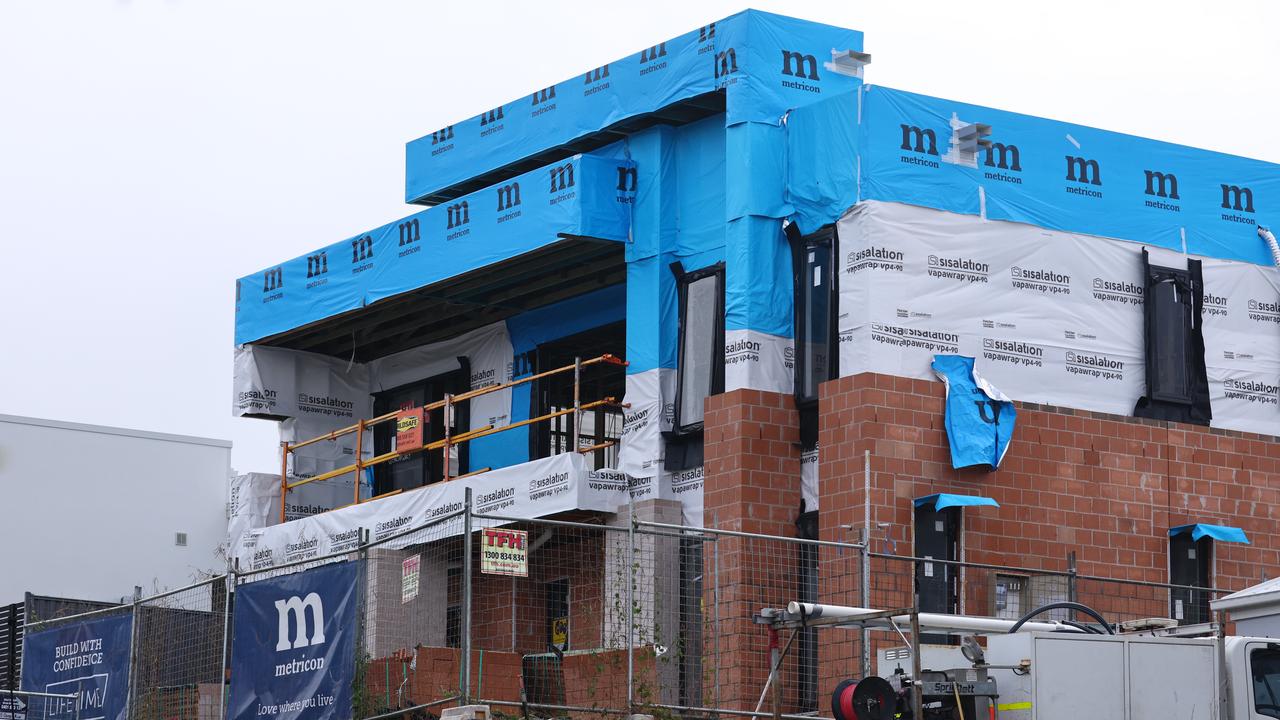
The measure, which includes rents and new dwelling purchases, has been running “red hot” as building material costs soared.
Ms Bui expects another strong rise of 6.4 per cent.
The ABS will also release construction work figures on Wednesday, which will also be watched by the RBA as a sign of the strength of the economy.
Given the data only covers the March quarter, it won’t show the full impact of the Iran war.
But it would still provide some insight into whether the RBA’s first two rate hikes have had any impact on activity or if the economy was still running hot, Ms Bui said.
Inflation pressures set to expand despite fuel reprieve
Inflation pressures are heating up, despite an expected fall in the consumer price index.
Data released by the Australian Bureau of Statistics on Wednesday is likely to show headline inflation cooled in April.
AMP economist My Bui has tipped the annual rate to fall to 4.4 per cent, from 4.6 per cent the month prior.
The slowdown is largely due to the government’s decision to temporarily cut the fuel excise in half.
As a result, the Reserve Bank will likely look through the drop in the headline measure and instead focus on trimmed mean inflation, which gives a better sense of the underlying pulse, Ms Bui said.
AMP forecasts the trimmed mean edged up to 3.4 per cent year-on-year.
“We also see a lot more price rises (through) what we would call the secondary round impacts,” she told AAP.
Almost three in four Australian businesses reported that they had been negatively impacted by fuel prices and supply disruptions, according to the ABS’s May survey of business conditions and sentiments, released on Tuesday.
Half of all businesses reported operating expenses had risen, with fuel prices and freight and delivery costs the most common culprits.
Even though fuel prices eased, the prices businesses charged tended to lag behind input costs, while fuel surcharges remained commonplace in industries such as construction and logistics.
Prices for household services, like gardening and cleaning, are expected to show a rise of 5.2 per cent, Ms Bui said.
“The RBA pays attention to things like market services … (such as) hairdressers, household services,” she said.
“That does show the underlying pressures in the economy a little bit better, because those categories tend to be sticky, so I do expect them to look at that carefully.”
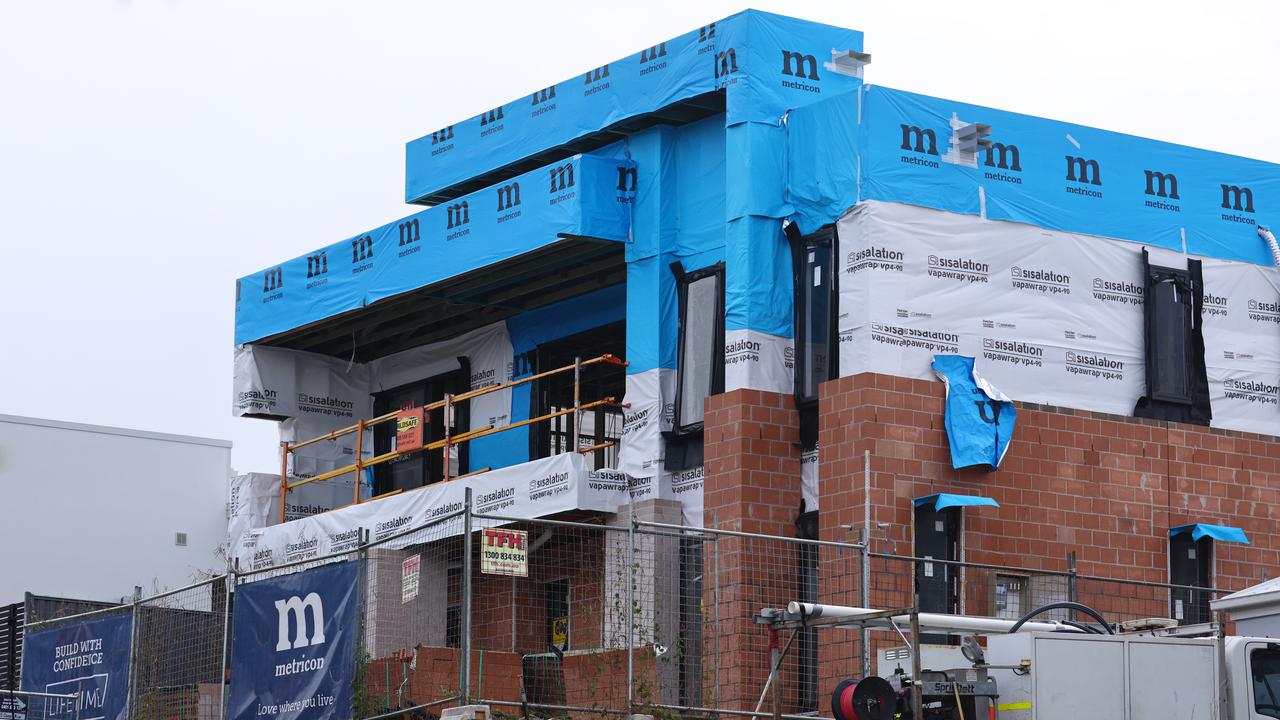
Housing inflation will also be a key focus of the central bank, given it tends to be an early indicator of overall inflation pressures in the economy.
The measure, which includes rents and new dwelling purchases, has been running “red hot” as building material costs soared.
Ms Bui expects another strong rise of 6.4 per cent.
The ABS will also release construction work figures on Wednesday, which will also be watched by the RBA as a sign of the strength of the economy.
Given the data only covers the March quarter, it won’t show the full impact of the Iran war.
But it would still provide some insight into whether the RBA’s first two rate hikes have had any impact on activity or if the economy was still running hot, Ms Bui said.
Inflation pressures set to expand despite fuel reprieve
Inflation pressures are heating up, despite an expected fall in the consumer price index.
Data released by the Australian Bureau of Statistics on Wednesday is likely to show headline inflation cooled in April.
AMP economist My Bui has tipped the annual rate to fall to 4.4 per cent, from 4.6 per cent the month prior.
The slowdown is largely due to the government’s decision to temporarily cut the fuel excise in half.
As a result, the Reserve Bank will likely look through the drop in the headline measure and instead focus on trimmed mean inflation, which gives a better sense of the underlying pulse, Ms Bui said.
AMP forecasts the trimmed mean edged up to 3.4 per cent year-on-year.
“We also see a lot more price rises (through) what we would call the secondary round impacts,” she told AAP.
Almost three in four Australian businesses reported that they had been negatively impacted by fuel prices and supply disruptions, according to the ABS’s May survey of business conditions and sentiments, released on Tuesday.
Half of all businesses reported operating expenses had risen, with fuel prices and freight and delivery costs the most common culprits.
Even though fuel prices eased, the prices businesses charged tended to lag behind input costs, while fuel surcharges remained commonplace in industries such as construction and logistics.
Prices for household services, like gardening and cleaning, are expected to show a rise of 5.2 per cent, Ms Bui said.
“The RBA pays attention to things like market services … (such as) hairdressers, household services,” she said.
“That does show the underlying pressures in the economy a little bit better, because those categories tend to be sticky, so I do expect them to look at that carefully.”
Housing inflation will also be a key focus of the central bank, given it tends to be an early indicator of overall inflation pressures in the economy.
The measure, which includes rents and new dwelling purchases, has been running “red hot” as building material costs soared.
Ms Bui expects another strong rise of 6.4 per cent.
The ABS will also release construction work figures on Wednesday, which will also be watched by the RBA as a sign of the strength of the economy.
Given the data only covers the March quarter, it won’t show the full impact of the Iran war.
But it would still provide some insight into whether the RBA’s first two rate hikes have had any impact on activity or if the economy was still running hot, Ms Bui said.
Corruption watchdog chief concedes he’s a distraction
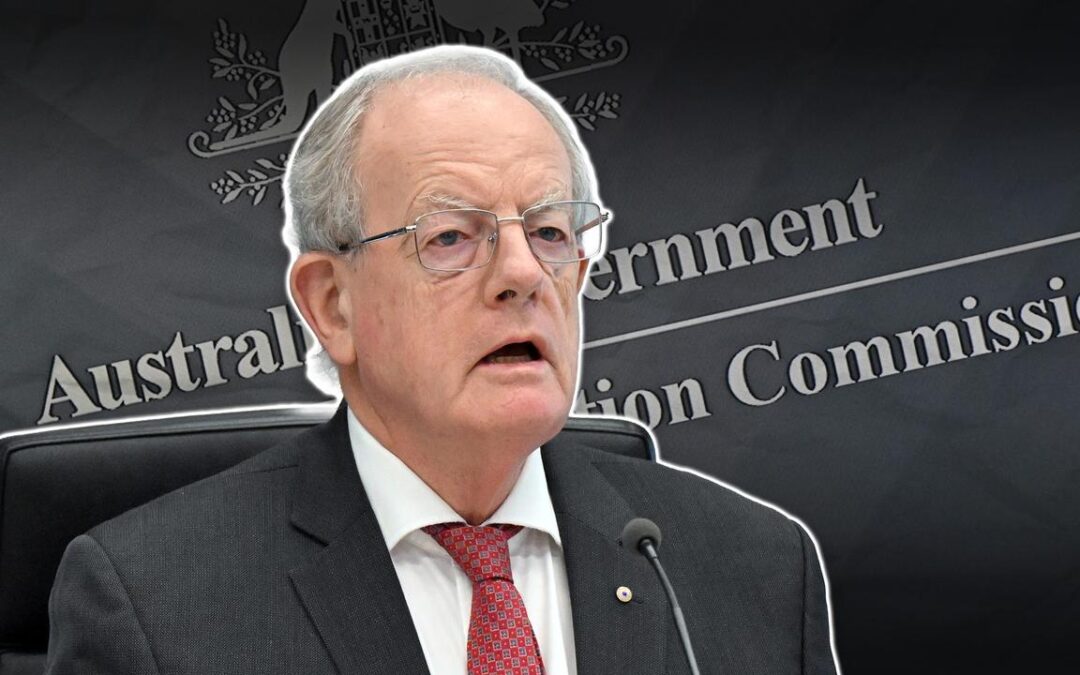
The first head of Australia’s national corruption watchdog rejects suggestions he should have been more transparent about connections with the defence establishment that led to his resignation.
But National Anti-Corruption Commissioner Paul Brereton has conceded the issue had become a distraction.
A day after announcing plans to step down in July after a turbulent three years as commissioner, Mr Brereton said he did not need to give the government more details about his defence ties because it was like asking what church he attends.
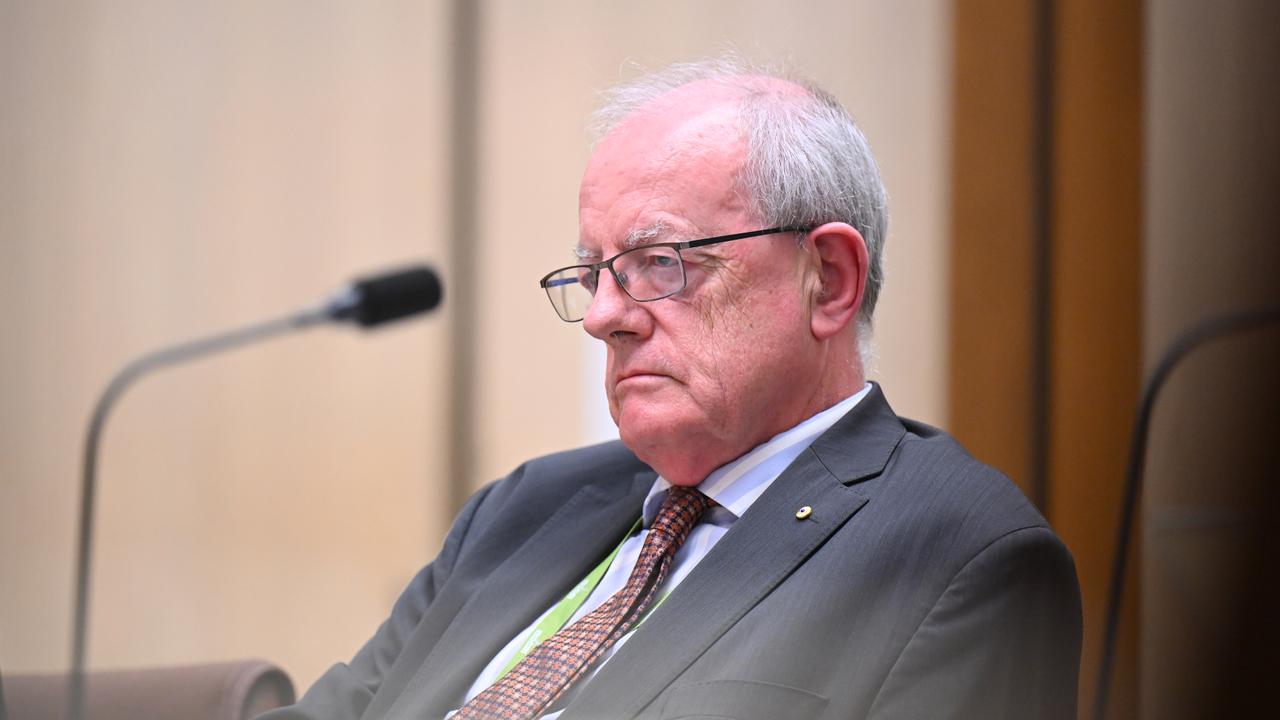
During an at times tense appearance before a parliamentary inquiry, Mr Brereton said questions about his ongoing work with the Inspector General of the Australian Defence Force – one of the agencies the National Anti-Corruption Commission had the power to investigate – had made it hard for the commission to get clear air.
“Every time the chief executive officer comes up here, he has to answer questions about me,” he said.
“The press attention is focused on me and my interests.”
Pressed on whether he should have been more transparent about his ongoing work with the defence inspector-general, Mr Brereton said he had declared all he needed to.
“I was transparent about having an ongoing affiliation with the IGADF, and that I would not be involved (in defence investigations),” he said.
“Neither the chief executive officer nor others needed to know more than that.
“Nor do they need to know whether I go to church on a Sunday, or if so, what church I go to, or whether I play cricket or rugby on a Saturday, and which brand of rugby it might be… the precise nature of what I am doing is beside the point.”

Greens Senator David Shoebridge accused the outgoing commissioner of inappropriately conflating his religious affiliation with professional work.
“When you make a false comparison like that, treating apples with oranges, can you not see how that erodes trust in your decision making?” he said.
Mr Brereton stepped away from all defence-related corruption referrals in 2025 to avoid any perceived conflict of interest, after revelations he was continuing to work with the IGADF as a consultant.
The NACC commissioner said he had worked with the ADF inspector for less than 30 hours over three years.
A separate inquiry into the NACC’s decision not to follow up referrals from the royal commission into Robodebt found Mr Brereton had engaged in officer misconduct because he failed to remove himself from the decision-making process despite being affected by apprehended bias.
After reconsidering its decision, the commission eventually found two public servants involved in the Robodebt scandal had engaged in serious corrupt conduct.
The commissioner would not be drawn on questions about a second ongoing report into his conduct by the NACC inspector, but said he had been given a series of draft versions and provided comments in response.
He said the content of that report was “not at all material” in his decision to step down.
An external law firm had been brought in to help respond to the inspector’s draft report at a cost of $204,000, NACC chief executive Philip Reed said.
Mr Brereton said the misconduct finding against him had struck fear into other officials at the corruption watchdog.
“We now have a commission in which staff are terrified of making any mistake of fact or law because they fear they will be visited with a finding of officer misconduct,” he said.
Concern for economic reality of Aboriginal camps
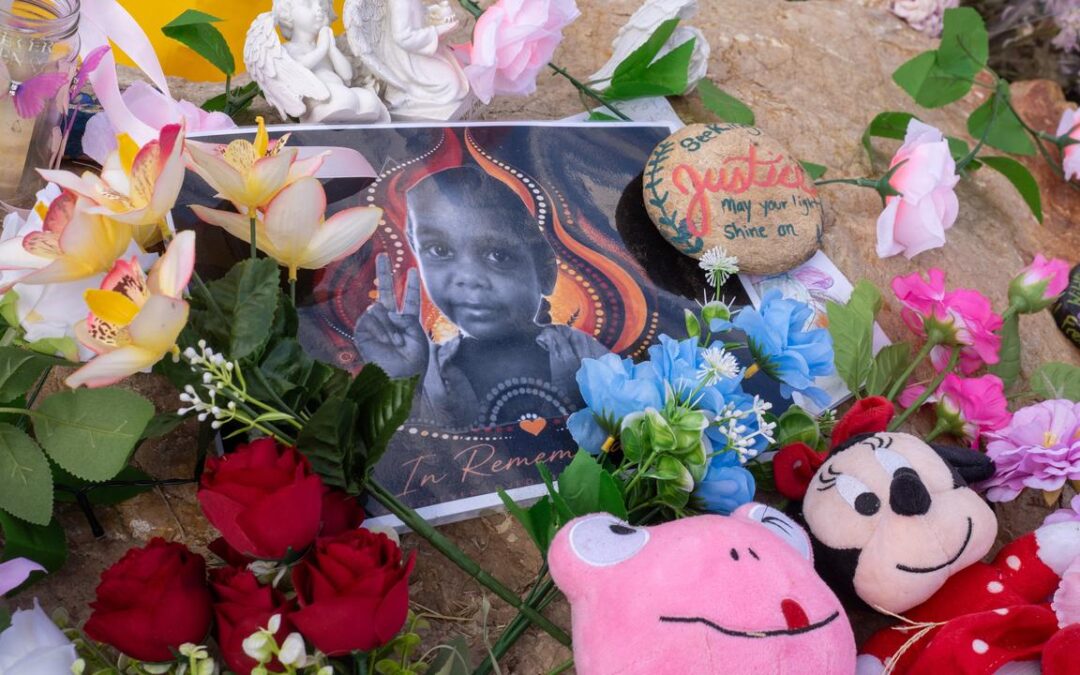
The economic conditions of run-down Indigenous camps where a little girl was abducted and later killed have come under fire in a parliamentary inquiry, more than a decade after changes were recommended.
On the outskirts of Alice Springs are 17 communities, known as town camps, populated by 1050 permanent residents across multi-generational Aboriginal families.
The alleged murder of five-year-old Kumanjayi Little Baby at Old Timers camp in April has renewed calls for better infrastructure and employment opportunities.
A complex system of subleasing and housing management agreements involving local groups and the federal and Northern Territory governments make it difficult for meaningful economic gains to be made by communities, a Senate estimates committee has heard.
Executive director of township leasing Pennie Weadon said her team had made repeated recommendations to the Northern Territory government for better economic opportunities in the camps.
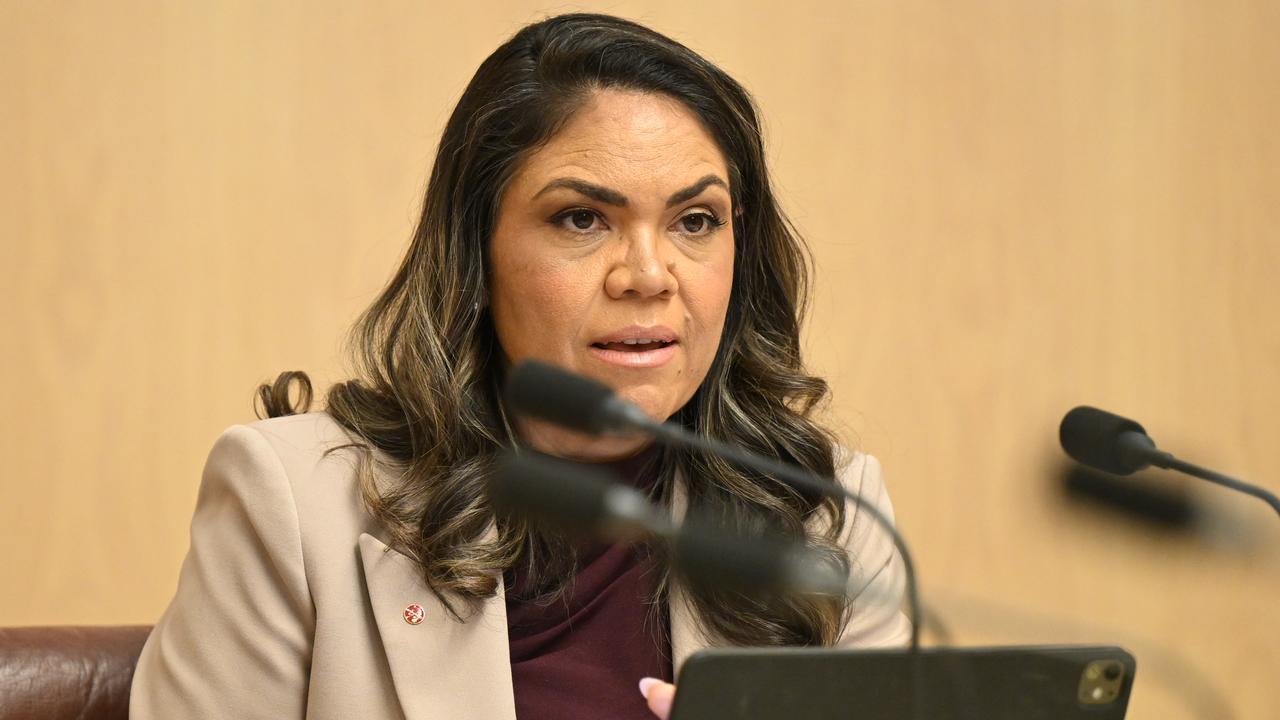
“We have suggested that they review the legislative instrument to allow for subdivision and also to look at the permitted uses,” she said in response to questions from Liberal NT senator Jacinta Nampijinpa Price.
Tangentyere Council Aboriginal Corporation, made up of 15 housing associations, manages the town camps and is responsible for their social and infrastructure services.
But making money in the communities, outside of government funding, is difficult. The last census showed each household averaged four people with a collective median income of $757 each week.
The permitted uses of the land are limited; in most cases, only communal living, residential housing and cultural activities are allowed.
Many of the camps heavily rely on one-off government grants to get by and changes to that system were recommended as far back as 2017.
“Investing in growth in town camps that offer impossible economic integration realities will only continue to proliferate the current problems,” the report said, referring to limited opportunities for work within the camps.
Residents called on the Northern Territory government in April to return the camps to community control following Kumanjayi Little Baby’s death.
Most of those residents need to shop at major supermarkets or local stores, where produce and takeaway are expensive relative to city prices, according to a Deloitte report, commissioned by the Northern Territory government a decade ago.
The camps, officially recognised in the 1970s, were established while elements of the White Australia Policy were still in place. Aboriginal people were barred from entering Alice Springs at the time.
They have a fluctuating population as many remote Aboriginal families enter for healthcare services before returning to their land, putting increased strain on services.

Liberal, One Nation on attack over discrimination laws
Liberal and One Nation senators have used parliamentary hearings to grill human rights commissioners on their interpretation of discrimination law.
The landmark Giggle v Tickle appeal judgment, handed down earlier in May by the Federal Court, has resulted in a surge of campaigning by conservative parties.
The judgment found that a female-only app ‘Giggle for Girls’ was wrong to exclude transgender woman Roxanne Tickle under discrimination law.
The next day, Liberal leader Angus Taylor announced a policy to amend the Sex Discrimination Act to allow for cisgendered women to exclude trans women from gatherings.
“We will define biological sex in the act. Male or female. The sex you are born. And we will protect single-sex spaces across Australian life,” he said.
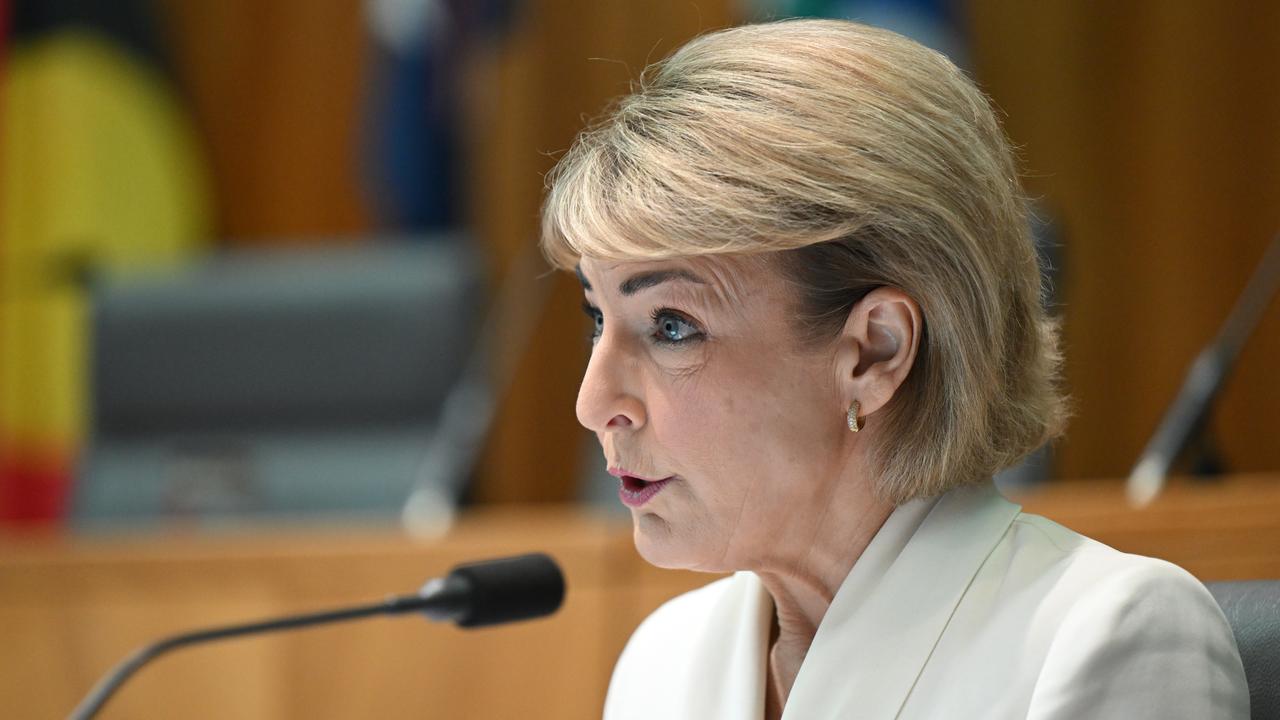
A revved-up Liberal senator Michaelia Cash declared the “law is an ass” after a string of pointed questions to Sex Discrimination Commissioner Anna Cody during parliamentary hearings on the federal budget.
She began her questioning by asking Human Rights Commission President Hugh de Kretser “what is a woman?”
“An adult human female, and that includes transgender women,” he responded.
“The court has said that the definition of sex was intended by this parliament to not be binary and not be immutable, so that someone under state and territory law, under identification law, can change their sex.”
Senator Cash repeatedly asked whether “a man can put on a dress and declare themselves a woman”, but Dr Cody suggested the Sex Discrimination Act would likely not recognise them as such.
Dr Cody said the judgment made clear it “takes into account biology and physical characteristics, (and) someone’s social recognition and their presentation of themselves”.
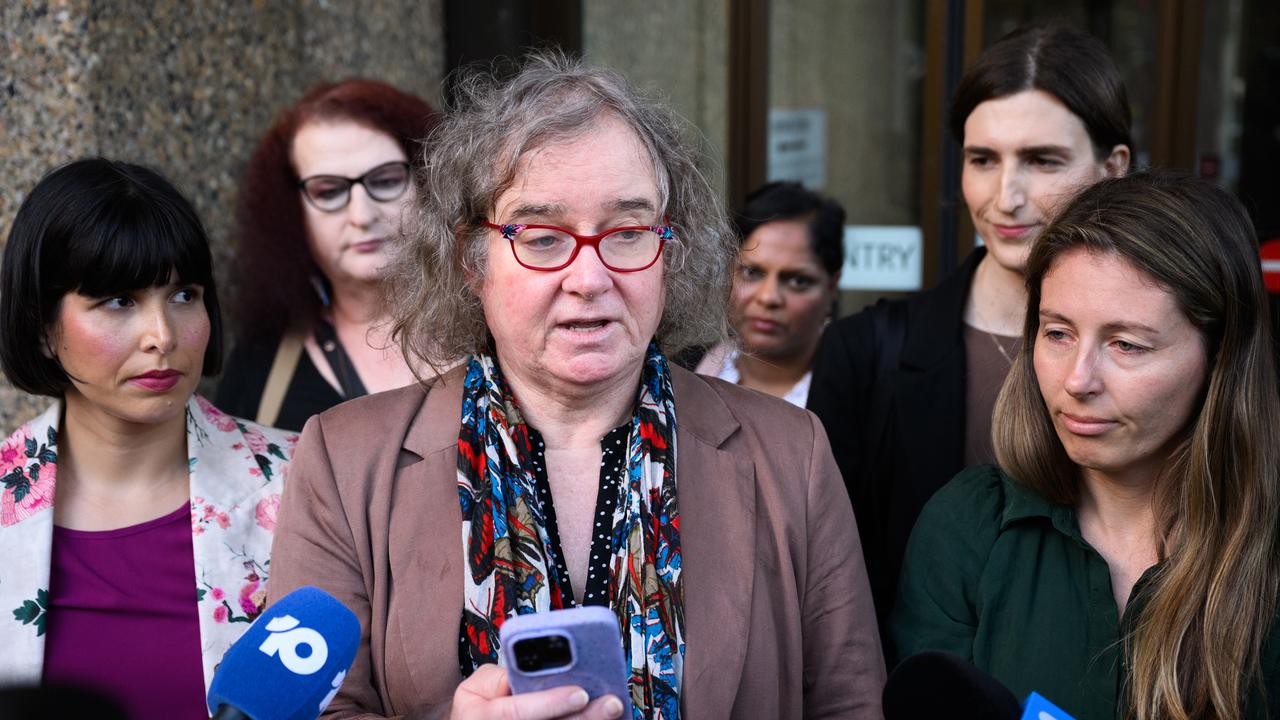
The commission has argued for the human rights of all Australians, whether trans or otherwise.
One Nation Senator Malcolm Roberts also joined the fray, arguing the Human Rights Commission was not a neutral party when it presented evidence to the Giggle v Tickle case.
The commission made a “amicus curiae” submission to the court on how to interpret the act, without siding with either party.
Several times, committee chair Labor senator Jana Stewart intervened to bring down the temperature of the debate during a heated hour of questioning.

Governments warned not to hold back AI, tech start-ups
Australia is well-positioned to take advantage of the global boom in artificial intelligence but governments and regulators need to get the policy settings right so they don’t stifle start-ups.
That’s the message from two of the country’s biggest entrepreneurs in the AI space, including the head of an infrastructure company that operates a network of energy-efficient data centres, which power the technology.
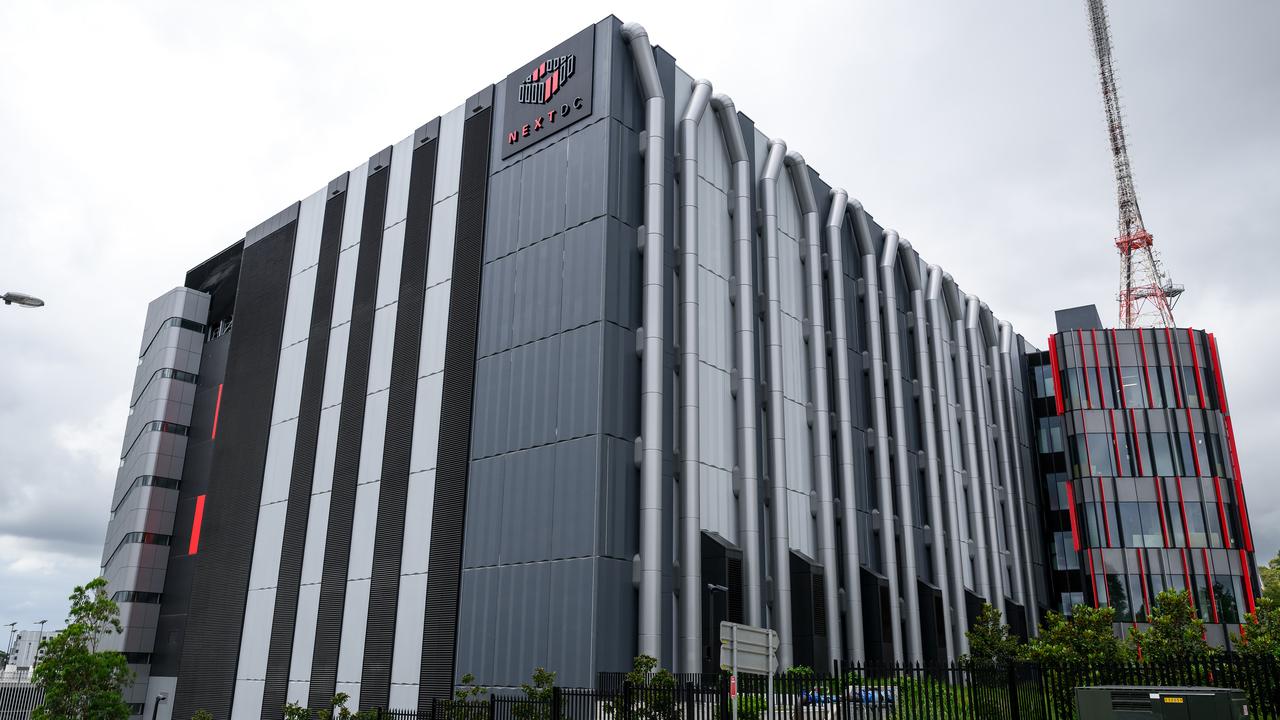
“This is unquestionably the significant industrial transformation in modern history,” the head of stock exchange listed NextDC, Craig Scroggie, told a conference in Sydney on Tuesday.

Mr Scroggie echoed comments made earlier in the day by OpenAI founder and chief executive Sam Altman about Australia potentially sitting in a sweet spot in AI development.
Both noted the nation’s stable security and political environment, clear regulatory regimes, and natural energy resources, which could underpin its future as a global leader,
While the AI sector is still in the relatively early stages, it’s attracting trillions of dollars in investment a year globally – a pool that Australia needs to tap into.
McKinsey Partner Angus Dawson pointed to the US, which takes a light touch to regulation, relying on voluntary commitments from tech companies and sector-led laws, to encourage rapid innovation.
“There is actually a logic to it because there’s no way you can regulate fast enough to actually understand what’s going on and think through the implications,” he told the Commonwealth Bank of Australia-hosted AI conference.
“We’ve got to work out where we want to be on that spectrum as a country, because otherwise what’s going to happen is we’re going to find out that we’re actually sort of holding everything back.”
Square Peg Co-founder Paul Bassat, who also co-founded the Seek jobs site in 1997, said Australia had some great homegrown tech companies, including Canva, Afterpay and Airwallex.
“We are strongest at the application layer (applying technology), we are typically less strong on the frontier (or development of) technology, historically,” he said.
Mr Bassat said Australia needed many more new technology businesses to get the uplift they need to compete globally.
“We’re going to need a massive cohort of new companies,” he said, adding that he didn’t want to get into a debate about the merits of this month’s federal budget, which has been criticised for not offering enough support to start-ups.
“We need to have every single lever in place to ensure that we’re producing a huge cohort of small- to medium-sized businesses.
“Start-ups, new companies that are going to produce the jobs that are going to be the future of the country.
“That is the mission one for any policy maker – for anyone who really cares about what sort of economy, what sort of society we’re going to have over the next 20 years.”
Oil rises, shares dip as Iran strikes rattle deal hopes
Australia’s share market is trading lower on reports the United States has struck targets in southern Iran, rattling hopes of an imminent peace deal.
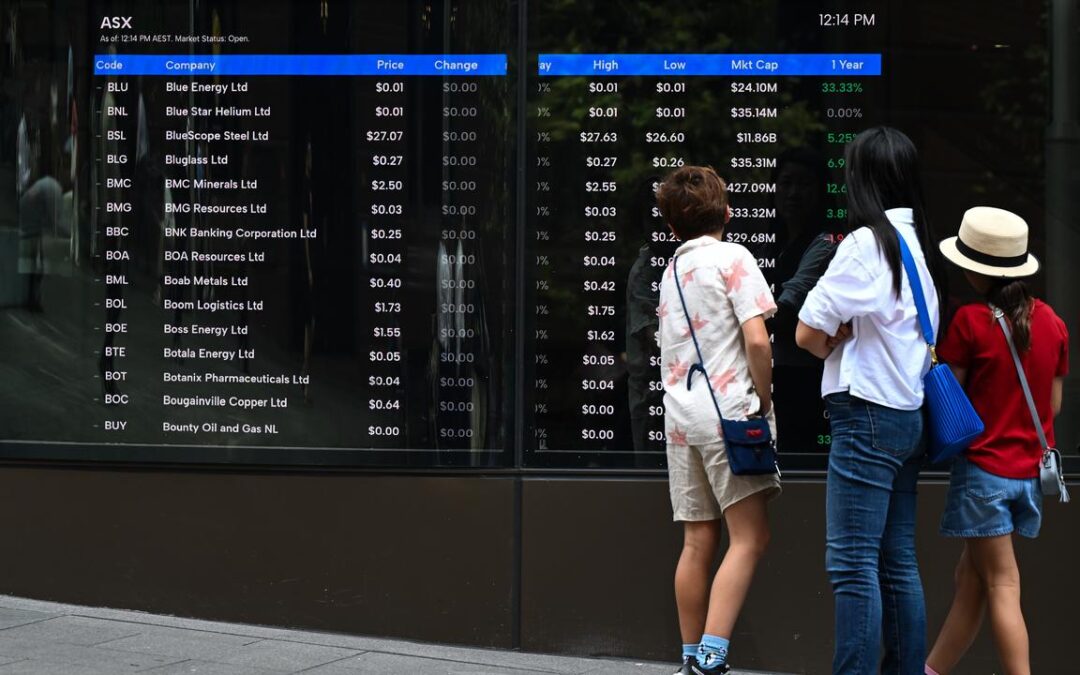
The S&P/ASX200 fell 37.7 points on Tuesday, down 0.43 per cent, to 8,654.3, as the broader All Ordinaries dropped 39.5 points, or 0.44 per cent, to 8,875.
The slump followed a relief rally on Monday following reports the US and Iran were closing in on an agreement to end hostilities and open the Strait of Hormuz.
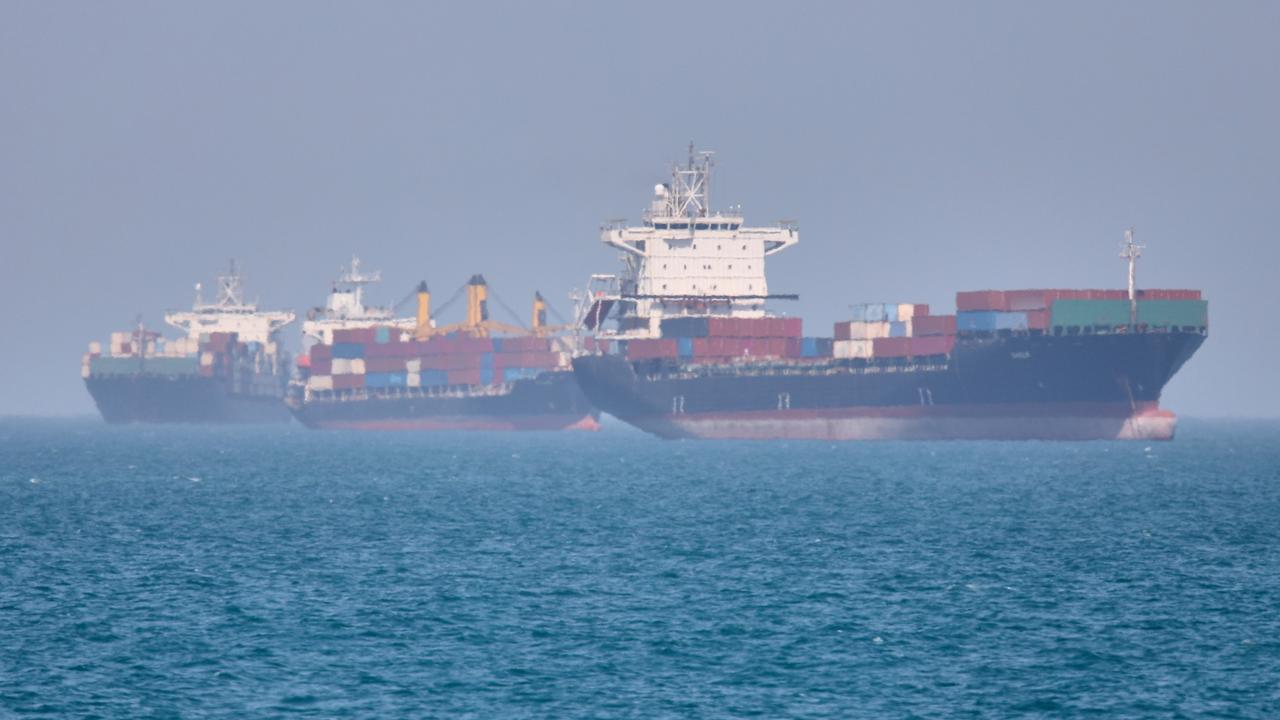
“Nerves are set to be tested by fresh reports of explosions and blasts near Bandar Abbas — the critical gateway to the (Hormuz) strait — and other southern coastal areas, where US fighter jets appear to have targeted IRGC speedboats,” IG market analyst Tony Sycamore said.
“It’s a sharp reminder that the deal could still collapse at the eleventh hour, much like the five previous attempts before it.”
Oil prices have risen about two per cent since the attacks were reported, but Brent crude is still hovering below $US96 a barrel, significantly lower than where it began the weekend above $US105.
Woodside was trading slightly better than flat, while Santos eked a 0.3 per cent improvement to $7.97 as it flagged plans to cut its net debt by $2.5 billion.
Coal producers retreated from Monday’s rally, which came after an explosion at a mine in China raised concerns of a supply shock.
Miners more broadly eased off from a strong start to the week, with basic materials slipping 0.4 per cent as gold dipped almost one per cent to $US4,532 ($A6,345) an ounce on Tuesday morning.
BHP was sluggish, easing 0.4 per cent to $59.89, while Rio Tinto swung a similar magnitude in the other direction.
The heavyweight financials sector lost 0.7 per cent, with NAB leading three of the big four banks lower and ANZ trading just above break-even.
IT stocks, utilities and real estate trusts were under pressure, dipping between one and 1.6 per cent.
Consumer discretionaries and industrials were the only two segments making gains, each up a modest 0.2 per cent.
Interim earnings season continues, with Infratil, ASX and Flight Centre tumbling on their respective updates.
Bourse operator ASX fell sharply, down more than nine per cent after flagging expense growth of up to 16 per cent next financial year, driven by technology modernisation and its response to a regulator inquiry.
Shares in online retailer Kogan charged more than 15 per cent higher after sales and revenue surged more than 18 per cent over the 10 months to April.
Fisher & Paykel Healthcare also rallied, up almost seven per cent after its full-year net profit after tax swelled by almost a quarter on the previous year to $468.5 million.
The Australian dollar is buying 71.64, about steady with Monday afternoon’s 71.66 US cents ahead of Wednesday’s hotly-anticipated April inflation print.