
‘Atrocious incidents’ known to detention centre bosses
A private overseas prison company has been fined for a series of catastrophic security and safety failures at an Australian detention centre, but the government will not reveal details.
The company running Villawood Detention Centre, Secure Journeys, has been criticised for alleged mismanagement since it took over onshore detention facilities in 2025 under a $2.3 billion contract despite concerns about previous incidents at Sydney’s Parklea prison.
Staff of the US-owned company, which operates globally as Management and Training Corporation, were sent to hospital in September after trying to enter a burning Villawood room with no protective equipment.
A detainee had locked themselves in a room and started a fire, Border Force Commissioner Gavan Reynolds told a Senate inquiry on Thursday.
Secure Journey’s US-based president was understood to have been called to Australia for a dressing-down by Home Affairs minister Tony Burke following the incident.
Staff at Villawood had since “undergone training”, Mr Reynolds said.
“We have done a lot of work with Secure Journeys to ensure staff are adequately trained to deal with that situation and have the adequate equipment to do so,” he said.

But NSW Greens senator David Shoebridge said it was clear there was not enough work done to protect detainees and staff.
At least 12 people have escaped, separately, from Villawood while the company has been in control of the detention facility – an average of just under one a month.
Mr Reynolds defended Secure Journey’s management of “atrocious incident(s)”, including sexual assaults, saying 85 per cent of the 3824 immigrants detained in the financial year to March had a criminal history.
“Two-thirds of that number are high or extreme risk detainees. On occasion, there will be incidents between detainees, and they will be dealt with,” he said.
He would not disclose the total penalties issued to Secure Journeys in relation to Villawood incidents, citing “legal and professional” reasons.
Instead, he took questions about the figure on notice, but confirmed he knew the amount Secure Journeys had been fined.
“This is a repeated situation where we have witnesses sitting there who have information and for one reason or another … are refusing to give the information,” Senator Shoebridge said.
NZ shuns ‘sugar hits’ in budget, cuts growth forecast
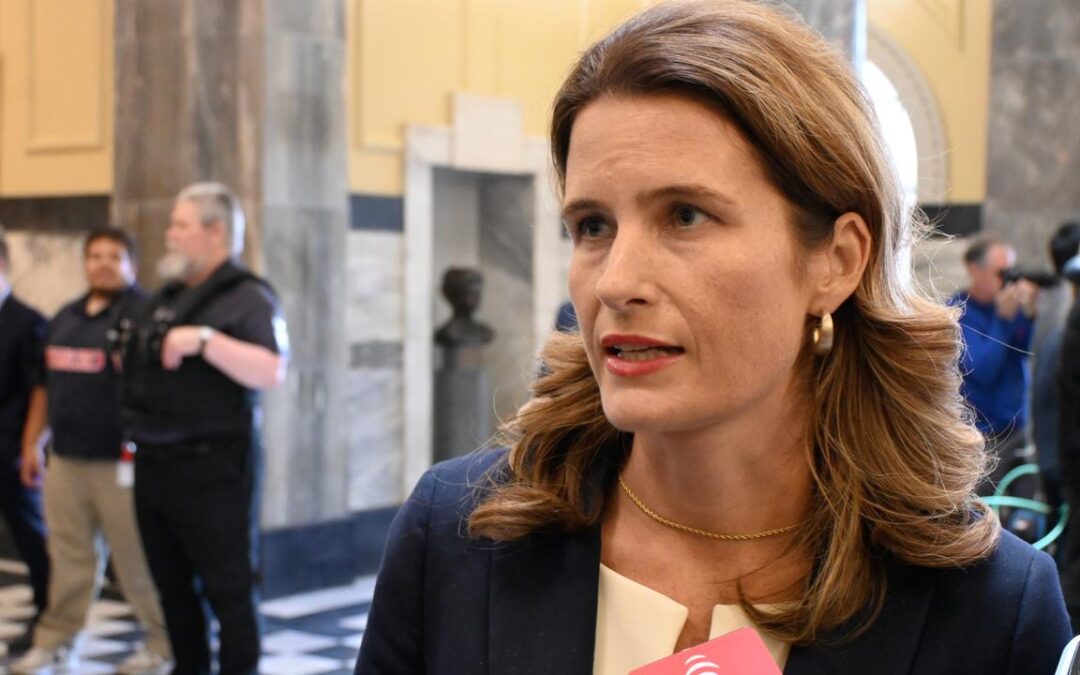
New Zealand has unveiled a budget with few voter incentives ahead of what is shaping up to be a tightly contested election, as policymakers focus on preserving fiscal firepower amid rising risks linked to the Iran conflict.
“This budget takes careful steps to support New Zealanders now while strengthening the economy for the years ahead,” New Zealand Finance Minister Nicola Willis said in a statement as she warned the Middle East war was stoking inflation and slowing recovery in the trade-dependent economy.
Willis vowed to boost capital spending on defence, schools and hospitals while dismissing the need for “sugar hits” as she kept a tight grip on new operating spending, flagging deeper cuts across the public service that could put thousands of jobs on the line.
The government forecast a budget deficit of NZ$15.06 billion ($A12.44 billion) for the fiscal year ending June 30, 2026, narrower than a deficit of NZ$16.93 billion ($A13.99 billion) in its half-year update in December.
Willis said policymakers are focused on getting the books back into surplus and are now forecasting a return to surplus in 2029/30, compared to a small deficit projected previously.
“This is an unexpectedly positive budget, I think, from the perspective of the fiscal outlook,” said Westpac chief economist Kelly Eckhold.
“There’s probably downside risks, I think, to the assumption about just how tax rich the outlook is,” he added, noting that tax income could lag forecasts due to the uncertain geopolitical environment.
S&P Global Ratings warned of pressure on New Zealand’s credit ratings given the economy’s exposure to the Iran conflict.
“Downside risks could see the country’s wealth gap and fiscal deficits widen compared with other advanced, highly rated sovereigns. If sustained, this could exert downward pressure on the sovereign rating,” it said in a statement.
The challenges are stark, with the Iran war boxing policymakers into a corner.
Global shocks have soured the outlook since Treasury’s last forecasts in December, fuel prices have reignited inflation above the central bank’s 1–3 per cent target, and growth is expected to soften, crimping tax revenues.
When the government called the election in January for November 7, it had expected the economy to be on a path of sustained growth, inflation around two per cent and falling unemployment.
However, that has not panned out. Treasury now sees gross domestic product rising 2.3 per cent in the year ending June 30, 2027, well below forecast growth of 3.4 per cent at the December update.
The Reserve Bank of New Zealand held the official cash rate at 2.25 per cent in a tight vote on Wednesday but flagged hikes were imminent to counter the energy shock, forecasting softer economic growth and higher-for-longer unemployment.
The Kiwi dollar slipped 0.2 per cent to $0.5892, while government bond yields came off earlier highs.
Willis said in her budget speech on Thursday that some will push for “band-aids and sugar hits” in an election year, but the government chose a “responsible and durable approach”.
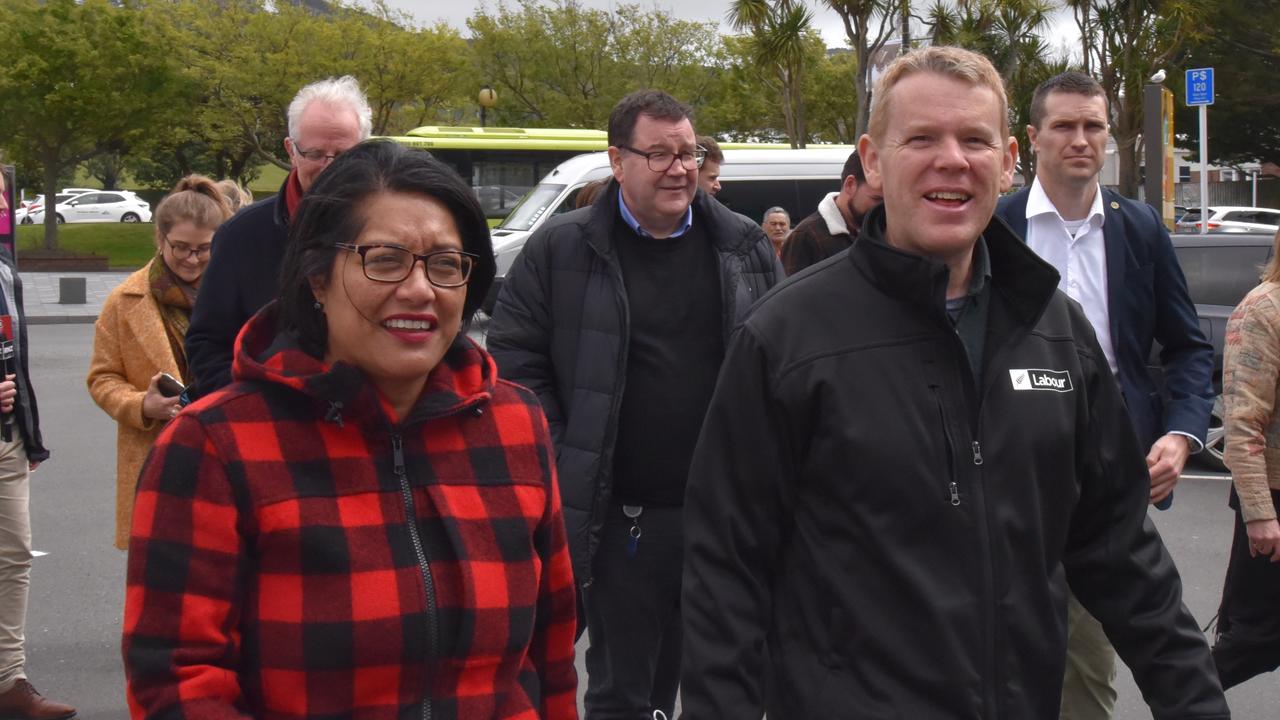
The opposition Labour party slammed the budget as failing those hit by rising costs and unemployment.
“National is holding New Zealand back,” said Barbara Edmonds, Labour’s finance spokesperson.
Treasury now expects inflation to be tracking at 4.0 per cent in the current financial year before slowing to 1.6 per cent next year.
It announced plans to reduce bond issuance by NZ$6 billion ($A5 billion) as it pares back debt.
Many of the new initiatives came from cuts within government departments, while a scheme that paid for the final year of university for students was axed.
The government also announced plans to introduce a prudential levy on banks, non-bank deposit takers, insurers and other financial market participants that will recover about NZ$209 million ($A173 million).

Resilient forgotten generation is coping, not thriving
A third of the so-called ”forgotten generation” fear they’ll retire with mortgage debt, despite being one of the key cohorts to have entered the housing market relatively early in life.
Generation X, which sits between Baby Boomers and Millennials, has earnt the moniker as a smaller and less vocal demographic than the other two.
Now these 46- to 60-year-olds are the subject of a new Australian study into how they feel about their financial future.
”This generation is resilient and capable, but tired, under-recognised and coping rather than thriving,” according to Toby Ellis, head of the community rewards platform Citro, which commissioned the research.
The study of just over 1000 people found that 51 per cent felt they were mostly or completely invisible in the national debate, despite many government leaders themselves being Gen X.
Some 30 per cent expect to retire with a mortgage, 98 per cent say they’re exhausted most of the time, and up to 70 per cent are caring for children and/or parents, which leaves them financially or emotionally stretched.
”Generation X is holding a lot together in Australia right now – families, workplaces and communities – but they’re doing it quietly and often at personal cost,” Mr Ellis said.
According to the most recent federal budget, between 65 and 80 per cent of Gen Xers own or are buying their own home, compared to less than 50 per cent of those aged under 40.
But Gen X has been taking the brunt of an uptick in inflation in the years since the COVID pandemic, just as they head into some of the most expensive or financially vulnerable years of their lives.
“The surge in inflation following the pandemic significantly eroded purchasing power, and it will take many years for that lost ground to be fully recovered,” said Shane Oliver, chief economist at AMP, which is a Citro backer.
“These are peak expense years – when mortgages are largest, children are still financially dependent, and caring responsibilities extend simultaneously to ageing parents and family members.
“The result has been sustained financial compression, not temporary adjustment.”
Pilot and Gen Xer John Pavlov agrees.
“Our salaries and wages might be a bit higher, but our spending power has unquestionably gone backwards,” he told AAP.
“We’re doing the heavy lifting at the moment, it could be argued … but I think each generation has its challenges.”
Given high housing prices, Mr Oliver said people are taking on mortgages later in life, and borrowings tend to be larger.
“So we are now seeing more Australians taking their mortgages into retirement,” he told AAP.
At the same time, many Gen Xers stand to inherit from their Baby Boomer parents, “and I suspect that, for some, that will alleviate the tension around having a mortgage going into retirement”, Mr Oliver said.
According to demographers, Gen Z were born between 1996 and 2011, Millennials between 1981 and 1995, Gen X between 1966 and 1980 and Baby Boomers between 1946 and 1965, the statistics bureau says.
Gen Z make up 18.2 per cent of the population, Millennials and Baby Boomers 21.5 per cent each and Gen X 19.3 per cent, the 2021 census shows.
*The Citro survey was conducted by research group Dynata.
Australia sues firm for billions over forever chemicals
Australia has launched an extraordinary multibillion-dollar lawsuit over widespread contamination of defence sites with “forever chemicals”.
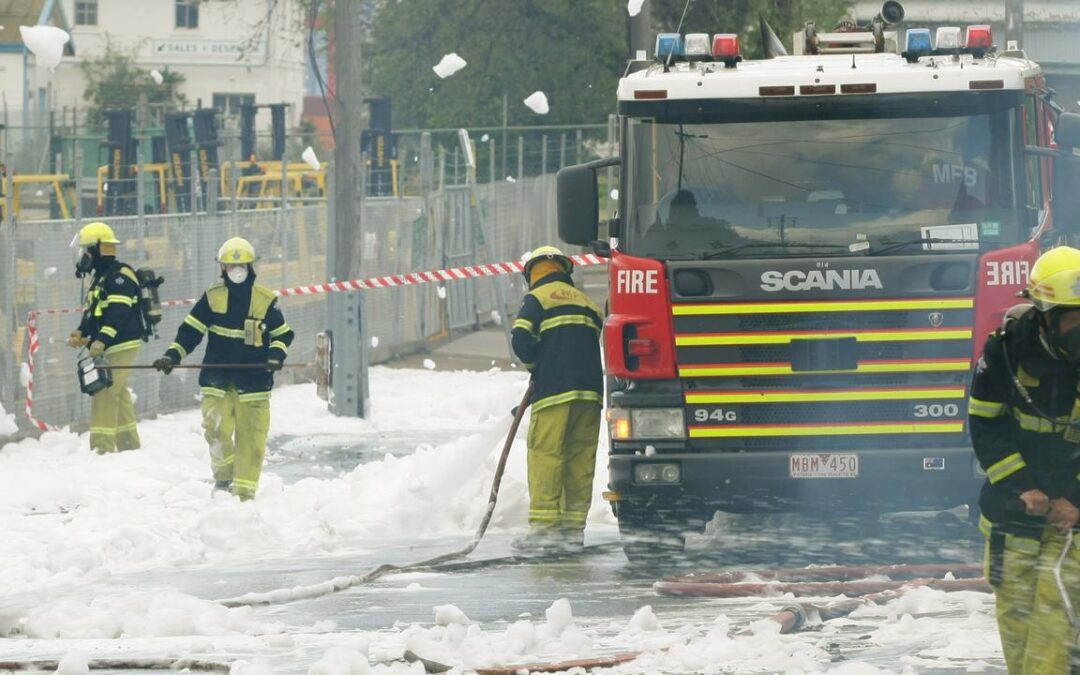
The federal government is suing manufacturer 3M for more than $2 billion to recover costs from per- and poly-fluoroaklyl substances (PFAS) contamination in firefighting foam at 28 defence bases across the country.
The claim, lodged in the Federal Court, alleges 3M withheld a range of information and misrepresented the effects of its aqueous film-forming foam, including environmental risks.
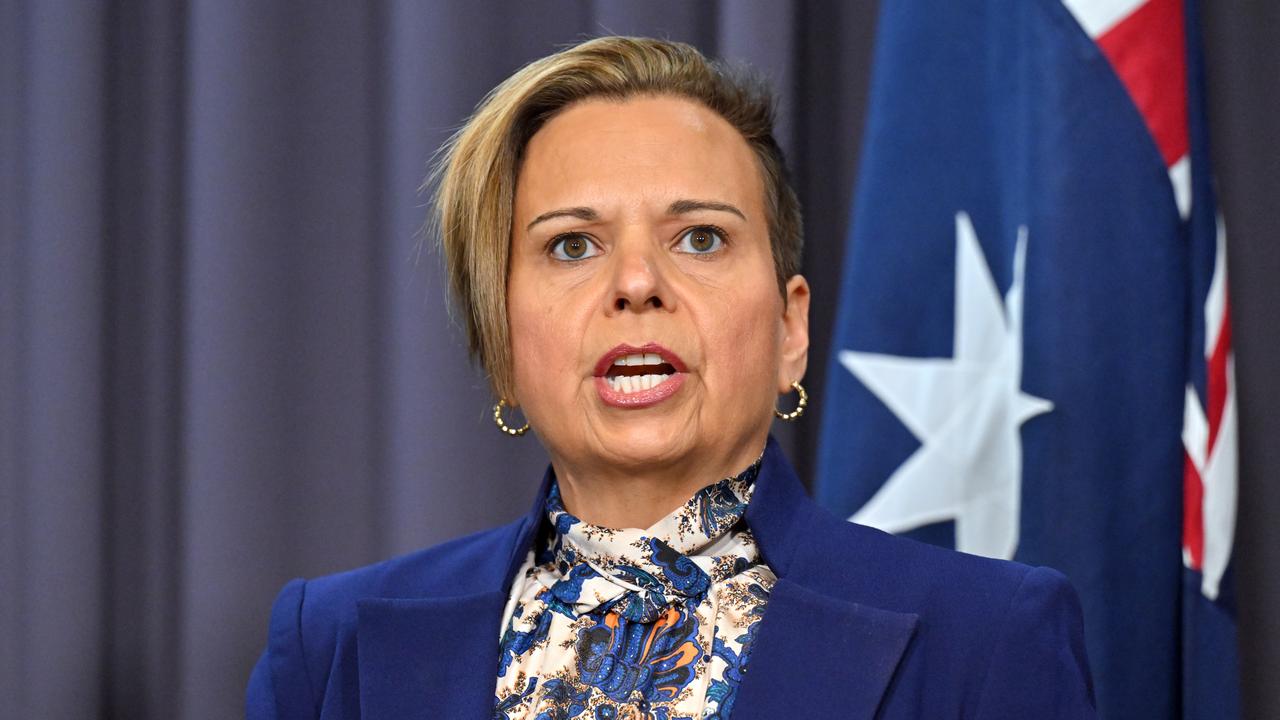
“This is the largest legal claim ever brought by the Commonwealth,” Attorney-General Michelle Rowland told reporters on Thursday.

Recouped money would be used to cover past and future expenses incurred in investigating and managing contamination resulting from the historical storage and use of the foam.
It has already cost Australian taxpayers more than $1 billion to investigate, remediate and mitigate PFAS contamination on defence estates.
“Make no mistake, this legal action against 3M is significant,” Ms Rowland said.
“It is commensurate with a government that’s committed to fighting for Australians and their long-term interests.”
Per- and polyfluoroalkyl substances are a group of 15,000 toxic, synthetic chemicals used for their resistance to heat, stains and grease.
PFAS have been widely used in products including cookware and firefighting foams due to their oil and water repellence and temperature resistance.
While the science around the chemicals is evolving, the federal health department says they are associated with low birth weight in babies and altered levels of hormones.
Specific chemicals such as PFOA and PFOS are linked with an increased risk of testicular and kidney cancer.
In 2018, the Department of Defence warned locals near the Richmond Air Base to reduce their intake of local fish and eggs after PFAS was found in the groundwater nearby.
A Senate inquiry in November recommended legal action against 3M and said any settlement should be used to fund remediation of contaminated sites.
In its submission to the inquiry, 3M said it had been an industry leader assisting PFAS regulation and were experts at removing the chemicals.
AAP has attempted to contact the company for comment.

Returned ‘ISIS bride’ charged with terrorism offences
A woman linked to Islamic State has been charged with terrorism offences on her return to Australia.
Two groups of women, often referred to as “ISIS brides”, and their children returned to Sydney and Melbourne in May after years of detention in Syria’s Al Roj camp.
The camp is for families of killed or detained former Islamic State fighters.
The latest cohort, made up of six women and their children, landed in Australia on Tuesday.

The Australian Federal Police on Thursday said one female returnee had been charged with terrorism offences by officers attached to Operation Kurrajong.
The agency is due to provide more details at a media briefing.
Operation Kurrajong is a joint operation of the AFP, domestic spy agency ASIO, and state and territory police focused on investigating individuals alleged to have travelled to Syria during the reign of the Islamic State caliphate.
“There are consequences for people’s actions, and that is the case, as we have seen, where there are a number of Australian citizens who have been charged with very serious offences,” Attorney-General Michelle Rowland told reporters.
Three women from a previously returned cohort were arrested and charged in mid-May.
One woman from the group of Australian citizens remains in Syria under an exclusion order, which is due to expire in 2028.
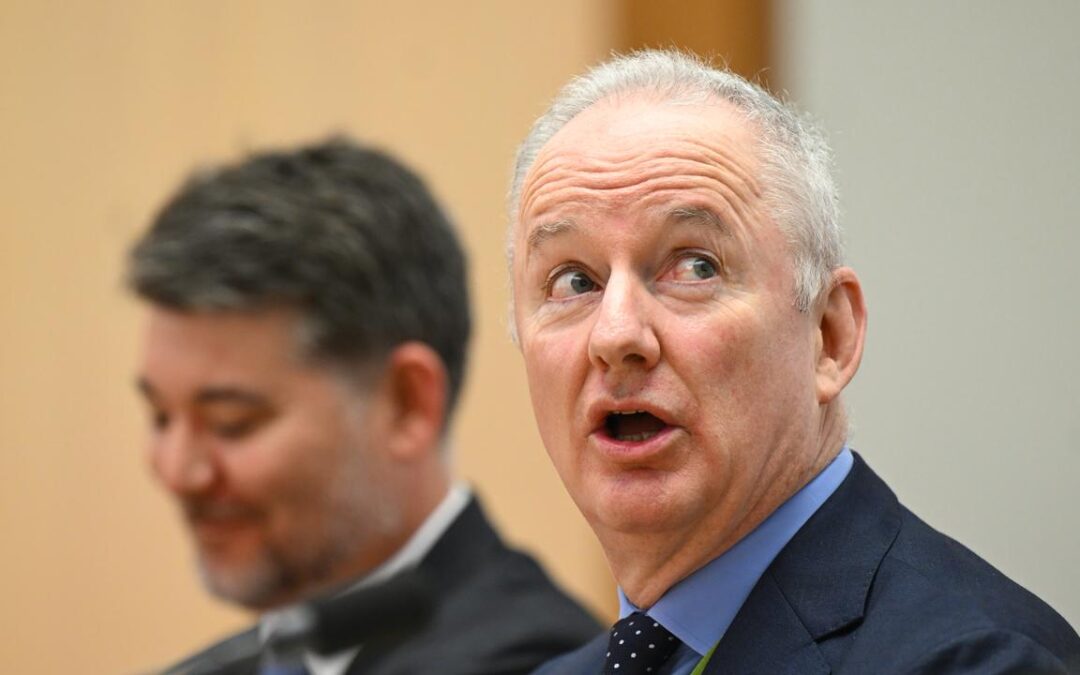
ABC set to announce news director imminently
The ABC has already interviewed for a replacement director of news and will “imminently” move forward a fresh hire after the surprising exit of a key executive this week.
Managing director Hugh Marks addressed Senate estimates on Thursday, a day after Justin Stevens announced his departure from the key post after four years for “reasons both professional and personal”.
Liberal Senator Sarah Henderson, the coalition’s communications spokeswoman, said it “very much looks like he was pushed … and was on the chopping block” for recent controversies.
While not commenting on Mr Stevens’ situation, Mr Marks said the decision allowed the organisation to renew.
“It’s an opportunity, obviously, for the ABC to enter into a new phase of operations, where we look to, you know, refresh and rejuvenate our output … to make sure that we’re future fit,” he said.
Reports have suggested the ABC will look to bring in an outsider, with Mr Marks – a former head of media giant Nine – saying only they had landed “someone of the highest calibre”.
The Guardian has named Simon Robinson, the London-based executive editor at global newswire Reuters, as Mr Stevens’ successor.
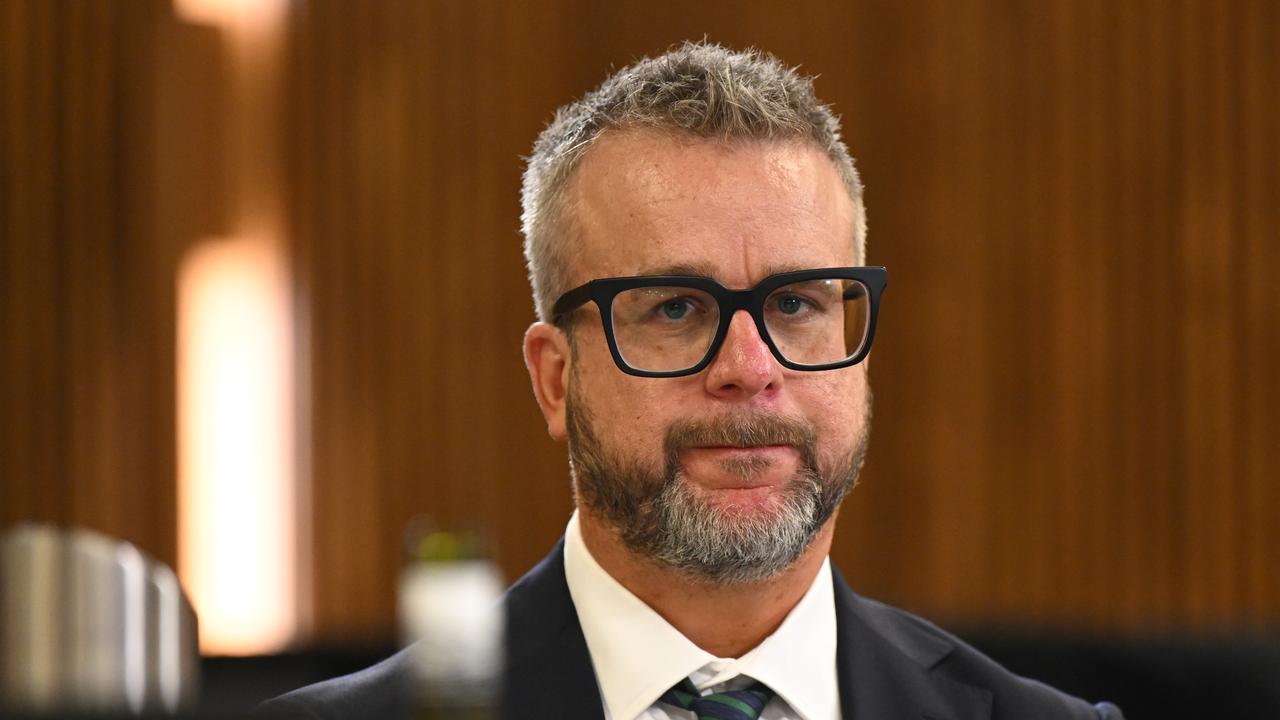
Before senators on Thursday, Mr Marks said he had already interviewed candidates for the position, and he was of the view that a “globally experienced executive is the right thing at this point in time for the ABC”.
“I’ve met a number of people over the years who might be opportunities for that role. I expect an announcement will be made imminently, and we will proceed with a candidate who I think has the potential to lead the organisation’s editorial into a bright future,” he said.
The impartiality of the national broadcaster, consistently seen as one of Australia’s most trusted and beloved organisations, but increasingly under fire from conservative politicians, was also questioned by senators.
Senator Henderson said the description by ABC chair Kim Williams – who was absent from proceedings despite a request for him to appear – of Israeli Prime Minister Benjamin Netanyahu as an “aberrant creature” was appalling.
“What sort of standard is that when you’ve got the chair of the ABC indulging in that sort of personal criticism?” Senator Henderson asked Mr Marks.
Mr Marks said the “less than desired” comments were regretted by Mr Williams, which were his personal view and not that of the ABC.
Mr Williams said the comments were made of Mr Netanyahu’s leadership of Israel compared with past leaders, and should not be considered criticism of Israel.
Mr Marks rejected suggestions of systemic bias.

Labor shrugs off tax-reform outcry with parliament move
Controversial changes to capital gains tax concessions and negative gearing will be introduced to parliament despite warnings they will worsen Australia’s productivity problem.
The proposals to rein in investor tax breaks will be bundled up alongside a $250 a year tax rebate for workers and a $1000 standard tax deduction in a single bill that Treasurer Jim Chalmers will submit to the House of Representatives on Thursday.
The treasurer has said the changes will help level the playing field for many young Australians who have been locked out of the housing market by a system that taxes income earned from labour at a higher rate than income derived from investments.
While the majority of economists and business groups have acknowledged the need for tax reform, and the changes are likely to be passed with the support of the Greens, the government has taken flak in particular for the proposed changes to the capital gains discount.
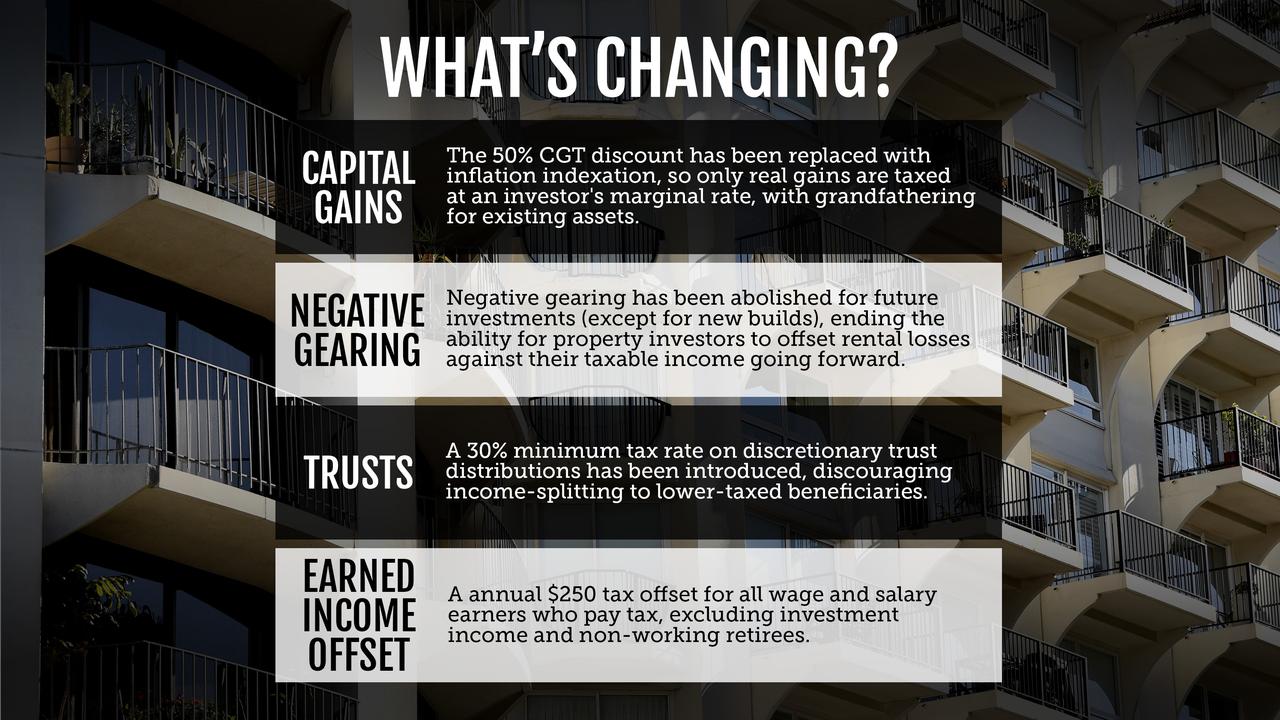
Rather than confining the change to property and leaving the existing 50 per cent discount for gains made on the sale of shares and businesses, Labor has applied its new indexation regime across the board.
The government has acknowledged that creates an issue for startups, which have a low initial capital base, and is consulting on potential amendments with industry groups, including the Australian Chamber of Commerce and Industry.
The chamber’s chief executive Andrew McKellar called on the government to scrap the changes for businesses and keep them confined to housing.
He warned the tax changes will result in less business investment.
“That will be bad for productivity. That will be bad for competitiveness. It will be bad for the future growth of the Australian economy,” he said.
Capital gains exemptions already exist for small businesses with turnover below $2 billion.
But that in effect punishes successful businesses who go from paying basically no capital gains tax to a relatively high tax rate because of rapid growth, said UNSW professor of economics Richard Holden.
“That basically says our tax system is going to identify the most dynamic, highest-productivity growth, highest-employing, most successful small businesses that are becoming big businesses, and tax the hell out of them,” he told AAP.
Shadow Treasurer Tim Wilson accused the government of “knee-capping” small businesses.
“There are existing carve-outs, no one’s disputing that, but unless the treasurer’s ambition is to keep small business small … these exemptions simply don’t meet the needs of all small businesses in this country,” he said.
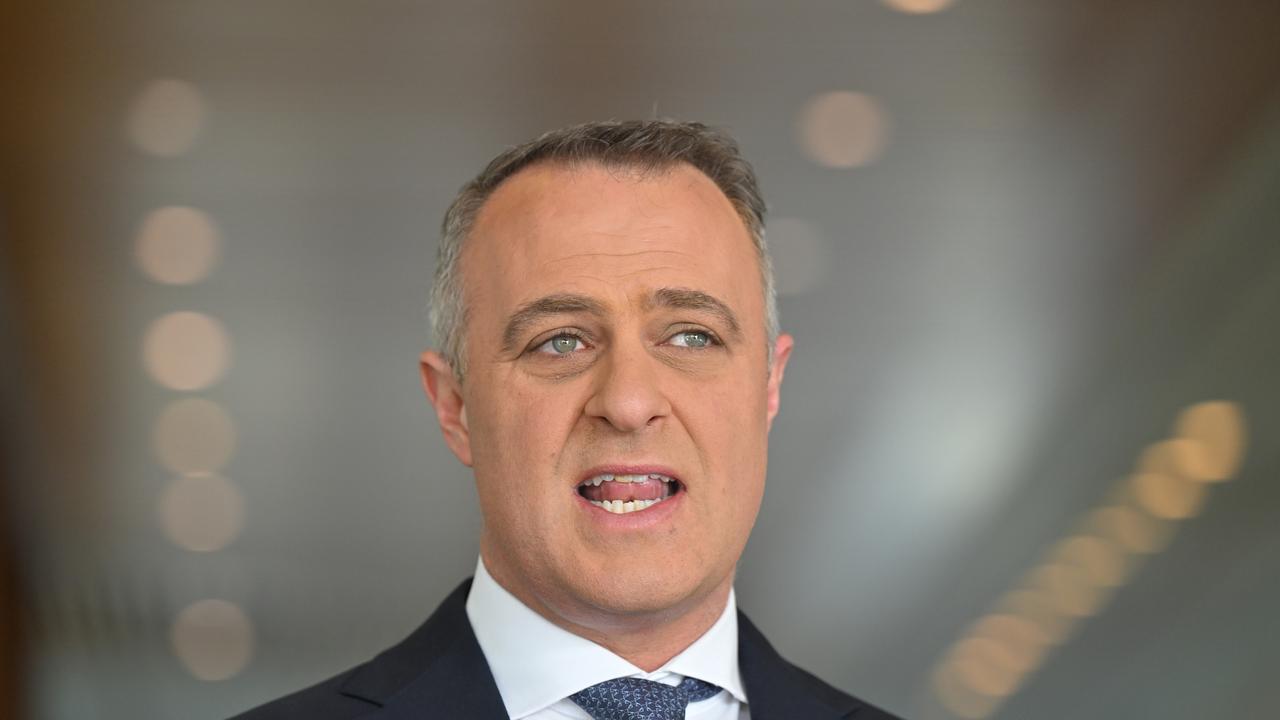
Dr Chalmers said the reason the changes were not ring-fenced to housing was because the government wanted to iron out the distortions out of the tax system.
Asked why the government could not distort the system the other way to encourage investors into shares at the expense of existing housing, he said “a fairer and more neutral treatment of capital gains will fix this issue”.
“Established housing has been overcompensated, and other investments like shares have been undercompensated,” he told reporters on Wednesday.
“Some people will be better off under the new arrangements depending on their circumstances.”

‘Negligent’ ex-Star boss could be hit with $1.3m fine
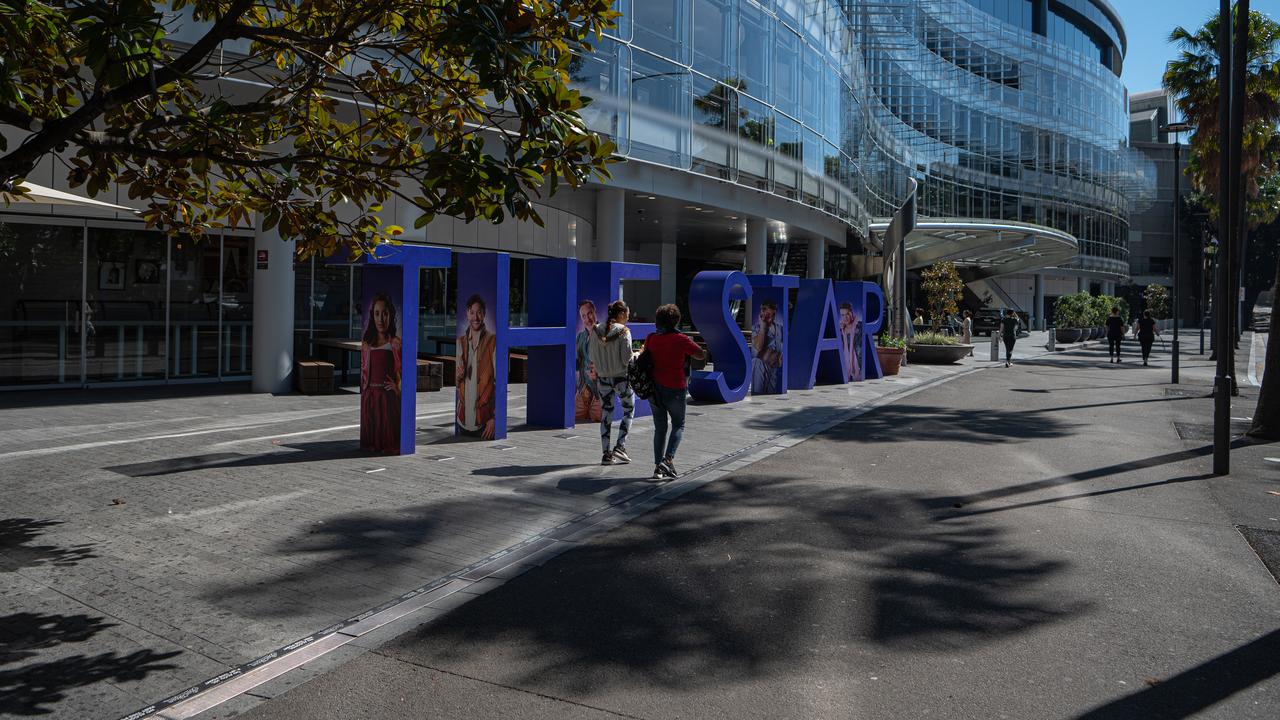
Star’s ex-boss has shown no remorse after failing to disclose possible criminal risks of overseas junkets which drew billions of dollars into the casino, a court has been told.
Former Star chief executive Matthias Bekier failed to inform the board of suspicious conduct committed by Chinese junket operator Suncity in 2018 and 2019, the Federal Court found in March.
That included bundles of cash being delivered to the service desk in blue cooler bags or cardboard boxes and junket staff hiding under blankets to stay out of the view of CCTV cameras.
The Australian Securities and Investments Commission successfully sued Mr Bekier and former Star general counsel Paula Martin for breaches of their duties.
The watchdog on Wednesday sought hefty fines against the pair.
The ex-chief executive should pay $1.3 million for his serious misconduct, barrister David Arnott SC told Justice Michael Lee.
“The label of negligence we say doesn’t give full force to what Your Honour’s actually found,” he said.
While he had not deliberately ignored the ringing alarm bells, Mr Bekier should be banned from being a director for eight years after showing no remorse or insight, Mr Arnott said.
The community needed to be protected from the former chief executive holding another executive position, he argued.
Mr Bekier’s barrister submitted a disqualification period of 18 months was preferable.
The court found the ex-chief executive was merely negligent and did not intentionally seek to cause any harm, Justin Williams SC argued.
He disputed ASIC’s suggestions Mr Bekier’s contraventions caused damage or loss to the company.
Mr Williams said even if his client had acted appropriately, there still would have been a damning report into Star’s failings in 2022, the stripping of its licence and a $100 million penalty from the casino watchdog.

Justice Lee had issues when told Mr Bekier’s lack of contrition was not an aggravating factor because he intended to appeal.
“What do we do? We don’t do pecuniary penalties until after the appeal so people can come along and do performative remorse?” the judge asked.
Mr Williams will discuss what penalty is appropriate as the hearing continues on Thursday.
Junkets and their international VIP players were highly lucrative to Star, bringing in tens of billions of dollars to the business annually.
Suncity was its largest junket partner, drawing $2.1 billion into the casino group in the 2017 financial year.
Star also heard Suncity’s owner Alvin Chau had his visa denied by Australian immigration after bundles of cash were seized in a hotel room and he had alleged links to a Macau triad.
Ms Martin and Mr Bekier also knew the casino misled lender National Australia Bank in 2020 about concerns gamblers were using their China UnionPay cards for gambling, which was prohibited by the foreign card scheme.
The pair did not inform the board of this.
ASIC has urged the court to fine Ms Martin $1.1. million and ban her from acting as a director for seven years.
She has not opposed this disqualification period.
Her barrister will make submissions about penalty and other issues on Thursday.
In February 2025, Star’s former chief casino officer Greg Hawkins settled his case with ASIC, agreeing to pay $180,000 in penalties and an 18-month ban.
At the same time, former chief financial officer Harry Theodore agreed to pay a penalty of $60,000 and was banned from managing corporations for nine months.
The breaches of anti-money laundering laws by allowing potential criminals to use the casino saw Star agree to pay $150 million in penalties to ASIC in February 2023.
Electric-ready homes could stop default swaps to gas
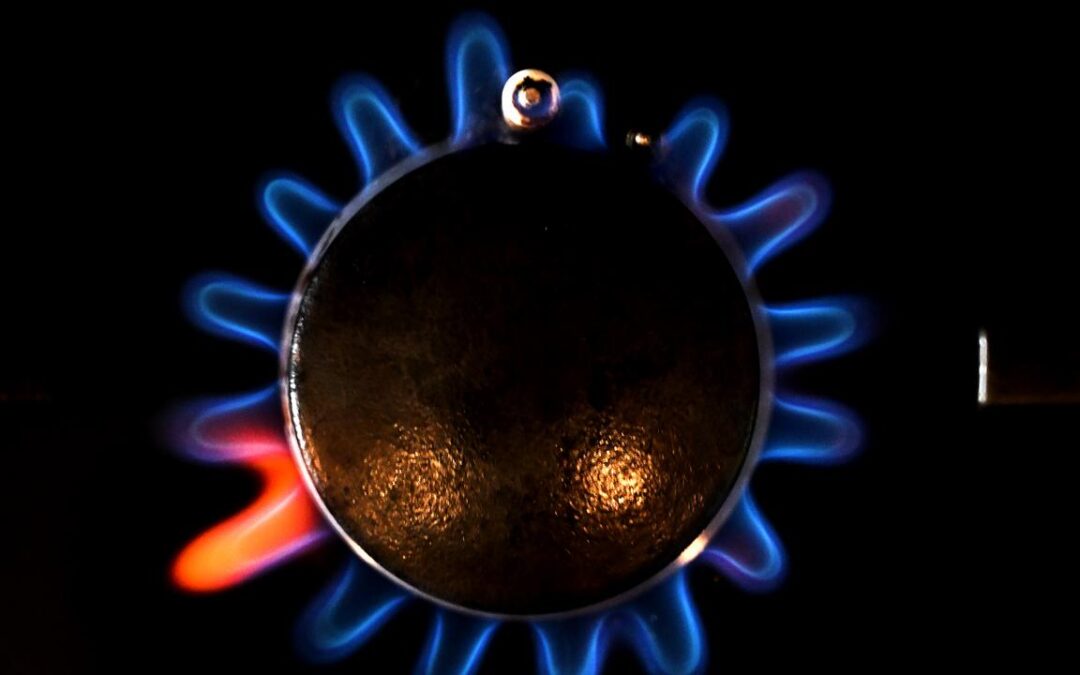
More should be done to prepare households to upgrade to electric appliances and stop defaults to like-for-like gas replacements when these systems conk out, according to an energy researcher.
Michael Liebreich, founder of Bloomberg New Energy Finance, says homeowners are rarely in the headspace to deal with extra complications when grappling with frigid homes and cold showers as their gas boilers fail.
While the breakdown of a gas hot-water system or an internal combustion engine vehicle is economically the opportune moment to switch to an electric alternative, reality often gets in the way.
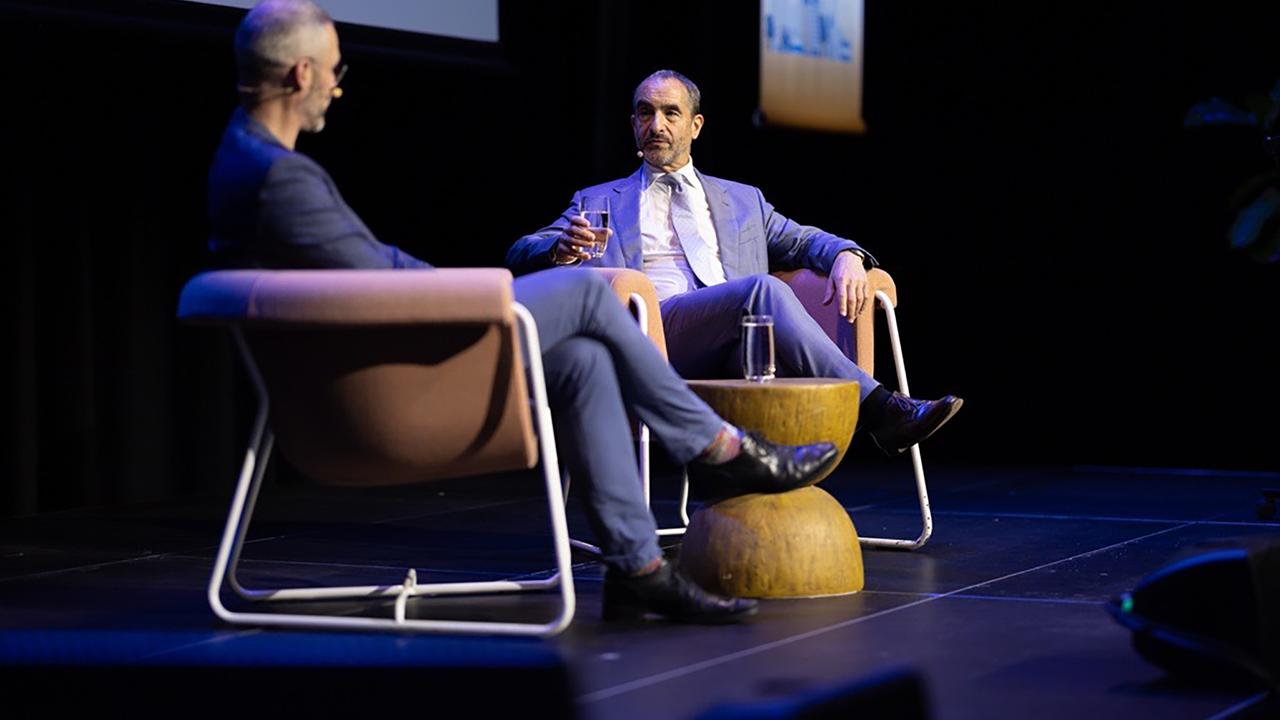
“You call up the plumber and say ‘I’m thinking about getting a heat pump’, and they say ‘I’ll have to come around and do a heat-loss measurement’,” Mr Liebreich told the Energy Efficiency Council’s national conference on Wednesday.
“But I’m cold and the kids haven’t had a shower, and so on, forget it, we’ll just put another boiler in.”
In the United Kingdom, where the EcoPragma Capital managing partner is based, he has been advocating for policy interventions, potentially even small incentive payments, to encourage households to get “heat pump ready”.
“They know what heat pump they’re going to buy, they know which supplier they’re going to use, they have a plan,” he offered.
“They pull the plan out of the drawer and they execute it.”
Electrifying appliances, cars and machinery and running them off renewables is central to emissions-reduction goals worldwide.
The latest oil shock caused by conflict in the Middle East is viewed by Mr Liebreich as an opportunity to reduce reliance on fossil fuels and further action on clean energy, electrification and climate resilience.
Policymakers should be focused on lowering barriers for energy upgrades that are commercially competitive as per his “electrification staircase”.
For aviation and other industries where tech is in its infancy and still expensive, policy intervention should be limited to grants, trials and research.
“The worst thing you can do is try to roll something out prematurely because you’re imposing costs on people and businesses that have no tolerance for costs,” he said.
“I’m not saying walk away from them, I’m just saying understand what is commercial and treat it appropriately in the policy environment.”

Cheesed off: Aussie dairy at centre of trade quandary
Are Australian cheesemakers copping stiff cheddar under trade terms with the European Union, or is it actually a gouda deal?
Cheese became the unexpected focus of a 20-minute debate in Senate estimates on Wednesday, as agriculture officials made like a block of Swiss and poked holes in criticism of trade negotiations.
After nearly a decade of negotiations, Australia and the EU reached an agreement in March, with both sides slashing tariffs and expanding trade.

Domestic dairy producers retained the rights to describe their wares as parmesan under the deal, but other cheese names such as feta, romano and gruyere will eventually be phased out.
It was one win in the negotiations, the department’s trade and regulation deputy secretary Tina Hutchison told the hearing.
“That was an important issue raised by the dairy industry over the course of the discussions,” Ms Hutchison said.
But Nationals leader Senator Matt Canavan said the sector was concerned about the removal of a tariff on European cheese and expanding access to heavily subsidised imports.

Australian Bureau of Agricultural and Resource Economics and Sciences boss Jared Greenville suggested producers shouldn’t be too cheesed off.
Subsidies for European dairy farmers were actually quite low, equivalent to $1.70 for every $100 in income, Dr Greenville said.
The trade agreement was also one instrument to improve transparency on market distortion, which can influence prices, he said.
“Australia’s got a long-term position where we’re trying to address trade and production distorting policies across the world to enable a freer market that helps more broadly, not just our own producers.”
Red meat quotas dominated agricultural trade discussions, with industry slamming market access for an additional 30,600 tonnes of beef and 25,000 tonnes of sheep meat as a “bewildering” let down.
Global agricultural trade assistant secretary David Garner said negotiations with the EU were always tough and agriculture was particularly sensitive.
The composition of the quotas meant more fresh meat would enter the European market than frozen goods, Mr Garner said.
“(That) was a good outcome for the industry, given that fresh and chilled beef is of more value than frozen,” he said.
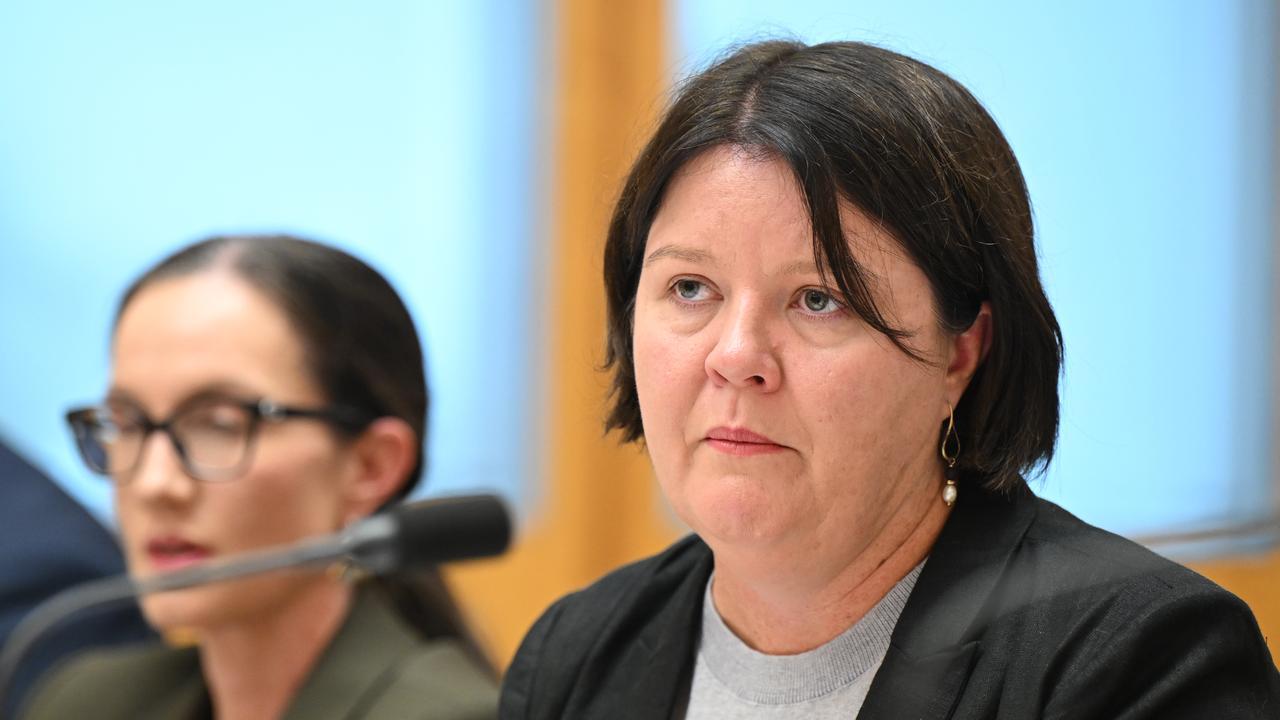
After Senator Canavan questioned market access percentages across the entire trade deal, agriculture secretary Victoria Anderson referred him to the department of foreign affairs.
“Our goal is always to get the best outcome for agriculture, but as you know there’s whole-of-economy agreements,” Ms Anderson said.