
‘Zero votes’: premier’s bold $50 million strategy
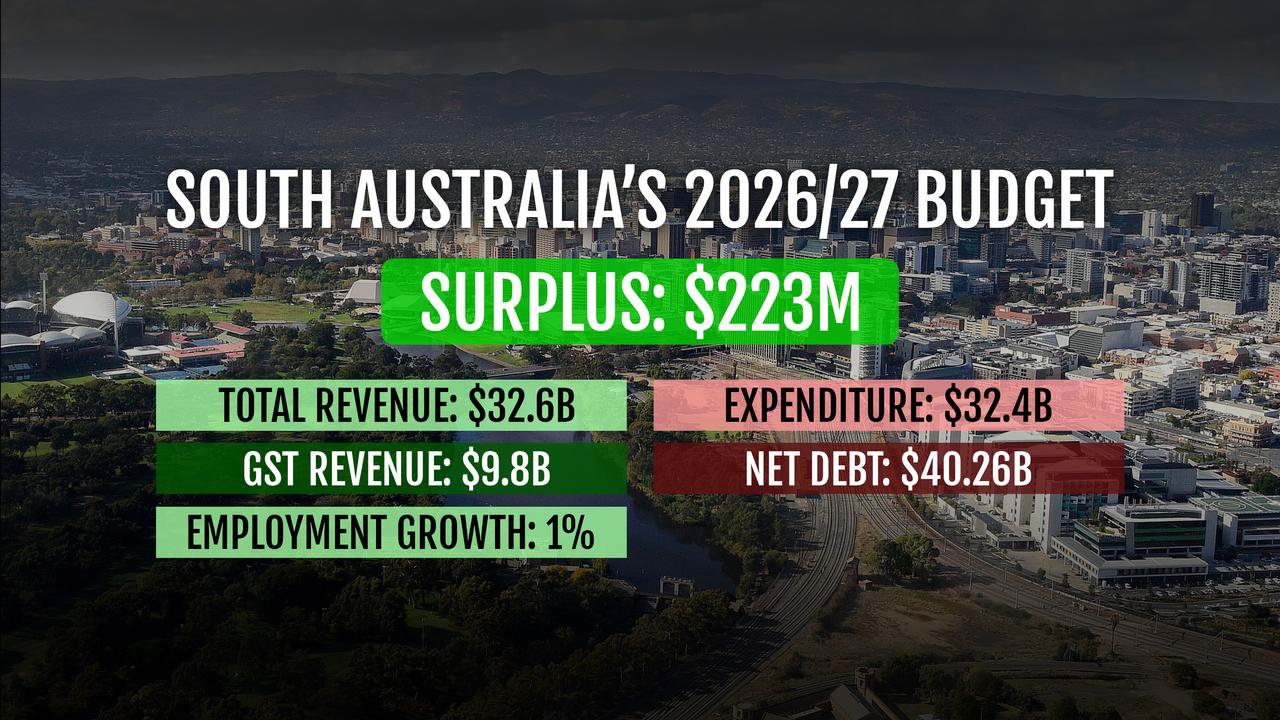
A major national economic gap has been addressed in a state budget, and its premier is the first to admit the $50 million investment “has zero votes in it”.
South Australian Premier Peter Malinauskas said the Research and Development Productivity Fund announced in Thursday’s state budget would help address a serious problem that confronted the entire nation.
“This country has got a major productivity challenge … we are a high-wage nation with very, very low levels of economic complexity,” he said.
“We are great at growing things, and we are great at taking things out of the ground and generating wealth for the country … but beyond that, we’ve got a problem.
“The way to improve economic complexity is to actually have some sovereign capability around research and development.”
The fund was the government’s response to a report by the SA Productivity Commission, which was tasked with finding ways to advance productivity within the state’s private sector.
The government would consult broadly with business on the fund’s design, with a view to introducing legislation into the parliament before the end of 2026.
It would support targeted, high-impact research programs aligned with the state’s strategic priorities strength.
“The reason why we’re legislating it is we’re going to protect it … so that it’s there for the long term,” Mr Malinauskas said.
“This thing will only yield a dividend for the future of our state and its economy if it’s allowed to work over the long term.”
The funding is allocated across four years, eventually rising to indexed annual funding of $50 million.
The Productivity Commission estimated that every $1 spent on the initiative across the next decade would generate economic output of $3.70.
While Australia was in the top five for wages, it ranked 105th in the world for economic complexity, between Botswana and the Ivory Coast, the premier said.
And Australia spent only 1.86 per cent of its GDP on research and development, which was one of the lowest percentages in the OECD.
The SA government wanted to show it was serious about setting up the economy in a way that is sustainable and long term, the premier said.
“Because if we don’t do this right, we’re all going to regret it,” Mr Malinauskas said.
He acknowledged the announcement “has zero votes in it”.
“And when I say zero votes, tragically, I’m being literal,” he said.
“It’s not guaranteed (to be) a success, but it’s worth a crack.”

‘No way’ for Australia to talk way out of fresh tariffs
Australia will likely be lumped with higher tariffs by the US, as analysts warn the nation doesn’t stand a good chance of negotiating an exemption.
The US has proposed a 12.5 per cent tariff on Australian goods as part of plans for new levies on 60 countries, drawing condemnation from the nation’s political leaders.
The White House says the taxes are in response to inadequate anti-slavery laws, but the move is widely considered to be a work-around after the Supreme Court struck down Donald Trump’s original “Liberation Day” tariffs.
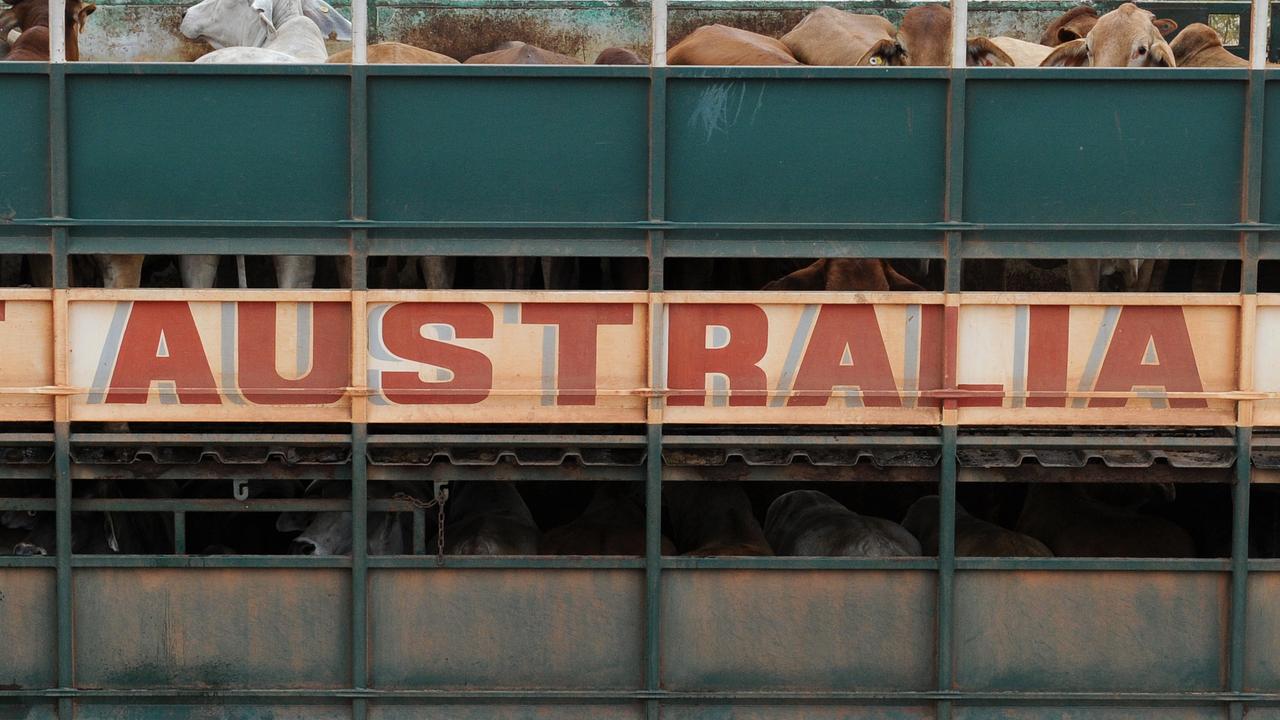
But Australian beef and gold will maintain their exemptions from the American levies.
While Australian diplomats would voice their concerns over the new measures, it would unlikely result in a carve-out, United States Studies Centre director of economic security Hayley Channer said.
“The tariffs will most likely apply to us, given so many countries in the group include close US allies such as Japan who have not been made exempt,” she told AAP.
“There’s no real way to negotiate our way out of this.”
Ms Channer said the move signalled to the world Washington remains entrenched in its trade war against China.
“Some of the countries targeted by the new tariffs have the toughest anti-slavery laws in the world,” she said.
“It’s another avenue to steer away countries from Chinese goods.”
Under the changes, two tiers of tariffs would be imposed.
A 12.5 per cent tariff would be applied to 54 nations, including Australia, that the US believes have poor anti-slavery laws.
The remaining six countries would face a 10 per cent levy over what Washington deems is a lack of enforcement.
The changes are expected to come into force late July when the current baseline 10 per cent tariff expires.
Trade Minister Don Farrell spoke with his US counterpart Jamieson Greer on the sidelines of the OECD ministerial meeting in Paris to make Australia’s case.
A spokesperson for Senator Farrell said the nation had “robust, comprehensive and world leading” laws against forced labour and modern slavery.
“Australia maintains our position that any tariffs on Australian exports to the United States are unjustified and inconsistent with our free trade agreement,” the spokesperson said.
“We continue to use every opportunity to advocate that US tariffs imposed on Australia are unwarranted.”
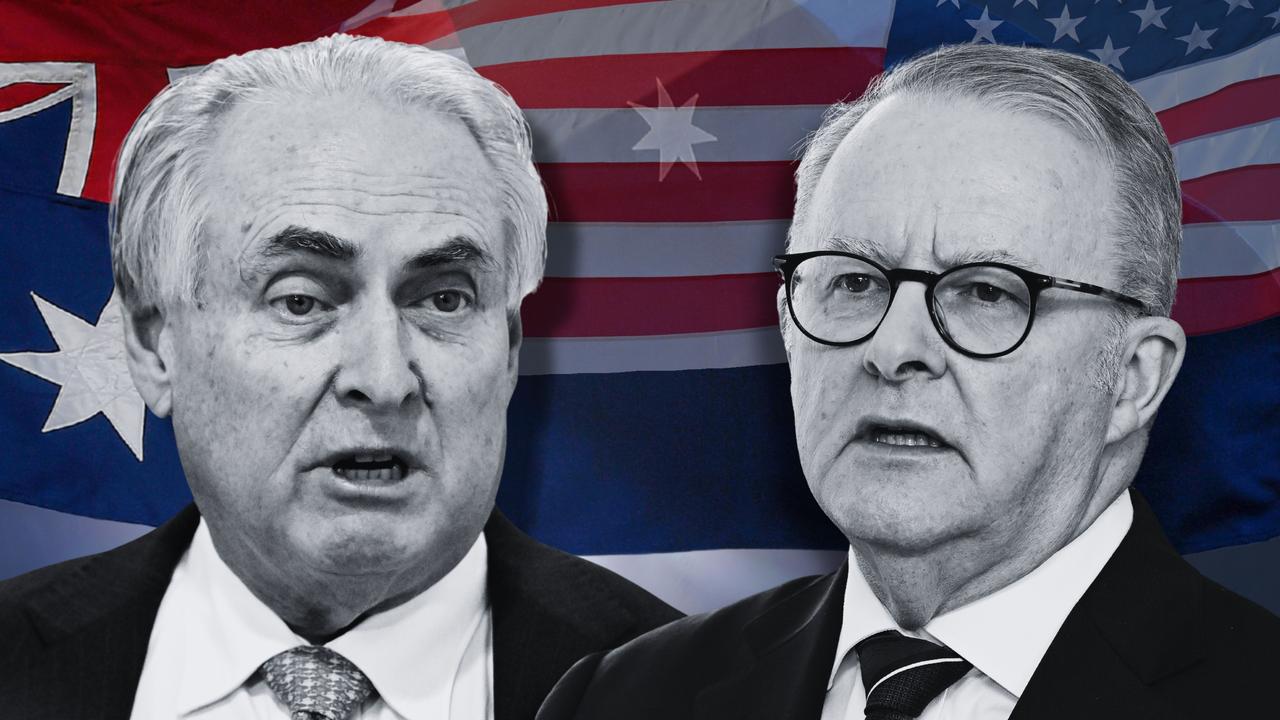
The tariffs would only push up prices for US consumers, Prime Minister Anthony Albanese said.
“There is an ideological disagreement where the United States administration has broken with what was a decades-long understanding that tariffs are not positive for the country that is imposing them,” he told ABC Radio.
Coalition leader Angus Taylor also blasted the latest trade salvo from the US.
“There shouldn’t be tariffs like this imposed on Australia, and the United States shouldn’t do it … we fought with them in every war, every major war, they shouldn’t be imposing tariffs on us,” he said.

‘No way’ for Australia to talk way out of fresh tariffs
Australia will likely be lumped with higher tariffs by the US, as analysts warn the nation doesn’t stand a good chance of negotiating an exemption.
The US has proposed a 12.5 per cent tariff on Australian goods as part of plans for new levies on 60 countries, drawing condemnation from the nation’s political leaders.
The White House says the taxes are in response to inadequate anti-slavery laws, but the move is widely considered to be a work-around after the Supreme Court struck down Donald Trump’s original “Liberation Day” tariffs.
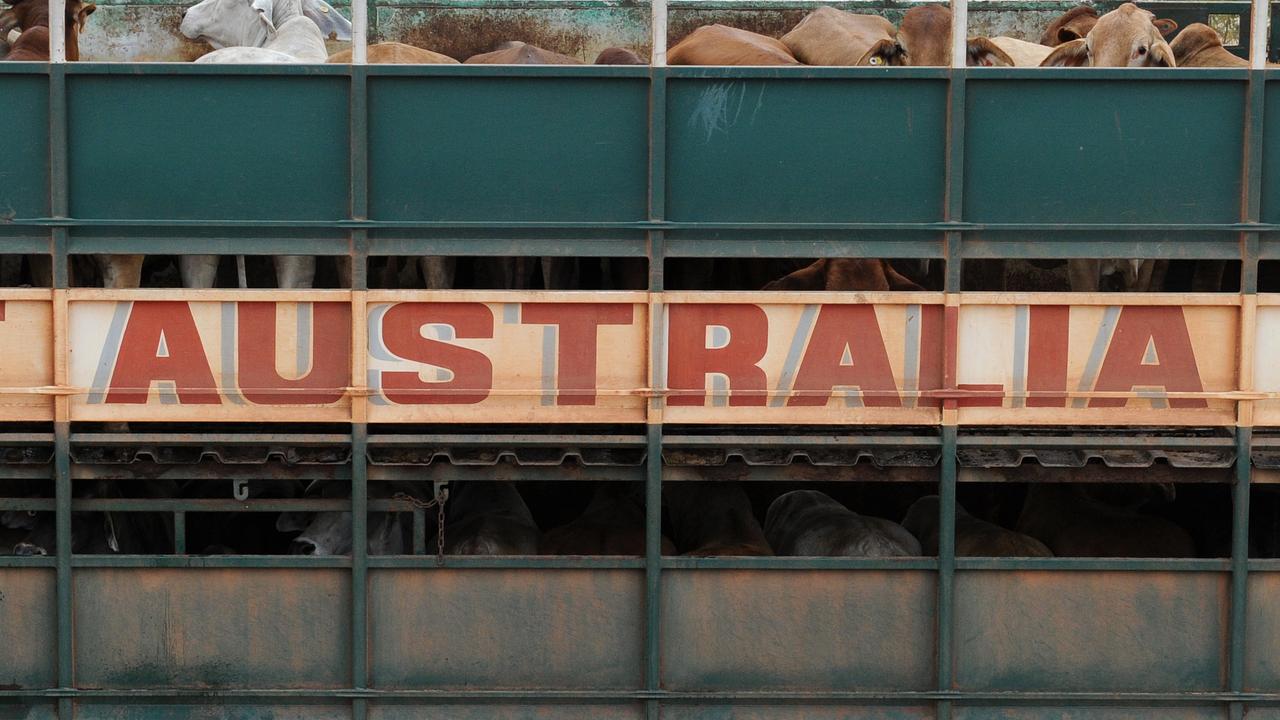
But Australian beef and gold will maintain their exemptions from the American levies.
While Australian diplomats would voice their concerns over the new measures, it would unlikely result in a carve-out, United States Studies Centre director of economic security Hayley Channer said.
“The tariffs will most likely apply to us, given so many countries in the group include close US allies such as Japan who have not been made exempt,” she told AAP.
“There’s no real way to negotiate our way out of this.”
Ms Channer said the move signalled to the world Washington remains entrenched in its trade war against China.
“Some of the countries targeted by the new tariffs have the toughest anti-slavery laws in the world,” she said.
“It’s another avenue to steer away countries from Chinese goods.”
Under the changes, two tiers of tariffs would be imposed.
A 12.5 per cent tariff would be applied to 54 nations, including Australia, that the US believes have poor anti-slavery laws.
The remaining six countries would face a 10 per cent levy over what Washington deems is a lack of enforcement.
The changes are expected to come into force late July when the current baseline 10 per cent tariff expires.
Trade Minister Don Farrell spoke with his US counterpart Jamieson Greer on the sidelines of the OECD ministerial meeting in Paris to make Australia’s case.
A spokesperson for Senator Farrell said the nation had “robust, comprehensive and world leading” laws against forced labour and modern slavery.
“Australia maintains our position that any tariffs on Australian exports to the United States are unjustified and inconsistent with our free trade agreement,” the spokesperson said.
“We continue to use every opportunity to advocate that US tariffs imposed on Australia are unwarranted.”
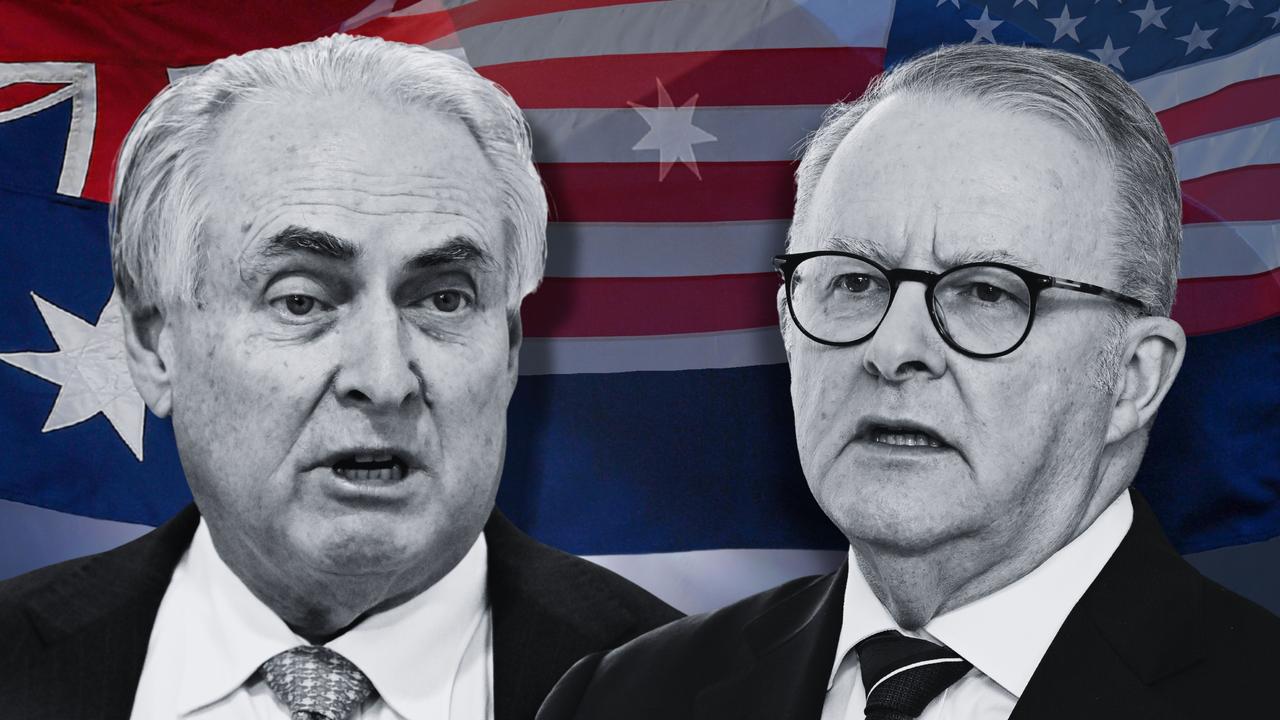
The tariffs would only push up prices for US consumers, Prime Minister Anthony Albanese said.
“There is an ideological disagreement where the United States administration has broken with what was a decades-long understanding that tariffs are not positive for the country that is imposing them,” he told ABC Radio.
Coalition leader Angus Taylor also blasted the latest trade salvo from the US.
“There shouldn’t be tariffs like this imposed on Australia, and the United States shouldn’t do it … we fought with them in every war, every major war, they shouldn’t be imposing tariffs on us,” he said.
UK bans financier Greensill from being company director
Britain will ban Australian financier Lex Greensill, founder of supply chain financing firm Greensill Capital, which collapsed with huge losses in 2021, from acting as a company director for nine years.
The company collapsed after one of its main insurers declined to renew its cover.
Its UK arm had liabilities of more than Stg1.6 billion ($A3 billion), causing heavy losses for investors and prompting lawsuits and regulatory probes.
“A nine-year ban is a significant period – above the average for director disqualifications – and reflects the serious nature of Lex Greensill’s conduct,” Insolvency Service chief executive Duncan Beach said in a statement on Thursday.
Greensill’s conduct breached his legal duty under British rules to exercise reasonable care, skill and diligence as a company director, the agency’s statement said.
Greensill signed a disqualification undertaking, a legally binding agreement where directors do not dispute certain facts to end court action, it said.
A six-week trial had been due to begin on June 8 but will no longer go ahead.
His ban, which comes into effect on June 23, prevents him acting as a director or being involved in the promotion, formation or management of a company, without the permission of the court.
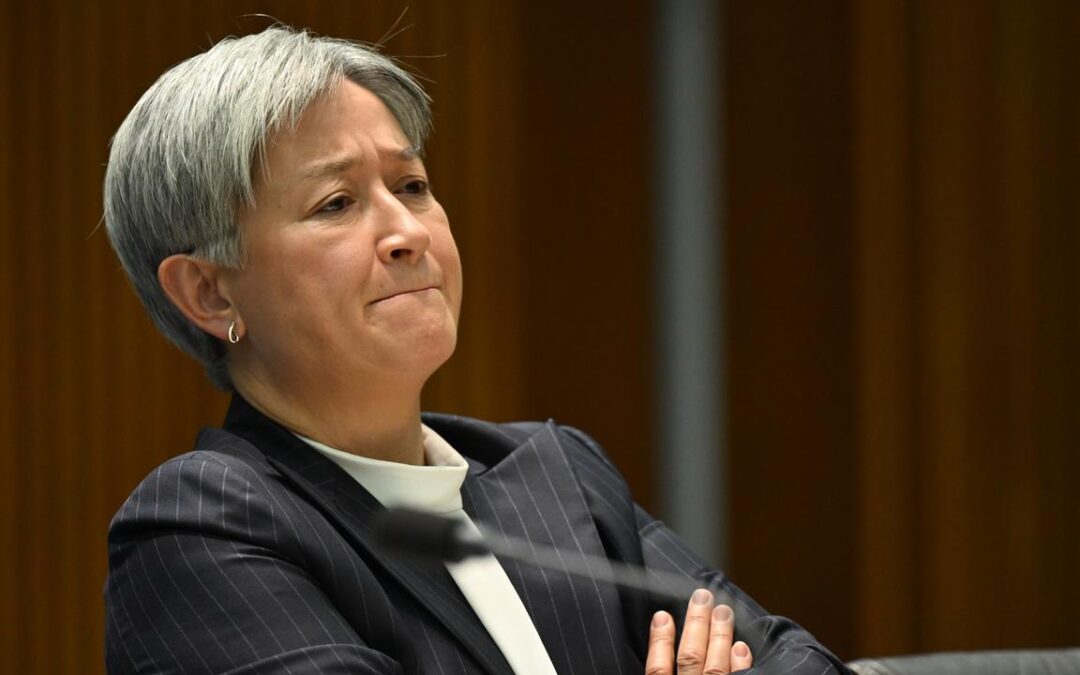
Foreign minister sees red over Greens’ Gaza questioning
Australia’s government is pessimistic on the prospects of a proper probe into the alleged abuse suffered by participants of a controversial aid mission to Gaza.
The frank assessment was given by Foreign Minister Penny Wong on a combustible day in the hot seat in Senate estimates on Thursday.
Questioning between senators devolved into a shouting match at different points, requiring the chair to twice shut down the session to take scheduled breaks.
Watching on were three women who joined global efforts to deliver medical support and aid by sea to the annexed territory.
Those aboard allege violence and sexual abuse at the hands of Israel’s defence force, which intercepted their fleet and detained them before their eventual release.
Juliet Lamont, who alleges she was raped by an Israeli solder, wanted Senator Wong to speak about the experiences of the flotilla activists publicly.
“Something as barbaric as this needs to be talked about at every single moment and ordinary Australians need to know what happened,” she said.
Last year, the UN verified 31 cases of sexual violence by Israeli forces against Palestinians in recent hostilities, placing the country on a blacklist of countries that commit sexual violence in war zones.
“It should shock no one that we were assaulted,” another participant, Gemma O’Toole, said.
“For the rest of my life, I will have to live with the trauma in my body that reminds me what it was like to be tortured there.”

The group sought a meeting with Senator Wong, who they said gave an undertaking to meet privately.
Earlier, the foreign minister chastised Greens Senator David Shoebridge for asking during estimates whether he would meet the activists.
“I don’t respond to requests that are made in a political forum like this from a political party like yours,” she said.
Senator Wong described their alleged mistreatment as horrific and unacceptable.
Pressed by Senator David Pocock on whether she had advocated for an independent probe, the foreign minister said talks with her Israeli counterpart did not make her optimistic.
“We would want the most thorough investigation possible but we’re not the ones who are able to determine what that investigation is,” she said.
Greens Senator Mehreen Faruqi then asked the minister if she believed the allegations, which Senator Wong said she did.
Still, Senator Faruqi wasn’t satisifed, interjecting that she had “done nothing to support these women” and was allowing “the criminals to investigate their own crimes” .
The hearing was then shut down for lunch after the chair was unable to control proceedings.
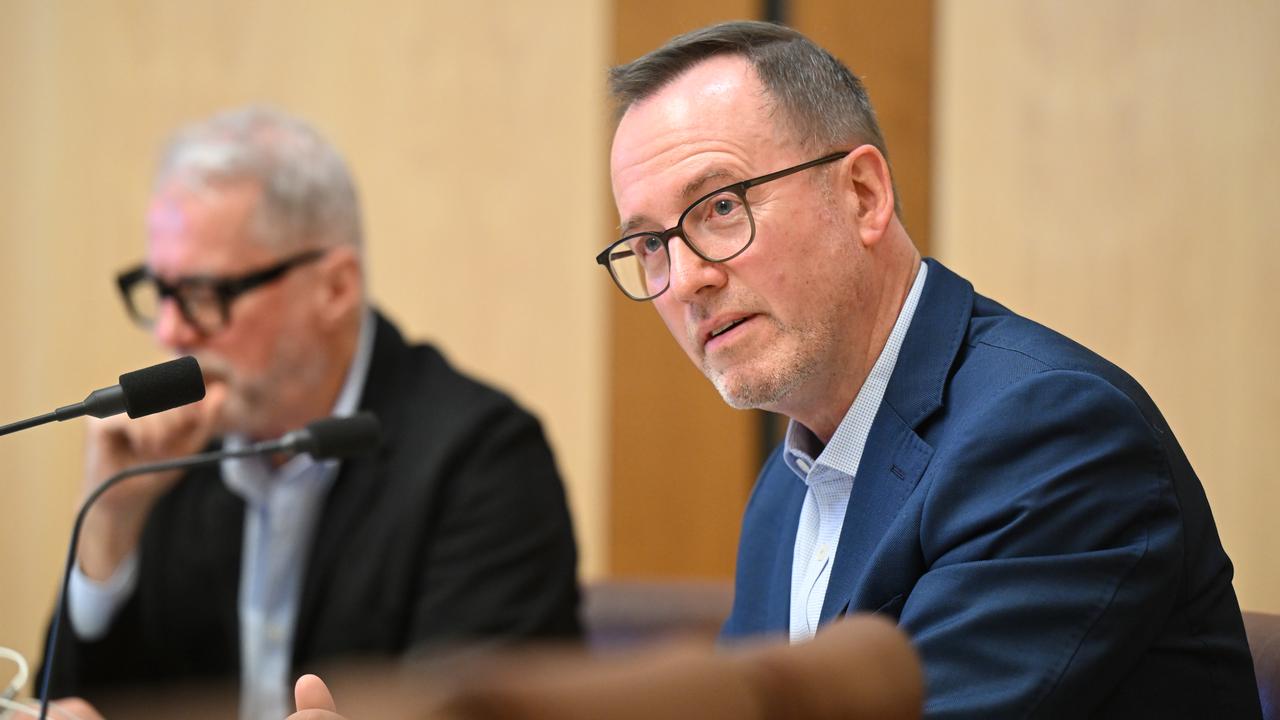
Earlier, Senator Shoebridge sought answers on whether the foreign affairs department was failing to lodge paperwork to allow Australians to leave Gaza.
Senator Wong was aghast, accusing Senator Shoebridge of living in a “pretend universe” and “performing for social media”.
Officials revealed 415 Australian citizens, permanent residents or their immediate family had been supported to leave the war-ravaged region.
That involved a labyrinthine process including multiple Australian agencies, Israel and its occupying agency COGAT, and Jordan.
Australia to host Asia-Pacific’s biggest data centre
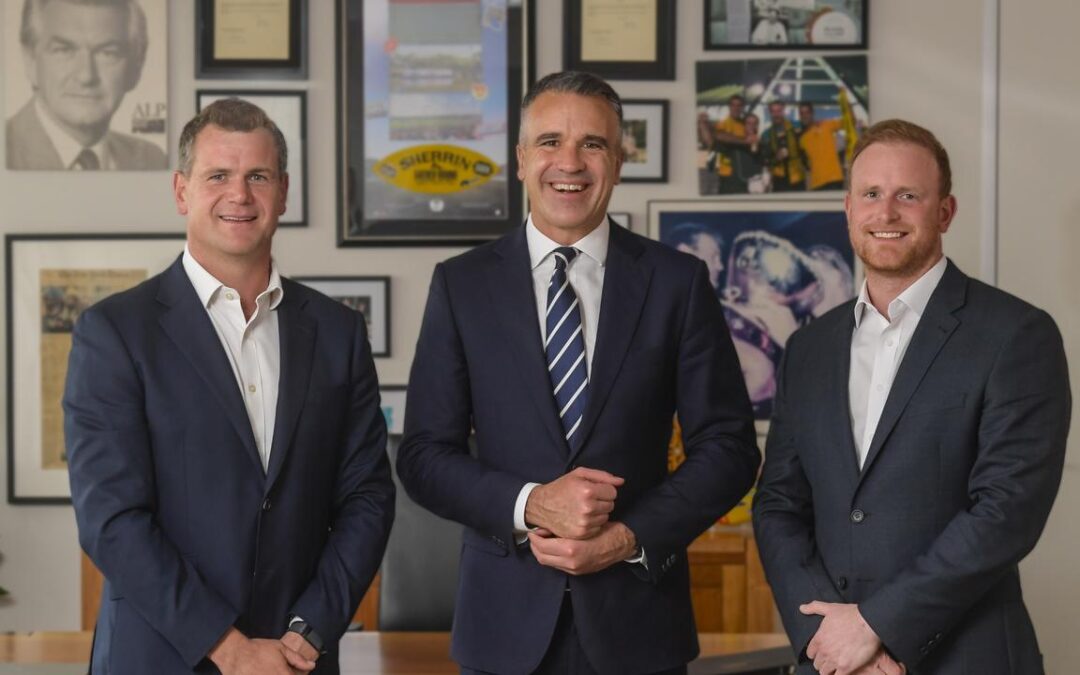
A leading artificial intelligence data centre operator founded by two Australian brothers will build one of the largest such facilities in the Asia-Pacific region, creating hundreds of new jobs.
IREN will set up the massive data centre in Bundey, South Australia, a place with no residents that’s 125km northeast of Adelaide and is home to the state’s biggest electricity transformers.
The facility will be connected directly to that substation and is expected to draw up to 800 megawatts – enough to power 400,000 to 800,000 homes.
It’s due to open in stages, beginning in 2028, and will support 200 ongoing jobs plus another 500 during construction.
By the time it opens, IREN says, SA’s grid will be completely powered by net renewable energy.
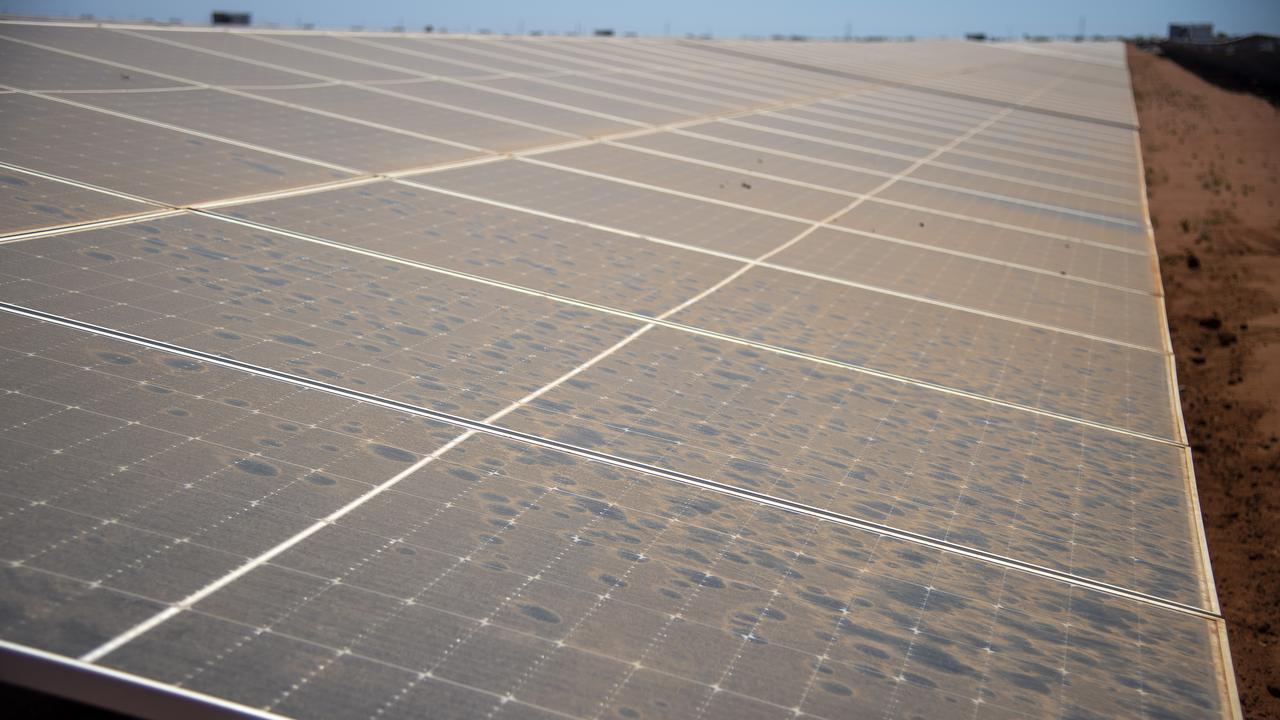
“South Australia offers what AI infrastructure at scale requires: abundant clean energy, the connectivity to serve the APAC (Asia Pacific) region, and a state government that understands the opportunity and is acting on it,” Daniel Roberts, IREN’s co-founder and co-chief executive, said on Thursday.
Sydney-headquartered IREN was founded in 2018 by Mr Roberts and his brother, Will, as a Bitcoin mining operation.
They listed the company on the US tech-heavy Nasdaq exchange in 2021, under the name Iris Energy, before rebranding in 2024 as part of a pivot to AI and high-performance computing cloud data centres.
IREN has a market capitalisation of $US23 billion ($32 billion), supported by a multibillion-dollar AI cloud agreement with Microsoft and a partnership with NVIDIA, the AI chip maker that has surpassed Apple as the world’s most valuable company.
IREN has existing data centres in the US and Europe, with a flagship facility in West Texas that’s about the land area of Sydney’s CBD, Barangaroo, and The Rocks combined.
When complete, the Sweetwater Hub will consume about two gigawatts – enough to power a mid-sized American city.
SA Premier Peter Malinauskas said the data centre was a significant opportunity for the state.
“South Australia’s leadership in renewable energy, our record investment in higher education, our unashamed pro-jobs and pro-business outlook and appointing the nation’s first dedicated minister for artificial intelligence means we are uniquely placed,” he said in a statement.
IREN said the site featured submarine fibre connectivity into major regional demand centres, including Singapore, Indonesia, South Korea and Japan.
The project reinforced IREN’s ability to secure large-scale, power-dense sites with favourable transmission characteristics and long duration, investment bank Macquarie said in a research note.
“Overall, Bundey expands IREN’s global development footprint into APAC (the Asia Pacific) and positions the company to capture incremental hyperscale demand in a high-growth, undersupplied market.”
Tobacco tax cut lit up as black market trade ‘solution’
The federal government is digging in against mounting calls to overhaul tobacco tax as the scale of Australia’s black market trade is laid bare.
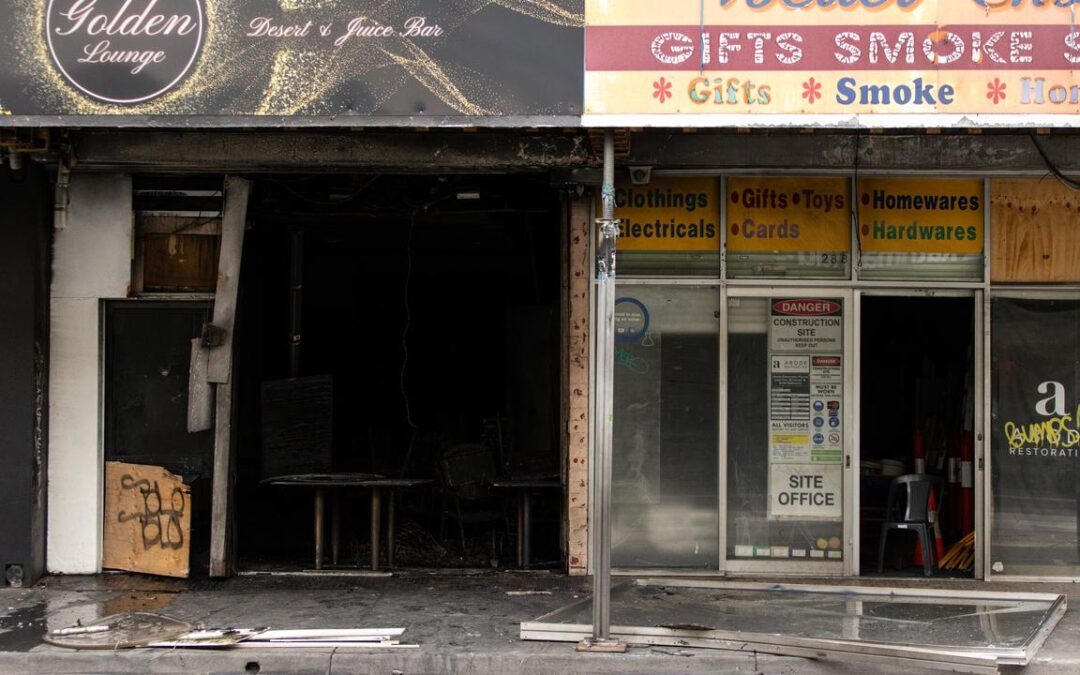
Data showing four in five vapes and cigarettes consumed in Australia in 2025 were bought on the black market has dredged up fresh debate about cutting the tobacco excise.
The black market share of total nicotine consumption has climbed from 12 per cent to 80 per cent from 2017 to 2025, according to the Australian Bureau of Statistics.
Introducing legislation to give state tobacco regulators powers to shut down dodgy sellers, Victorian Casino, Gaming and Liquor Regulation Minister Enver Erdogan acknowledged the excise had contributed to the problem.
“The statistics speak for themselves,” he told reporters at state parliament on Thursday.
“I’ll say it is a factor in the growth. I think that’s undeniable.”
A tripling of the tobacco excise over the past decade to $1.52 a cigarette has pushed the average price of a legal pack of 25 past $50.
Under-the-counter black market equivalents are sold for less than half that price.
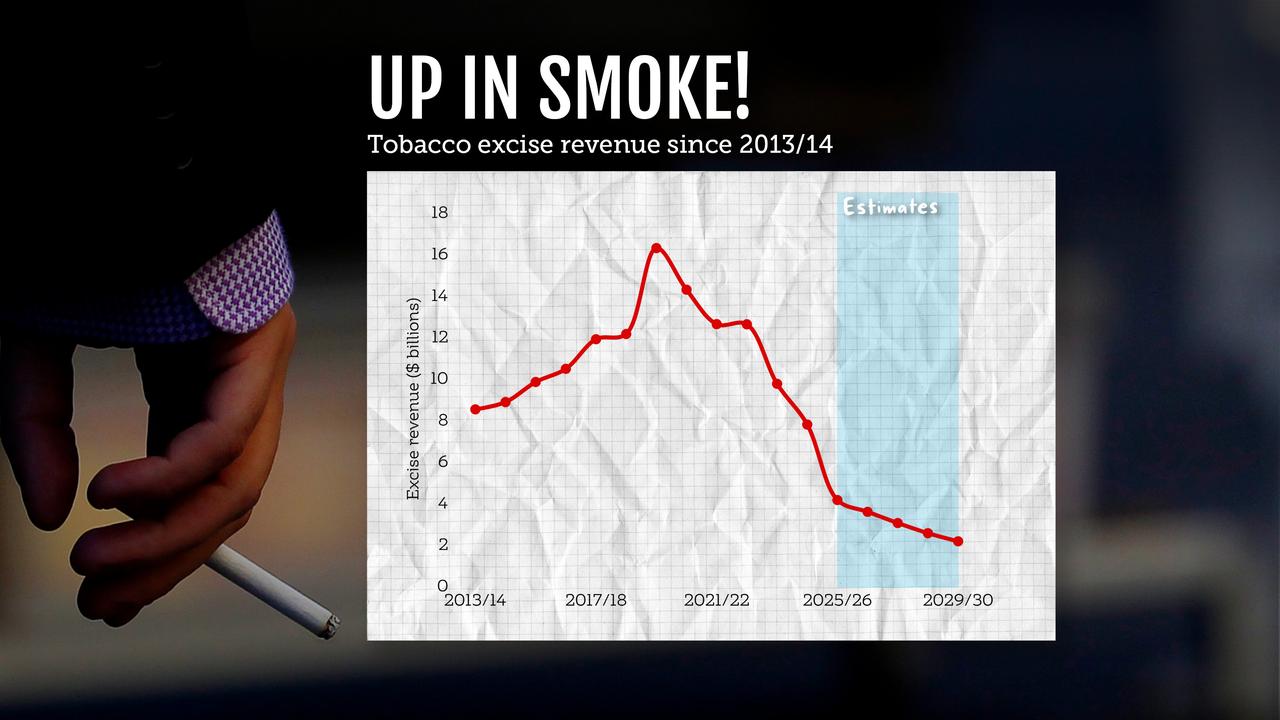
Estimates released in May’s federal budget revealed the tobacco black market wiped $6 billion from tax revenue in the five months since the previous fiscal update in December.
The excise was forecast to fall to just over $2 billion a year by 2030 after raking in more than $16 billion in 2020.
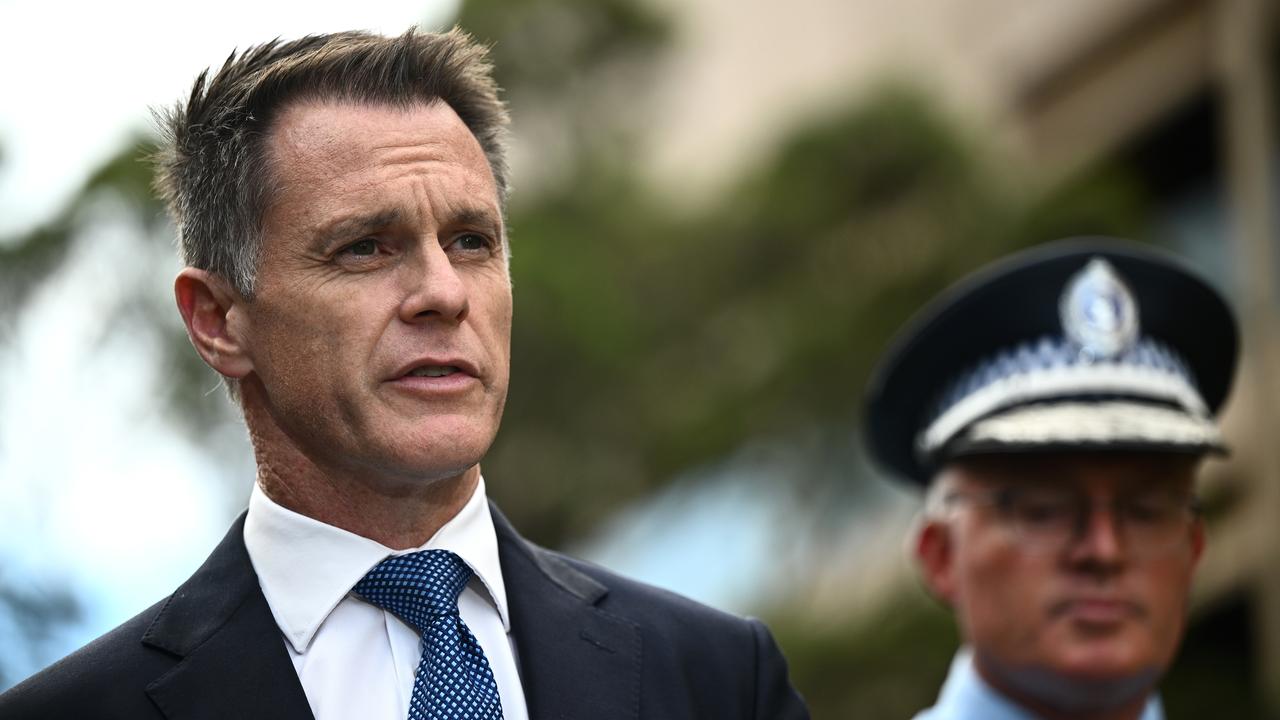
At the time, NSW Premier Chris Minns renewed his call for the federal government to review the excise as it was “not working”.
“This is the only tax in the world that has doubled but the revenue has halved,” Mr Minns said.
Mr Erdogan stopped short of joining industry calls for the excise to be lowered, declaring Victoria was focused on greater enforcement.
“We want to protect legitimate businesses but industry tells us they believe the price is the biggest factor,” he said.
The federal coalition is yet to reach a formal position on whether the excise should be cut, citing uncertainty around what level would be required to stamp out illegal trade.
Shadow treasurer Tim Wilson said there was an appetite for action among his colleagues and reforming the excise had to be “at least one part of the solution”.
“This is a decision for government, we’re not in government,” he told ABC Radio Melbourne.
“Tax revenue from tobacco is decreasing rapidly … we’re seeing a massive rise in illegal consumption.
“The problem is only getting worse.”
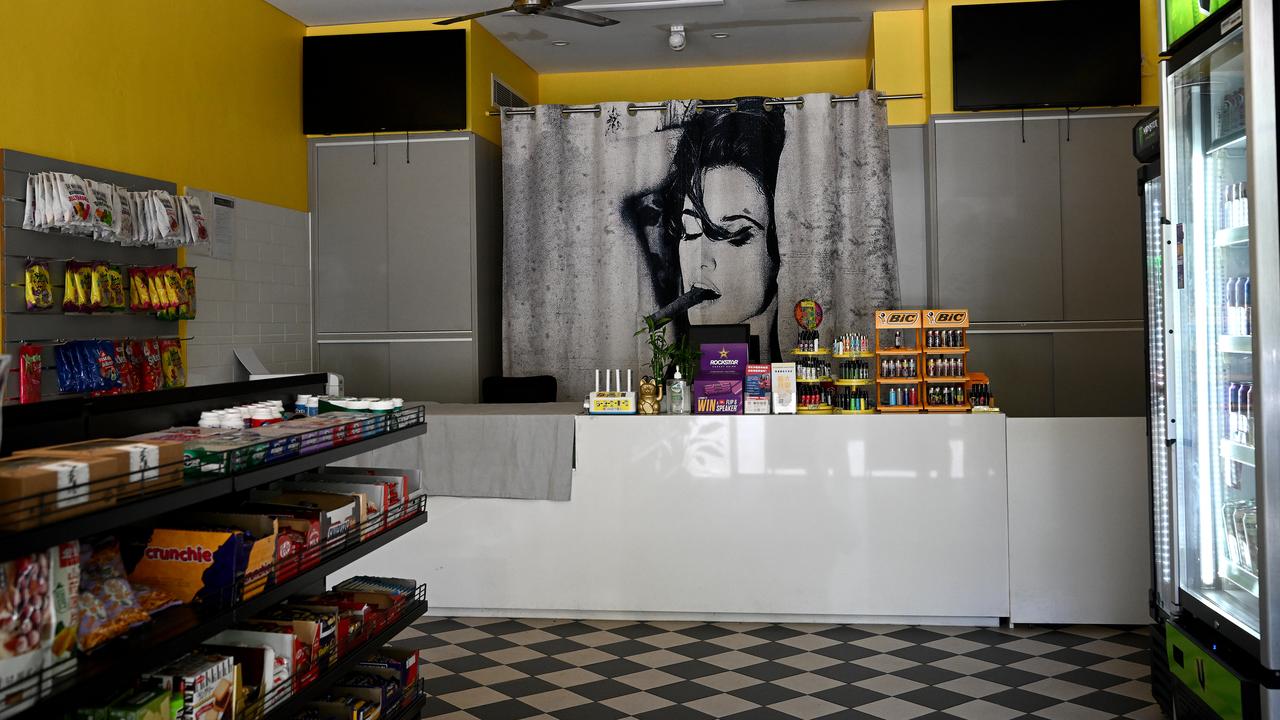
Economists argue decisions by successive governments to ratchet up the tobacco excise has created a massive profit incentive for organised criminals to develop a thriving black market.
Assistant minister for customs Julian Hill acknowledged the “risk-reward equation” was higher in Australia compared to other international markets.
But he argued there was no evidence slashing the excise would mitigate the rise in illegal activity.
“There’s no magic level of excise reduction that anyone can point to that would make any material difference to the problem,” Mr Hill said.
“You could wipe out tobacco excise and the illegal products would still be cheaper.
“This stuff has produced at massive global surplus for $1 or less a packet.”
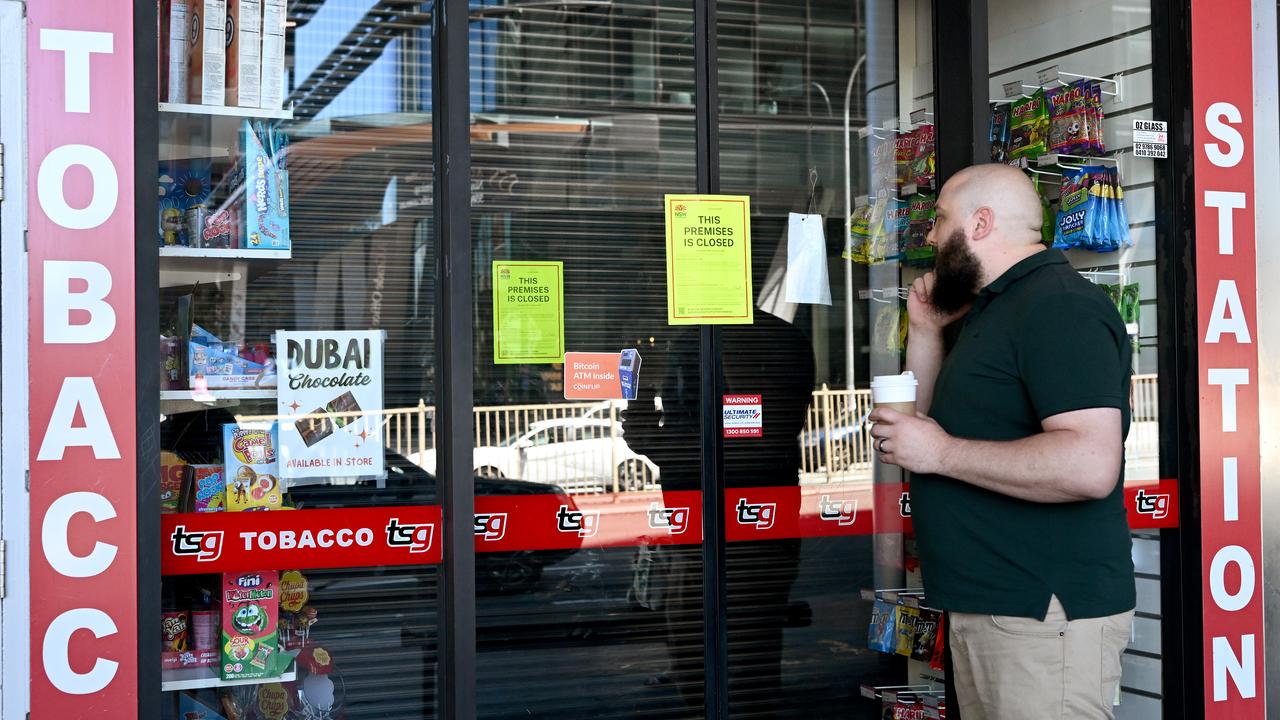
The quantity of total nicotine consumed in Australia increased by 40 per cent from 2017 to 2025 despite the population only growing by 14 per cent in that time.
The figures painted a worrying picture about nicotine addiction but rising prices had been the most effective way for a generation to drive down adult smoking rates, Mr Hill said.
“We don’t want to see the smoking wards fill up and condemn the next generation of Australian to the scourge of smoking-related early death and disease,” he added.
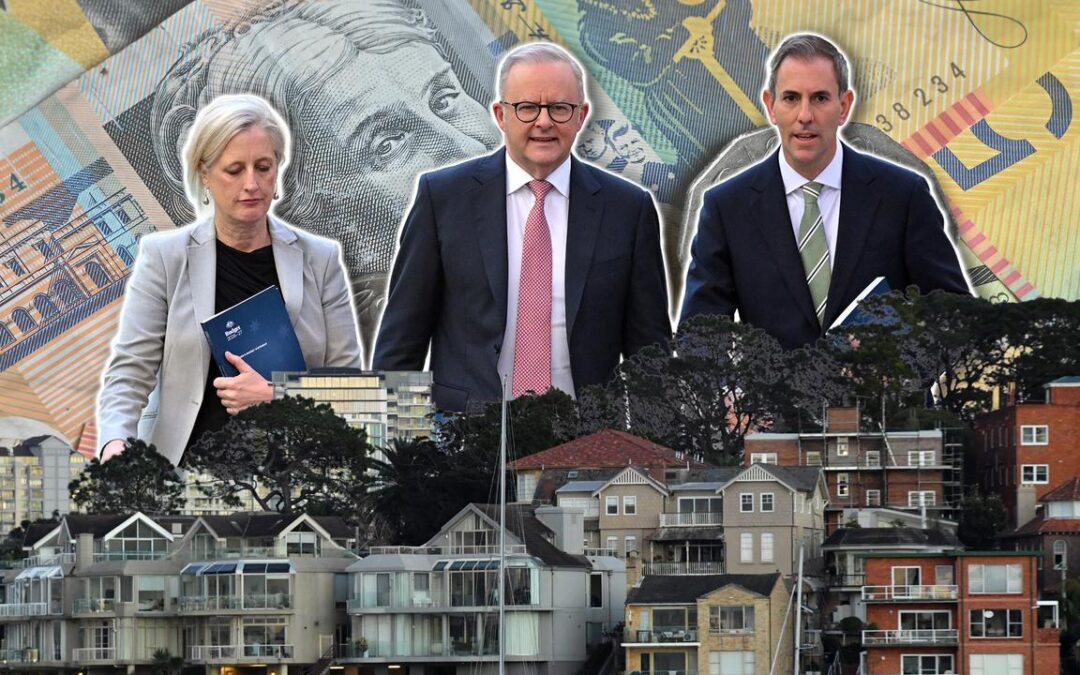
Liberals mull Greens alliance to kill off tax changes
The coalition has signalled it could cross the political divide and work with the Greens to stop contentious tax changes going through parliament, as the prime minister also tries to get the minor party on side.
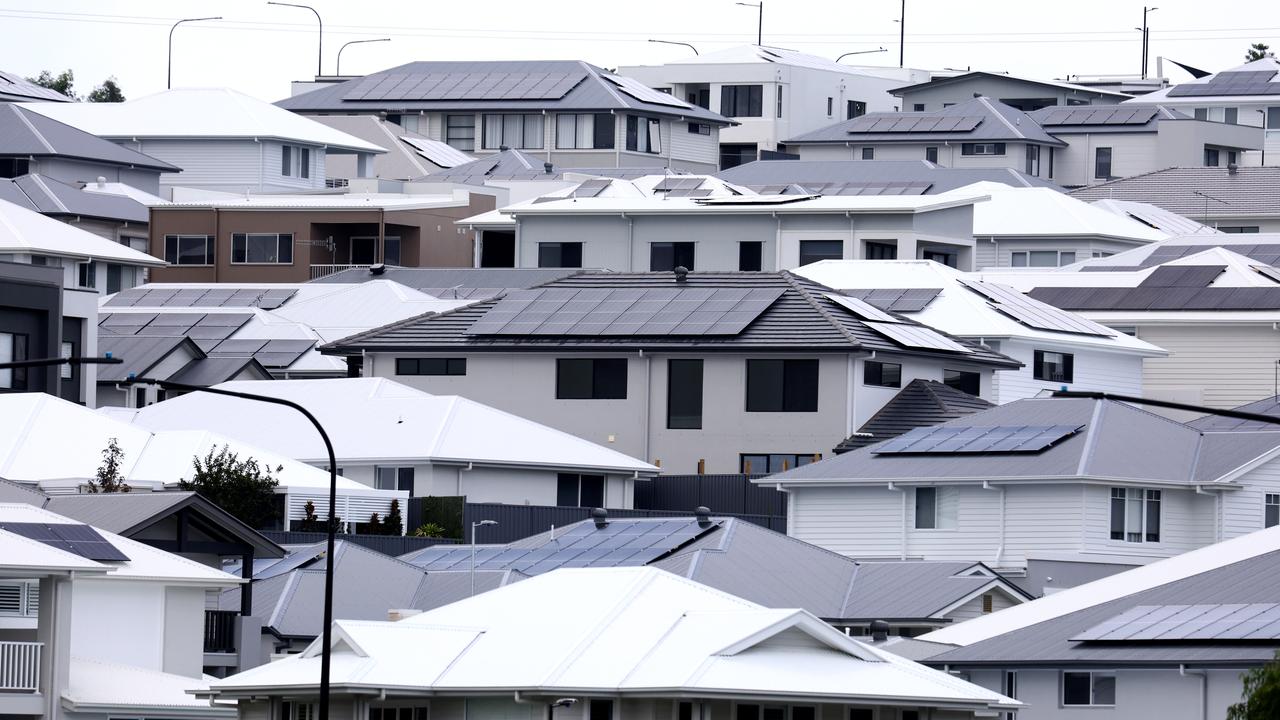
The tax changes, which will limit negative gearing on properties to new homes from July 2027 and scrap a 50 per cent discount on the capital gains tax for a rate tied to inflation, passed the House of Representatives on Thursday.
The bill will be voted on in the Senate after a rapid-fire inquiry examining the tax overhaul later in June.
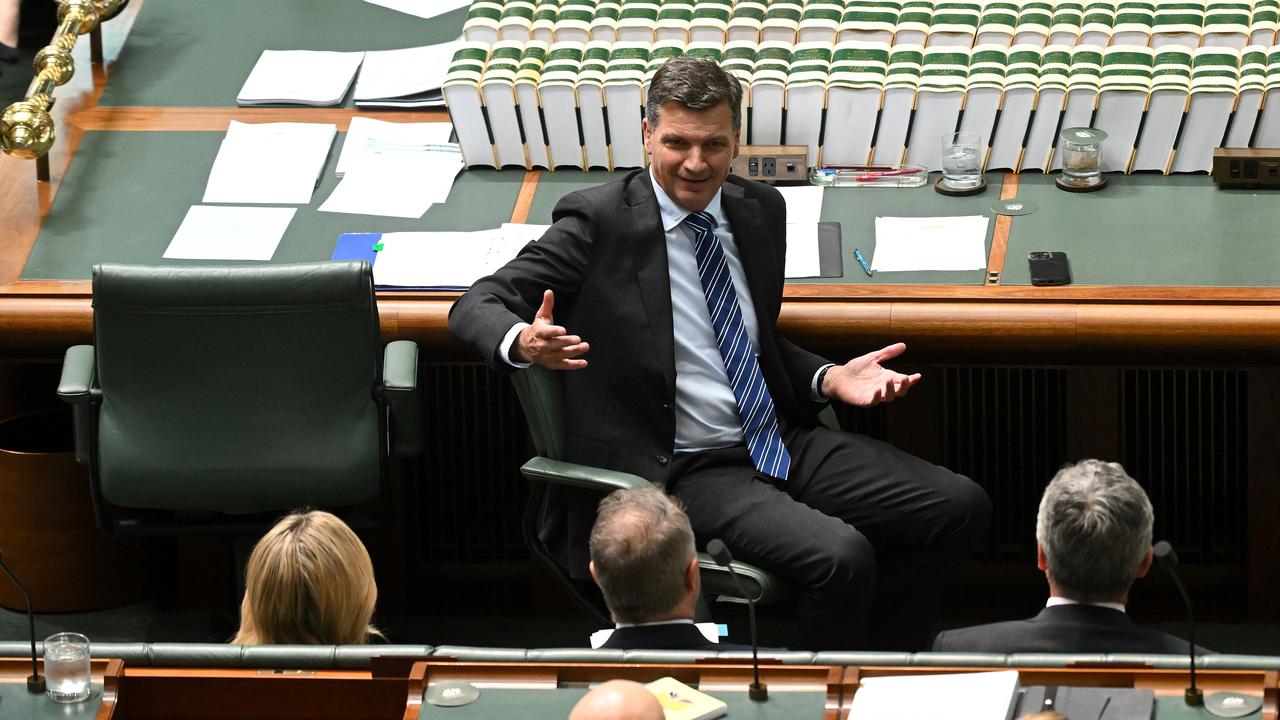
The passage of the laws remains unclear, as the government needs support from the Greens to get the changes through.
Opposition Leader Angus Taylor said the coalition, which have already come out against the tax changes, were willing to work with the Greens on voting down the measures.
“We’ll work with anyone to stop toxic taxes … we’ll work with whoever we can,” he told reporters in Canberra on Thursday.
“The Greens have an opportunity here to stop this legislation, and we’ll work with whoever we can to stop this toxic legislation getting through the parliament.”
Greens senator David Shoebridge has expressed reservation about discretionary powers contained in the laws which could allow for ministers to make changes to some of the provisions after the laws were passed.
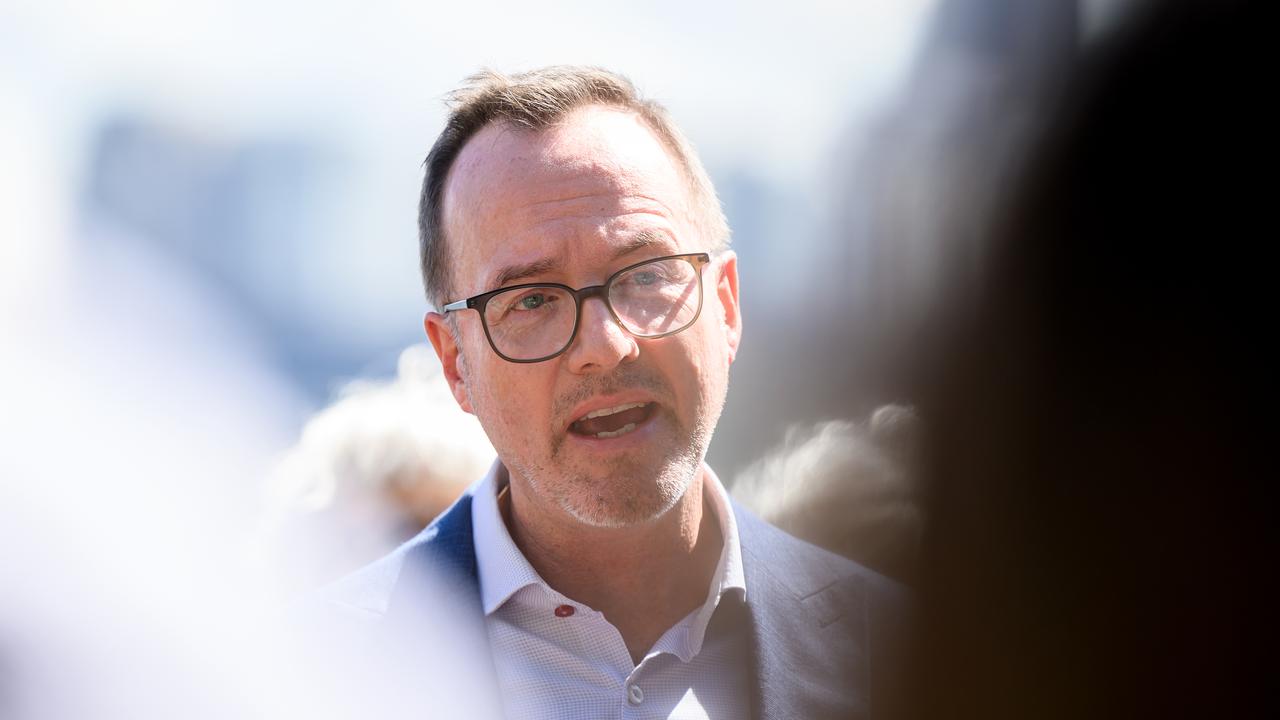
“Traditionally, they’re called Henry VIII powers, and that didn’t go well for parliament at the time,” he told Sky News.
“It’s a real issue for us that the government has put a secret backdoor in their legislation to undermine any of the very minor changes that they’re putting to tax wealth, and it’s a significant issue for us.”
Treasurer Jim Chalmers said the Greens’ concerns were a beat up and Labor was still consulting with the party about the tax changes.
“This is standard practice for tax legislation. We’ve seen it under governments of both political persuasions,” he told reporters in Canberra.
“(The Greens) intend to raise (issues) at the senate committee over the course of the next couple of weeks, and that’s appropriate as well. But this is standard practice for tax legislation.”
Treasury secretary Jenny Wilkinson, appearing before a senate budget inquiry said parliament would be able to stop any future changes to the laws
“These are disallowable instruments, and they need to be consulted on,” she told the inquiry.
Finance Minister Katy Gallagher told the inquiry the laws had not been changed to take into account any large exemption in the future.
Independent senator David Pocock has called for the government to split up the government’s bill so tax offsets can be passed quickly.
The contentious tax changes have also been lumped in with laws setting up a $250 a year tax offset for working Australians, as well as $1000 instant deductions when people are filing their annual return.
Senator Pocock said more scrutiny was needed on the negative gearing and capital gains changes.
“The case hasn’t been made, and the details haven’t been sorted out, and it’s not good enough for a government to basically say let’s ram this through parliament and the treasurer will just make rules down the track and sort things out,” he said.
Officials turn to AI to speed up sexual assault claims
Applicants in a national scheme aimed to restore justice for sexual abuse survivors are now having their claims processed by artificial intelligence.
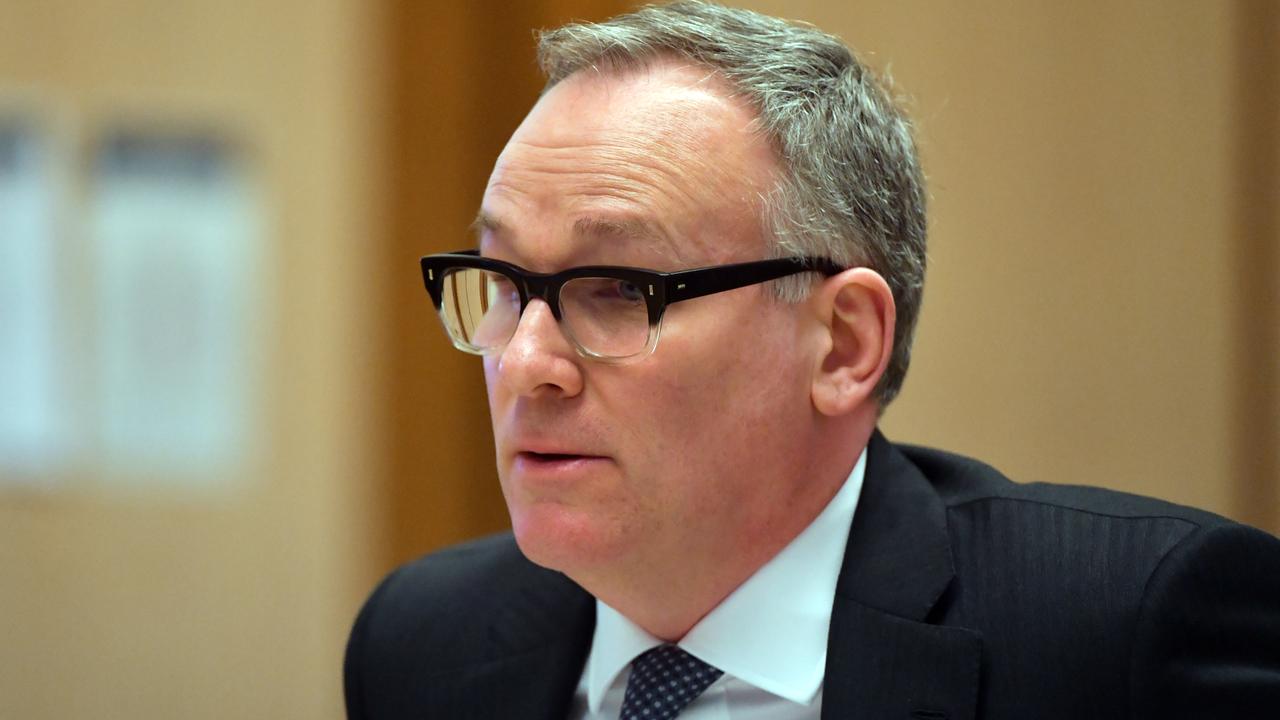
Department of Social Services secretary Michael Lye said AI was being used to help make “faster decisions” on redress claims from victims of institutional sexual abuse.
Mr Lye told a senate committee that confirming “situational information” like the dates at which someone was at an institution, and whether a known offender was also there, could be sped up.
“The opportunity with AI means we can potentially reduce manual effort.
“We want staff to focus more on working with our frontier organisations in terms of impact,” he said.
Social Services staff were still involved in reviewing all decisions made by AI, Mr Lyle said. Information about the process was outlined on the department’s website.
The National Redress Scheme started in 2018 and will run for a decade, following recommendations from the Royal Commission into Institutional Responses to Child Sexual Abuse. Almost 64,000 applications had been made by the end of last financial year.
Institutions, like churches, sports clubs and orphanages, must sign up to the scheme to provide redress that they are liable for. The scheme is expected to exceed $5 billion.
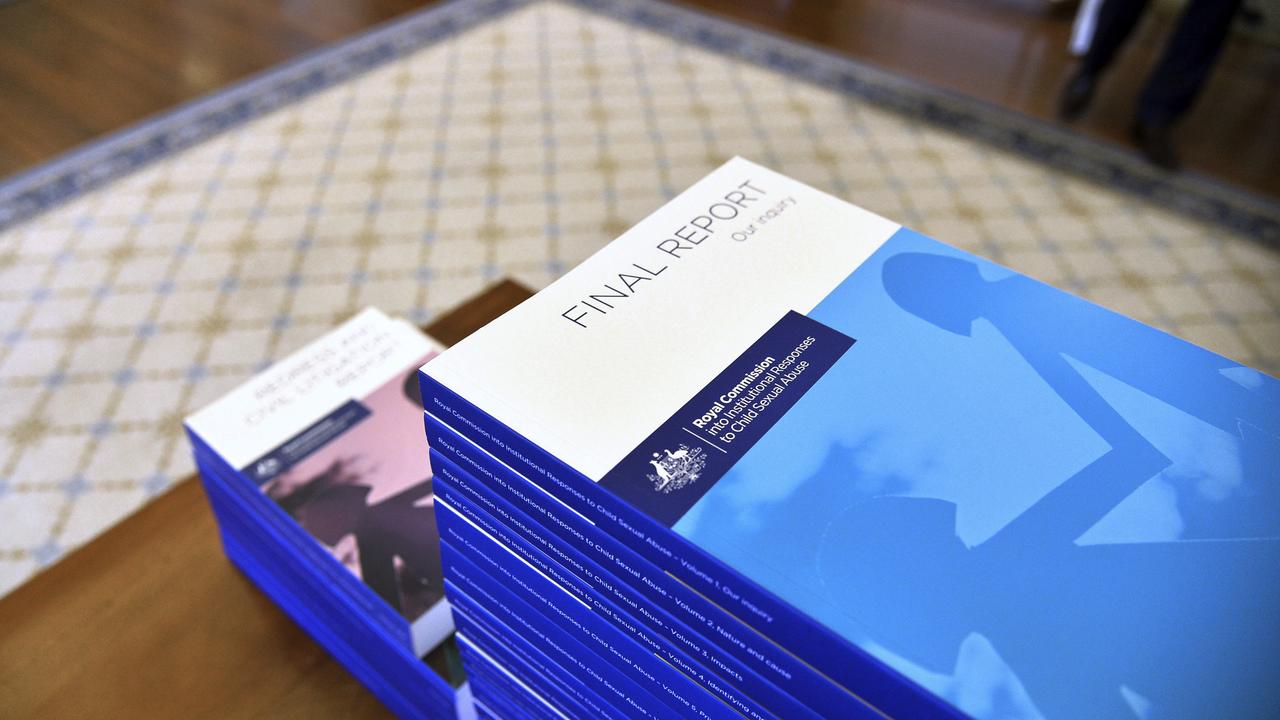
The Australian National Audit Office in November recommended that Social Services find a fast way for processing claims, after survivors were left to wait an average of 16 months for their applications to be processed.
AI use in government agencies has grown significantly in recent years, with 56 entities reported to have used it in 2023/24, up from 36 the year before.
Separately, Greens Senator Larissa Waters accused the department of not having adequate data on how many women and children were at risk of sexual assault and family violence.
More is expected on this topic throughout Thursday.
Shares tumble as miners and banks slide on Iran woes
Australia’s share market has wiped the previous session’s gains, amid a re-escalation of tensions between the US and Iran.
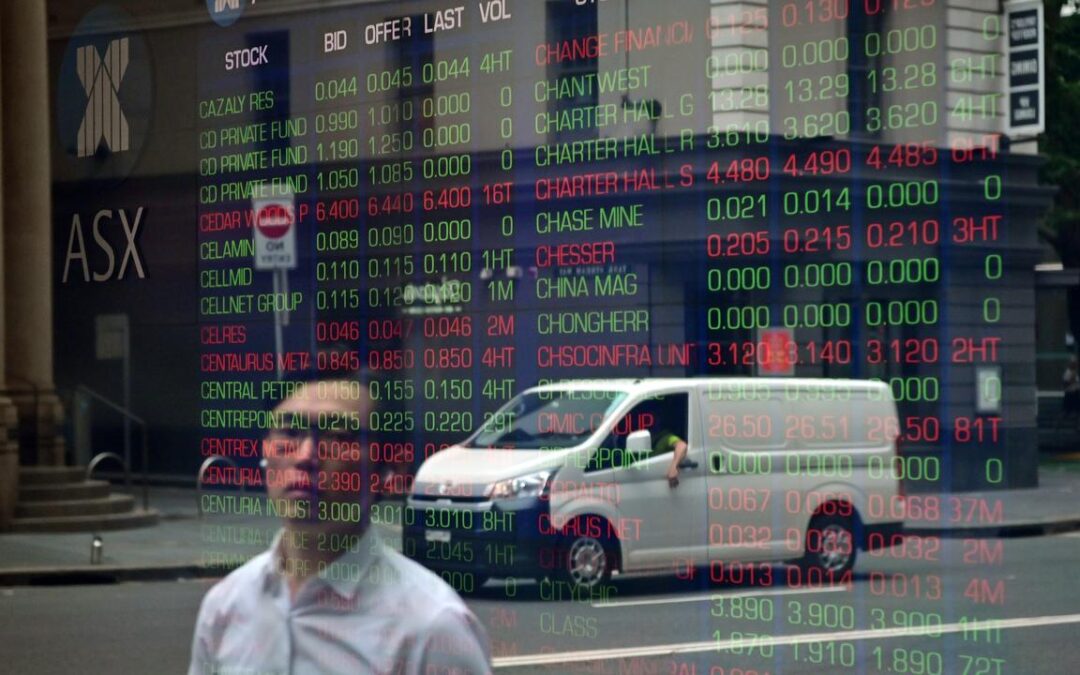
The S&P/ASX200 fell 111.2 points by midday, down 1.27 per cent, to 8,674.5, as the broader All Ordinaries lost 110.9 points, or 1.23 per cent, to 8,906.3.
The slump followed a weak session on Wall Street after a record-breaking rally in US tech stocks ran out of steam.
“Financial markets shifted back into a risk-off mode as the US and Iran exchanged fire again,” Westpac economist Mantas Vanagas said.
“With military action intensifying and tensions over Israel’s campaign in Lebanon rising, the two countries appear to be moving further away from common ground on a lasting agreement.”
In a positive sign, Israel and Lebanon have agreed to implement a ceasefire provided Hezbollah halts attacks on Israel, which could lead to a resumption of talks between the US and Iran.
Energy and utilities stocks rose as Brent crude hovered near $US97 a barrel, while traditionally defensive sectors, health care and consumer staples, also improved.
Ampol and Viva Energy advanced, with Ampol up more than two per cent to $35.79 after Macquarie raised its target price on the refinery operator to $46.50.
Miners were heavy, with basic materials tumbling 3.1 per cent, tracking with BHP and Rio Tinto, as the sector retreated from Tuesday’s record-breaking runs.
The miners’ respective drops came as iron ore futures tumbled to 12-week lows after exports from Rio’s Simandou mine in Guinea surged in May, six months after its first shipment to China.
Gold miners were also under pressure, as the metal slipped to $US4,464 ($A6,260) an ounce, while battery minerals and rare earths producers also fell.
Financials tipped one per cent lower as all four big banks and Macquarie lost ground, but insurers managed to carve out some modest gains.
Meanwhile, real estate stocks have fallen 2.8 per cent for the week as investors continue to mull a cooling property market and the impacts of proposed federal tax reforms on future investment.
Consumer discretionaries are on track to snap a three-session losing streak with a somewhat unconvincing 0.1 per cent rebound.
In company news, Pro Medicus gained 0.7 per cent to $160.81 after announcing its third contract win this week.
Treasury Wine Estates soared by more than a tenth after reaffirming its 2026 financial year guidance and flagging plans to slash its portfolio from 76 brands to less than 30.
Shares in alcohol and hotels giant Endeavour jumped more than three per cent $2.96 after an upgrade from investment behemoth Citi, which raised its target price to $3.25.
The Australian dollar was buying 71.30 US cents, slipping from 71.59 US cents on Wednesday at 5pm.