
Experts claim a Himalayan glacier showed signs of collapsing days before it triggered a catastrophic flash flood.
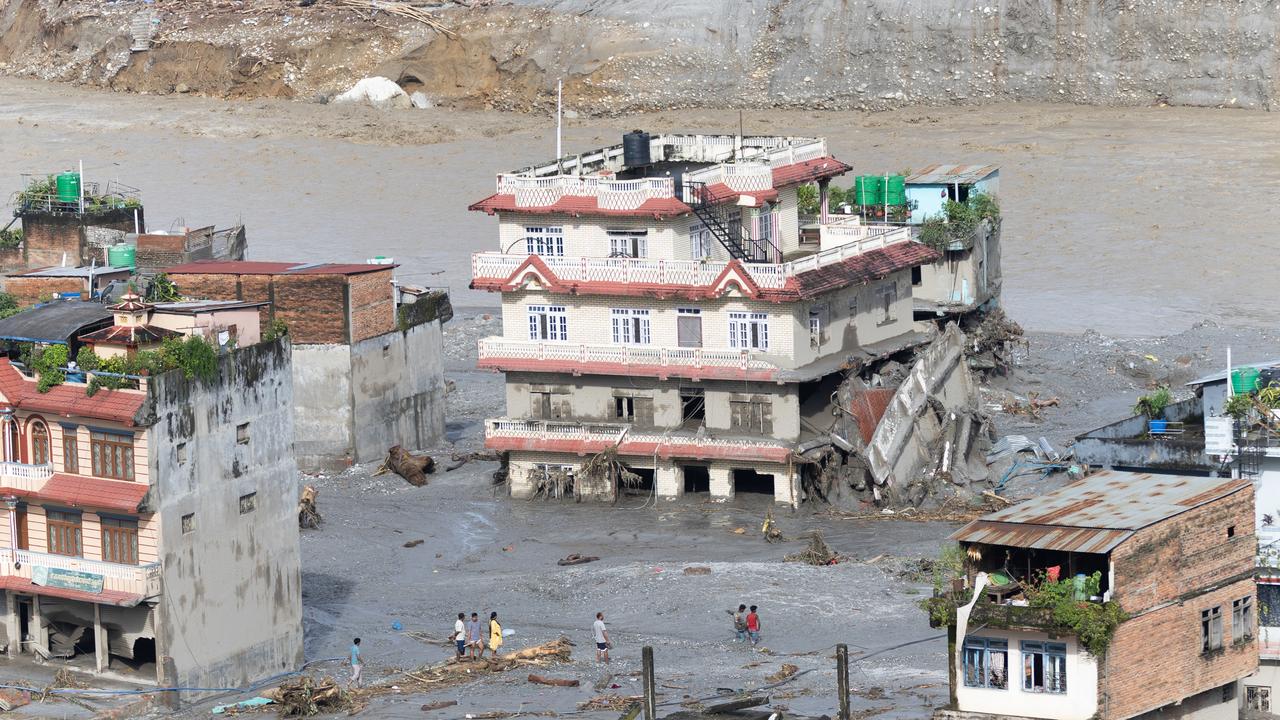
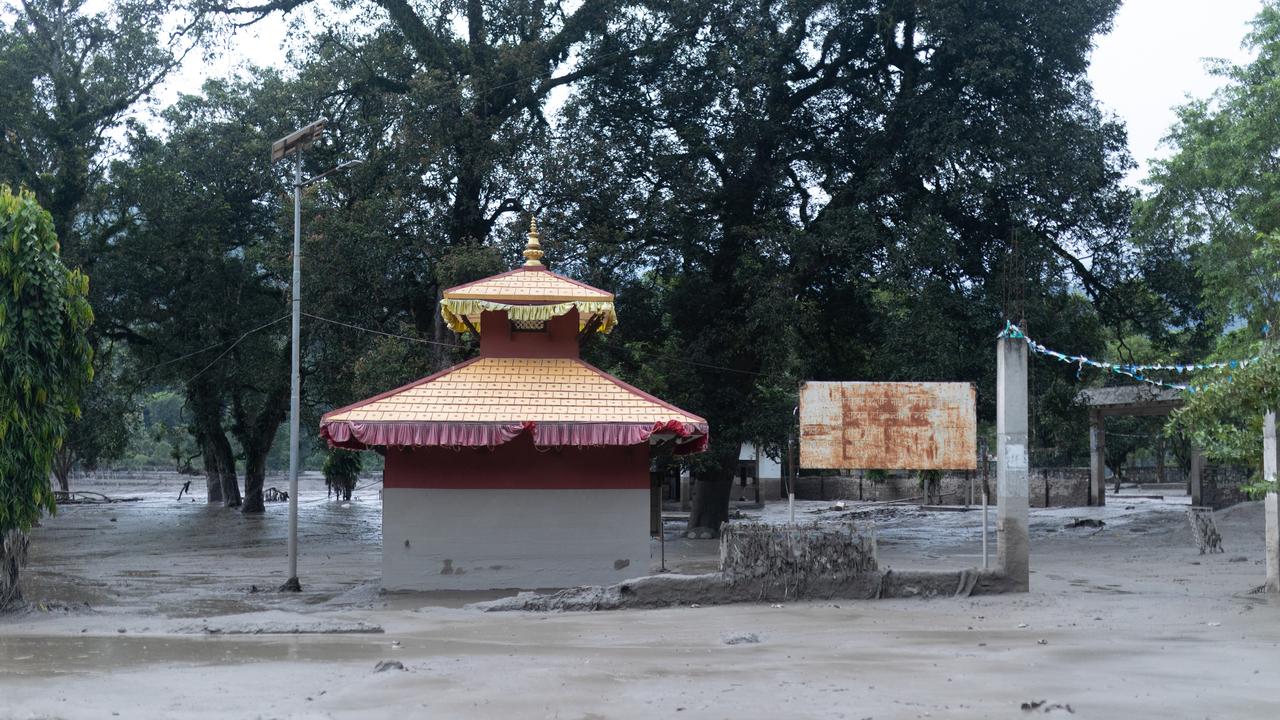
Dozens of Australians are missing and more than 1000 deaths have been reported by authorities on either side of the Nepal-China border after a glacier collapse sparked devastating flash floods and mudslides near Gyirong port on August 26.
The official number of Australians missing in the flood-stricken region is down to 42 after authorities made contact on Tuesday with an Australian in Tibet.
The unidentified person is receiving support from consular officers and has spoken with family members.
Foreign Minister Penny Wong previously said nine Australians were missing on the Chinese side of the border, after speaking to Australia’s ambassador in China on Friday.
Victorian Tibetan community member Tenzin Norzin feared that number could be higher, claiming the global community was hearing “less and less” of the impact of the floods across the border in Tibet.
“Anything happening inside Tibet or China as of current not only impacts that region, but it will move downstream, whether it’s Nepal, or in the future it might be other Southeast Asian countries,” Ms Norzin told AAP.
As rescue efforts continue, experts say satellite imagery showed warning signs of a potential ice avalanche were evident days before it broke off and plunged into the Lhende Khola river.
A report published by international scientific consortium HiRISK on August 28 analysed a series of “pre-event indications”, concluding the ice surface had “sped up” prior to the avalanche, and melted water had turned “visibly brown” by the 24th of August.
“There is also some indication of a crack propagating into the surrounding bedrock slope in the days before the event,” the paper read.
Early warning systems aimed at alerting authorities to cryospheric events had been set up in the region recently, but there were none in place at the site of the avalanche due to its isolation, the paper’s co-author Jakob Steiner told AAP.
“The science is there, we have the data to do monitoring, but we have to constructively work together and and take action, ” he said,
“At the moment, in a geopolitically stressed situation, this is very, very difficult.”

Even if warning systems were in place, the speed of the avalanche meant communities at the border-checkpoint would not have been able to be evacuated in time, the report claimed.
However, a “significant number of lives” could have been saved if warning systems had been implemented further downstream, where more than 10 minutes warning could have been given, the authors said.
The floods impacted almost 13,000 building and washed away 40km of highway and at least 68 bridges, satellite data accessed by HiRISK shows.

Australian Associated Press is the beating heart of Australian news. AAP is Australia’s only independent national newswire and has been delivering accurate, reliable and fast news content to the media industry, government and corporate sector for 85 years. We keep Australia informed.