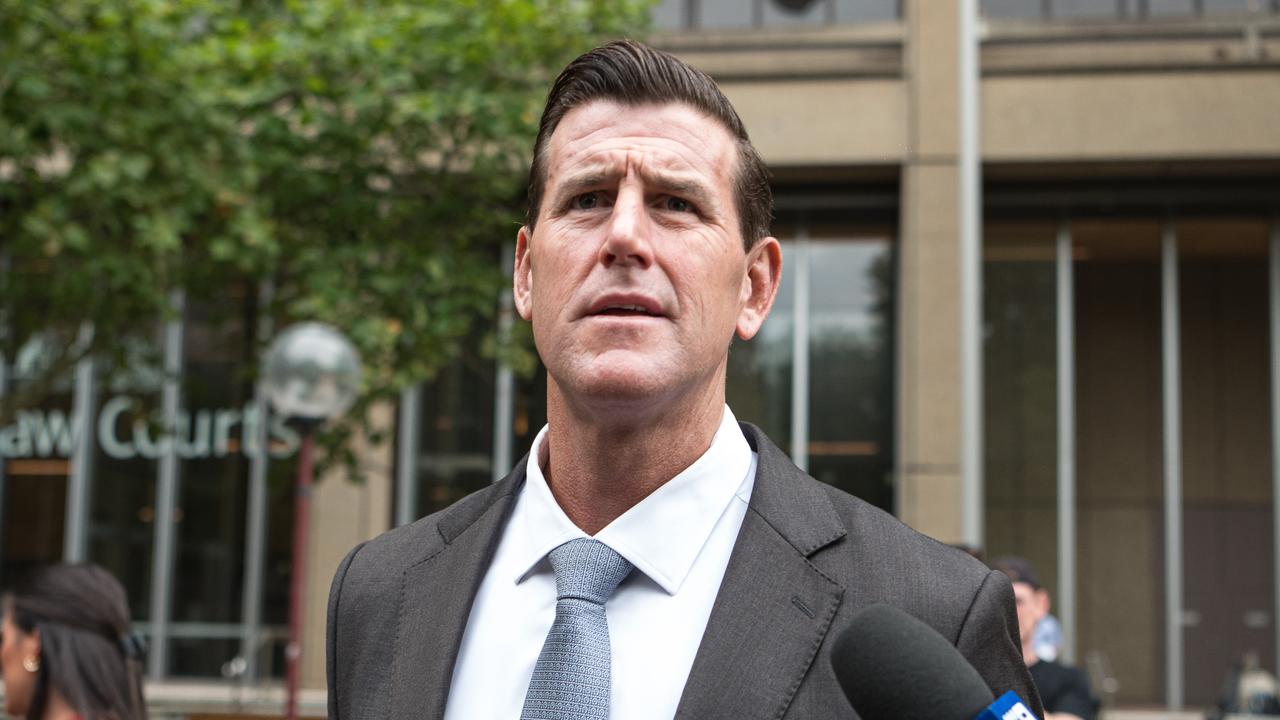
After a night in prison, former SAS soldier and Victoria Cross recipient Ben Roberts-Smith is set to face court for the first time as an alleged murderer.
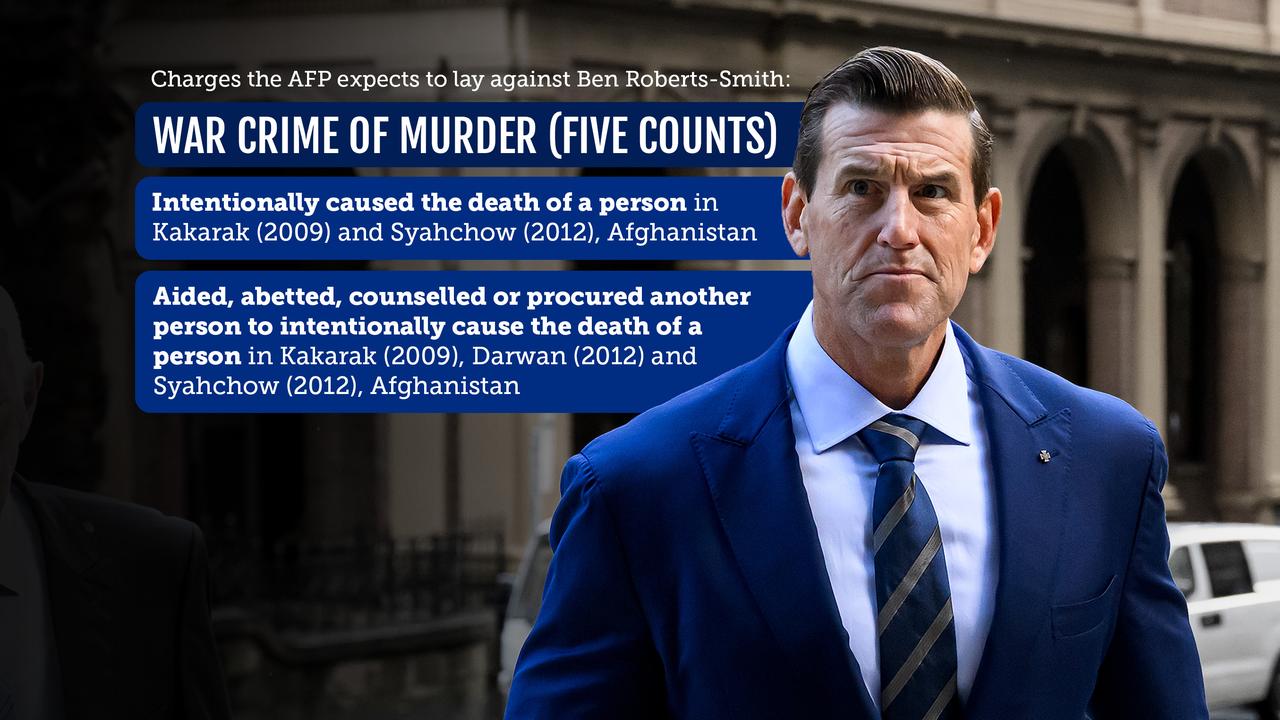
Australia’s most decorated living soldier will face a bail court on Wednesday after he was charged with two counts of the war crime of murder and three counts of aiding or abetting the same charge.
The maximum penalty for the charges is life imprisonment.
The 47-year-old, who was held on remand on Tuesday night, is accused of the murder of unarmed civilians while deployed in Afghanistan between 2009 and 2012 as well as failing to stop members of his unit from killing three others.
While Roberts-Smith’s courtroom travails began in 2017 when he unsuccessfully sued Nine newspapers for defamation, legal experts say his case moving to the criminal realm could be a watershed for war crimes prosecutions in Australia.
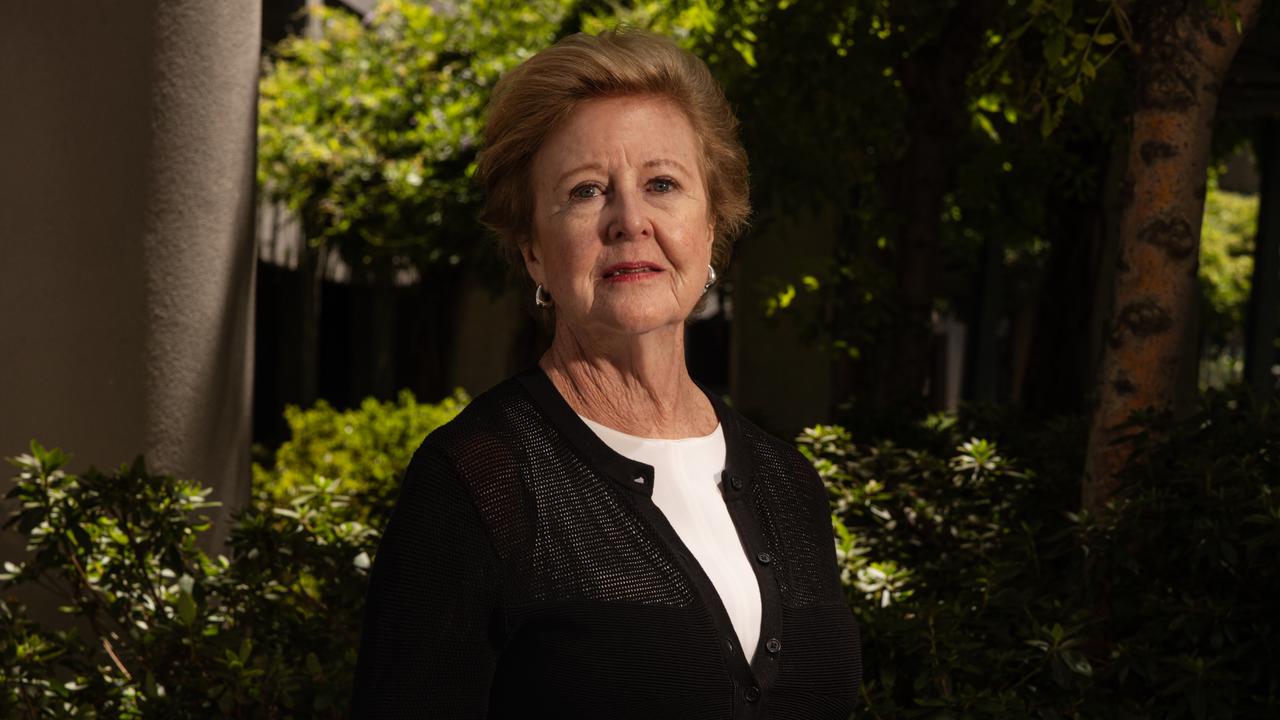
The prospect of a criminal trial for alleged offences committed overseas in the theatre of war was almost unprecedented in modern times, former president of the Australian Human Rights Commission Gillian Triggs said.
“It’s a very technical area of law and we have had very few examples in Australian national practice that would provide some precedents,” Professor Triggs told AAP.
She said Australia’s failed prosecutions of multiple alleged Nazi war criminals in the 1990s prompted authorities to be extremely cautious before launching criminal action.
But with two men now charged for alleged war crimes committed in Afghanistan, the floodgates of prosecutions might now be ready to open.
Another former SAS soldier, Oliver Schulz, was charged in 2023 with the war crime of the murder of a young man in Afghanistan in 2012.
He has maintained his innocence.
“These (trials) would … strengthen the willingness of justice department prosecutors to say ‘we’ve got the evidence here and we’ll go forward with it’,” Prof Triggs said.
Roberts-Smith’s case will be monitored internationally, Prof Triggs said, with the decision to charge at home taking the matter out of the hands of war crimes prosecutors at the International Criminal Court.
However, before the case proceeded to any potential trial, Australian prosecutors would need to solve some complex legal problems, an international law expert said.
“A long time has passed, so that delay itself can create challenges in terms of collecting reliable evidence,” University of Queensland international law professor Rain Liivoja told AAP.
“The fact that the alleged crimes were committed overseas, and indeed in a location to which there is no easy access, makes the collection of evidence even more difficult.”
A Federal Court judge previously found Roberts-Smith was responsible for a number of killings but those findings were made on the balance of probabilities, rather than the criminal standard of beyond reasonable doubt.

Australian Associated Press is the beating heart of Australian news. AAP is Australia’s only independent national newswire and has been delivering accurate, reliable and fast news content to the media industry, government and corporate sector for 85 years. We keep Australia informed.