
A partnership between a recycled water facility and a major data centre could pave the way for a sustainable future for the industry, an expert says.
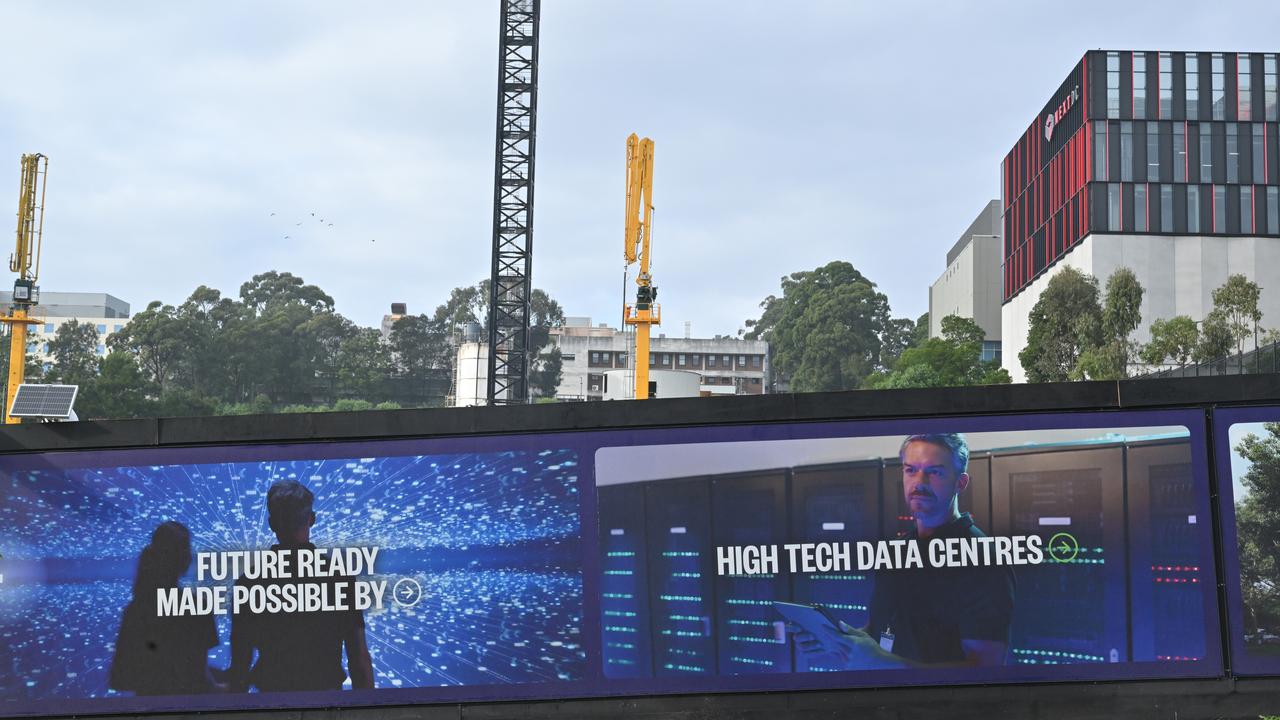
AquaNet has announced plans to expand its recycled water facility in Fairfield, in western Sydney, to connect to NextDC’s S4 Sydney data centre, under construction in nearby Horsley Park.
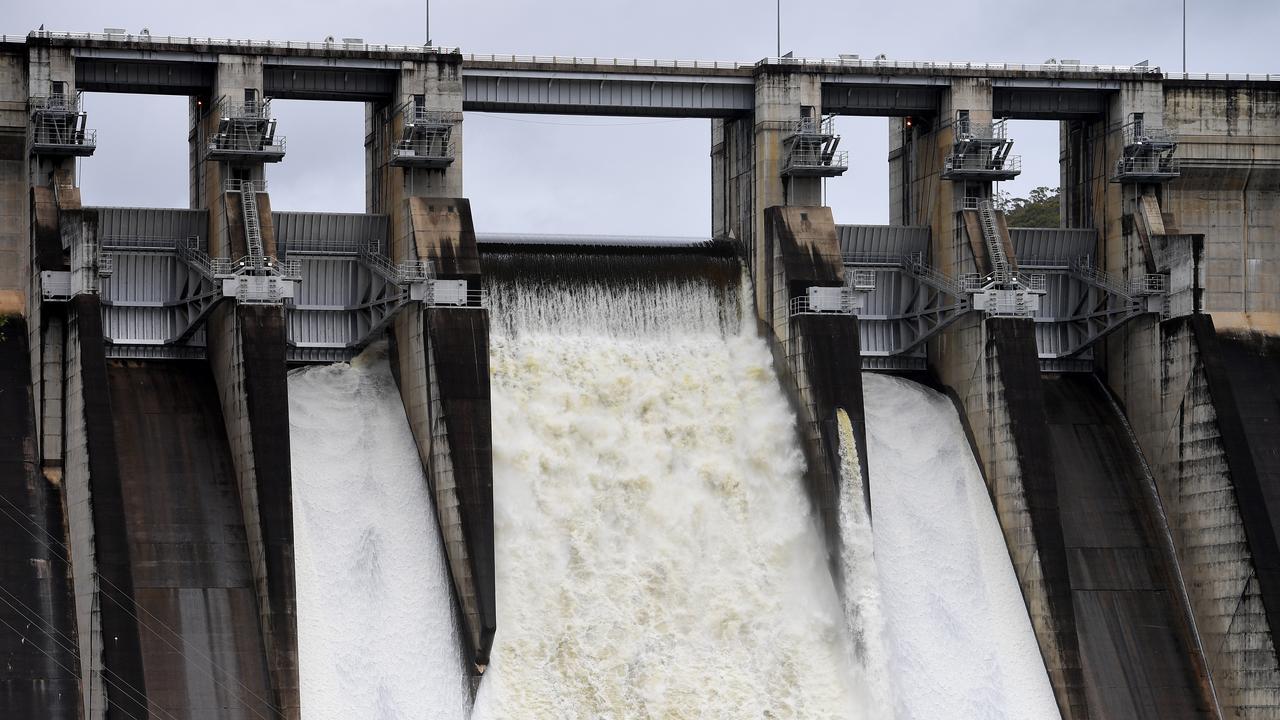
The new infrastructure would allow the massive facility to be cooled entirely with recycled water – up to 16 million litres a day – once it starts flowing in late 2027.
Recycled water is created by treating water from sources such as sewerage or storm runoff so it can safely be reused.

S4 Sydney is the first major data centre in NSW to be cooled with recycled water, said Kurt Dahl, the head of AquaNet’s parent company coNEXA.
Mr Dahl hopes the project will be a model for the rapidly growing industry to be sustainable, especially in the data centre “hotspot” of western Sydney.
“There’s lots of wastewater in western Sydney,” he told AAP.
“There’s an opportunity to build a network that services half a dozen to a dozen really large data centres.
“It’s a no-brainer.”
Mr Dahl said it also meant the project was able to meet the NSW government’s new requirements for companies wanting to build data centres in the state.
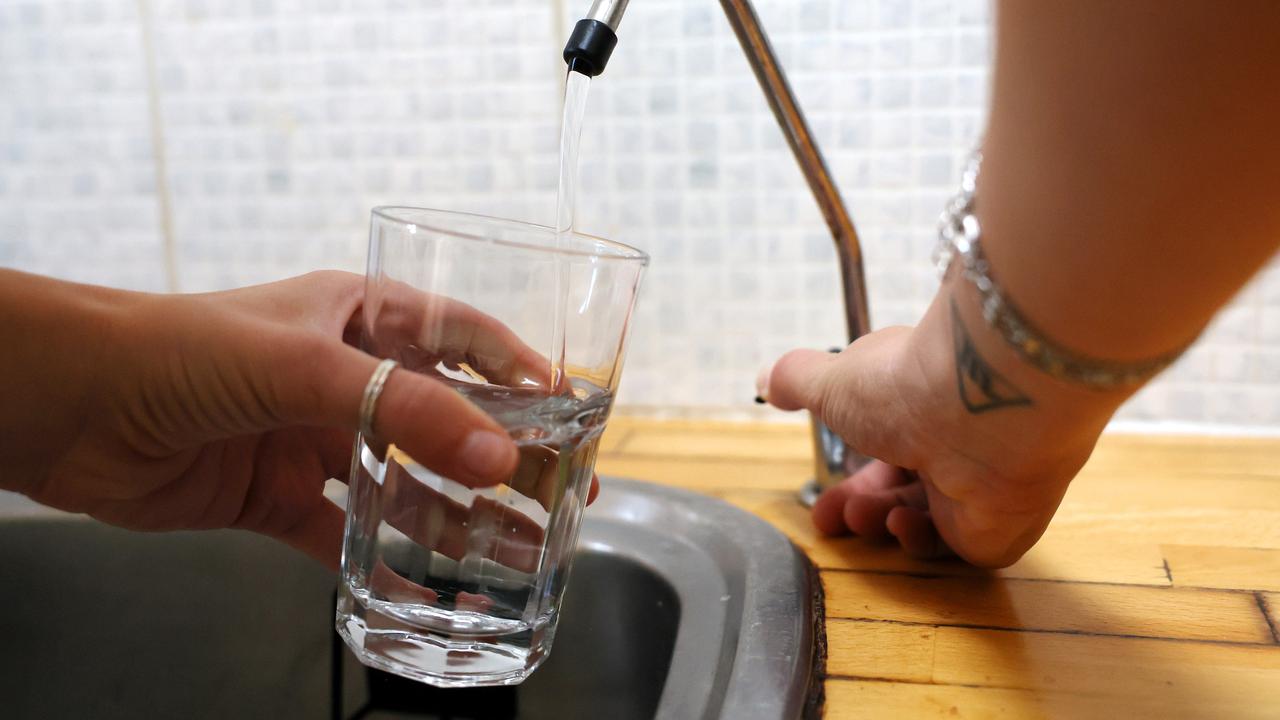
Data centres, which are used to process digital resources including artificial intelligence, use significant amounts of water to cool their servers.
Sydney Water recently warned data centres could use as much as 250 megalitres a day in the city by 2035, and one already ranked among its top 20 users.
They can also be designed to cool themselves without water.
Construction technology expert M. Reza Hosseini said this method required between 20 and 40 per cent more electricity.
“If you want to do it in a sustainable way, probably you need to use recycled water,” the University of Melbourne academic told AAP.
“In comparison to drinking water, it’s a much better option.”
However, Dr Hosseini said it required significant investment in recycled water infrastructure.
“There are some processes in place to make sure that the water is suitable for the cooling systems of data centres,” he said.
More research was needed about the long-term effects of recycling significantly more wastewater, which would otherwise be sent out to sea, Dr Hosseini said.
Despite the environmental concerns, he said data centres provided much more economic return than other water-thirsty industry.
He cited research which estimated data centres generated around $223,000 for the Australian economy for each million litres of water used – about 49 times the amount generated by agriculture.
“So we can’t just ignore them. We need to make them and build them,” Dr Hosseini said.
“But we need to consider the impacts on water shortage.”

Australian Associated Press is the beating heart of Australian news. AAP is Australia’s only independent national newswire and has been delivering accurate, reliable and fast news content to the media industry, government and corporate sector for 85 years. We keep Australia informed.