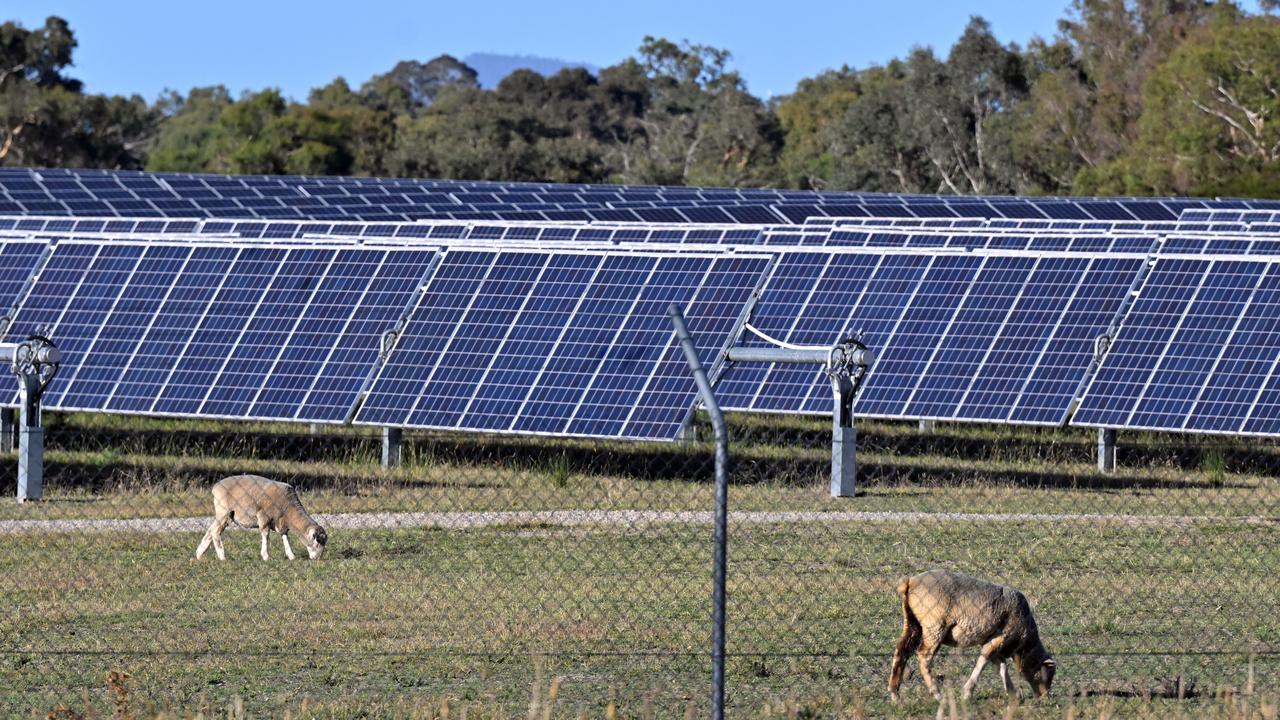
Most solar panels gradually lose their energy-generating powers over time, but roughly a fifth have been found to degrade much more quickly than expected.
Tiny hairline cracks and other minor manufacturing flaws missed during quality control testing are thought to be in part to blame for the trend-defying declines for some solar panels.
University of NSW researchers are hopeful a study of tens of thousands of systems operating globally may help manufacturers make better products and in turn keep solar farms in sound financial shape.
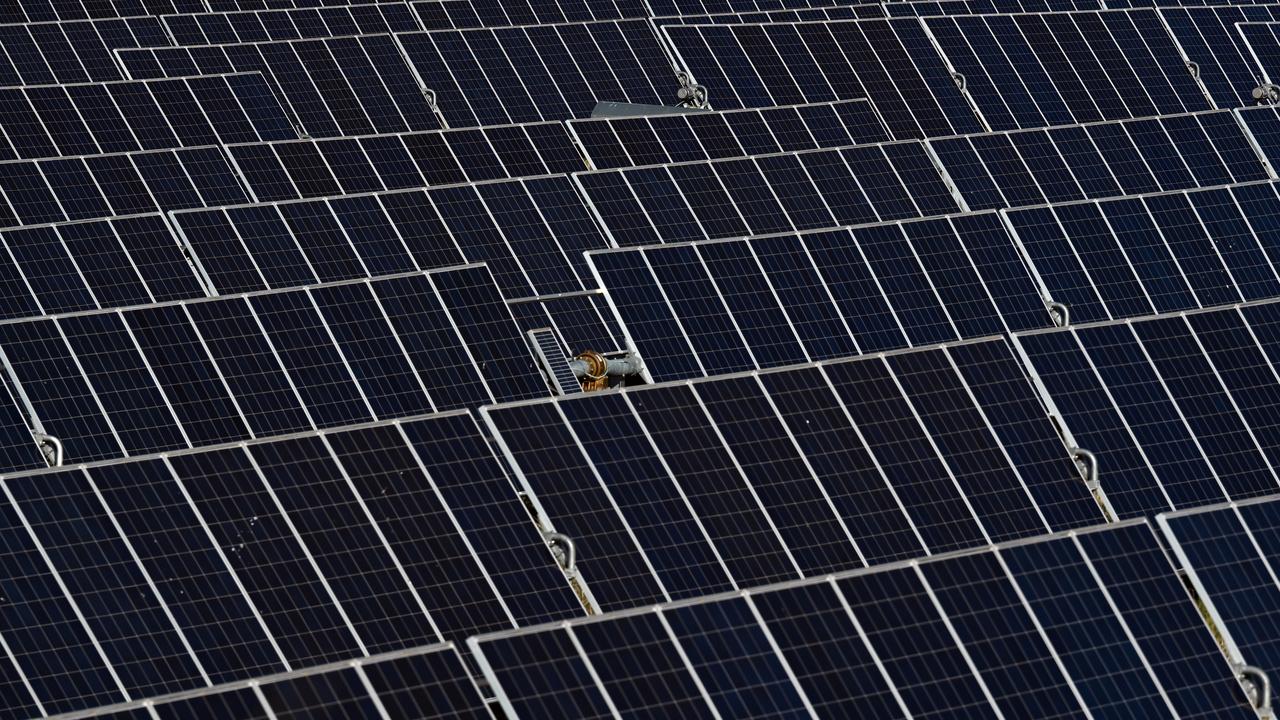
Most solar systems are designed to last about 25 years and are covered by a warranty that guarantees a minimum performance during that time, with all panels expected to lose some of their generating potency over time.
A 0.9 per cent average decline in system performance each year can be observed across the UNSW study’s full dataset.
For some panels, energy-generating degradation happened much more quickly.
One in five degraded 1.5 times faster than the standard rate, and one in 12 declined twice as quickly.
“This means that for some systems, their useful life could be closer to just 11 years,” said PhD student Yang Tang from UNSW’s School of Photovoltaic and Renewables Energy Engineering, one of the paper’s authors.
Hot weather is linked to a faster decline in panel performance but the rapid degradation pattern could be observed across all climates and regions.
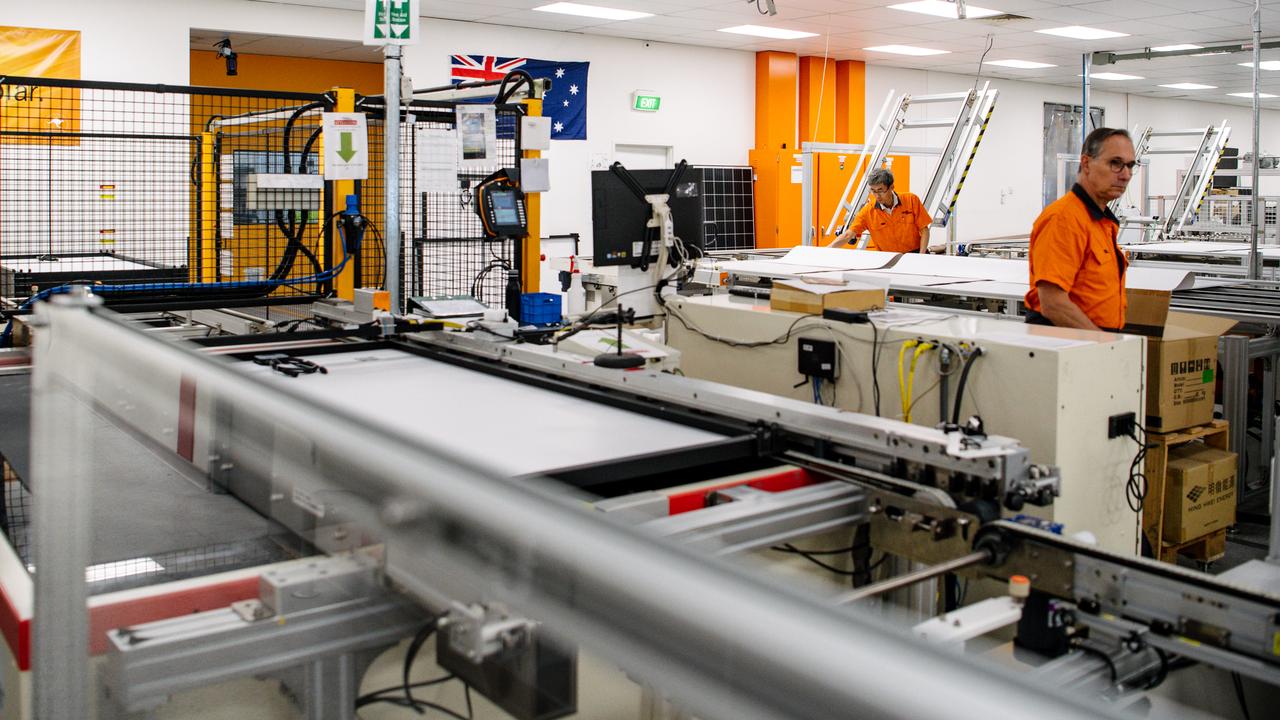
The researchers chalked up rapid solar drop off or sudden failures to a few scenarios, including the existence of minor flaws, such as tiny cracks in a cell, that cause no issues at first but eventually lead to a dramatic loss in performance.
Other problem panels had bigger defects missed during quality control or testing procedures, while some experienced a cascading set of issues that ultimately led to their sharp decline.
A co-author of the study, Shukla Poddar, said existing stress-testing practices failed to capture the full gamut of real-world conditions solar systems were exposed to.
“We need to start thinking about different testing standards which would help to ensure we have more resilient types of modules,” Dr Poddar said.
He said the rapid real-world decline of some photovoltaic systems posed hidden costs for solar farm operators, and addressing manufacturing and testing issues would be essential to their financial health.

Australian Associated Press is the beating heart of Australian news. AAP is Australia’s only independent national newswire and has been delivering accurate, reliable and fast news content to the media industry, government and corporate sector for 85 years. We keep Australia informed.