

When Australians wake up to a new year, changes to government payments and policies will impact the finances of millions of households.
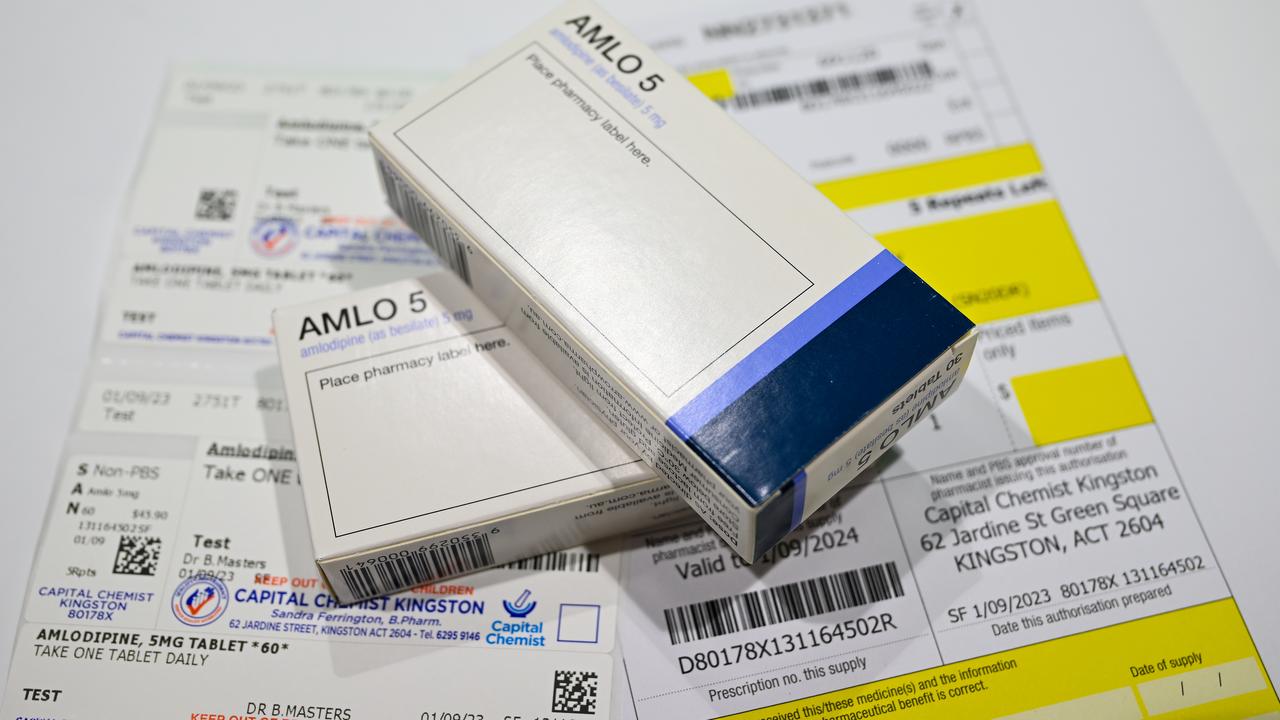
From Thursday, the maximum cost of medicines on the Pharmaceutical Benefits Scheme will be slashed from $31.60 to $25 – the lowest the co-payment has been since 2004, saving Australians over $200 million each year.
The cost-of-living measure, which was announced by the Albanese government in July, kicks in at the same time as a number of support payments are automatically increased in line with indexation.
Youth allowance and Austudy payments will increase by up to $17.60 a fortnight, while fortnightly payments will jump by up to $17.20 for youth disability pension recipients.
Eligible parents will also receive an extra $26 every two years for their kids’ dental costs, while from January 5, eligible families will get at least three days of subsidised childcare per week.
A free 24/7 nation-wide telehealth service, 1800MEDICARE, will also launch on Thursday.
With registered nurses available to provide advice around the clock to all Medicare card holders, the service is expected to save around 250,000 Australians unnecessary trips to a hospital emergency department each year.
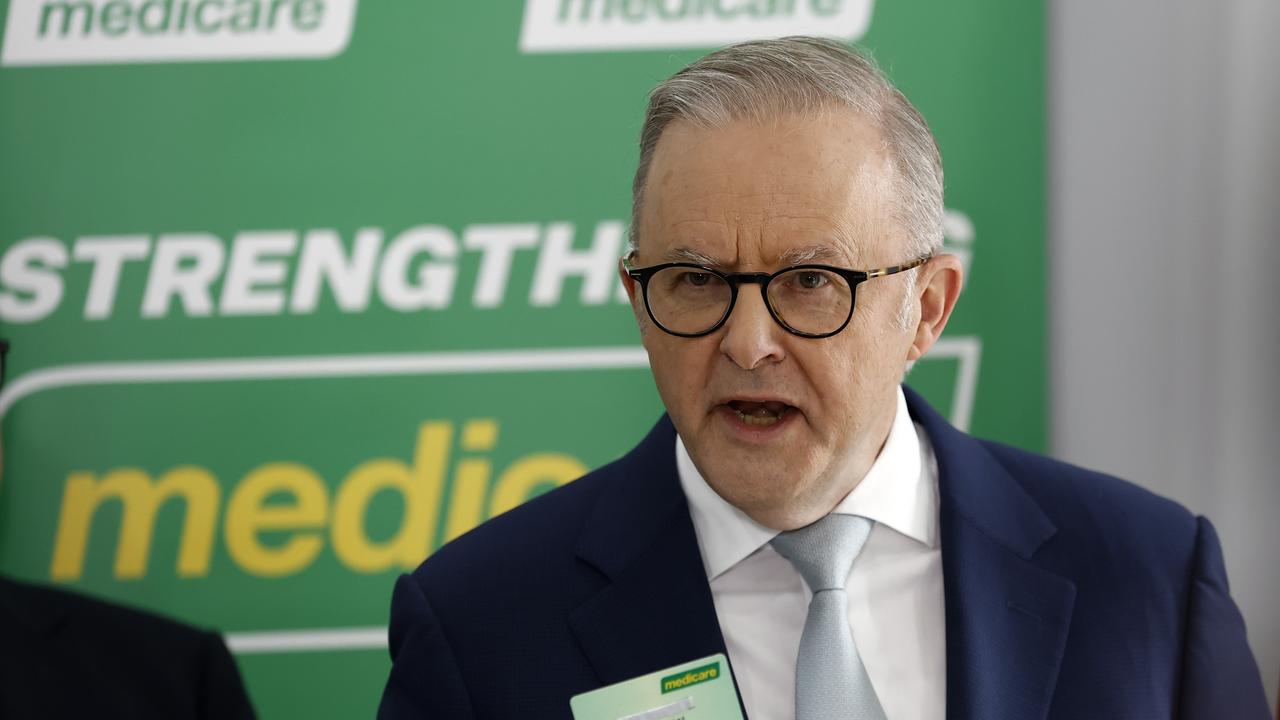
“There’s a reason the Medicare card is green and gold,” said Prime Minister Anthony Albanese.
“Medicare is the best of Australian values put into practice, people being looked after when they need it no matter who they are.
“We’re cutting the cost of PBS medicines because Australians shouldn’t have to worry about whether they can afford to fill a script.”
But not all the changes will make households better off.
Commonwealth energy subsidies will come to an end in 2026, meaning households will pay the full price on power bills for the first time in more than two years.
Economists say rolling state and federal electricity rebates have contributed to underlying inflation staying higher for longer, even though they resulted in a mechanical reduction in the headline consumer price index.
The federal government has also sought to wind back some of its largesse in regards to renewable energy after it was revealed a subsidy program for home battery systems had blown out by $11.6 billion over four years due to higher-than-anticipated demand.
The scheme will now be capped and eligibility tightened, which is estimated to trim the budget blow-out to only $4.9 billion.
When it was announced earlier in 2025, the scheme was costed at $2.3 billion.
Sally Tindall, data insights director at financial comparison site Canstar, said the annual indexation of support payments will be welcomed by those who rely on it, but 2026 could spell bad news for borrowers with interest rate hikes on the horizon.
“If you have a mortgage, know that it might be a bumpy start to the year, with two major banks now forecasting an increase to the cash rate in February,” she said.
“The cost of living has started to re-accelerate and unfortunately, this is unlikely to turn around any time soon, impacting everyone across the country, but those on the lowest incomes the most.”
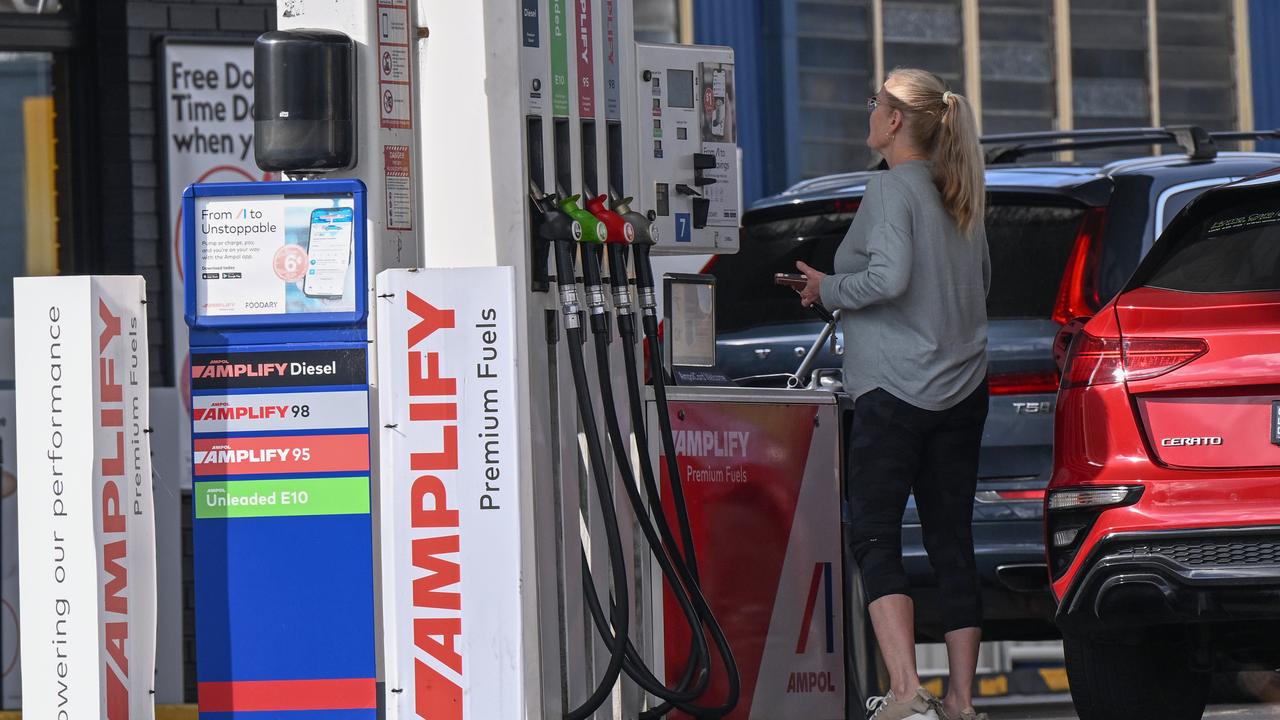
From Thursday, grocers and petrol stations will be required to accept cash, as a federal government mandate kicks in.
“It will ensure Australians who depend on cash for fuel and groceries aren’t left behind,” Treasurer Jim Chalmers said.
The change means businesses with annual turnover of at least $10 million must accept cash for in‑person transactions of $500 or less between 7am and 9pm.

Australian Associated Press is the beating heart of Australian news. AAP is Australia’s only independent national newswire and has been delivering accurate, reliable and fast news content to the media industry, government and corporate sector for 85 years. We keep Australia informed.