
Australia’s jobs market is continuing to soften, taking pressure off the Reserve Bank to raise interest rates again.
But questions around the Australian Bureau of Statistics’ labour force figures and stubborn inflation mean another hike remains firmly on the table.
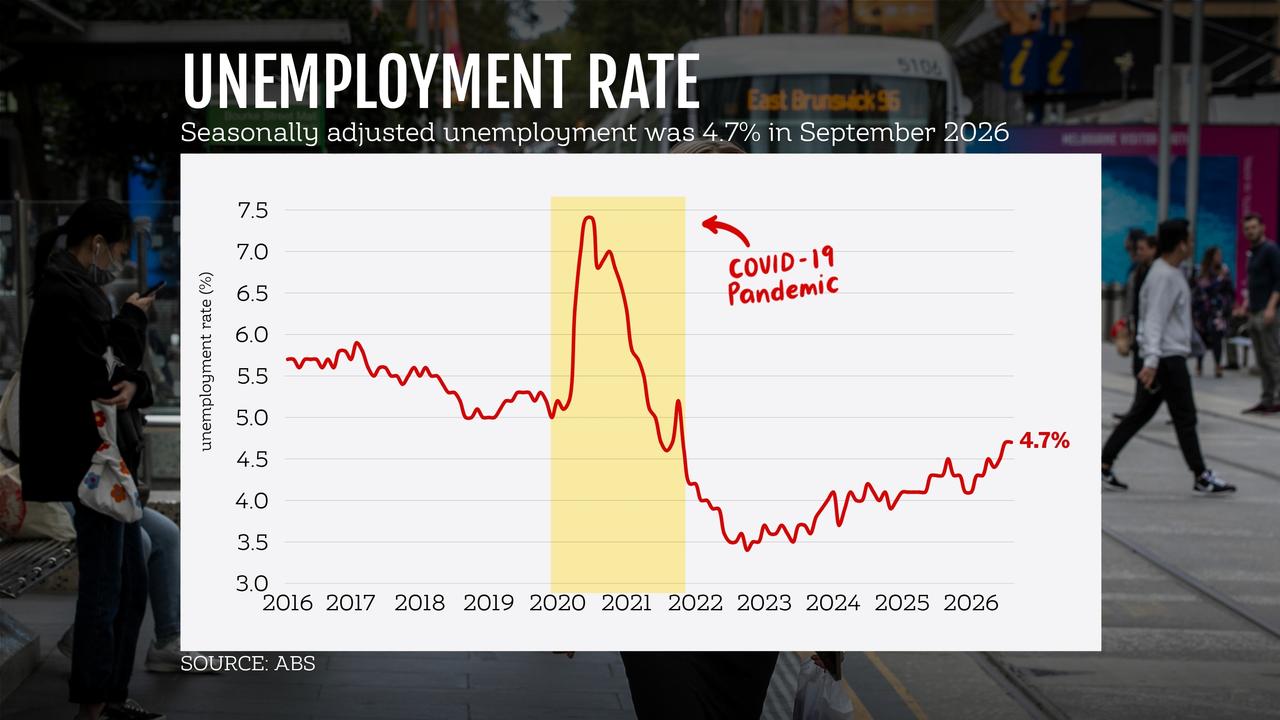
Unemployment came in at 4.7 per cent for a second straight month in September, the ABS revealed on Thursday, after August’s jobless rate was upwardly revised from 4.6 per cent.
Economists had been expecting unemployment to stay at 4.6 per cent.
A fall in employment by 39,300 was also softer than expectations. Consensus was for a rise of 20,000.
The softer-than-expected result continues the gradual easing trend that the labour market has been in since the start of the year.
Unemployment is at the highest level since October 2021, having risen by 0.6 percentage points since the start of the year.
And it’s already above the RBA’s forecast of 4.5 per cent for the December quarter.
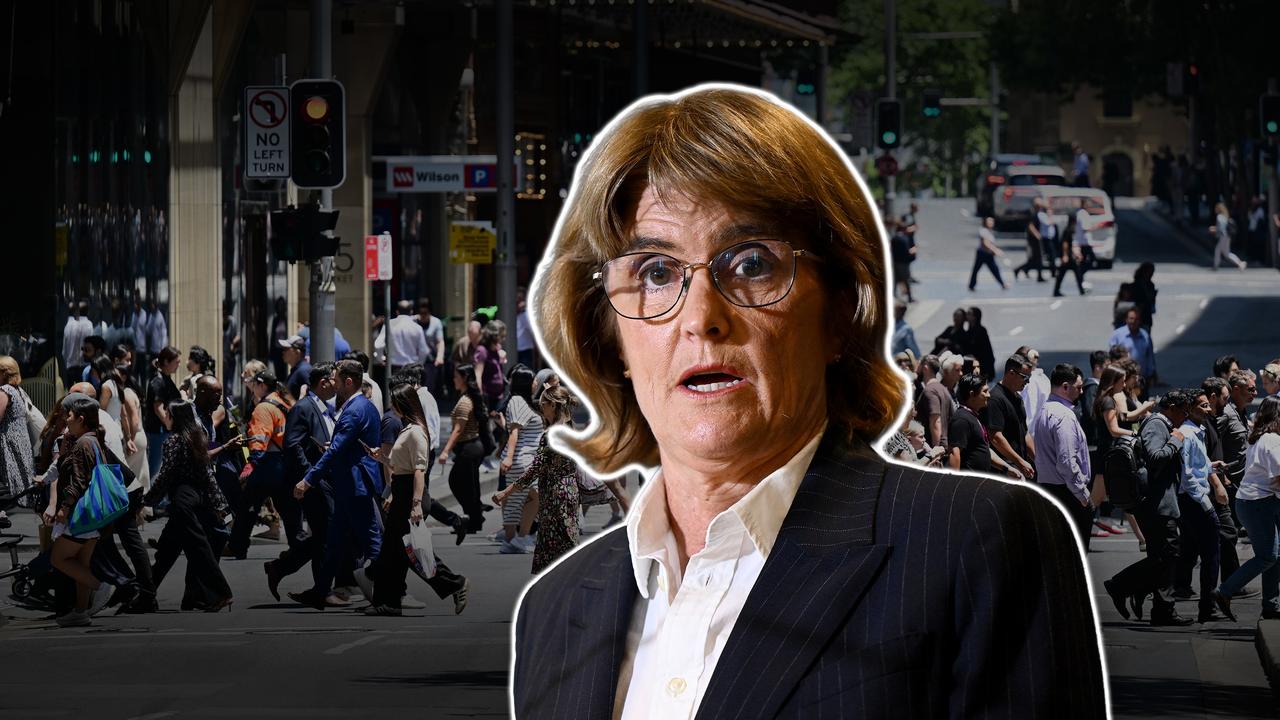
On face value, the gradual weakening in the jobs market is a welcome sign for RBA governor Michele Bullock, who has previously said that a higher unemployment rate was needed to bring inflation back to target.
But Marc Jocum, senior strategist at ETF provider Global X, said the numbers were noisy and should be taken with a pinch of salt.
The ABS has been updating the way the survey is carried out in recent months, which has impacted the seasonality of the data.
“The jobs market is beginning to lose momentum, but it is not falling off a cliff and is being heavily influenced by the volatile participation rate and ABS methodology changes,” he said.
“The RBA is walking a tightrope. It needs to slow the economy enough to tame inflation without tightening the screws so far that the jobs market buckles.
“The coming months will reveal whether this is a controlled cool-down or the beginning of a more painful slowdown.”
Taking into account the overall trend, the labour market has been loosening faster than the RBA expected, HSBC chief economist Paul Bloxham said in a research note.
But inflation was also surprising to the upside.
The softer labour force reading showed the RBA’s four interest rates so far in 2026 were having the desired effect of disinflating the economy, Mr Bloxham said.
While it added to the case for a hold at the margins, upcoming inflation data will be the main factor determining whether the RBA hikes again in November, he said.
In a read-out of its September meeting released on Tuesday, the RBA noted that labour market conditions had eased since August.
But RBA staff were increasingly worried that the rate of unemployment needed to keep inflation stable had risen as a result of weak productivity.
That meant that to get inflation back to target, Australians might have to get used to a higher unemployment rate than previously thought.
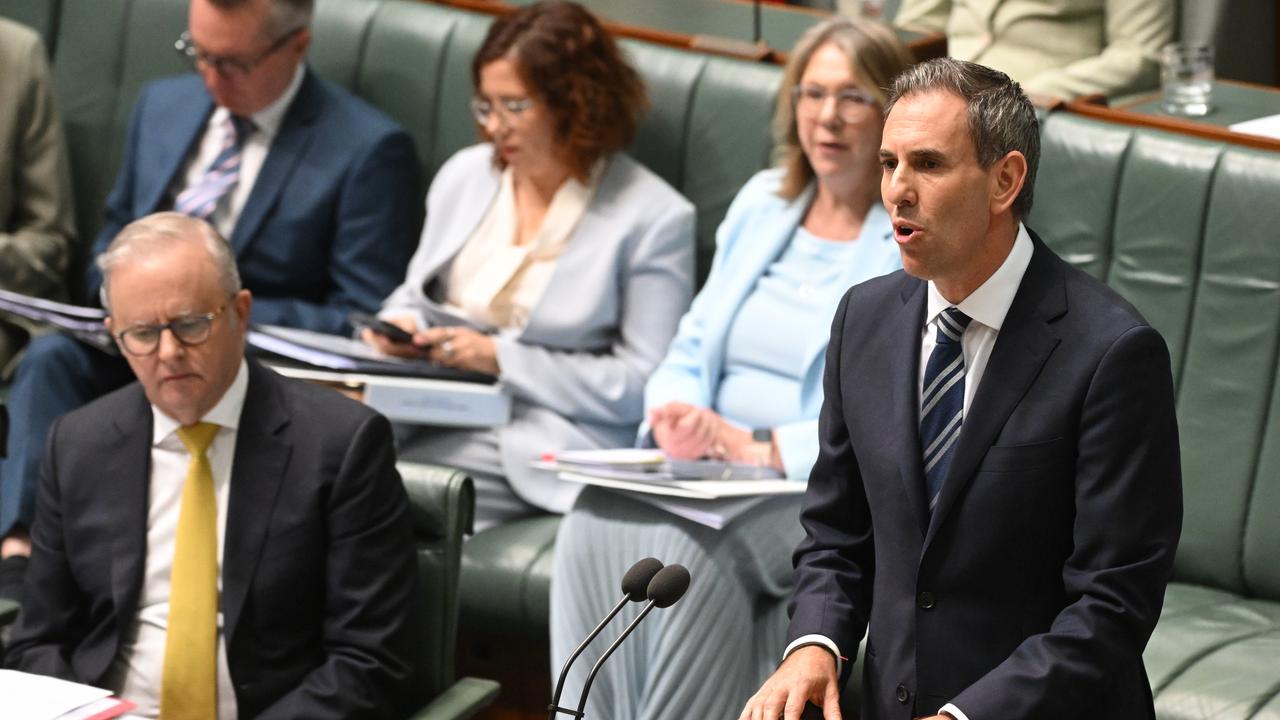
Unemployment was still low by historical standards, Treasurer Jim Chalmers said.
The participation rate was also near a record high, despite falling by 0.2 percentage points to 66.8 per cent.
Dr Chalmers flew to Bangkok on Thursday where finance ministers from around the world convened for the International Monetary Fund-World Bank annual meetings.
Top of the agenda was how to deal with the fallout from the ongoing war in the Middle East, which has pushed inflation up across the globe.
While the global economy was proving resilient to the Middle East oil shock, vulnerabilities were growing, the IMF said in its latest World Economic Outlook on Tuesday.
The IMF projected Australia’s unemployment rate to hit 4.7 per cent in 2027.
“The conflict in the Middle East is having devastating impacts on the global economy, our businesses and our people. Australia calls for de-escalation and an end to the conflict,” Dr Chalmers told the meeting of G20 finance ministers and central bank governors.

Australian Associated Press is the beating heart of Australian news. AAP is Australia’s only independent national newswire and has been delivering accurate, reliable and fast news content to the media industry, government and corporate sector for 85 years. We keep Australia informed.