
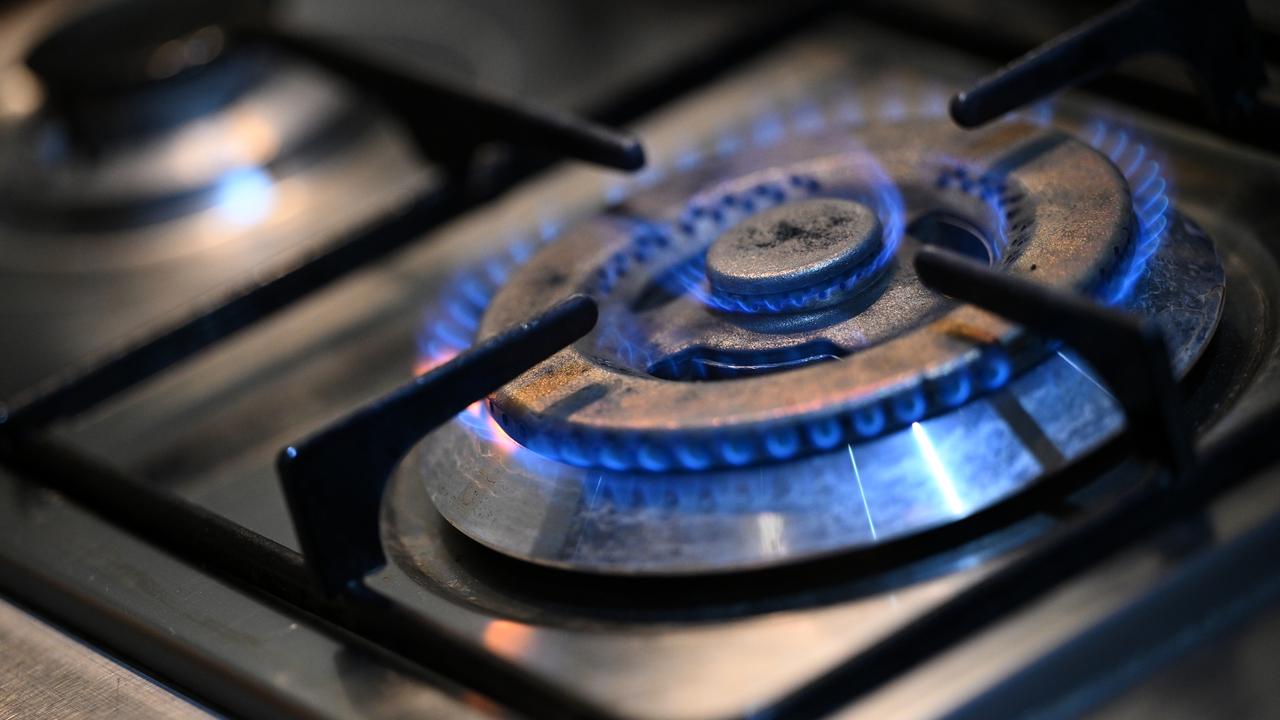
Australia’s most populous state could slash gas use by more than 50 per cent by 2035 if economy-wide reductions in the expensive, emissions-intensive fuel are pursued.
Modelling commissioned by Lock the Gate found commercially available technologies could cut NSW gas use by three-quarters.
The anti-fossil fuel organisation has joined forces with environmental groups, unions, health professionals and community organisations to call for a comprehensive gas reduction strategy from the state government.
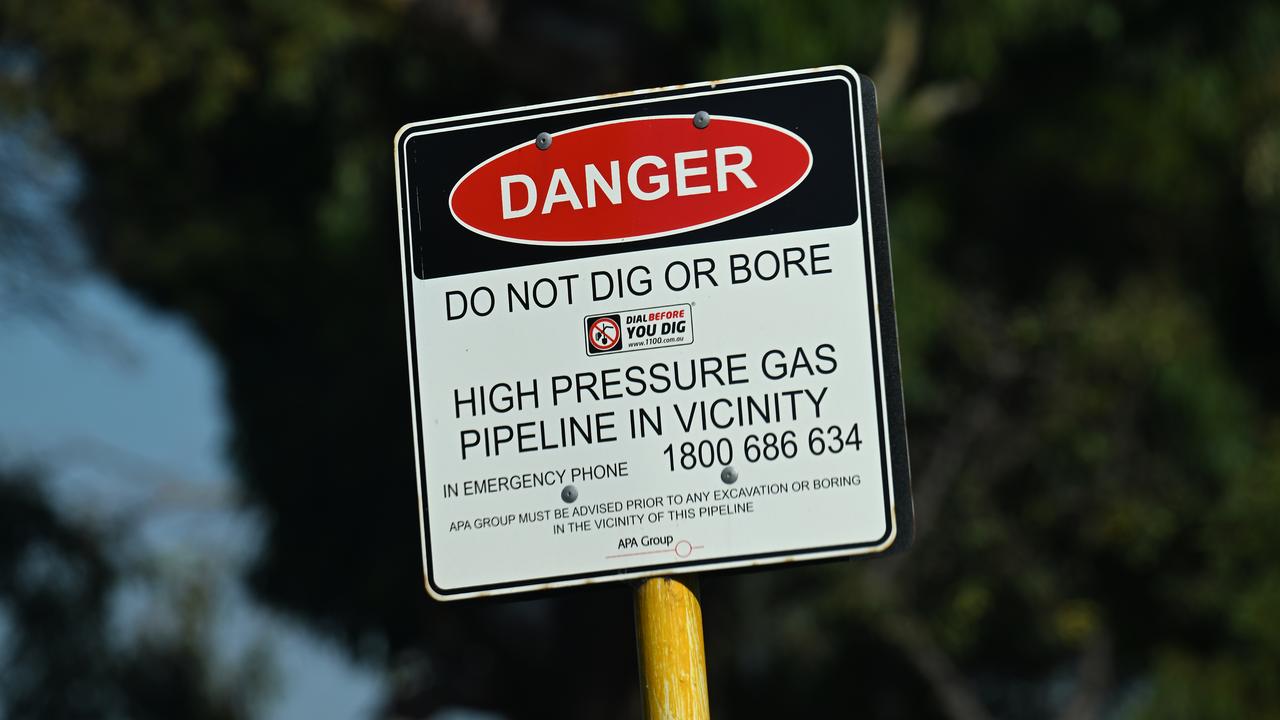
The alliance has recommended phasing out gas connections in new homes, fast-tracking cuts in low-heat manufacturing and statewide gas reduction targets to wean the state off the fuel more rapidly.
Gas use is expensive and has implications for NSW’s climate commitment to reach net zero by 2050.
NSW gas prices have climbed almost 277 per cent since 2011, the commissioned Springmount Advisory report finds, piling pressure on manufacturers and contributing to higher electricity prices.
Burning gas in the home can also be harmful to health, with gas stovetops linked to childhood asthma.
The coalition – including Doctors for the Environment Australia, the NSW and ACT Australian Manufacturing Workers Union and the Nature Conservation Council NSW – says the upcoming update to the state’s Net Zero Plan should include an economy-wide gas plan.
The alliance wants new gas connections phased out, starting with apartments, a step already taken by the Victorian and ACT governments and some NSW councils.
While movement on household and small business electrification is expected in an upcoming Gas Decarbonisation Roadmap, industrial use has received less attention.
Manufacturing steel, glass, bricks and cement still face high costs to electrify but gas-free opportunities are available for lower-heat processing, including for food and paper.
An electrification target for low-heat manufacturing and supporting policies has been recommended to prevent industry closures and preserve finite gas supplies for sectors that need more time to develop alternatives.
The report noted gas use was already in structural decline, falling 17 per cent since 2020, suggesting formal targets would accelerate the existing trend.

Australian Associated Press is the beating heart of Australian news. AAP is Australia’s only independent national newswire and has been delivering accurate, reliable and fast news content to the media industry, government and corporate sector for 85 years. We keep Australia informed.