
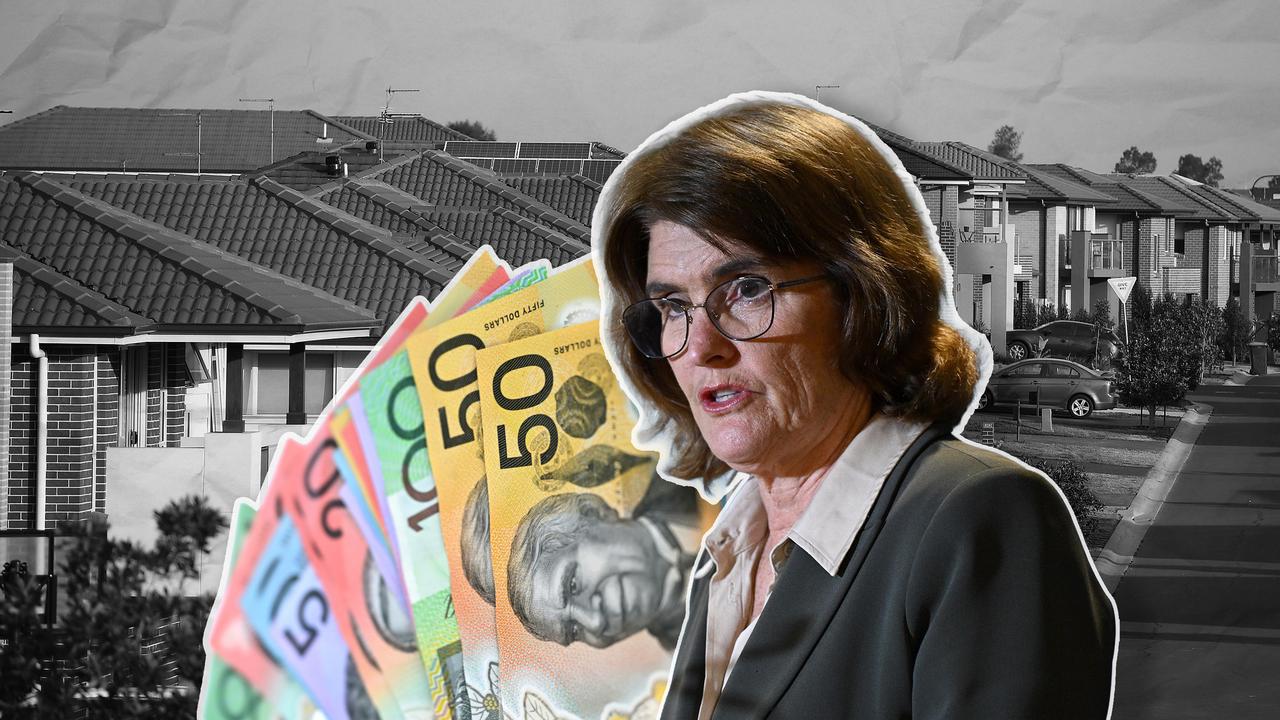

The Reserve Bank’s upcoming interest rate meeting will be pivotal – for what it means for future rate decisions.
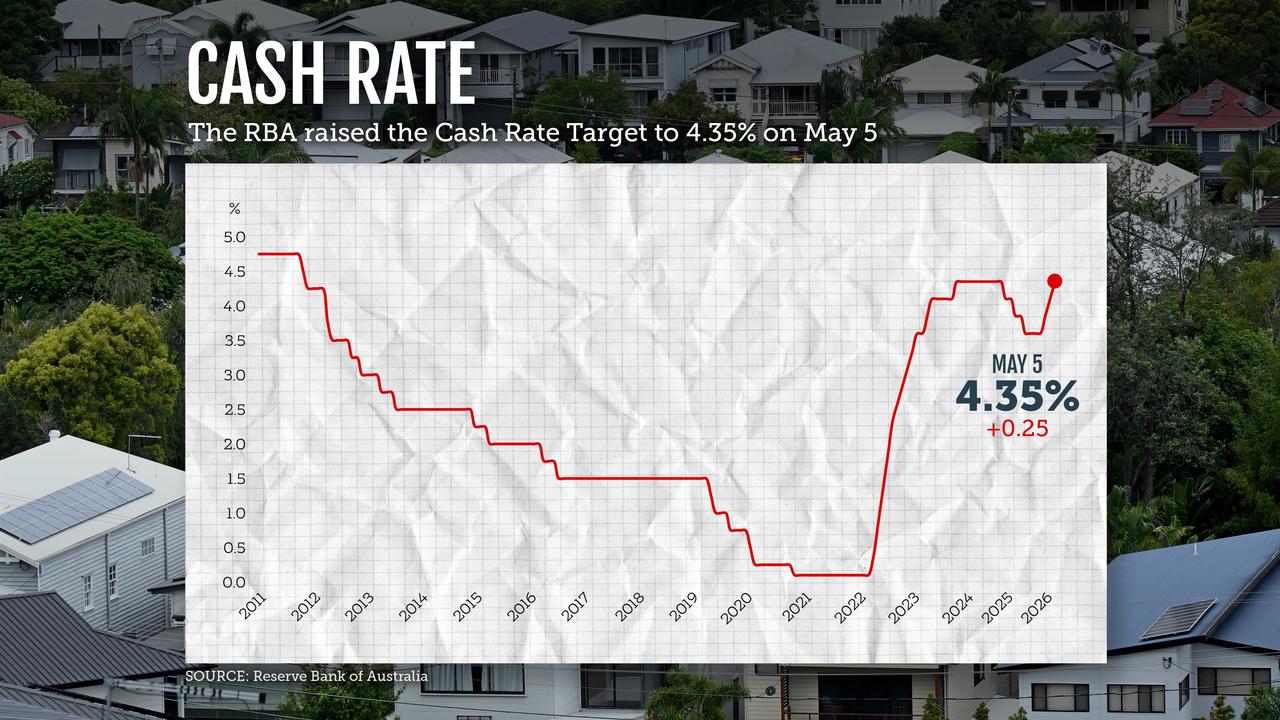
Money markets and economists are in near-unanimous agreement that the Reserve Bank’s monetary policy board will hold the cash rate steady at 4.35 per cent when it wraps up its latest two-day meeting on Tuesday.
But rate watchers will get a new set of economic forecasts and Reserve Bank commentary to pore over for signs of where interest rates will go next.
With uncertainty still hanging over the Middle East conflict, house prices and the resilience of Australian households, Morgan Stanley’s Australian chief economist Chris Read expects a hawkish tone from the board statement and governor Michele Bullock’s press conference.
“The governor is likely to emphasise the persistence of above-target inflation and the risk it poses to inflation expectations, although the softer domestic demand outlook should temper that message somewhat,” he and his colleagues wrote in a research note.
At 3.6 per cent, the quarterly trimmed mean – the central bank’s preferred measure of inflation – is still well above its two to three per cent target range.
But the June outcome was lower than the 3.8 per cent figure in the Reserve Bank’s May forecasts, which prompted traders to slash the odds of the bank staying on hold for the rest of the year.
Despite the better-than-expected inflation data, Ms Bullock will want to keep the door open to future rate hikes, given the uncertain outlook.
A large increase to the minimum wage in July, a weaker Aussie dollar and a lower assumed path for interest rates should continue to push up inflationary pressures, even as demand softens following three rate hikes this year, the Morgan Stanley analysts said.
“As a result, we expect the RBA’s forecasts to continue showing inflation not returning to the midpoint of the target band until 2028,” they said.
The re-escalation in the Middle East also risked reigniting inflation after it eased in June, Commonwealth Bank head of Australian economics Belinda Allen said.
Oil prices have jumped since the start of July but remain significantly below their peaks during the first phase of the conflict.
The weaker demand environment will also give businesses less scope to pass on higher costs, Ms Allen said, but it won’t be possible for the Reserve Bank to tell until September quarter data later in the year, meaning the earliest opportunity for another hike will be November.
Along with economists at all four big banks, the Morgan Stanley analysts expect the Reserve Bank’s next move will be down rather than up.
The key signal for the Reserve Bank would be the faster-than-expected weakening in the housing market since May, they said.
“Housing is the main domestic transmission channel for monetary policy,” they said.
“Further softening should give the RBA greater confidence that demand will weaken over coming months, reinforcing its assessment that policy settings are restrictive.”

Australian Associated Press is the beating heart of Australian news. AAP is Australia’s only independent national newswire and has been delivering accurate, reliable and fast news content to the media industry, government and corporate sector for 85 years. We keep Australia informed.