

For much of the past two years, Justine Sless has been a hair’s breadth away from not being able to cope financially.
After being made redundant at 57 with a mortgage still to pay, the Melbourne-based author and Australian School of Comedy creative director found herself choosing between paying her bills or buying food.
“I was in this position where potentially I could lose my house, because I’m that demographic. I’m a woman over 50 and I’m divorced,” she said.
“It doesn’t take much when you don’t have a regular income to tip things.”
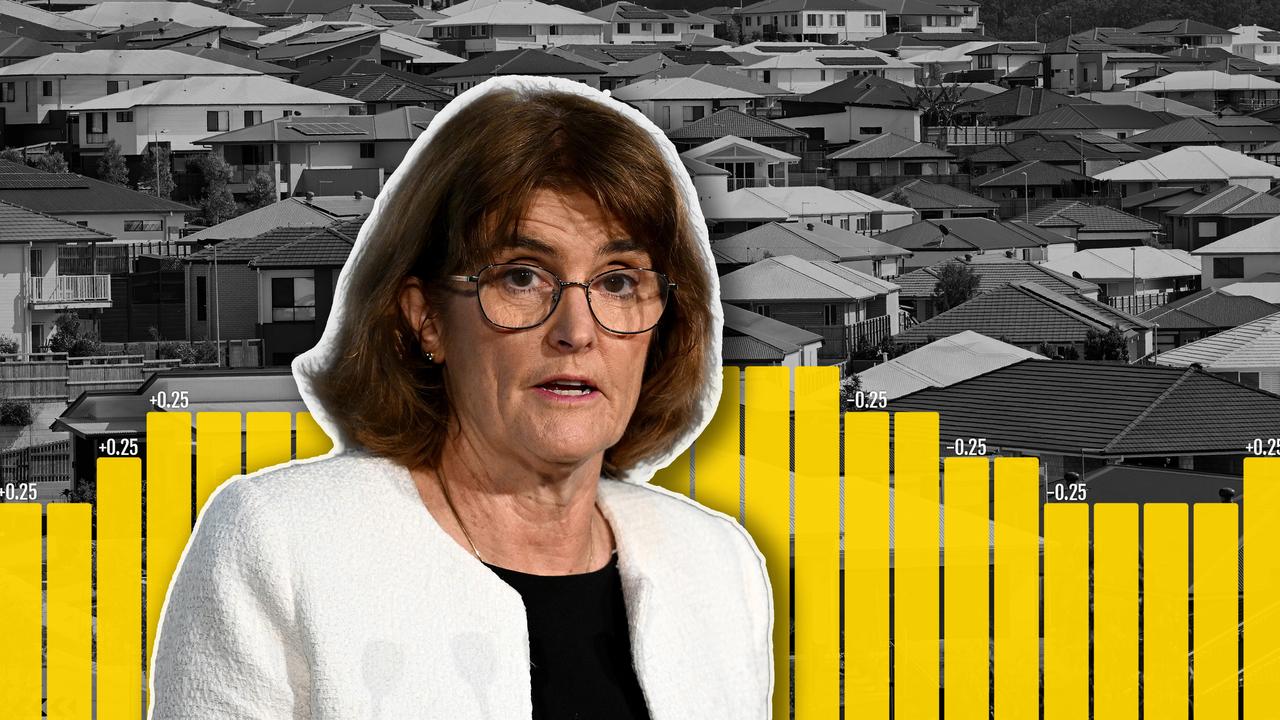
She’s among a record number of households that have turned to financial helplines in 2026 as high inflation and rising interest rates leave little room for people to pull back on spending.
Economists predict another rate rise in the coming week after September’s headline inflation rose to 0.8 per cent in the month, taking the annual inflation rate to 4.3 per cent.
A recently released report by the Consumer Action Law Centre noted the National Debt Helpline has experienced record demand in the current year.
More than one-third of its clients were either working or self-employed.
“Financial counsellors are increasingly hearing from people who never expected to need help: workers, families and small business owners who are struggling to meet the rising cost of everyday essentials,” Financial Counselling Victoria chief executive Zyl Hovenga-Wauchope said.
Ms Sless said her decision to reach out to friends, family and finally a financial helpline didn’t come without pain and shame.
But it also saved her life, she said.
“Cost of living is like a blanket statement, there’s lots of nuance and a lot of pain for people to have to access relief or even admitting to yourself there is a problem,” she said.
“I see my property as an asset that is there to protect me, rather than me being the slave to the mortgage, but that is only due to the work that financial counsellors have done.”
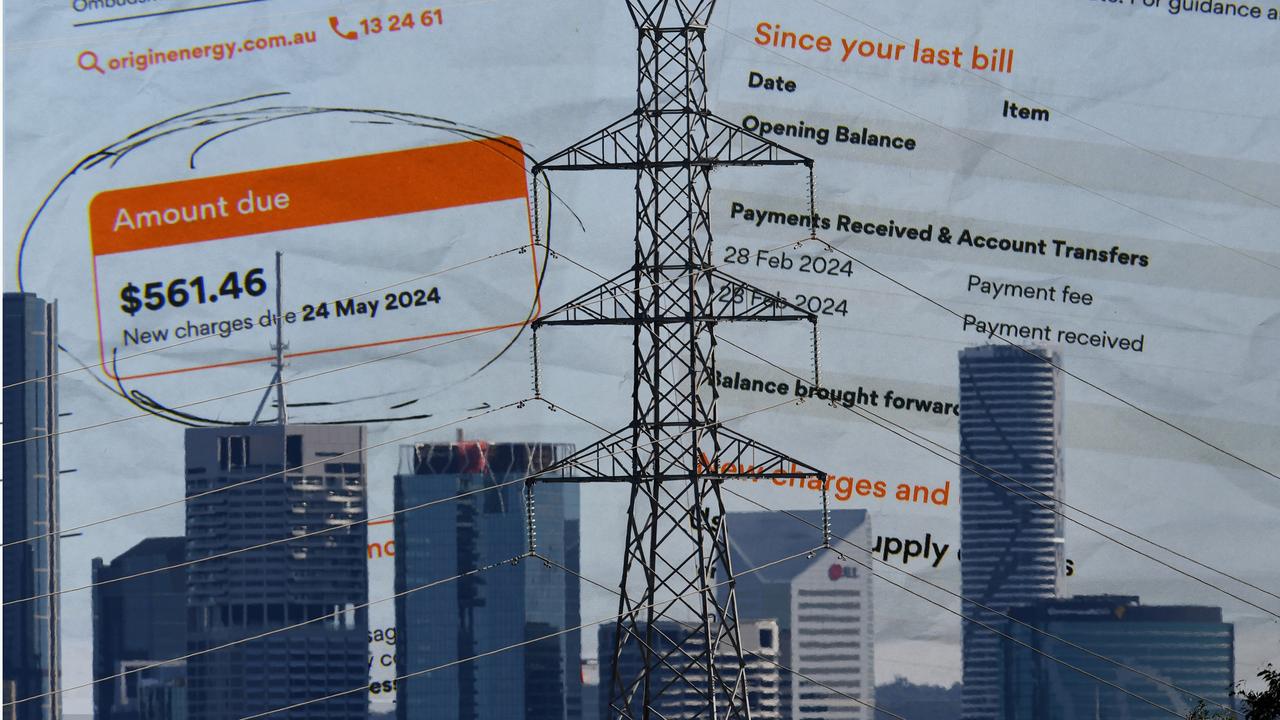
Fifty-three year old Paul Broadway begrudgingly launched a GoFundMe campaign as a last resort when he saw all his savings chewed up within four months of being unemployed.
“It took me three months of blood, sweat and tears to find jobs and I applied for no less than about 500,” he said.
“Most of my bills had been put on hold, so that was a little bit of a relief.
“But just thinking, am I going to get next month’s rent? That was my main concern.”
During that period, Mr Broadway’s fuel costs climbed 40 per cent into triple digits for the first time, while higher food costs put more pressure on his tight budget.
“I finally got Centrelink, but a whole month of Centrelink barely covers my rent, so it left nothing for food, nothing for other bills, nothing for petrol,” he said.
Falling behind on monthly bills became the fastest growing reason for Australians seeking help through GoFundMe as households look for alternative ways to raise critical funds.

Australian Associated Press is the beating heart of Australian news. AAP is Australia’s only independent national newswire and has been delivering accurate, reliable and fast news content to the media industry, government and corporate sector for 85 years. We keep Australia informed.