
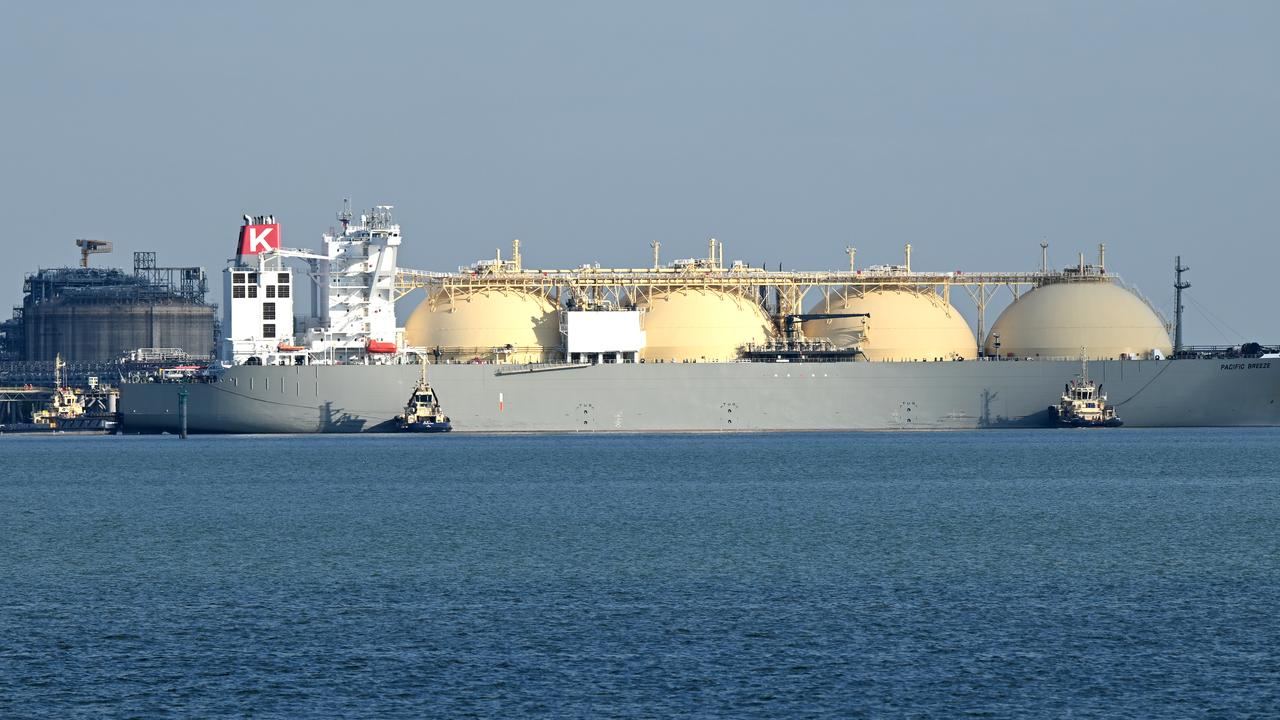
Calls for a 25 per cent tax on gas exports have been rubbished by energy producers and the federal opposition.
Days after Liberal industry spokesperson Andrew Hastie expressed openness to higher taxes on the fossil fuel, Nationals senator Susan McDonald was highly critical of new levies.
“The answer is not new taxes that stifle investment and private-sector job creation,” the opposition resources spokesperson told the Australian Domestic Gas Outlook conference in Sydney.
“And worse a tax in response to a very well co-ordinated activist campaign.”
The Middle East war has pushed global gas prices higher, putting Australian exporters in line for windfall profits and sparking calls from the Greens, unions, crossbenchers and One Nation for an urgent 25 per cent tax on gas exports.
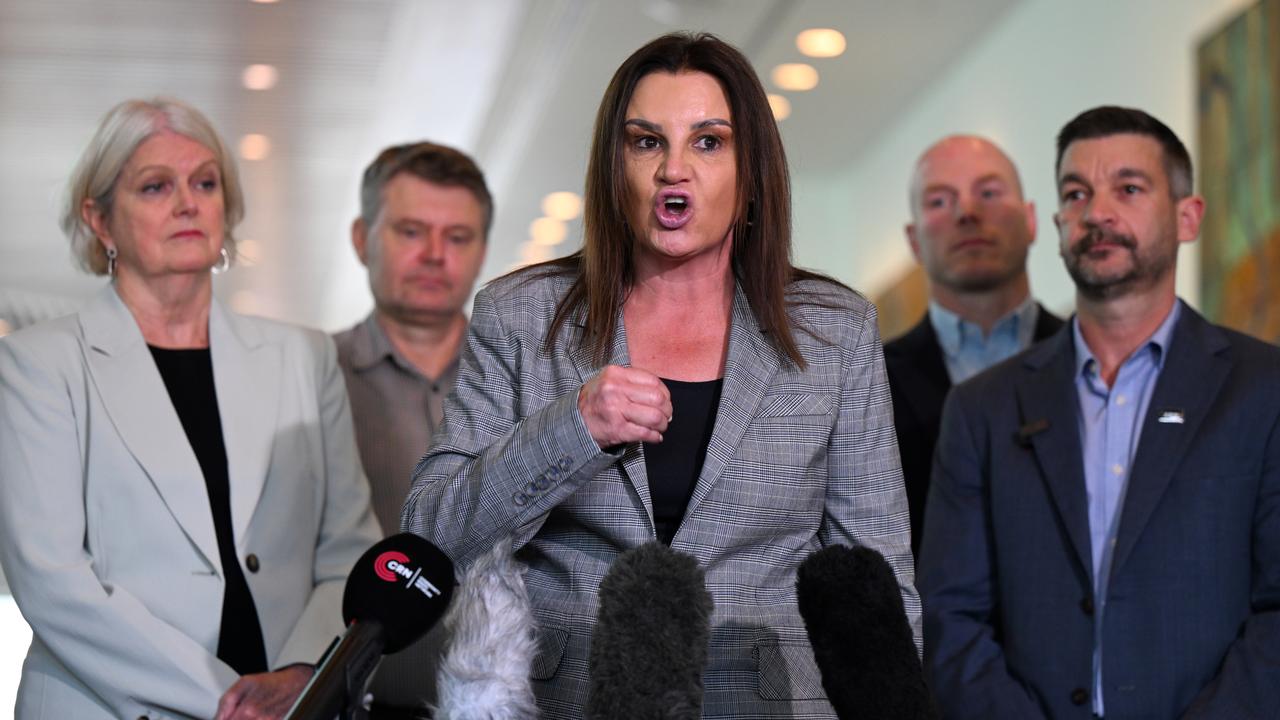
The Australia Institute says the export taxes would deliver nearly $350 million to taxpayers each week and be more effective than the existing Petroleum Resources Rent Tax levied on super profits.
The prime minister’s department has reportedly ordered Treasury to model “new levy options” on the gas industry.
Labor has also supported a parliamentary inquiry into the tax regime in another sign Anthony Albanese is open to pursuing changes ahead of the May budget.
Treasurer Jim Chalmers said there had been no change in policy when queried on Tuesday.
NGO pressure has also intensified, with Greenpeace Australia Pacific activists arrested after disrupting the gas conference on Monday and unfurling banners entitled “tax gas profits”.
Woodside Energy joined other gas majors in warning Australia against a windfall tax.
“We do not support calls to increase tax on some of Australia’s largest employers when it is clear that instead, we should be encouraging the development of new energy supplies,” the gas giant’s vice president marketing and commercial Wojciech Grzech said at the conference.
The roughly $25 billion in taxes, royalties and levies paid by the gas producer since 2011 was highlighted in his address.

Industry rhetoric on an east coast reservation policy was more muted.
Exporters will be forced to reserve between 15 and 25 per cent of gas for domestic use under a federal scheme announced in 2025.
Australian Energy Producers chief executive Samantha McCulloch called for a flexible design that avoids forcing more gas onto the domestic market than demanded by local users.
Ms McCulloch warned poorly designed reforms could stifle investment in projects in areas at highest risk of shortfalls.
“This would be at odds with the intent of these reforms,” the head of the gas producer industry group said.

Australian Associated Press is the beating heart of Australian news. AAP is Australia’s only independent national newswire and has been delivering accurate, reliable and fast news content to the media industry, government and corporate sector for 85 years. We keep Australia informed.