
Grim forebodings of market failure have rung out as gas producers make a last-ditch attempt to prevent their sector being overhauled.
Labor’s gas reservation scheme will force companies to set aside the equivalent of up to 20 per cent of their exports for Australian consumers, and came a step closer to becoming law after passing the federal lower house on Thursday.
Producers’ heart rates have quickened over the plan’s promise to oversupply the domestic gas market by 10 per cent, which they have labelled a dangerous extravagance.
“Combining a target of 110 per cent of demand with a requirement to sell, regardless of whether there is a market to do so … is likely to result in market failure,” Shell executive David Guiver told a Senate inquiry on Friday.
“More production and lower production costs are essential … a well-designed reservation scheme will support those outcomes rather than weakening the market signals needed to deliver them.”
Labor has already watered down their policy at the gas industry’s urging, changing the 20 per cent obligation from a minimum to a maximum.
Producers can now undershoot the target with the government’s say-so, and companies’ existing deals with overseas buyers won’t be affected.
The 10 per cent oversupply provision is also flexible, with Shell nominating between two and five per cent as more reasonable figures.
Companies should be shielded from penalties if they missed their supply target but “made reasonable endeavours to comply and behaved and conducted themselves in good faith”, its executive Cam Crowther said, calling the 10 per cent oversupply provision “a dangerous step”.
The bosses were also peppered with questions on the much talked-about proposal to slap a 25 per cent tax on gas exports.
The Greens have bristled at the reservation scheme over concerns it was meant to distract from shortcomings of the petroleum resource rent tax, the main way Australia taxes profits from extracting and selling gas.
The government faced an upswell of public pressure to impose an export tax in the run-up to May’s federal budget, but has ruled it out partly over concerns it would damage relationships with Australia’s fuel suppliers.
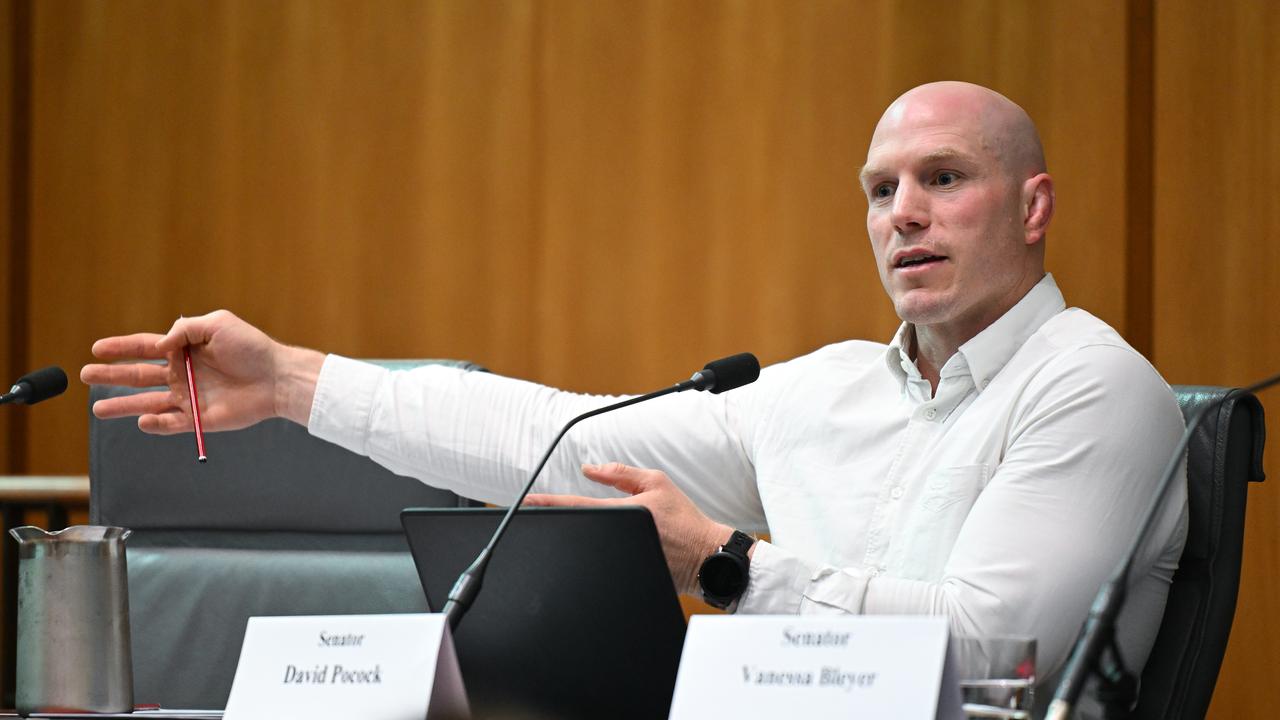
A revelation the government collected less from the tax than from the beer excise was a high-point of the viral campaign, spearheaded by independent senator David Pocock.
Emperor Energy boss Tim Handley said the supply obligation was effectively its own tax.
“You will be requiring exporters to sell gas at call it $12 instead of selling at export prices of $25 or $30,” he said.
“That is a tax.”
The coalition has hitched its tentative support to the reservation scheme, which may allow it to blow through the Senate, but has raised scruples over Western Australia’s potential inclusion in the plan.
WA has had its own reservation policy for 20 years, but with a more generous 15 per cent supply obligation over the whole life of gas projects within the state, rather than 20 per cent annually.

Australian Associated Press is the beating heart of Australian news. AAP is Australia’s only independent national newswire and has been delivering accurate, reliable and fast news content to the media industry, government and corporate sector for 85 years. We keep Australia informed.