Motorists may have to wait months for fuel prices to come down, despite the US and Iran agreeing to a pause in fighting which includes reopening the Strait of Hormuz.
In exchange for American attacks being put on hold for two weeks, Iran has agreed to allow tankers to resume travelling through the critical waterway, which before the war carried around one-fifth of the world’s oil.
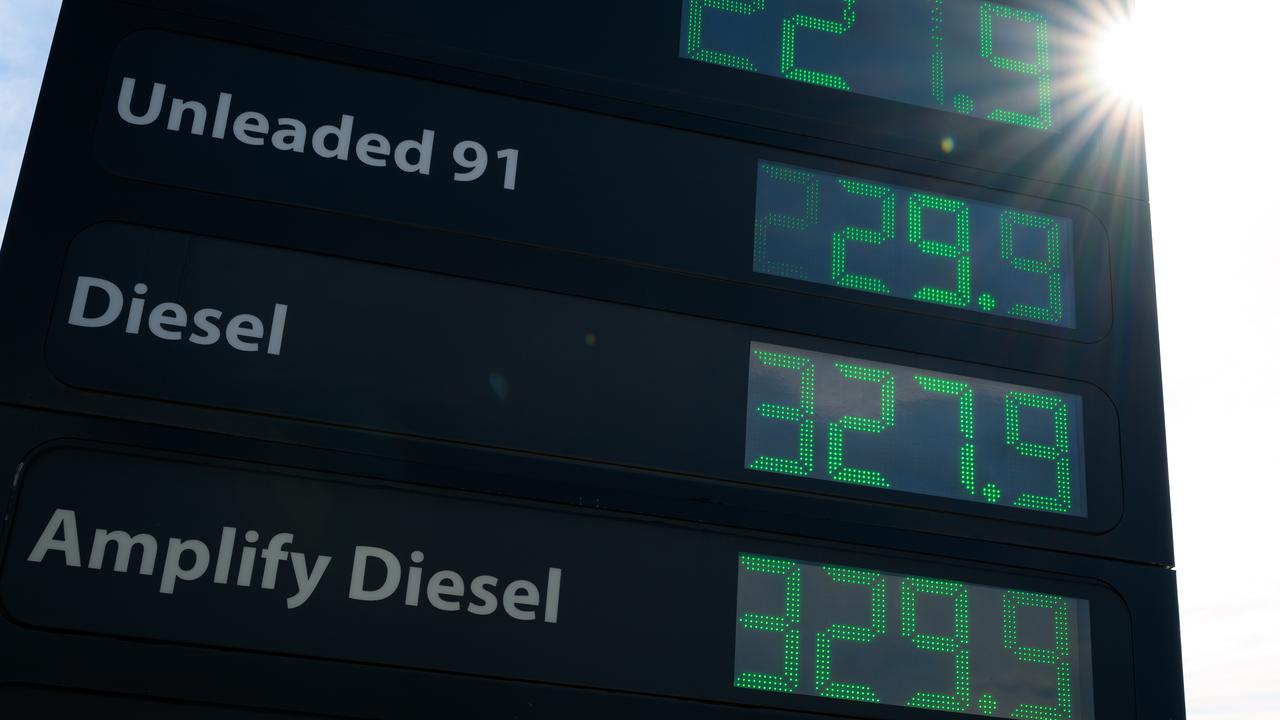
While the American oil benchmark Brent Crude plunged 13 per cent to about $US95 a barrel, Australian petrol and diesel prices are unlikely to respond straight away, experts and industry insiders have told AAP.
Australian Institute of Petroleum chief executive Malcolm Roberts, who represents major petrol companies including Ampol, BP, Mobil and Viva Energy, said the ceasefire was welcome but the effects would take some time to flow through supply chains.
“We would caution people from expecting this will have immediate effects on supply or prices in our region,” he said.
“It’s going to take quite some time for global supply chains to reconnect.”
US President Donald Trump claimed a “total and complete victory” and declared it was a “big day” for world peace, but Energy Minister Chris Bowen struck a cautious tone on the reopening of the Strait of Hormuz, warning it didn’t appear to be a done deal.
“We welcome progress, but I don’t think we can say that the Strait of Hormuz are now open,” he told reporters in Sydney on Wednesday.
“There’s more work to be done.”
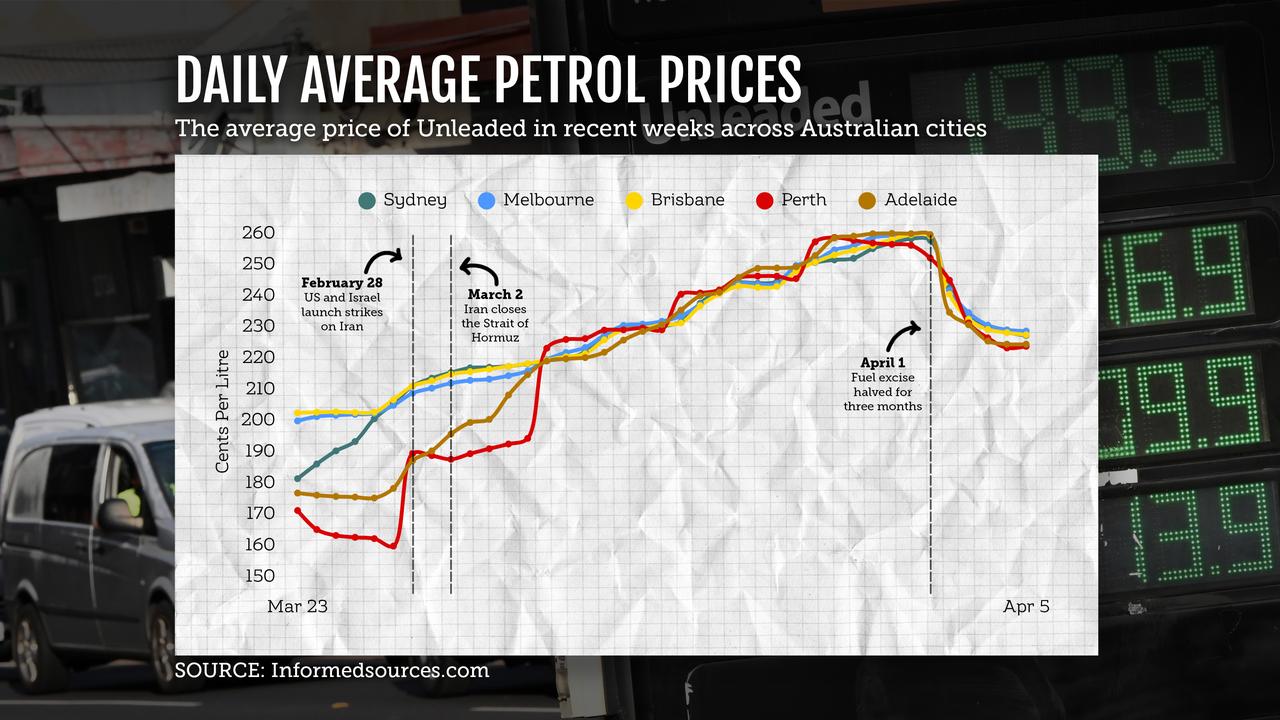
If the ceasefire held, petrol and diesel prices would likely begin dropping over coming months as fuel companies sold out of their more expensive fuel, Australian National University supply chain lecturer David Leaney said.
“While that expensive oil is making its way around the world and being refined into fuel with a higher cost, that cost (of petrol and diesel) stays high for a couple of months,” he said.
NRMA spokesman Peter Khoury said the organisation would watch closely to ensure falling wholesale prices were passed on in full.
“Australians have been paying the highest price on record for more than a month. We need to get relief back into family budgets,” he said on Wednesday.
Prime Minister Anthony Albanese had a phone call with His Majesty the Sultan of Brunei on Wednesday, where the importance of ensuring global energy supply chains were kept open was discussed.
As Mr Albanese prepares to travel to Singapore on Thursday for talks aimed at further shoring up Australia’s fuel supplies, the opposition has called for a public database of how much petrol and diesel are in the nation’s reserves.
Opposition Leader Angus Taylor will call on the government to implement a publicly accessible dashboard, which would provide information on service stations without fuel, the number of days of remaining stock and available storage.

Australian Associated Press is the beating heart of Australian news. AAP is Australia’s only independent national newswire and has been delivering accurate, reliable and fast news content to the media industry, government and corporate sector for 85 years. We keep Australia informed.