Australians are being warned every corner of the economy will be affected by soaring fuel prices as a result of the war in Iran.
But consumers are being urged to avoid panic buying, which is exacerbating supply problems and leading to spending limits at some service stations.
The average price of unleaded petrol and diesel has risen past $2 a litre in all major cities, leading to accusations of profiteering by fuel companies.
The consumer watchdog has put retailers on notice about giving false or misleading reasons for cost increases.
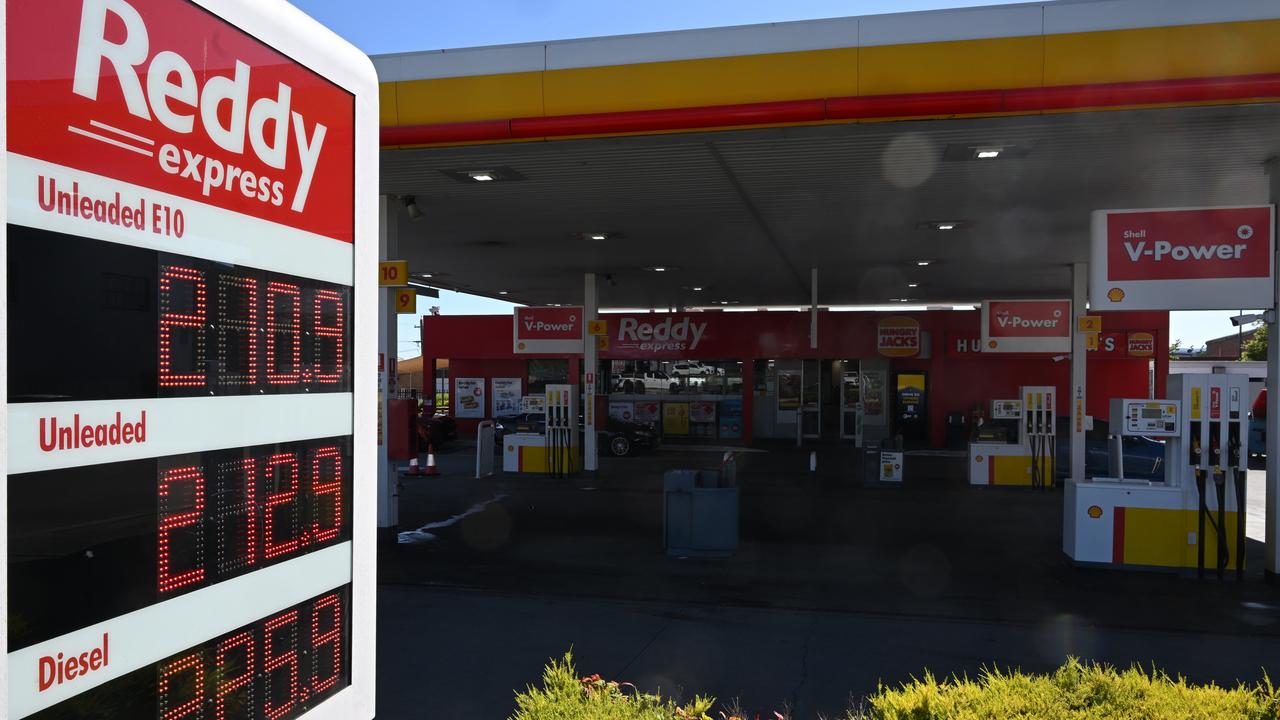
The rise in diesel prices in the capitals, some as high as 230 cents a litre, was going to be detrimental to agriculture, mining and transport, NRMA spokesperson Peter Khoury said.
“Every corner of the economy will see prices go up,” he told AAP.
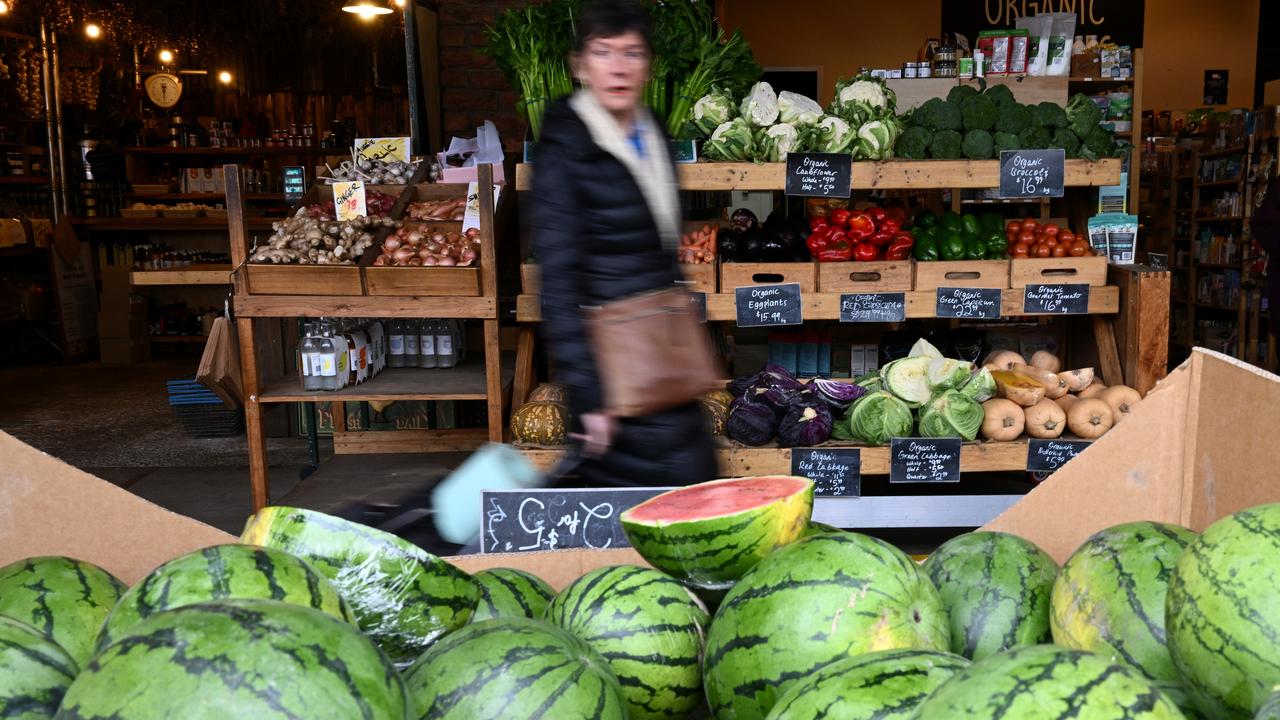
“If these new record prices are sustained, that’s going to have a direct impact on what we pay in the supermarket aisle and that’s going to unfortunately, have a significant inflationary effect on the economy.”
Mounting conflict in the Middle East has closed one of the world’s most important oil corridors, the Strait of Hormuz, disrupting global shipping and putting a clamp on supply.
The motoring organisation said some parts of regional Australia were running low on diesel because of stockpiling and panic buying.
“We must go back to our normal buying habits for fuel, and oil companies have to ensure that as the tankers arrive in our terminals, that independent retailers in regional Australia are getting access to the fuel they need,” Mr Khoury said.
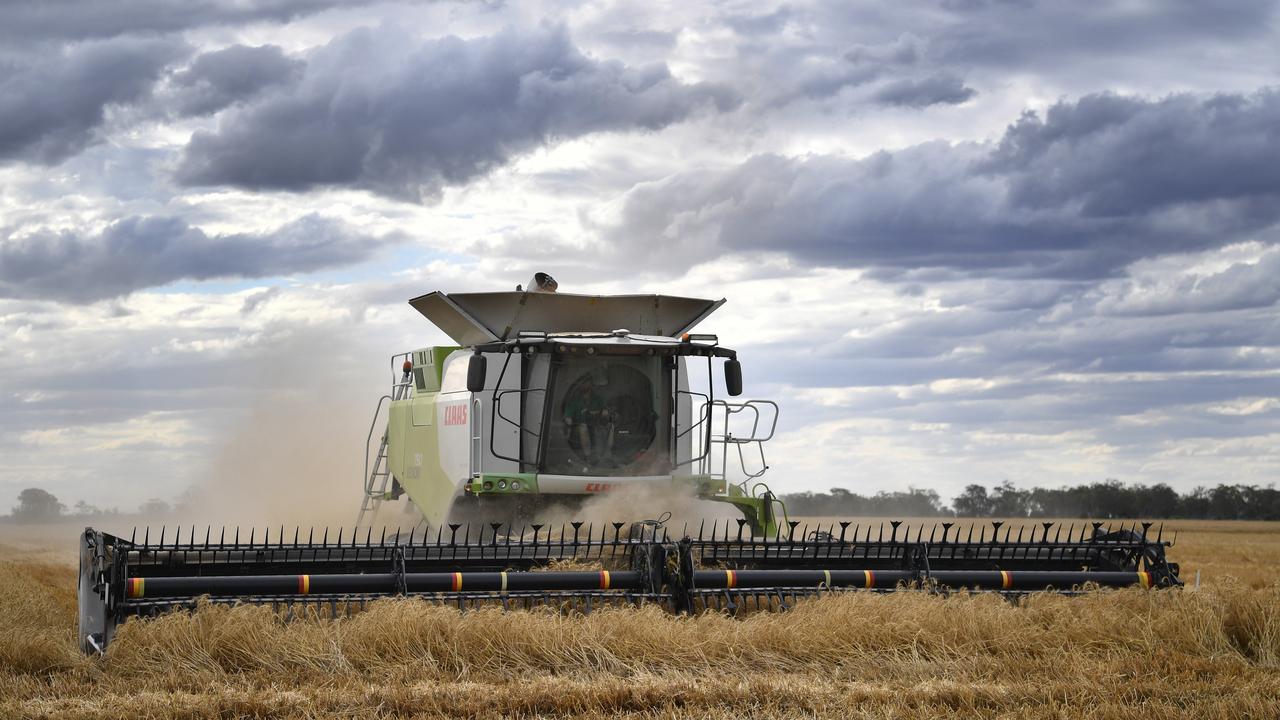
Farmers warn the fuel situation could affect the food supply, because of difficulties obtaining diesel and fertiliser.
“Rising diesel and fertiliser costs increase the cost of producing food, and those higher costs will flow through to grocery prices for Australian households,” Rural Aid chief executive John Warlters said.
“Farmers are worried about securing fertiliser in time for sowing, and with fuel shortages already emerging, there’s growing concern about keeping essential farm operations running.”
Energy Minister Chris Bowen said the service stations agency had told the government that demand had increased in some regional areas by 280 per cent.
“Fundamentally, Australia’s fuel security is good because of the minimum stock obligations that we have put in place,” he told parliament on Tuesday.
“Petrol and diesel and jet fuel have continued to be received in Australia as we would expect in recent days, and that the industry expects that to continue for the foreseeable future.”
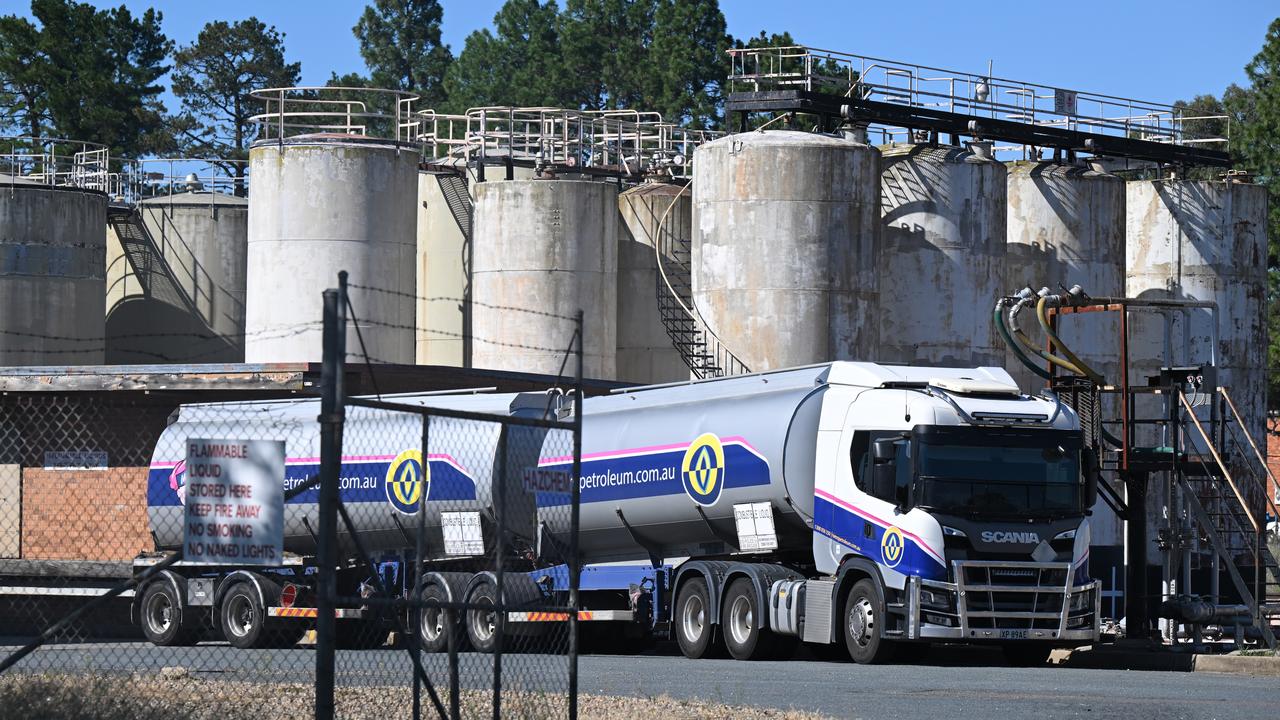
Opposition resources spokeswoman Susan McDonald said the fuel shortage was a diaster of Labor’s making.
“We’ve got the four big wholesalers diverting fuel initially to retail pumps, cutting off farmers … people who are trying to grow food for this country, the truck drivers who are trying to deliver it,” she told 4BC radio on Tuesday.
Qantas on Tuesday raised fares on its international flights because of spiralling fuel prices.

Australian Associated Press is the beating heart of Australian news. AAP is Australia’s only independent national newswire and has been delivering accurate, reliable and fast news content to the media industry, government and corporate sector for 85 years. We keep Australia informed.