
Almost 60 years after playing a key role in the first moon landing, Australia has again reached for the stars as NASA launched its latest lunar mission.
A South Australian dish has been tasked with assisting the Artemis II mission in a sequel to the nation’s effort during the 1969 landing which inspired a movie.
Four astronauts are aboard the Orion crew capsule attached to the NASA rocket that launched from Cape Canaveral in Florida early on Thursday Australian time.
South Australian-based aerospace company Southern Launch is tracking Orion during its 10-day mission as the United States look to send humans around the moon for the first time since 1972.
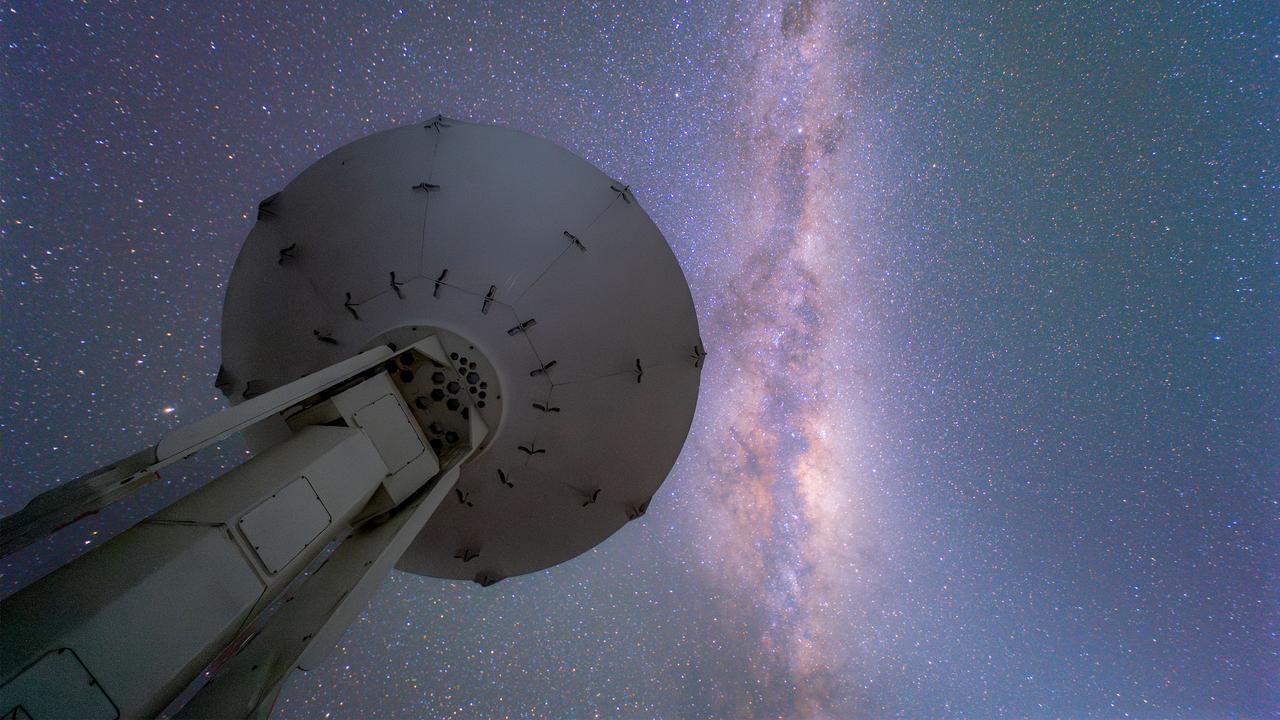
Southern Launch is using its TALON telemetry dish at the Koonibba Test Range site, in the state’s remote far west, to keep tabs on Orion decades after Australia’s famous 1969 effort.
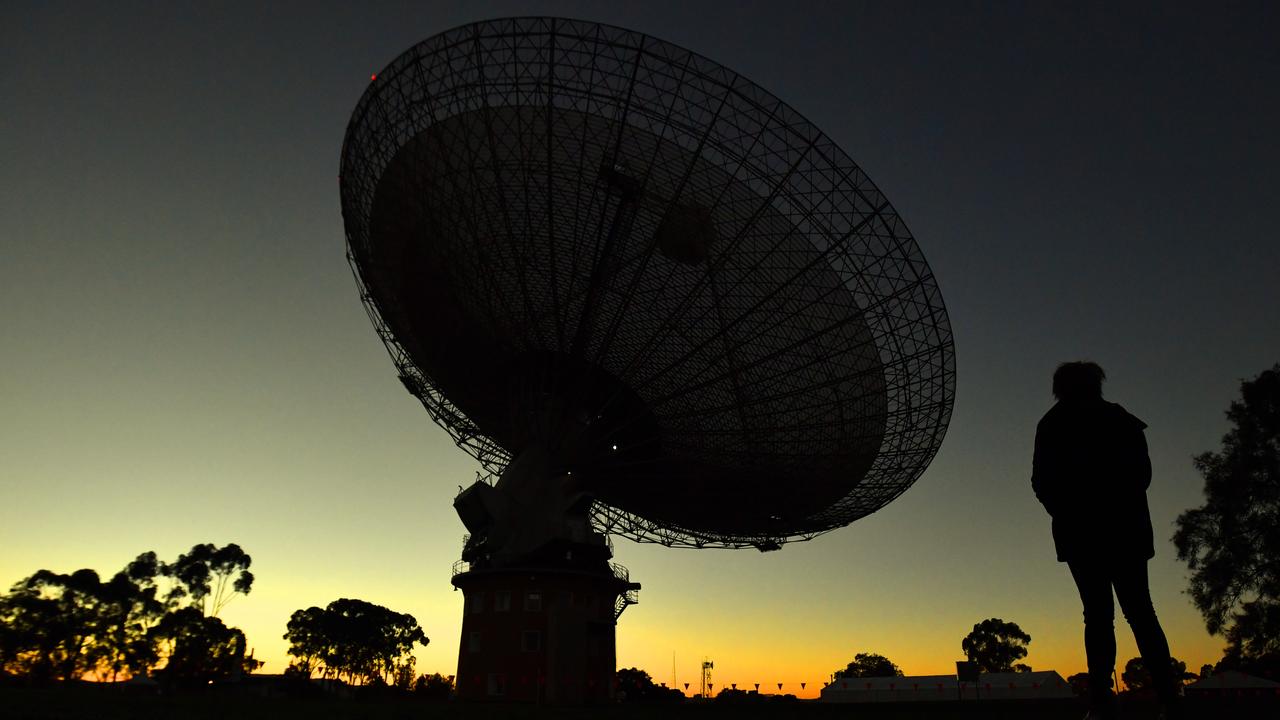
Back then a Parkes radio telescope in NSW – known as The Dish – supported the first mission that landed humans on the moon, tracking Apollo 11 and gathering telemetry and TV signals from the historic lunar walk.
Southern Launch chief executive Lloyd Damp said his company’s dish was a lot smaller and didn’t have the same functions as the Parkes set-up made famous in the 2000 movie The Dish.
But the SA dish can use a change in frequency or pitch – called the Doppler signal – from the Orion craft to calculate its speed, providing key information for the mission.
“The sound of an emergency services vehicle’s siren is different when it comes towards you compared to when it’s going away from you,” Mr Damp told AAP on Thursday, explaining the signal.
“We can work out how fast the spacecraft is going exactly the same sort of way.”
The Doppler signal from the Orion spacecraft is sent to NASA through Southern Launch’s partners, Raven Defense, to help it fly to the moon.
Artemis II is conducting a crewed flight around the moon, testing critical systems ahead of future lunar landings.
“So it’s a very exciting day for us today, we’re supporting Artemis, which is absolutely inspiring to … an entire generation,” Mr Damp said.
“I didn’t grow up in a generation that went to the moon.
“But my kids are, and they are so excited about space … because humanity is taking these huge steps forward.”
NASA’s long term, multi-mission Artemis program aimed at returning humans to the moon provided a great opportunity for the Australian space industry, Flinders University’s Professor Rodrigo Praino said.
“They’re talking about landing on the moon by 2028 and using a base there as a stepping stone to go to Mars,” he told AAP.
Australia needed to develop strategies and create plans to contribute to the NASA program, he said.
“It’s a great opportunity for Australia … for anyone engaged in any sort of space technology and space infrastructure,” said Prof Praino, the Jeff Bleich Centre for Democracy and Disruptive Technologies director.
Southern Launch, which also operates a second space port at SA’s Eyre Peninsula, has been launching experimental rockets for international customers for several years.
A key drug one of its customers is developing is for chemotherapy.
“The really cool thing is that these satellites manufacture pharmaceuticals while they’re on orbit, and they need somewhere special to land,” Mr Damp said.
“If you can make a more pure anti-cancer drug in space, suddenly, the quality of life for people who have to take these horrible, horrible chemicals is a lot better.”
SA was an ideal location because the landings required wide open, uninhabited spaces and very little air and maritime traffic.
For eight years, the company has been building relationships and working out ways the hi-tech, high-speed activities can occur while airlines are operating, Mr Damp said.

Australian Associated Press is the beating heart of Australian news. AAP is Australia’s only independent national newswire and has been delivering accurate, reliable and fast news content to the media industry, government and corporate sector for 85 years. We keep Australia informed.