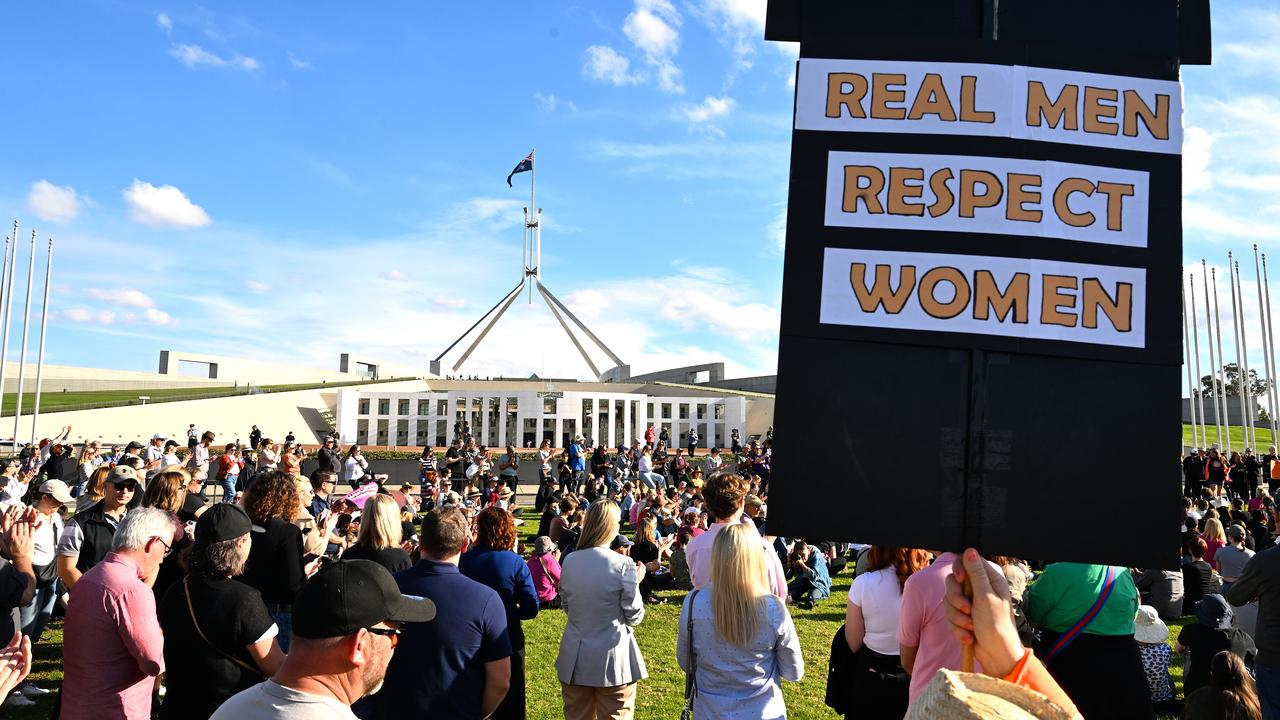
Australia is watching with interest as Brazil proposes a landmark law that could send people to jail for misogyny.
Brazil’s lawmakers are debating the proposal which would equate gender-based hatred with racism under existing anti-discrimination laws.
Australia continues to grapple with its own epidemic of male-perpetrated violence as misogynistic abuse leads to hesitancy among young women about becoming political candidates.
UNSW criminology lecturer Alex Fleck, who is from Brazil and practised as a criminal lawyer there, said the anti-misogyny bill would make it illegal to cause “offence to someone due to their condition of being a woman”.
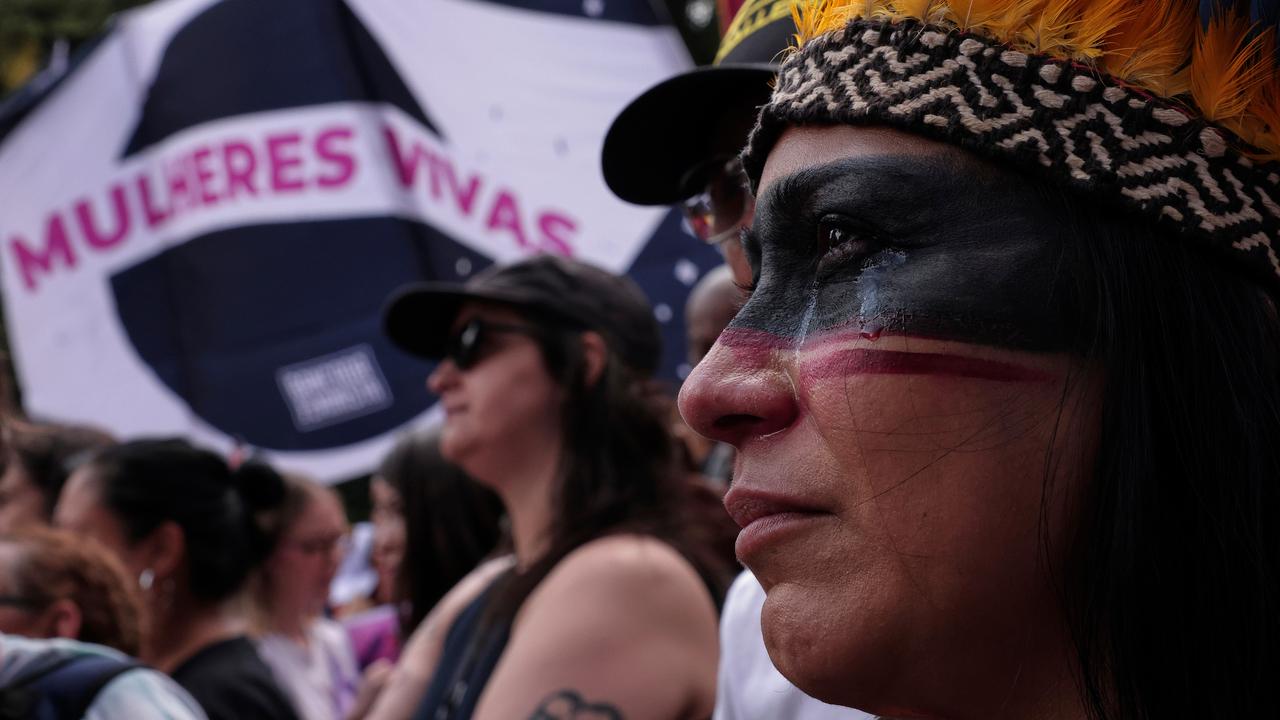
He said it would carry a penalty of two to five years in jail, for serious offences.
“It’s the same penalty if you refuse service or refuse entrance to a commercial establishment, because of the condition of being a woman, and also if you deny employment to someone,” he told AAP.
In coming weeks, Brazil’s lower house will vote on the legislation after it was passed unanimously through the Senate in March.
Brazil has one of the highest rates of women being killed, registering 399 femicides in the first quarter of 2026.
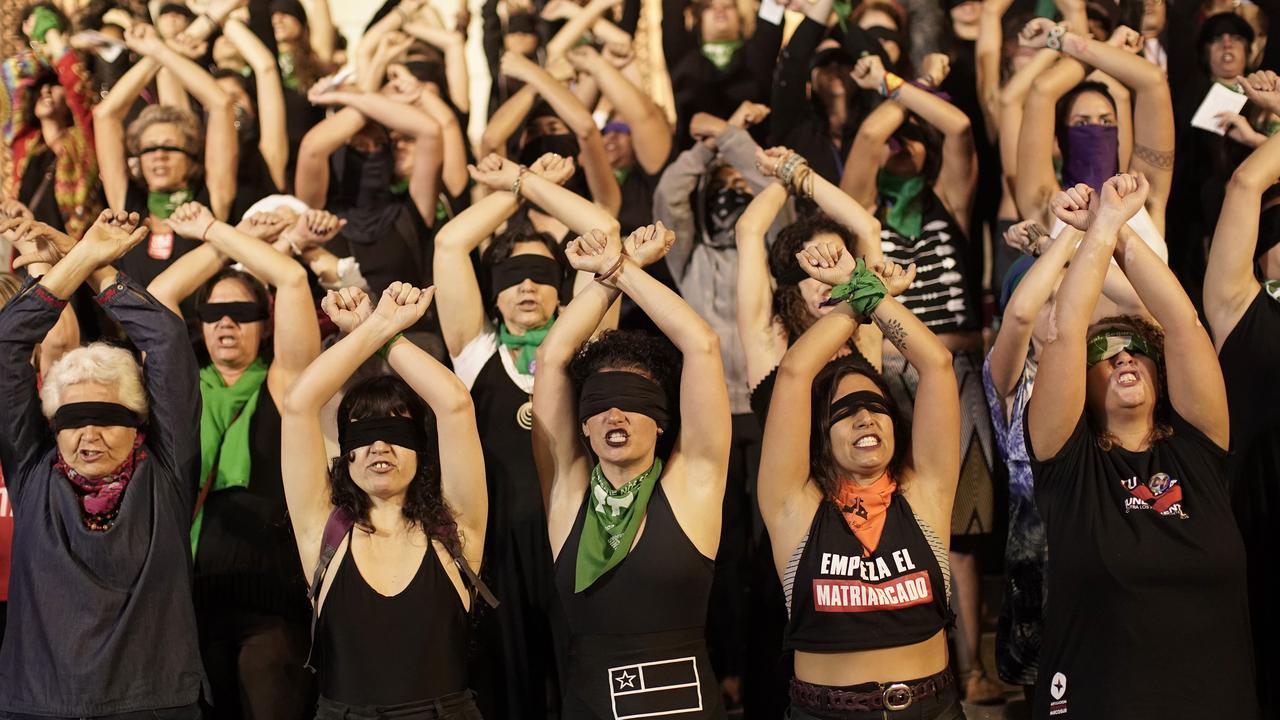
While it was late to adopt laws to prevent violence against women, it is now leading the way.
The South American nation created a standalone crime for femicide in 2024 and raised prison time from 20 to 40 years, the highest penalty under Brazilian law.
The misogyny law was built by social movements and was a good example of the feminism movement learning from the anti-racism movement, Dr Fleck said.
“As is the case in Australia, Brazil has a massive domestic violence problem,” he said.
“This is a prime case of the feminist movement incorporating and learning from the anti-racism movement, becoming partners and connecting.
“That lesson in solidarity is the number one takeaway.”
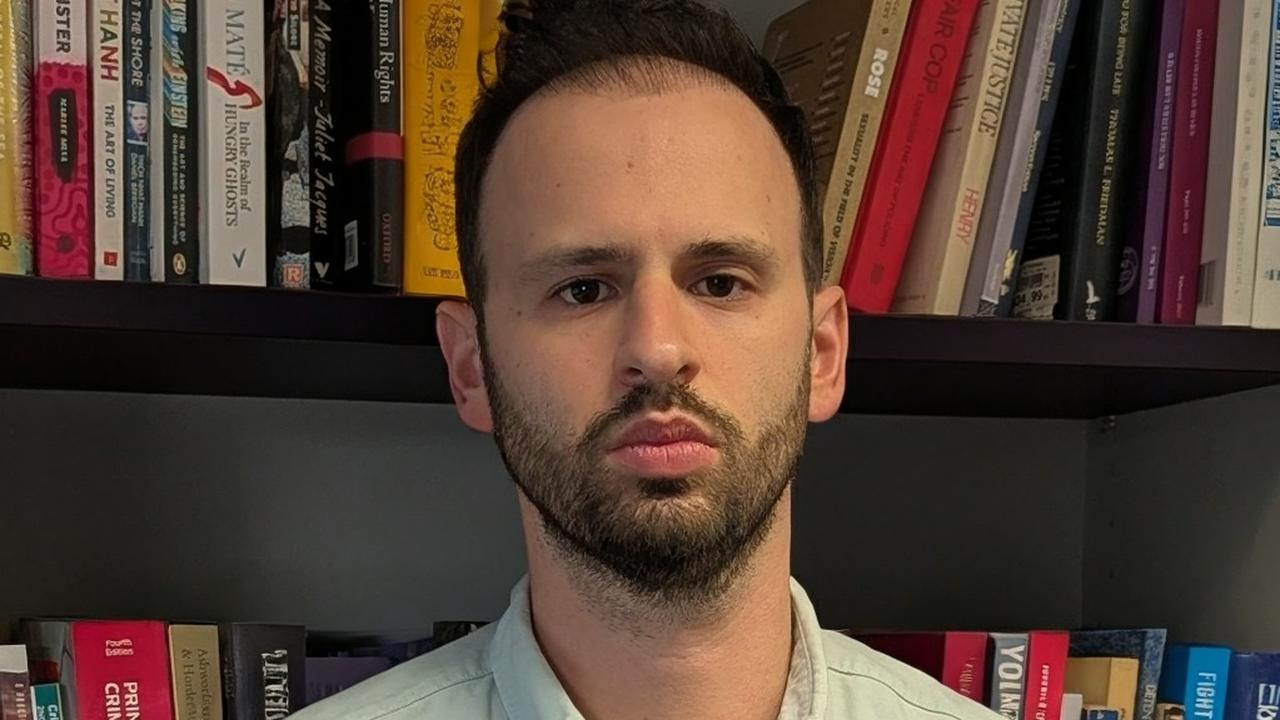
Dr Fleck cautioned against importing one nation’s model into another, but said federal and state governments in Australia could be doing more.
Evidence suggests young Australian women are shying away from running for positions of power because of misogynistic abuse online.
EMILY’s List Australia, a political network supporting progressive Labor Party women seeking election, has noticed this trend.
“When I speak to young women, a lot of them say I want to do policy work or I just want to work for an MP,” chief executive Pamela Anderson told AAP.
“It turns out a lot of them don’t want to become politicians because they see the way that women are attacked online, which is a real concern.”
She said women in positions of power were increasingly experiencing “vile attacks online” and the abuse was worse for First Nations women, women of colour and members of the LGBTQI community.
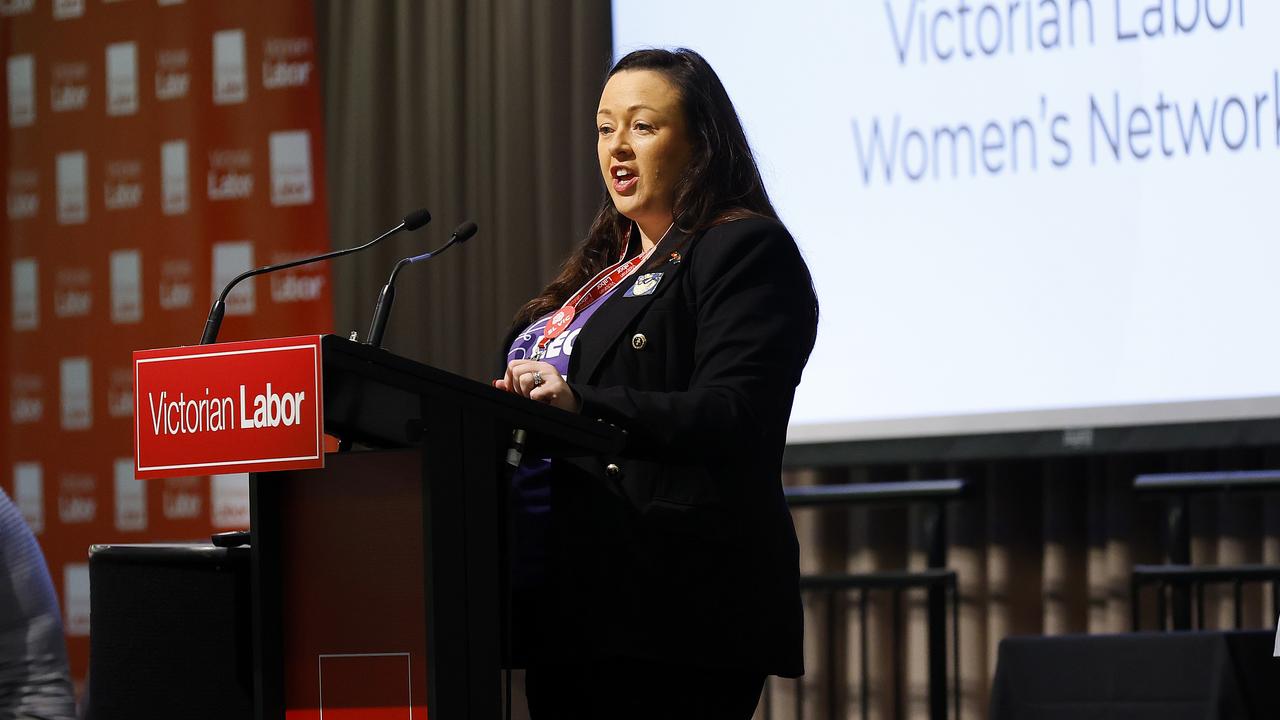
Brazil’s proposal gave her “a bit of hope” and she was looking at in an Australian context.
“If another country is taking steps, I think it’s a good sign that maybe there is a solution,” Ms Anderson said.
“We’re trying to get social media companies to do something to stop this type of behaviour, but unless it’s against the law it’s not going to stop.”
Australia has hate crime provisions, which include sex and gender identity under the Criminal Code Act, but no federal gendered hate speech laws, and misogyny is not a standalone criminal offence.
EMILY’s List was working to remove vile comments for women MPs and candidates, and report them to police if necessary, but the problem was Australian law had not caught up with reality, Ms Anderson said.
“Unless it’s a direct threat, currently covered by existing law, there’s nothing that can be done,” she said.
“As soon as a law is there to support it, and people have something that can protect them, and there’s consequences for really bad behaviour, I think that’s when you’ll see a change.”

Australian Associated Press is the beating heart of Australian news. AAP is Australia’s only independent national newswire and has been delivering accurate, reliable and fast news content to the media industry, government and corporate sector for 85 years. We keep Australia informed.