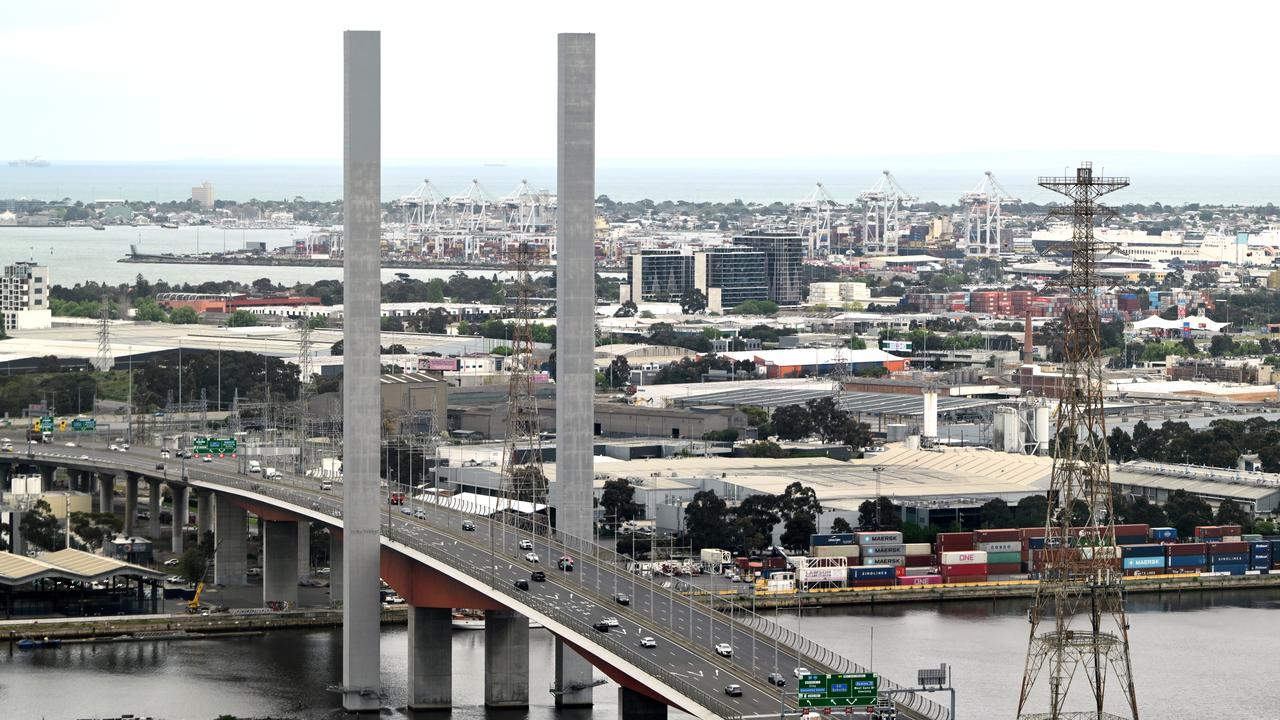

Straddled by two towers and stretching half a kilometre across the Yarra, the Bolte Bridge connects three freeways and honours a big-spending premier.
Victoria’s longest-serving leader, Sir Henry Bolte borrowed heavily during his time in the top job to fund an infrastructure blitz of an unprecedented scale.
Beyond Melbourne’s freeway network, the late Liberal leader’s legacy boasts the West Gate Bridge, the City Loop and Melbourne Airport.
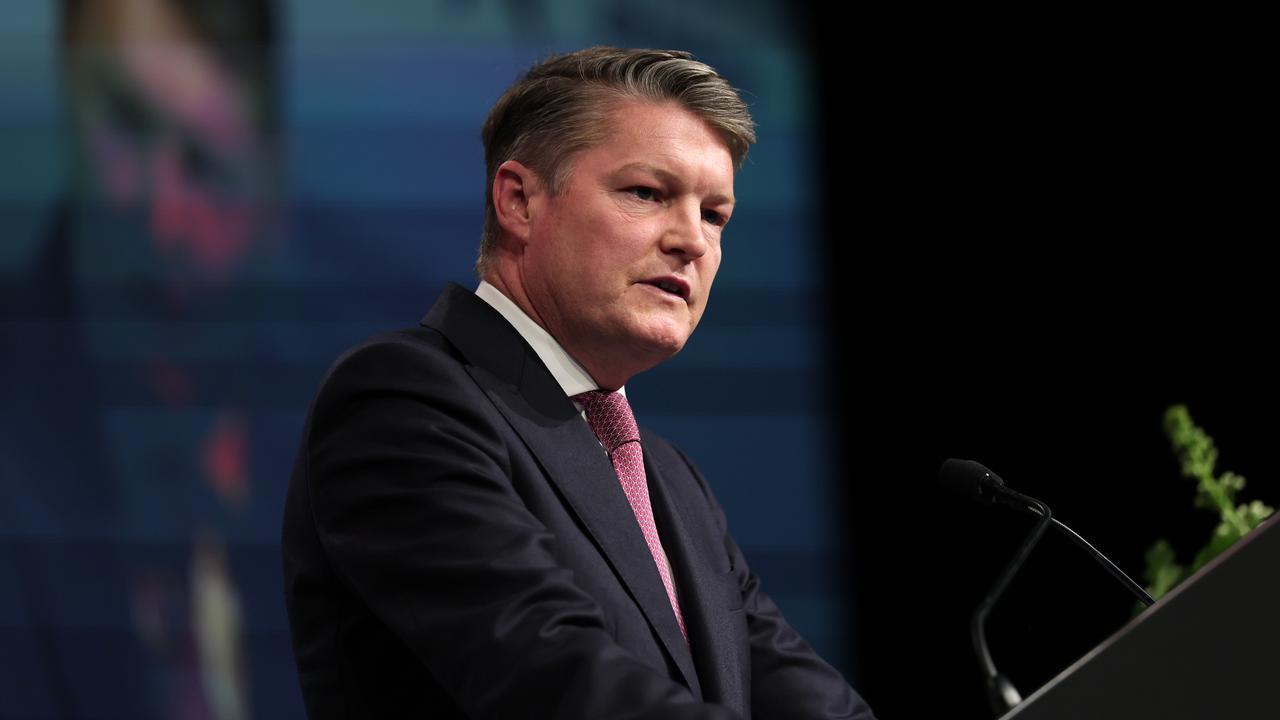
Five decades on, and just weeks out from the November election, an incumbent Labor premier is intent on reviving that legacy.
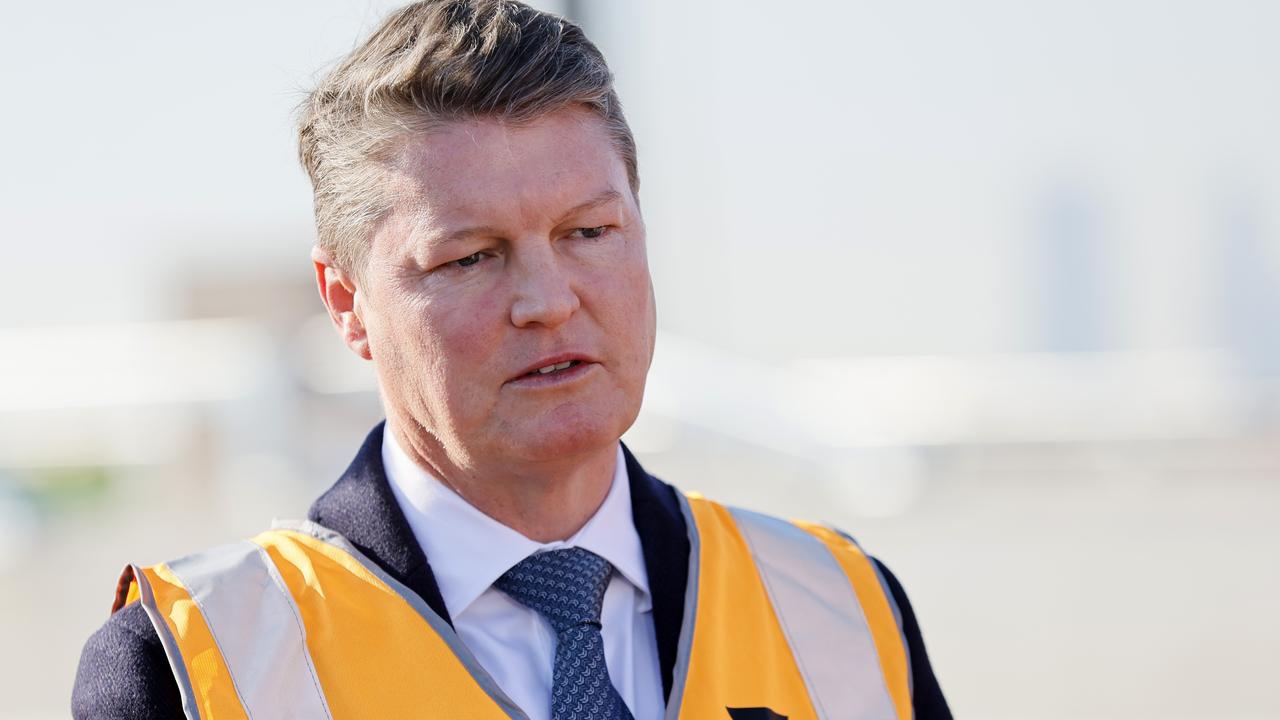
“In Bolte’s time, Victoria went through a population boom, then a building cycle, then a growth phase,” Ben Carroll told a Victorian Chamber of Commerce and Industry event on Tuesday.
“The end of the building cycle and the start of the growth phase is where we are right now.”
Mr Carroll took office in July, inheriting a 12-year-old Labor government under which net debt has ballooned from about $22 billion to $165 billion.
That figure is forecast to nudge $200 billion by the turn of the decade, when interest repayments will cost 23 cents per dollar raised by state taxes.
How large the issue looms for voters depends on who you ask.
Redbridge director Tony Barry says debt is still a lower-order priority for voters but one they are increasingly linking to issues closer to home.
“Less nurses, less doctors, less elective surgery, less road maintenance and more potholes,” the former Liberal staffer-turned pollster tells AAP.
“That’s when voters start to join the dots and realise what the consequences of this issue are.”
Also relevant is whether voters believe they’ve seen a return on their investment, most notably through the $208 billion Big Build infrastructure program.
On that point, Mr Barry says allegations of union rorts and waste have fuelled concerns around the value of key projects.
Mr Carroll has responded by announcing a royal commission into the integrity of major projects and pledging to trim the Suburban Rail Loop.
“(Mr Carroll is) talking about change but voters aren’t seeing change,” Mr Barry says.
The Bolte Bridge opened in 1999 under another former premier whose legacy Mr Carroll hopes will hang over the ballot.
Jeff Kennett’s coalition government slashed Victoria’s debt from a reported $32 billion to about $5 billion during his seven years as premier.
It did so through privatisation, public sector job cuts and the closure of frontline services including schools and hospital beds.
Mr Carroll stresses the means, not the ends, when he warns Victorians to expect the same under another coalition government.
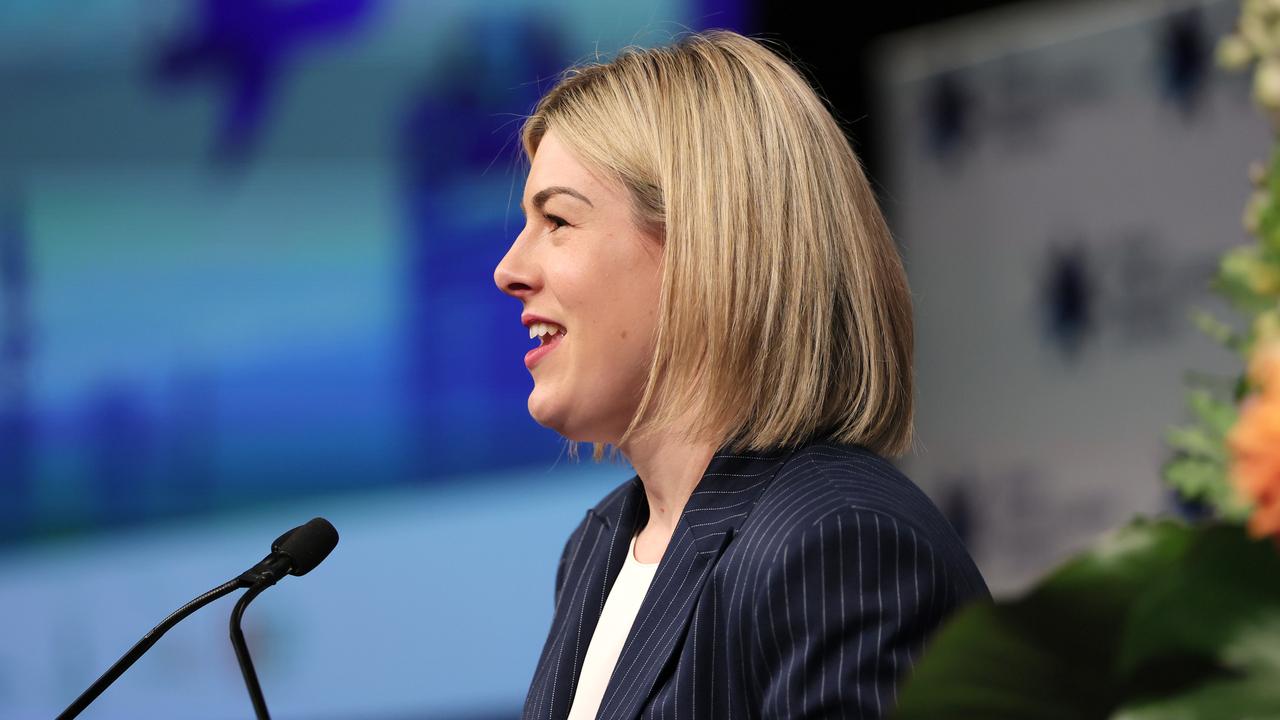
Opposition Leader Jess Wilson has pledged to return the budget to a cash surplus by 2032, aided by a hiring freeze on back-office public servants.
She also plans to cut land tax, payroll tax on private schools and stamp duty for first home buyers.
Doing both, the premier told 3AW Melbourne, would require unannounced cuts and “the most austere measures Victoria’s seen since Jeff Kennett was elected”.
But Ms Wilson is defiant, saying her unreleased costings have benefited from independent budget office advice.
“Only one party has a detailed plan to pay down Labor’s debt and get our economy moving again,” she told the same industry event on Tuesday.
For his part, Mr Carroll has pledged to reduce debt but has not set a cash surplus target.
He hopes to save $2 billion from a trimmed Suburban Rail Loop and $798 million by delaying level crossing removals.
Labor has also made more than $2 billion in election commitments while promising to cut land tax.
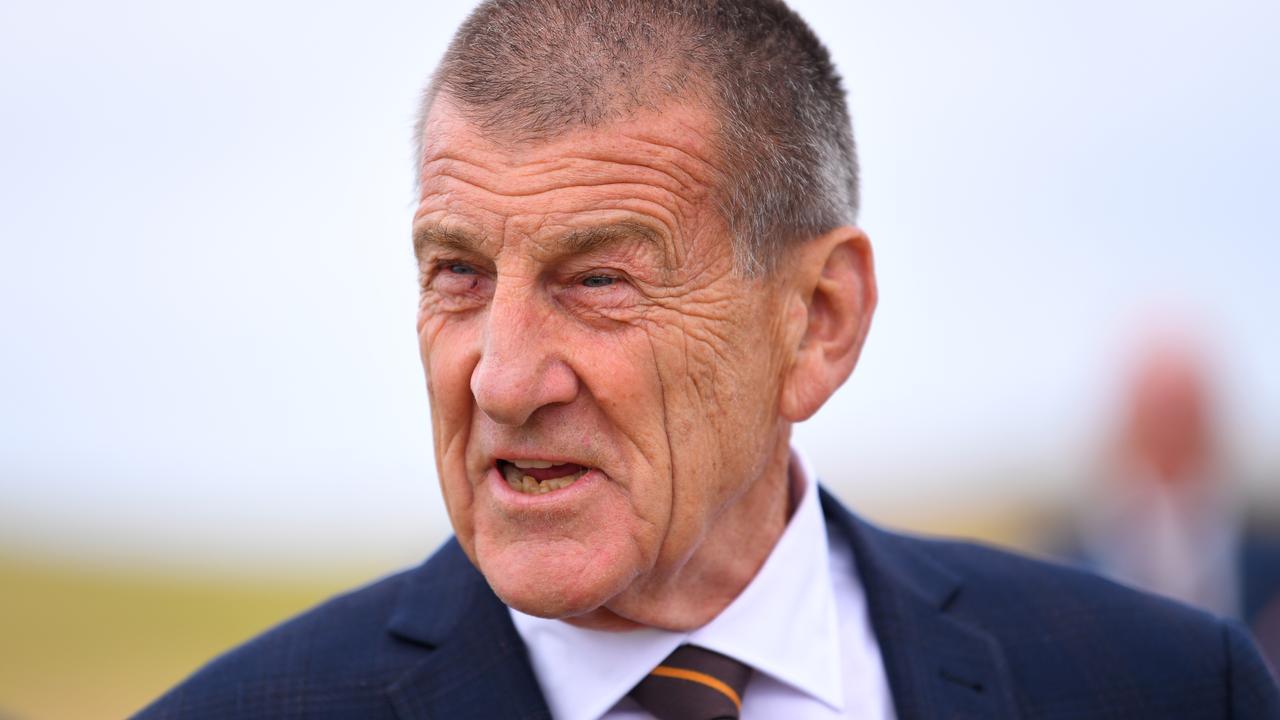
David Hayward, a public policy expert at RMIT, says both plans lack long-term economic vision but reserves his sharpest criticism for the coalition’s maths.
He puts its tax cuts at $7.5 billion, which Ms Wilson argues is closer to $5 billion, on top of roughly $4.5 billion in new spending.
Savings from the hiring freeze would taper over time, he says, while scrapping the rail loop – if it decides to do so after a planned review – could cost billions.
Labor is not spared.
Dr Hayward says trimming the rail loop risks making it less useful, while federal migration cuts could undermine the growth used to justify Labor’s building boom.
But he is not convinced debt is the spectre some make it, arguing the debate favours one side of the ledger.
Assets worth $450 billion sit against $268 billion in liabilities, he says, while a debt-to-gross state product ratio of about 24 per cent is substantial but not alarming.
Dr Hayward says Victoria was due an outlay after the lean years under Mr Kennett and Labor premiers Steve Bracks and John Brumby.
“There’s all sorts of reasons why there needs to be a change of government but the financial one isn’t there,” he tells AAP.
But where Dr Hayward sees a balance sheet in reasonable shape, advocacy group Amplify Australia warns the state’s finances are at a “tipping point”.
The non-partisan group is pressing all parties to release credible debt plans before polling day.
It organised an open letter to champion the cause, signed by 100 prominent Victorians from property mogul Tim Gurner to swimming great Grant Hackett.
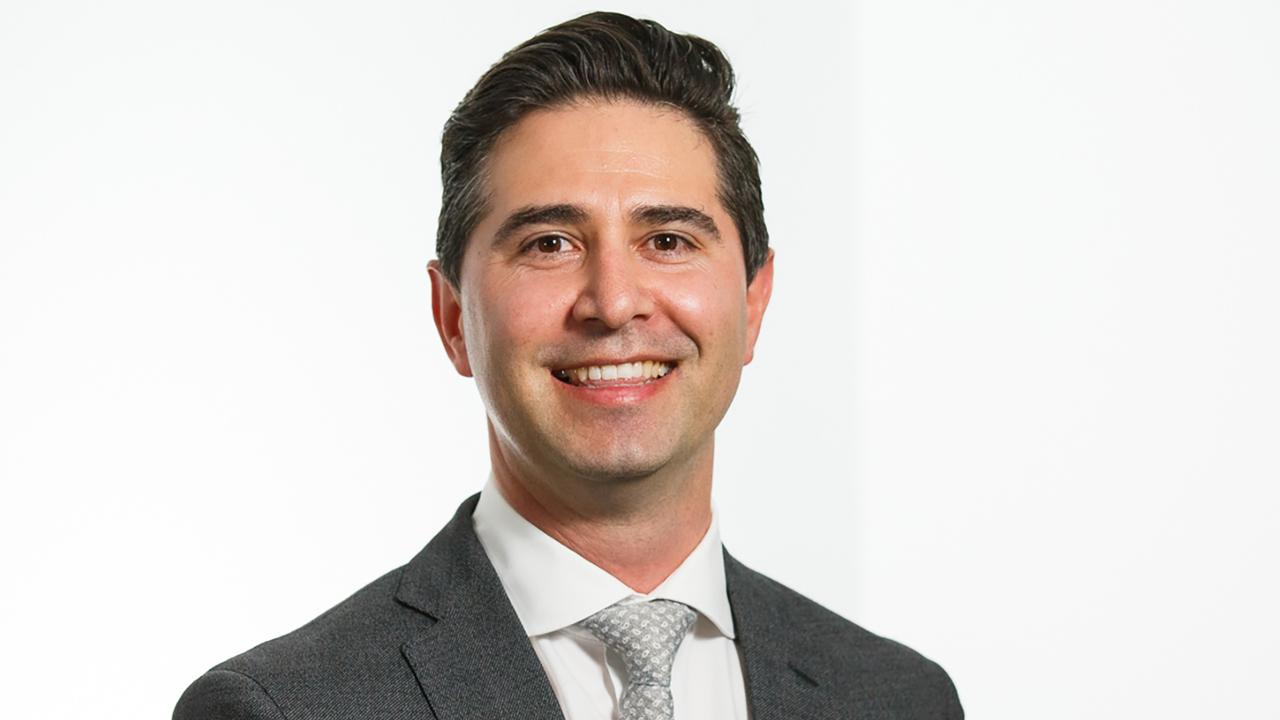
Executive director Martin Codina tells AAP the campaign focuses on political leaders rather than voters, given the latter are acutely aware of Victoria’s debt problem.
He and Dr Hayward agree on one point – that a business-as-usual campaign of matched spending promises is a risk to be avoided.
Mr Codina has no single favoured measure of Victoria’s debt but several stand out.
Interest repayments are already almost double what is spent on policing and will rival spending on schools by the decade’s end.
However, the sum he returns to is $24,000 – the amount a Victorian born today would owe if the debt were split evenly.
“Before they’ve even had a chance, they already start from behind,” he says.
owe

Australian Associated Press is the beating heart of Australian news. AAP is Australia’s only independent national newswire and has been delivering accurate, reliable and fast news content to the media industry, government and corporate sector for 85 years. We keep Australia informed.