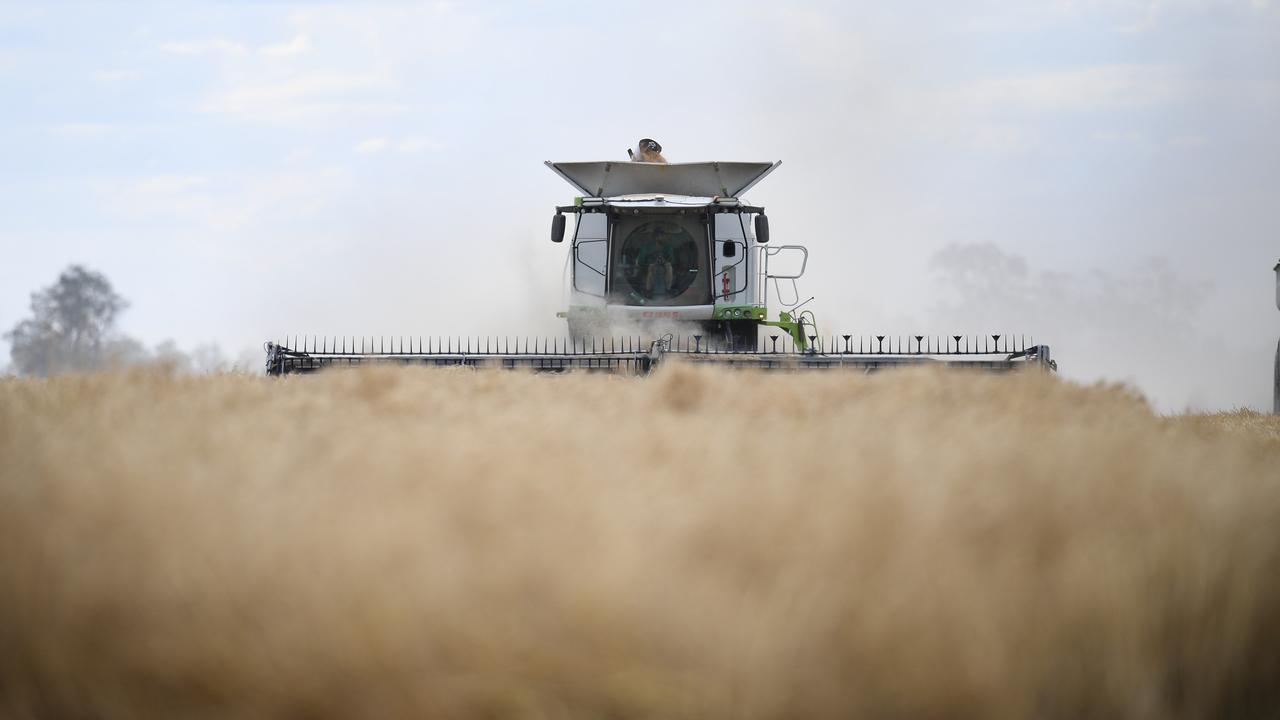

While helping their dad tend watermelon, capsicum and tomato crops, Greg Smith and his two older brothers often ended up drenched in weed killer.
There were no worries in the 1960s about the widely used herbicide paraquat – no talk of exposure risks and no thought of wearing protective gear.
Over the ensuing decades, Mr Smith’s father fell ill and died suddenly, his middle brother succumbed to Motor Neurone Disease and the eldest is undergoing cancer treatment.
The 73-year-old cattle farmer has himself survived two types of cancer and was diagnosed with Parkinson’s disease in 2022.
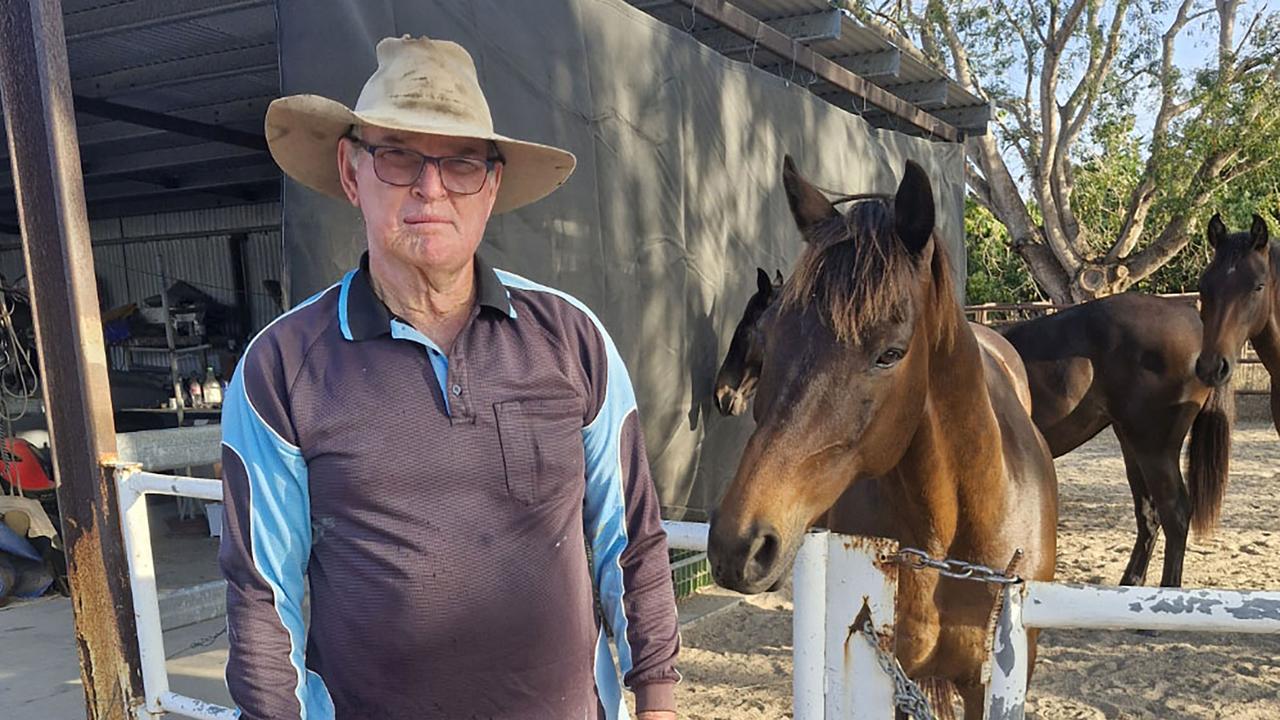
He believes the family’s fate was sealed by poisoning from paraquat and other farm chemicals while working on their property in Queensland.
“In the ’60s, no one had boom sprays; they went along with a little old pump … and dad would walk along behind, spraying the bushes each side,” Mr Smith tells AAP.
“We were constantly in the spray.”
Mr Smith is one of many scrutinising the federal government’s decision to allow the continued use of paraquat despite bans in more than 70 countries.
The highly toxic chemical, which destroys plant tissue upon contact, has long been associated with Parkinson’s disease.
Questions remain about the legitimacy of the authority’s decision, with a Senate inquiry in the works and independent politicians and health campaigners continuing to sound the alarm about the risks.
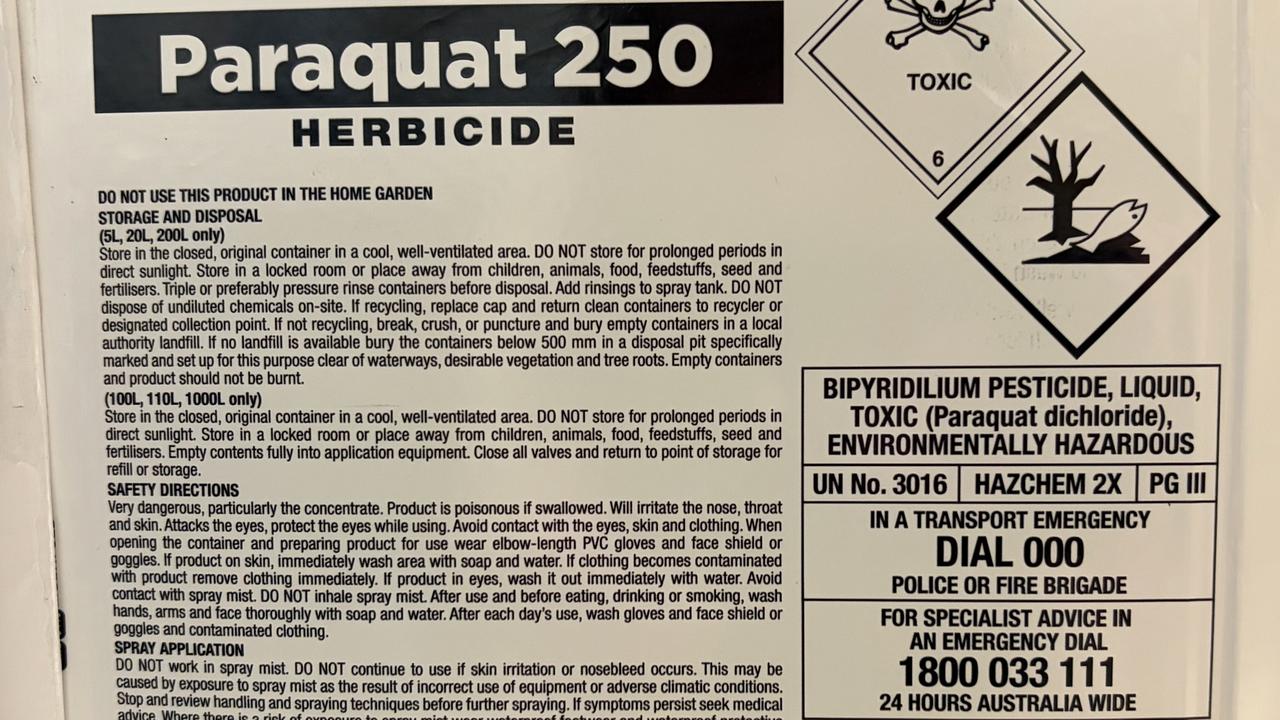
The Australian Pesticides and Veterinary Medicines Authority ruled in June that paraquat could be used with reduced application rates and closed-valve packaging to prevent physical contact.
There is a two-year grace period for products with previously approved warning labels and a phase-out on use across certain crops including sugar cane.
The authority ruled there was no convincing evidence of a “direct causal association between paraquat exposure from approved pesticidal uses and Parkinson’s disease”.
But the decision has baffled Australian and international neurological experts, who criticise the authority’s review methods, particularly the omission of a landmark 2011 study.
That study and subsequent research found paraquat exposure is associated with 2.5 times the odds of developing Parkinson’s or 4.5 times for those who do not wear protective clothing.
Meanwhile, grain and sugar cane growers say the new restrictions limit their use of a chemical that reliably kills weeds, helps establish crops and supports no-till practices.
Paraquat also remains an important tool for cleaning up pastures, particularly as many weeds become herbicide-resistant.
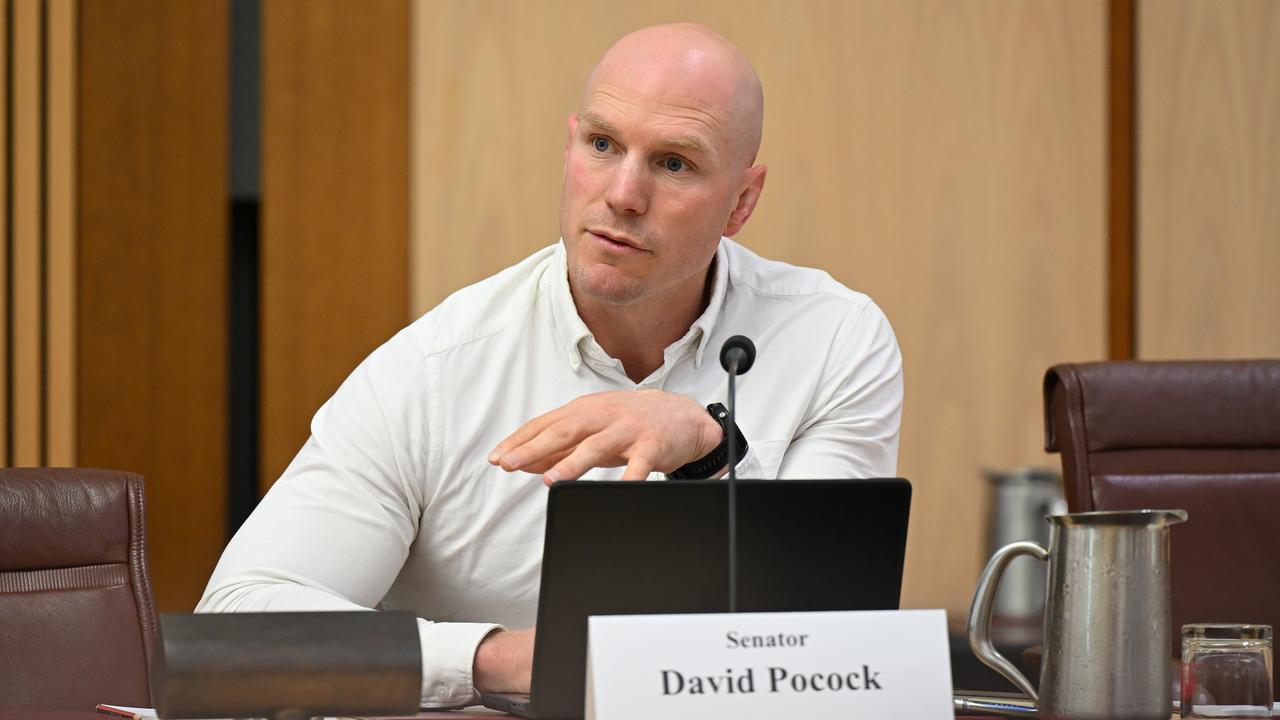
Independent Senator David Pocock has been a vocal critic of the ongoing use of paraquat in Australia and established the Senate inquiry into the authority’s decision.
After his motion for the closed-door inquiry to hold public hearings was defeated, he instead grilled the authority’s executives at a budget estimates hearing on Tuesday night.
The agency’s review included studies funded by major manufacturer Syngenta and considered research examining the effects of poisoning after only 30 days, Senator Pocock said.
“Parkinson’s has a latency of years to decades,” he said.
Chief executive Scott Hansen defended the review in a sometimes tense 30-minute exchange, saying the authority considered potential biases from both industry and health sector researchers.
“It’s weighted evidence of all of the studies that are produced,” Mr Hansen said.
Mr Hansen said while paraquat was banned in 27 countries across the European Union, it was the result of perceived deficiencies in regulatory frameworks rather than health concerns.
However, US neurologist Michael S Okun’s review of the authority’s final report finds it risks overlooking significant scientific evidence about Parkinson’s links.
Decades of research show repeated associations between paraquat and the disease, Dr Okun says, and important questions about chronic exposure remain unanswered.
“In medicine, we do not wait for every uncertainty to disappear before acting to prevent serious harm,” Dr Okun, from the University of Florida Health, writes to the inquiry.
“We weigh the evidence, acknowledge what remains unknown and make decisions that recognise the consequences of being wrong.
“Australia has an opportunity to apply that same seriousness to the neurological risks associated with paraquat.”
Grain growers Kirk and Lisa Jeitz, who run a 2800-hectare farm near Esperance in WA, say they go to great lengths to protect workers and the environment from harm.
That includes using tractor cabs with carbon filters, extensive weather monitoring to avoid spray drift and strict buffer zones around waterways, native vegetation and neighbouring properties.
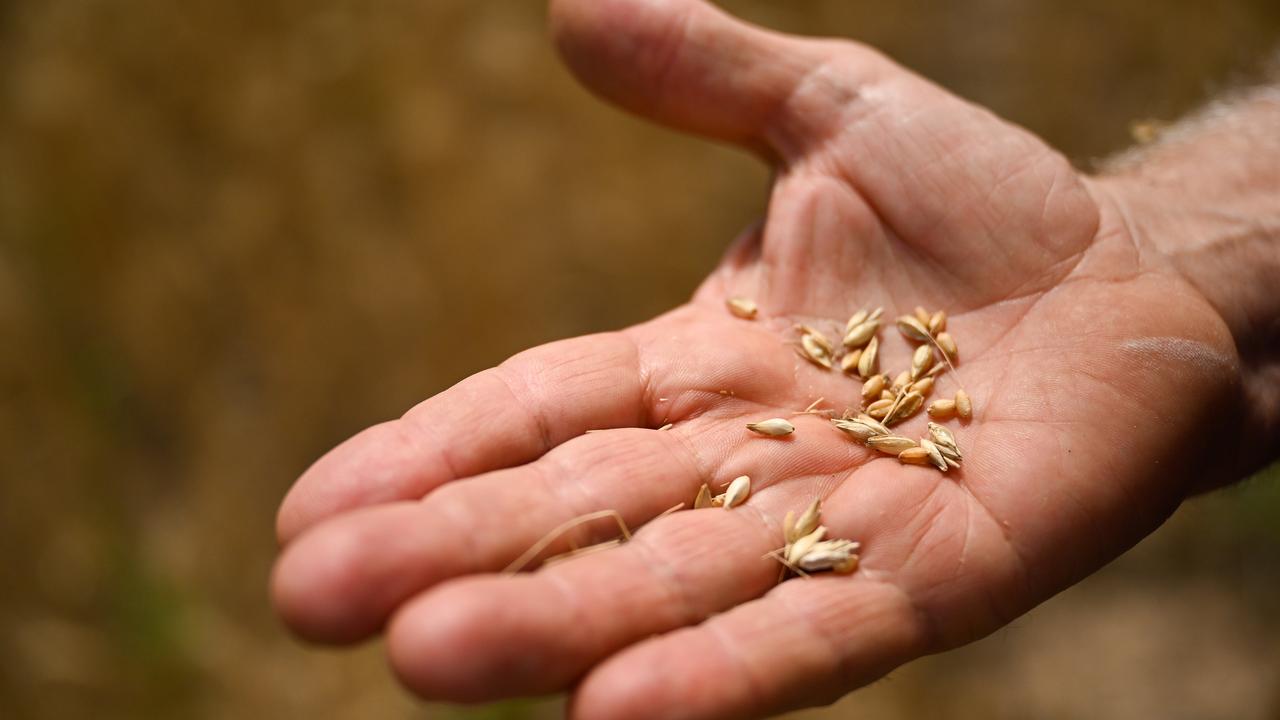
The imposition of lower paraquat application rates will affect weed control, soil quality and carbon sequestration due to increased cultivation, they say.
“We ask the committee to recognise the controls farmers already use … and to make sure any changes are based on evidence, clearly explained and phased-in with practical help,” the farmers write.
A submission from Parkinson’s Australia says the burden of proof should lie with manufacturers to demonstrate paraquat is unlikely to cause harm.
“Until such evidence exists … Australia should immediately prohibit the use of paraquat to protect agricultural workers, regional communities and future generations,” the document says.
Syngenta has long maintained there is no established link between paraquat and the disease.
The authority’s restrictions informed the manufacturer’s decision to remove paraquat products from Australia, sparking uncertainty in the ag sector about long-term availability.
The company has previously criticised media reports focused on “emotional” stories of people with Parkinson’s.
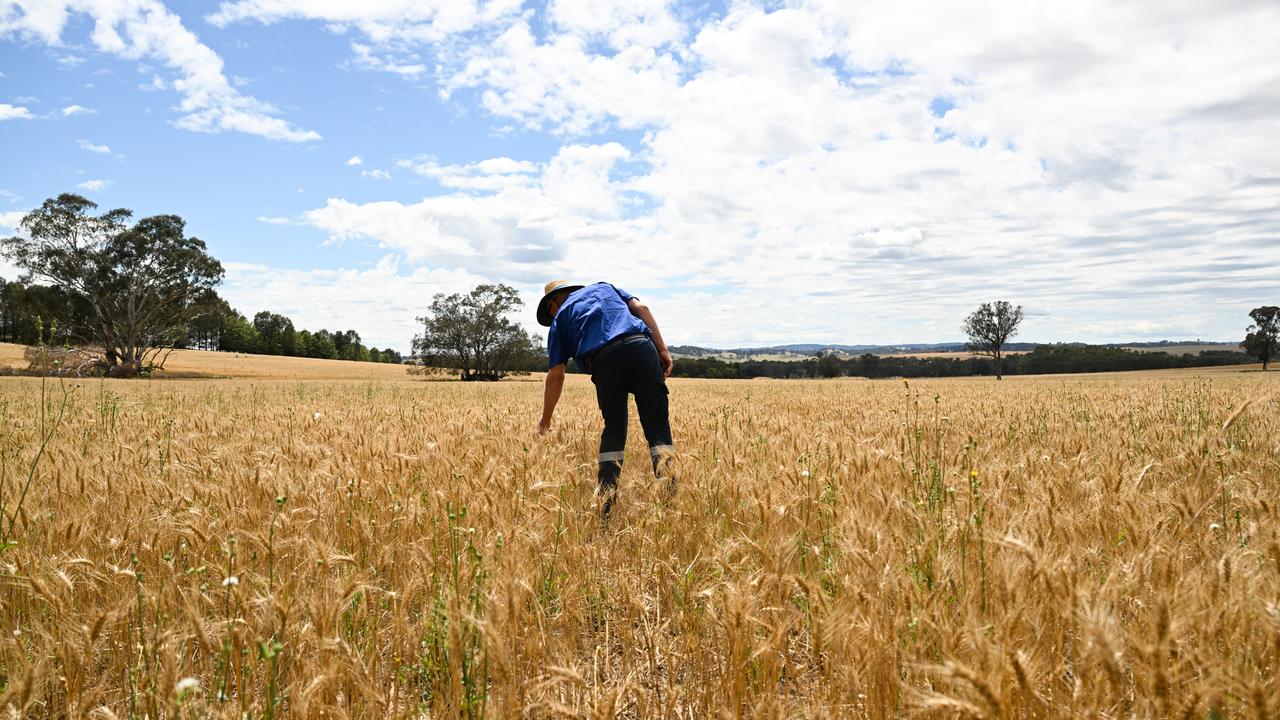
Mr Smith is tolerating Parkinson’s treatment well but is troubled with short-term memory problems and a tendency to trip over.
He can still ride a horse long after his neurologist told him he would have to give it up.
Sitting on his son’s farm, watching his baby grandson, Mr Smith hopes for a fairer system.
“(Some farmers) want to be able to spray as much of this stuff as they want so they can kill weeds easier,” he says.
“What about the community, society or greater good for people overall?”
Inquiry submissions close on November 18.

Australian Associated Press is the beating heart of Australian news. AAP is Australia’s only independent national newswire and has been delivering accurate, reliable and fast news content to the media industry, government and corporate sector for 85 years. We keep Australia informed.