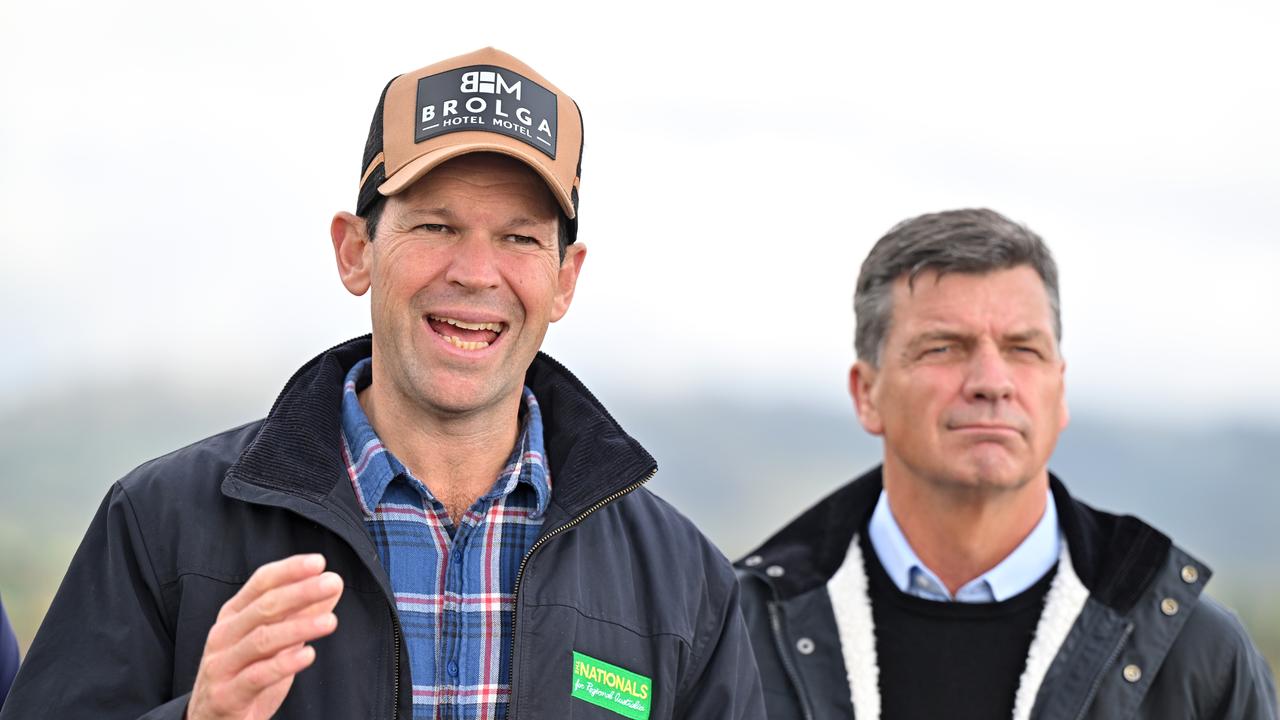

The Nationals have dismissed reports of dissent within the coalition over Labor’s “dud” free-trade deal with the European Union, reaffirming its opposition to the agreement.
Prime Minister Anthony Albanese on Thursday accused opponents of playing “nativist politics” with Australia’s economic future for refusing to back the deal.
He argued the stance went against the Liberal Party’s philosophy of promoting free trade.
The deal was finalised between Australia and the European Union in March following eight years of negotiations, but is yet to be ratified by parliament.
Without the coalition or the Greens, who have so far refused to guarantee support, the government cannot get the parliamentary approval needed to implement the agreement.
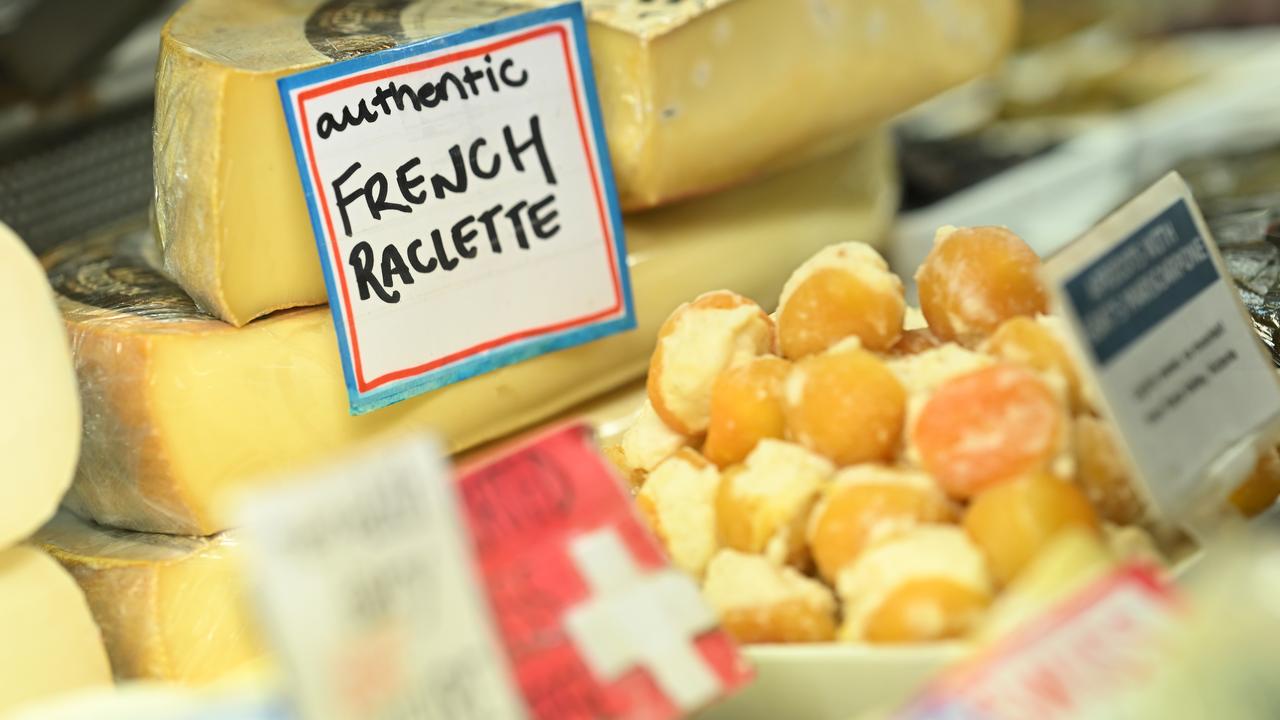
The agreement would lock in cheaper European food, wine, cars, and clothes, and smoother access to one of the world’s largest economic blocs, which the government says could be worth up to $30 billion in trade.
In turn, Europe would ditch or phase out tariffs on Australian food, critical minerals and manufactured products.
Mr Albanese said it would make Australian exports on goods and services 98 per cent tariff-free and boost the nation’s economy by $10 billion, a figure Nationals leader Matt Canavan said was “fake”.
Senator Canavan has criticised the deal over its impact on farmers, leading to concerns among the Liberals that the junior coalition partner was dictating their policy stance.
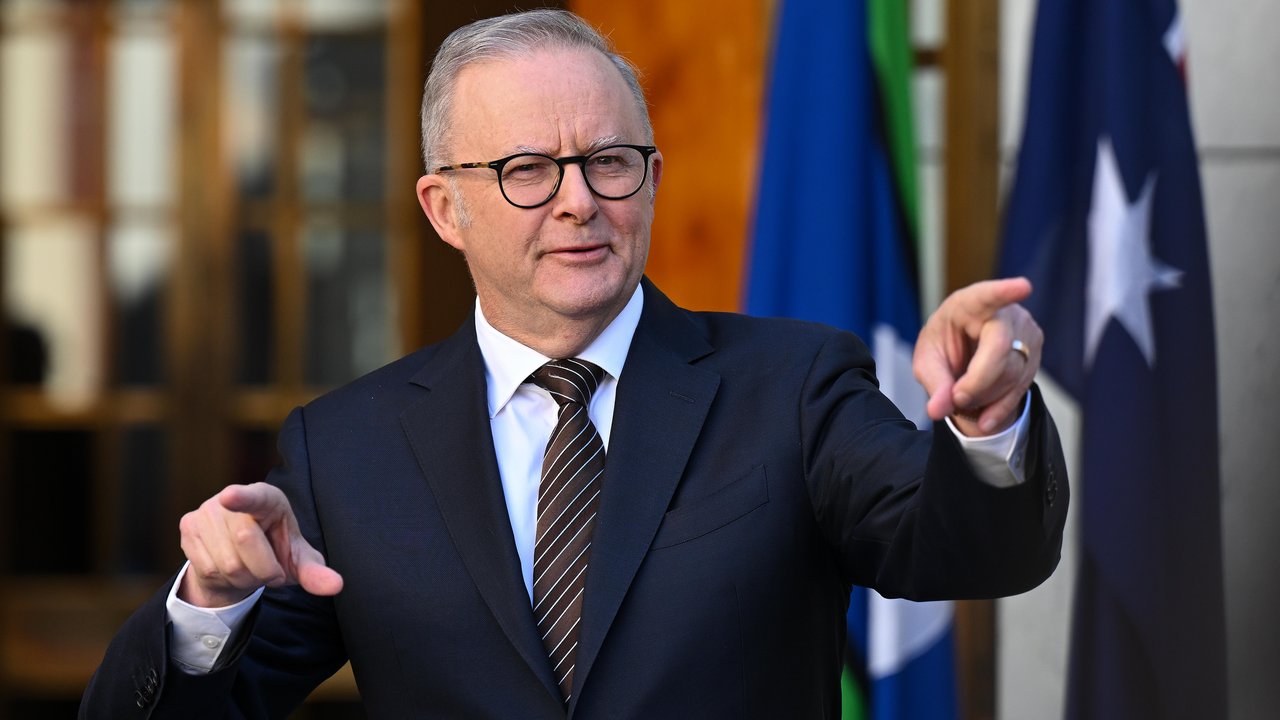
“It’s a good deal,” Mr Albanese told reporters.
“It’s also a good deal for Australian consumers because cheaper imports put downward pressure on prices. Trade is a good thing.
“For people who say they belong to a political party that supports markets and supports free and fair trade, that will be completely undermined and shredded unless (the coalition) supports this legislation.”
The prime minister warned blocking the deal undermined Australia’s position as an export-driven economy, accusing opponents of using the negotiations as “an excuse for going down the road of protectionist and nativist politics”.
“I find it astonishing that at a time where free and fair trade is under threat around the world, where that’s a big debate in global politics and in the global economy, that this somehow is being questioned here in Australia,” he said.
“We are a trading nation. We are an island continent in which economic growth and productivity is boosted by engaging with the world.”
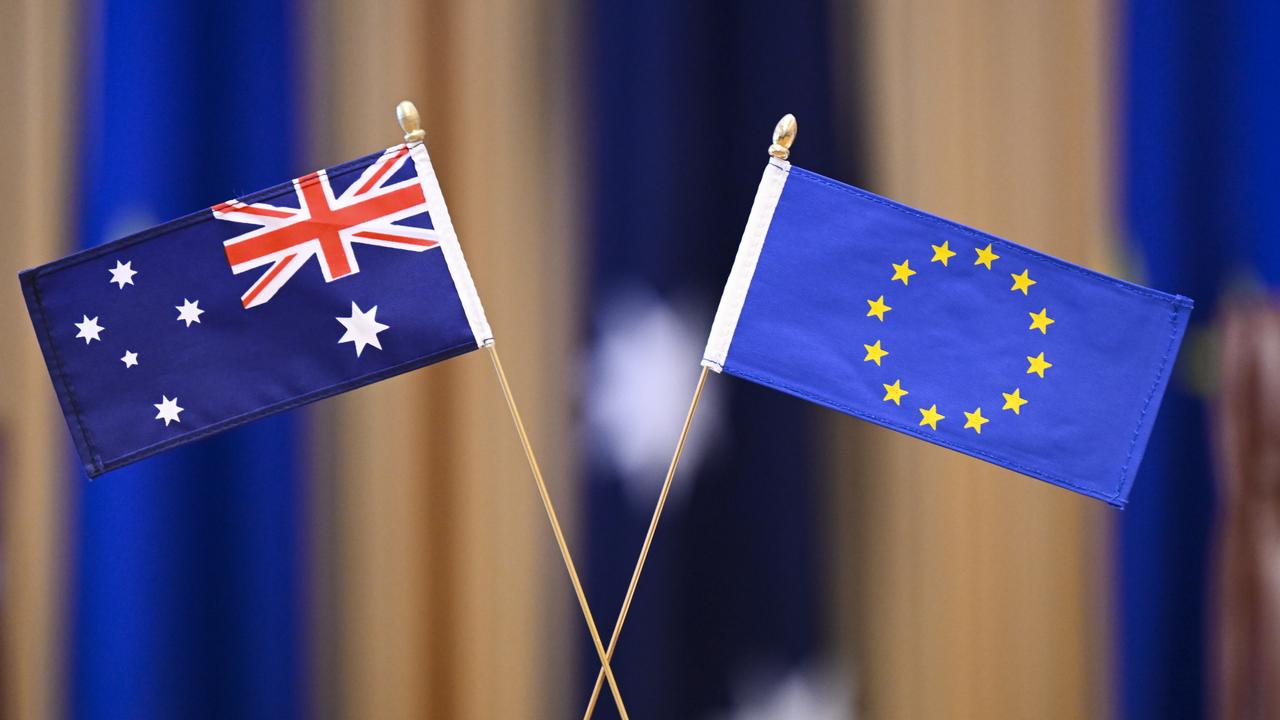
Critics have questioned whether farmers and steelmakers are any better off under the agreement, claiming the EU railroaded Australia with a raft of unequal terms that included slender allowances for products such as meat.
Speaking to reporters on Thursday afternoon, Senator Canavan dismissed reports of friction within the coalition, saying “the Liberals and Nationals have said it’s a bad deal from day one”.
He argued the deal did not serve the national interest, particularly in agriculture.
“For the government now to come out and try and claim that anyone opposed to this deal is somehow protectionist or nativist … is absolutely absurd,” Senator Canavan said.
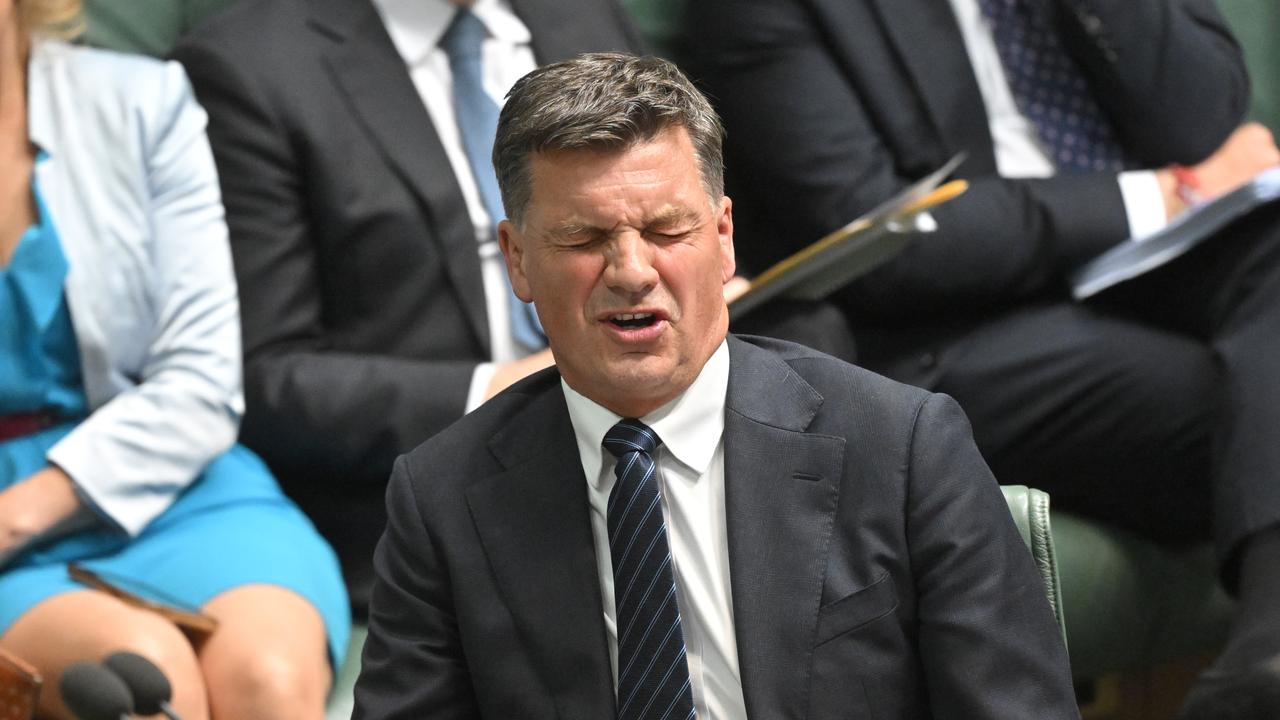
He also repeated his warning the deal’s climate provisions could make Australia’s Paris Agreement commitments legally binding in a way previous trade deals had not, adding it could expose the country to potential court action in Europe.
“All of these things make this deal a deal where we trade off our independence and sovereignty for very little market access,” he said.
Opposition Leader Angus Taylor said the agreement needed to be sent back to the drawing board.
“As it stands, it’s a dud deal,” he said.

Australian Associated Press is the beating heart of Australian news. AAP is Australia’s only independent national newswire and has been delivering accurate, reliable and fast news content to the media industry, government and corporate sector for 85 years. We keep Australia informed.