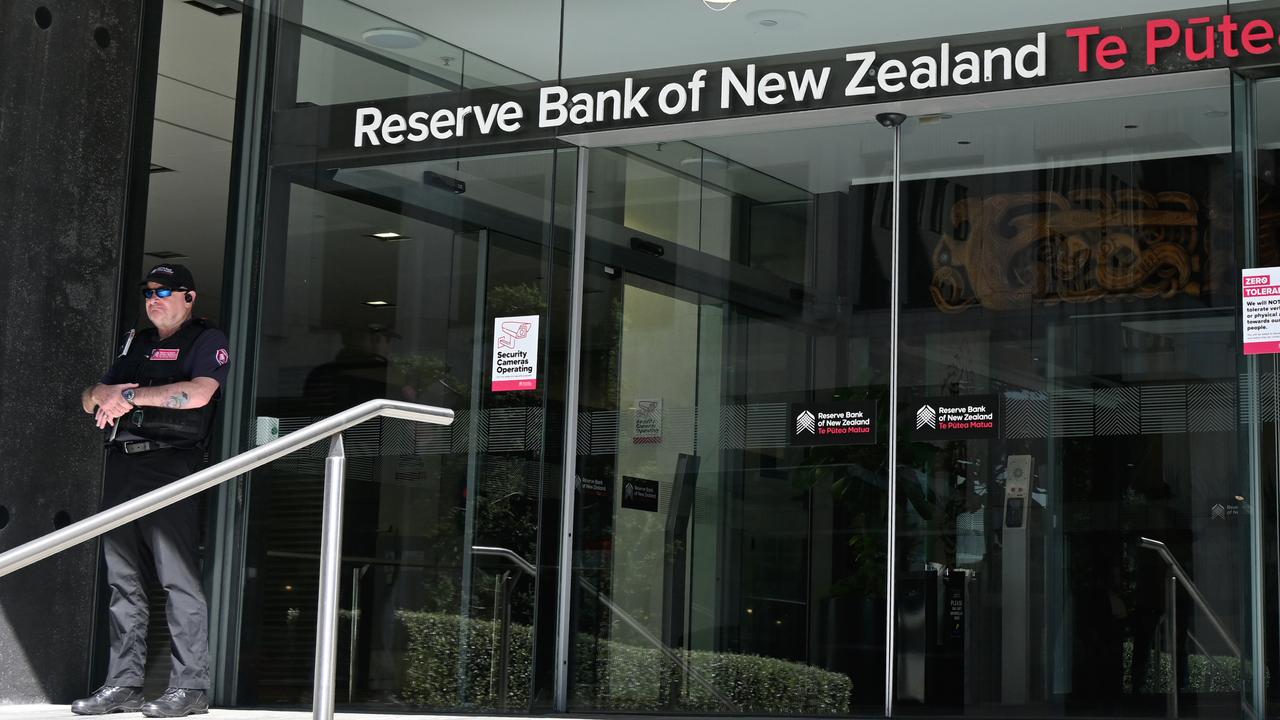

New Zealand’s central bank has defied market expectations and held interest rates in a shock move just days before the November 7 election.
The market had almost fully priced in a hike for Wednesday’s meeting of the Reserve Bank’s (RBNZ) monetary policy committee, which made a 4-3 call to hold at 2.75 per cent.
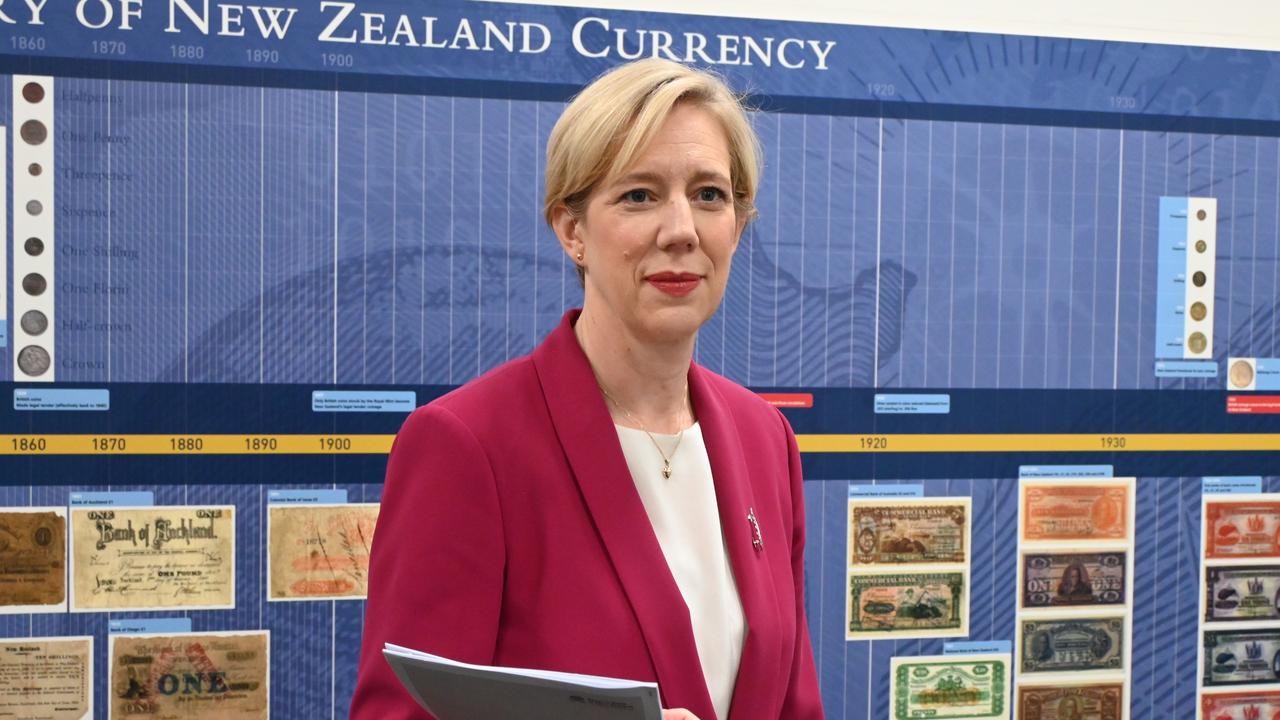
Governor Anna Breman was effectively the casting vote, preferring to watch and see the impacts of two previous hikes in July and September.
The Kiwi dollar, already at 18-year lows against the US dollar, fell further on the call, dropping one per cent.
The “RBNZ stuns with dovish hold” is how Mark Smith, senior economist at the Commonwealth Bank-owned ASB, described the move.
Hikes are almost certainly still coming though, with retail banks and the RBNZ maintaining a future track for at rises in December or early 2027.
The RBNZ’s call this week effectively says headline inflation – running at 3.7 per cent and forecast to top four per cent by year’s end – is largely due to imported causes that a rate rise won’t tame.
Top of that list is fuel costs, which remain elevated following the US war on Iran.
“This is a tough decision,” Ms Breman said, “we have a lot of volatility”.
She also said the risk of an AI-led “market correction” gave the committee pause for thought.
The hold will come as a huge relief to Chris Luxon’s National party and its government coalition partners, who are spared a rate rise just 10 days before polling day.
However, it’s not all good news for the government as the failure to raise rates shows the lack of underlying strength in the New Zealand economy.
Growth has been sluggish during Mr Luxon’s term, hitting a two-year high of 1.7 per cent in the year to June.
At 5.6 per cent, unemployment is also at a 11-year high, while household consumption is running well below private investment.
That’s consistent with what Kiwis have consistently labelled their top issue at this election: the cost of living.
“We’re still seeing resilience which is the good thing, but there’s fragilities as well,” Ms Breman said of the Kiwi economy.
ANZ chief economist Sharon Zollner said headline inflation justified a lift.
“A 25bp hike today would have been the most prudent course,” she said.
“We continue to believe that it will be necessary to lift the OCR to 3.5 per cent in order to head off risks of inflation becoming persistent, and our base case is that the three hikes will come at the next three meetings.”
Mr Smith said the call could leave the central bank with more to do later.
“We are concerned that inflation over 2027 could prove slow to recede,” he said.
“Higher for longer inflation is a major headache for the RBNZ as it risks pressuring inflation expectations and other nominal anchors higher.”

Australian Associated Press is the beating heart of Australian news. AAP is Australia’s only independent national newswire and has been delivering accurate, reliable and fast news content to the media industry, government and corporate sector for 85 years. We keep Australia informed.