
A crucial inflation reading will be the focus of a big week in economics that could rule out or keep alive the chance of more Reserve Bank rate hikes.
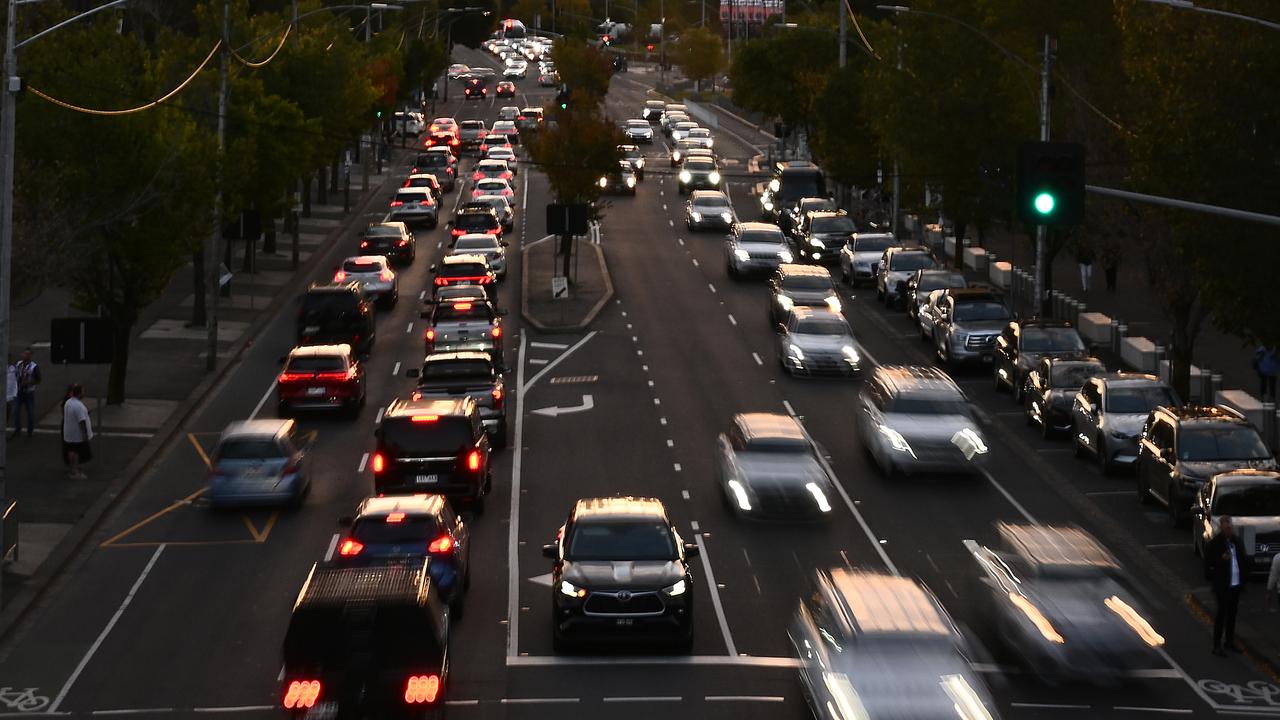
After easing in June, inflation figures on Wednesday are set to show fuel prices bounced back in July.
ANZ Bank economists Madeline Dunk and Jasmine Zheng have forecast the headline consumer price index to rise 0.8 per cent for the month.
However, a softer electricity print compared to 12 months prior will see the annual figure ease 0.6 percentage points to 3.2 per cent, they predicted.
They expect the trimmed mean, which shows growth in underlying prices and is watched closer by the RBA, to lift 0.3 per cent for the month.
That would cause the annual trimmed mean to edge down to 3.5 per cent.
But the re-escalation of the Middle East conflict in July means the RBA is mindful that the battle against inflation is not over yet.
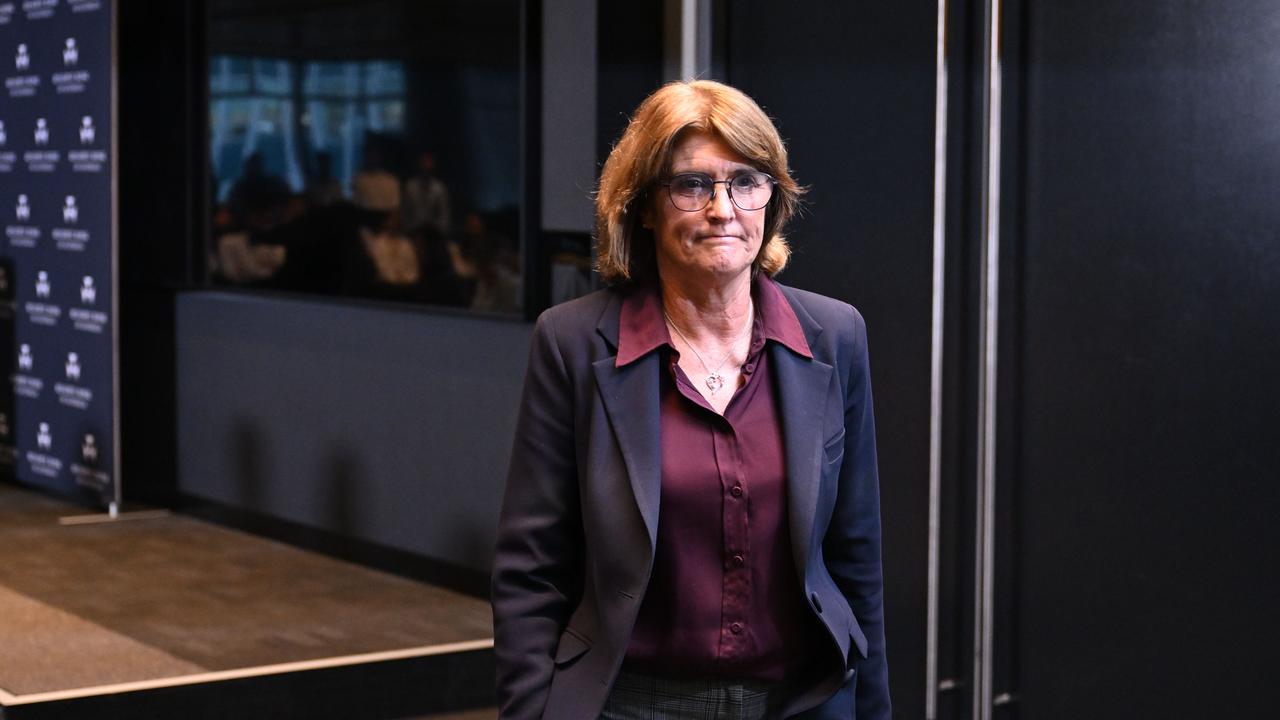
After the bank’s board held the cash rate at 4.35 per cent at its August meeting, governor Michele Bullock said there would be no hesitation in raising rates again if inflation exceeds its forecasts.
“Recent RBA communication has focused on upside risks to inflation,” Ms Dunk and Ms Zheng said in a research note.
“A high 0.3 per cent month-on-month trimmed mean print in July is likely to be a little uncomfortable for the RBA and would keep the November meeting live.”
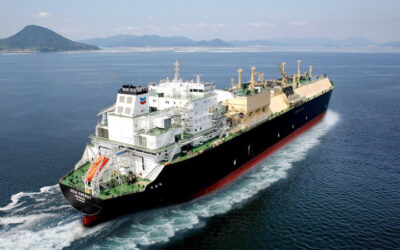
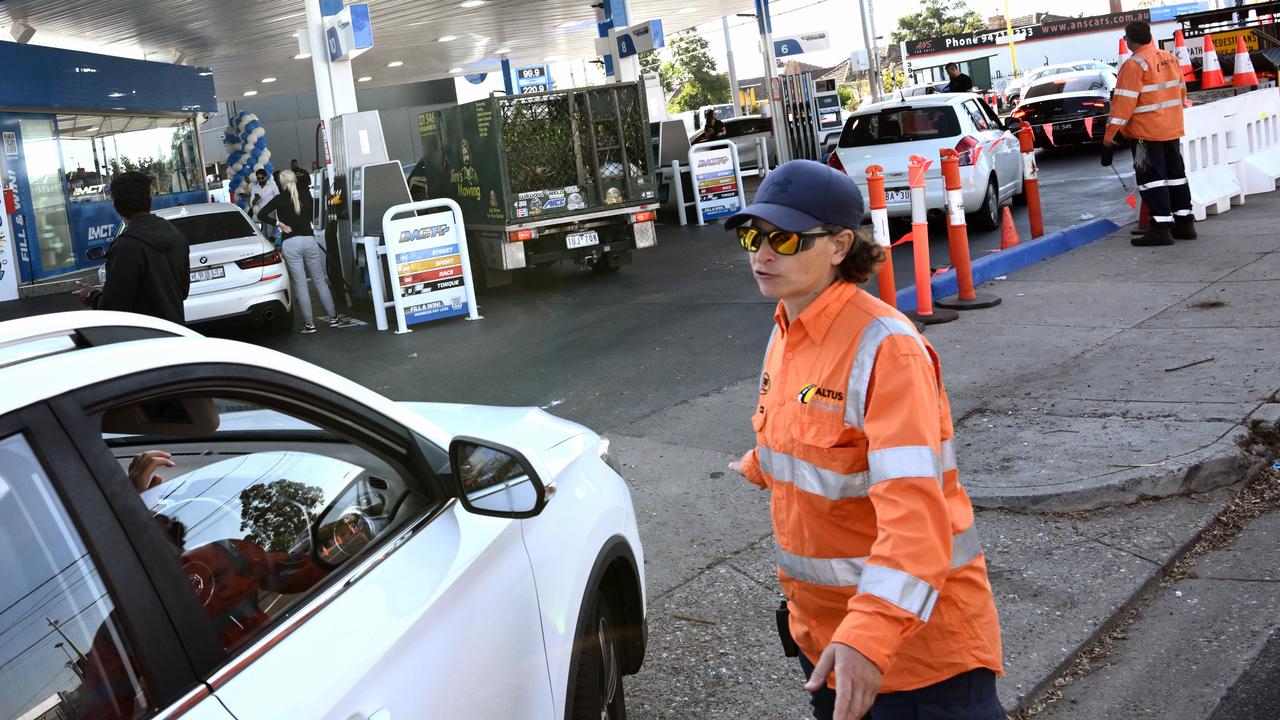
Fuel prices are expected to have risen six per cent in July, according to NAB senior economist Taylor Nugent, reflecting part of the government’s fuel excise cut rolling off and higher oil prices due to a re-closed Strait of Hormuz.
“Fuel prices are set for a larger monthly increase in August, which should support a re-acceleration in year-ended headline inflation next month,” Mr Nugent said.
While inflation is the headline event on the domestic data front, analysts will pore over minutes from the RBA’s last board meeting when they are released on Tuesday.
Household spending figures for July to be released by the Australian Bureau of Statistics on Thursday, will give the central bank another insight into how consumers are coping with higher inflation and interest rates.
Household spending has exceeded RBA expectations in recent months, which deputy governor Andrew Hauser conceded was pushing up demand and inflation.
“One of the interesting slight puzzles for us at the moment in reading the macro economy is that although consumer confidence in the surveys is very, very low, people are very angry and they’re very angry about inflation in particular,” he told the Queensland Futures Institute Annual Regions Summit last week.
“That isn’t feeding through into anything like the kind of weakness in consumption growth that you might naively think it would imply.
“One of the reasons for that is that actually households do have – on average, I should say, not every household – these buffers to dip themselves into.”
Construction data on Wednesday and capital expenditure figures on Thursday will provide further clues about the strength of the economic impulse.
The main US stock indices have meanwhile returned weekly declines marked by investor jitters over fluctuating government bond yields and a lack of clarity on progress in the Middle East.
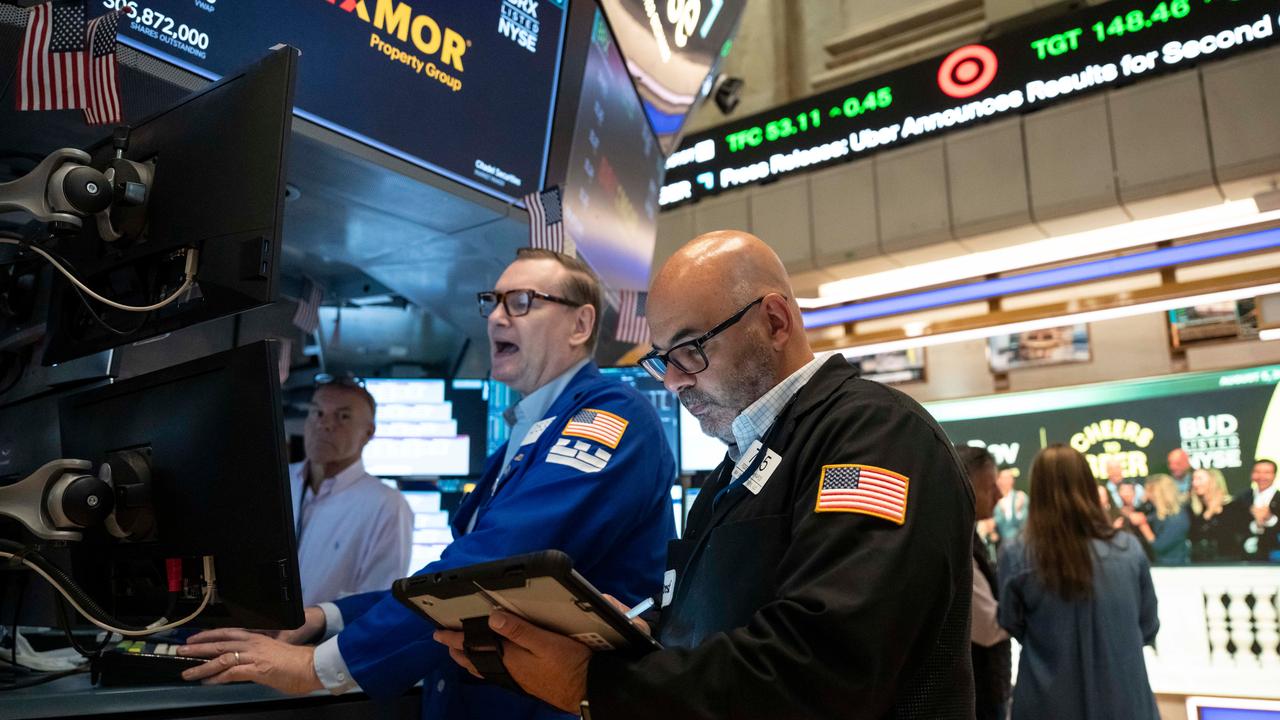
The Dow Jones Industrial Average rose 0.98 per cent, to 53,277.01 on Friday, the S&P 500 gained 0.43 per cent, to 7,674.37 and the Nasdaq gained 0.44 per cent, to 26,180.46.
However, the S&P and tech-heavy Nasdaq snapped three-week winning streaks while the Dow registered its second consecutive weekly loss.
Australian share futures are up 41 points, or 0.45 per cent, to 8,465.
The S&P/ASX200 fell 24.9 points on Friday, down 0.27 per cent, to 9,058.9, as the broader All Ordinaries lost 28.8 points, or 0.31 per cent, to 9,269.7.

Australian Associated Press is the beating heart of Australian news. AAP is Australia’s only independent national newswire and has been delivering accurate, reliable and fast news content to the media industry, government and corporate sector for 85 years. We keep Australia informed.