
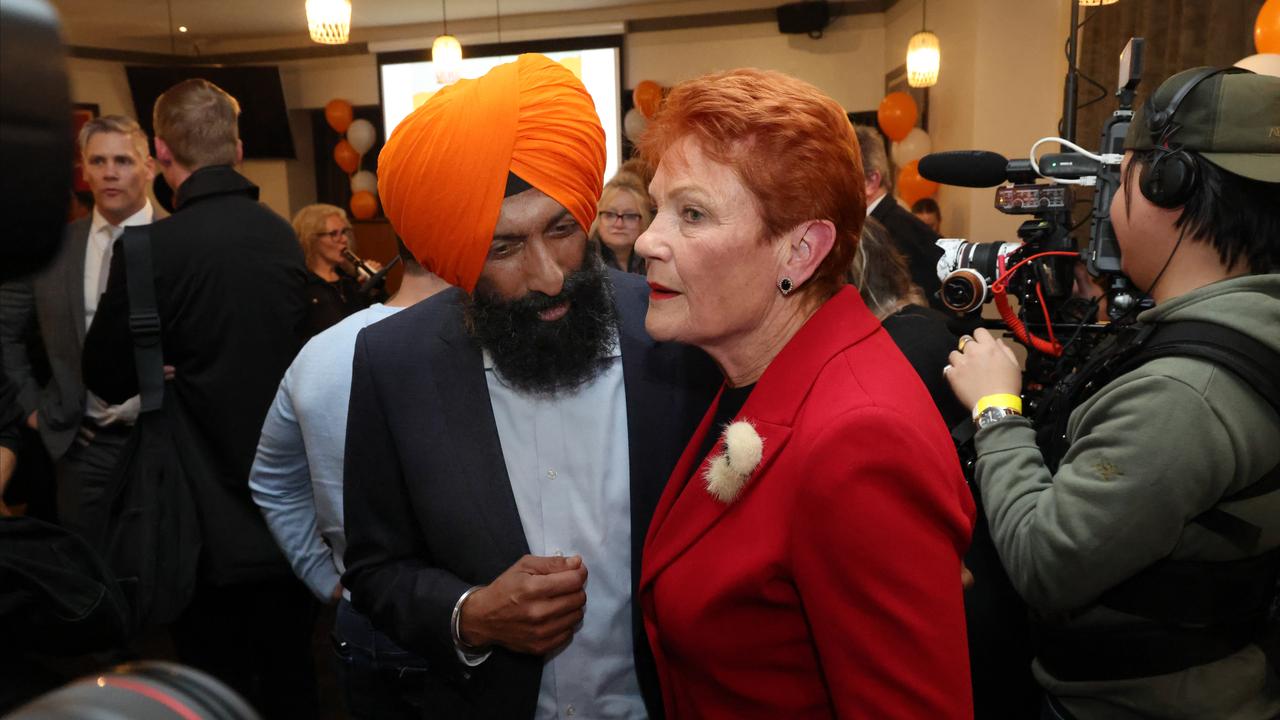
Australian businesses are concerned access to skilled workers will be restricted under government migration reforms, but Pauline Hanson says the issue is the country brings in too many Uber drivers, nail technicians and dog walkers.
The One Nation leader acknowledged Australia had a skills shortage but instead of targeting the workers the economy needed, she said there were too many student migrants, family visa holders and visa overstayers.
Only a fraction of the migrants that had arrived in the country under the Albanese government had been selected for their skills, Senator Hanson said.

An even smaller proportion were in construction and helping add to housing supply, she said.
“It’s been an absolute scam,” she told News24 on Thursday.
“Why bring in so many people that don’t meet the needs that we want in Australia?
“We don’t need any more Uber drivers, nail technicians, dog walkers. These people: gone. Stop all that.”
Her latest comments come after One Nation’s rise in the polls has spurred a re-think on migration in Labor and the coalition.
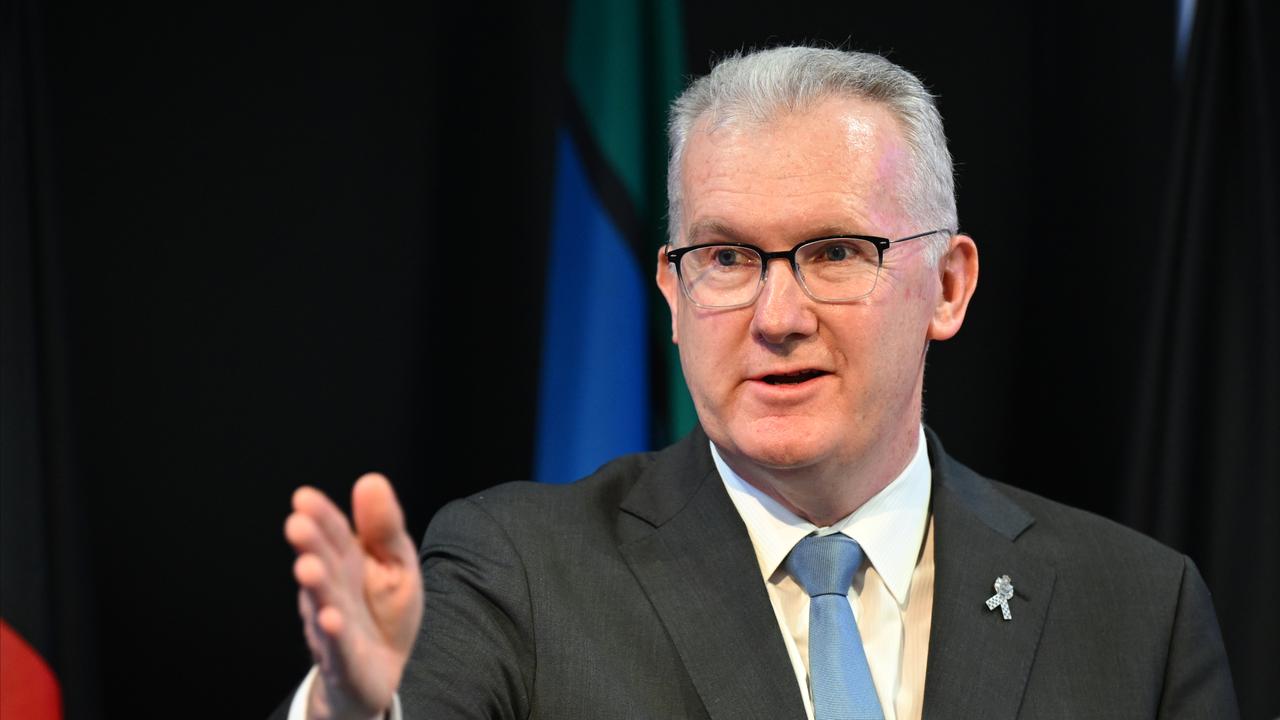
Home Affairs Minister Tony Burke was set to announce significant changes to Australia’s migration settings in an address to the National Press Club this week, but the speech was abruptly cancelled among internal disagreement over the policy.
The issue was complicated by Prime Minister Anthony Albanese’s absence on leave.
Despite Mr Albanese returning to work on Thursday afternoon, the policy is still not expected to be announced during the upcoming sitting week, which begins on Tuesday.
However, changes are already being made to the system.
In a ministerial direction quietly issued in late July, Mr Burke instructed the department to prioritise visa applications from migrants already in Australia ahead of people applying from overseas.
The change is expected to have the effect of lowering the closely-watched net overseas migration figure, while making it harder for employers to access skilled labour from overseas.
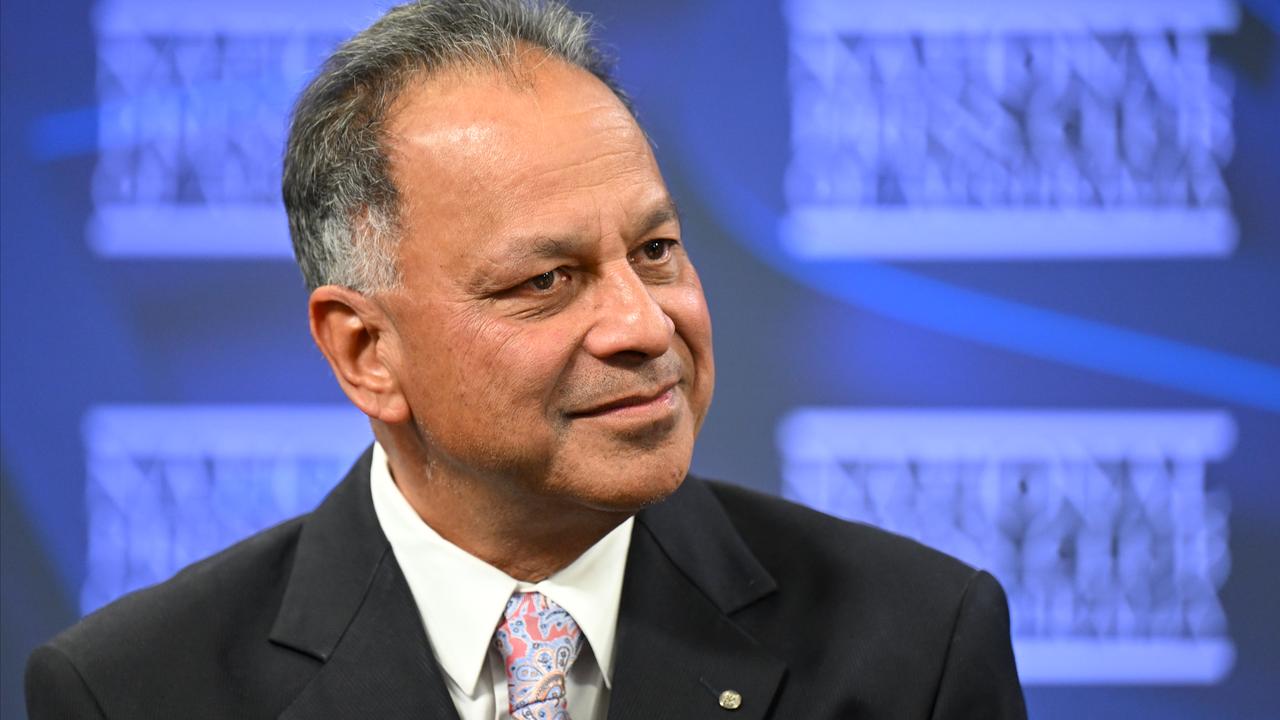
Migration expert Abul Rizvi said the change would bring the figure – which measures residents moving to Australia minus those that leave – slightly closer to the government’s target of 225,000 a year from the current level of 301,000.
But the impact should not be overstated, he said.
“At the moment, around 65 per cent of the skills stream is people already in the country,” he told AAP.
“They want to change the order of process so the proportion of people in the country rises to 70 per cent.”
The likely result would be processing times for off-shore applicants rising by a couple of weeks in the context of many, many months that it already takes, said Mr Rizvi, a former deputy secretary of the Department of Immigration.
Employer groups, including in the mining and construction industries, have warned against any attempt to make it harder to access overseas workers amid ongoing skills shortages.
The WA Chamber of Commerce and Industry called for the state to be exempted from any federal cuts to skilled migration because its economy was “not like the rest of the country”.
“We support a simpler migration system, but WA desperately needs skilled workers across a whole range of industries,” the chamber’s chief executive Will Golsby said.
WA Premier Roger Cook wrote to the federal government in late 2025, asking for it to reconsider reducing the state’s share of skilled migration places.

Australian Associated Press is the beating heart of Australian news. AAP is Australia’s only independent national newswire and has been delivering accurate, reliable and fast news content to the media industry, government and corporate sector for 85 years. We keep Australia informed.