
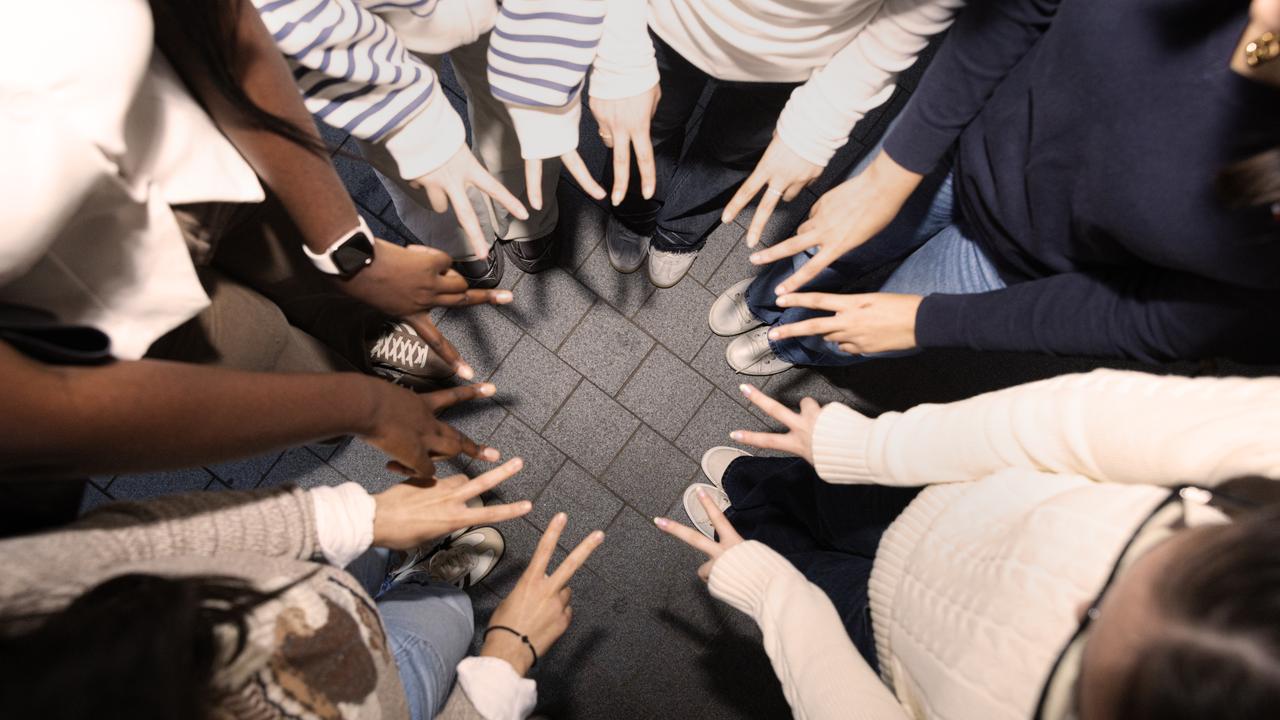
For most uni students, the end of semester means handing in an assignment and waiting for a mark.
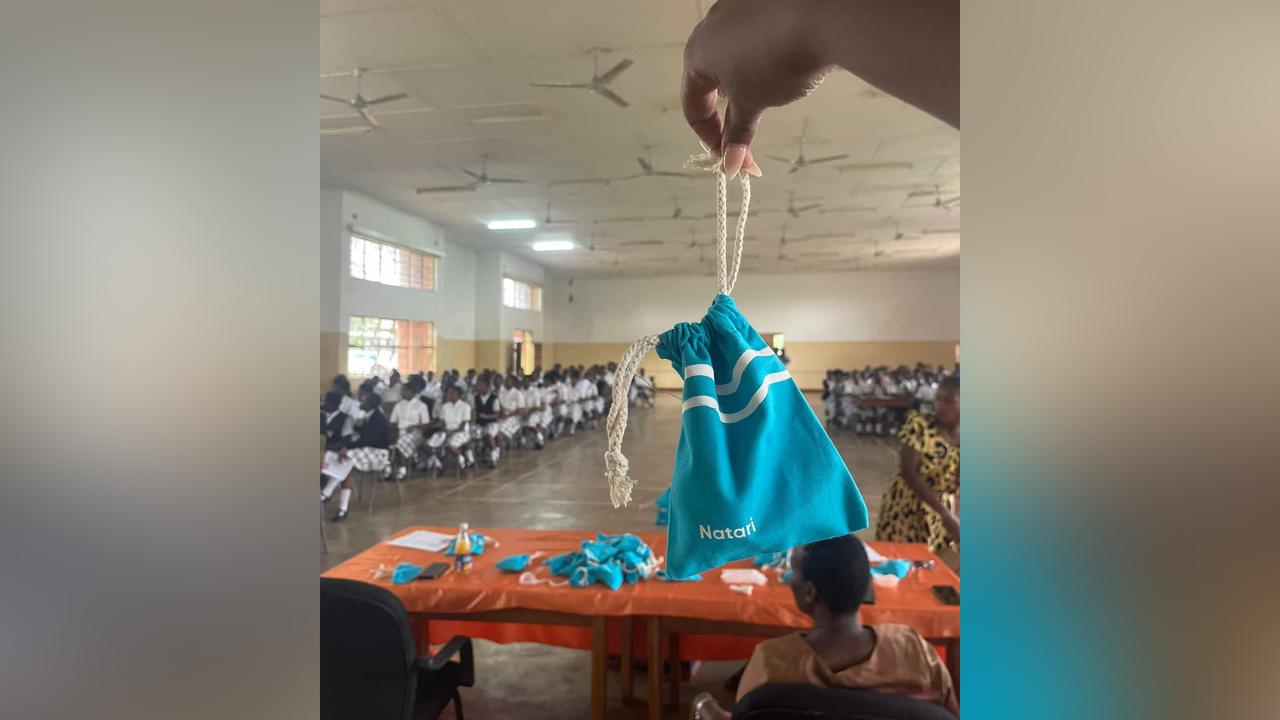
For six University of Sydney medical science undergraduates, it meant delivering 1000 menstrual cups to girls in rural Zambia, helping tackle period poverty and improving school attendance half a world away.
The project began as a classroom exercise asking students to devise a solution to a health problem anywhere in the world.
Instead of leaving the idea on paper, the group raised more than $4000, sourced reusable menstrual cups from China.
They then worked with health and education officials in Zambia to run a public education campaign, navigated international customs processes and delivered the products to two schools in the remote Chipangali district.
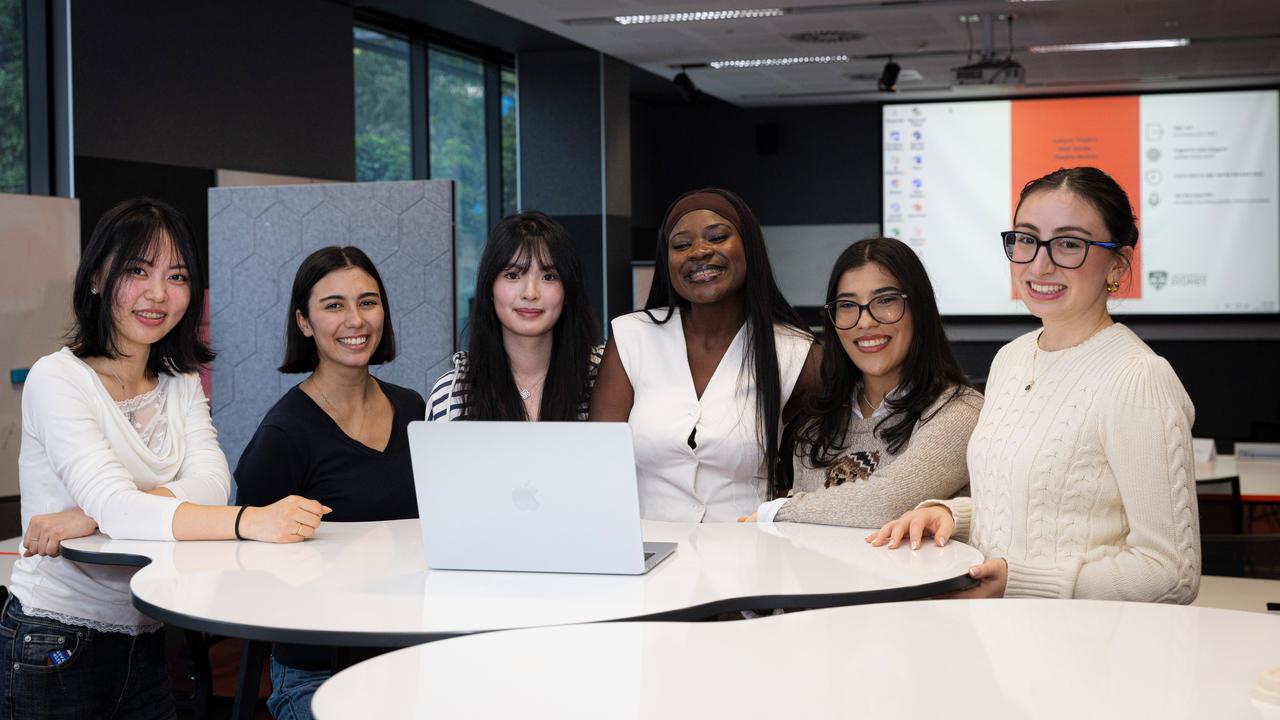
The impact has been immediate.
Local officials say the project has produced a “measurable improvement in absenteeism” among menstruating girls while improving educational outcomes.
The education campaign was crucial, according to Chipangali Town Council Secretary Faustina Manjombi.
“Public education is really important,” she says.
“In this community, there are some fears and cultural perceptions about the cups that we need to diffuse but the cups have been received positively and the girls are using them.”
For Zambian international student Misozi Olivie Lubusha the project was never simply about completing a university subject.
She had witnessed the inequalities in her home country’s healthcare system first-hand.
While shadowing doctors in a public hospital in Lusaka, she met women who faced months-long waits for diagnostic tests they could not afford privately.
She had also seen rural health posts with just two nurses caring for thousands of people while lacking basic medicines.
Those experiences helped shape both her ambition to become a doctor and the group’s decision to tackle menstrual poverty.
“We wanted something that would have real impact,” Ms Lubusha says.
Research showed girls were missing school because they lacked access to sanitary products.
Disposable pads helped temporarily but menstrual cups offered a sustainable solution that could last for years.
“We believe that no girl should be hindered to the fullest potential of education because of something that’s beyond their control,” Ms Lubusha tellsd AAP.
The daughter of Zambian MP Andrew Lubusha, she hopes to study medicine after graduating this year, and says the experience has strengthened her resolve to return home and serve others.
“I understand the privilege that I have,” she says.
“My plan is to use this world-class education and ultimately … take that back home to empower other people.”
She says her desire to serve is grounded in the belief everyone has a purpose and a responsibility to help others.
That philosophy is reflected in the project’s name, OUUN2, derived from an African concept meaning “I am because we are”.
The project, completed in just 13 weeks, represents more than just a successful grade, says senior lecturer Martin Brown.

At a time when artificial intelligence is fuelling fears about the future of work and whether young people are becoming disengaged or redundant, it offers a compelling reminder.
These are uniquely human qualities machines cannot replicate: empathy, judgment, persistence and the determination to solve problems that matter.
Watching the students transform an assignment into an international public health initiative challenged many assumptions about the next generation, Mr Brown says.
“Young kids get a bad rap,” he tells AAP.
“They’re very thoughtful … they care about things.”
Rather than asking students to write traditional essays, Mr Bown wanted them to grapple with real problems and practical solutions.
“I want to put the reins in their hands and ask them to engage with the world in any way they want,” he says.
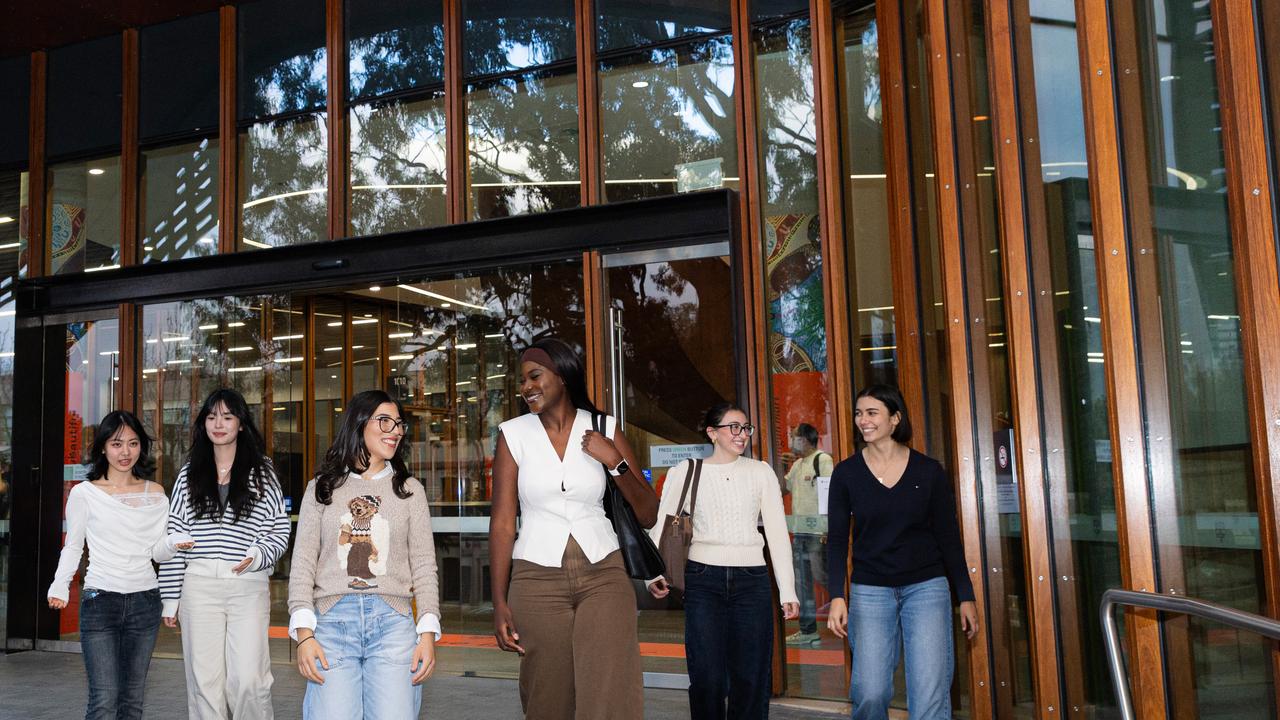
The menstrual poverty project quickly became one of the most ambitious he has seen.
The students researched, organised fundraising events, enlisted friends and family, and secured a discounted shipment of menstrual cups from Chinese manufacturer Natari after falling short of their financial goal.
They even studied how the United Nations moves humanitarian supplies through customs to help get their shipment into Zambia.
“They researched the problems, they pivoted when they had to, they formed relationships, they analysed what the barriers were,” Mr Brown says.
“Nothing fazed them; anything that came up, they just worked around it.”
The students knew they could not solve every healthcare challenge confronting rural Zambia. Instead, they looked for one problem where a relatively simple intervention could make a lasting difference.
The group worked with local officials to develop educational material in local languages and address cultural concerns surrounding menstrual cups, helping ensure they would actually be used once they arrived.
Mr Bown believes such projects have become even more valuable as artificial intelligence reshapes learning.
“AI is disrupting tertiary education because it does all of the low level thinking things so well,” he says.
“I think we have to be getting our students to focus on judgment, critical thinking and skills like research and collaboration.”
“It’s not an essay in that sense. You have to actually make something happen.”
The students are already exploring future shipments to Zambia.
Their assignment may be over but the work they started is not.

Australian Associated Press is the beating heart of Australian news. AAP is Australia’s only independent national newswire and has been delivering accurate, reliable and fast news content to the media industry, government and corporate sector for 85 years. We keep Australia informed.