
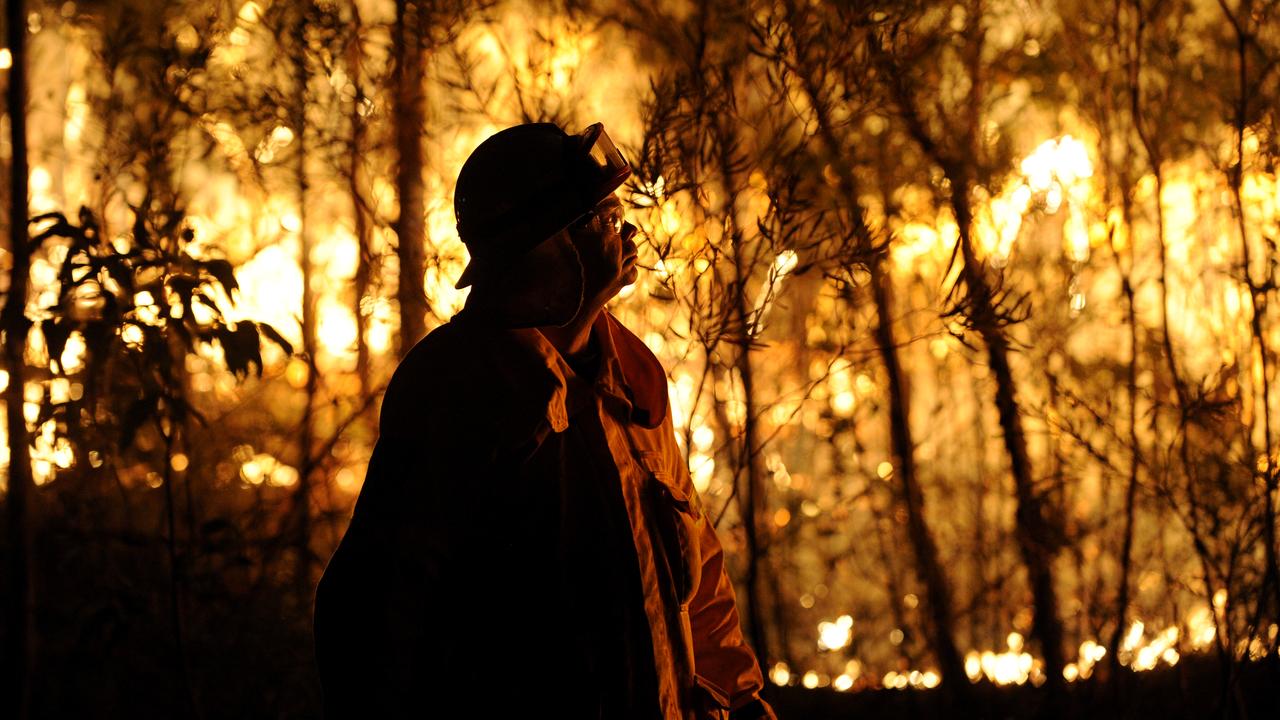
Fire-resistant home upgrades have rocketed to the top of the to-do list for Jem Gay.
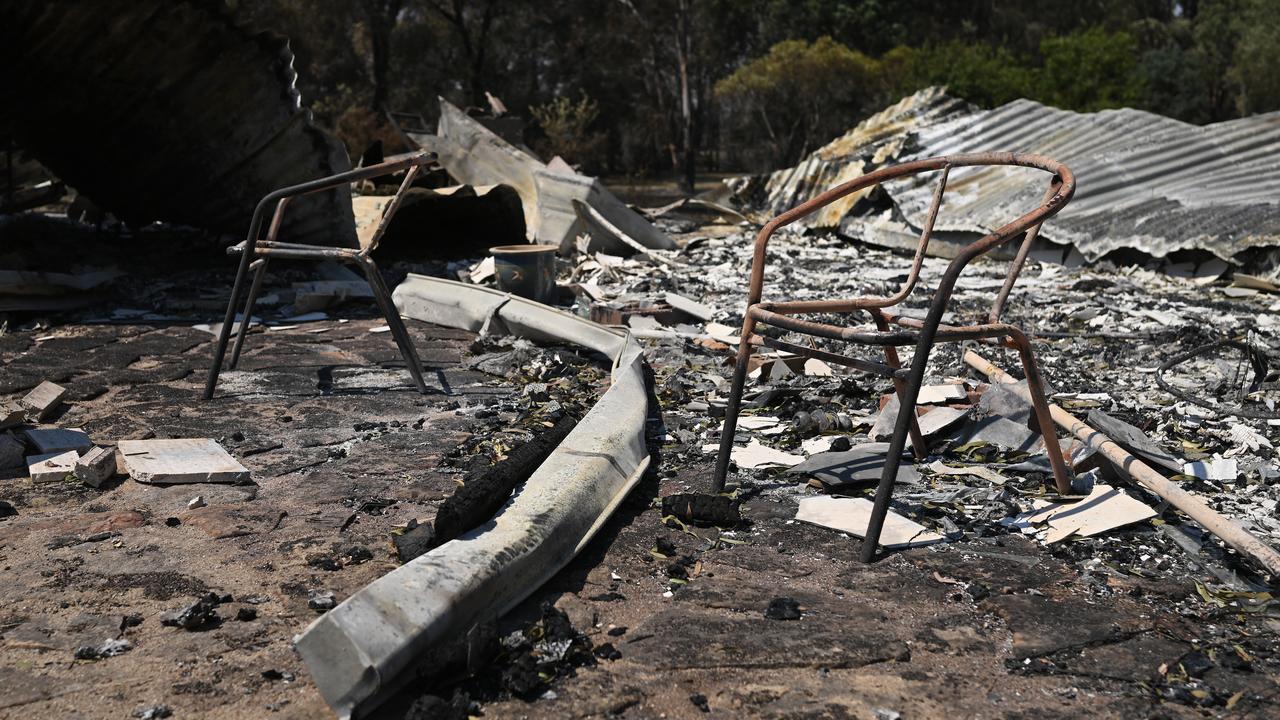
Summer bushfires that tore through more than 4000 hectares and destroyed 50 buildings in Harcourt in central Victoria were too-close-for-comfort for the residents of nearby Castlemaine.
The family made the decision to leave early due to dangerously hot and windy conditions and were halfway to Melbourne when the main blaze ignited.

A wind change could have easily swung the fire-front towards their home, leaving the family-of-three waiting nervously until the flames were controlled.
Gay has since pulled the trigger on retrofits to make the two-bedroom house safer.
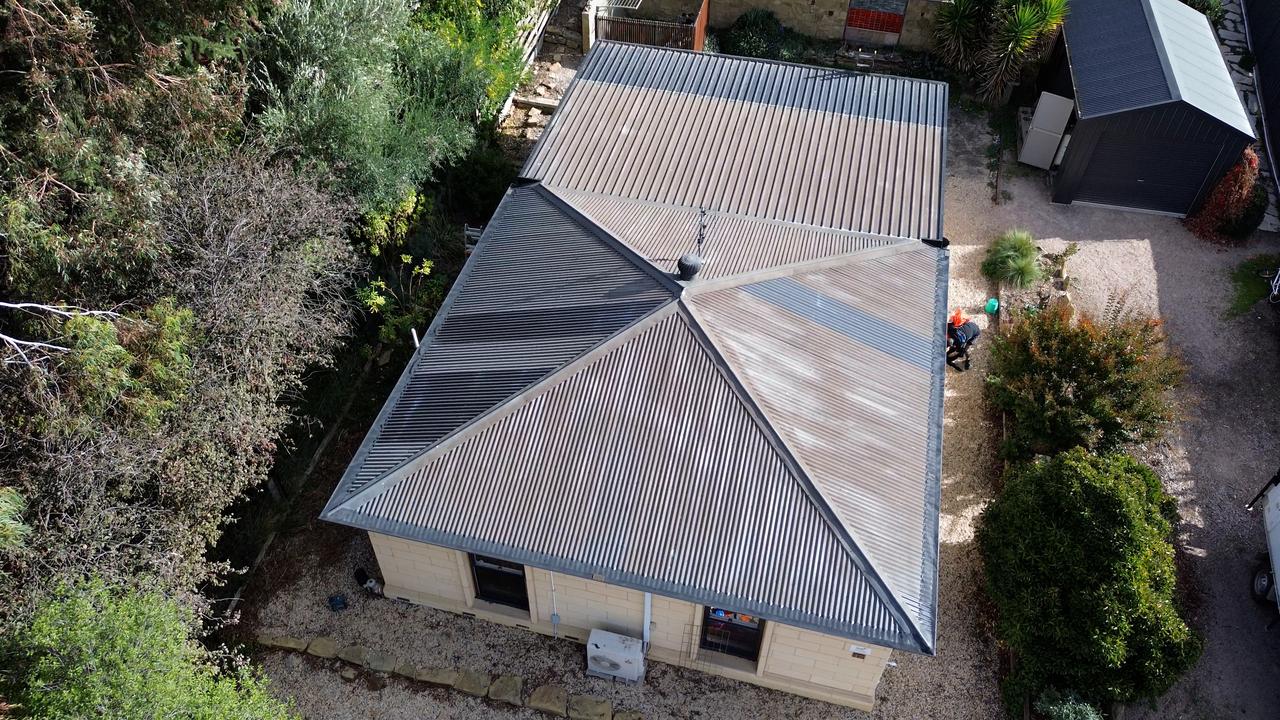
A bushfire resilience assessment initially scored the home a two-out-of-five – a worryingly low rating for such a the fire-prone area but not uncommon.
Leaves clogging gutters and catching underneath eaves was the most pressing hazard identified, with windborne embers settling and igniting responsible for far more blackened homes than direct flames.
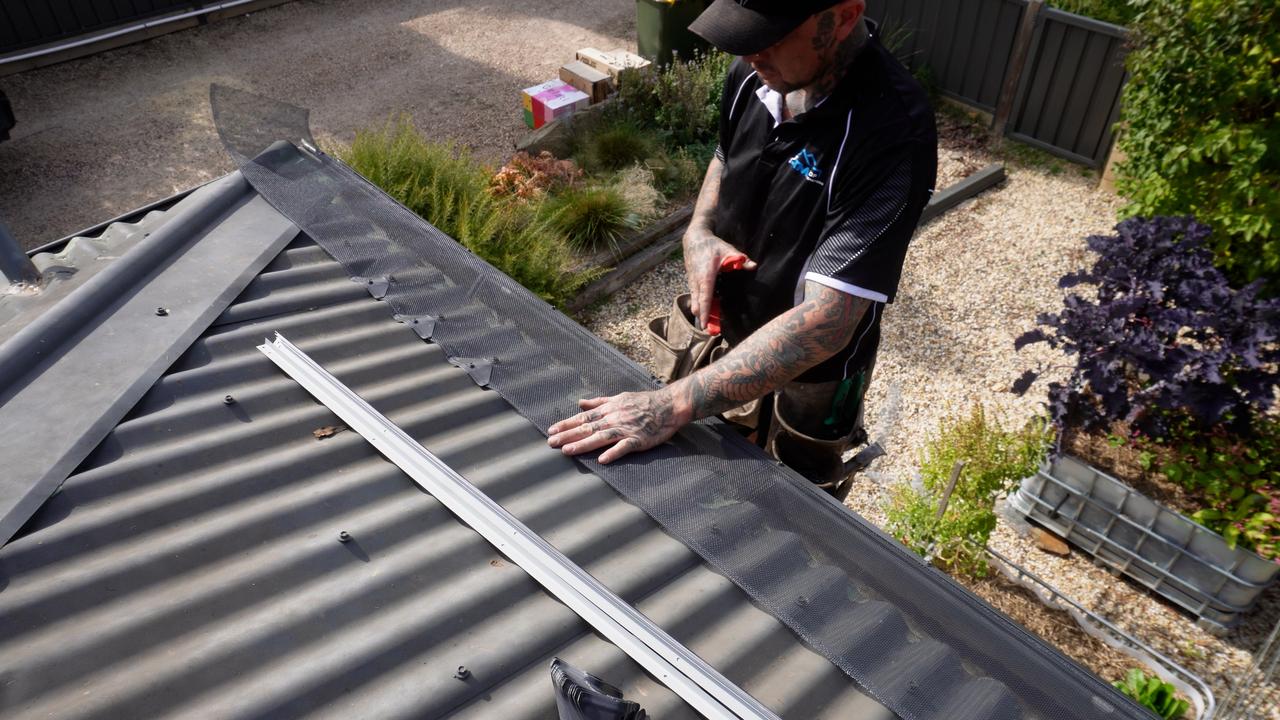
Trimming overhanging branches and installing gutter guards – mesh covering that allows water in but keeps leaves out – have lowered the risk, along with roof sealing and maintenance so cinders have fewer potential spots to settle and ignite.
While there’s always more to do, the $10,900 spent so far has boosted the home’s bushfire resilience rating to three stars.
As well as the assurance the home and its contents have a better chance of surviving a blaze, the upgraded rating qualifies the household for insurance discounts.
“If the house has more chance of surviving in a fire, then we don’t need to pay for as much protection,” Gay tells AAP.
“Insurers should honour that our house is less risky.”
Discounted premiums have largely been made possible by undergoing an assessment through the Resilient Building Council’s free and voluntary app, a program supported by $3.2 million from the federal government.
Insurance companies that recognise it have a standardised framework to assess risk and can commit to premium discounts before tradies start work.
In turn, homeowners have the confidence to go ahead.
Insurers have traditionally been better at pricing in higher fire risk than discounting for the lower likelihood of catching alight, says Financial Rights Legal Centre principal of external relations and advocacy Julia Davis.
“If you call your insurer and say, ‘What can I do around my property that will make it safer so that my insurance doesn’t keep going up and up?’ they can’t tell you anything,” she tells AAP.
Without financial incentives to upgrade, Australia’s building stock has become increasingly exposed to bushfires and other climate change-fuelled disasters.
Home insurance premiums have subsequently climbed 51 per cent in five years, according to data analytics firm Finity.
The community legal centre had long been campaigning for an independent, trustworthy source of information for home-owners interested in upgrading their homes, and that is verifiable by insurers.
The RBC’s bushfire rating scheme is doing just that, Ms Davis says.
The not-for-profit has recently managed to bring NAB and Commonwealth Bank on board, marking a major expansion of its insurer coverage.
“If given clear expert advice, people will act, they will reduce their risk,” RBC chief executive Kate Cotter said when announcing the new participants earlier in July.
“And now they’re being rewarded by more than half of the insurance industry.”
Ms Cotter says take-up has exceeded 60,000 households and insurance savings of between $50 and $840 have been achieved.
Savings of a couple of hundred dollars is fairly modest for homeowners facing annual insurance bills in the tens of thousands, Ms Davis acknowledges.
Yet bigger discounts can be expected if the program is expanded to floods and other perils, as is being piloted.
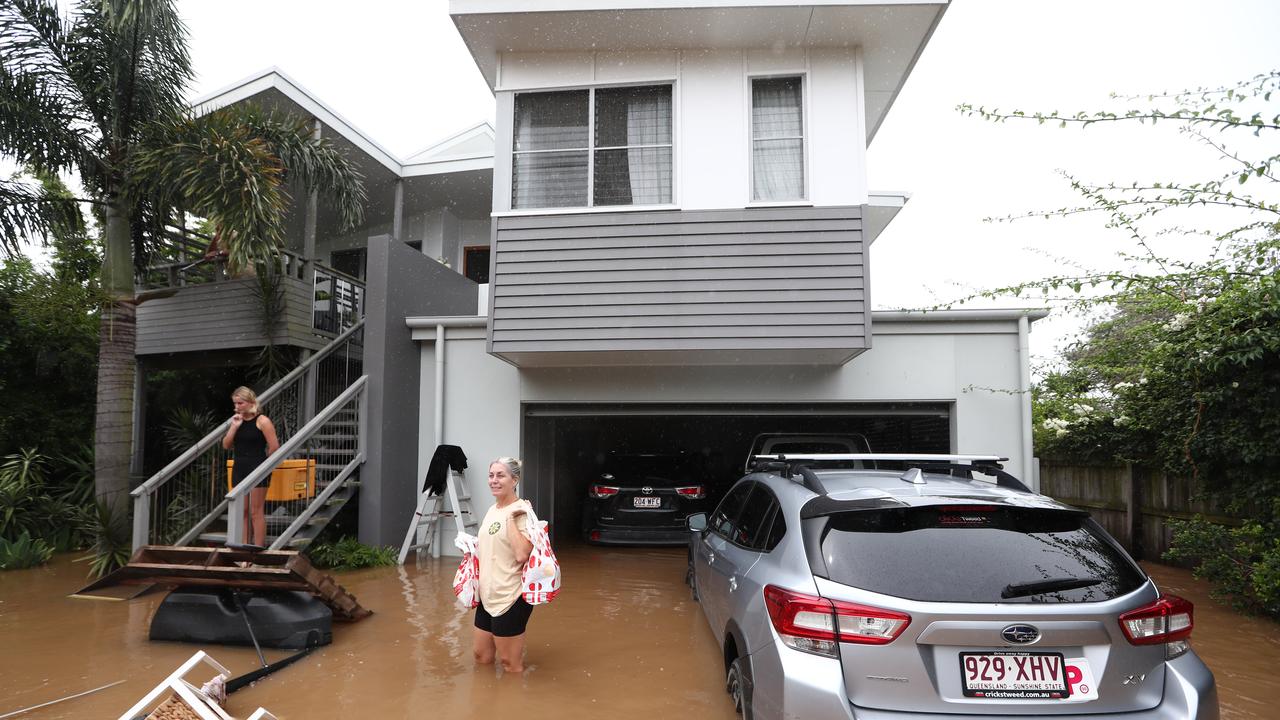
Indeed, she views a scaled-up – and ideally mandatory – resilience rating system as central to managing climate risk, with Australians acutely vulnerable to disasters as personal wealth is largely tied up in the family home.
Ideally, banks would rely on a resilience ratings to offer discounted financing for home upgrades, for example, and scores would be disclosed at the point of sale.
Failing to act meaningfully could leave banks and other financial institutions exposed by a growing cohort of mortgage-holders without adequate insurance coverage, Ms Davis warns.
“The whole financial system becomes precariously more at risk.”

Australian Associated Press is the beating heart of Australian news. AAP is Australia’s only independent national newswire and has been delivering accurate, reliable and fast news content to the media industry, government and corporate sector for 85 years. We keep Australia informed.