New Zealand is fast-tracking gold projects and courting mining investors as soaring bullion prices revive a sector long in decline, testing the country’s “100 per cent Pure” brand as the government looks for ways to lift a weak economy.
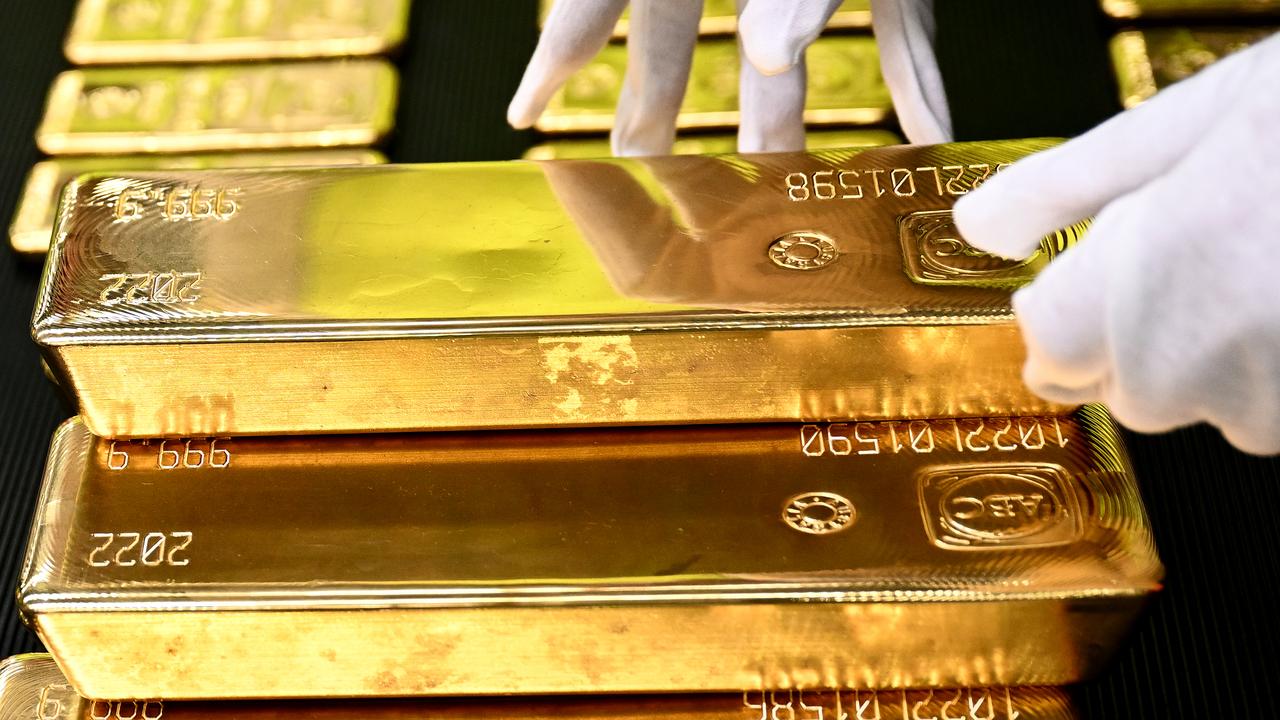
NZ’s gold production is on track to double by the mid-2030s to its highest in at least three decades, according to Reuters calculations, helped by two new projects already approved and a third awaiting a final decision.
That would put the country on course to exceed the government’s target of lifting annual mineral exports, including coal and silver, to $NZ3 billion ($A2.5 billion) by 2035.
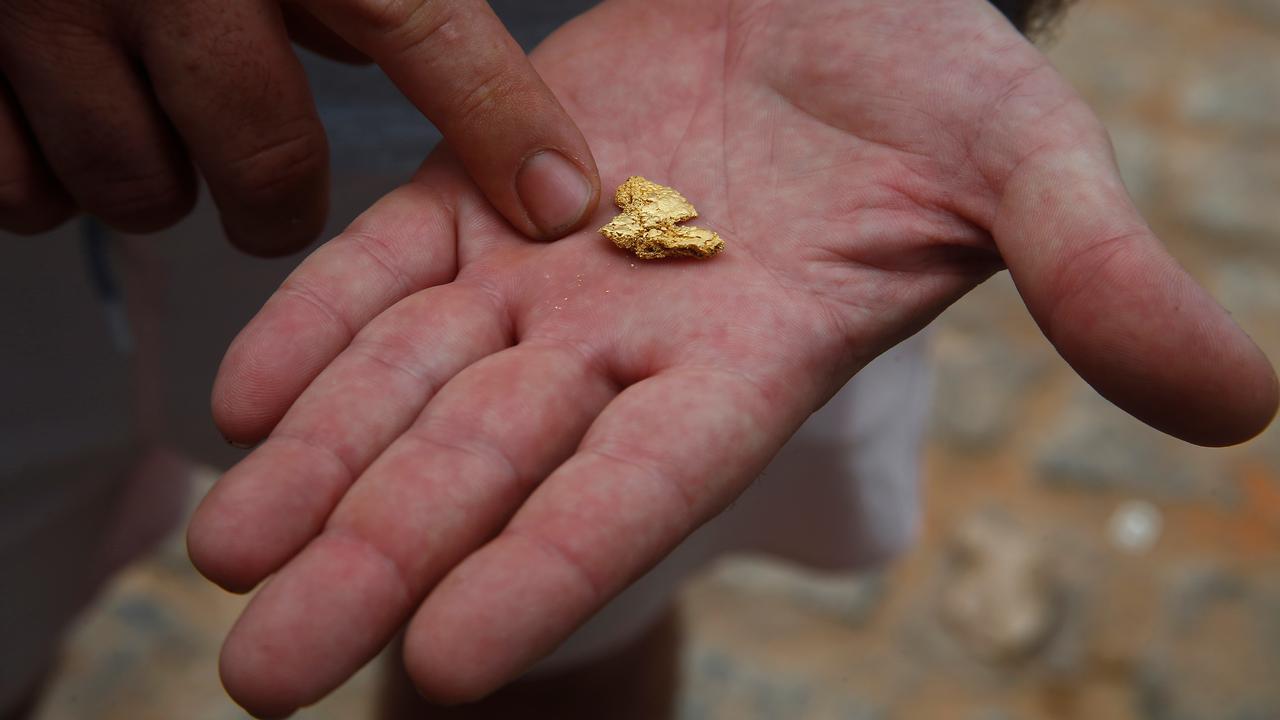
Miners see potential in the under-explored nation as its government acts to boost jobs amid near decade-high unemployment and weakening business sentiment.
NZ granted 163 new permits for prospecting, mining and exploring in 2025, up 16 per cent from a year earlier, government data shows.
But the push is stirring concern among environmentalists and parts of the agricultural sector that a bigger mining footprint could damage the pristine, natural image projected in marketing for NZ’s tourist spots and exports.
The revival faces two major tests in 2026: the future of existing policies beyond a hotly contested November 7 election and whether a controversial project wins a final approval.
“New Zealand has been under-recognised as a mining jurisdiction for a long period of time,” said Jake Klein, who founded Australia’s No.2 gold miner Evolution Mining, and chairs Endura Mining, whose Snowy River project is set to start production in December.
“The mining industry likes to discover new jurisdictions … but it’s going to be dependent on success and consistency of government policy,” he said.
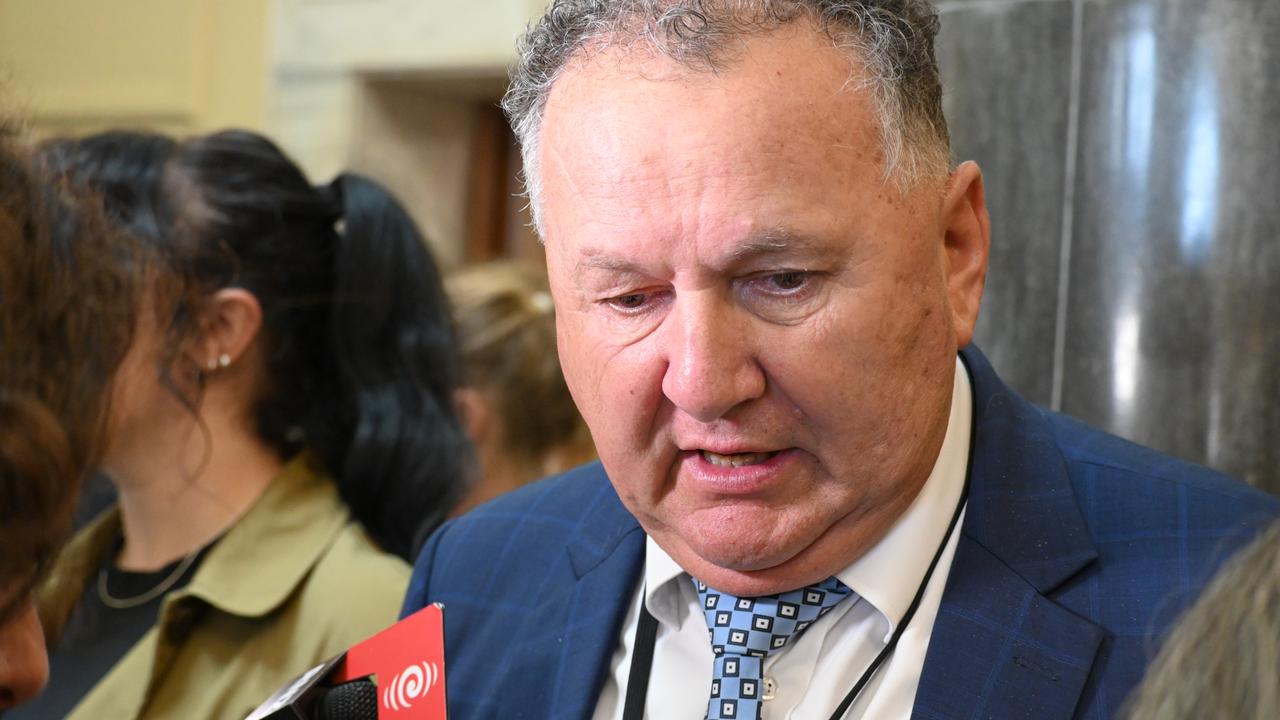
Resources Minister Shane Jones told Reuters the government, which last month slashed its economic growth forecast to 2.3 per cent for 2027, was committed to supporting the industry.
“Our economy needs every arrow in the economic quiver shot with amazing accuracy,” he said.
Gold is a rare economic bright spot. Export revenues have nearly tripled in three years to $NZ1.83 billion, accounting for 2.3 per cent of total goods exports compared with 0.9 per cent in 2022.
To help revive a sluggish economy, New Zealand passed a law in late 2024 aimed at speeding approval times for selected major infrastructure, mining and energy projects to months from years.
The fast-track consenting allows those developments to bypass some standard regulatory processes and limits public consultation and legal challenges.
The opposition Labour Party has said it would fix the law so environmental protections cannot be overridden.
Canadian-listed OceanaGold won approval under the fast-track process, and Santana Minerals is awaiting a decision under the streamlined system.
Snowy River is set to add 250 regional jobs and at least $NZ350 million annually to the country’s export revenue, according to government estimates.
New Zealand’s biggest gold producer, OceanaGold, expects to invest $NZ1 billion at its Waihi North project, starting production in 2032.
Michael Gordon, a senior economist at Westpac, said while mining was highly productive, much of the benefit would flow to mine owners rather than transform the wider economy.
The gold mining debate is sharpest in Central Otago, on New Zealand’s South Island, where Australian-listed explorer Santana Minerals is awaiting consent for its Bendigo-Ophir gold project, with a decision due by October 29.
Santana Minerals CEO Damian Spring, a New Zealander who lives an hour’s drive from the proposed mine, pointed to the high-paying regional jobs the mine would create.
“Responsible mining is not a contradiction in terms here. It’s a choice New Zealand is making,” he said. The proposed mine would contribute an average $NZ360 million a year to GDP and directly employ 351 people, according to government estimates.
But it faces opposition from wineries, heritage and environmental groups.

Central Otago wine interests are concerned the open-cast mine could threaten water supplies and expose vineyards to airborne pollutants, undermining a premium wine industry built over decades.
Actor Sam Neill, who owns the Two Paddocks winery in Central Otago, warned that, if approved, Santana’s mine could be followed by other miners.
“This would be disastrous. #ravageandpillage,” he said in an emailed comment to Reuters.

Australian Associated Press is the beating heart of Australian news. AAP is Australia’s only independent national newswire and has been delivering accurate, reliable and fast news content to the media industry, government and corporate sector for 85 years. We keep Australia informed.